
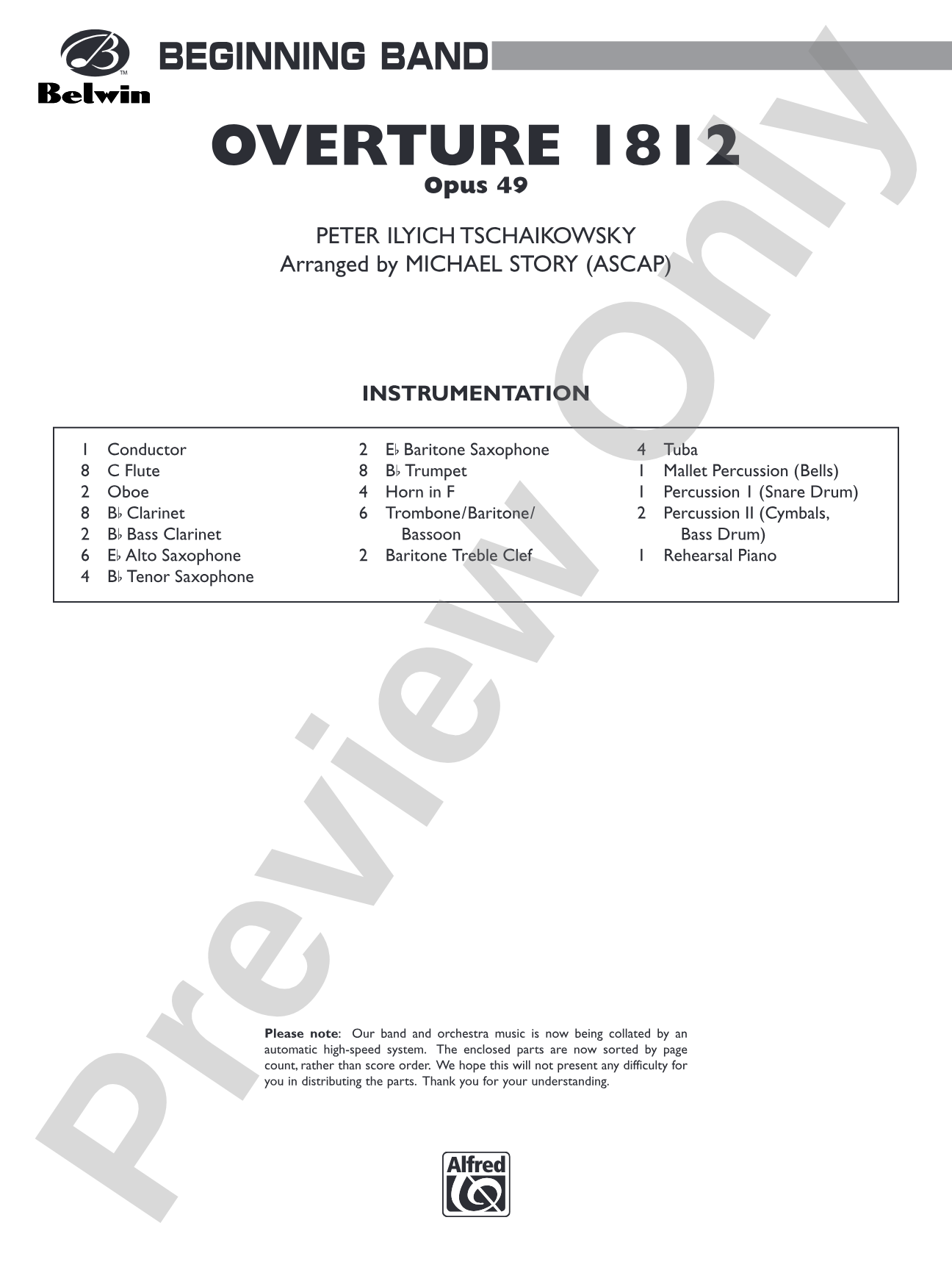
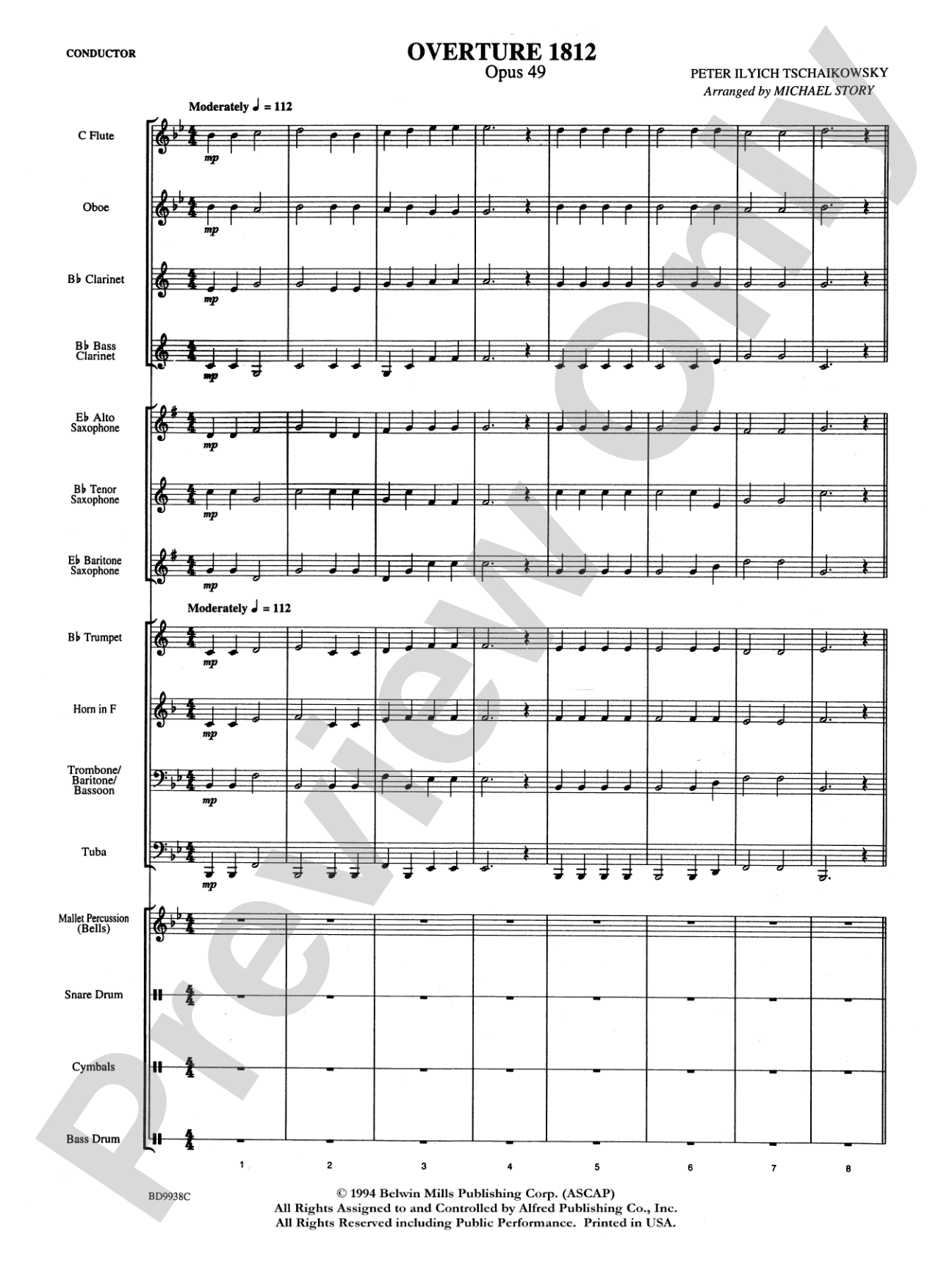
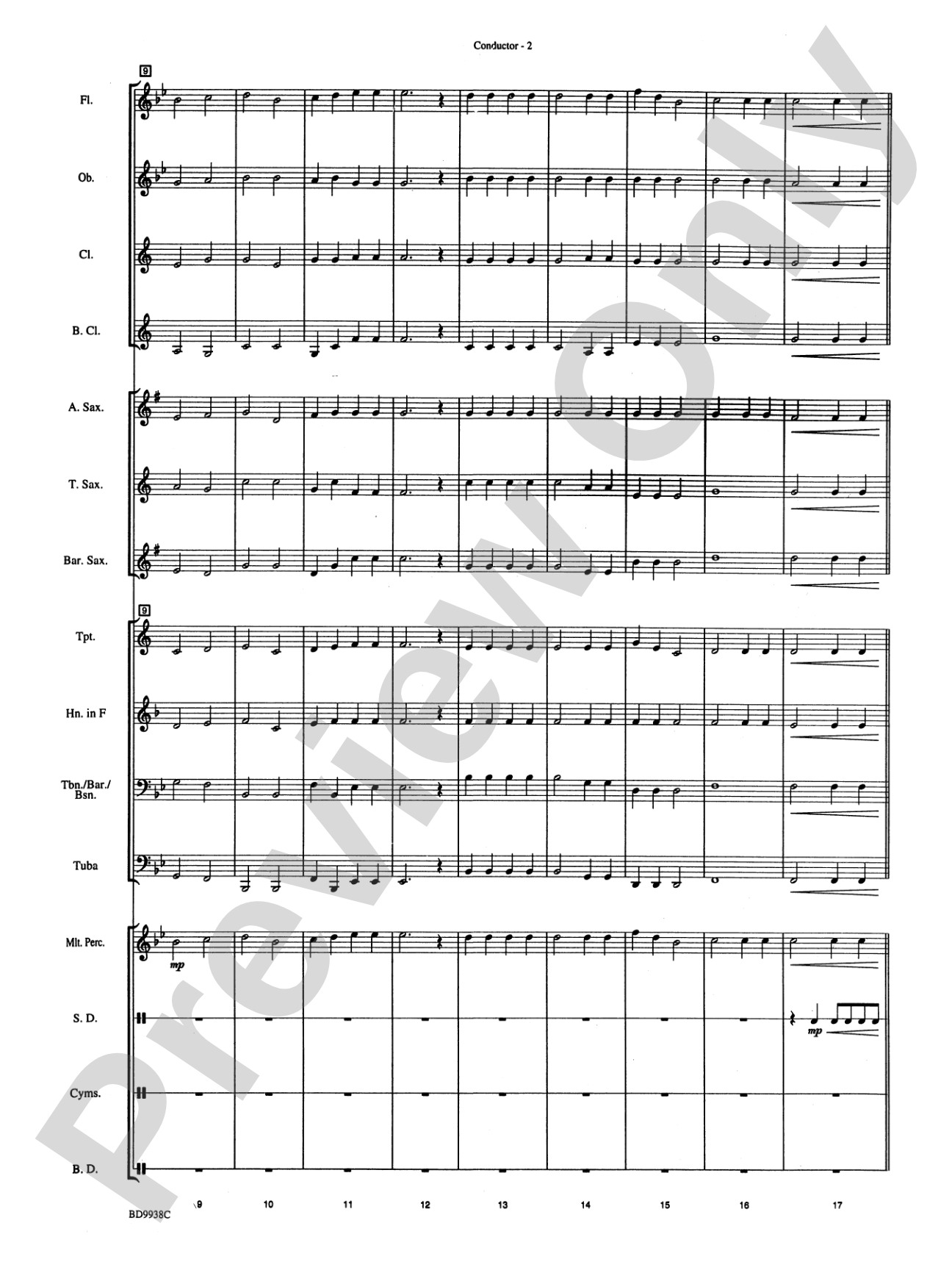
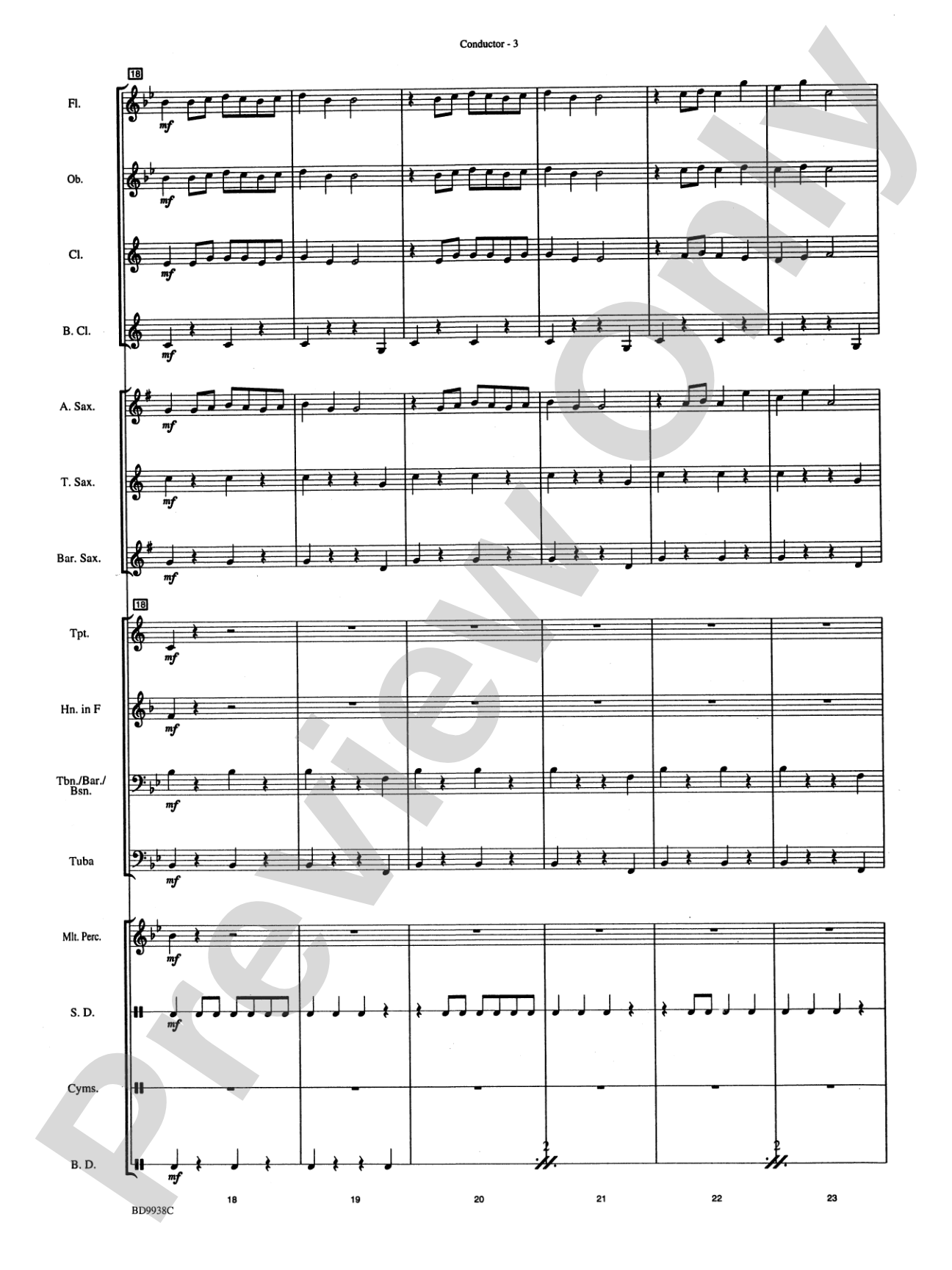
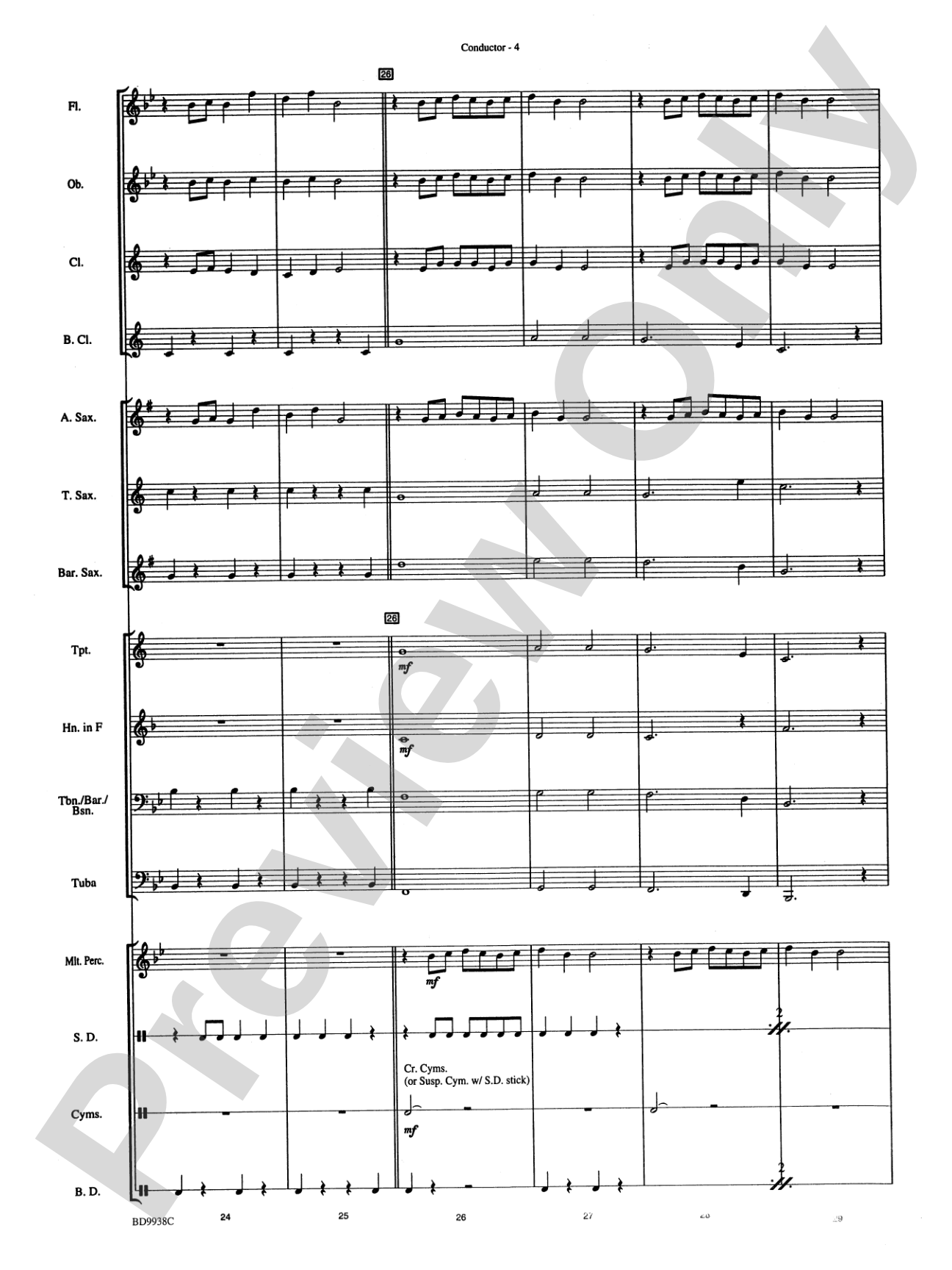
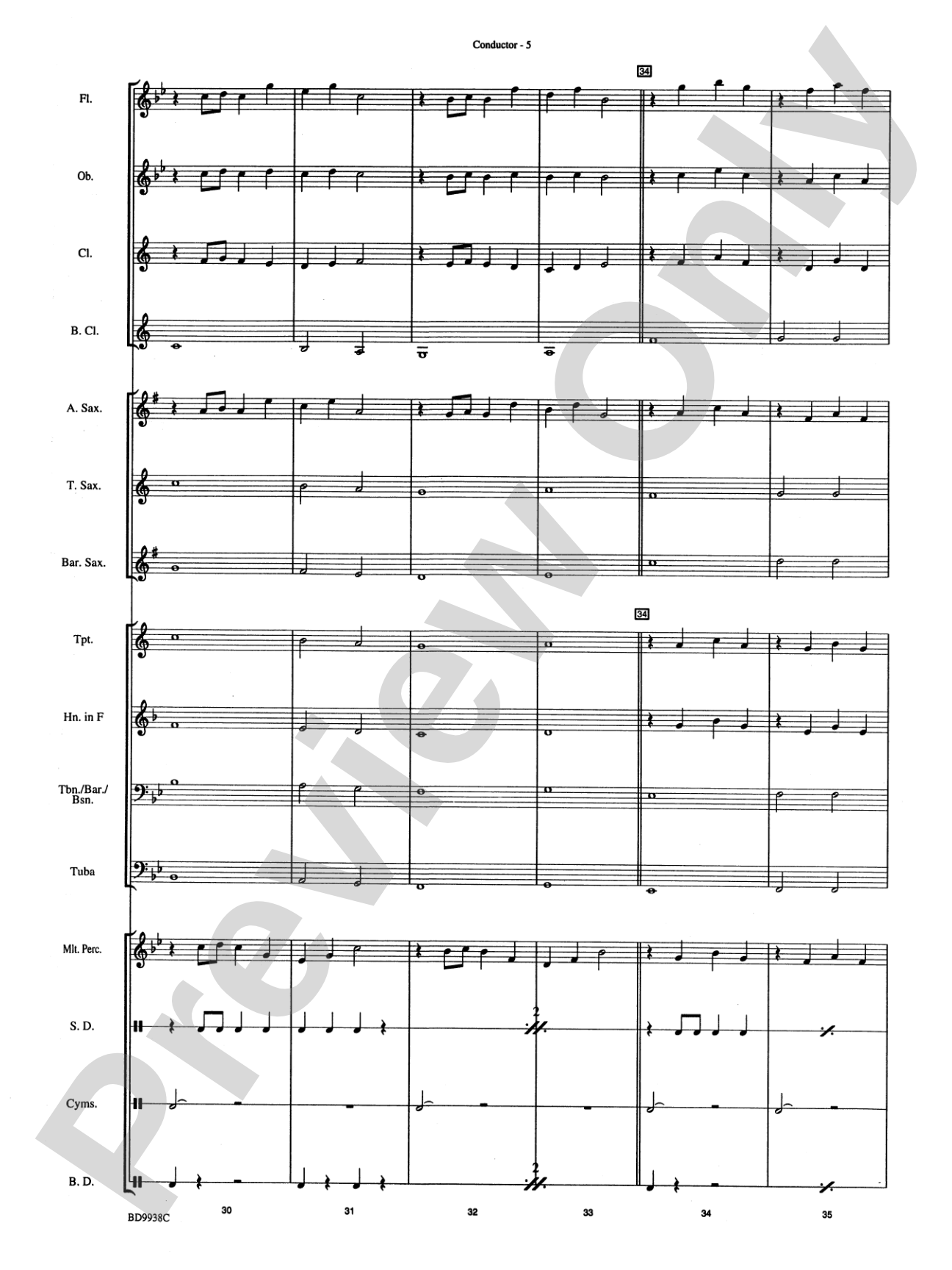
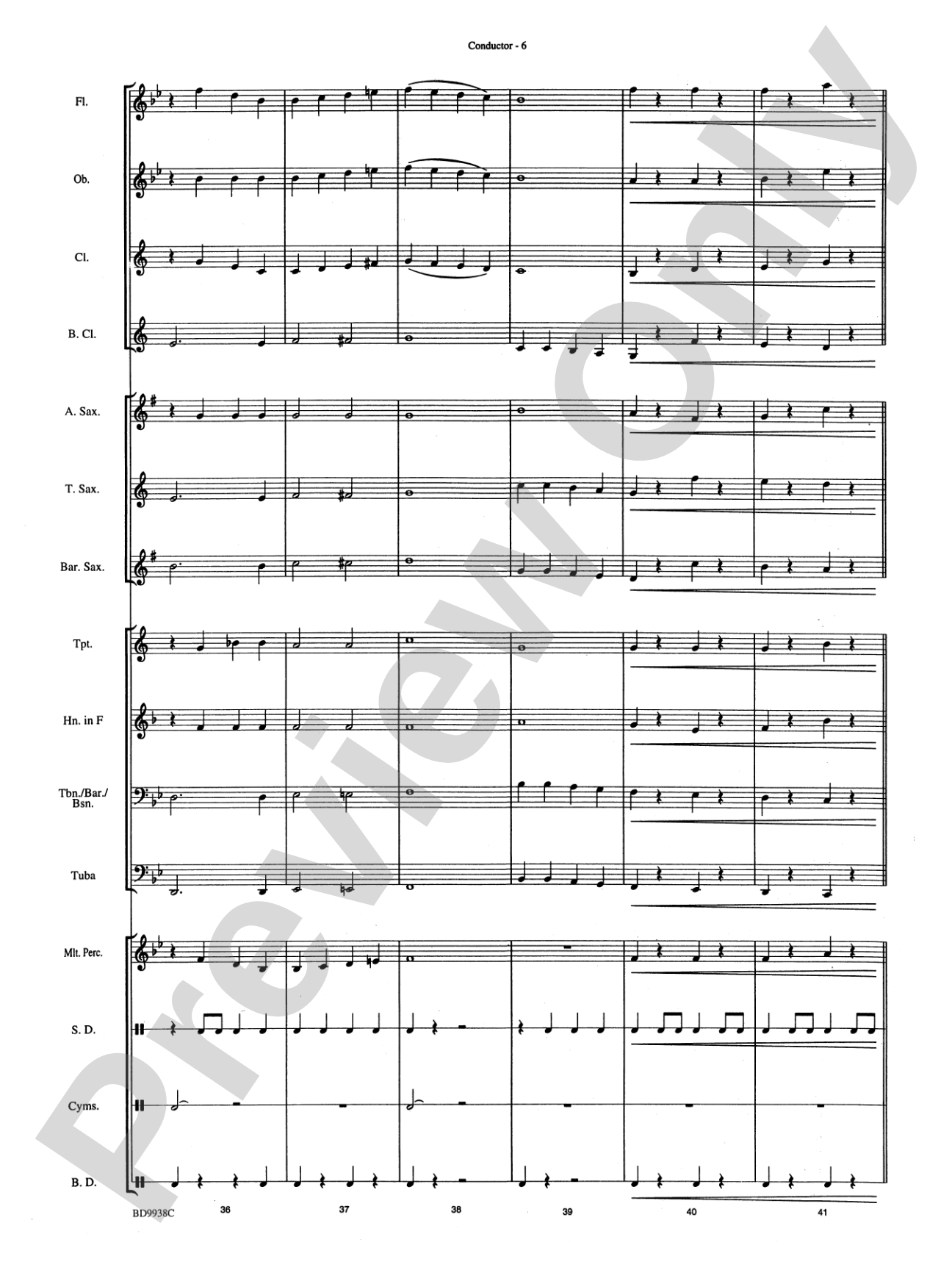
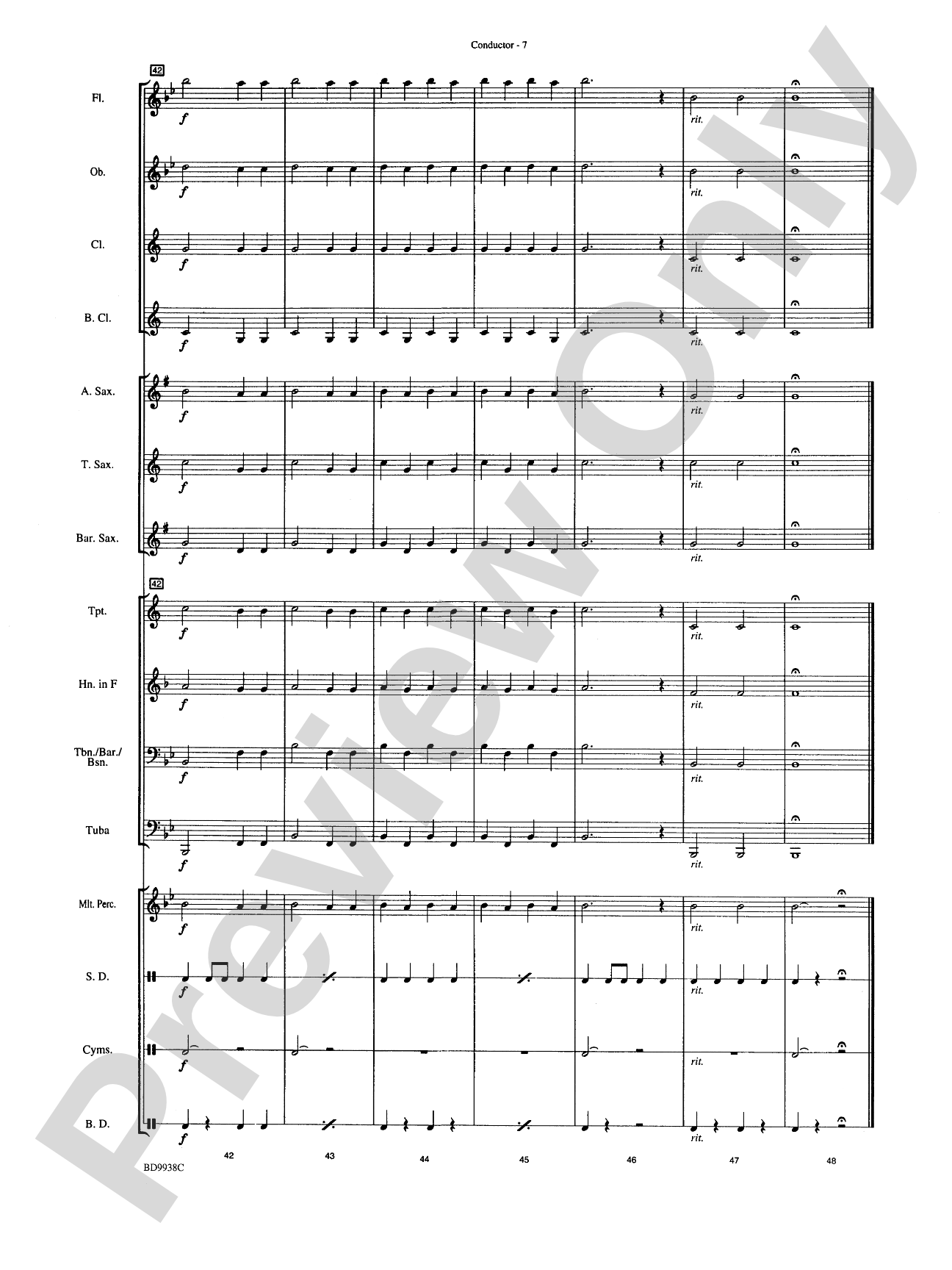

Overture 1812: Concert Band Conductor Score & Parts
By Peter Ilyich Tchaikovsky / arr. Michael Story
Grade: 1 (Very Easy)
Item: 00-PK-0002121

$56.00
Pickup currently not available
Buy Extra Parts (Digital PDF Download)
| Product | Price | Quantity |
|---|---|---|
| Overture 1812: Score | $6.00 | |
| Overture 1812: Flute | $3.00 | |
| Overture 1812: Oboe | $3.00 | |
| Overture 1812: 1st B-flat Clarinet | $3.00 | |
| Overture 1812: B-flat Bass Clarinet | $3.00 | |
| Overture 1812: E-flat Alto Saxophone | $3.00 | |
| Overture 1812: B-flat Tenor Saxophone | $3.00 | |
| Overture 1812: E-flat Baritone Saxophone | $3.00 | |
| Overture 1812: 1st B-flat Trumpet | $3.00 | |
| Overture 1812: 1st F Horn | $3.00 | |
| Overture 1812: 1st Trombone | $3.00 | |
| Overture 1812: Baritone T.C. | $3.00 | |
| Overture 1812: Tuba | $3.00 | |
| Overture 1812: Mallets | $3.00 | |
| Overture 1812: 1st Percussion | $3.00 | |
| Overture 1812: 2nd Percussion | $3.00 | |
| Overture 1812: Piano Accompaniment | $3.00 |
Parts Added to Cart!
Description
Most musicians dislike the term "watered-down," so we asked Michael Story to present this classic overture with musical integrity and honesty but to simplify the complicated orchestral writing to be playable by a very young band or ensemble. We think you will agree: This arrangement succeeds admirably! (1:55)


Don't just read it, hear it, play along with it, and watch your students grow with it. In MakeMusic Cloud, Overture 1812: Concert Band Conductor Score & Parts comes alive with professional accompaniment, adjustable tempo, and built-in practice tools that turn solo practice into real progress.
Open in the Player
Jump straight in and assign it today.
Start Your Free Trial
Open this title and explore the full library in minutes.
Sample Audio
No sample audio found.
Sample Video
No sample videos found.
Additional Details
Series:
Belwin Beginning Band
Publisher:
Alfred Music
Page Count:
124
SKU:
00-PK-0002121
More about this title
About the Arranger: Michael Story
Michael Story is a prolific composer and arranger whose work has become essential repertoire for beginning and intermediate bands across North America. His gift for adaptation preserves the integrity of classical masterworks while making them genuinely accessible to young ensembles, without sacrificing musical substance.
Why we love this
Story's approach here respects both the source material and the players. He's streamlined Tchaikovsky's orchestral textures into something a Grade 1 band can execute with confidence, which means your ensemble gets to own a major work rather than approximate it. The musical bones remain intact; only the unnecessary complications vanish.
What to expect
Triumphant and celebratory. The familiar melodic hooks and rhythmic energy of the 1812 remain intact, delivering the grandeur and patriotic fervor audiences expect. Even at this simplified level, students feel the drama of building intensity and the satisfaction of a piece that sounds substantial when performed with attention to phrasing and balance.
Who it's for
Beginning and early intermediate concert bands looking to program a recognizable masterwork that doesn't require advanced technical facility or uncommon instrumentation. Ideal for Grade 1 ensembles, small rural programs, or any director wanting to build student confidence through successful performance of substantial music.
How to get the most out of it
- Balance the brass chorale sections by having the lower voices anchor the harmonic foundation before adding upper voices; this prevents the melody from getting buried.
- The famous bell effects need clarity; use light articulation on the repeated notes to maintain definition without forcing tone.
- Bring out the Russian folk melody in the second theme so the contrasting character between sections registers clearly for the audience.
- Shape the closing cannon effect by staggering the volume buildup across sections, allowing each voice to be heard entering the pattern.
How to use it
Open a concert with this to capture immediate audience interest, or place it as a finale before intermission when you want strong forward momentum. The 1:55 duration fits naturally into most concert formats, and the work pairs well with other accessible Romantic-era arrangements or original band compositions of similar grade.
Skills your students will build
- Sustaining long tones with dynamic control in slow sections
- Executing clear articulation on repeated rhythmic figures
- Balancing multiple melodic and harmonic lines within a full ensemble
- Reading and responding to conductor cues across tempo and dynamic changes
- Understanding structural repetition and how themes develop across a larger form