
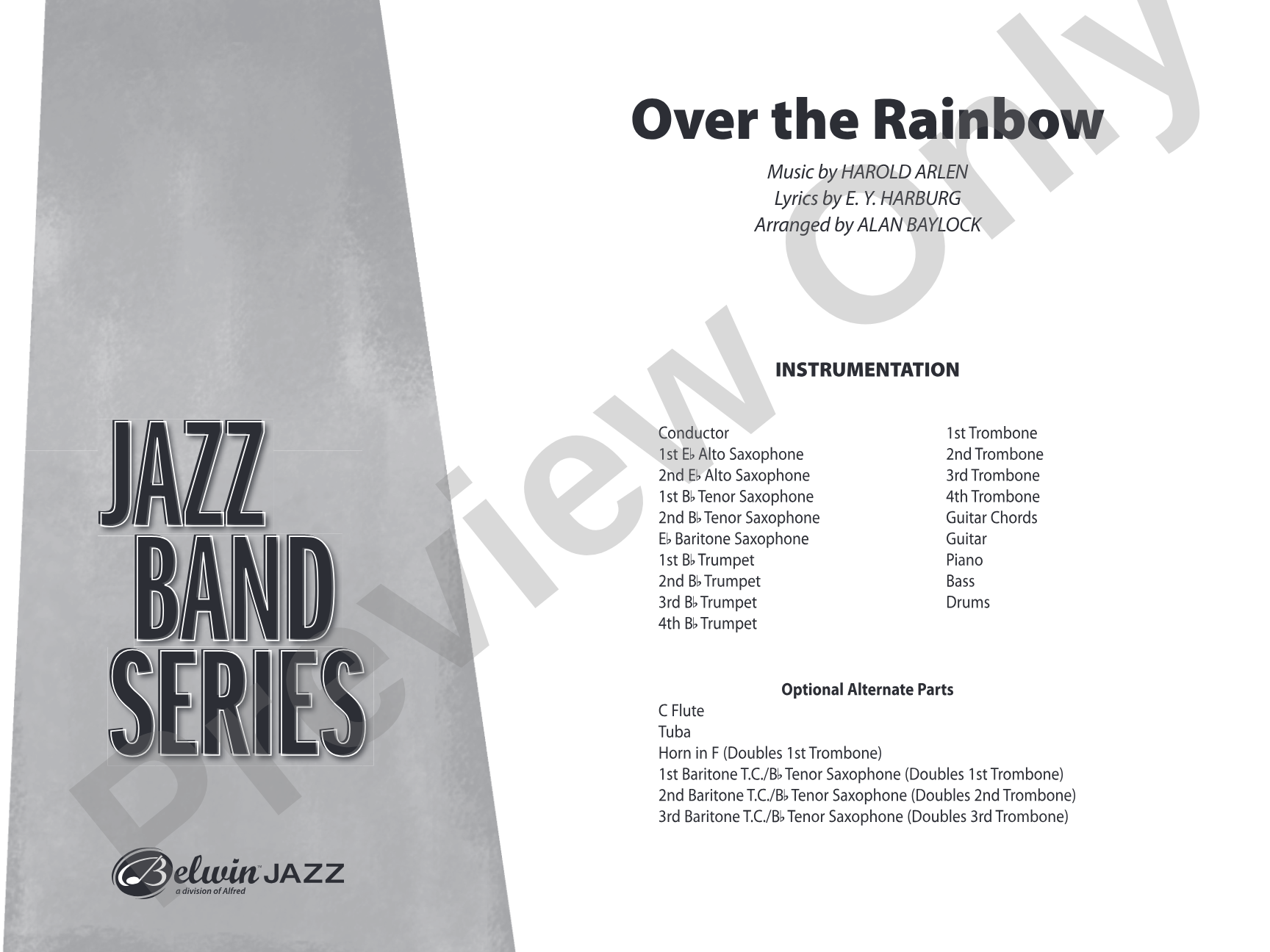

Over the Rainbow: Jazz Ensemble Conductor Score & Parts
Music by Harold Arlen, lyrics by E. Y. Harburg / arr. Alan Baylock
Grade: 3 (Medium)
Item: 00-PK-0006929

$54.00
One moment…
Description
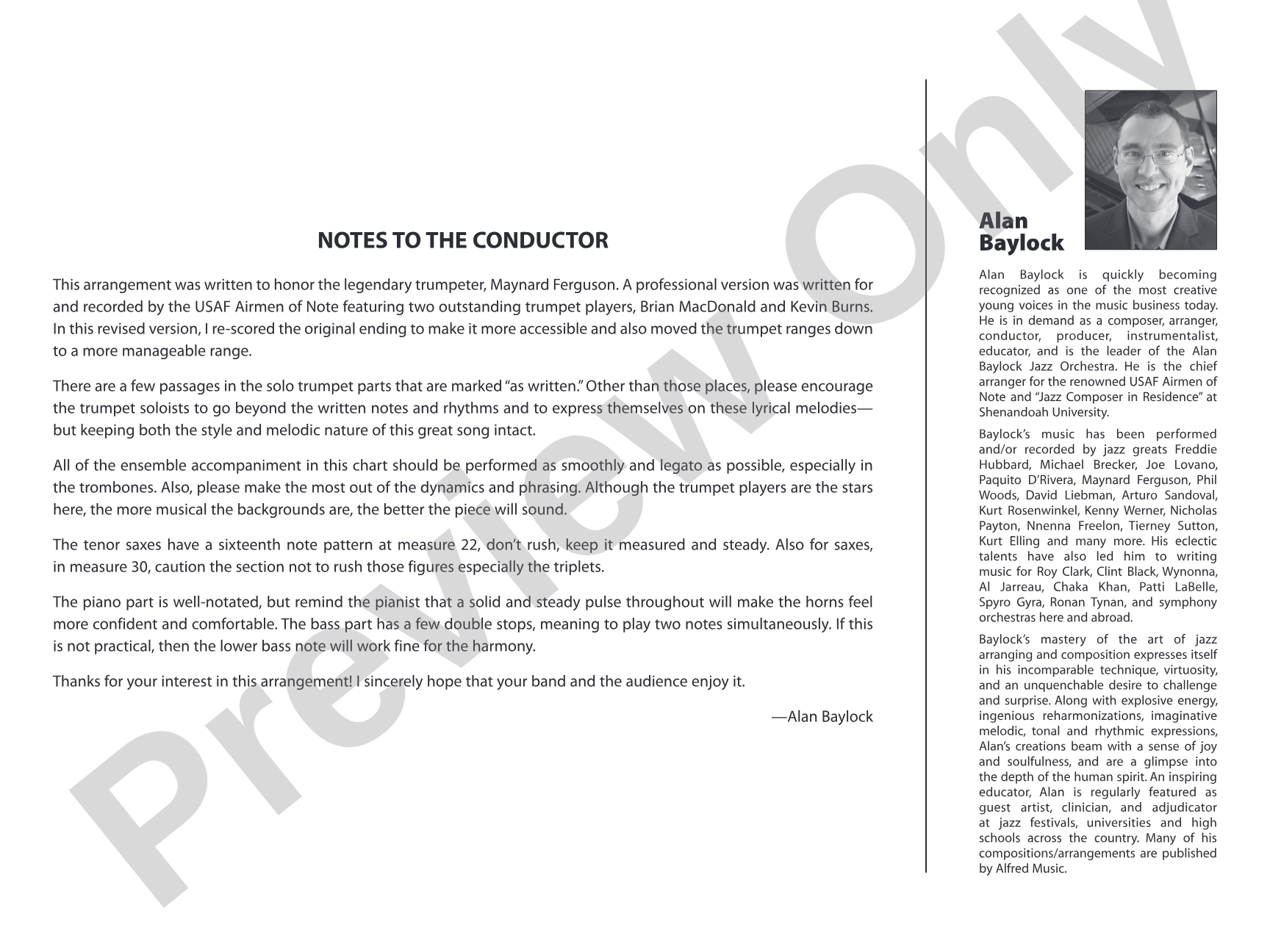
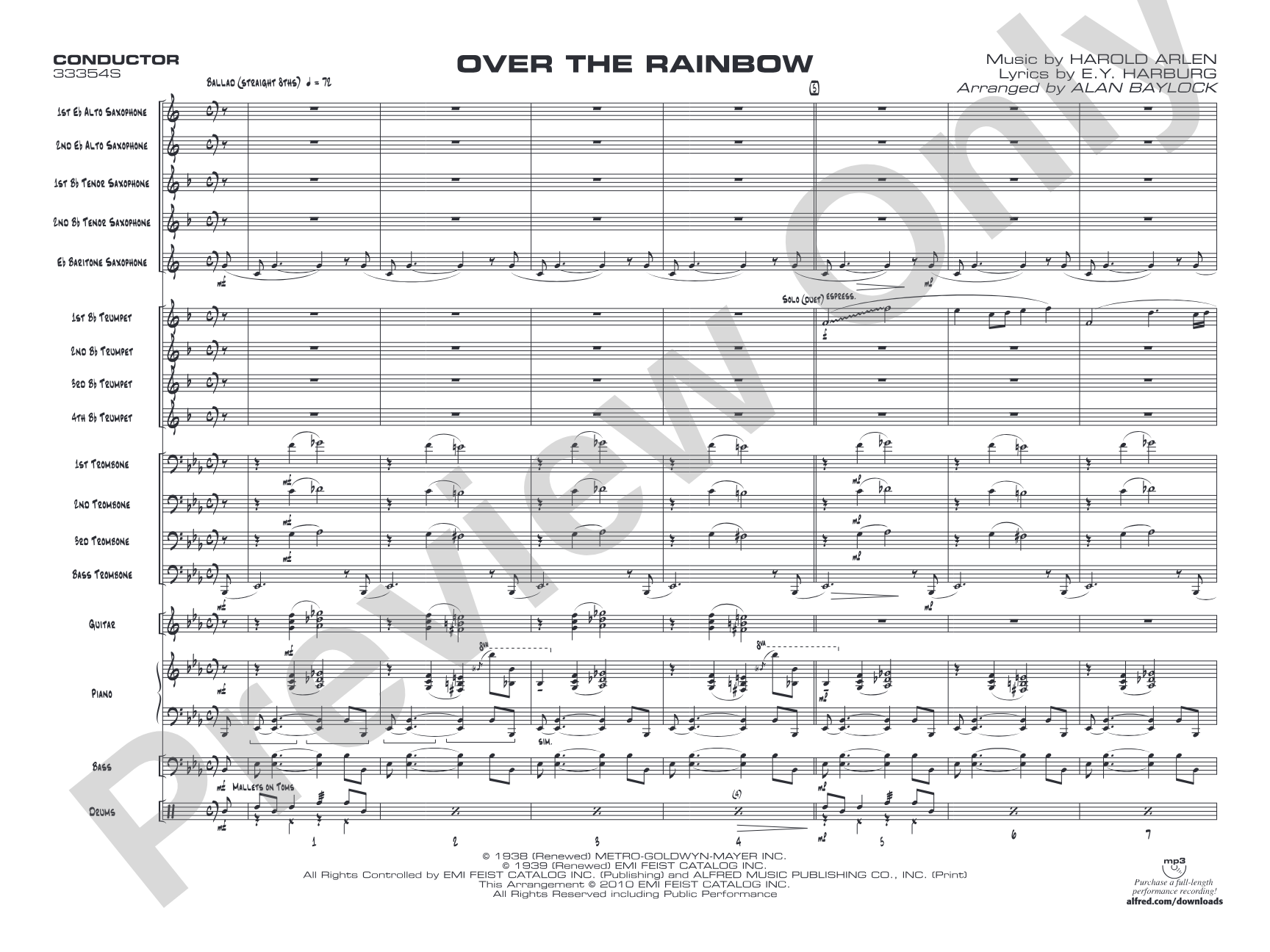
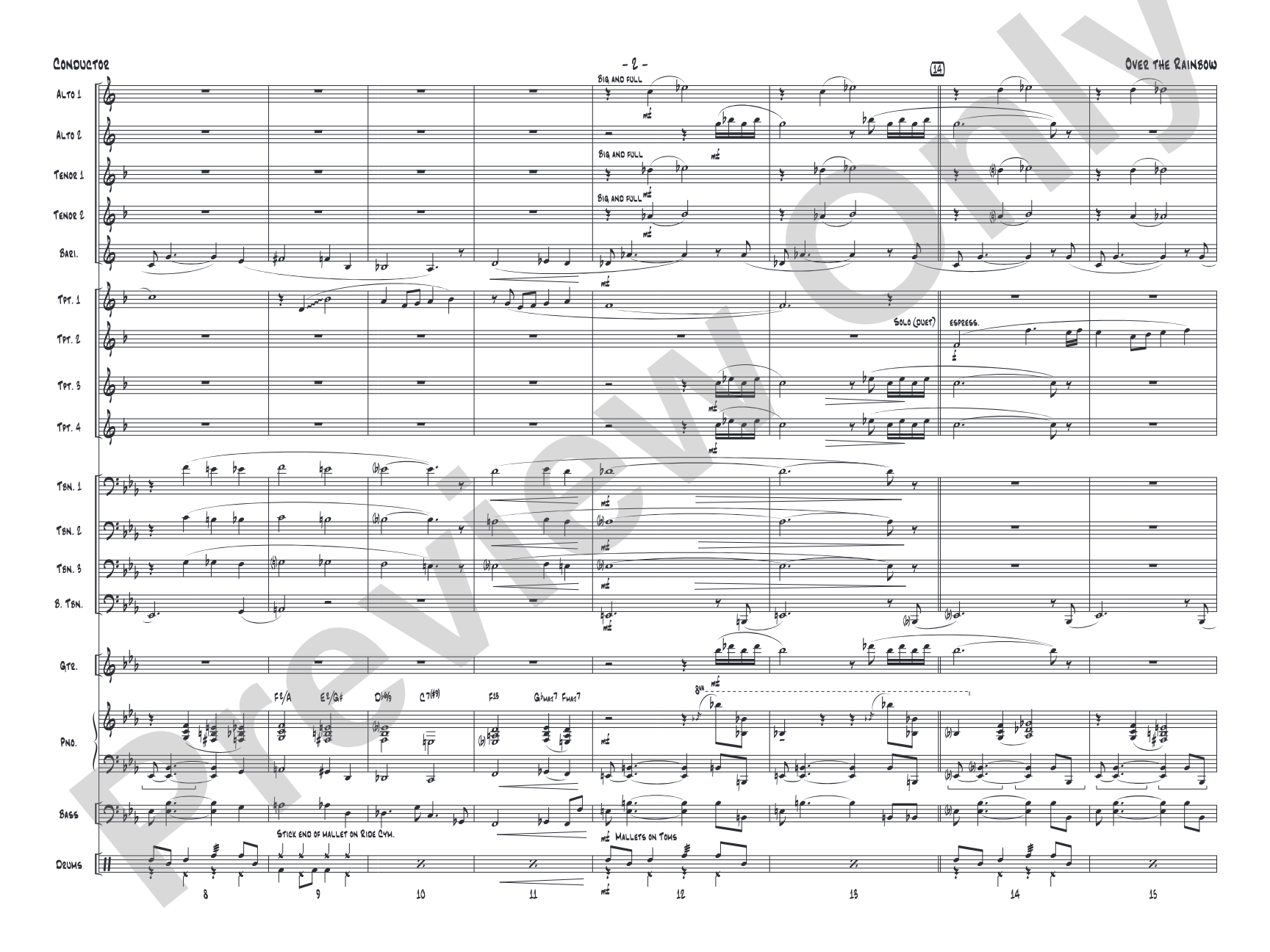
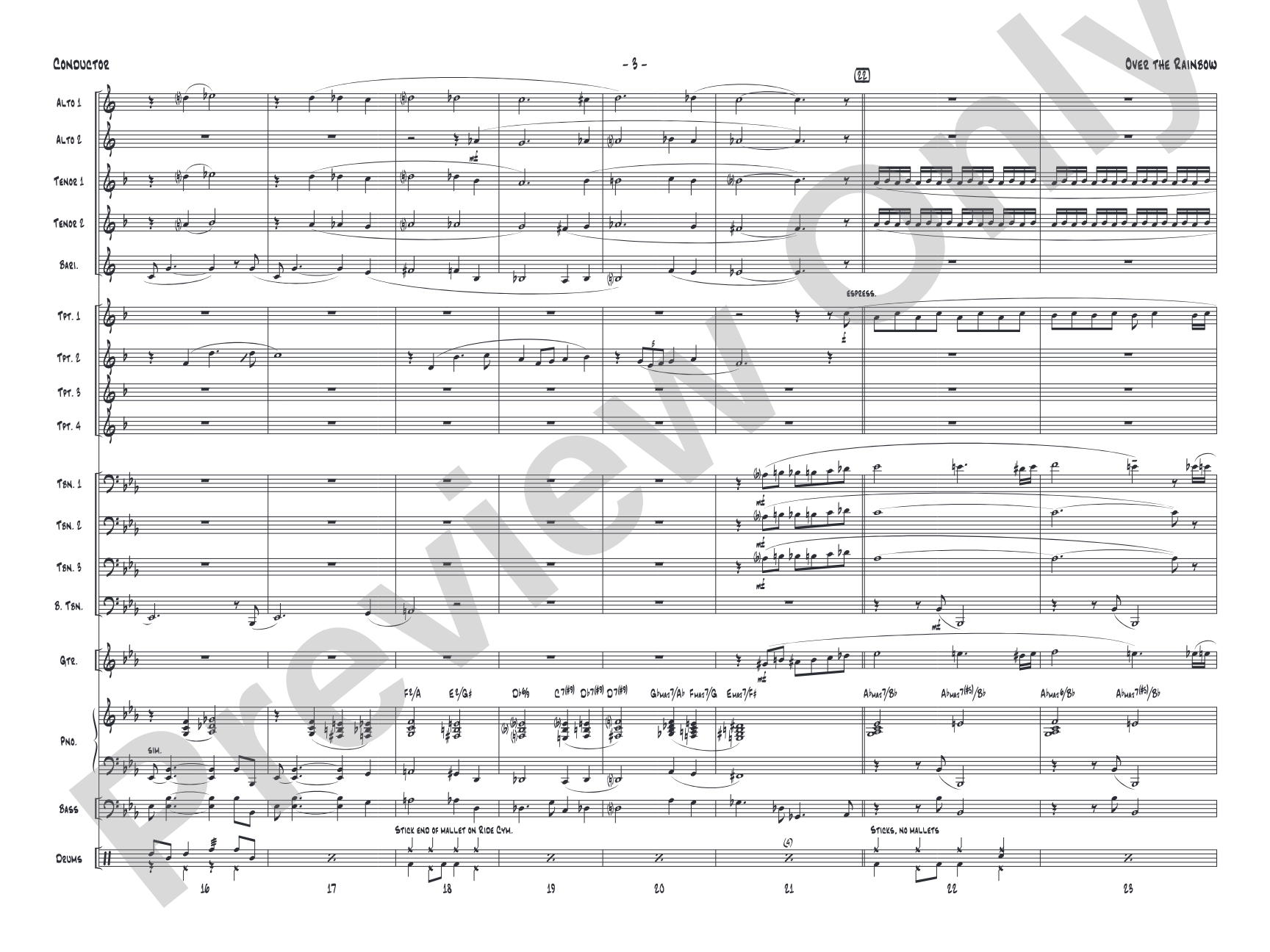
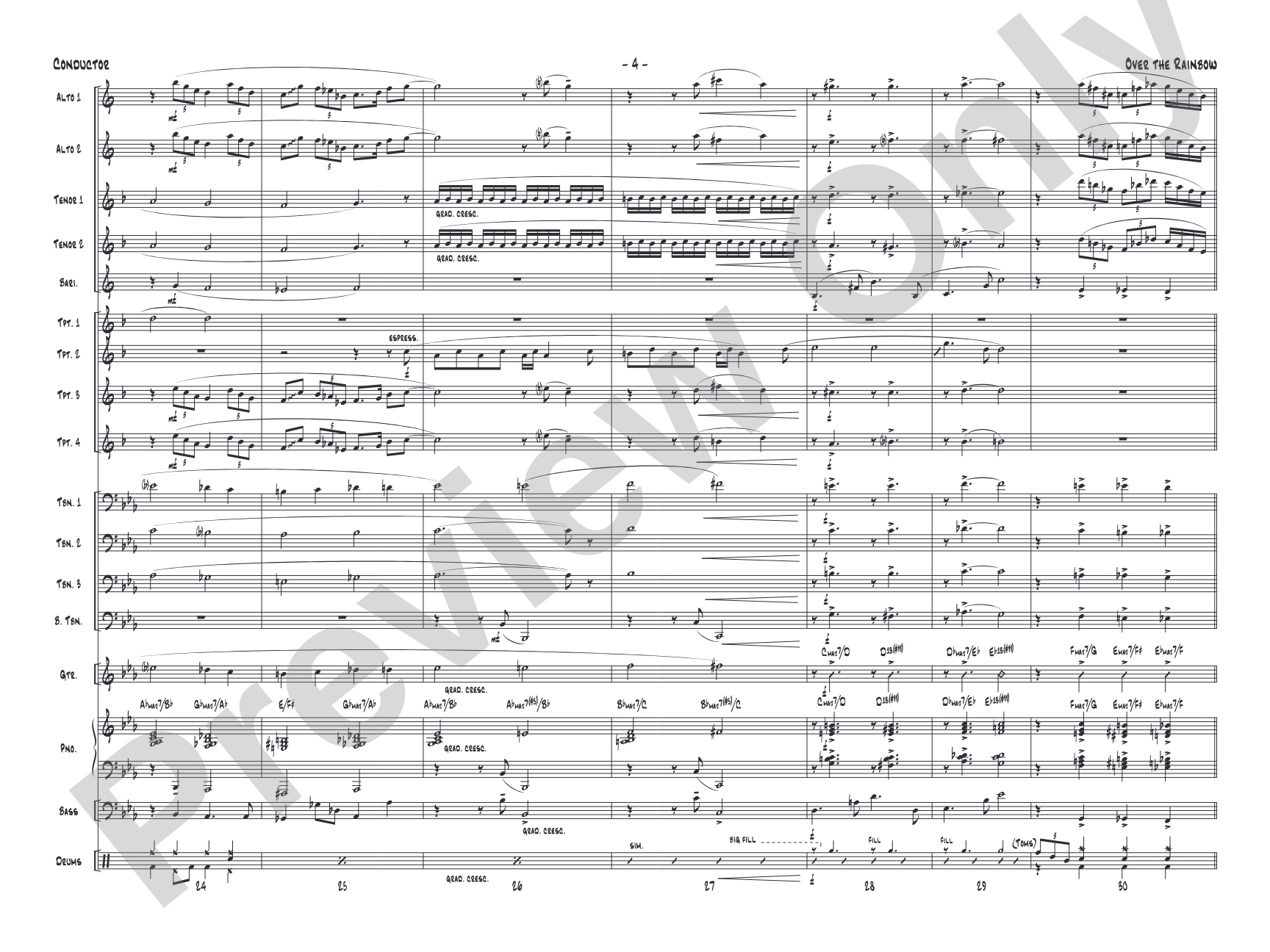
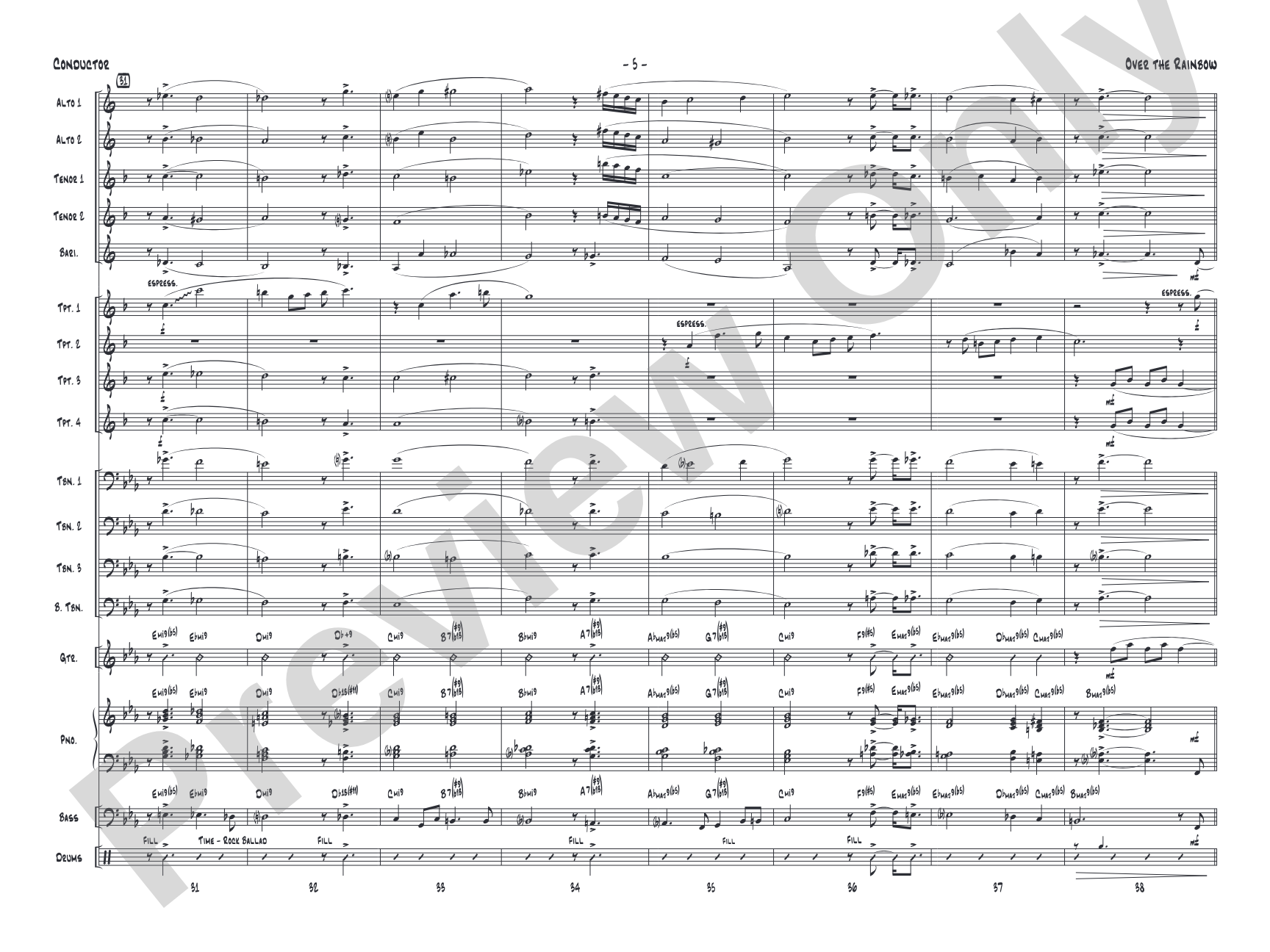
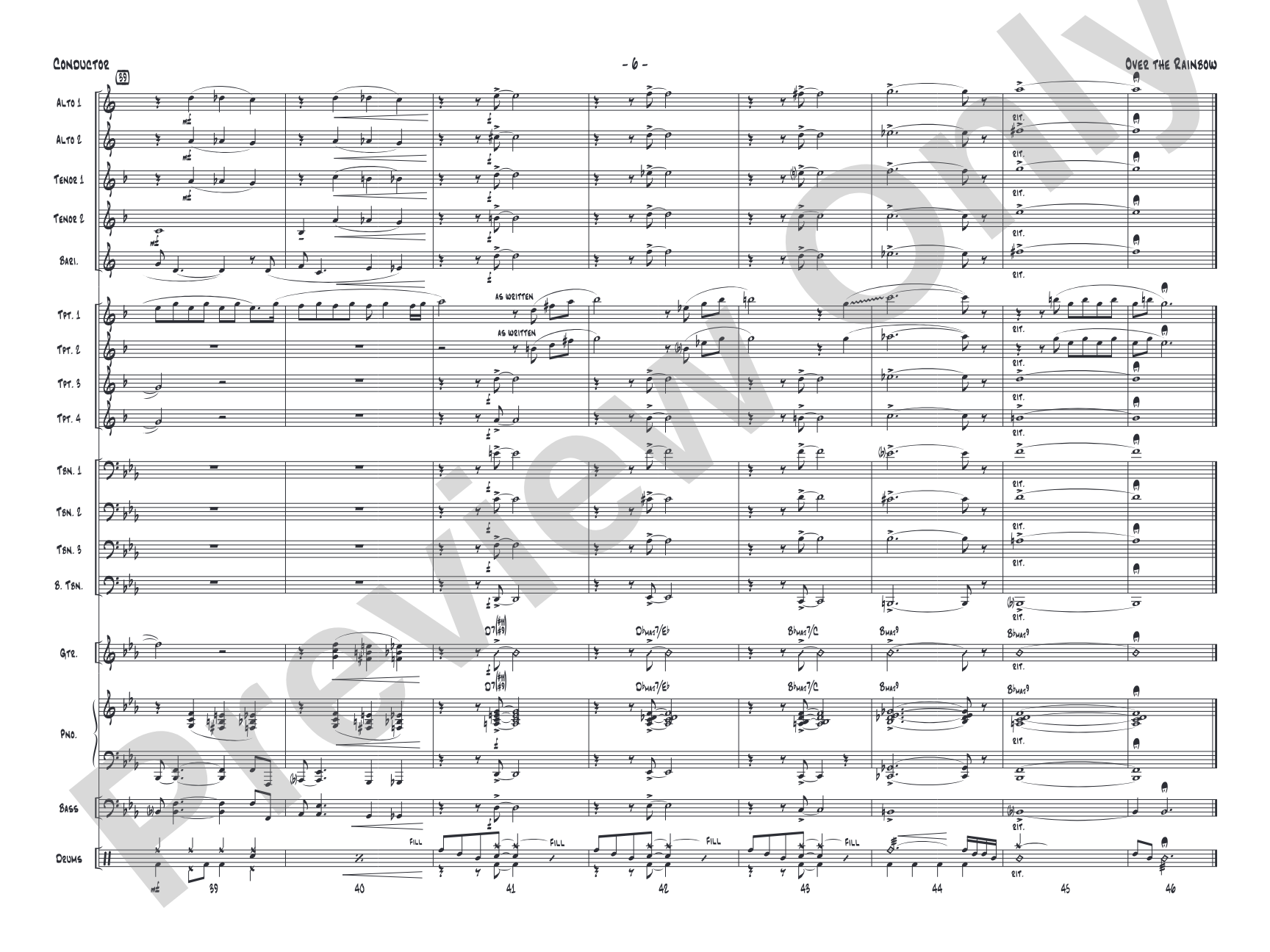
Do you have two trumpet players to showcase? Here is a ballad everybody knows, scored as a trumpet duet. Everything is written, no improvised solo, the lead trumpet range is to C above the staff, and the second part is to written A. Lyrical and melodic, it's a sure-fire crowd pleaser. (2:40)


Don't just read it, hear it, play along with it, and watch your students grow with it. In MakeMusic Cloud, Over the Rainbow: Jazz Ensemble Conductor Score & Parts comes alive with professional accompaniment, adjustable tempo, and built-in practice tools that turn solo practice into real progress.
Open in the Player
Jump straight in and assign it today.
Start Your Free Trial
Open this title and explore the full library in minutes.
Sample Audio
1
Audio File
--:--
0:00
0:00
Sample Video
Additional Details
Series:
Jazz Band Series
Publisher:
Alfred Music
Page Count:
60
SKU:
00-PK-0006929
More about this title
About the Composer: Harold Arlen
Harold Arlen (1905-1986) composed some of the most enduring melodies in American popular music, from Broadway to Hollywood. His gift for writing singable, emotionally direct themes made him a natural fit for film scoring, and his work on The Wizard of Oz remains a cornerstone of the American songbook.
Why we love this
This arrangement gives two strong trumpet players a moment to shine without asking them to improvise or navigate complex harmonies. Baylock's scoring preserves the melody's inherent beauty while keeping the writing accessible for Grade 3 ensembles, making it genuinely singable rather than showy.
What to expect
Warm, nostalgic, and lyrical. The melody unfolds with the ease of a famous tune everyone recognizes, supported by gentle jazz voicings that never overshadow the simplicity at its heart. It's ballad singing transferred to instruments, intimate enough for a small room but strong enough to land in a large hall.
Who it's for
Jazz ensembles at the middle school through early high school level who want to feature a capable trumpet section without stepping into the improvisation and harmonic complexity of traditional jazz repertoire. Directors programming concert ballads or looking for a crowd-pleasing feature that sits comfortably at Grade 3.
How to get the most out of it
- Shape the melodic line with dynamic shaping rather than relying on tempo changes; the legit ballad quality comes from sensitive phrasing in each phrase.
- Balance the duet so that the lead voice carries but the second trumpet remains audible as a harmonic partner, not buried accompaniment.
- Use the recorded accompaniment to lock the ensemble's rhythm and harmonic foundation; this allows the trumpet soloists to focus on their lyrical interaction.
- Approach the range at the top (lead trumpet to C above the staff) with confidence; mark any high passages for extra breath planning in rehearsal.
How to use it
Open a set with this as a contrasting ballad feature after an uptempo opener, or close a first half with its emotional directness. It pairs well alongside other Arlen standards in a jazz program and gives the ensemble a moment of repose without sacrificing musicality.
Skills your students will build
- Sustaining lyrical lines with consistent tone and breath control across extended phrases
- Balancing two-part trumpet writing to achieve harmonic clarity
- Interpreting jazz articulation and phrasing within a notated, non-improvised context
- Managing upper register demands (lead trumpet to C above the staff) with control and security