Over Slope and Summit Cover Image

Over Slope and Summit: Concert Band Conductor Score

$10.00 USD
Sale price  $10.00 USD Regular price 
Skip to product information
Over Slope and Summit Cover Image

Over Slope and Summit: Concert Band Conductor Score

By Douglas Akey

Grade: 4 (Medium Difficult)

Item: 00-24674S

$10.00
Shipped

One moment…

Description
Over Slope and Summit was written for the Mountain View High School Wind Ensemble (Loveland, CO) and its director, Peter Toews. Alpine fanfares and soaring melodies create a musical painting of the five peaks of the Rocky Mountains that are visible from the school's campus.

Over Slope and Summit: Concert Band Conductor Score isn't in MakeMusic Cloud just yet...but it could be. Let us know you'd like to see it, and you'll help shape what comes next. In the meantime, start a free trial and dive into thousands of interactive titles your students can play along with today.

Sample Pages

Sample Audio
No sample audio found.
Sample Video
Additional Details
Series: Alfred Concert Band
Publisher: Alfred Music
Page Count: 36
UPC: 038081268989
SKU: 00-24674S

More about this title

About the Composer: Douglas Akey
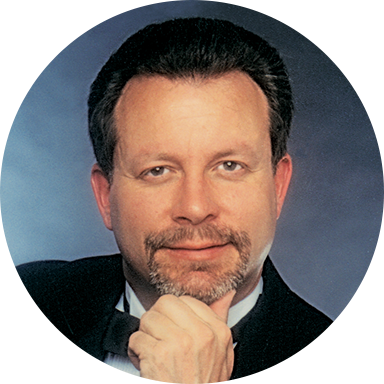
Douglas Akey

Douglas Akey holds degrees in Instrumental Music and Solo Performance from Arizona State University, where he studied on a performance scholarship. For nearly four decades, he has served as Director of Bands and Music Department Chairperson at Hendrix Junior High School in Chandler, Arizona, building a program recognized across the Phoenix area.

Akey's concert band compositions appear regularly on state contest lists and are performed by ensembles worldwide. His contributions to music education have earned him the Stanbury Award from the American School Band Directors Association and the National Federation of Secondary Schools Music Educator of the Year Award.

Why we love this

Akey writes with keen understanding of what intermediate bands can accomplish musically without overextending technically. Over Slope and Summit balances accessible sonorities with genuine artistic depth, giving your ensemble a concert piece that sounds substantial and feels rewarding to perform, while the Rocky Mountain imagery offers your audience a vivid and memorable listening experience.

What to expect

The music unfolds like a hiking journey upward, beginning with angular alpine fanfares that establish place and altitude. Soaring melodic passages suggest the expansiveness of mountain vistas, while the harmonic language moves between open intervals and warmer sonorities, evoking both the rugged peaks and the quiet moments at summit.

Who it's for

Concert bands at the high school and advanced middle school level seeking a programmatic work that combines musical substance with reasonable technical demands. Directors programming a concert that spans from standard classics to contemporary pieces will find this provides contemporary appeal without requiring a virtuosic ensemble.

How to get the most out of it

  • Balance the alpine fanfares so they register as heroic flourishes rather than sharp interruptions; think of them as echoing across vast landscape rather than cutting through.
  • Shape the soaring melodies with long-line phrasing; resist the urge to reset the breath at obvious moments, instead finding legit rests and connecting across smaller phrase units.
  • Use the conductor score's instrumentation cues to highlight the orchestral colors; film-score transparency depends on letting the passing melodic voices emerge naturally from the ensemble.
  • Work dynamic transitions carefully in full sections; the piece builds elevation gradually, so each crescendo should feel inevitable rather than sudden.

How to use it

This works exceptionally well as a concert centerpiece or closer, particularly effective when paired with other landscape or nature-inspired repertoire. It also serves as a strong test piece for festivals or contests where you want to showcase both ensemble musicality and your program's connection to place and story.

Skills your students will build

  • Sustaining long melodic lines across phrase boundaries
  • Balancing layered textures and orchestral color changes
  • Managing dynamic control through extended crescendos
  • Responding to programmatic musical imagery through interpretive phrasing
  • Ensemble precision in fanfare figures and rhythmic interjections

You May Also Like