
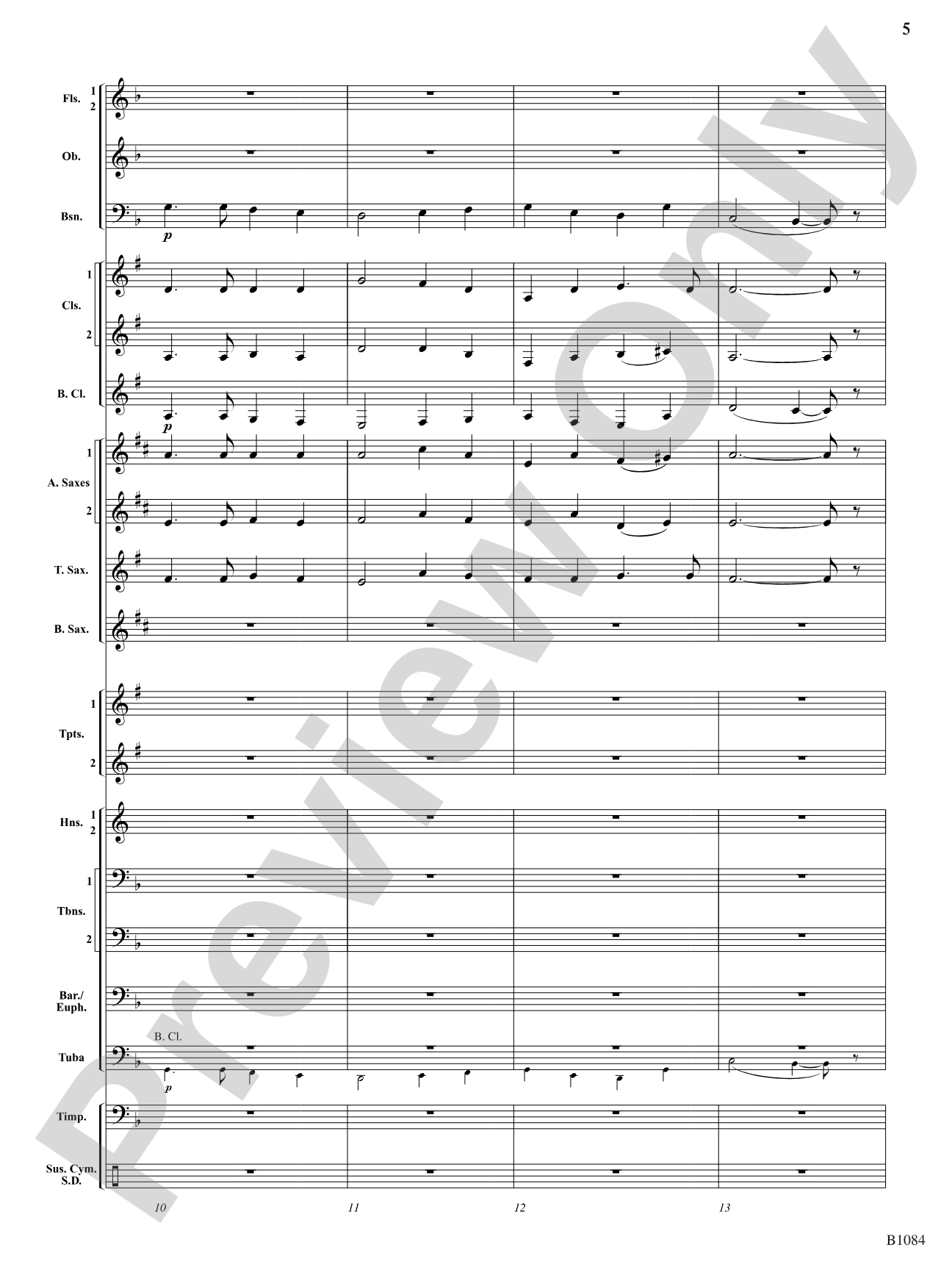
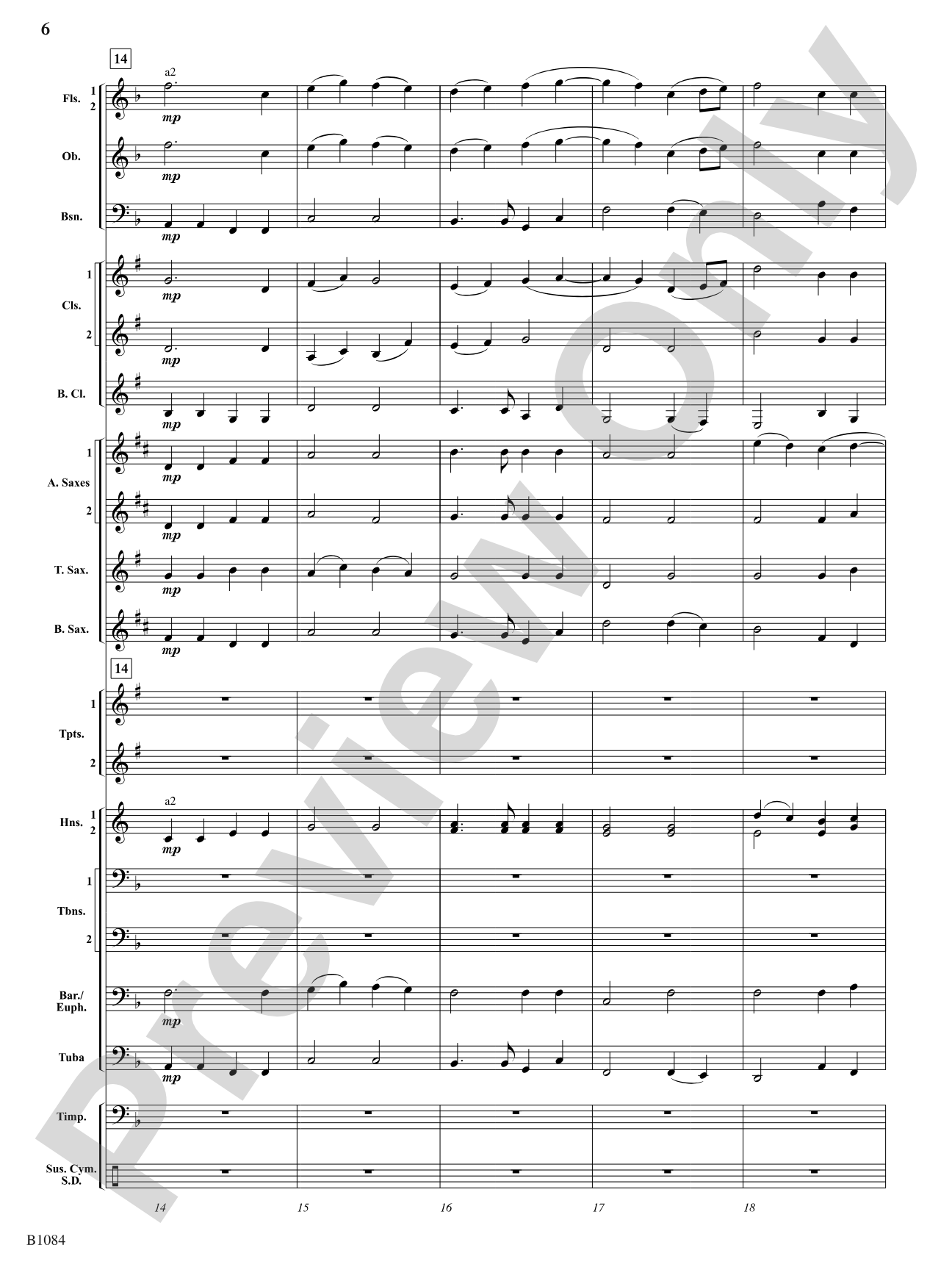
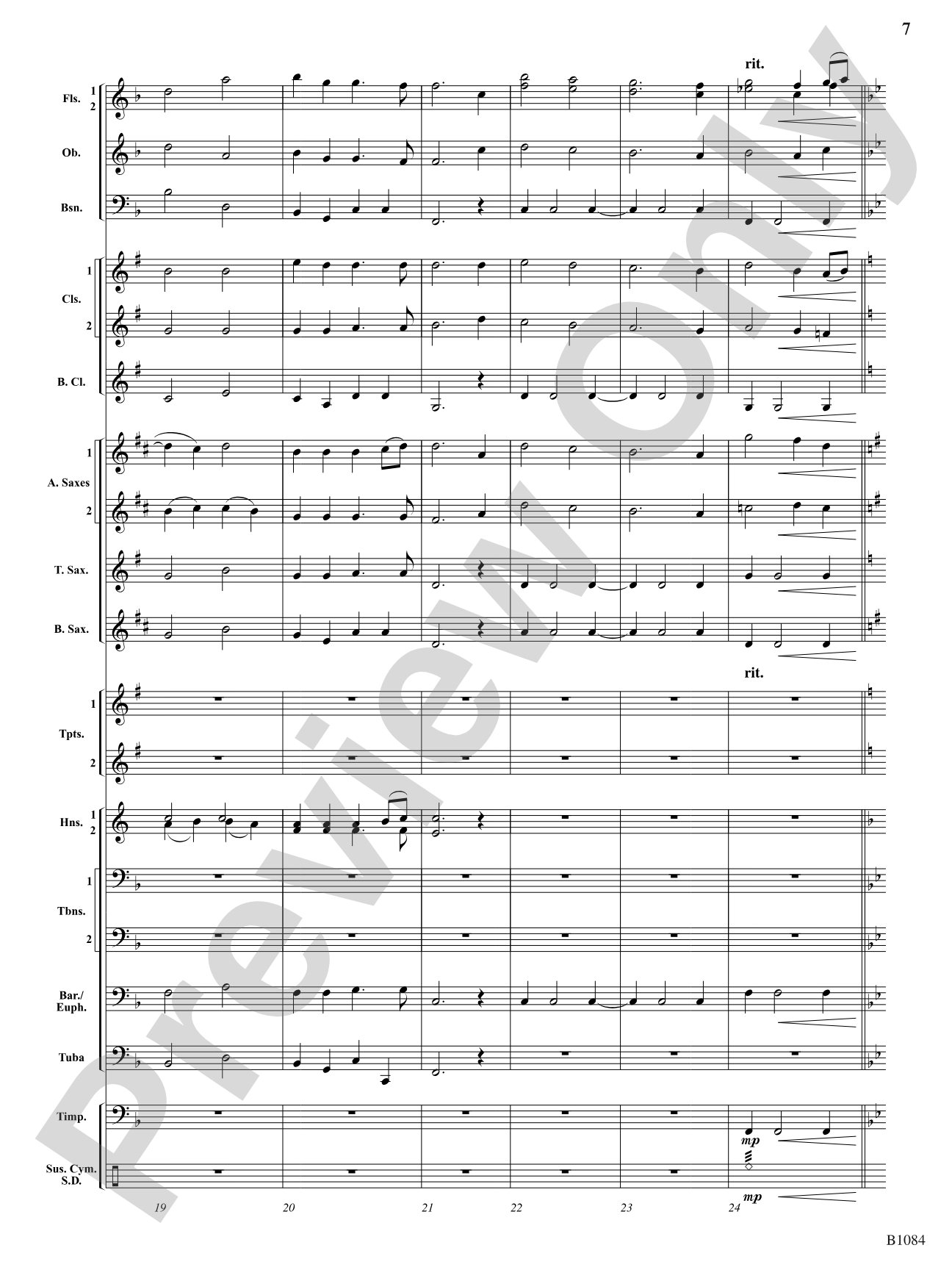
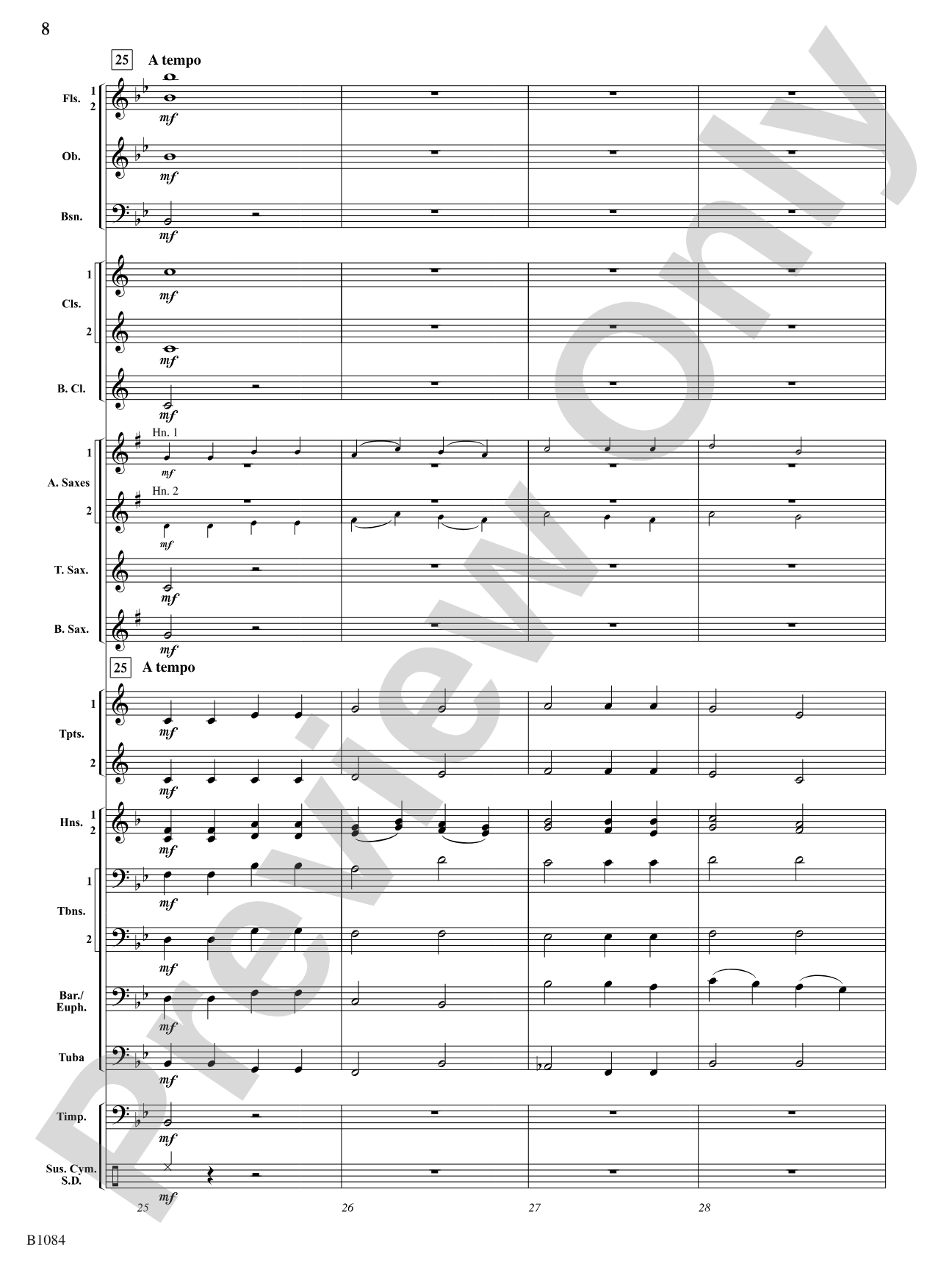
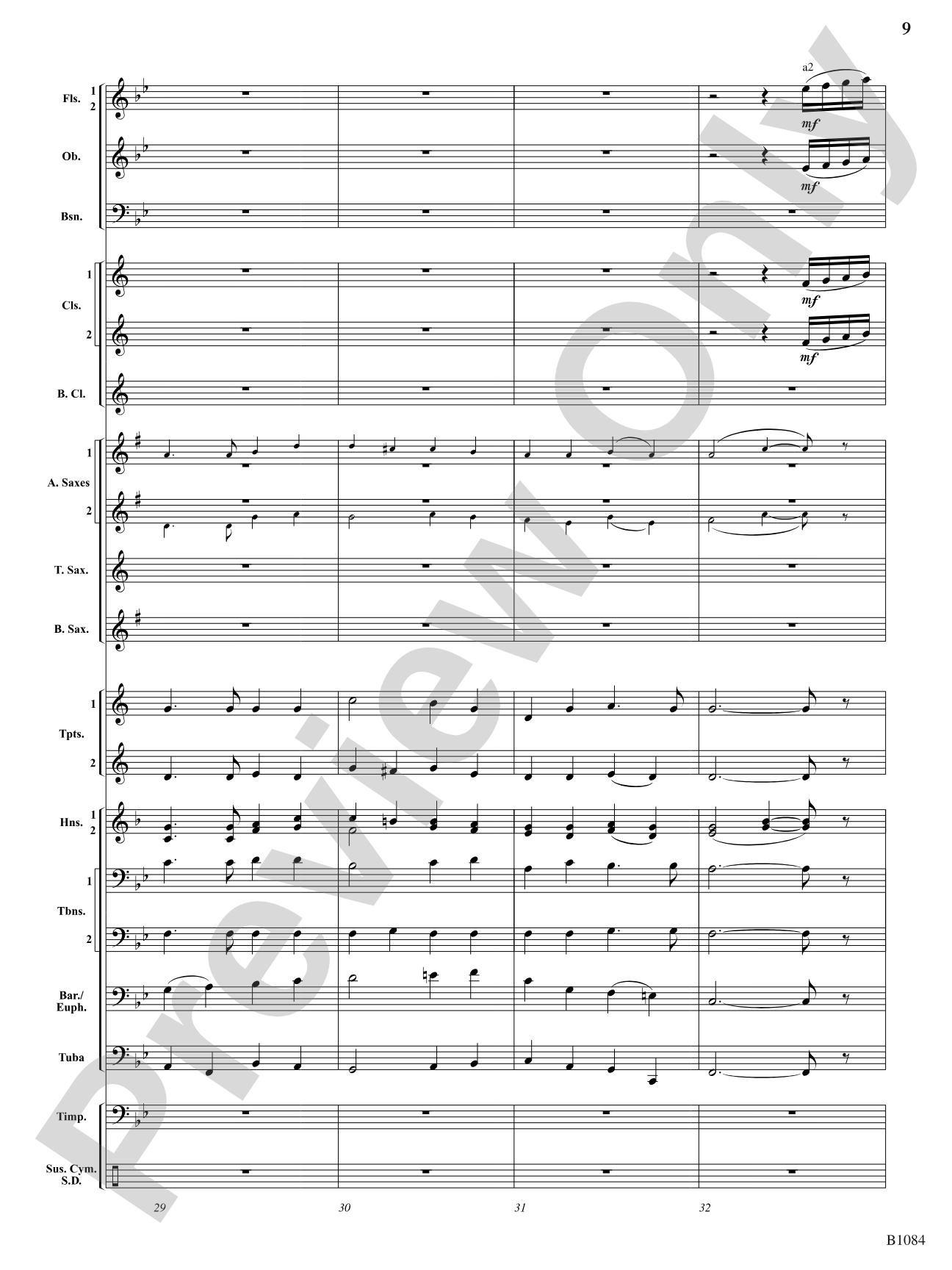
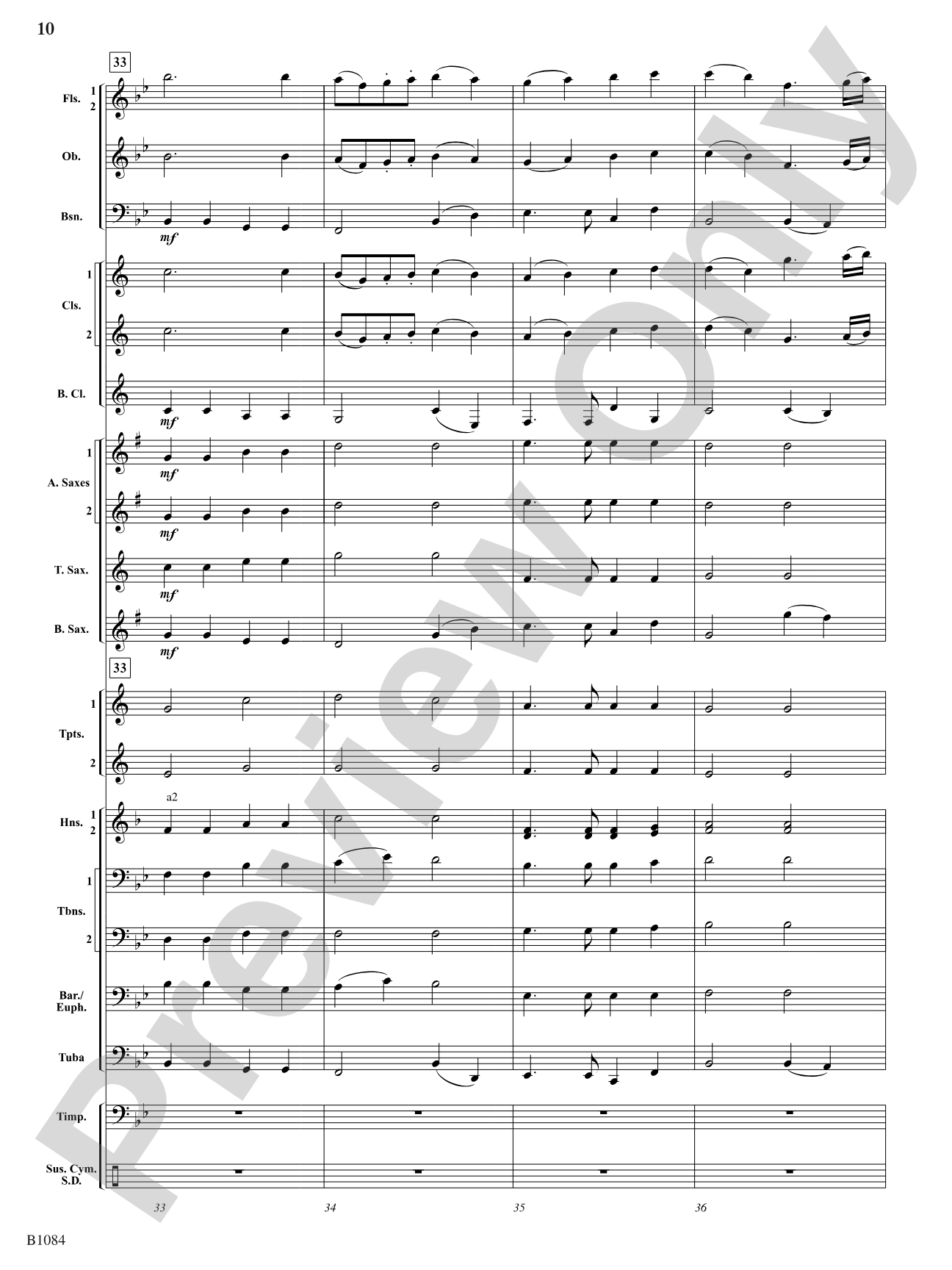
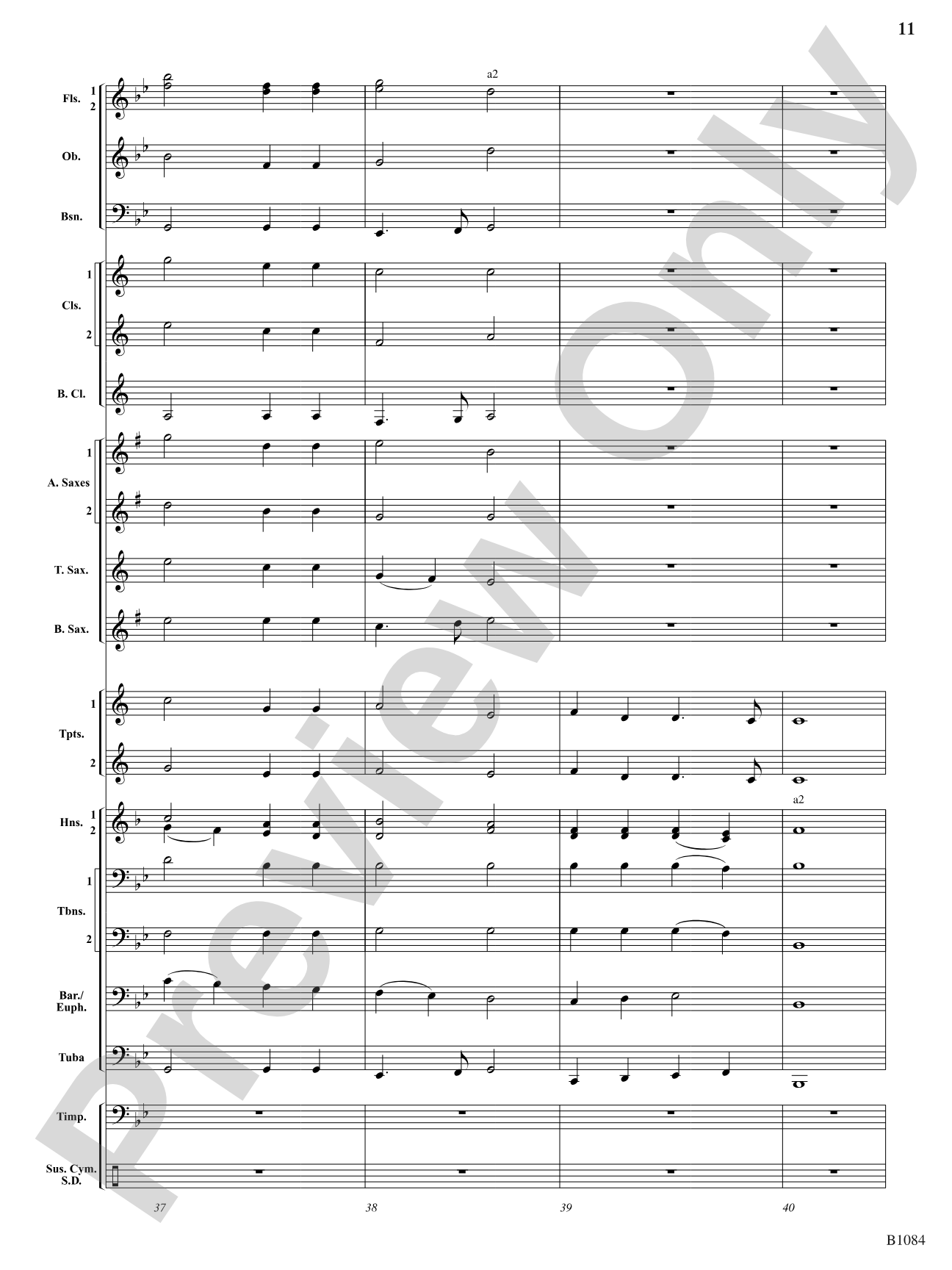
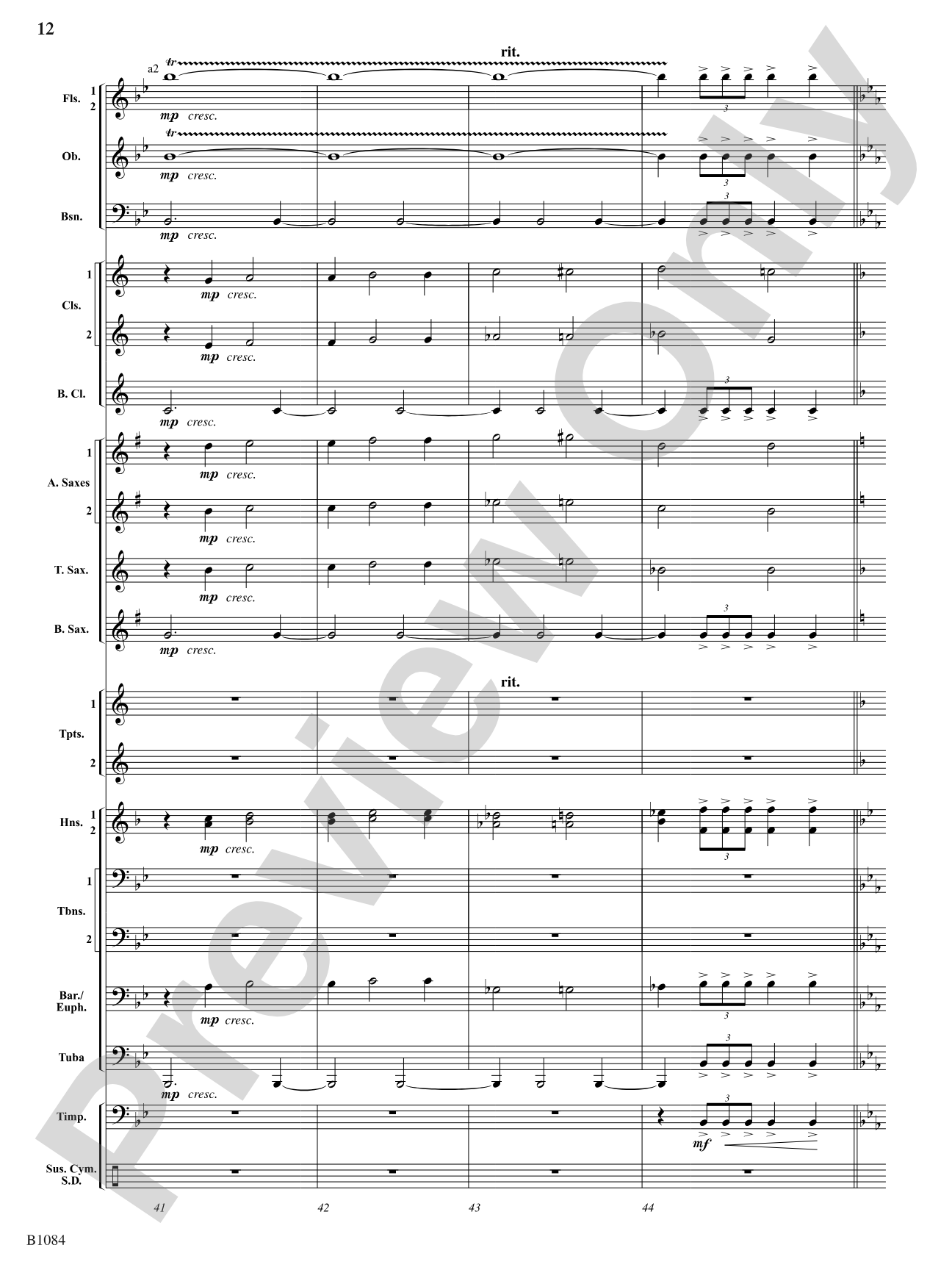
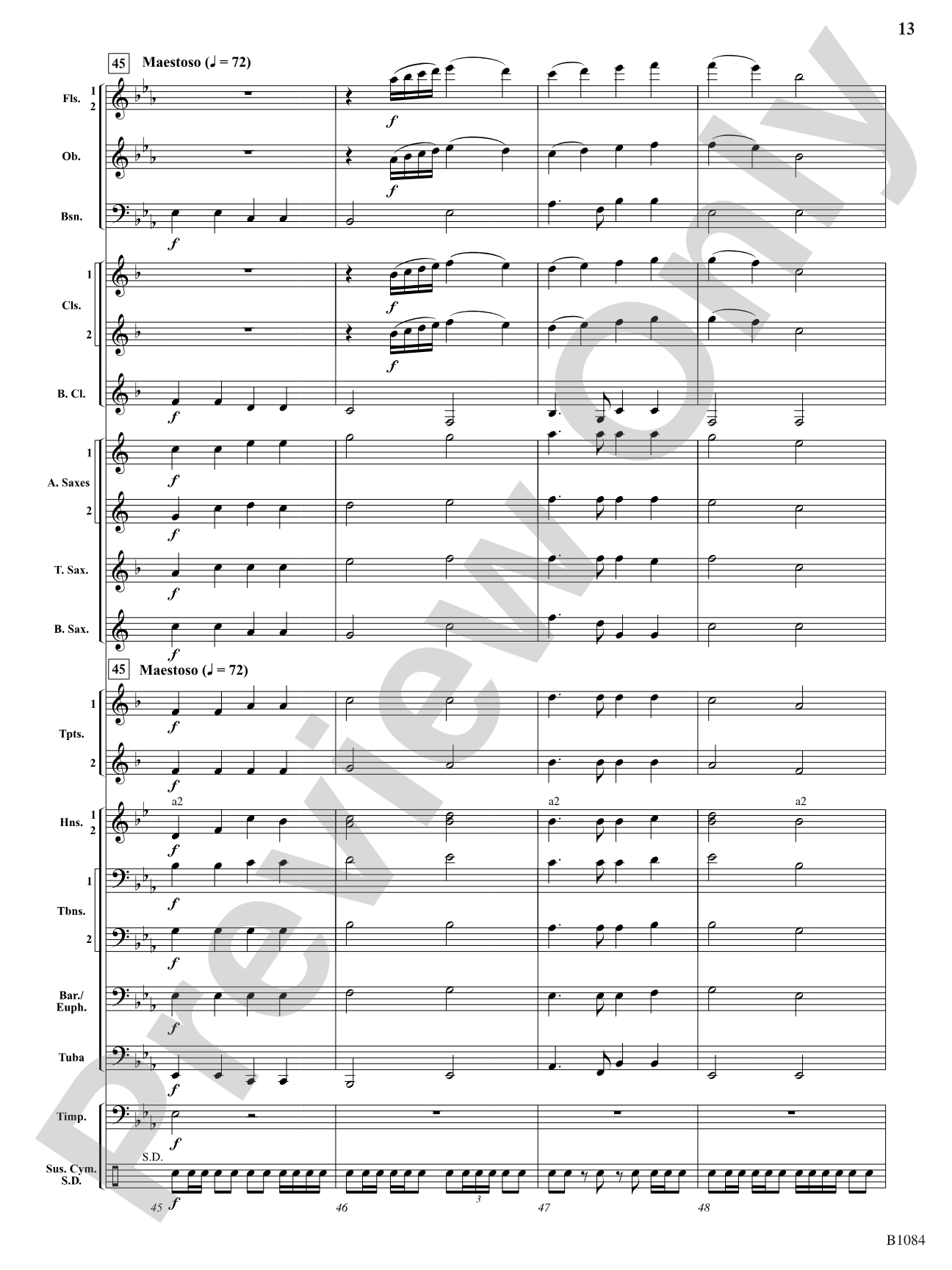
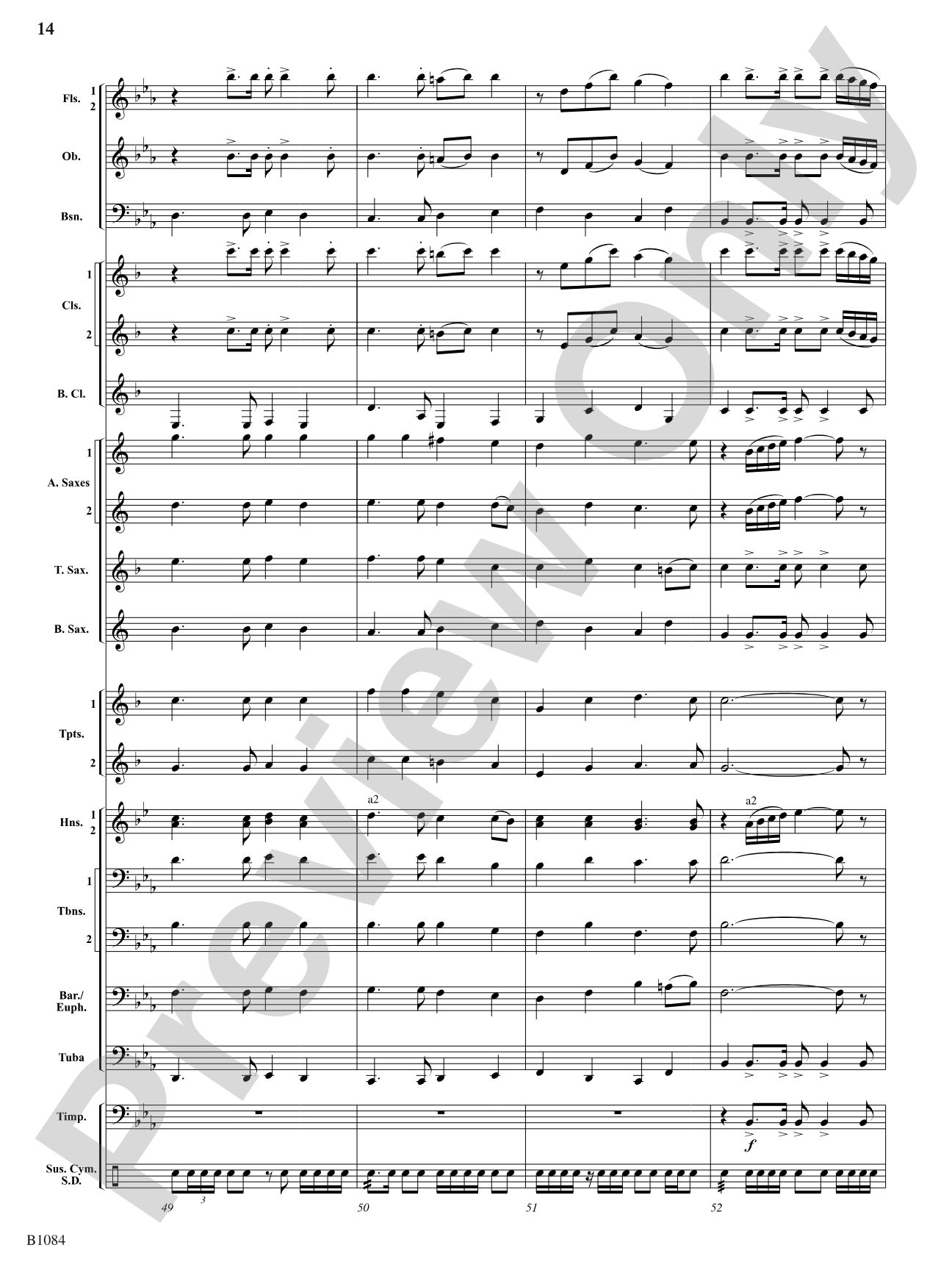
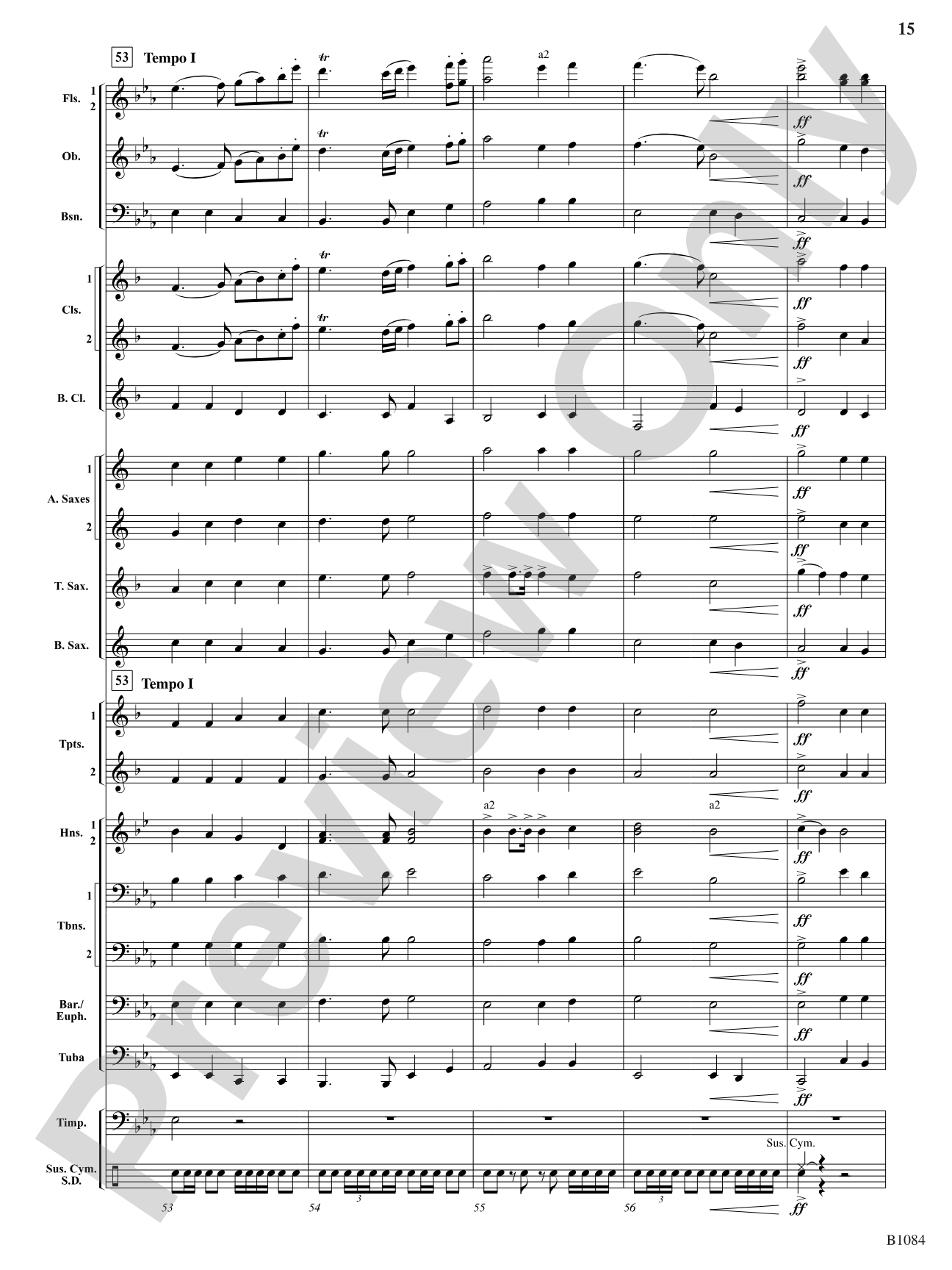
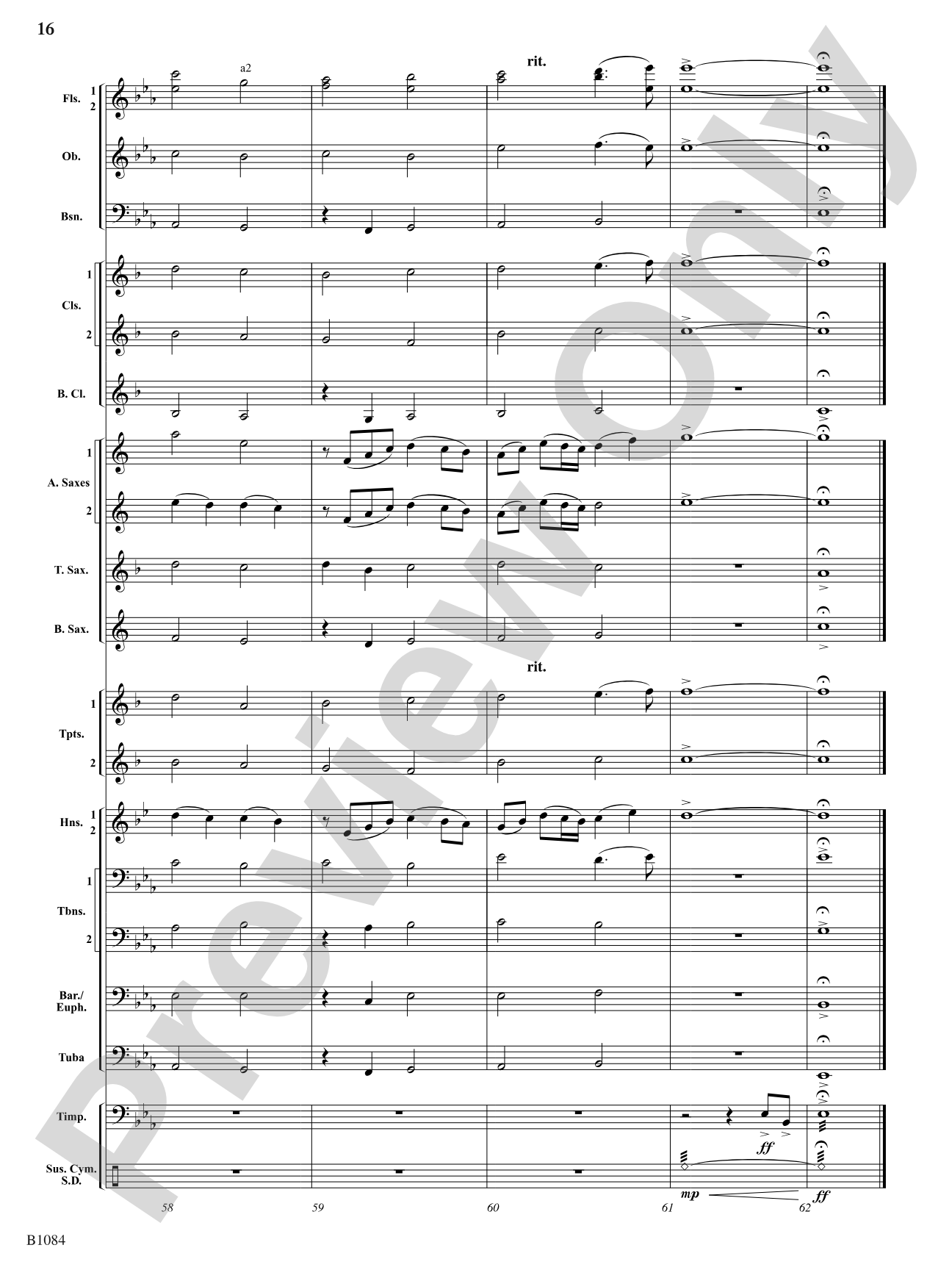

Our Song Shall Rise: Score
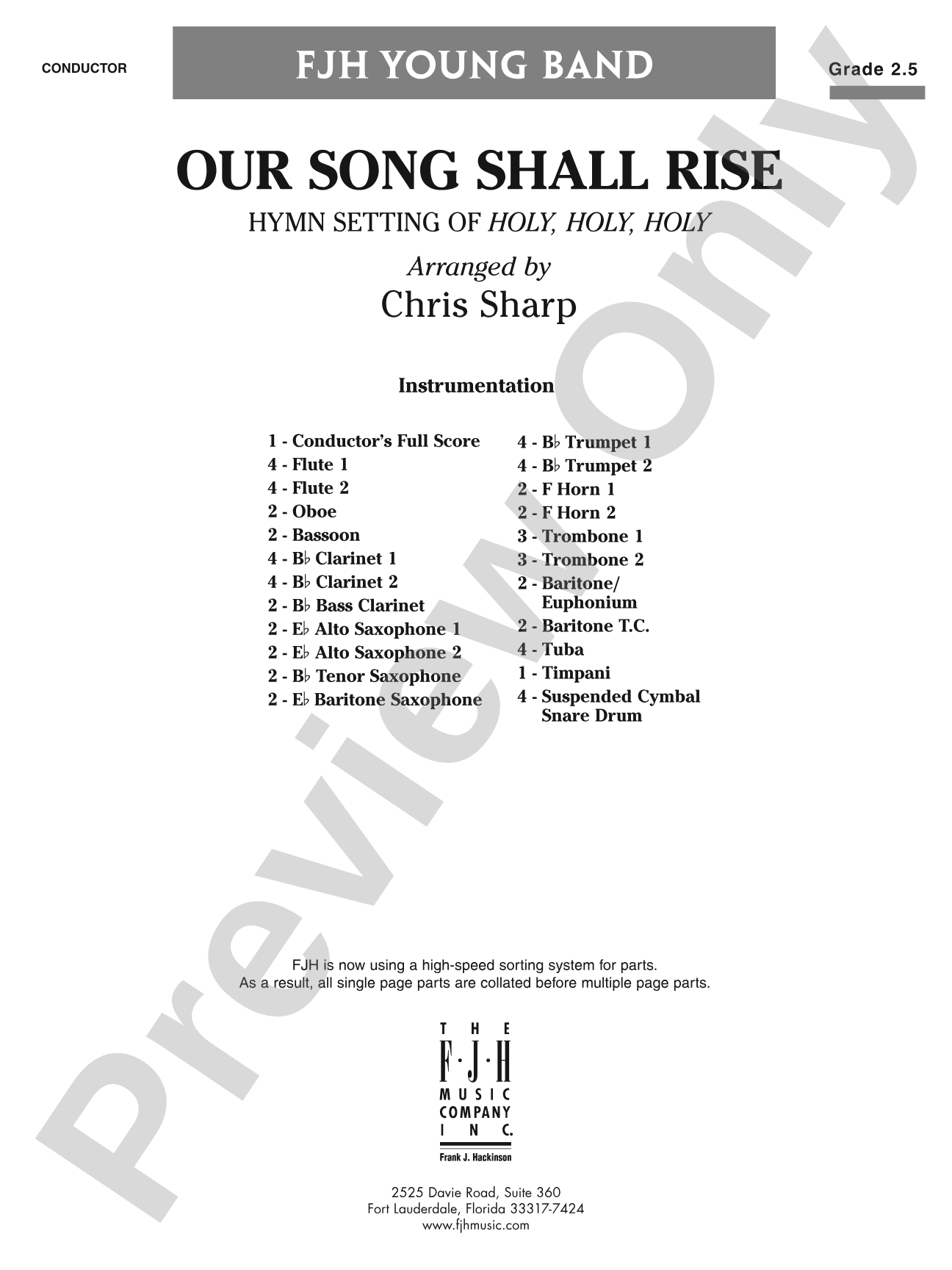
By John B. Dykes / arr. Chris Sharp
Grade: 2.5
Item: 98-DB1084S
$5.00
Pickup currently not available
Description
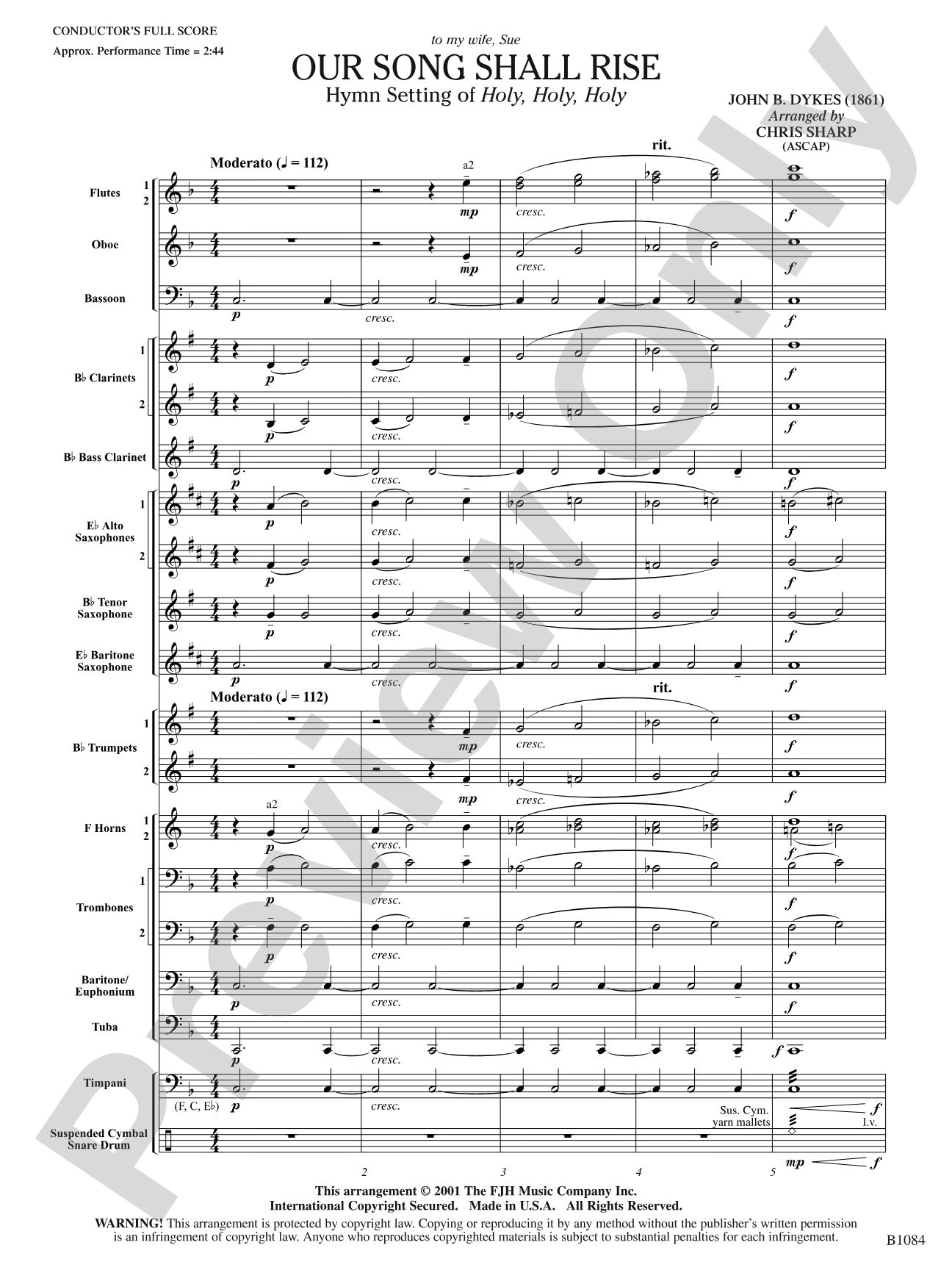
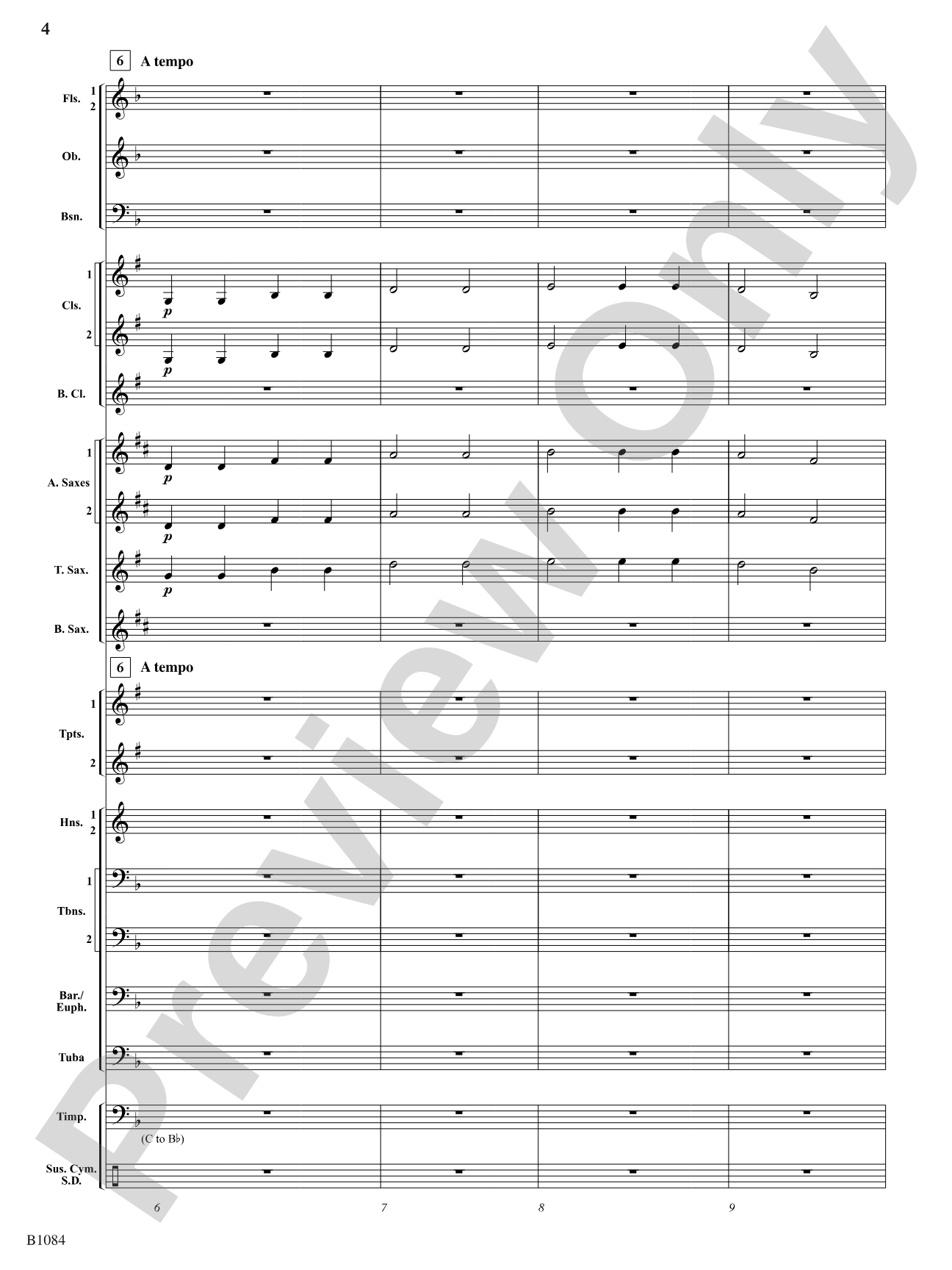
Opening with the rich sounds of the woodwind choir, here is a magnificent setting of John B. Dykes' familiar hymn tune, Holy, Holy, Holy. Rich brass writing sets up the fanfare and key change to a dramatic tutti finale. (2:45)


Discover MakeMusic Cloud: thousands of interactive titles your students can play along with today.
Sample Audio
1
Audio File
--:--
0:00
0:00
Sample Video
No sample videos found.
Additional Details
Series:
FJH Young Band
Publisher:
The FJH Music Company, Inc.
SKU:
98-DB1084S
More about this title
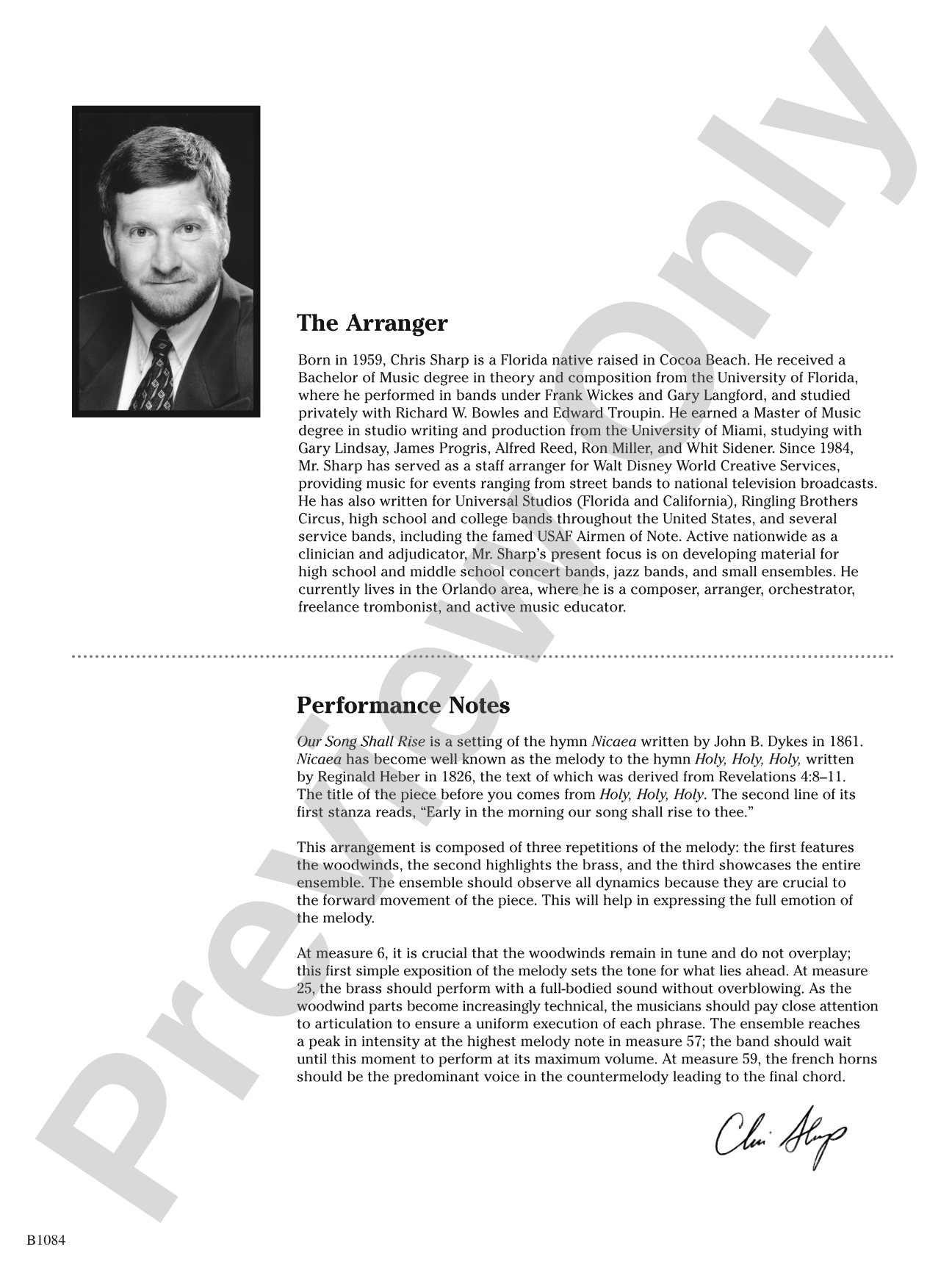
About the Composer: John B. Dykes
John B. Dykes (1823, 1876) was an English clergyman and one of the most prolific hymn tune composers of the Victorian era. His melodies became standards in Protestant worship across the English-speaking world, and many remain central to hymnals today. For music educators, Dykes represents a composer who understood how to write memorable, singable lines that work equally well in four-part harmony or in concert band arrangements.
Why we love this
Sharp's arrangement respects the hymn's structural integrity while showcasing what a young band can do with compelling harmonic writing and orchestration. The progression from woodwind-focused opening to a full-voiced finale gives students a satisfying arc to shape, and the key change creates a genuine dramatic moment without requiring advanced technical demands.
What to expect
Stately and reverent, with moments of triumphant brightness. The piece opens in quiet contemplation, then gradually builds confidence and energy, culminating in a robust affirmation that feels earned rather than forced.
Who it's for
Young concert bands at the intermediate level who are ready to move beyond simple chorale arrangements into pieces with genuine harmonic sophistication and sectional contrast. This works well for groups that can handle blend and listen to each other, even if individual technical facility is still developing.
How to get the most out of it
- Balance the opening woodwind choir carefully; these voices are the musical heart, so resist the temptation to let the brass preview the fanfare. The accompaniment should support, not compete.
- Shape the key change as a true pivot point. Slight separation between sections helps the audience register the shift, and it gives you a chance to reset the tempo and energy.
- Let the brass fanfare breathe. This isn't about volume alone; a measured approach to the crescendo into the finale sounds far more purposeful than attacking it immediately.
- Balance the tutti demands by remembering this is Grade 2.5. Doubling is your friend here. Front-load rehearsal time on pitch consistency in the lower voices before worrying about dynamic contrast.
How to use it
Place this on a concert that includes other sacred or thematic programming, where it anchors the program without demanding the most advanced repertoire slot. It also works beautifully as an opener for a concert, setting a warm and welcoming tone before moving into more contemporary works.
Skills your students will build
- Listening to and balancing multiple independent melodic lines within the same section
- Sustaining tone quality and intonation during hymn-style half notes and whole notes
- Recognizing and executing a key change without losing ensemble cohesion
- Shaping a gradual dynamic curve over an entire phrase without rushing or overblowing