
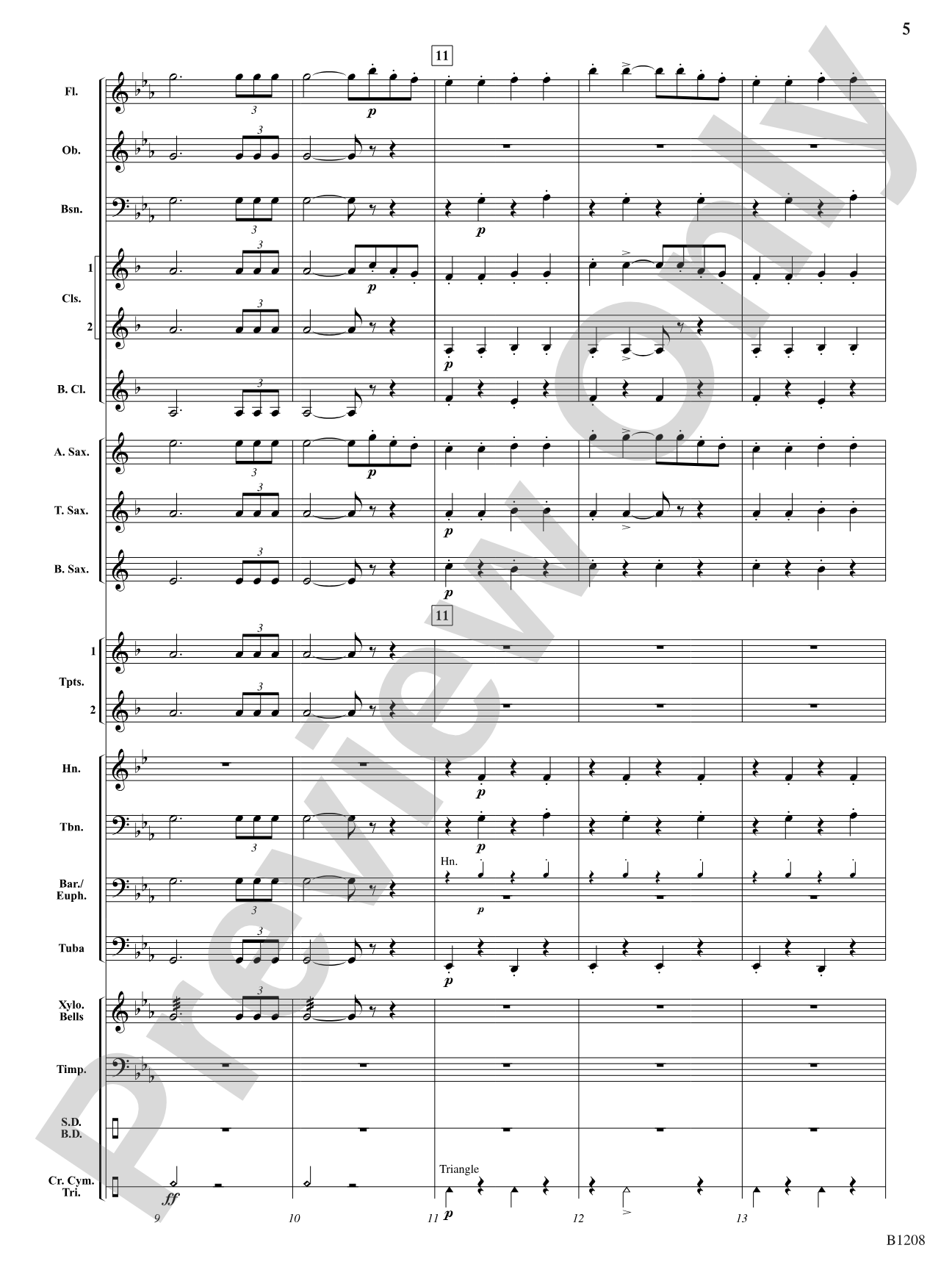
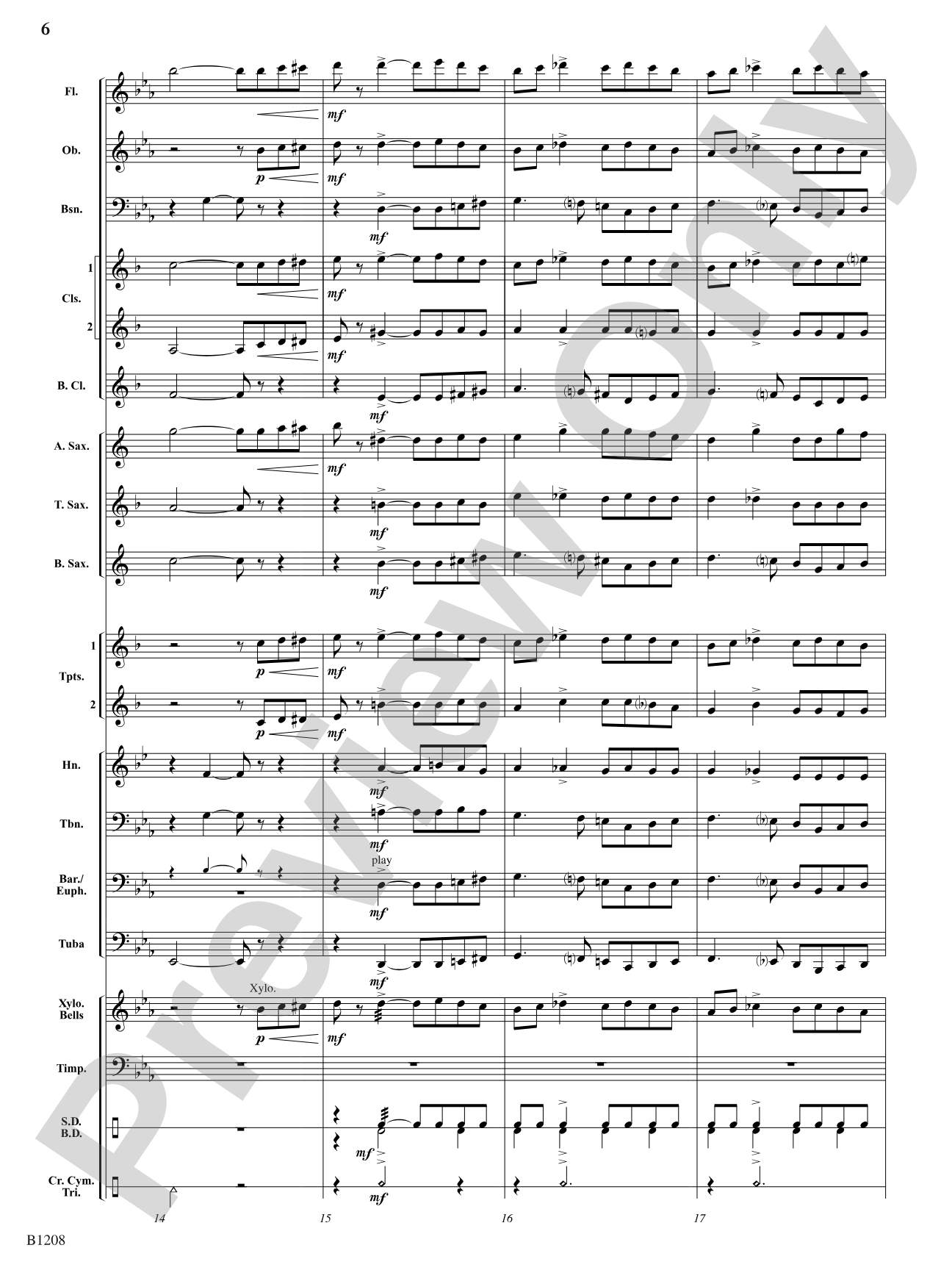
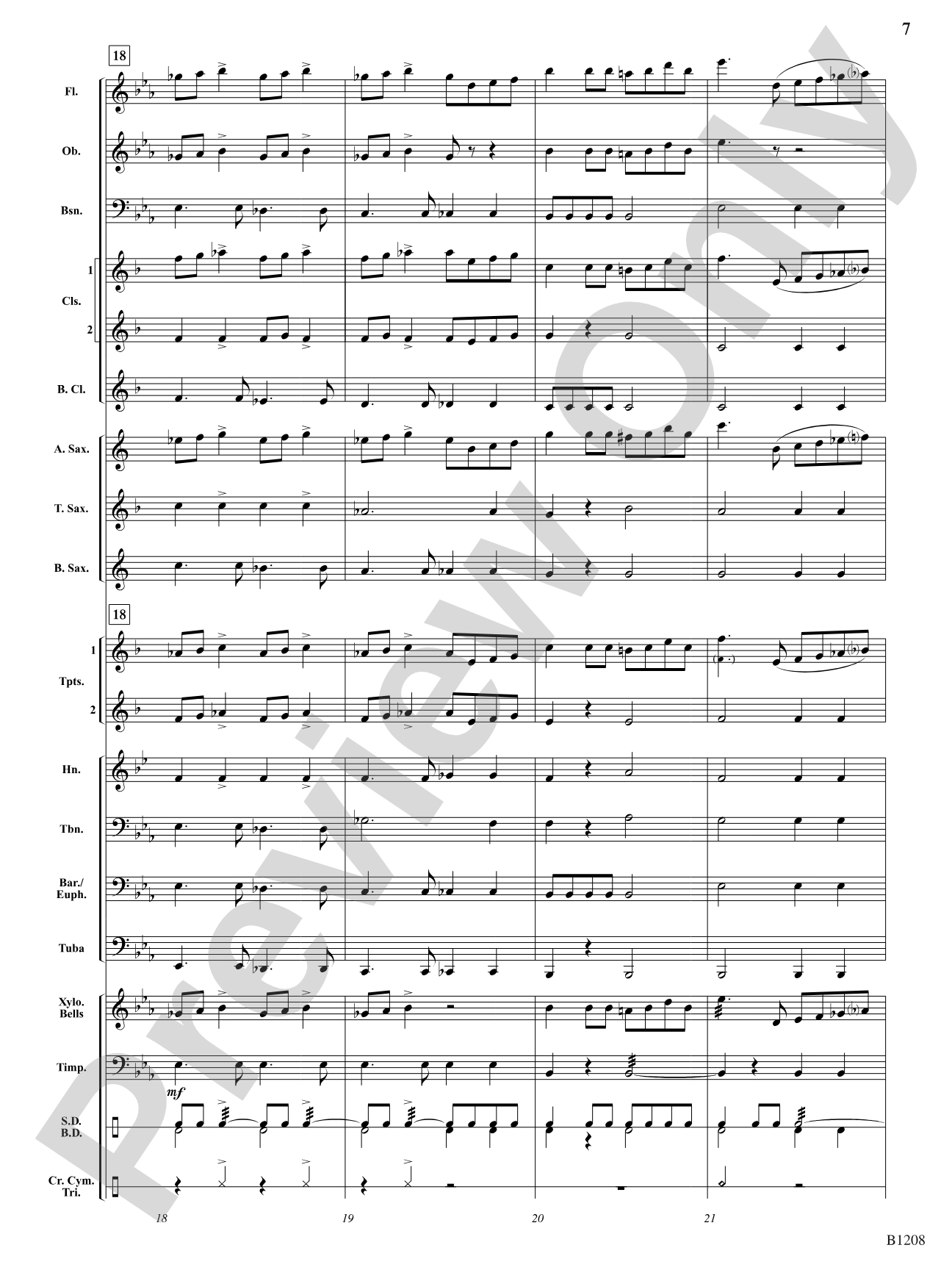
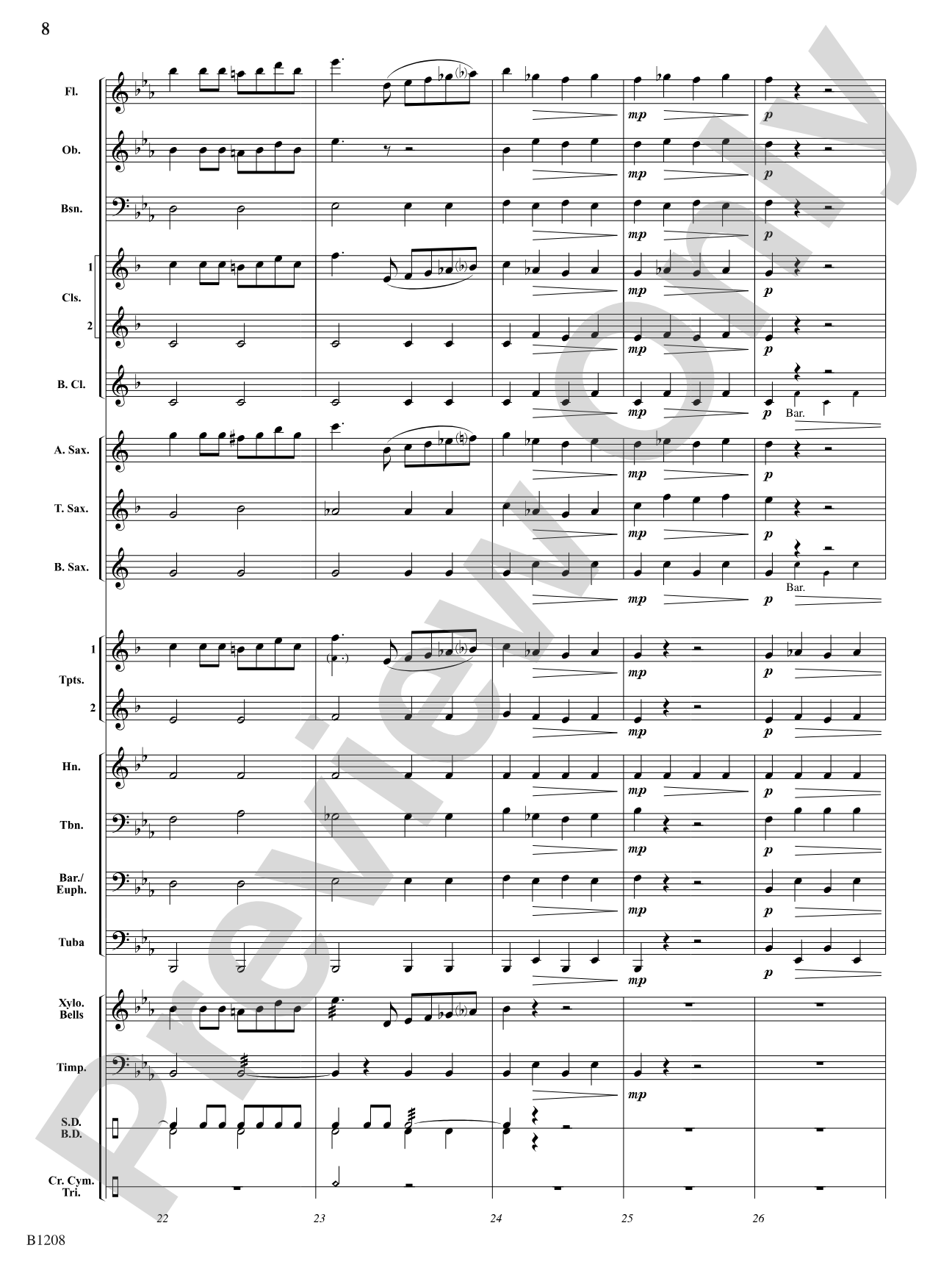
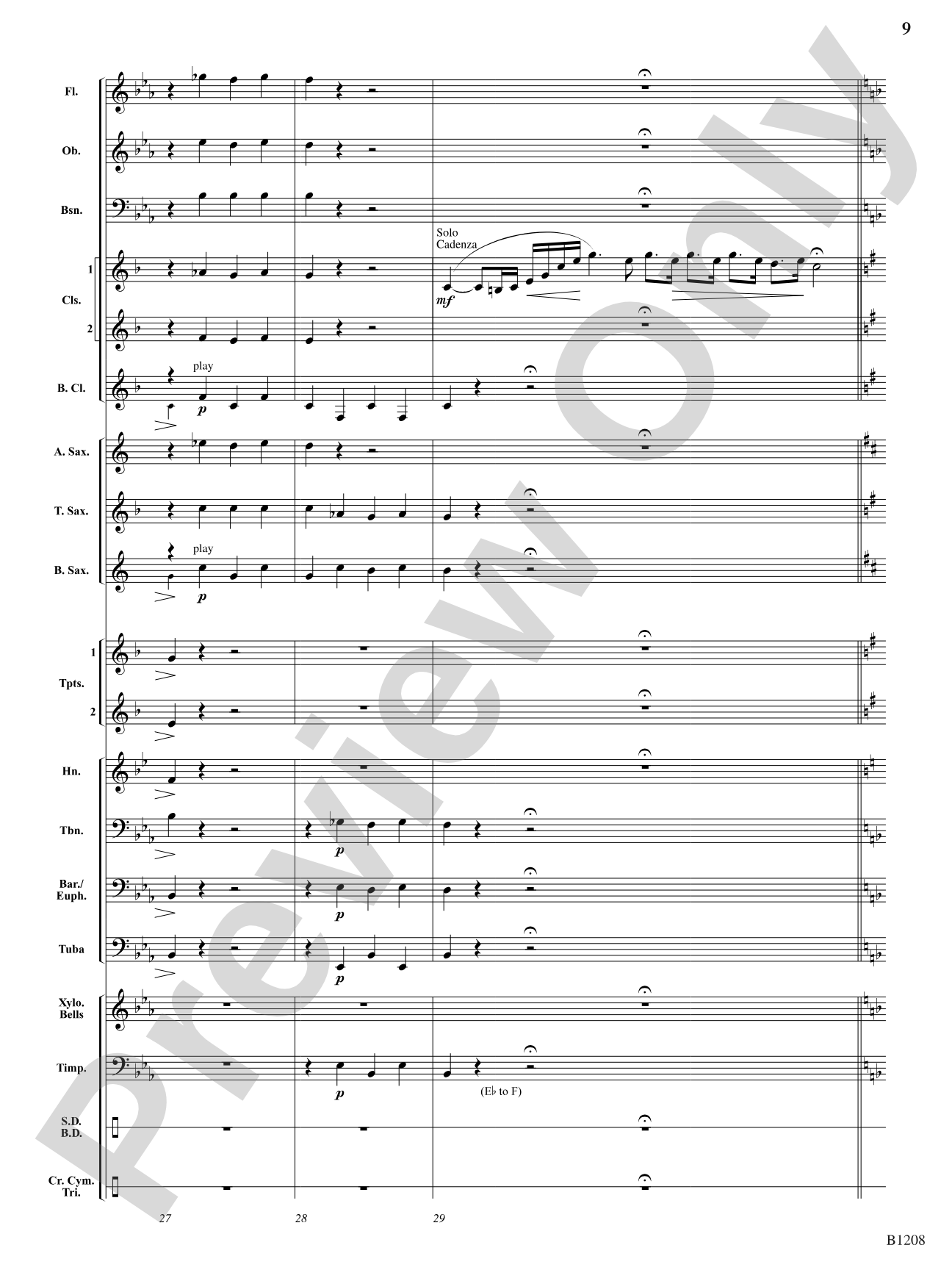
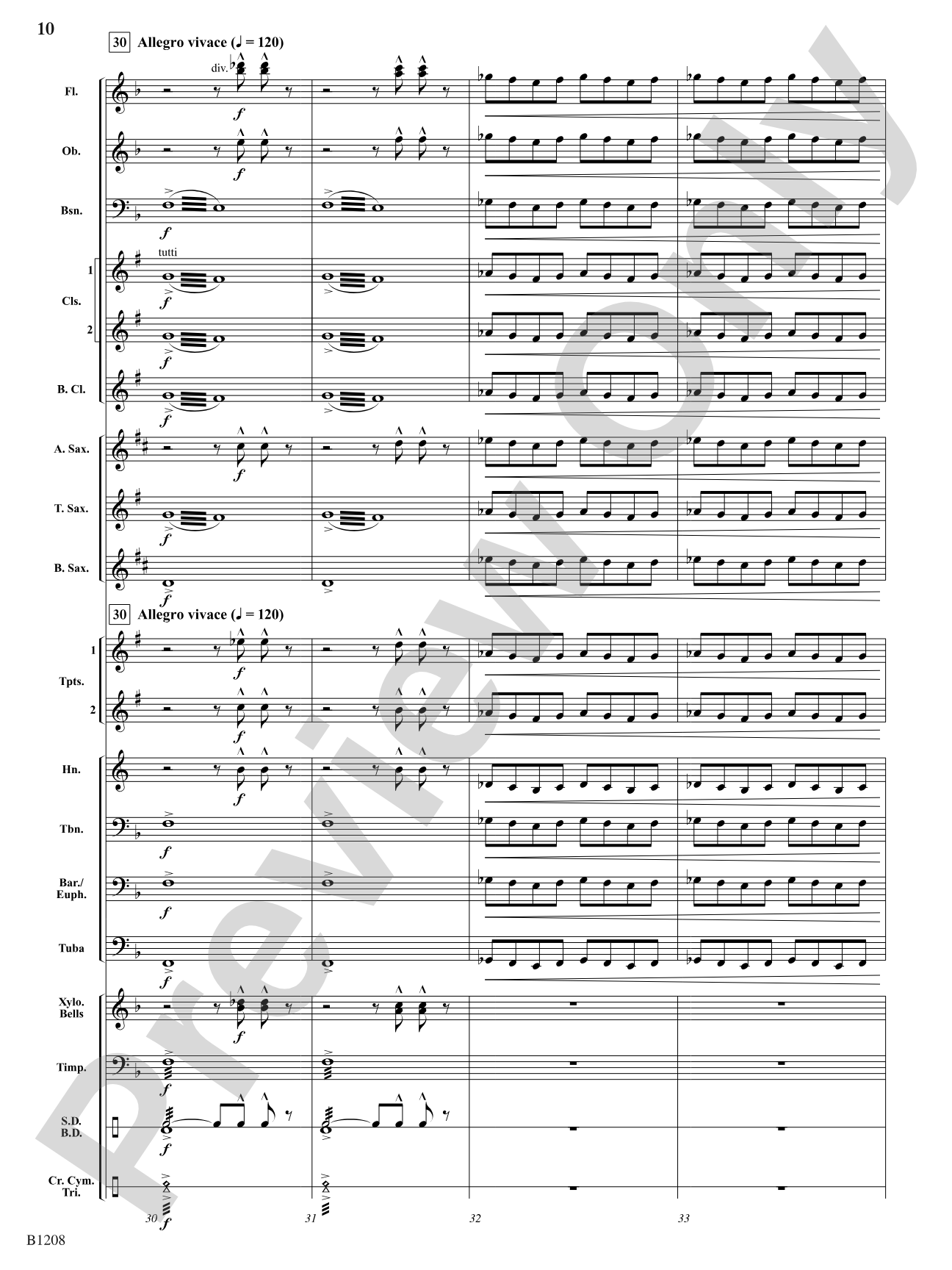
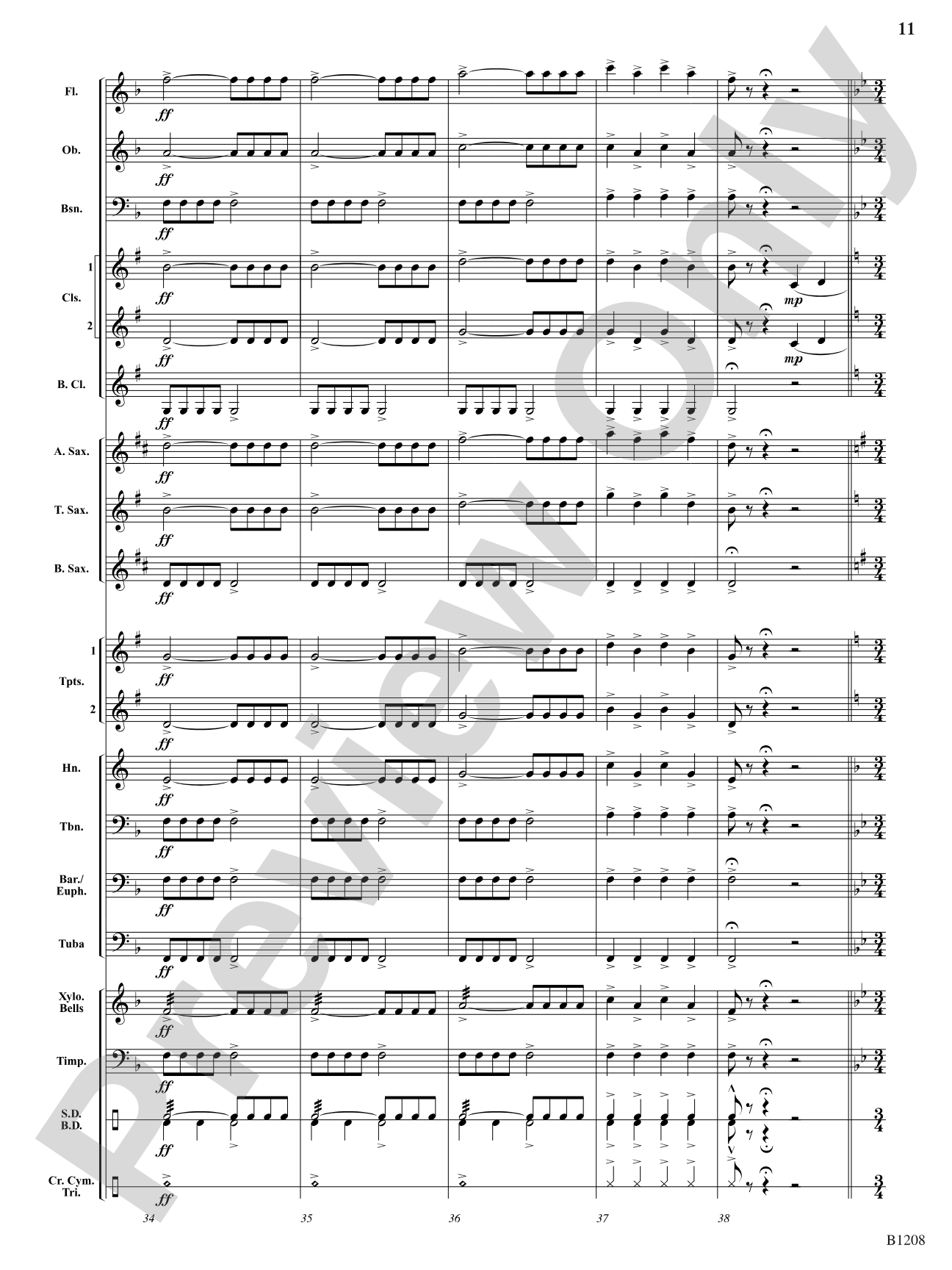
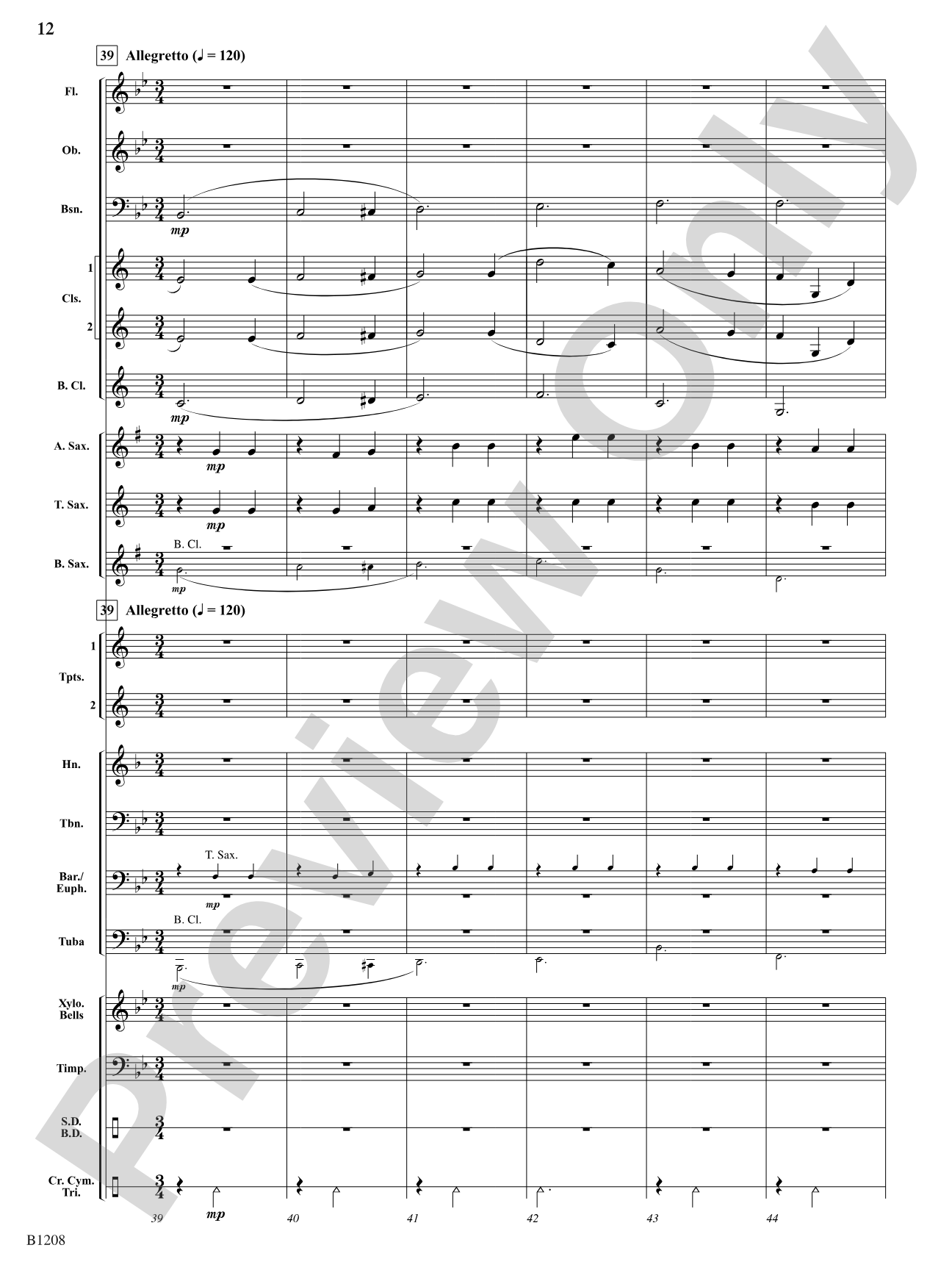
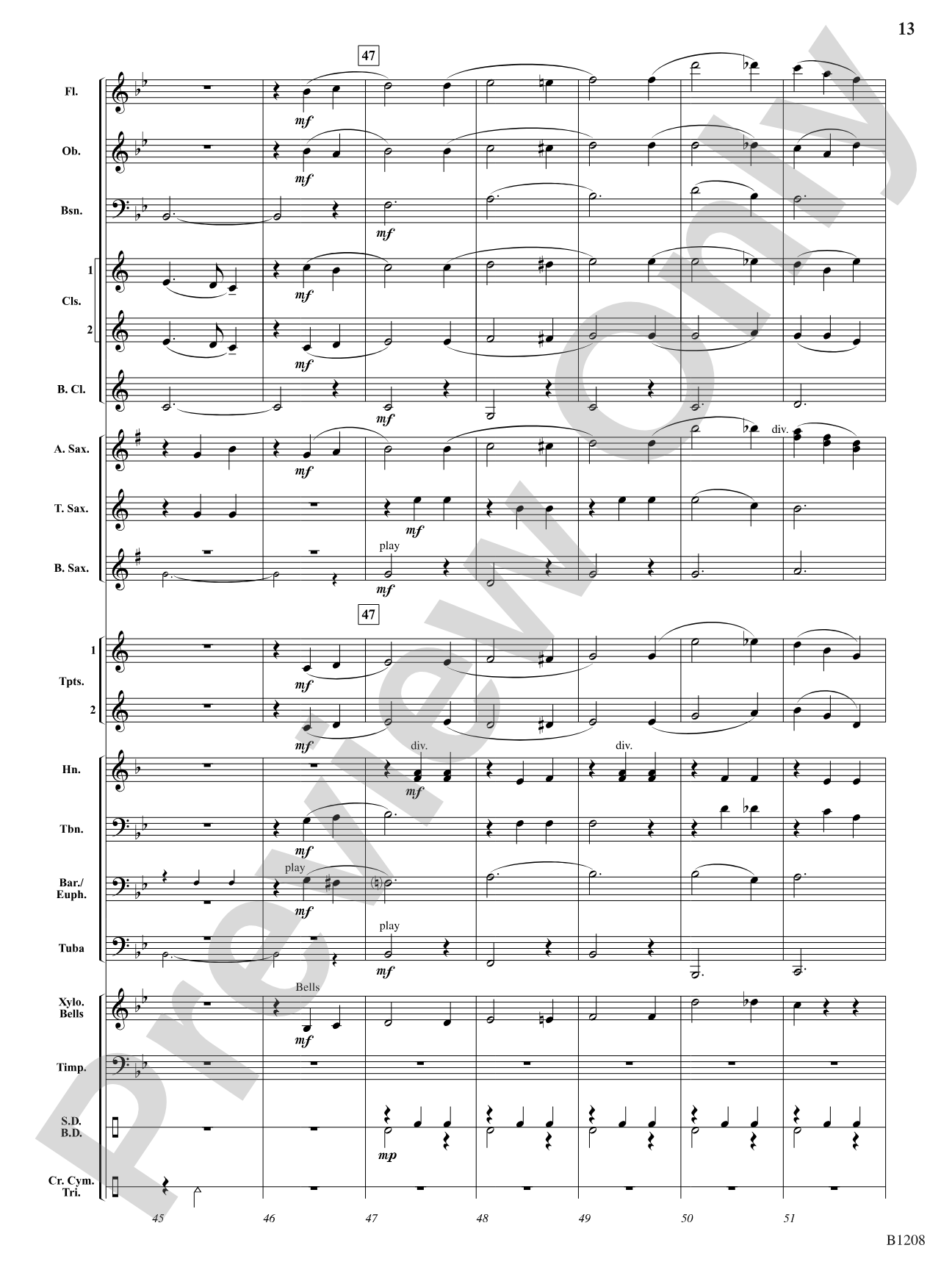
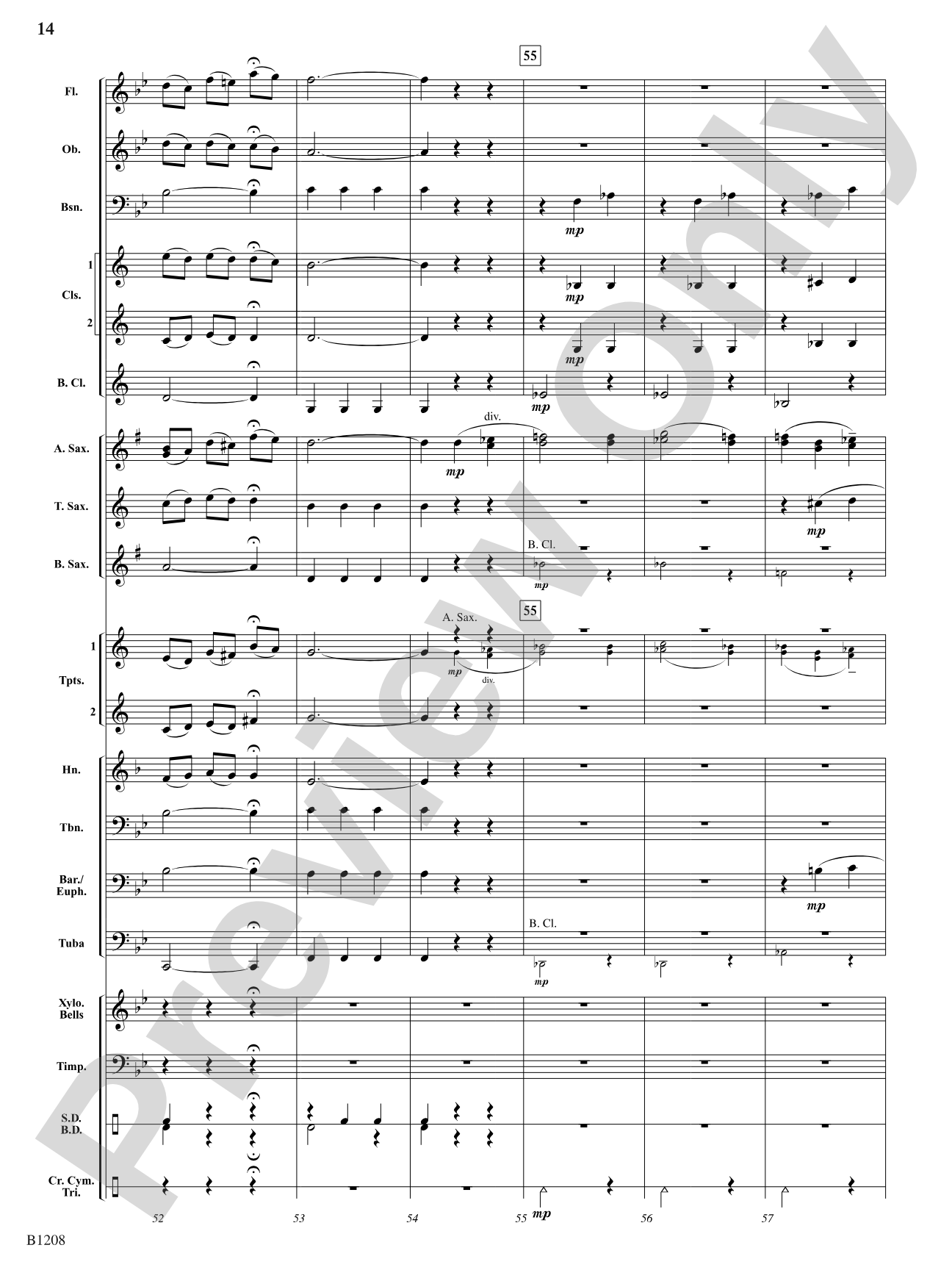
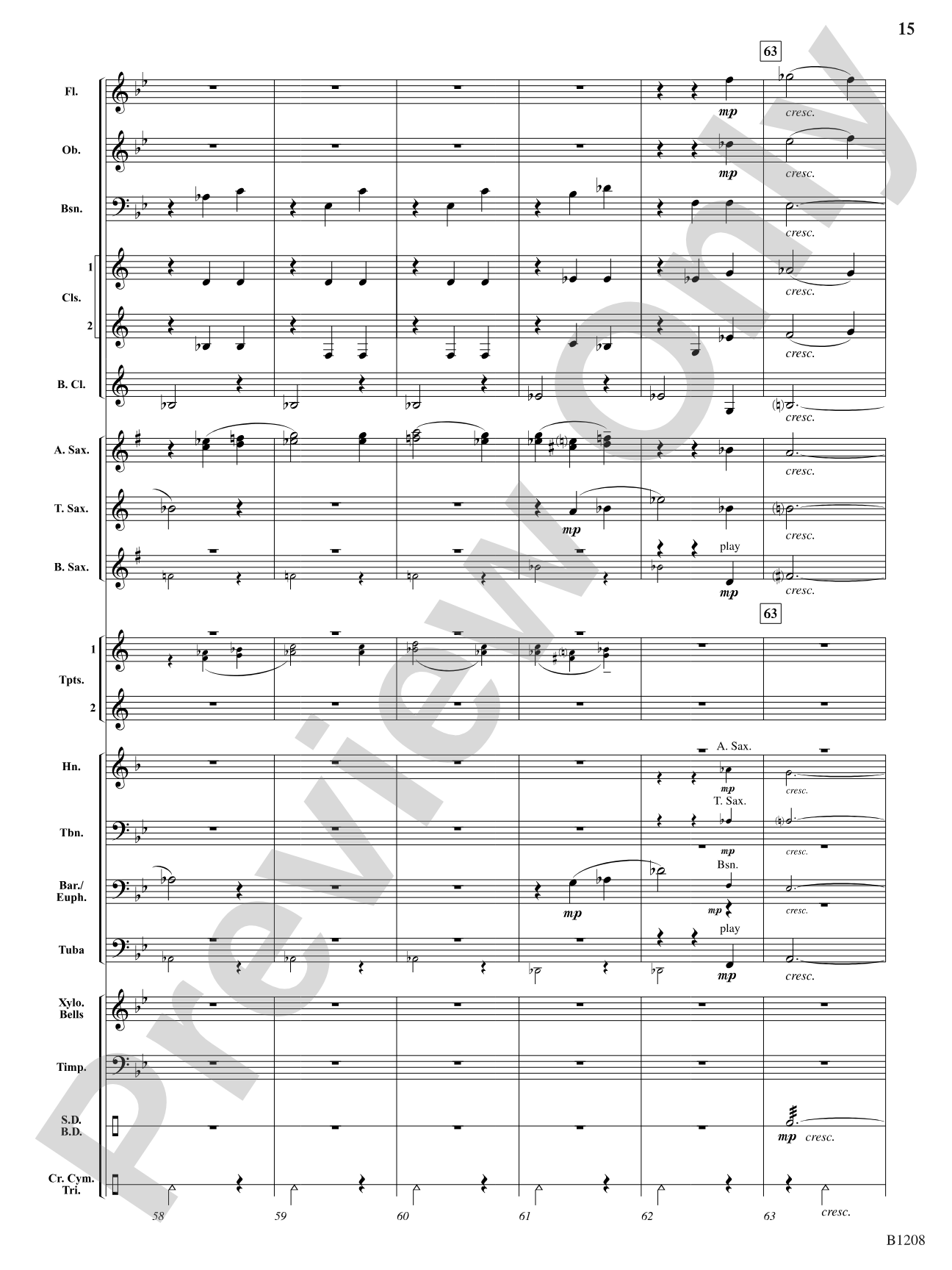
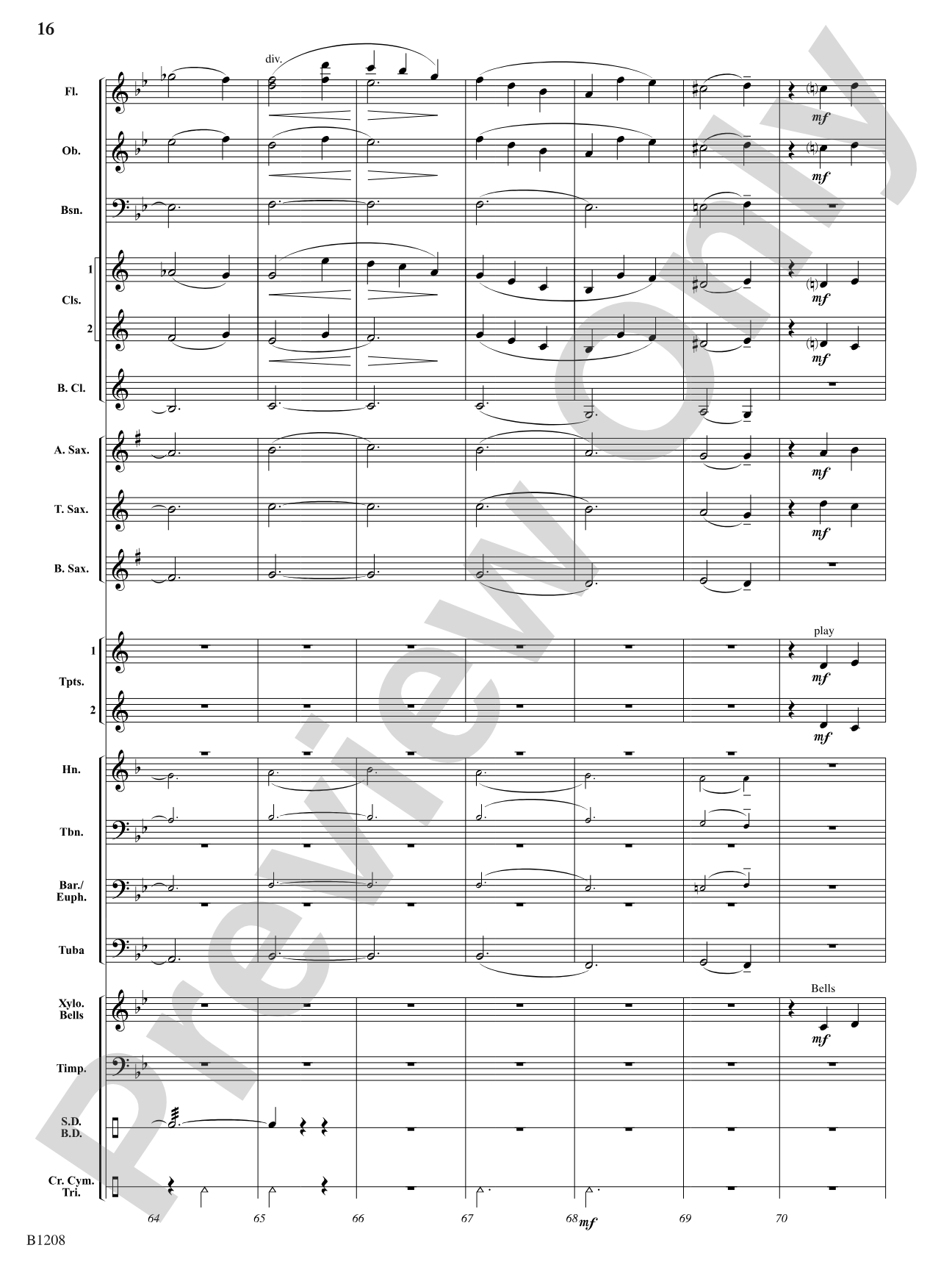
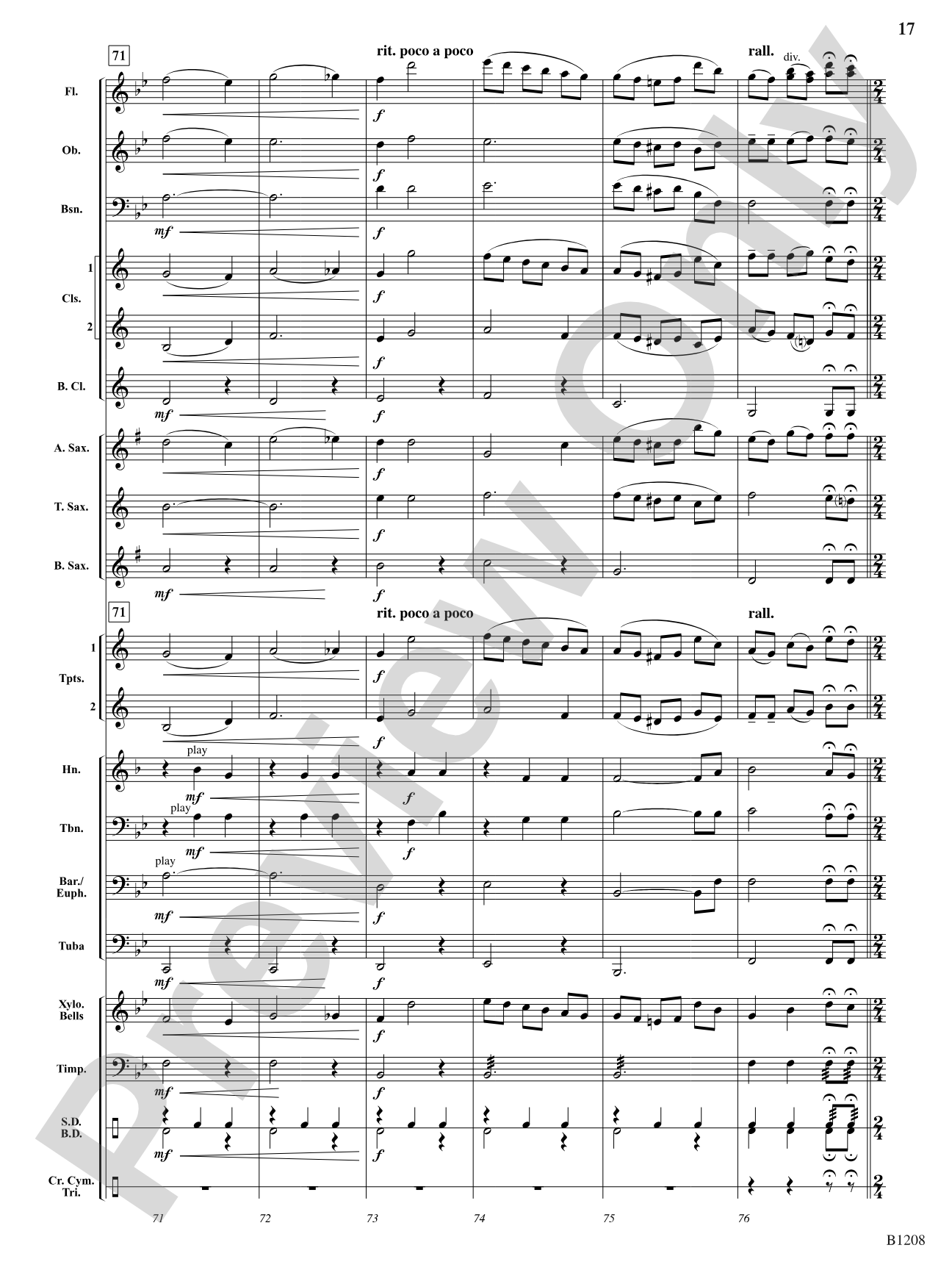
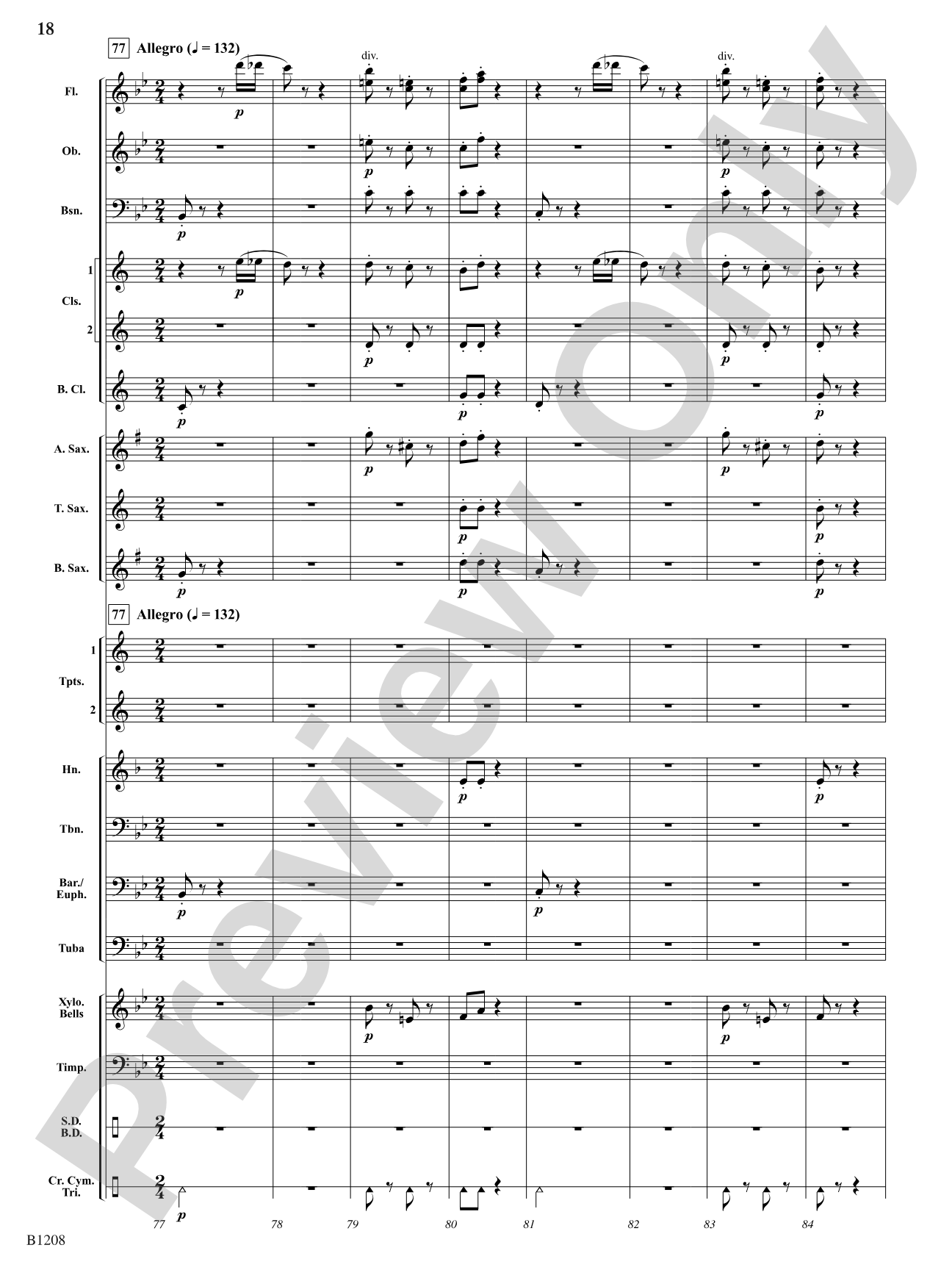
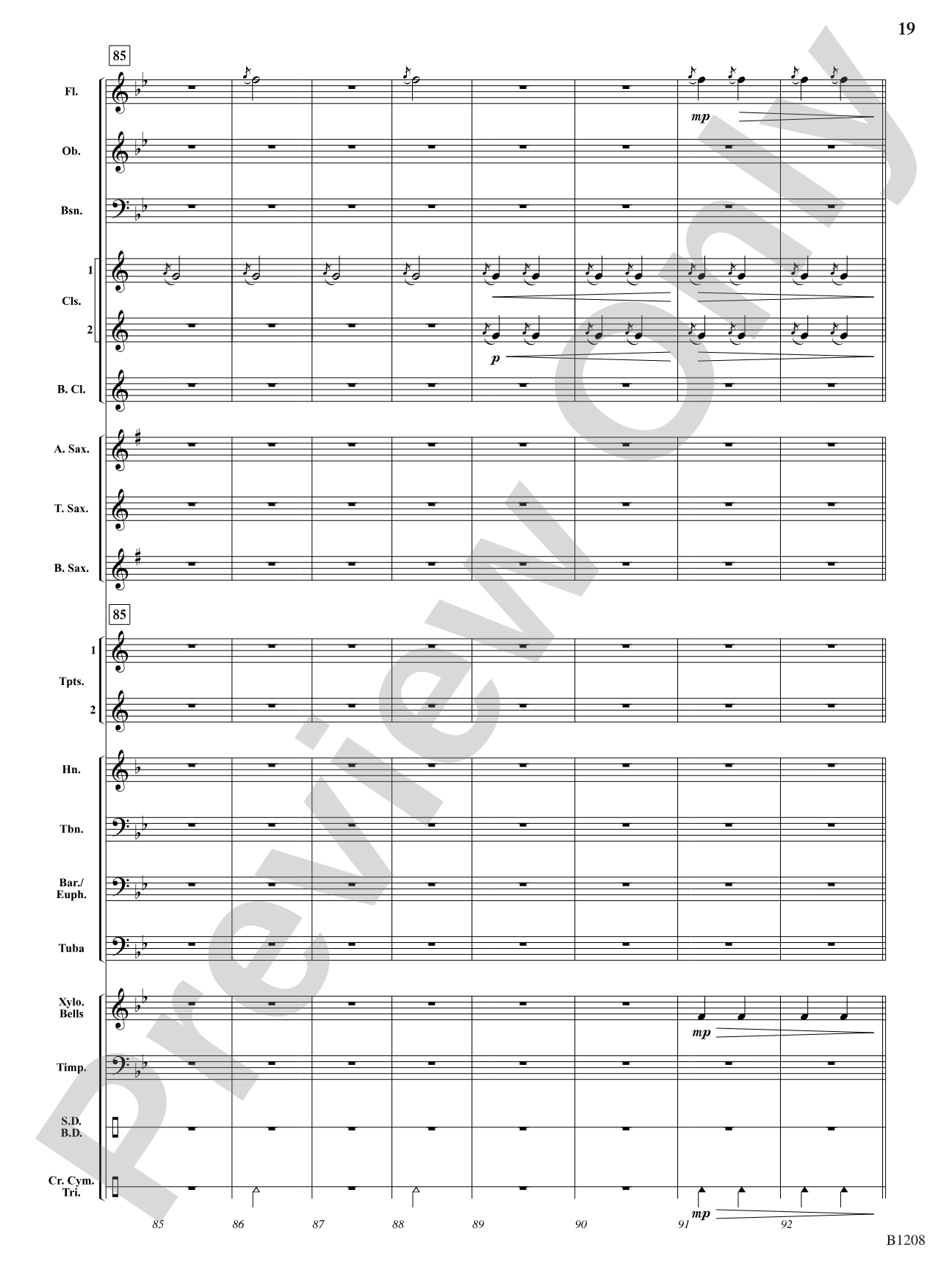
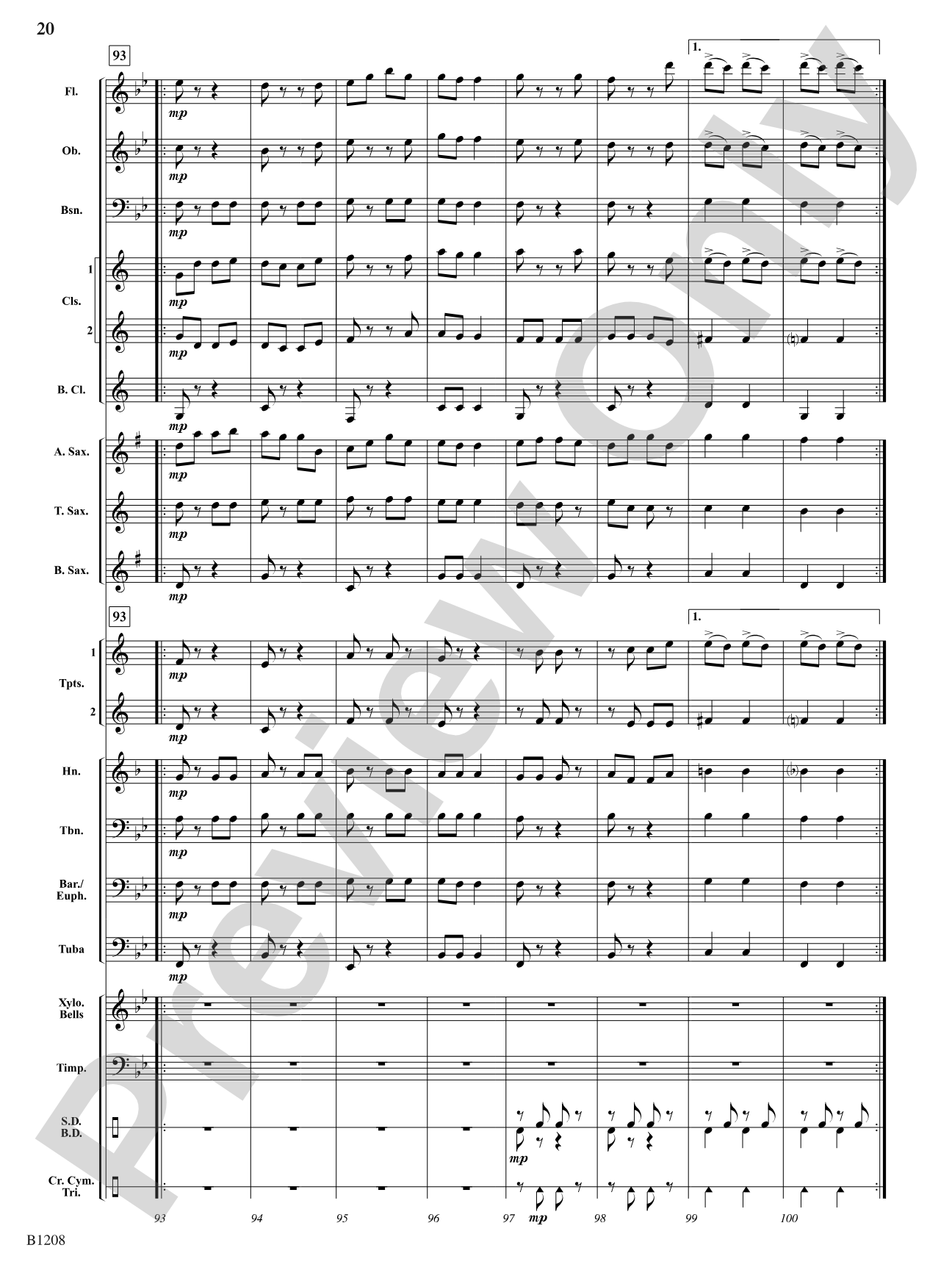
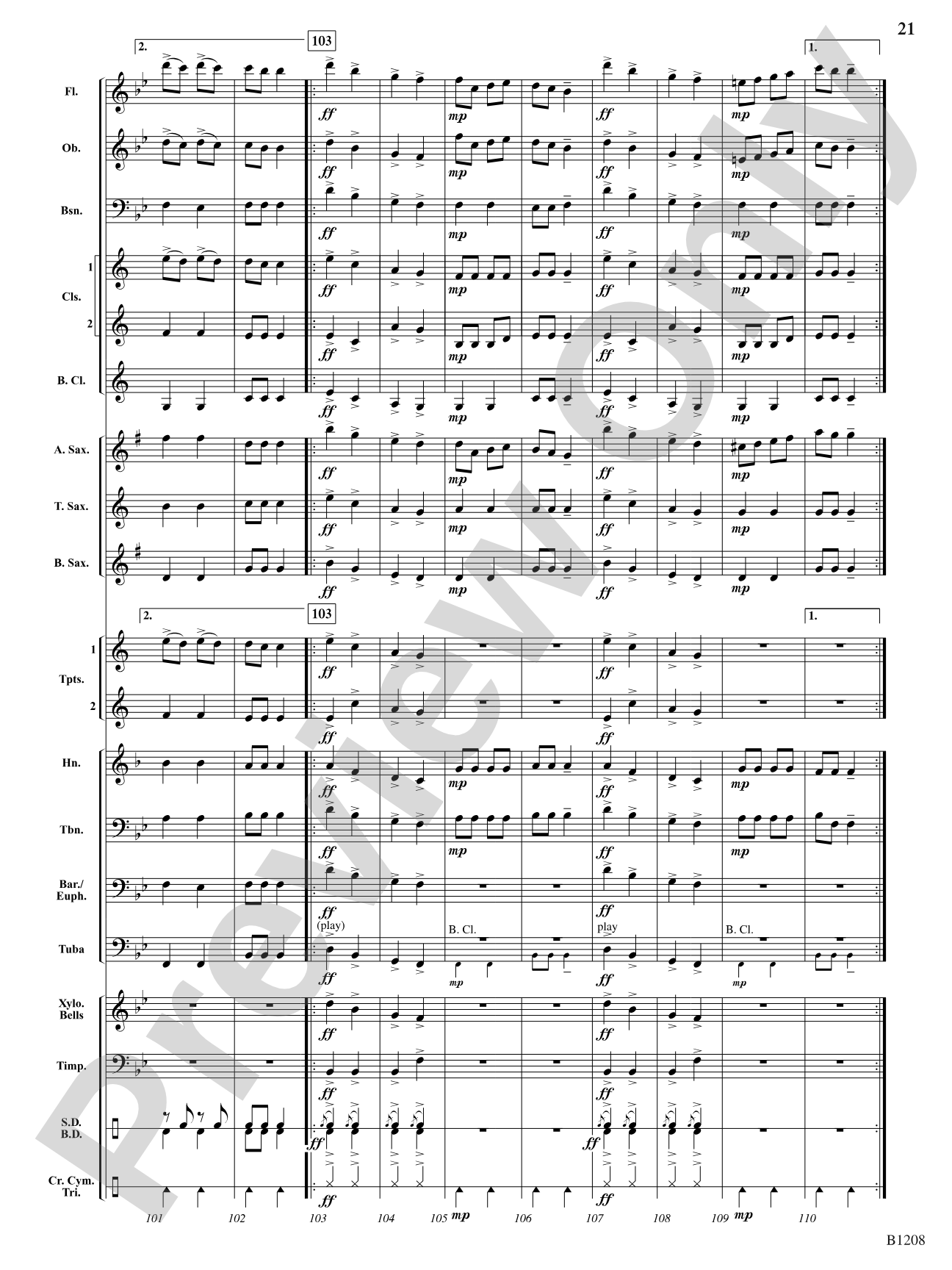
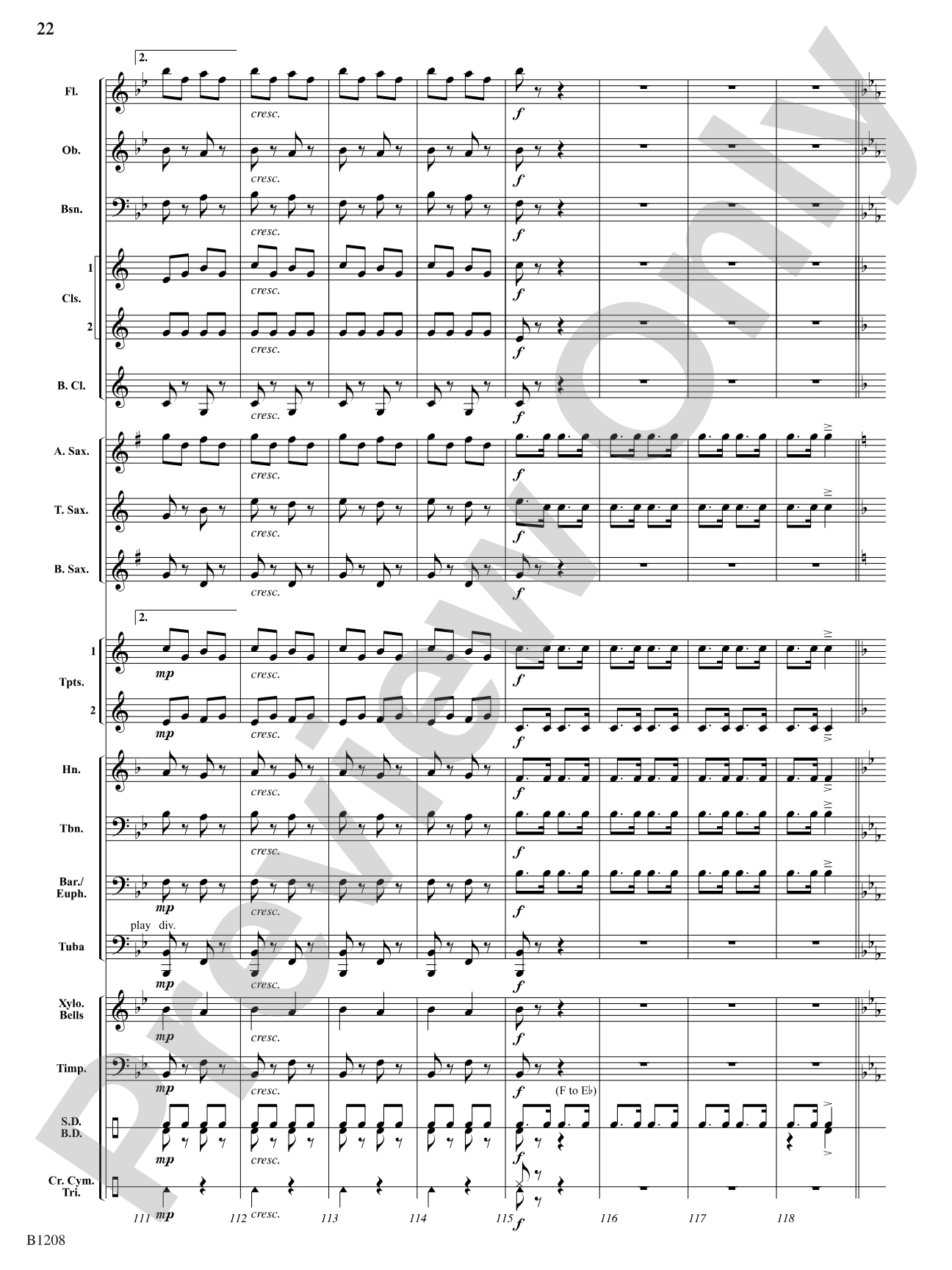
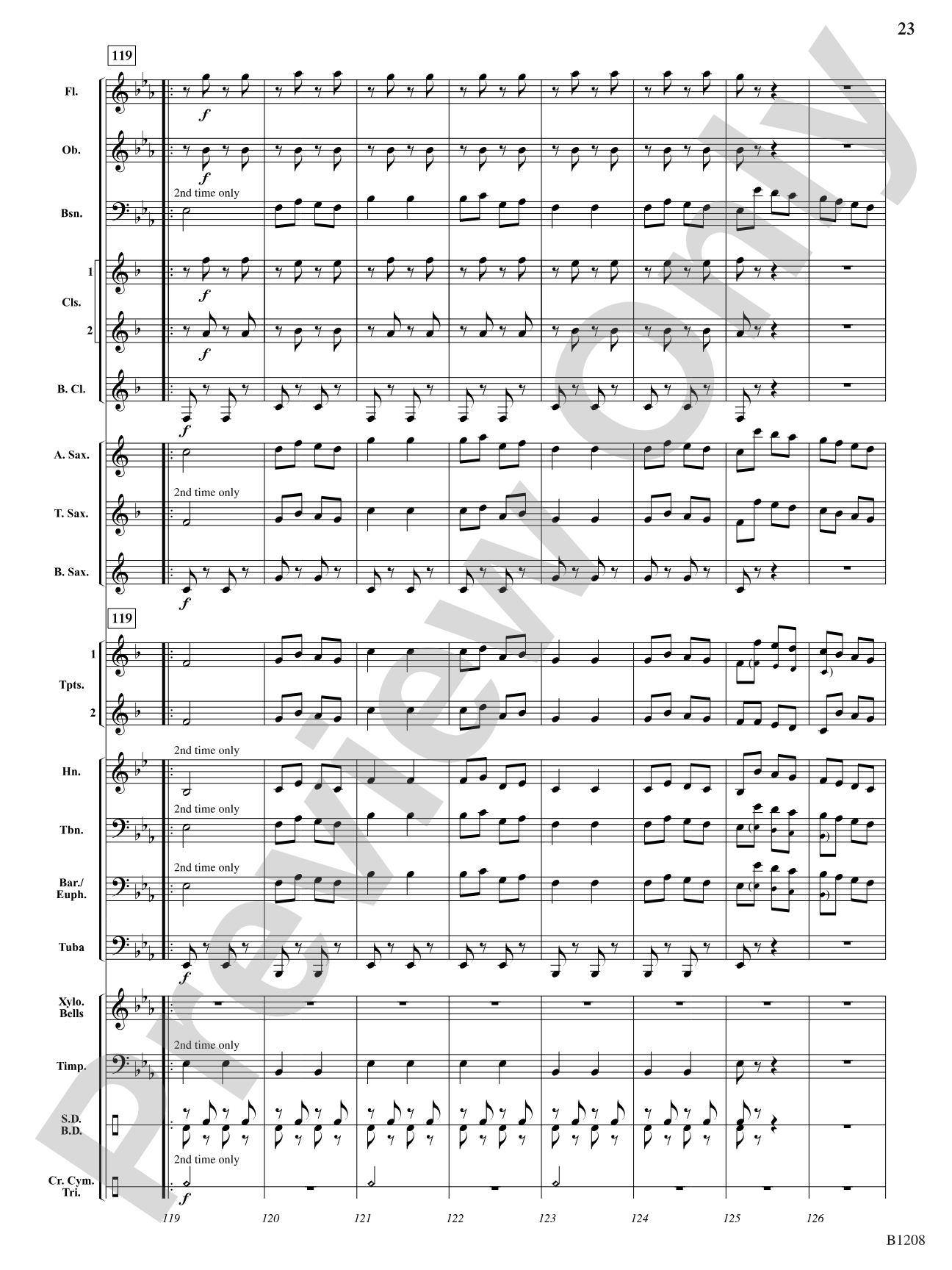
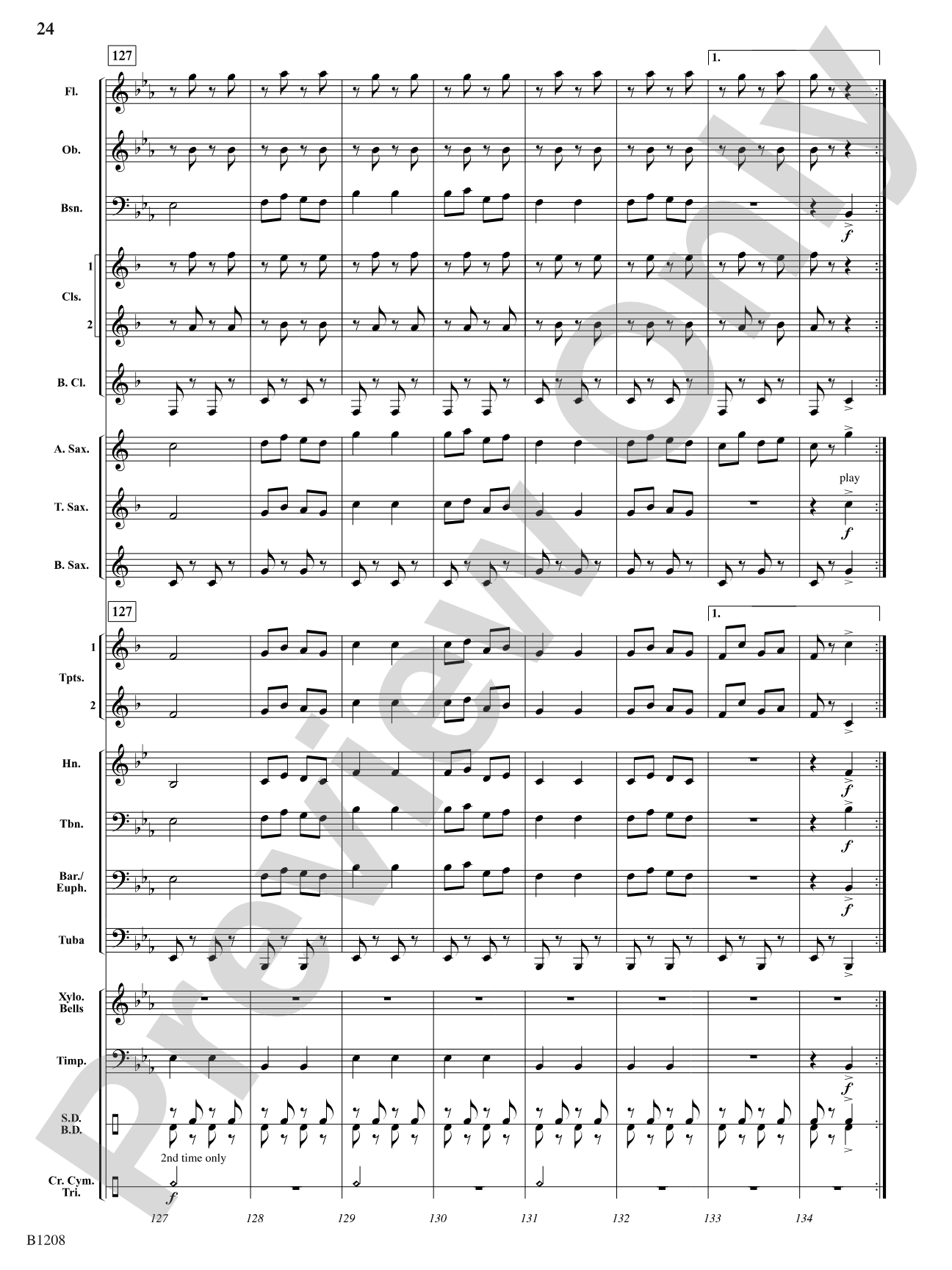
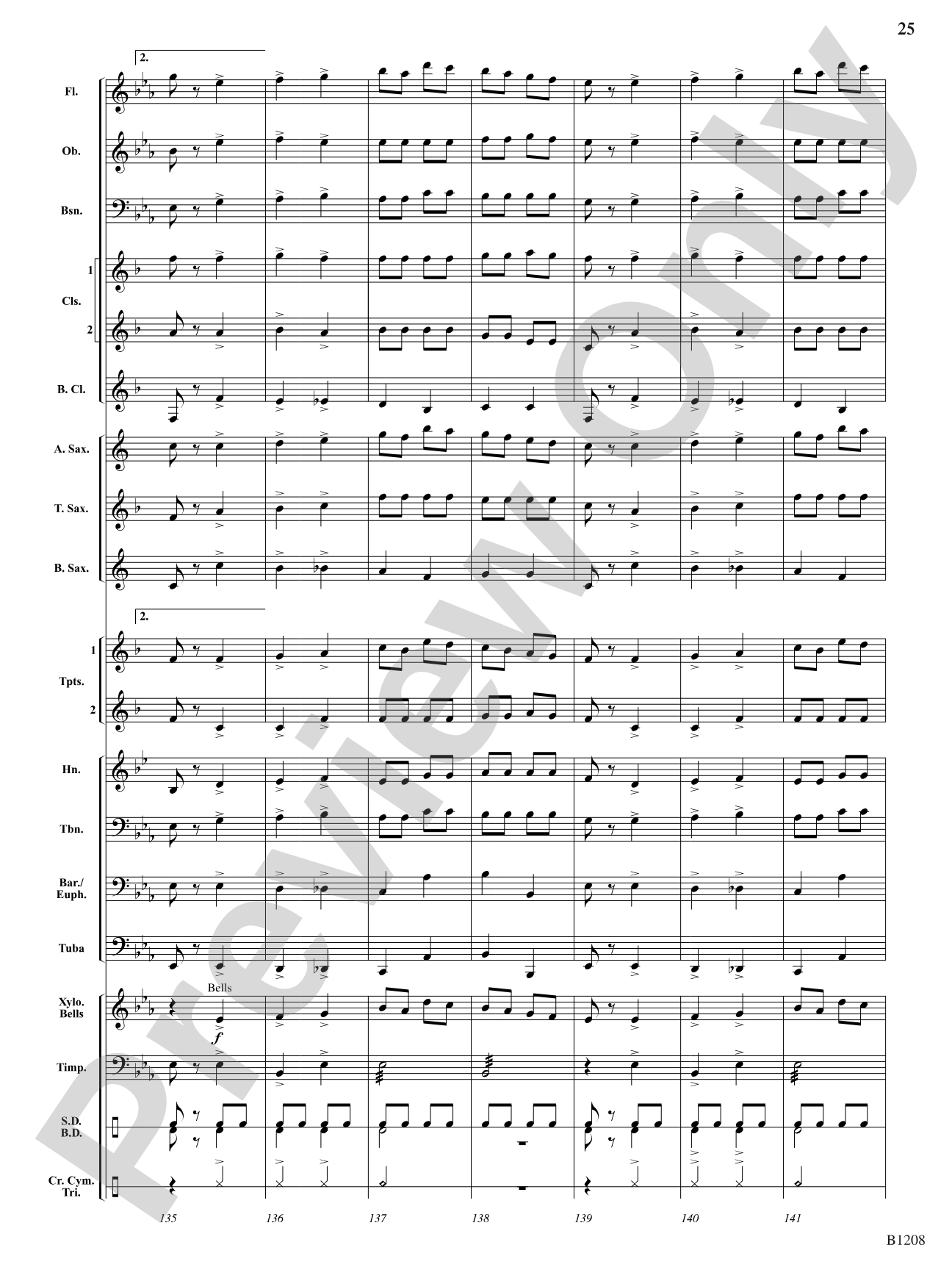
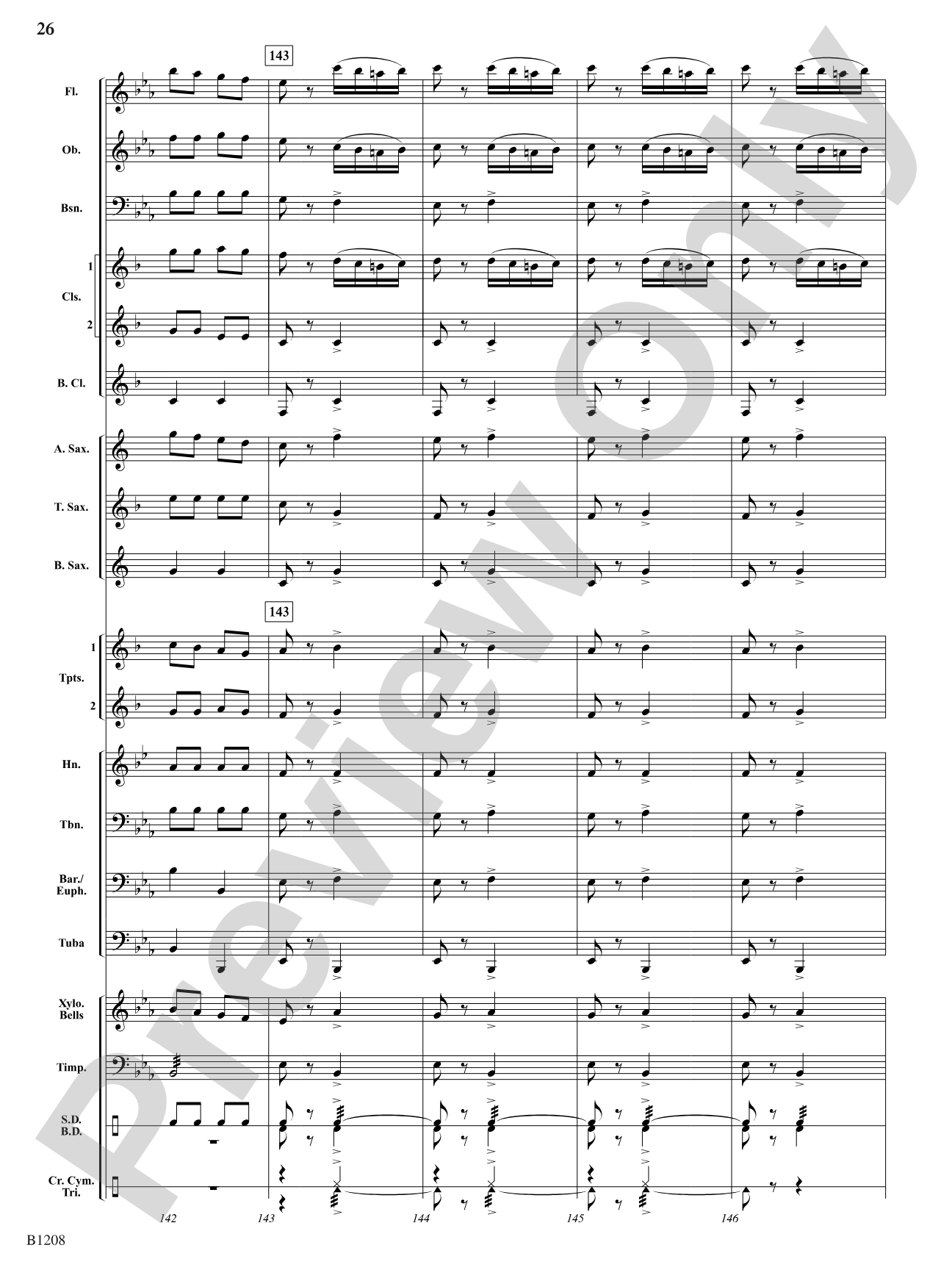
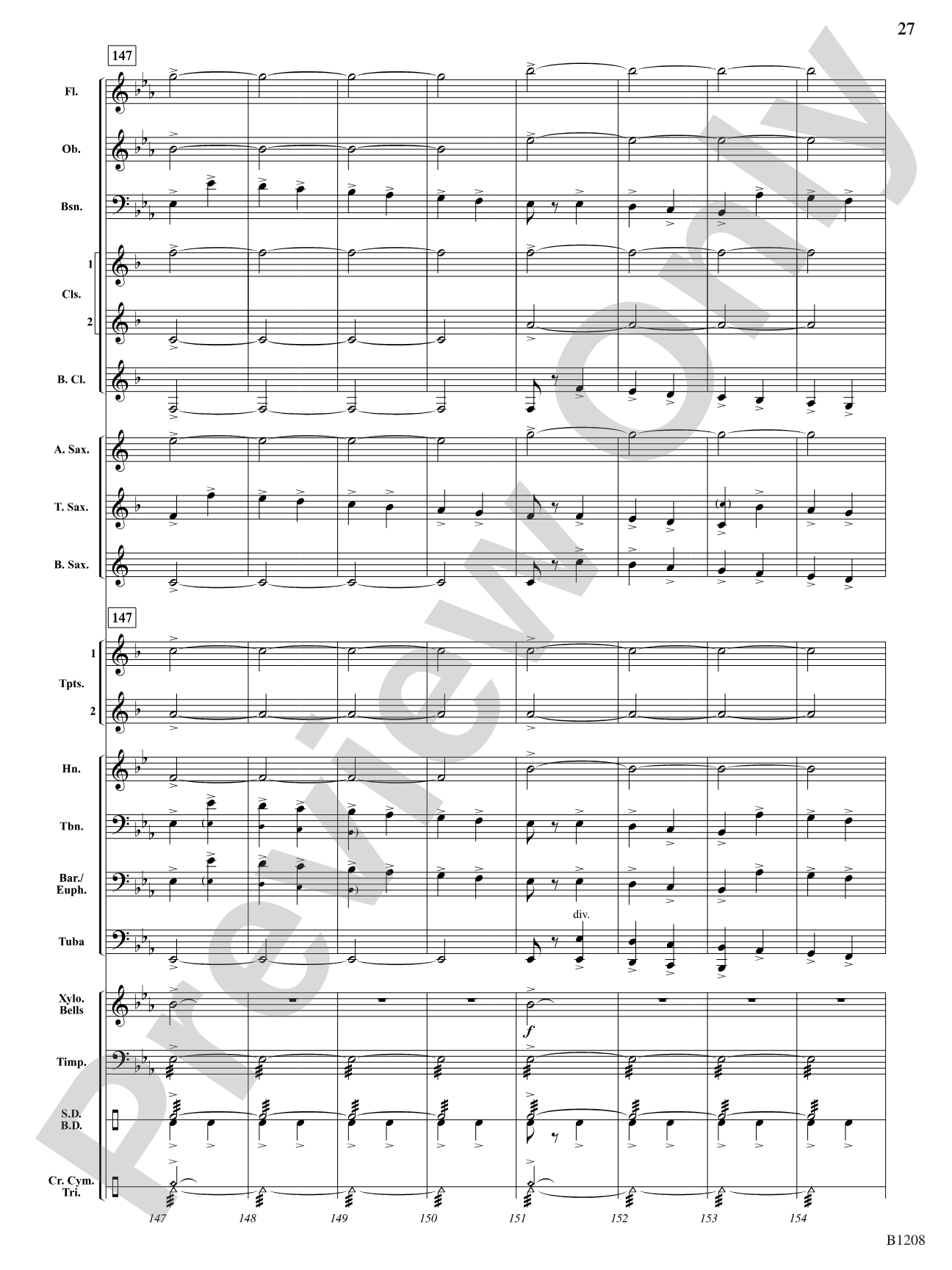
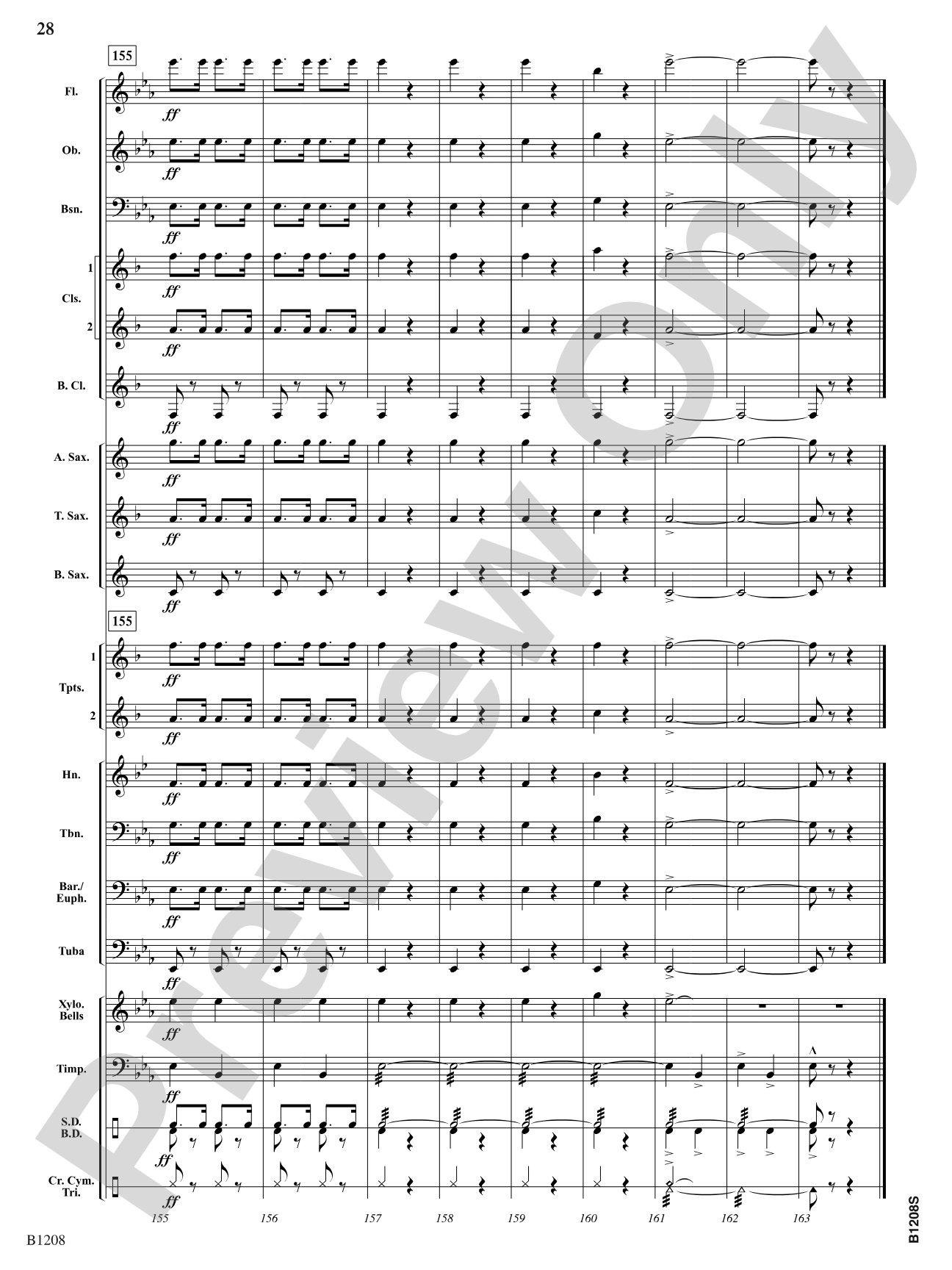

Orpheus Overture: Concert Band Conductor Score & Parts
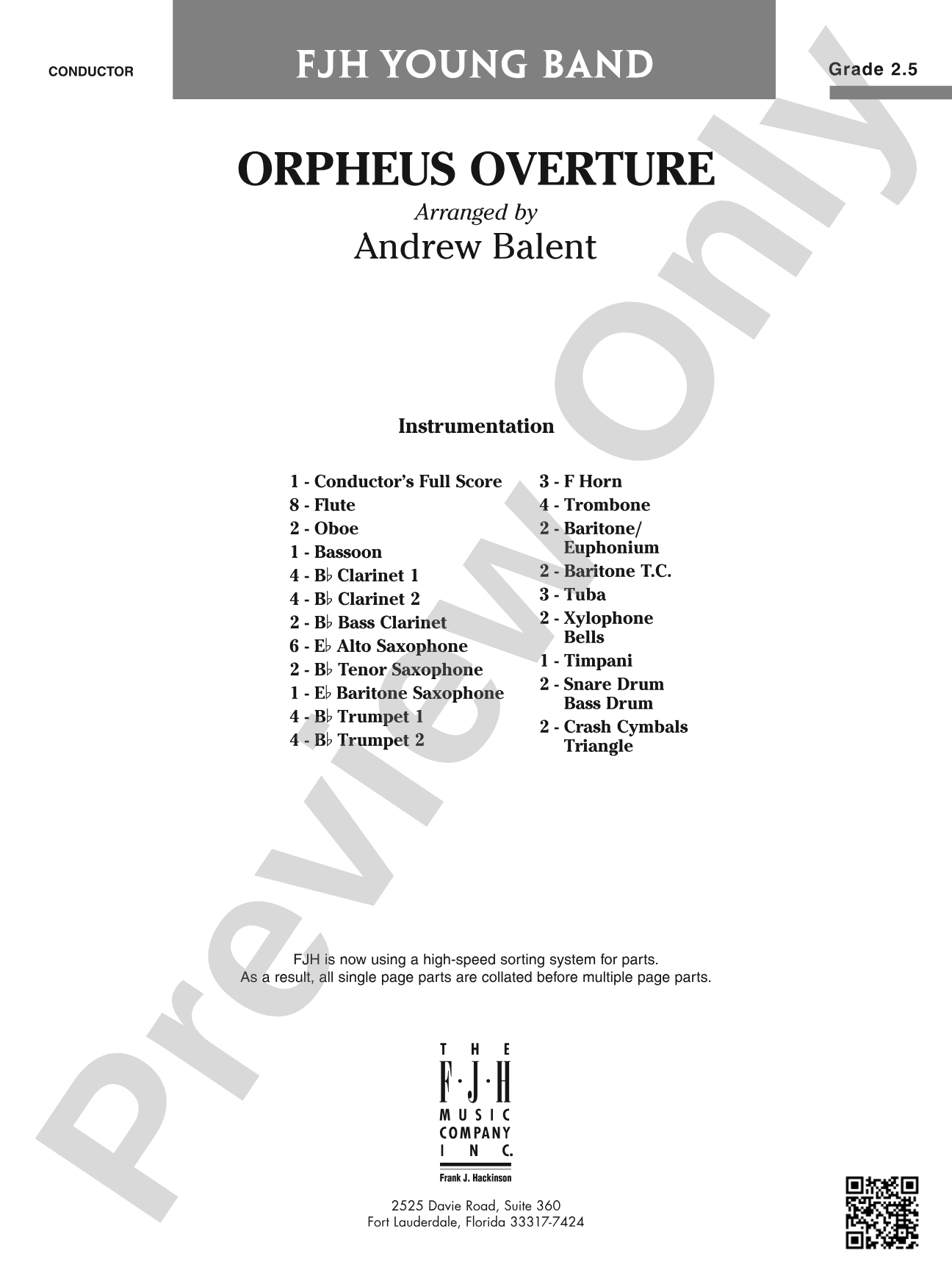
By Jacques Offenbach / arr. Andrew Balent
Grade: 2.5
Item: 98-DB1208
$55.00
Pickup currently not available
Buy Extra Parts (Digital PDF Download)
| Product | Price | Quantity |
|---|---|---|
| Orpheus Overture: Score | $8.00 | |
| Orpheus Overture: Flute | $7.00 | |
| Orpheus Overture: Oboe | $7.00 | |
| Orpheus Overture: Bassoon | $7.00 | |
| Orpheus Overture: B-flat Clarinet 1 | $7.00 | |
| Orpheus Overture: B-flat Clarinet 2 | $7.00 | |
| Orpheus Overture: B-flat Bass Clarinet | $7.00 | |
| Orpheus Overture: E-flat Alto Saxophone | $7.00 | |
| Orpheus Overture: B-flat Tenor Saxophone | $7.00 | |
| Orpheus Overture: E-flat Baritone Saxophone | $7.00 | |
| Orpheus Overture: B-flat Trumpet 1 | $7.00 | |
| Orpheus Overture: B-flat Trumpet 2 | $7.00 | |
| Orpheus Overture: F Horn | $7.00 | |
| Orpheus Overture: Trombone | $7.00 | |
| Orpheus Overture: Baritone/Euphonium | $7.00 | |
| Orpheus Overture: Baritone T.C. | $7.00 | |
| Orpheus Overture: Tuba | $7.00 | |
| Orpheus Overture: Xylophone/Bells | $7.00 | |
| Orpheus Overture: Timpani | $7.00 | |
| Orpheus Overture: Snare Drum/Bass Drum | $7.00 | |
| Orpheus Overture: Crash Cymbals/Triangle | $7.00 |
Parts Added to Cart!
Description
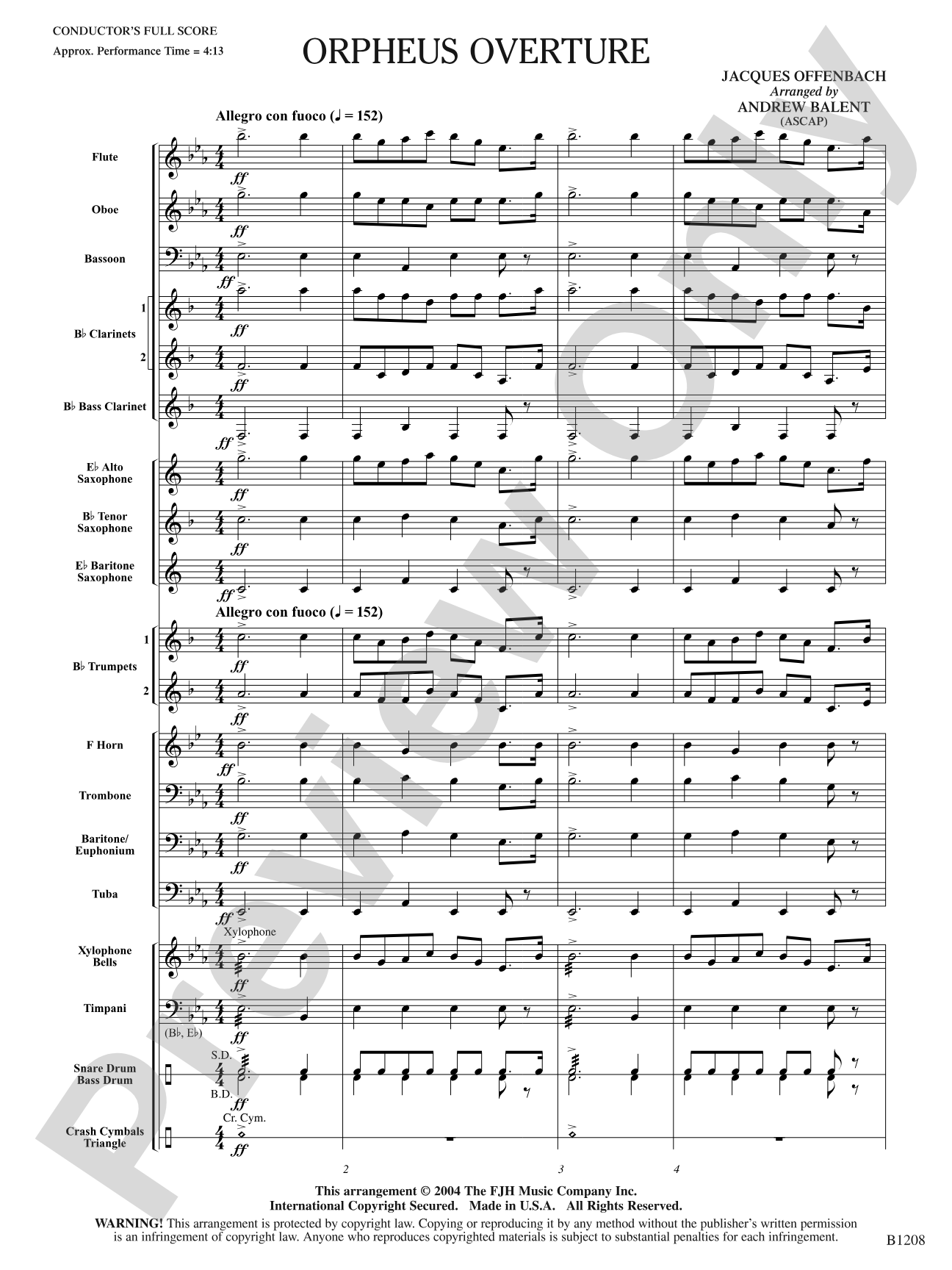
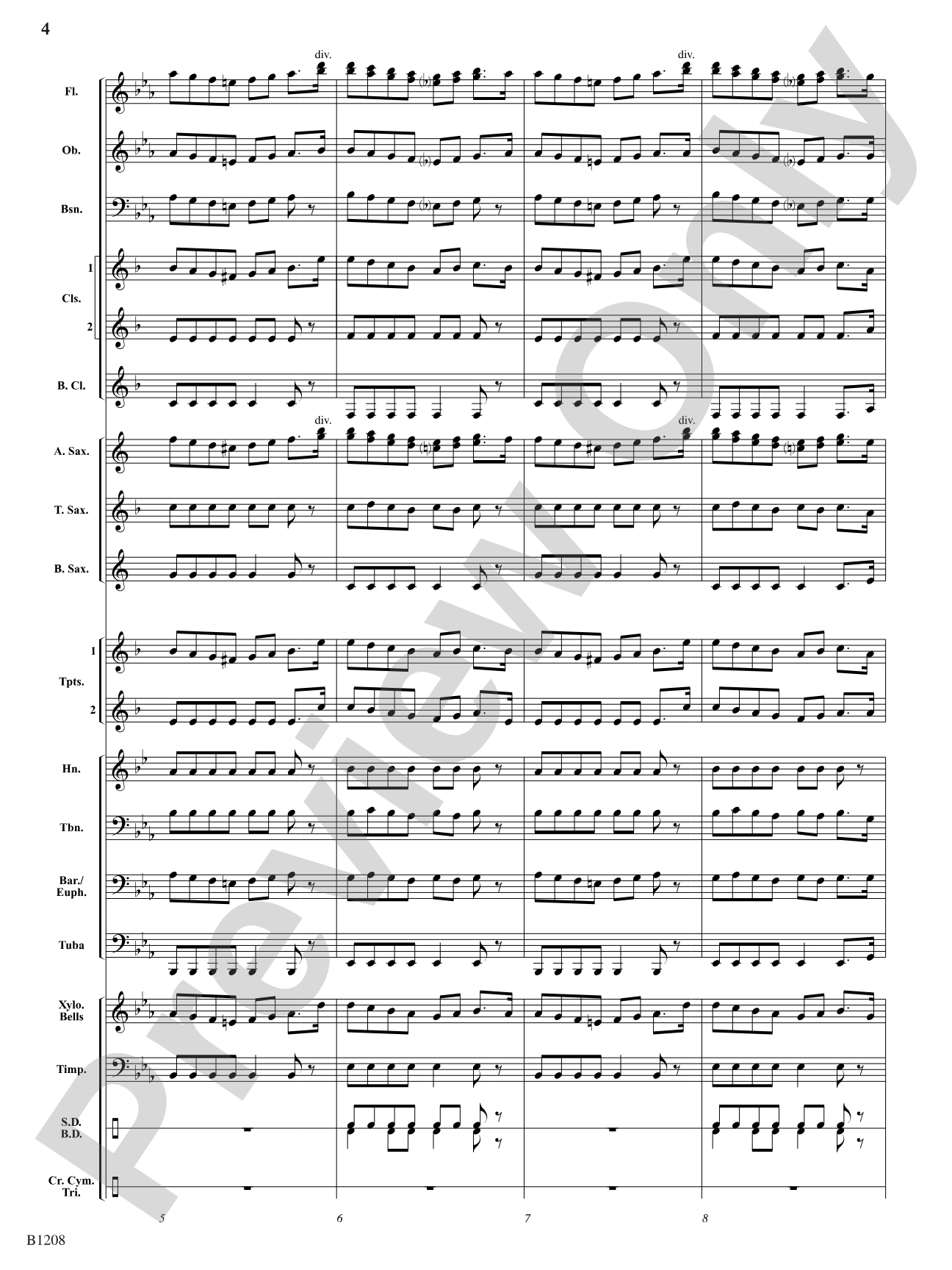
This superb arrangement features three famous melodies from Offenbach's overture to Orpheus in the Underworld. While many students are familiar with the famous Can Can, few have had the chance to explore it in such an authentic setting. Treat yourself and your band to one of the best-known overtures in classical music, from one of the most prolific educational arrangers in the country!


Orpheus Overture: Concert Band Conductor Score & Parts isn't in MakeMusic Cloud just yet...but it could be. Let us know you'd like to see it, and you'll help shape what comes next. In the meantime, start a free trial and dive into thousands of interactive titles your students can play along with today.
Request This Title
Tell us you want it.
Start Your Free Trial
Explore everything that's ready to play right now.
Sample Audio
1
Audio File
--:--
0:00
0:00
Sample Video
No sample videos found.
Additional Details
Series:
FJH Young Band
Publisher:
The FJH Music Company, Inc.
SKU:
98-DB1208
More about this title
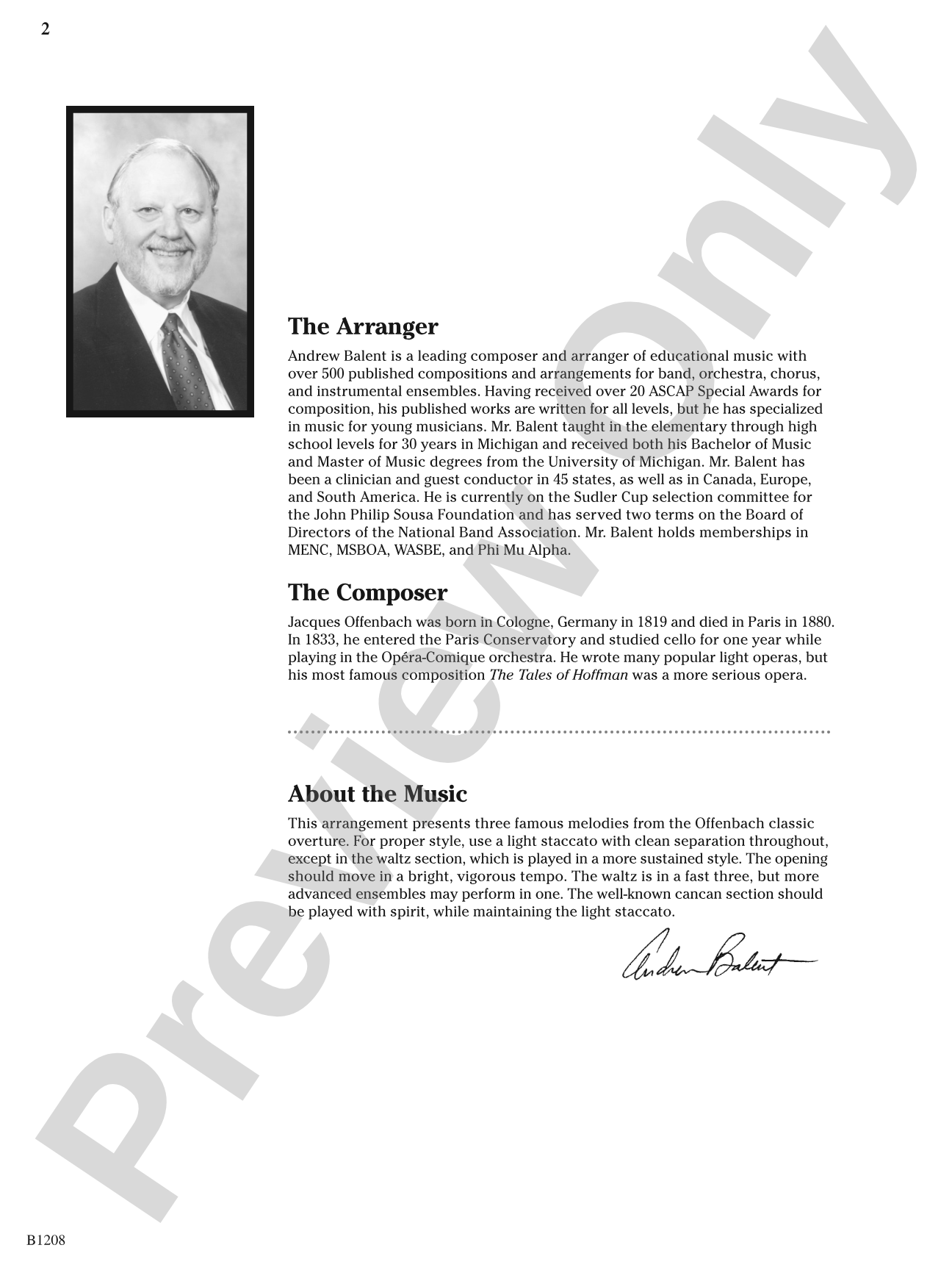
About the Composer: Jacques Offenbach
Jacques Offenbach (1819, 1880) was a German-born French composer who became the architect of French operetta. His prolific output included over 100 stage works, many of which defined the lighter operatic form for generations. Offenbach had an instinctive gift for melody and orchestration that made his music instantly singable and perpetually stageable.
Orpheus in the Underworld stands as one of his masterworks, first performed in 1858. The overture draws from the opera's most memorable themes, weaving them into a bright, energetic sequence that captures both wit and elegance. For band arrangers and educators, Offenbach remains essential listening because his structural clarity and harmonic sophistication translate so naturally to ensemble writing.
Why we love this
Andrew Balent's arrangement gives students a genuine taste of classical operetta without burying them in complexity. The Can Can emerges here as one thread in a larger musical conversation rather than a novelty act, which shifts how young musicians hear and value the piece. At Grade 2.5, the writing is efficient and colorful, proving that legitimate repertoire doesn't require inflated difficulty levels.
What to expect
Bright, propulsive, and theatrically alive. The music bounces forward with genuine charm, balancing moments of lyrical warmth with passages of controlled excitement. There's an unpretentious sophistication here: this sounds like real music, composed by a master craftsman, played by student musicians rather than students playing at sophistication.
Who it's for
Concert bands in grades 2-3 who want to program recognizable classical material without resorting to simplified pop arrangements or medleys. Directors seeking a genuine overture that students will actually enjoy learning and audiences will recognize immediately.
How to get the most out of it
- Shape the contrasting themes distinctly so listeners follow the journey from one melody to the next. Each section has its own character, and clarity of articulation will help define those boundaries.
- Balance the Can Can's infectious energy without letting it overshadow the opening statement. This is an overture, not a dance number, so maintain architectural proportion across the full arc.
- Pay close attention to the doubling and voicing in the middle sections. Lighter textures often need firmer, more precise attacks to project clearly in ensemble sound.
How to use it
Open a concert with this piece to establish energy and engagement from the first moments, or place it midway through a program to provide contrast with heavier or more somber works. It pairs naturally with other light classical arrangements and operetta excerpts, making it an ideal anchor for a themed concert exploring 19th-century vocal music.
Skills your students will build
- Articulating rapid scalar passages with precision and character
- Managing contrasting tempos and moods within a single piece
- Balancing independent melodic lines in homophonic textures
- Responding to period style and orchestration logic (understanding why parts are voiced the way they are)
- Sustaining ensemble cohesion through key changes and section transitions