

Orff Instrument Source Book, Volume 1 (Revised): Percussion Ensemble
By Elizabeth Nichols
Level: Elementary
Item: 00-PB-0001997
$20.00
Pickup currently not available
Related Items
Orff Instrument Source Book, Volume 1 (Revised): Comb Bound Book |
$20.00
|
View |
Description
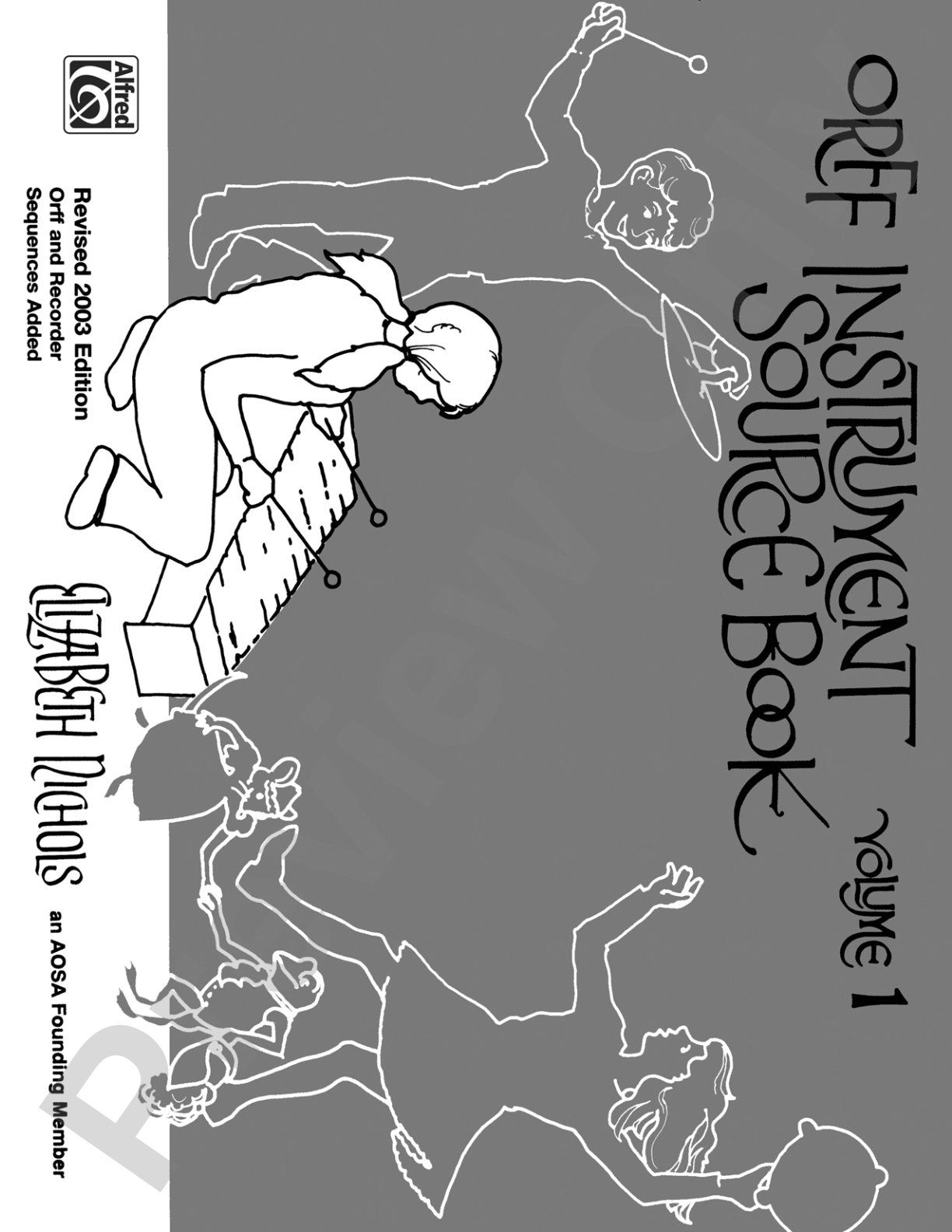
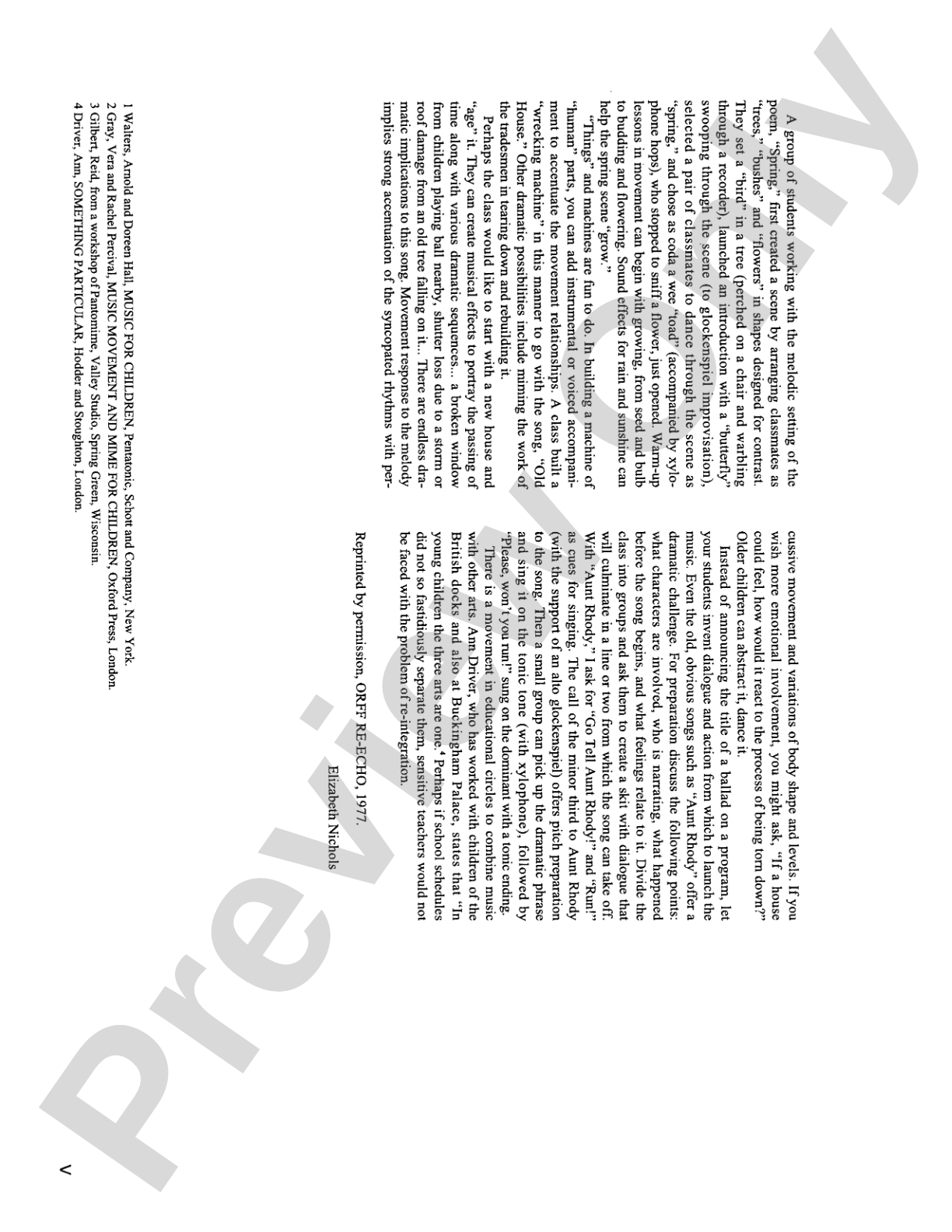
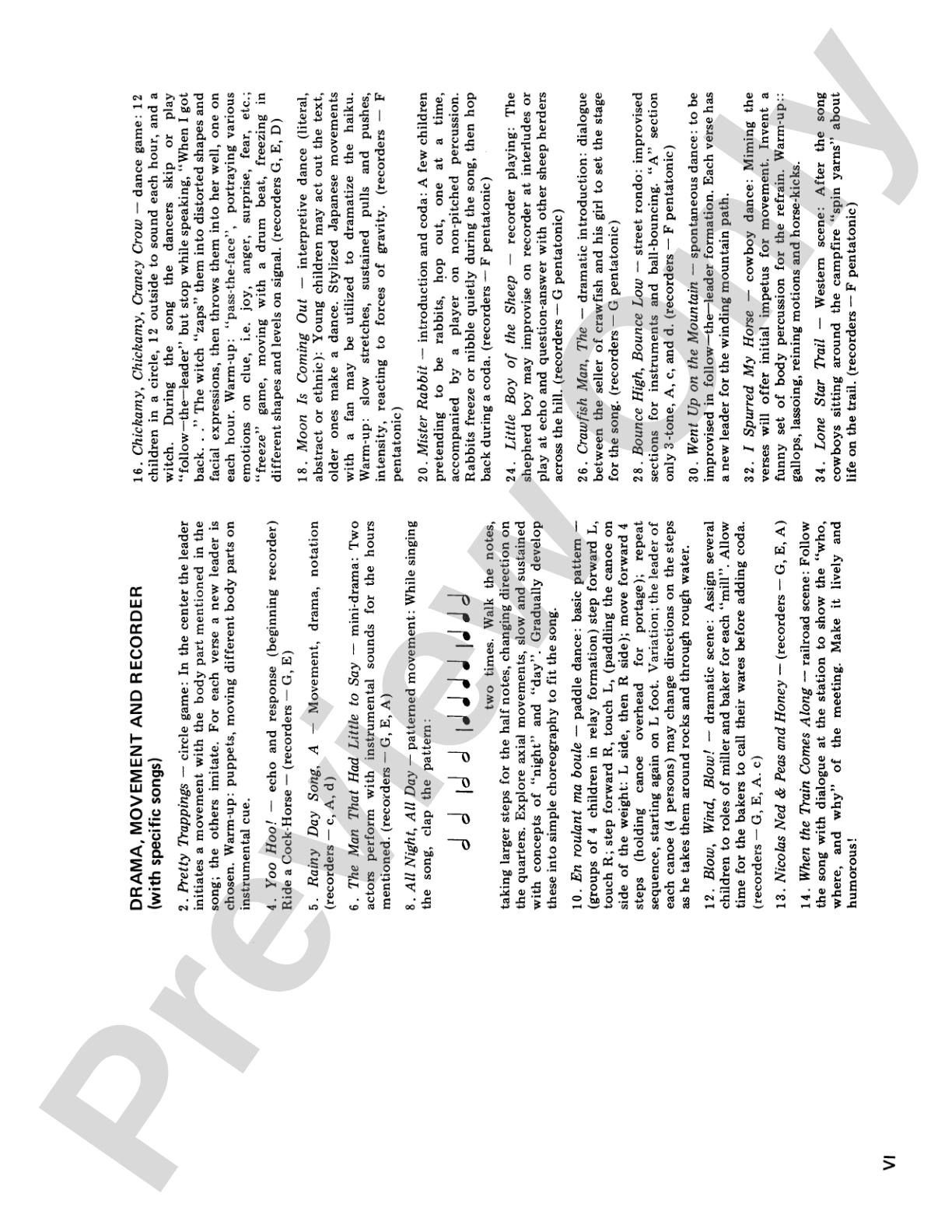
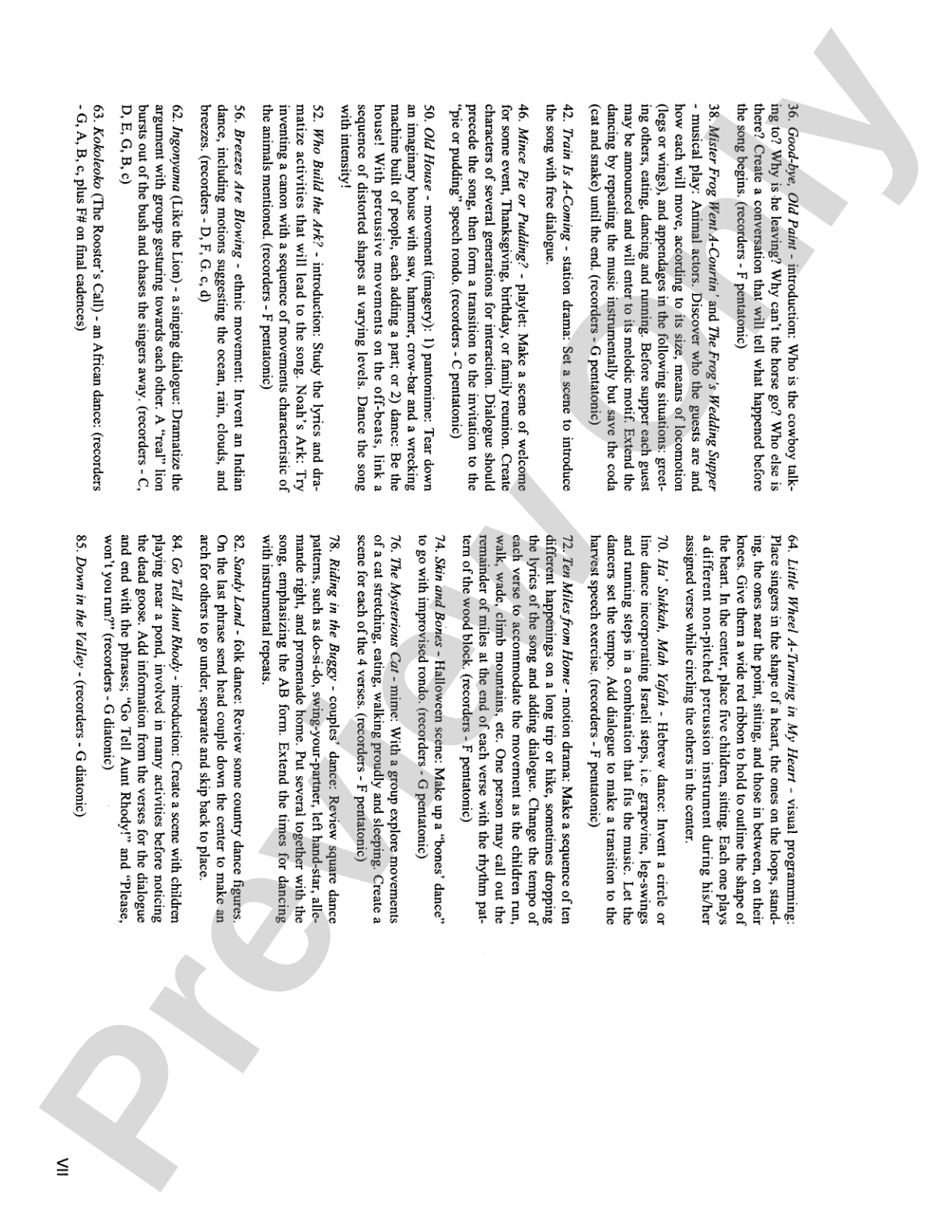
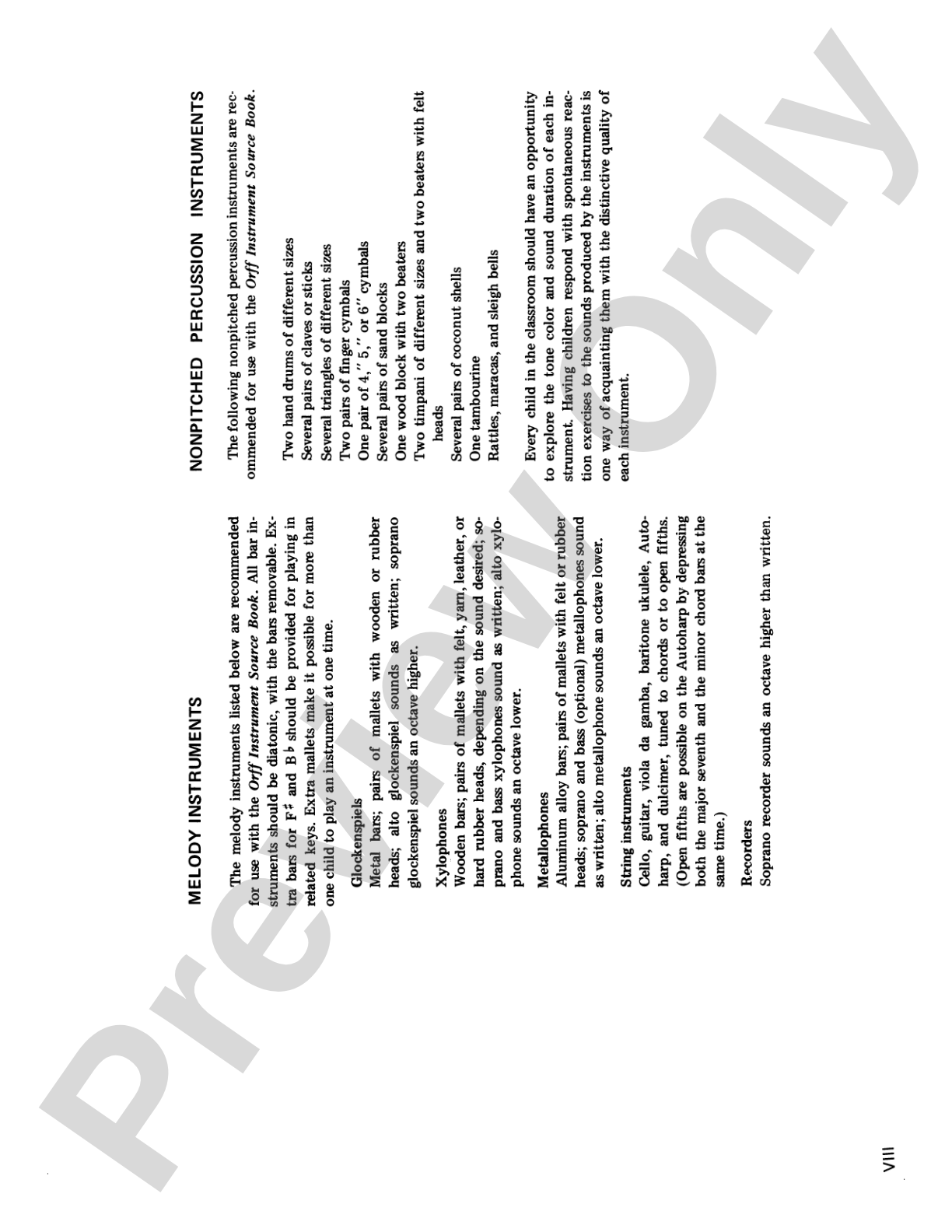
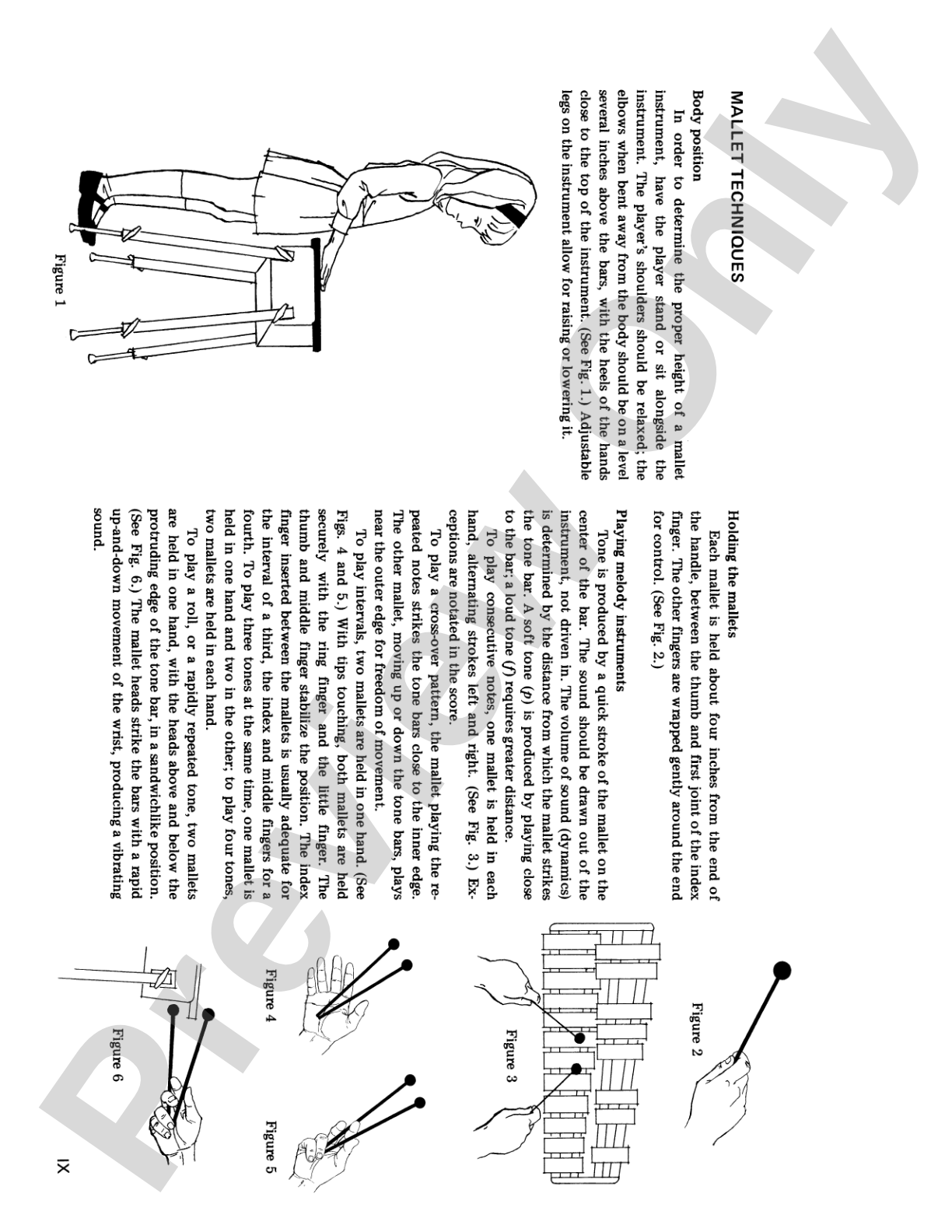
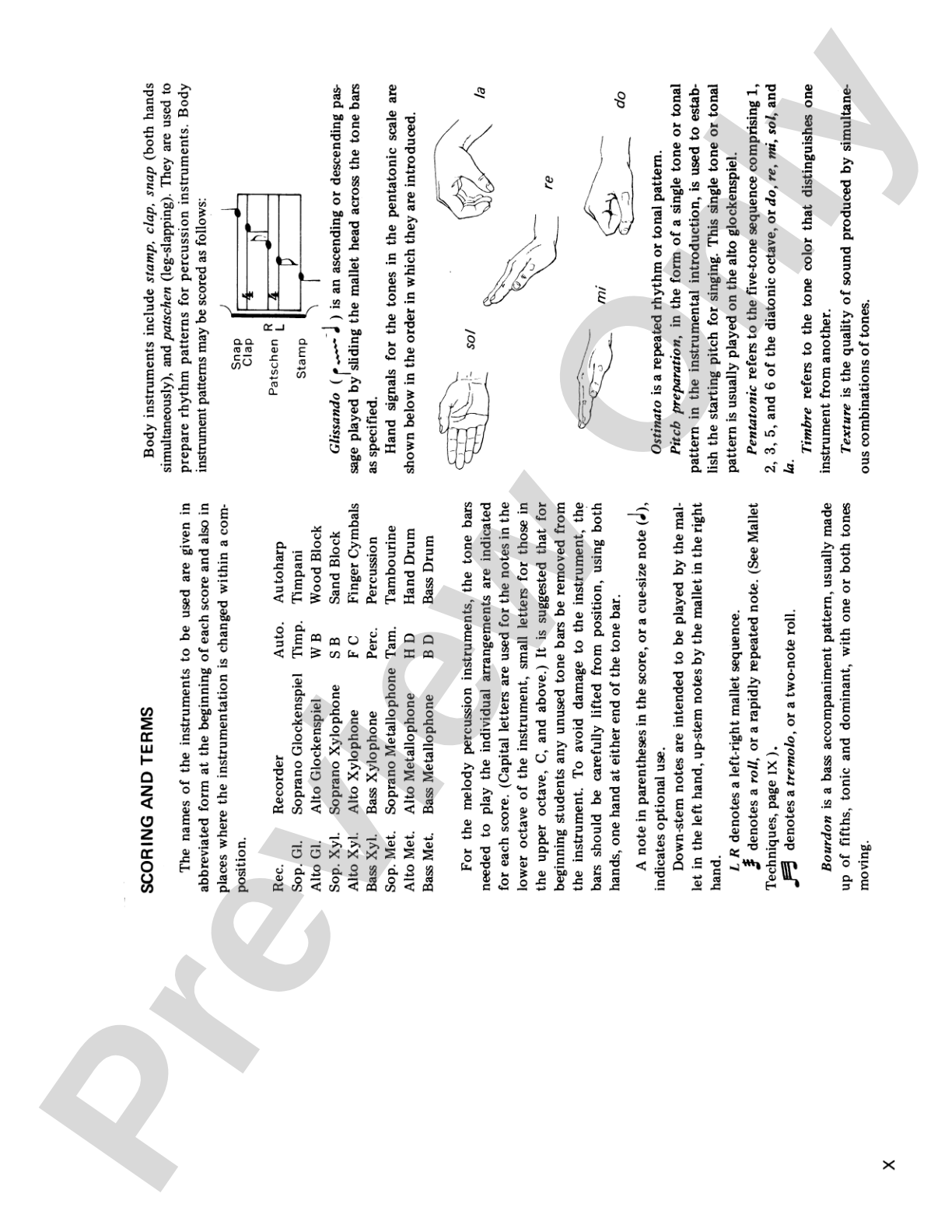
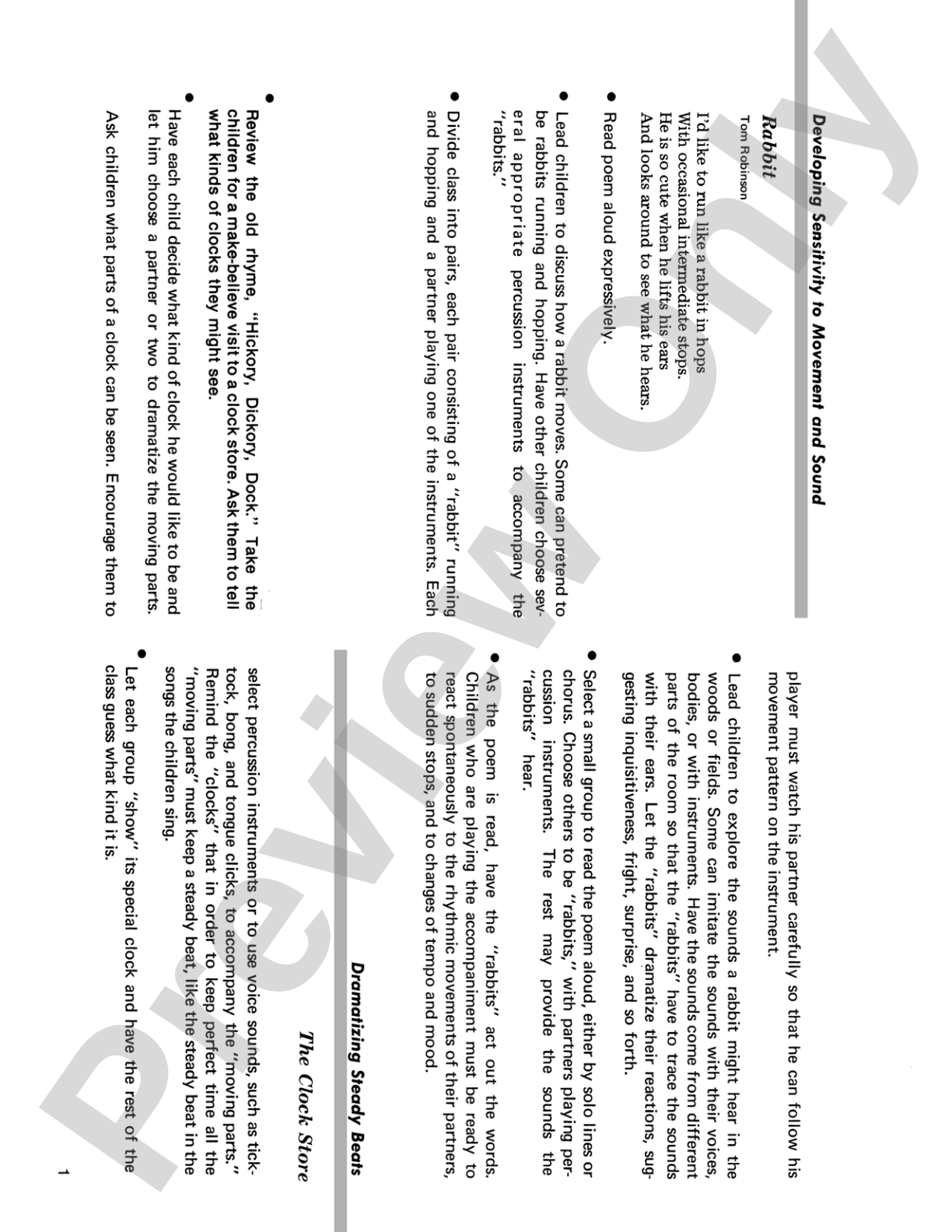
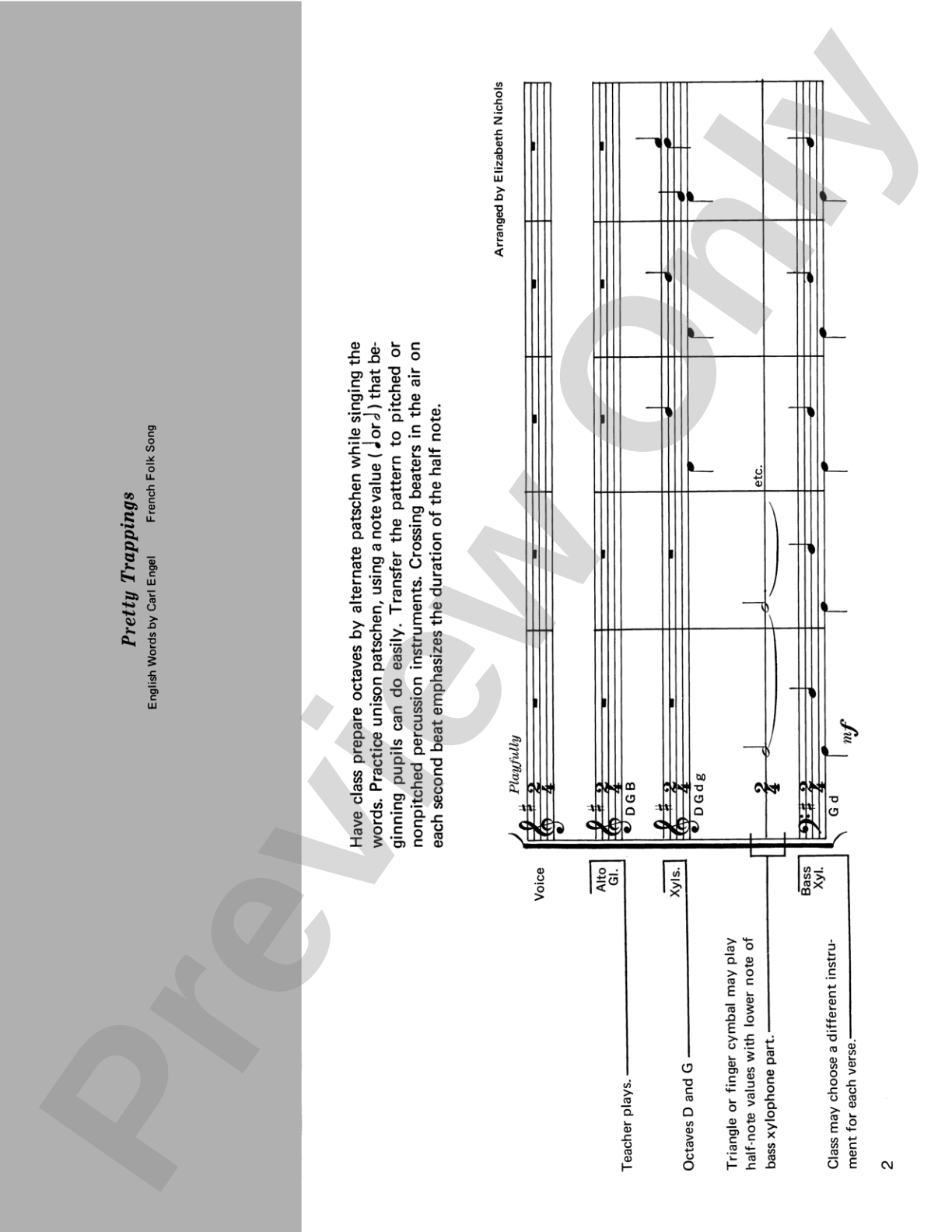
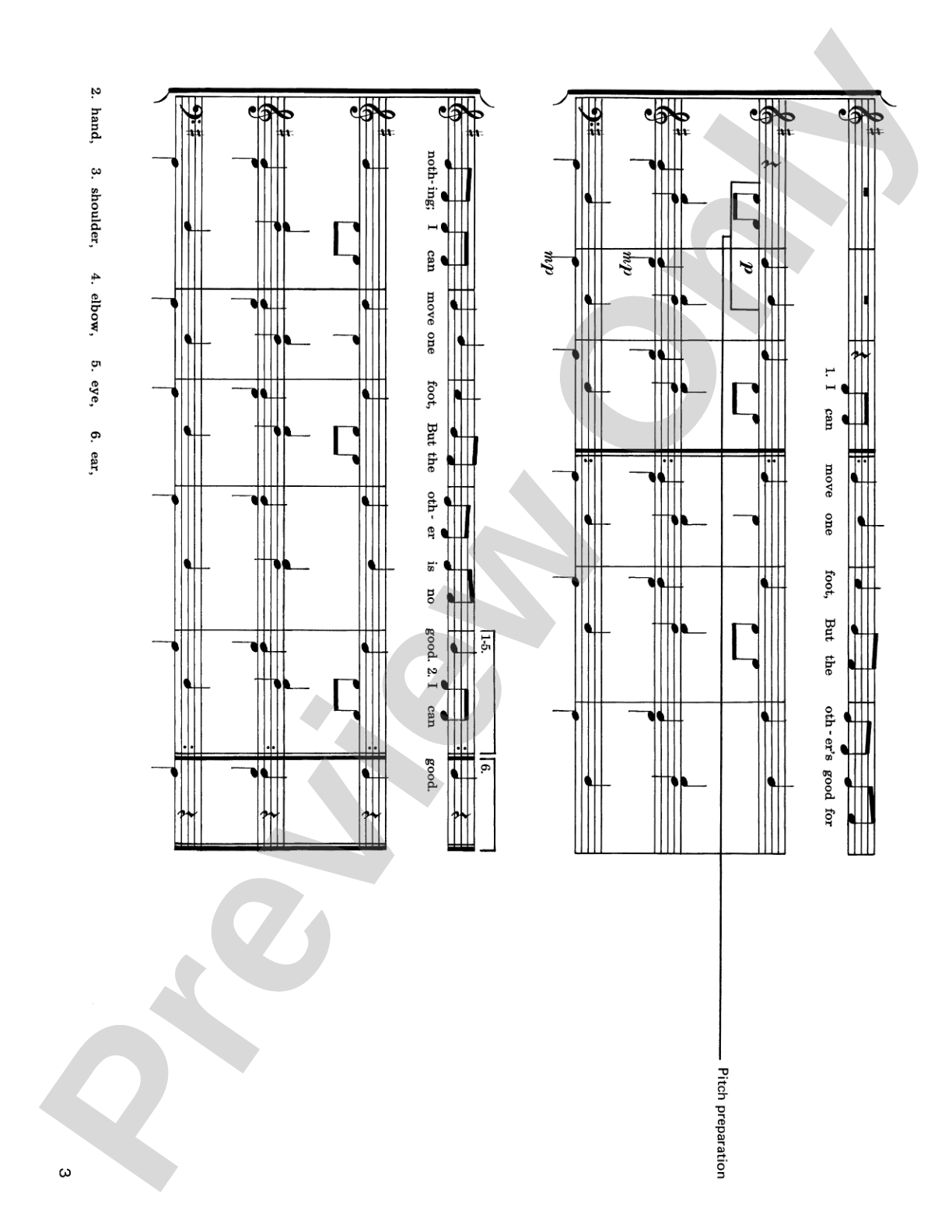
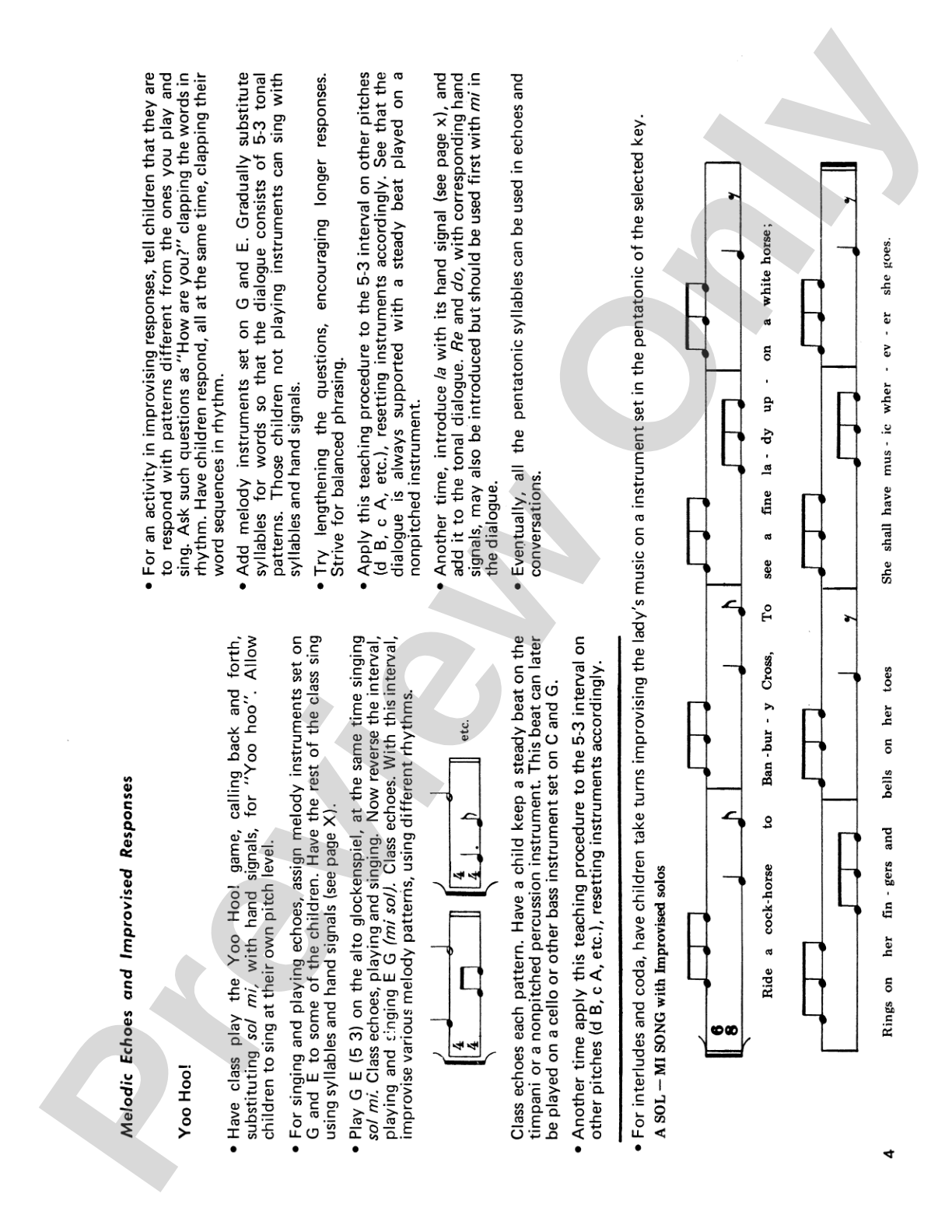
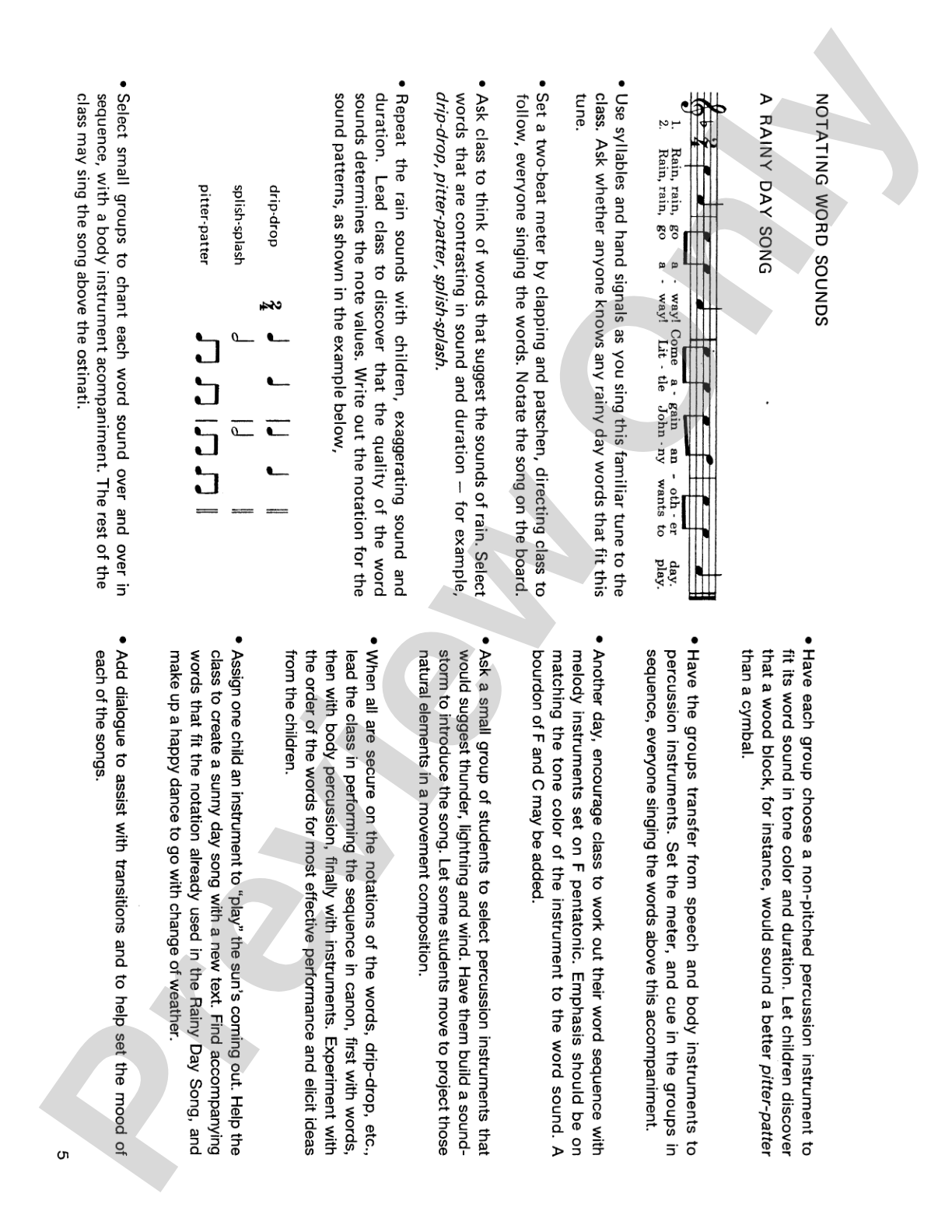
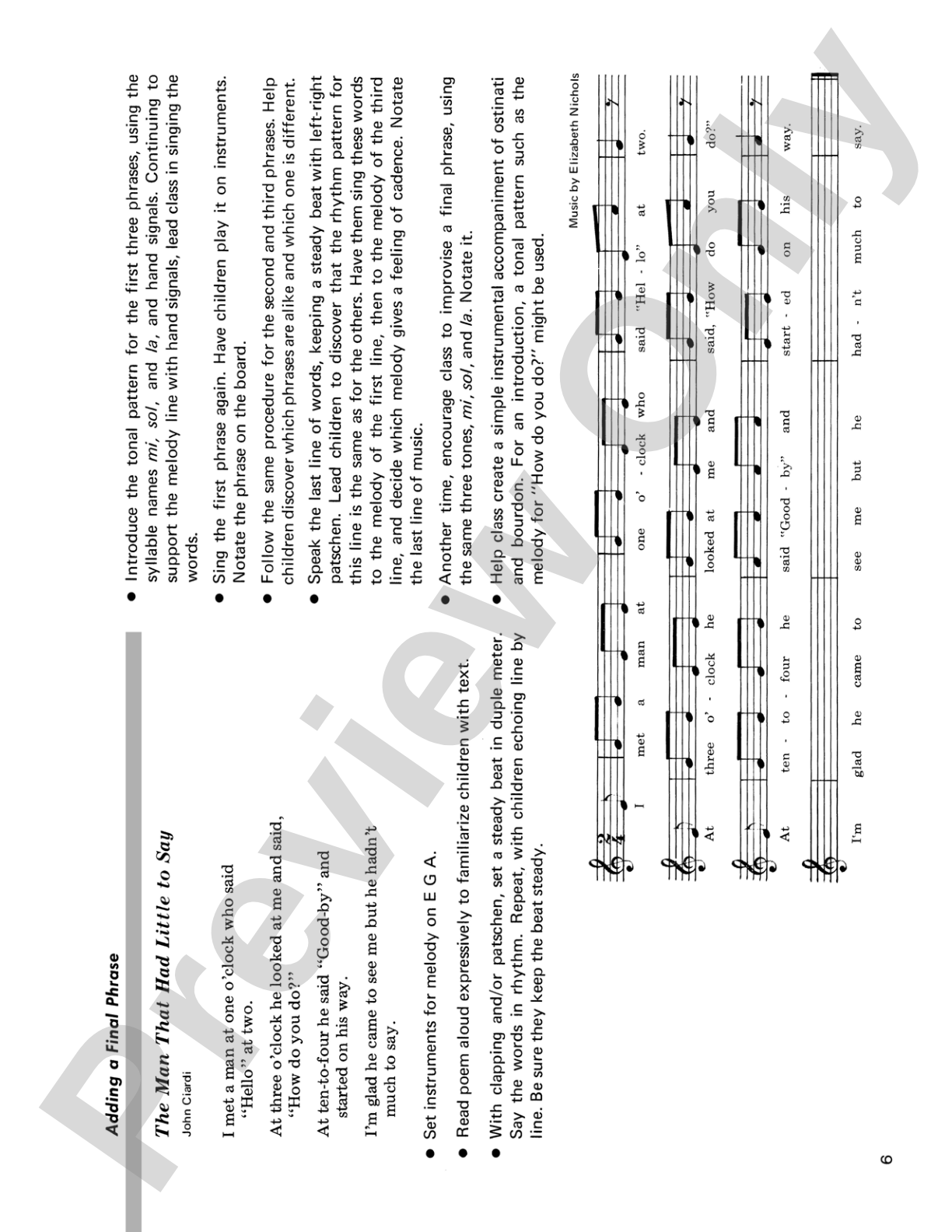
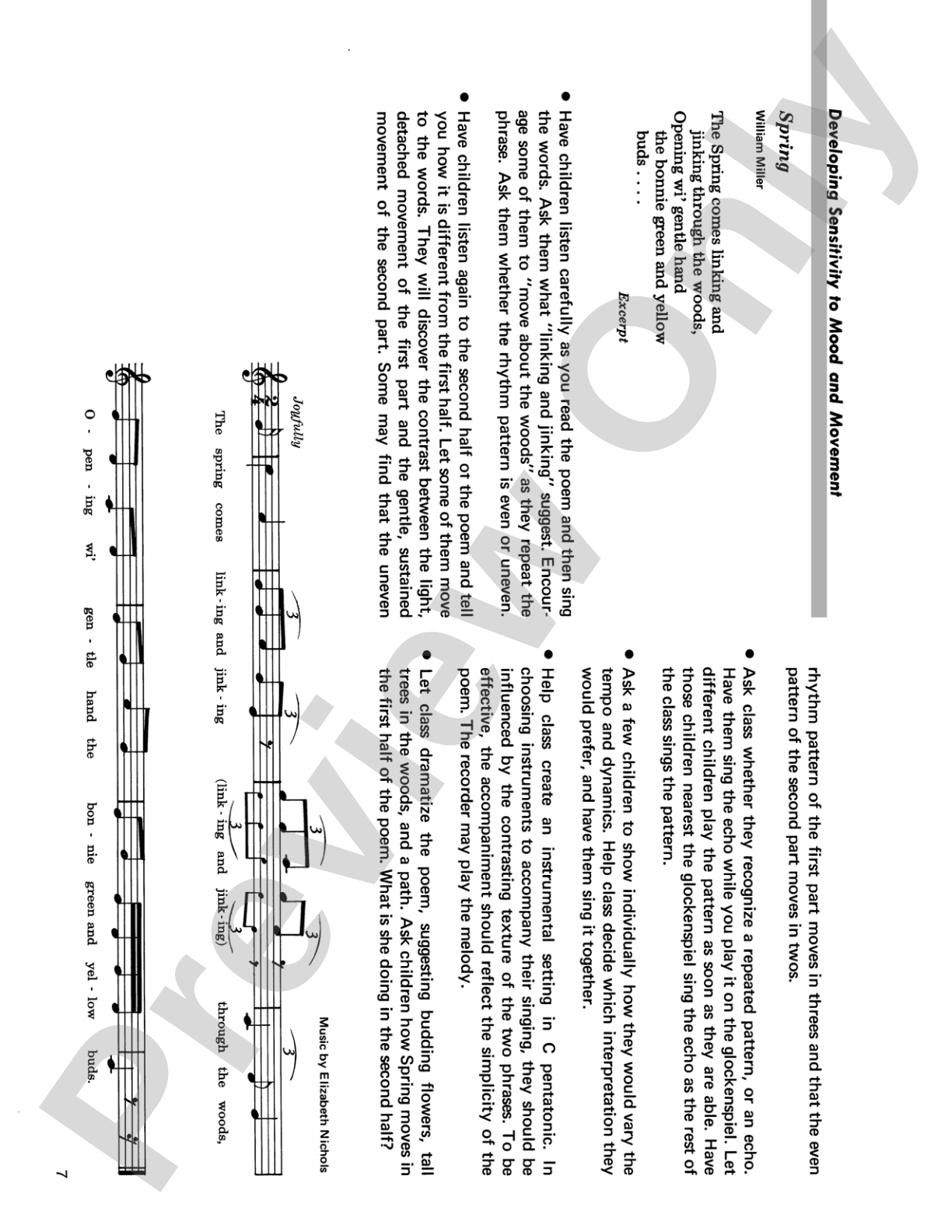
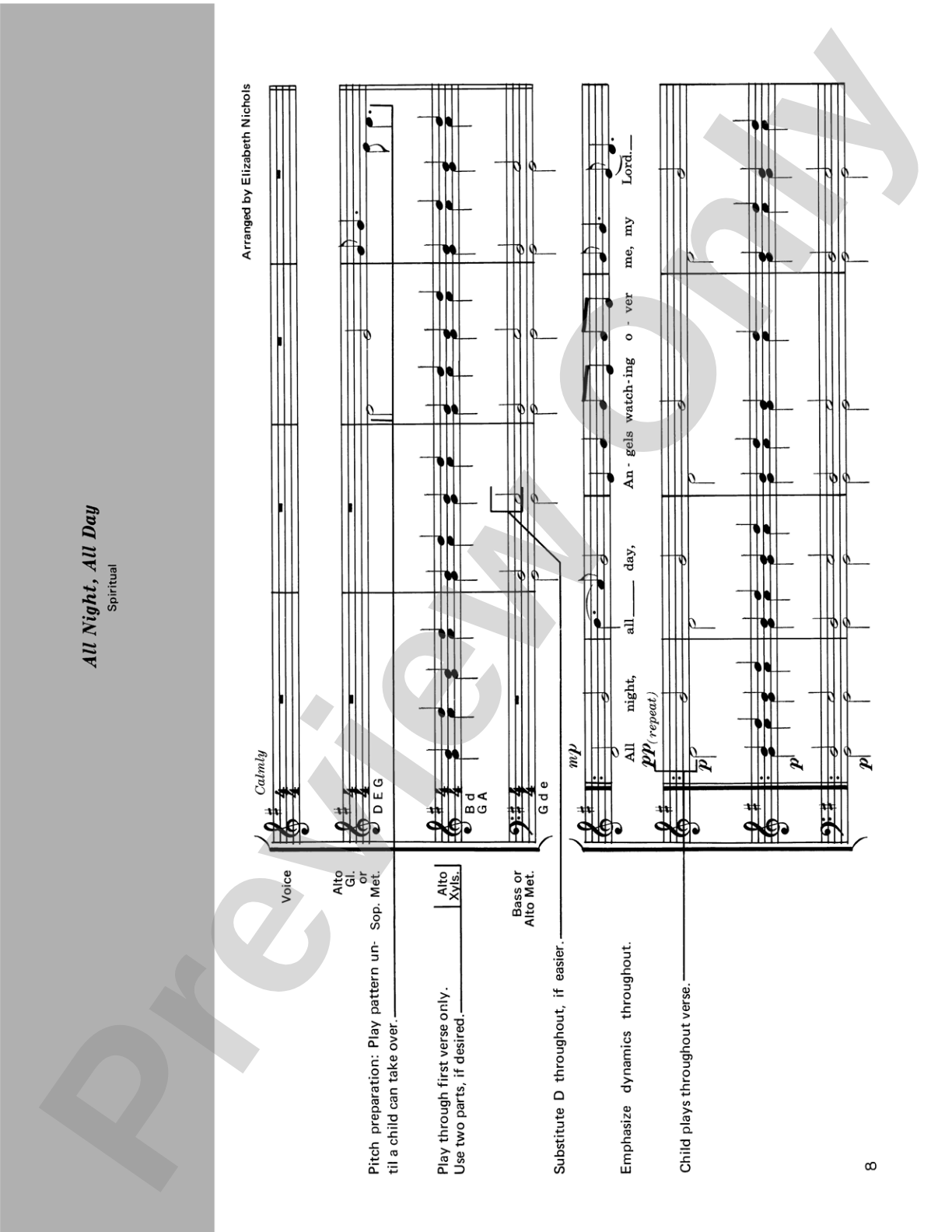
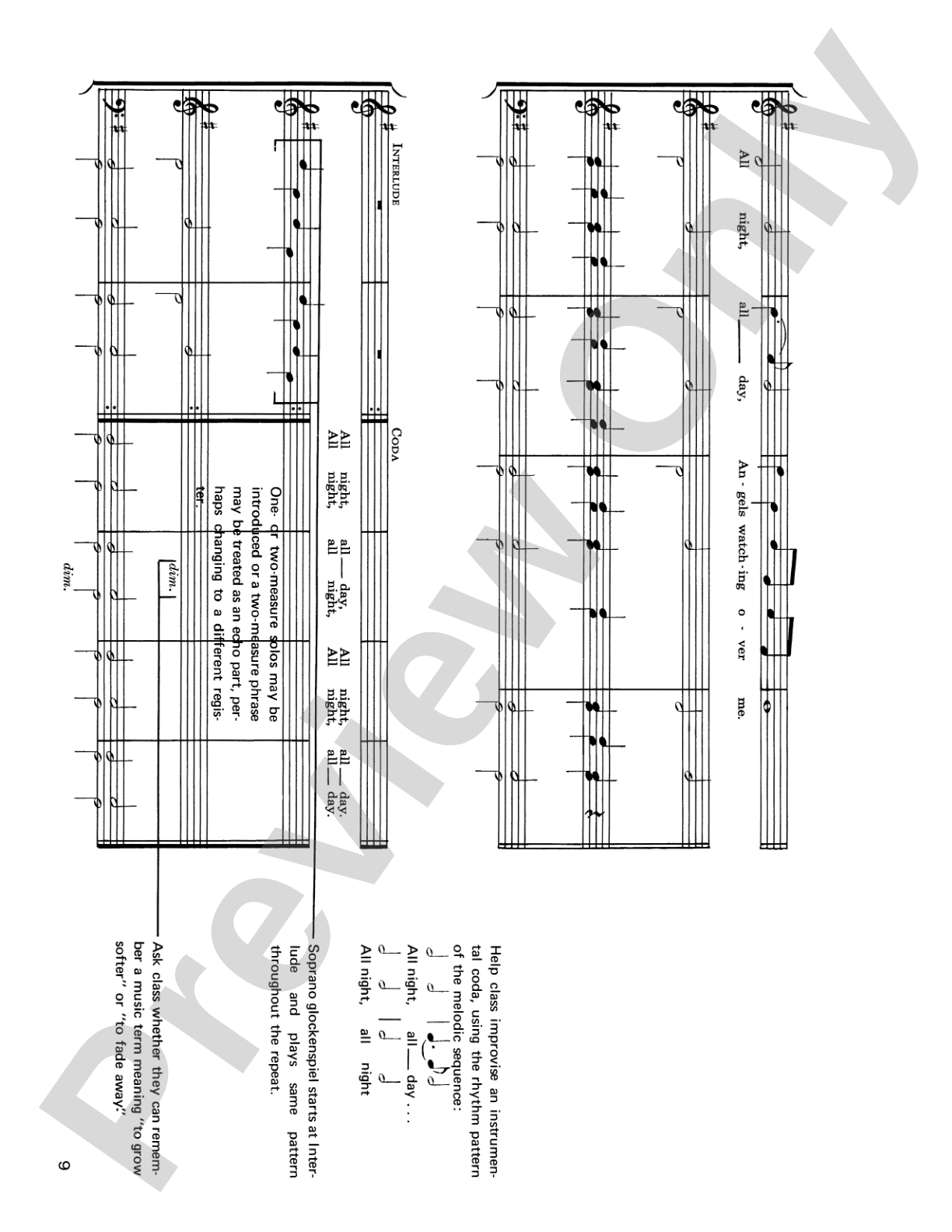
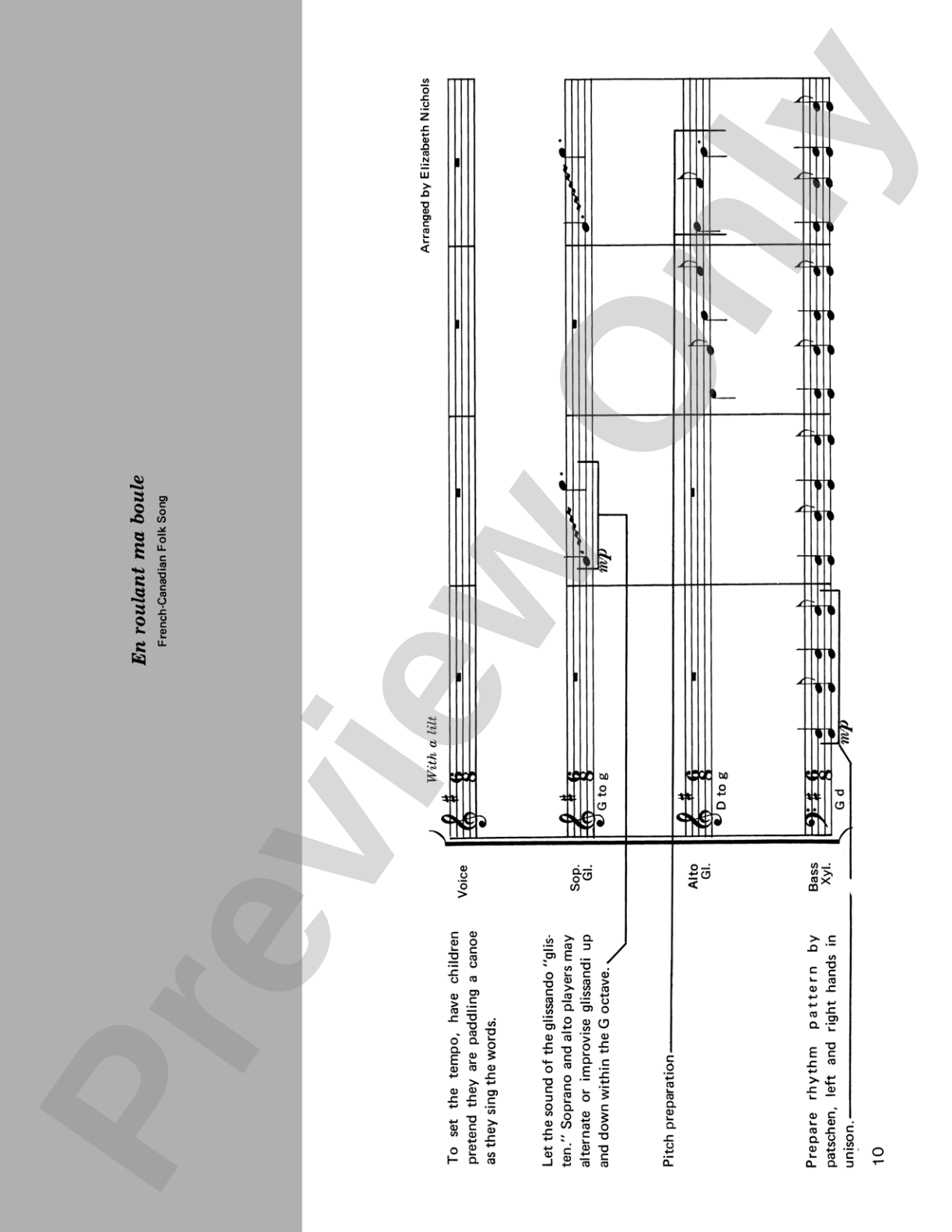
These are detailed, self-contained lessons designed to introduce children to music and the creative experience through Orff instruments. Considerable emphasis has been given to developing movement and drama with each song. The 2003 revision has Orff and recorder sequences added. The comb binding creates a lay-flat book that is perfect for study and performance.


Orff Instrument Source Book, Volume 1 (Revised): Percussion Ensemble isn't in MakeMusic Cloud just yet...but it could be. Let us know you'd like to see it, and you'll help shape what comes next. In the meantime, start a free trial and dive into thousands of interactive titles your students can play along with today.
Request This Title
Tell us you want it.
Start Your Free Trial
Explore everything that's ready to play right now.
Sample Audio
No sample audio found.
Sample Video
No sample videos found.
Additional Details
Publisher:
Alfred Music
Page Count:
100
SKU:
00-PB-0001997
More about this title
About the Composer: Elizabeth Nichols
Elizabeth Nichols created a foundational resource for elementary music education by synthesizing Orff pedagogy with practical classroom application. Her work emphasizes the integration of movement, drama, and instrumental exploration as core components of musical learning rather than supplementary activities.
Why we love this
Nichols grounds every lesson in creative movement and dramatic expression, which means your students aren't just playing instruments; they're building embodied understanding of rhythm and melody. The 2003 revision added Orff and recorder sequences, making this genuinely useful as your program grows beyond percussion alone.
What to expect
Playful and exploratory. These lessons invite children into music through their bodies and imaginations first, letting the instruments become natural extensions of movement and storytelling rather than abstract sound makers.
Who it's for
Elementary music teachers and Orff specialists who want self-contained lessons that don't require extensive preparation or supplementary materials. This book works equally well for classroom general music, small group instruction, or ensemble work.
How to get the most out of it
- Establish steady pulse work before introducing the notated instruments; let students internalize the rhythm through body percussion and movement first.
- Layer instrumental parts gradually, starting with the simplest ostinato or drone before adding melodic voices.
- Encourage students to conduct or gesture during ensemble moments to deepen their sense of collective timing.
- Use the dramatic and movement components as memory aids; the physical vocabulary often sticks longer than notation alone.
How to use it
Use individual lessons as standalone units throughout the year, or thread them across a semester as students progress from simple ostinati to more complex rhythmic and melodic relationships. The lay-flat binding makes it easy to reference during rehearsals without the book closing on you.
Skills your students will build
- Creating and performing ostinati on pitched and unpitched percussion
- Reading Orff notation
- Coordinating movement with musical pulse
- Listening and responding to ensemble balance
- Improvising melodic and rhythmic phrases on barred instruments
- Understanding basic form through repeated musical ideas