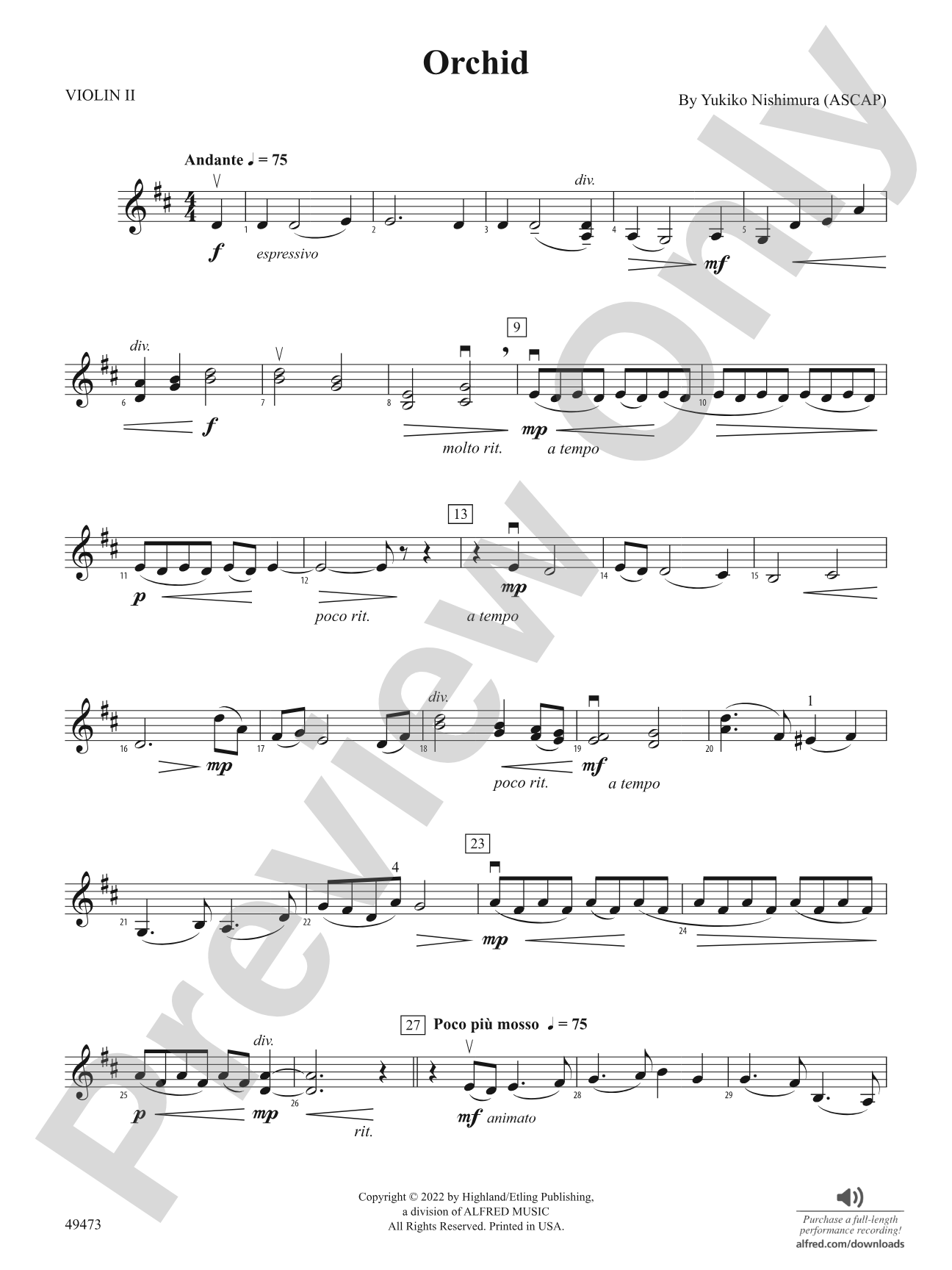
Orchid: 2nd Violin Sheet Music Preview

Orchid: 2nd Violin

By Yukiko Nishimura

Grade: 3

Item: 00-PC-0018791_VN2

Digital Download
$3.00
Description
Orchid by Yukiko Nishimura is a lyrical piece with a warm and lovely chord progression that brings delicate emotion to the incredibly beautiful melody line. Your string orchestra will perform expressively as they play from the heart. (3:30) This title is available in MakeMusic Cloud.

Don't just read it, hear it, play along with it, and watch your students grow with it. In MakeMusic Cloud, Orchid: 2nd Violin comes alive with professional accompaniment, adjustable tempo, and built-in practice tools that turn solo practice into real progress.

Sample Audio
0:00
0:00
Sample Video
Additional Details
Series: Highland String Orchestra (HSO)
Publisher: Alfred Music
SKU: 00-PC-0018791_VN2

More about this title

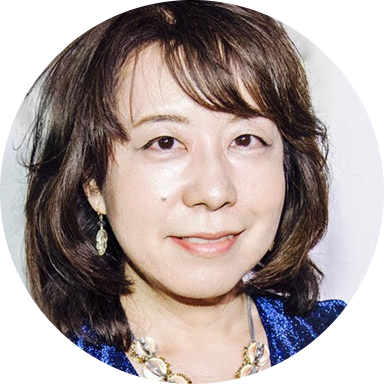
About the Composer: Yukiko Nishimura

Yukiko Nishimura

Yukiko Nishimura studied composition at Tokyo University of the Arts before pursuing advanced training with Alfred Reed at the University of Miami and Richard Danielpour at Manhattan School of Music. Her career spans multiple disciplines: she has received commissions across piano, chamber music, band, orchestral works, and theater, and has earned recognition including special mentions at international composition competitions and nominations for the Hollywood Music in Media Award.

Beyond composing, Nishimura performs as a pianist and has maintained an active concert life since 1996, including a solo recital at New York Public Library and a 2017 Carnegie Hall performance of her piano work. She has collaborated on theatrical and film projects, bringing her compositional voice to both traditional Japanese art forms and contemporary media.

Why we love this

Orchid captures something rare at Grade 3: a piece that sounds genuinely lyrical without demanding technical virtuosity from your players. The warm harmonic language and singing melody line give students something musically substantial to shape, making this ideal for ensembles ready to focus on expression rather than complexity. It's also exactly the right length and emotional weight for festival programming alongside more challenging repertoire.

What to expect

Orchid unfolds like watching a flower open in soft light. The warm, gentle harmonies create an intimate atmosphere while the delicate melody draws listeners in with quiet beauty. There's nothing rushed or complicated here; instead, the piece asks your orchestra to play with heart and let the lyrical line breathe.

Who it's for

String orchestras at Grade 3 working toward festivals or spring concerts will find this piece both achievable and musically rewarding. Players need secure intonation and basic dynamic control but do not require advanced technique, making it accessible to growing ensembles.

How to get the most out of it

  • Shape the melody line with gradual dynamic swells rather than sudden changes; let the warm chord progression provide the emotional foundation while the violins sing above it.
  • Balance the texture so the first violins' melody emerges clearly without the inner voices getting lost. A recording playback before rehearsal can help players hear where their part sits in the overall sound.
  • Give yourself time in sectionals to let each part settle into the harmonic language; this piece rewards players who understand how their notes function within the chord progression.
  • The 3:30 duration means pacing matters. A relaxed tempo at rehearsal helps players internalize the breathing points naturally.

How to use it

This piece works beautifully as a concert opener to set a reflective mood or as a middle-program choice that gives audiences a moment of calm between more energetic works. Its moderate length and expressive nature also make it strong festival material where judges appreciate musicianship over technical showmanship.

Skills your students will build

  • Sustaining focused tone quality across longer melodic phrases
  • Balance and blend within warm harmonic progressions
  • Dynamic shaping and expression in a lyrical context
  • Listening for and responding to harmonic movement

You May Also Like