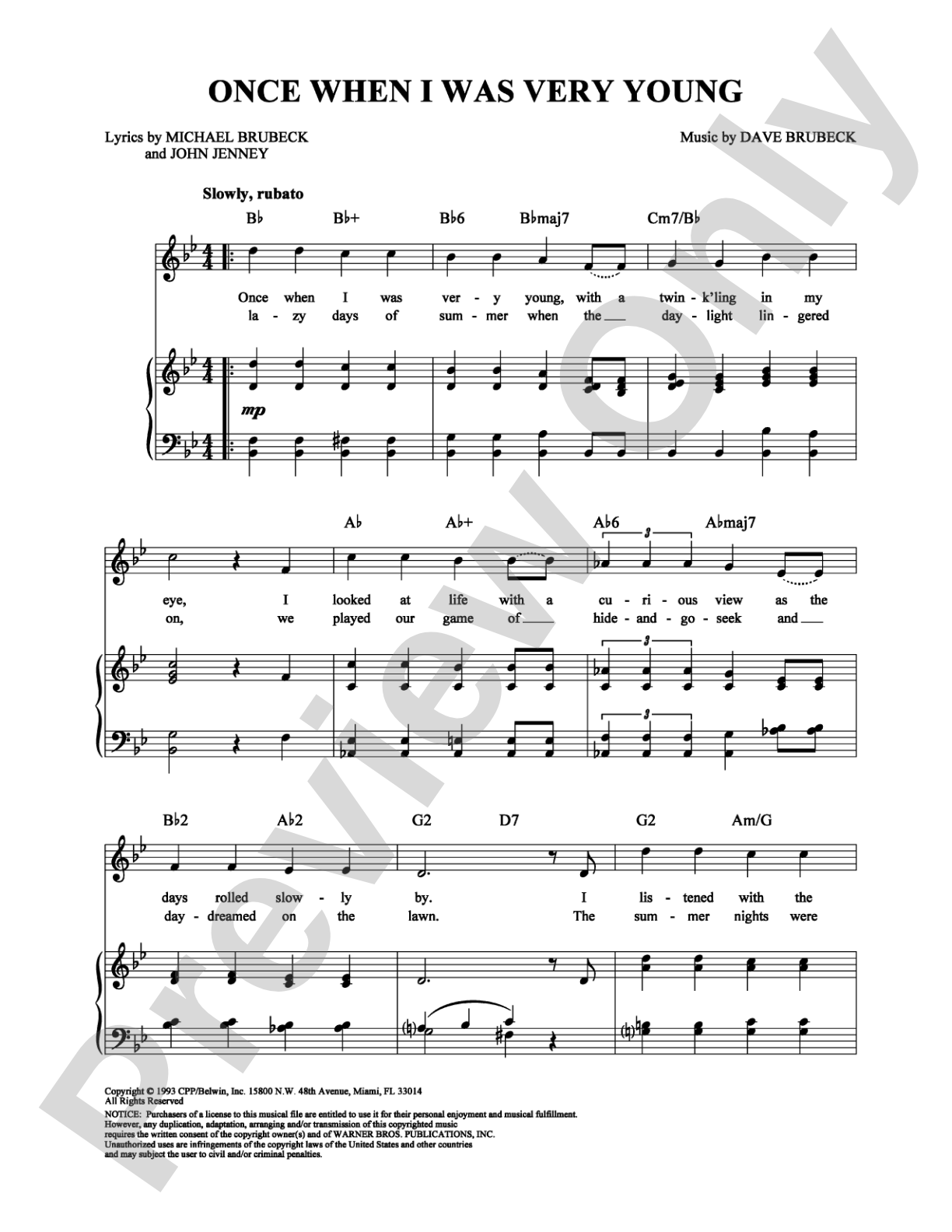
Once When I Was Very Young: Piano/Vocal/Chords Digital Sheet Music

Once When I Was Very Young: Piano/Vocal/Chords Digital Sheet Music

Dave Brubeck

Item: 00-PS-0000901

Digital Download
$3.99
Description

Once When I Was Very Young: Piano/Vocal/Chords Digital Sheet Music isn't in MakeMusic Cloud just yet...but it could be. Let us know you'd like to see it, and you'll help shape what comes next. In the meantime, start a free trial and dive into thousands of interactive titles your students can play along with today.

Sample Audio
No sample audio found.
Sample Video
Additional Details
SKU: 00-PS-0000901

More about this title

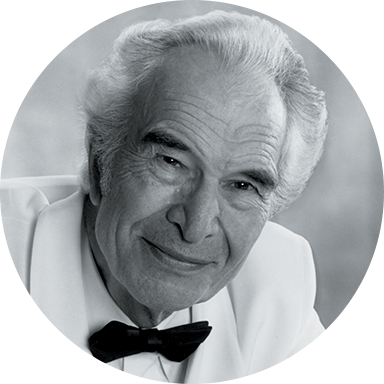
About the Artist: Dave Brubeck

Dave Brubeck

Dave Brubeck built his reputation as a pianist and composer by fusing jazz improvisation with classical forms and harmonic sophistication. After studying with Darius Milhaud at Mills College following World War II, he absorbed the French composer's encouragement to blend jazz language with concert music traditions, creating works that moved fluidly between both worlds. His 1959 album "Time Out" became the first jazz recording to sell over a million copies, anchored by the enduring composition "Take Five."

Beyond his groundbreaking recordings and performances, Brubeck composed extensively across genres: choral pieces, orchestral works, chamber music, ballet suites, and large-scale sacred compositions including the mass "To Hope!" Recorded by major ensembles like the London Symphony Orchestra and performed internationally, his concert works reflect the same harmonic inventiveness that defined his jazz career. He received the Grammy Lifetime Achievement Award for his jazz contributions and was elected to the American Classical Music Hall of Fame in 2003.

Why we love this

Brubeck's "Once When I Was Very Young" offers singers and pianists a chance to interpret a work by one of jazz's most intellectually rigorous composers. The piano/vocal/chords format invites collaboration between vocalist and accompanist while remaining accessible for singers who want to explore jazz repertoire without requiring advanced instrumental skills. This piece exemplifies Brubeck's gift for melody; it's warm and singable while the harmonic language keeps performers engaged musically.

What to expect

The piece carries a reflective, nostalgic quality rooted in memory and innocence. Brubeck's harmonic language, neither purely classical nor entirely bebop, creates a sophisticated yet approachable soundworld where lyrical singing and jazz sensibility coexist naturally.

Who it's for

Singers exploring jazz repertoire beyond standards, whether in recital, studio, or jazz vocal ensemble contexts. Pianists accompanying vocalists will appreciate the harmonic content and the balance between supporting the singer and maintaining musical interest. This piece suits intermediate to advanced performers seeking repertoire that blends accessibility with compositional substance.

How to get the most out of it

  • Let the chord symbols guide your comping choices rather than playing directly from the vocal line; this creates space for the singer's interpretation
  • Listen to Brubeck's own recordings to absorb the rhythmic elasticity in how he phrases, your tempo need not be metronomic
  • Balance the melody so it floats above the harmony without losing the intimate quality that makes this piece effective

How to use it

Pair this with other jazz vocal repertoire to create a set exploring memory and introspection in song. It works equally well as a solo encore or integrated into a program pairing jazz standards with art song. The piece's contemplative mood makes it a compelling transition between sections of a larger concert.

Skills your students will build

  • Reading jazz chord symbols and understanding harmonic function within a melodic context
  • Balancing legit vocal technique with jazz phrasing and natural speech rhythms
  • Collaborative listening between vocalist and pianist, particularly in managing breath and phrase timing
  • Interpreting Brubeck's harmonic language, which moves beyond diatonic harmony into extended and altered chords

You May Also Like