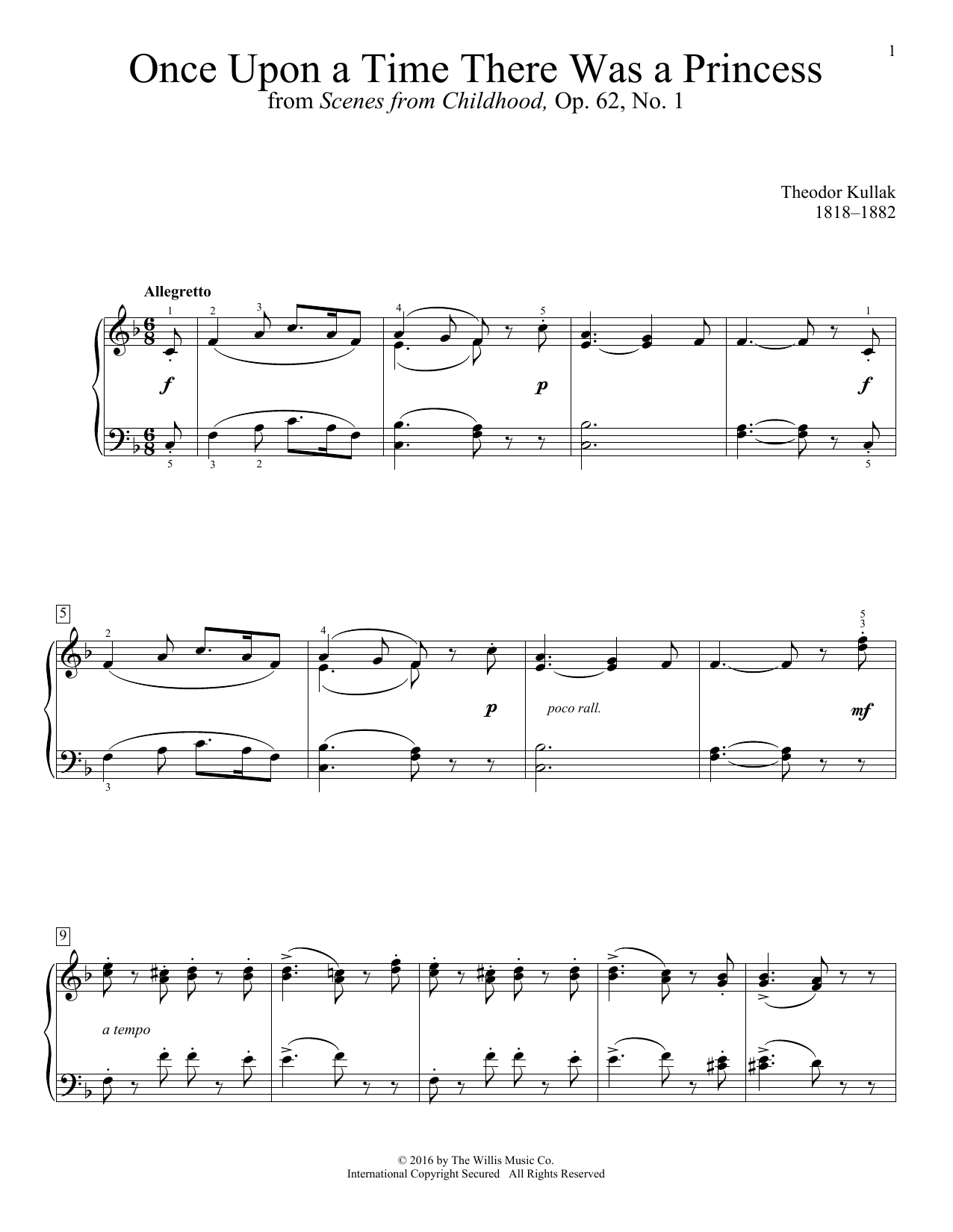
Theodor Kullak (1818-1882) was a German pianist and pedagogue whose compositions for piano students remain essential teaching tools across levels. His methodical approach to composition paired technical development with genuine musicality, and he understood precisely what challenges intermediate pianists face at each stage of their studies.
Why we love this
Kullak crafts character pieces that feel like complete musical statements rather than mere finger exercises. This title delivers narrative charm alongside genuine pedagogical substance, letting students experience the satisfaction of playing something with personality while building the technical and interpretive habits they need.
What to expect
Storybook charm with understated elegance. The piece evokes gentle nostalgia and imaginative play without becoming sentimental or overly demanding. It invites the performer to find the balance between innocent wonder and refined musical expression.
Who it's for
Early intermediate pianists who are ready for pieces with real character but still need structured technical support. This works equally well in private lessons and group piano classes where musical storytelling matters as much as technical accuracy.
How to get the most out of it
Shape the melodic line with subtle dynamic shaping rather than literal playing of every mark. Let the phrasing tell the story.
Establish a comfortable tempo that allows clarity in any passage work while preserving the lyrical quality of the opening.
Listen for balance between hands; the accompaniment should support rather than compete with the right-hand melody.
Use the two-page scope to practice section transitions, treating the midpoint as an opportunity to build momentum.
How to use it
Include this in a student recital as an accessible crowd-pleaser that showcases expressive playing without intimidating the performer. It pairs naturally alongside other character pieces from the Romantic era and reads well in mixed-level piano showcases.
Skills your students will build
Maintaining consistent touch and tone across phrase lengths
Interpreting dynamic shaping and color from minimal written indication
Balancing melodic line with accompanying figures
Sustaining musical narrative across a multi-section form
You May Also Like
Scan to Complete Your Purchase
Use your phone's camera to scan the code below
You'll log in on your phone and the order will be added to your account