
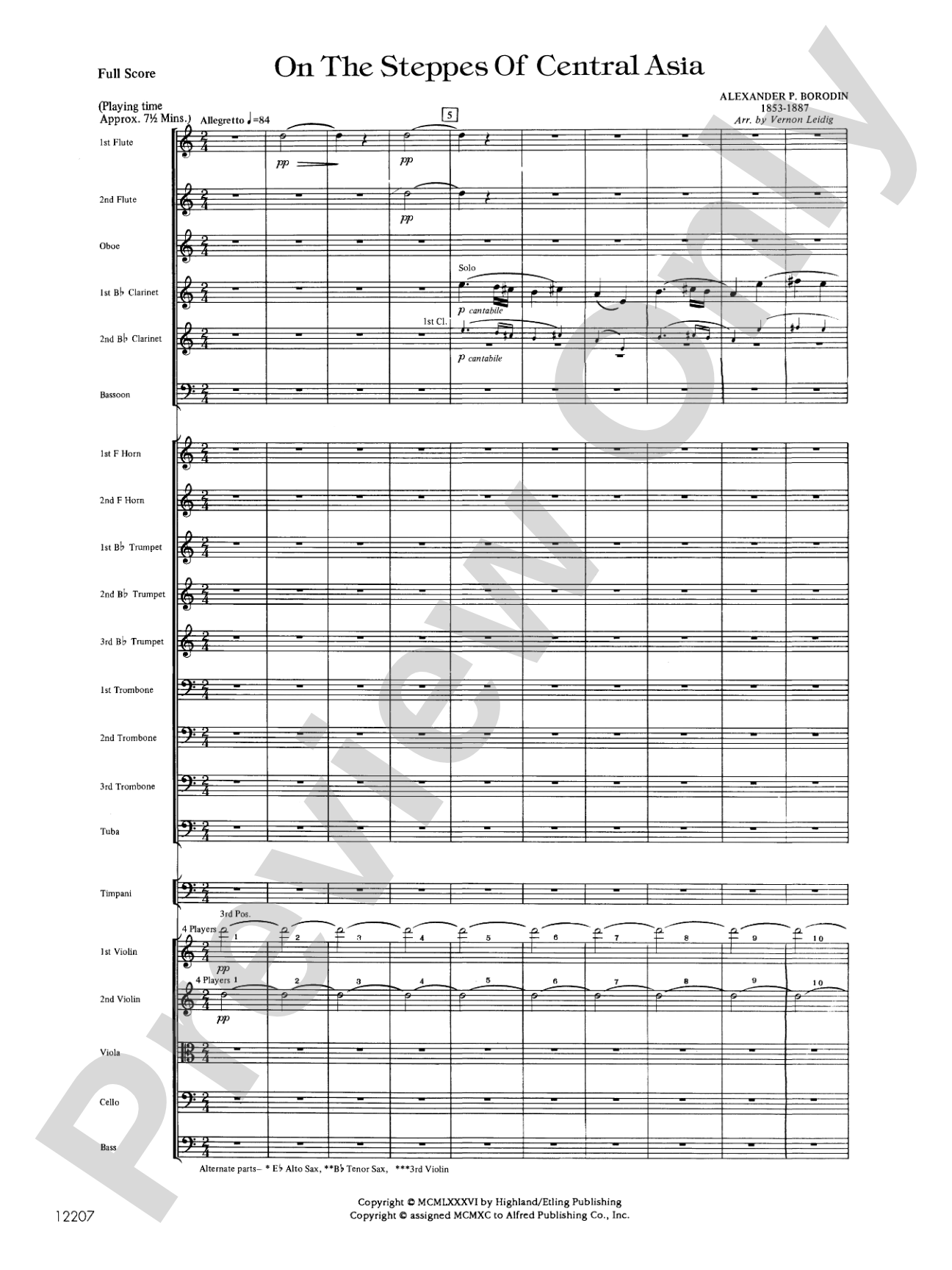
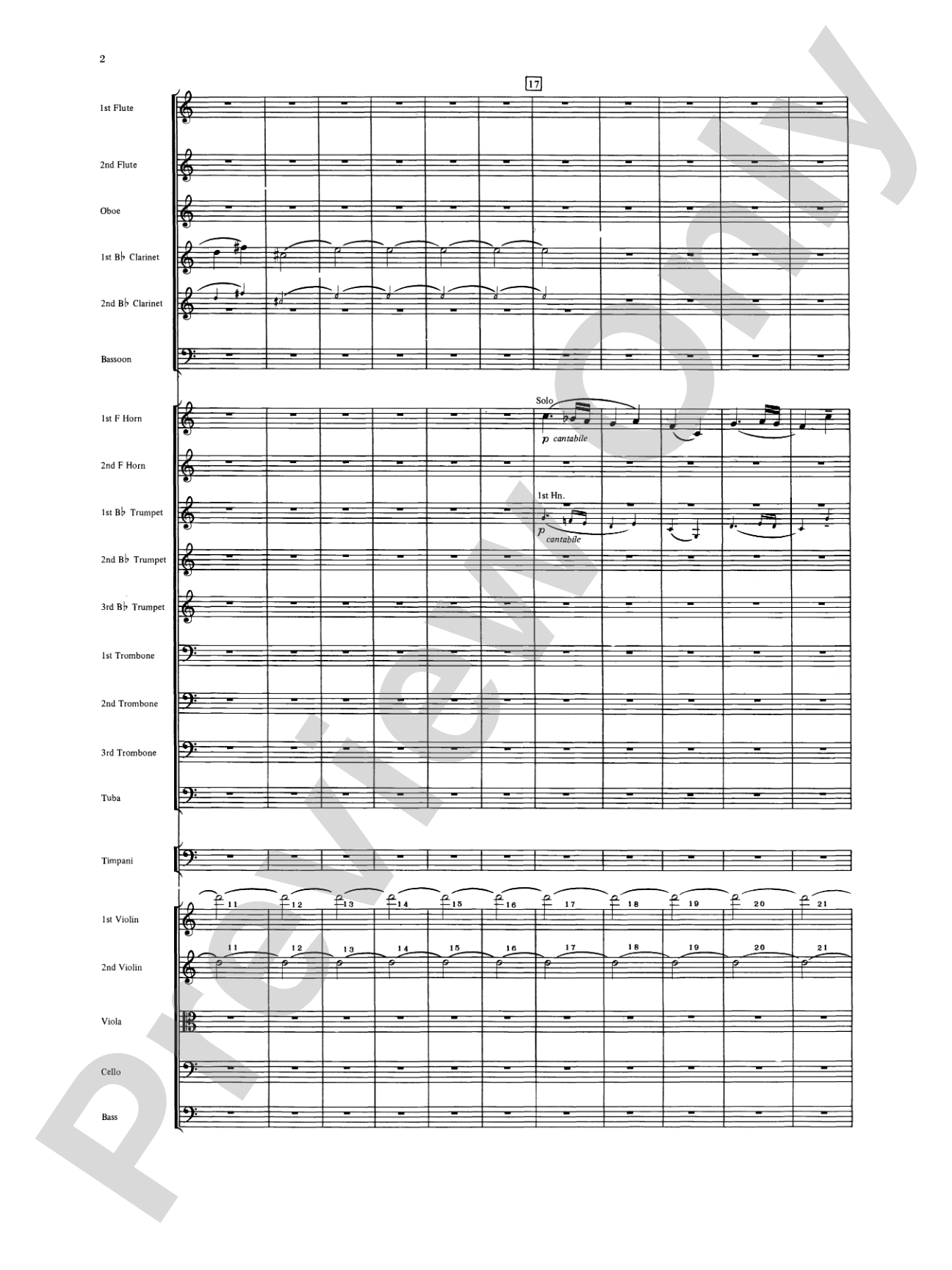
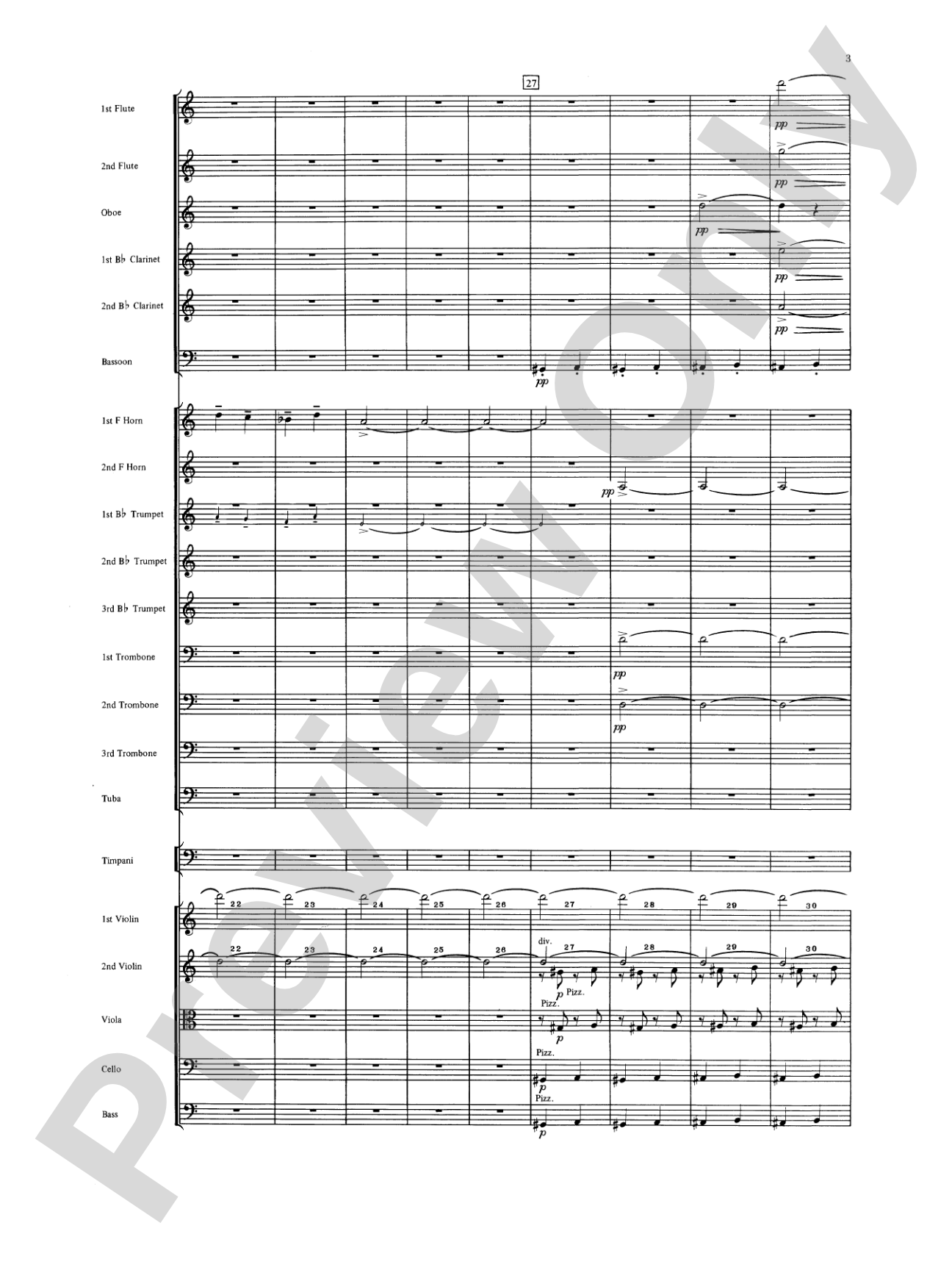
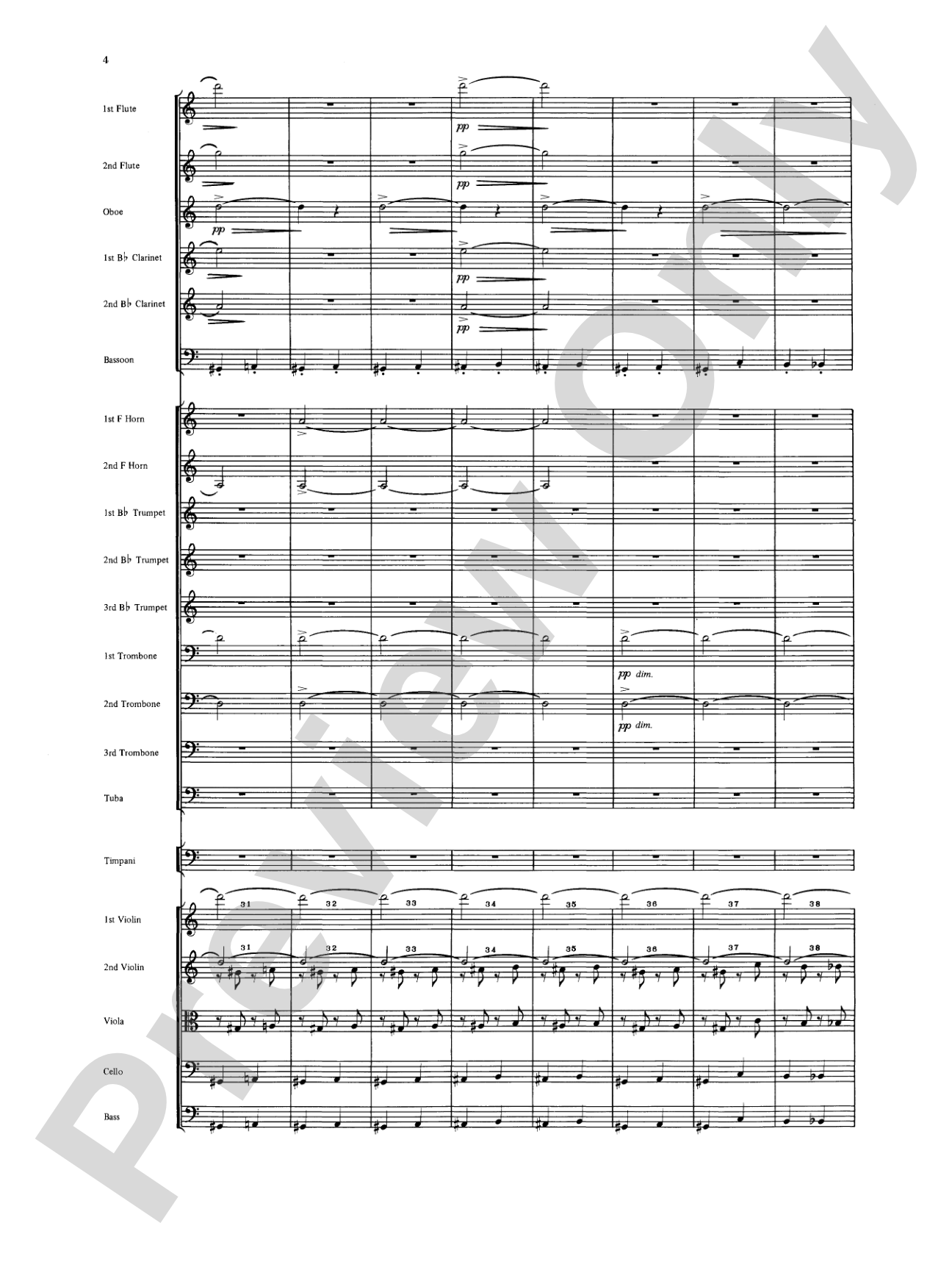
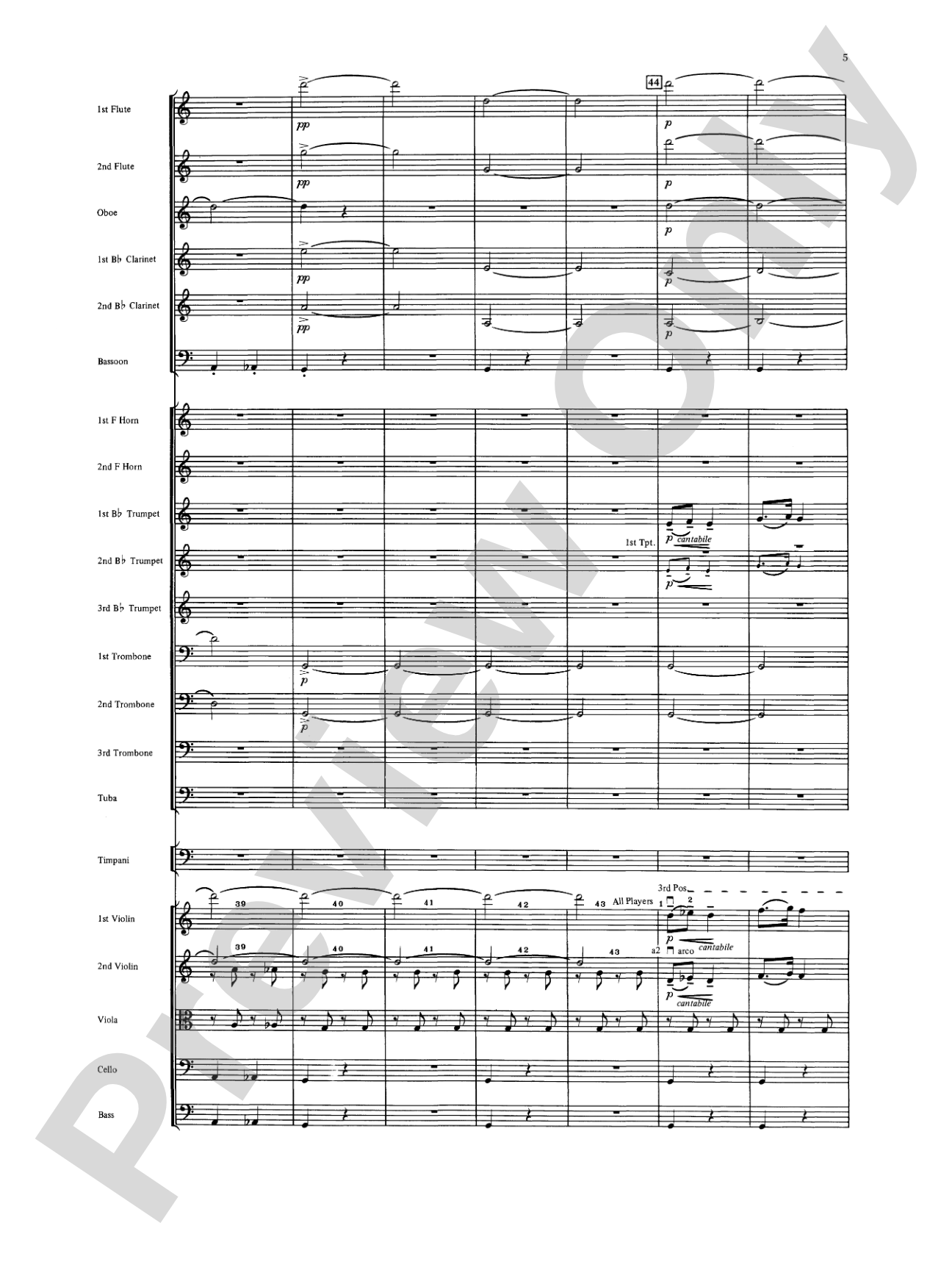
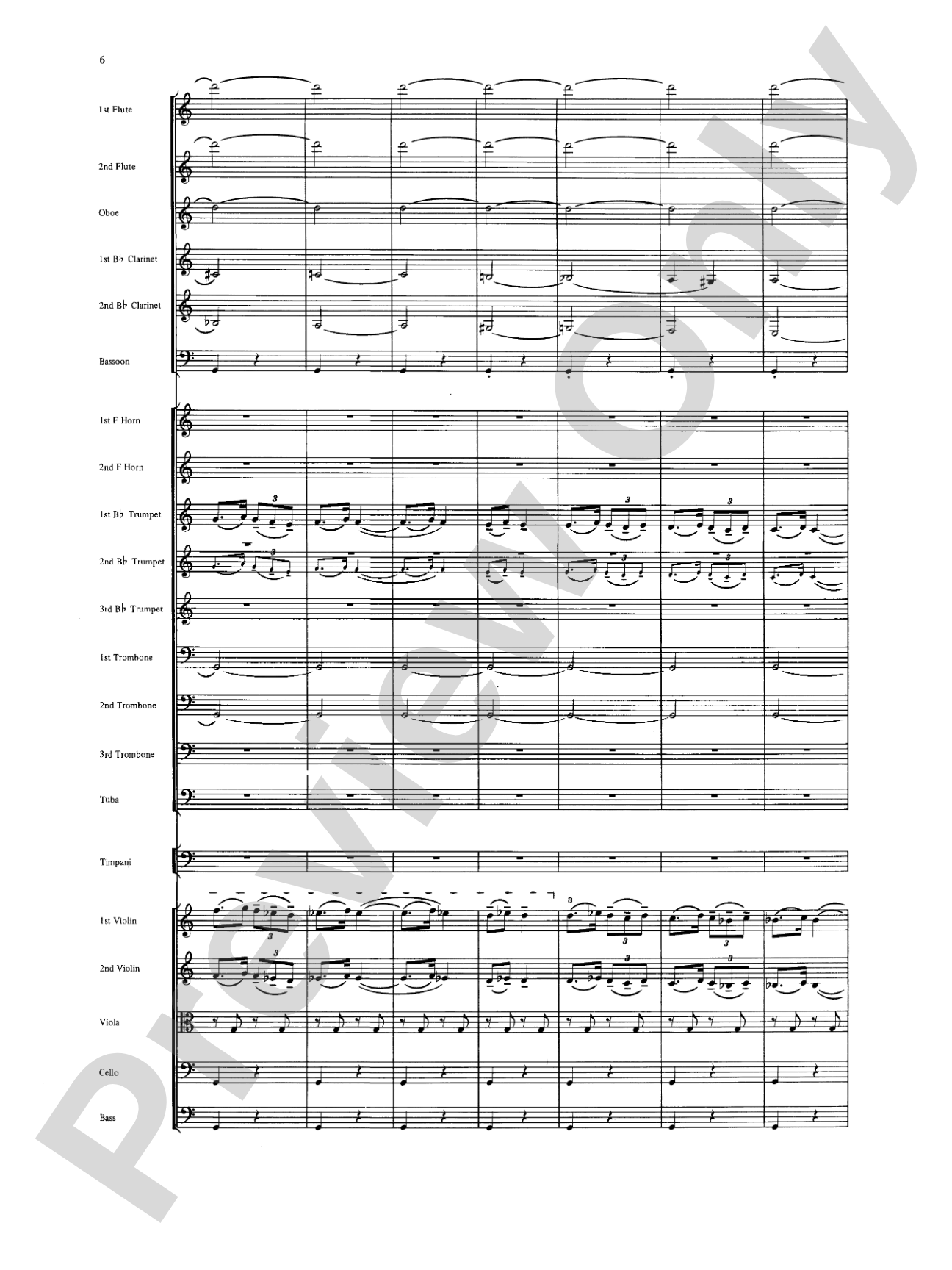
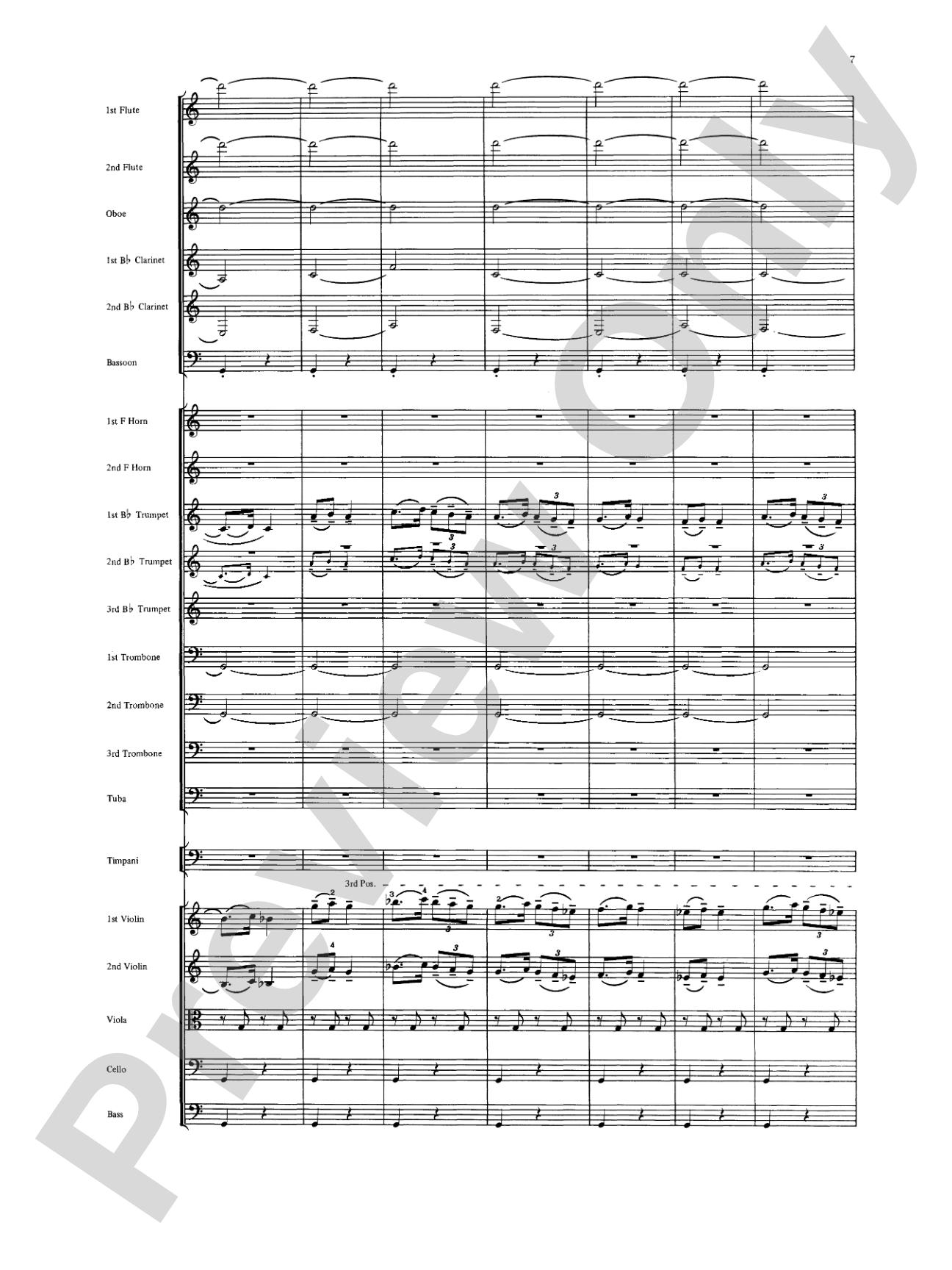
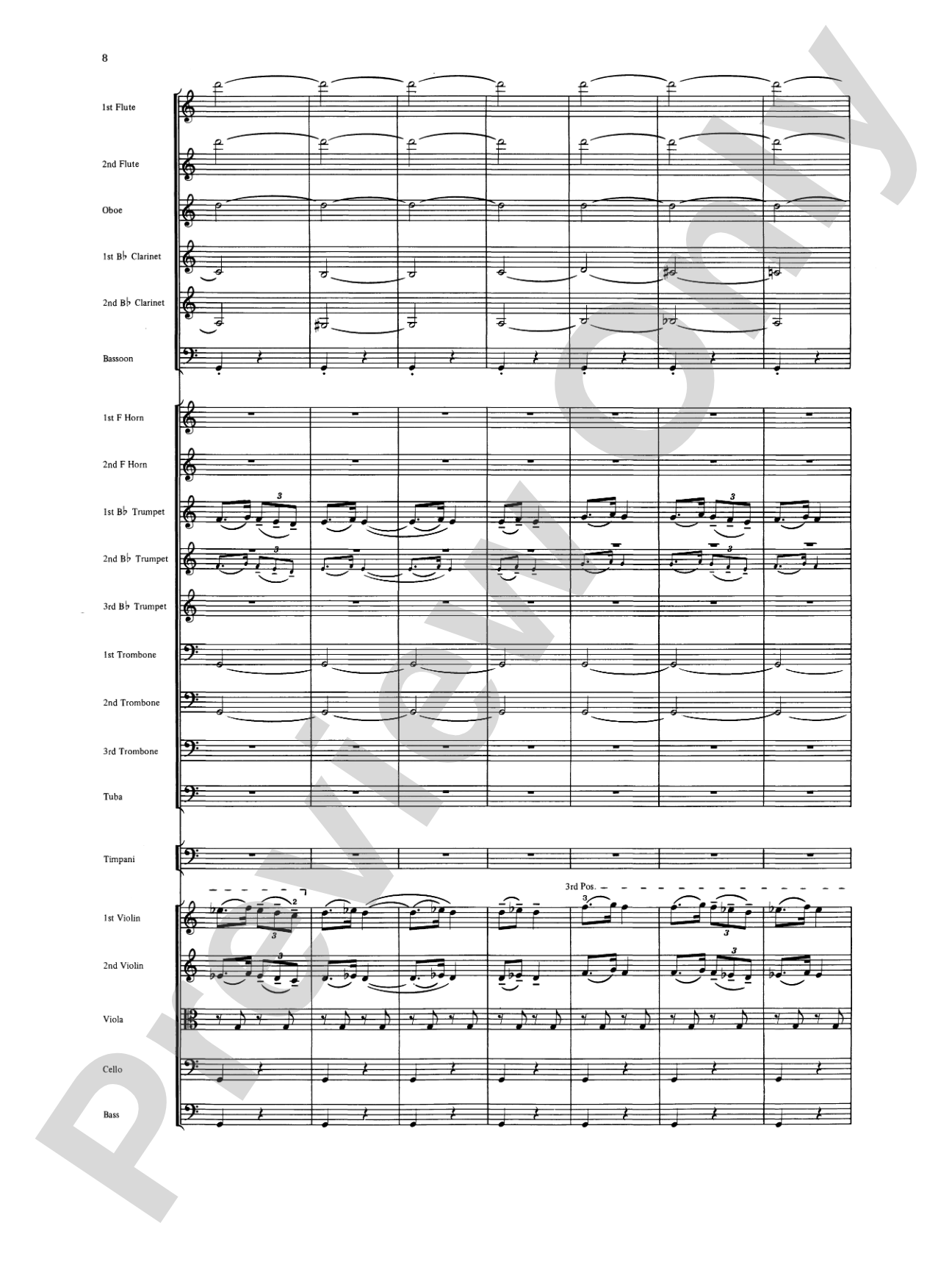
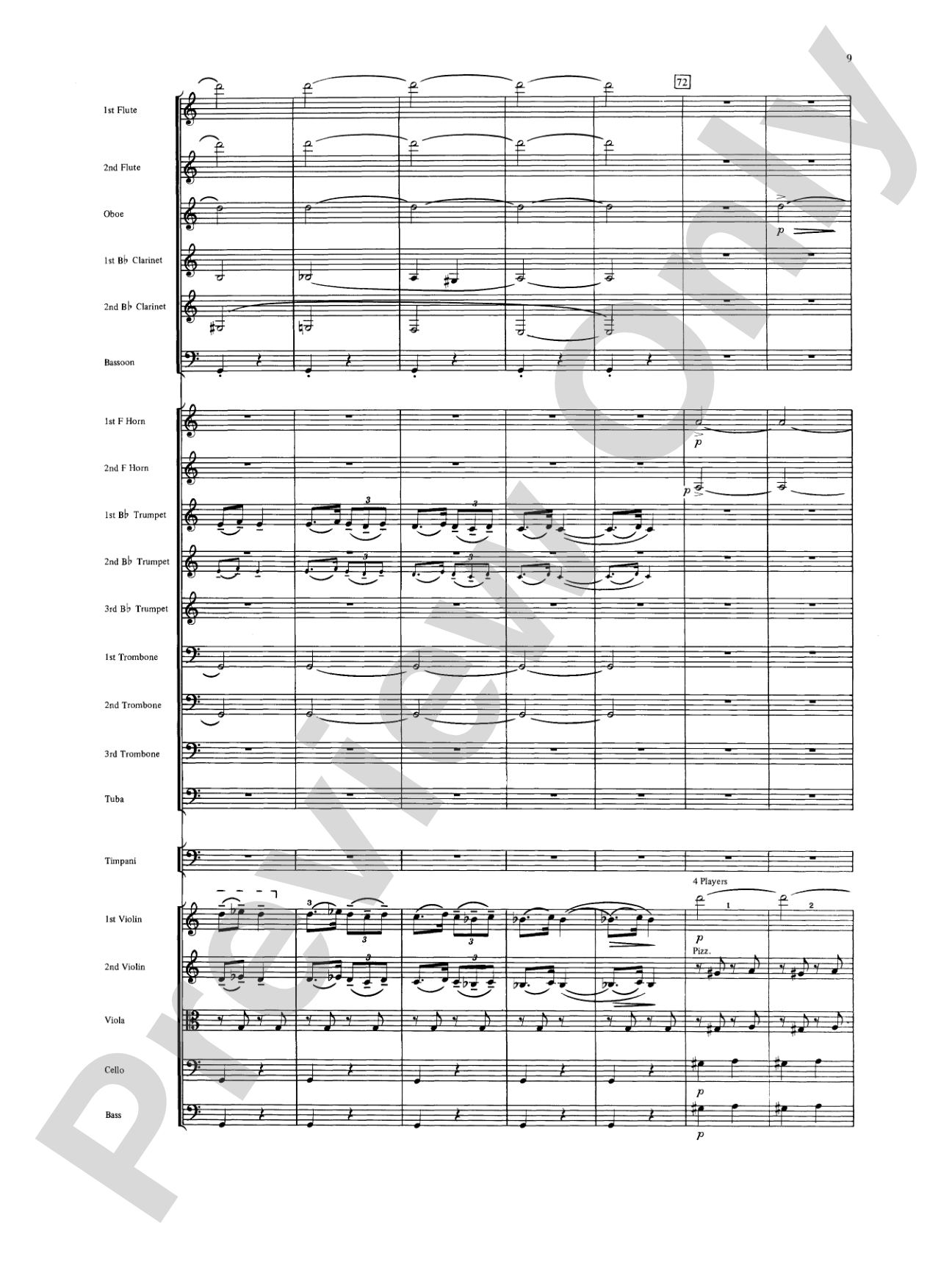
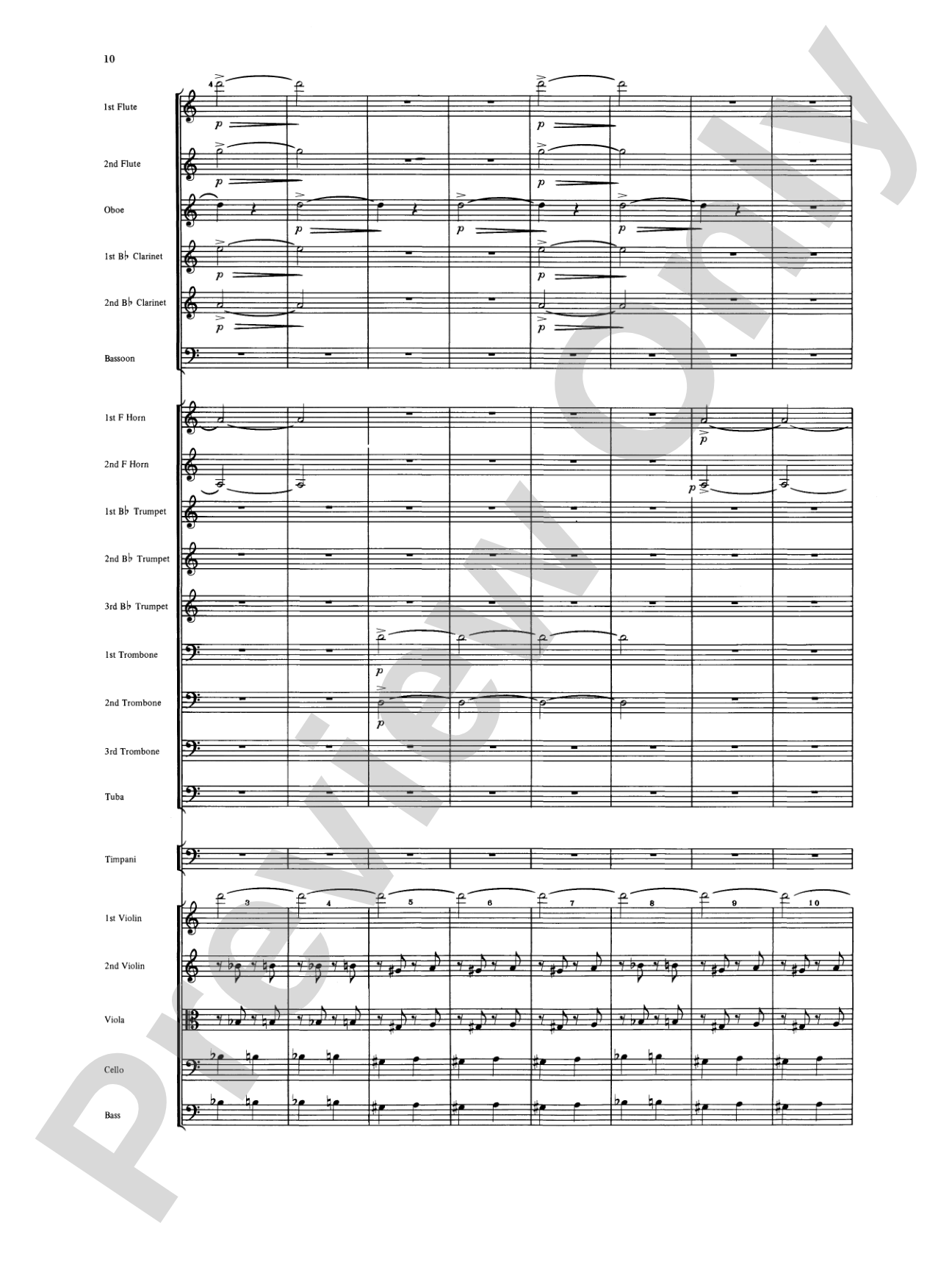
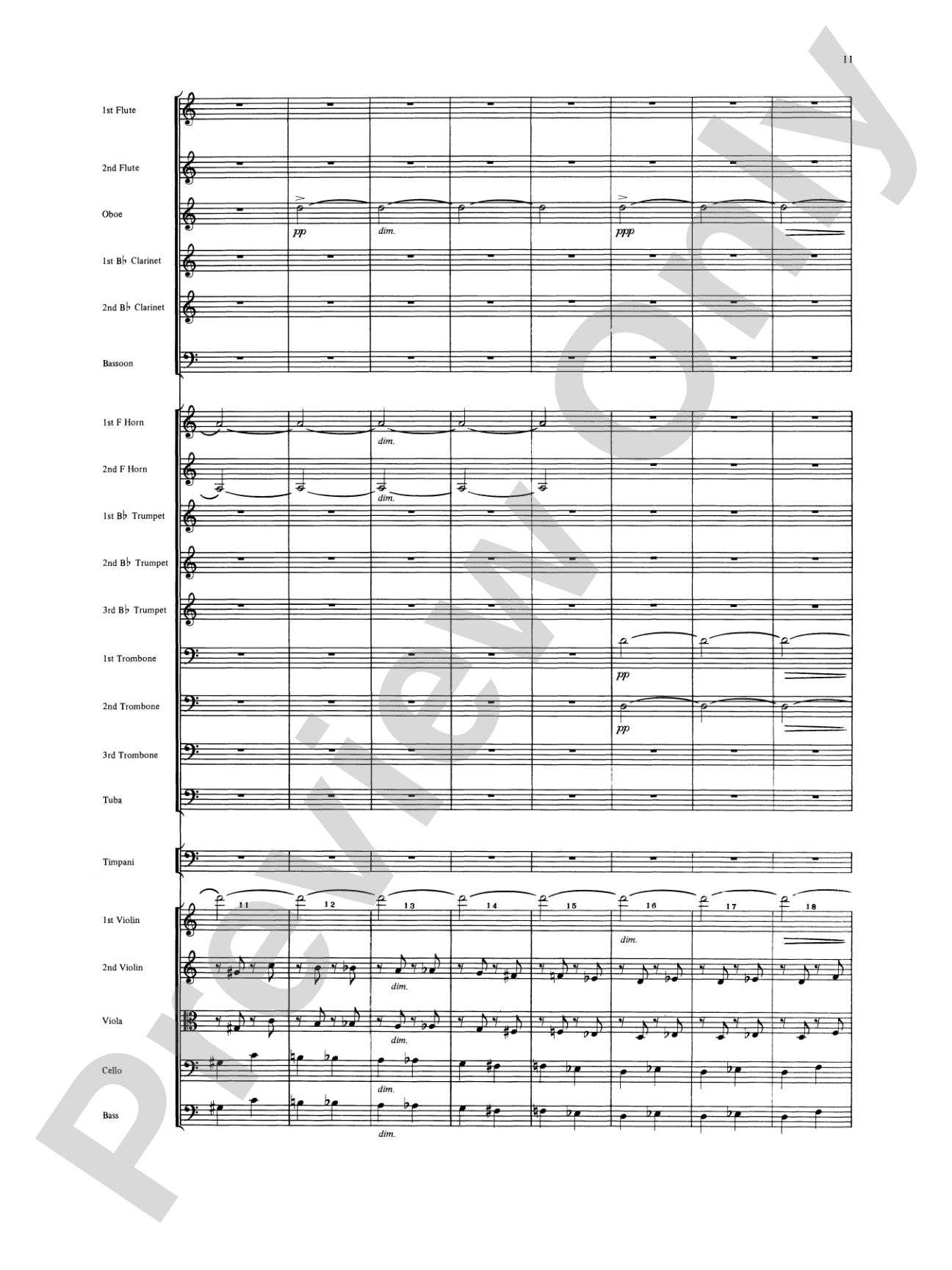
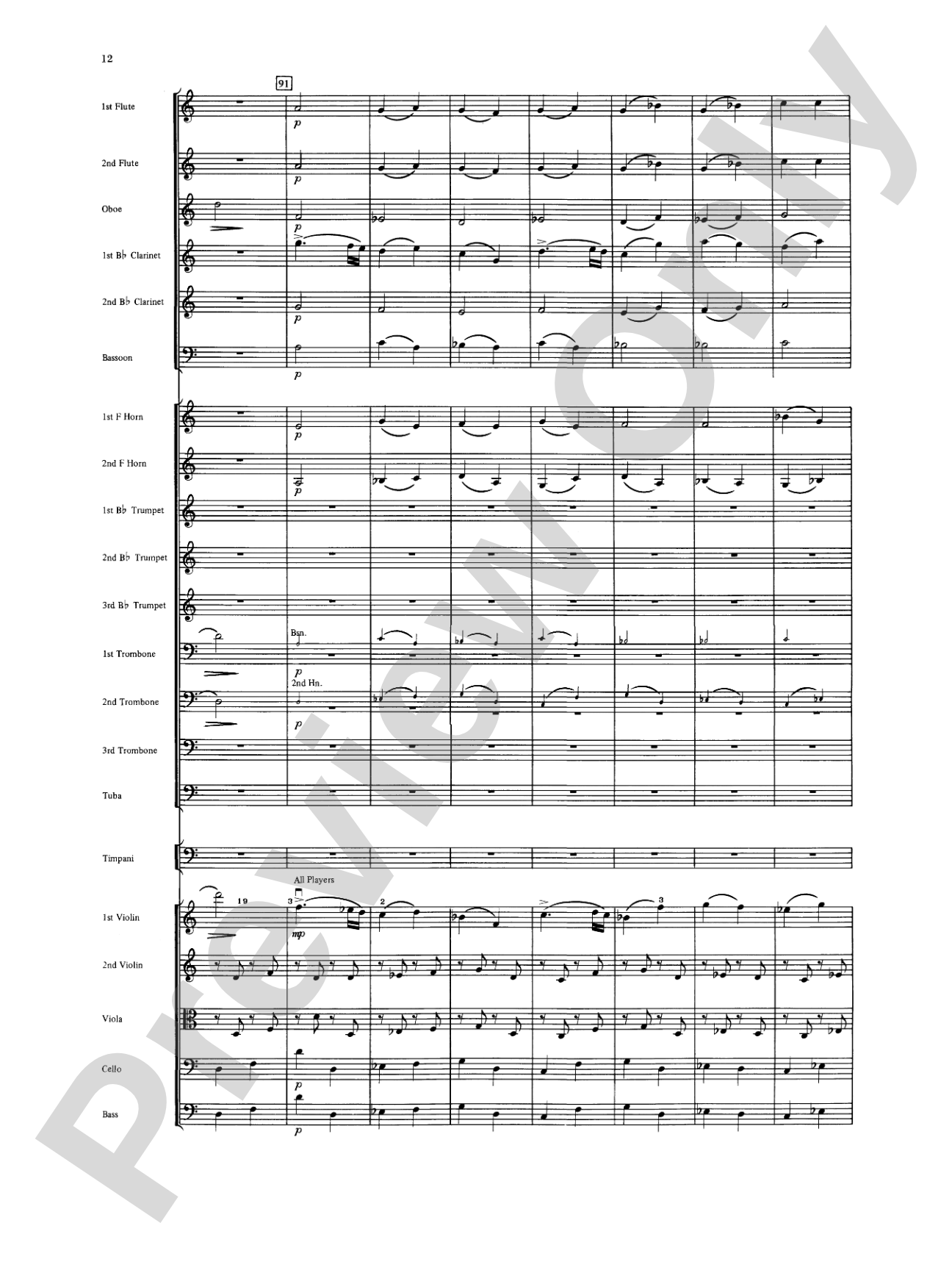
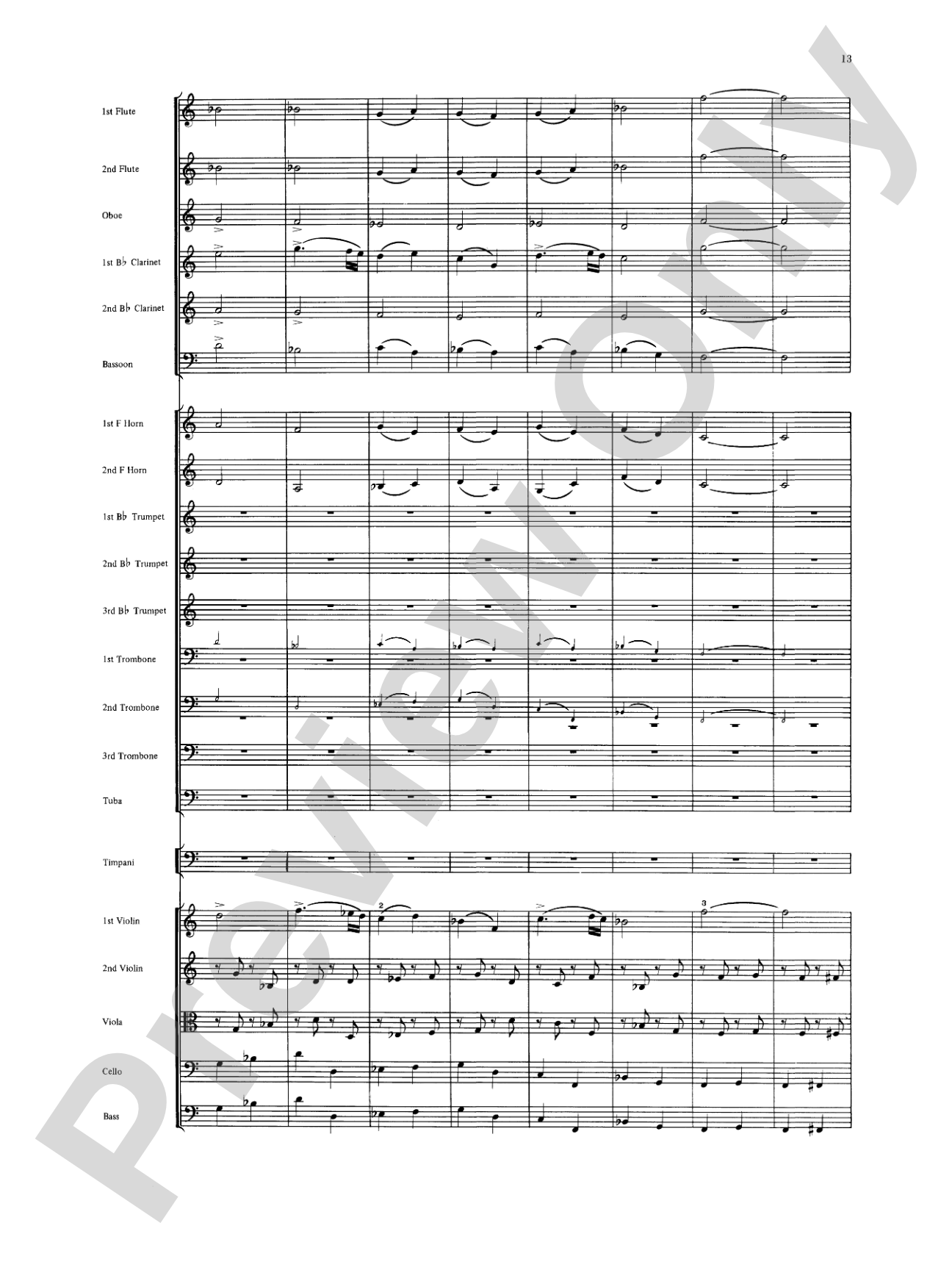
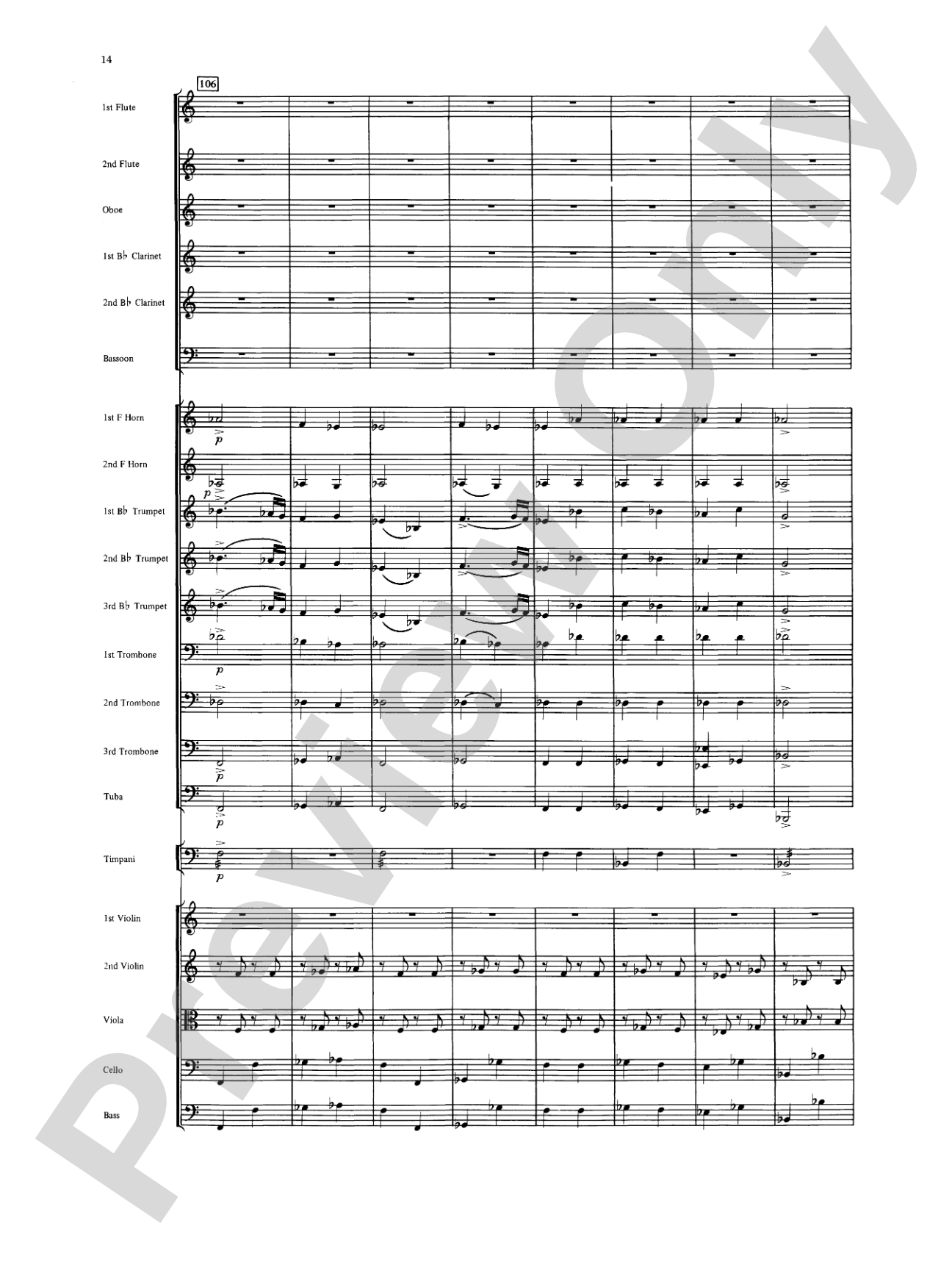
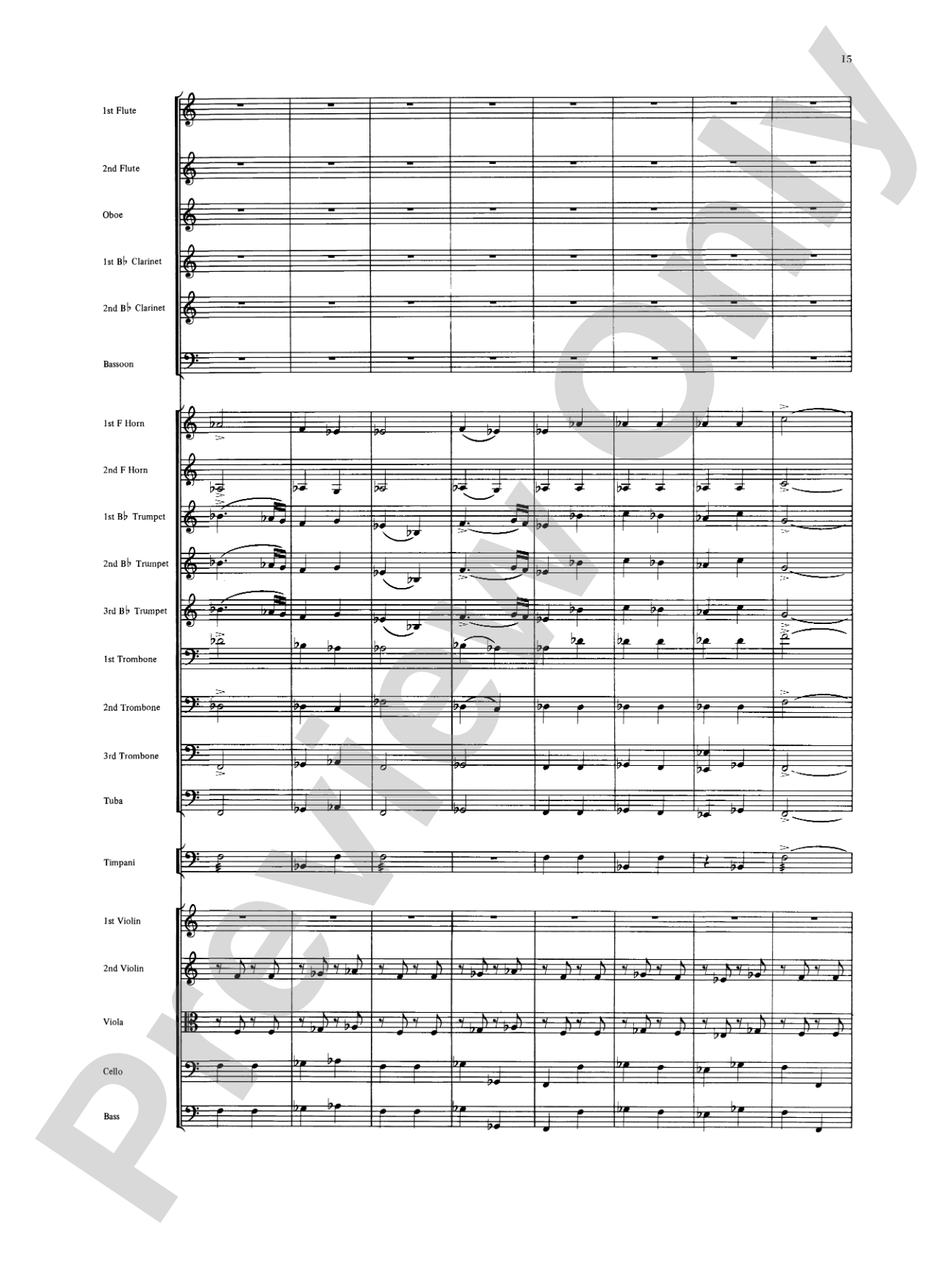
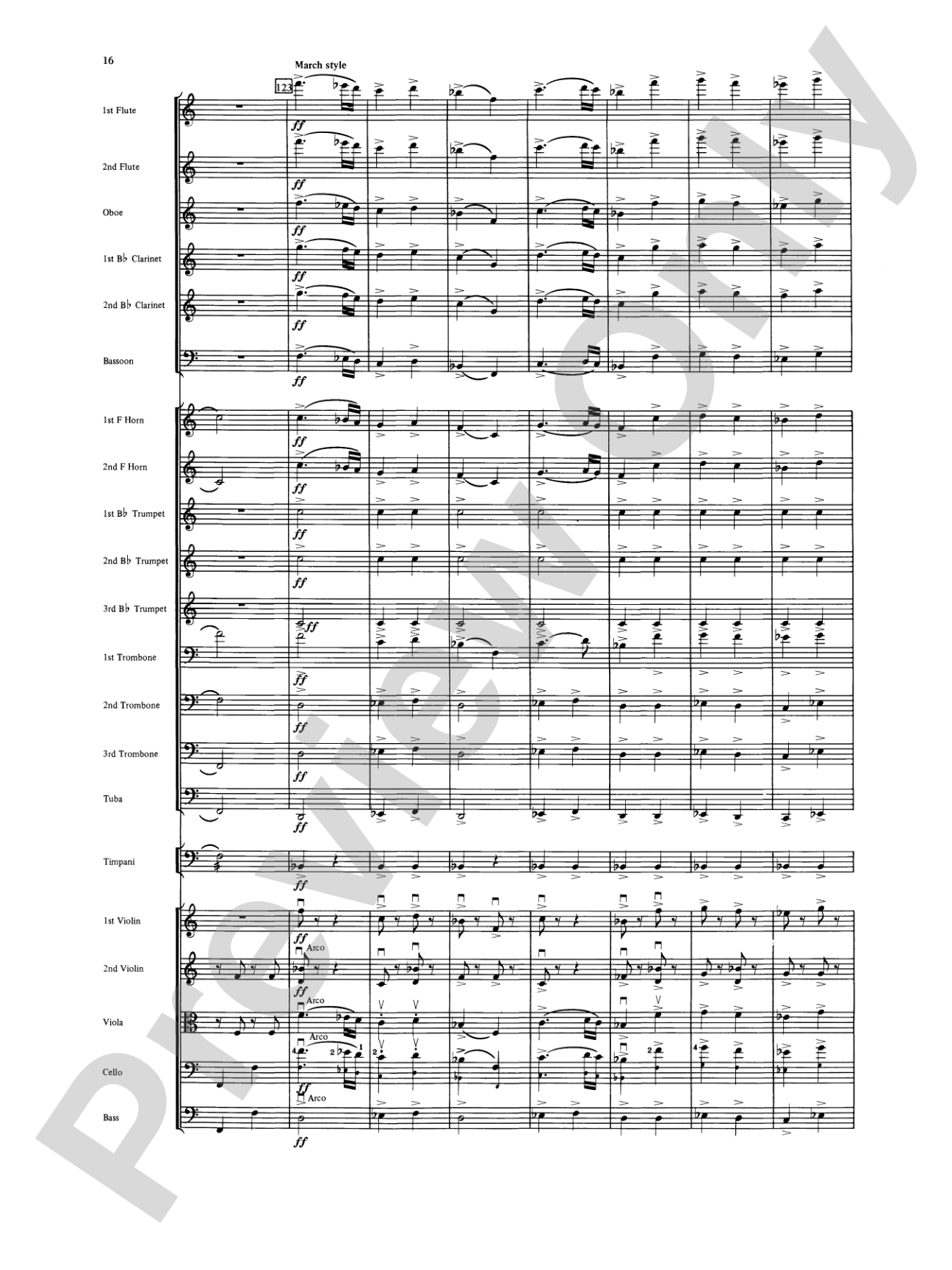
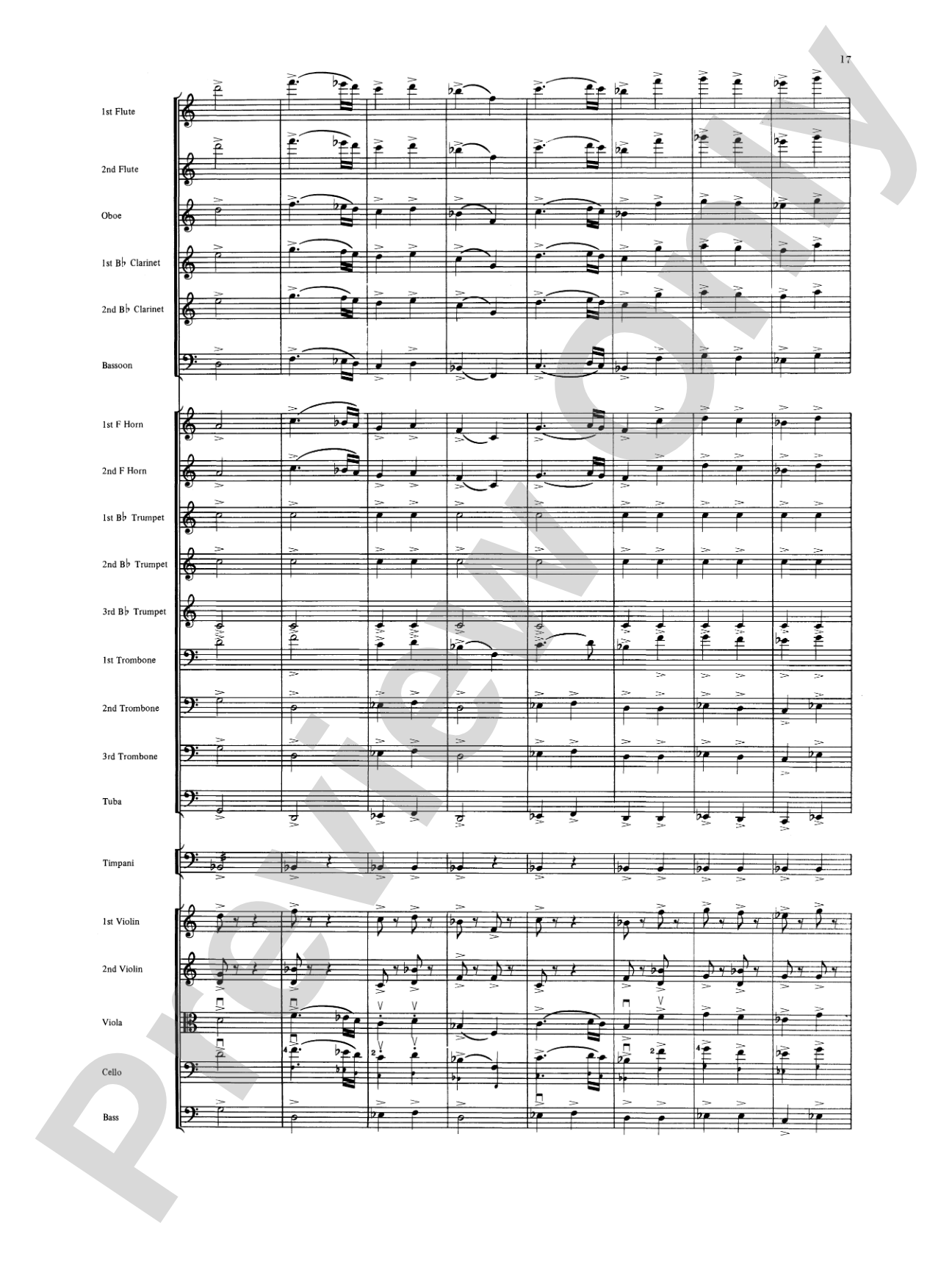
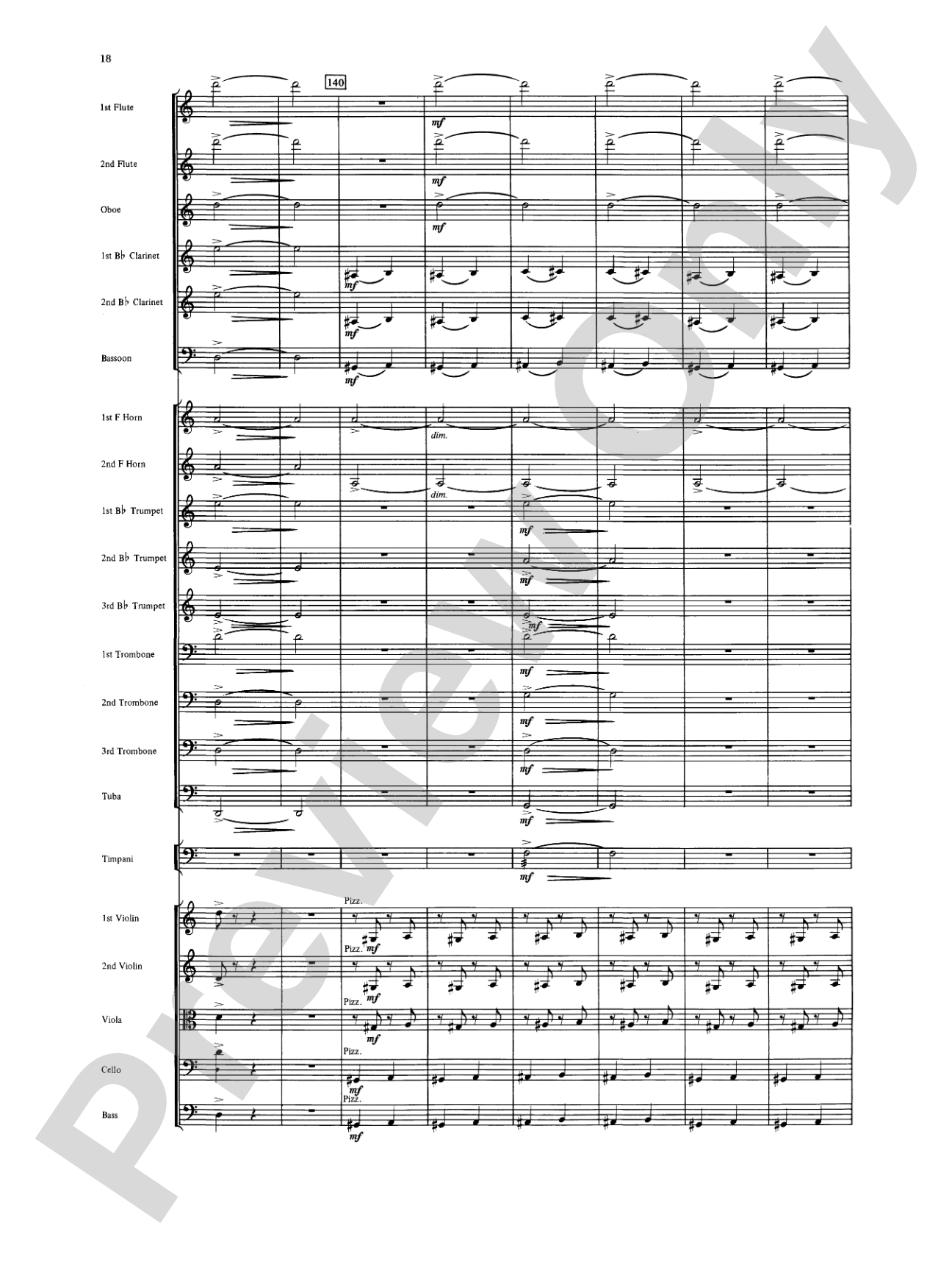
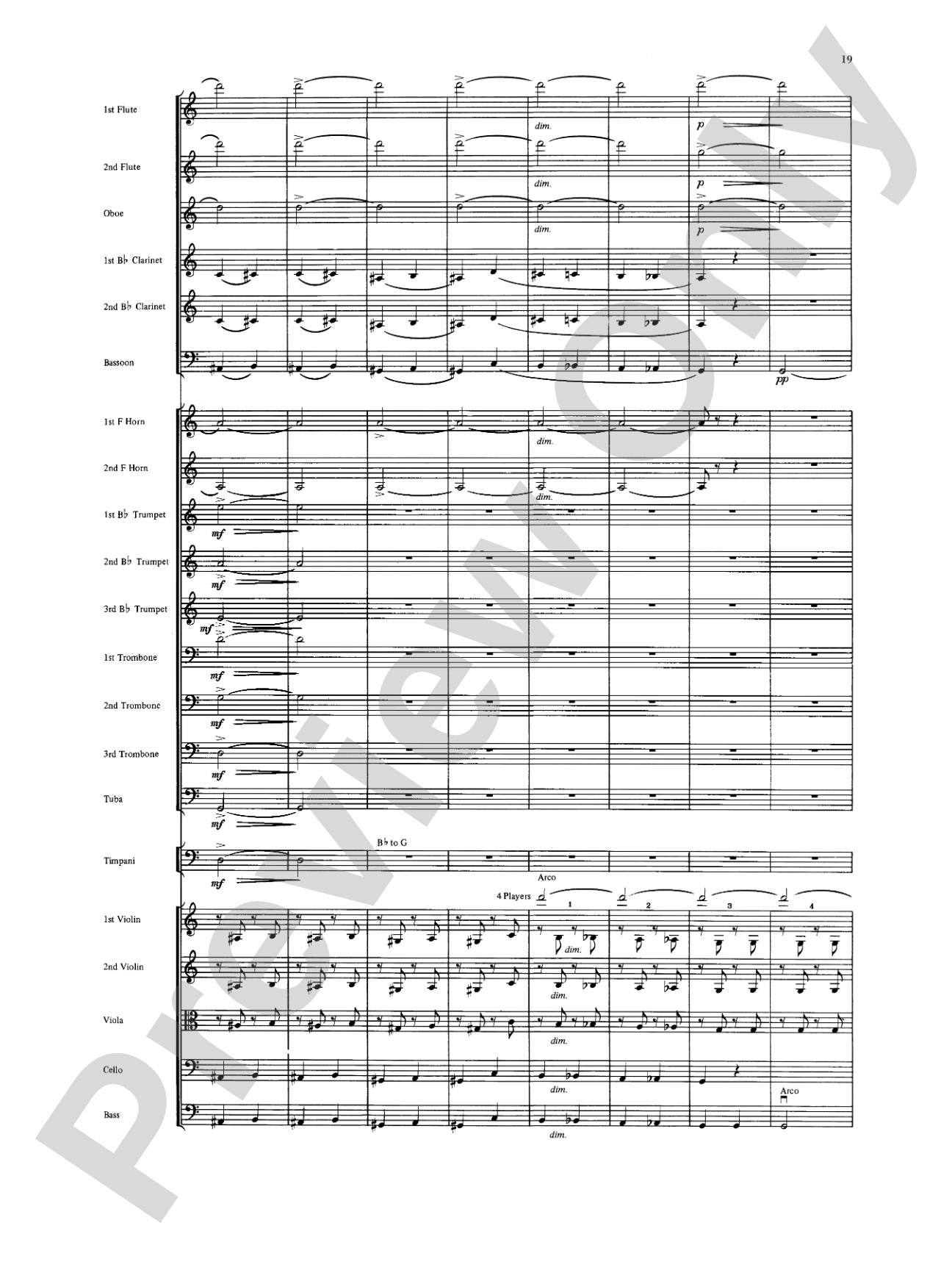
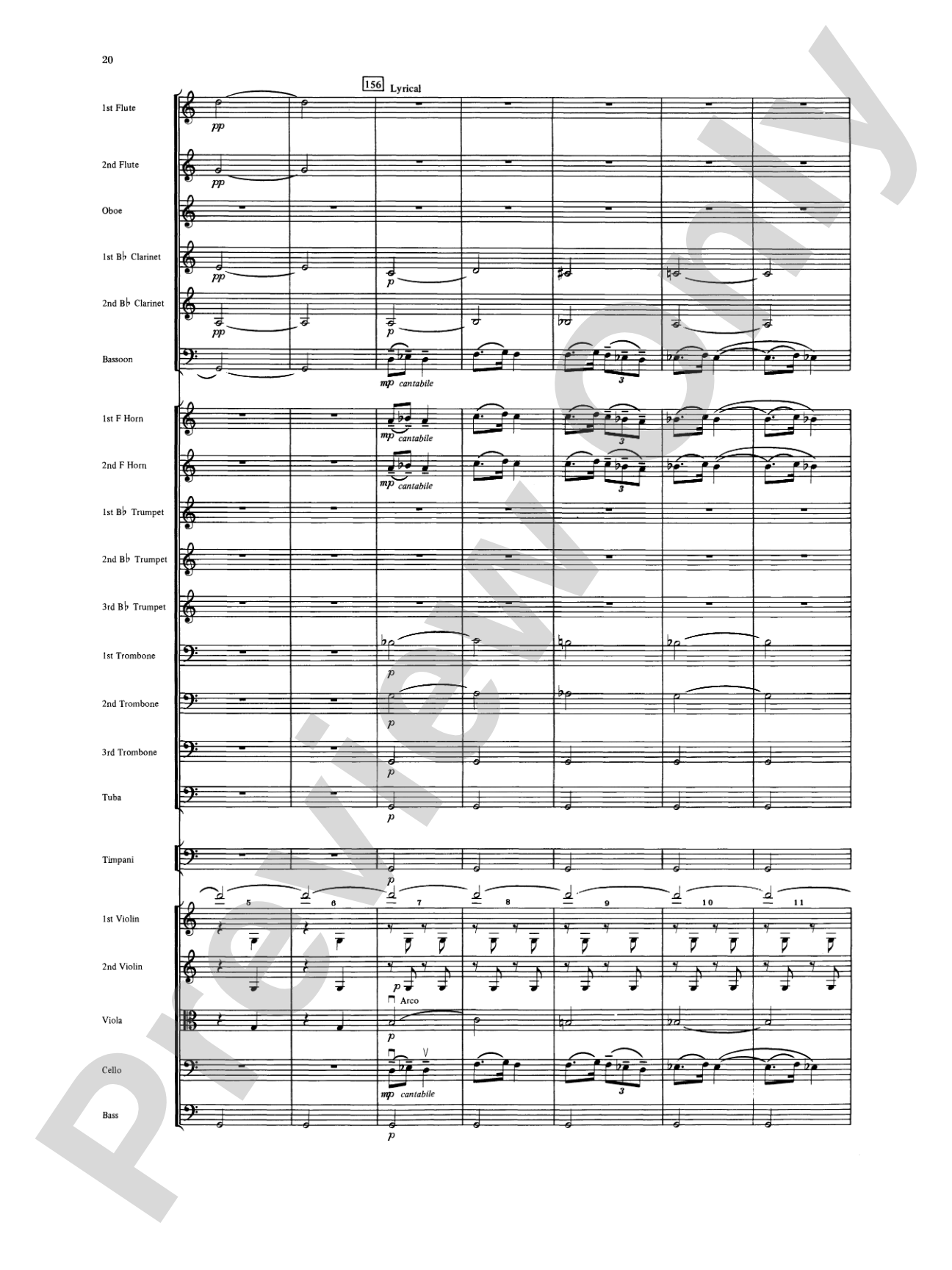
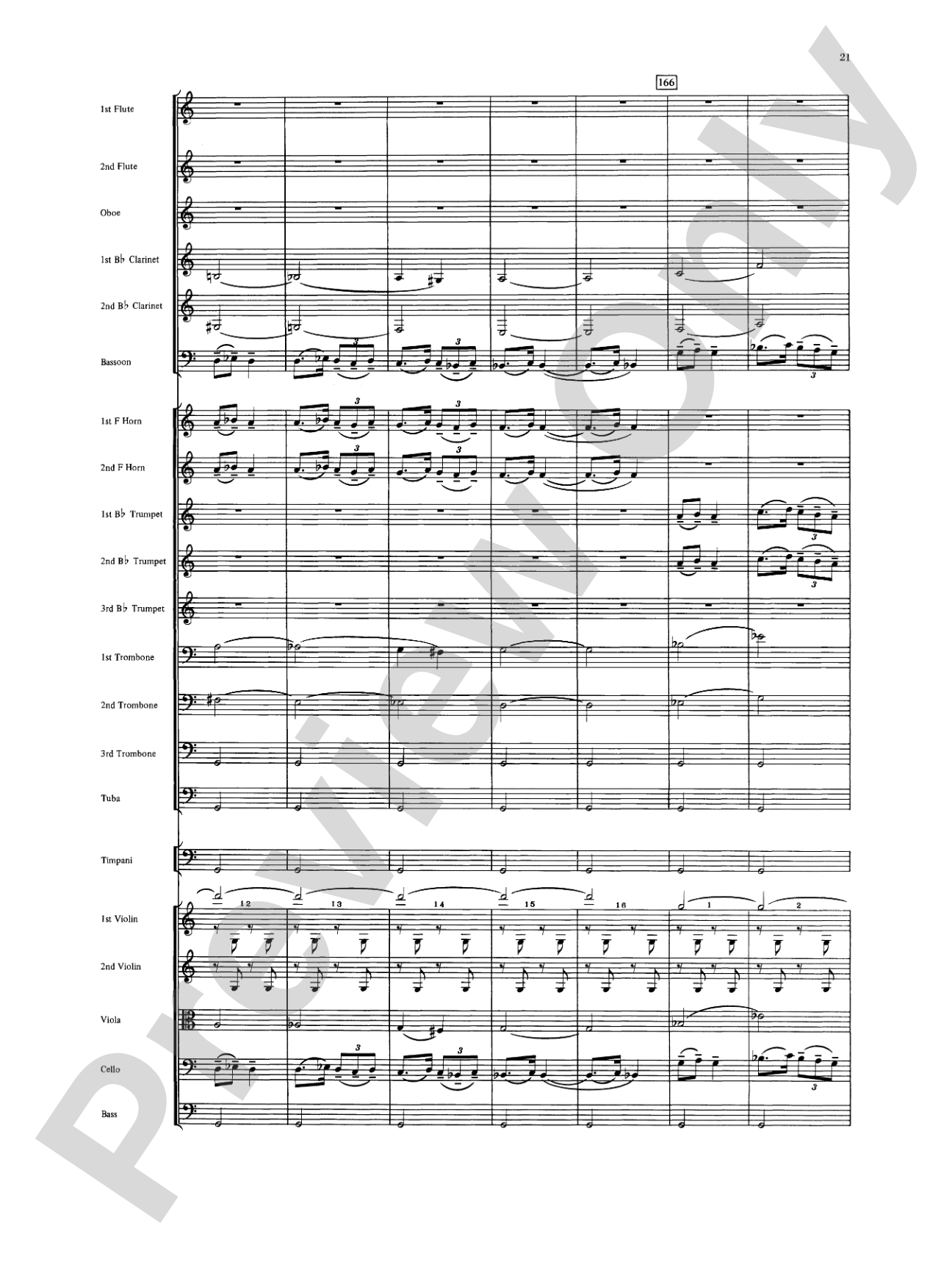
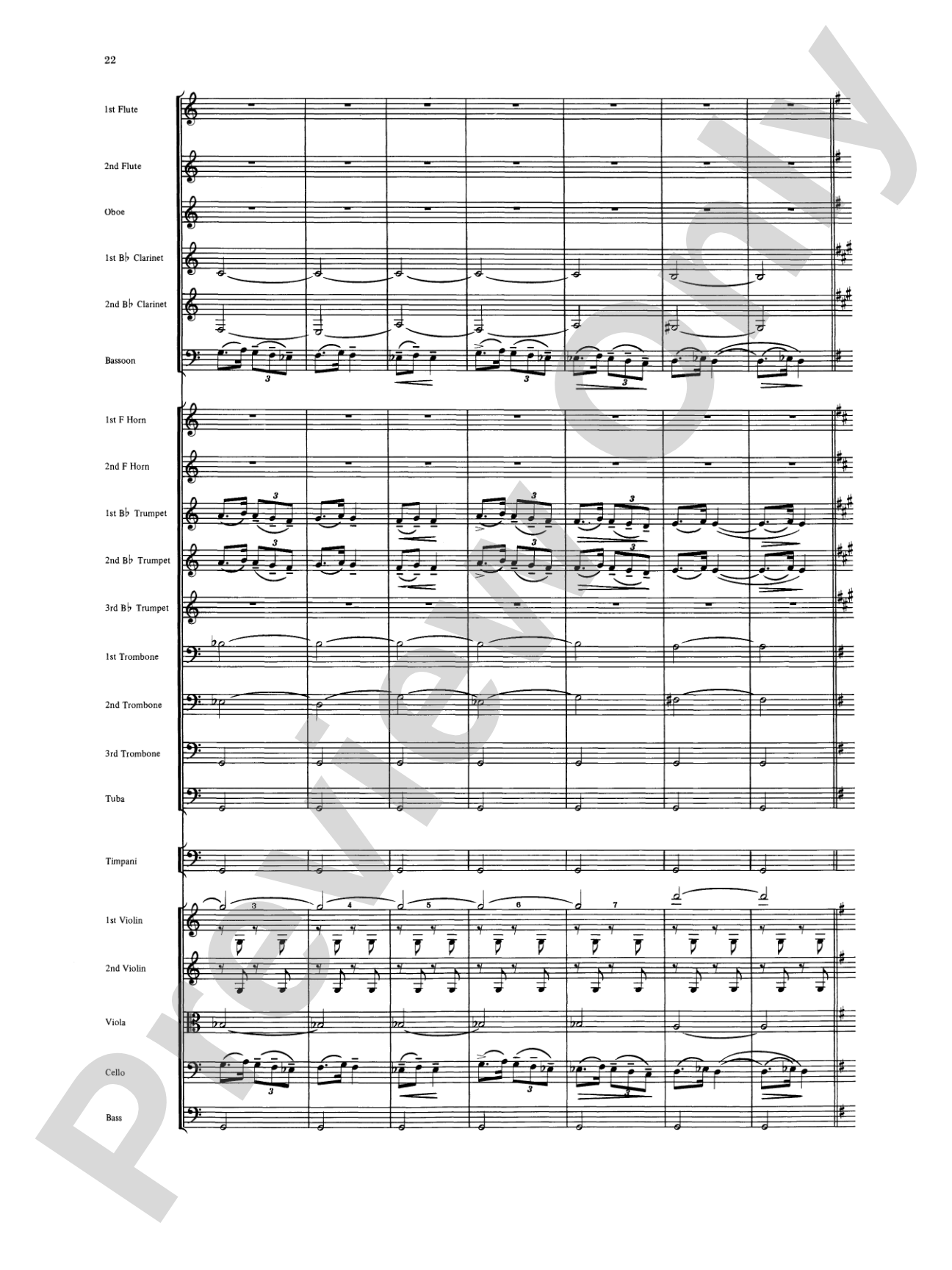
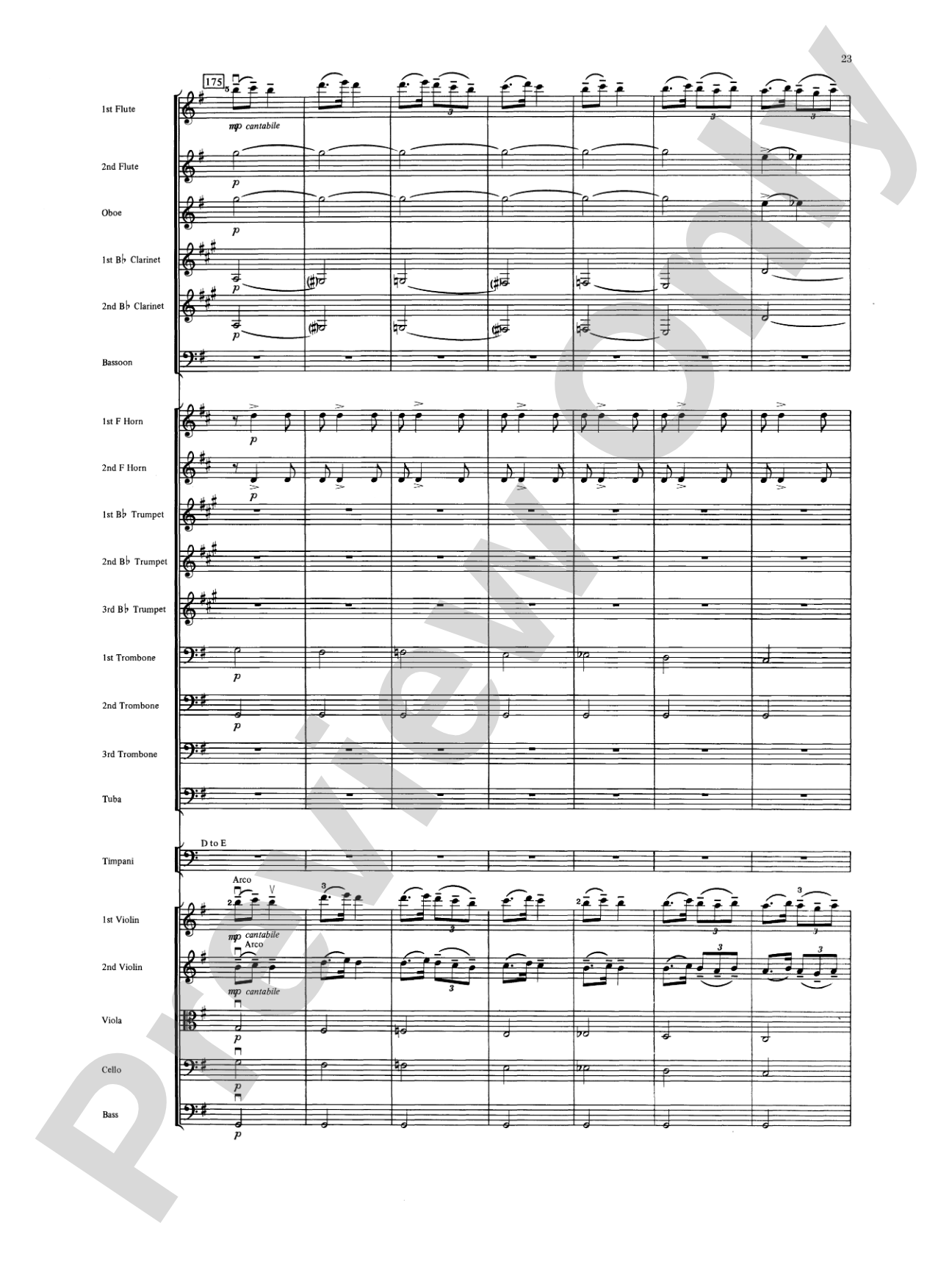
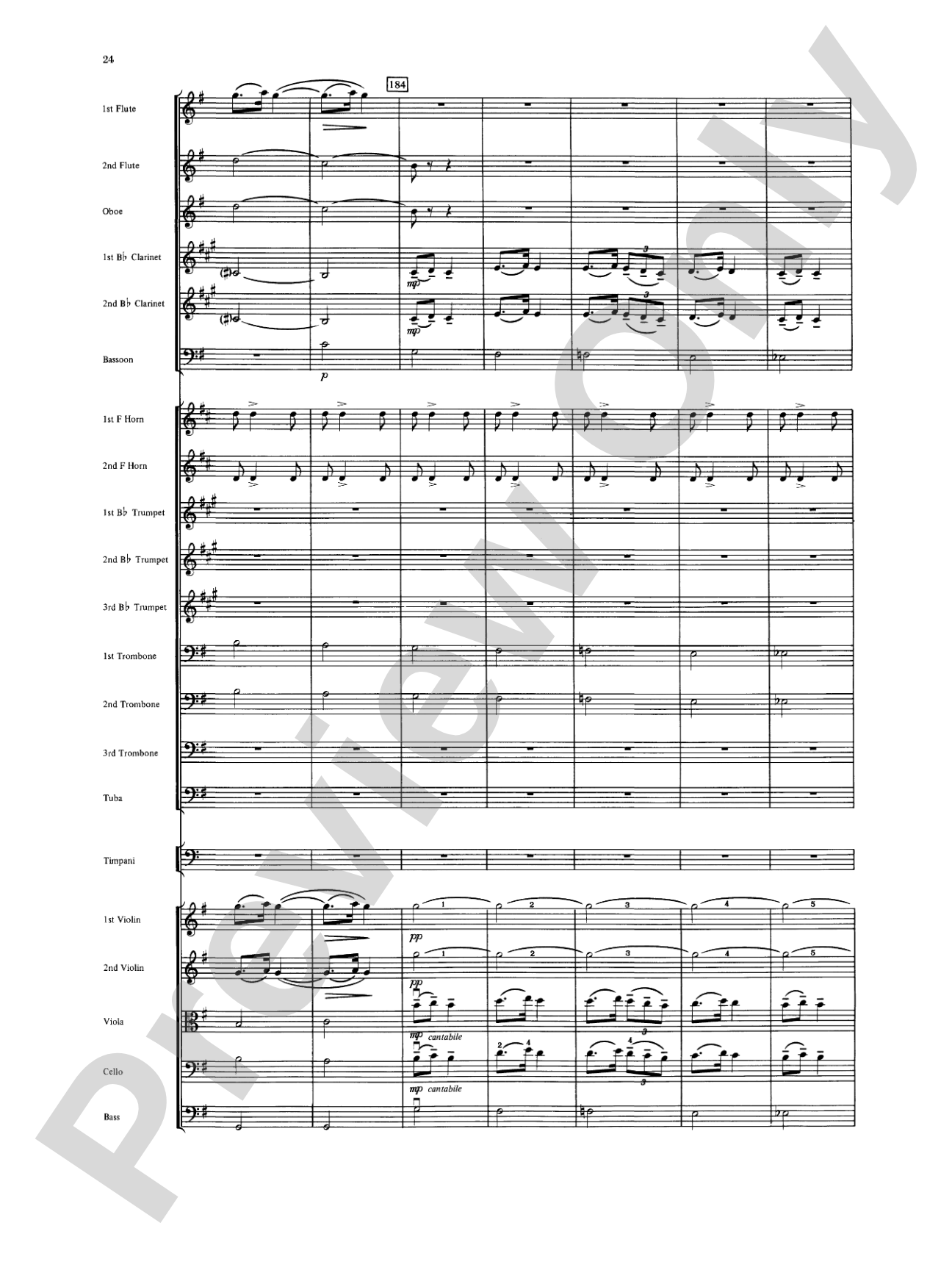
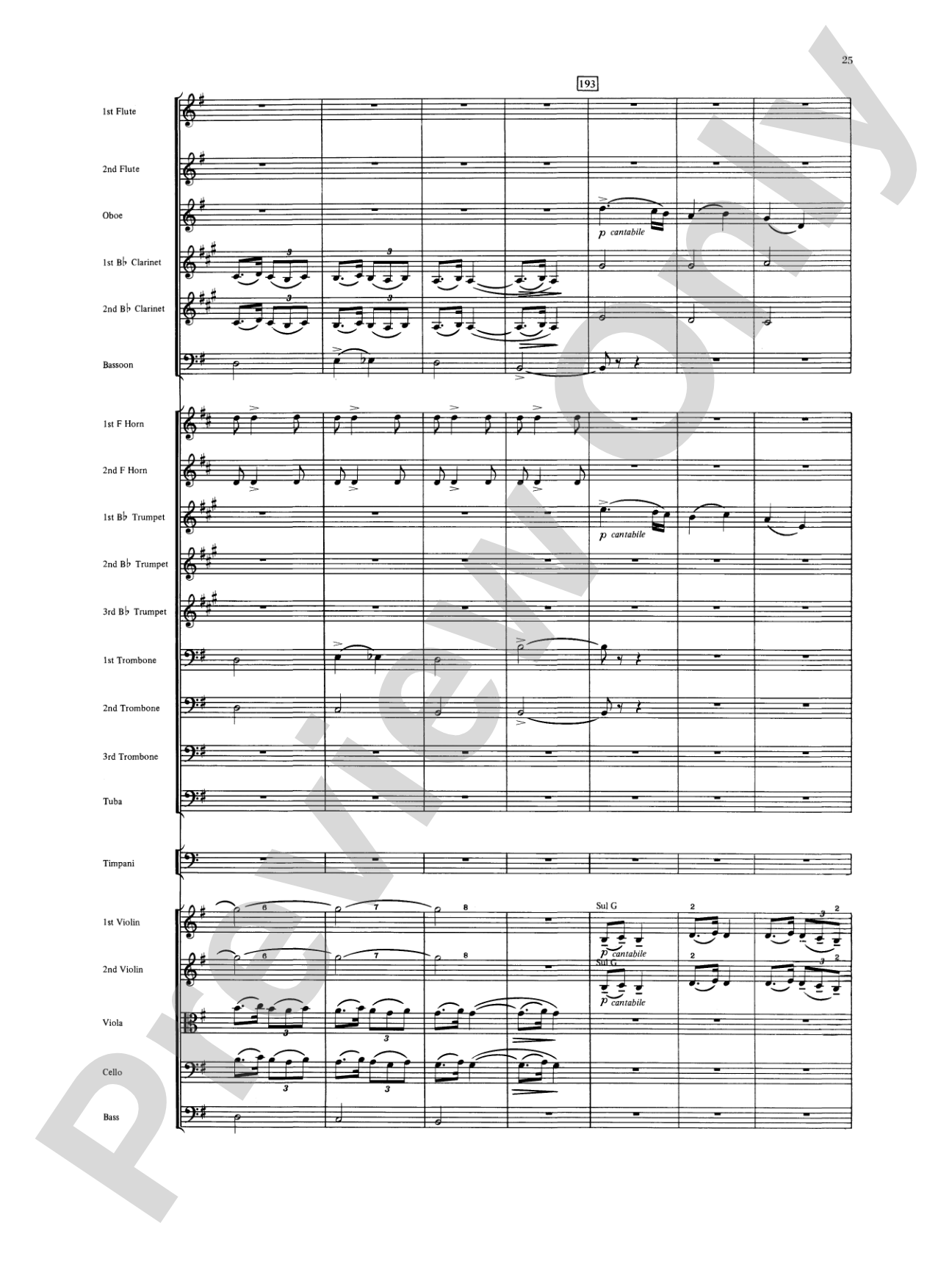
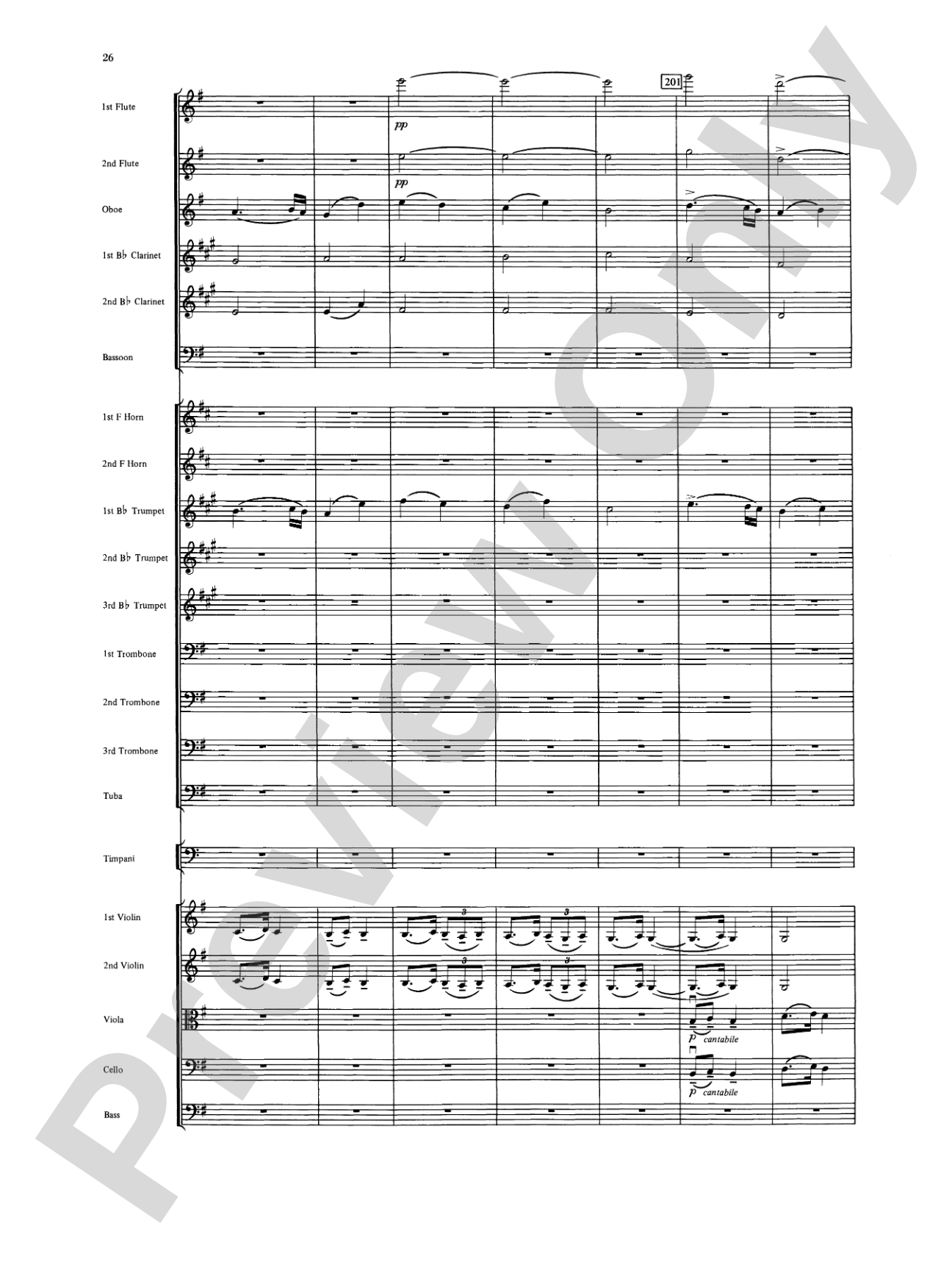
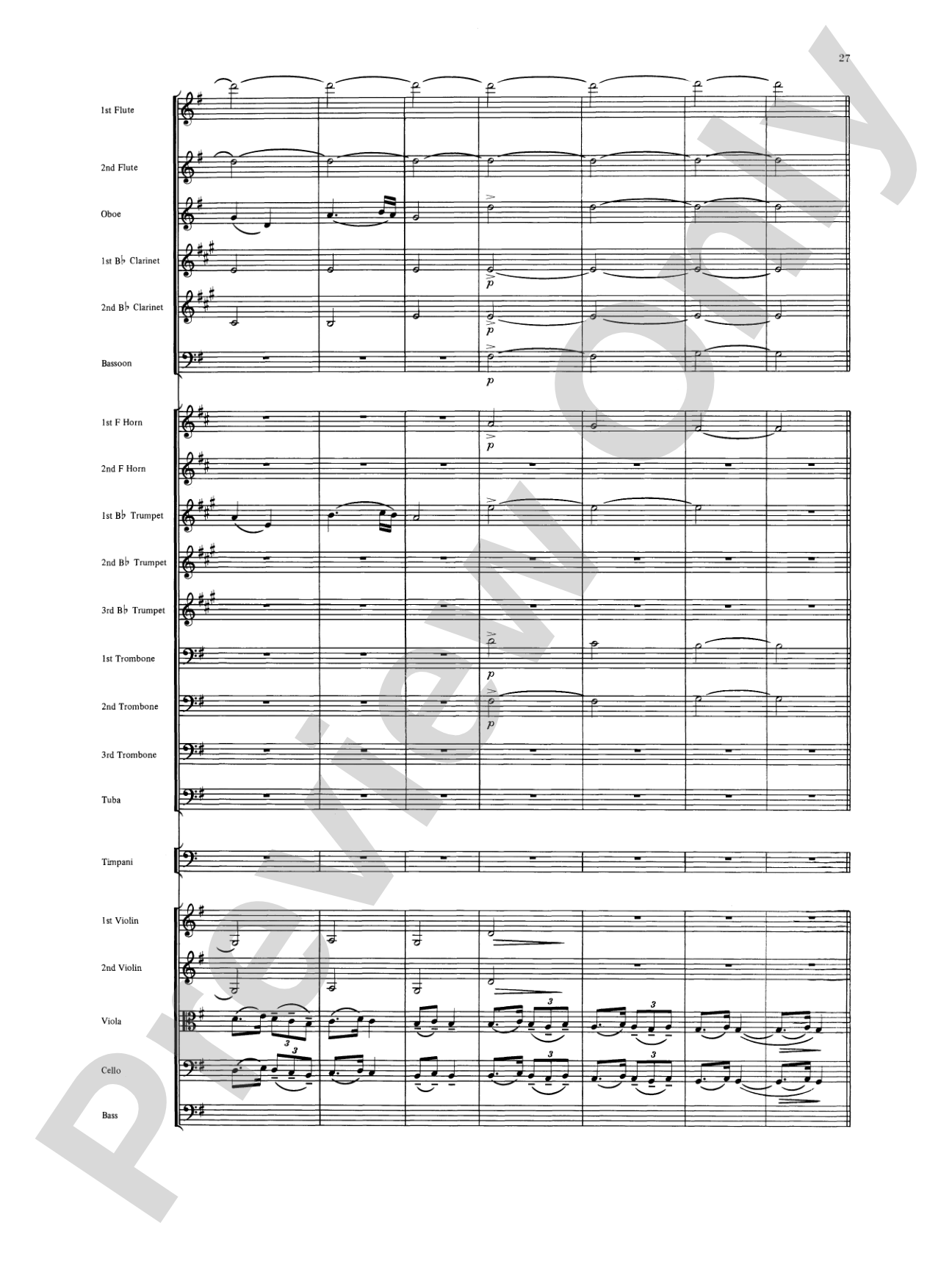
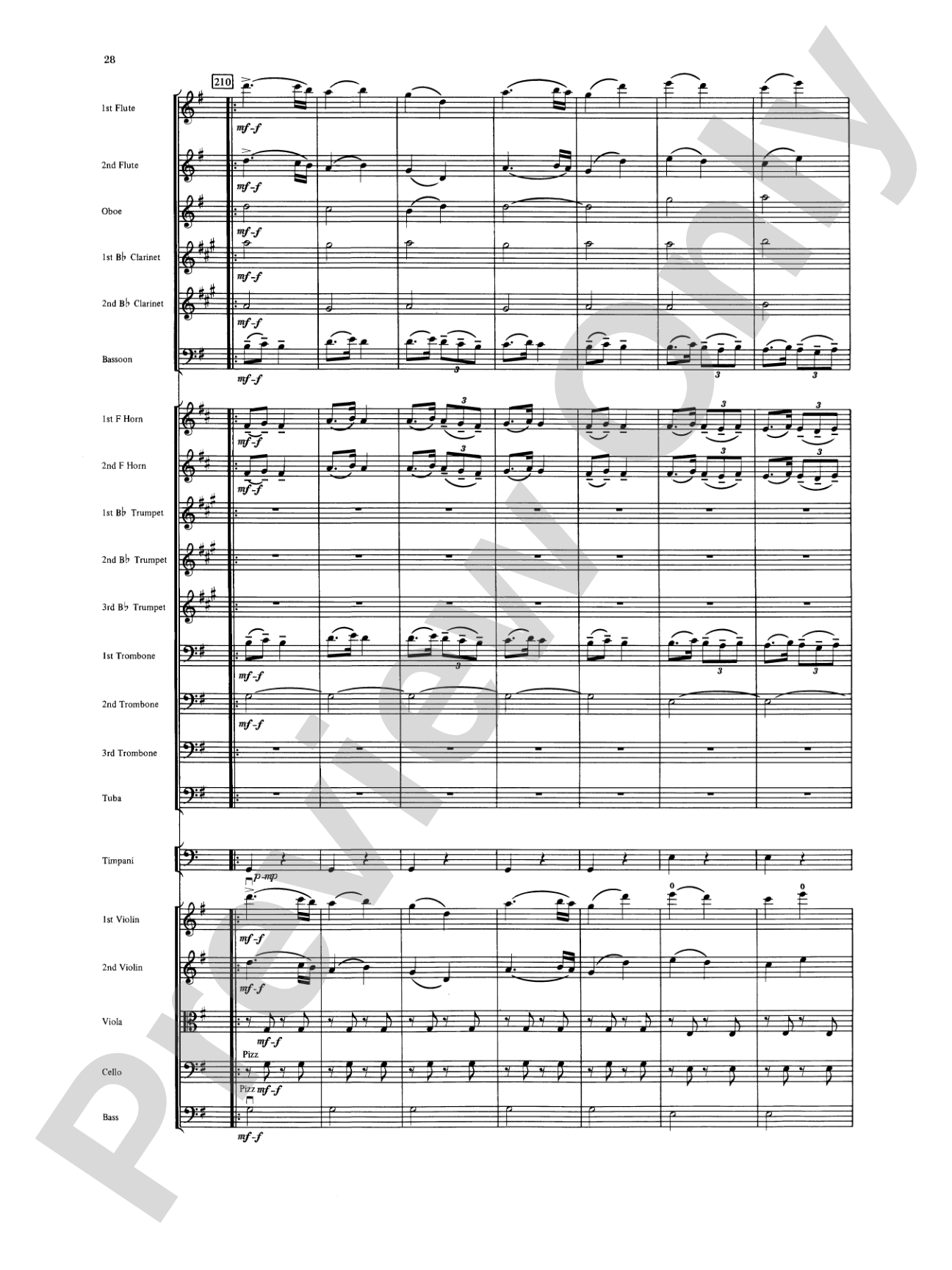
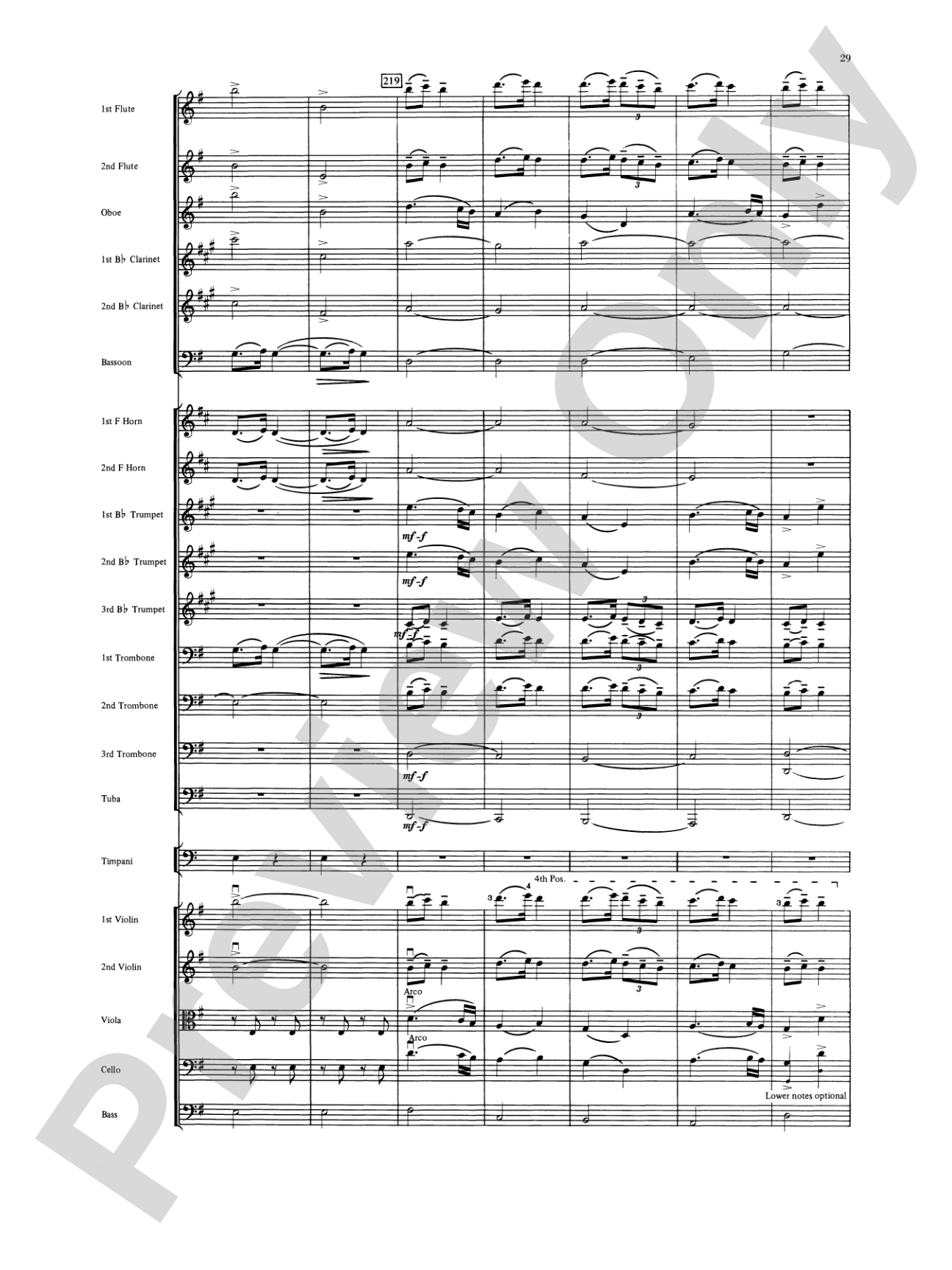
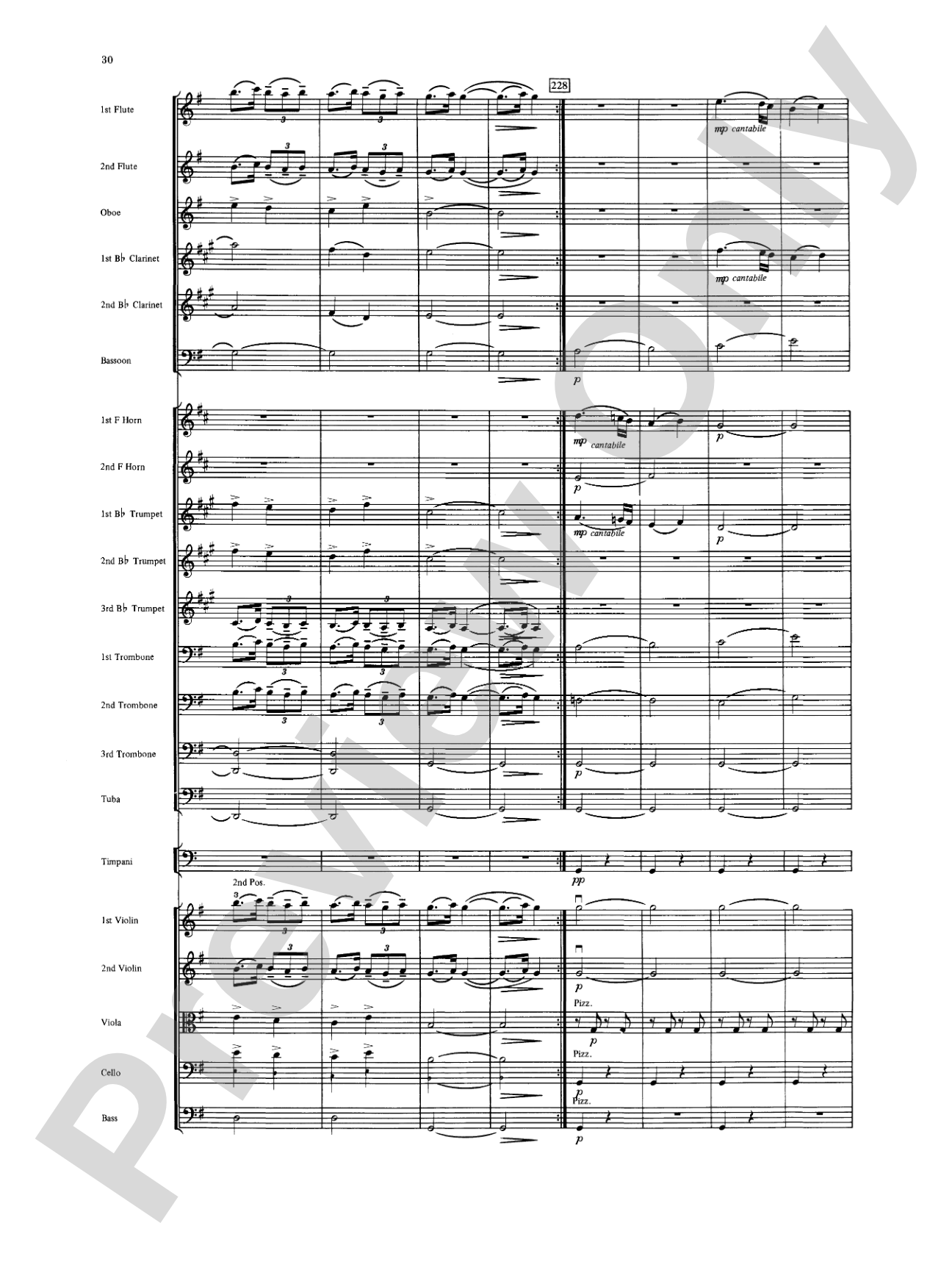
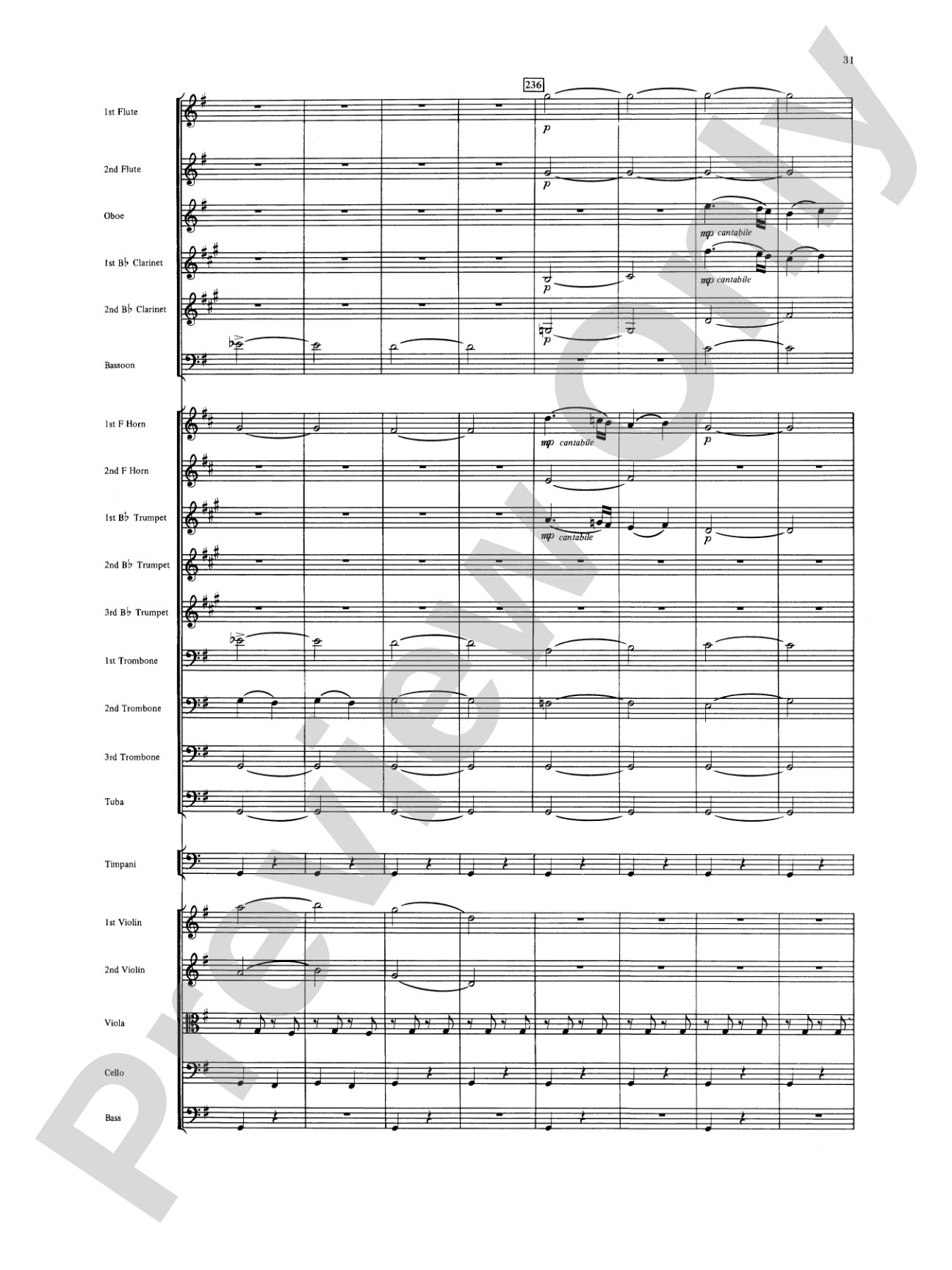
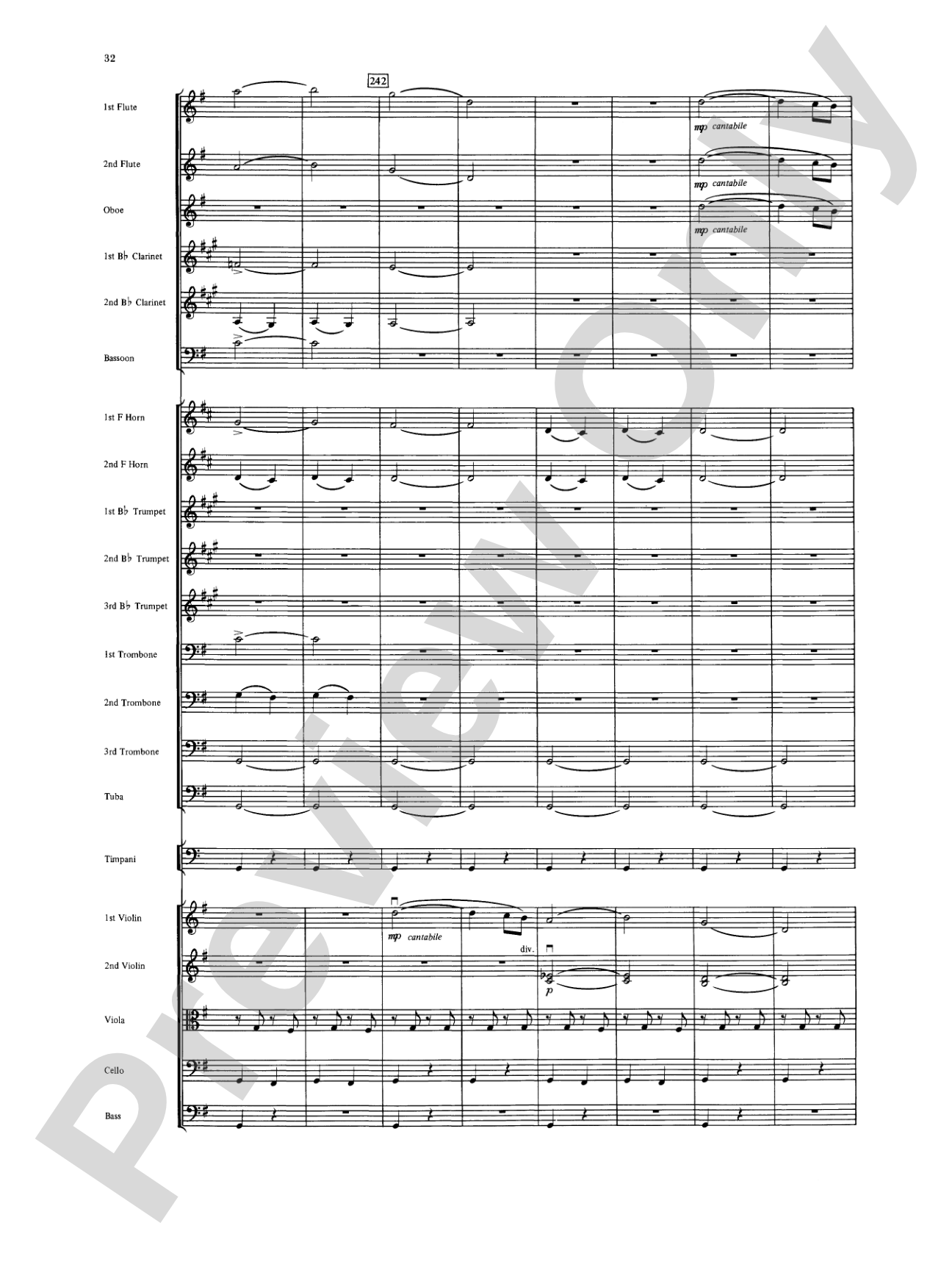
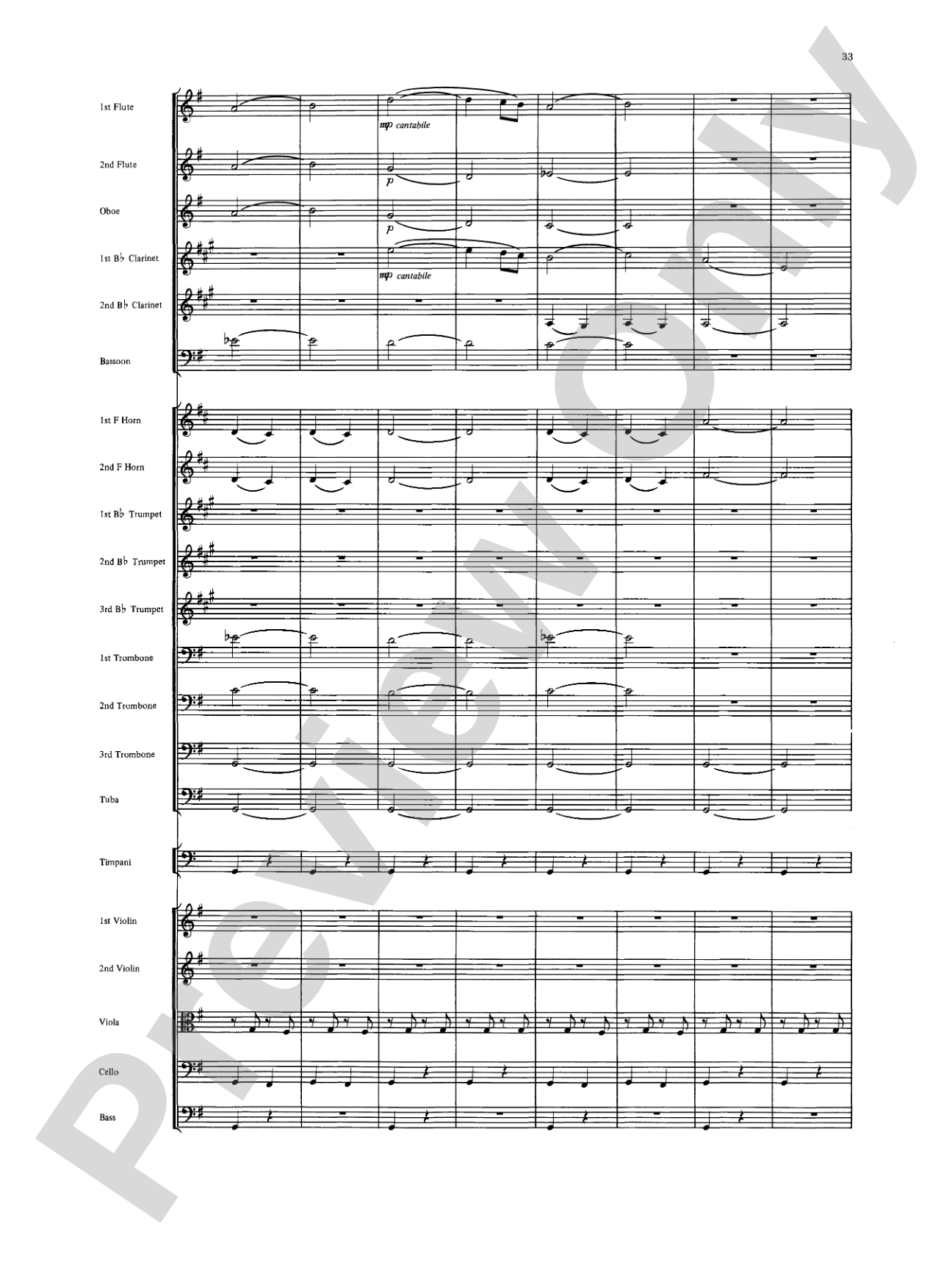
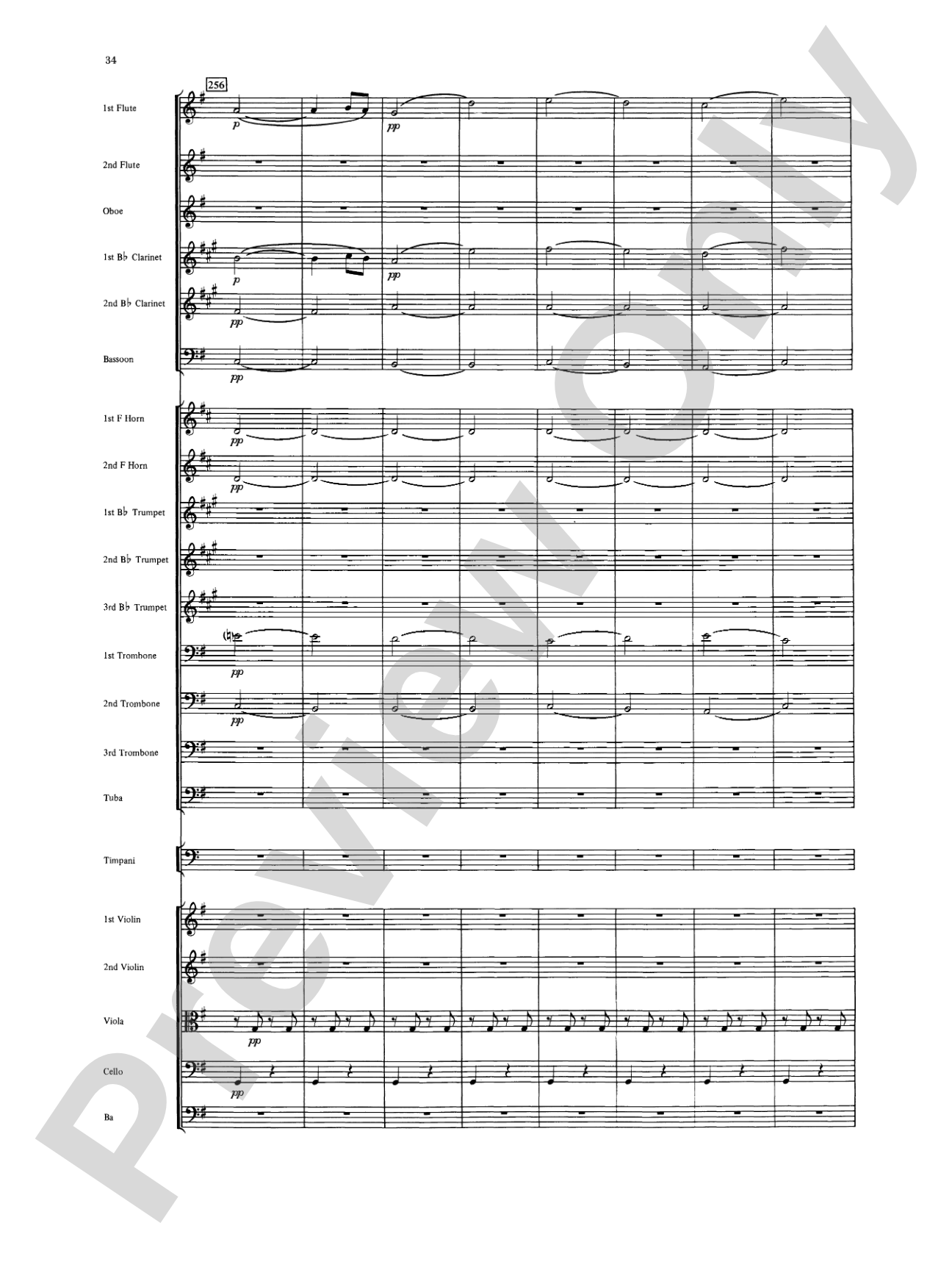
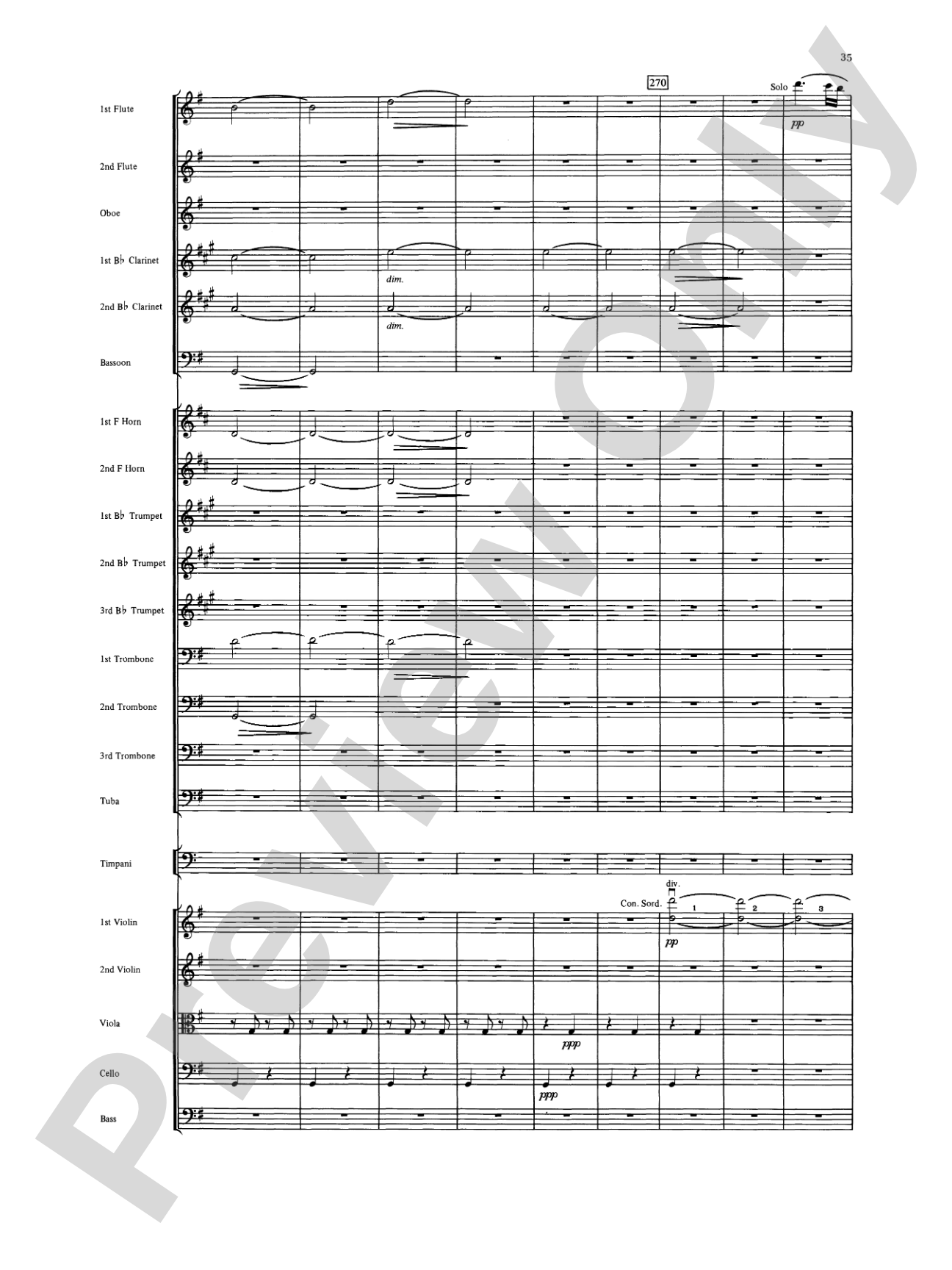
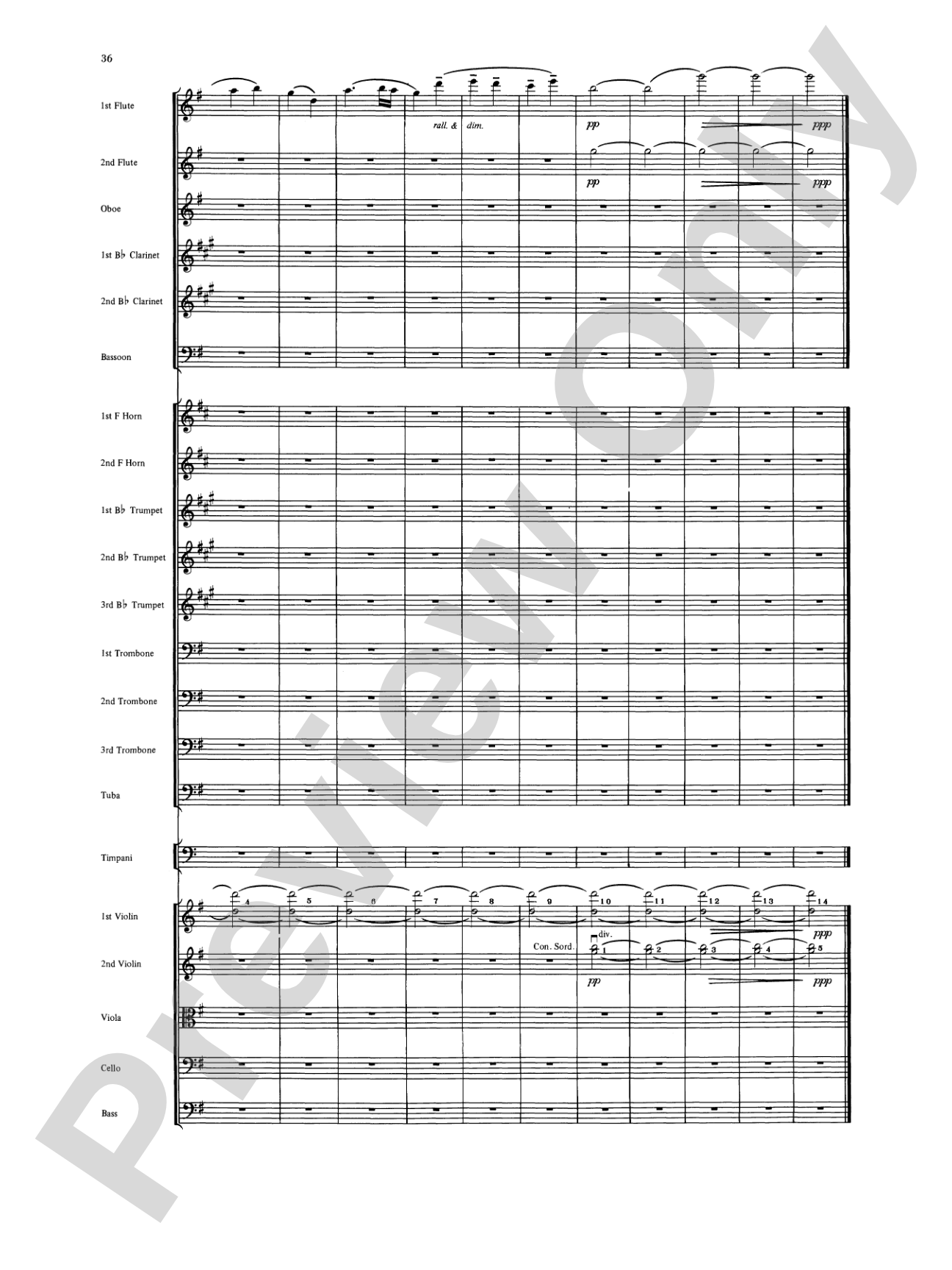

On the Steppes of Central Asia: Full Orchestra Conductor Score & Parts
Arr. Vernon Leidig
Grade: 3
Item: 00-PK-0000058

$75.00
Pickup currently not available
Buy Extra Parts (Digital PDF Download)
Parts Added to Cart!
Description


Don't just read it, hear it, play along with it, and watch your students grow with it. In MakeMusic Cloud, On the Steppes of Central Asia: Full Orchestra Conductor Score & Parts comes alive with professional accompaniment, adjustable tempo, and built-in practice tools that turn solo practice into real progress.
Open in the Player
Jump straight in and assign it today.
Start Your Free Trial
Open this title and explore the full library in minutes.
Sample Audio
No sample audio found.
Sample Video
No sample videos found.
Additional Details
Series:
Highland/Etling Full Orchestra
Publisher:
Alfred Music
Page Count:
212
SKU:
00-PK-0000058
More about this title
About the Arranger: Vernon Leidig
Vernon Leidig has spent decades arranging orchestral music for student ensembles, with a particular gift for making standard repertoire accessible to developing musicians without sacrificing musical integrity. His arrangements for the Highland/Etling series have become staples in music programs seeking authentic orchestration at achievable levels.
Why we love this
Leidig's arrangement captures the sweeping, cinematic quality of Borodin's original while crafting an accessible Grade 3 orchestration that doesn't sacrifice musical substance. The writing distributes melodic material across the ensemble so every section feels essential, and the programmatic arc remains clear and compelling even with simplified scoring.
What to expect
A journey across vast, open terrain; the music unfolds like a caravan moving through desert landscape. There's both mystery and inevitability here, moments of intimate storytelling break into sweeping grandeur, then return to reflection.
Who it's for
Orchestras in their second or third year of concert repertoire will find this arrangement immediately playable while remaining musically substantial. It works well for conductors seeking a piece with narrative richness that doesn't demand virtuosic execution from any section.
How to get the most out of it
- Shape the opening clarinet melody with gentle vibrato and allow it to breathe; this establishes the contemplative mood that defines the entire work.
- Balance the accompaniment figures in violas and lower winds so they support rather than compete with the primary melodic line.
- Bring out the contrast between the gentle, wandering sections and moments of fuller orchestral sound; this dynamic shift drives the narrative.
- Work with the percussion section on the subtle rhythmic figures that suggest movement across the steppes without overwhelming the texture.
How to use it
This work thrives as an early-season concert opener or as a centerpiece for a program exploring world cultures and programmatic music. Its moderate length and accessibility make it ideal for a spring festival or competition entry at the Grade 3 level.
Skills your students will build
- Sustaining long melodic lines with consistent tone and intonation
- Balancing solo and accompaniment roles across the ensemble
- Responding to programmatic cues and emotional arc in the conductor's interpretation
- Executing precise rhythmic figures that suggest forward motion without rushing
- Blending across registers when orchestral color shifts between sections