
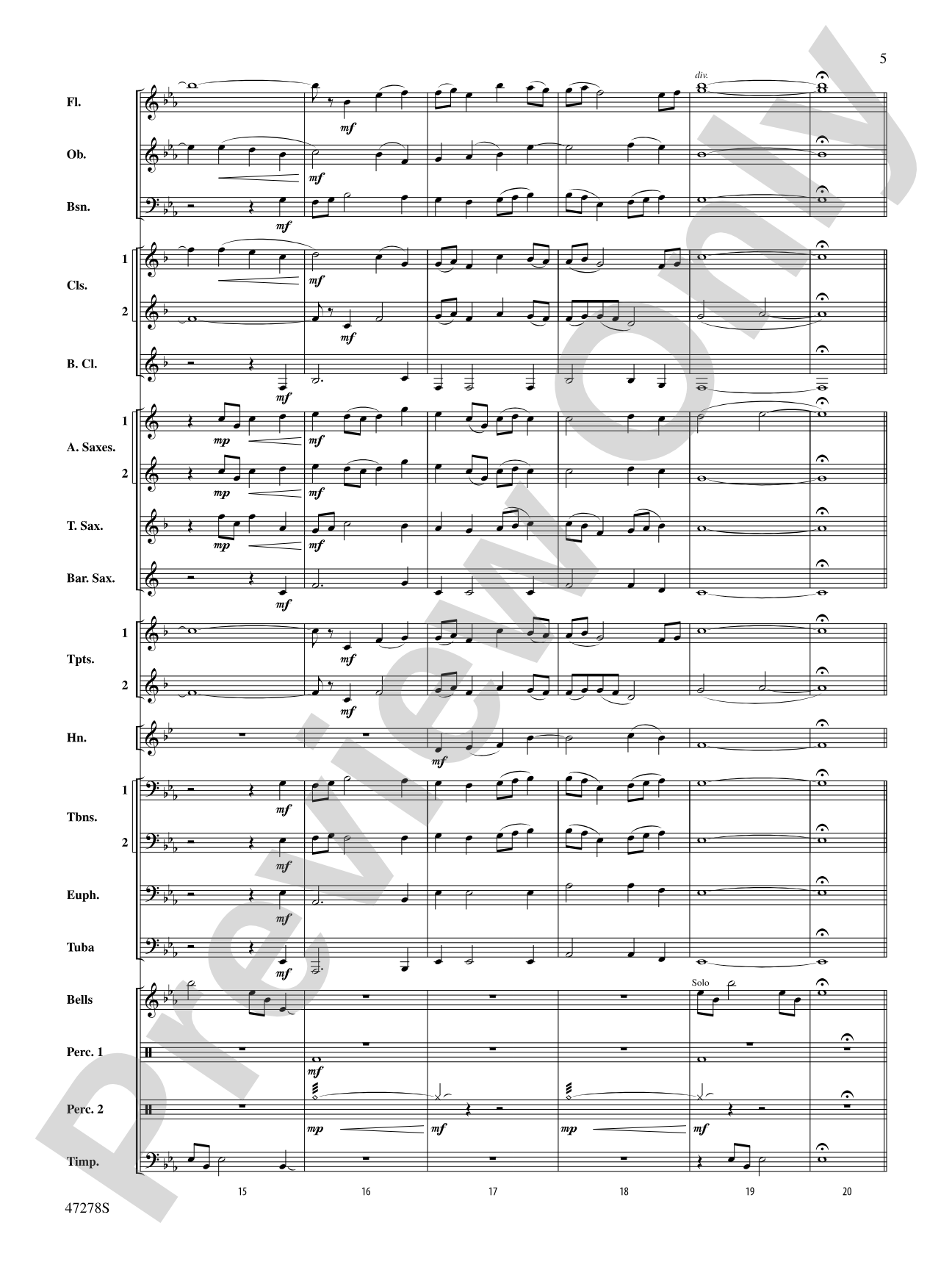
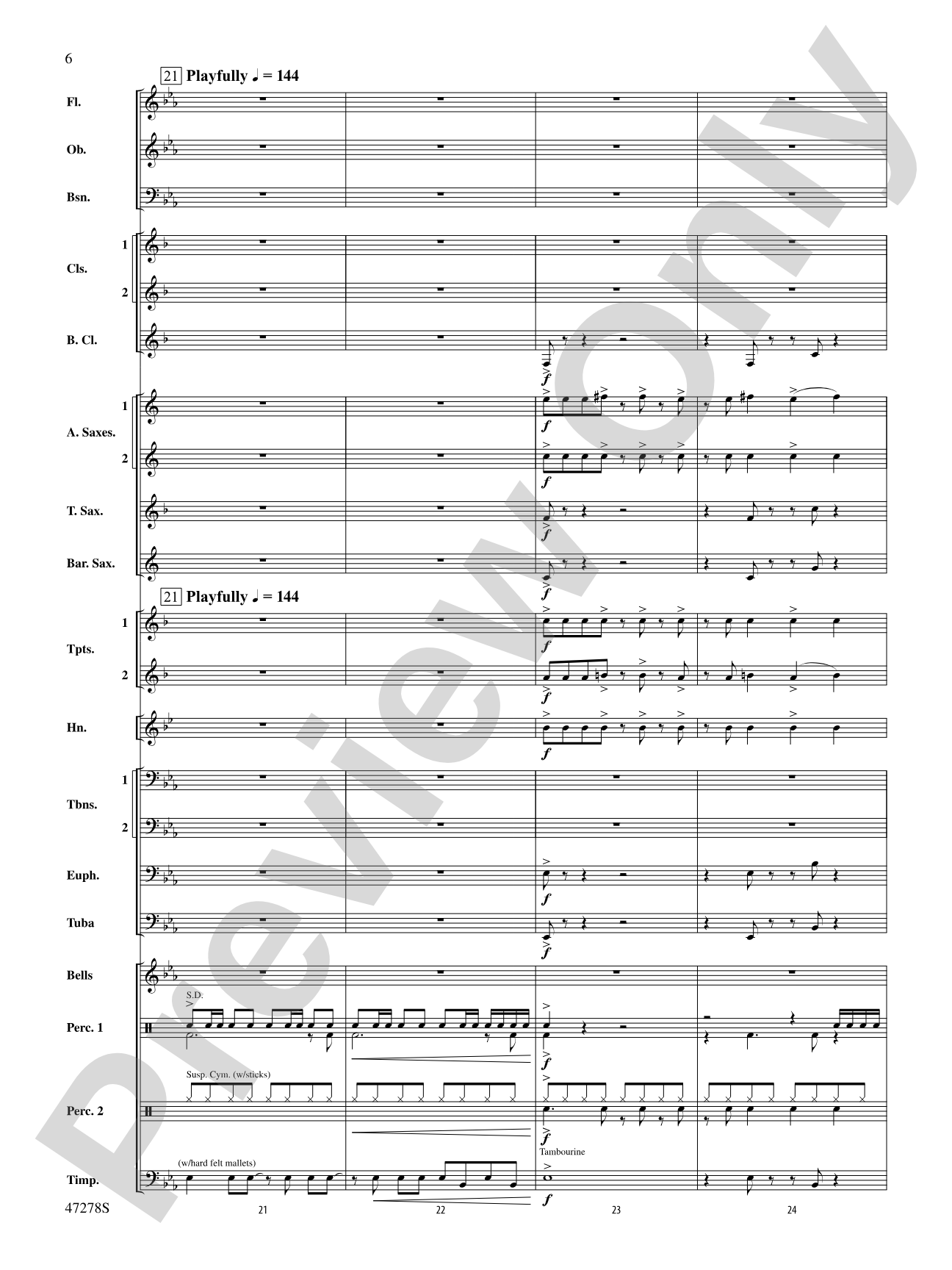
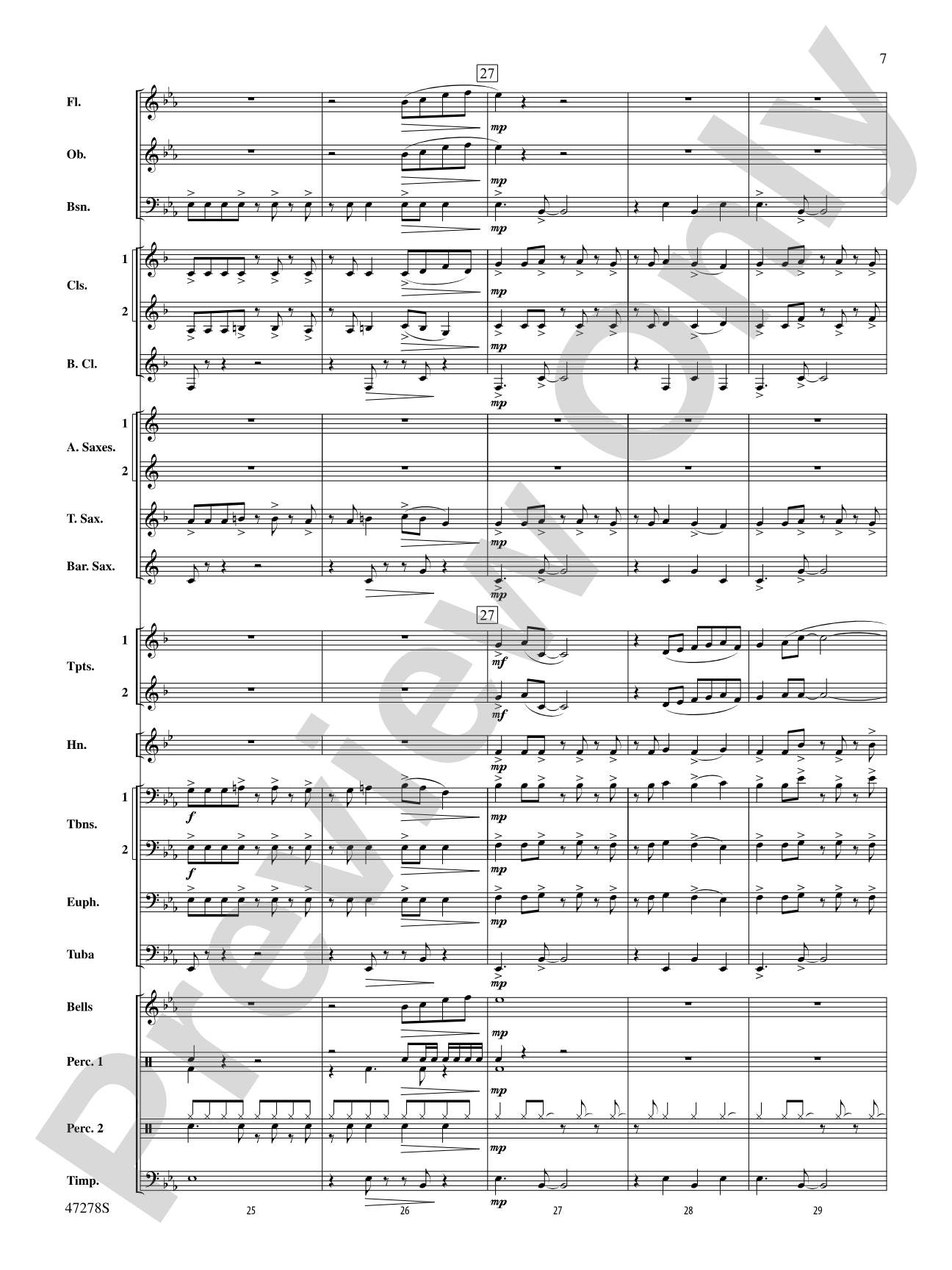
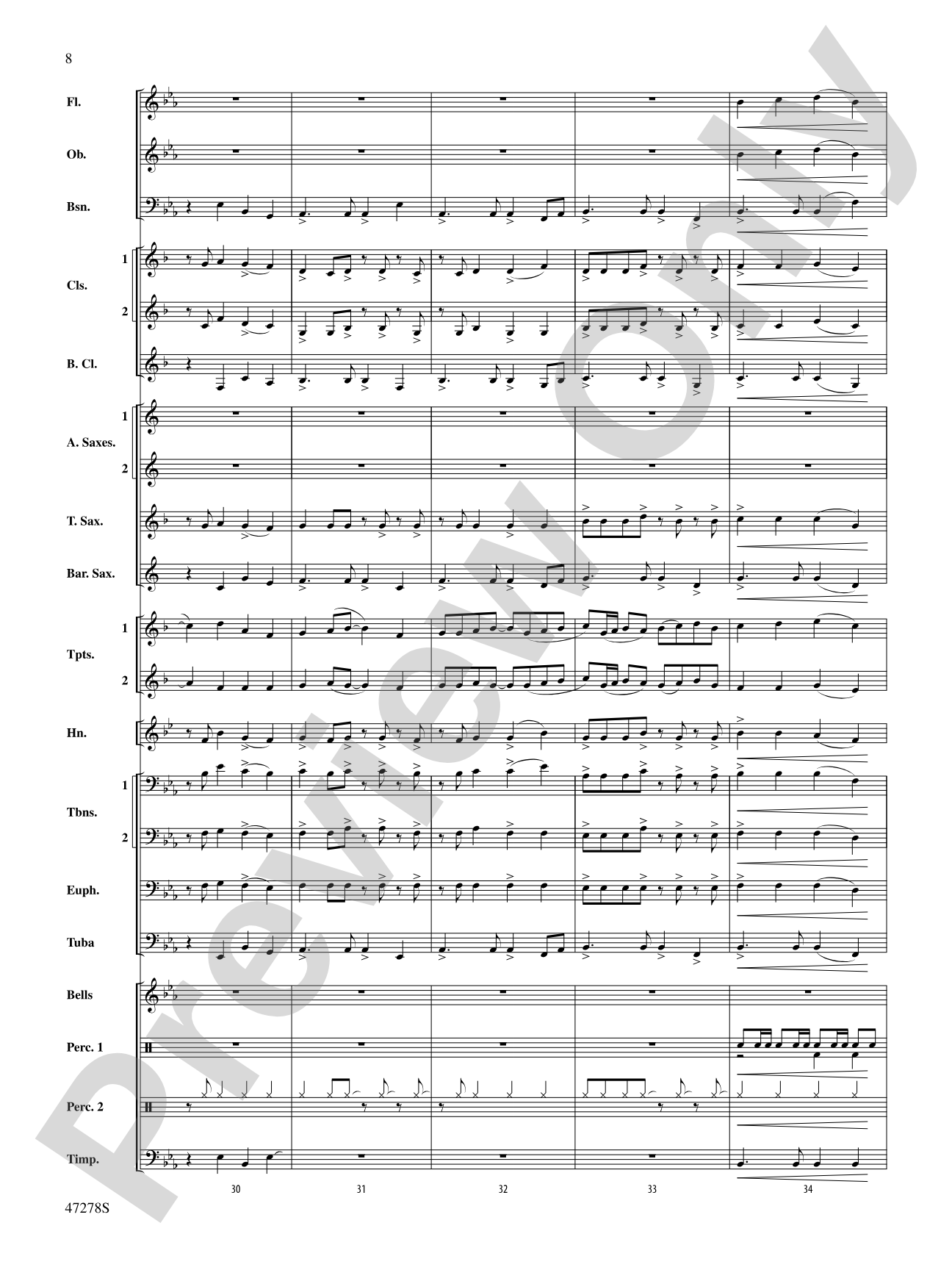
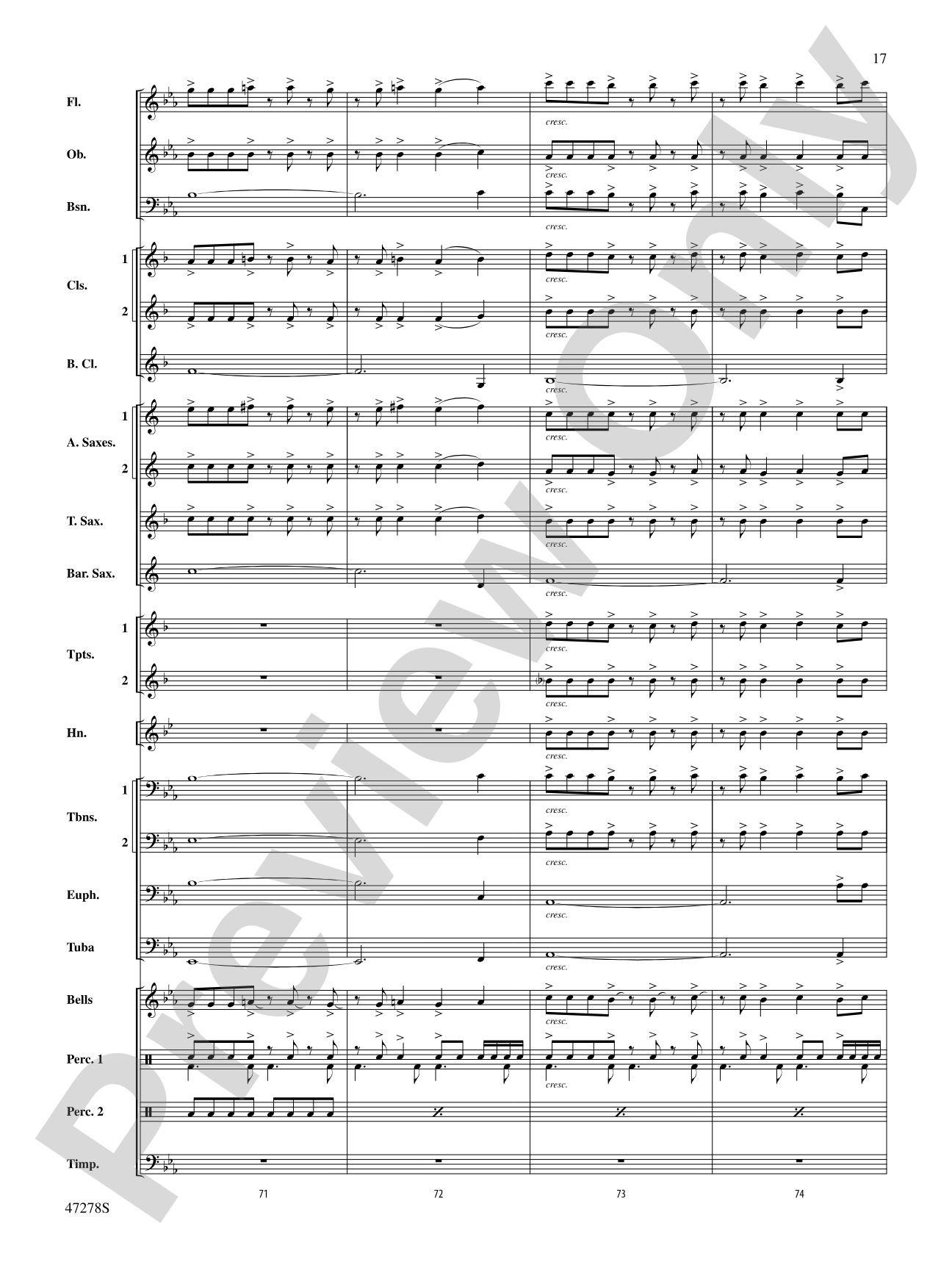
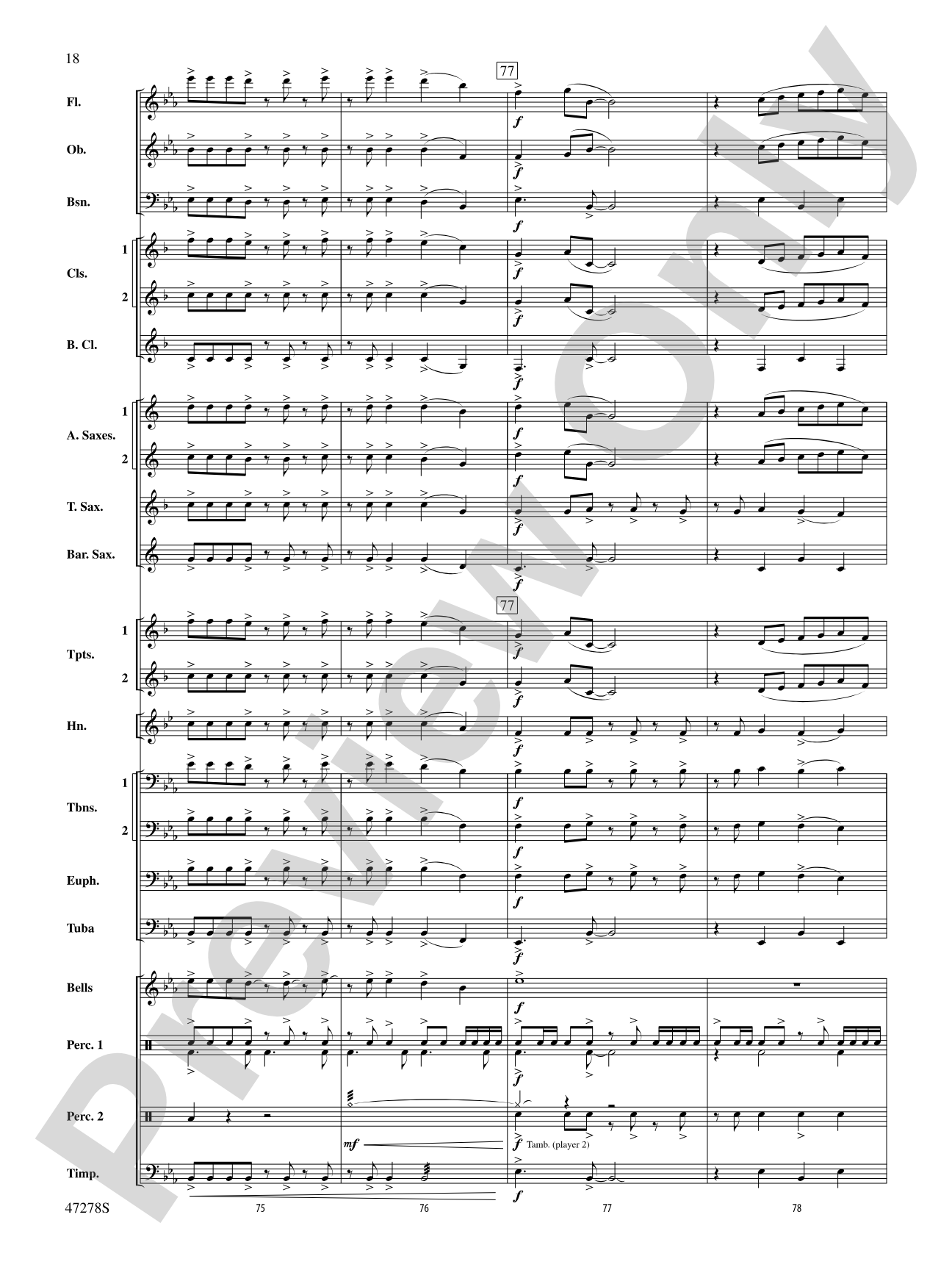
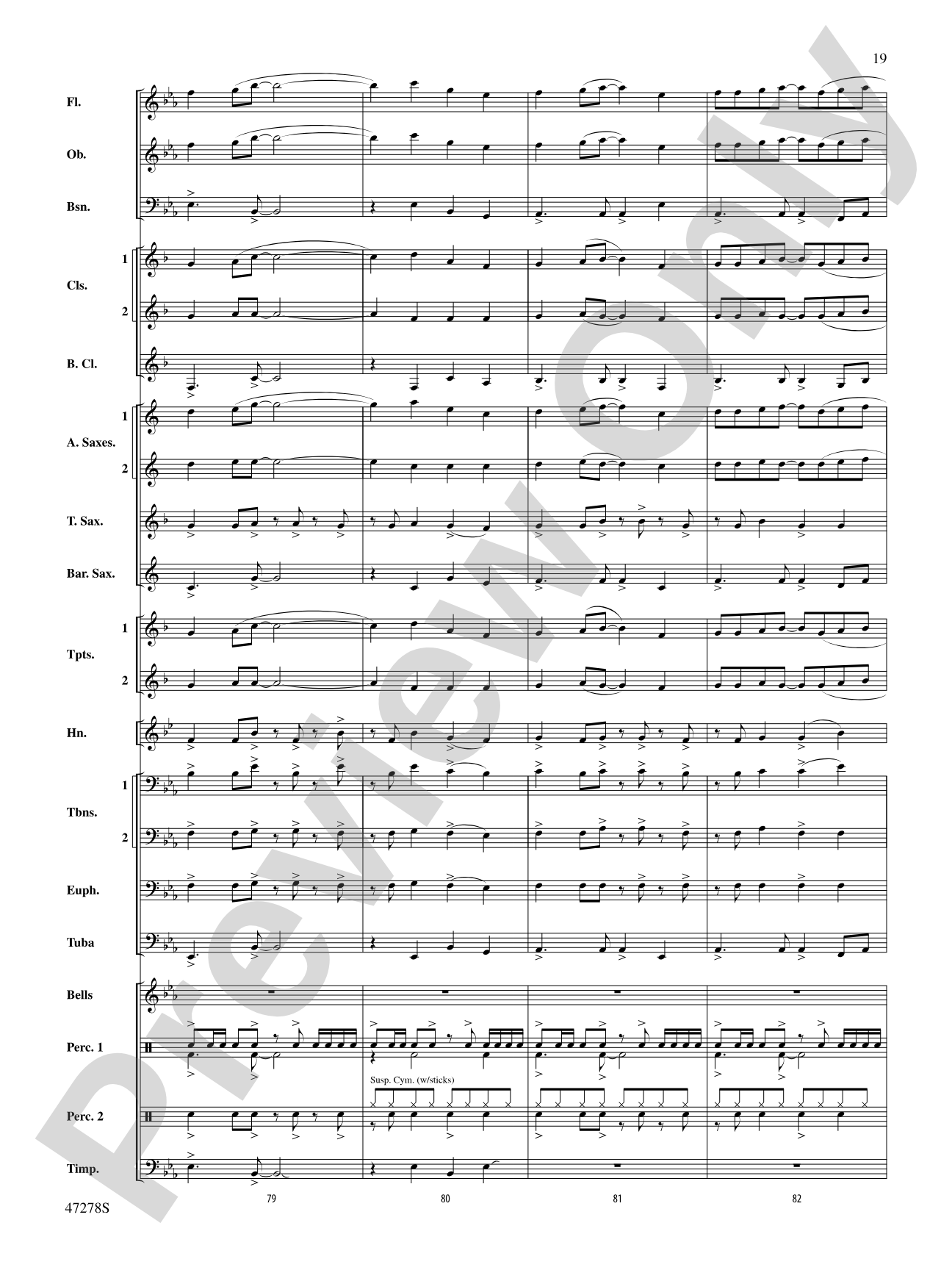
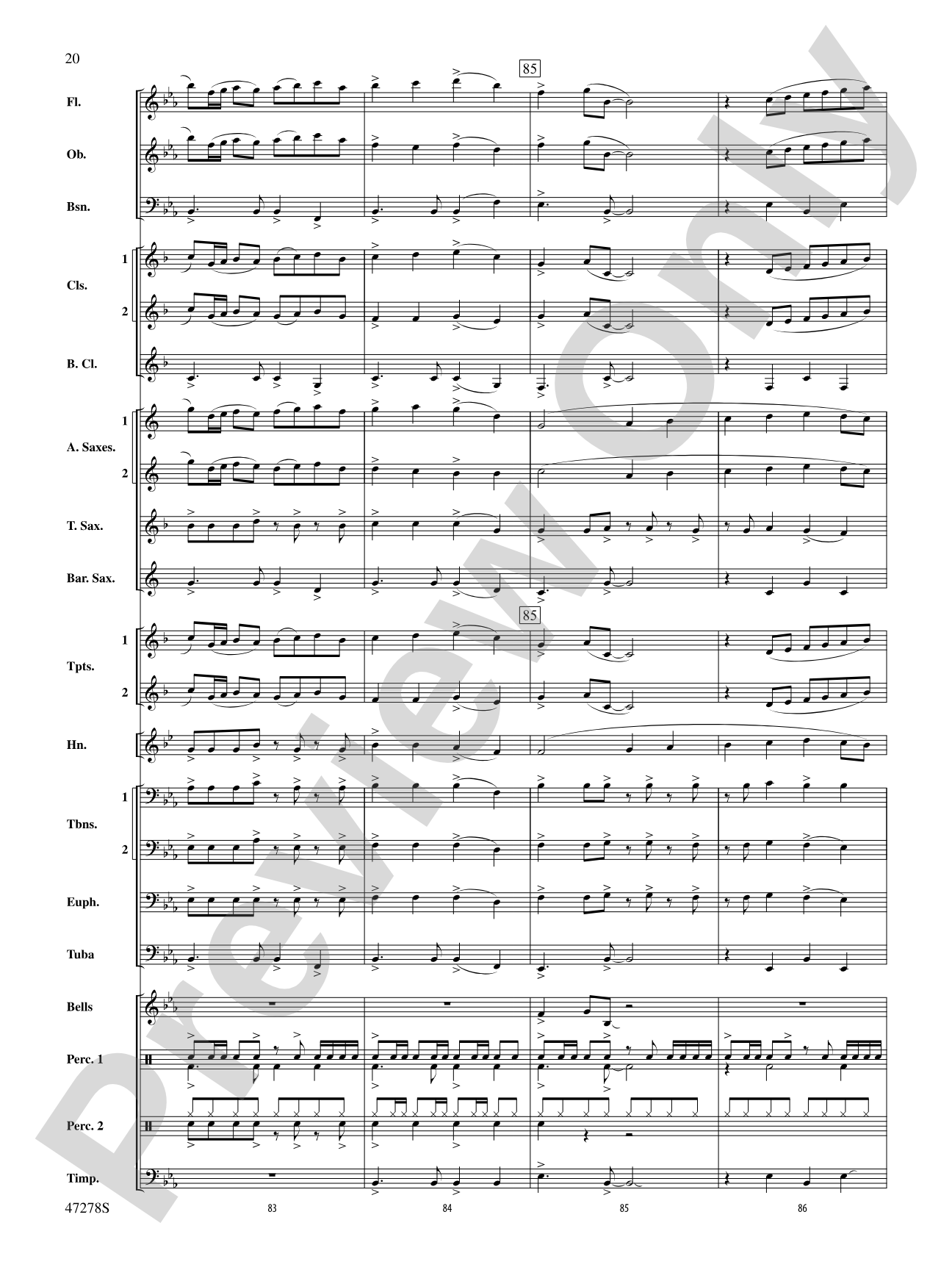
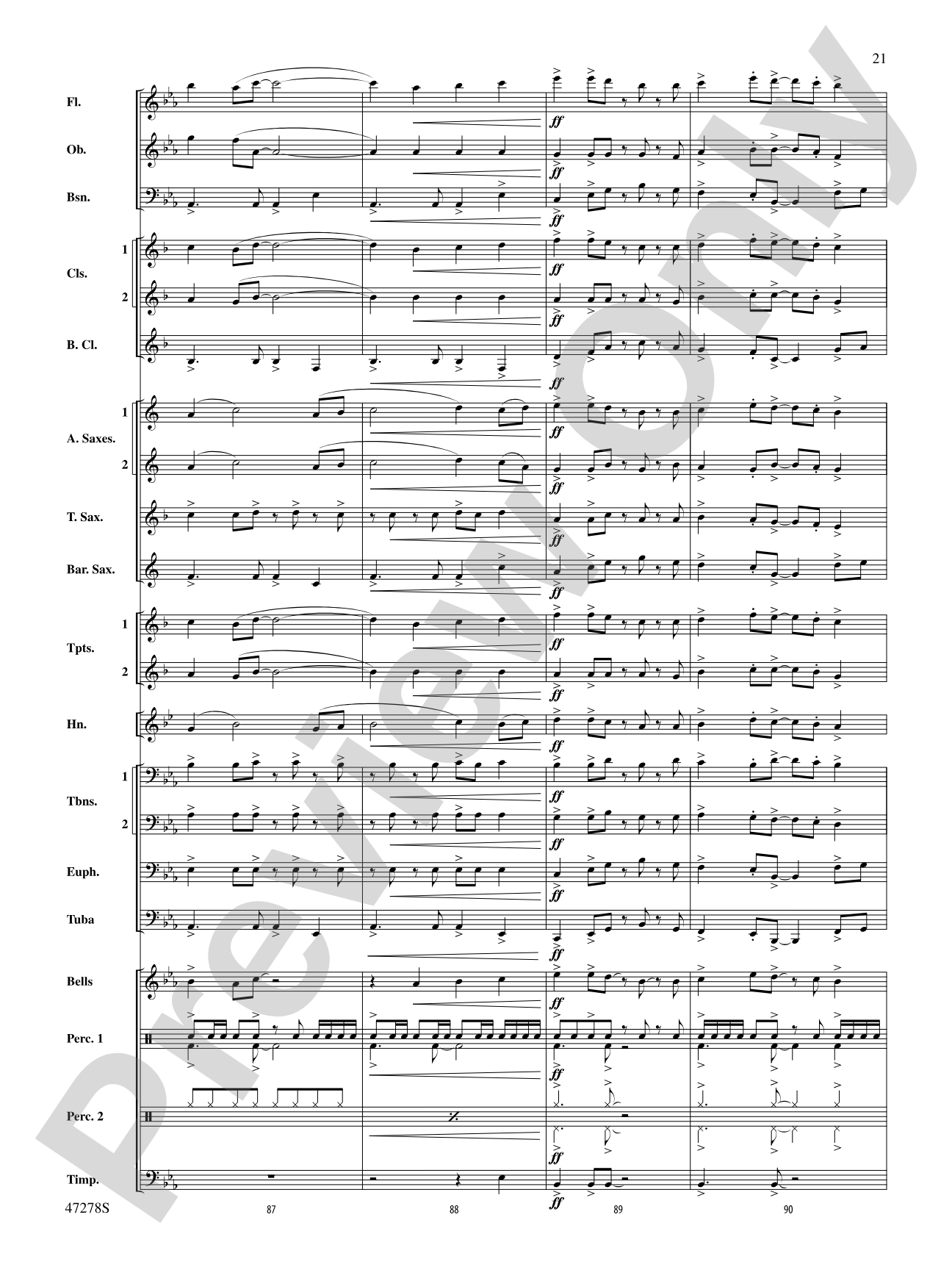
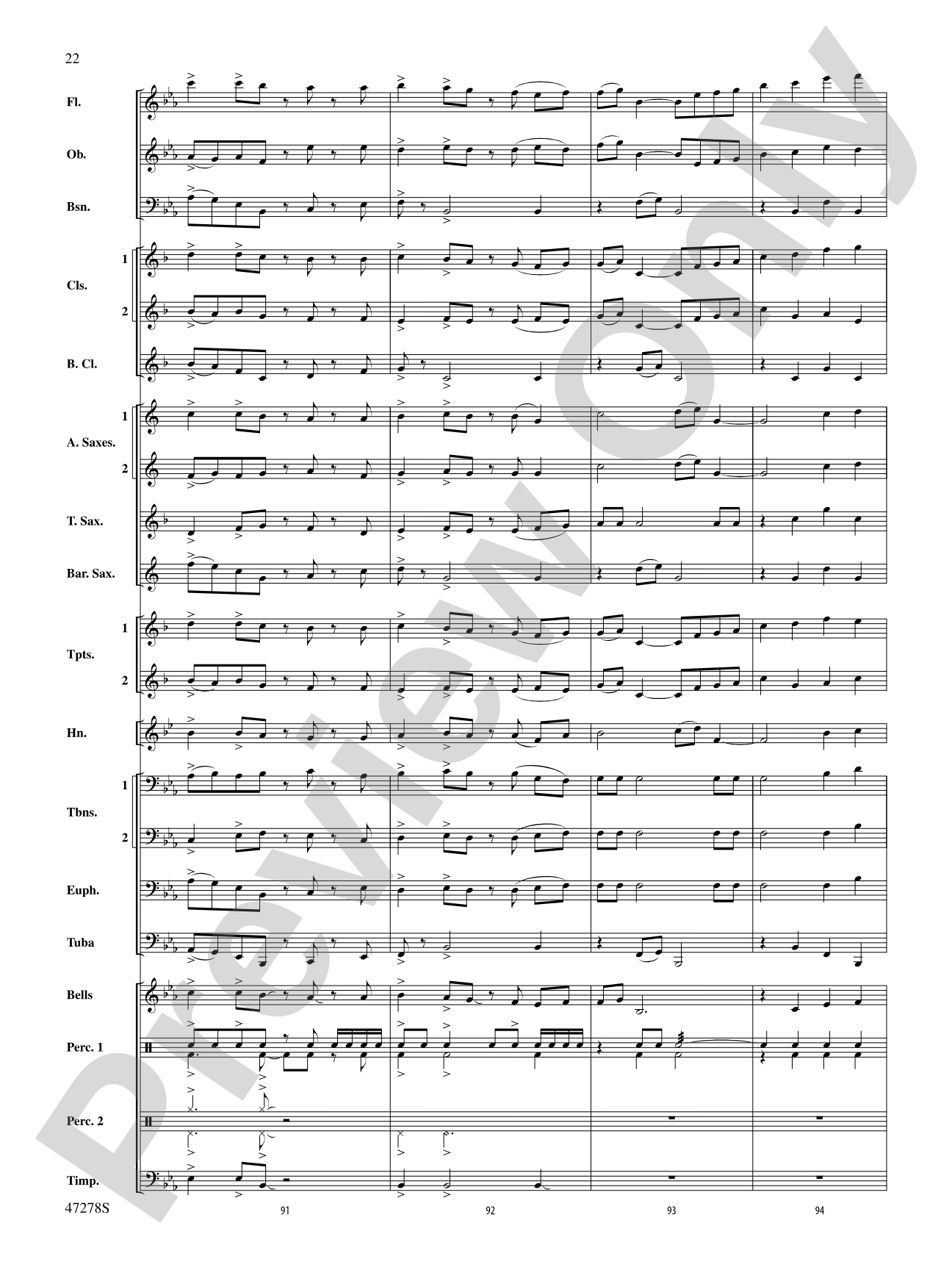
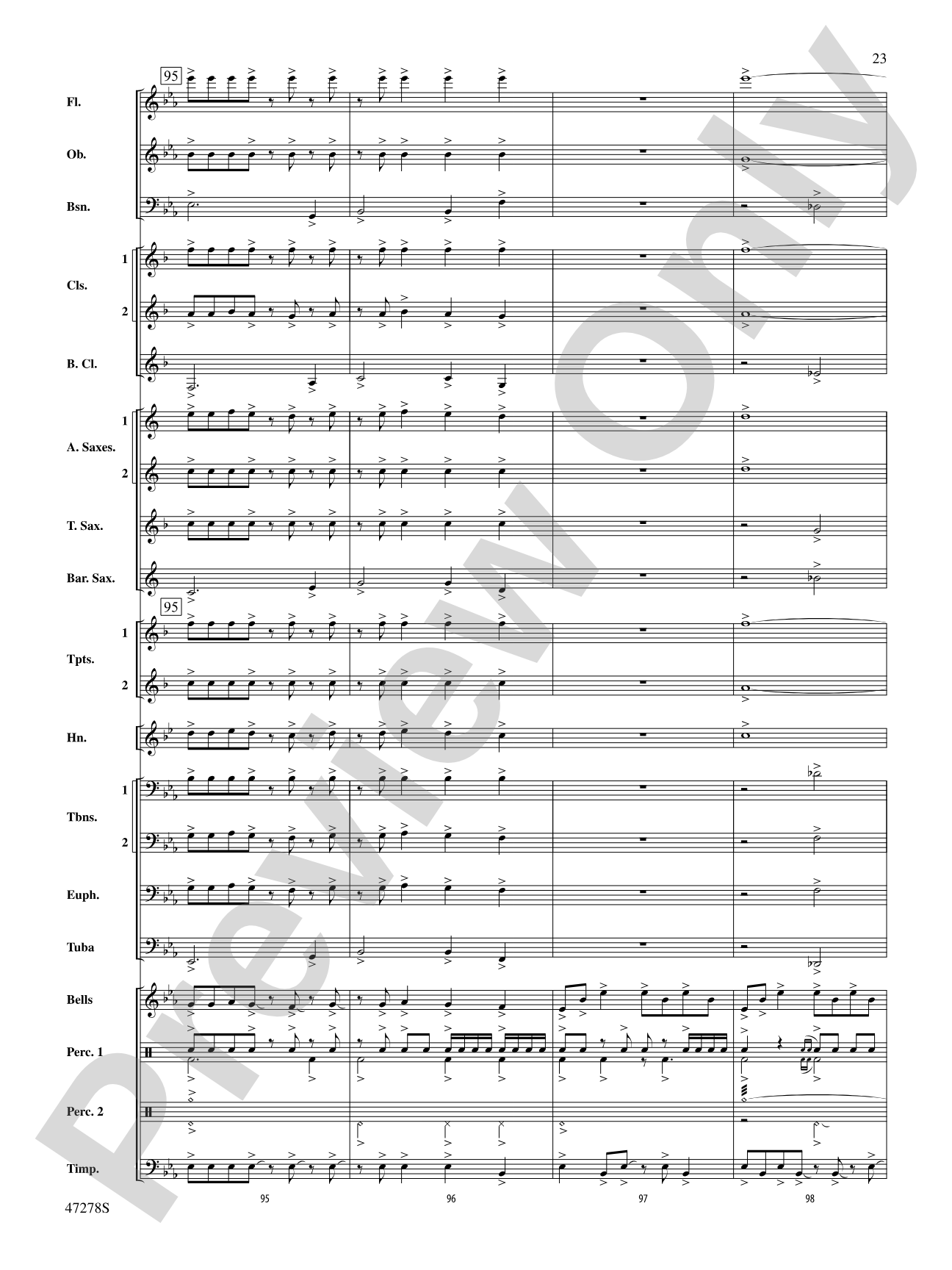
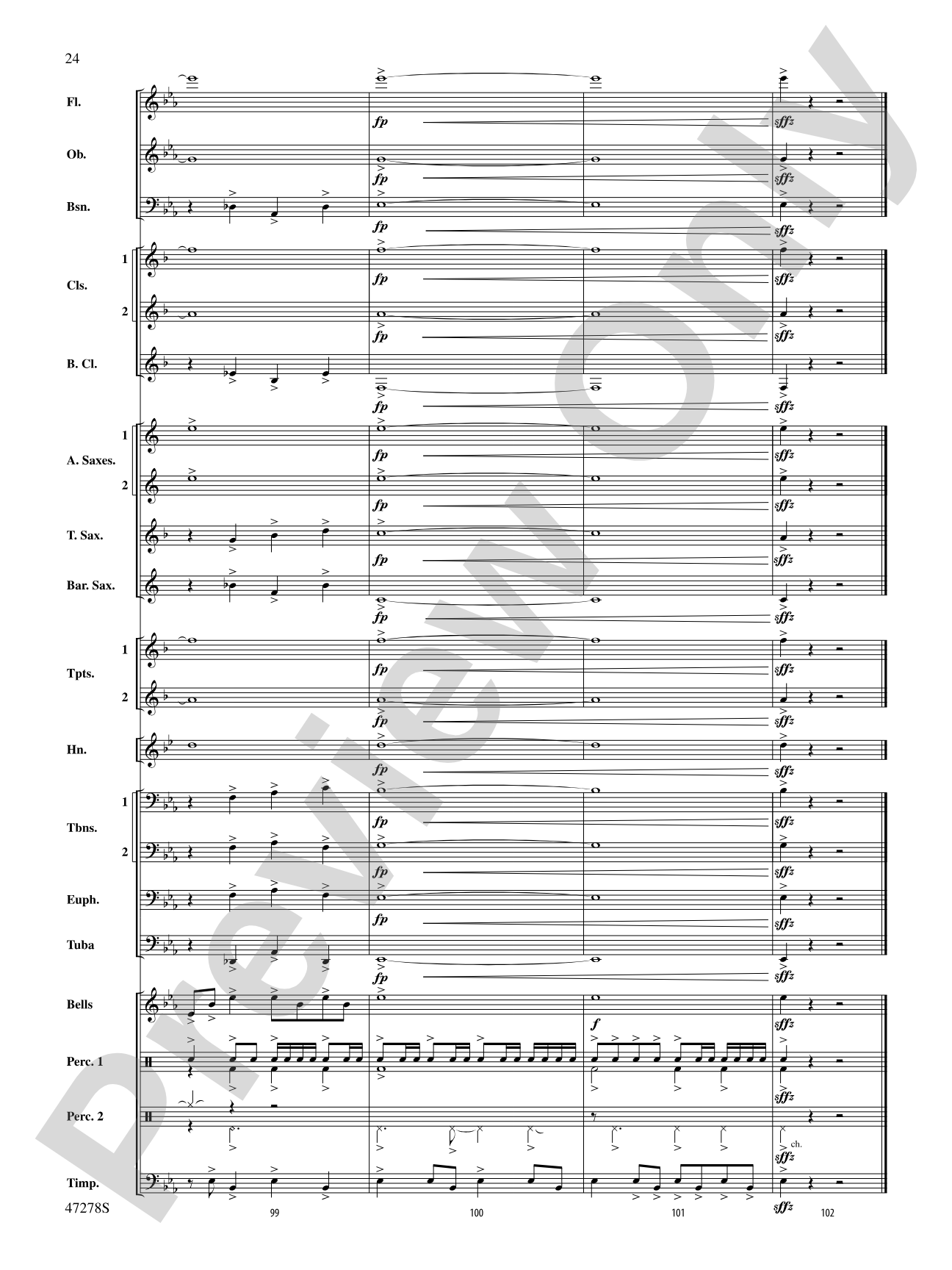

On the Cape: Concert Band Conductor Score & Parts
By Chris M. Bernotas
Grade: 2.5 (Medium Easy)
Item: 00-PK-0007598

$65.00
Pickup currently not available
Buy Extra Parts (Digital PDF Download)
| Product | Price | Quantity |
|---|---|---|
| On the Cape: Score | $9.00 | |
| On the Cape: Flute | $5.99 | |
| On the Cape: Oboe | $5.99 | |
| On the Cape: Bassoon | $5.99 | |
| On the Cape: 1st B-flat Clarinet | $5.99 | |
| On the Cape: 2nd B-flat Clarinet | $5.99 | |
| On the Cape: B-flat Bass Clarinet | $5.99 | |
| On the Cape: E-flat Alto Saxophone | $5.99 | |
| On the Cape: 2nd E-flat Alto Saxophone | $5.99 | |
| On the Cape: B-flat Tenor Saxophone | $5.99 | |
| On the Cape: E-flat Baritone Saxophone | $5.99 | |
| On the Cape: 1st B-flat Trumpet | $5.99 | |
| On the Cape: 2nd B-flat Trumpet | $5.99 | |
| On the Cape: 1st F Horn | $5.99 | |
| On the Cape: 1st Trombone | $5.99 | |
| On the Cape: 2nd Trombone | $5.99 | |
| On the Cape: Baritone T.C. | $5.99 | |
| On the Cape: Baritone B.C. | $5.99 | |
| On the Cape: Tuba | $5.99 | |
| On the Cape: Bells | $5.99 | |
| On the Cape: 1st Percussion | $5.99 | |
| On the Cape: 2nd Percussion | $5.99 | |
| On the Cape: Timpani | $5.99 |
Parts Added to Cart!
Description
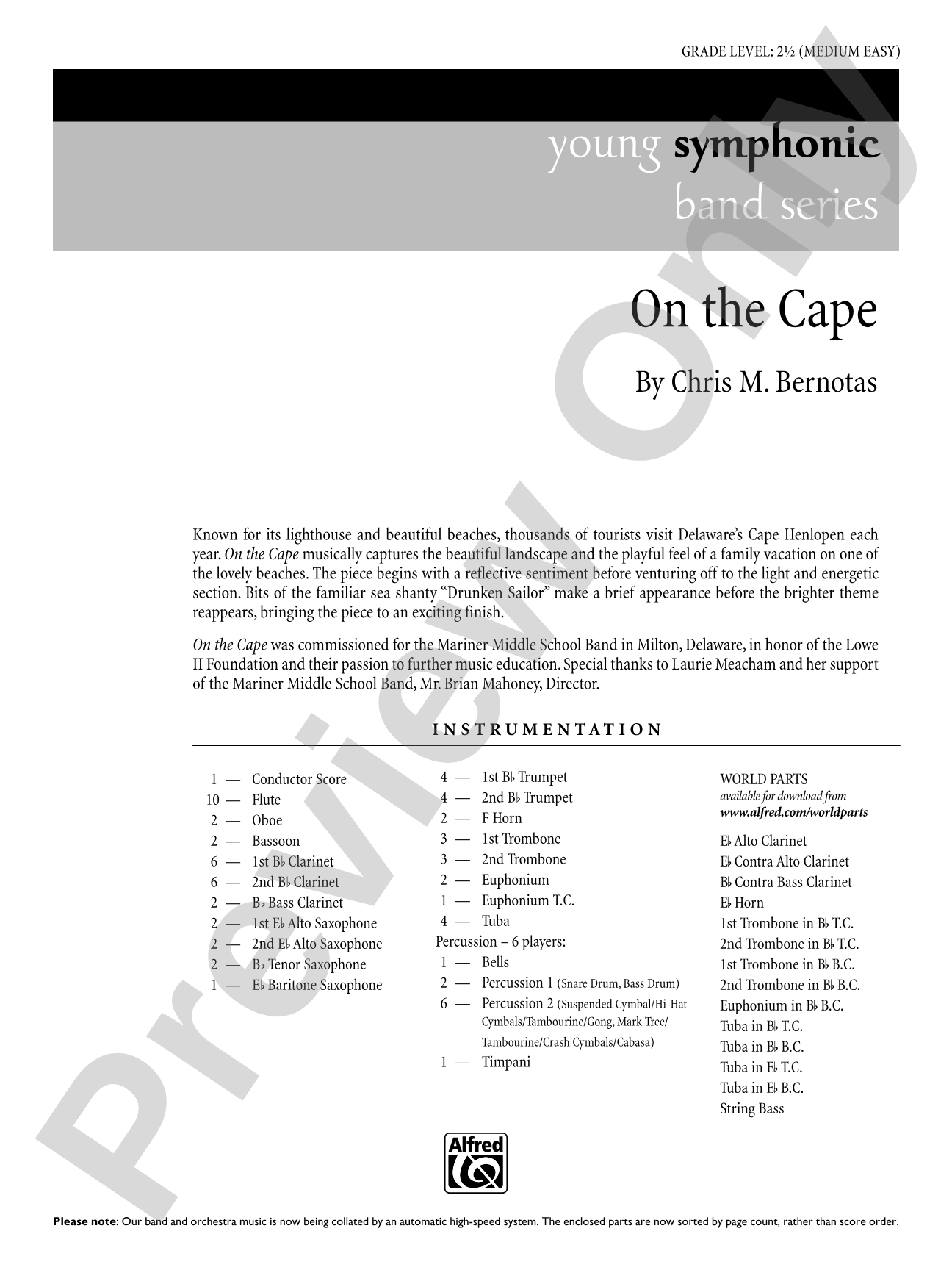
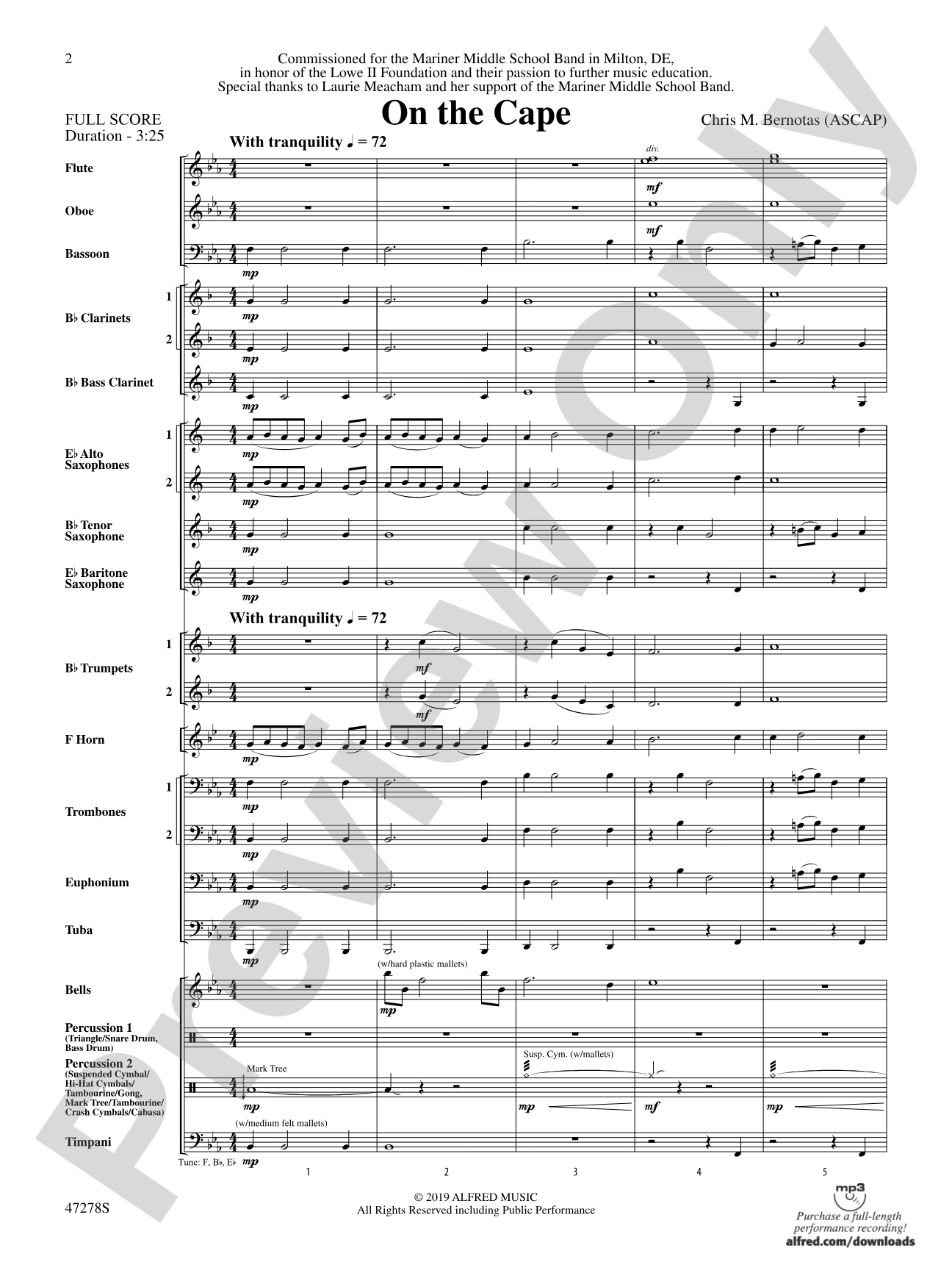
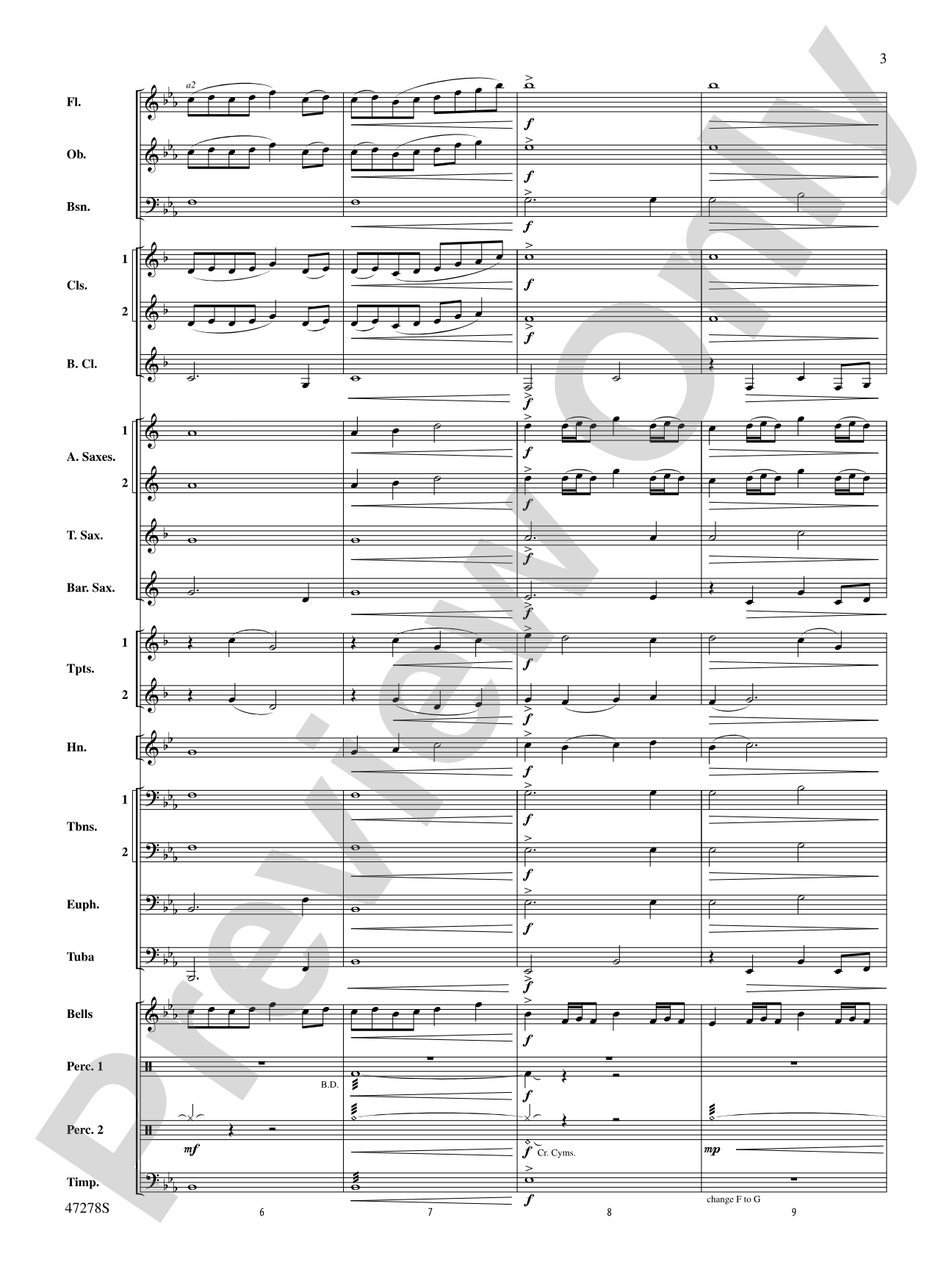
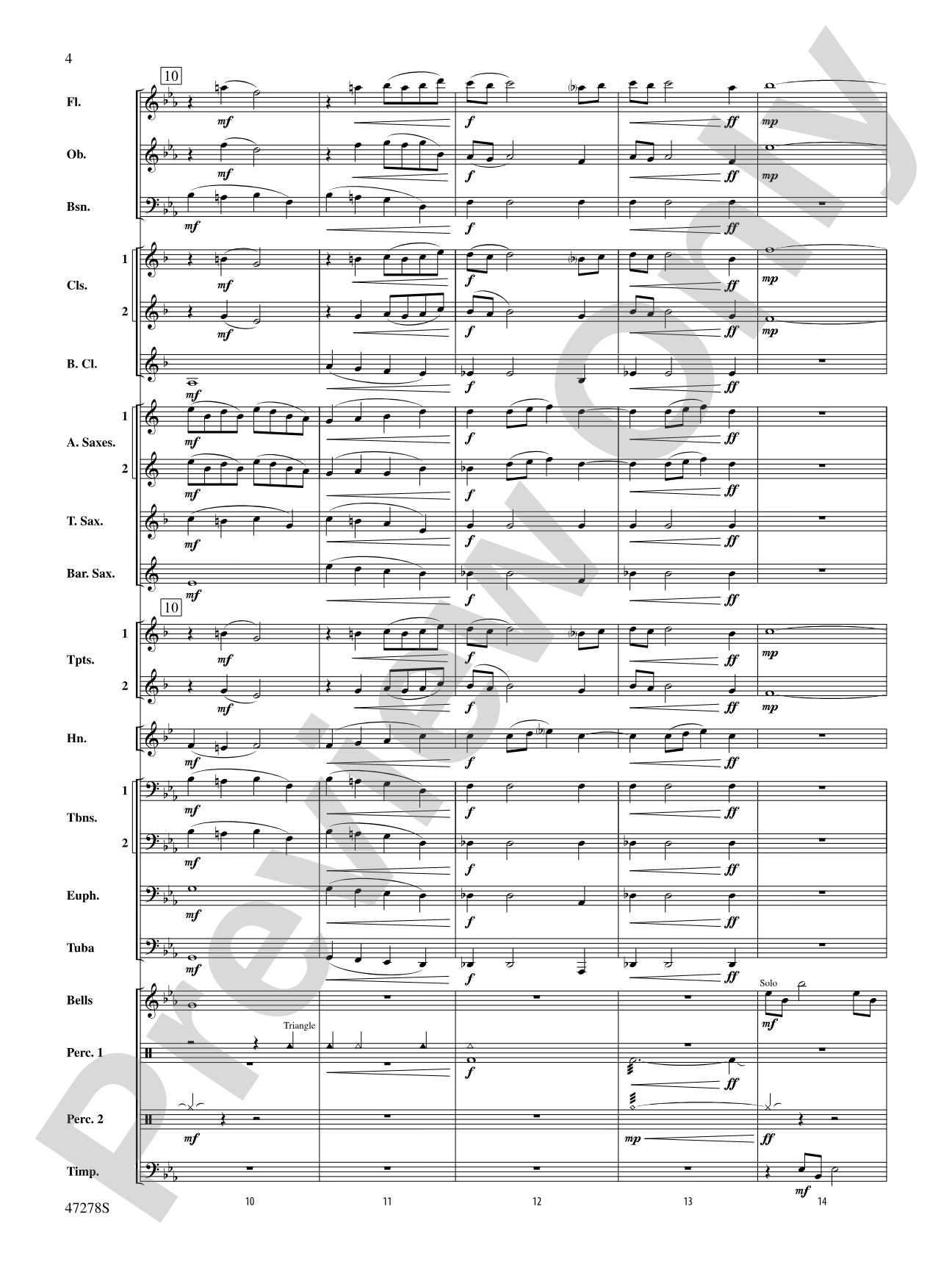
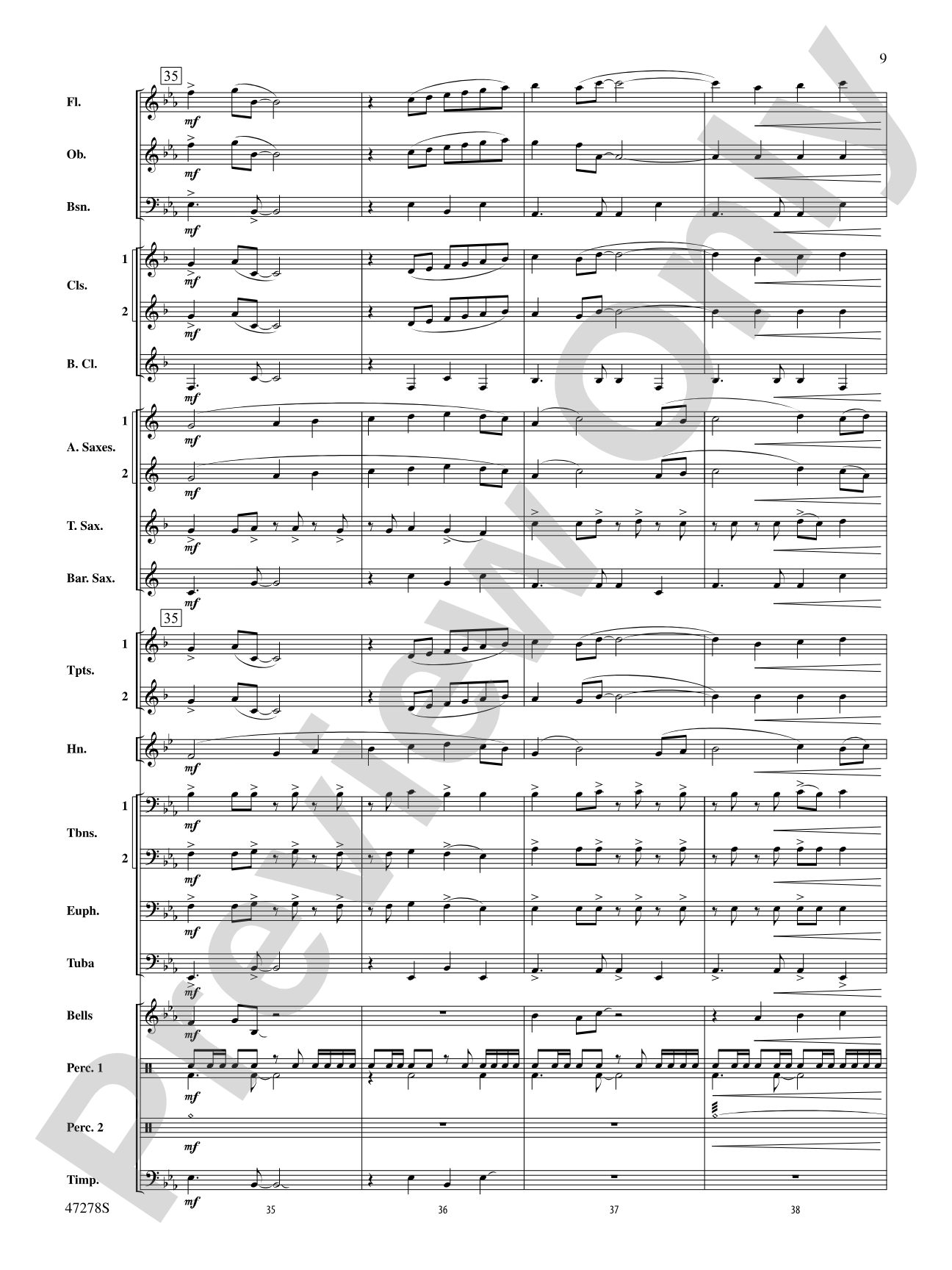
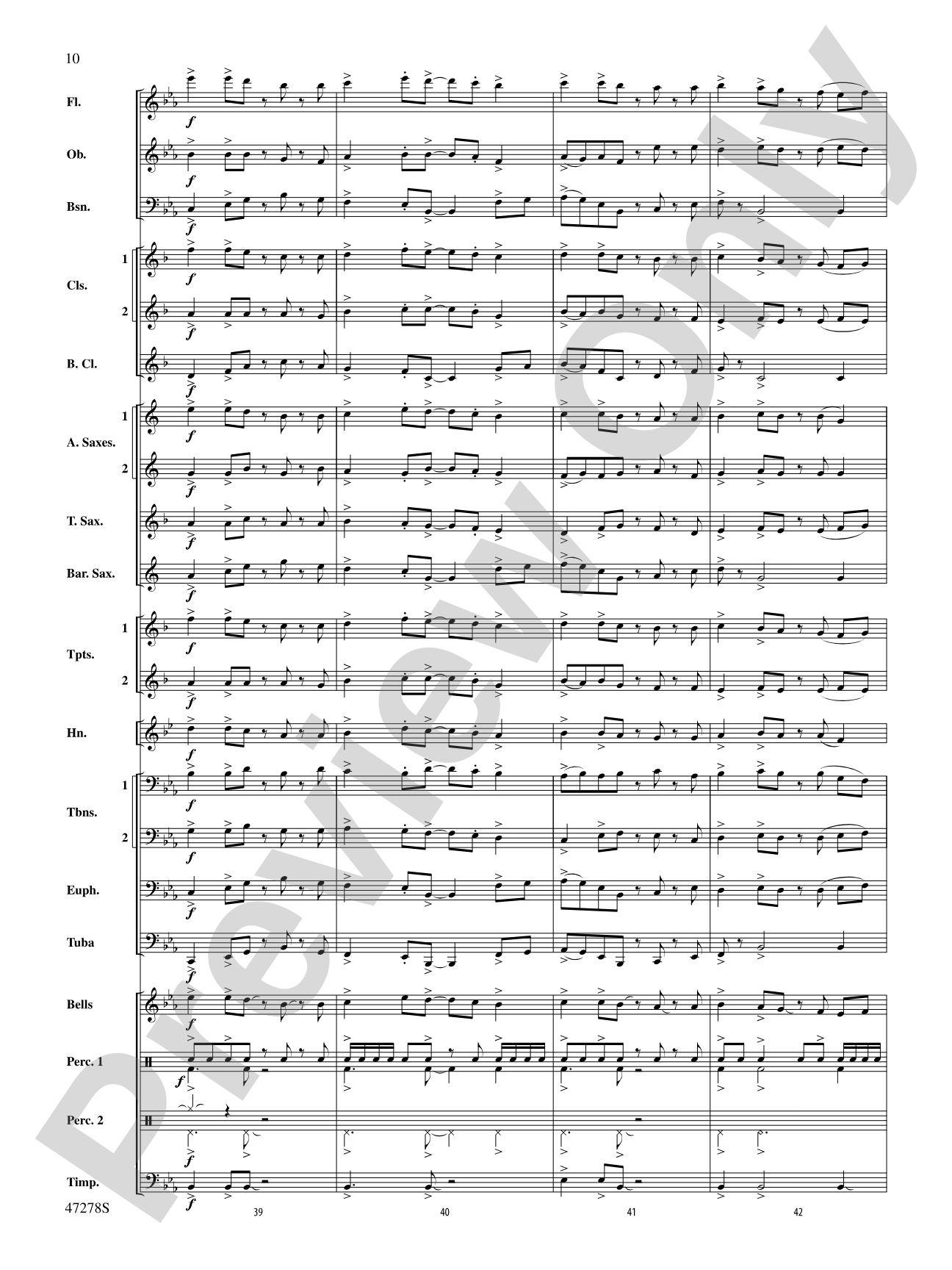
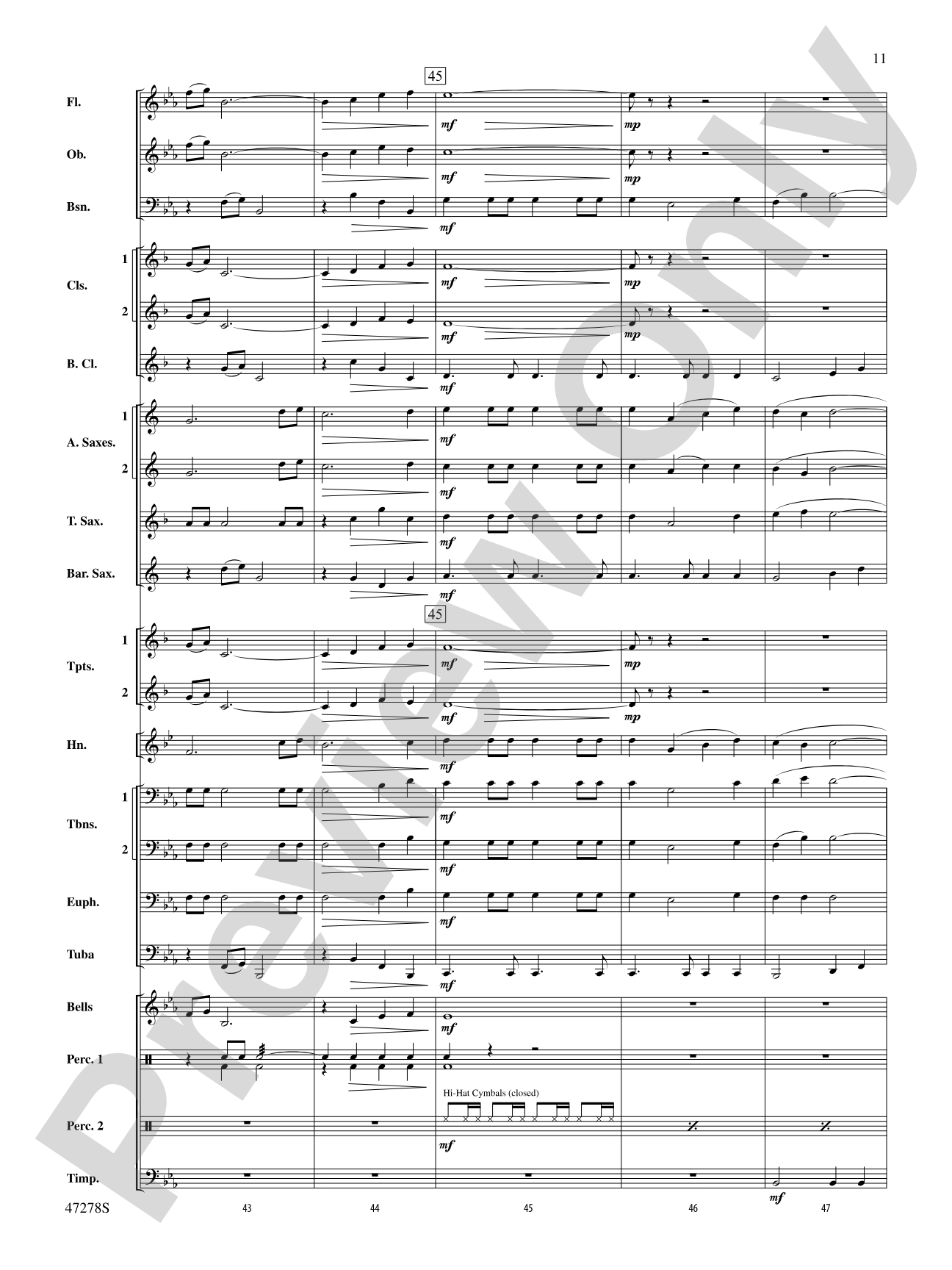
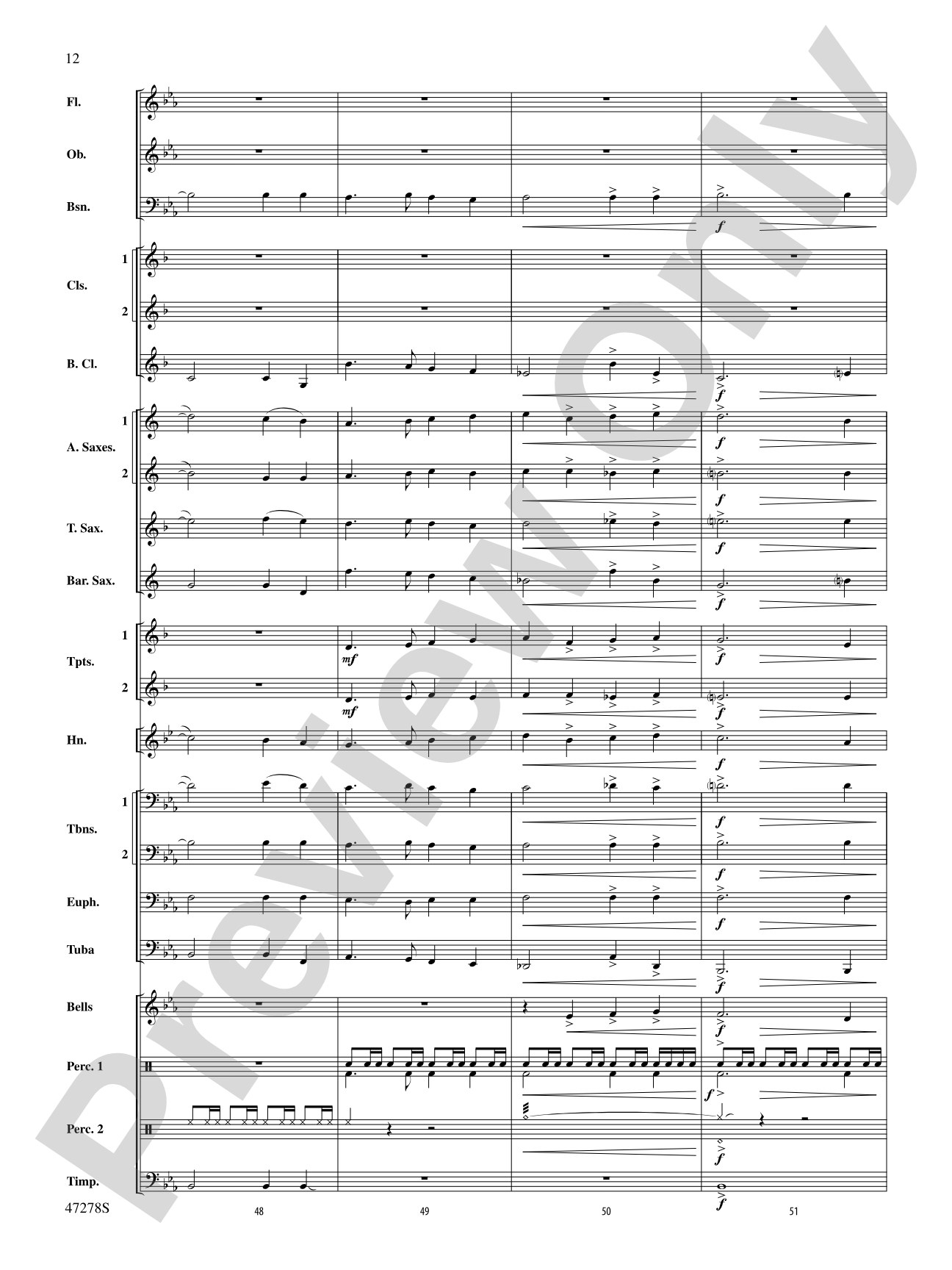
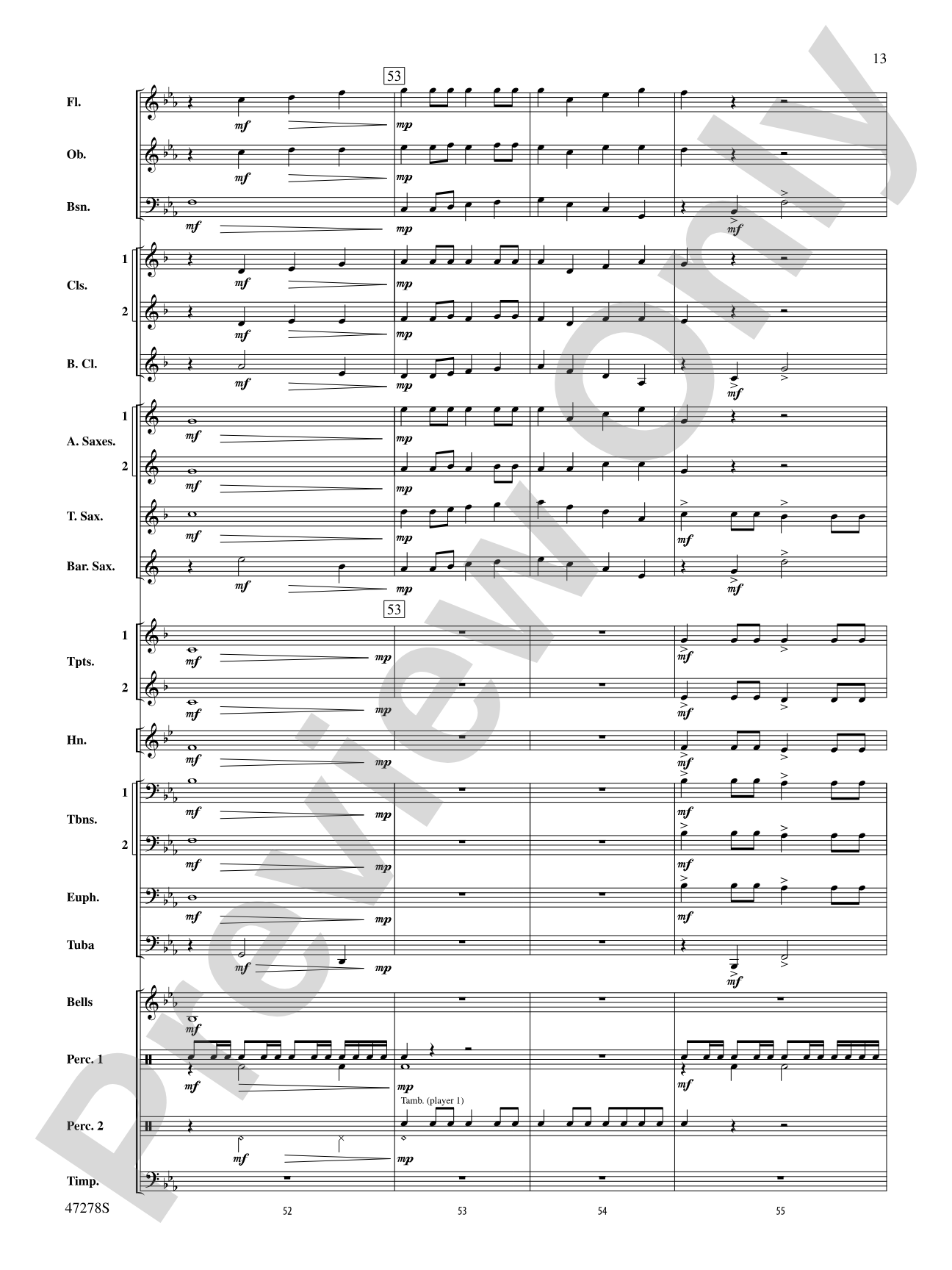
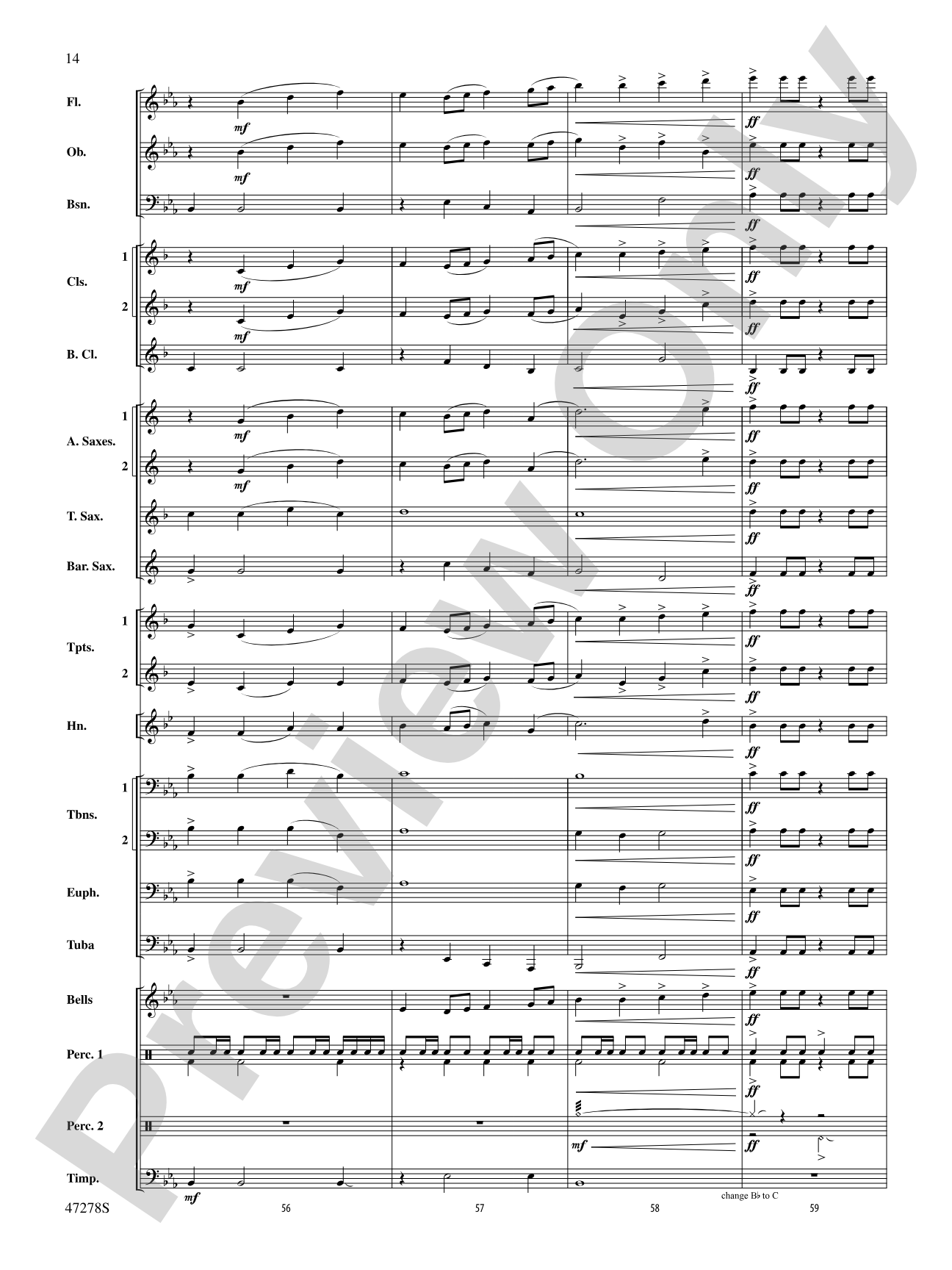
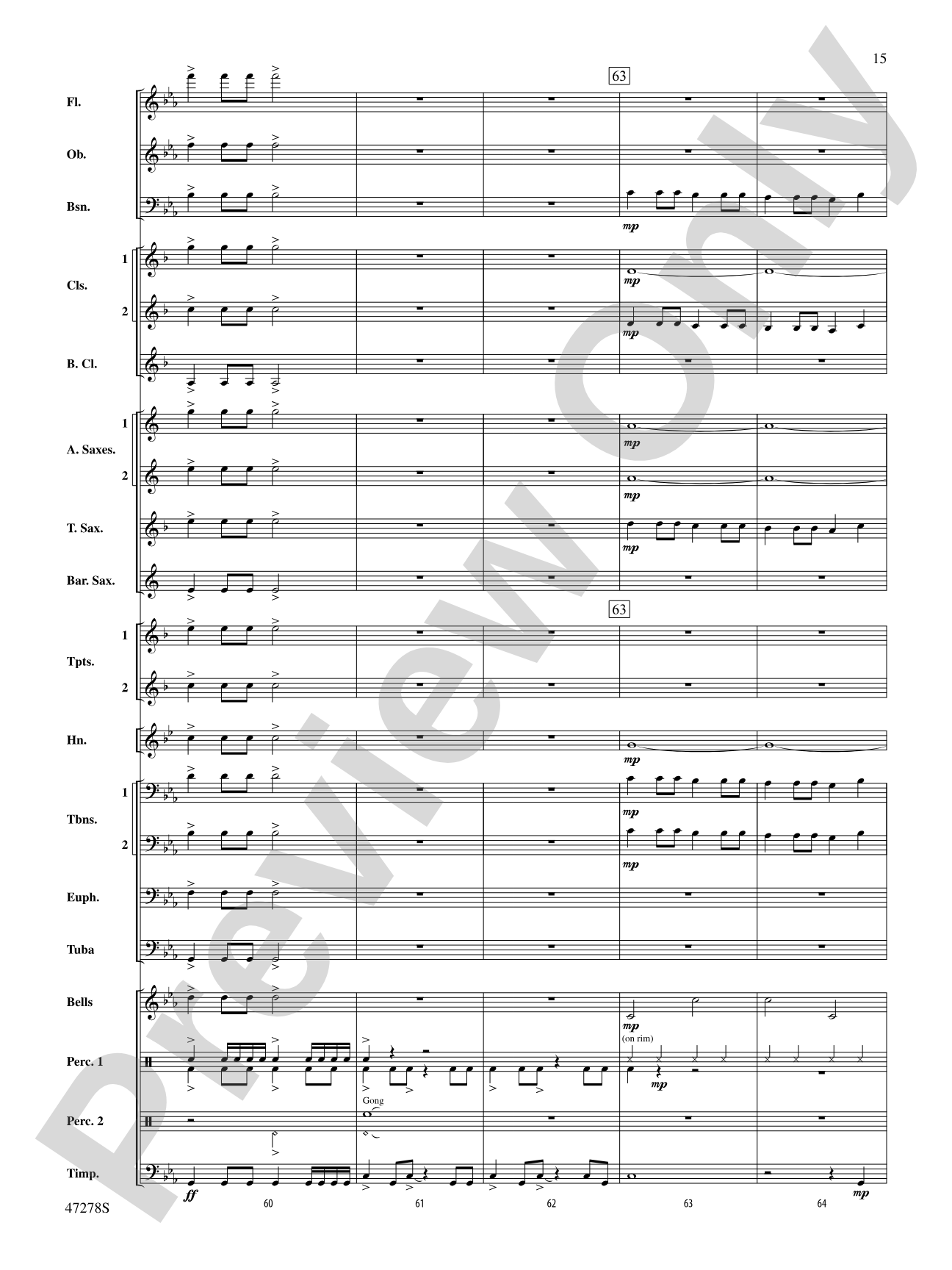
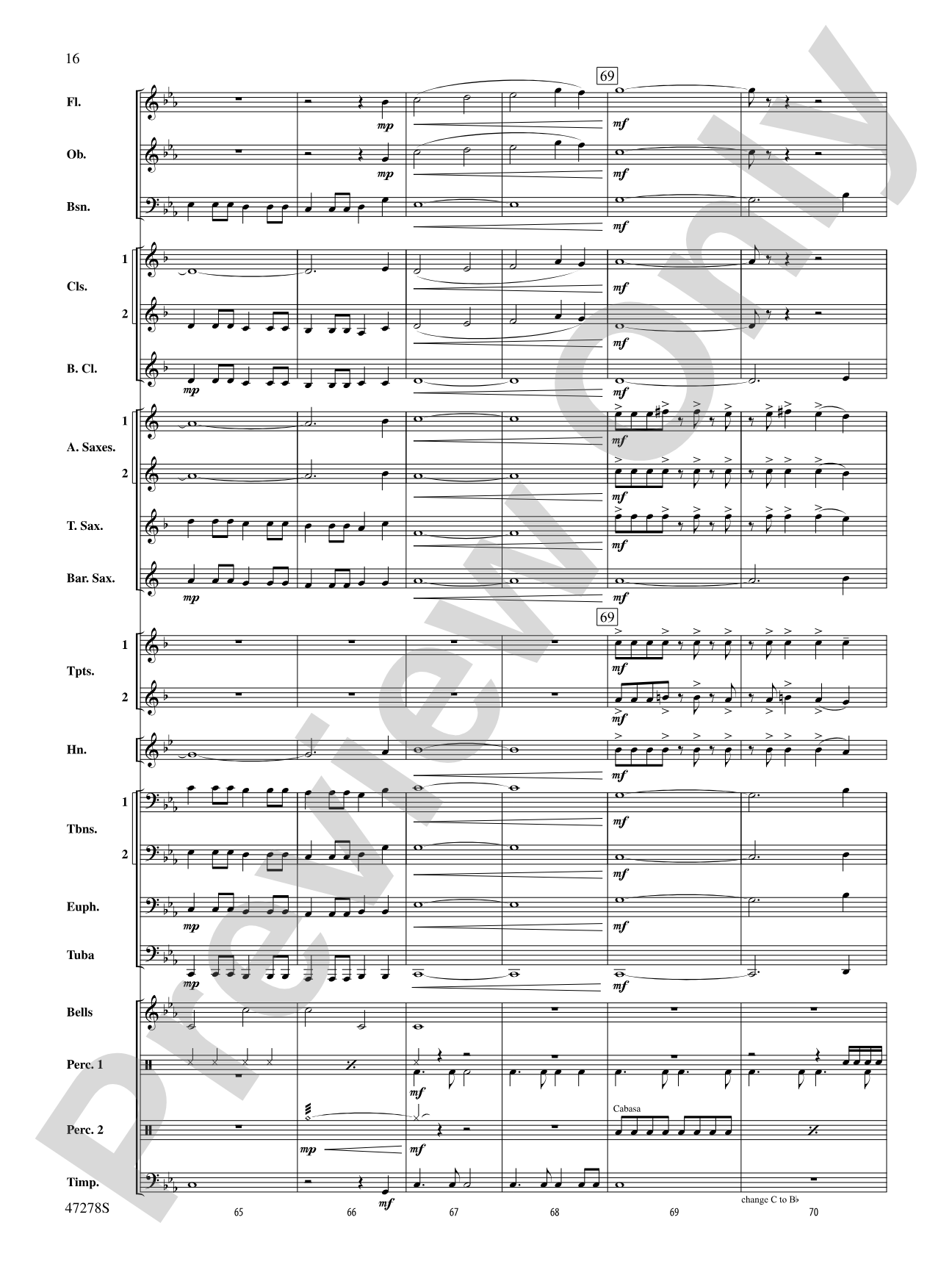
Inspired by Delaware's beautiful Cape Henlopen, this piece musically captures the playful feel of a family vacation on one of its lovely beaches. A reflective opening is followed by a light and energetic theme, including bits of the familiar sea shanty "Drunken Sailor."


Don't just read it, hear it, play along with it, and watch your students grow with it. In MakeMusic Cloud, On the Cape: Concert Band Conductor Score & Parts comes alive with professional accompaniment, adjustable tempo, and built-in practice tools that turn solo practice into real progress.
Open in the Player
Jump straight in and assign it today.
Start Your Free Trial
Open this title and explore the full library in minutes.
Sample Audio
1
Audio File
--:--
0:00
0:00
Sample Video
Additional Details
Series:
Young Symphonic
Publisher:
Alfred Music
Page Count:
272
SKU:
00-PK-0007598
More about this title
About the Composer: Chris Bernotas
Chris Bernotas is a prolific composer and arranger for concert and marching bands, known for writing accessible, engaging music that connects with young ensembles and audiences alike. His catalog spans grade levels from elementary through advanced, with an emphasis on clarity, tunefulness, and pedagogical value.
Why we love this
Bernotas captures genuine joy here without resorting to novelty or condescension. The formal structure (reflective opening into energetic theme) gives your band real architecture to shape, while the "Drunken Sailor" quotation feels earned rather than forced, offering a familiar anchor that audiences recognize immediately.
What to expect
The opening invites quiet reflection, as if you've just arrived at the shore and paused to take it all in. Then the music shifts into bright, almost playful motion, capturing the energy of waves, laughter, and the freedom of being away. The familiar sea shanty floats through like a half-remembered song from childhood.
Who it's for
Band directors working with high school ensembles or advanced middle school groups who want concert literature that sounds polished and feels rewarding without making extreme technical demands. Students at this level gain real experience shaping lyrical material and managing dynamic contrast.
How to get the most out of it
- Balance the reflective opening so it reads as genuine contemplation rather than hesitation; let the band breathe and listen to the space between phrases.
- Clarify the transition into the light theme by establishing a clear pulse shift in your conducting; the ensemble needs to feel the energy change, not just hear it.
- Feature the "Drunken Sailor" moment so the audience catches the reference, but keep it proportional to the whole; it should feel like a musical memory, not a takeaway.
- Use the medium-easy scoring to your advantage by isolating individual sections or parts in rehearsal; at this grade level, transparency helps students hear their role in the texture.
How to use it
Program this as the emotional centerpiece of a spring concert or a lighter sectional devoted to Americana and familiar melodies. Its accessible grade level and attractive subject matter make it ideal for family-focused performances where audiences appreciate both musical craftsmanship and accessible storytelling.
Skills your students will build
- Shaping lyrical phrasing in a reflective context
- Executing precise dynamic transitions between contrasting sections
- Balancing textural clarity in medium voicing
- Identifying and executing stylistic shifts within a single work
- Ensemble cohesion across multiple thematic ideas