On Green Dolphin Street Cover Image

On Green Dolphin Street: Jazz Ensemble Conductor Score

$10.00 USD
Sale price  $10.00 USD Regular price 
Skip to product information
On Green Dolphin Street Cover Image

On Green Dolphin Street: Jazz Ensemble Conductor Score

Music by Bronislau Kaper, lyrics by Ned Washington / arr. Dave Wolpe

Grade: 3 (Medium)

Item: 00-29788S

$10.00
Shipped

One moment…

Description
Only arranger Dave Wolpe can make On Green Dolphin Street the ideal address. A combination of swing and Latin feel, solos for alto 1 and tenor 1 (written out), lead trumpet range is to written A above the staff, a sax soli and a shout chorus. Optional parts are included also for flute, horn, baritone horn/tenor sax and tuba, so what's not to like? It's a superb chart you will enjoy for years to come. (2:56)

On Green Dolphin Street: Jazz Ensemble Conductor Score isn't in MakeMusic Cloud just yet...but it could be. Let us know you'd like to see it, and you'll help shape what comes next. In the meantime, start a free trial and dive into thousands of interactive titles your students can play along with today.

Sample Pages

Sample Audio
0:00
0:00
Sample Video
Additional Details
Series: Jazz Band Series
Publisher: Alfred Music
Page Count: 16
UPC: 038081314747
SKU: 00-29788S

More about this title

About the Arranger: Dave Wolpe
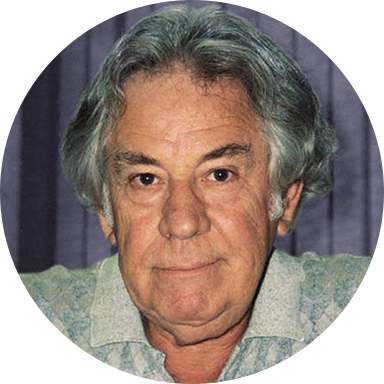
Dave Wolpe

Dave Wolpe's arranging career spans nearly six decades, beginning in 1965 and establishing him as a trusted voice in big band and jazz orchestra settings. His work with the Glenn Miller Orchestra alone encompasses dozens of arrangements, and he served as co-arranger on the platinum-selling album In the Christmas Mood. Beyond those landmark projects, Wolpe has contributed arrangements to orchestras led by Ray Anthony, Lawrence Welk, and Les Brown, demonstrating his versatility across swing eras and stylistic contexts.

Why we love this

Wolpe's arrangement captures what makes this standard enduring: a seamless blend of swing and Latin grooves that keeps players engaged without overwhelming them. The built-in solos for alto and tenor, paired with a punchy sax soli and shout chorus, give your ensemble genuine moments to shine. The optional parts for flute, horn, baritone horn/tenor sax, and tuba mean you can adapt this to your roster year after year.

What to expect

This arrangement walks a satisfying middle ground between cool sophistication and toe-tapping fun. The Latin inflections add color and momentum, while the swing sections let the ensemble breathe and snap. The written solos sit comfortably in the jazz idiom without demanding pyrotechnics.

Who it's for

Intermediate jazz ensembles (high school or college) with solid fundamentals and at least one capable soloist in the alto and tenor chairs. Directors seeking a medium-difficulty chart that swings hard without requiring advanced harmonic knowledge or extreme technical demands will find this fits well into a mixed-difficulty concert.

How to get the most out of it

  • Nail the transition between swing and Latin sections by establishing a clear click or rehearsal pulse that honors both feels; let the rhythm section lock in during the Latin passages so the soloists have solid ground underneath.
  • Balance the written-out solos so they sound conversational rather than formal. The alto and tenor solo passages are phrased for natural swing phrasing, not mechanical execution.
  • Keep the shout chorus driving and punchy. This is where the full ensemble shines, so make sure every section is locked in dynamically and rhythmically.
  • Pay close attention to lead trumpet intonation in the upper register (written A and above). Spend sectional time on those passages so your lead player nails them cleanly.

How to use it

Program this in the middle of your set, where it serves as a mood shifter that showcases your ensemble's swing chops and solo capability without requiring a full ballad slot. It pairs well with other standards in a jazz-focused concert or as a crowd-pleasing encore that audiences immediately recognize.

Skills your students will build

  • Trading swing and Latin feels in the same arrangement
  • Comping and supporting written-out solos
  • Balancing ensemble unison lines with sectional definition
  • Navigating ensemble sax soli with rhythmic precision
  • Leading and supporting full-ensemble shout chorus voicings

You May Also Like