

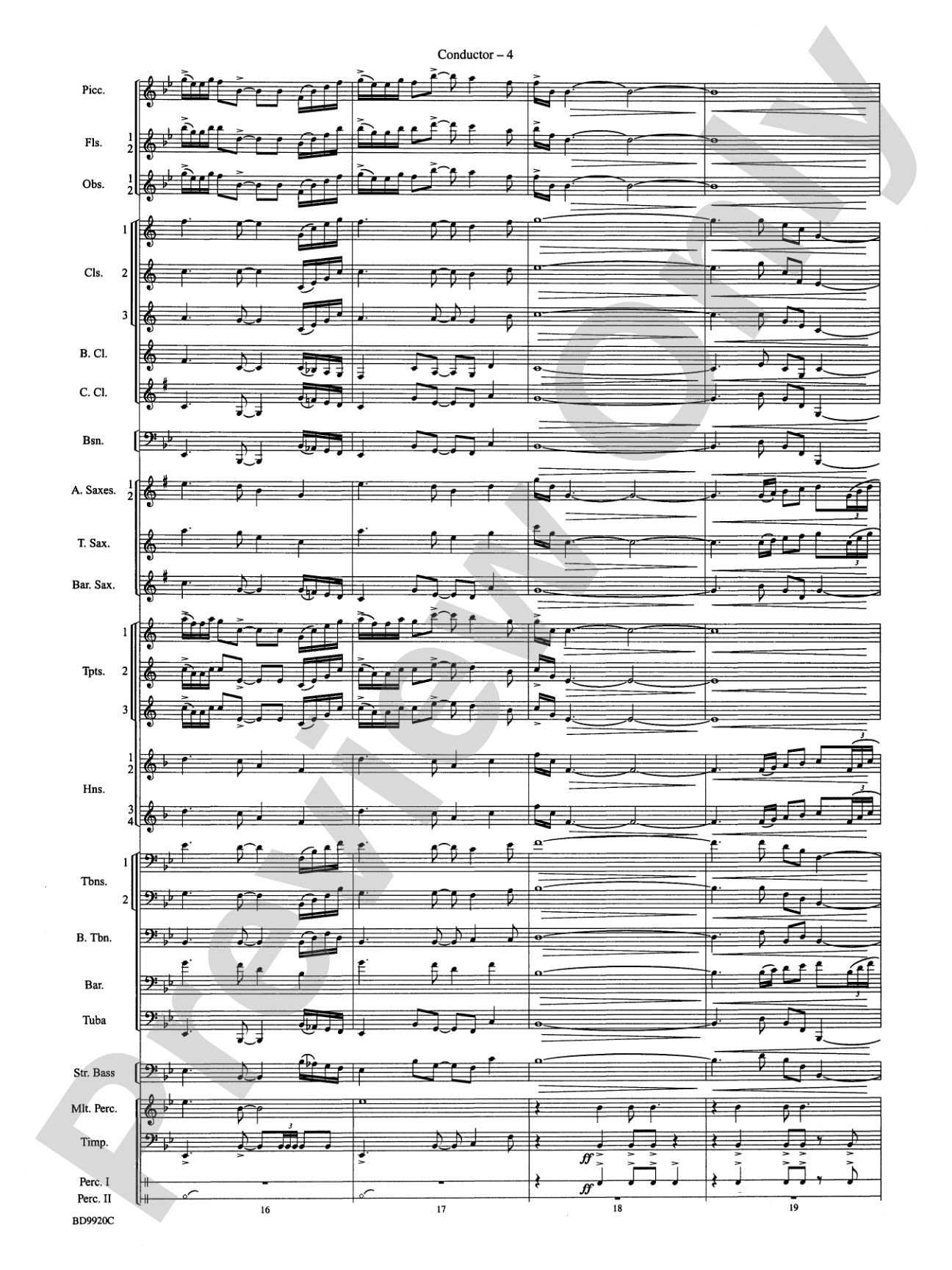
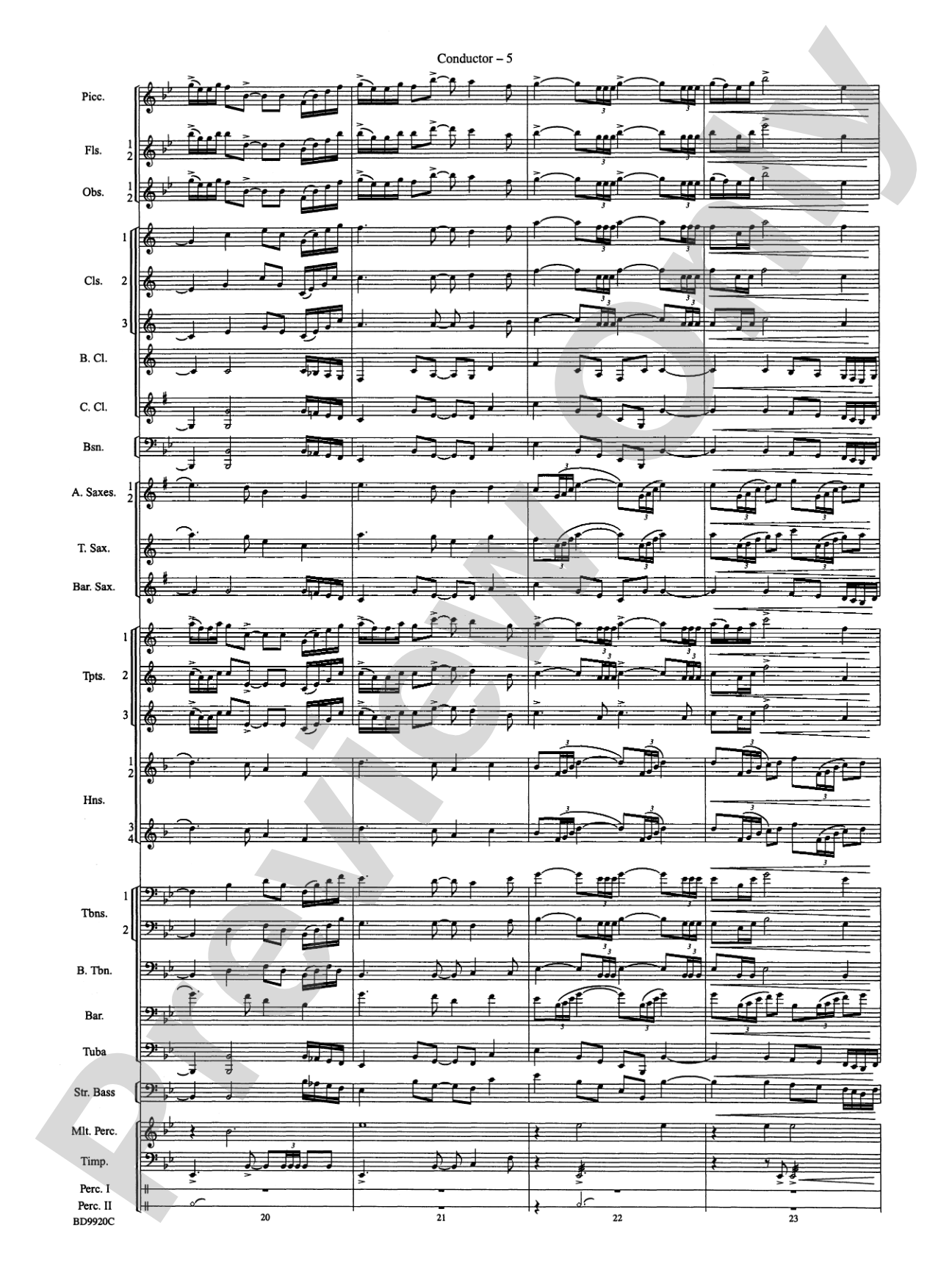
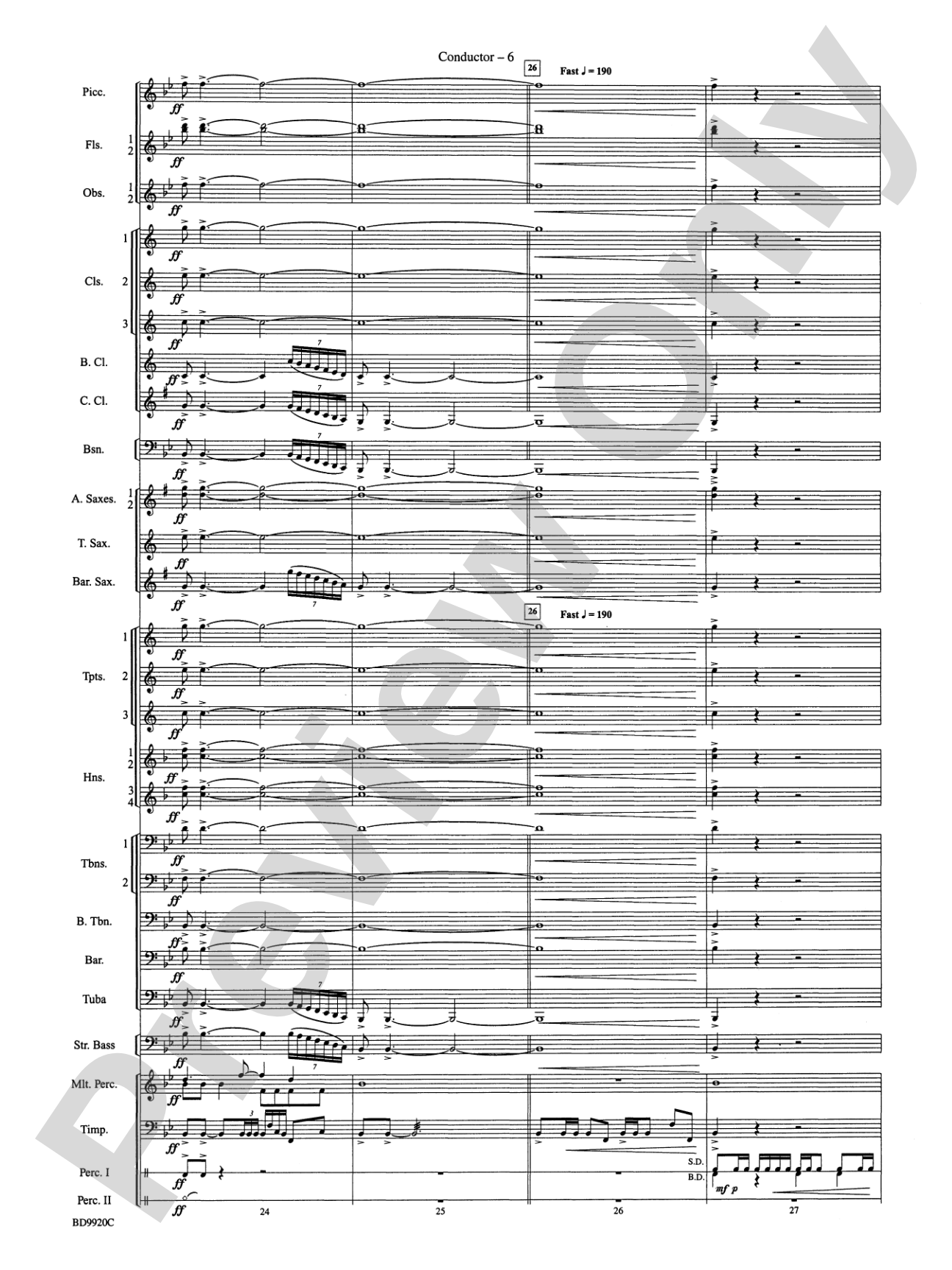
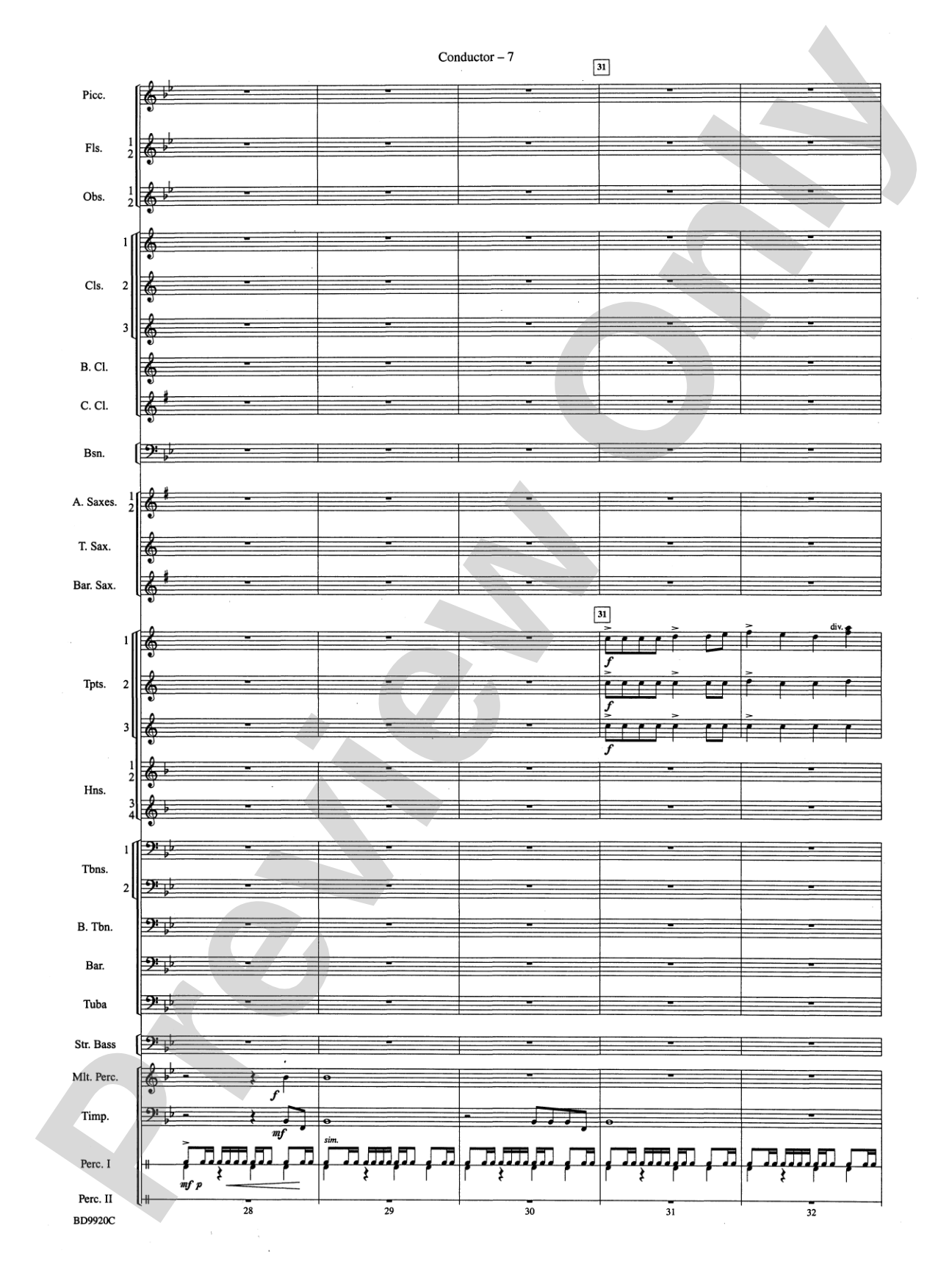
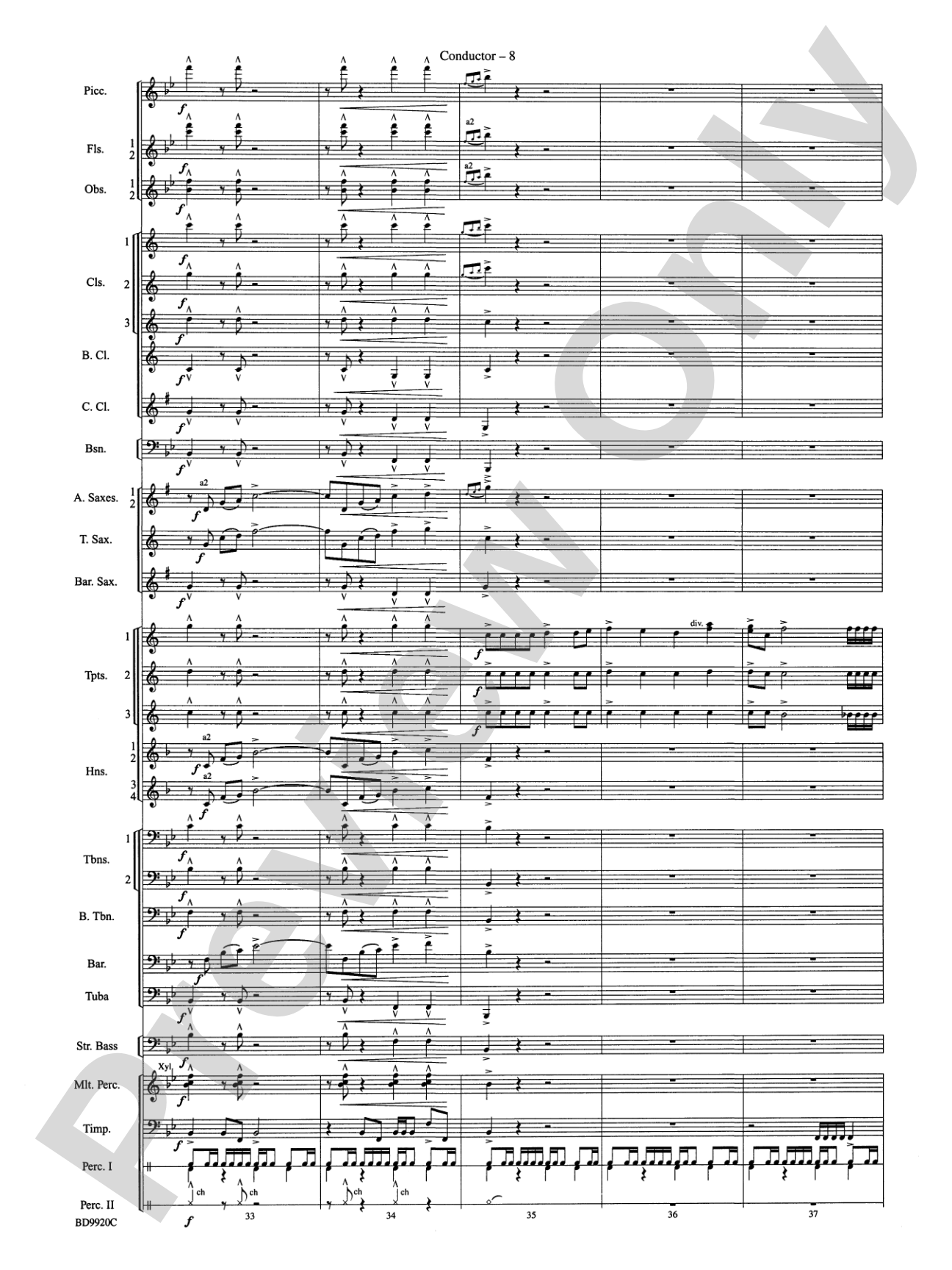
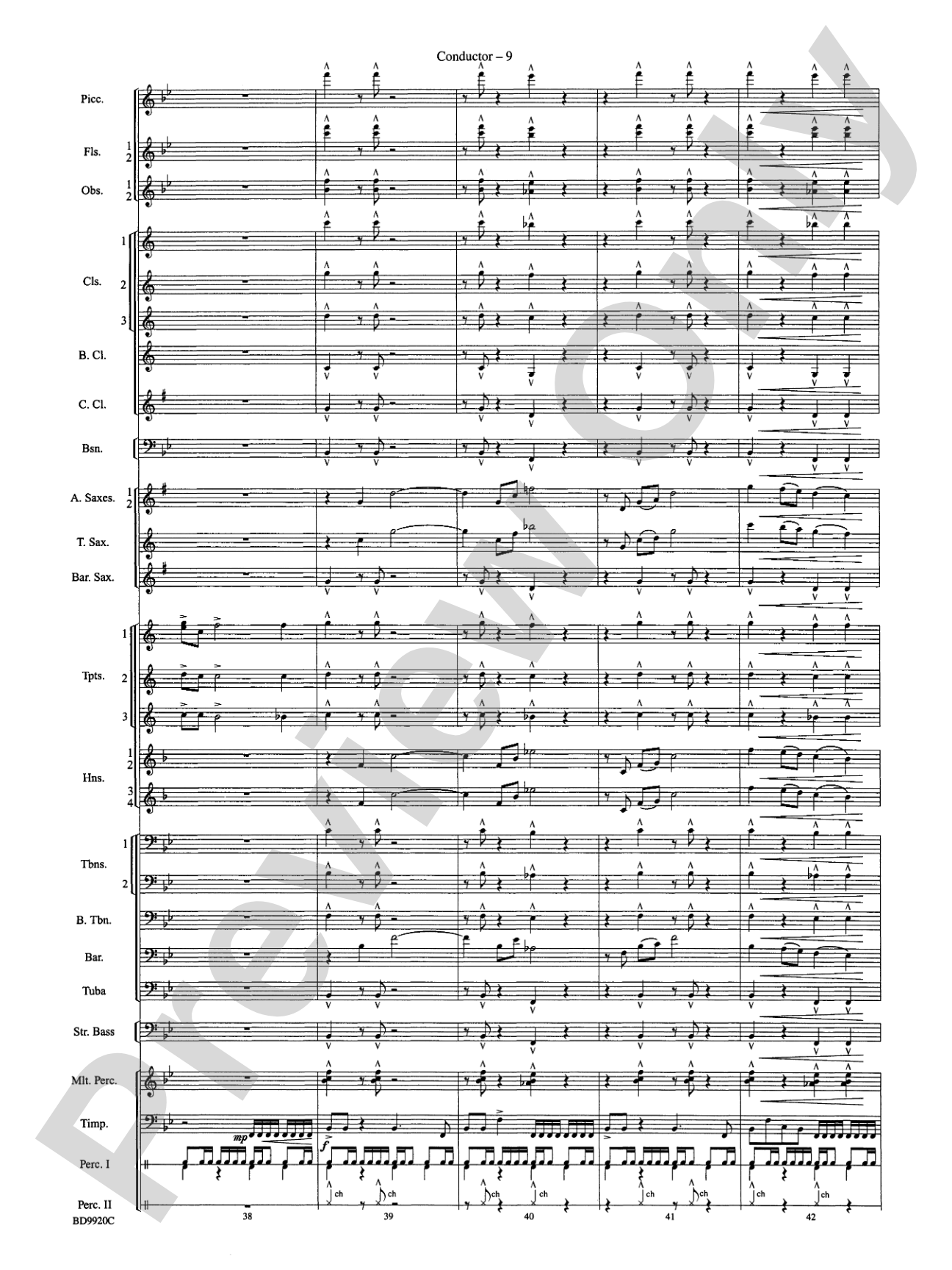
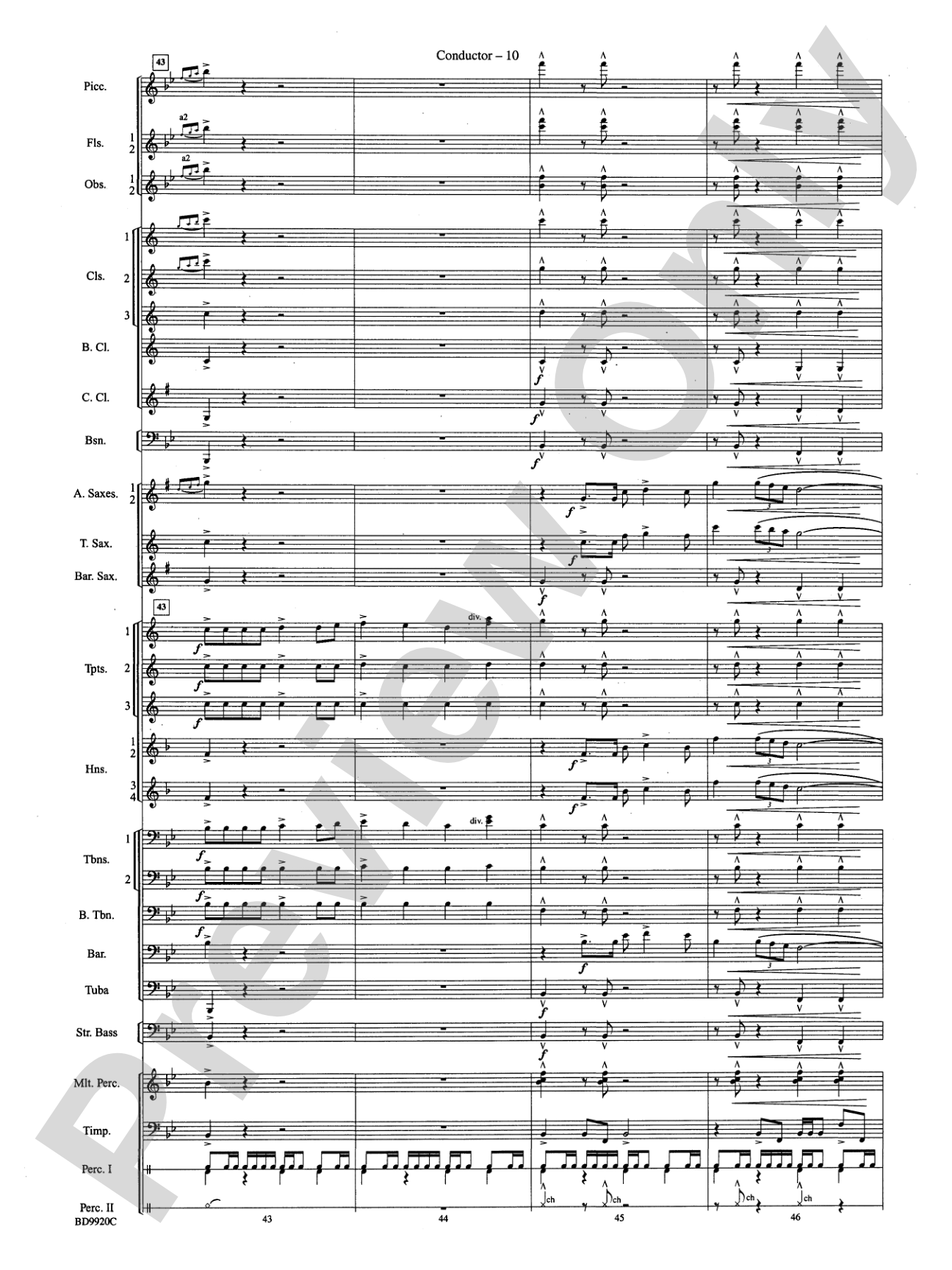
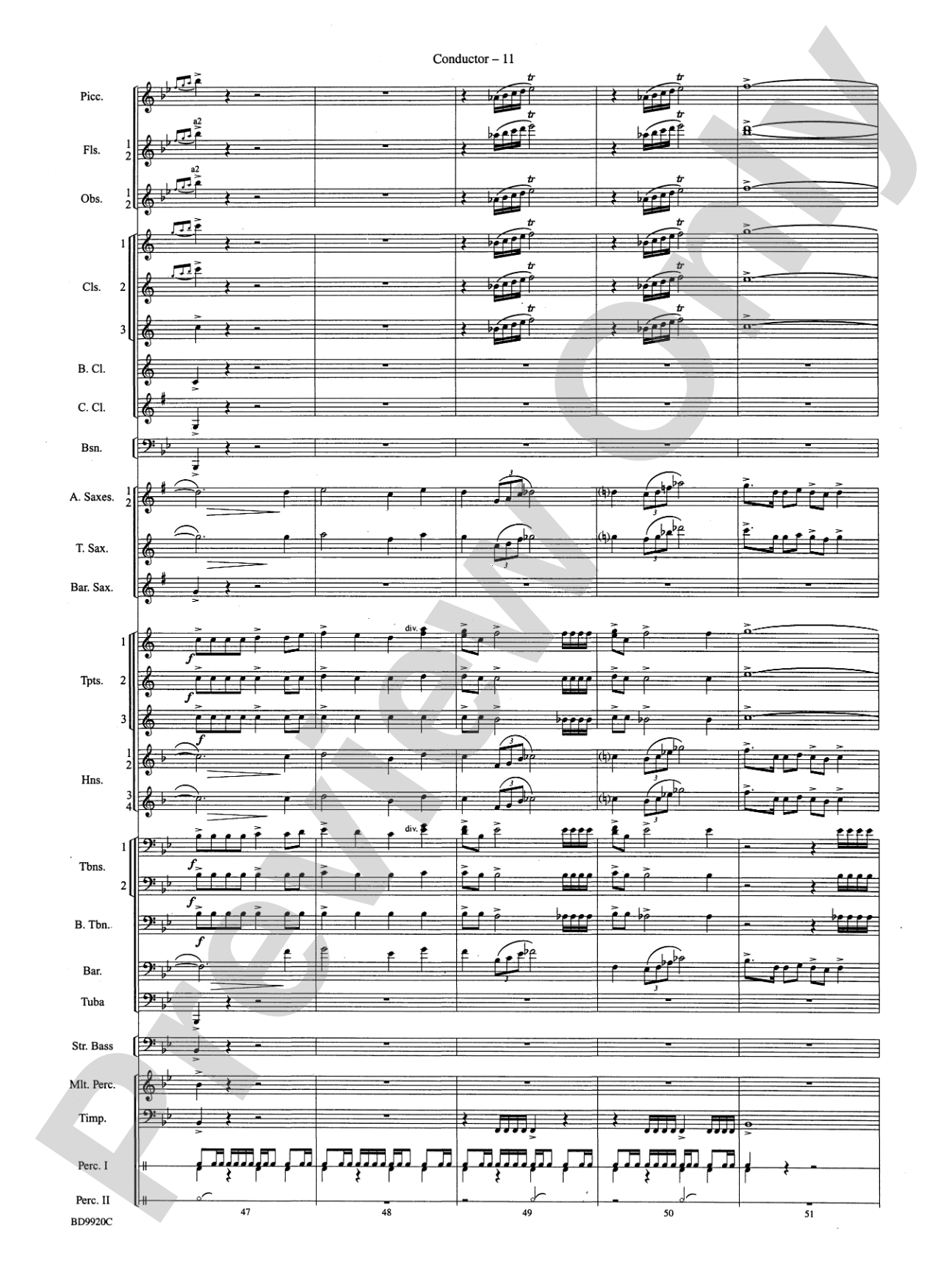
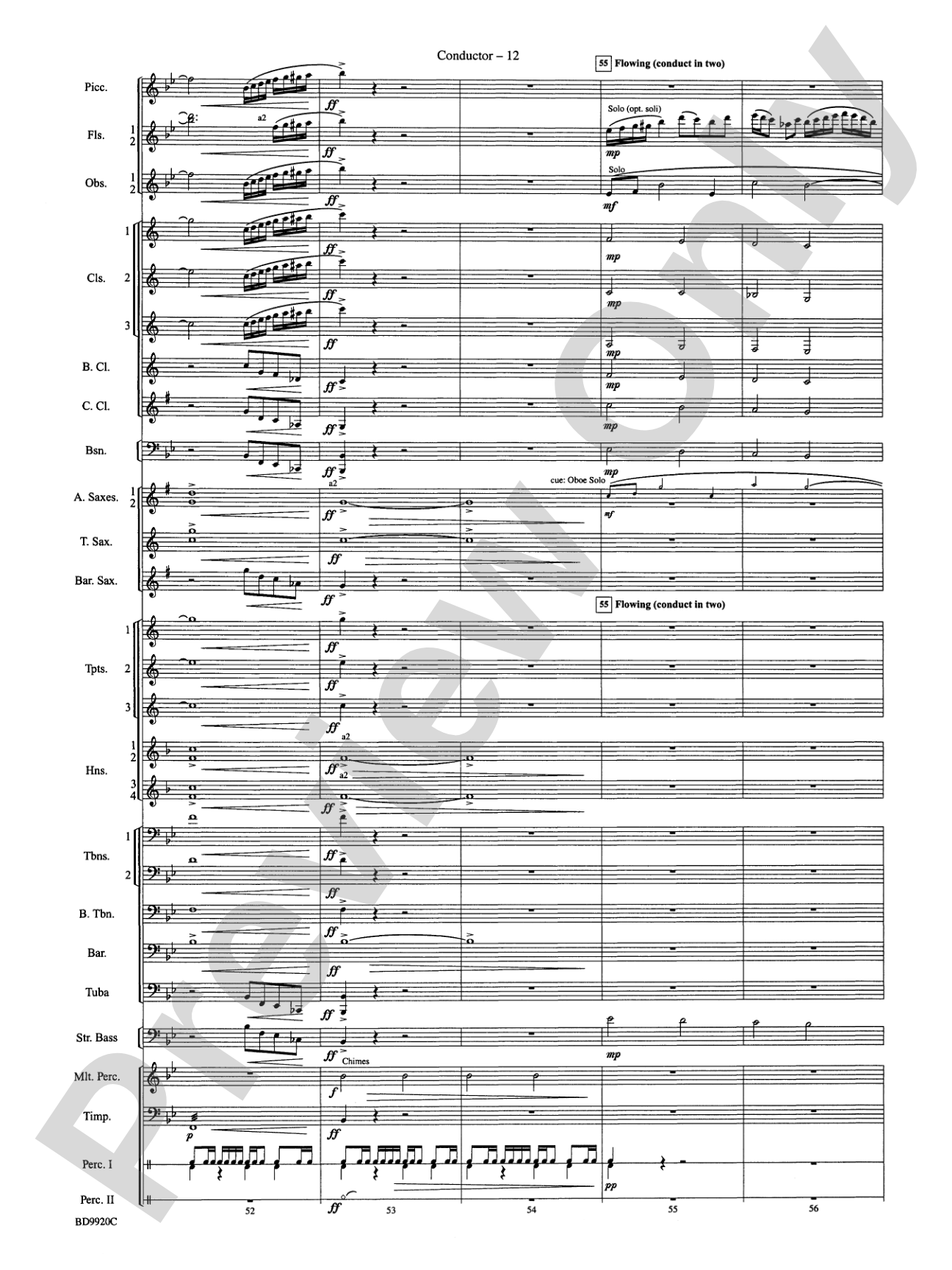
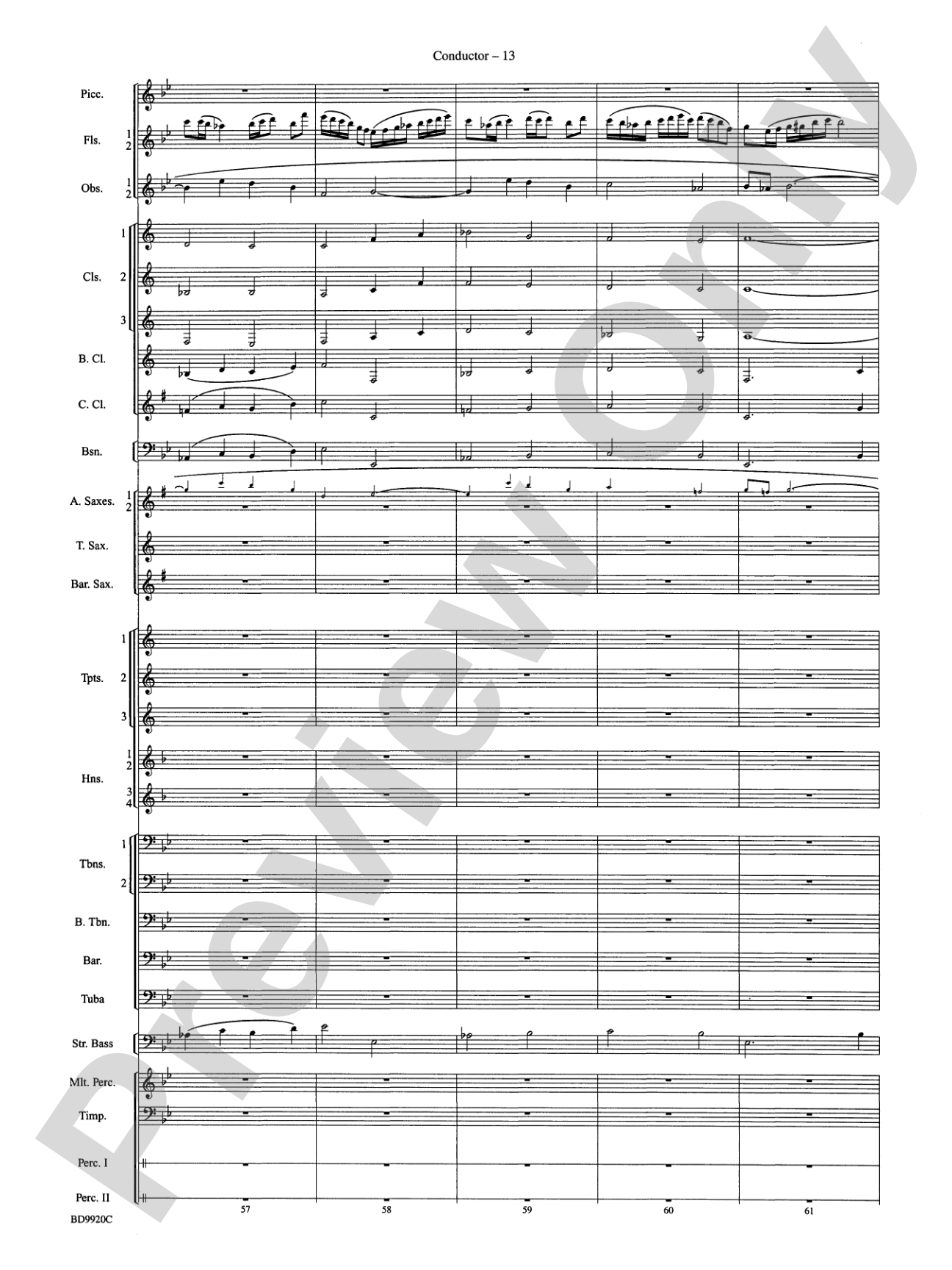
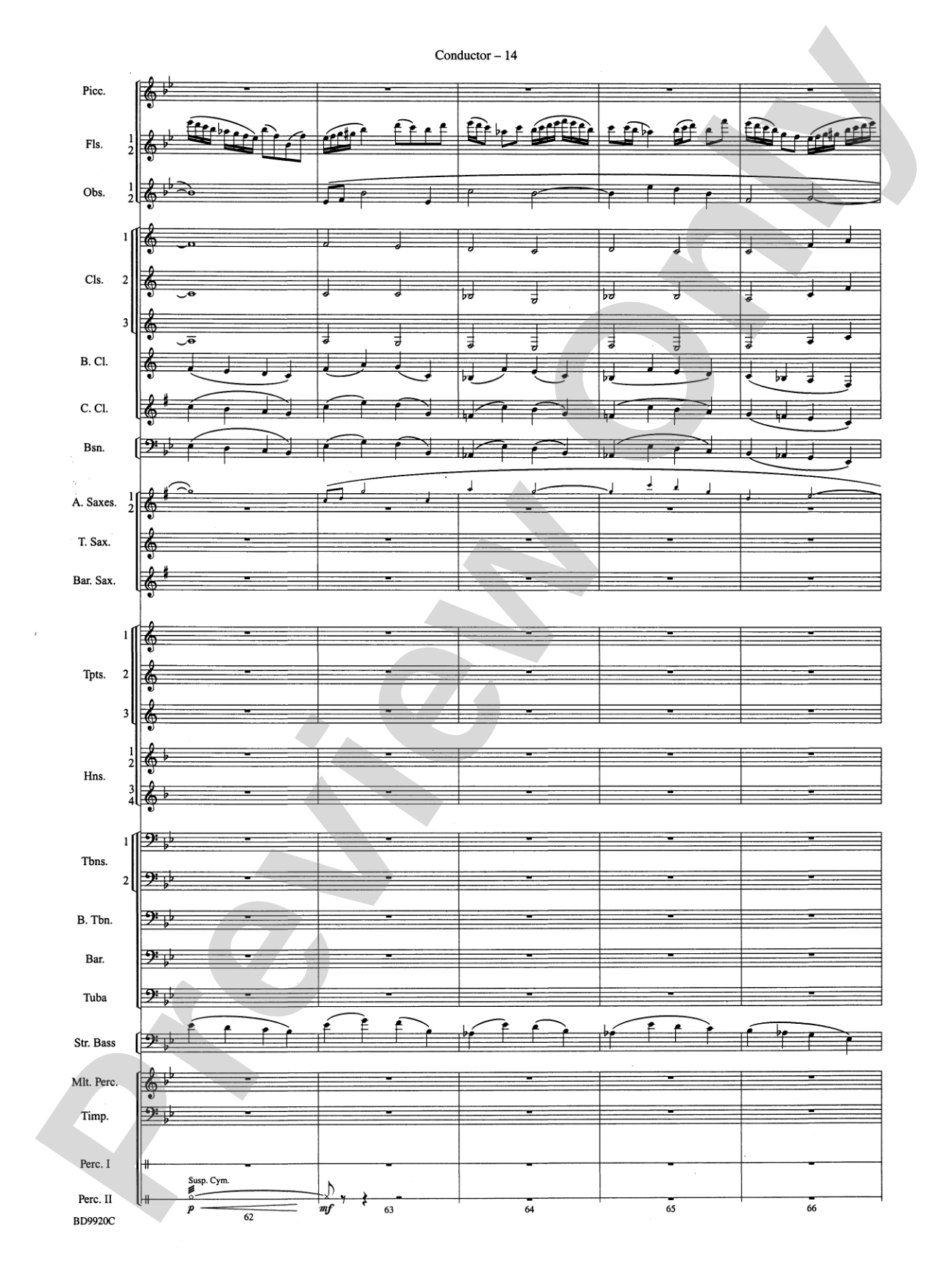
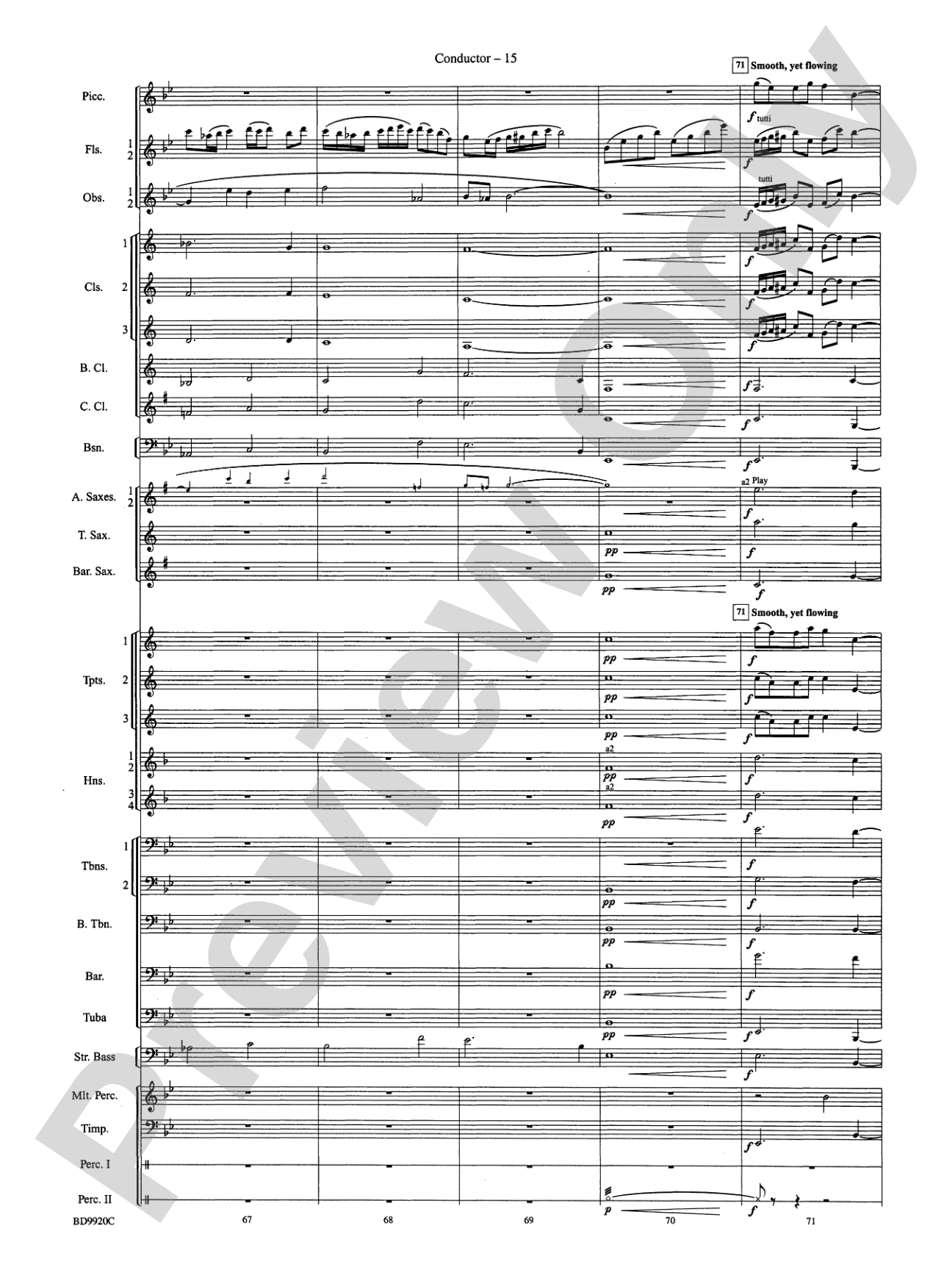
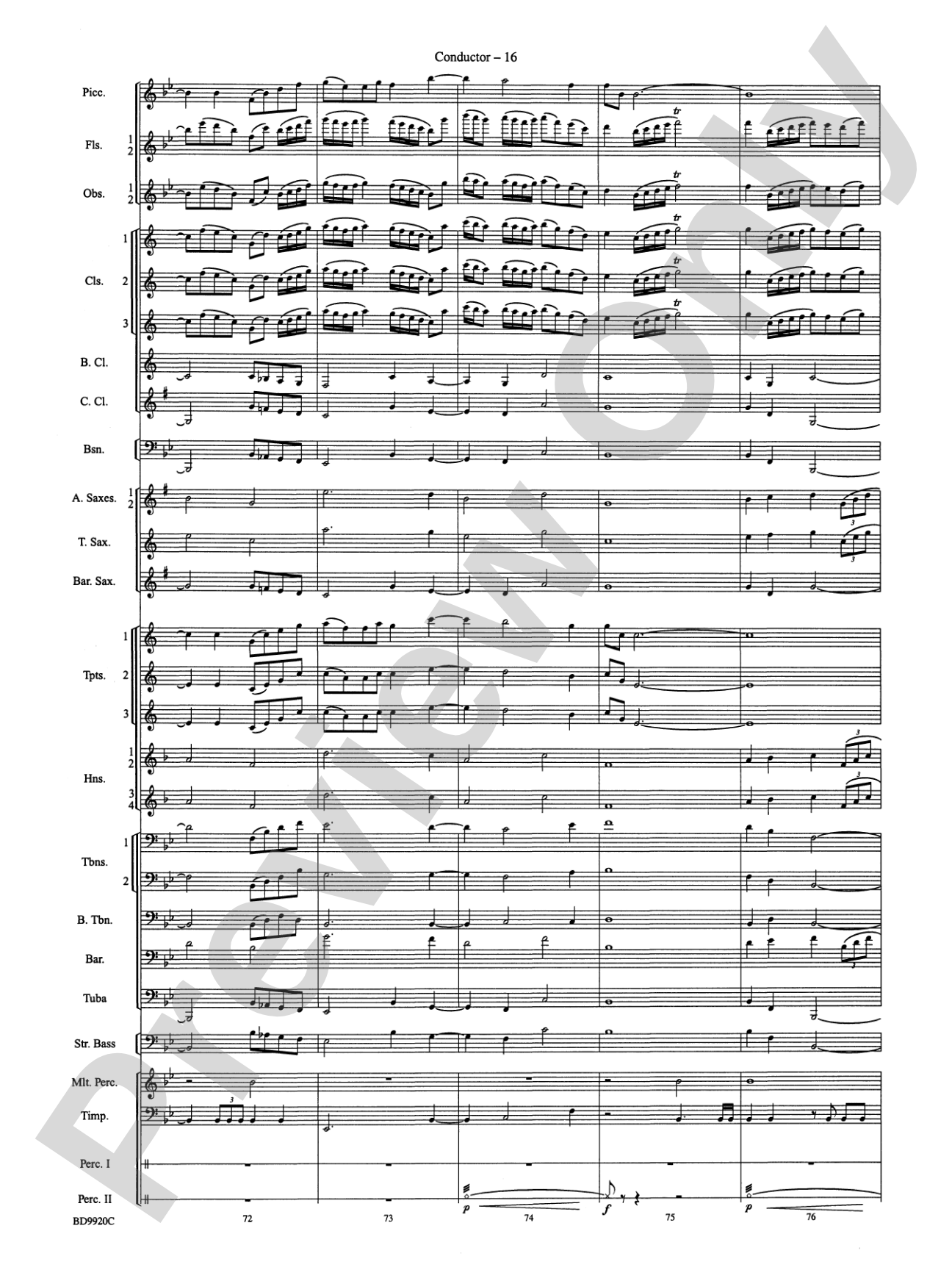
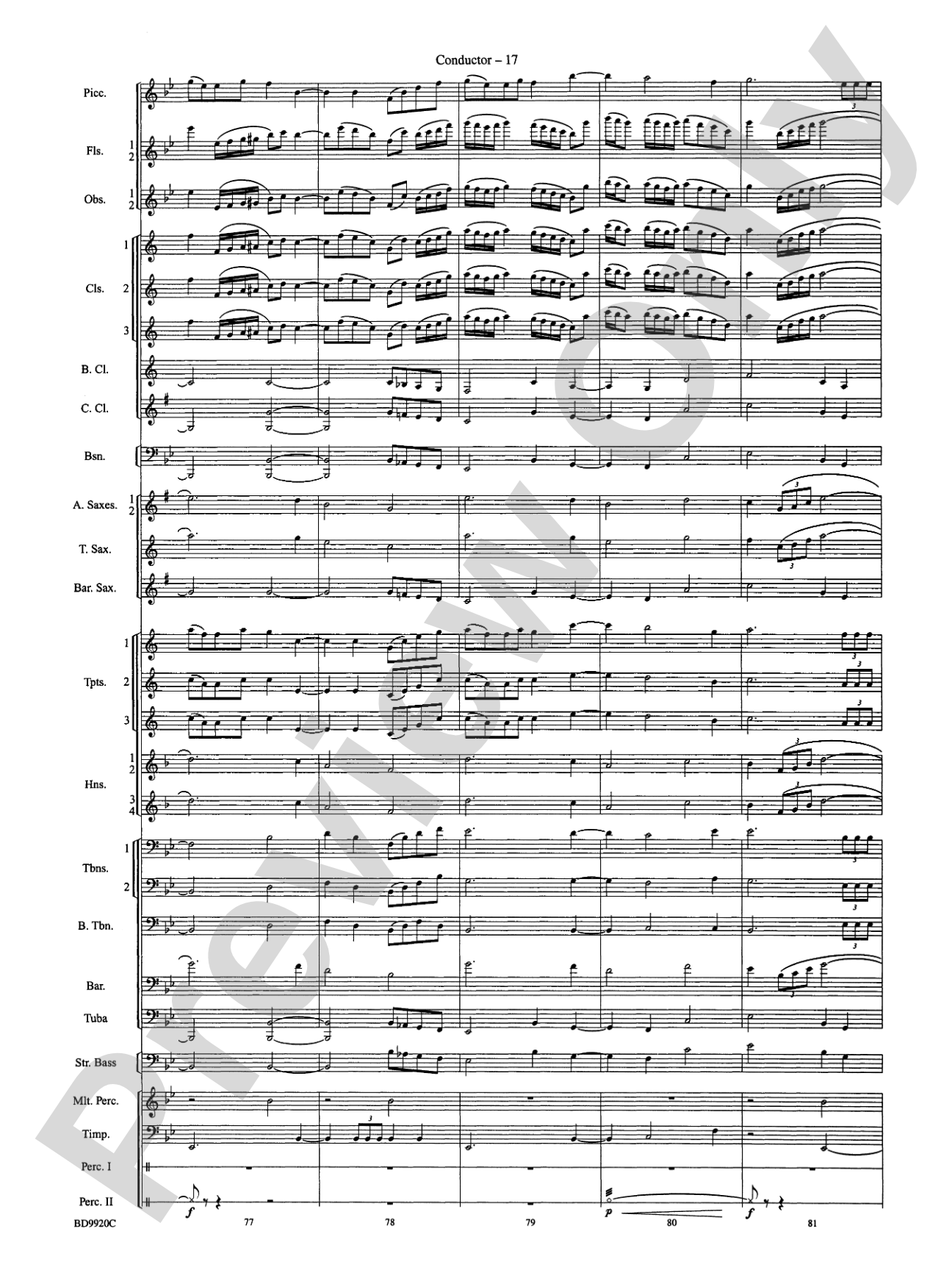
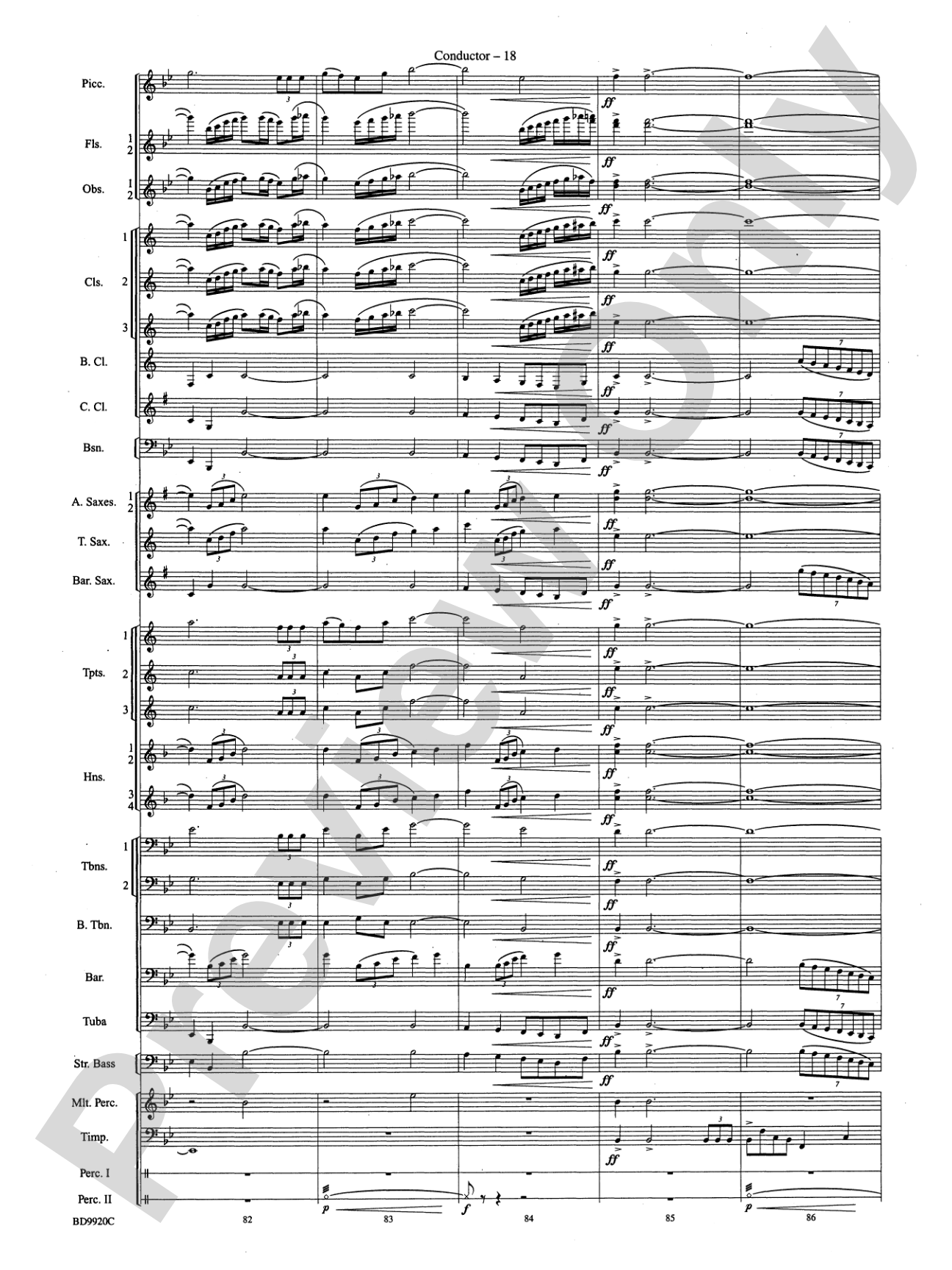
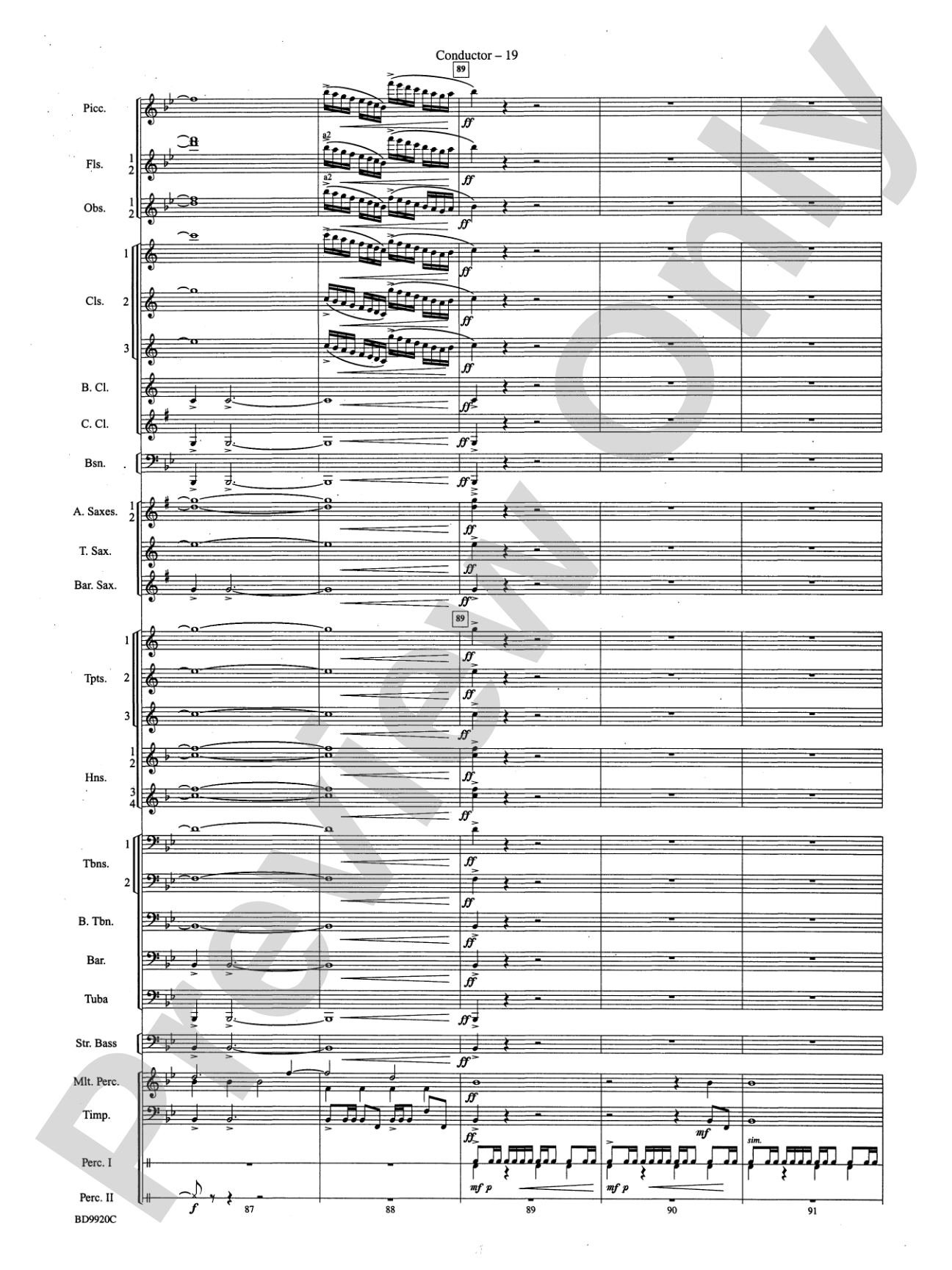
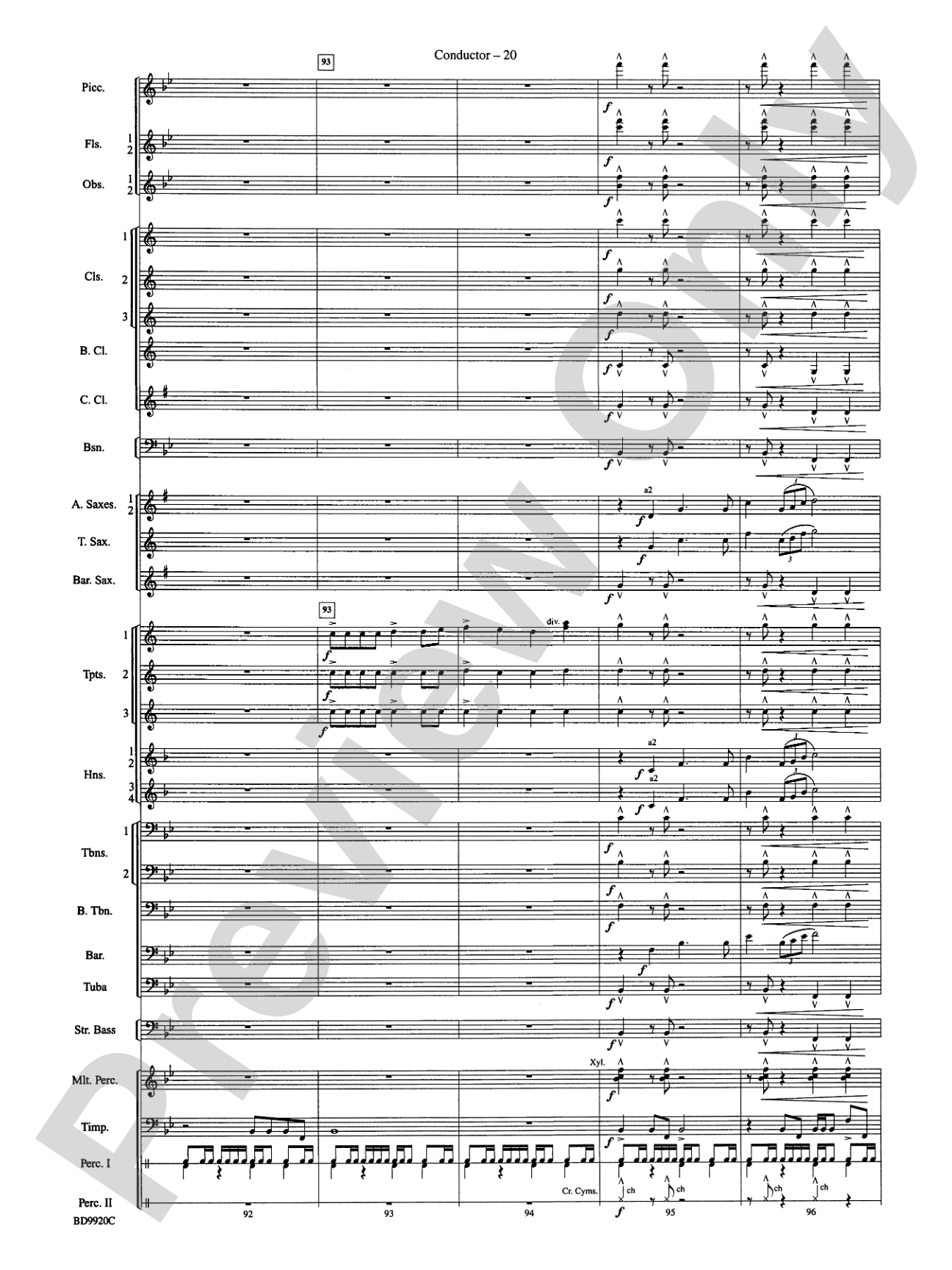
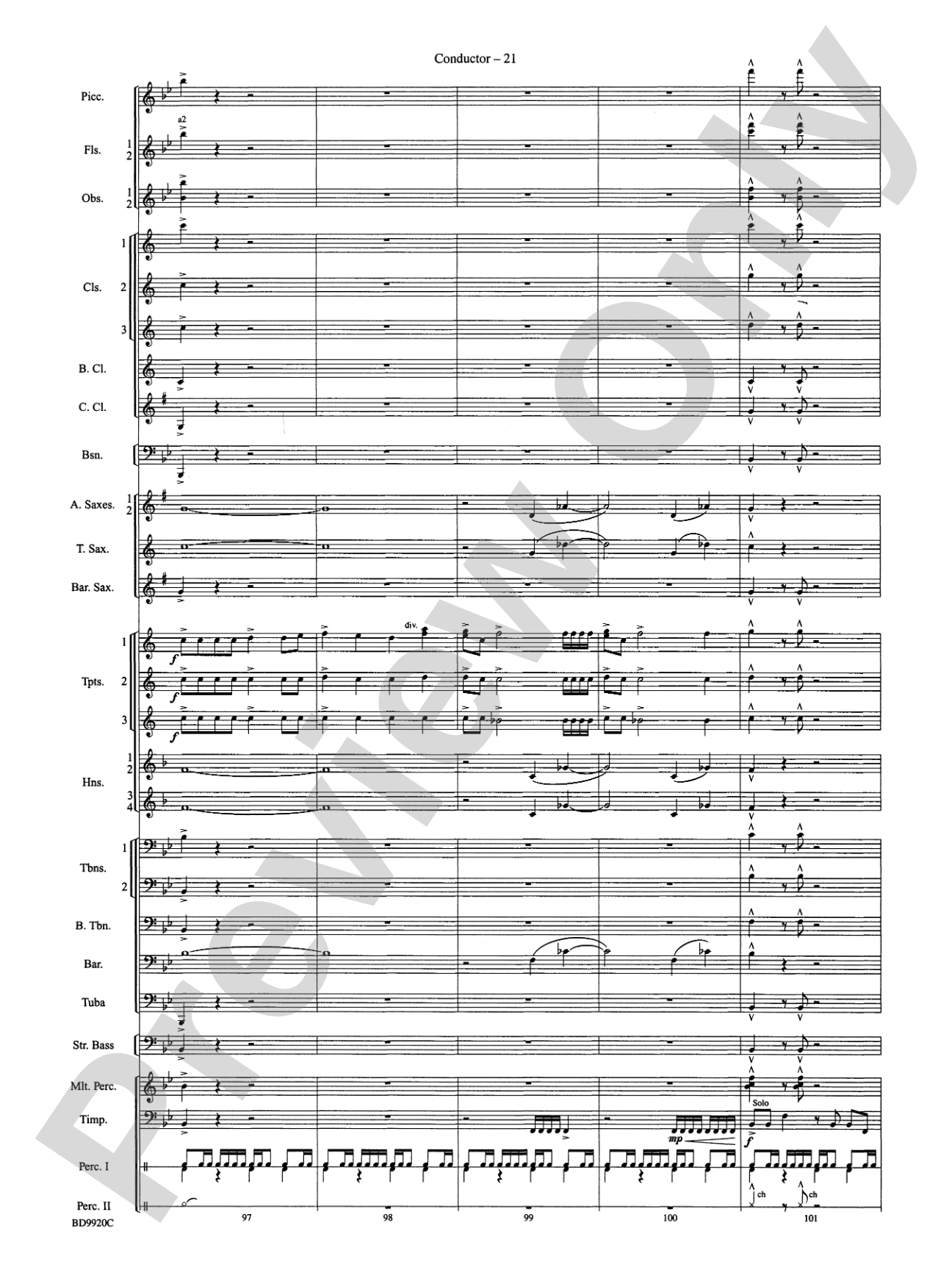
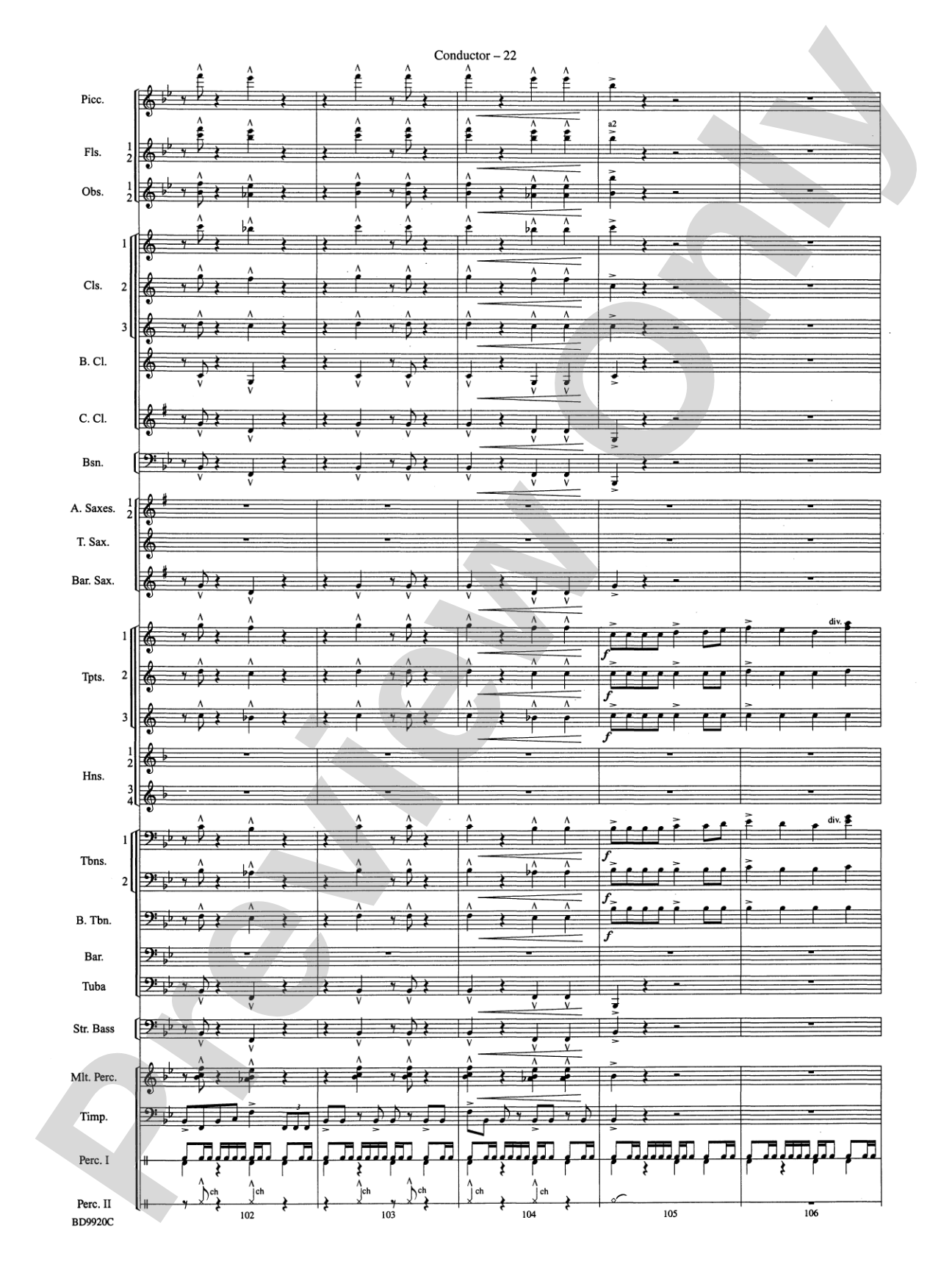
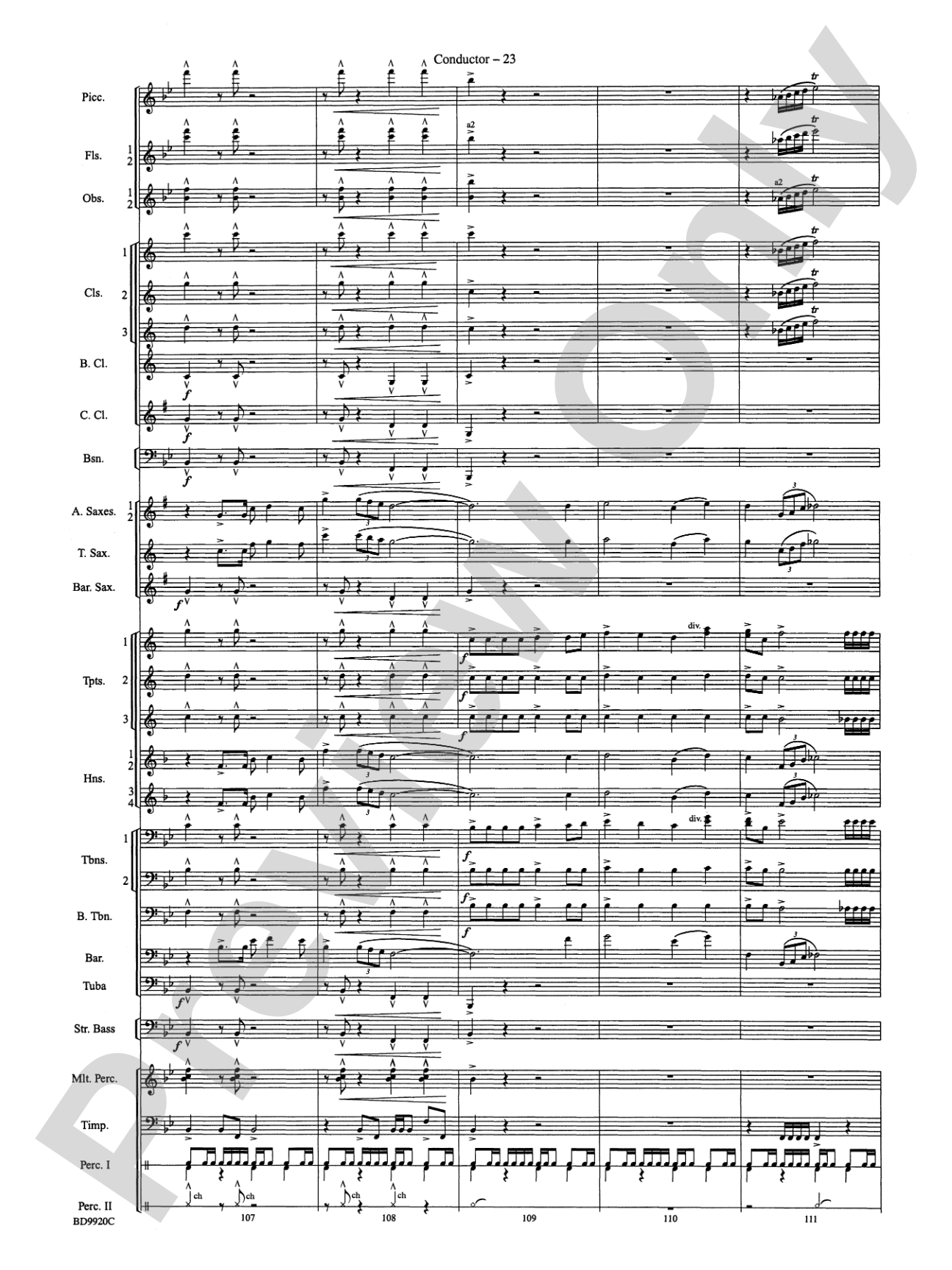
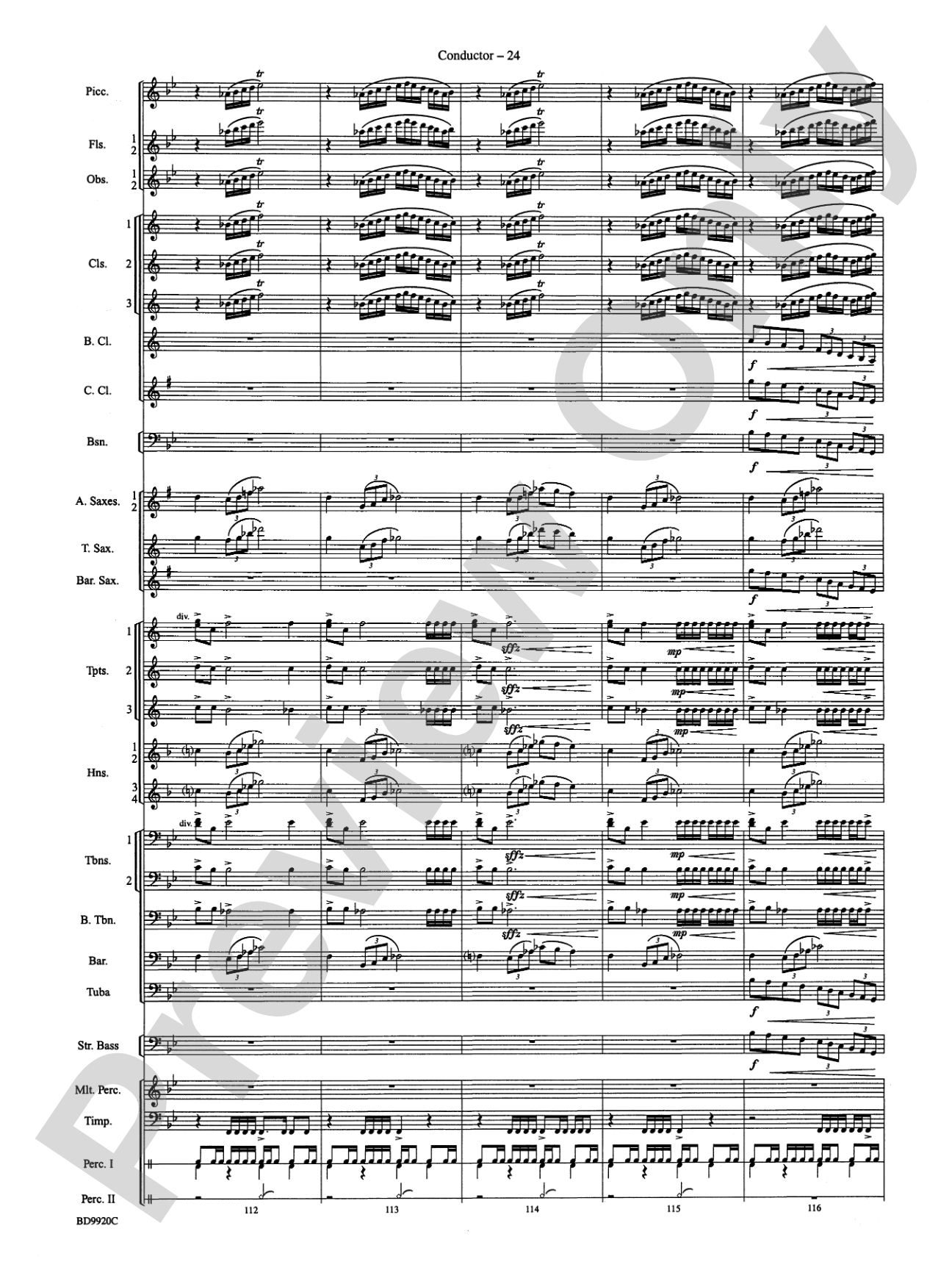
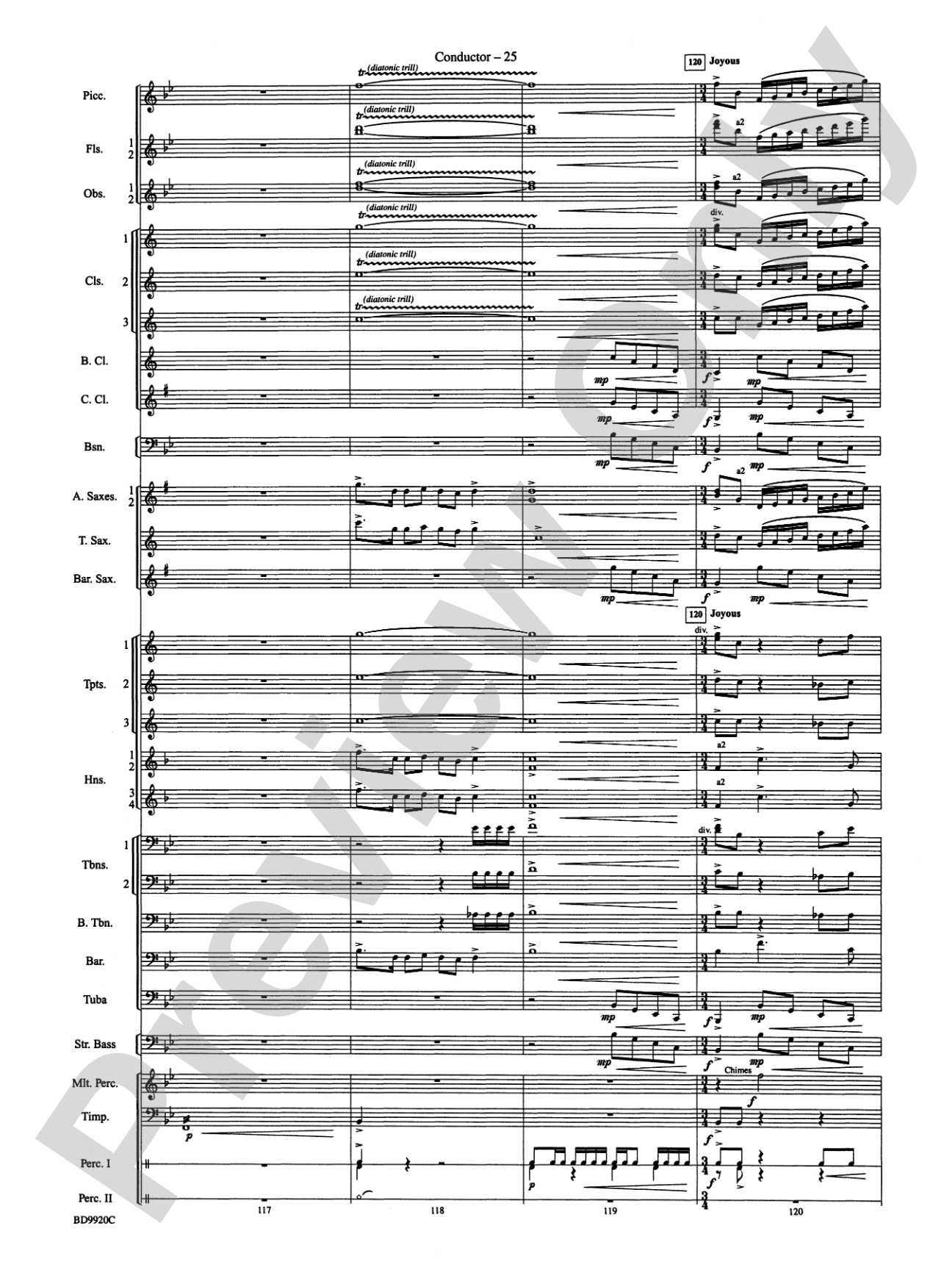
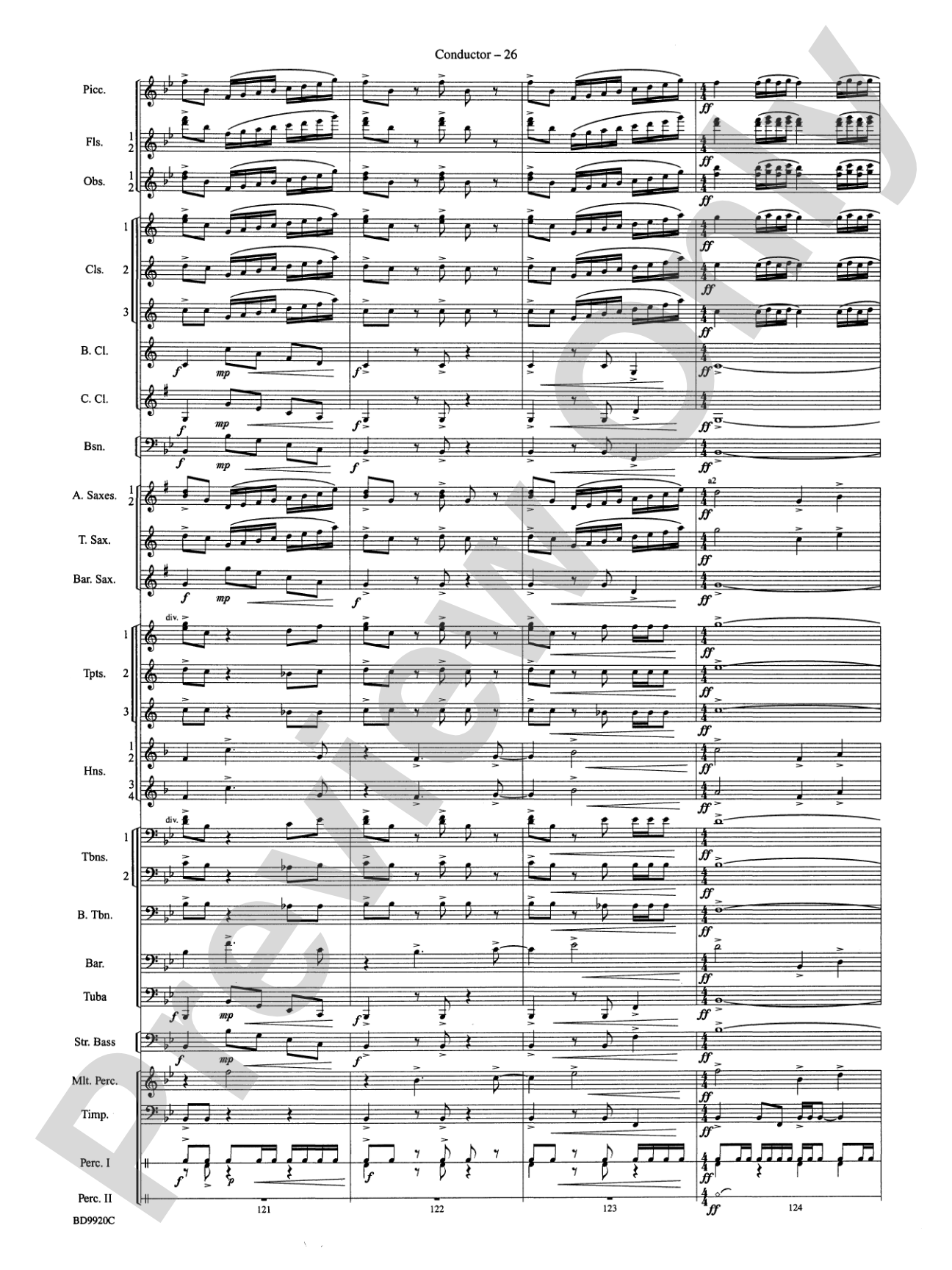
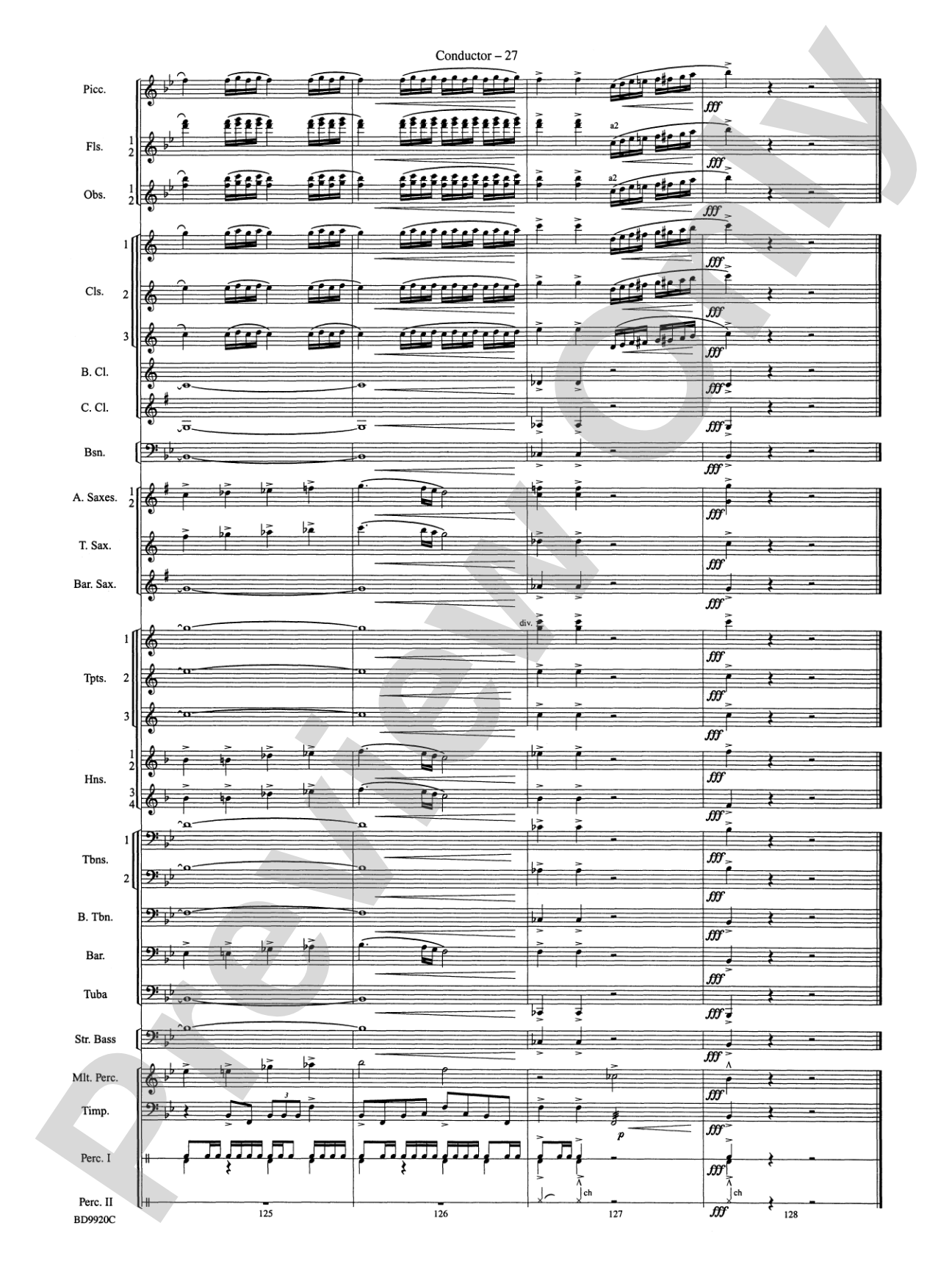

On Eagle's Wings: Score
By Robert W. Smith
Grade: 4 (Medium)
Item: 00-PR-0005802
$15.00
Pickup currently not available
Description
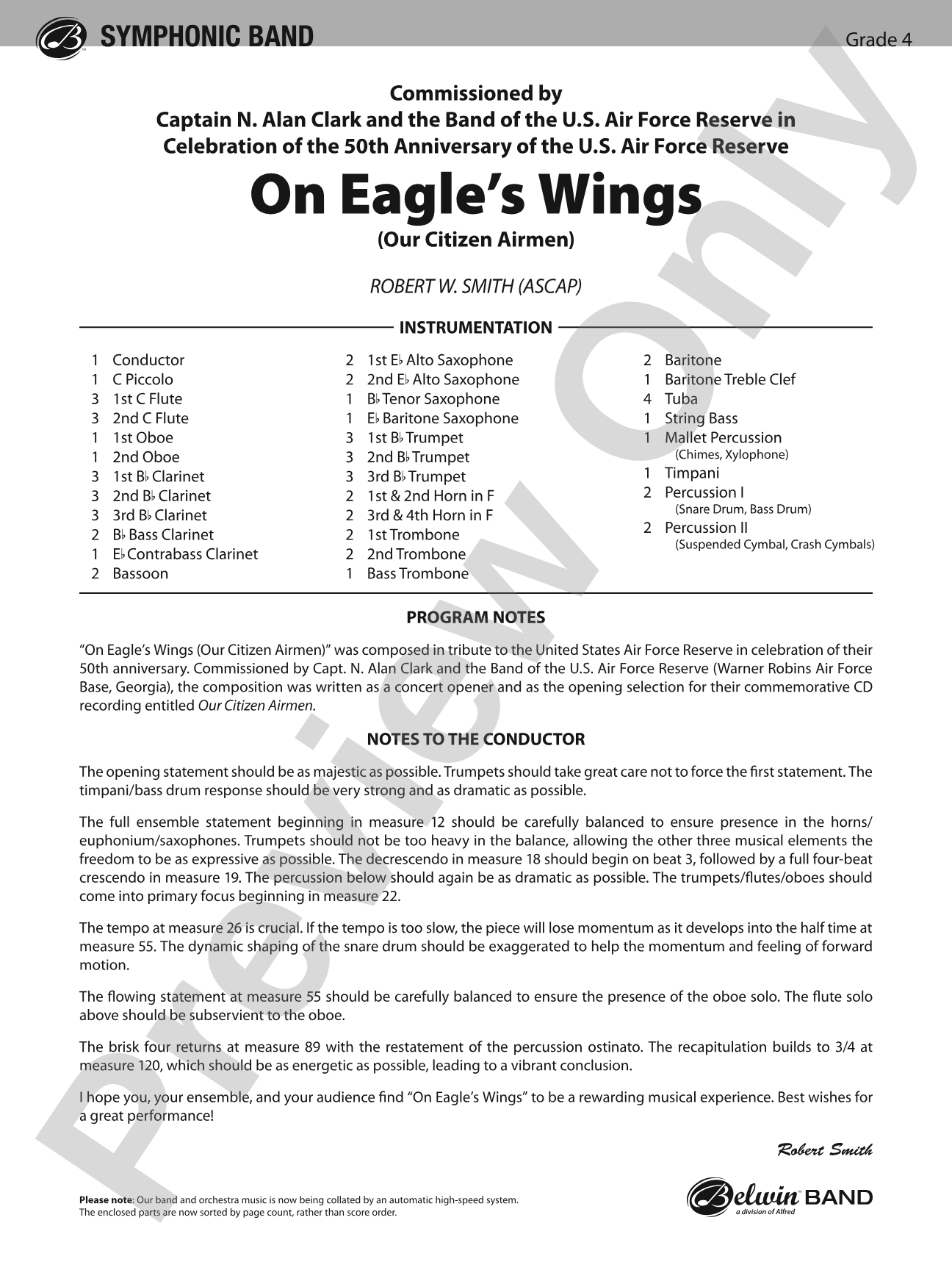
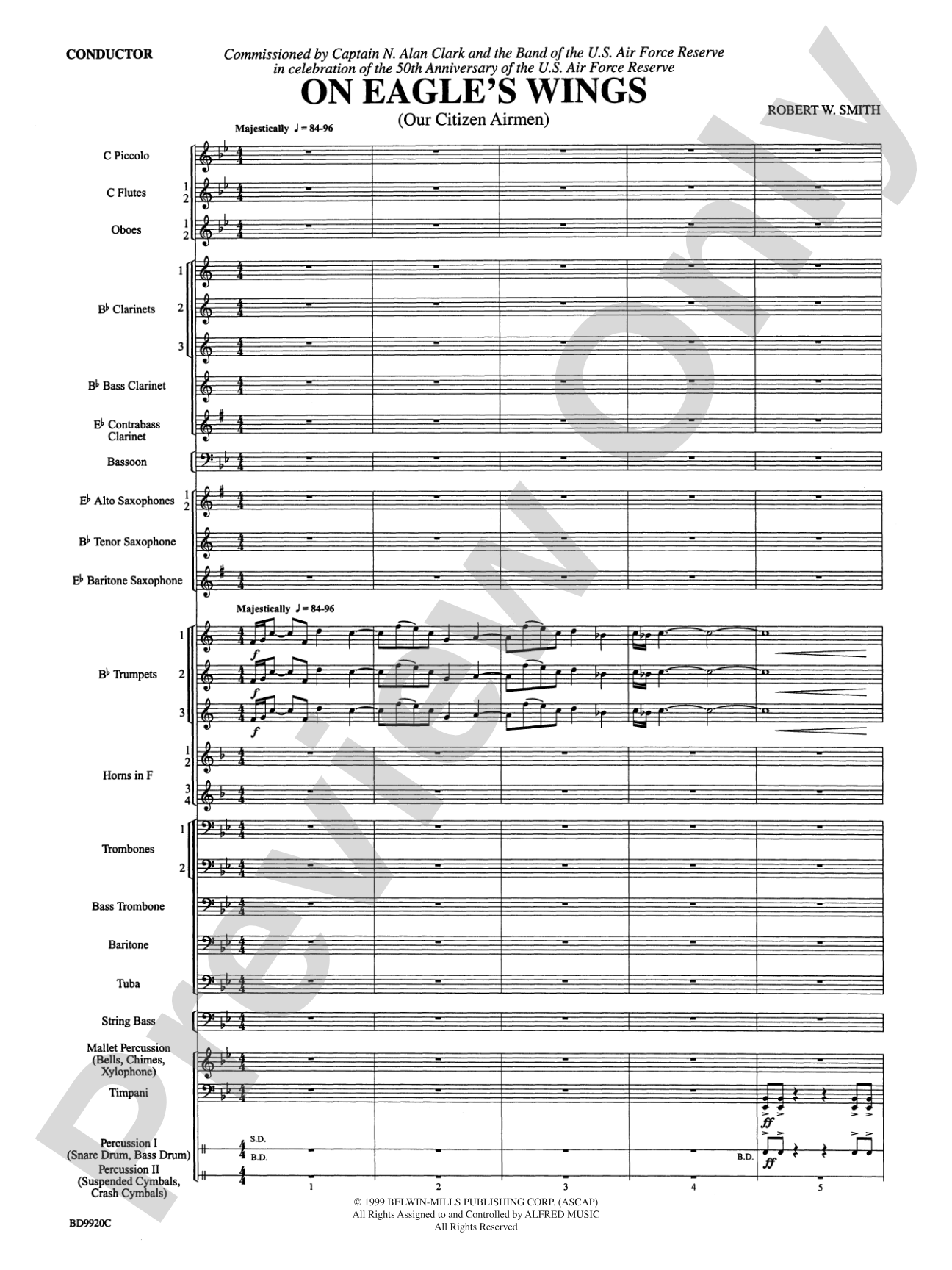
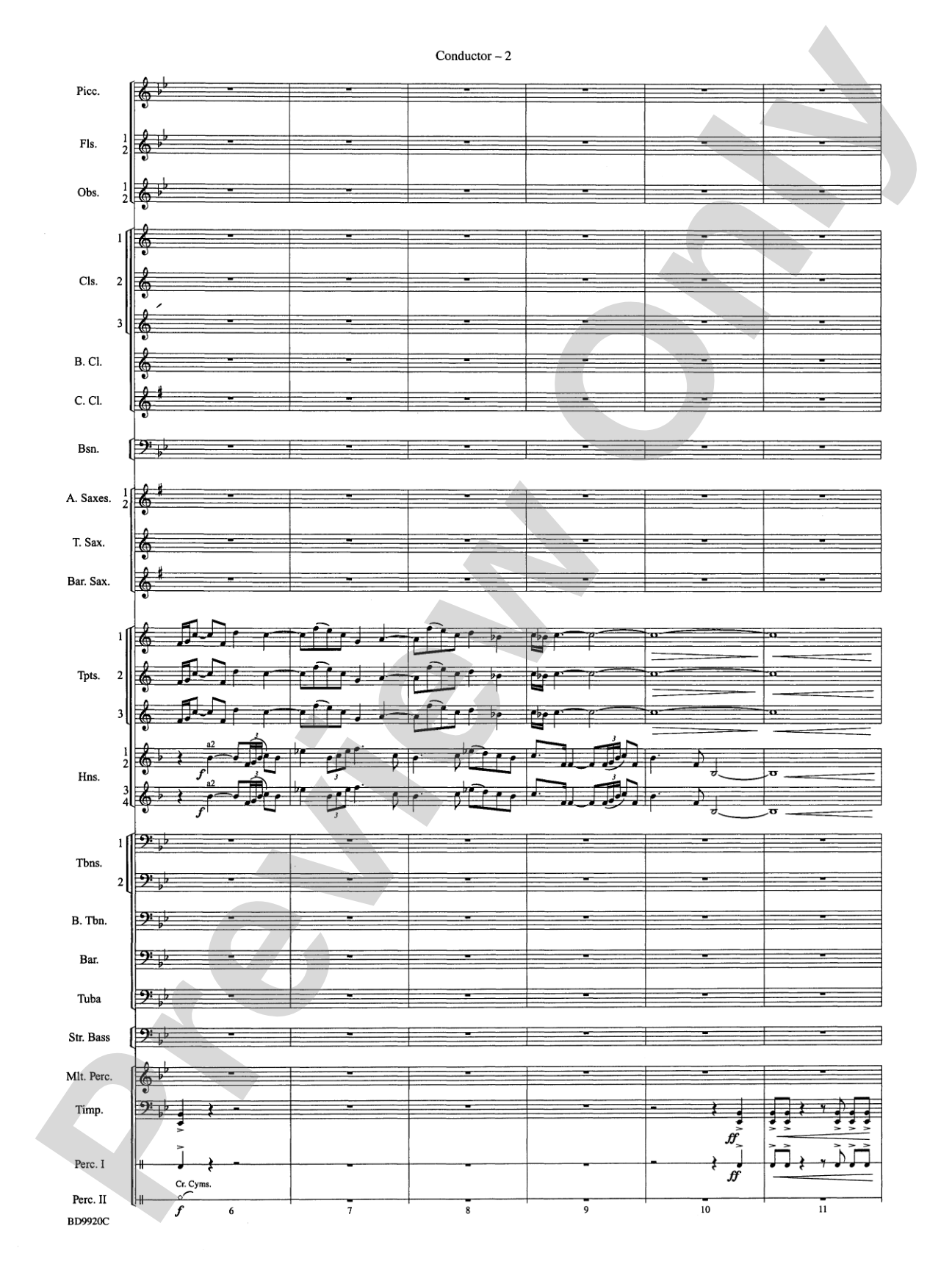
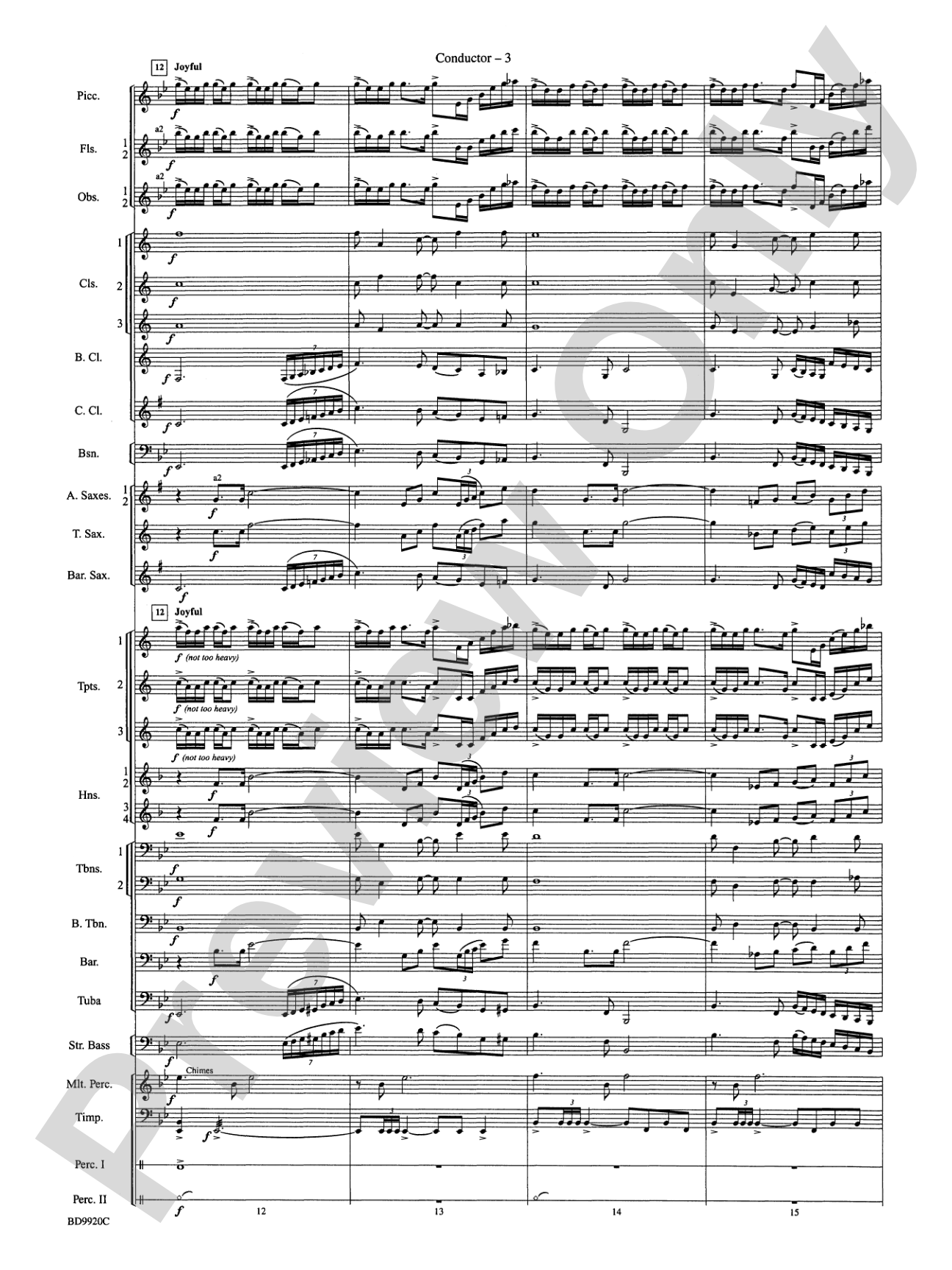
With majesty and grandeur, this brilliant new work will launch your next concert with all of the high energy audiences and players have come to expect from composer Robert W. Smith. Winds and percussion share equally in the excitement. A flowing middle section with fascinating sonorities contributes contrasts. Well within the capabilities of a quality band or ensemble, this work is destined for success in concert halls worldwide! (3:49)


Don't just read it, hear it, play along with it, and watch your students grow with it. In MakeMusic Cloud, On Eagle's Wings: Score comes alive with professional accompaniment, adjustable tempo, and built-in practice tools that turn solo practice into real progress.
Open in the Player
Jump straight in and assign it today.
Start Your Free Trial
Open this title and explore the full library in minutes.
Sample Audio
No sample audio found.
Sample Video
No sample videos found.
Additional Details
Series:
Belwin Symphonic Band
Publisher:
Alfred Music
Page Count:
248
SKU:
00-PR-0005802
More about this title
About the Composer: Robert W. Smith

Robert W. Smith stands among the most frequently performed American composers for concert band and orchestra, with over 400 published works to his credit. His training in music education (Troy State University) and advanced composition (University of Miami) shaped a distinctive voice that balances accessibility with musical substance, making his works staples in rehearsal rooms across North America, Europe, Australia, and Asia.
Beyond the concert hall, Smith's compositions have underscored major cultural moments: presidential ceremonies in Japan, Olympic broadcasts, the Macy's Thanksgiving Day Parade, and opening day at Dodger Stadium. As both composer and clinician, he continues to influence band directors and student musicians worldwide, while signature works like The Tempest and his symphonies The Divine Comedy and The Odyssey remain essential repertoire for developing ensembles.
Why we love this
Smith's gift for balancing high-impact opening gestures with genuine musical substance makes this work an ideal concert opener. The shared responsibility between winds and percussion ensures no section takes a backseat, and the contrasting middle section provides the architectural interest that keeps both performers and audiences engaged from first note to final chord.
What to expect
Majestic and propulsive from the first measure, with a soaring, confident primary theme that builds momentum. The middle section shifts into something more introspective and colorful, allowing the band to explore richer harmonic textures before the return lifts the entire ensemble back into the grandeur of the opening.
Who it's for
Grade 4 bands with solid fundamentals and balanced instrumentation will find this well-suited to their capabilities. Directors seeking a concert opener that delivers energy and polish without requiring extraordinary technical demands will appreciate Smith's craftsmanship here.
How to get the most out of it
- Shape the opening material with clear dynamic boundaries. The majesty here depends on precise control of the crescendos and a clean attack on the primary theme, so establish these benchmarks early in rehearsal.
- Bring out the wind and percussion interplay in the flowing middle section. Balance inner voices carefully so the "fascinating sonorities" Smith mentions don't collapse into a thick wash.
- Lock the return to the main theme with absolute ensemble confidence. After the textural contrast of the middle, this moment needs coordinated precision to land its full impact.
How to use it
Program this as your opening work when you want to set a confident, energetic tone for the concert. Its four-minute arc makes it an ideal anchor before deeper or more experimental works, and its broad appeal suits both all-state festivals and general audience concerts equally well.
Skills your students will build
- Maintaining focused dynamics across ensemble sections during thematic material
- Balancing independent wind and percussion lines without losing overall ensemble blend
- Executing clean attacks and releases in rapid harmonic changes
- Sustaining tone quality through longer melodic phrases
- Responding to subtle textural shifts between contrasting sections