


On a Slow Boat to China: Choral Instrumental Pak
Arranged by Kirby Shaw
Item: 35-PK00260495
$20.00
Pickup currently not available
Buy Extra Parts (Digital PDF Download)
| Product | Price | Quantity |
|---|---|---|
| On a Slow Boat to China - Guitar: Choral Instrumental Pak | $7.00 | |
| On a Slow Boat to China - Bass: Choral Instrumental Pak | $7.00 | |
| On a Slow Boat to China - Drums: Choral Instrumental Pak | $7.00 |
Parts Added to Cart!
Description
Set in a medium swing, this jazz standard cooks from start to finish! Opening with unison vocals, it moves to two-part, then four-part jazz chords over a steady walking bass. The group scat chorus packs a punch and leads to a tasty modulation, final chorus and easy out for a super vocal jazz showcase. Duration: ca. 3:10.


On a Slow Boat to China: Choral Instrumental Pak isn't in MakeMusic Cloud just yet...but it could be. Let us know you'd like to see it, and you'll help shape what comes next. In the meantime, start a free trial and dive into thousands of interactive titles your students can play along with today.
Request This Title
Tell us you want it.
Start Your Free Trial
Explore everything that's ready to play right now.
Sample Audio
No sample audio found.
Sample Video
No sample videos found.
Additional Details
Publisher:
Hal Leonard
SKU:
35-PK00260495
More about this title
About the Arranger: Kirby Shaw
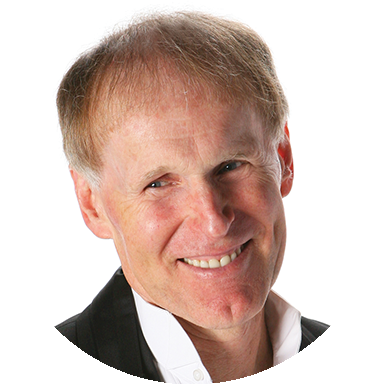
Kirby Shaw's influence spans music education across North America, Europe, and beyond. Armed with degrees in Music Education and Choral Composition from San Jose State University and a DMA in Choral Conducting from the University of Washington, Shaw has built his career on infectious enthusiasm and deep musical knowledge. He founded and directed the acclaimed COS Vocal Jazz Ensemble at College of the Siskiyous, then established similar programs at Colorado State University and the University of Missouri at Kansas City. Now directing the Jefferson State Choral Coalition at Southern Oregon University, Shaw continues to shape how vocalists approach jazz repertoire.
Shaw's credentials as a vocalist and musician run just as deep as his work as an educator. He has studied jazz scatting with Bobby McFerrin, Mark Murphy, Chris Calloway, Al Jarreau, and Jon Hendricks, who famously told him, "Man, you don't make mistakes!" As a composer and arranger, Shaw has created over 2500 works for choir that have sold nearly 20 million copies worldwide and earned multiple ASCAP awards. He performs with Just 4 Kicks, a four-man a cappella jazz ensemble, and recently completed the original musical Scroogical with his wife, Markita, based on Charles Dickens' A Christmas Carol.
Why we love this
Shaw knows exactly how to build momentum in a vocal jazz chart. The structural arc here is taught: unison opens cleanly, harmonies deepen with purpose, the scat chorus crackles with energy, and the modulation feels earned rather than tacked on. Your singers will enjoy a piece that respects their growth as interpreters while keeping them engaged from downbeat to final out.
What to expect
Warm, propulsive, and playful. The steady walking bass pulls everything forward while the harmonies shift with sophistication underneath vocal lines that ask singers to interpret rather than just execute. There's a vintage supper-club ease to it all.
Who it's for
Concert choirs and vocal jazz ensembles ready for a medium-difficulty swing arrangement with real harmonic content. The piece works for groups comfortable with jazz idiom and looking to program something that swings hard without requiring advanced scatting virtuosity.
How to get the most out of it
- Nail the walking bass foundation early in rehearsal. Once the ensemble locks into that steady pulse, the two-part and four-part sections settle naturally into the pocket.
- Shape the scat chorus with dynamic clarity. Individual clarity within ensemble cohesion makes the difference between a good pass and a memorable one.
- Use the modulation as a reset moment. Let the energy shift authentically into the final chorus rather than pushing harder. The key change does the heavy lifting.
- Keep the 'easy out' actually easy. Resist over-complicating the final measures. Shaw wrote restraint here, and restraint lands.
How to use it
Position this as a concert centerpiece that bridges classical programming and jazz repertoire. It works beautifully mid-program to energize an audience, or anchor a set devoted entirely to standards and swing repertoire. The three-minute duration makes it an ideal pairing with a longer classical work on either side.
Skills your students will build
- Reading and performing jazz harmony symbols and voicings
- Maintaining steady pulse over walking bass lines
- Scat singing with ensemble precision and clarity
- Interpreting style marks and articulation in swing context
- Modulating smoothly and re-entering after key changes
- Balancing individual expression with ensemble cohesion