
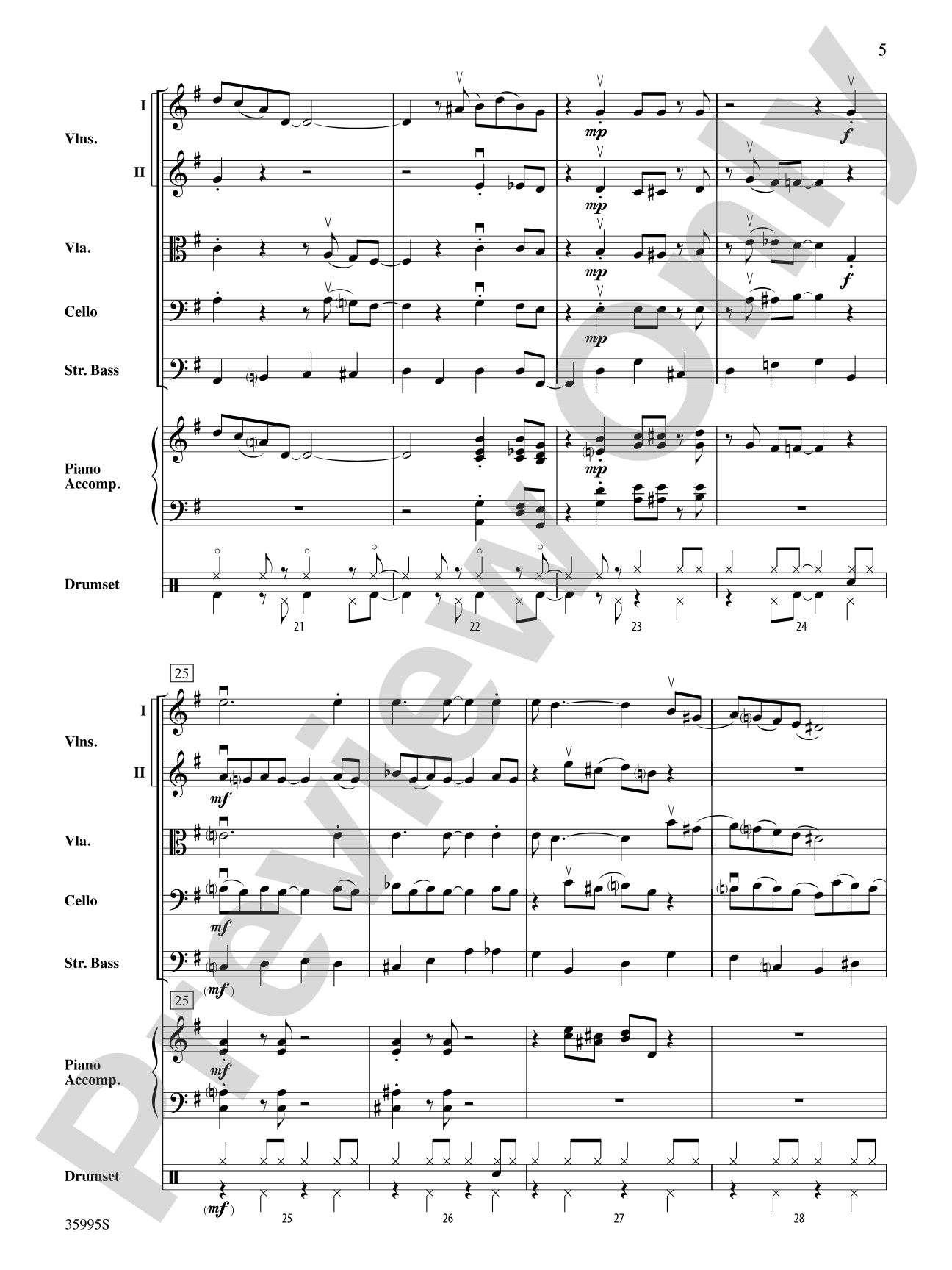
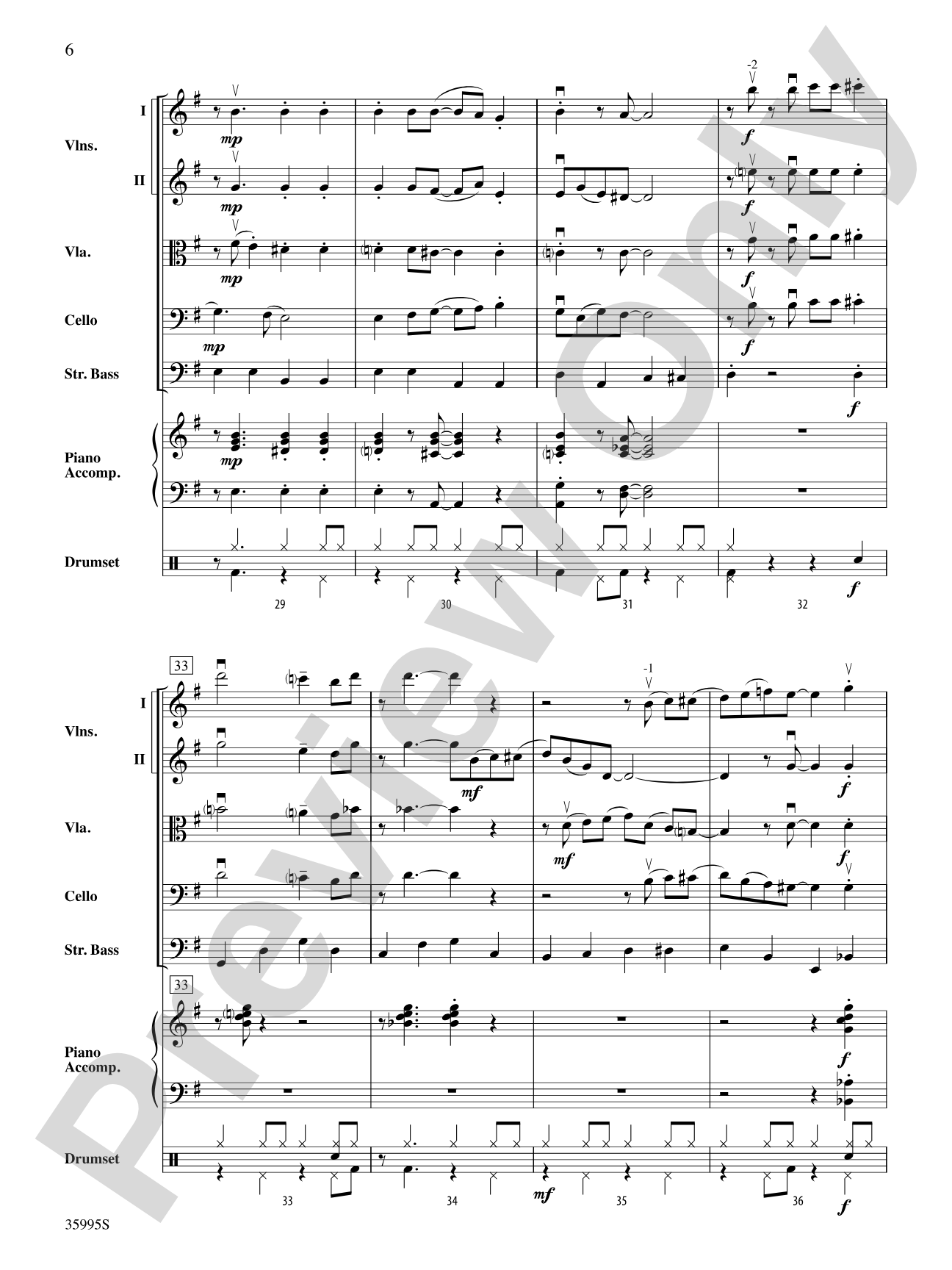
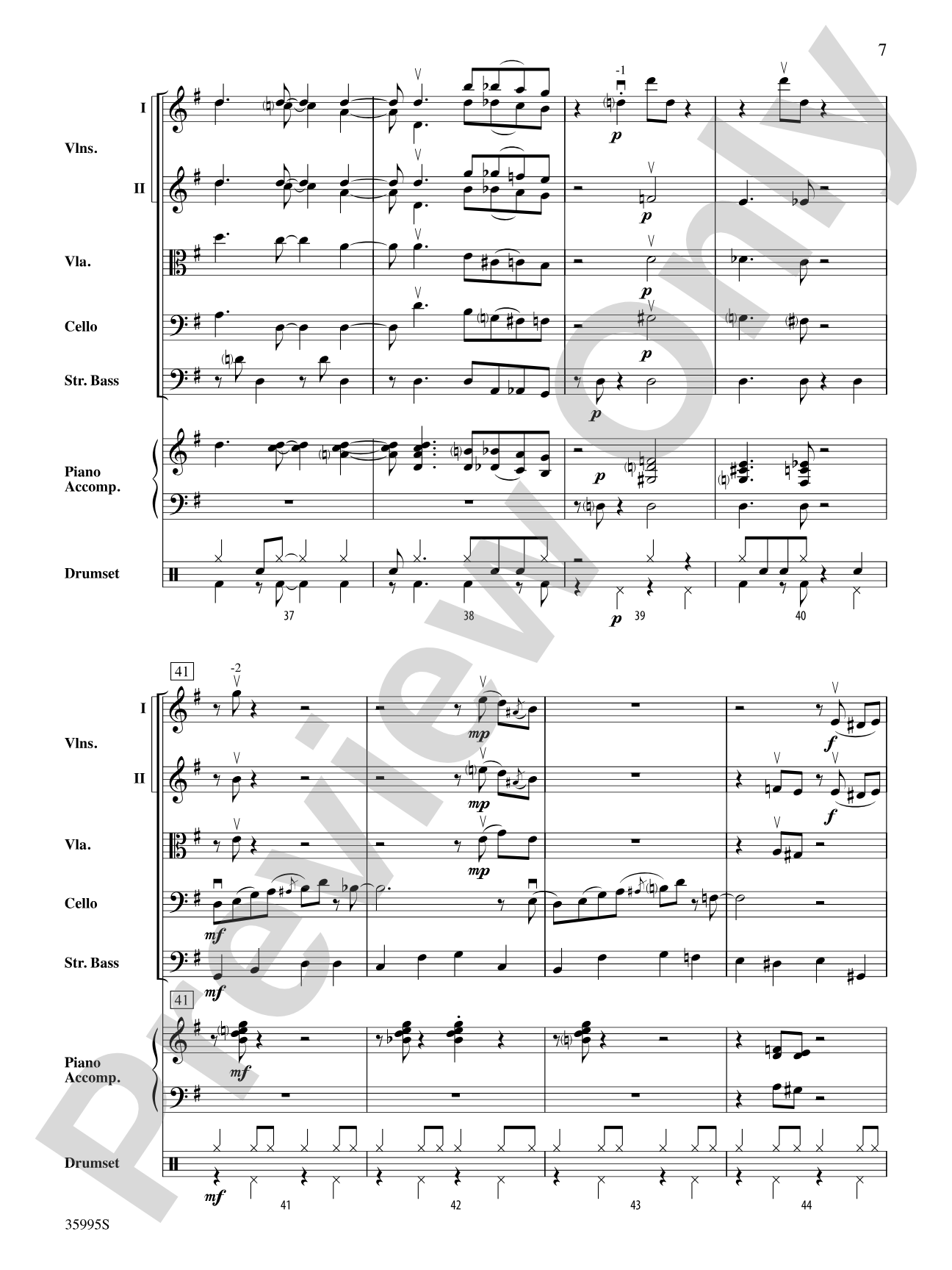
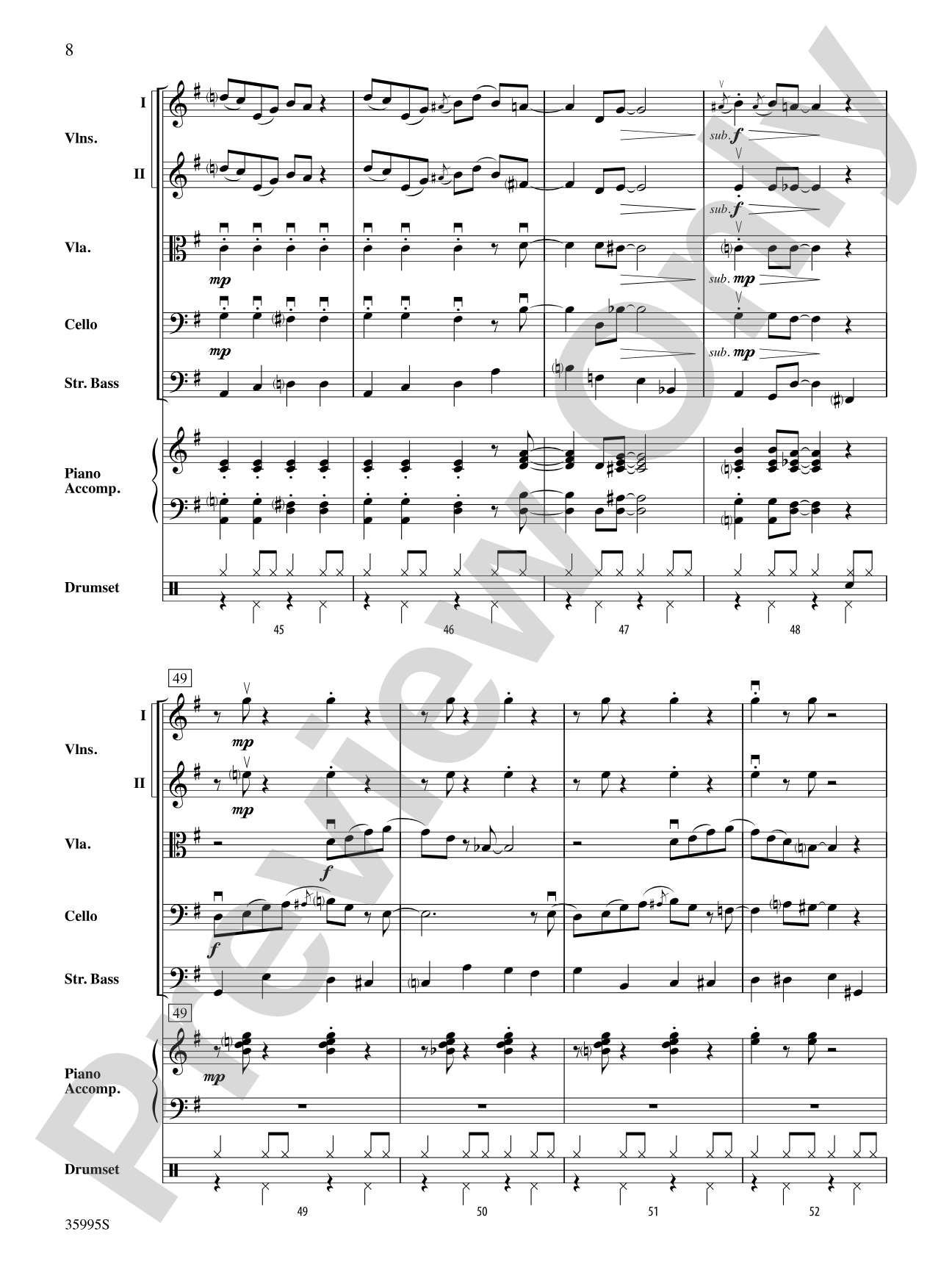
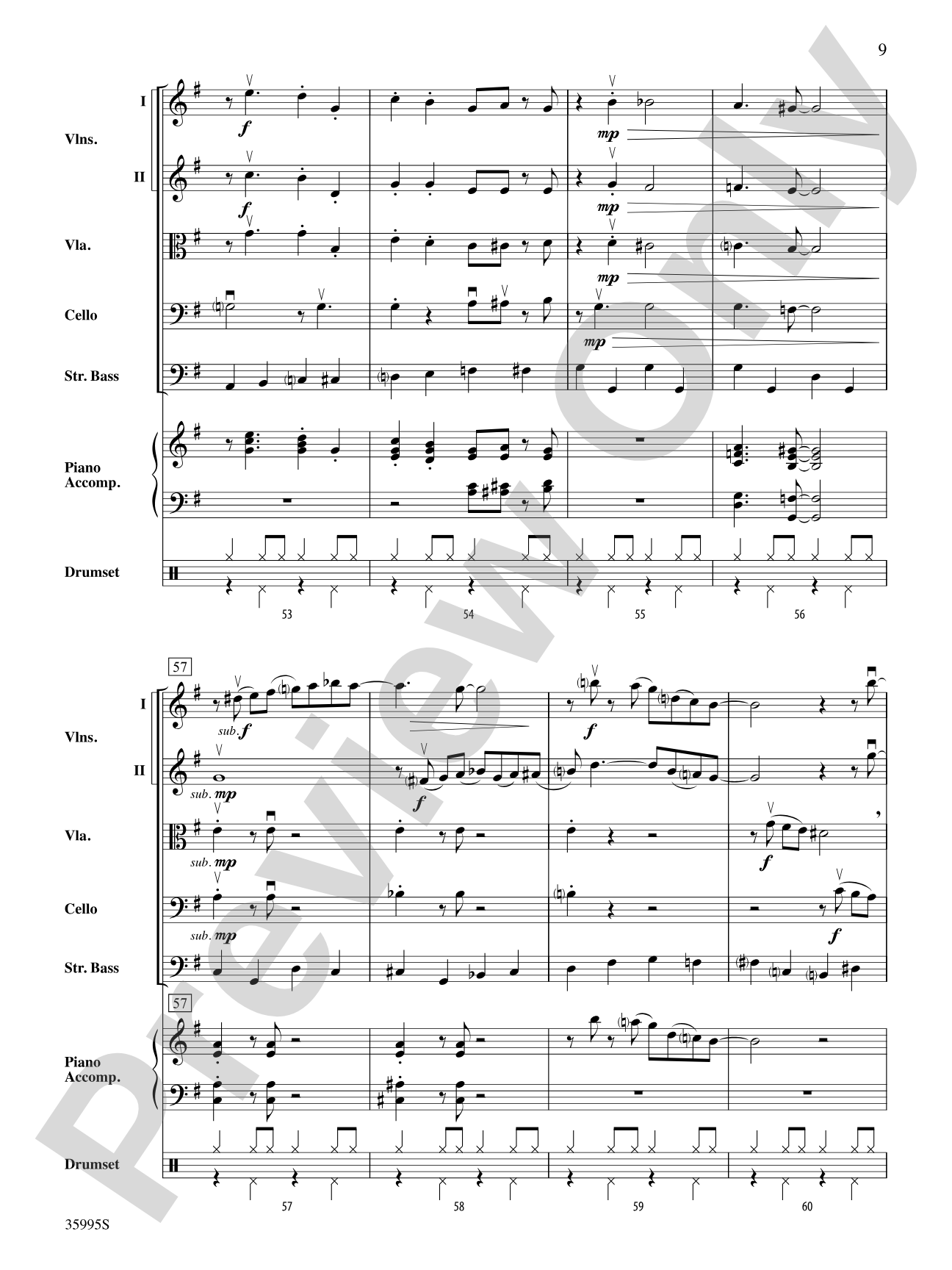
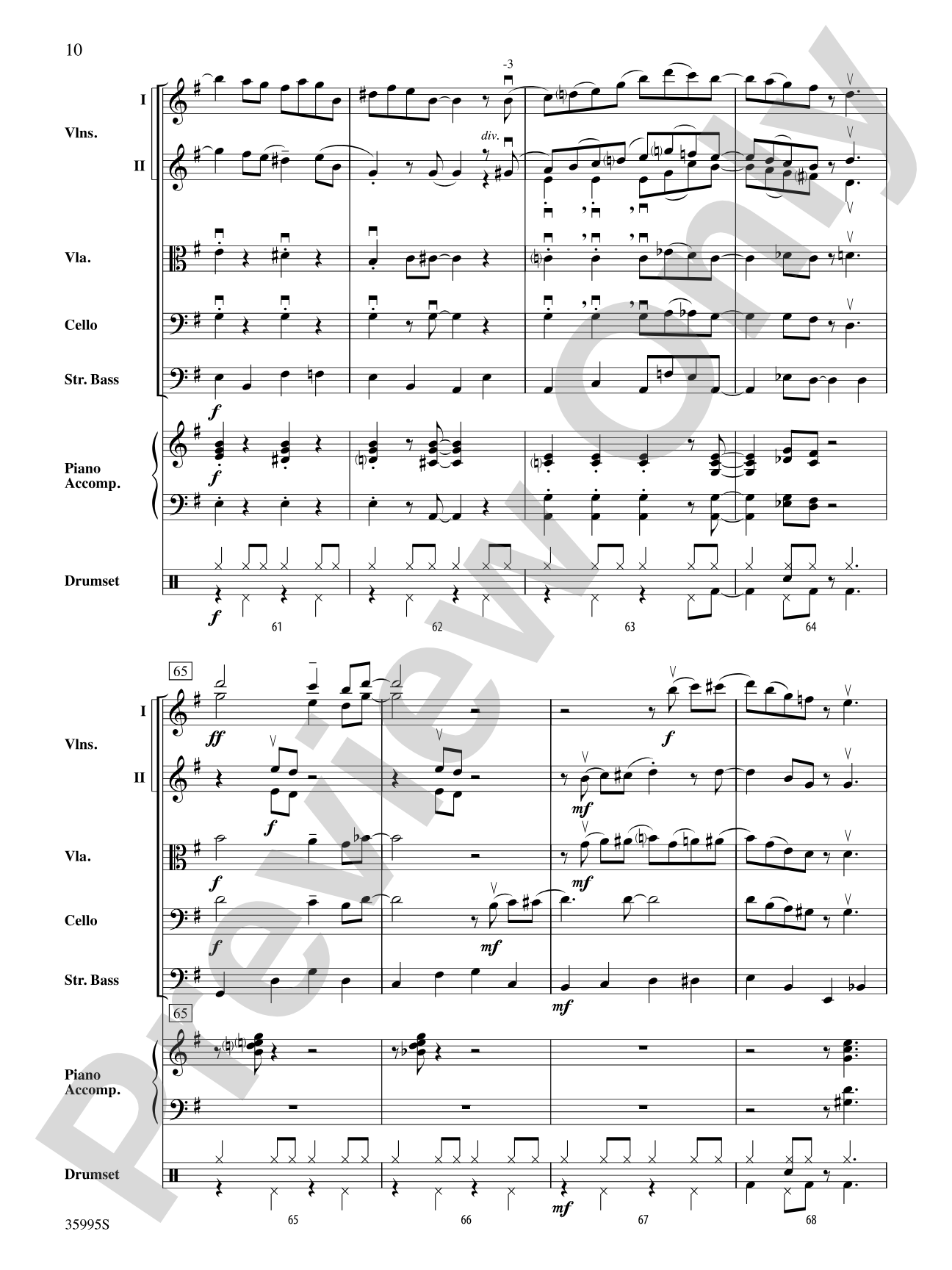
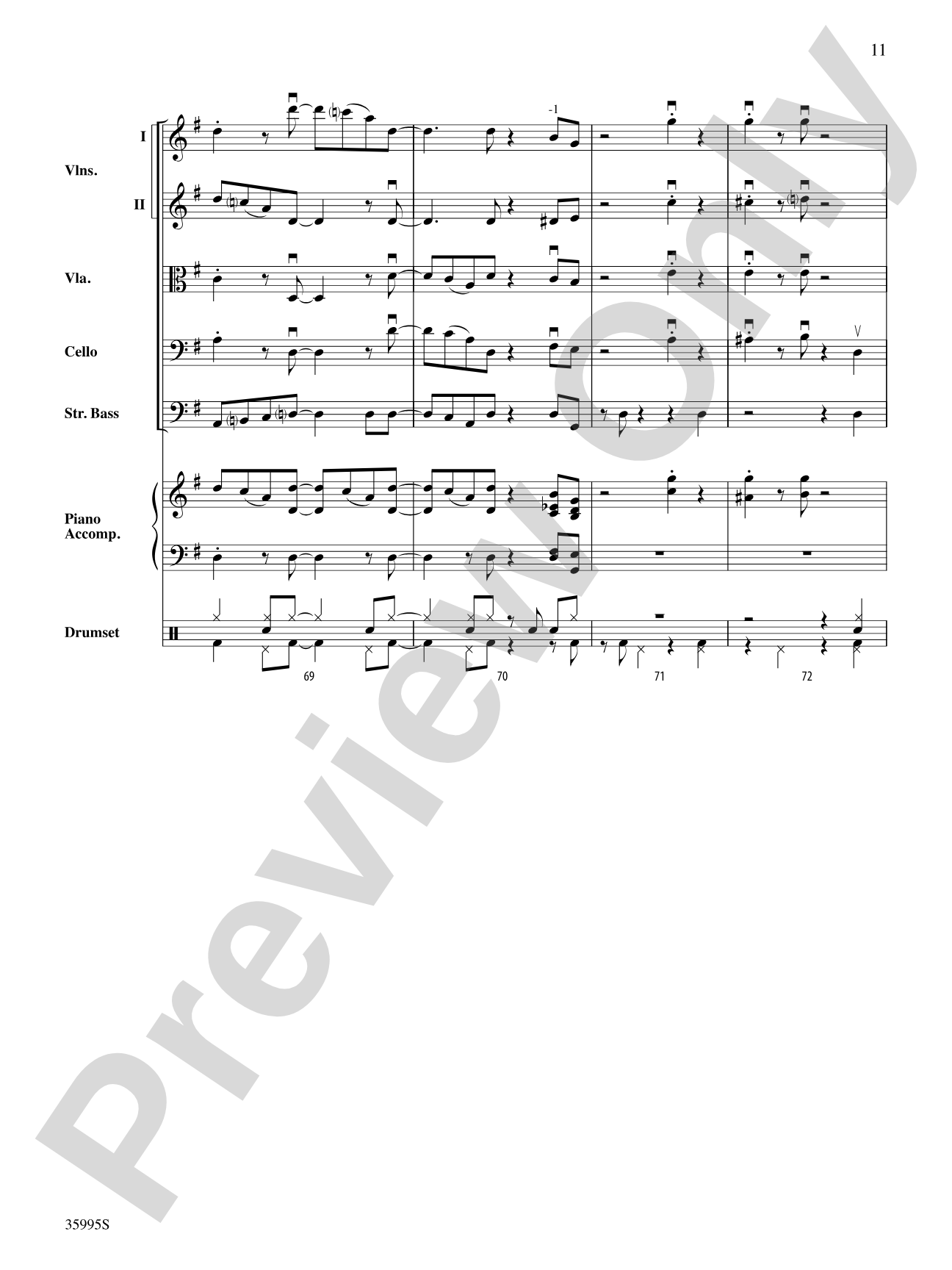
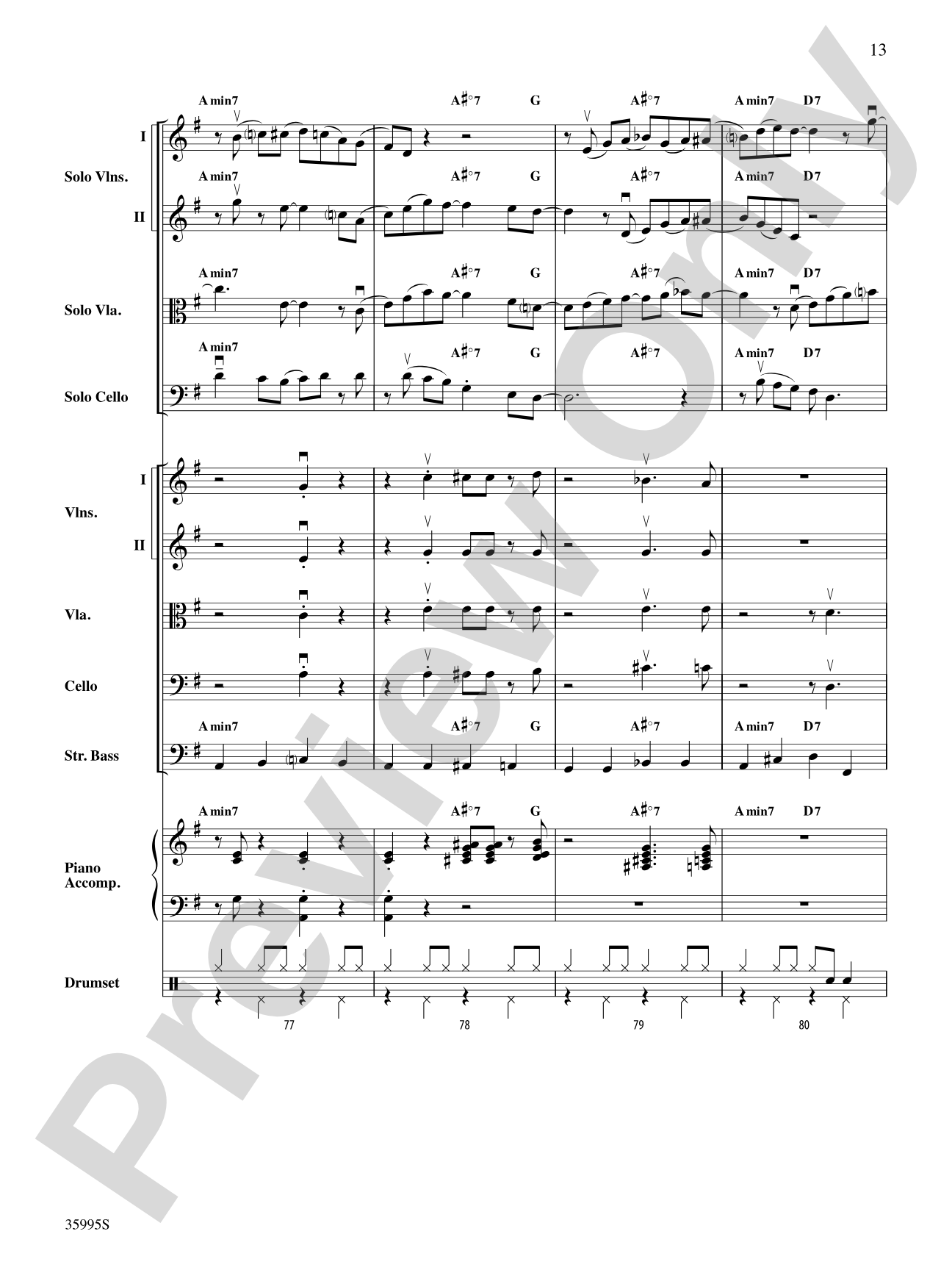
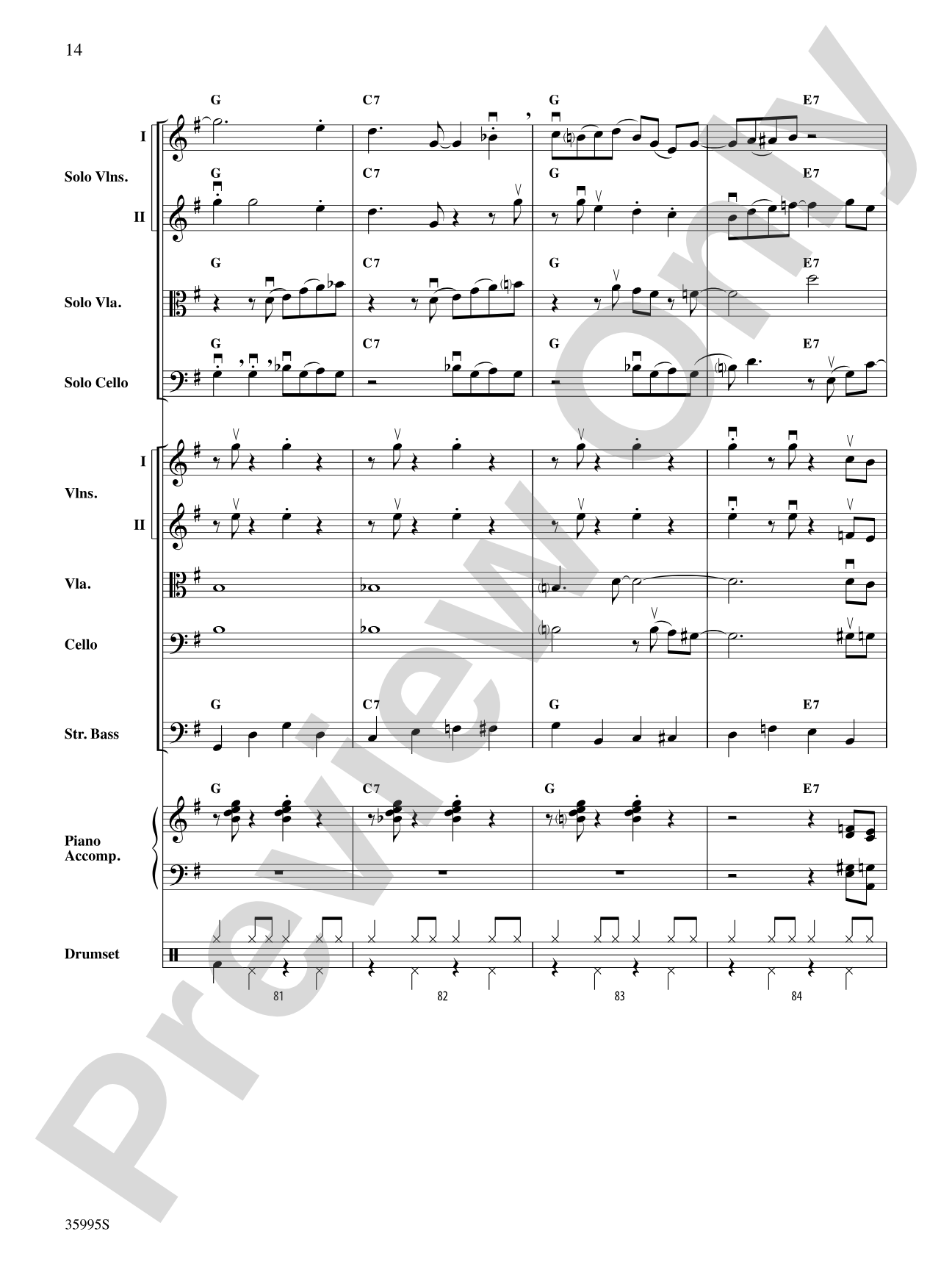
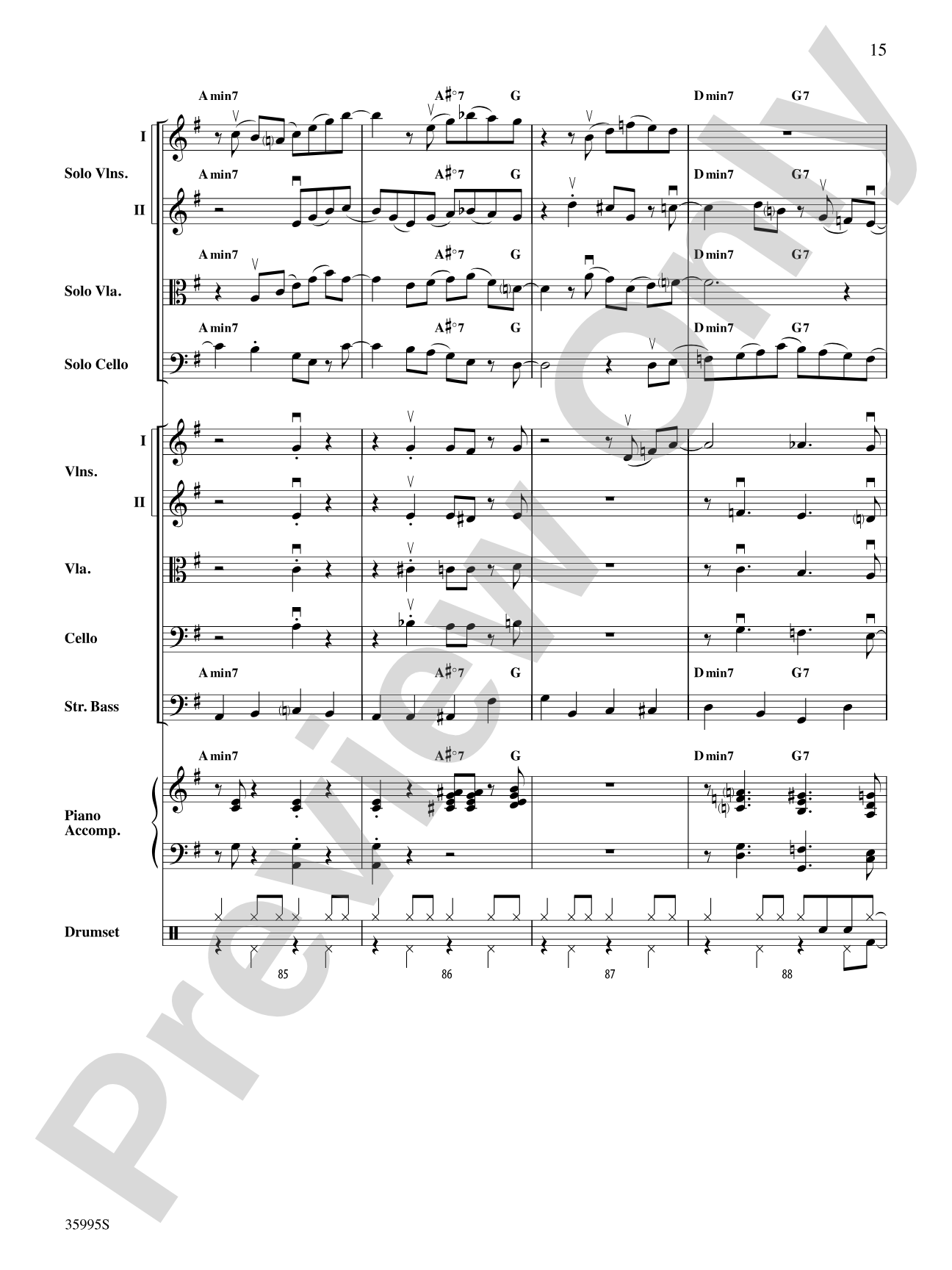
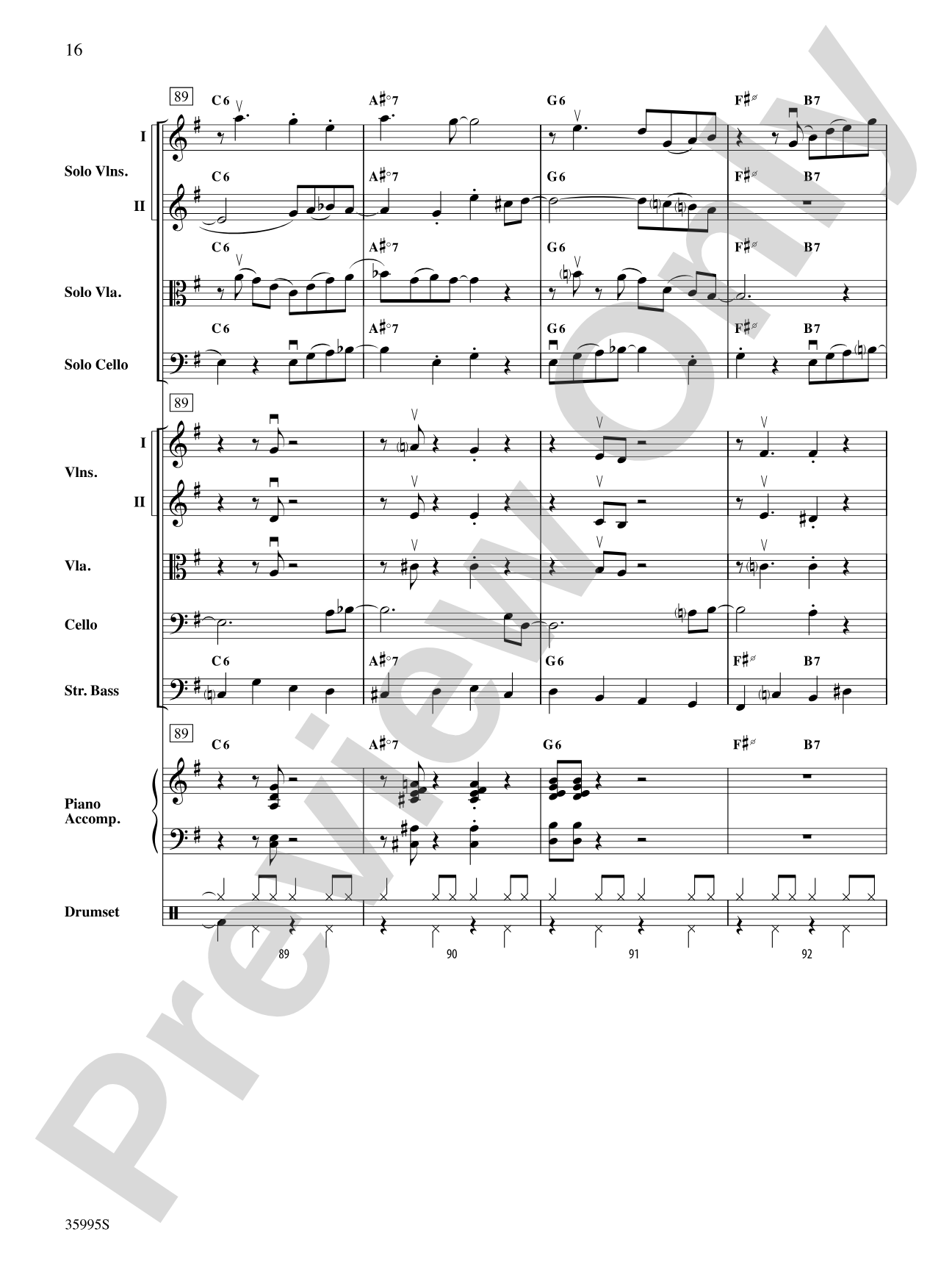
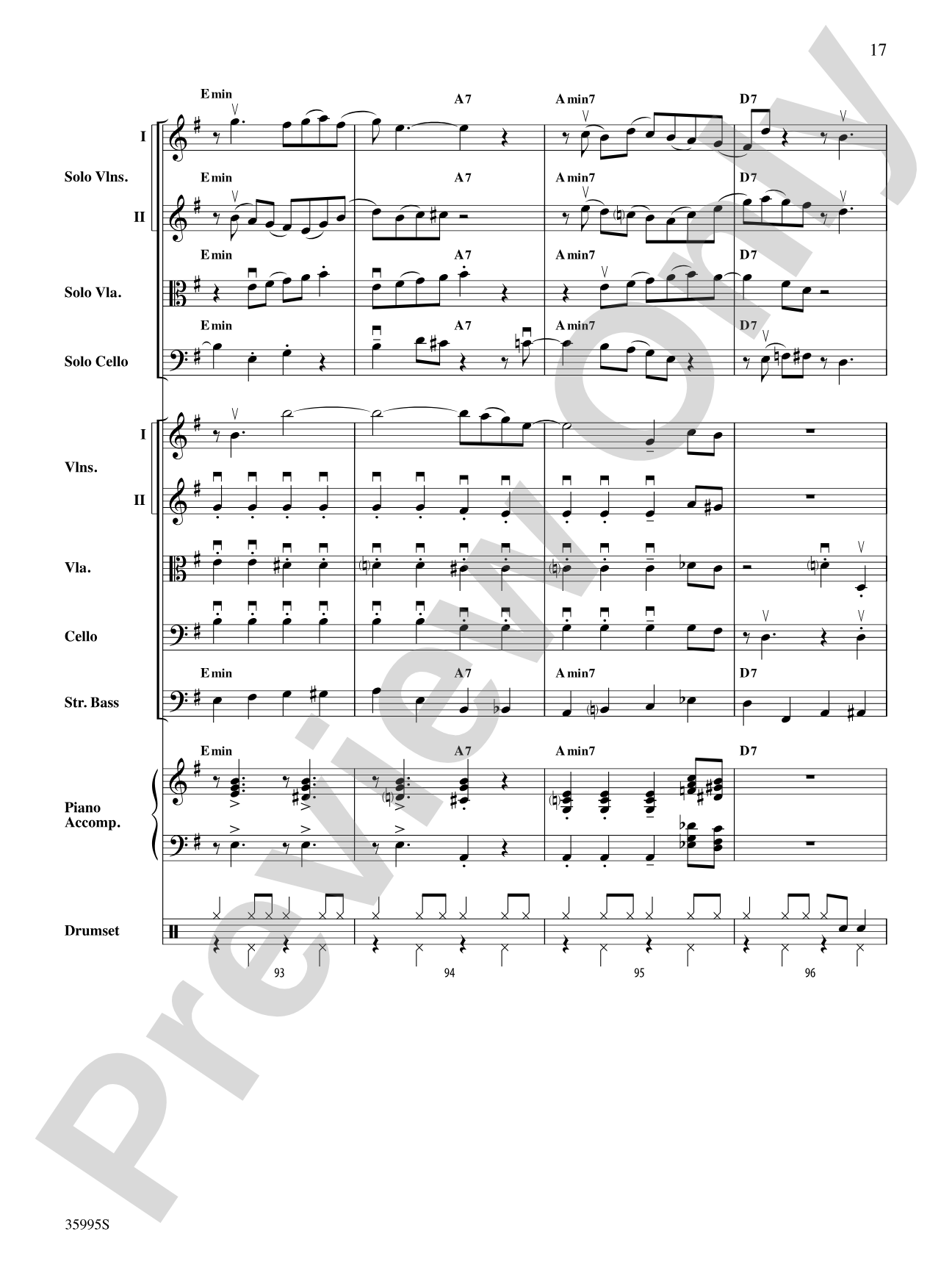
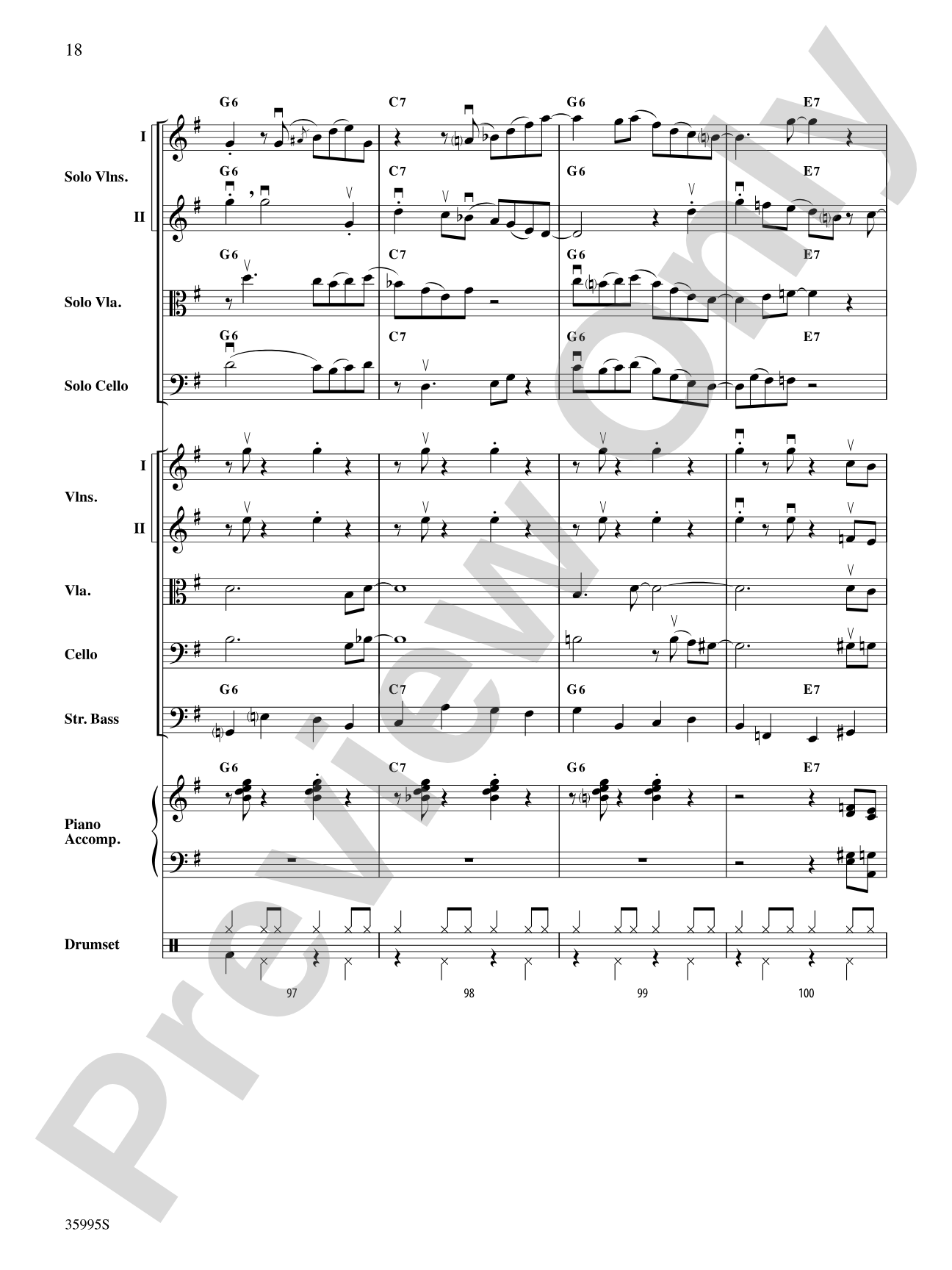
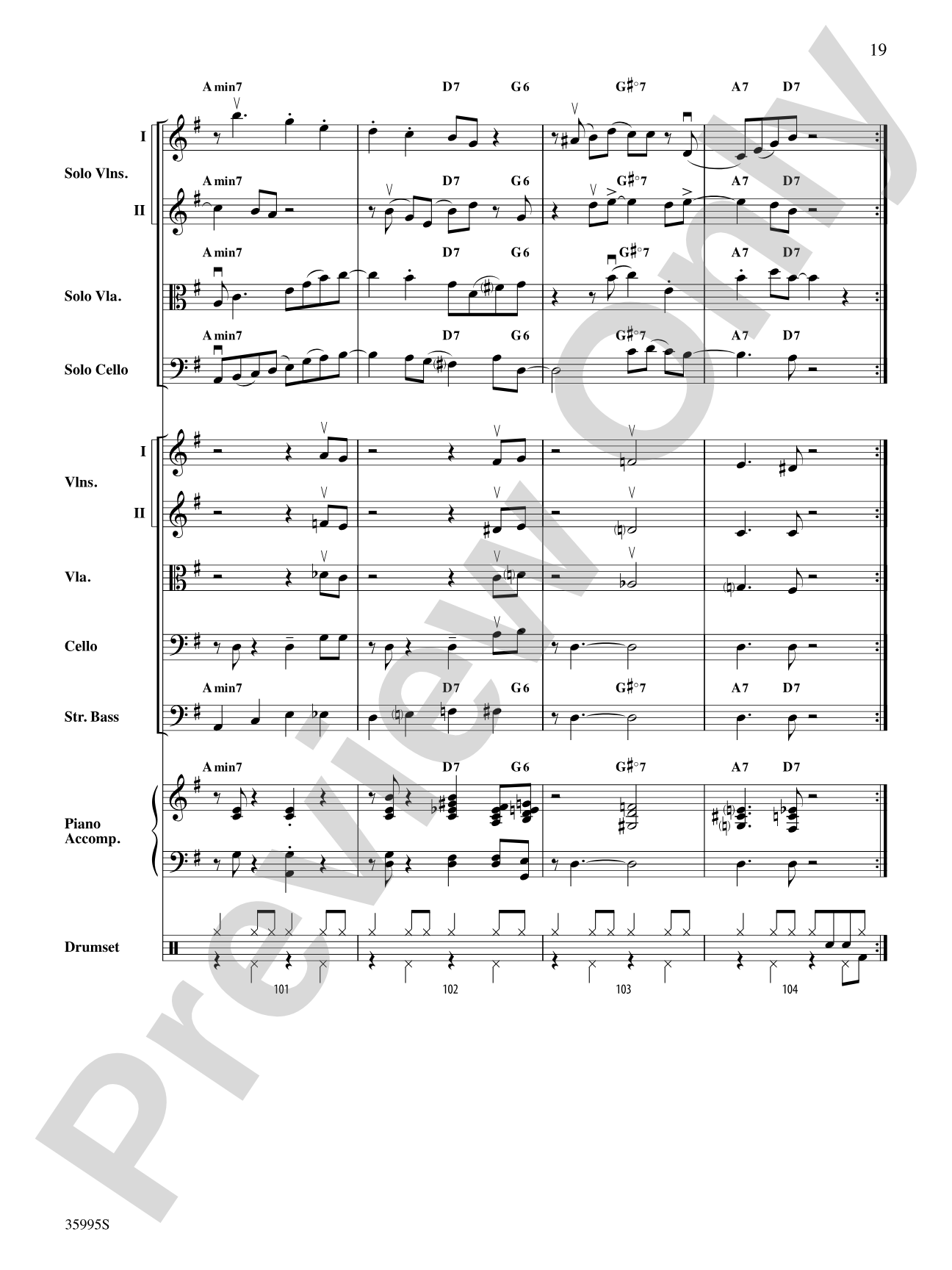
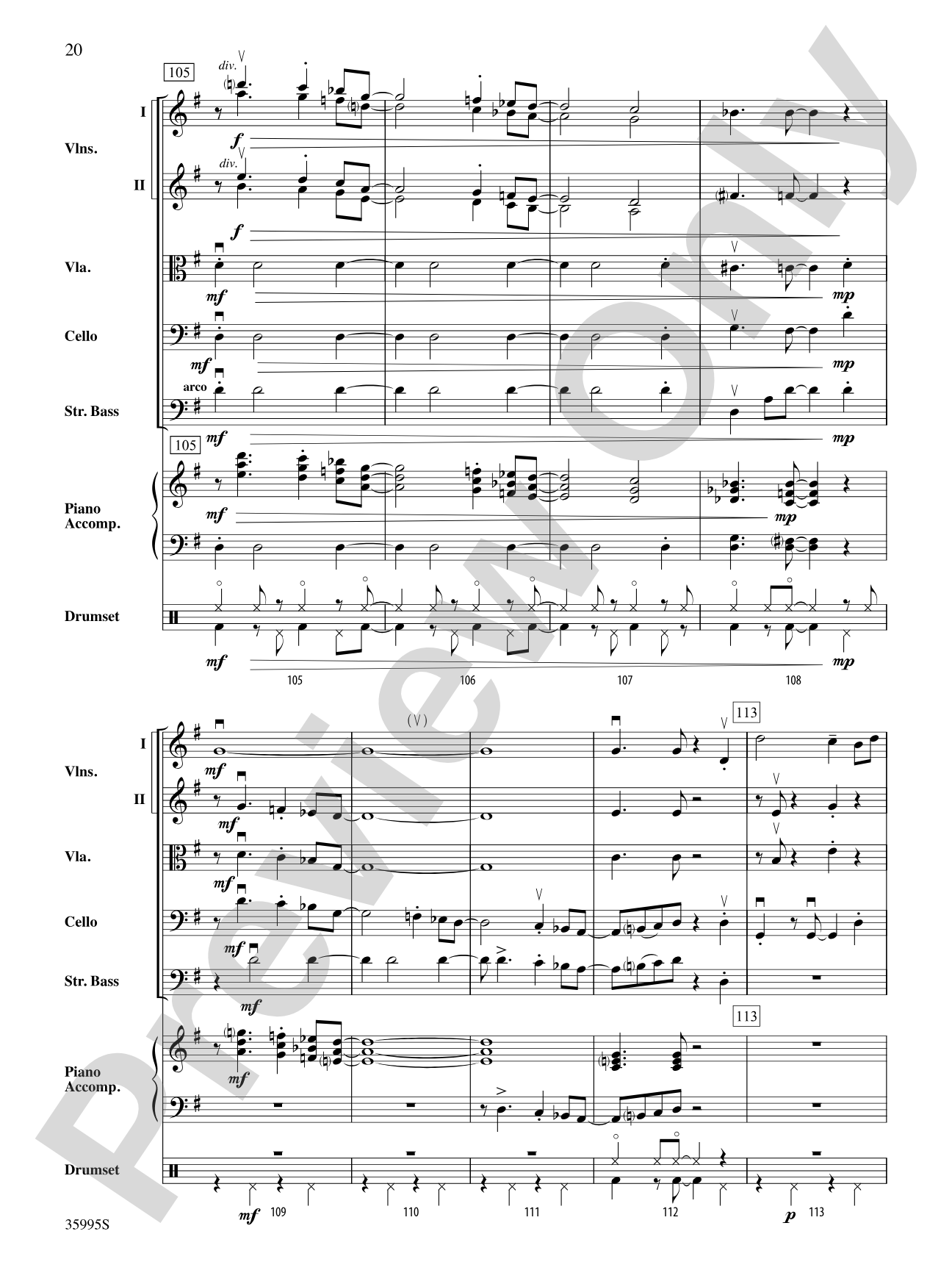
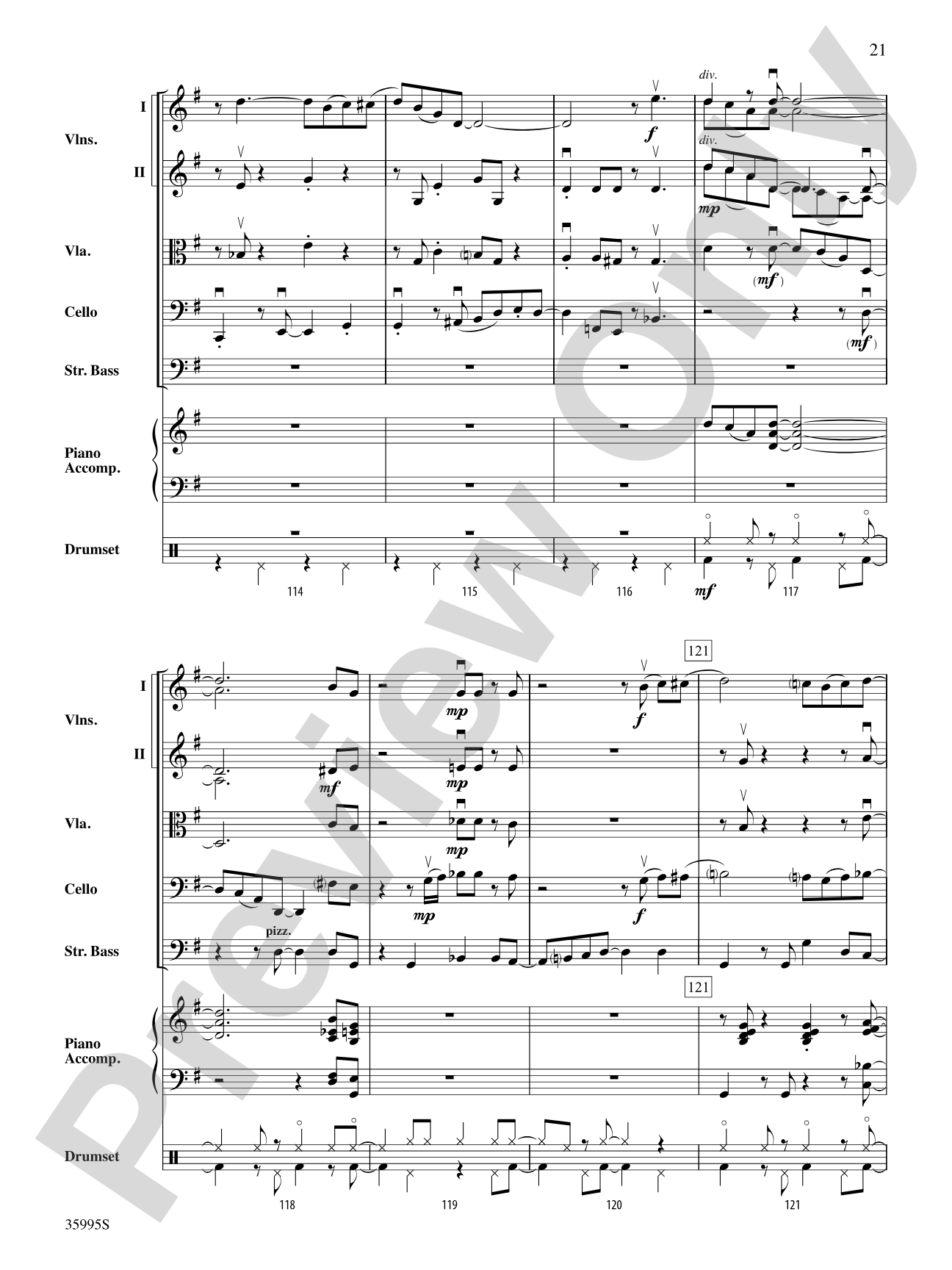
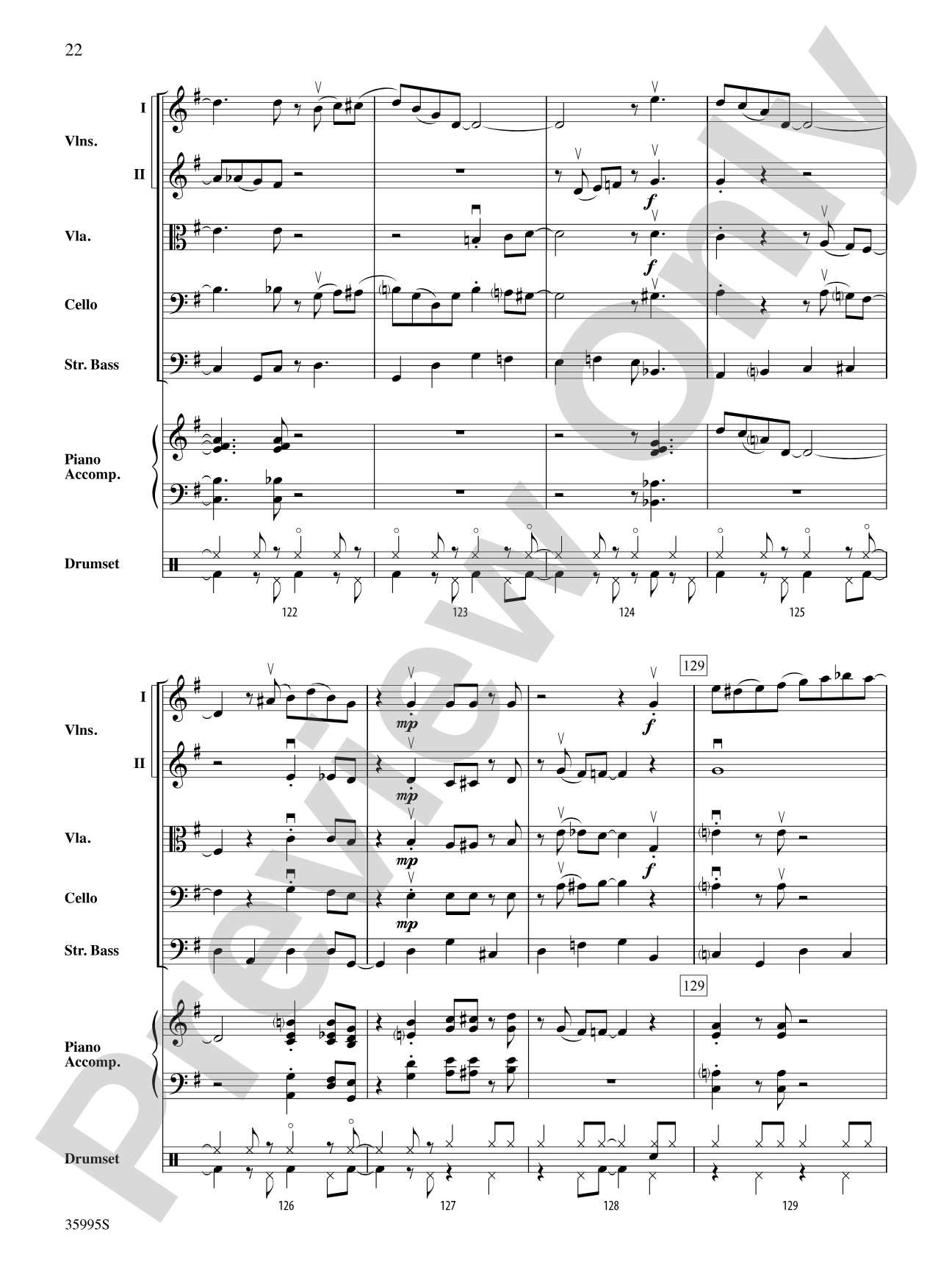
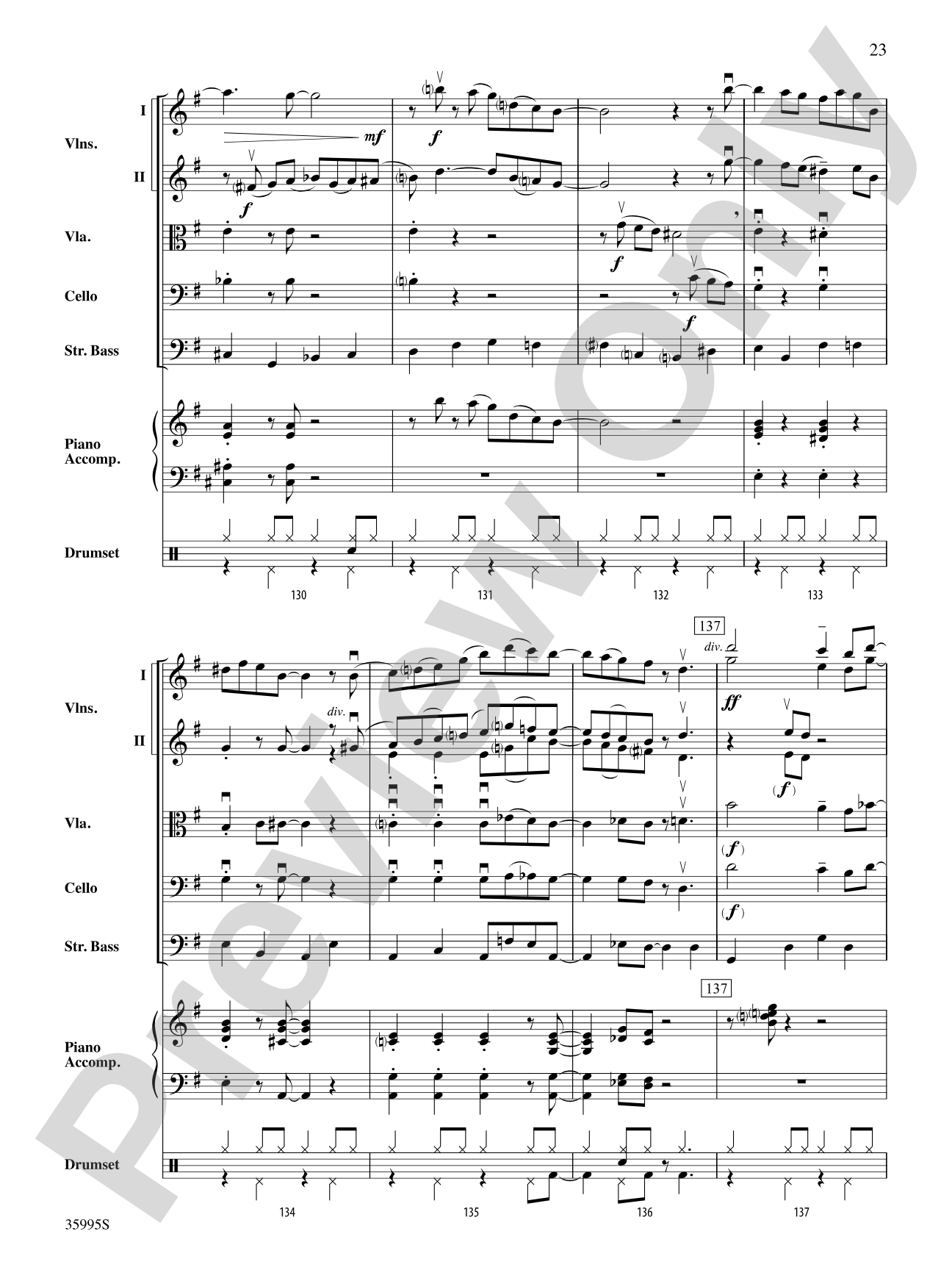
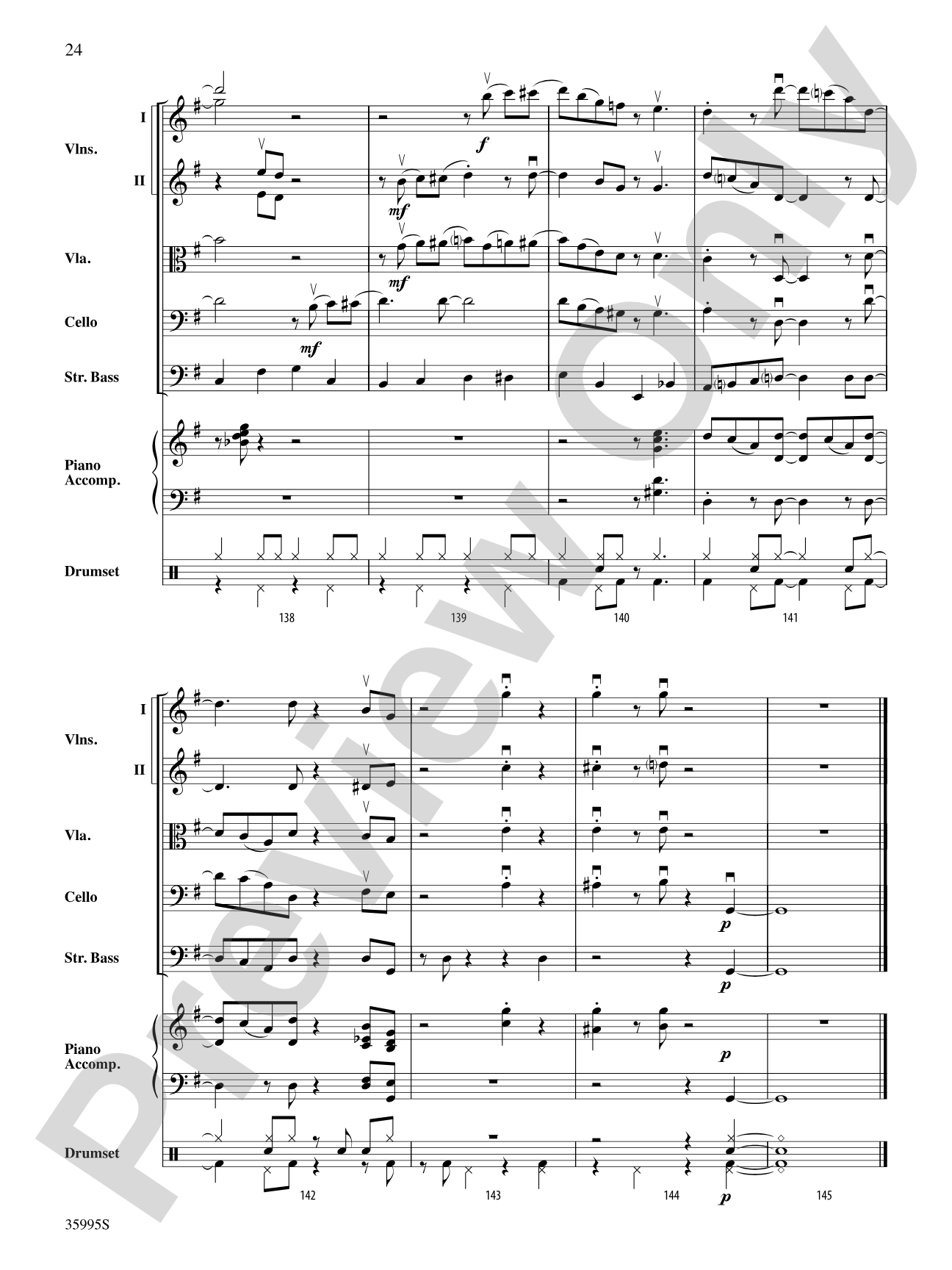

Oh, Lady Be Good!: String Orchestra Conductor Score & Parts
Music and lyrics by George Gershwin and Ira Gershwin / arr. Bert Ligon
Grade: 3
Item: 00-PK-0004782

$55.00
One moment…
Related Items
Oh, Lady Be Good!: String Orchestra Conductor Score & Parts |
$55.00
|
View |
Description
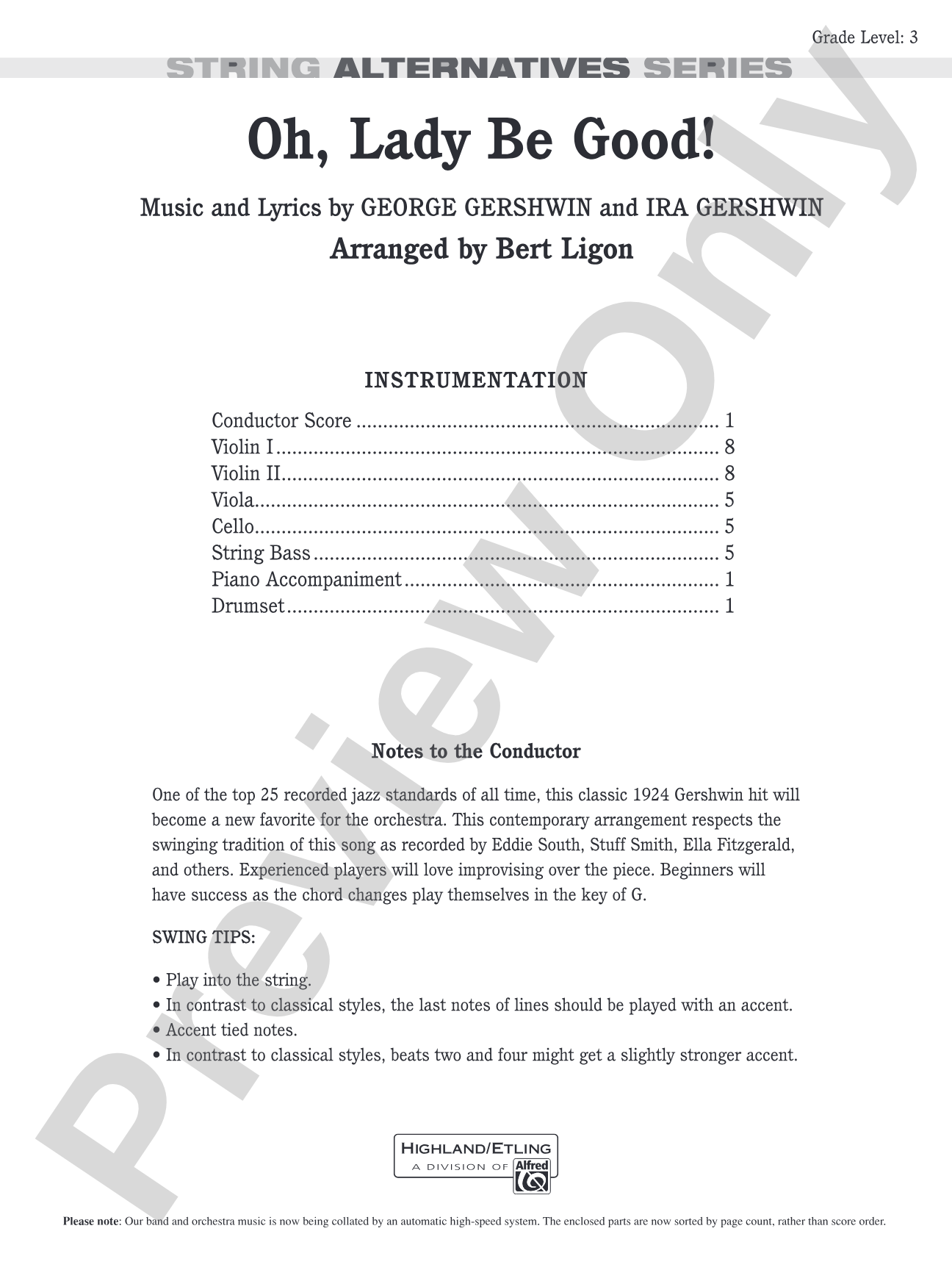
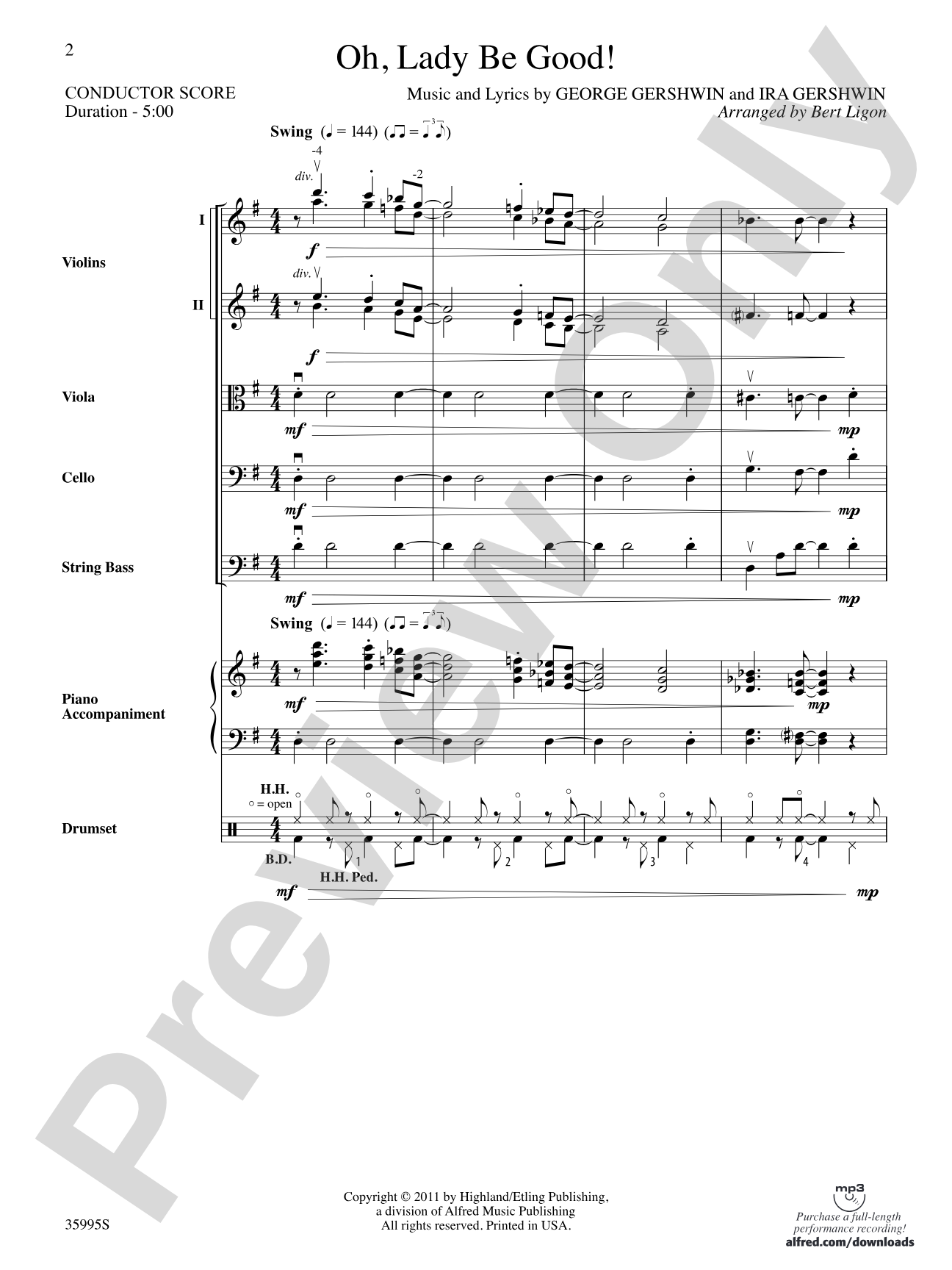
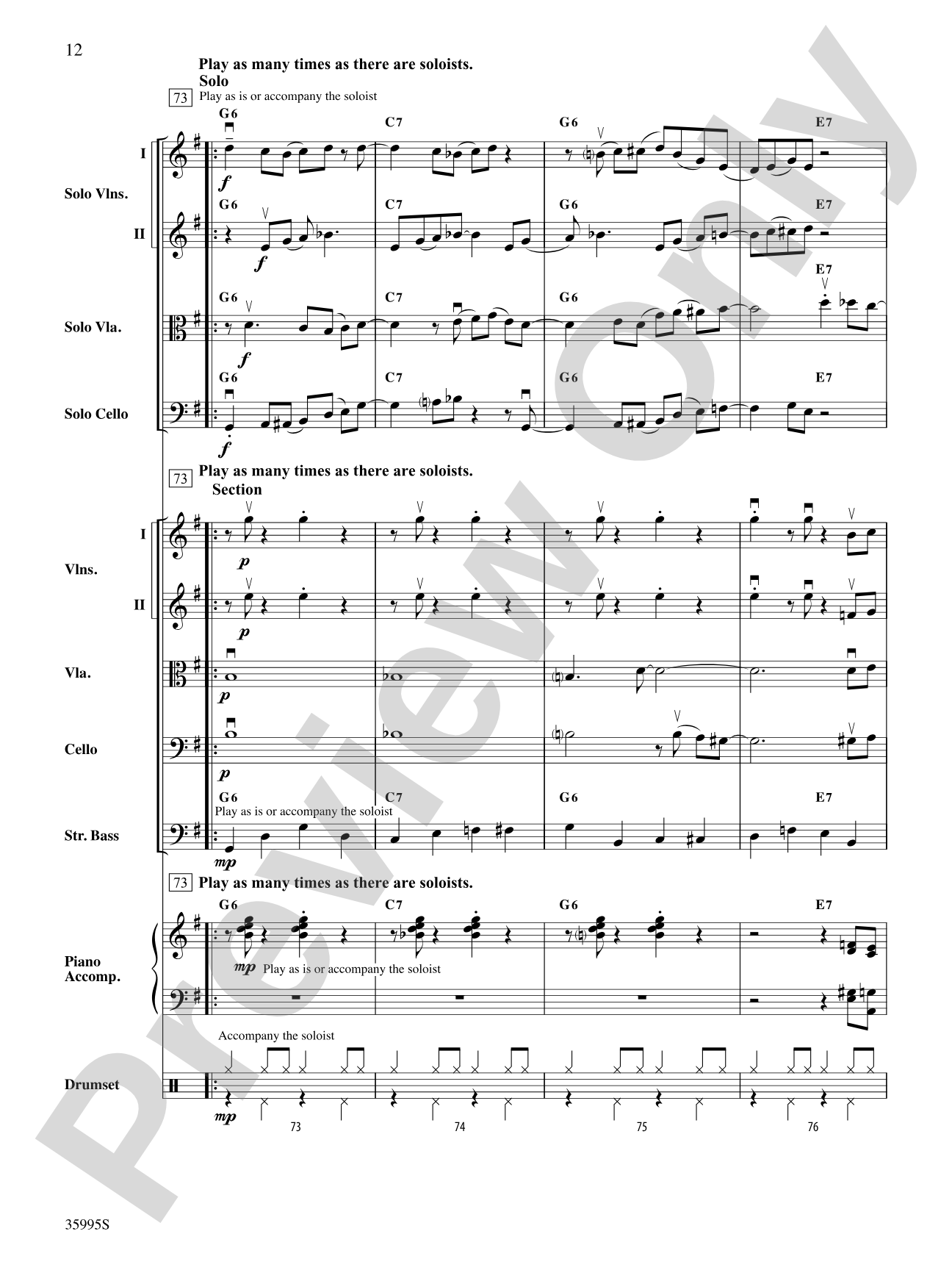
One of the top 25 recorded jazz standards of all time, this classic 1924 Gershwin hit will become a new favorite for the orchestra. This contemporary arrangement respects the swinging tradition of this song as recorded by Eddie South, Stuff Smith, Ella Fitzgerald, and others. Experienced players will love improvising over the piece. Beginners will have success as the chord changes play themselves in the key of G. (4:59)


Don't just read it, hear it, play along with it, and watch your students grow with it. In MakeMusic Cloud, Oh, Lady Be Good!: String Orchestra Conductor Score & Parts comes alive with professional accompaniment, adjustable tempo, and built-in practice tools that turn solo practice into real progress.
Open in the Player
Jump straight in and assign it today.
Start Your Free Trial
Open this title and explore the full library in minutes.
Sample Audio
1
Audio File
--:--
0:00
0:00
Sample Video
No sample videos found.
Additional Details
Series:
Highland/Etling String Alternatives
Publisher:
Alfred Music
Page Count:
132
SKU:
00-PK-0004782
Instrumentation:
string w/ pno acc and drumset
More about this title
About the Composer: George Gershwin
George Gershwin (1898-1937) bridged the worlds of concert music and American popular song with an ease that few composers have matched. His gift for memorable melody, harmonic sophistication, and rhythmic vitality made him a defining voice of the jazz age, and his works remain central to both the concert hall and the teaching studio.
Gershwin's collaboration with his lyricist brother Ira produced some of the most enduring standards in American music. "Oh, Lady Be Good!" exemplifies their gift for crafting songs that are instantly singable yet harmonically rich enough to sustain decades of reinterpretation by musicians across every style.
Why we love this
Bert Ligon's arrangement preserves the song's essential swagger while giving string players real musical agency. The piece works equally well for orchestras that want to explore jazz idioms without abandoning traditional notation, and it opens genuine improvisation opportunities for advanced players without abandoning less experienced musicians.
What to expect
The piece radiates the sophisticated ease of 1920s New York. There's a playful sophistication in the harmony, a sprightly rhythm that makes you sit up straighter, and enough space in the arrangement for individual voices to breathe and be heard.
Who it's for
String orchestras at Grade 3 level seeking repertoire that honors jazz tradition while remaining fully notated and accessible. This works beautifully for ensembles with players ranging from beginners to experienced improvisers, and for directors who want to program a genuine jazz standard without venturing into lead sheet territory.
How to get the most out of it
- Establish the swing feel early in sectional rehearsals. Work the rhythm section (piano and drums) as a unit to anchor the groove, then layer in the strings gradually so they lock into that foundation rather than leading it.
- If your orchestra is new to jazz vocabulary, mark specific chord changes and target notes in the parts where improvisation opportunities occur. This gives confident players concrete landmarks for exploring variations.
- Balance the melody line between section strength and clarity. String orchestras tend to homogenize sustained chords; shape the harmony to support rather than bury the tune.
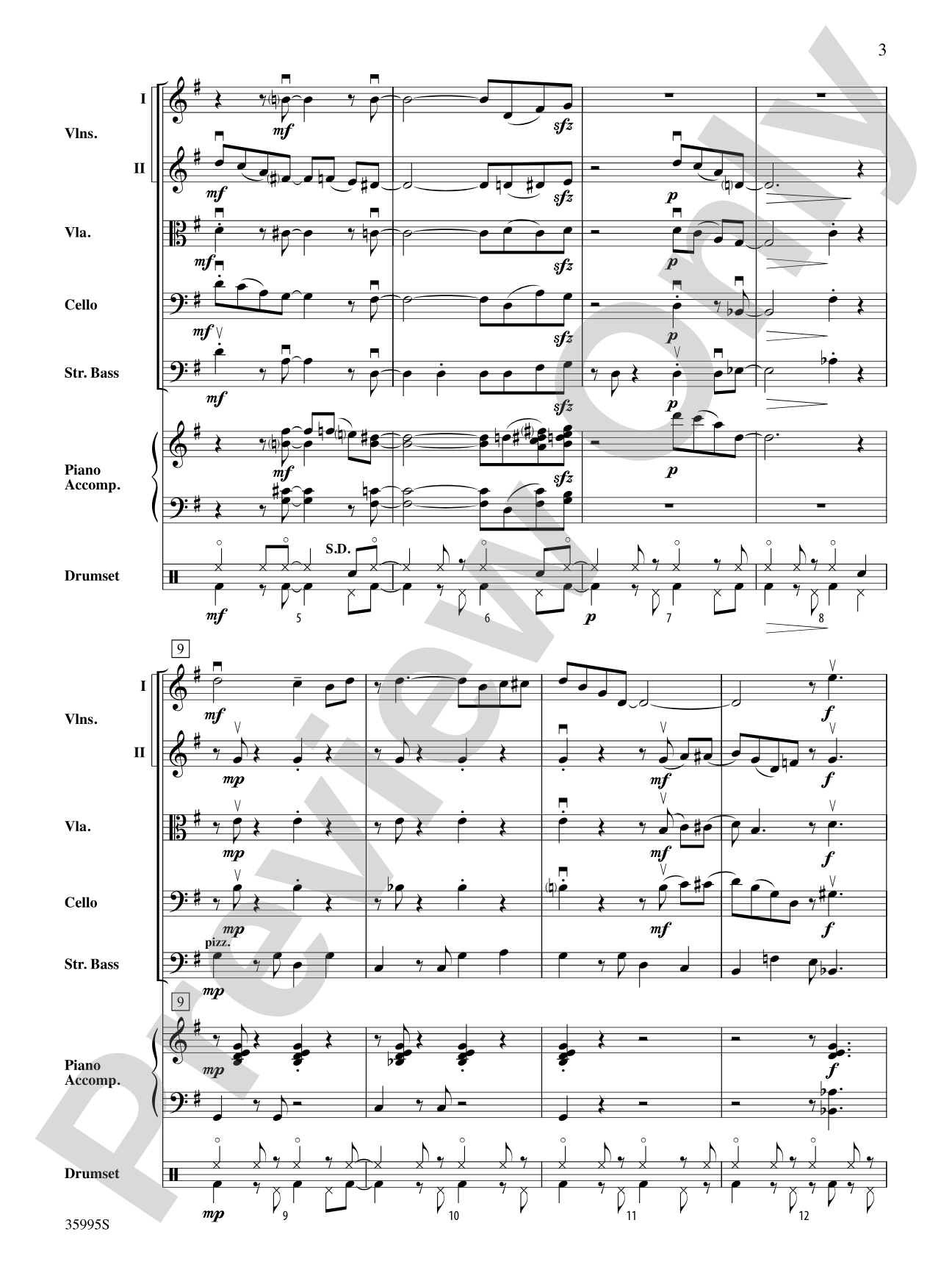
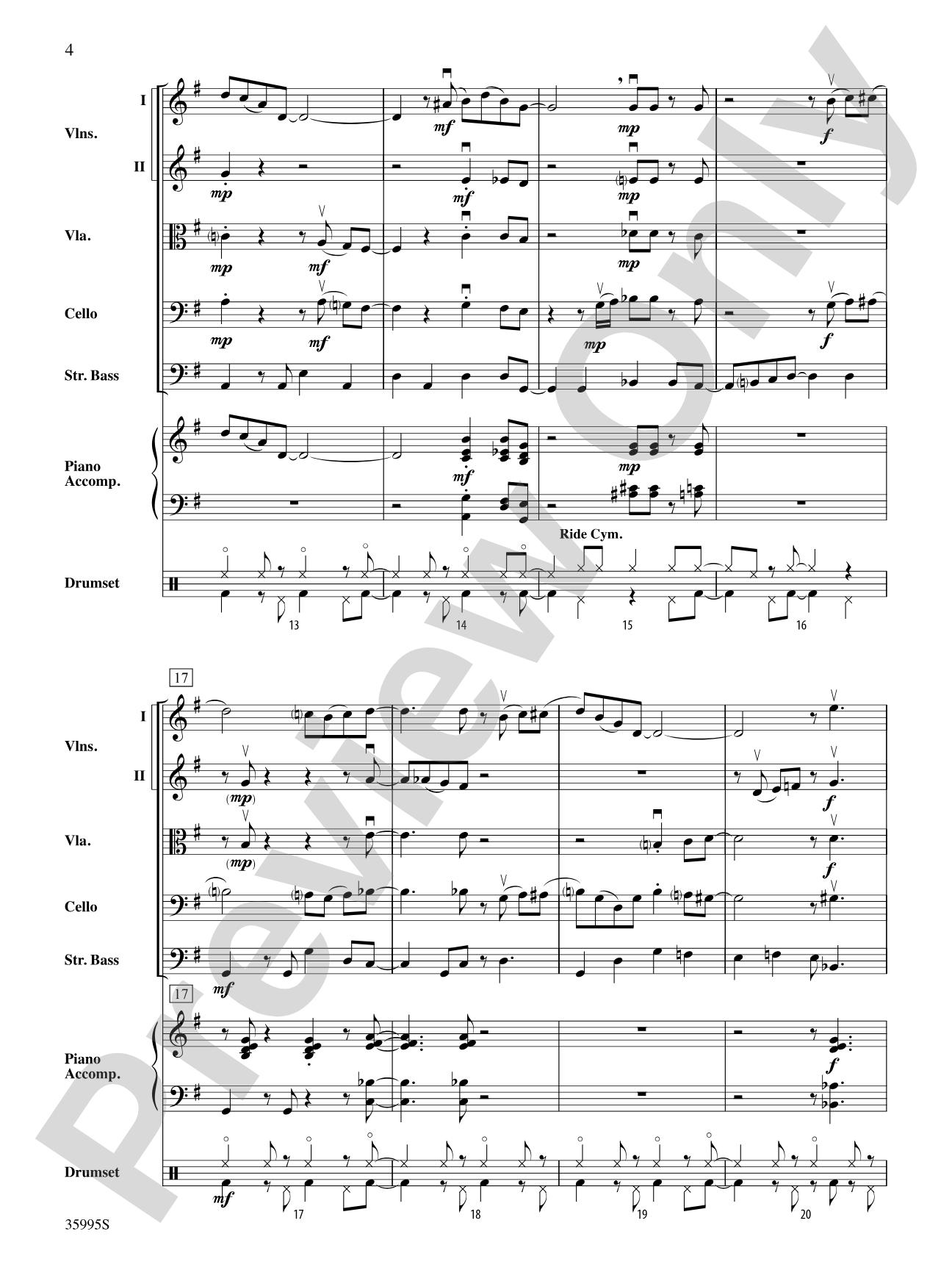
- Pay attention to articulation markings that signal the swing style. Light staccatos and subtle accents will preserve the buoyant character of the original.
How to use it
Program this alongside classical repertoire in a concert framed around American songwriting, or use it as a bridge between your traditional season and an exploratory jazz or standards concert. It also works as a spring concert closer that leaves audiences smiling and wanting to hear more.
Skills your students will build
- Swing rhythm and jazz articulation
- Reading chord symbols and understanding jazz harmony
- Improvisation within a melodic and harmonic framework
- Ensemble balance and support roles in jazz textures
- Stylistic interpretation of 20th century popular music