
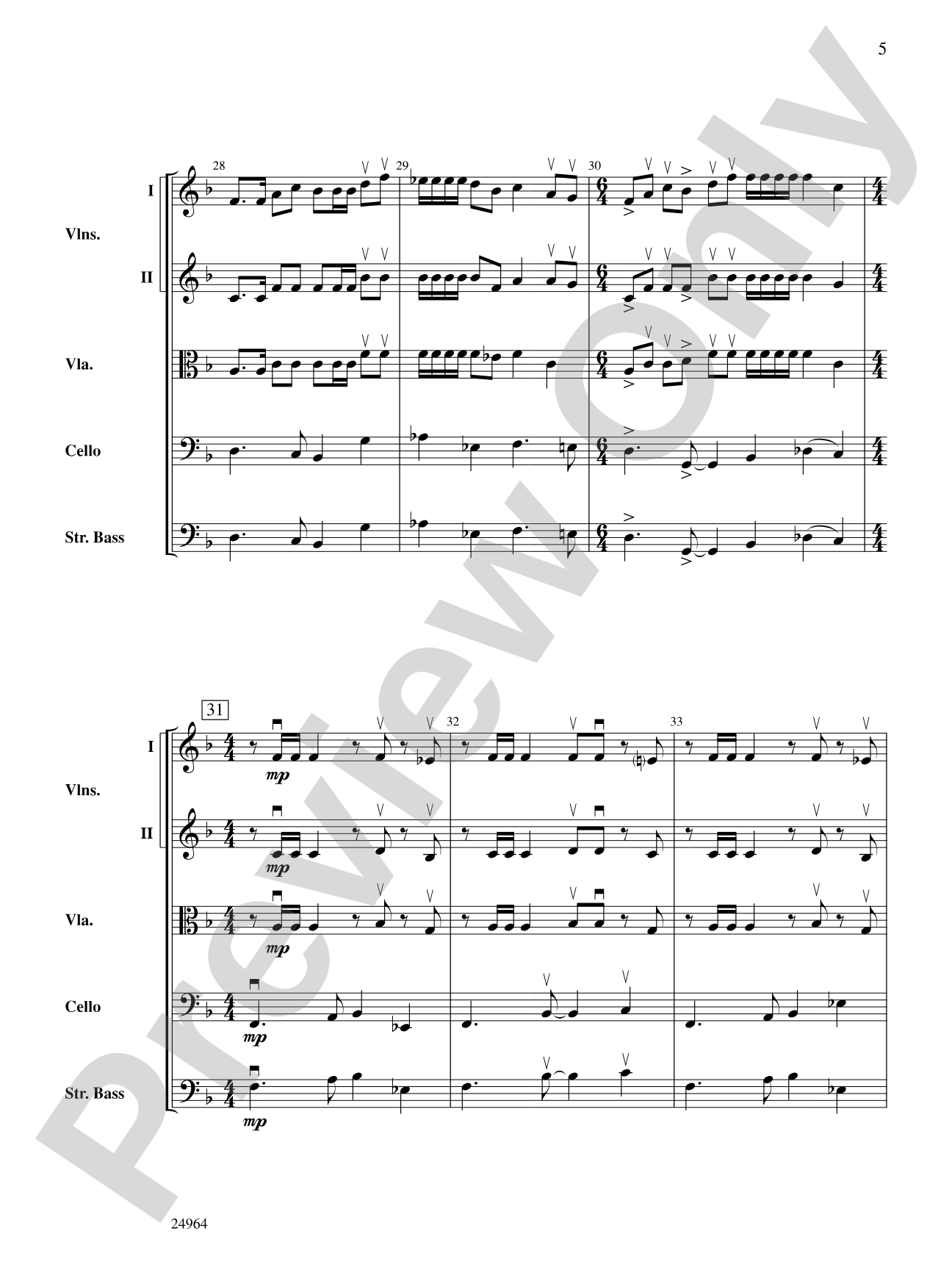
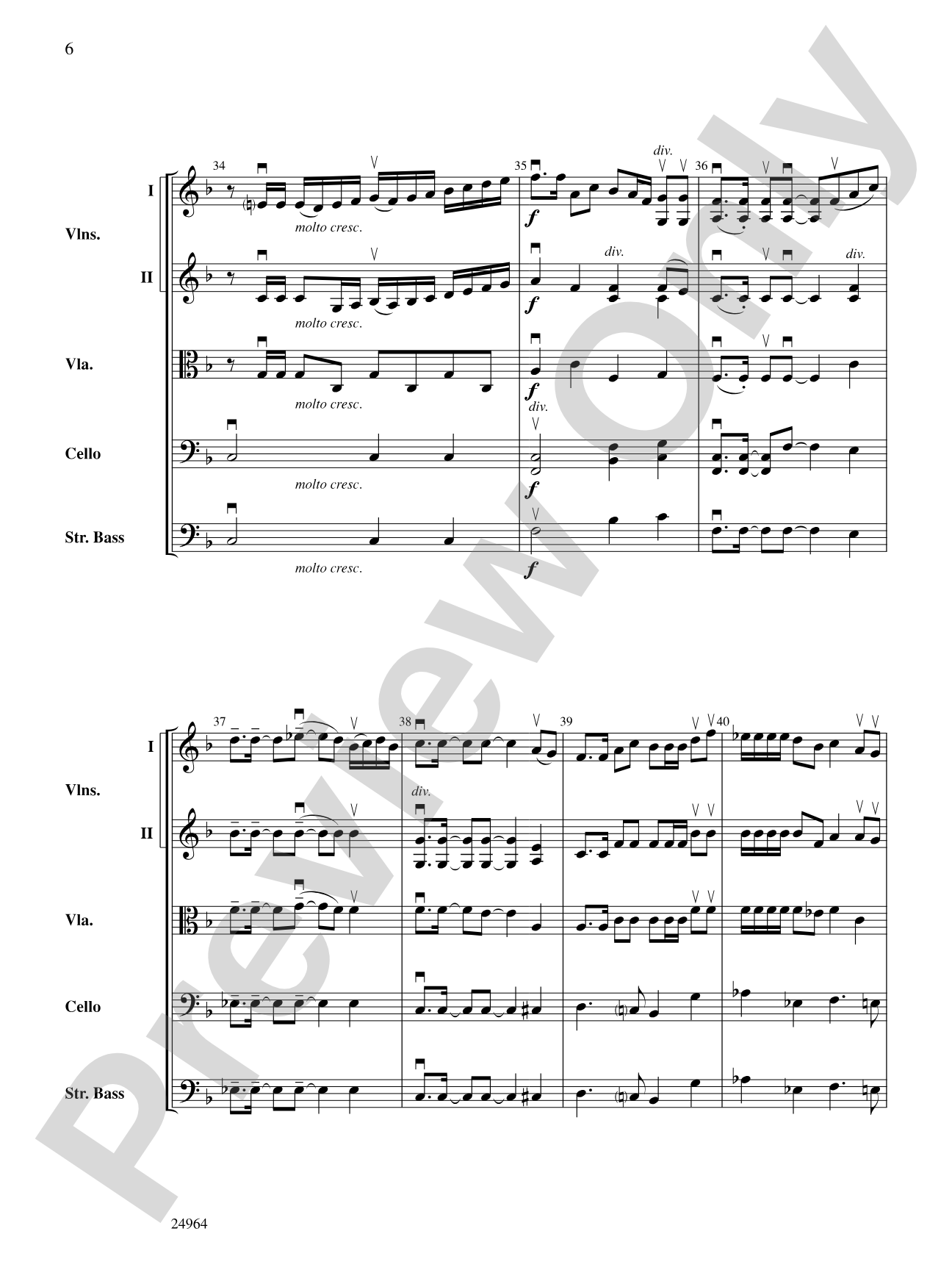
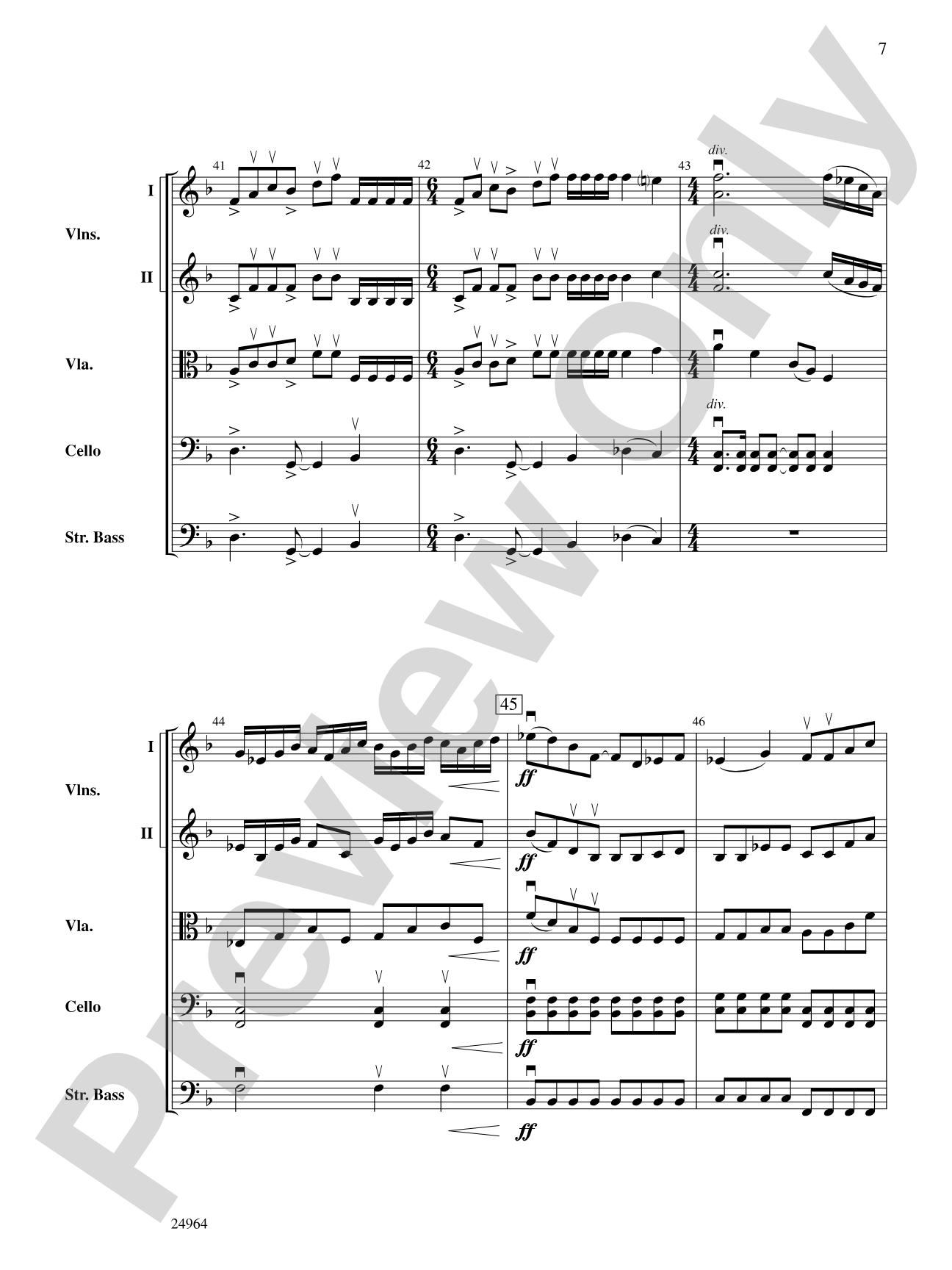
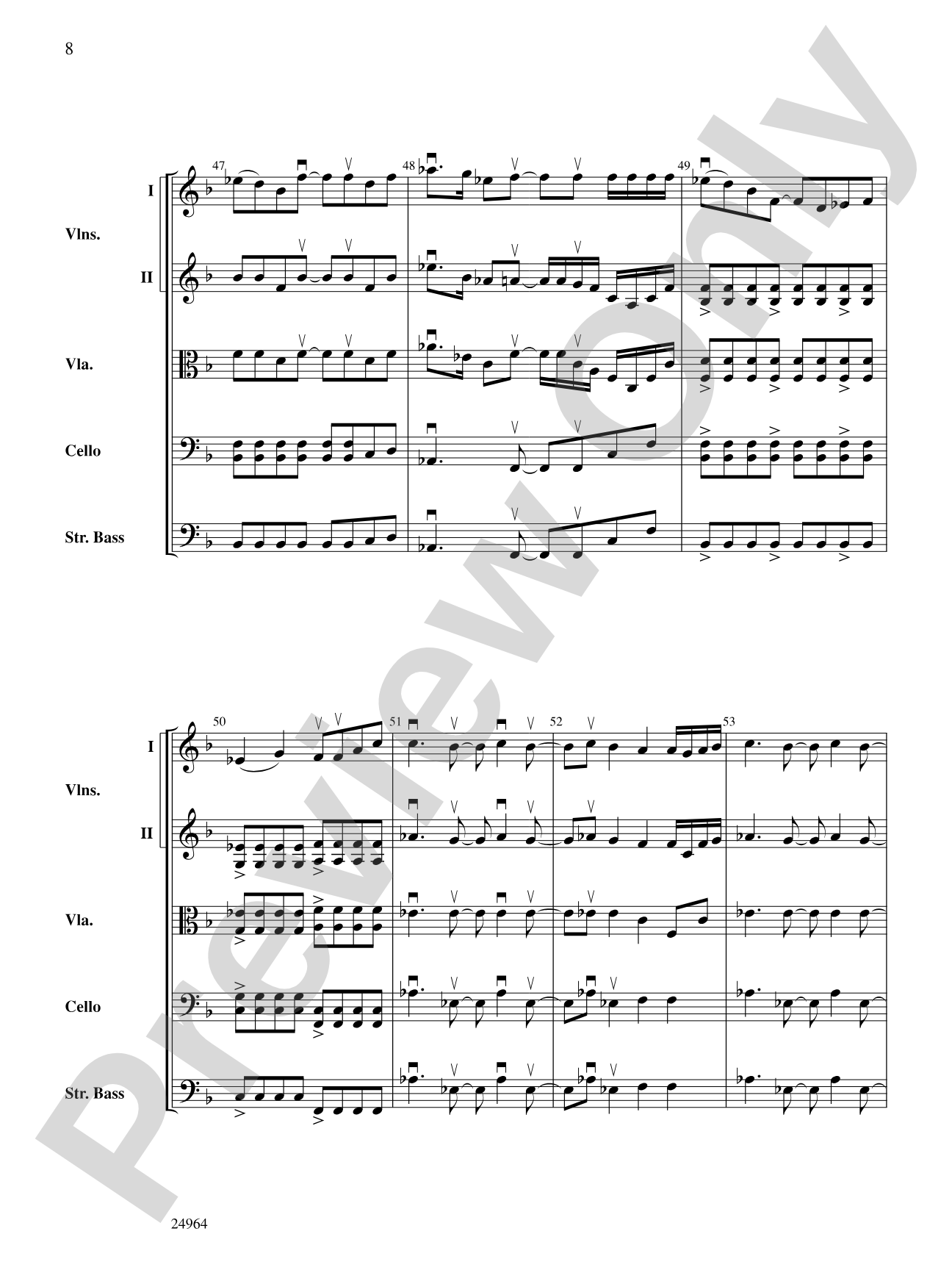
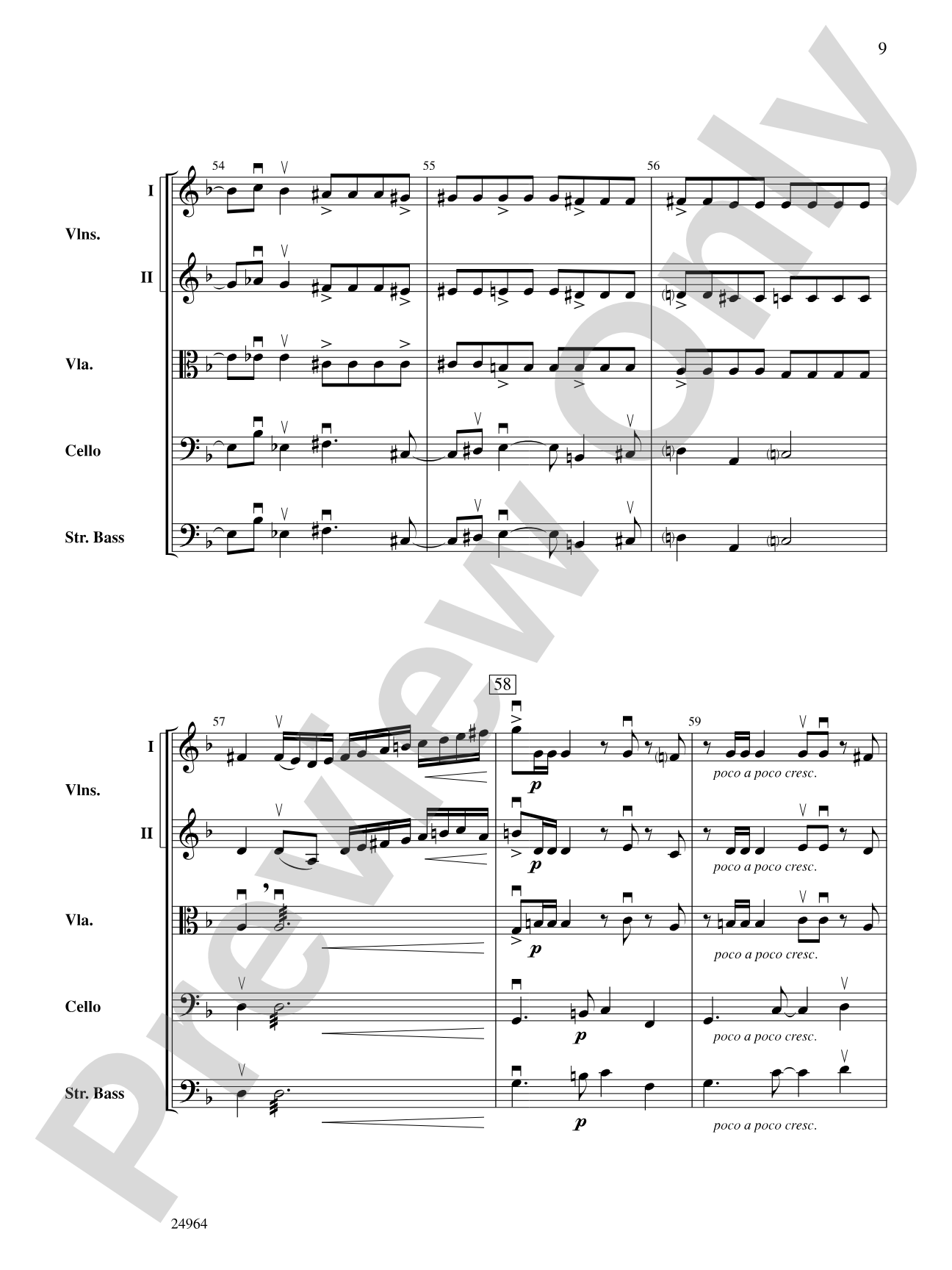
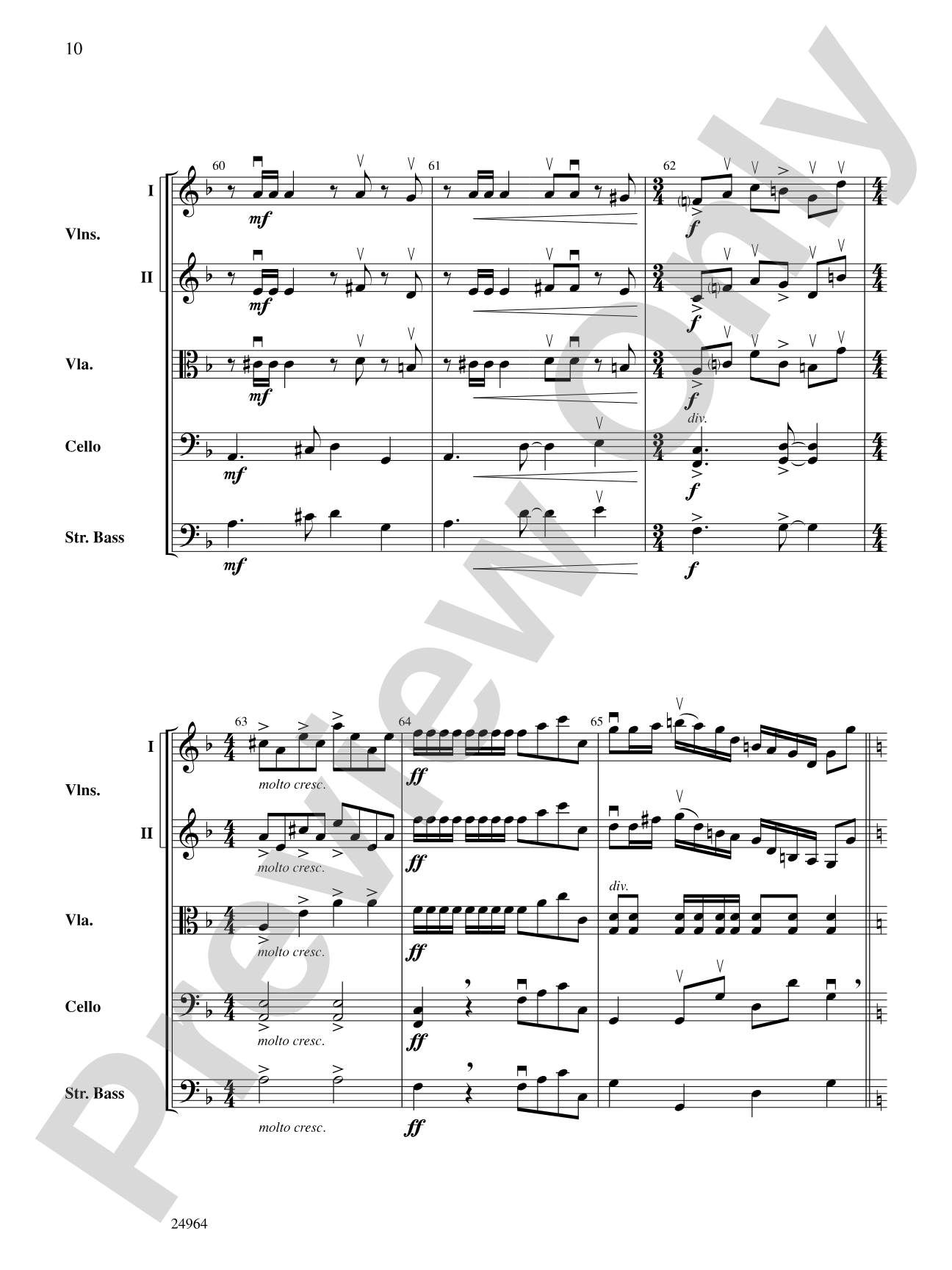
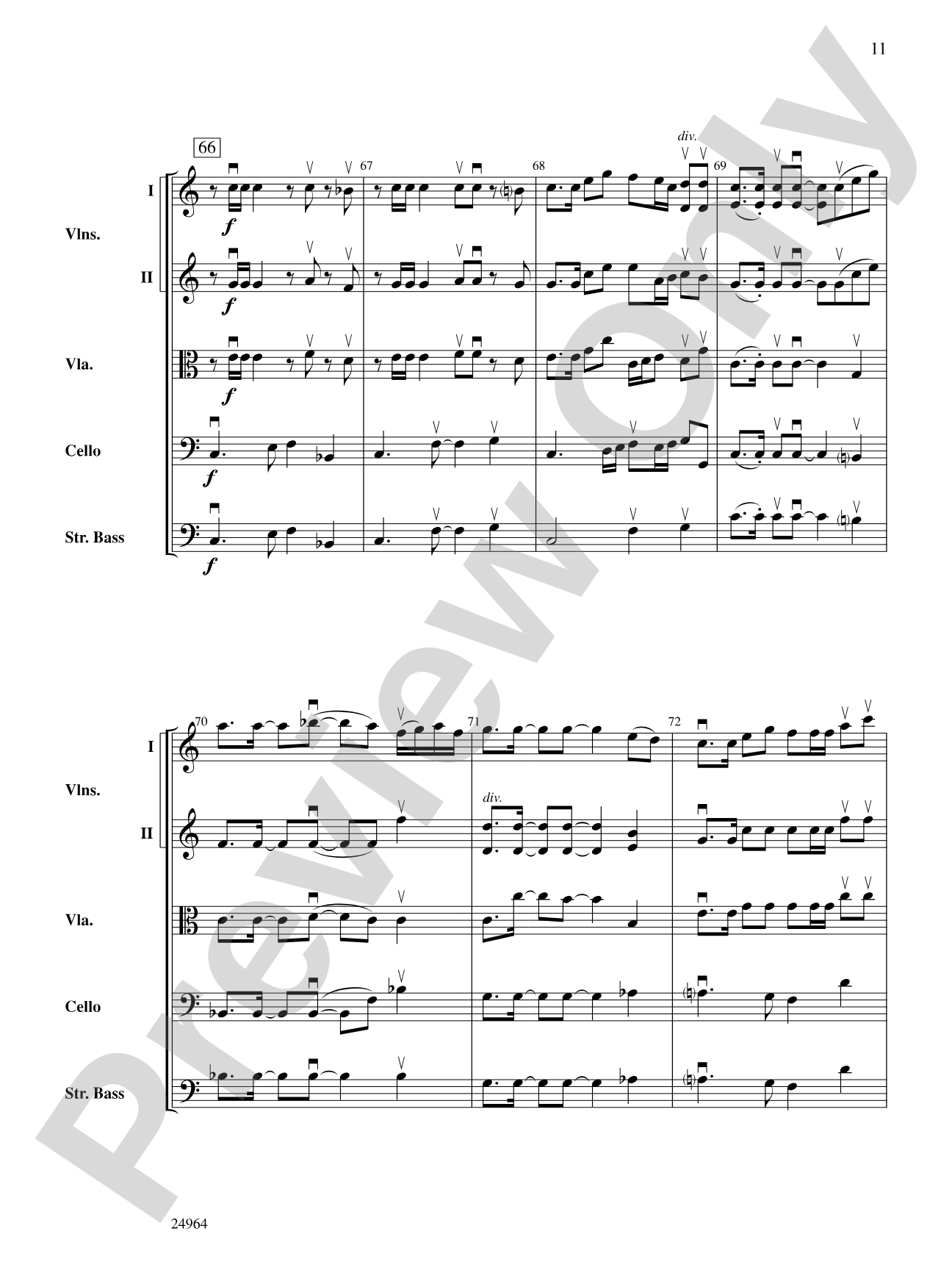
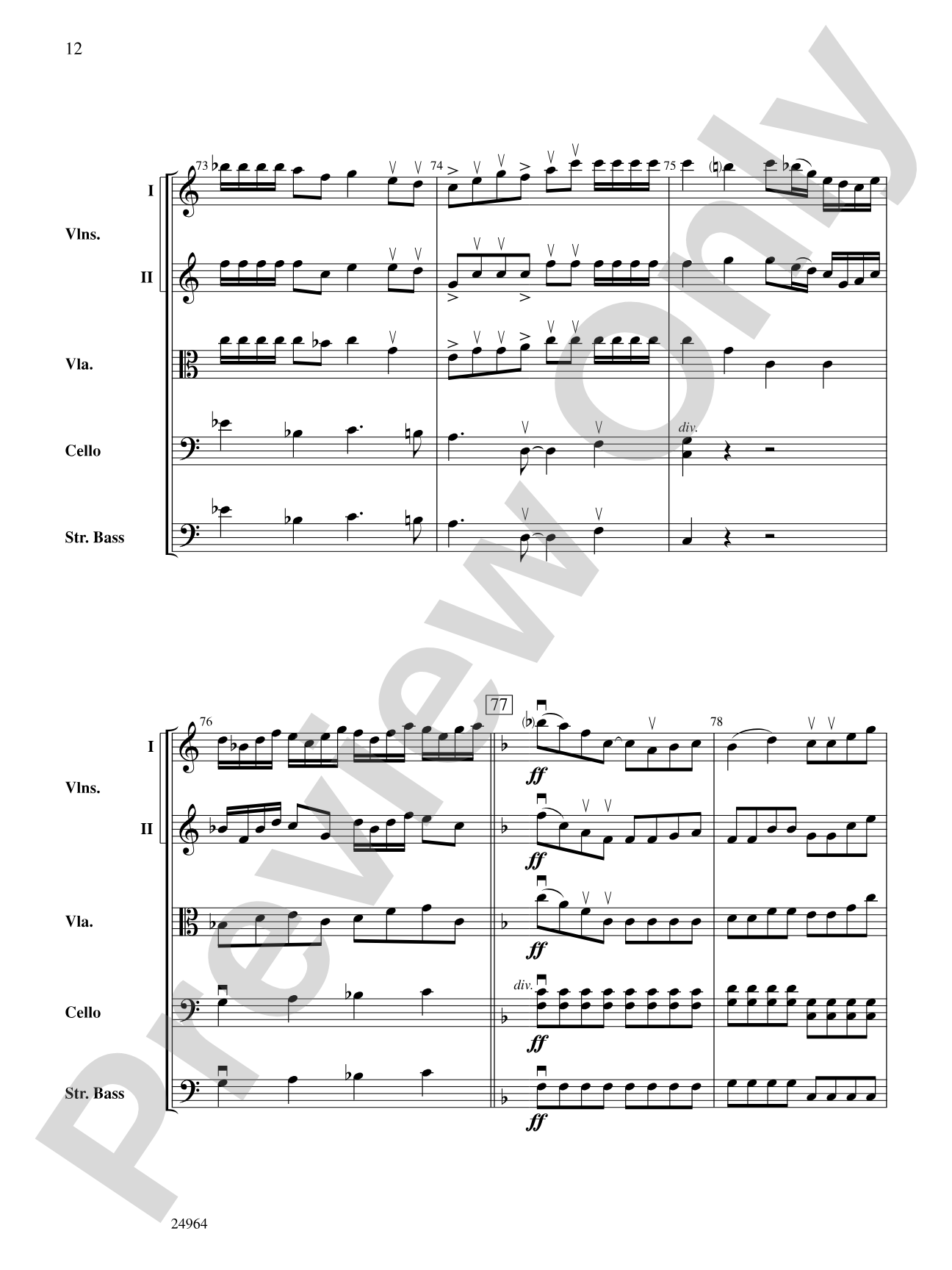
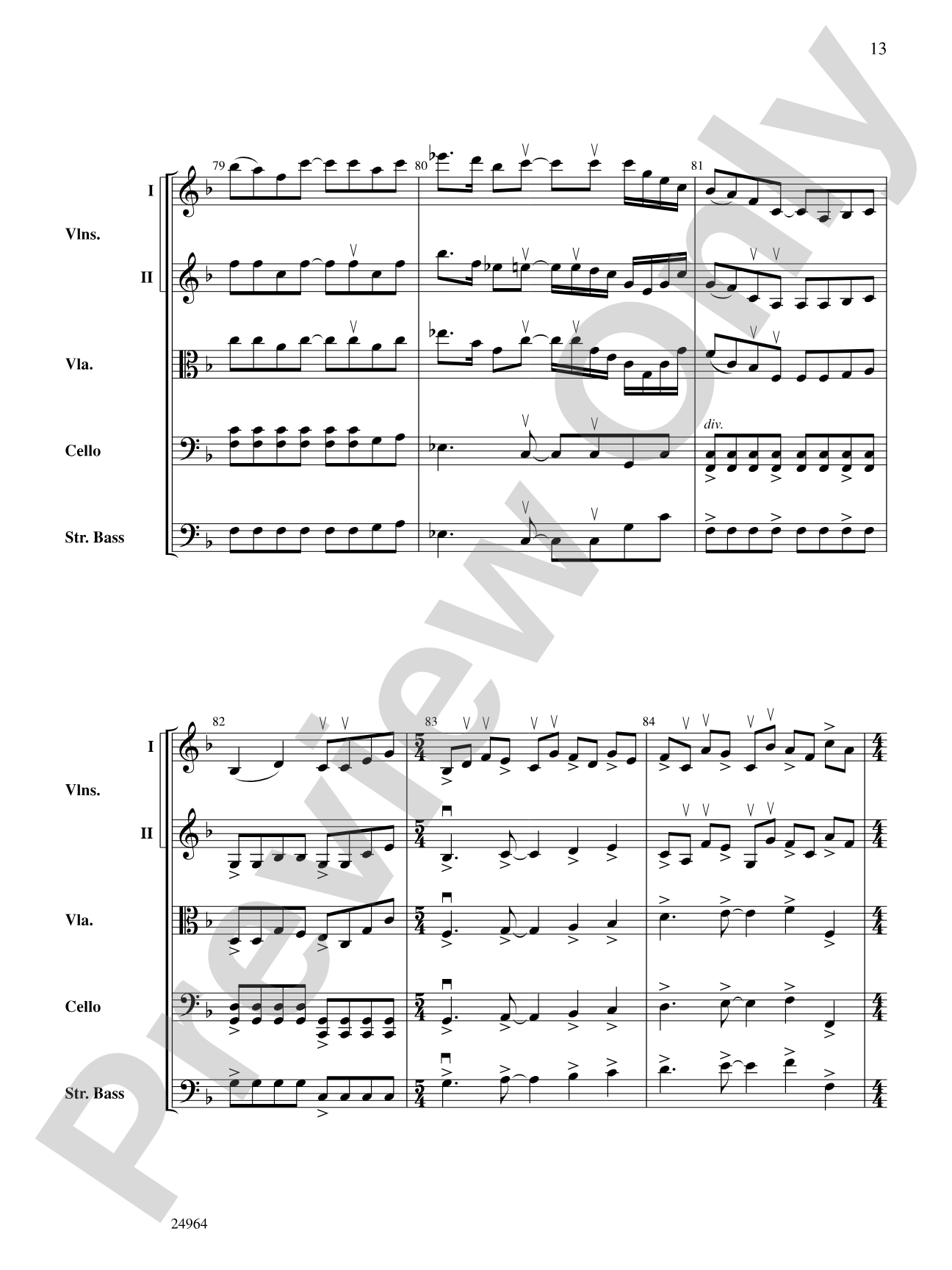
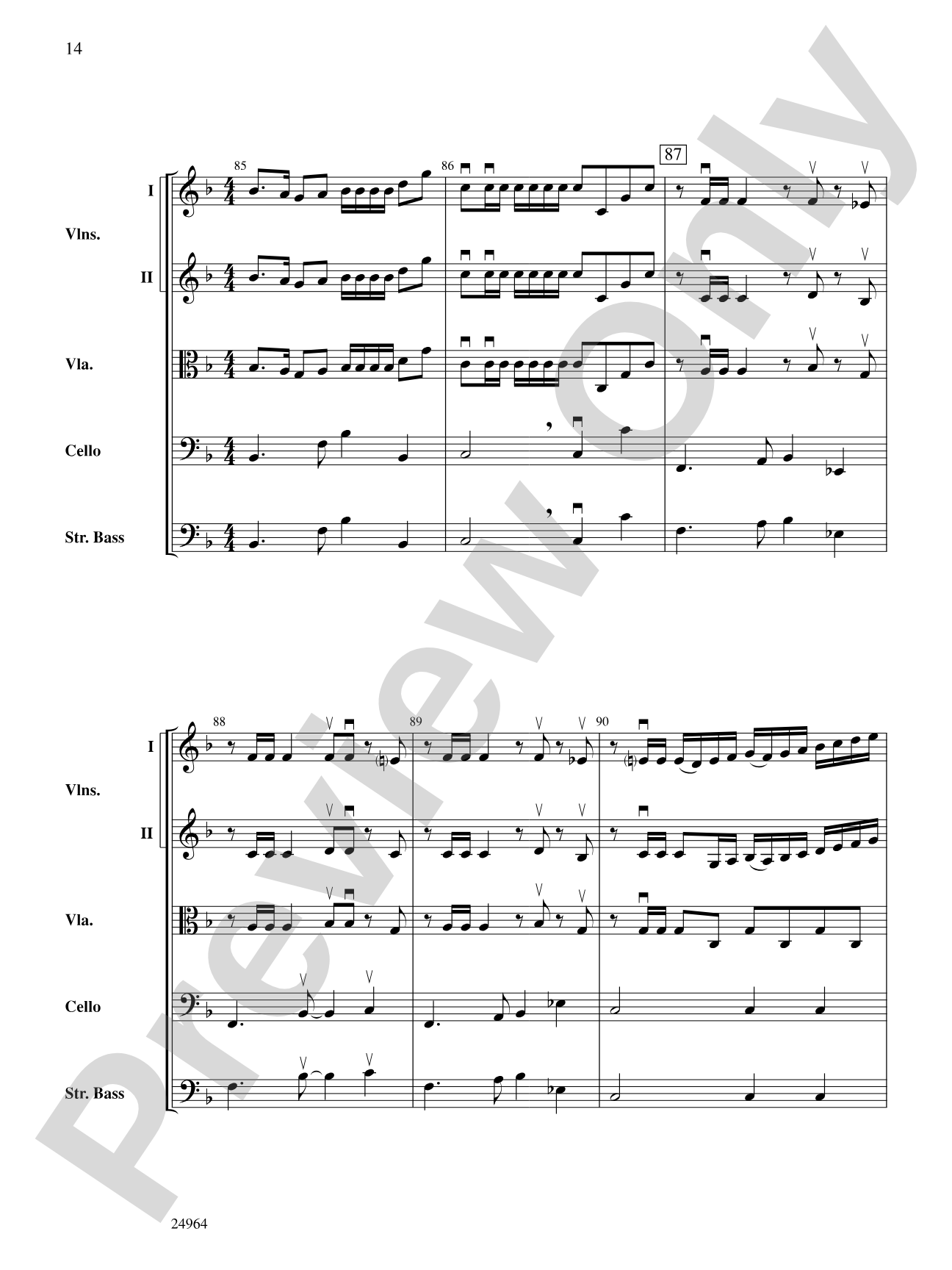
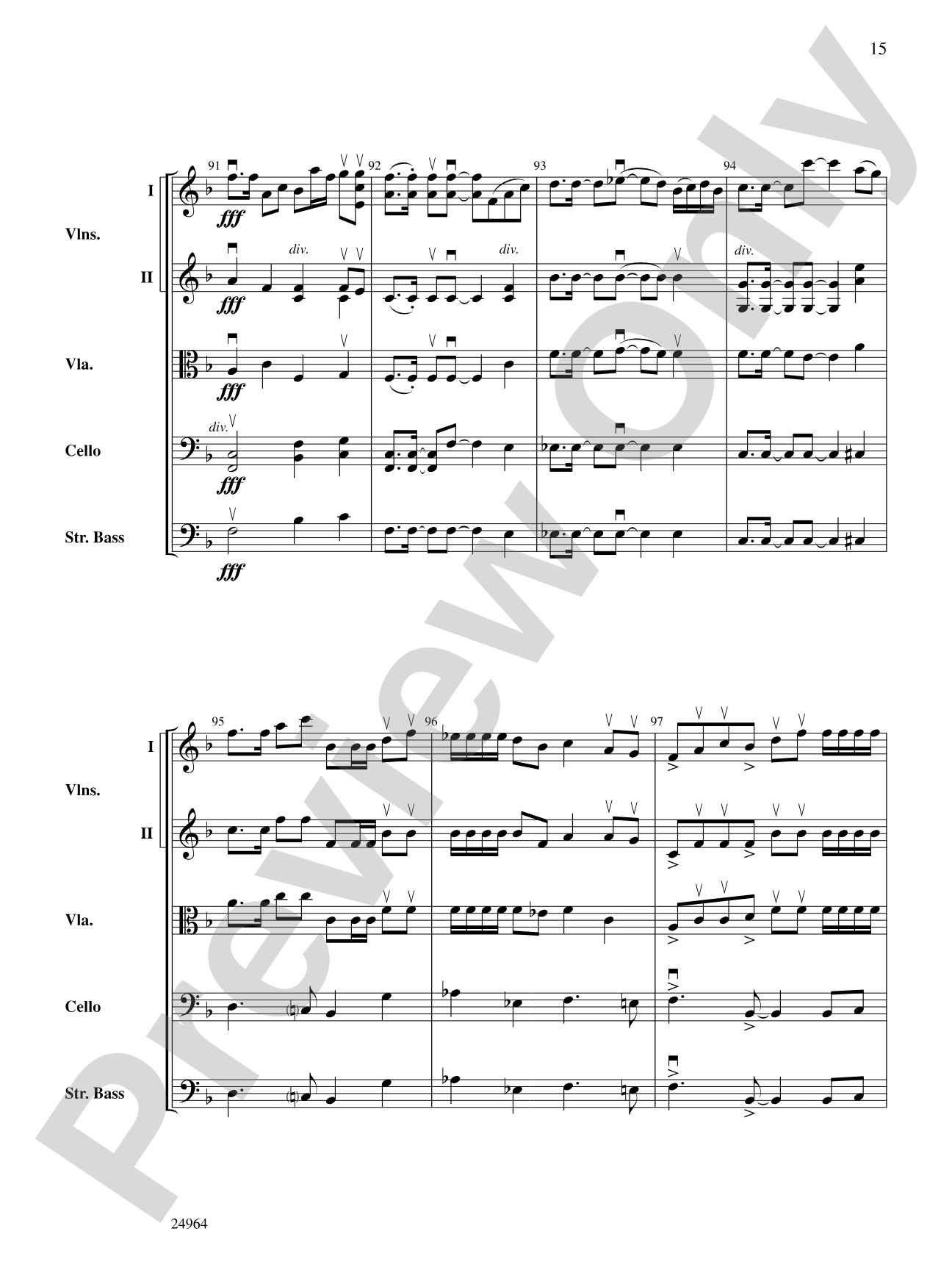
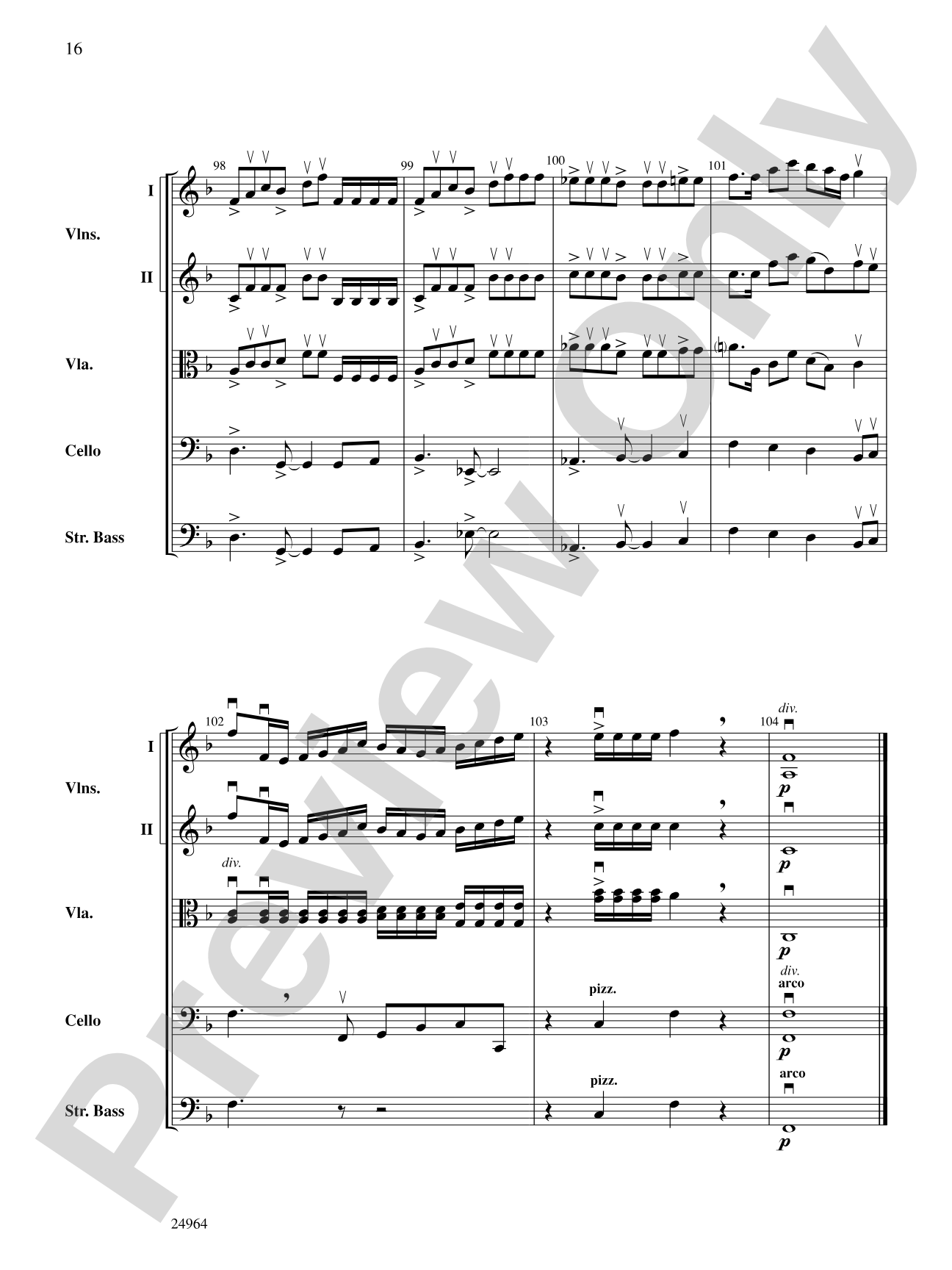

Ode to the Plains and Wild Horses Running (from American Serenade): String Orchestra Conductor Score & Parts
By Robert Kerr
Grade: 3.5
Item: 00-PK-0000964

$56.00
Pickup currently not available
Buy Extra Parts (Digital PDF Download)
Parts Added to Cart!
Description
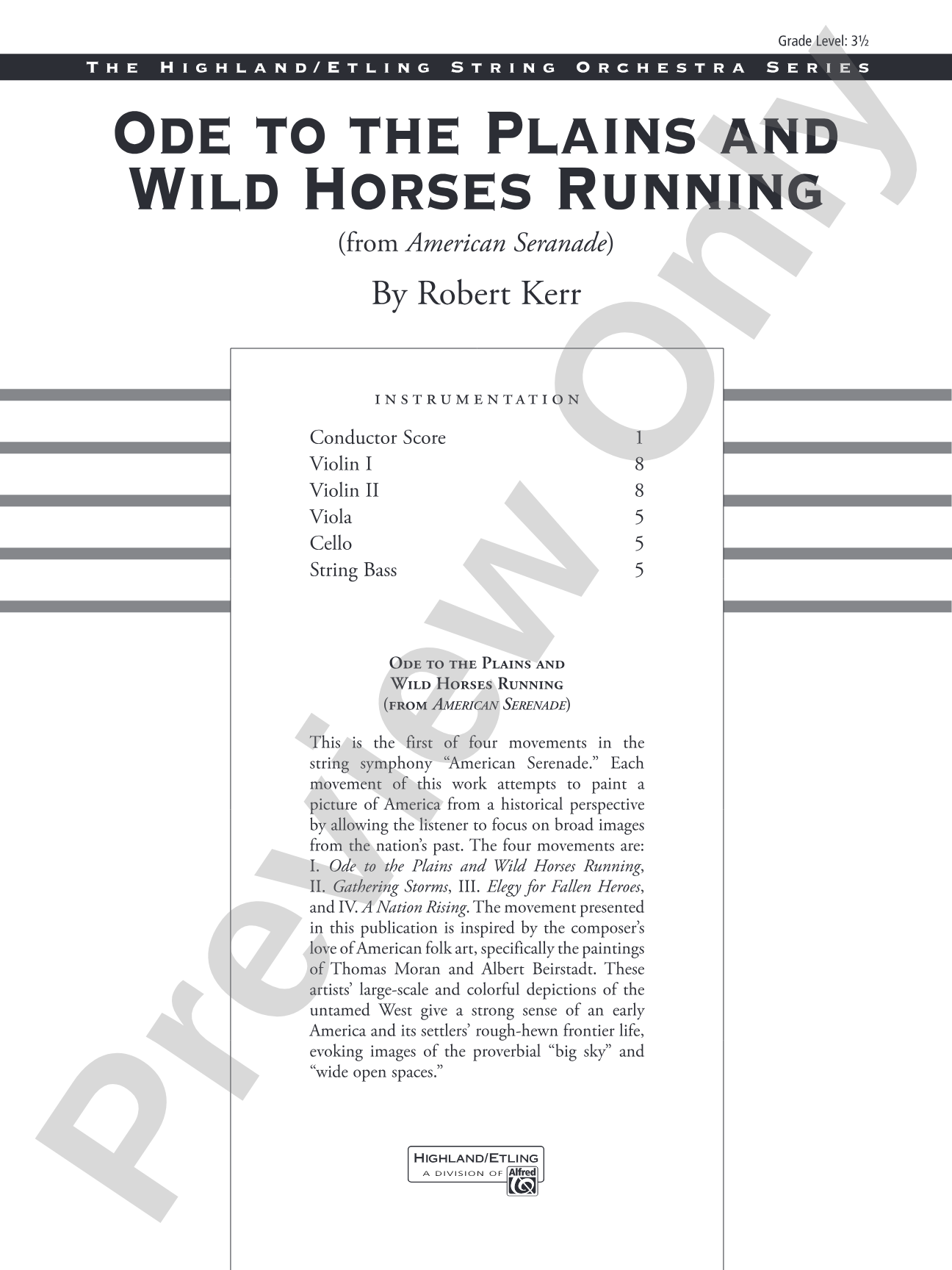
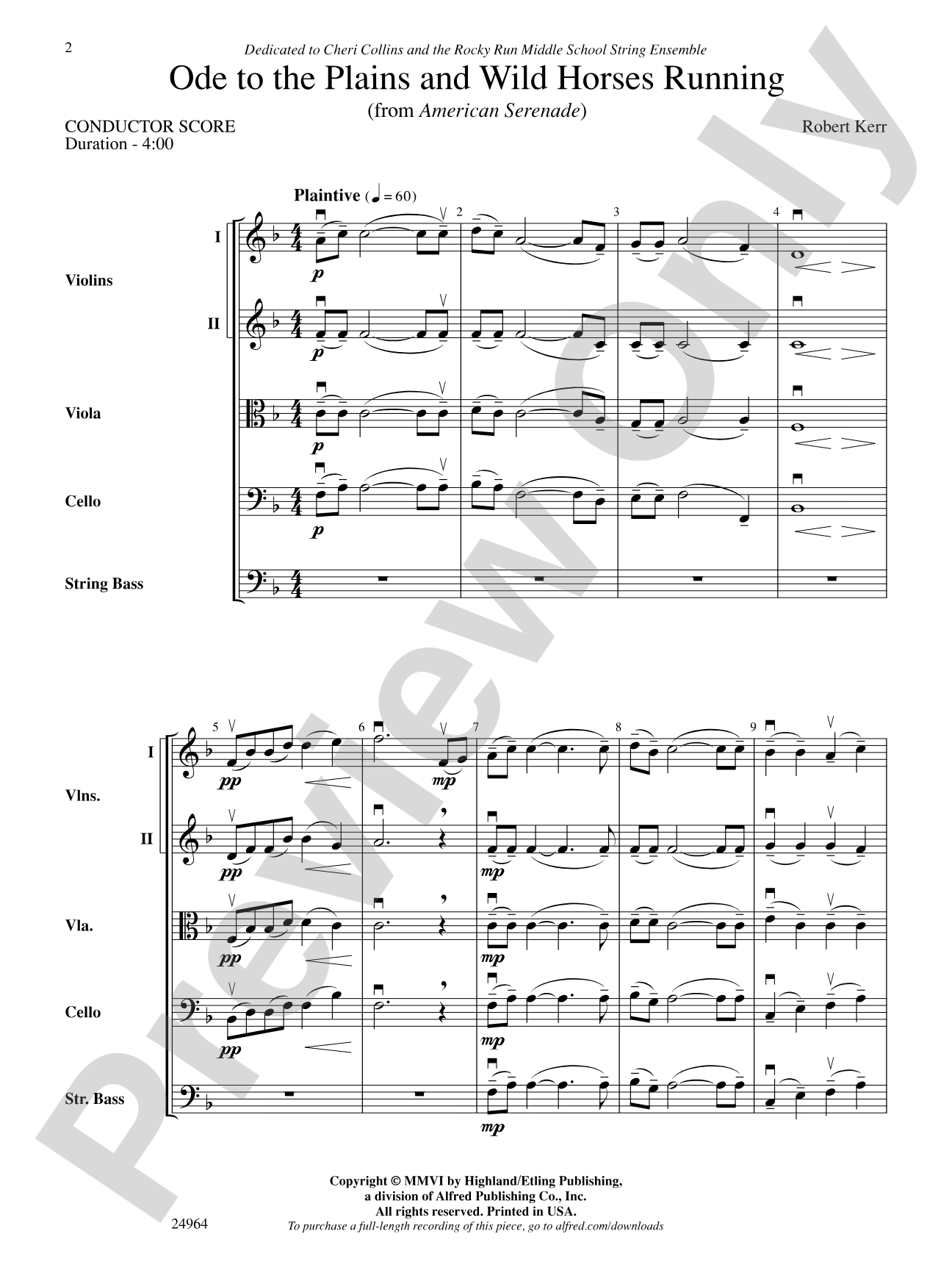
This is the first movement of a String Symphony in four movements entitled "American Serenade." Each movement of this work has a descriptive title which attempts to paint a picture of America from a historical perspective allowing the listener to focus on broad images from our past. The four movements are: 1) Ode to the Plains and Wild Horses Running, 2) Gathering Storms, 3) Elegy for Fallen Heroes, 4) A Nation Rising. The movement presented in this publication "1. Ode to the Open Plains and Wild Horses Running", is drawn from the composer's love of American Folk Art, and specifically the paintings of Thomas Moran and Albert Beirstadt. The many large scale and colorful depictions of the untamed West by these great artists give a real feel for the rough hewn frontier life, and are the inspiration for this movement. The cliché of 'Wide Open Spaces,' and the 'Big Sky' are the images this music is meant to evoke as the soundtrack for whatever pictures or stories of America come to mind! This title is available in MakeMusic Cloud.


Don't just read it, hear it, play along with it, and watch your students grow with it. In MakeMusic Cloud, Ode to the Plains and Wild Horses Running (from American Serenade): String Orchestra Conductor Score & Parts comes alive with professional accompaniment, adjustable tempo, and built-in practice tools that turn solo practice into real progress.
Open in the Player
Jump straight in and assign it today.
Start Your Free Trial
Open this title and explore the full library in minutes.
Sample Audio
1
Audio File
--:--
0:00
0:00
Sample Video
No sample videos found.
Additional Details
Series:
Highland/Etling String Orchestra
Publisher:
Alfred Music
Page Count:
124
SKU:
00-PK-0000964
More about this title
Why we love this
Kerr captures the sweeping grandeur of 19th-century American landscape painting in orchestral form, giving students music that sounds genuinely expansive without requiring virtuosic technique. The programmatic framework anchors the writing to vivid imagery, making rehearsals about collaborative storytelling rather than mechanical note-reading. It's the kind of piece that stays with players long after they've learned the notes.
What to expect
Wide open and painterly, with sweeping string lines that evoke endless plains under a big sky. The music alternates between serene, spacious passages and moments of energetic motion, capturing both the stillness and wildness that shaped the American frontier.
Who it's for
String orchestra directors at the intermediate level (Grade 3.5) who want repertoire that speaks to American identity and engages students through vivid imagery. Ensembles preparing for festival or contest performance will find music that sounds ambitious while remaining accessible for musicians still building technical facility.
How to get the most out of it
- Shape phrases with the landscape in mind. Long, sustained sections need gentle dynamic contours to suggest endless horizons rather than static string tone.
- Balance the viola and cello lines carefully; they often carry thematic material that deserves prominence without drowning out the violins' supporting roles.
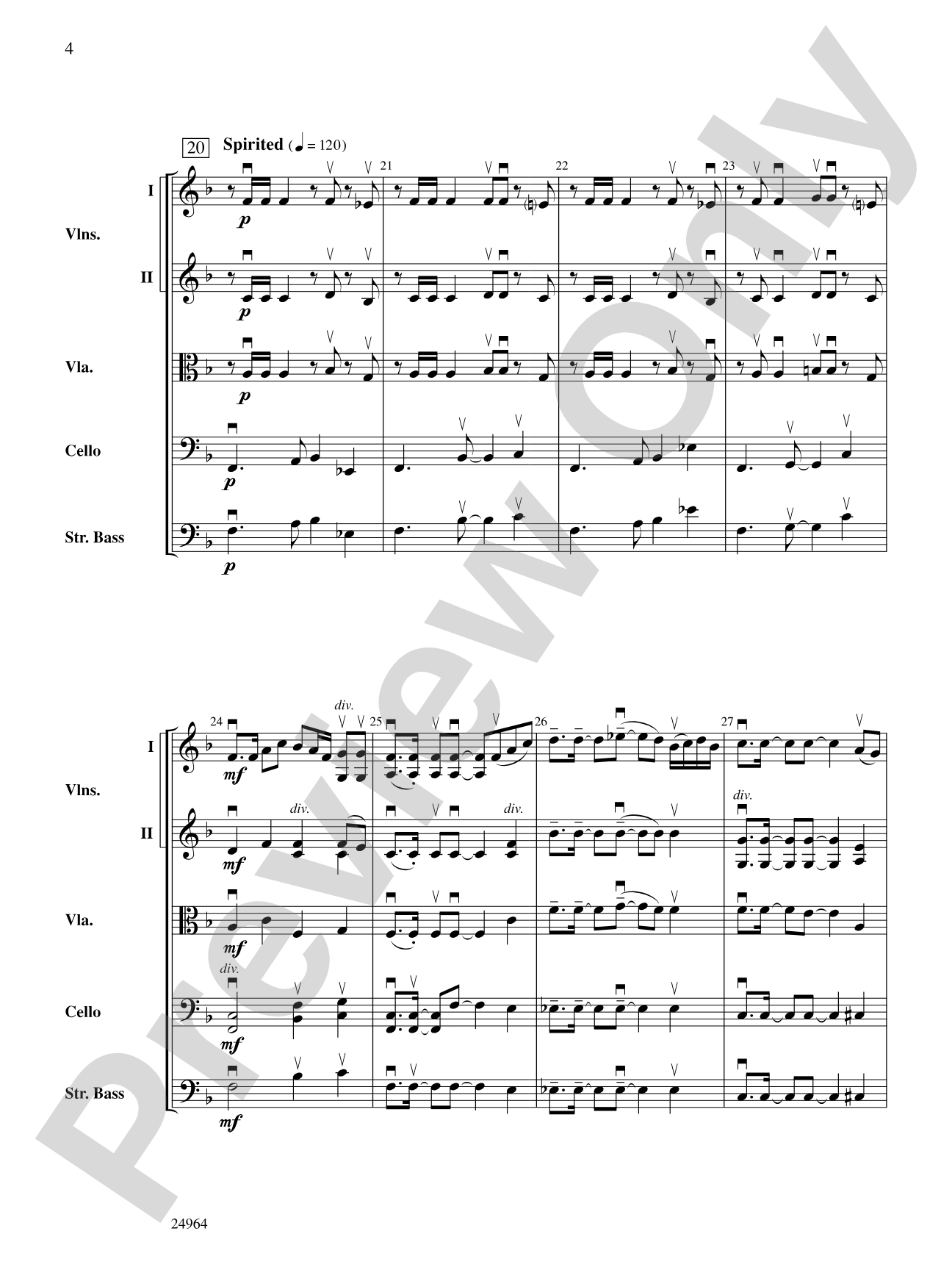
- Communicate the wildness through rhythmic vitality in faster sections. Precision and forward momentum will convey the energy of running horses more effectively than aggressive dynamics.
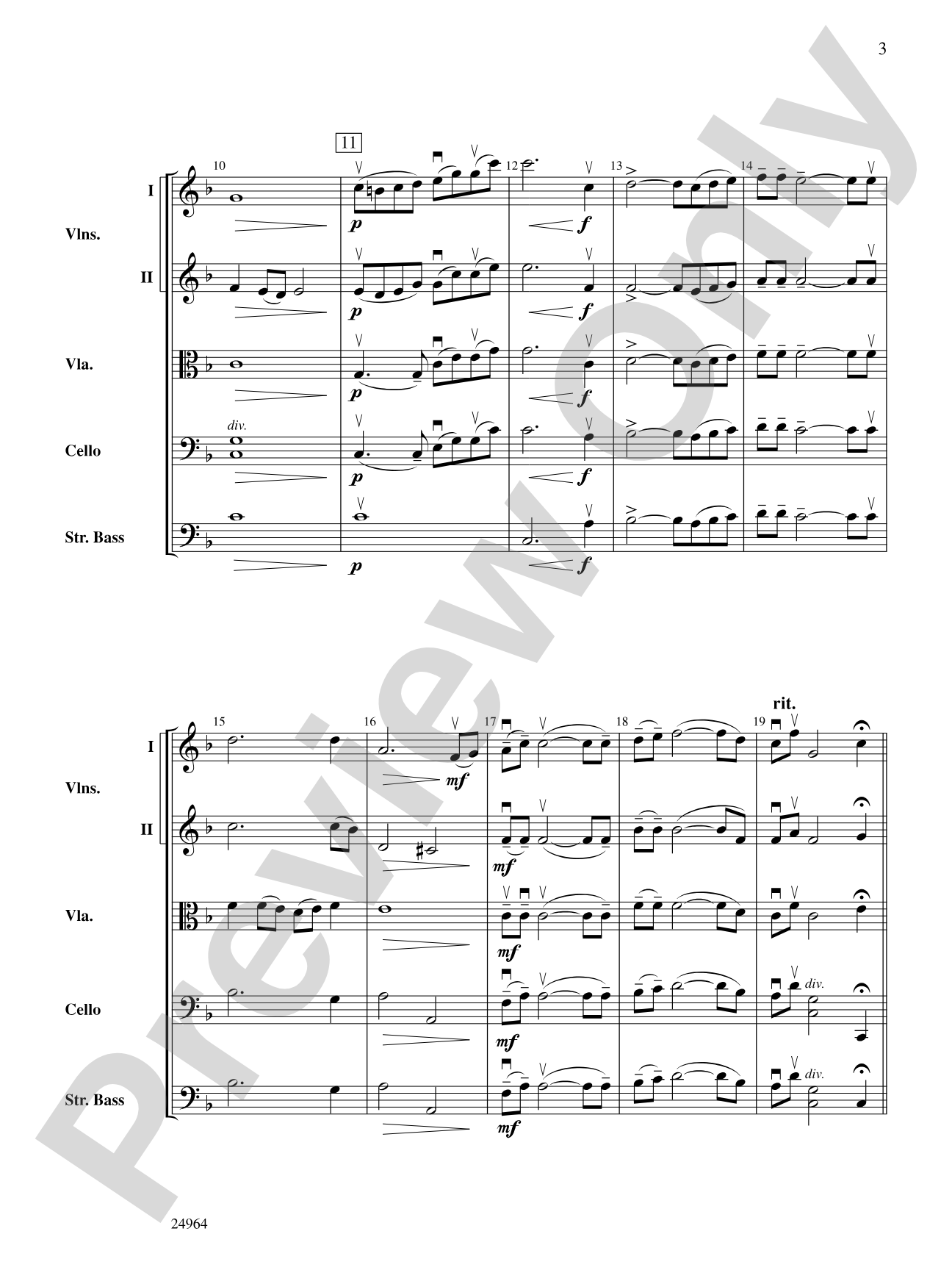
- Use the conductor's score to identify where the orchestration shifts focus between sections. Color these transitions deliberately so listeners hear the musical landscape changing.
How to use it
This movement works as a standalone concert piece or as the opening to a program exploring American themes. Its programmatic character makes it particularly effective for educational concerts where you want to discuss how composers paint with sound, or in thematic festivals celebrating American composers and music rooted in national identity.
Skills your students will build
- Sustaining long melodic lines with consistent tone and evenness
- Balancing parts to highlight inner voices and counter-melodies
- Responding to conducting cues that shape phrasing across full phrases rather than measure-to-measure
- Interpreting programmatic music by connecting musical gestures to descriptive imagery
- Managing rhythmic precision during transitions between contrasting sections