
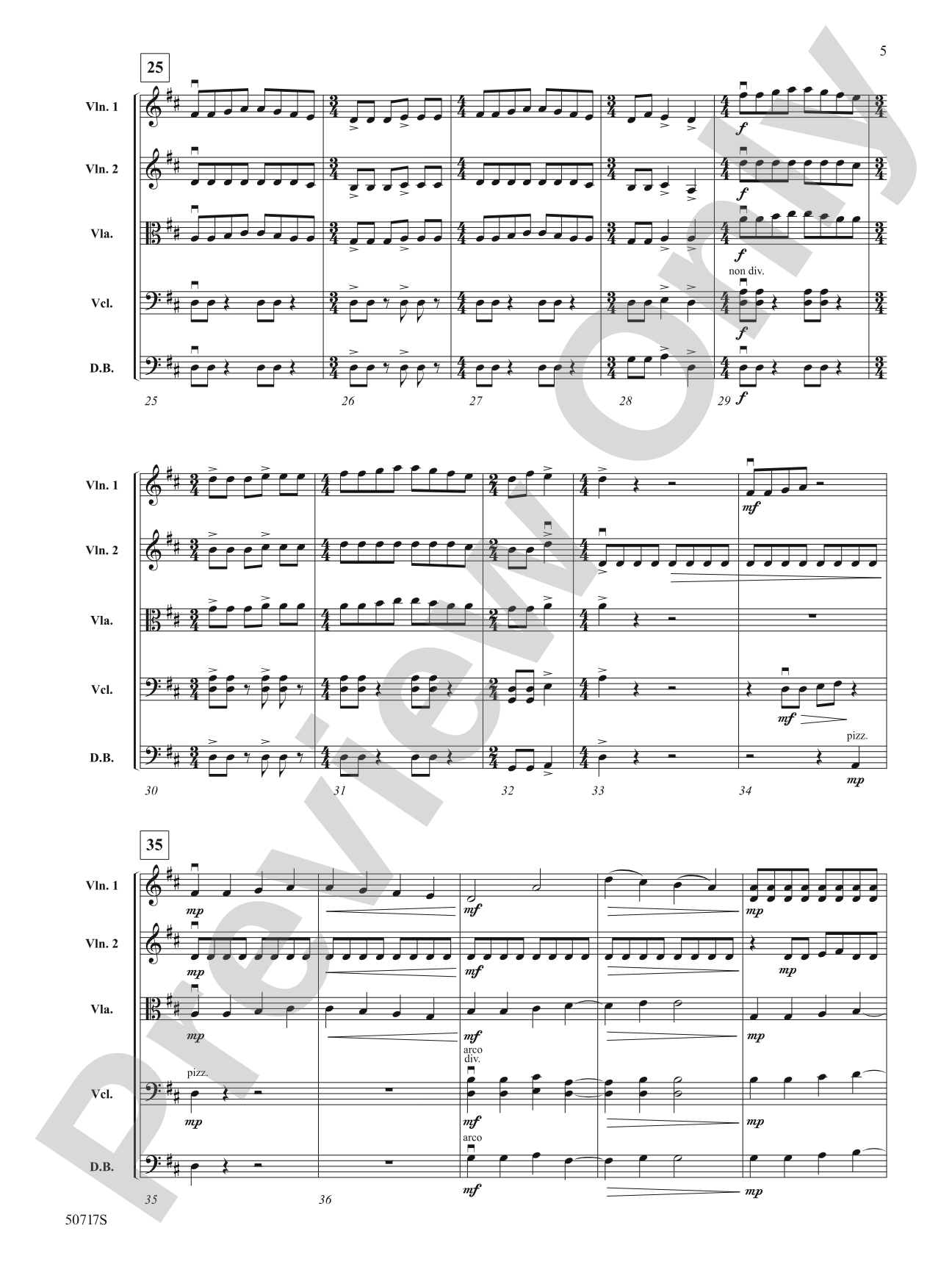
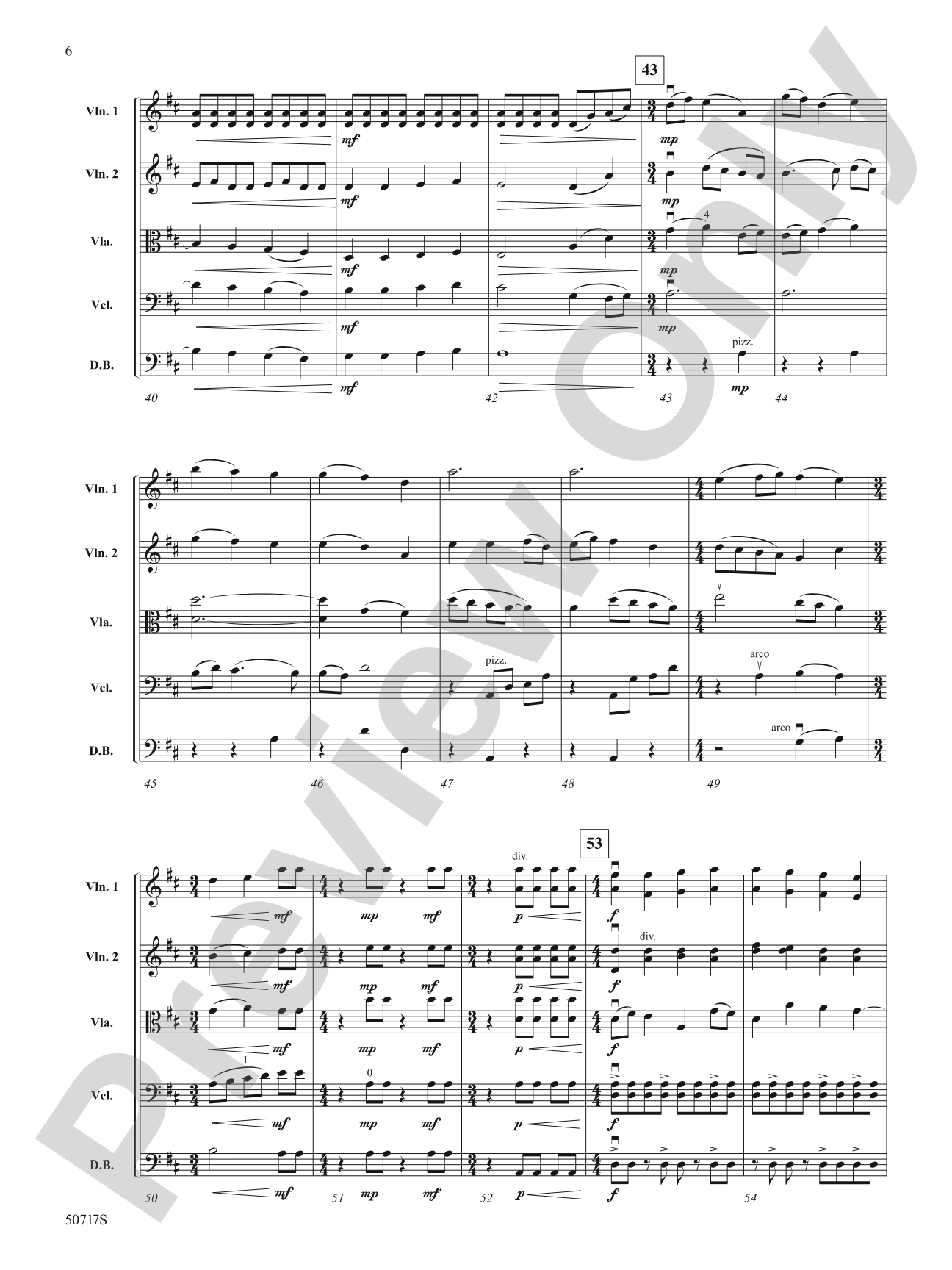
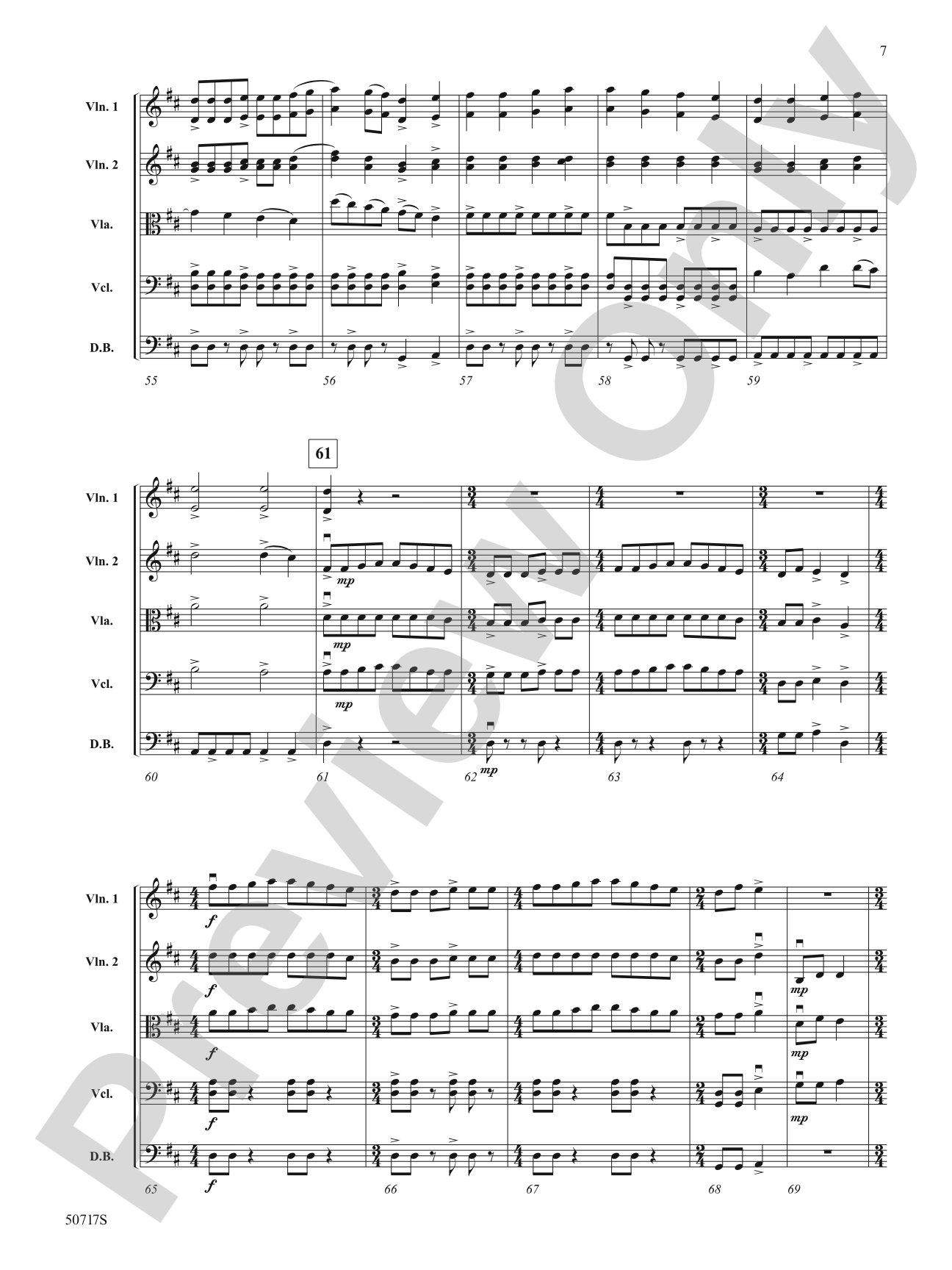
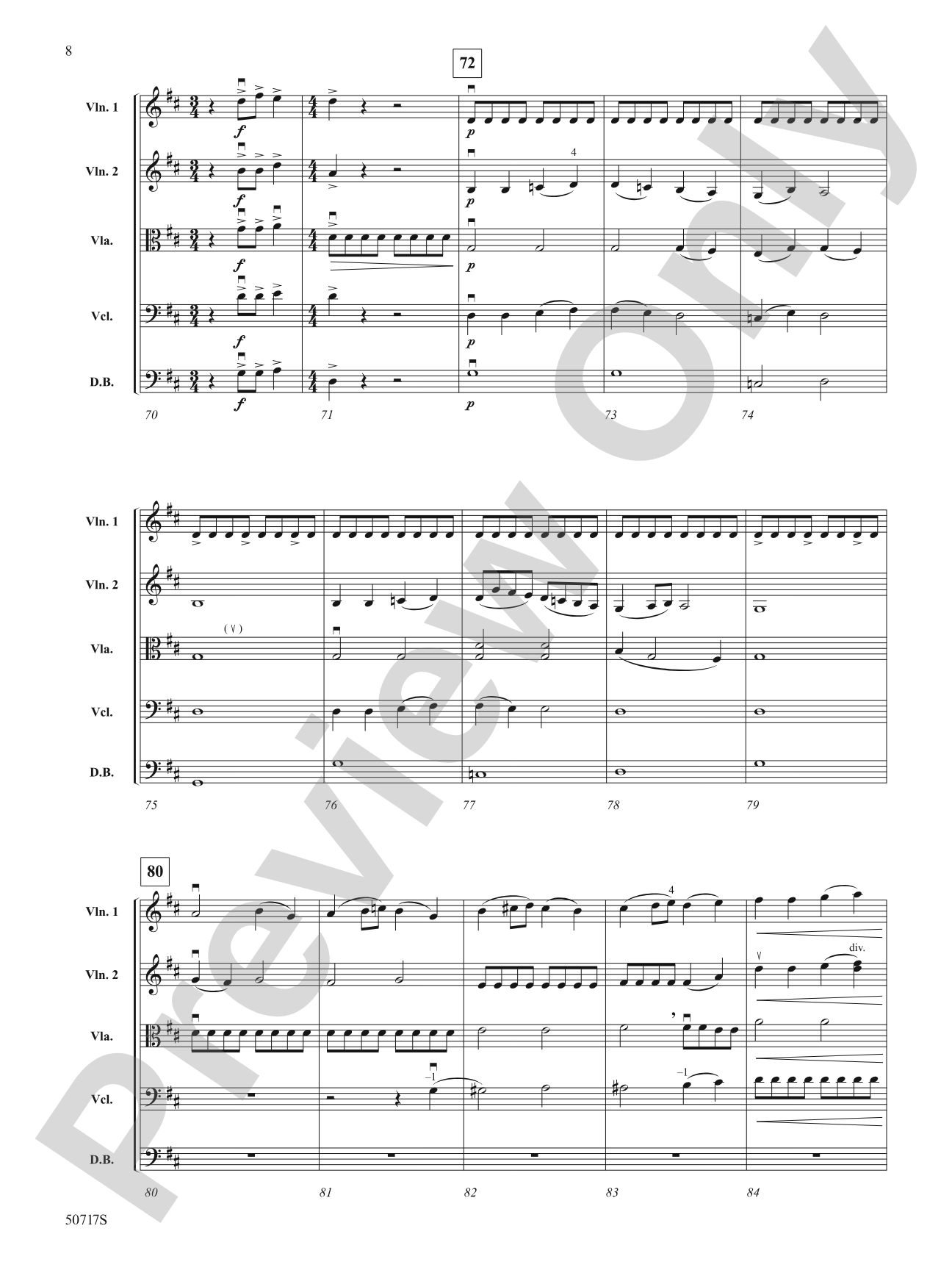

Ode to a Joyride: String Orchestra Conductor Score & Parts
By Brian Balmages
Grade: 3.5
Item: 00-PK-0008798

$65.00
One moment…
Description
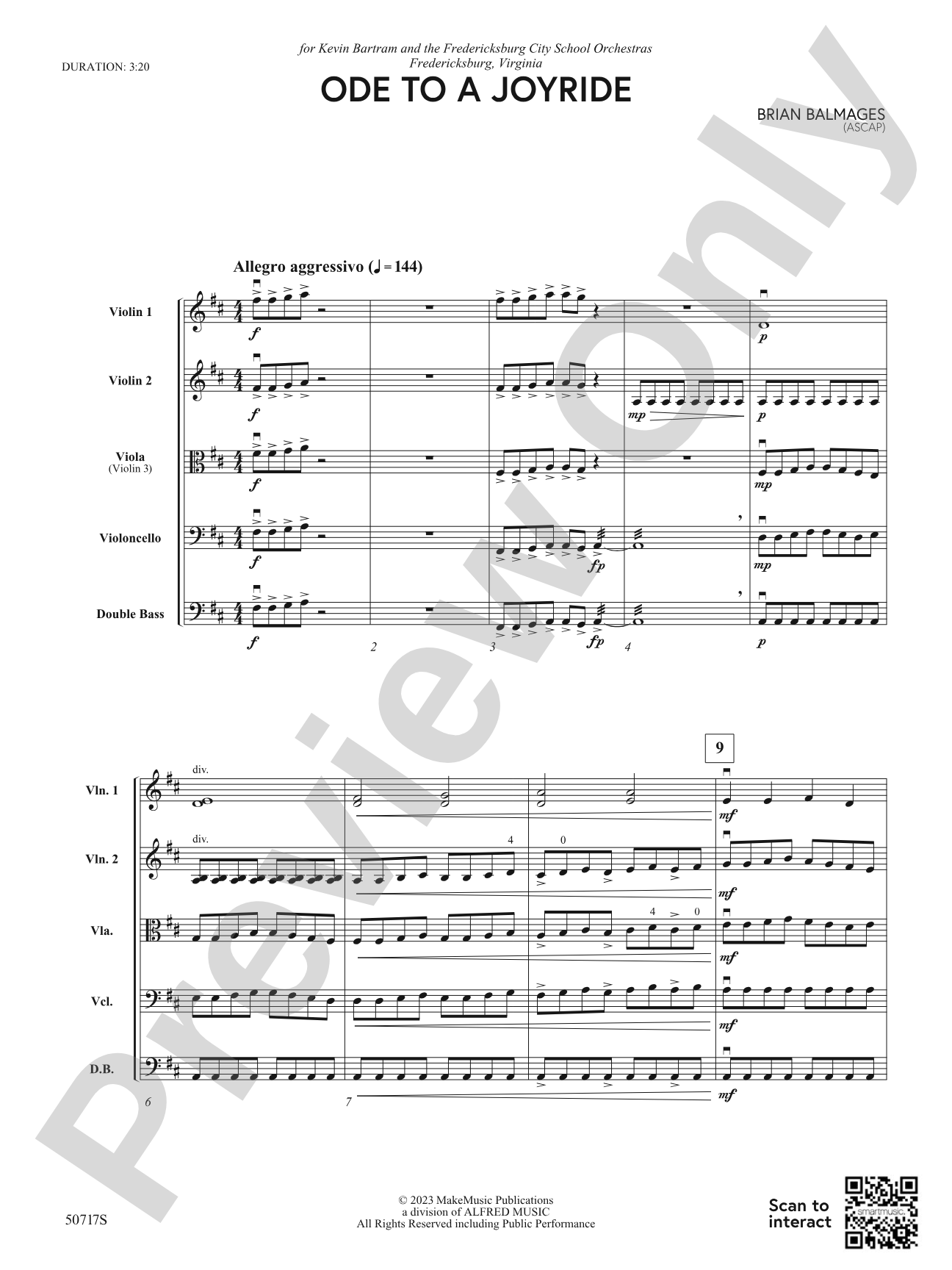
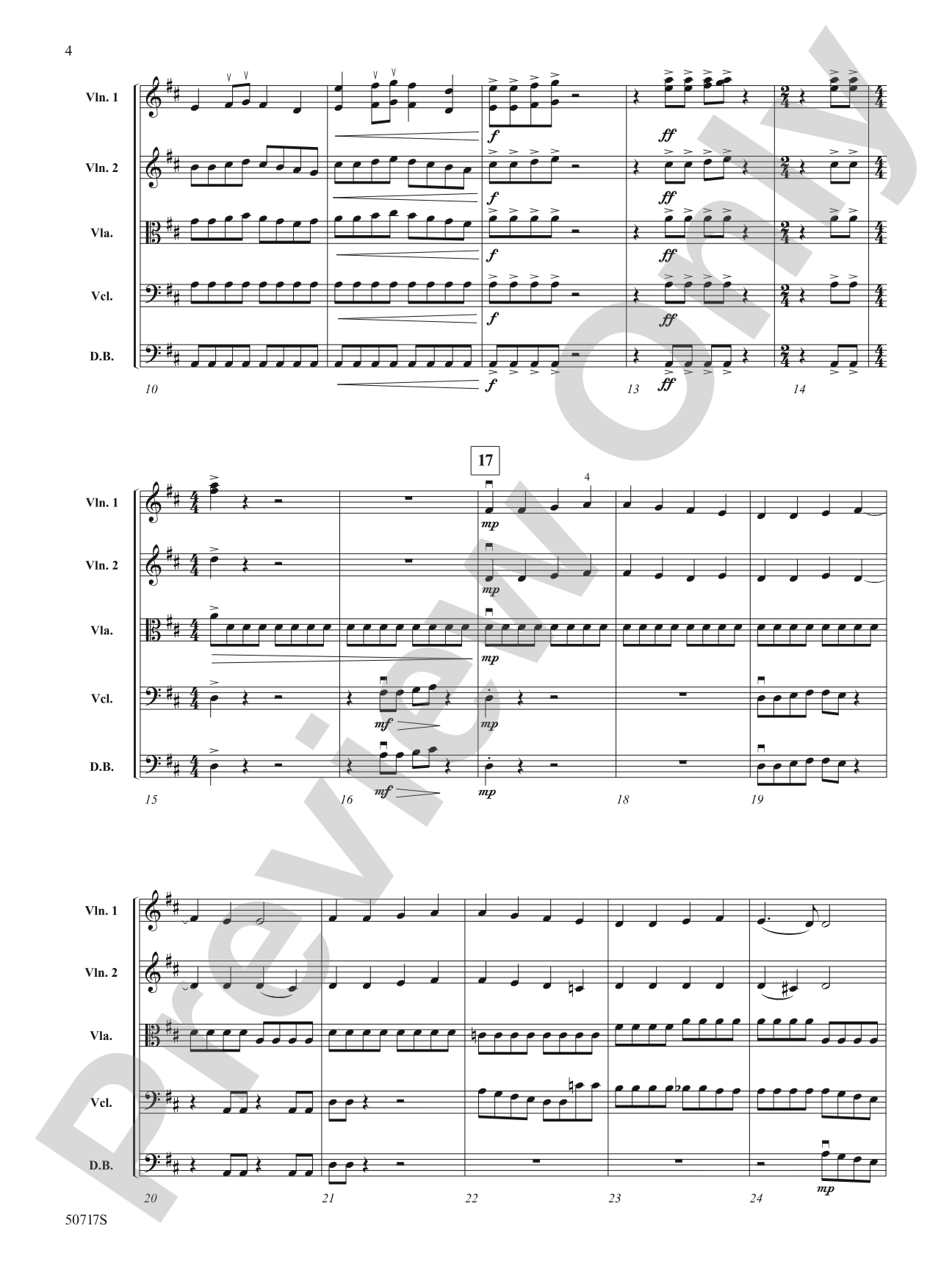
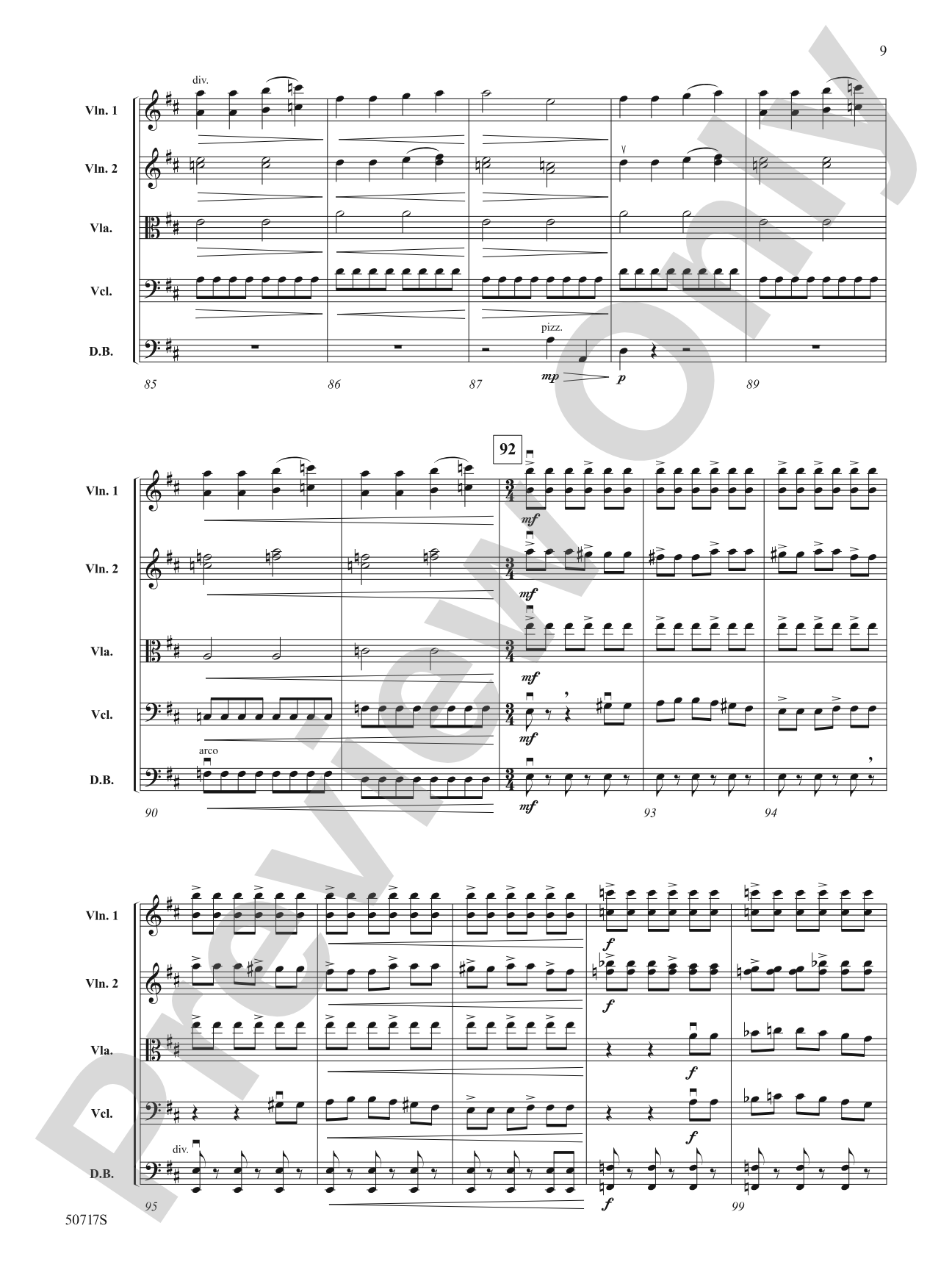
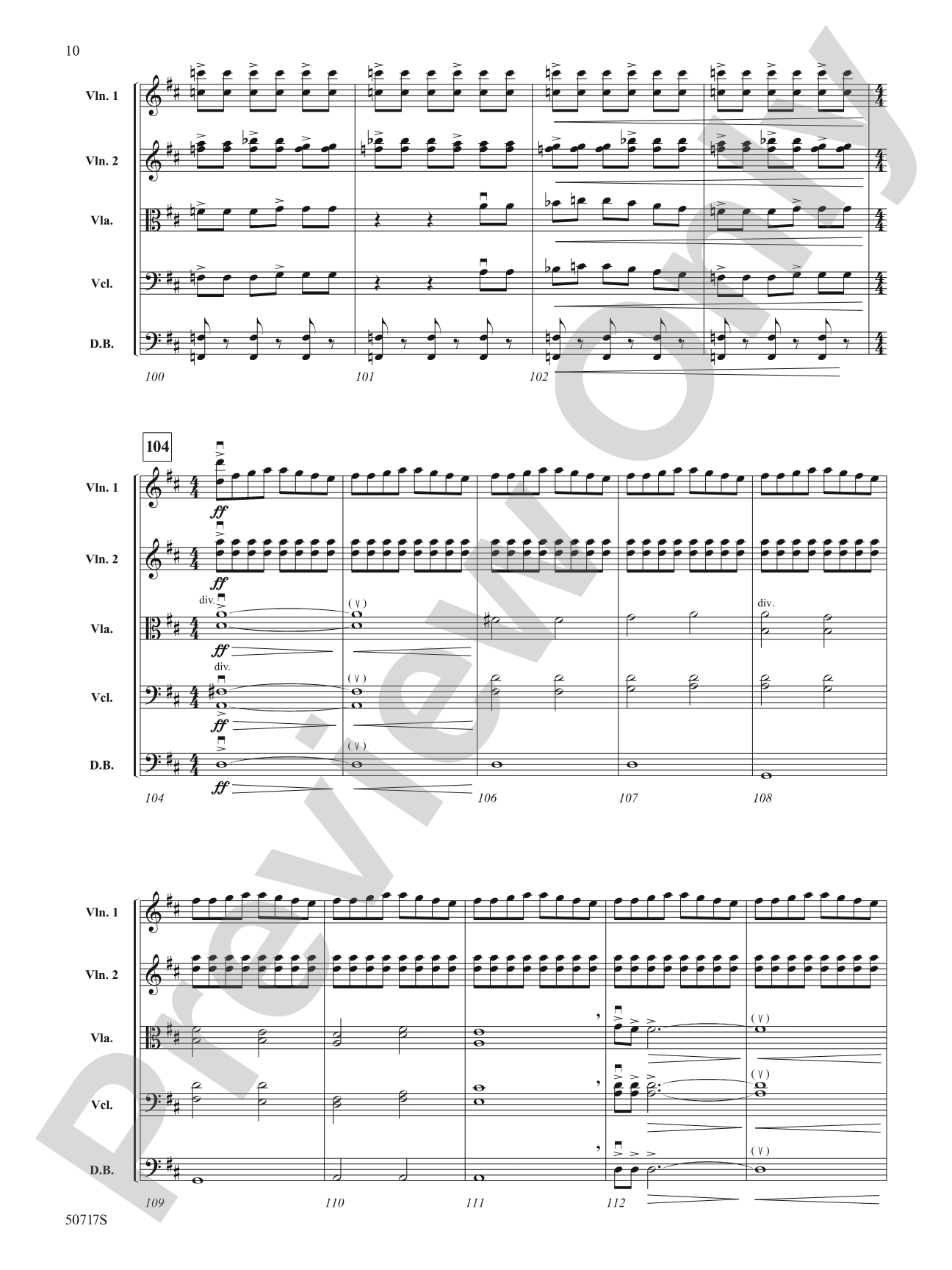
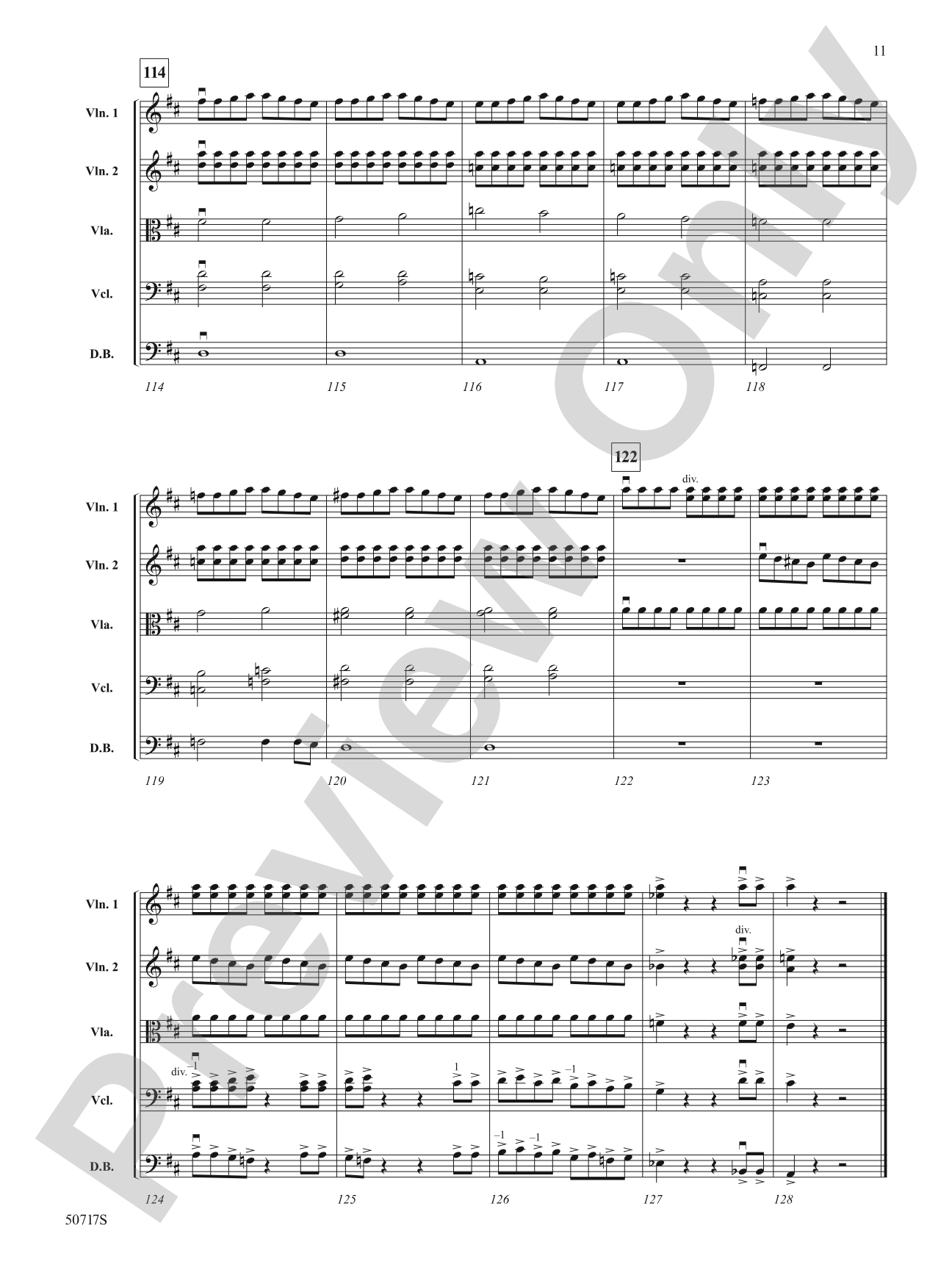
The glorious melody of Beethoven's Ode to Joy gets an adrenaline boost as your orchestra rolls down the windows and turns up the volume! Ideal as an opener or closer, this exciting work by Brian Balmages is certain to elicit a strong reaction from your students and audience. This is definitely an Ode to a Joyride that no one will soon forget! (3:20)


Don't just read it, hear it, play along with it, and watch your students grow with it. In MakeMusic Cloud, Ode to a Joyride: String Orchestra Conductor Score & Parts comes alive with professional accompaniment, adjustable tempo, and built-in practice tools that turn solo practice into real progress.
Open in the Player
Jump straight in and assign it today.
Start Your Free Trial
Open this title and explore the full library in minutes.
Sample Audio
1
Audio File
--:--
0:00
0:00
Sample Video
Additional Details
Series:
MakeMusic Symphony Strings
Publisher:
MakeMusic Publications
SKU:
00-PK-0008798
More about this title
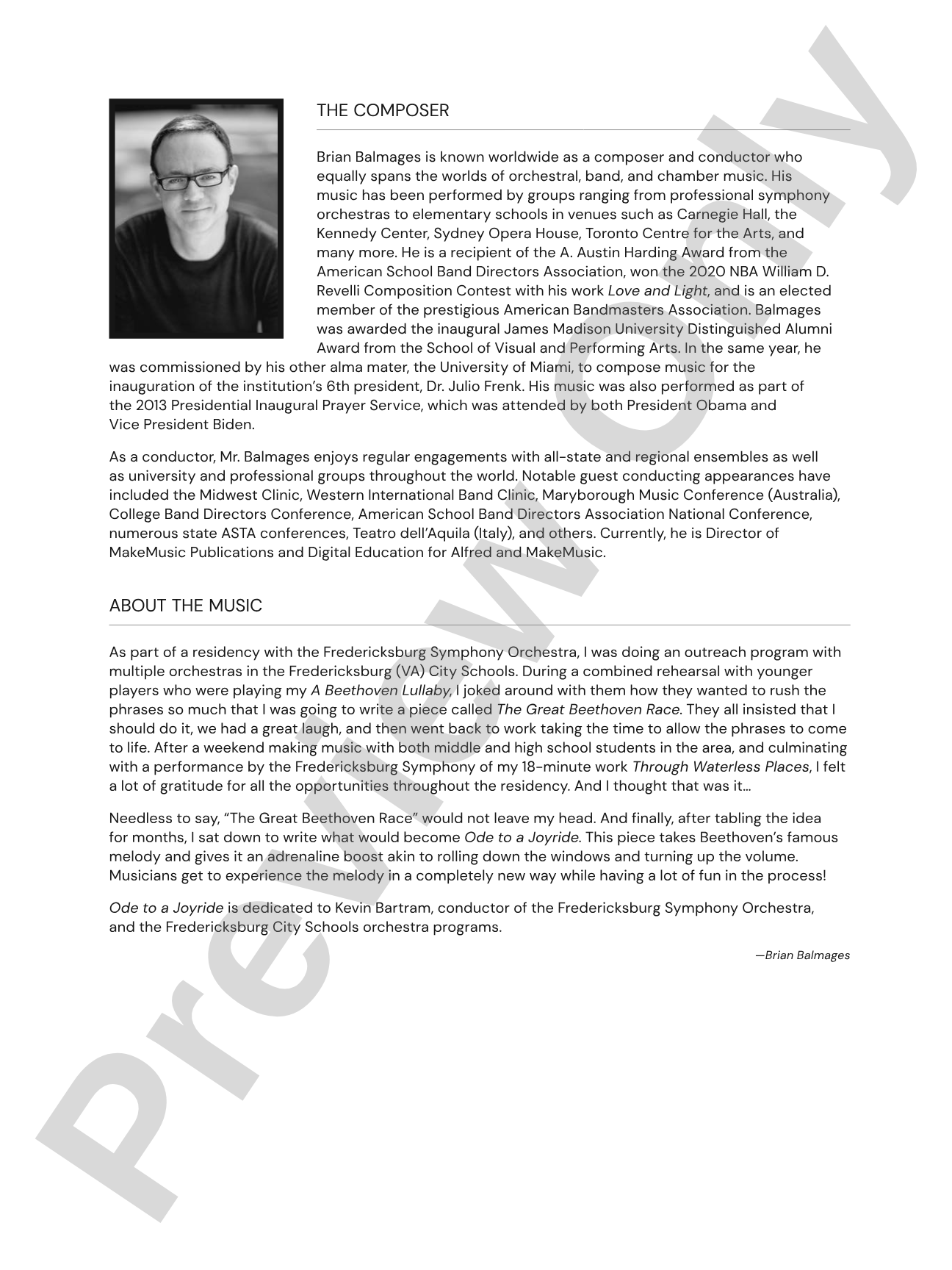
About the Composer: Brian Balmages

Brian Balmages has established himself as a composer and conductor with deep roots in orchestral, band, and chamber music. His works have been commissioned and performed across the globe, from Carnegie Hall and the Kennedy Center to the Sydney Opera House, and he has received numerous accolades including the A. Austin Harding Award and the 2020 NBA William D. Revelli Composition Contest. He serves as Director of MakeMusic Publications and Digital Education for Alfred and MakeMusic, and maintains an active guest conducting schedule with all-state ensembles, university orchestras, and professional groups worldwide.
Balmages earned his degrees from James Madison University and the University of Miami, and his music has been performed at significant national events, including the 2013 Presidential Inaugural Prayer Service. His compositional voice bridges accessibility and artistic substance, making his work especially valuable for school music programs seeking repertoire that engages both students and audiences.
Why we love this
This arrangement transforms a universally recognized theme into something genuinely theatrical and energetic without losing the dignity of the original. Balmages writes string parts that sit comfortably for mid-level players while maintaining real musical sophistication, and the contemporary treatment sparks genuine enthusiasm from orchestras that might otherwise approach this melody with routine familiarity. It works equally well as a concert opener that grabs attention immediately or a closer that leaves the audience exhilarated.
What to expect
Imagine Beethoven's hymn reimagined with bright energy and propulsive momentum, as if the familiar theme is accelerating joyfully forward. The string textures sparkle and drive rather than settle into reverence, creating an experience that feels both respectful to the original and thrillingly alive.
Who it's for
String orchestras at the Grade 3.5 level with steady intonation and basic ensemble balance will connect immediately with this piece. It suits programs that want to program a familiar masterwork with contemporary spirit, or directors seeking a genuinely crowd-pleasing concert opener or finale that won't compromise artistic credibility.
How to get the most out of it
- Establish a clear pulse from the opening; the excitement depends on the orchestra feeling secure rhythmically before the arrangement's energy hits.
- Balance the main melody line against accompaniment figures, especially when the theme moves between sections. The "joyride" effect depends on clarity of line.
- Let the orchestra breathe where the arrangement provides space. Resisting the urge to push through every moment actually heightens the impact of the climactic sections.
- Use the conductor score to track which voices carry the melodic material at each phrase. String orchestras often need explicit guidance to avoid unison passages feeling muddy.
How to use it
Position this as your opening number when you need to grab an audience's attention and set a vibrant tone for the concert. Alternatively, it makes an excellent finale that sends students and listeners out on a high note of genuine excitement. Its accessibility and broad appeal make it ideal for family concerts, pops programs, or festival selections where immediate engagement matters.
Skills your students will build
- Maintaining rhythmic precision in energetic tempos
- Balancing melodic material against accompaniment patterns
- Sustaining ensemble cohesion across quick dynamic changes
- Responding to conducting cues that shift energy and emphasis mid-phrase
- Intonation stability when playing rapid scalar passages
- Listening across sections to maintain textural clarity in familiar melodic material