
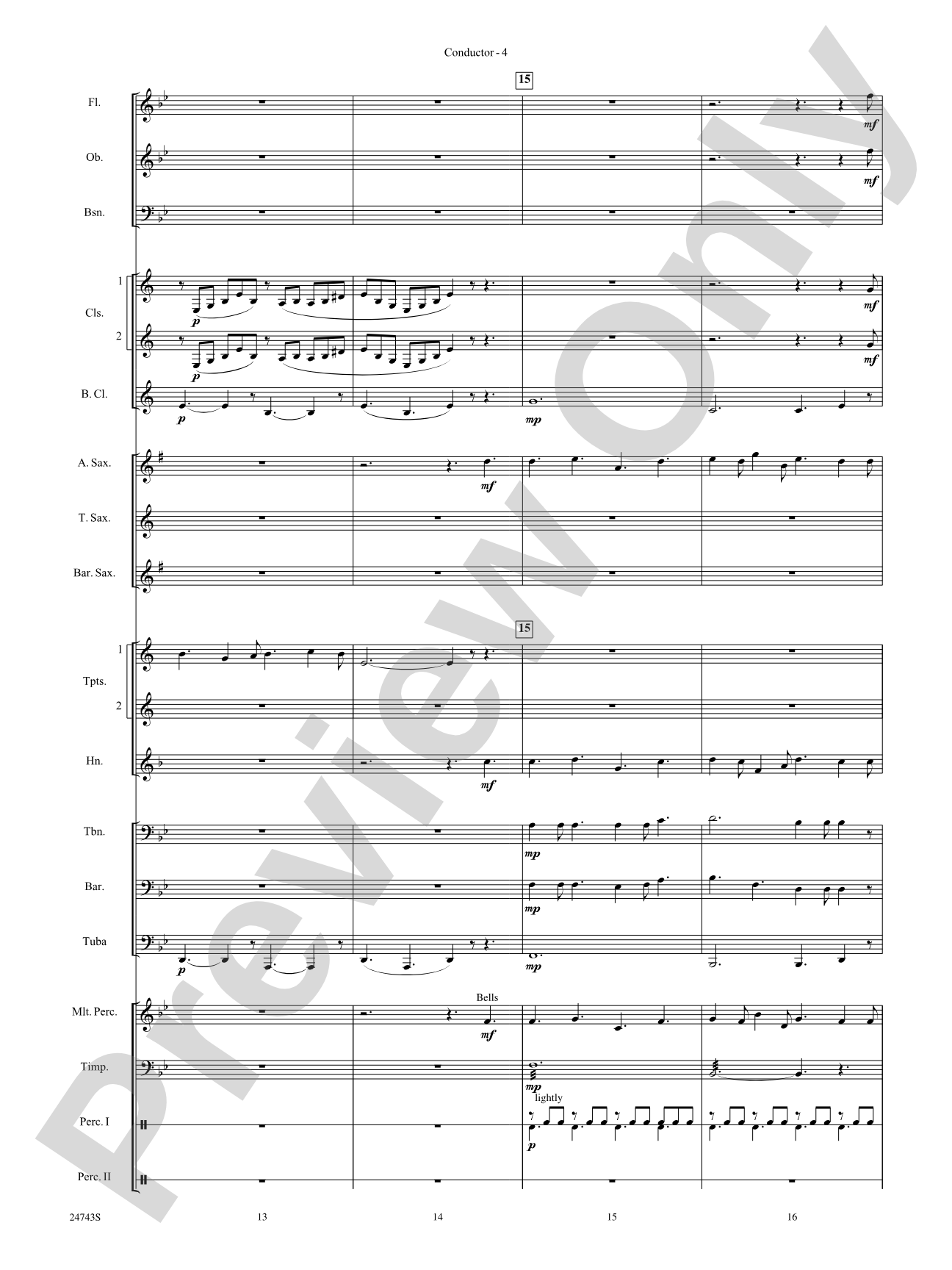
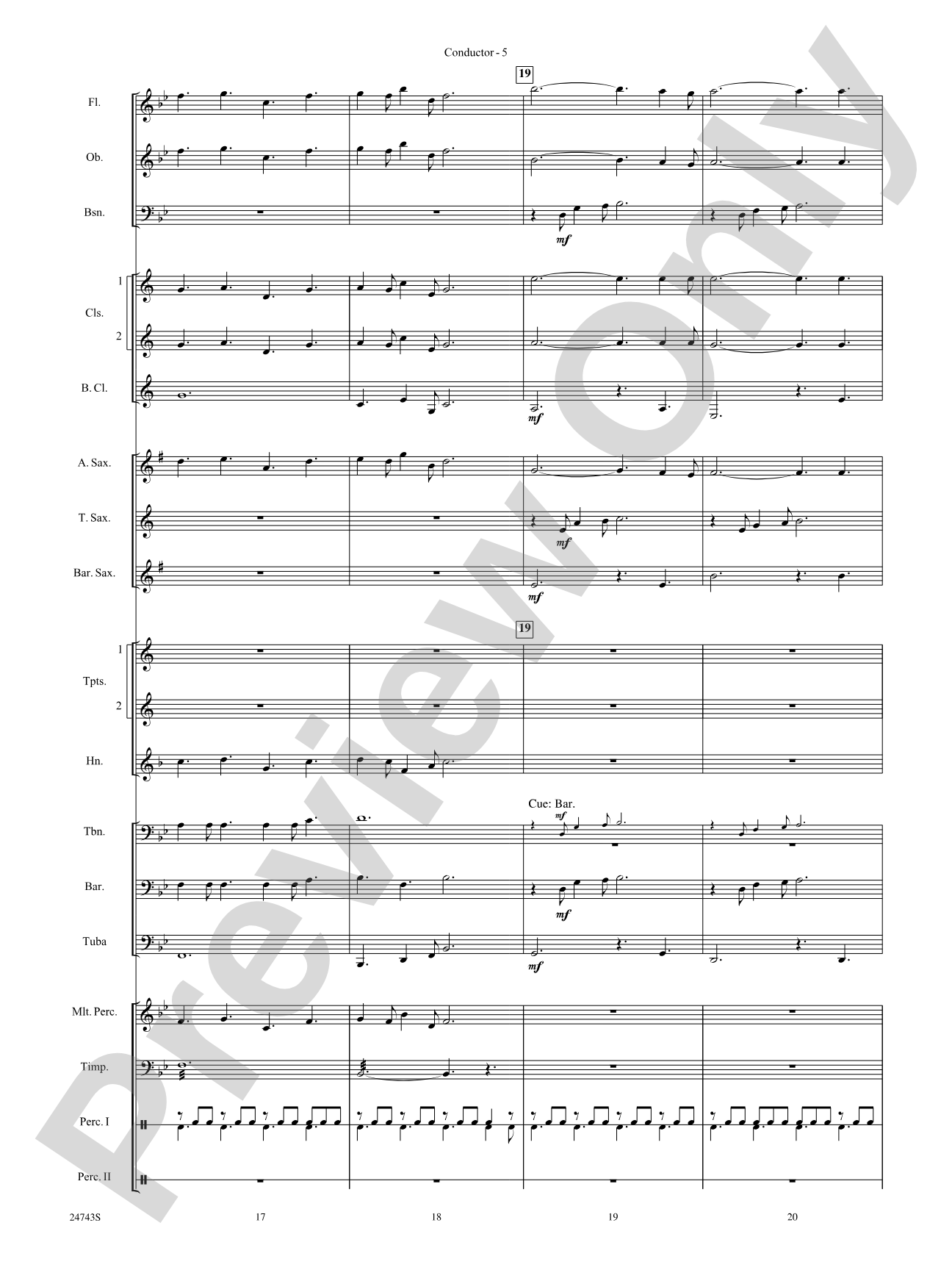
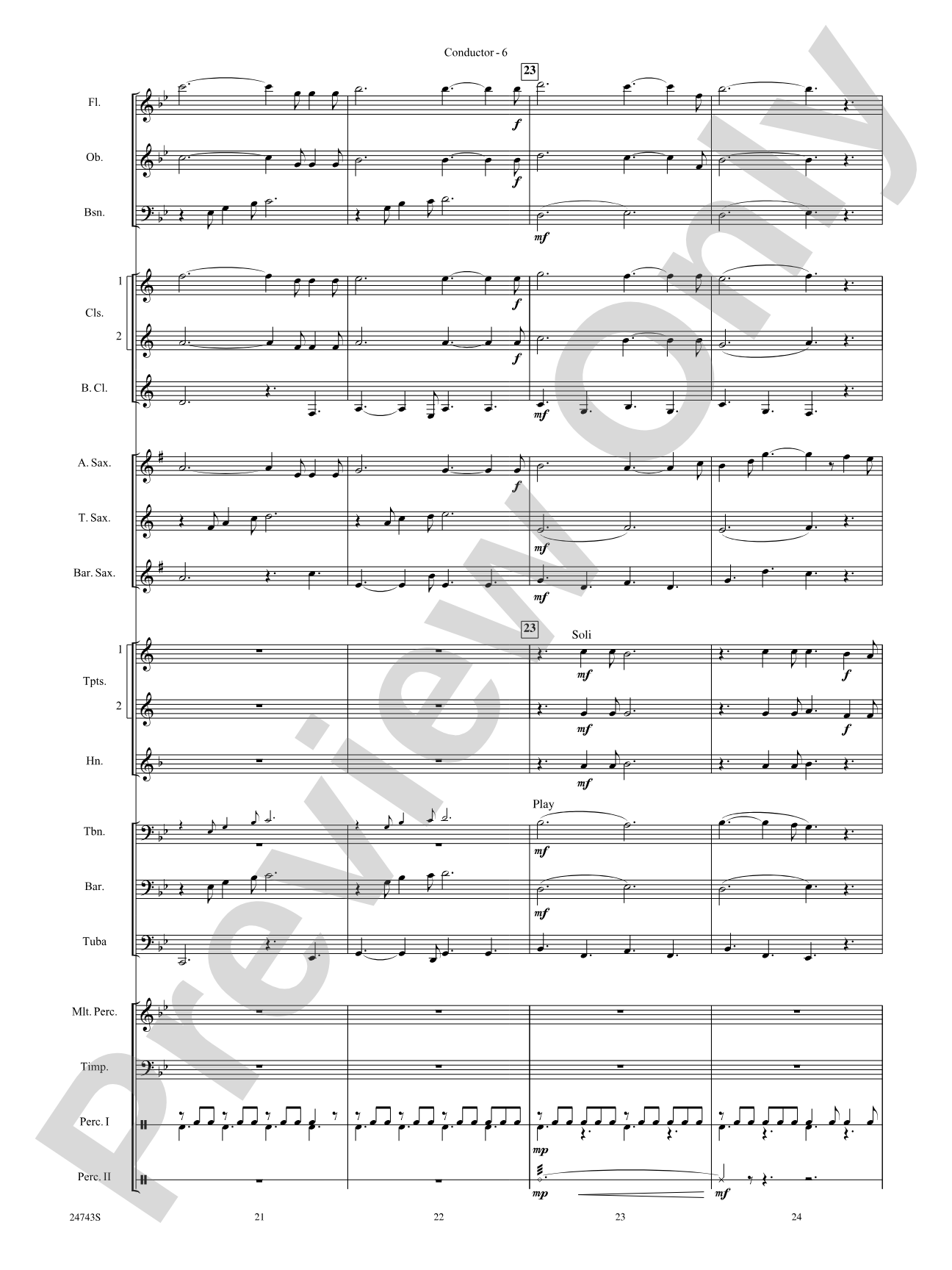
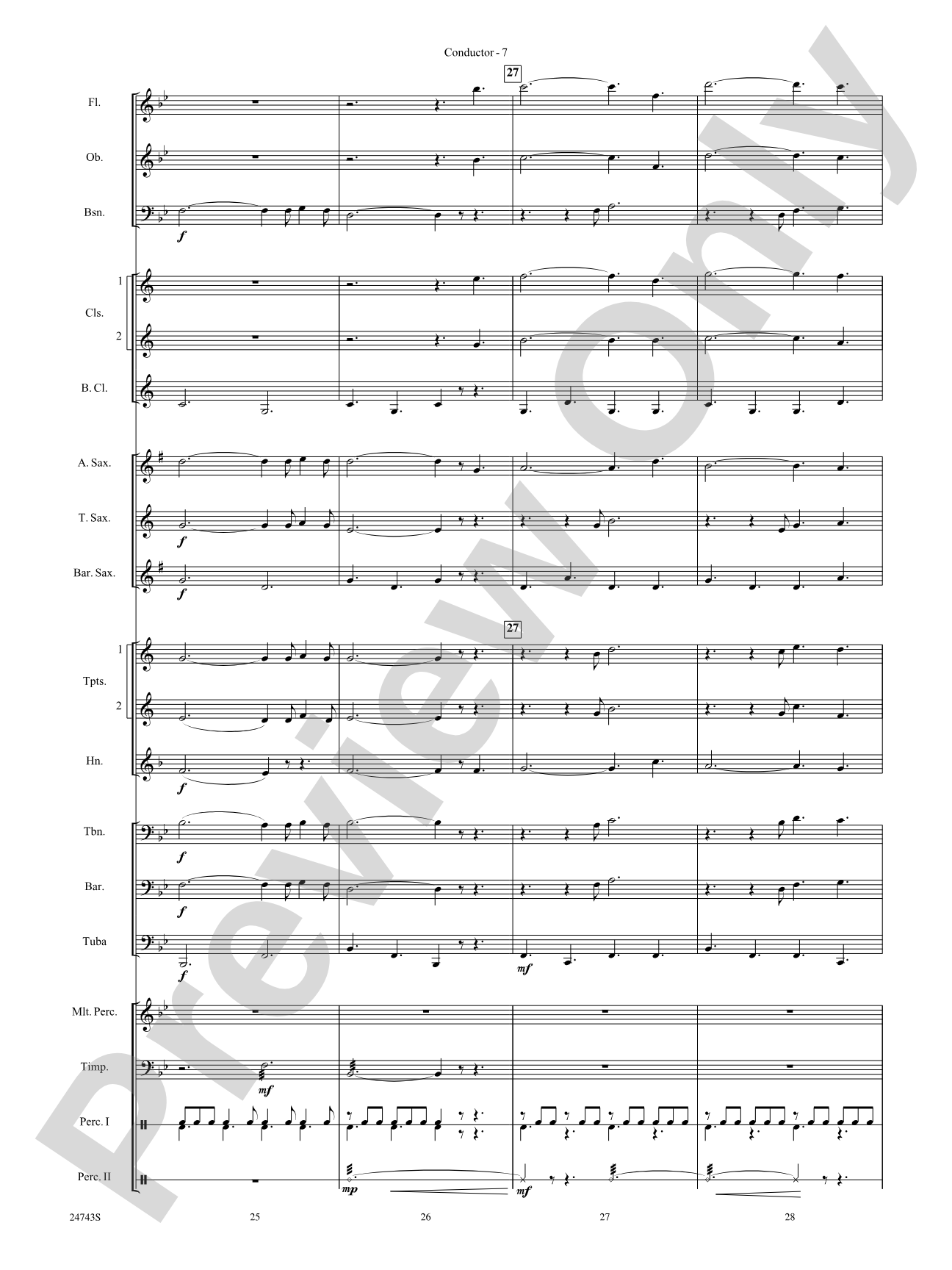
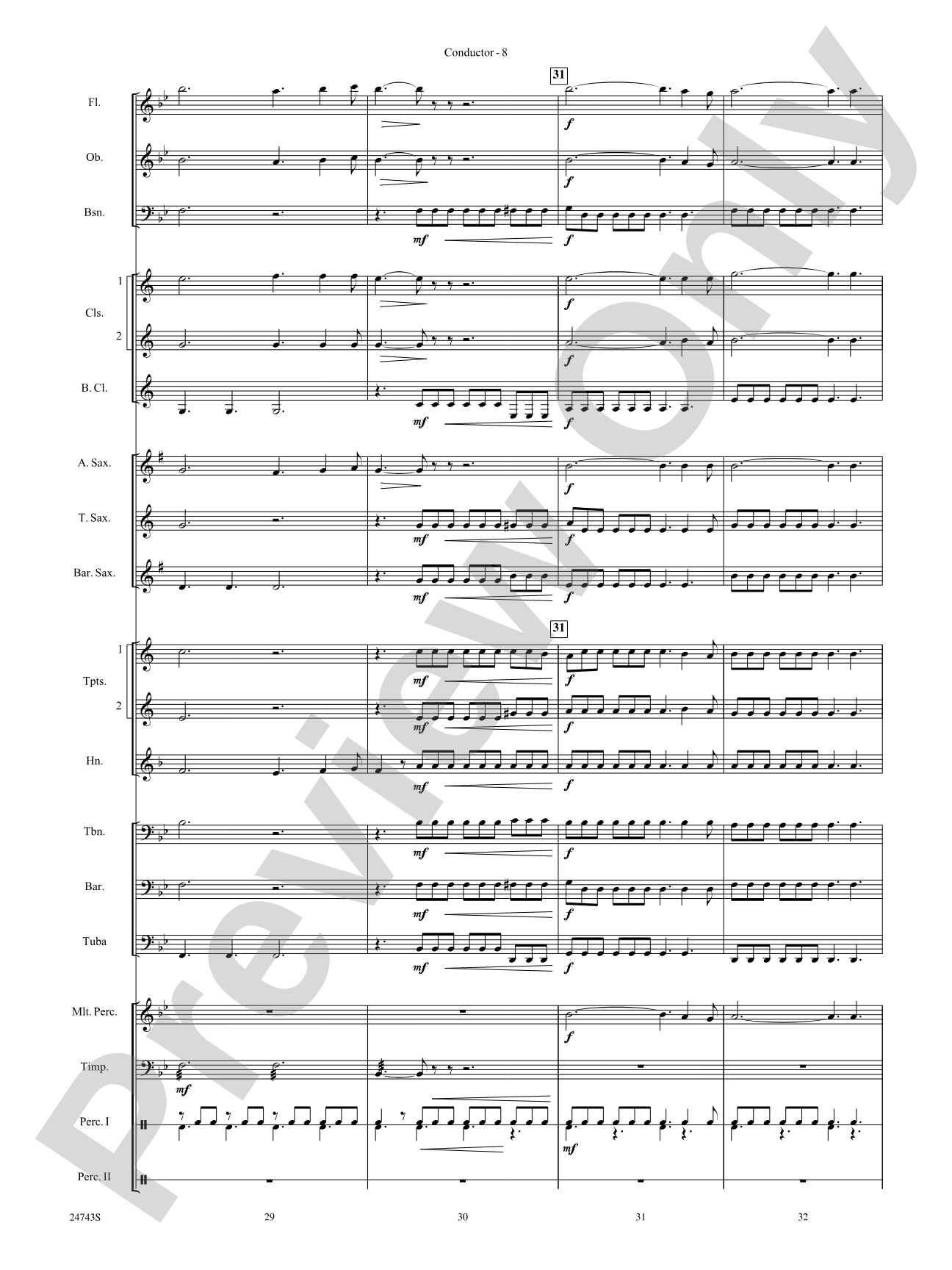
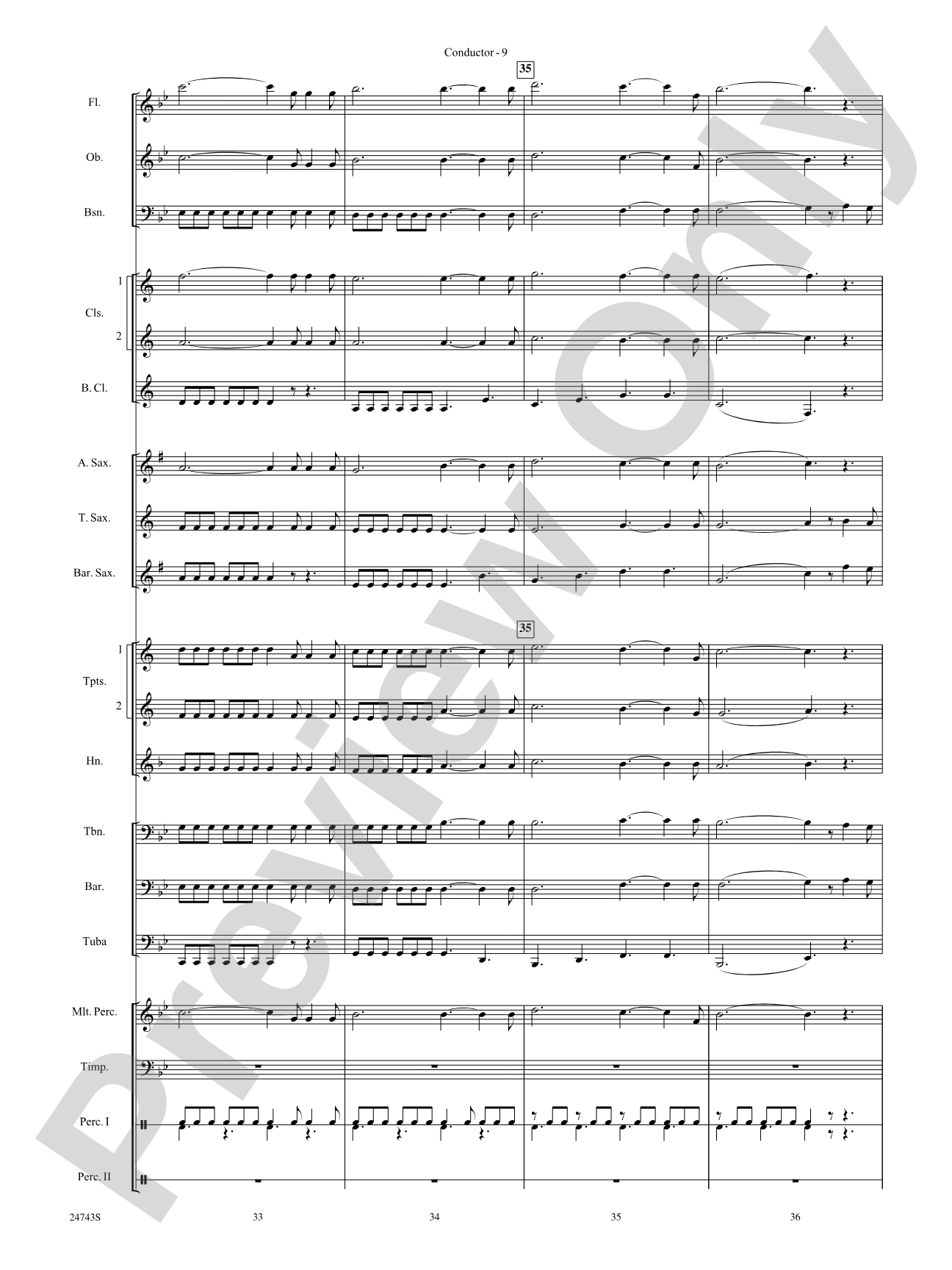
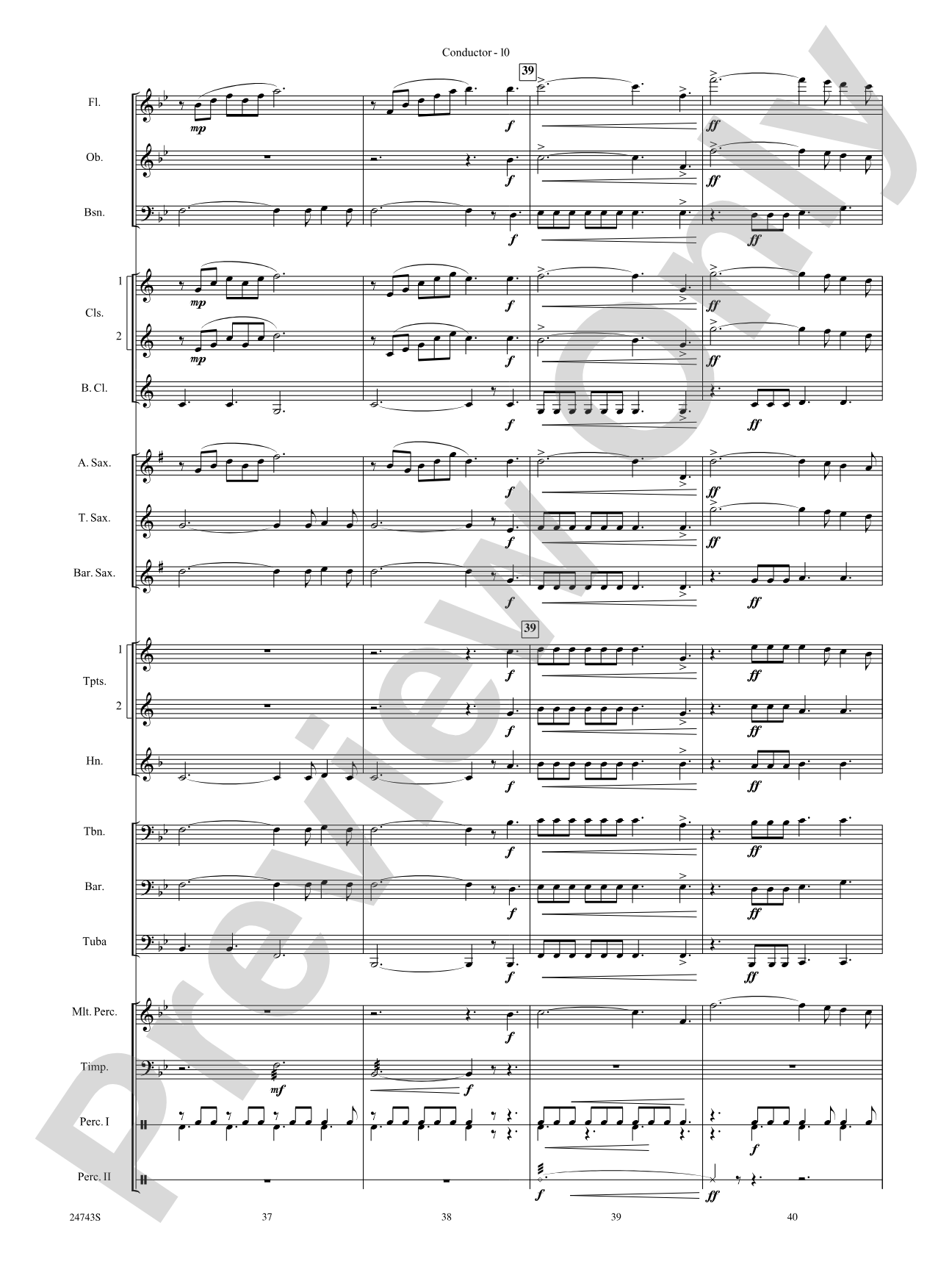
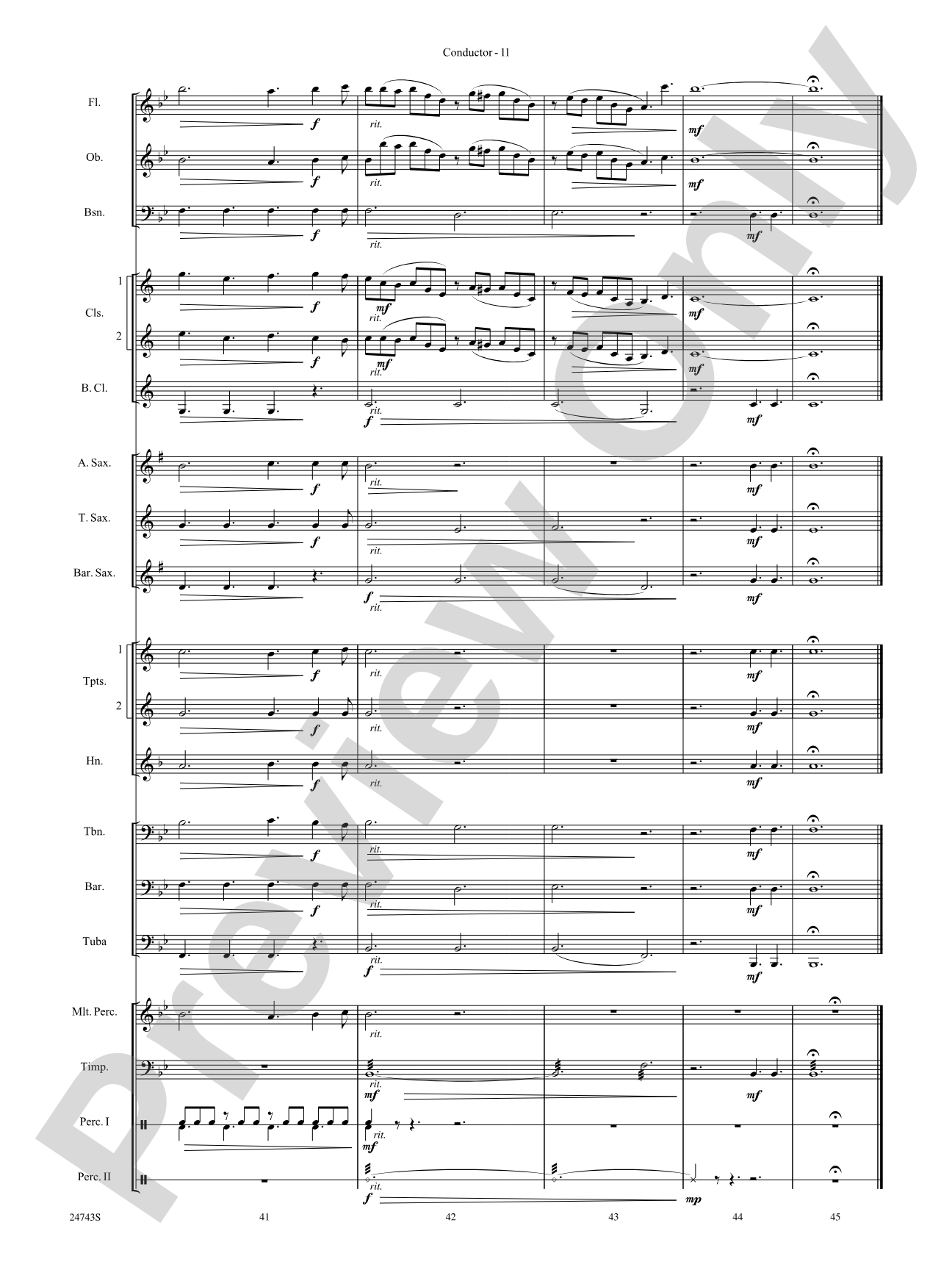

O Holy Night (Cantique de Noel): Concert Band Conductor Score & Parts
By Adolphe Charles Adam / arr. Jack Bullock
Grade: 2 (Easy)
Item: 00-PK-0000902

$57.00
Pickup currently not available
Buy Extra Parts (Digital PDF Download)
Parts Added to Cart!
Description
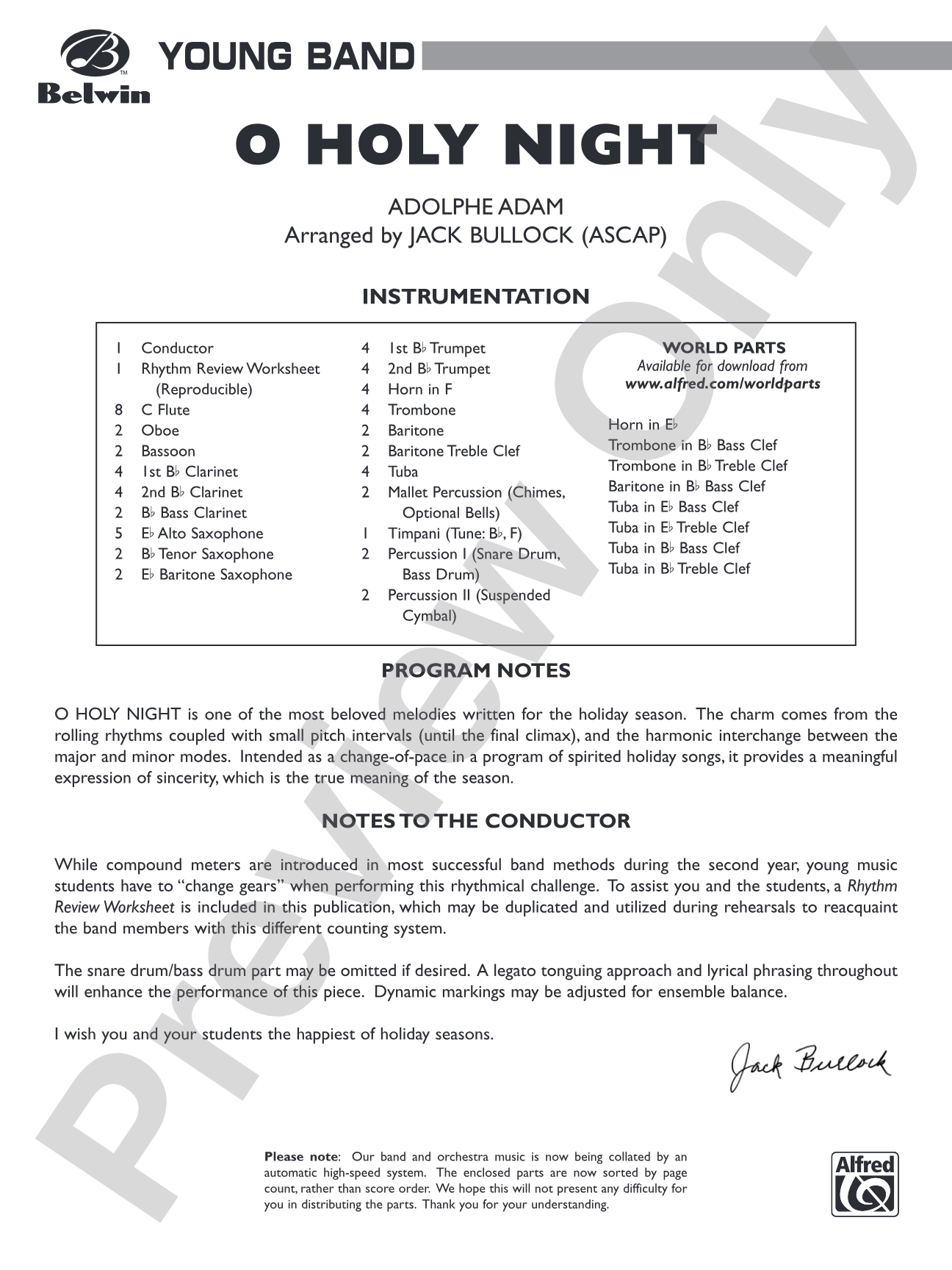
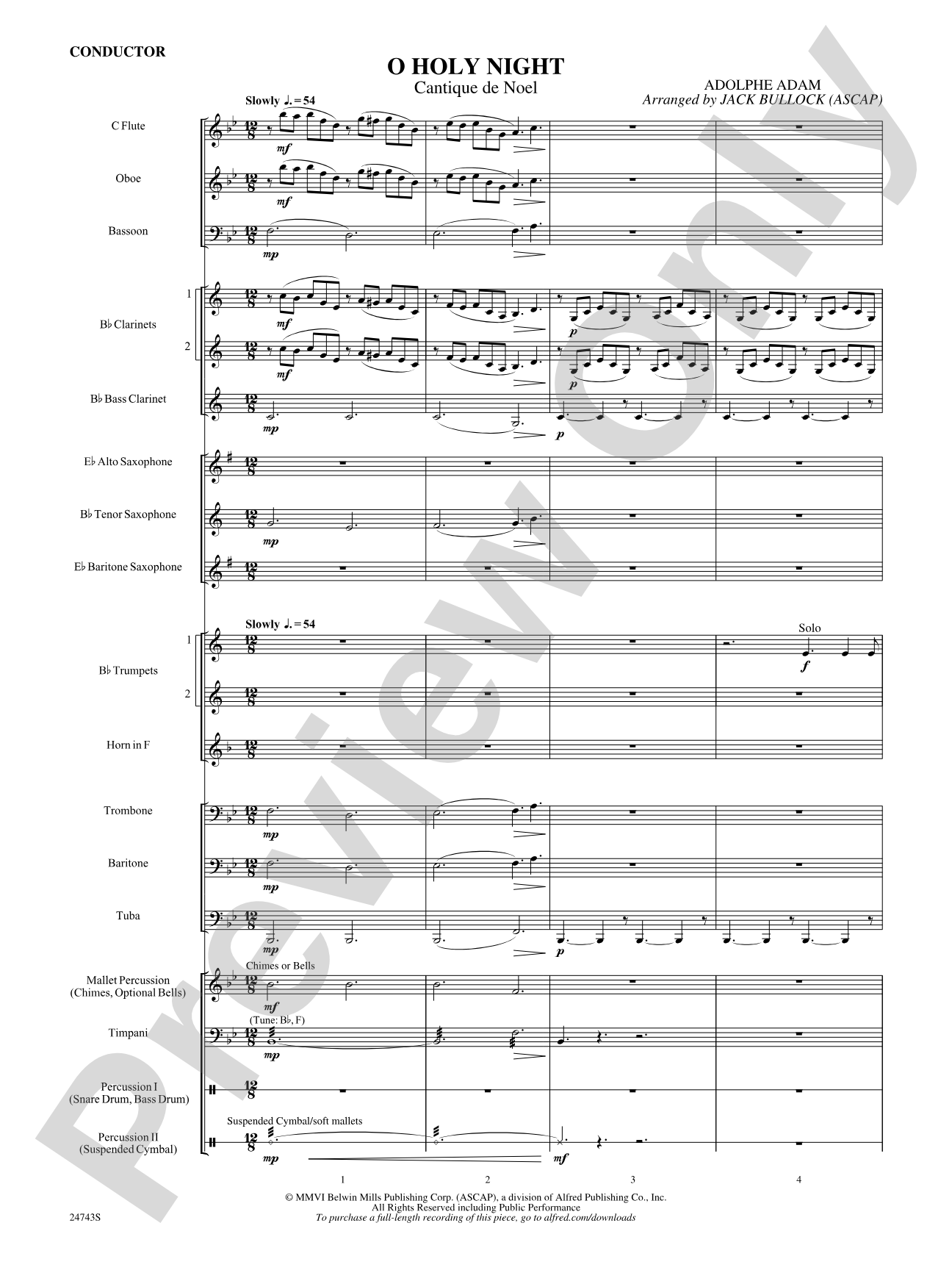
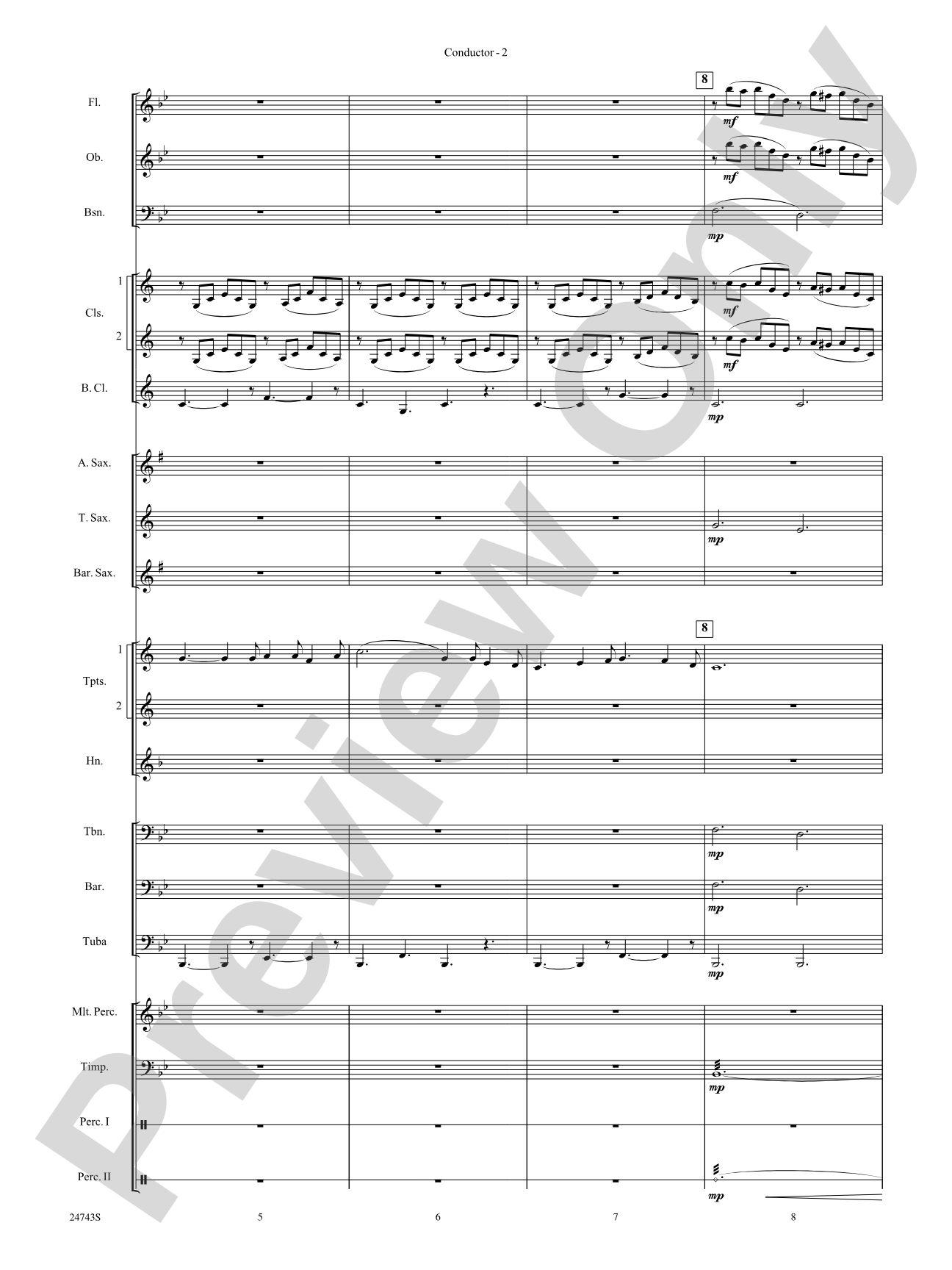
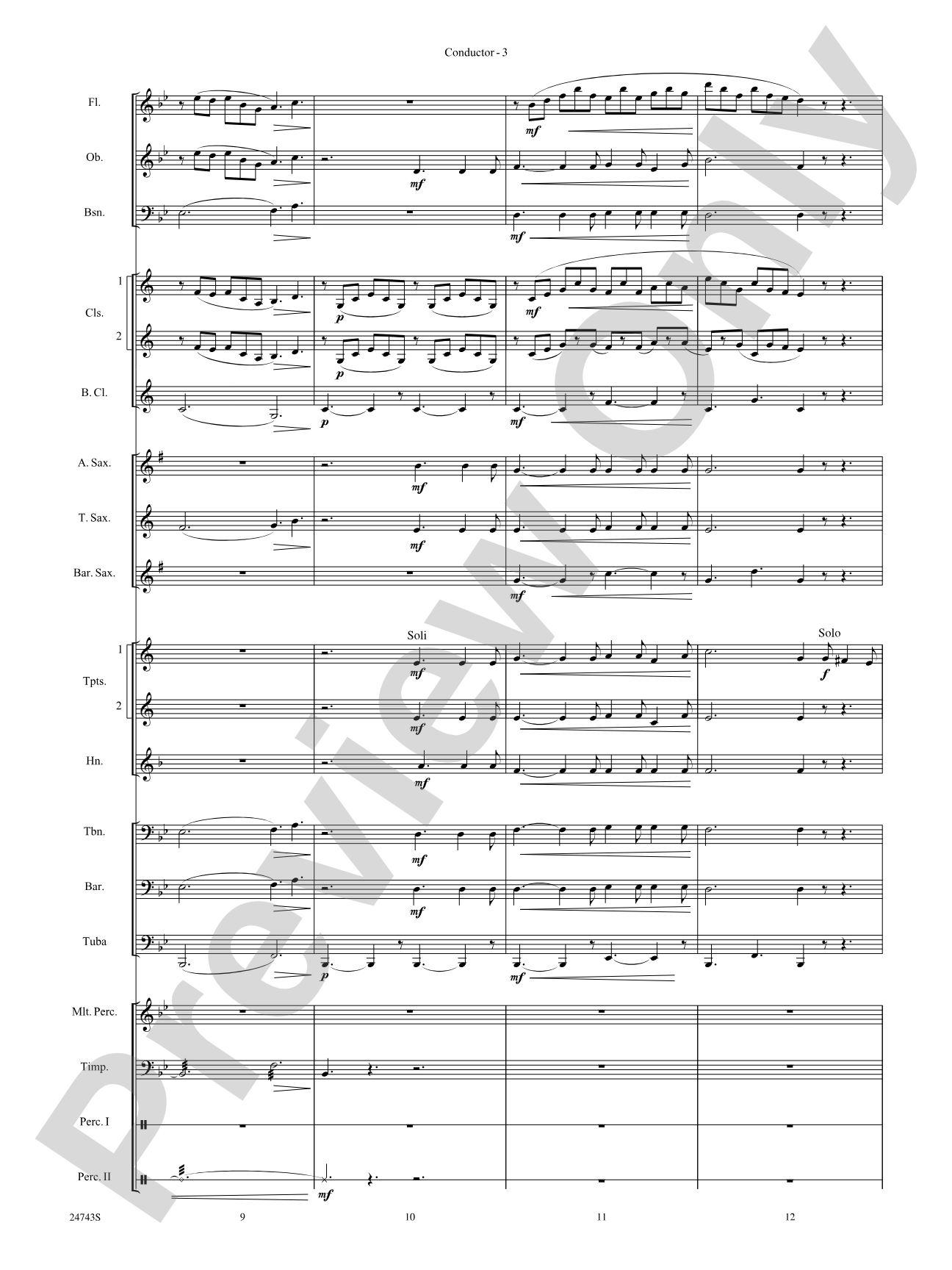
This cherished classic is scored in 12/8 and provides a superb introduction to triple meter for your young band. A reproducible rhythm worksheet is included with the arrangement that makes the introduction of this new meter a snap for the entire band. A very familiar tune which will warm up the chilliest of holiday programs.


Don't just read it, hear it, play along with it, and watch your students grow with it. In MakeMusic Cloud, O Holy Night (Cantique de Noel): Concert Band Conductor Score & Parts comes alive with professional accompaniment, adjustable tempo, and built-in practice tools that turn solo practice into real progress.
Open in the Player
Jump straight in and assign it today.
Start Your Free Trial
Open this title and explore the full library in minutes.
Sample Audio
1
Audio File
--:--
0:00
0:00
Sample Video
No sample videos found.
Additional Details
Series:
Belwin Young Band
Publisher:
Alfred Music
Page Count:
126
SKU:
00-PK-0000902
More about this title
About the Composer: Adolphe Charles Adam
Adolphe Charles Adam (1803-1856) was a prolific French composer whose gift for melody made him one of the most performed composers of the Romantic era. He wrote over 40 operas and ballets, including the enduring masterpiece Giselle, and his music defined the sound of mid-19th-century French musical theater through its directness and emotional accessibility.
Adam's ability to craft unforgettable tunes served him equally well in sacred music. "O Holy Night" (Cantique de Noel) emerged from his gift for creating melodies that lodge immediately in the listener's memory, which is precisely why this arrangement remains a staple of holiday programming across every performance level.
Why we love this
Young bands often struggle with meter changes, but this arrangement makes 12/8 feel natural rather than foreign. The included rhythm worksheet transforms what could be confusing theory into concrete practice, and the melody is so universally known that students can focus entirely on understanding the meter without wrestling with note-reading.
What to expect
Hushed and reverent, with the gentle lilt of 12/8 creating a flowing, almost hymn-like quality that feels both solemn and warm. The familiar melody carries an intimacy that makes this work feel like a communal moment rather than a technical display.
Who it's for
Grade 2 concert bands encountering triple meter for the first time will find an ideal teaching vehicle in this arrangement. The low technical demands on individual parts mean every student can participate fully while the focus remains on understanding rhythmic concepts.
How to get the most out of it
- Begin your rehearsal with the rhythm worksheet before tackling the full score. Work through the 12/8 patterns as a group so students internalize the feel before playing pitched notes.
- Shape the familiar melody with gentle dynamic swells rather than rigid uniformity. The tunefulness of this piece rewards conductors who encourage students to listen to one another and breathe together.
- Balance the accompaniment texture so the melody cuts through cleanly. In a young band, doubling a single melodic line can help it soar without overwhelming the arrangement.
- Let the 12/8 meter breathe naturally. Resist the temptation to conduct it as four beats per measure; commit to the triplet subdivision so your band feels the lilting, waltz-like quality inherent in the meter.
How to use it
Position this early in a winter concert program where it can anchor a sacred music segment or open a holiday set with quiet dignity. The accessibility of the tune makes it an excellent opener that invites the audience in immediately.
Skills your students will build
- Reading and performing in 12/8 meter with consistent triplet subdivision
- Balancing melodic clarity with supportive accompaniment textures
- Conducting and responding to gentle dynamic shaping in slow, contemplative music
- Understanding the relationship between compound meter and the lilting character it creates