
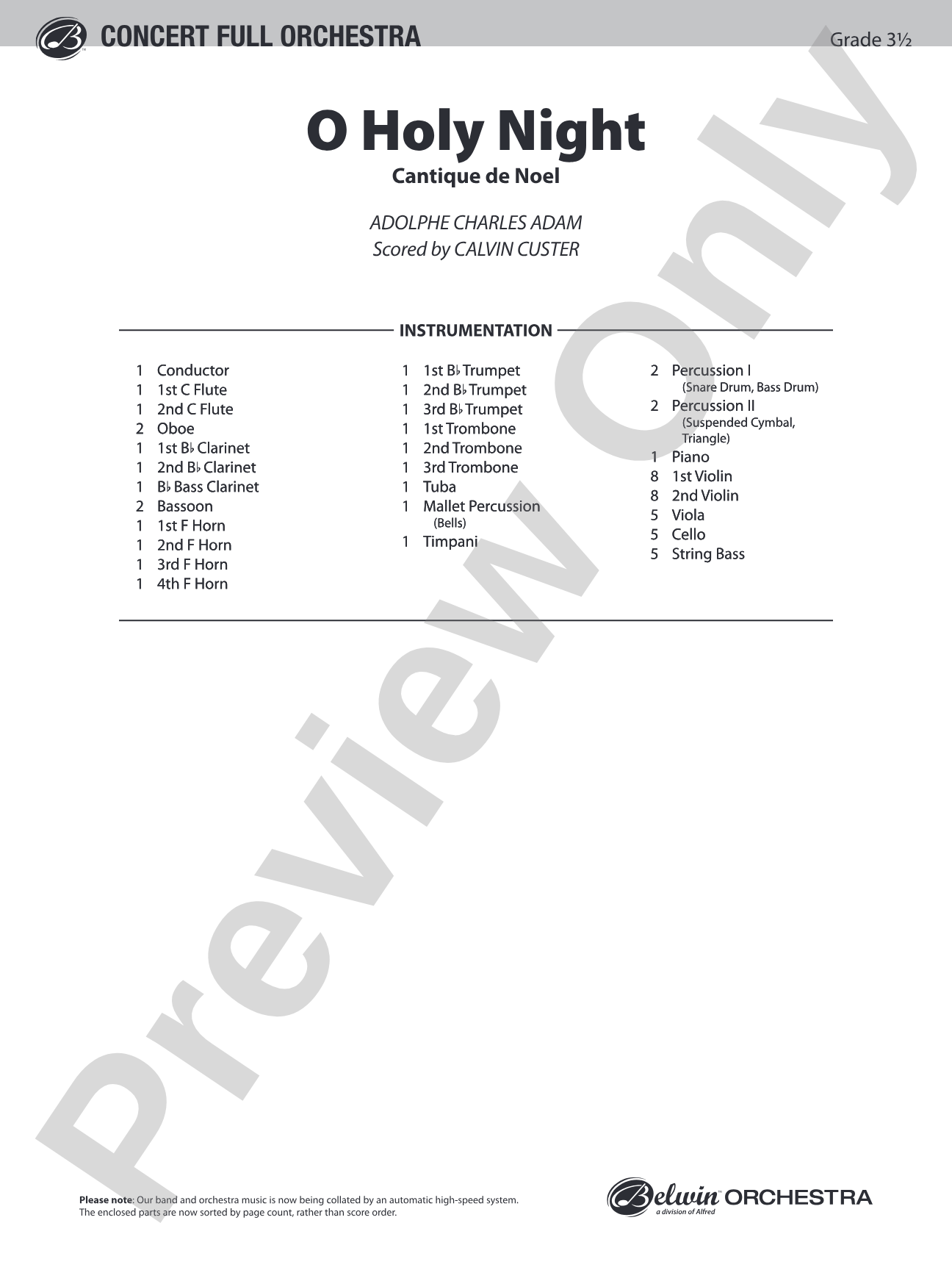

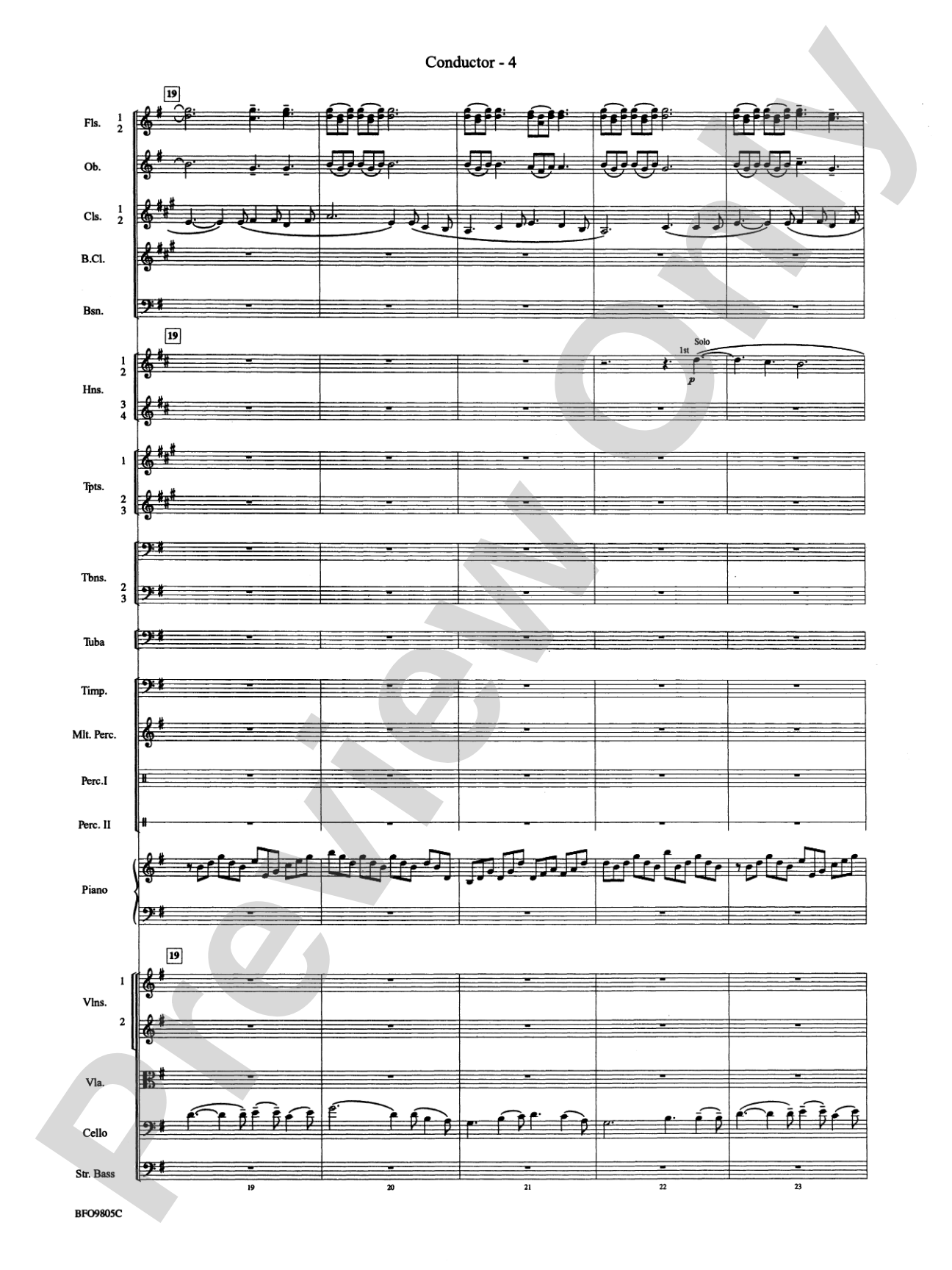
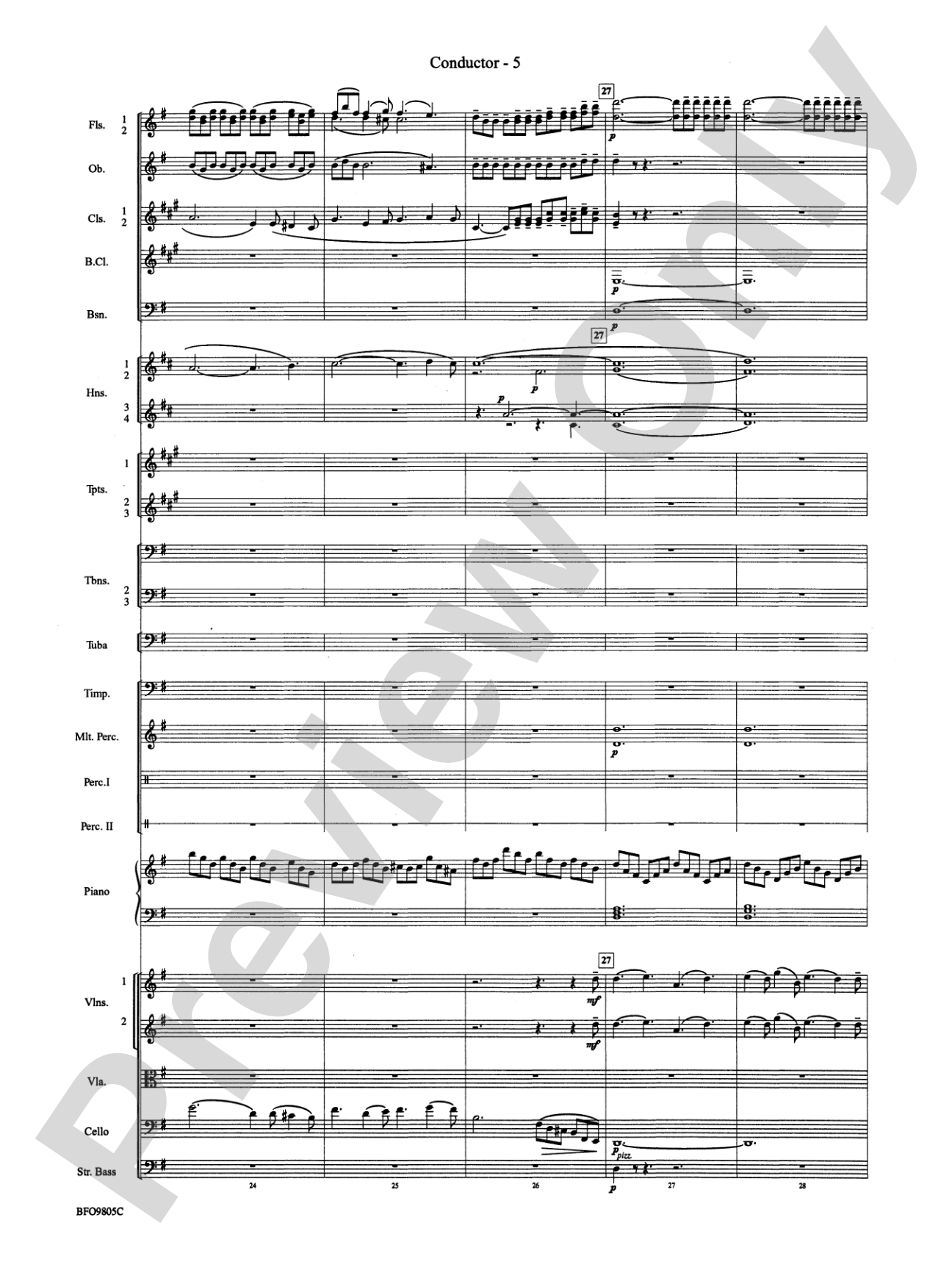
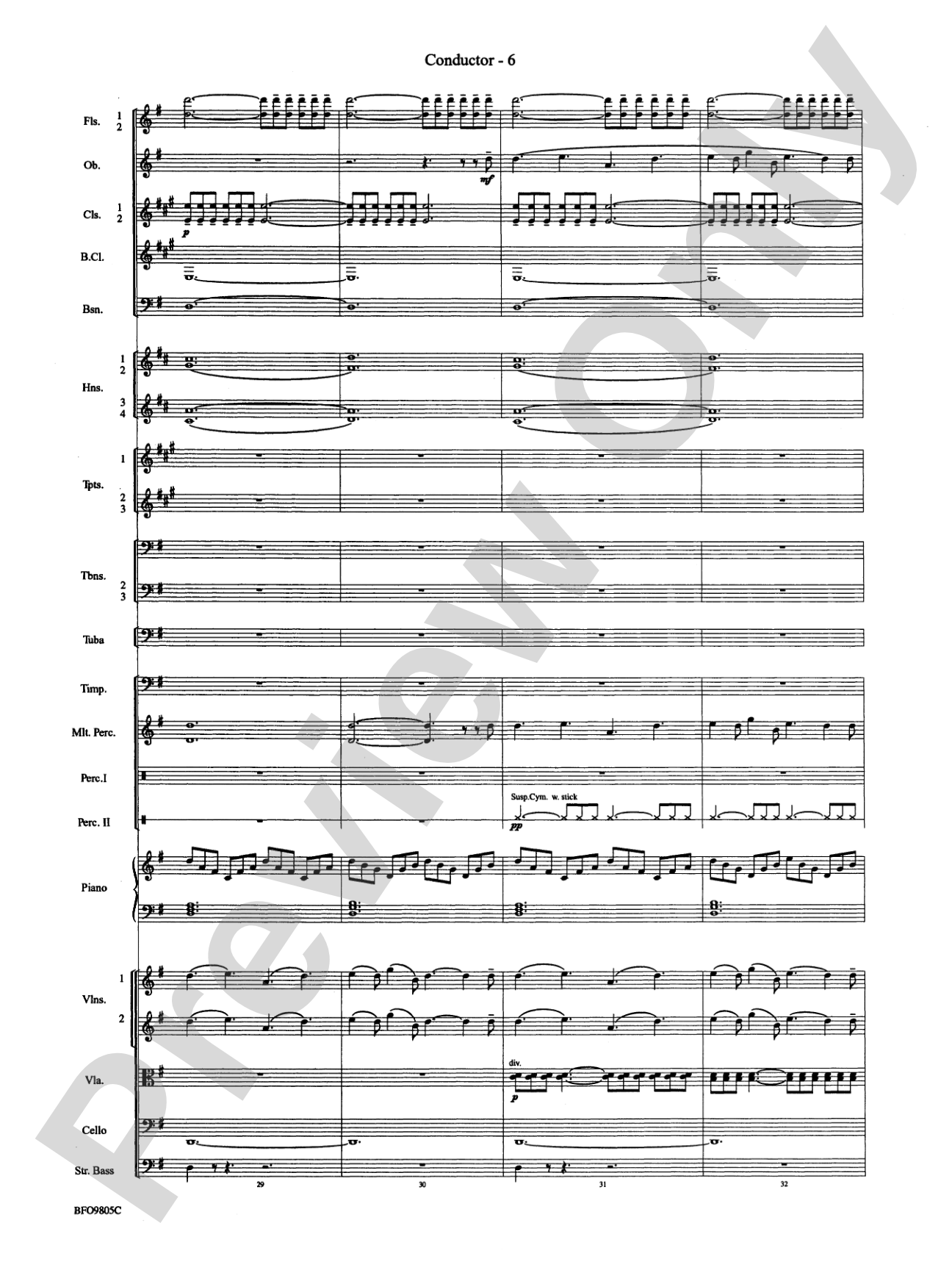
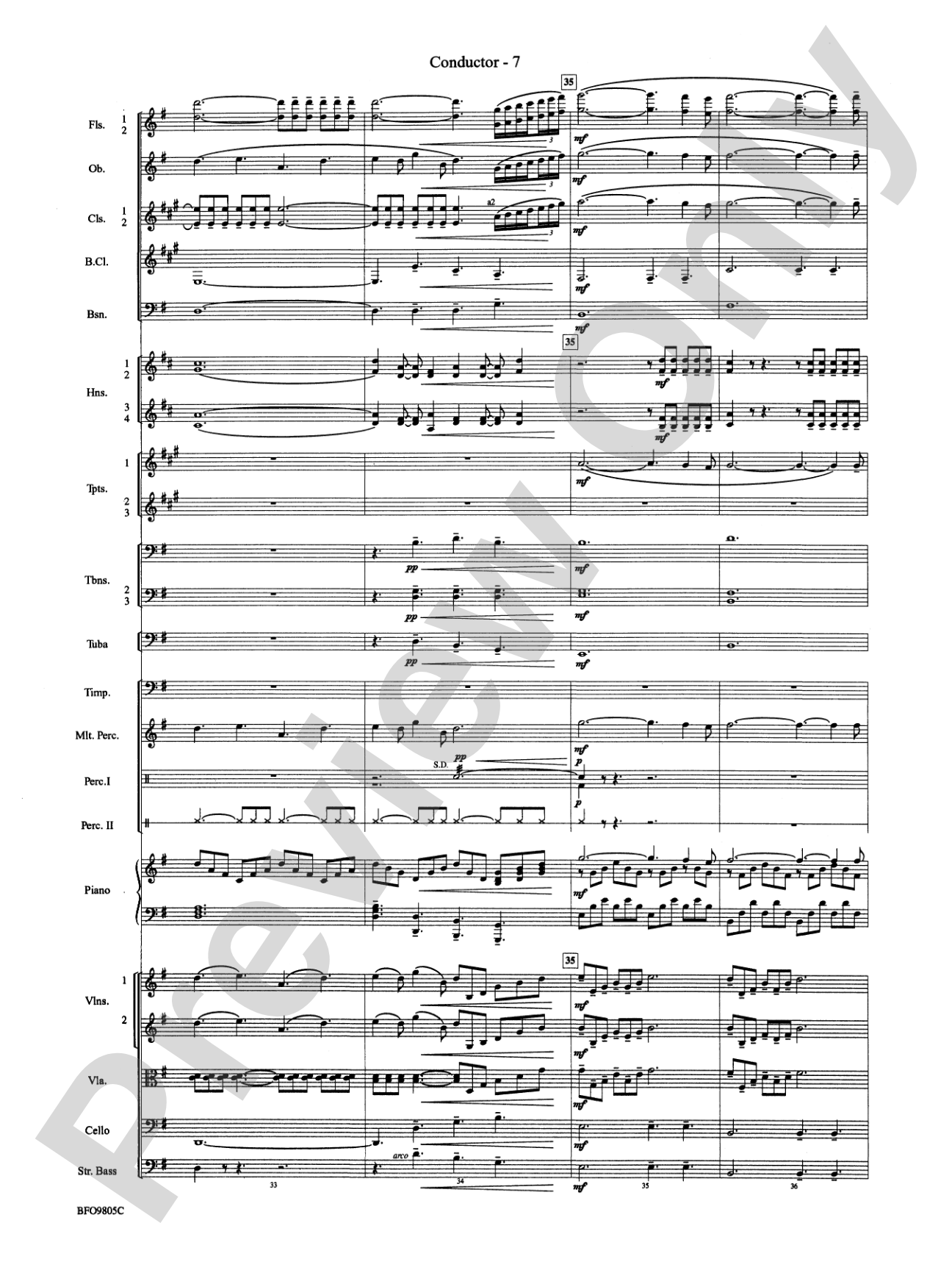
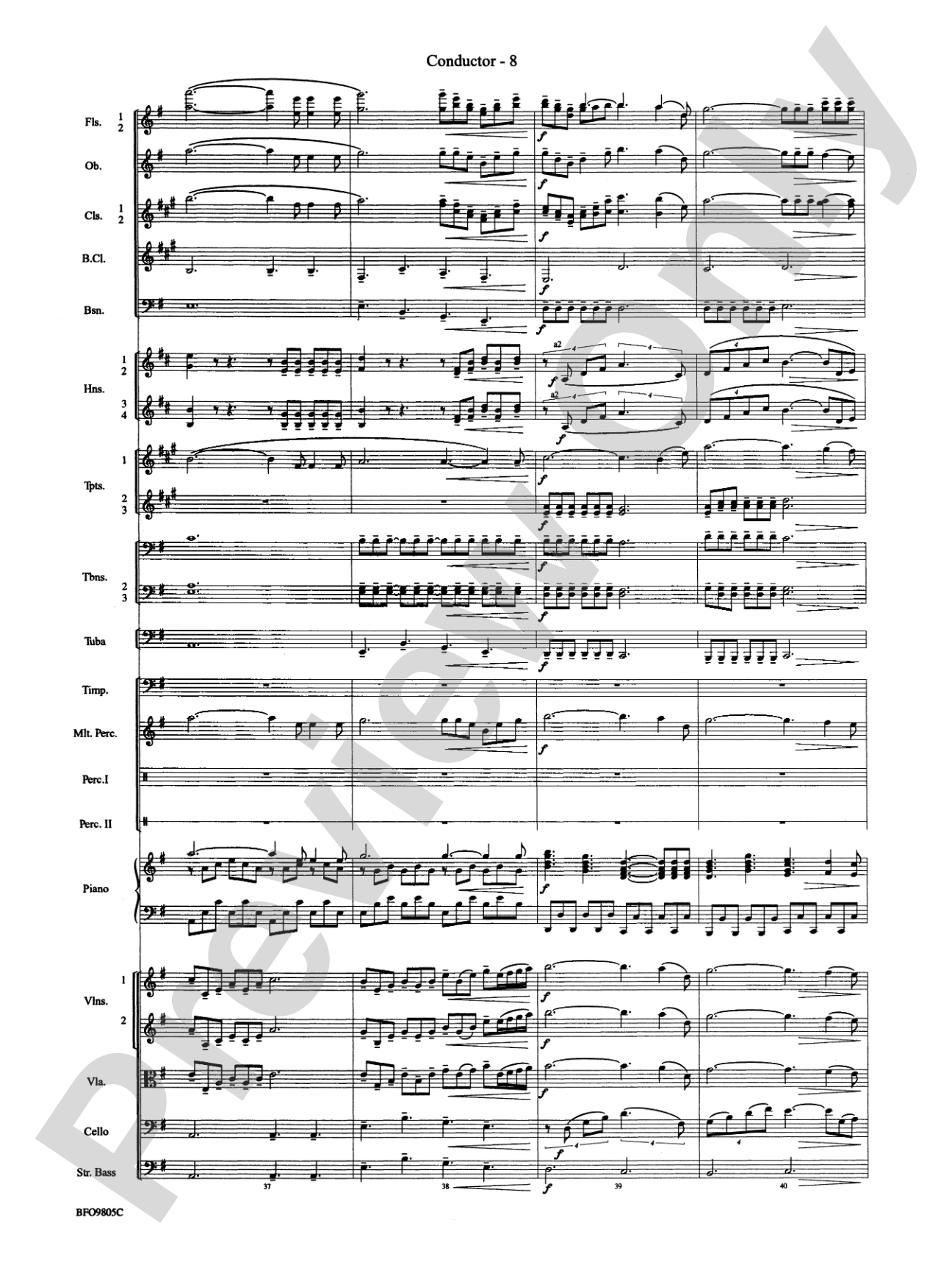
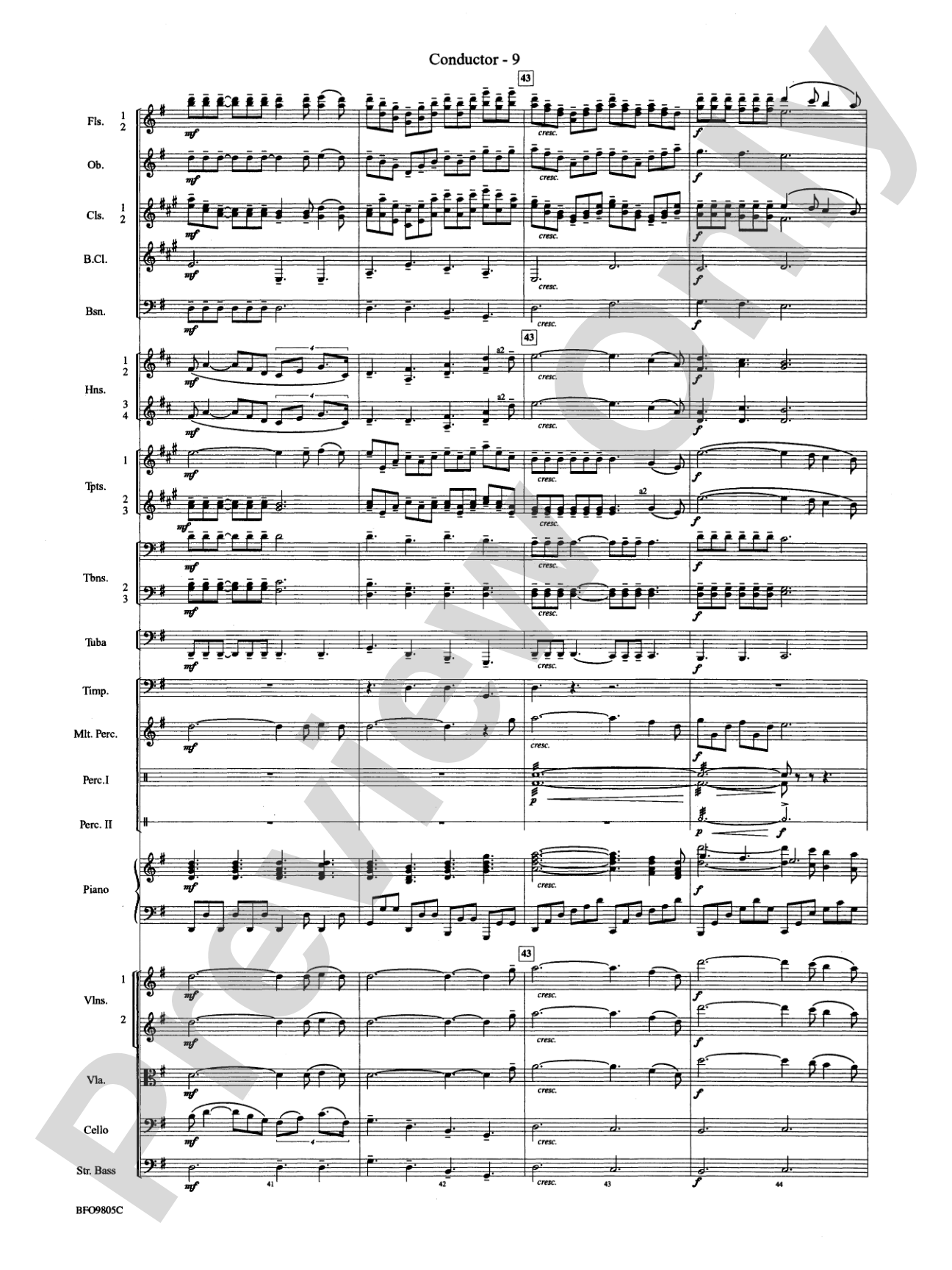
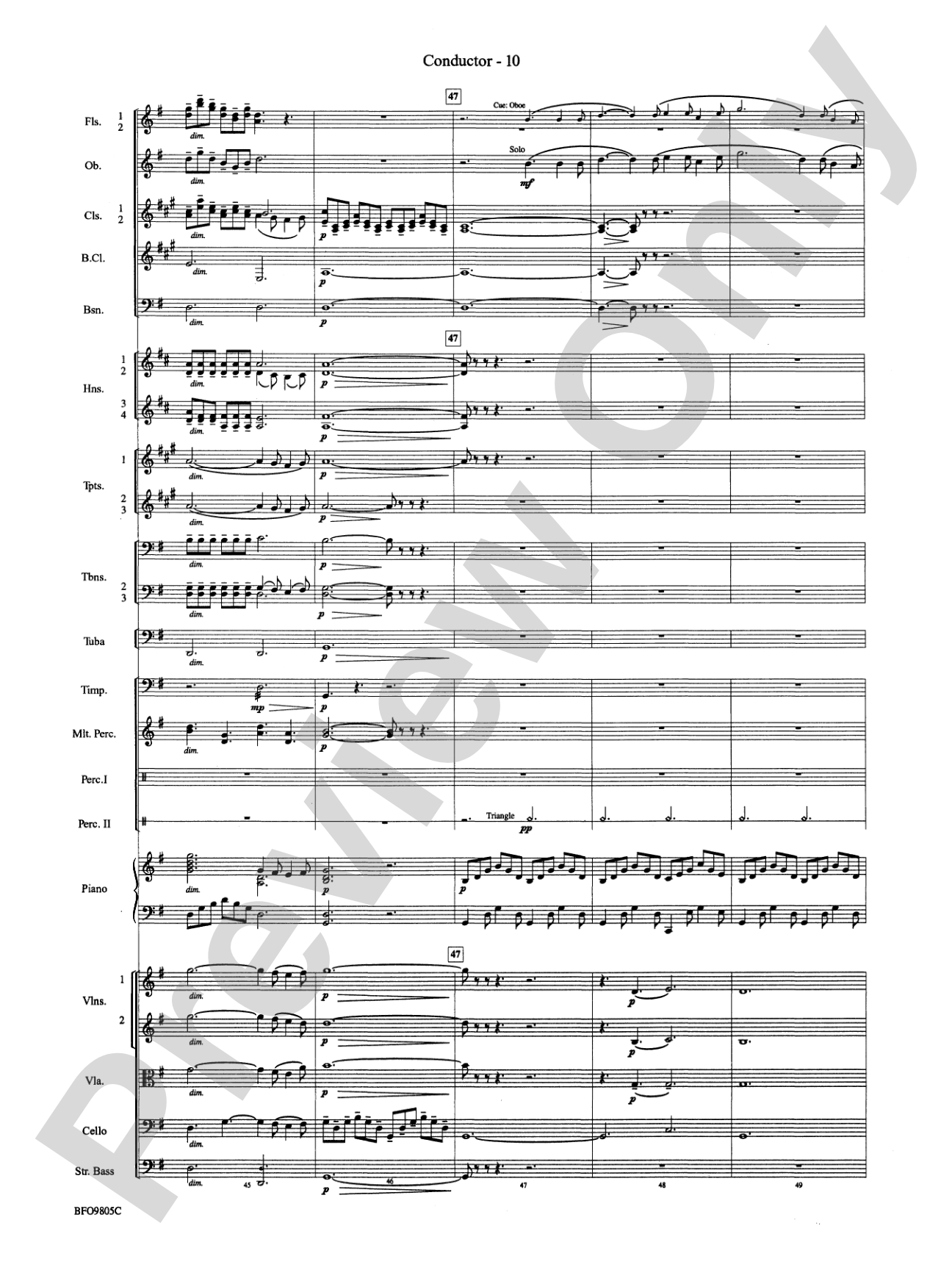
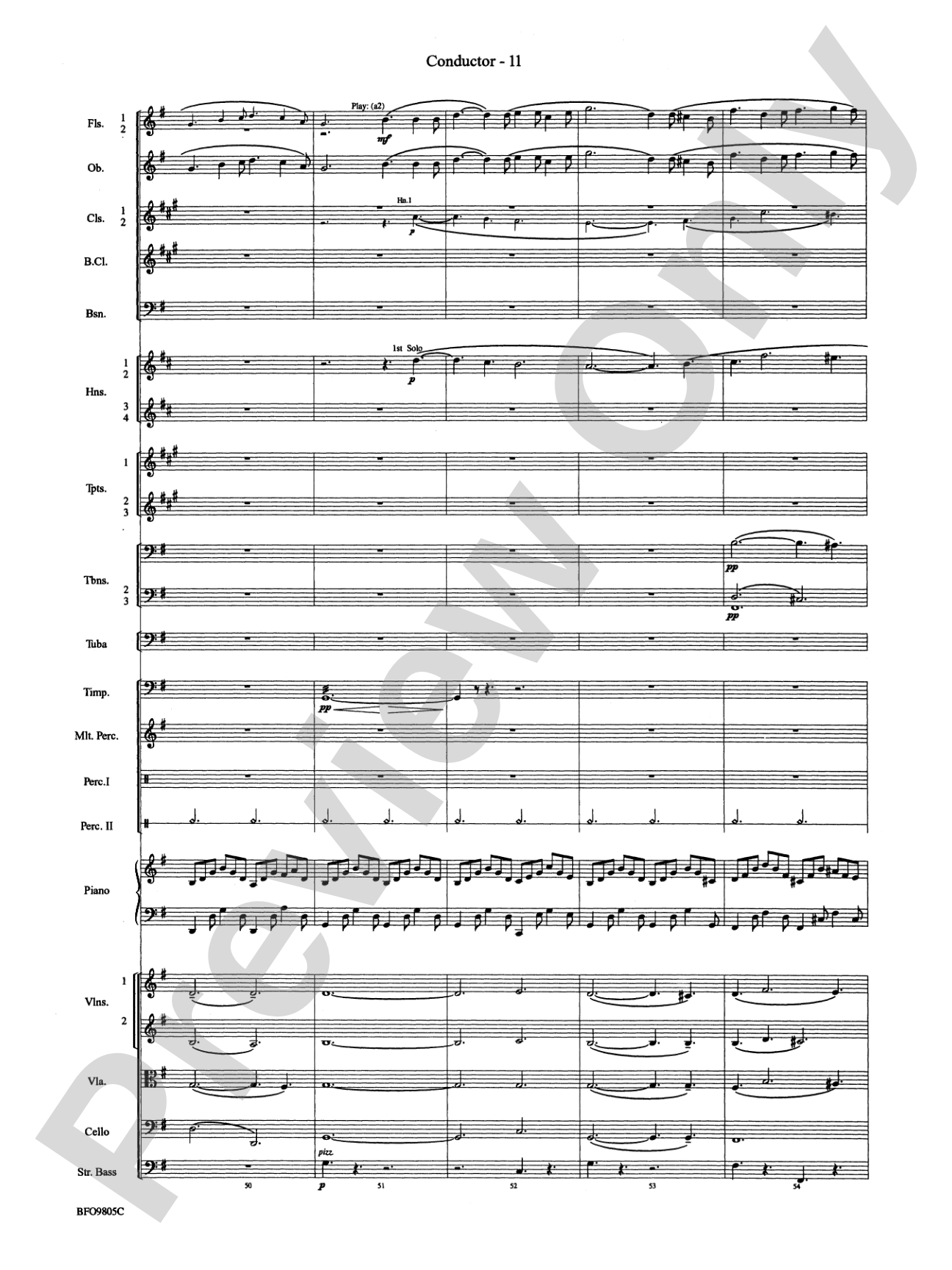
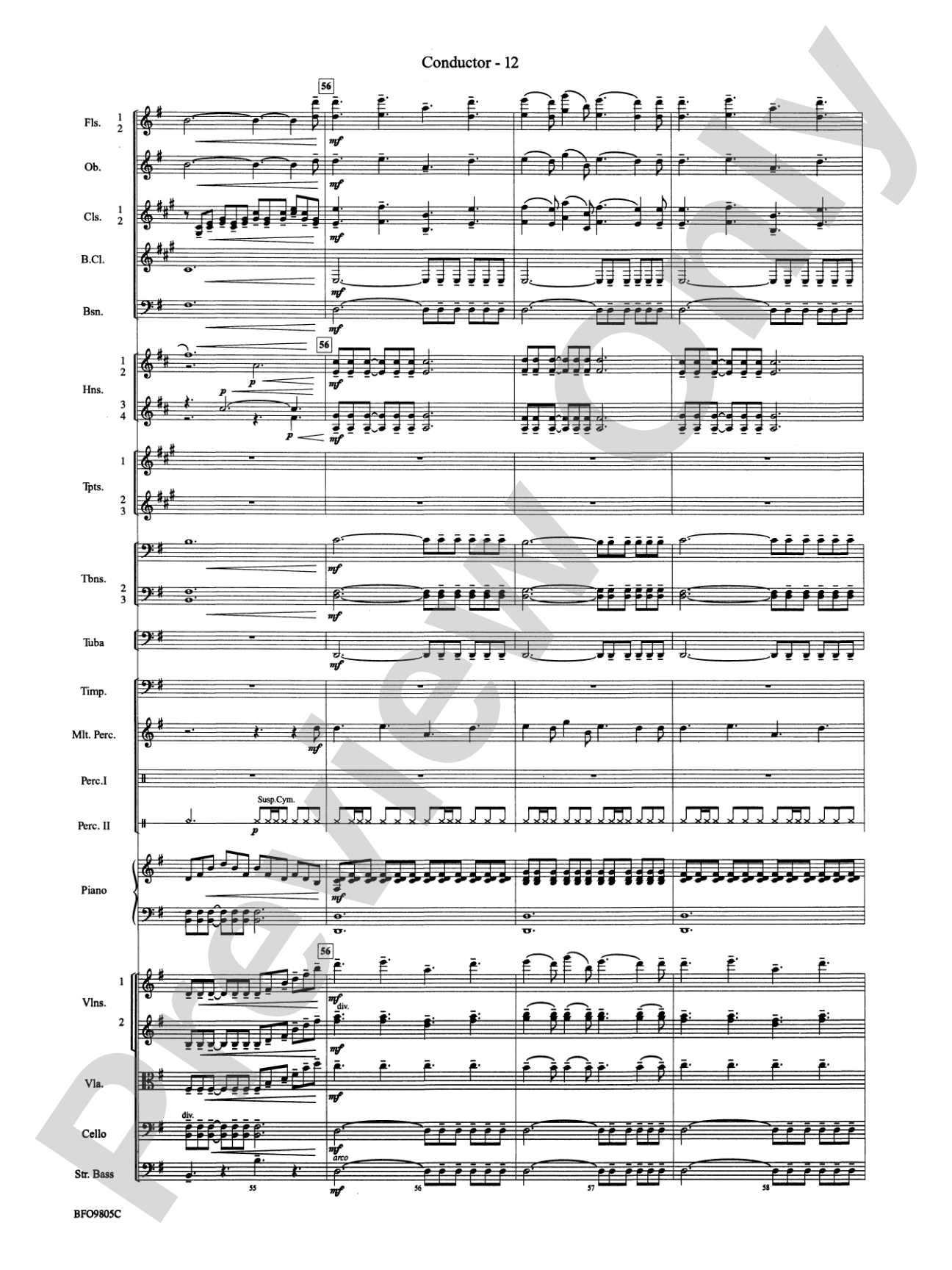
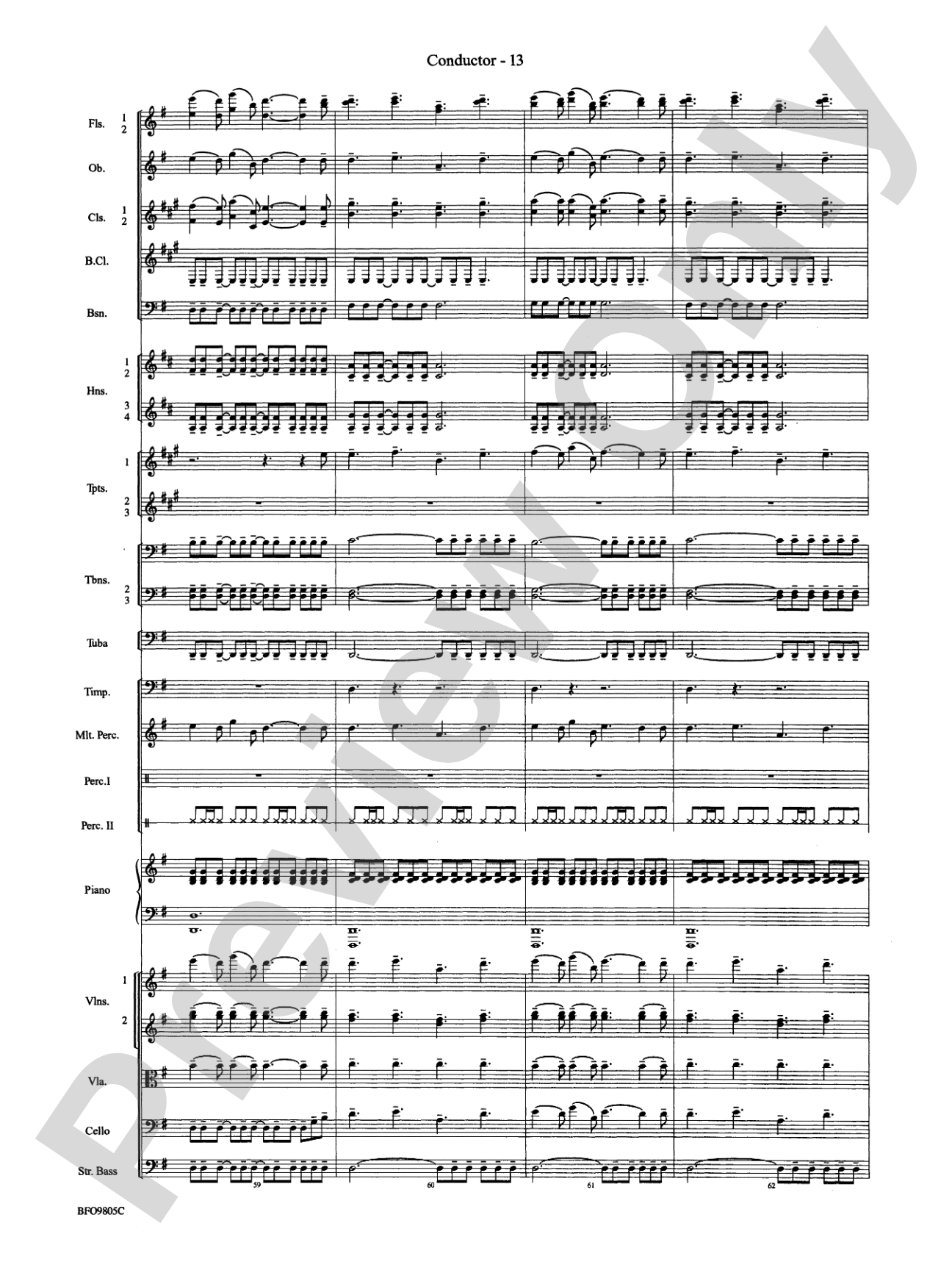
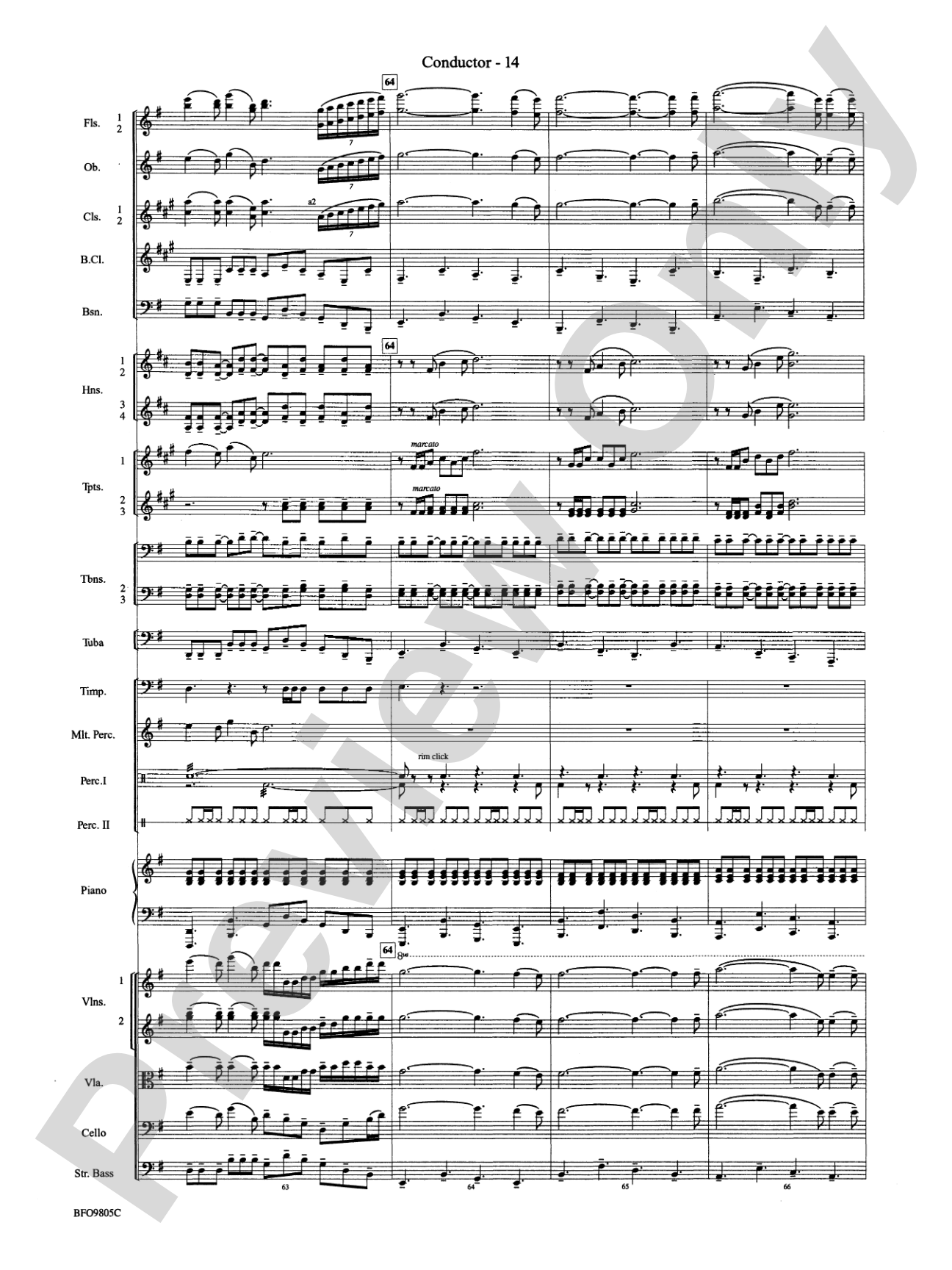
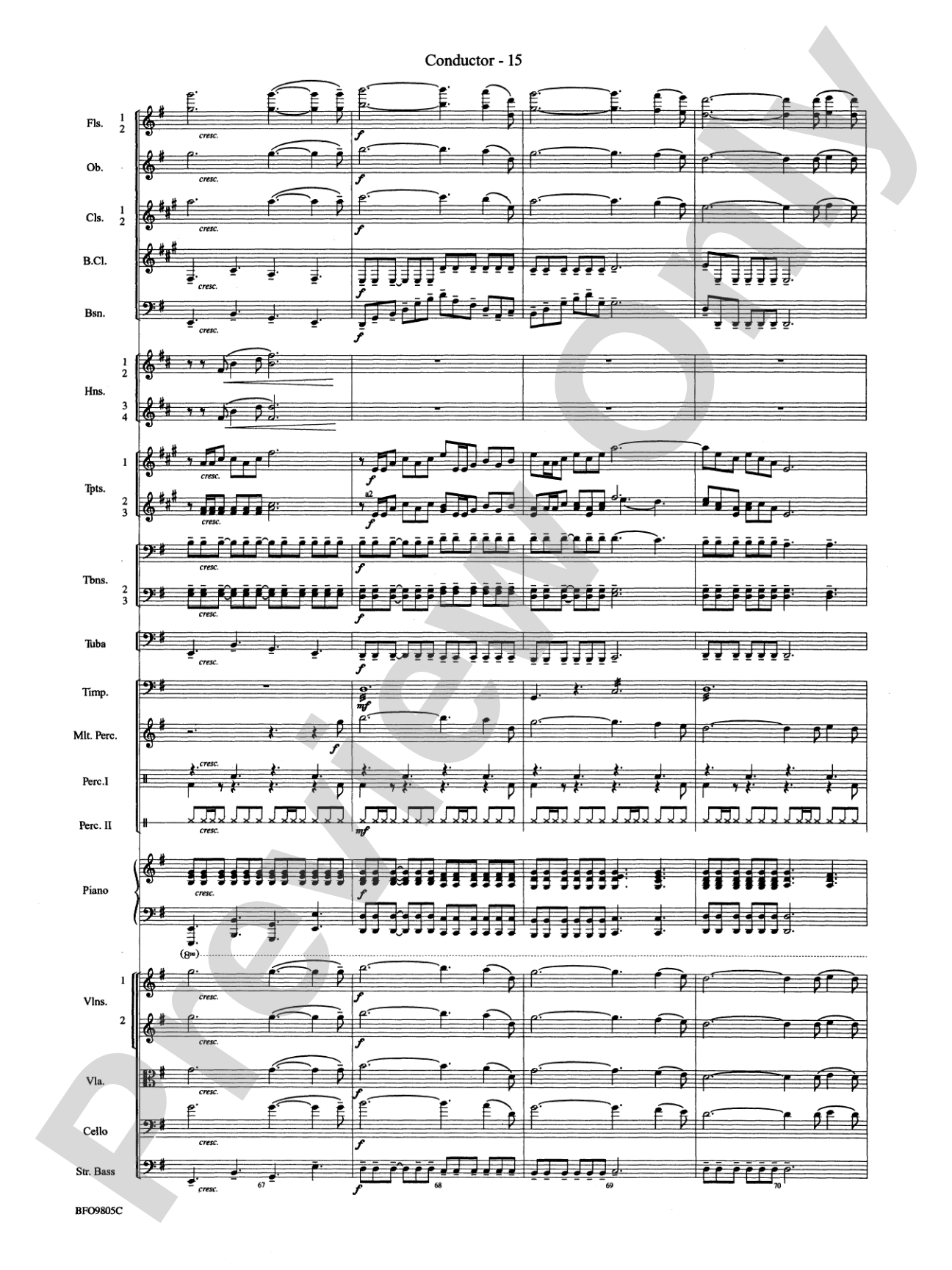
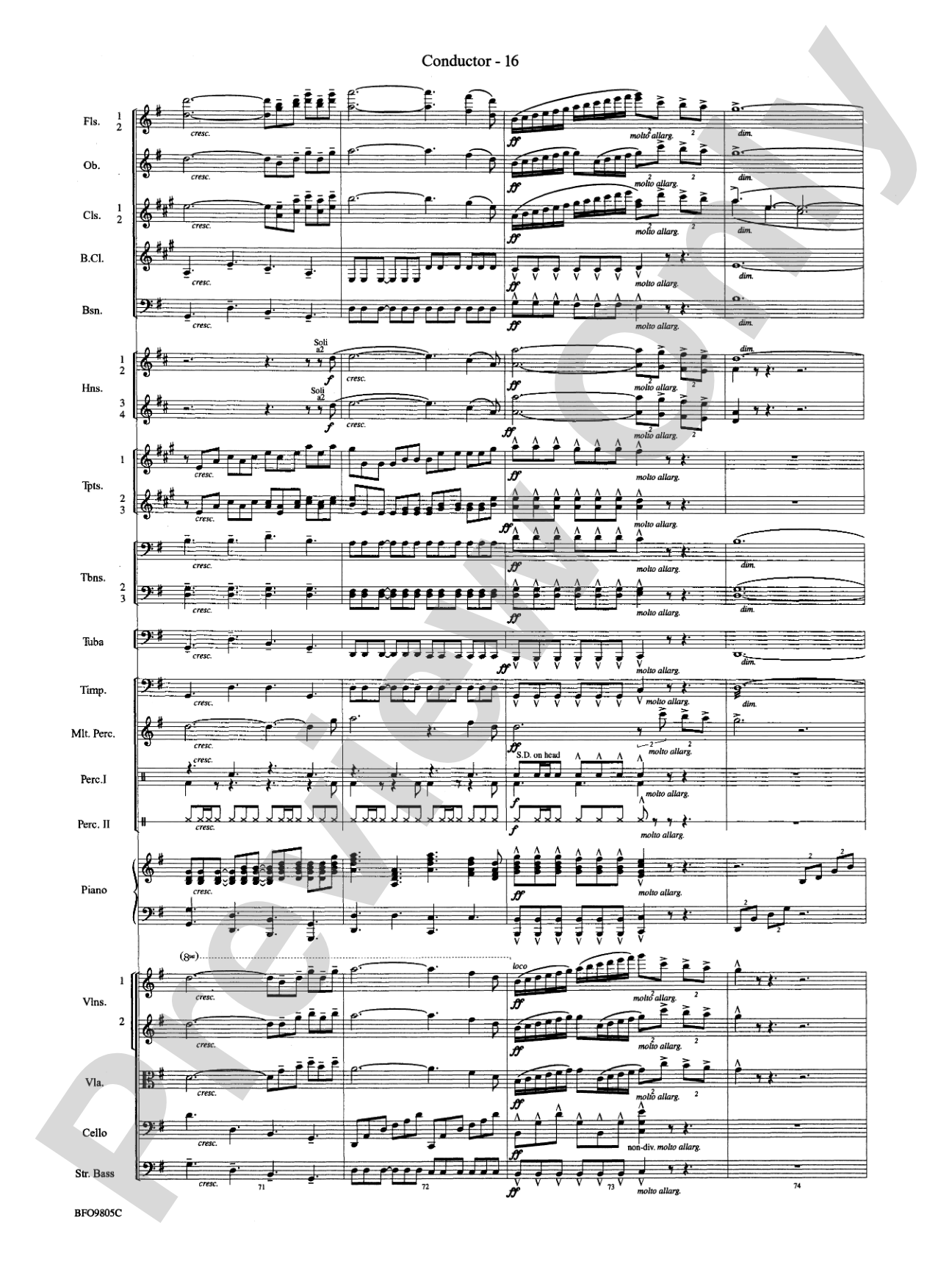
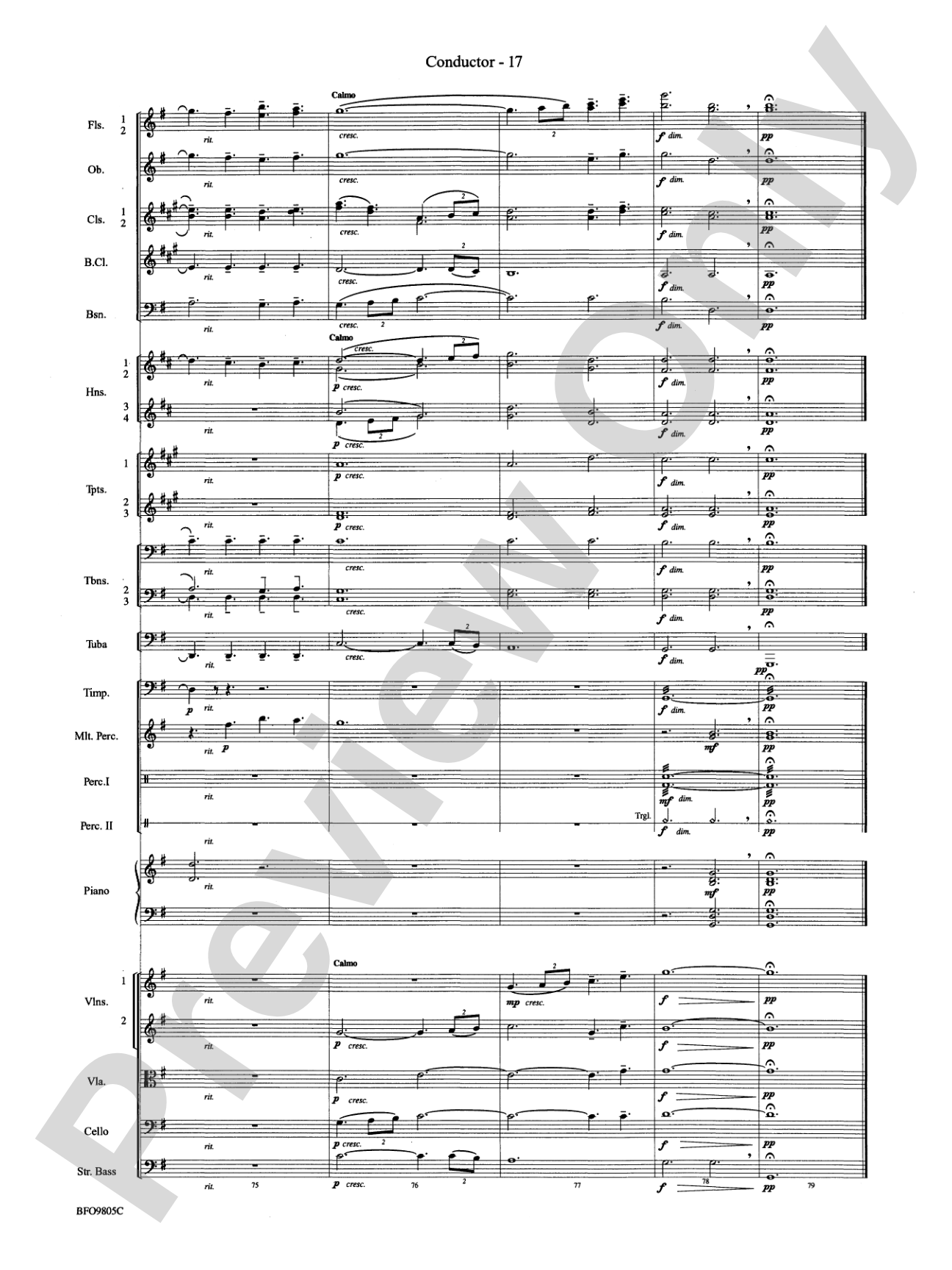


O Holy Night: Full Orchestra Conductor Score & Parts
Arr. Calvin Custer
Grade: 3.5
Item: 00-PK-0004391

$75.00
Pickup currently not available
Buy Extra Parts (Digital PDF Download)
| Product | Price | Quantity |
|---|---|---|
| O Holy Night: Score | $9.00 | |
| O Holy Night: Flute | $3.00 | |
| O Holy Night: 2nd Flute | $3.00 | |
| O Holy Night: Oboe | $3.00 | |
| O Holy Night: 1st B-flat Clarinet | $3.00 | |
| O Holy Night: 2nd B-flat Clarinet | $3.00 | |
| O Holy Night: B-flat Bass Clarinet | $3.00 | |
| O Holy Night: Bassoon | $3.00 | |
| O Holy Night: 1st F Horn | $3.00 | |
| O Holy Night: 2nd F Horn | $3.00 | |
| O Holy Night: 3rd F Horn | $3.00 | |
| O Holy Night: 4th F Horn | $3.00 | |
| O Holy Night: 1st B-flat Trumpet | $3.00 | |
| O Holy Night: 2nd B-flat Trumpet | $3.00 | |
| O Holy Night: 3rd B-flat Trumpet | $3.00 | |
| O Holy Night: 1st Trombone | $3.00 | |
| O Holy Night: 2nd Trombone | $3.00 | |
| O Holy Night: 3rd Trombone | $3.00 | |
| O Holy Night: Tuba | $3.00 | |
| O Holy Night: Mallets | $3.00 | |
| O Holy Night: Timpani | $3.00 | |
| O Holy Night: 1st Percussion | $3.00 | |
| O Holy Night: 2nd Percussion | $3.00 | |
| O Holy Night: Piano Accompaniment | $3.00 | |
| O Holy Night: 1st Violin | $3.00 | |
| O Holy Night: 2nd Violin | $3.00 | |
| O Holy Night: Viola | $3.00 | |
| O Holy Night: Cello | $3.00 | |
| O Holy Night: String Bass | $3.00 |
Parts Added to Cart!
Description
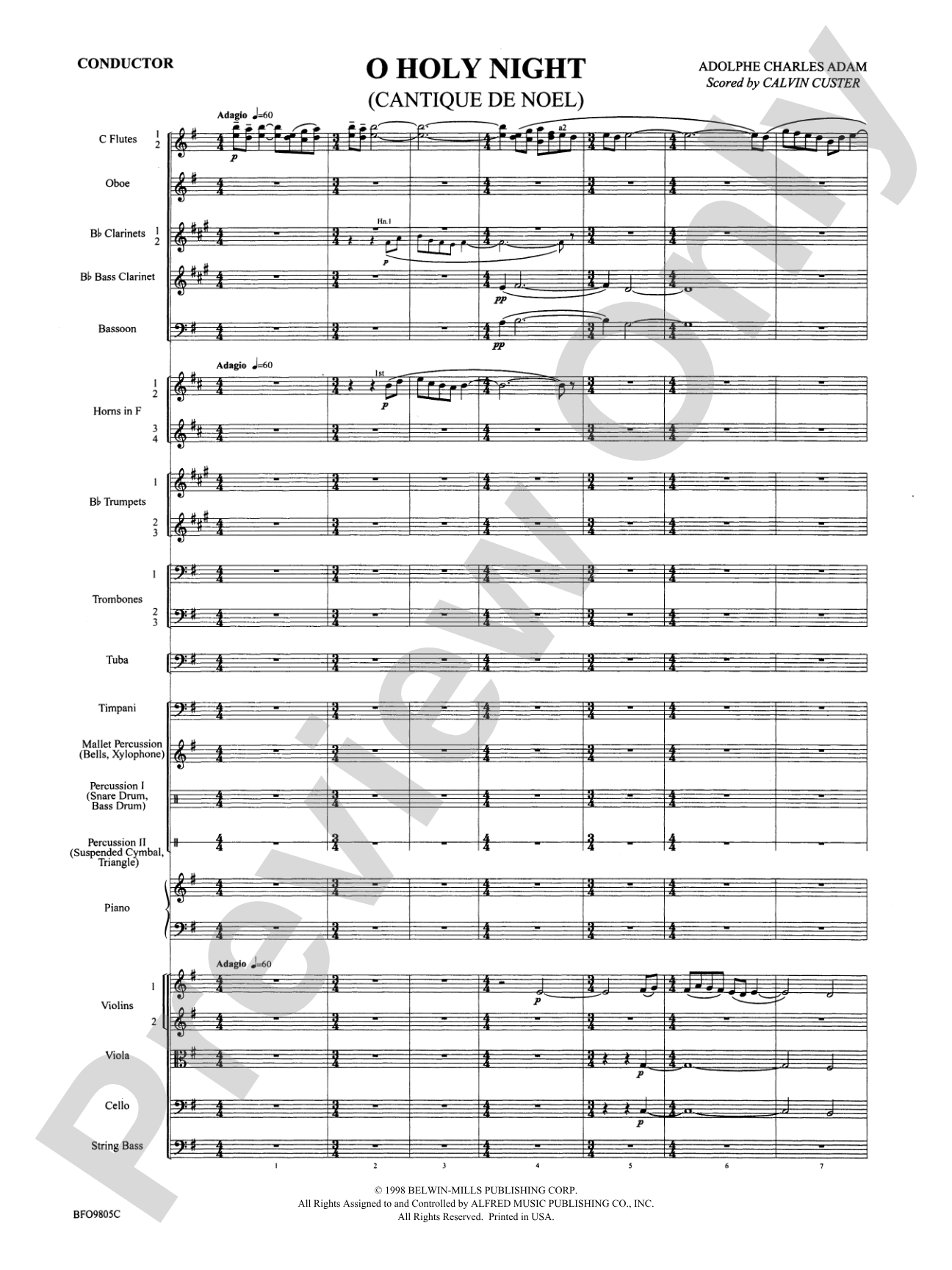
"O Holy Night" has been called the most popular Christmas solo song ever written. Calvin Custer artfully examines many of the fascinating tonal colors and sonorities available to today's orchestra with his treatment of this classic standard. Celebrate the season with this highly creative scoring that opens quietly and builds to one of the most amazing conclusions ever heard. Monumental! (6:15)


Don't just read it, hear it, play along with it, and watch your students grow with it. In MakeMusic Cloud, O Holy Night: Full Orchestra Conductor Score & Parts comes alive with professional accompaniment, adjustable tempo, and built-in practice tools that turn solo practice into real progress.
Open in the Player
Jump straight in and assign it today.
Start Your Free Trial
Open this title and explore the full library in minutes.
Sample Audio
1
Audio File
--:--
0:00
0:00
Sample Video
Additional Details
Series:
Belwin Concert Full Orchestra
Publisher:
Alfred Music
Page Count:
212
SKU:
00-PK-0004391
More about this title
About the Arranger: Calvin Custer
Calvin Custer is an arranger and composer whose orchestrations have become staples in school and community orchestra programs. His approach to familiar repertoire brings fresh harmonic and textural ideas while maintaining accessibility for younger ensembles.
Why we love this
Custer resists the urge to over-orchestrate this beloved standard, instead using restraint in the opening to set up the dramatic arch that follows. The buildup to the finale justifies the full score without ever losing sight of the tune itself, giving your orchestra a genuine moment of musical power rather than simply adding more instruments.
What to expect
The score opens with quiet dignity and builds through rich orchestral colors into a triumphant, expansive finale. You hear new harmonic possibilities emerge as the arrangement unfolds, transforming a familiar melody into an experience of genuine grandeur.
Who it's for
This arrangement works for orchestras at the upper intermediate level seeking a genuinely moving holiday centerpiece that sounds more sophisticated than the grade level suggests. Community orchestras and school groups performing winter concerts will find a piece that audiences recognize instantly but hear in a completely fresh way.
How to get the most out of it
- Balance the opening carefully. With strings and woodwinds both voicing the melody, let the lower strings anchor the harmonic foundation while upper voices remain transparent and singing.
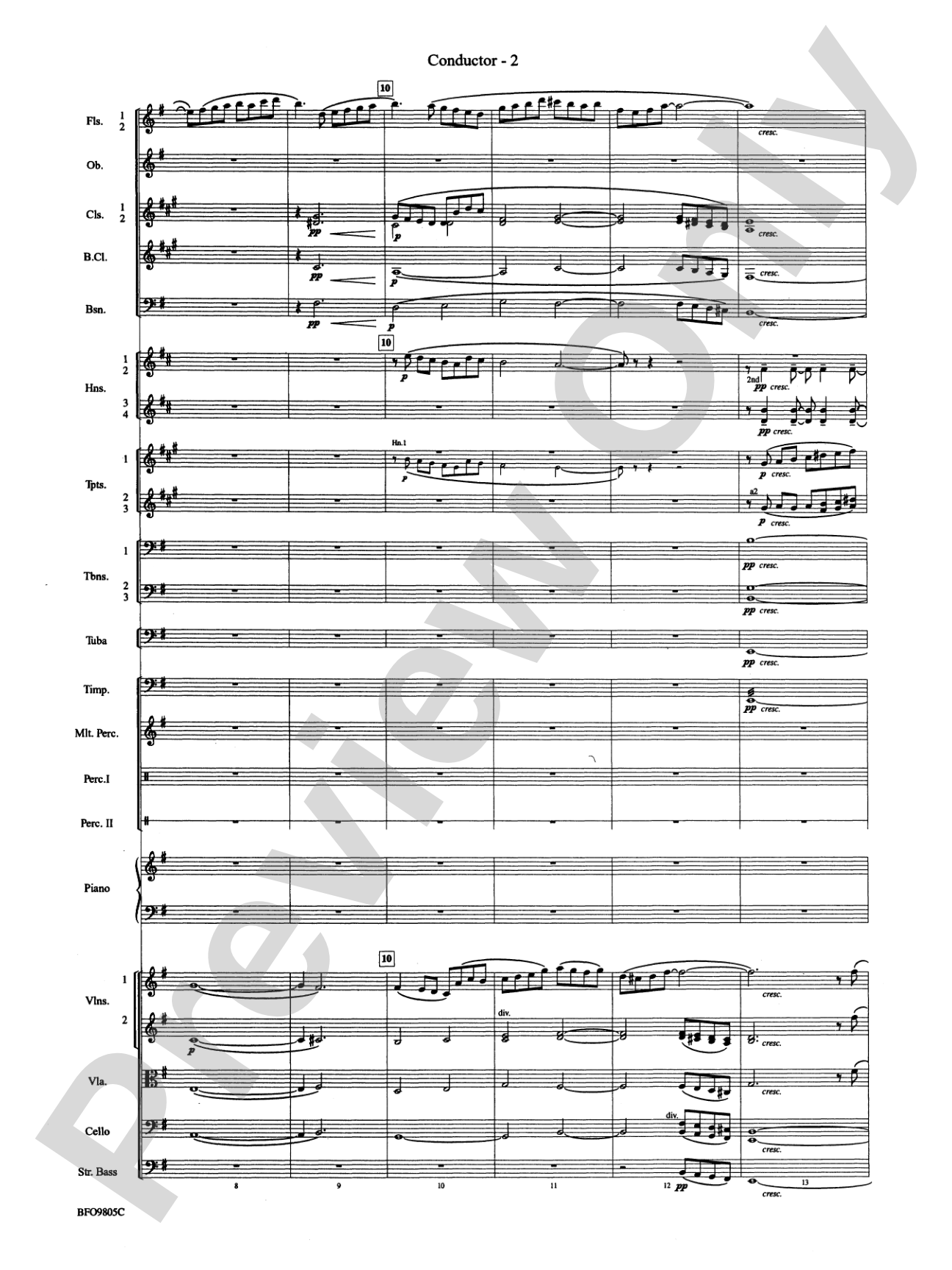
- Shape the crescendo from a conductor's perspective by thinking in long phrases rather than beat-by-beat dynamics. Let the arc unfold naturally across several measures instead of pushing immediately.
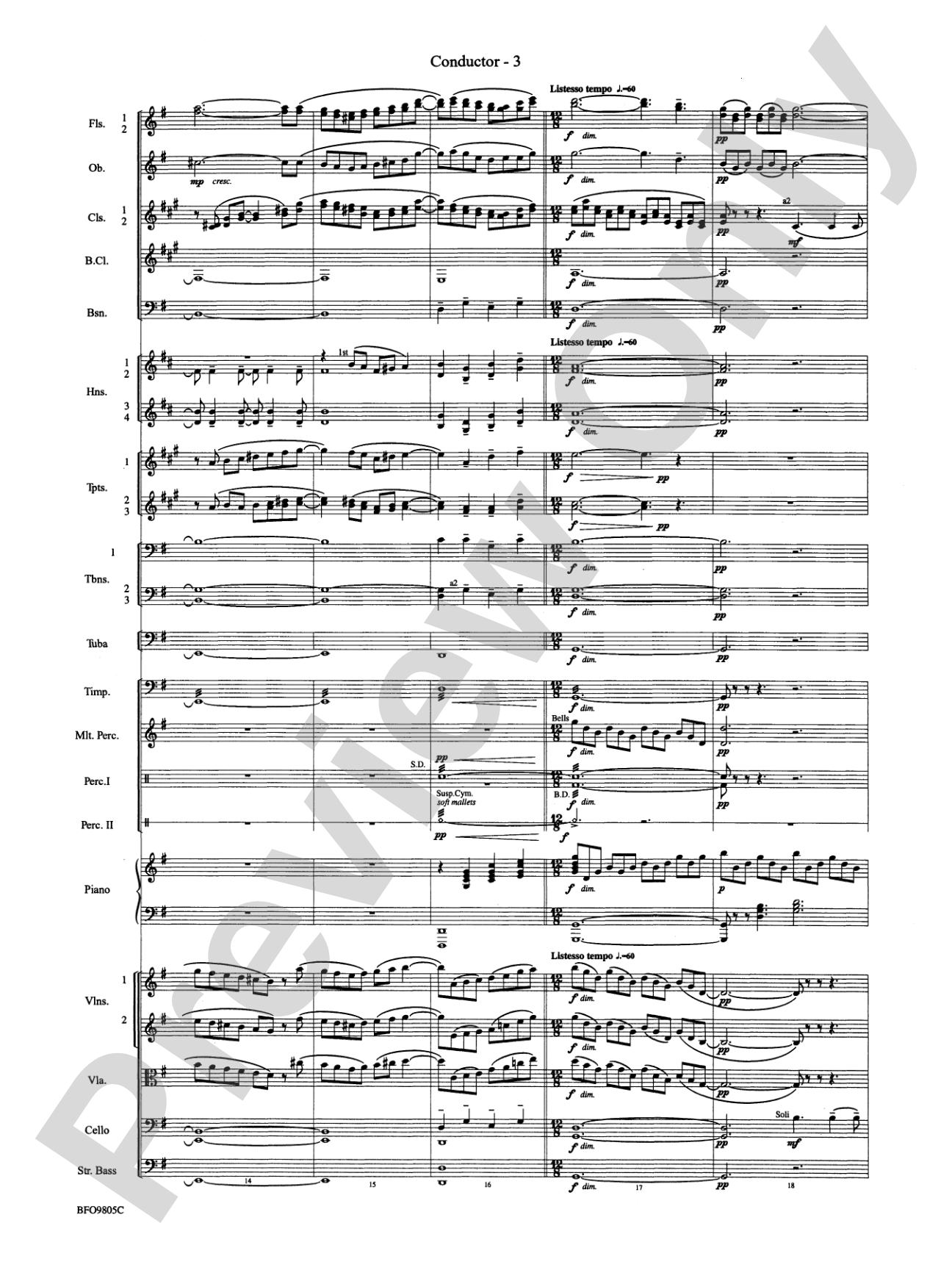
- Secure rhythmic precision in the accompaniment figures throughout the middle section. Steady accompaniment allows soloists or featured sections to breathe and shape the line without rushing.
- Attend to the balance between brass and strings in the final build. The conclusion only lands with impact if both sections are heard but neither drowns out the essential melodic material.
How to use it
Program this as the closing number of a winter concert or as the emotional anchor to a holiday-themed program. Its six-minute runtime and dramatic arc make it substantial enough to stand alone as a major work on the program rather than feeling like background music.
Skills your students will build
- Listening to and balancing multiple melodic voices in orchestral texture
- Understanding dynamic buildup and long-line phrasing across full ensemble
- Balancing soloistic and accompaniment roles within the orchestra
- Reading and executing articulations and color changes that shift the character of familiar material
- Ensemble precision during gradual crescendos and harmonic transitions