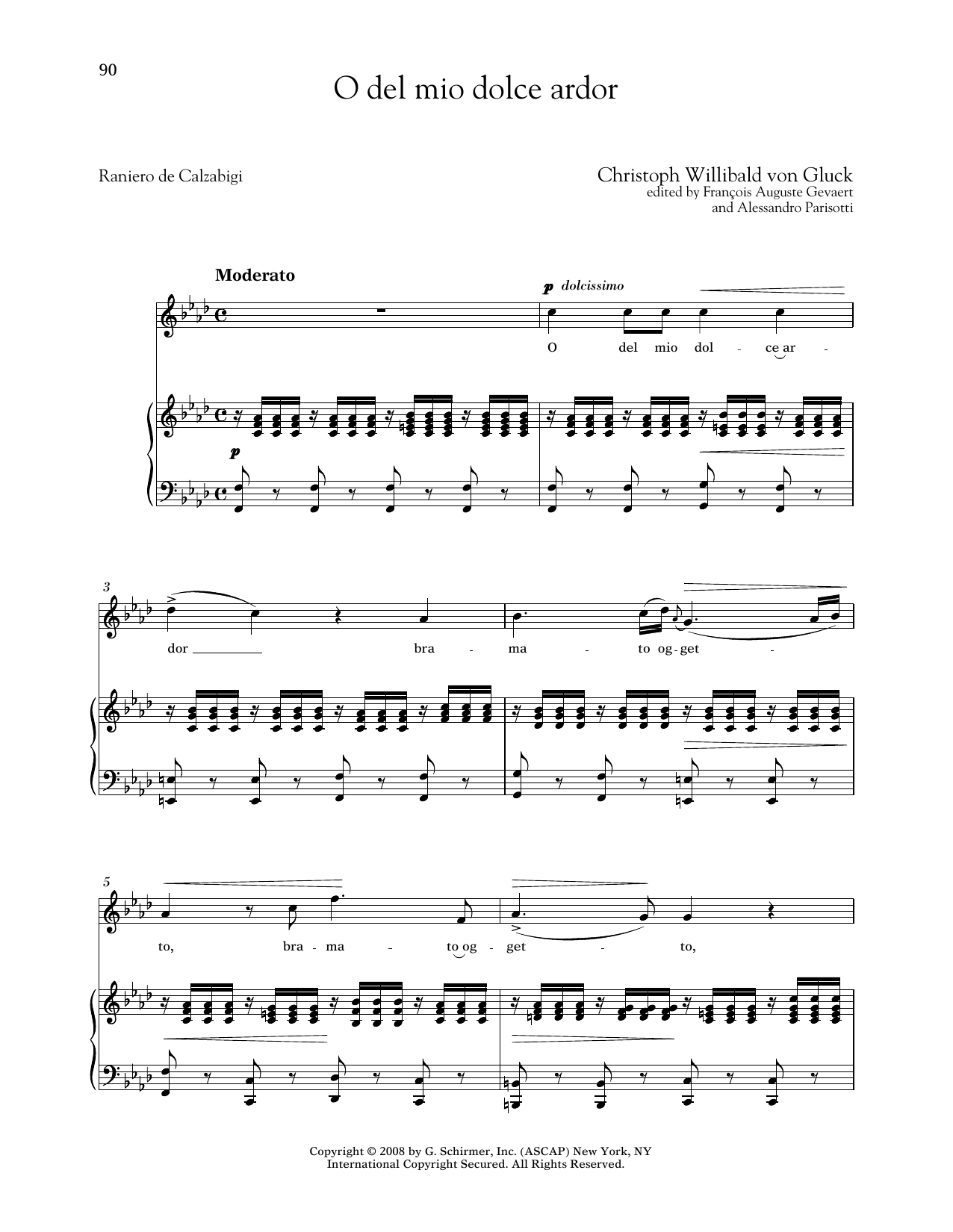
O Del Mio Dolce Ardor (Medium High Voice) Sheet Music Preview

O Del Mio Dolce Ardor (Medium High Voice): Piano Vocal

Edited by Alessandro Parisotti (ed.) / Edited by Francois Auguste Gevaert (ed.)

Item: 35-DS01576627

Digital Download
$5.99
Description

O Del Mio Dolce Ardor (Medium High Voice): Piano Vocal isn't in MakeMusic Cloud just yet...but it could be. Let us know you'd like to see it, and you'll help shape what comes next. In the meantime, start a free trial and dive into thousands of interactive titles your students can play along with today.

Sample Audio
No sample audio found.
Sample Video
Additional Details
Publisher: Hal Leonard
Page Count: 6
SKU: 35-DS01576627

More about this title

About the Creator: Christoph Willuck

Christoph Willuck was a German composer and conductor active in the late 18th century, known for his operatic works and vocal compositions that bridged Italian and German musical traditions. His output includes numerous songs and arias that showcase his gift for expressive melodic writing and his understanding of the human voice.

Why we love this

This aria demands real vocal maturity without requiring operatic power. The emotional arc unfolds gradually, giving singers permission to find nuance and control rather than volume, which makes it an excellent teaching vehicle for musicality at the intermediate level.

What to expect

This is a song about longing and tenderness. The Italian text carries an intimate quality that the music honors through its flowing melodic lines and gentle harmonic movement, creating a sense of yearning that never tips into melodrama.

Who it's for

Singers preparing for art song recitals or needing a substantial solo for concert performance will find this an accessible entry point into the Classical vocal repertoire. It works equally well for developing singers who have secure breath support and can sustain longer phrases with consistency.

How to get the most out of it

  • Shape the opening phrase with a gentle ascent in dynamics; the text's emotional weight should grow before you reach the highest notes
  • Keep the piano accompaniment transparent in the early measures so the vocalist's line can establish the lyrical framework
  • Treat the repeated text sections as opportunities for expressive variation rather than literal repetition; change your color and intensity each time through
  • Balance legato singing with clarity in the text declamation; these don't conflict if you sustain vowels while keeping consonants precise

How to use it

Pair this with other art songs in a recital to demonstrate vocal range and expressive capability, or feature it as a tasteful solo within a mixed concert that includes larger ensemble works. It's substantive enough to anchor a short set but intimate enough to work as a bridge between more demanding pieces.

Skills your students will build

  • Sustaining long melodic phrases with consistent breath support
  • Shaping dynamics across an entire aria without losing legit tone
  • Navigating repeated sections with expressive variation
  • Coordinating Italian text clarity with sustained singing
  • Responding to pianistic support and following a collaborating accompanist

You May Also Like