

Note Story Spelling Book: A Unique Story Book with Many Words in Music Notation (Based on American Legends and Historical Figures): Piano
A Unique Story Book with Many Words in Music Notation (Based on American Legends and Historical Figures)
By John W. Schaum
Level: Elementary
Item: 00-PB-0001899
$8.99
Pickup currently not available
Related Items
Note Story Spelling Book: Piano Book |
$8.99
|
View |
Description
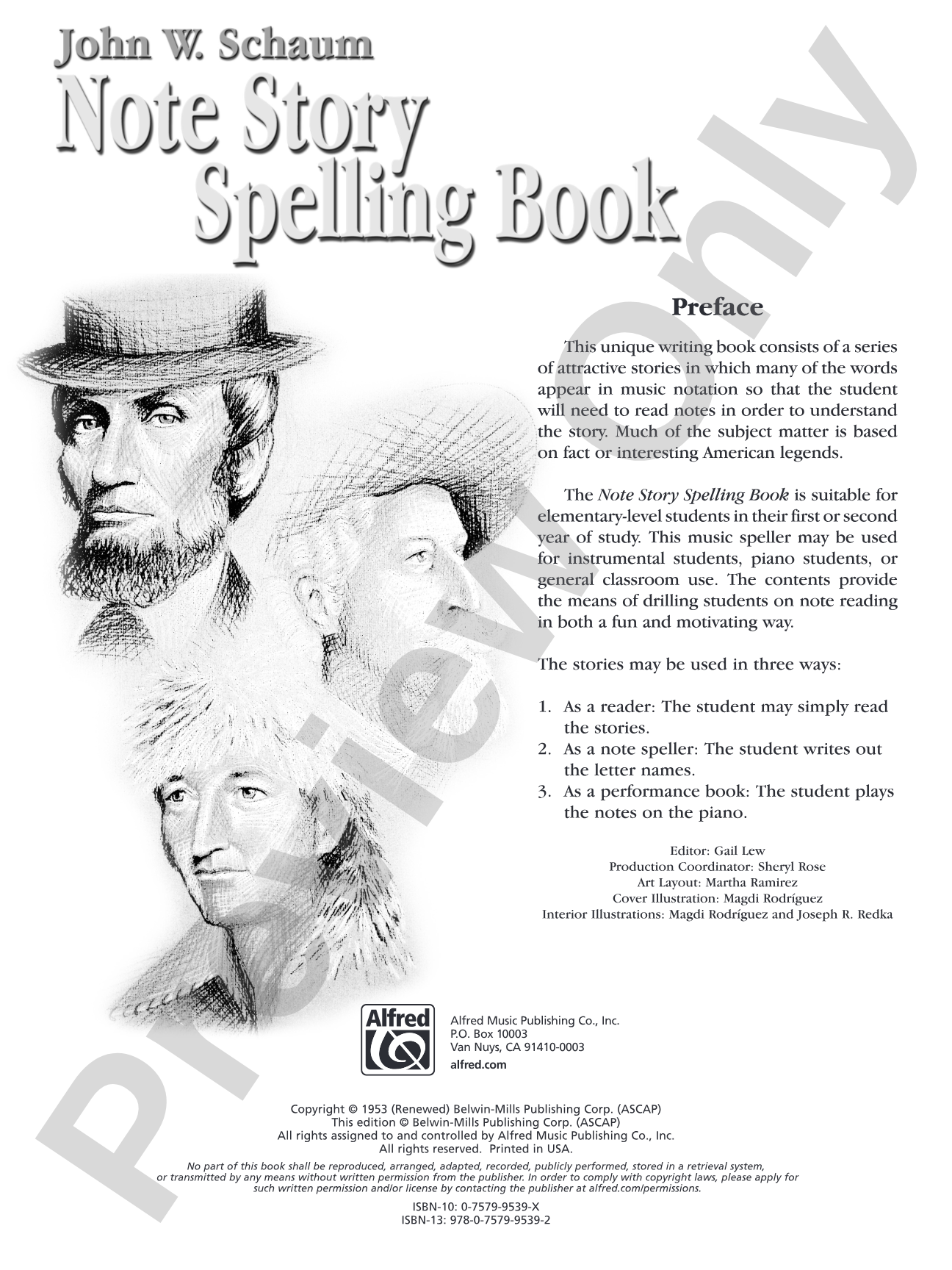
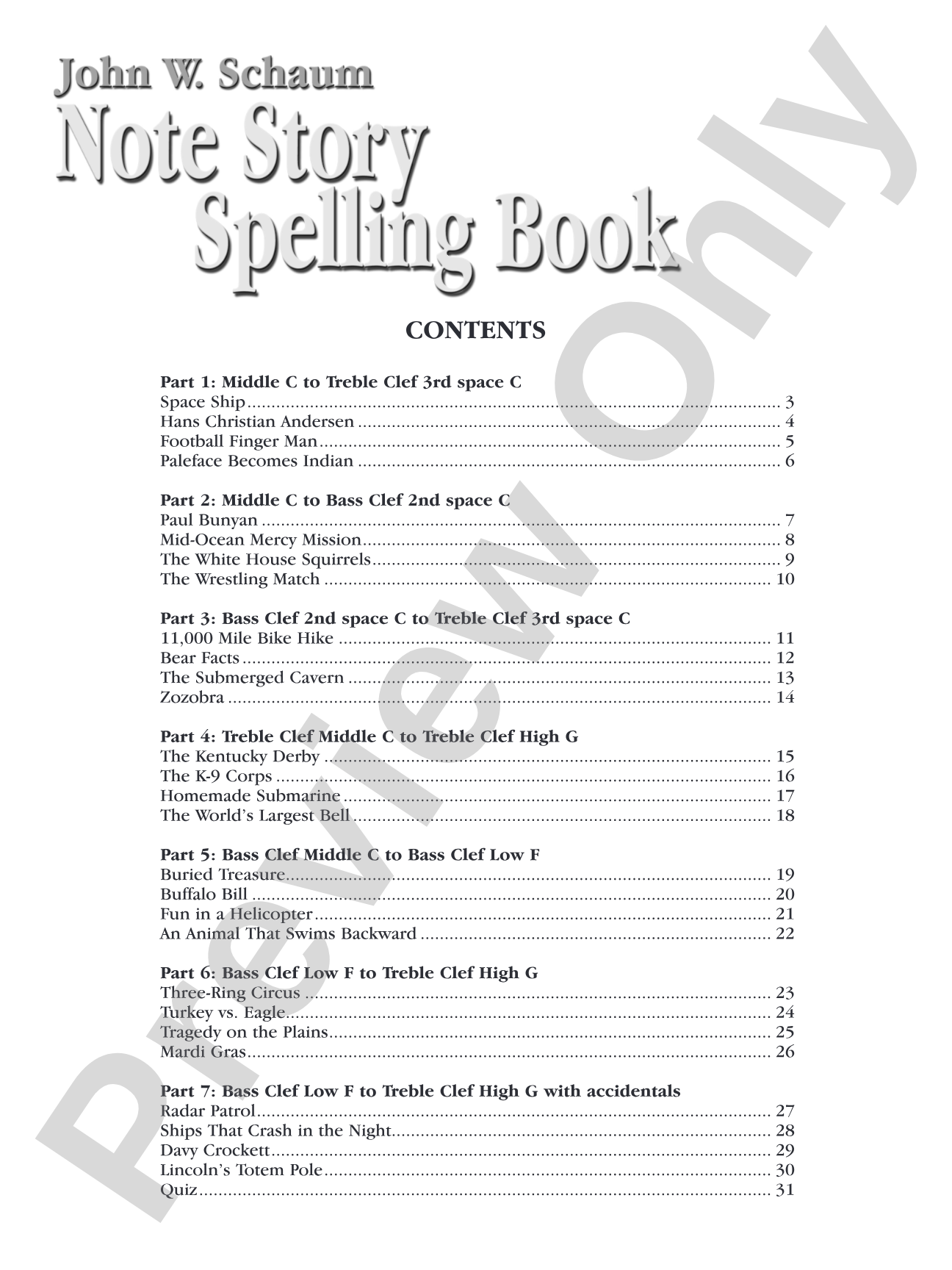
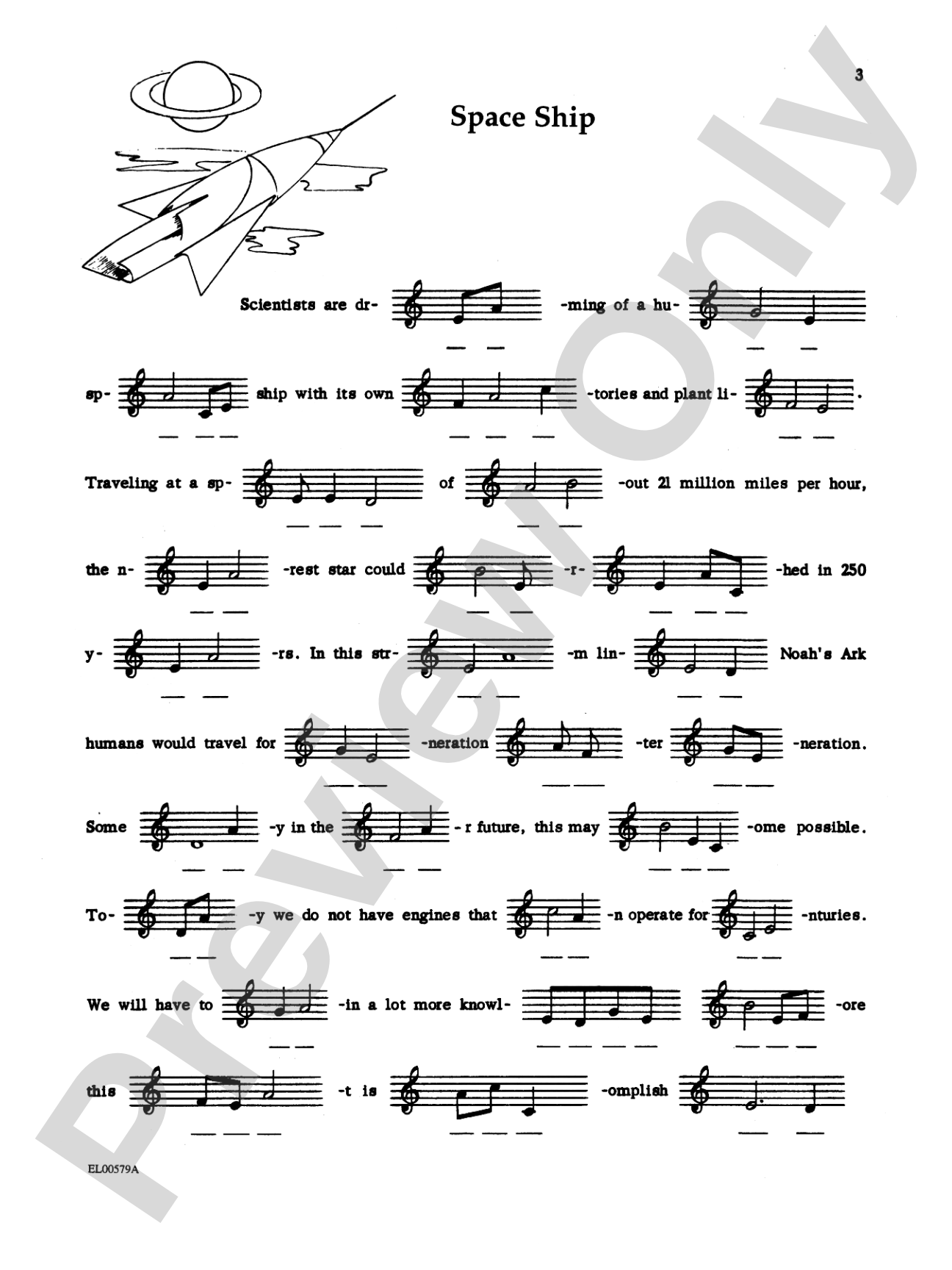
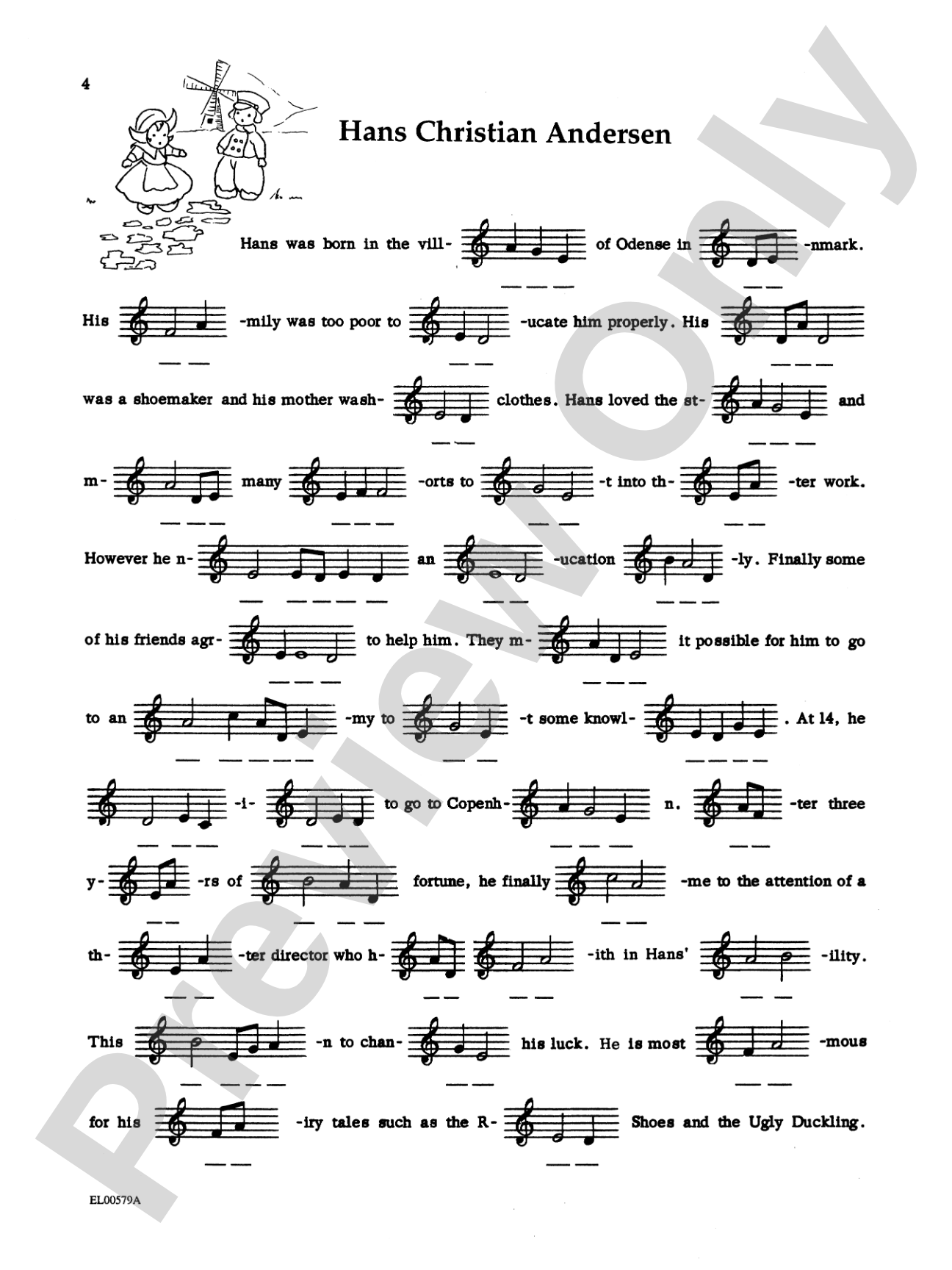
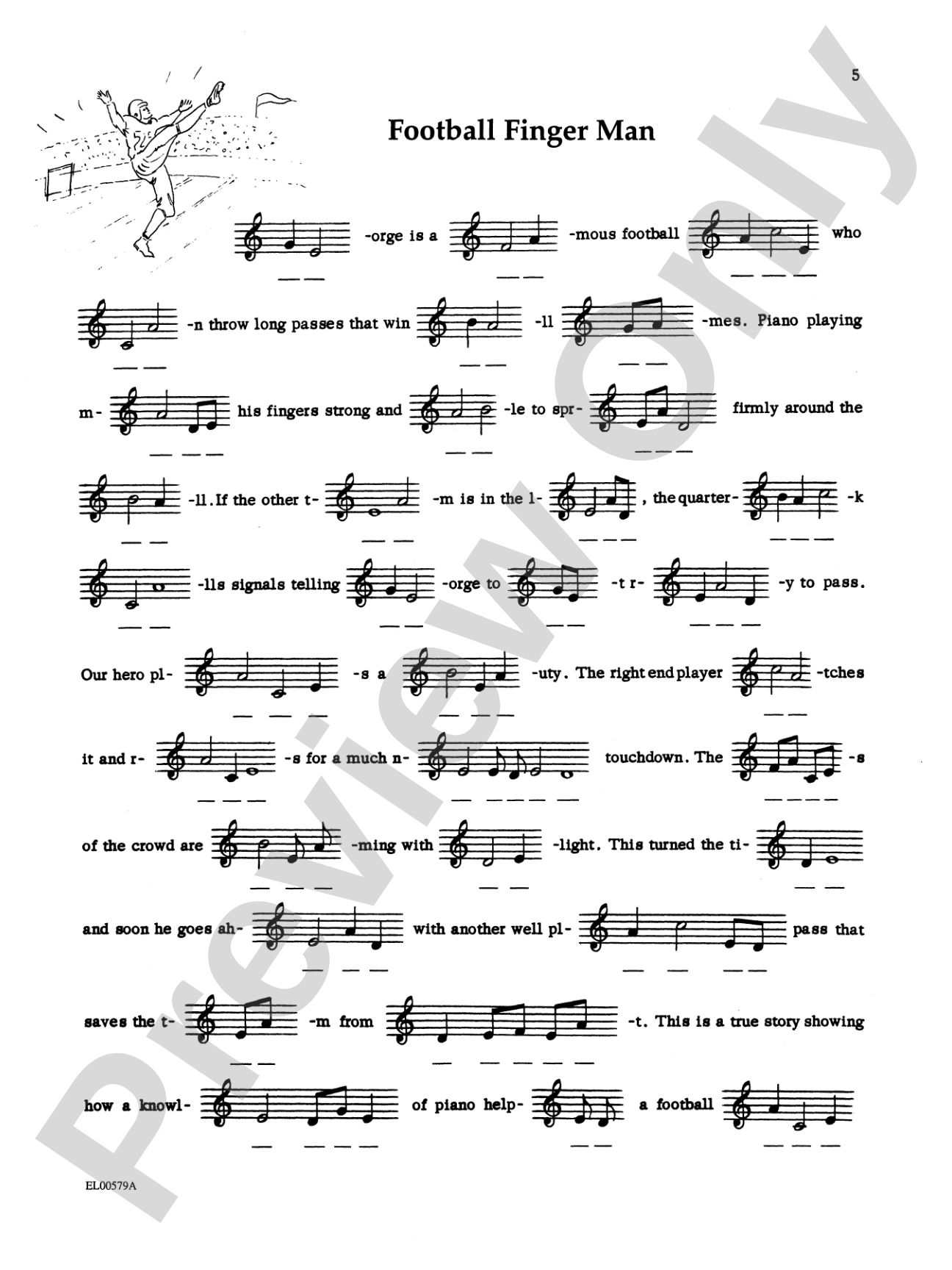
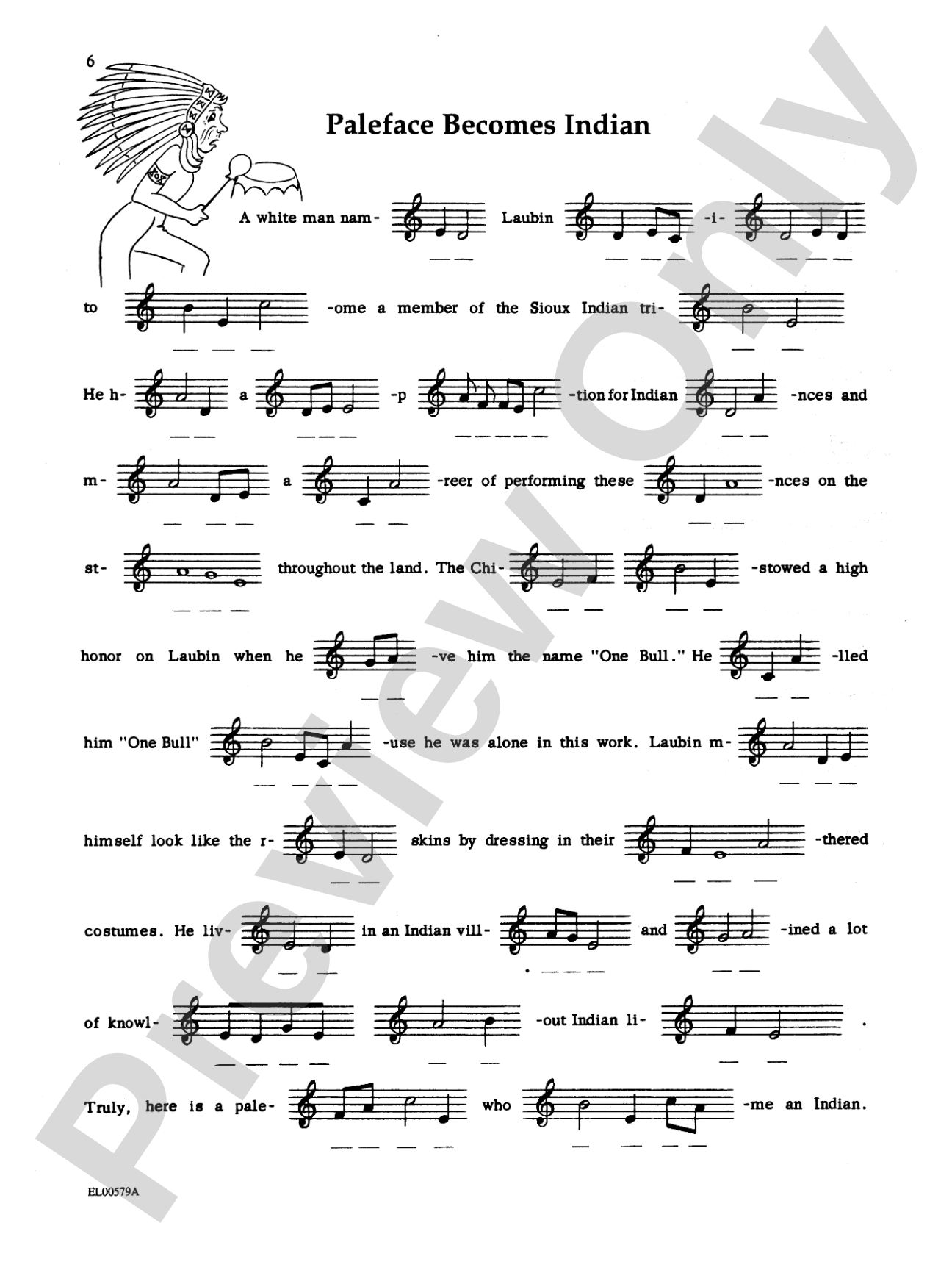
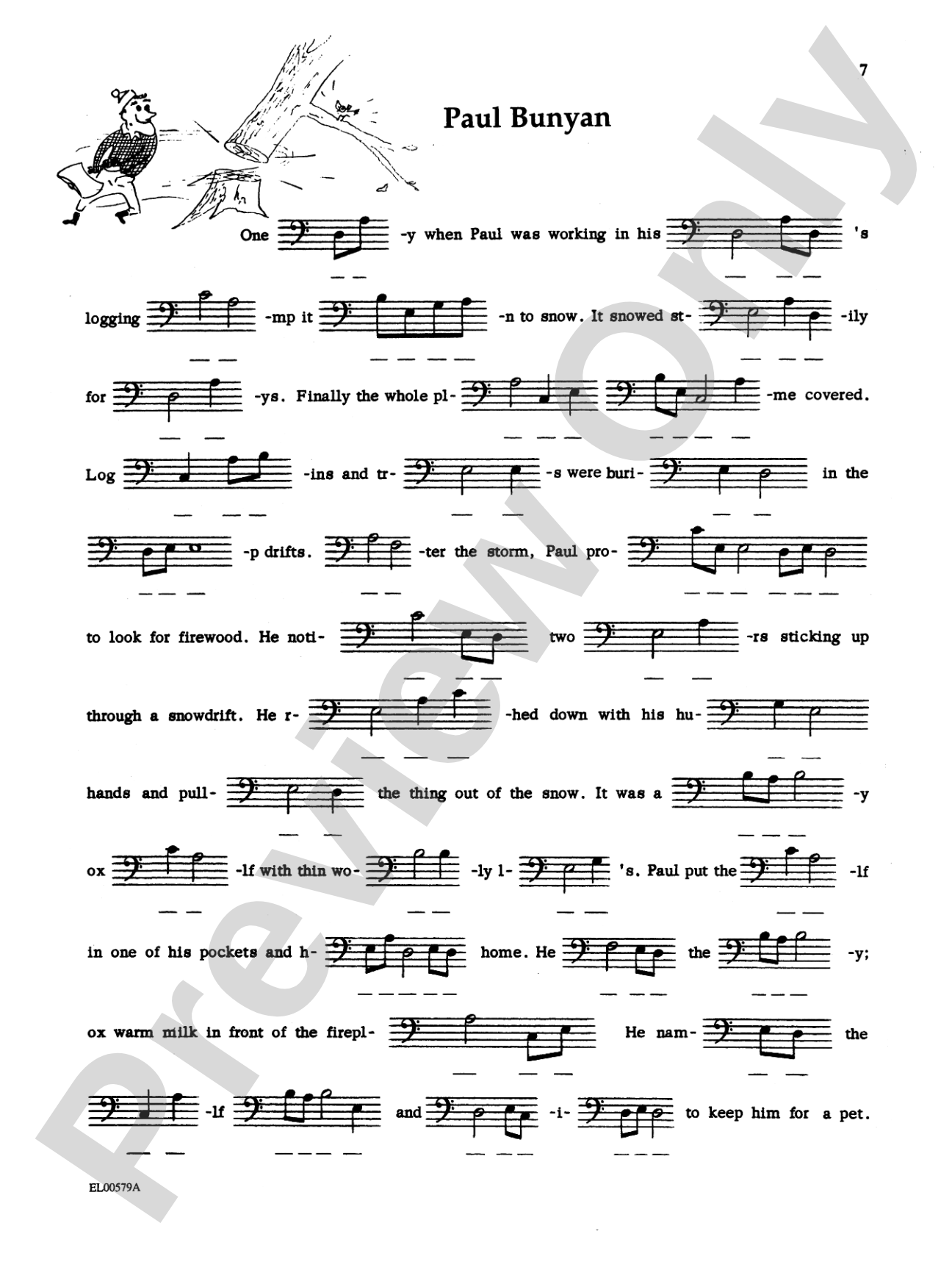
This unique writing book consists of a series of attractive stories in which many of the words appear in music notation so that the student will need to read notes in order to understand the story. Much of the subject matter is based on fact or interesting American legends and historical figures. This spelling book is suitable for elementary-level students in their first or second year of study. The stories provide the means of drilling students on note reading in both a fun and motivating way. Also available: John W. Schaum Music History Speller (EL01030A).


Note Story Spelling Book: A Unique Story Book with Many Words in Music Notation (Based on American Legends and Historical Figures): Piano isn't in MakeMusic Cloud just yet...but it could be. Let us know you'd like to see it, and you'll help shape what comes next. In the meantime, start a free trial and dive into thousands of interactive titles your students can play along with today.
Request This Title
Tell us you want it.
Start Your Free Trial
Explore everything that's ready to play right now.
Sample Audio
No sample audio found.
Sample Video
No sample videos found.
Additional Details
Series:
Schaum Method Supplement
Publisher:
Alfred Music
Page Count:
32
SKU:
00-PB-0001899
More about this title
About the Composer: John W. Schaum
John W. Schaum spent decades developing piano pedagogy materials that prioritize engagement without sacrificing musicianship. His Schaum Method series became foundational in American piano studios by balancing technique, theory, and reading skills in ways that kept young students motivated and progressing steadily.
Schaum understood that elementary pianists need concrete, interesting reasons to drill fundamentals. His supplementary materials embed learning into narrative and historical context, transforming what could be rote practice into genuine curiosity about both music and the world.
Why we love this
This book solves a real problem: how to make note reading practice feel like something worth doing. By weaving music notation into stories about recognizable American figures and legends, students find themselves naturally motivated to decode the notes because they actually want to know what happens next in the narrative.
What to expect
Reading this book feels like unlocking a secret code. Each notated word becomes a small puzzle that reveals not just letters or pitches, but pieces of real stories about people who shaped American history. The satisfaction of decoding builds naturally from the first page.
Who it's for
Elementary pianists in their first or second year who need engaging, purposeful note reading practice. This works especially well for students who lose focus during traditional flashcard drills but respond to narrative and discovery.
How to get the most out of it
- Read the story aloud with your student first, skipping over the notated words so they understand context and can make predictions about what the notes might spell.
- Encourage your student to sound out the letter names before attempting to read them as actual pitches, building confidence in the decoding process.
- Revisit stories across multiple lessons rather than rushing through them all at once; spaced repetition cements both note recognition and spelling patterns.
- Ask your student to tell you what they learned about the historical figure or legend after finishing each story, connecting music learning to broader knowledge.
How to use it
Assign one story per week as supplementary reading material for your elementary piano students. It pairs well with your core method book and requires no additional preparation; students can work through the stories independently or bring them to lessons for collaborative reading.
Skills your students will build
- Reading notes in treble clef across the staff and in ledger lines
- Connecting visual music notation directly to letter names and spelling
- Building automaticity in note recognition through repeated, meaningful exposure
- Understanding music notation as a communication system, not an abstract symbol set
- Sustaining focus on reading tasks through narrative motivation