

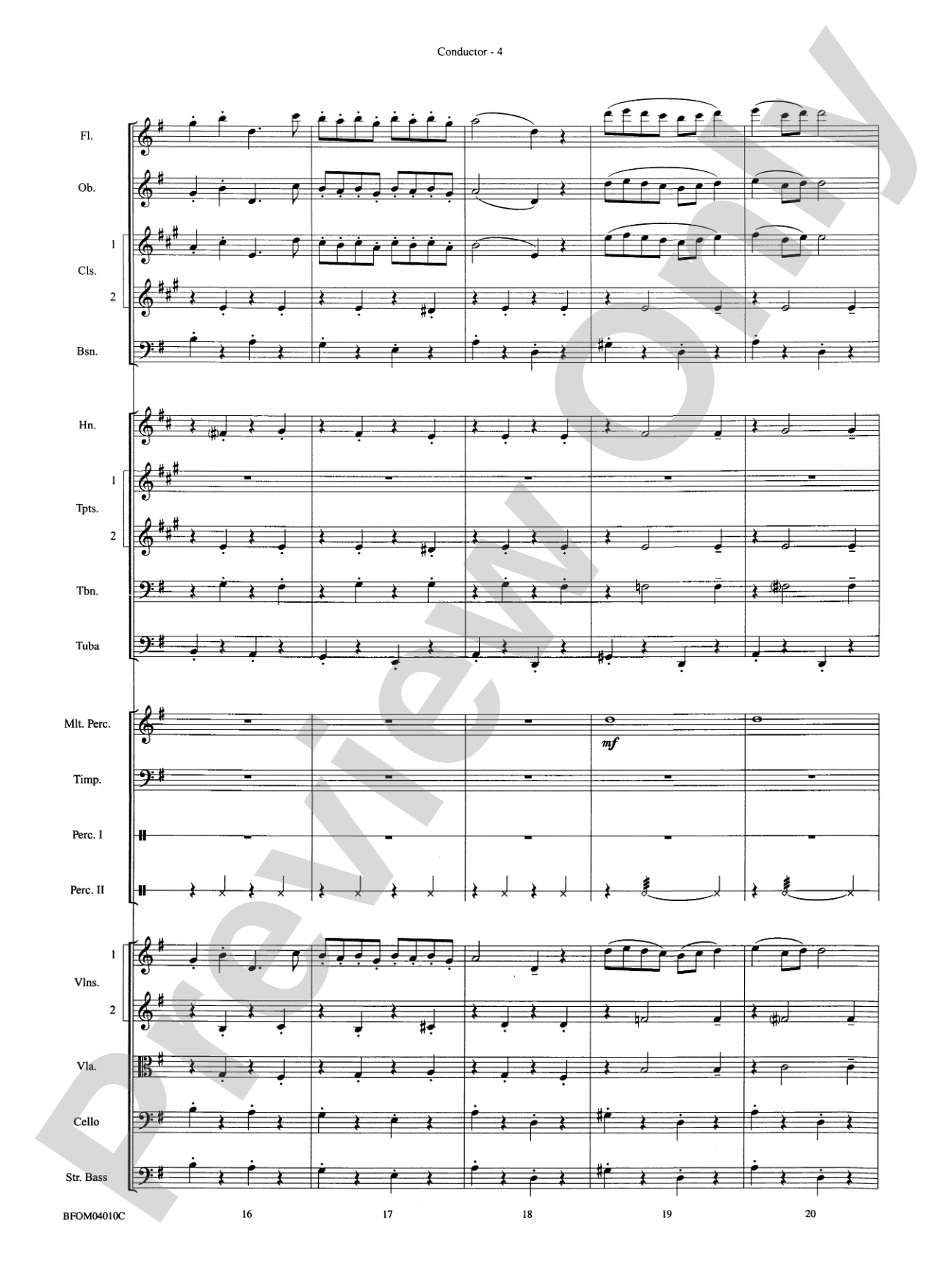
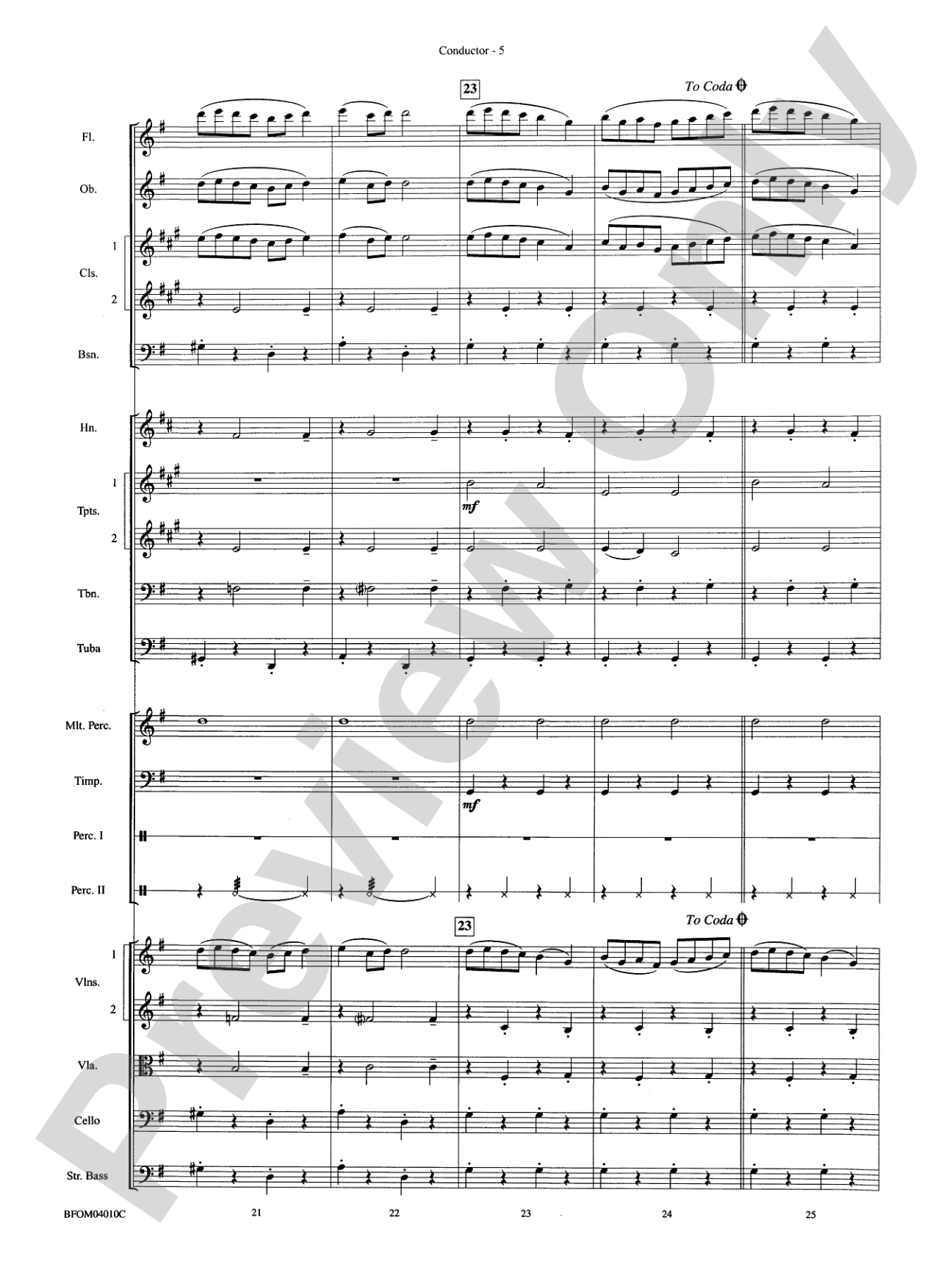
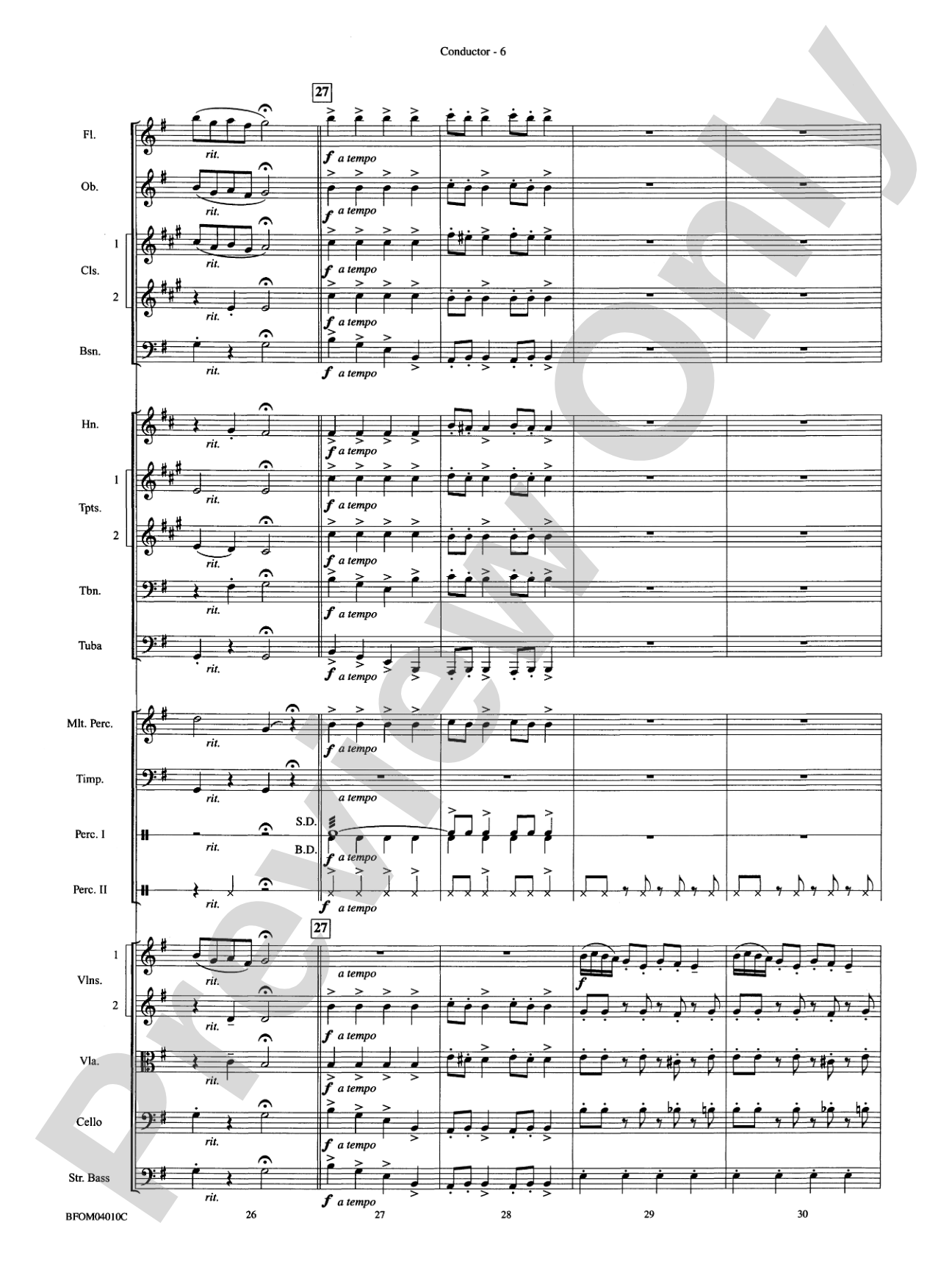
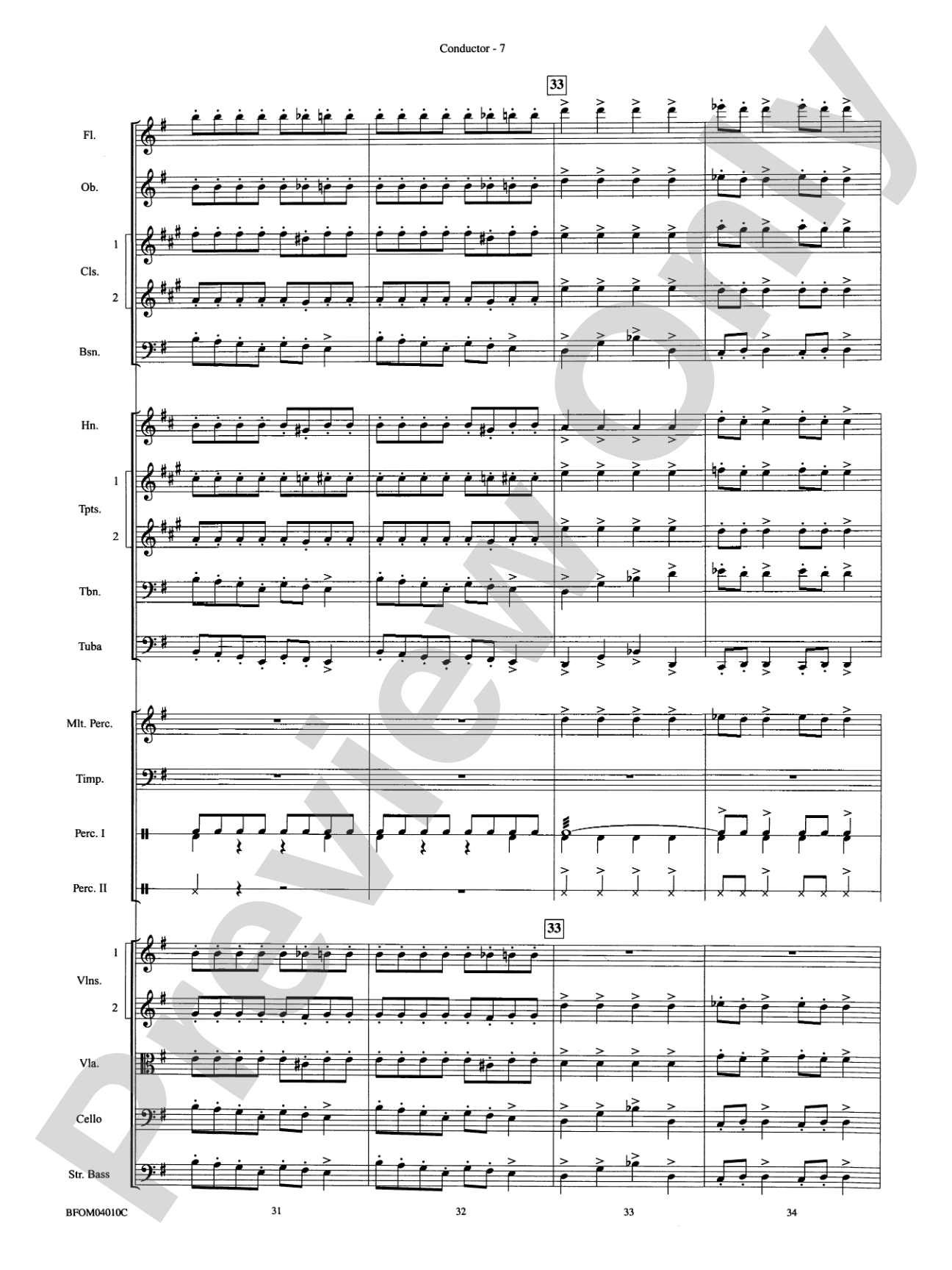
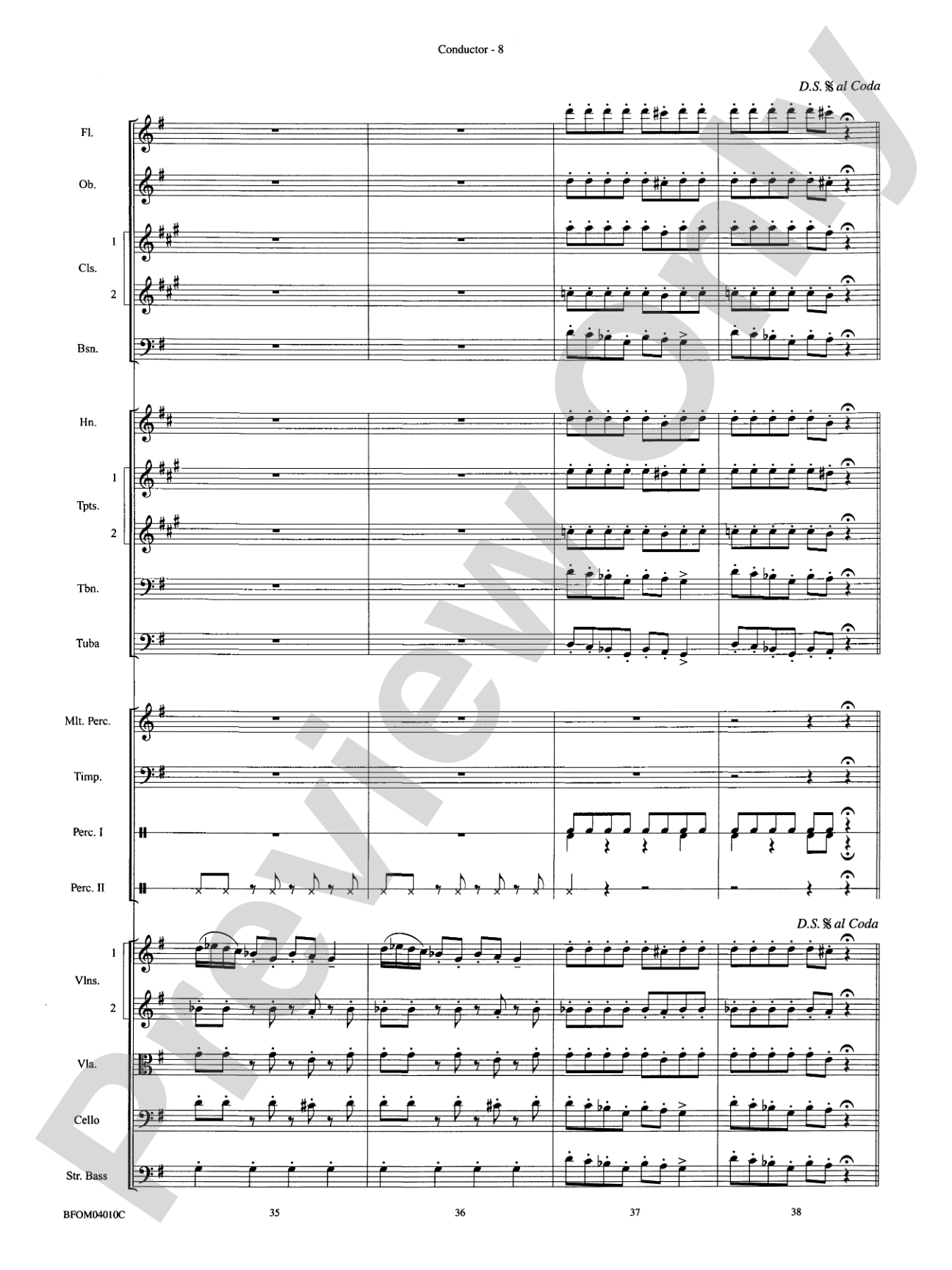
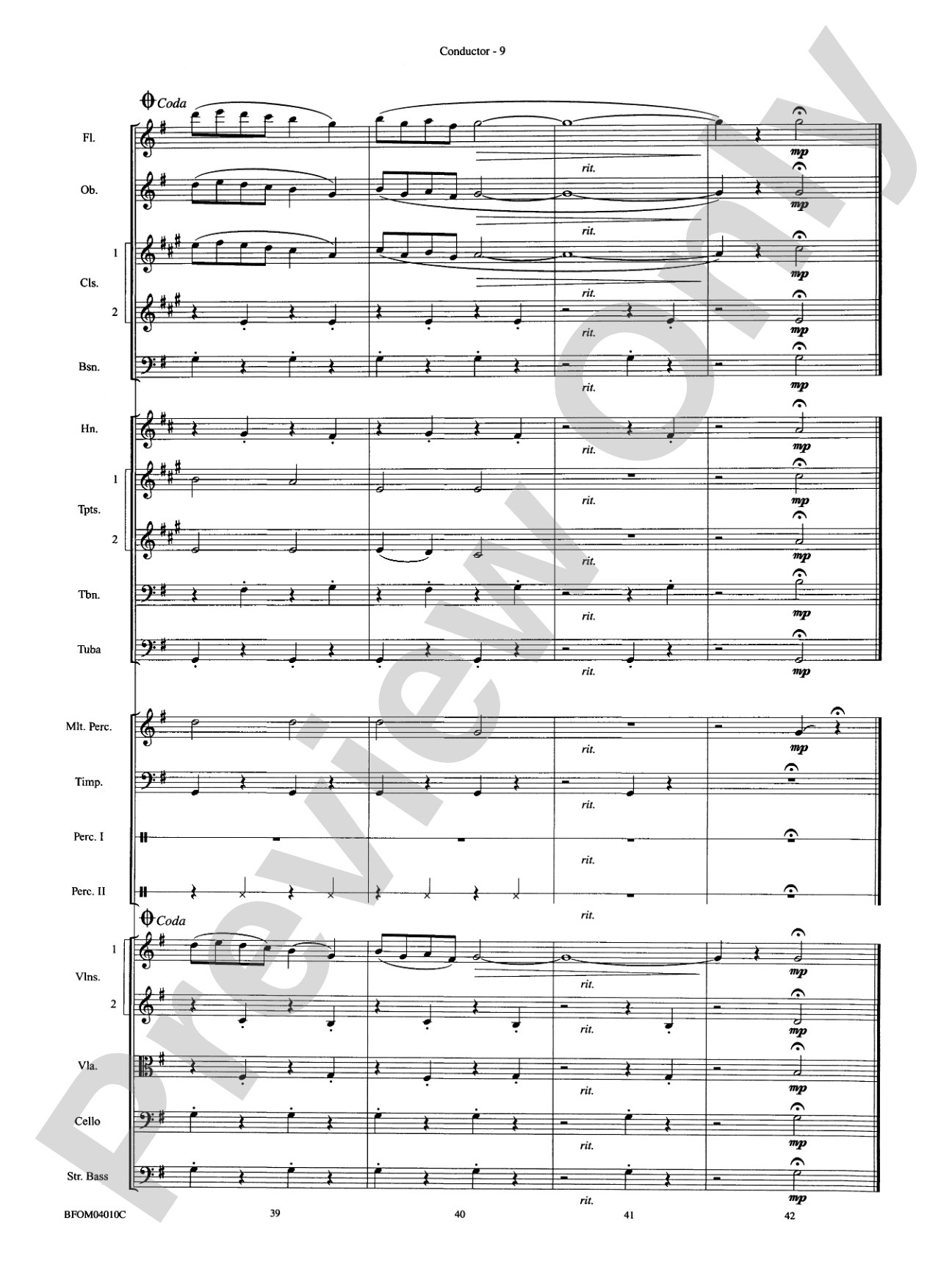


Norwegian Dance No. 2: Score
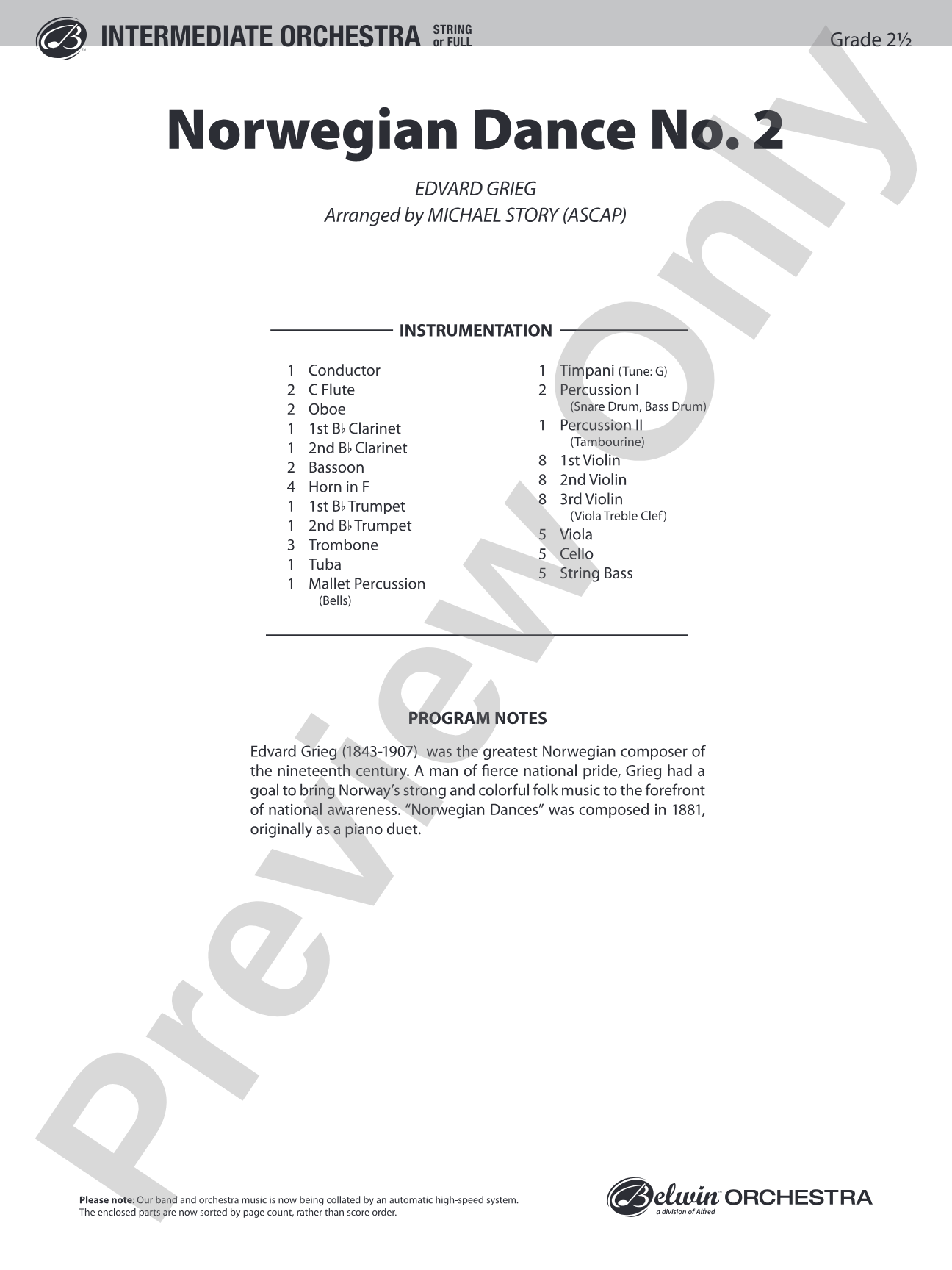
By Edvard Grieg / arr. Michael Story
Grade: 2.5
Item: 00-PR-0002214
$8.00
Pickup currently not available
Description
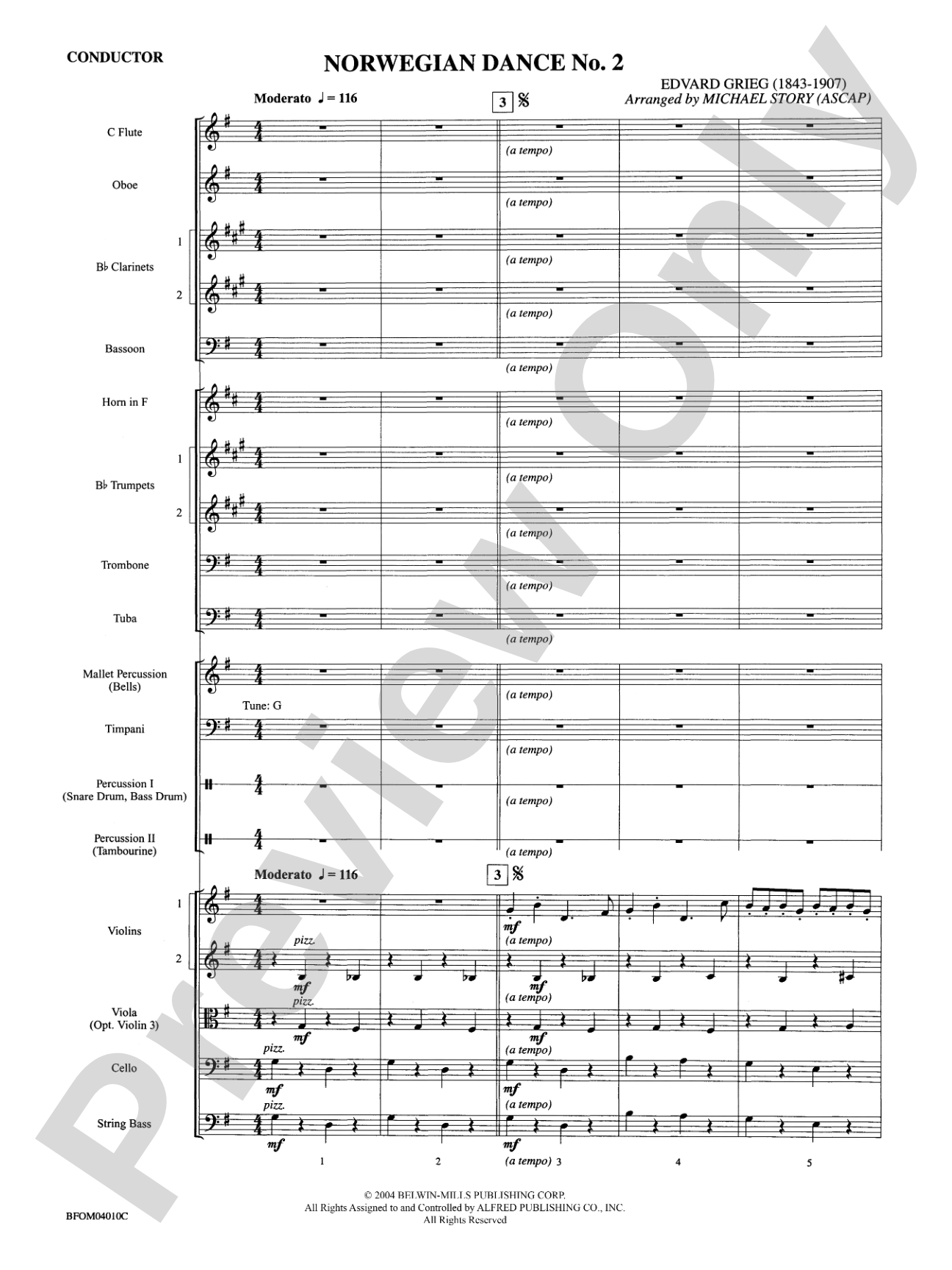
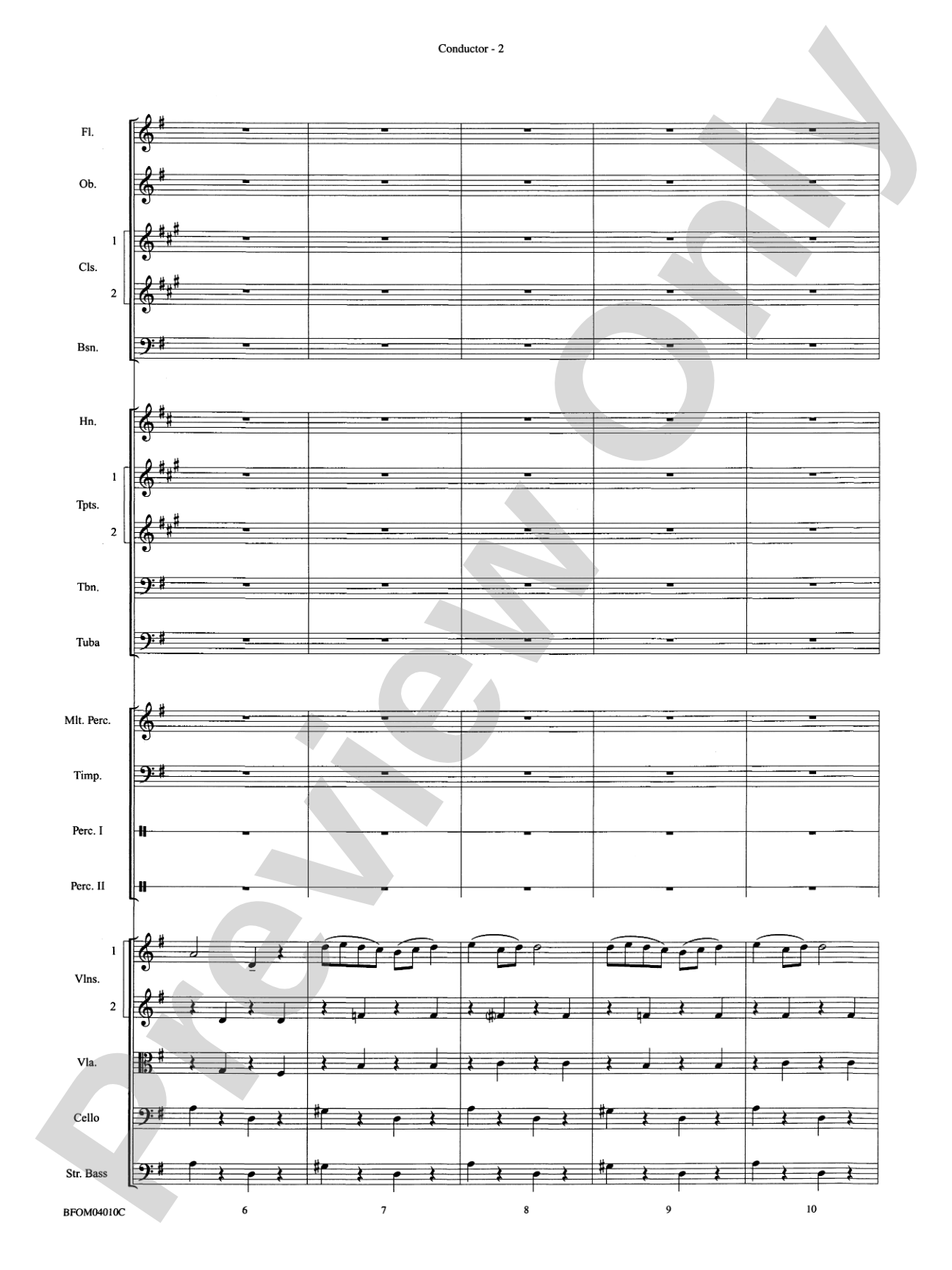
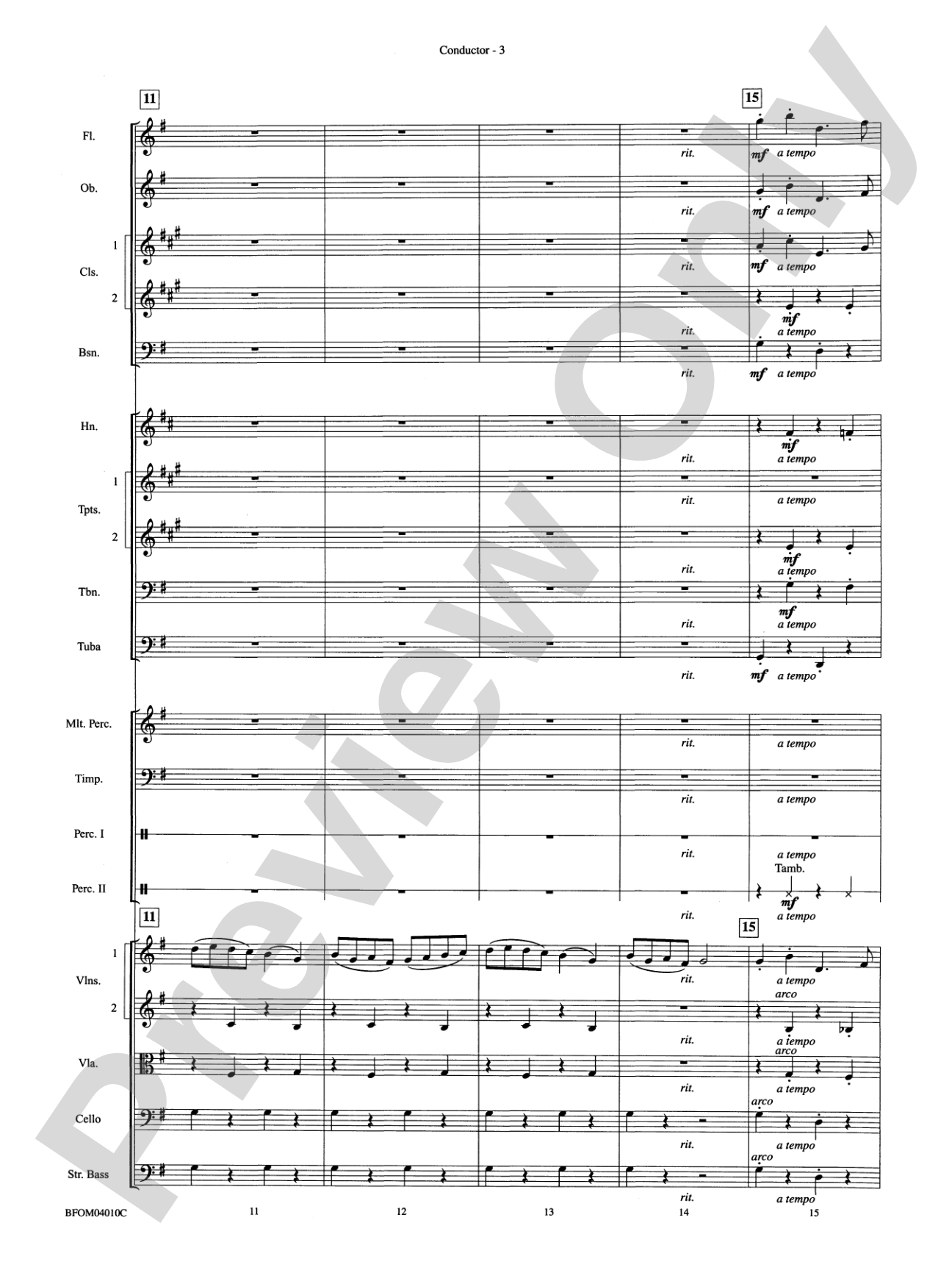
This revered classic composed by Edvard Grieg is carefully scored for the intermediate string or full orchestra. There are tremendous opportunities to teach meter and counting and a delicate beginning with the firsts on the melody and the remainder of the strings accompanying with pizzicato. Superb variety -- delightful! (2:18)


Don't just read it, hear it, play along with it, and watch your students grow with it. In MakeMusic Cloud, Norwegian Dance No. 2: Score comes alive with professional accompaniment, adjustable tempo, and built-in practice tools that turn solo practice into real progress.
Open in the Player
Jump straight in and assign it today.
Start Your Free Trial
Open this title and explore the full library in minutes.
Sample Audio
1
Audio File
--:--
0:00
0:00
Sample Video
No sample videos found.
Additional Details
Series:
Belwin Intermediate String/Full Orchestra
Publisher:
Alfred Music
Page Count:
124
SKU:
00-PR-0002214
More about this title
About the Composer: Edvard Grieg
Edvard Grieg (1843-1907) stands as Norway's most consequential composer, creating a body of work that draws deeply from Scandinavian folk traditions and the dramatic landscape of his homeland. His gift for melody and harmonic innovation made him one of the Romantic era's most performed composers, and his influence extends far beyond concert halls into the foundations of modern music education.
For student musicians, Grieg's accessibility is part of his genius. His compositions reward careful listening and honest playing without demanding superhuman technique. The Norwegian Dances, in particular, showcase his ability to capture national character through music, they pulse with energy and personality that students can feel immediately, making them ideal vehicles for teaching musicianship at the intermediate level.
Why we love this
Michael Story's orchestration preserves Grieg's melodic brilliance while creating genuine teaching moments around meter and rhythmic precision. The opening texture, first violins singing against pizzicato accompaniment, builds natural independence in your string sections and gives every player a clear role in the musical conversation.
What to expect
Grieg captures something of Norwegian spirit, energetic, lyrical, and touched with just enough drama to feel consequential. The opening floats like a folk melody carried on the air, building warmth as the arrangement expands, with moments of genuine brightness that lift the mood of any rehearsal.
Who it's for
Intermediate orchestras seeking substantial Romantic repertoire that teaches meter and ensemble balance without overwhelming developing players. String orchestras can perform this directly; full orchestras have parts for winds and percussion that expand the color palette.
How to get the most out of it
- Balance the pizzicato accompaniment so it supports rather than competes with the melody line; this texture works only when both layers are clearly audible but in proper proportion.
- Establish a steady pulse from the start since the meter work demands secure counting throughout; inconsistent tempo undermines the rhythmic learning opportunities.
- Shape the first violin melody with long-line phrasing rather than note-to-note articulation; Grieg's lyricism depends on singers' breath and violinists' bows working together.
- Bring out the delicate character in early passages through light dynamics and precise attacks, saving dramatic energy for the contrasting sections that follow.
How to use it
Program this as a contrast piece on a concert mixing heavier Romantic works, or open a concert with its delicate character to establish an intimate connection with your audience. It pairs naturally with other nationalist-era orchestral works and offers the right level of sophistication for festival performances.
Skills your students will build
- Meter security and counting discipline across full ensemble
- Pizzicato technique and the independence of accompanying voices
- Melodic phrasing and long-line shaping in string writing
- Dynamic control and proportional balance between primary and secondary voices
- Style awareness specific to Romantic-era Scandinavian nationalism