
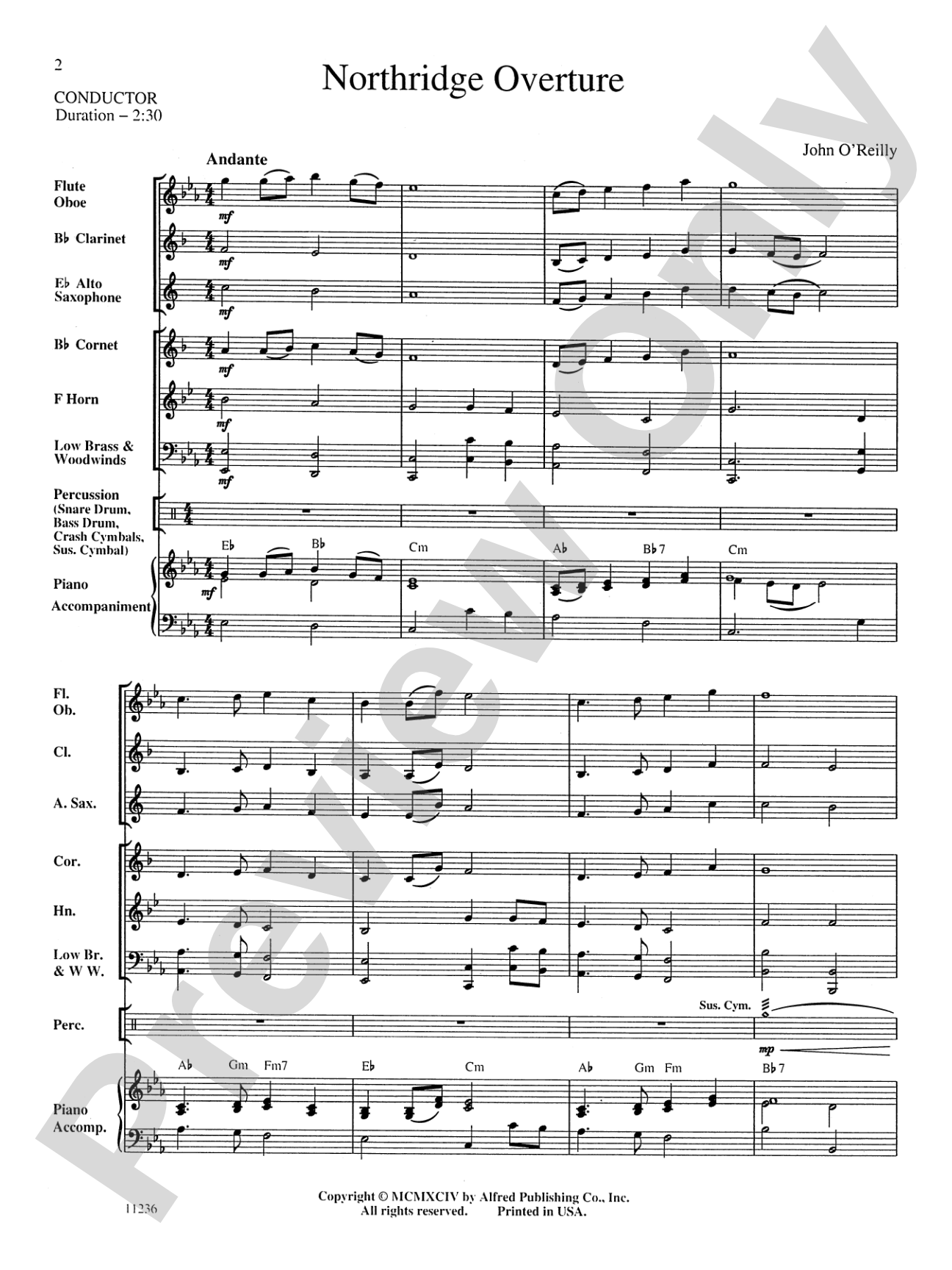
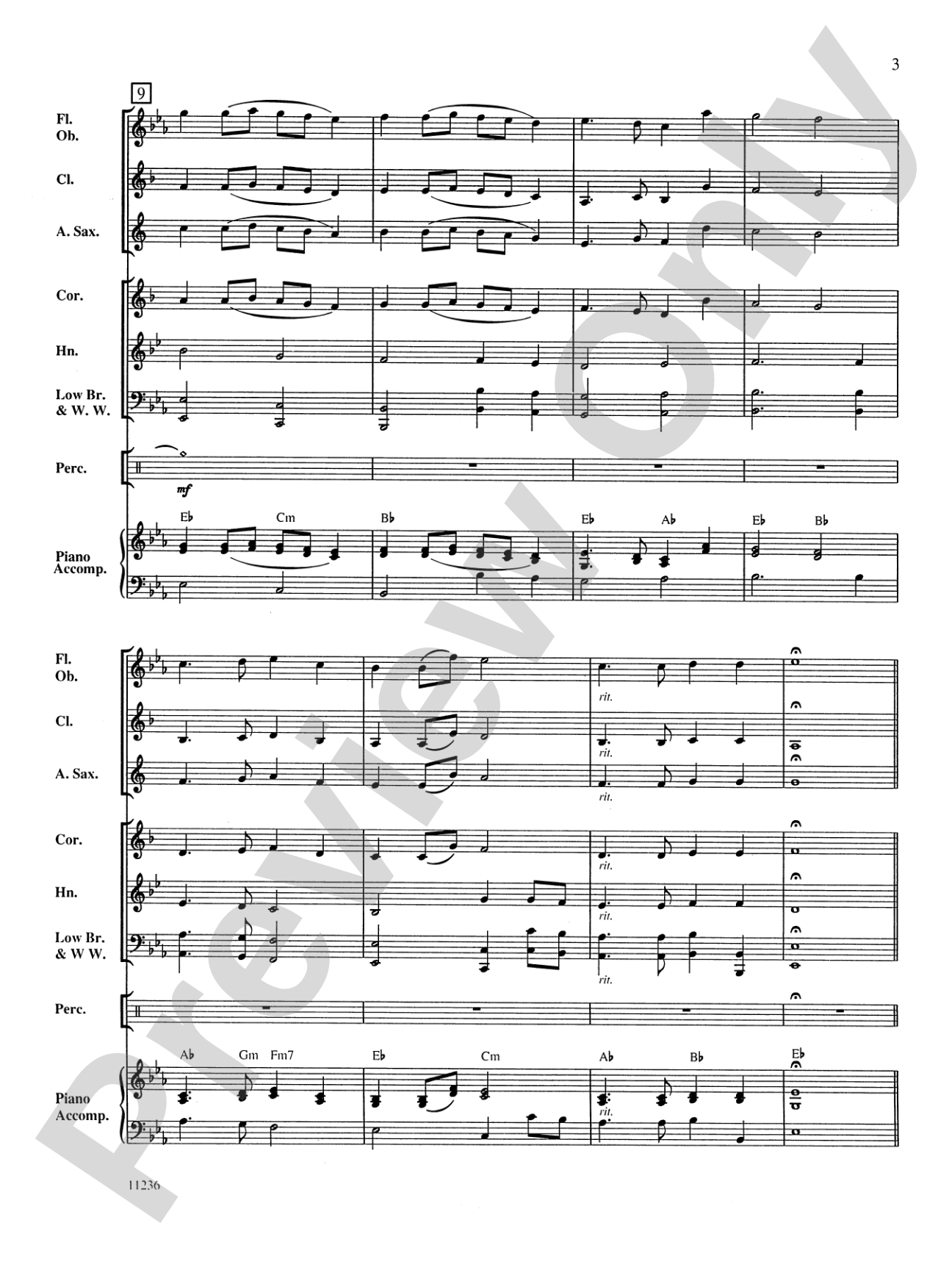
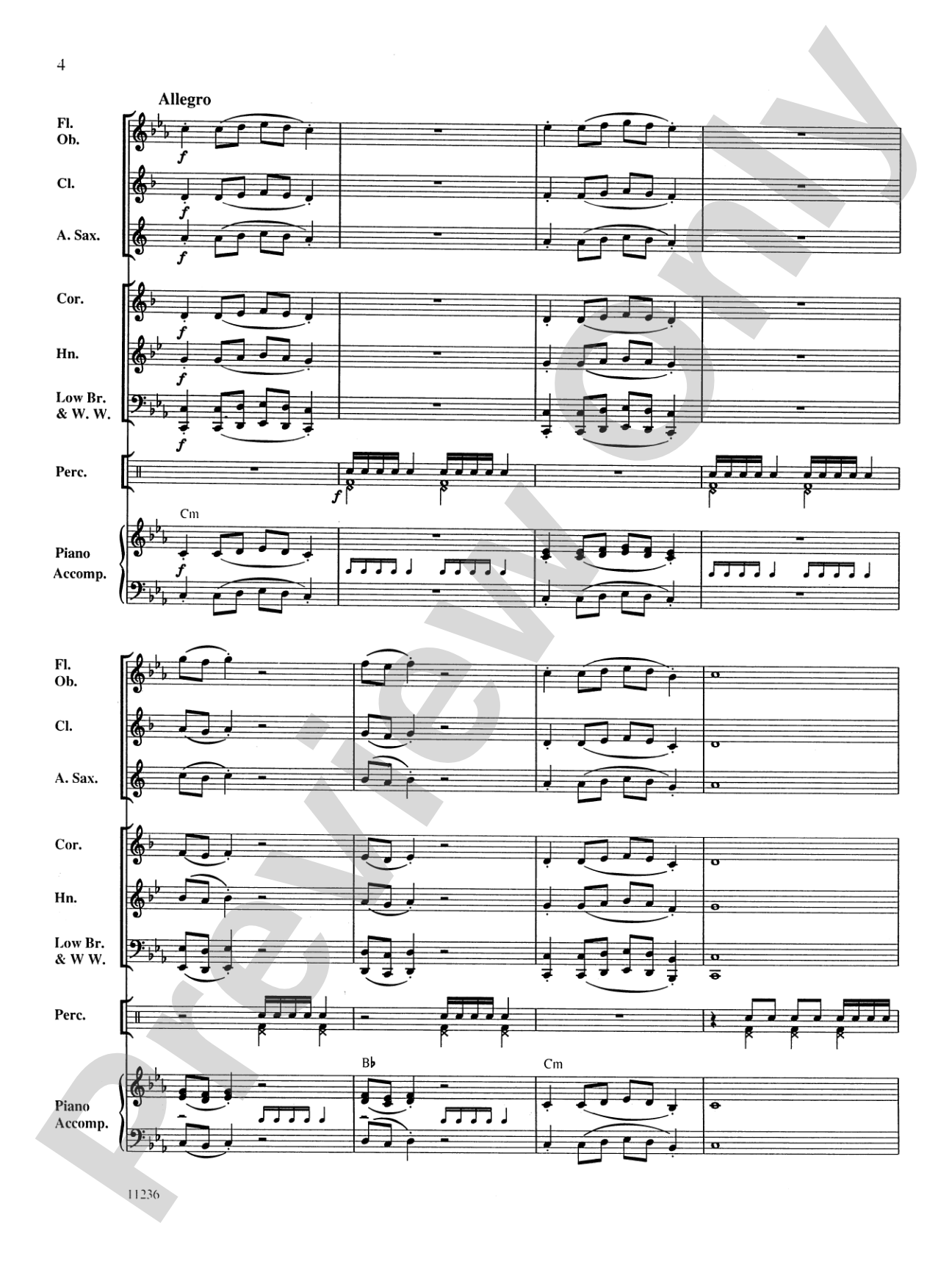
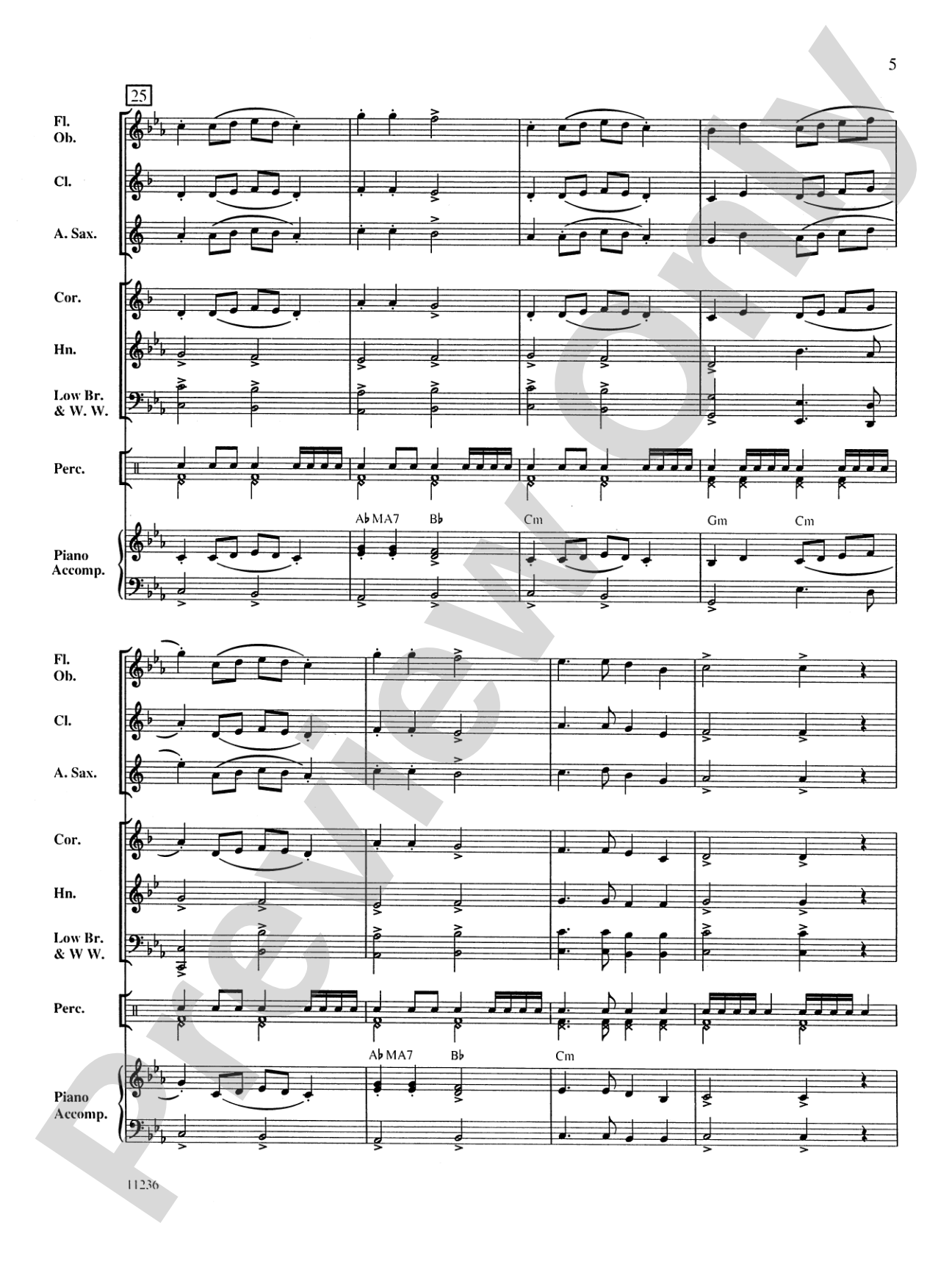
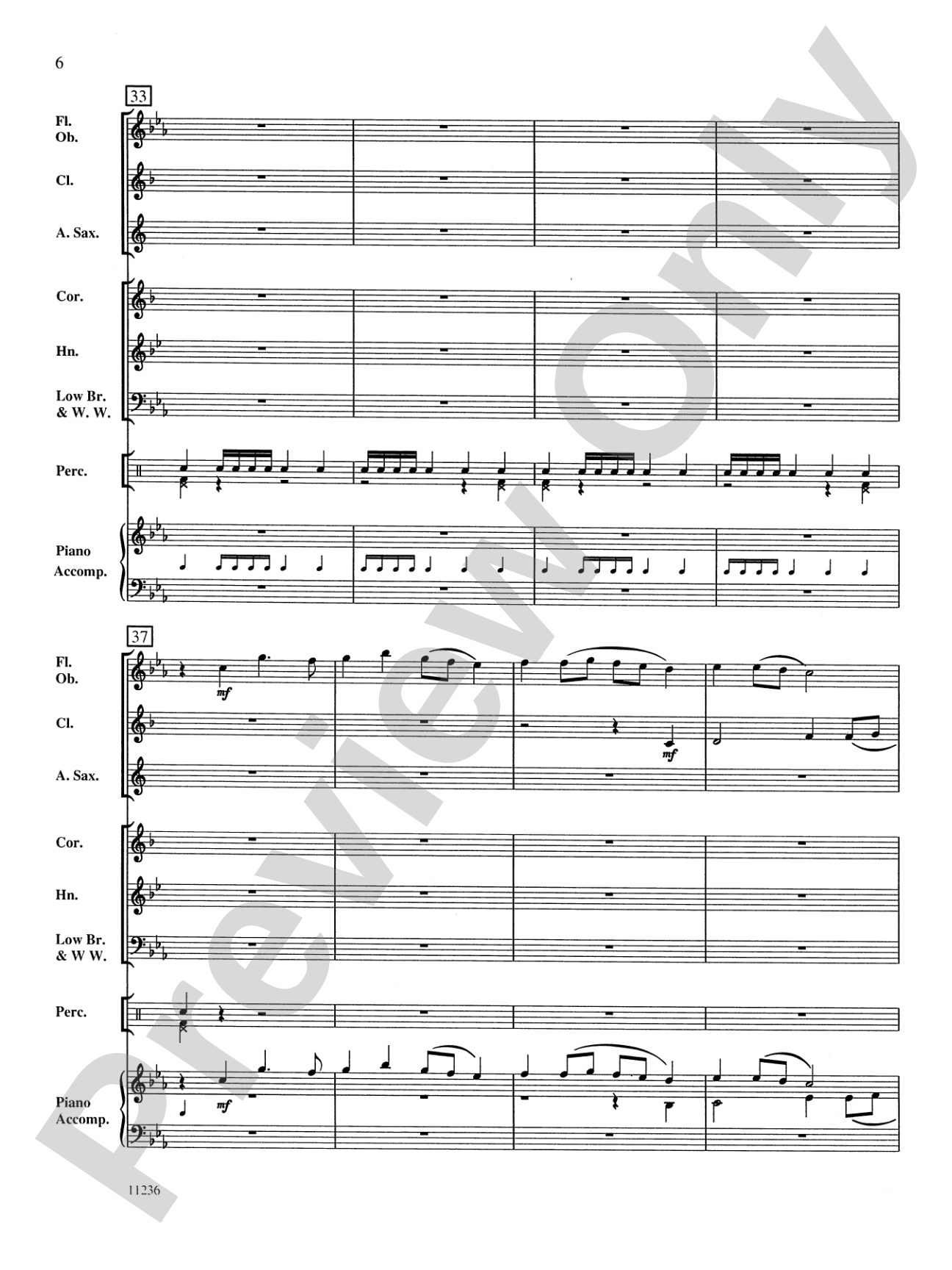
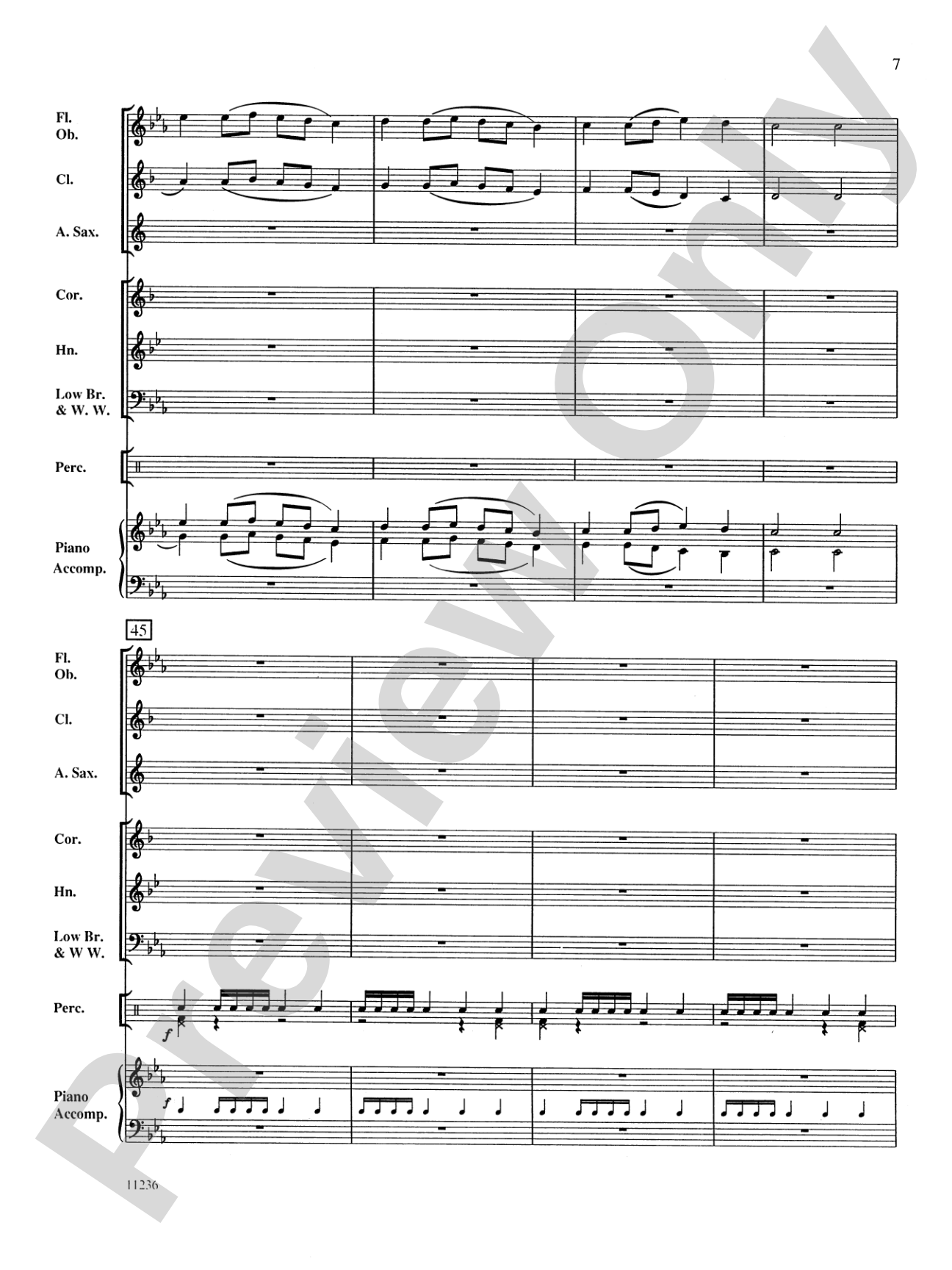
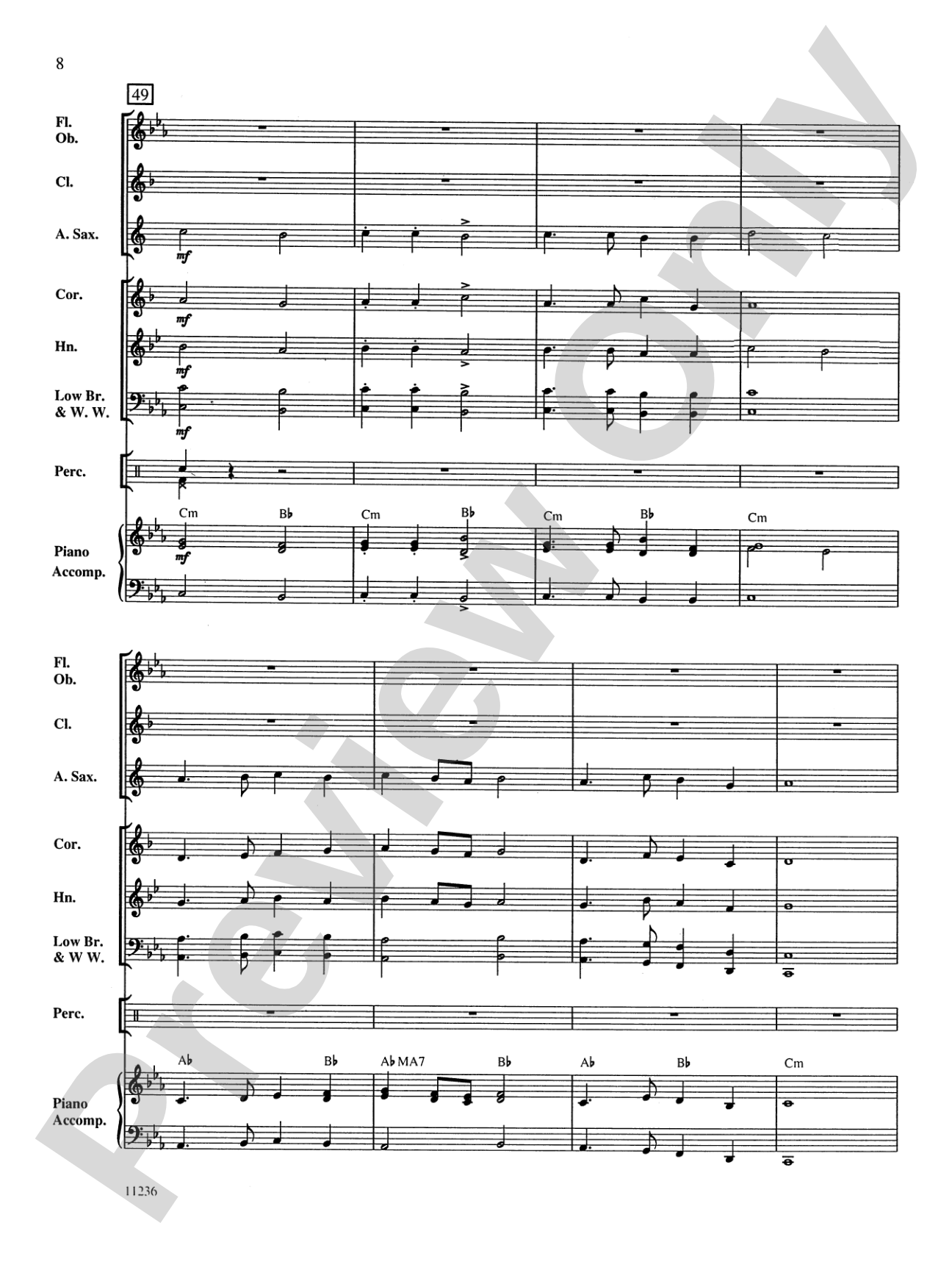
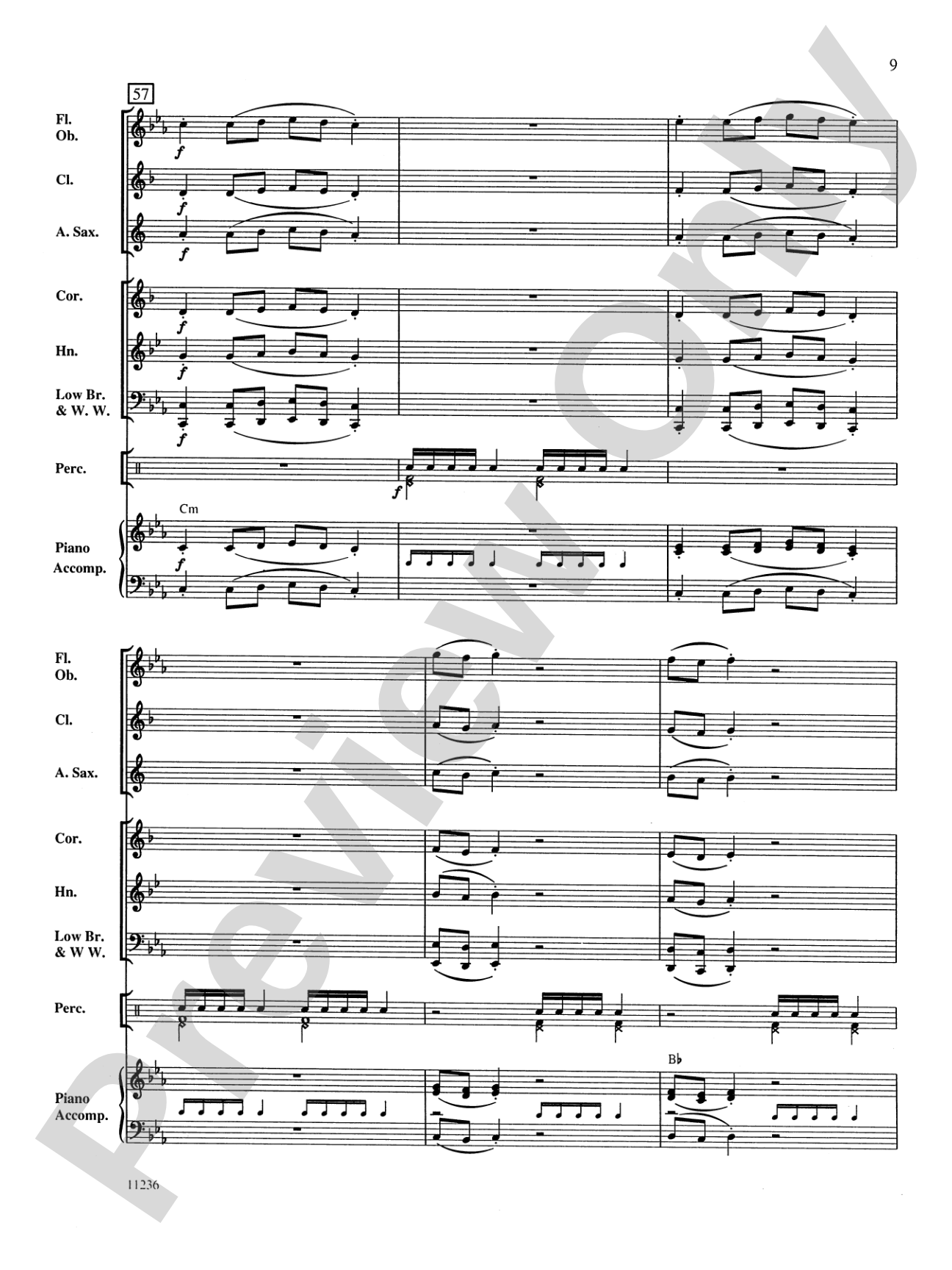
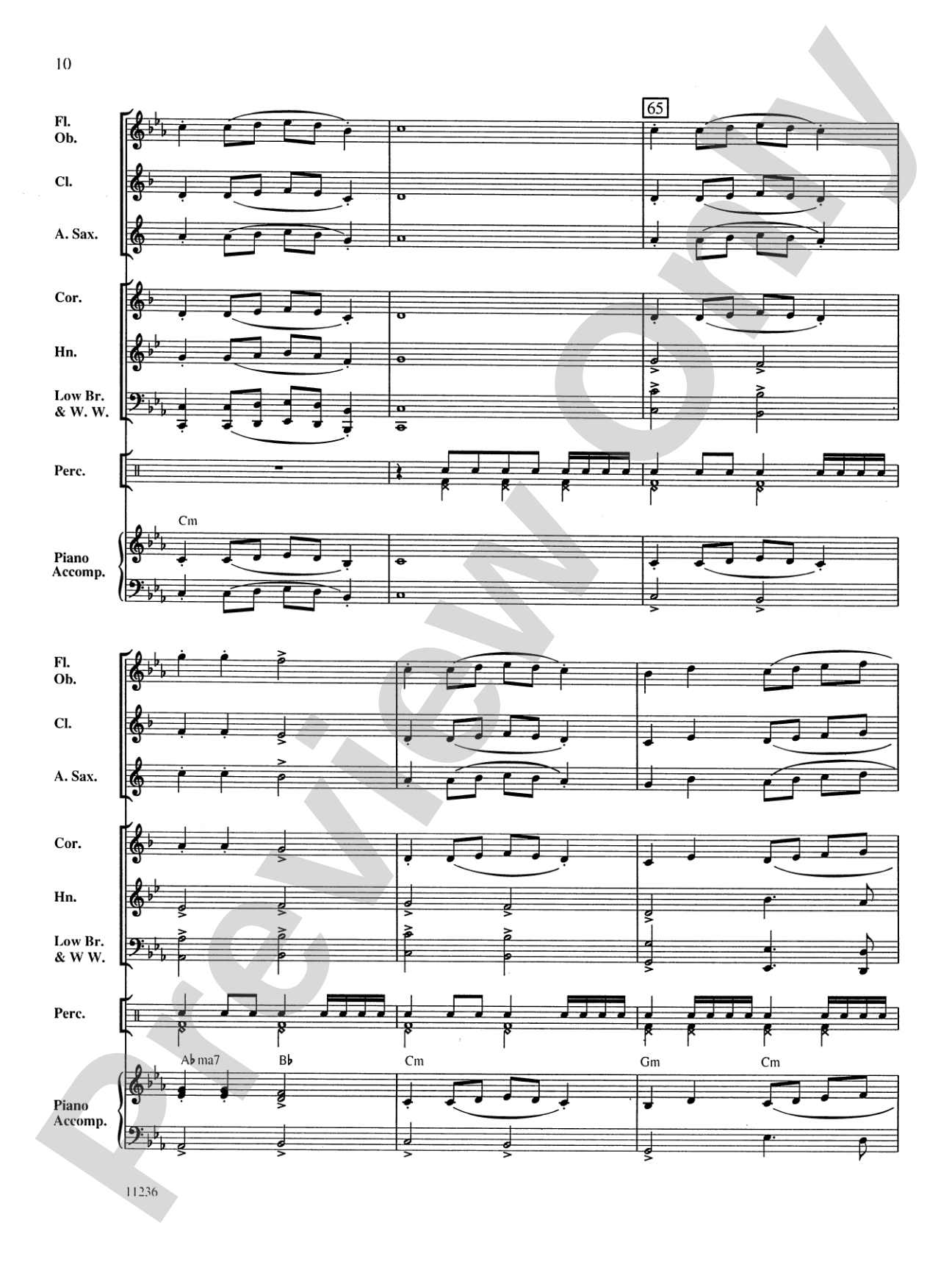
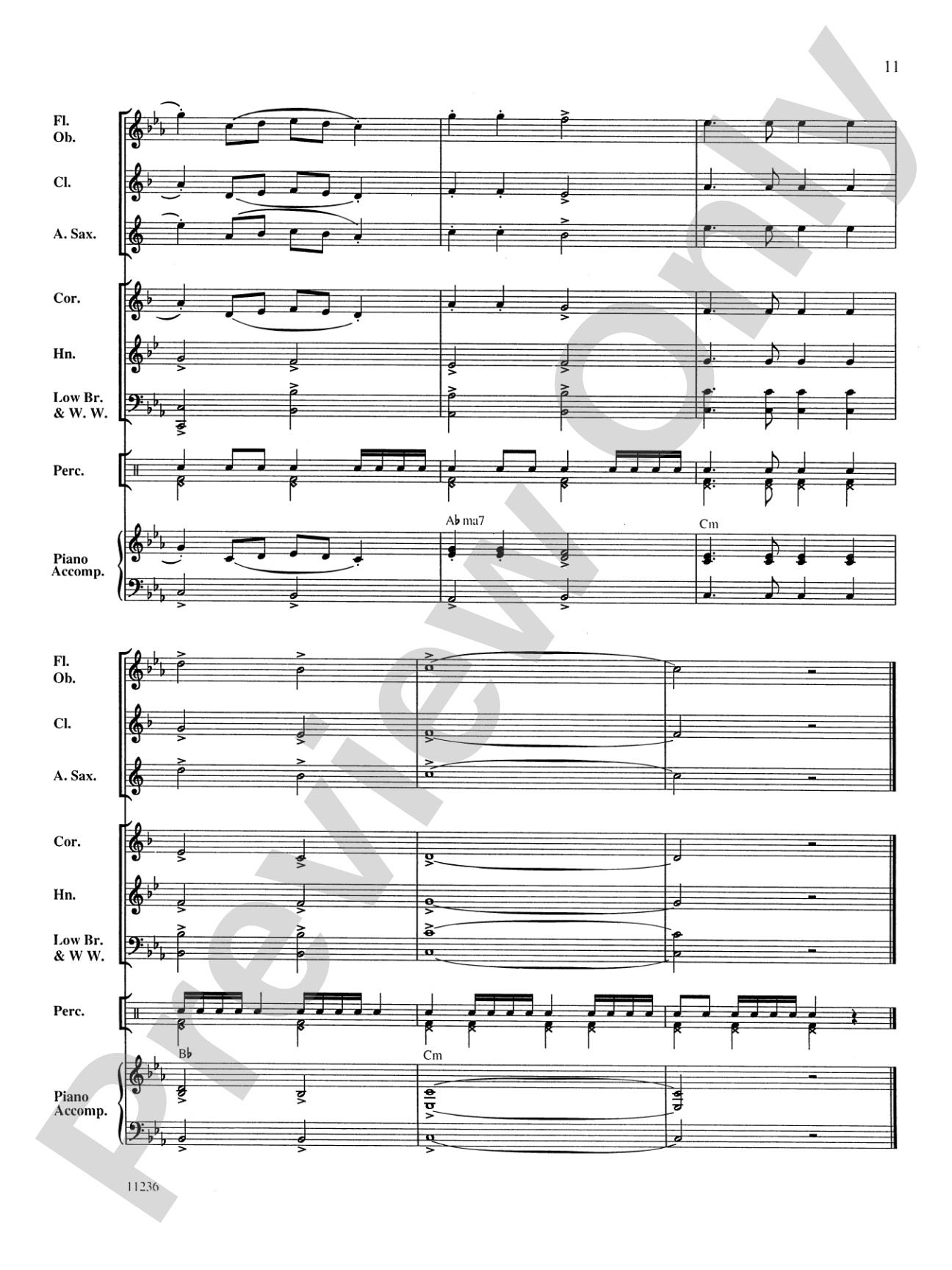

Northridge Overture: Concert Band Conductor Score & Parts
By John O'Reilly
Grade: 1 (Very Easy)
Item: 00-PK-0000021

$47.00
Pickup currently not available
Buy Extra Parts (Digital PDF Download)
Parts Added to Cart!
Description
This title is available in MakeMusic Cloud.


Don't just read it, hear it, play along with it, and watch your students grow with it. In MakeMusic Cloud, Northridge Overture: Concert Band Conductor Score & Parts comes alive with professional accompaniment, adjustable tempo, and built-in practice tools that turn solo practice into real progress.
Open in the Player
Jump straight in and assign it today.
Start Your Free Trial
Open this title and explore the full library in minutes.
Sample Audio
1
Audio File
--:--
0:00
0:00
Sample Video
No sample videos found.
Additional Details
Series:
Yamaha Band Series
Publisher:
Alfred Music
Page Count:
116
SKU:
00-PK-0000021
More about this title
Why we love this
Grade 1 overtures rarely achieve this balance of accessibility and genuine musical substance. O'Reilly writes idiomatically for young players without resorting to oversimplification, giving every section meaningful material and maintaining forward momentum throughout. The piece works equally well as a concert opener or festival selection, and directors consistently report that students find it rewarding to perform.
What to expect
Northridge Overture unfolds with bright energy and purpose. The piece has a classical clarity to its structure, moving confidently through contrasting sections without ever losing sight of melodic coherence. It feels substantial in the hands of young players, yet never demands more than Grade 1 technique can deliver.
Who it's for
This overture suits beginning concert bands ready to move beyond purely pedagogical repertoire into pieces that demand musicianship alongside technical development. It works well for groups preparing their first festival or contest entry.
How to get the most out of it
- Establish clear phrase shapes in the opening section; young players often respond well to conducting that shows the musical contours rather than just marking time.
- Give the woodwind sections intentional rhythmic independence in transitions. They're carrying more weight here than in many Grade 1 pieces, and they need to know it.
- Balance the dynamic contrasts carefully. The piece relies on light-and-shade momentum, which can flatten if the ensemble defaults to a single volume level.
- Mark cutoffs and releases precisely during rehearsal. Clean articulation of phrase endings prevents the piece from sounding muddy at faster tempos.
How to use it
Use this as a concert opener when you want to establish confidence and momentum from the first downbeat. Its contest/festival designation makes it an ideal anchor piece for a spring festival appearance, and it pairs well with lighter, more lyrical selections that follow.
Skills your students will build
- Sustaining musical shape across longer formal structures
- Balancing independent section writing (woodwinds, brass, percussion)
- Responding to clear phrase architecture and dynamic contrast
- Maintaining ensemble focus at moderately active tempos
- Executing clean articulation and releases in a full ensemble context