Nordic Waltzes Cover Image

Nordic Waltzes: String Orchestra Conductor Score

$5.00 USD
Sale price  $5.00 USD Regular price 
Skip to product information
Nordic Waltzes Cover Image

Nordic Waltzes: String Orchestra Conductor Score

Arranged by Bob Lipton

Grade: 3

Item: 98-ST6248S

$5.00
Shipped

One moment…

Description
Based on four hauntingly bittersweet waltzes from the 1700s, these Swedish dances are charming and timeless. Each waltz has a unique character, yet the four blend together seamlessly as the piece moves forward. A wonderful change of pace for any program!

Nordic Waltzes: String Orchestra Conductor Score isn't in MakeMusic Cloud just yet...but it could be. Let us know you'd like to see it, and you'll help shape what comes next. In the meantime, start a free trial and dive into thousands of interactive titles your students can play along with today.

Sample Pages

Sample Audio
No sample audio found.
Sample Video
Additional Details
Series: FJH String Orchestra
Publisher: The FJH Music Company, Inc.
UPC: 241444564486
SKU: 98-ST6248S

More about this title

About the Arranger: Bob Lipton
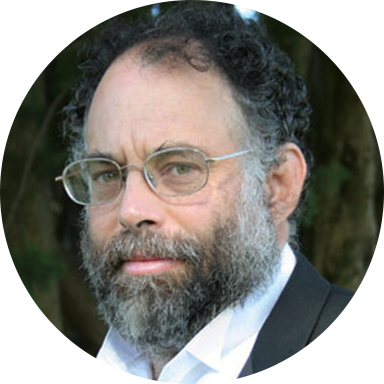
Bob Lipton

Bob Lipton earned his B.M. in music education from San Francisco State University and has spent nearly two decades teaching middle school orchestra and band in Silicon Valley. His performance credentials span classical and contemporary contexts: he has performed as a tuba player with regional symphonies throughout Northern California, toured internationally with the Colombia Artists Bel Canto Brass, and appeared at prestigious festivals including the San Francisco and Frankfurt Jazz festivals.

Beyond his classroom work, Lipton maintains an active arranging career focused on school ensembles and brass quintet. His background as both performer and educator informs his accessible yet musically substantive arrangements for young string orchestras.

Why we love this

Lipton draws from authentic 1700s Swedish sources rather than inventing folk pastiche, which means your students encounter genuine historical melody and character. The four waltzes maintain distinct personalities while functioning as a single coherent suite, giving you a piece that works equally well as a charming concert interlude or as a cultural studies anchor in a thematic program.

What to expect

Hauntingly bittersweet, these dances carry the minor-inflected character of Nordic folk tradition while maintaining the formal elegance of 1700s salon music. You hear echoes of longing and restraint in the melodic contours, yet the overall effect remains charming and accessible rather than somber.

Who it's for

This conductor score serves orchestra directors at the Grade 3 level who want authentic Scandinavian repertoire that deepens cultural literacy without sacrificing musicianship. It works equally well for programs seeking a substantial concert opener or a graceful change-of-pace piece that still demands serious musical attention from young string players.

How to get the most out of it

  • Balance the melodic line across first and second violins; these waltzes rely on the transparency that comes from clear part writing rather than tutti density.
  • Establish a steady, unhurried waltz tempo from rehearsal one; the bittersweet quality emerges from controlled phrasing, not from rushing.
  • Shape each waltz as a small arc with its own character before moving to the next one; the seamless progression Lipton creates depends on clean section transitions without fermatas.
  • Let the cello and bass lines breathe with the dance rhythm; they anchor the melody but need light articulation to avoid heaviness.

How to use it

Consider placing this early in a concert to establish a sophisticated musical tone, or program it alongside other cultural or historical suites to create a thematic set. It also serves beautifully as a transition between heavier Romantic repertoire and lighter closing pieces, giving audiences a moment of genuine reflection without losing momentum.

Skills your students will build

  • Sustaining consistent 3/4 pulse across multiple phrases
  • Balancing melody and accompaniment in exposed scoring
  • Shaping period dance forms with appropriate rubato and phrase architecture
  • Reading and executing clean sectional transitions within a multi-movement structure

You May Also Like