
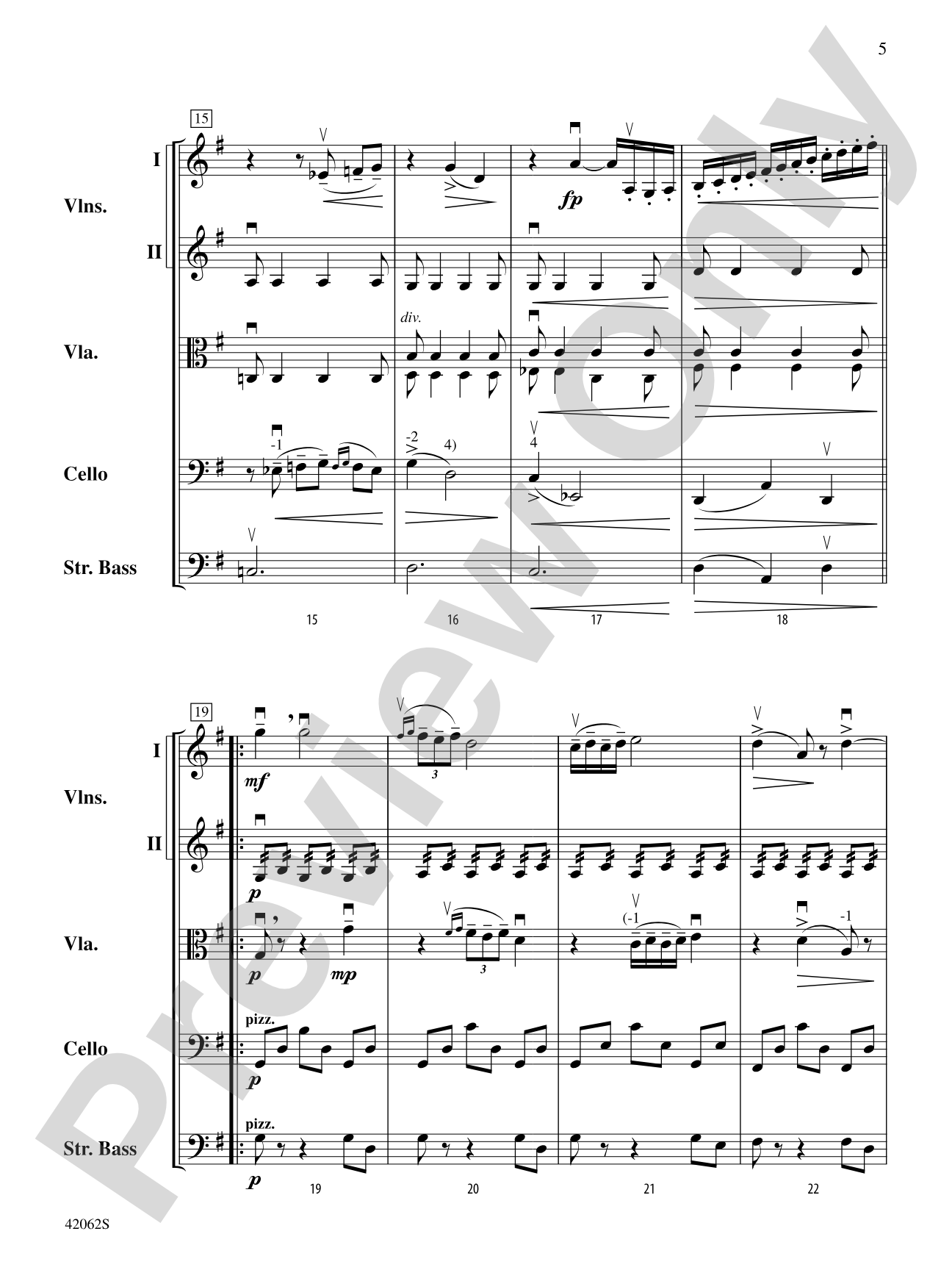
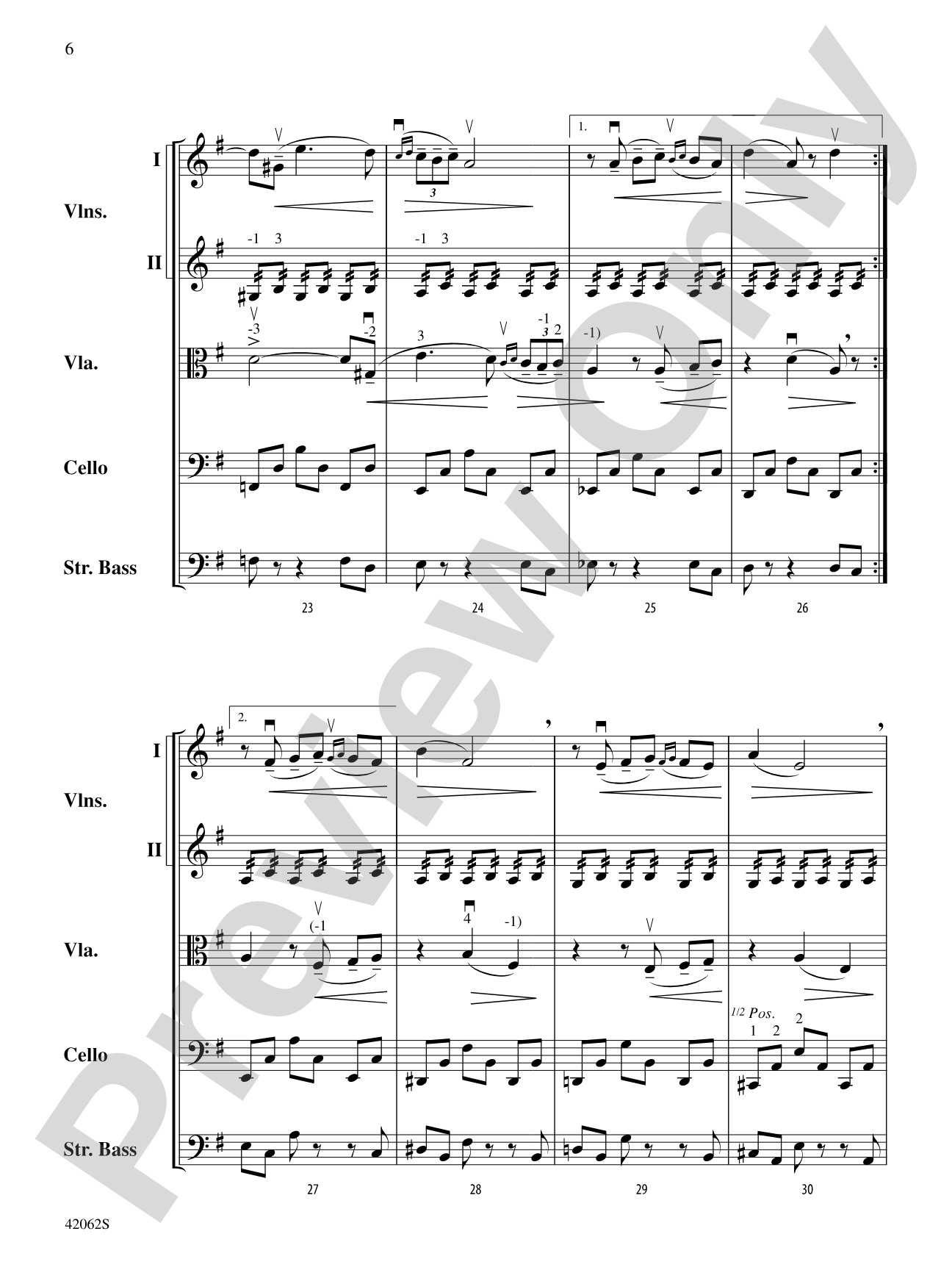
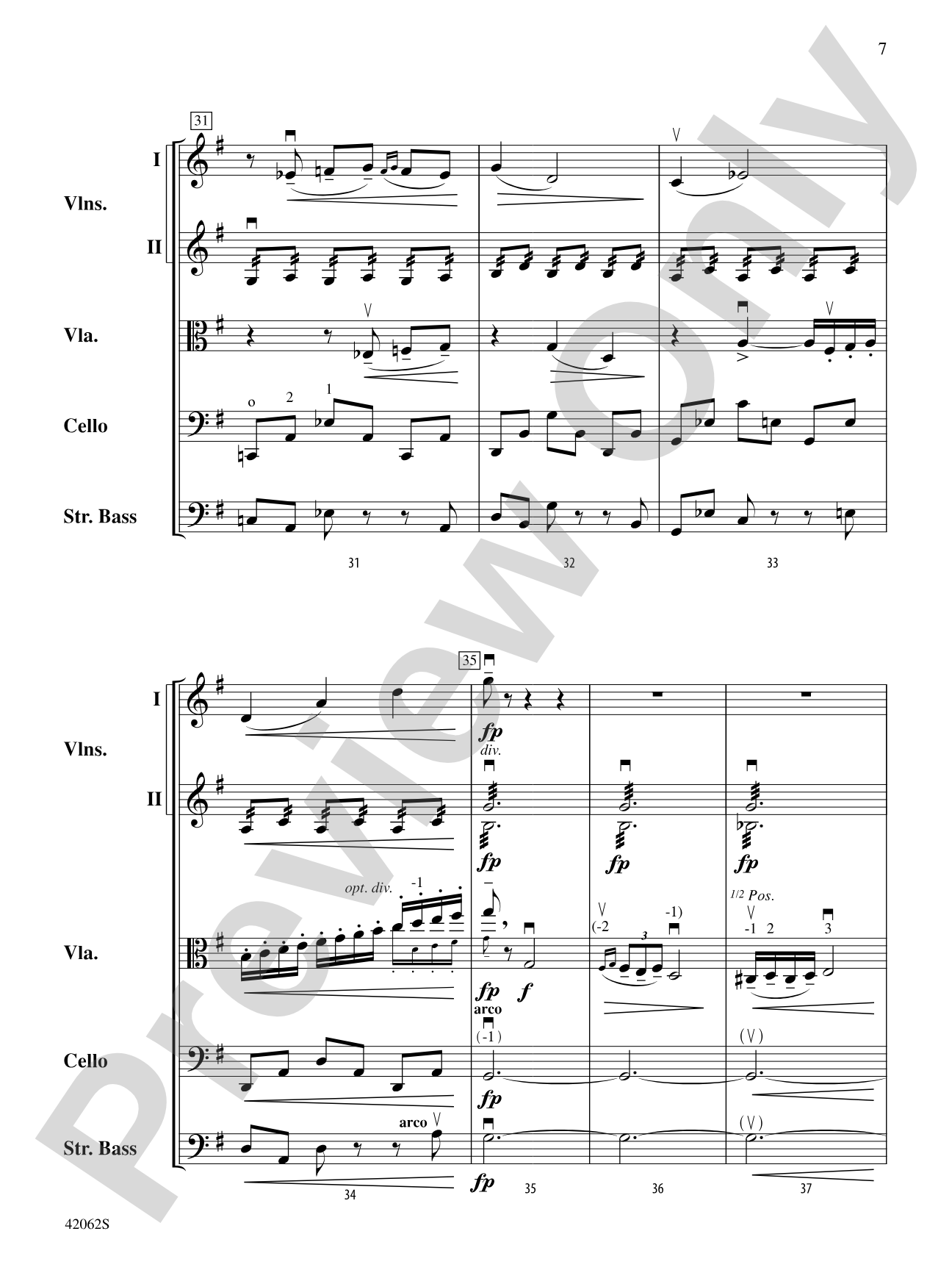
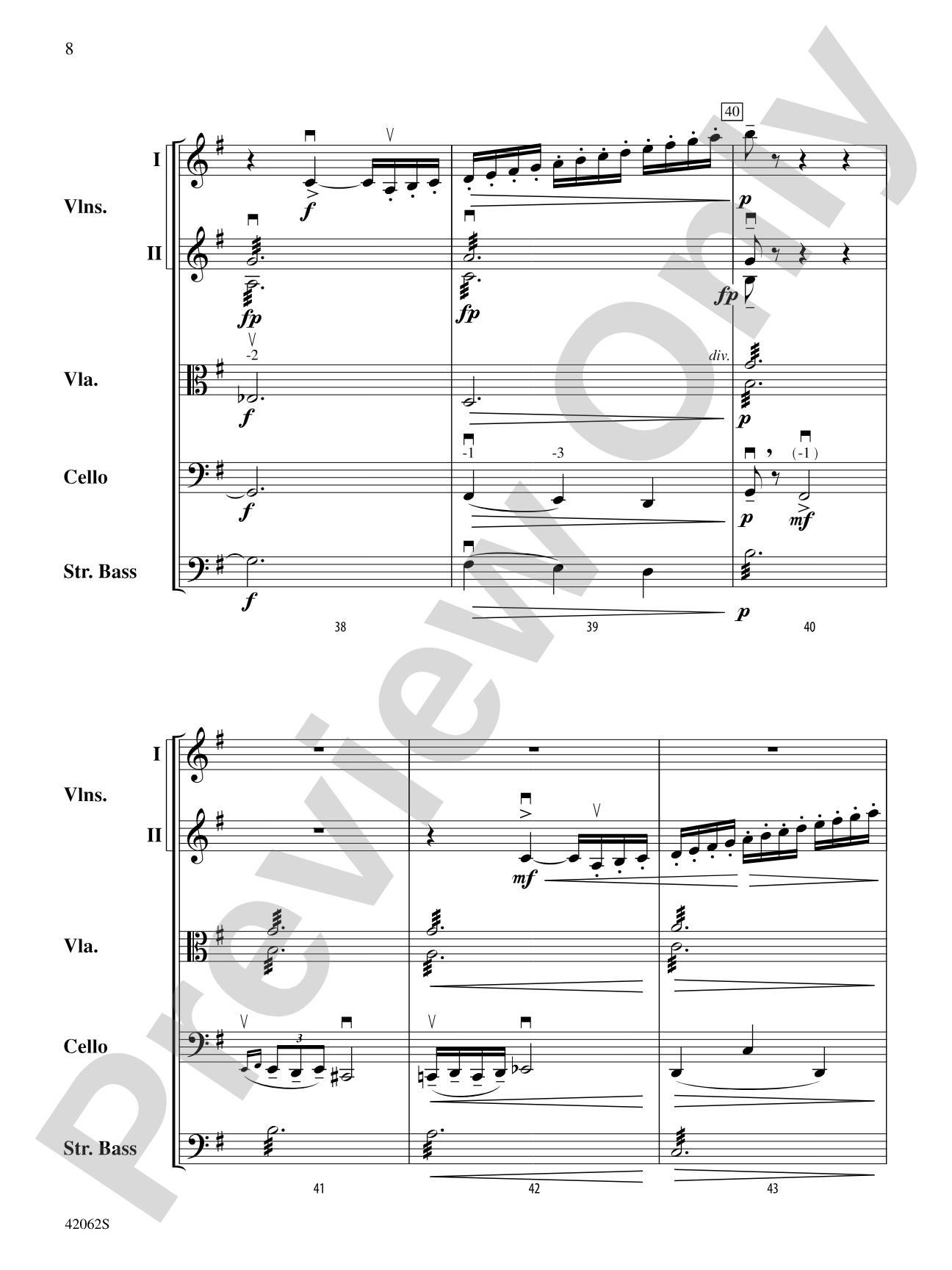
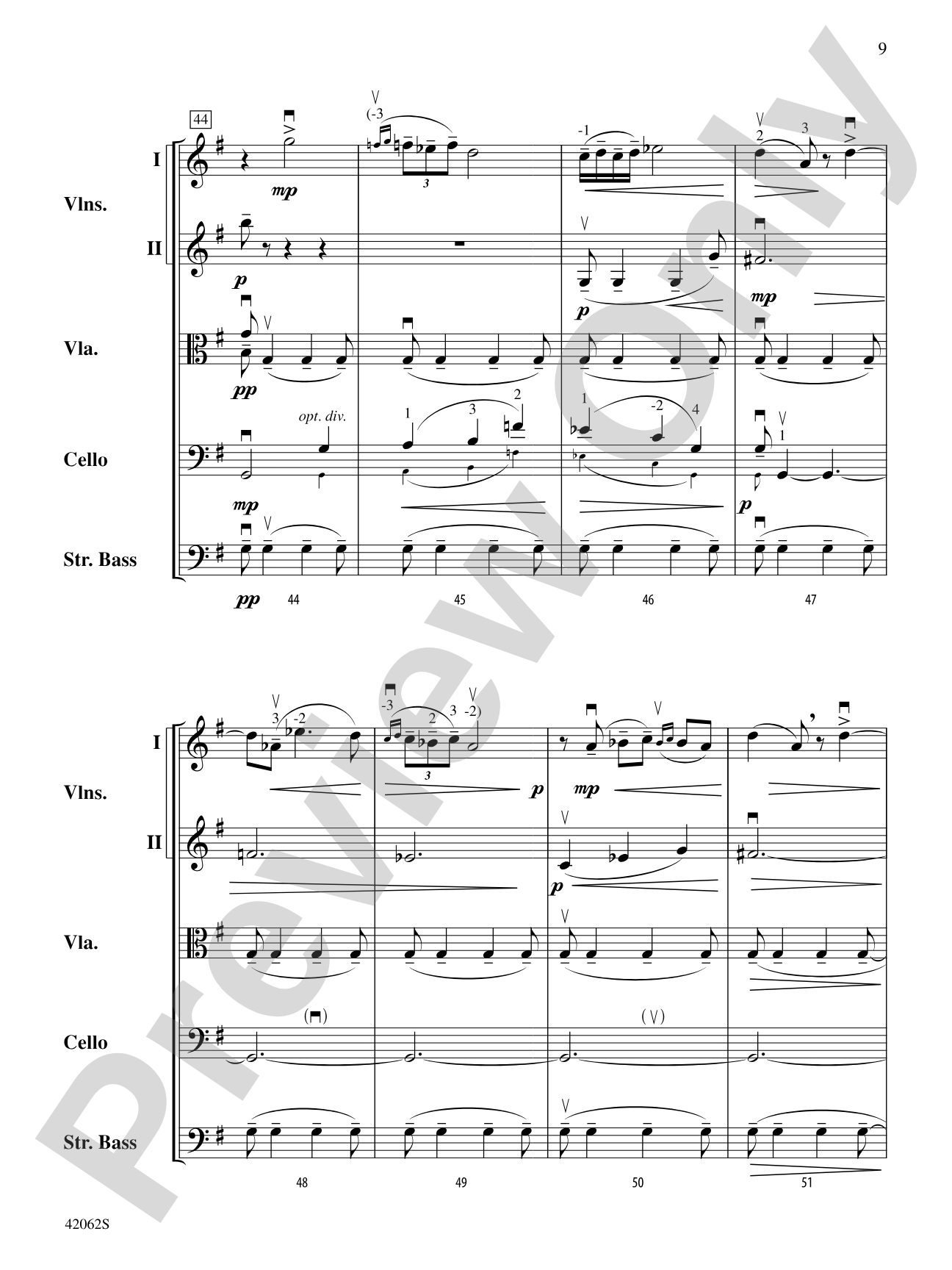
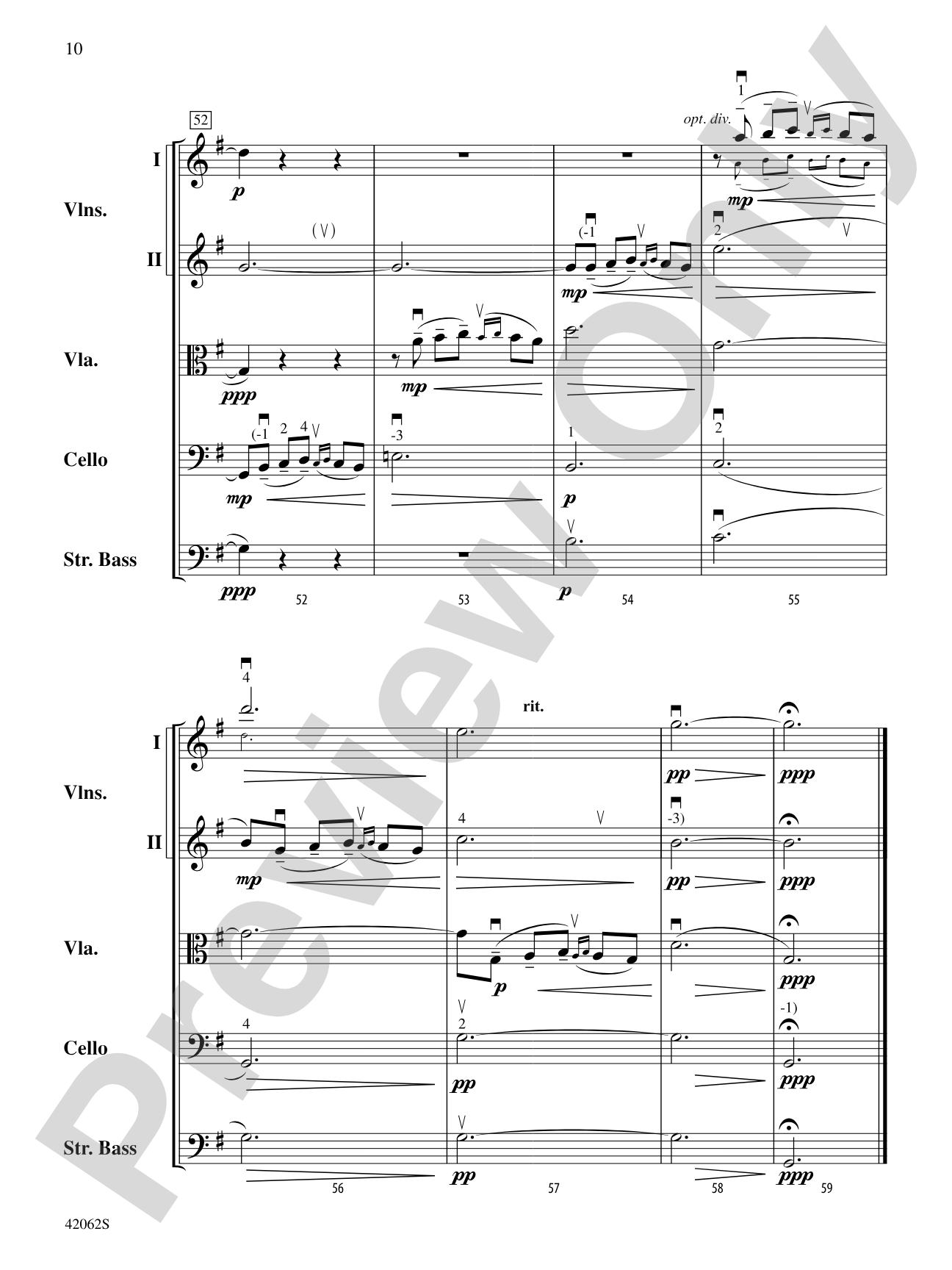

Nocturne (from String Quartet No. 2): Score
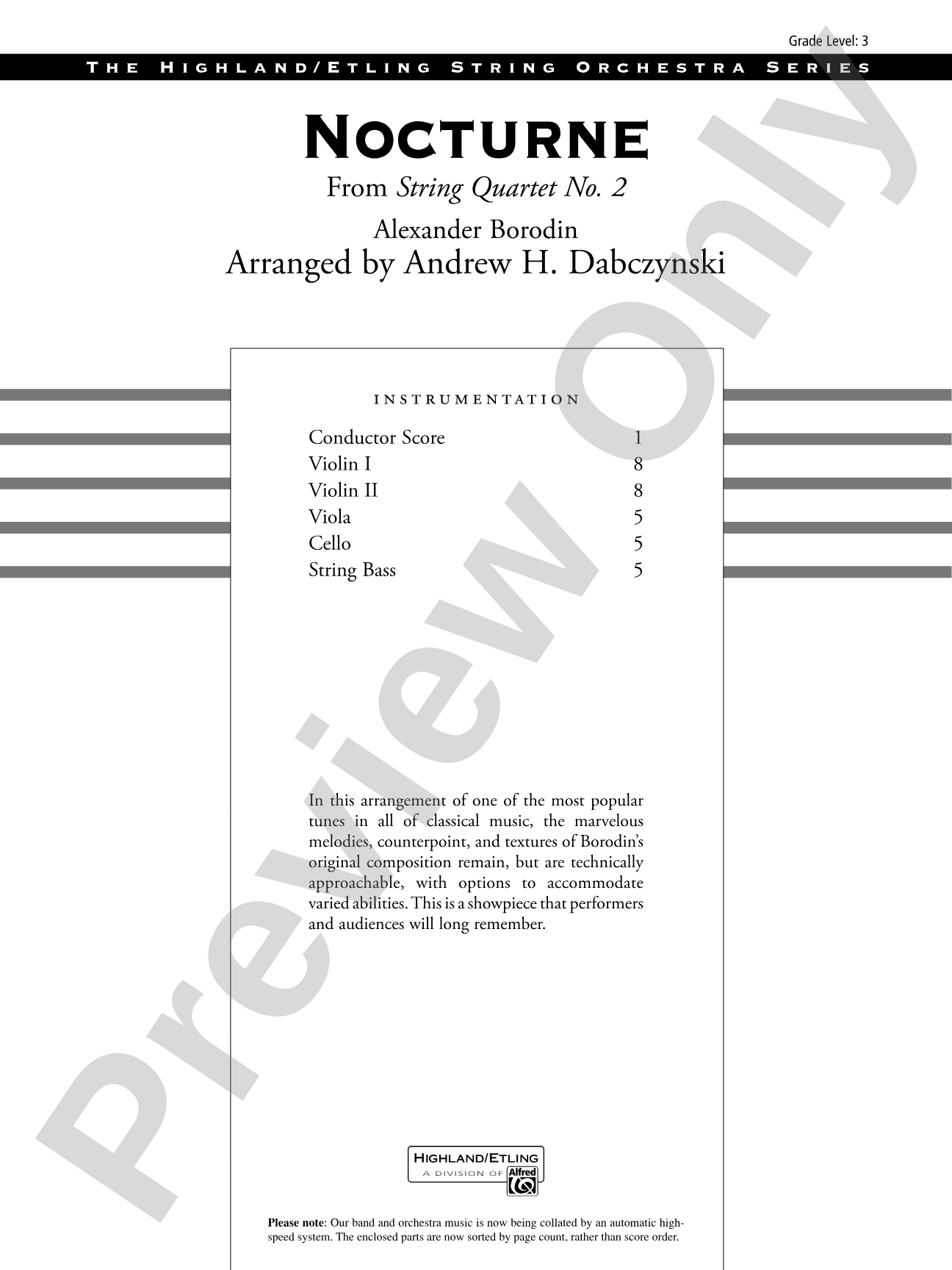
By Alexander Borodin / arr. Andrew H. Dabczynski
Grade: 3
Item: 00-PR-0004692
$7.00
Pickup currently not available
Description
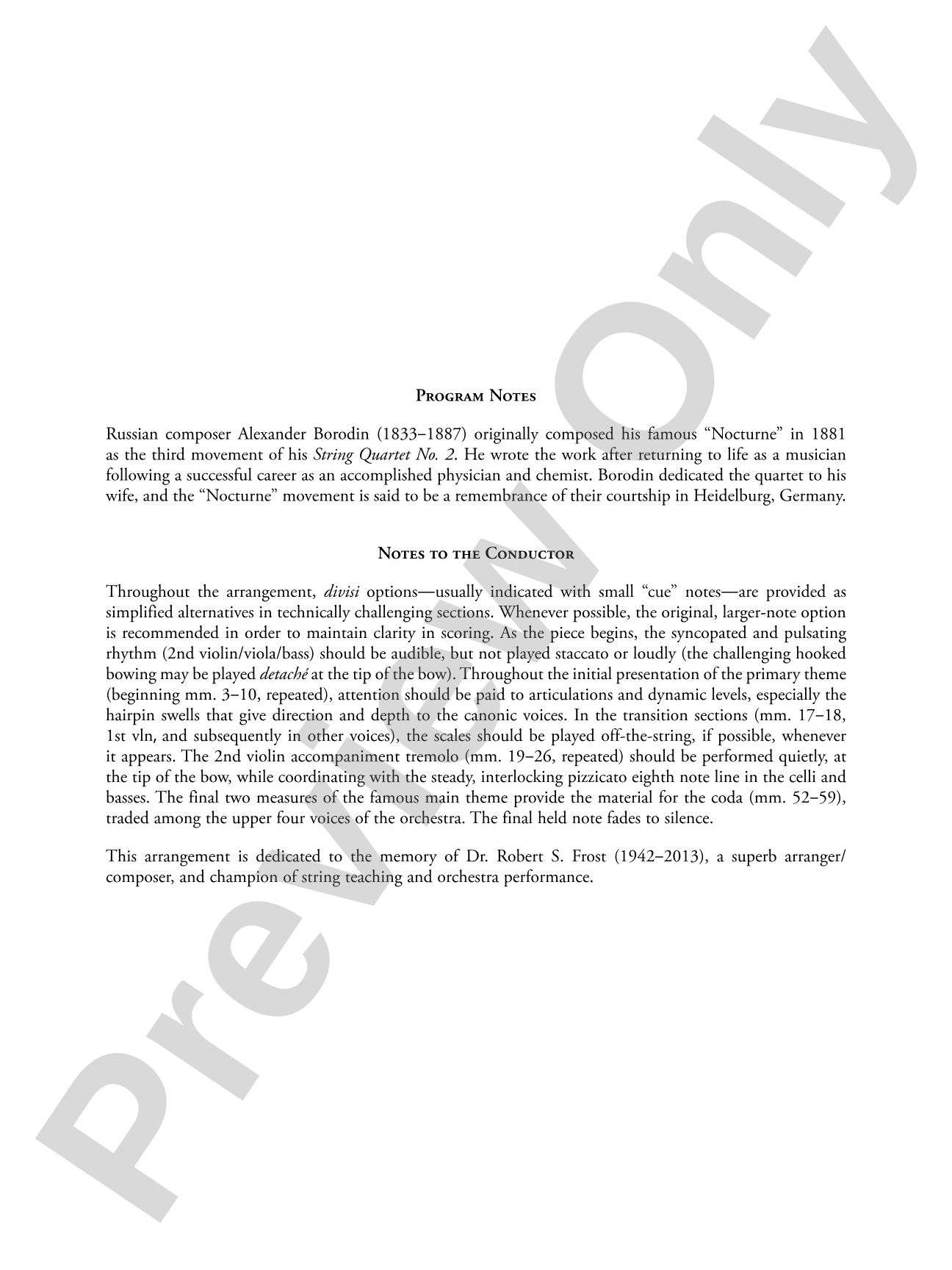
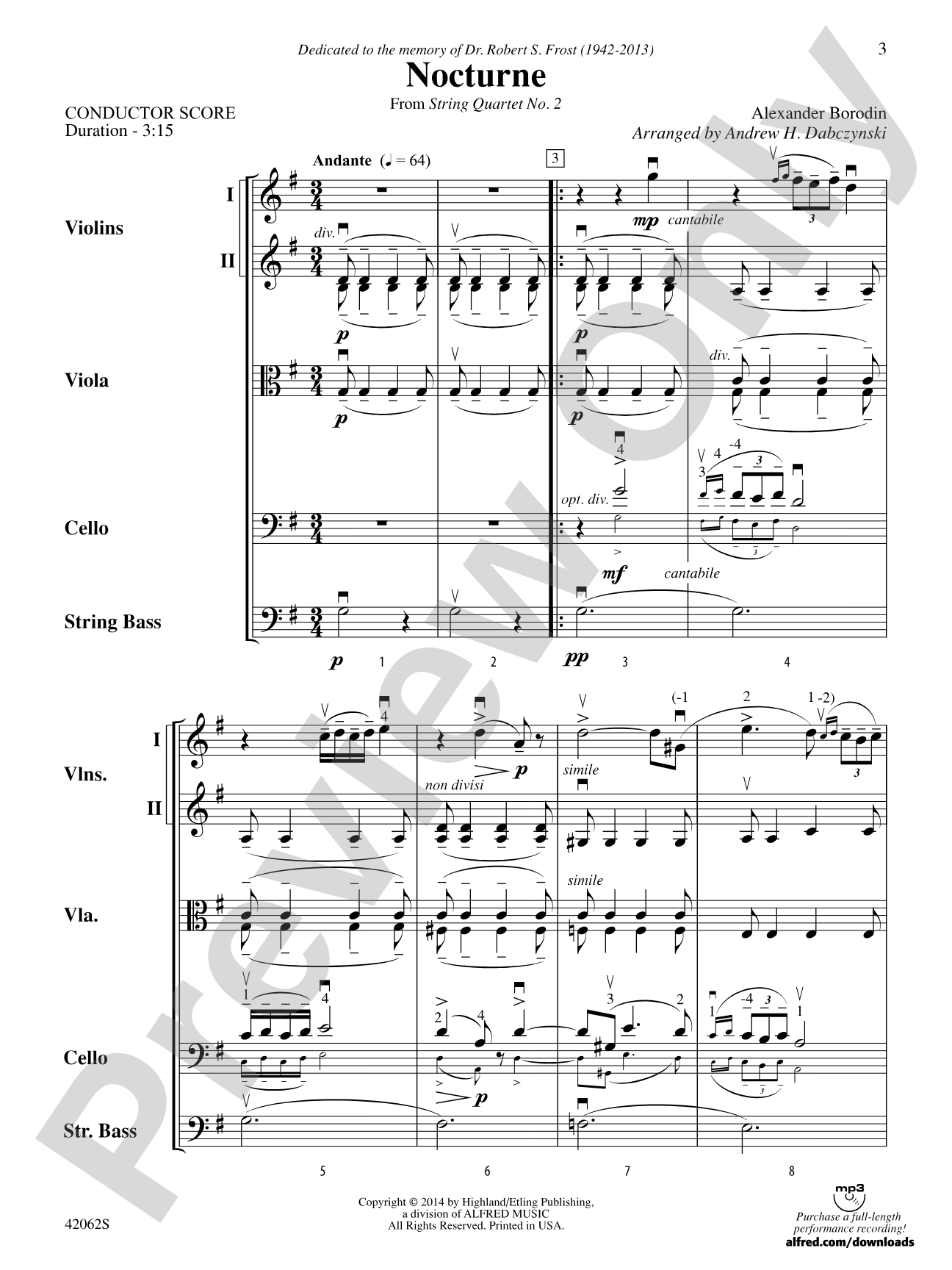
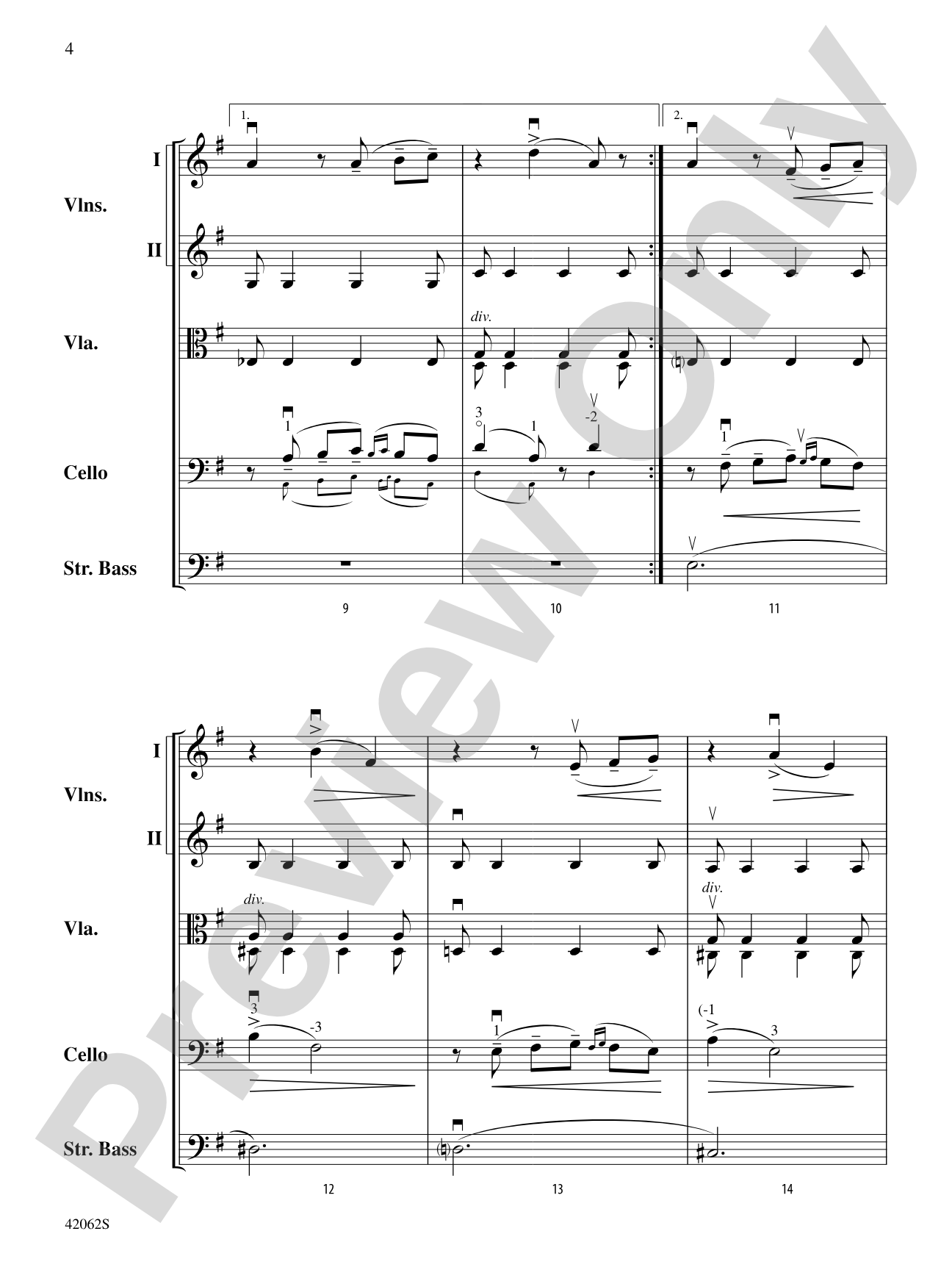
In this arrangement of one of the most popular tunes in all of classical music, the marvelous melodies, counterpoint, and textures of Borodin's original composition remain, but are technically approachable, with options to accommodate varied abilities. This is a showpiece that performers and audiences will long remember. (3:15) This title is available in MakeMusic Cloud.


Don't just read it, hear it, play along with it, and watch your students grow with it. In MakeMusic Cloud, Nocturne (from String Quartet No. 2): Score comes alive with professional accompaniment, adjustable tempo, and built-in practice tools that turn solo practice into real progress.
Open in the Player
Jump straight in and assign it today.
Start Your Free Trial
Open this title and explore the full library in minutes.
Sample Audio
1
Audio File
--:--
0:00
0:00
Sample Video
No sample videos found.
Additional Details
Series:
Highland/Etling String Orchestra
Publisher:
Alfred Music
Page Count:
62
SKU:
00-PR-0004692
More about this title
About the Composer: Alexander Borodin
Alexander Borodin (1833-1887) was a Russian composer and chemist whose dual career made him one of the most distinctive voices of the Romantic era. Though he completed relatively few works, each one demonstrates profound melodic gift and sophisticated harmonic language. His String Quartet No. 2, from which this Nocturne is drawn, showcases the lyrical beauty and emotional depth that earned him a lasting place in the concert repertoire.
Why we love this
Borodin's Nocturne is one of those rare pieces that brings genuine joy to every rehearsal. The arrangement preserves the original's soaring melodies and intricate textures while remaining achievable for Grade 3 ensembles, meaning your students play real music without drowning in technical demands. Audiences recognize it immediately, and the combination of accessibility with orchestral sophistication makes it an ideal showcase piece for mid-winter or spring concerts.
What to expect
Warm, contemplative, and deeply lyrical. The piece unfolds with the intimacy of chamber music but swells with the grandeur of a full string orchestra. There's romance here without sentimentality, and nobility without bombast.
Who it's for
This arrangement suits conductors building confidence in young string orchestras or needing a high-impact piece that doesn't demand virtuosity. Mixed-ability ensembles benefit from Dabczynski's thoughtful orchestration, which allows both advancing and developing players to contribute meaningfully to a cohesive sound.
How to get the most out of it
- Shape the opening melody with a long, singing line; resist the urge to break it into shorter phrases. This is Borodin's gift to you, so let it breathe and bloom naturally.
- Balance the inner voices carefully during the counterpoint sections. The violas and second violins carry important thematic material that shouldn't disappear into the texture.
- Take time in rehearsal to lock the rhythm section (cellos and basses) during the accompaniment figures. Their stability allows the upper voices to float freely.
- Approach the dynamic transitions as gradual shifts rather than sudden changes. The piece asks for nuance, not drama.
How to use it
This pairs beautifully with lighter contemporary works or shorter, contrasting pieces in a concert program. Its three-minute length makes it an excellent anchor for a chamber-style concert or an elegant interlude between larger works. The familiarity of the tune also makes it a memorable choice for audiences less frequently exposed to classical music.
Skills your students will build
- Sustaining long melodic lines with consistent tone and intonation
- Managing inner-voice independence during polyphonic textures
- Responding to subtle dynamic shaping and phrasing
- Coordinating ensemble rhythm in varied accompaniment patterns
- Building confidence with a recognized masterwork