
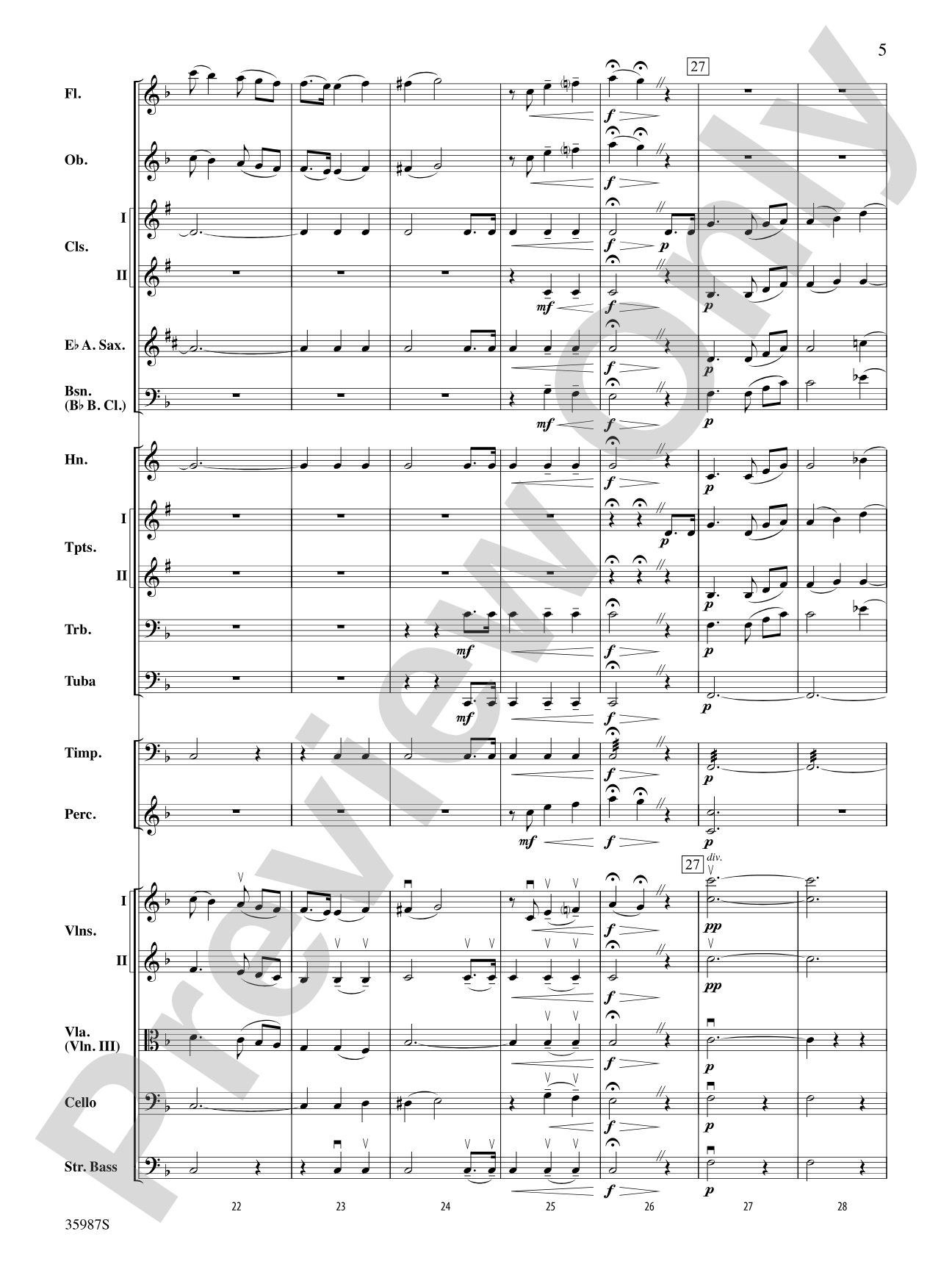
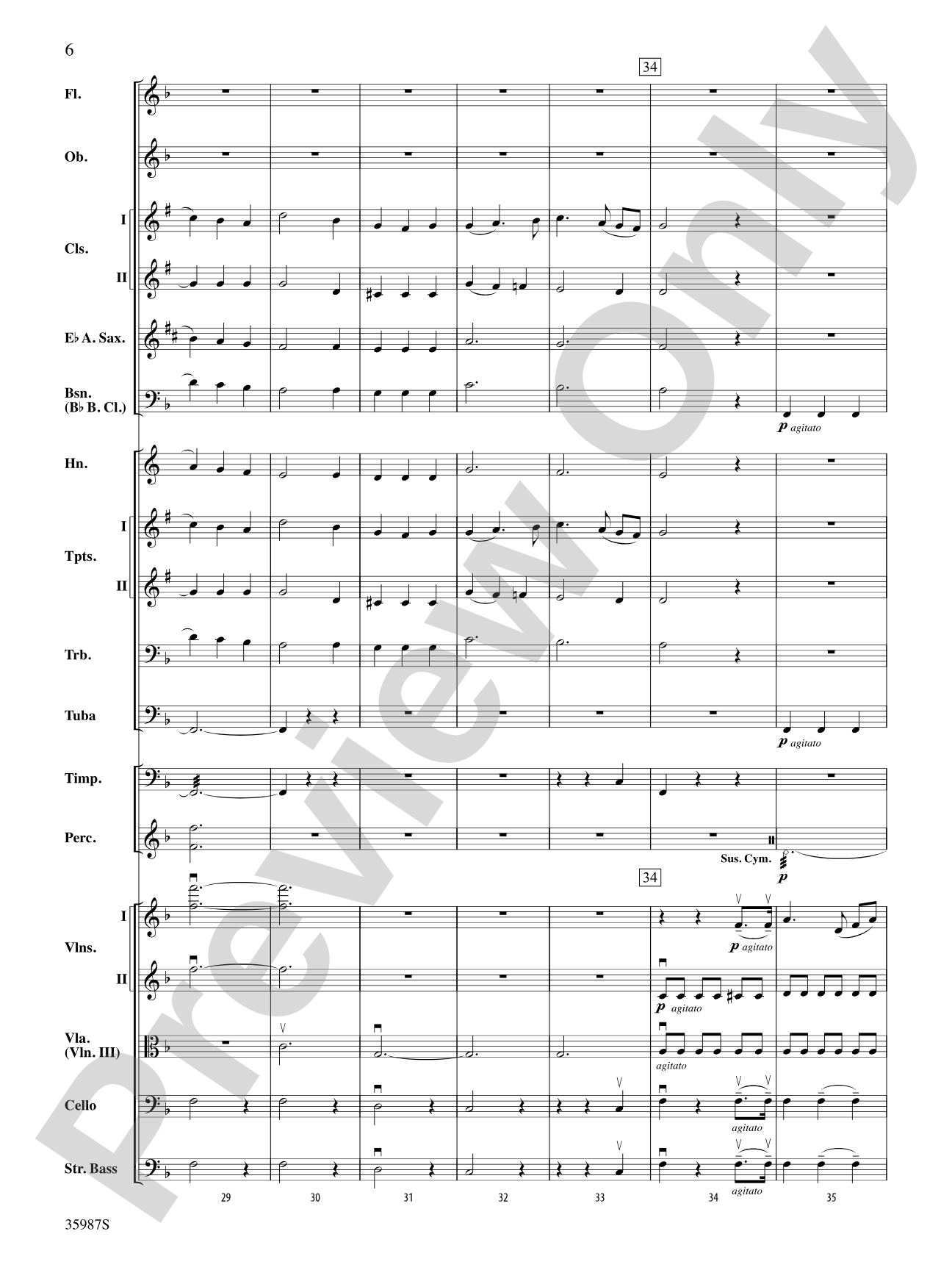
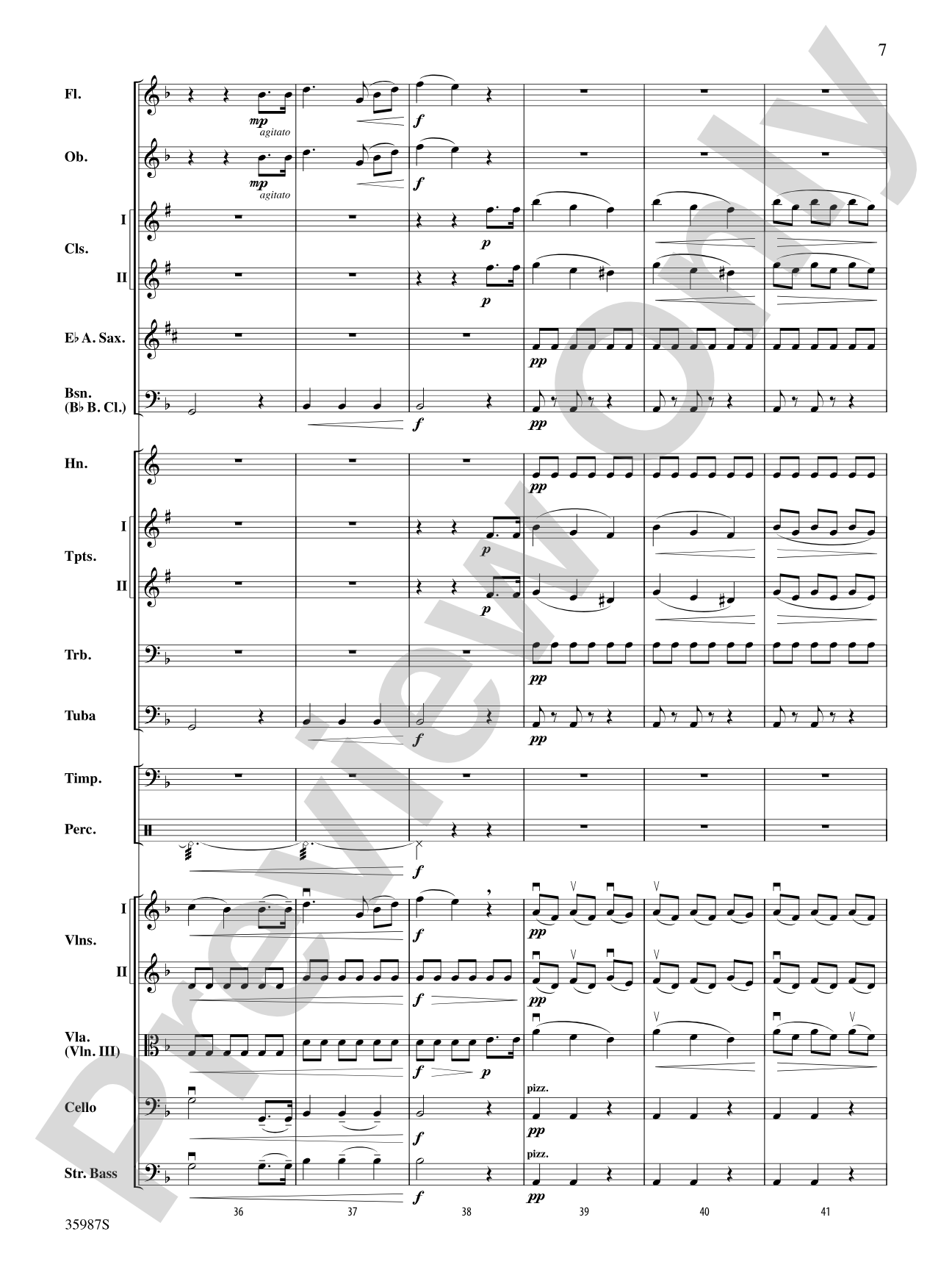
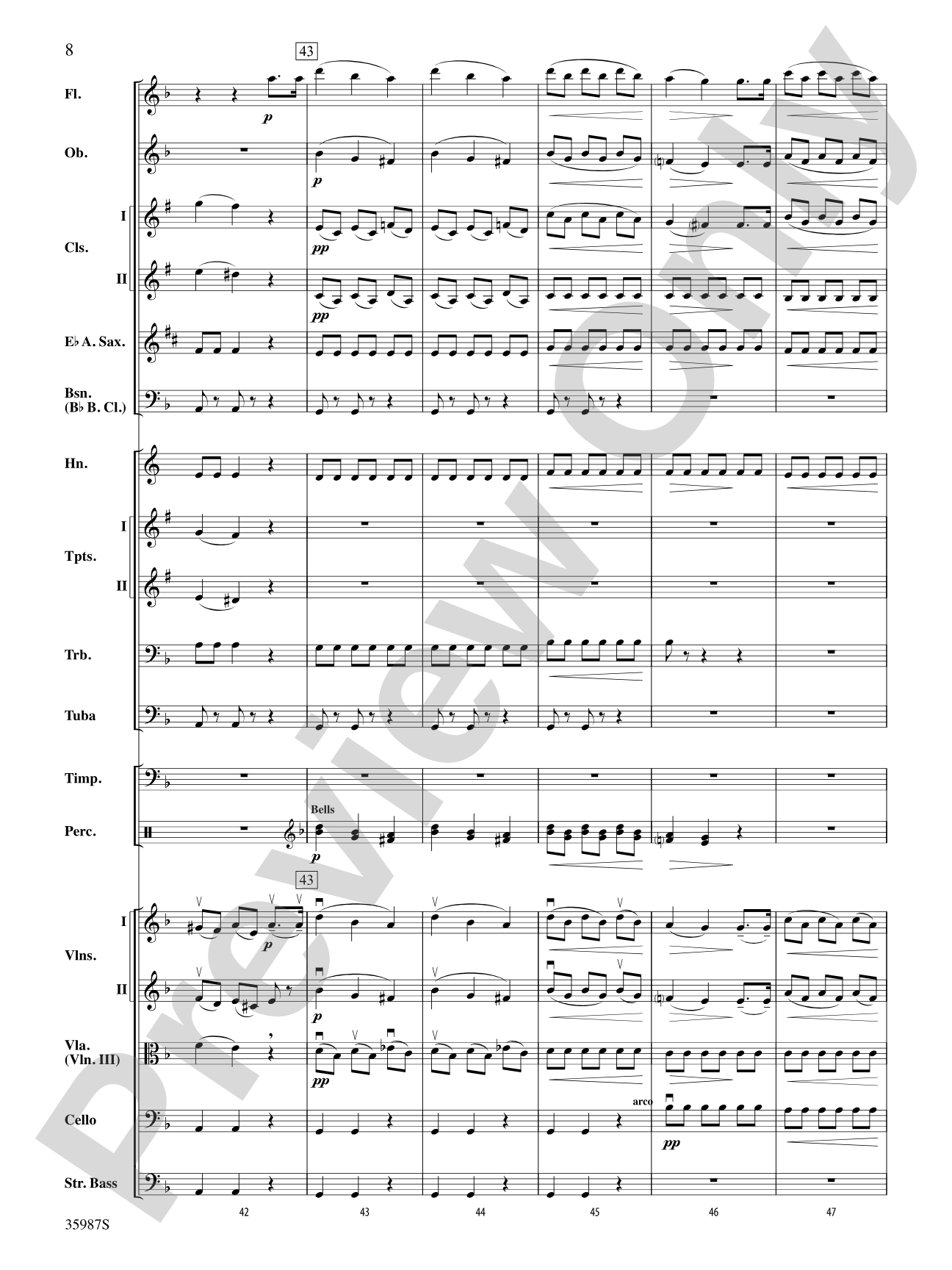
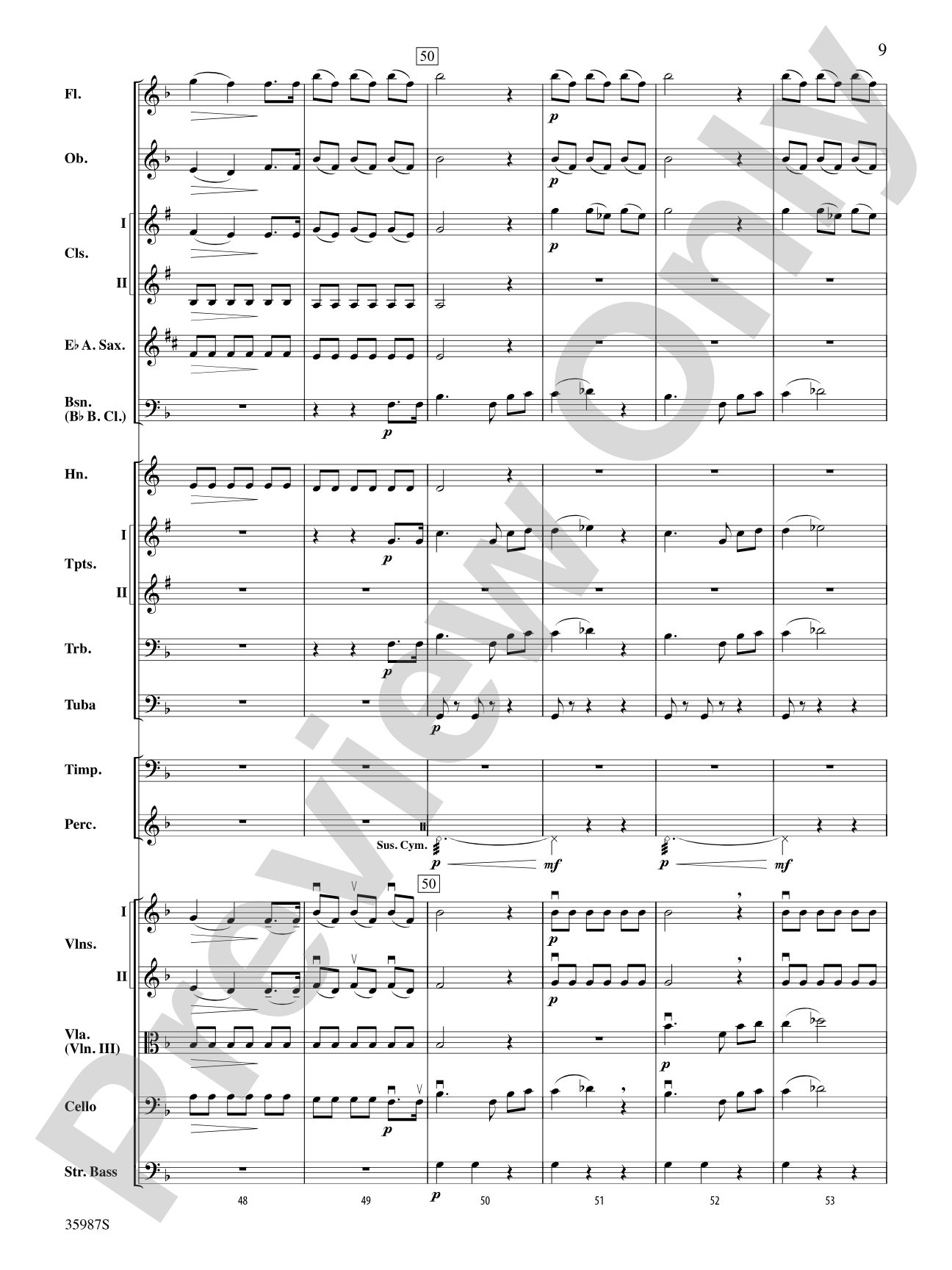
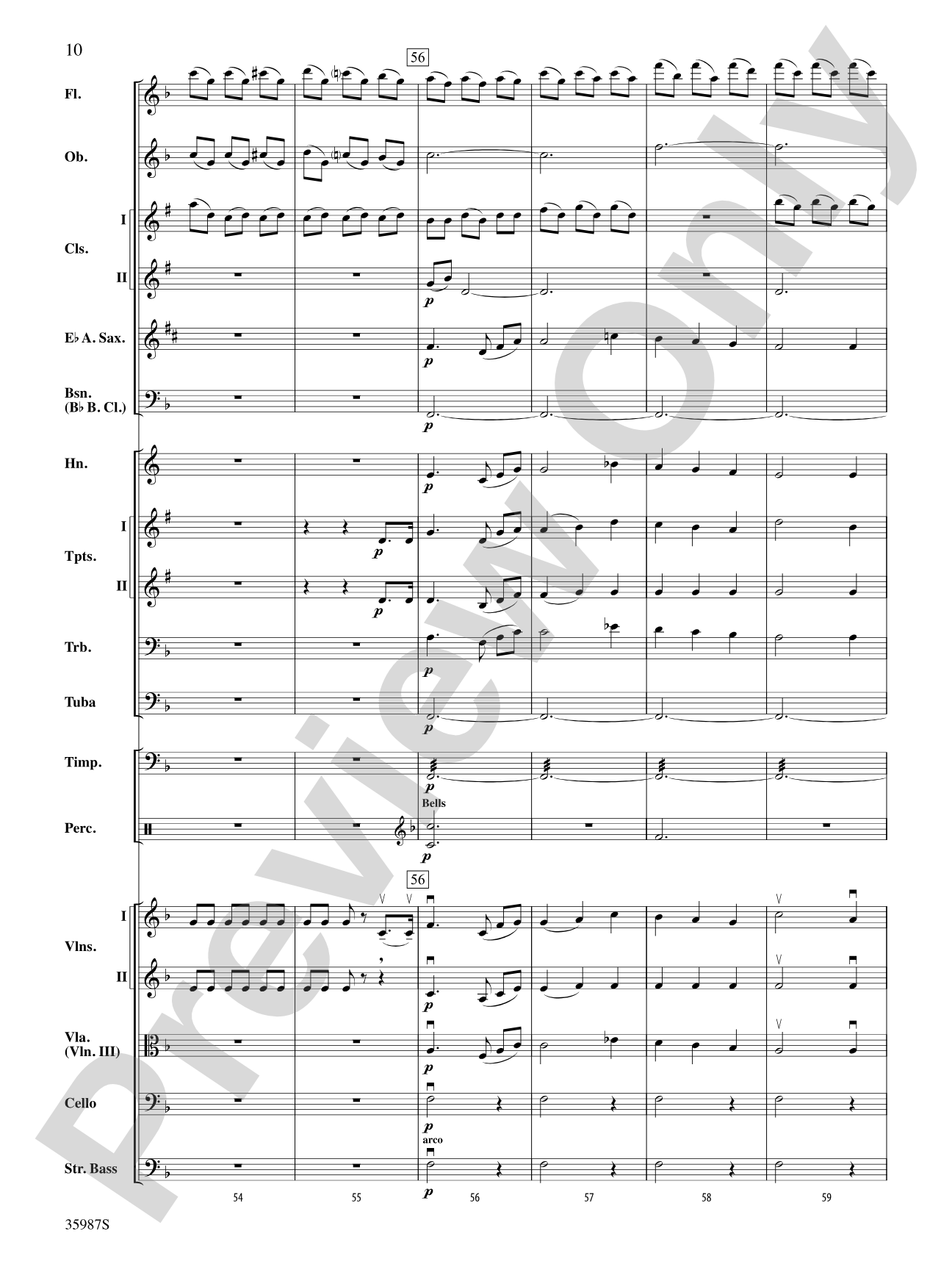
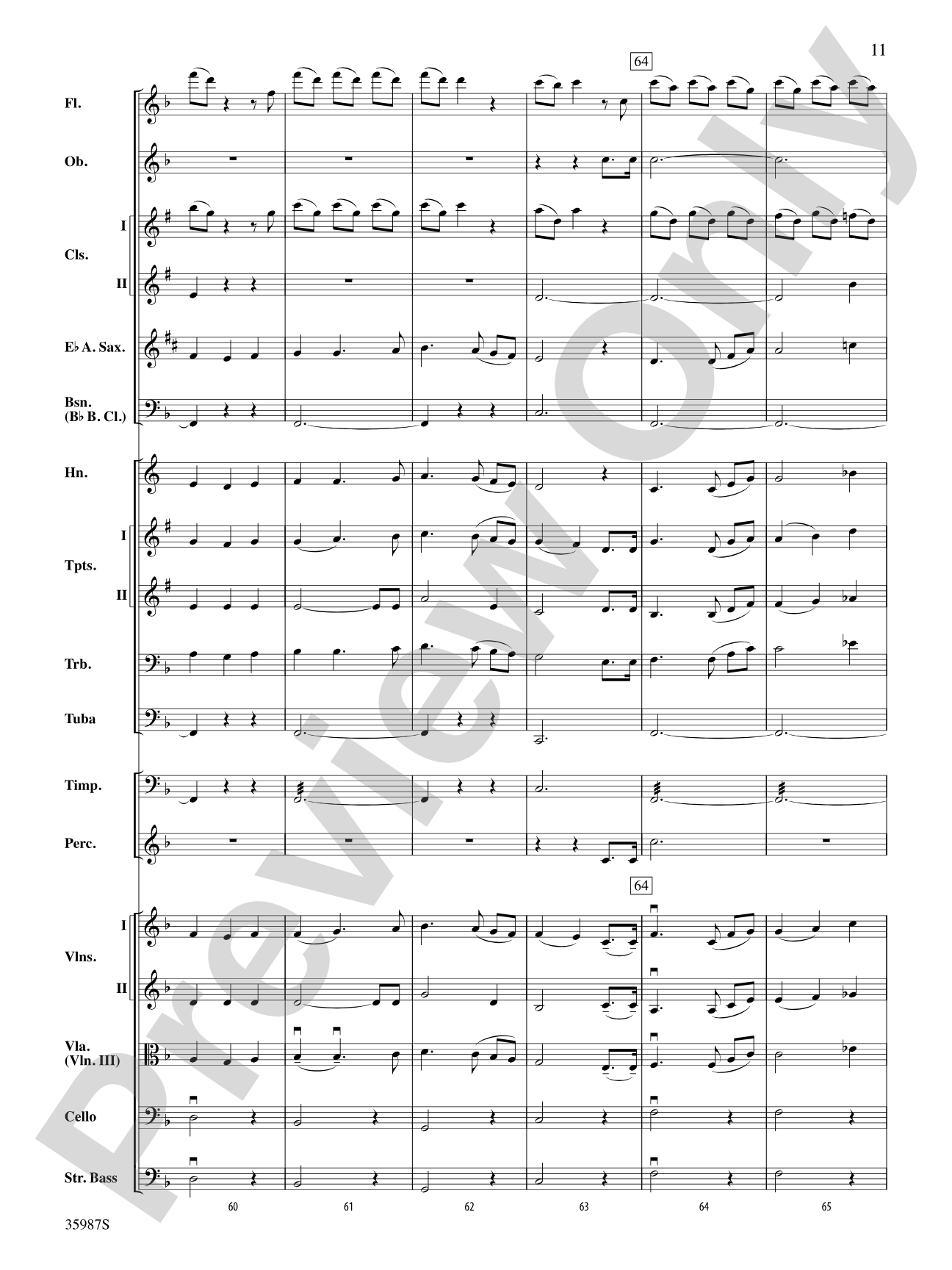
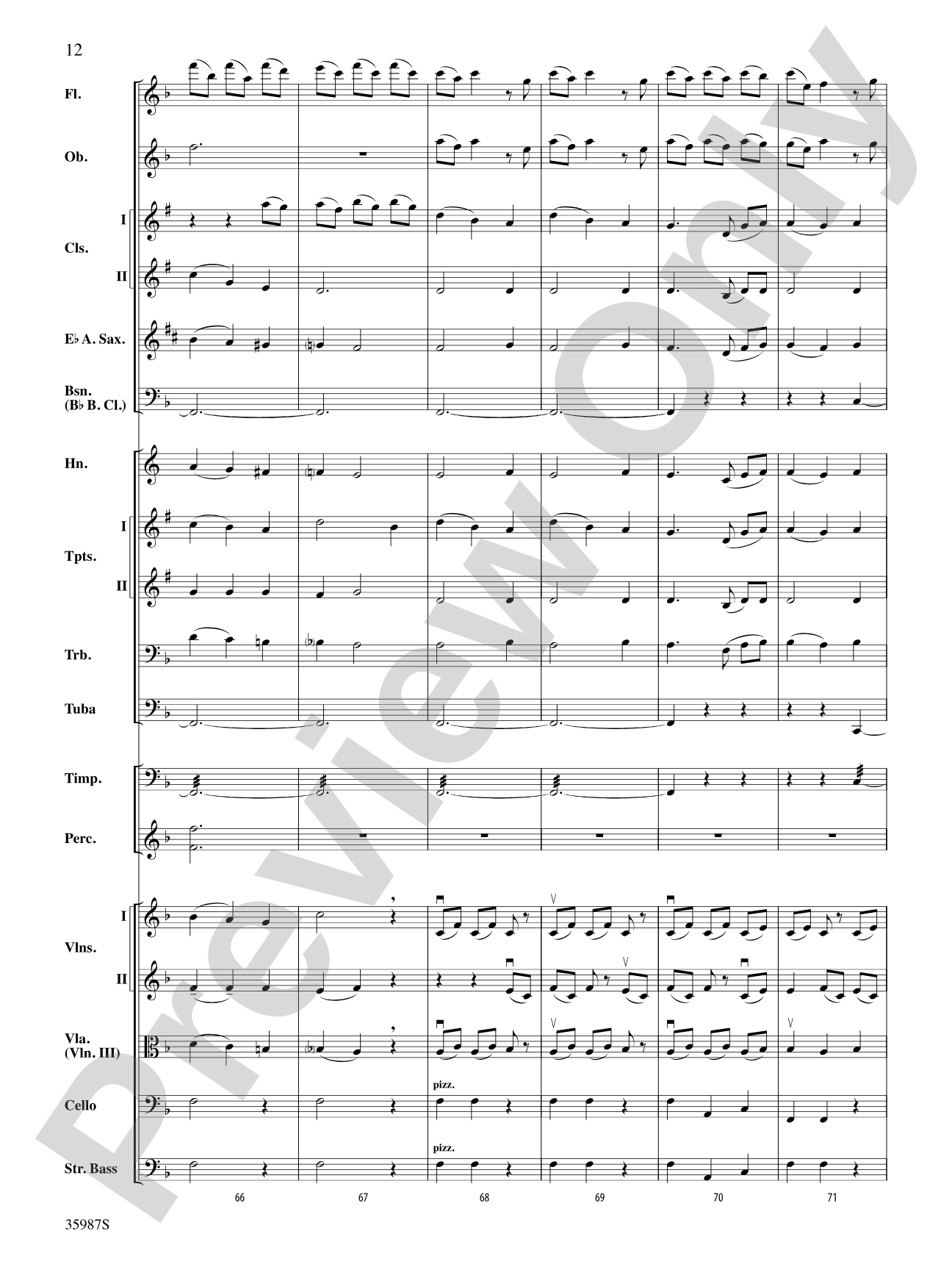
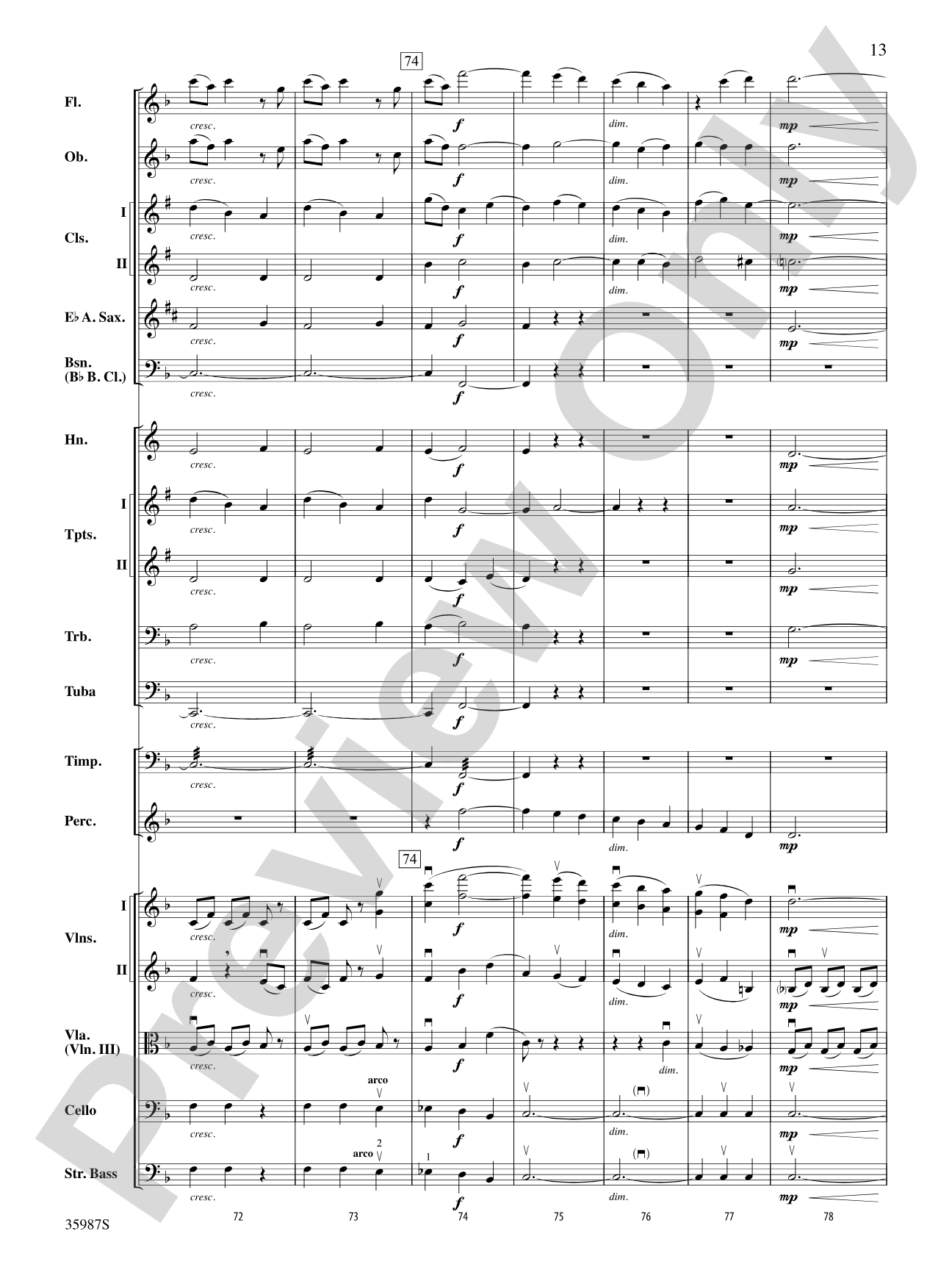
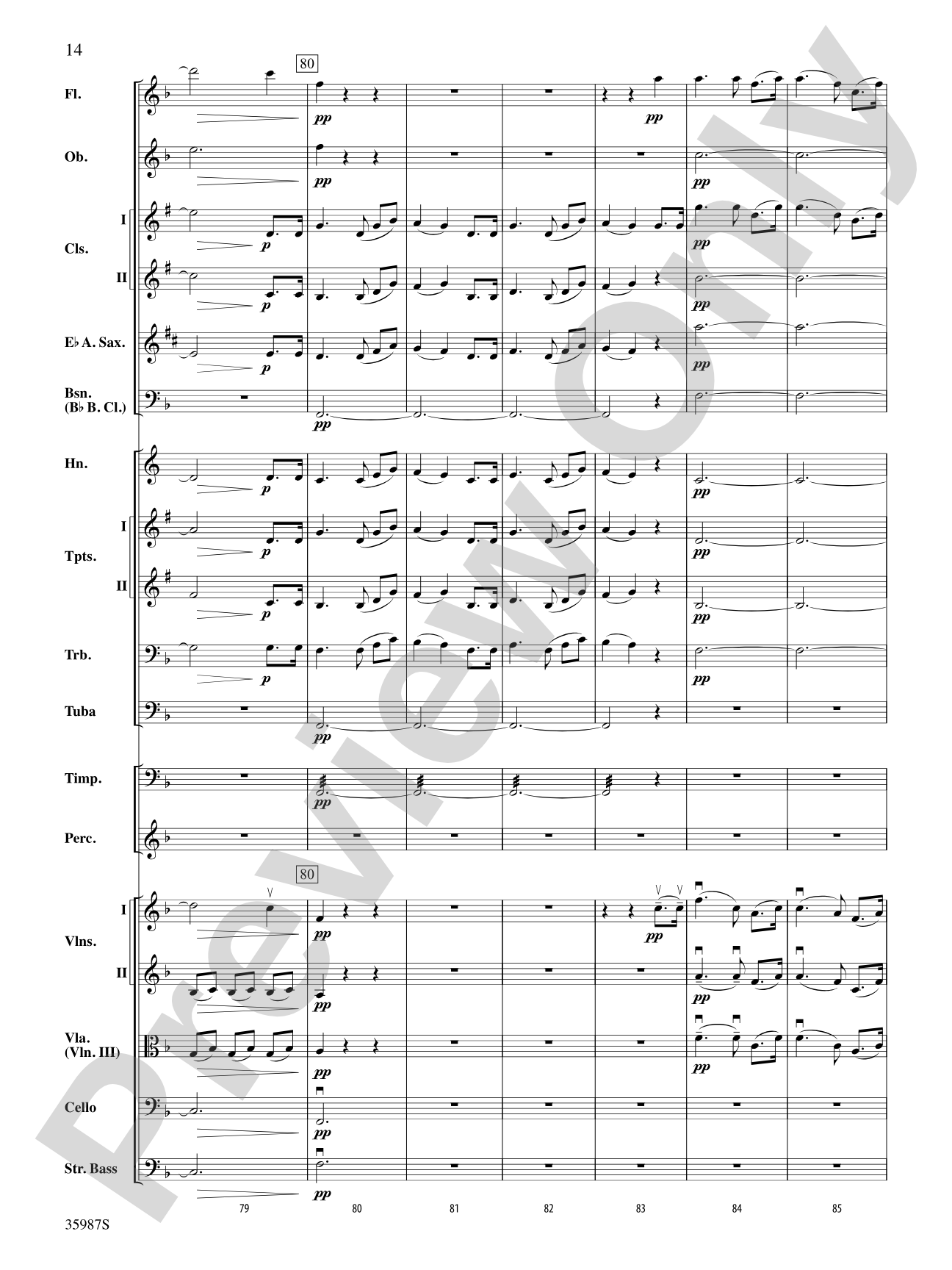
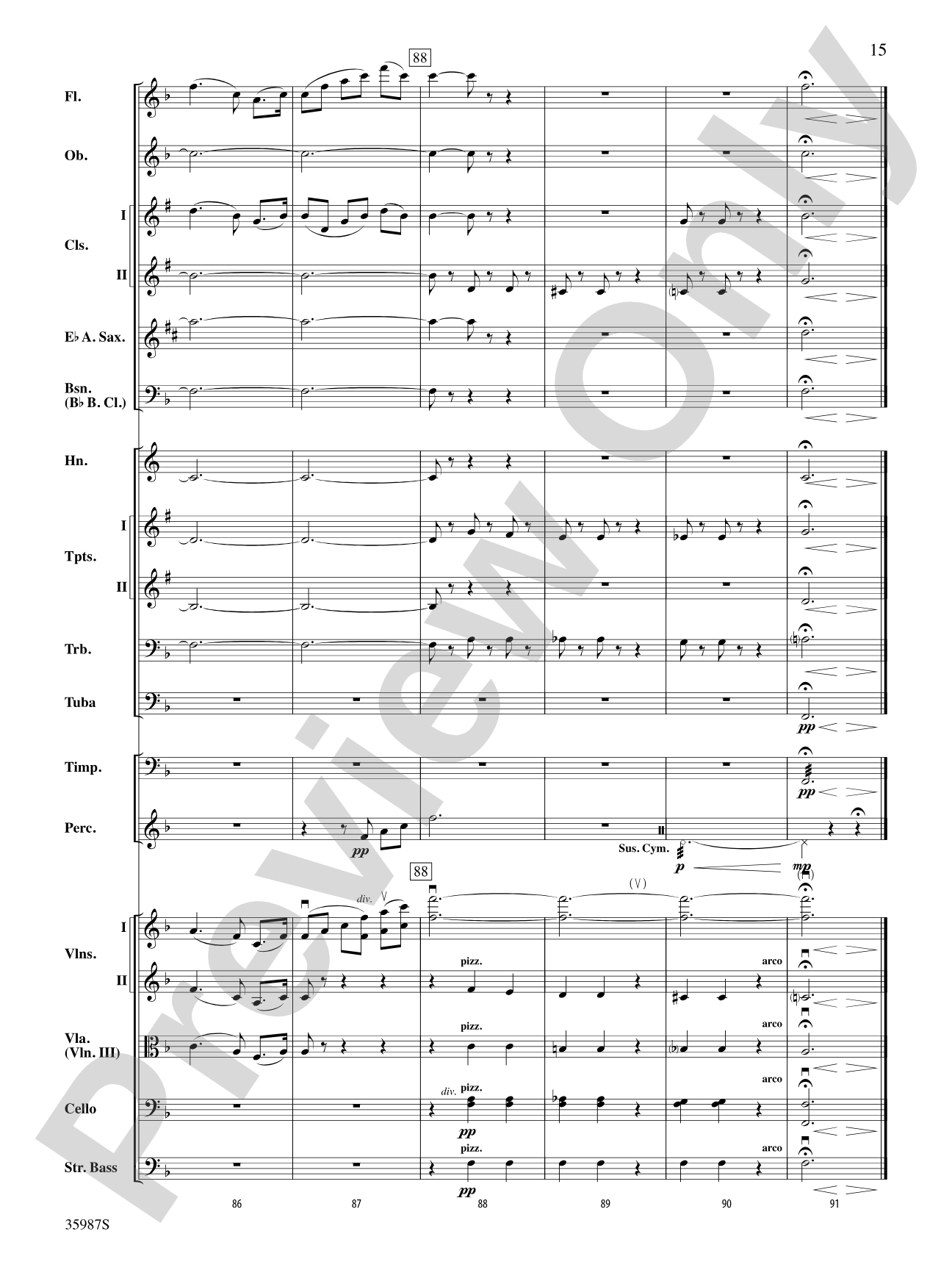


Nocturne (from A Midsummer Night's Dream): Full Orchestra Conductor Score & Parts
(From A Midsummer Night's Dream)
By Felix Mendelssohn / arr. Richard Meyer
Grade: 2
Item: 00-PK-0004774

$55.00
Pickup currently not available
Buy Extra Parts (Digital PDF Download)
Parts Added to Cart!
Description
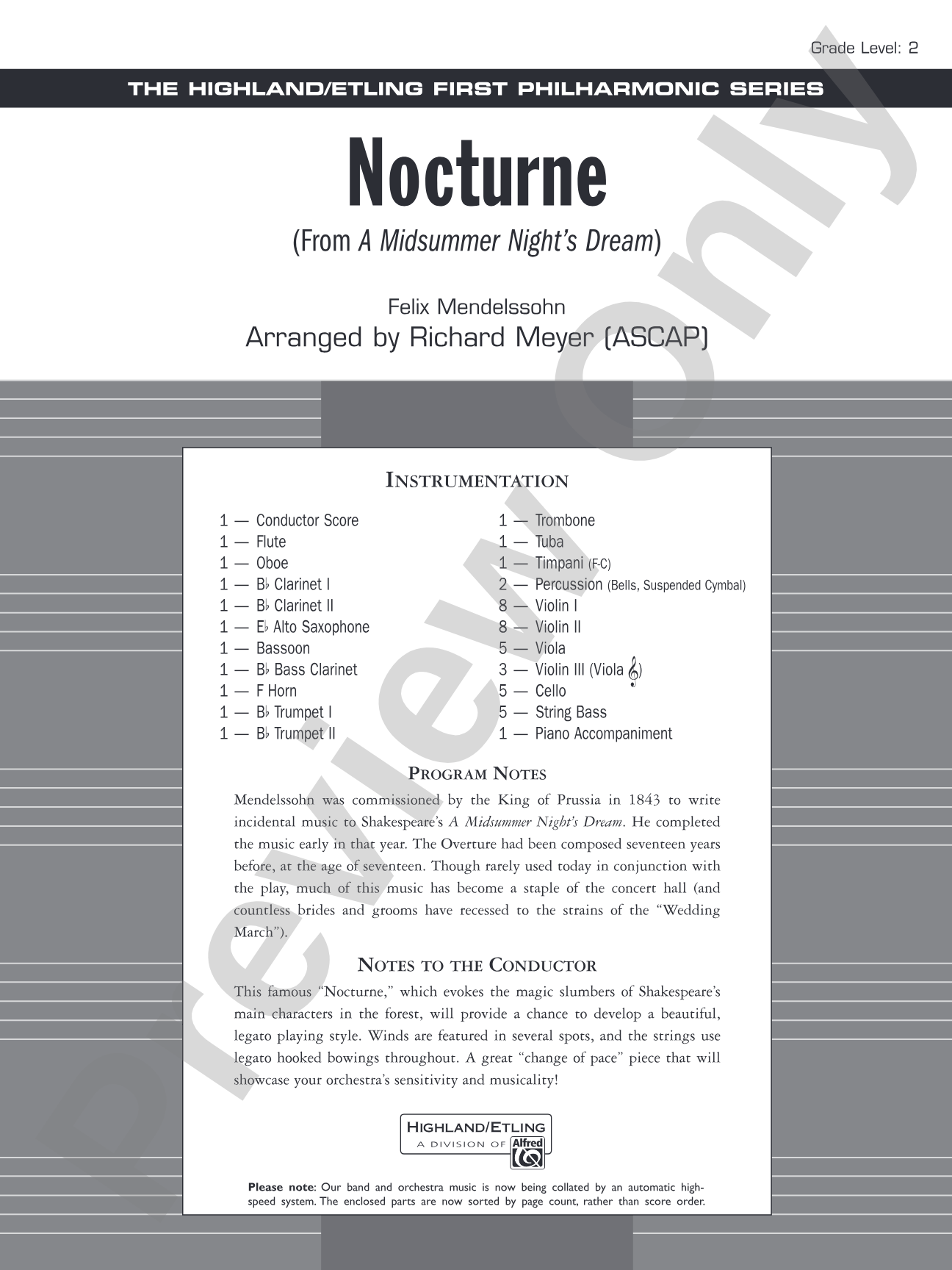
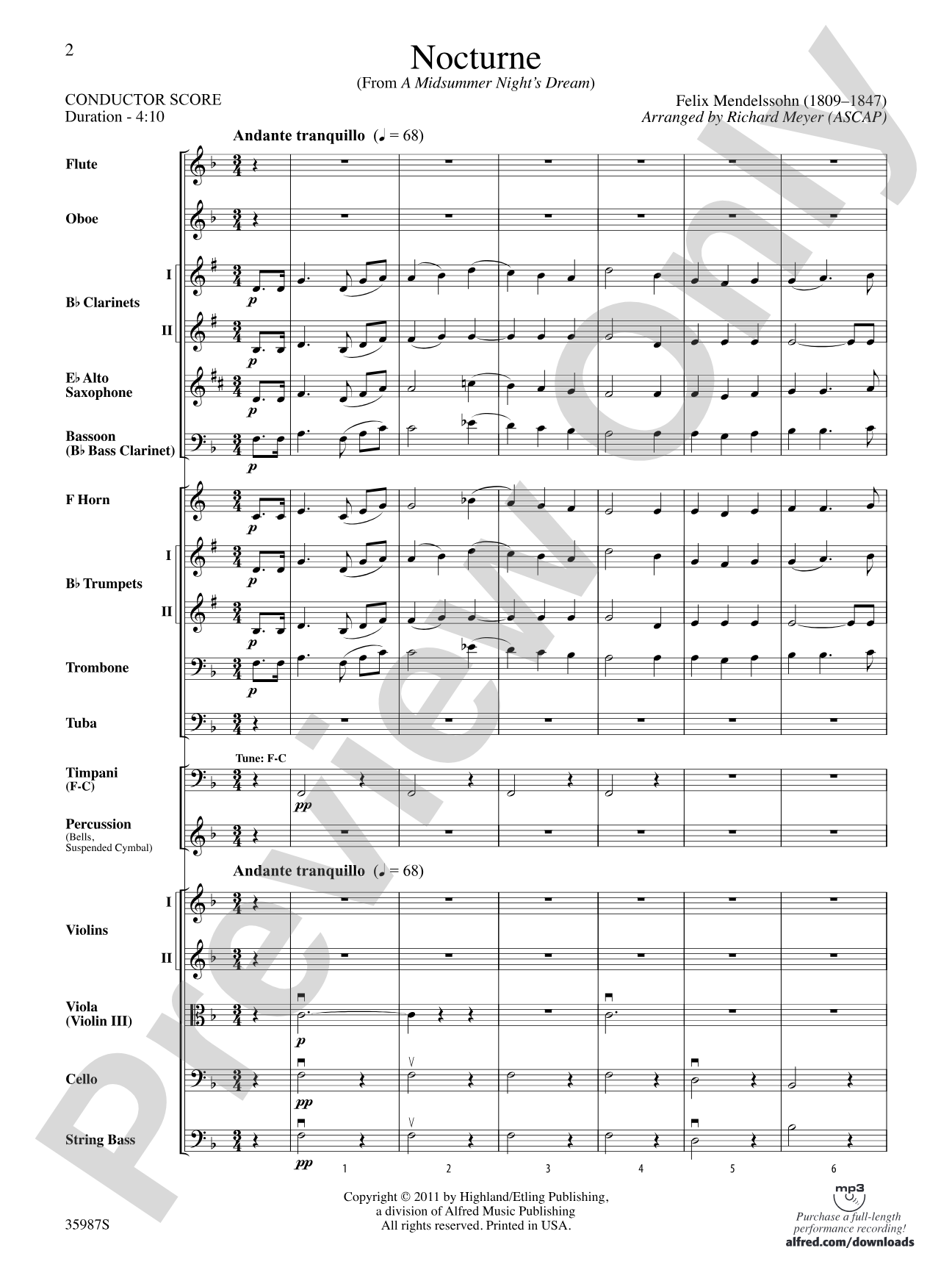
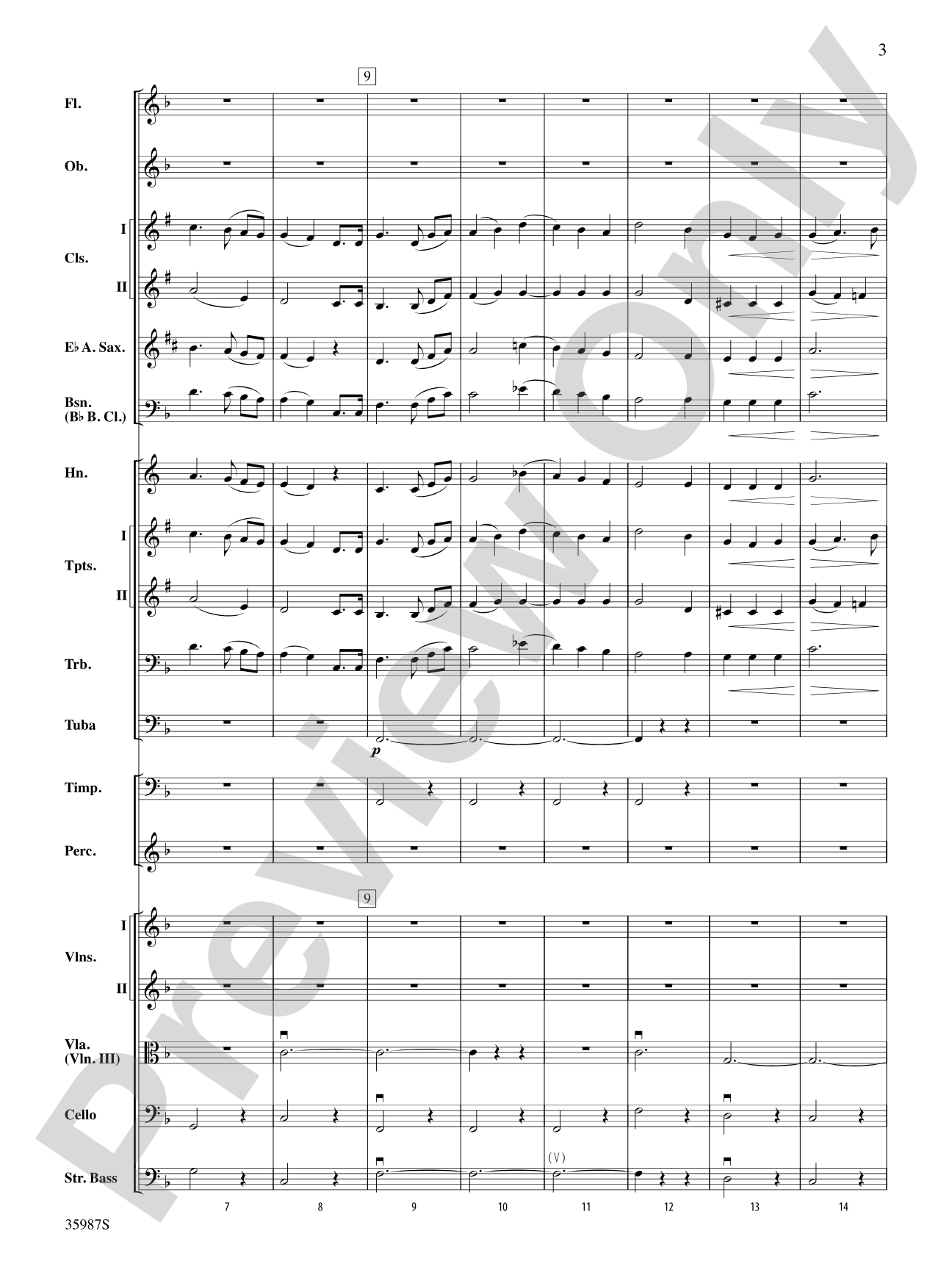
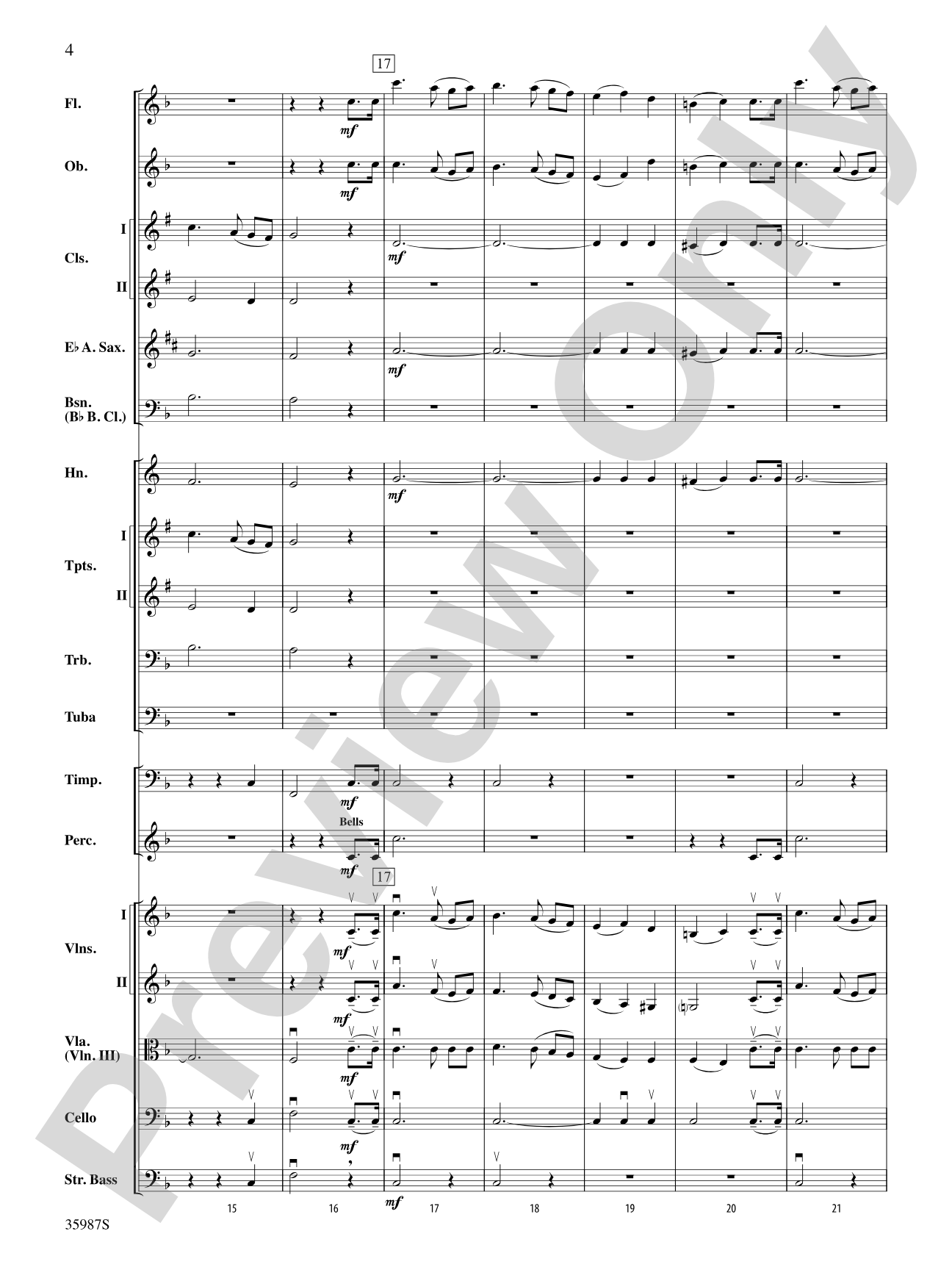
This famous "Nocturne," which evokes the magic slumbers of Shakespeare's main characters in the forest, will provide a chance to develop a beautiful, legato playing style. Winds are featured in several spots, and the strings use legato hooked bowings throughout. A great "change of pace" piece that will showcase your orchestra's sensitivity and musicality! (4:10) This title is available in MakeMusic Cloud.


Don't just read it, hear it, play along with it, and watch your students grow with it. In MakeMusic Cloud, Nocturne (from A Midsummer Night's Dream): Full Orchestra Conductor Score & Parts comes alive with professional accompaniment, adjustable tempo, and built-in practice tools that turn solo practice into real progress.
Open in the Player
Jump straight in and assign it today.
Start Your Free Trial
Open this title and explore the full library in minutes.
Sample Audio
1
Audio File
--:--
0:00
0:00
Sample Video
Additional Details
Series:
Highland/Etling First Philharmonic
Publisher:
Alfred Music
Page Count:
102
SKU:
00-PK-0004774
Instrumentation:
full (timp, bells, sus cymbal, vln3)
More about this title
About the Composer: Felix Mendelssohn
Felix Mendelssohn (1809-1847) was a German composer whose works bridged the Classical and Romantic eras with exceptional craftsmanship and emotional directness. A prodigy who composed his first published work at age nine, Mendelssohn brought orchestral color and harmonic sophistication to every genre he touched, from symphonies and concertos to chamber music and dramatic works. His incidental music for Shakespeare's plays remains among the most performed orchestral literature in schools and concert halls.
Mendelssohn's gift for writing idiomatically for orchestral instruments and voices made his music instantly teachable and enduringly popular with students and conductors. He understood how to craft passages that challenge young musicians without overwhelming them, and his melodies have the clarity and memorable shape that makes learning rewarding.
Why we love this
This arrangement captures the essence of Mendelssohn's masterpiece while sitting comfortably for developing orchestras. The Grade 2 scoring respects the original's harmonic language and textures without sacrificing the piece's ability to convey genuine beauty and atmosphere. Directors will appreciate how naturally it teaches legato string technique and wind independence; students will feel the satisfaction of bringing real Romantic-era music to life.
What to expect
The Nocturne unfolds like a magical dream unfolding in the forest at night. Legato strings create a gentle, floating foundation while winds emerge briefly as if whispering secrets. The piece invites listeners into a world of stillness and subtle wonder, where every instrument contributes to an atmosphere of deep, peaceful enchantment.
Who it's for
This score and parts set serves Grade 2 orchestras ready to tackle mature repertoire with musicality and restraint. Conductors will find it ideal for ensembles that have developed basic intonation and ensemble control and are ready to explore character and legato playing as central musical goals rather than technical achievements.
How to get the most out of it
- Shape the string legato hooked bowings as connected phrases rather than mechanical articulations. These bowing patterns serve the music's sleepy, dream-like quality when they breathe with the melodic contour.
- Balance the featured wind passages so they emerge clearly from the string foundation without cutting through the nocturne's intimate mood. Think of winds as soloists in a hushed conversation, not broadcast announcers.
- Use the full 4:10 duration to allow harmonic progressions and dynamic shifts to register with the audience. Resist the urge to push the tempo; Mendelssohn's harmony unfolds more powerfully when given space.
How to use it
Program this as a contrasting centerpiece in a concert built around stronger or more virtuosic works; its contemplative energy offers audiences genuine relief and resets their listening focus. It also pairs naturally with other Shakespeare-inspired music or works from the Romantic era that prioritize melody and orchestral color over technical display.
Skills your students will build
- Sustaining legato tone across long phrases
- Hooked string bowings executed smoothly and musically
- Balancing independent wind lines against string accompaniment
- Shaping dynamic gradations in Romantic-era harmony
- Playing with ensemble sensitivity and restraint