

Nobody Knows the Trouble I've Seen: String Orchestra Conductor Score & Parts
Arr. Carrie Lane Gruselle
Grade: 3
Item: 00-PK-0003964

$55.00
Pickup currently not available
Buy Extra Parts (Digital PDF Download)
Parts Added to Cart!
Description
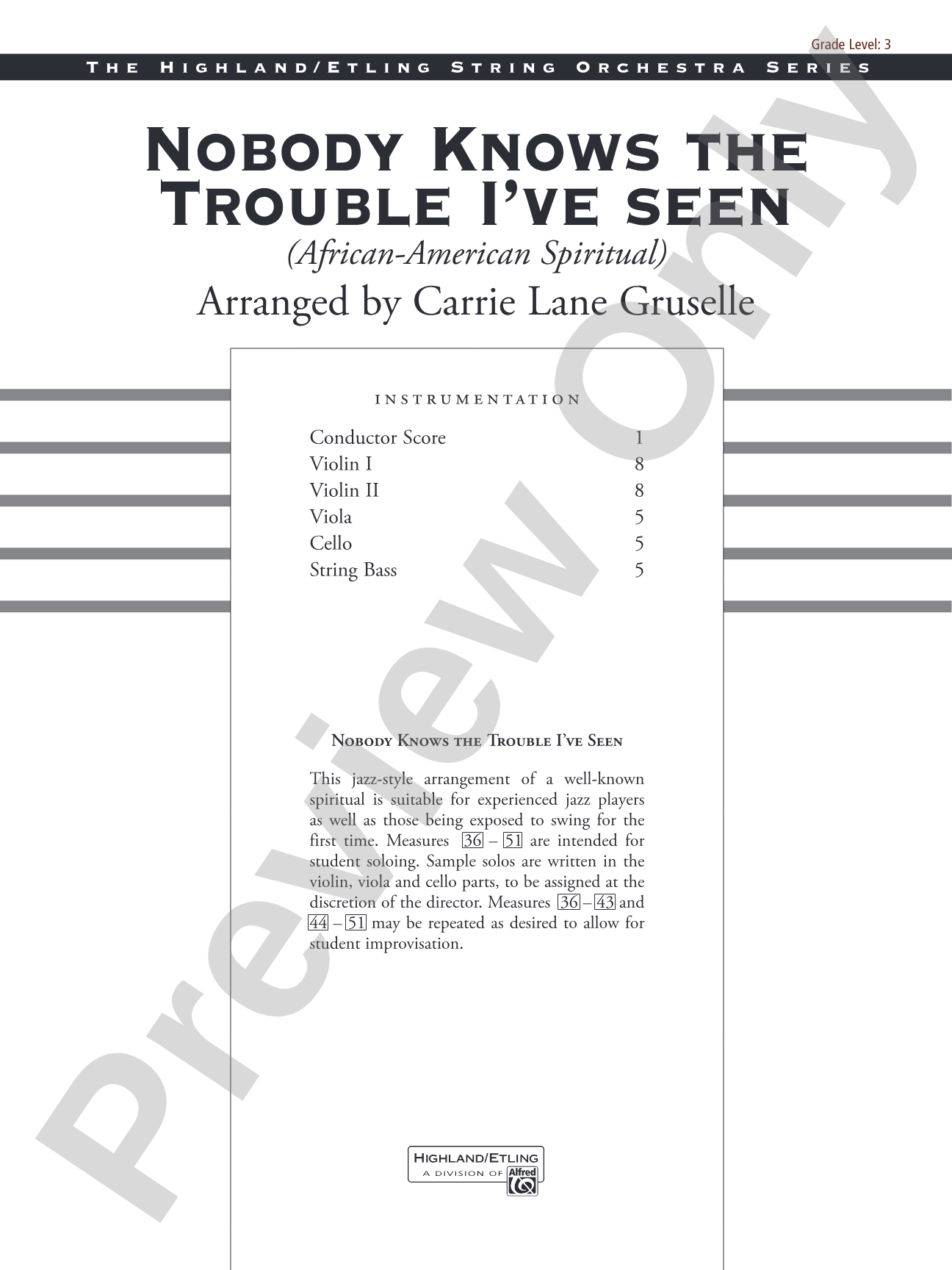
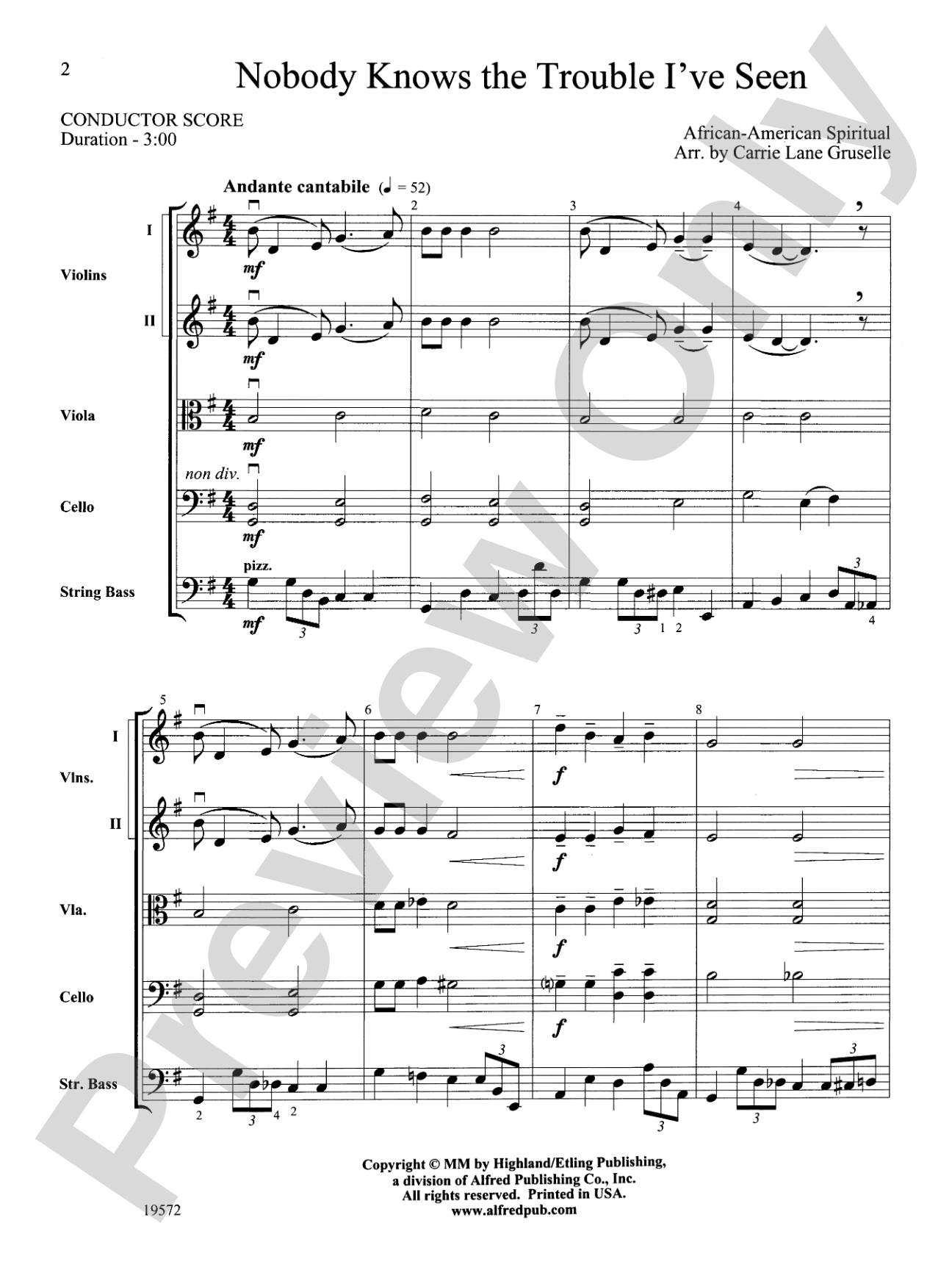
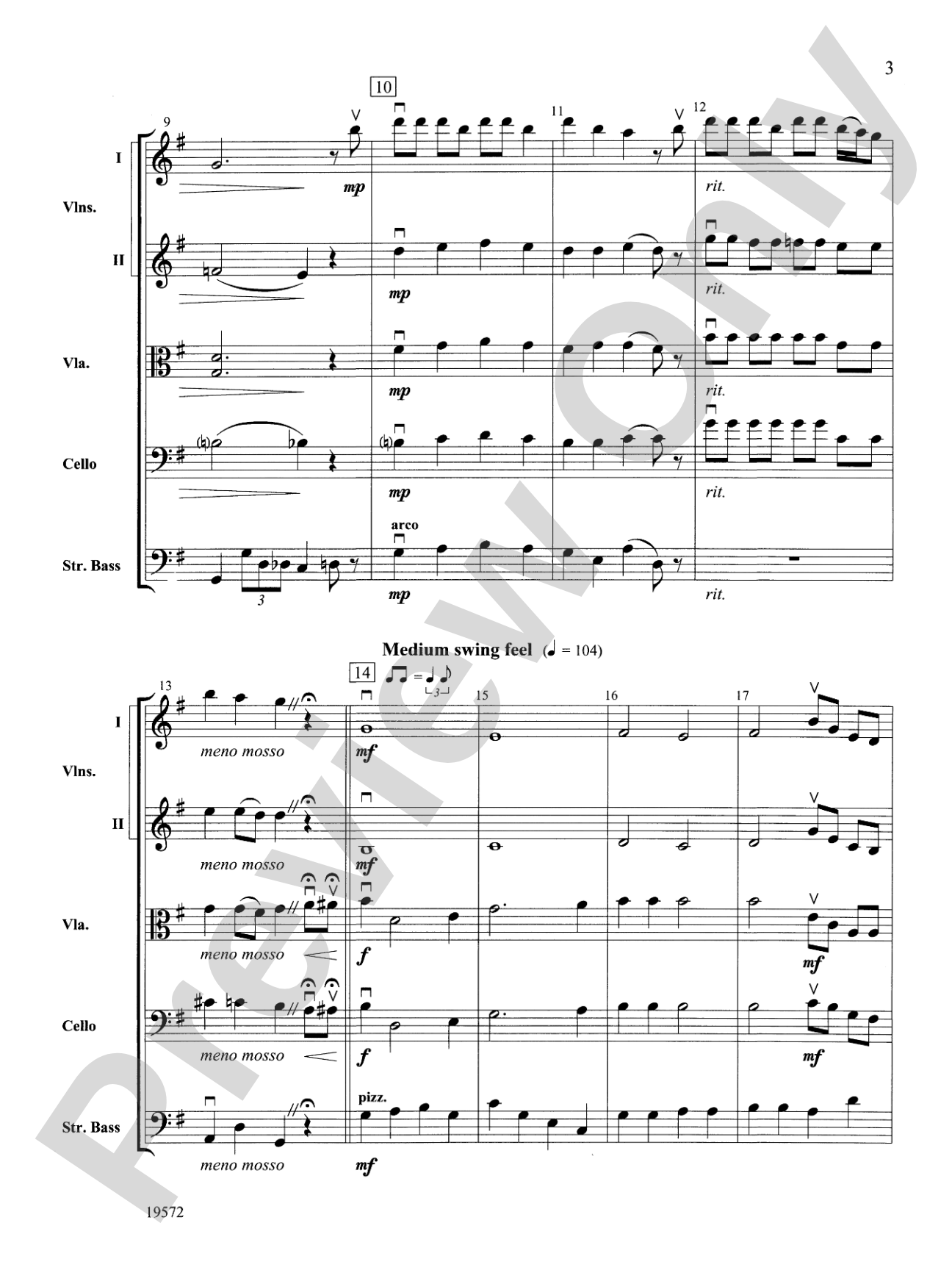
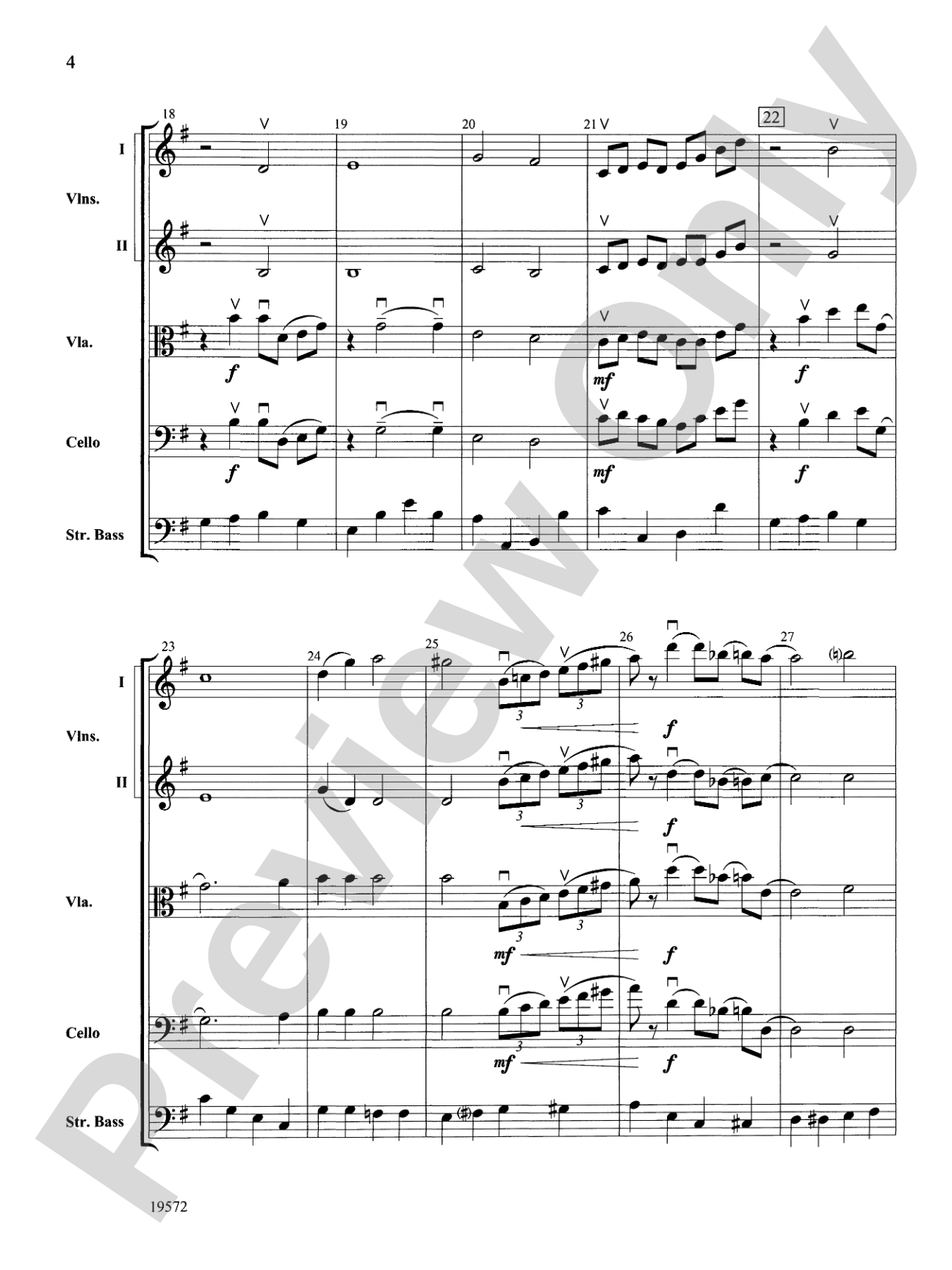
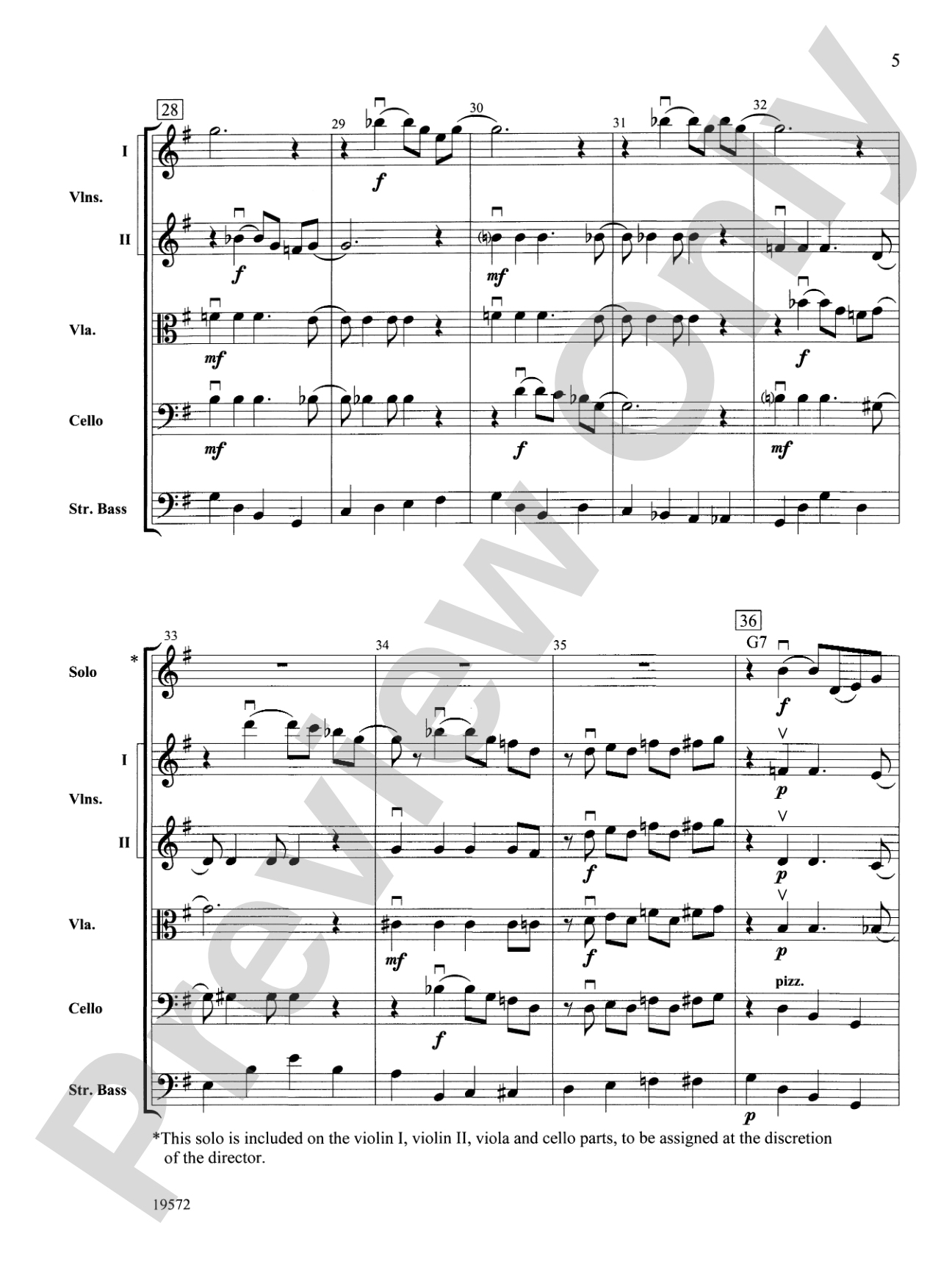
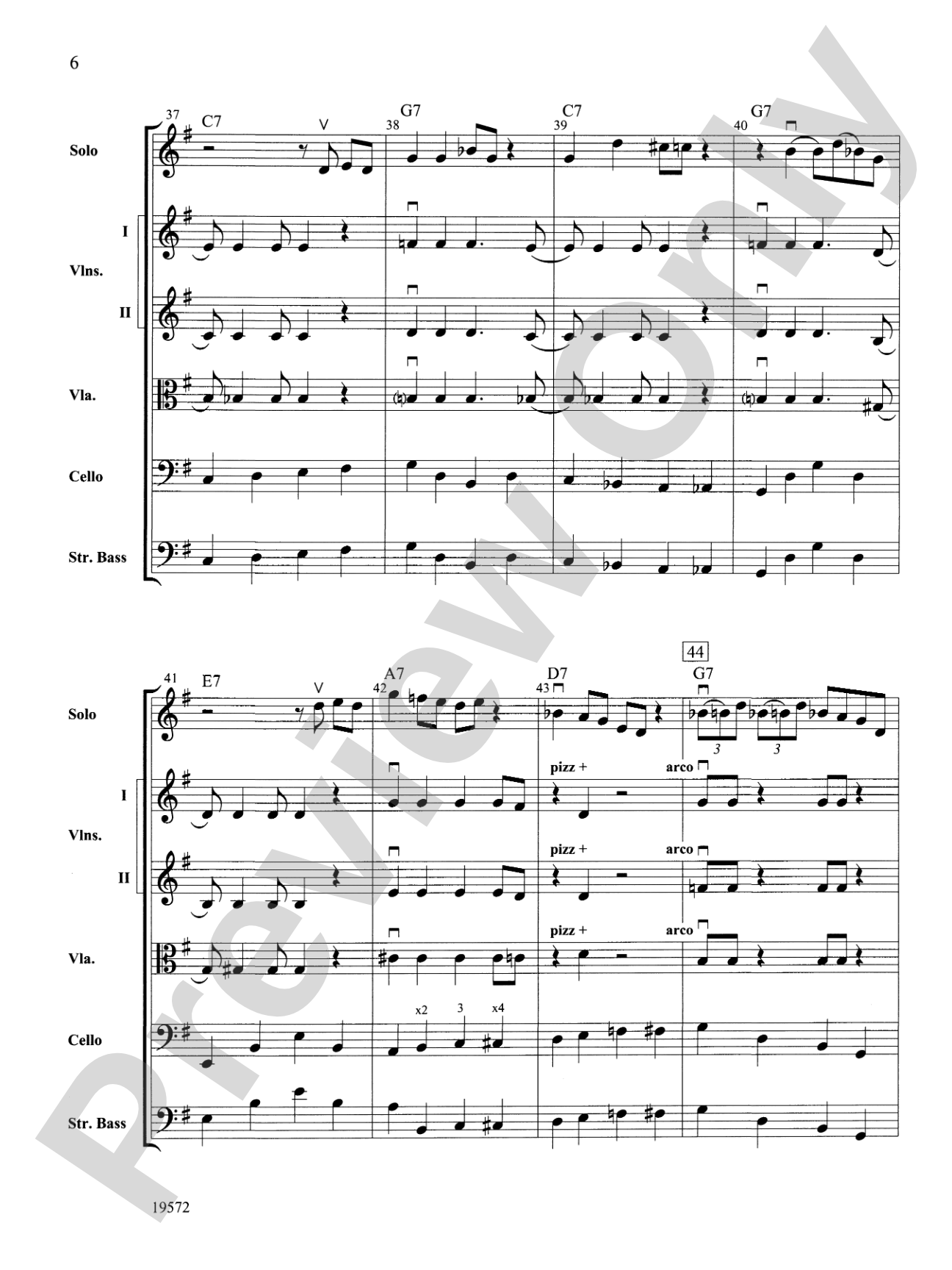
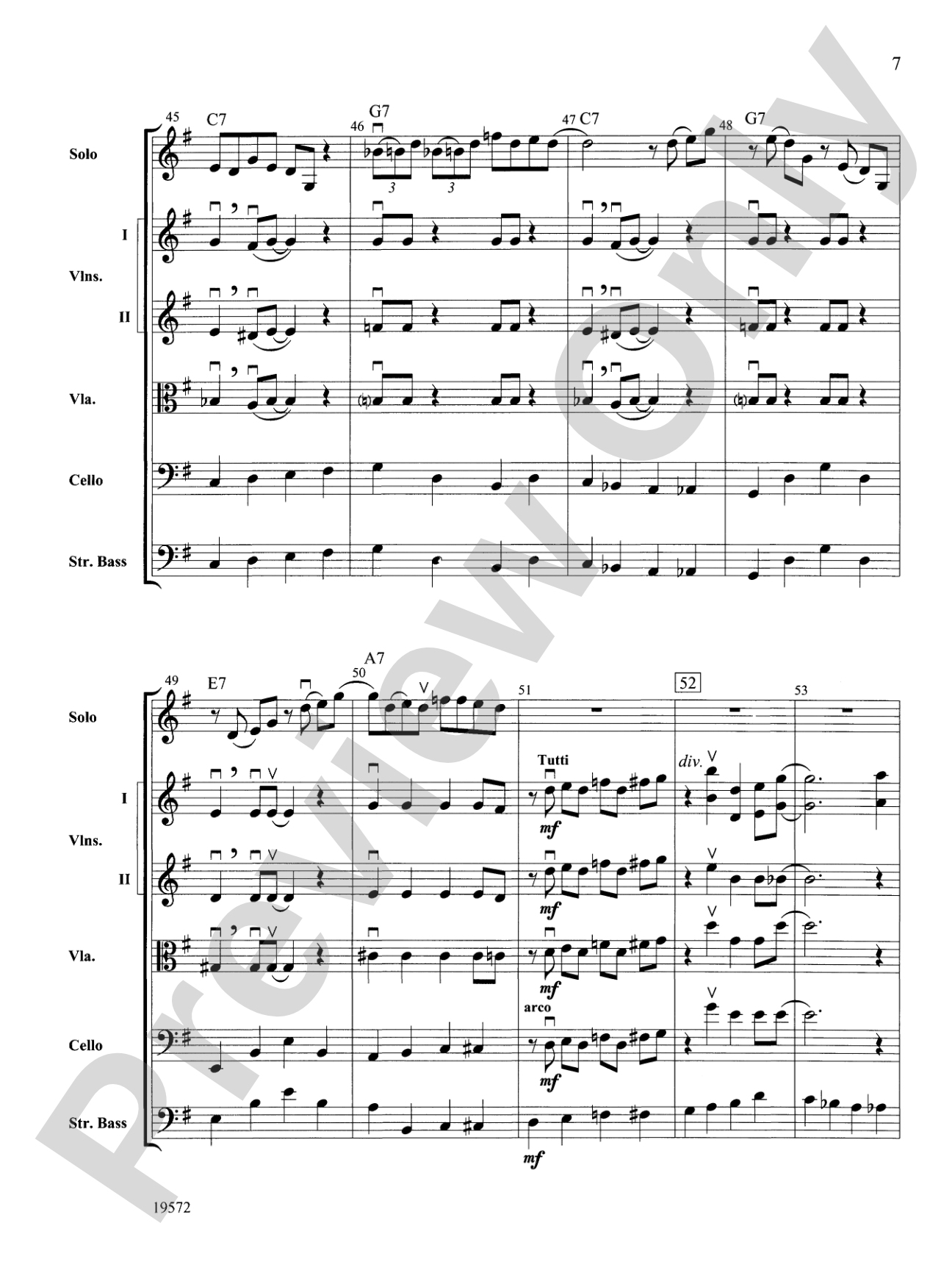
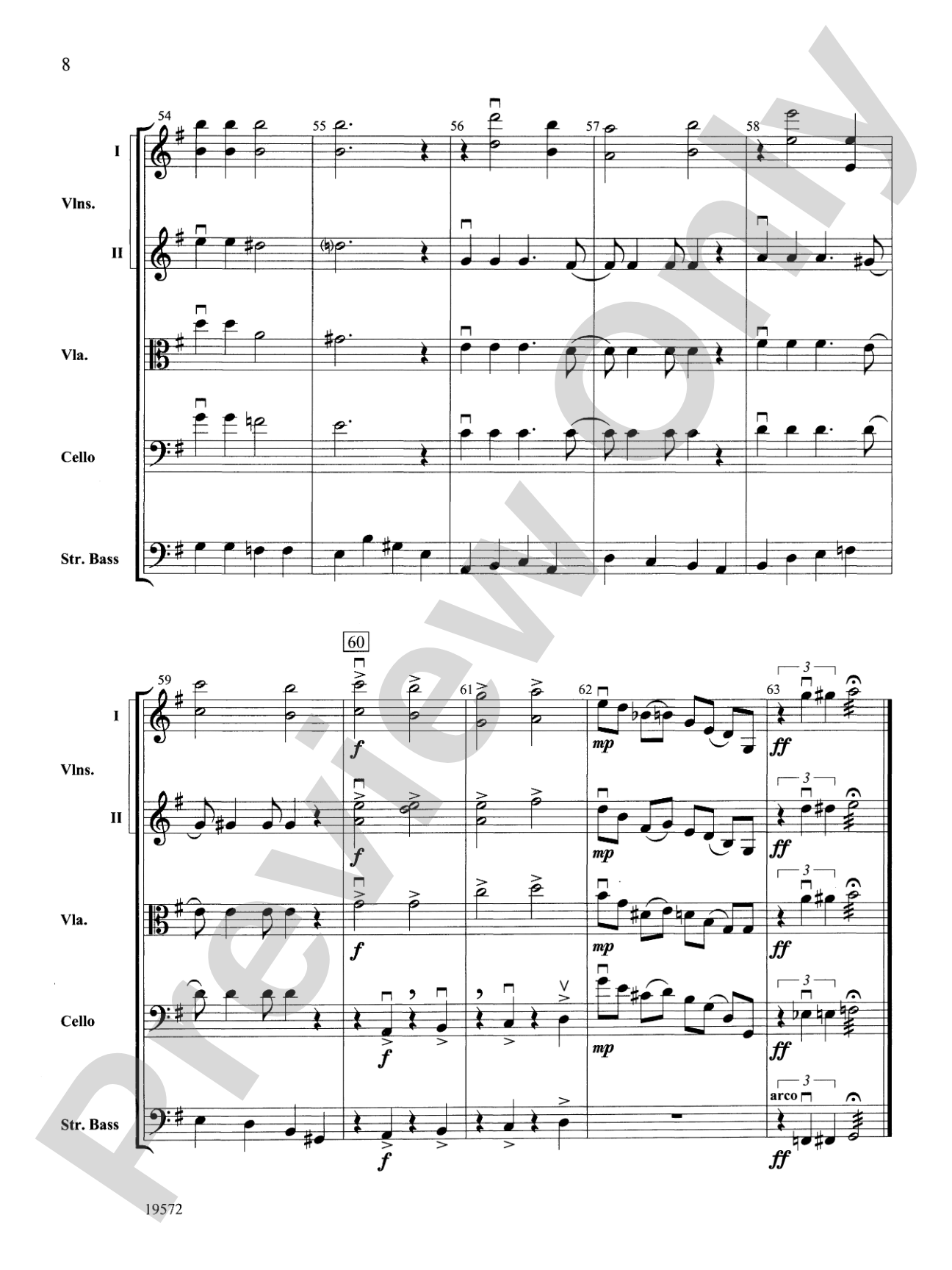
This jazz-style arragement of the well-known spiritual is suitable for experienced jazz players as well as those being exposed to swing for the first time. You and your students will love the repeated section intended for student solos and improvisation, complete with accompaniment parts for those not soloing. There is even a "sample solo" written out for violin, viola and cello to get things going. A great idea and a wonderful arrangement!


Don't just read it, hear it, play along with it, and watch your students grow with it. In MakeMusic Cloud, Nobody Knows the Trouble I've Seen: String Orchestra Conductor Score & Parts comes alive with professional accompaniment, adjustable tempo, and built-in practice tools that turn solo practice into real progress.
Open in the Player
Jump straight in and assign it today.
Start Your Free Trial
Open this title and explore the full library in minutes.
Sample Audio
1
Audio File
--:--
0:00
0:00
Sample Video
No sample videos found.
Additional Details
Series:
Highland/Etling String Orchestra
Publisher:
Alfred Music
Page Count:
122
SKU:
00-PK-0003964
More about this title
About the Arranger: Carrie Lane Gruselle

Carrie Lane Gruselle earned her Bachelor of Music Education from the University of Wisconsin, Eau Claire and her Master of Music Education from the University of Wisconsin, Stevens Point, where she specialized in Suzuki pedagogy. She teaches elementary and middle school strings in the Appleton Area School District while also serving as cello instructor at the Lawrence University Arts Academy in Appleton, Wisconsin.
Why we love this
Gruselle strikes a rare balance here: the arrangement honors the spiritual's emotional depth while making jazz idioms genuinely accessible to orchestras encountering swing for the first time. The built-in solo section with written examples for three instruments (violin, viola, cello) removes the guesswork from introducing improvisation; your students get scaffolding they can trust, not a blank stare at a chord chart.
What to expect
The spiritual's familiar, yearning melody gains new dimension wrapped in swinging accompaniment and blues harmony. There's a deep conversation happening between tradition and innovation, between the solemnity of the original and the joy of improvisation.
Who it's for
String orchestras at the Grade 3 level with players ready to stretch into jazz repertoire, as well as experienced jazz ensembles seeking a substantial spiritual-based arrangement. This works equally well for orchestras new to swing style and those deepening their jazz vocabulary.
How to get the most out of it
- Work the rhythm section (basses and any accompaniment parts) before tackling the full ensemble sound; the swing feel depends entirely on their pocket, not the melody instruments.
- Use the written solos as teaching tools, not just starting points. Have students learn them first, then transcribe and perform them before attempting their own lines.
- Balance the texture carefully during ensemble passages. The string timbre can easily overshadow the blues sensibility; lean into a leaner, more transparent sound than you might in classical repertoire.
- Give solo sections multiple run-throughs in rehearsal. Students need repetition to build confidence improvising, even with a safety net of written examples.
How to use it
Program this as a bridge between classical and contemporary styles on a concert, or place it alongside spirituals arranged in other genres to explore how a single cultural treasure can speak across musical languages. The solo section makes it ideal for a jazz-focused festival or showcase where student improvisation takes center stage.
Skills your students will build
- Swing rhythm and jazz phrasing
- Reading and performing written solo lines as models for improvisation
- Call-and-response ensemble playing
- Blues harmony and chord changes
- Balancing soloists with accompaniment parts
- Building confidence in improvisation through structured frameworks