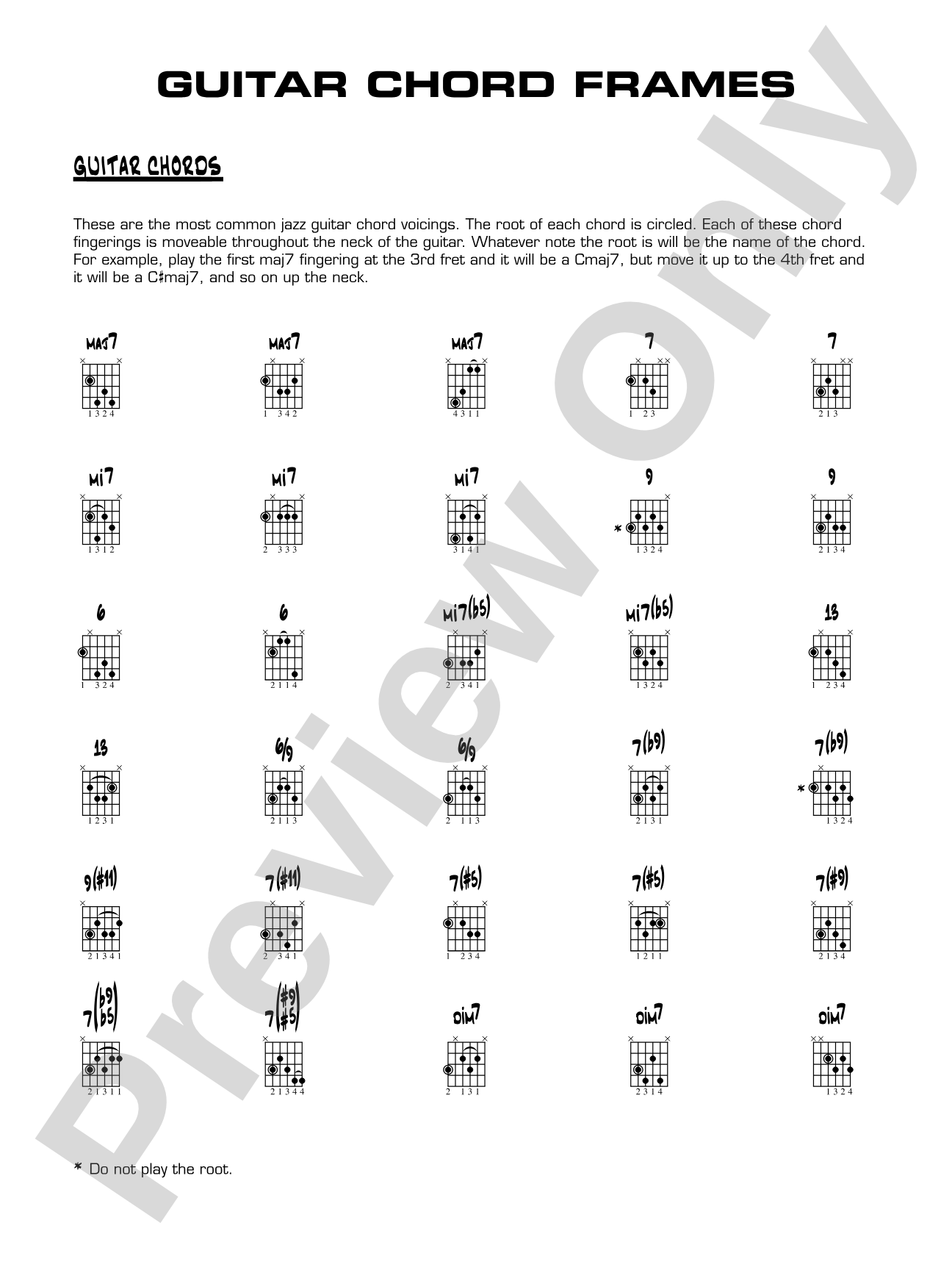
No Harm / No Fowl: Guitar Chords Sheet Music Preview

No Harm / No Fowl: Guitar Chords

By Kris Berg

Grade: 2.5

Item: 00-PC-0018844_GC

Digital Download
$3.00
Description
It's the annual chicken chart! No Harm / No Fowl by Kris Berg is a very accessible rock groove played around 146 BPM, and features written-out solo opportunities for all saxes and all brass, and lead trumpet range is to written G on the staff. This chart has a catchy melody, is fun to play, and will please the band and the audience---we promise! (4:30) This title is available in MakeMusic Cloud.

Don't just read it, hear it, play along with it, and watch your students grow with it. In MakeMusic Cloud, No Harm / No Fowl: Guitar Chords comes alive with professional accompaniment, adjustable tempo, and built-in practice tools that turn solo practice into real progress.

Sample Audio
0:00
0:00
Sample Video
Additional Details
Series: Young Jazz Ensemble
Publisher: Alfred Music
SKU: 00-PC-0018844_GC

More about this title

About the Composer: Kris Berg

Kris Berg

Kris Berg directs the jazz studies program at Collin County Community College in Texas, where he earned both his bachelor's and master's degrees in jazz studies from the University of North Texas. His work extends far beyond the classroom: he founded and directs the Collin Jazz Fest and the Texas All-Star Jazz Camp, and under his leadership, Collin's jazz ensembles have received multiple invitations to perform at the Montreux Jazz Festival.

As a composer and arranger, Berg has established himself as a prolific voice in jazz education publishing through his work with Belwin Jazz (Alfred Publishing), and his charts circulate in rehearsal rooms worldwide. He authored the widely adopted Bass Lines in Minutes and maintains an active schedule as a clinician and artist for Yamaha Corporation of America, having collaborated with artists including Kurt Elling, Randy Brecker, Peter Erskine, Bob Mintzer, and many other jazz luminaries across festivals and camps throughout the country.

Why we love this

Berg writes for student ensembles with genuine understanding of what works in the room: this chart delivers a strong groove, clear solo moments for developing improvisers, and a melody that sticks with audiences. The 2.5 grade level and accessible voicings make this genuinely playable for younger ensembles without compromising musicality or fun factor.

What to expect

A upbeat rock-influenced groove with a memorable hook and plenty of space for individual voices to shine. The energy is infectious and accessible without feeling condescending; younger players feel like they're playing real jazz, not a simplified version of it.

Who it's for

Jazz ensemble directors running Grade 2-3 groups who need dependable repertoire that genuinely excites players and audiences alike. This works for competitive festival settings or concert programs where you want a crowd pleaser that still demands solid musicianship from your band.

How to get the most out of it

  • Lock the kick drum and bass line into a tight pocket before rehearsing the horn sections; a rock groove lives and dies by its foundation.
  • Give soloists space to breathe during their written moments, and coach rhythm section players to listen actively rather than just reading parts.
  • Balance the ensemble texture so the lead trumpet lands cleanly through the full band without forcing; this chart is built on clarity, not volume.
  • Run the head multiple times to build audience familiarity before any improvisation; the catchy melody is your hook for keeping listeners engaged.

How to use it

Program this as a centerpiece on a festival or concert set where you want engagement from both the ensemble and the audience. Its 4:30 length and accessible groove make it an excellent follow-up to a more challenging or serious selection, or open a program if you're aiming for immediate momentum.

Skills your students will build

  • Playing locked rock and jazz grooves at tempo (146 BPM)
  • Reading and executing written solo sections with horn section voicings
  • Shaping melodic lines across the full ensemble with dynamic control
  • Listening to and responding to rhythm section foundation
  • Building confidence in improvisation within structured frameworks

You May Also Like