Nine Latin American Folk Songs Cover Image

Nine Latin American Folk Songs: Medium Low Voice Acc. CD

$12.95 USD
Sale price  $12.95 USD Regular price 
Skip to product information
Nine Latin American Folk Songs Cover Image

Nine Latin American Folk Songs: Medium Low Voice Acc. CD

Arranged for Solo Voice and Piano for Recitals, Concerts and Contests

Arr. Bruce Trinkley

Item: 00-22937

$12.95
Shipped

One moment…

Description
These nine Latin American gems will be a stunning addition to your vocal repertoire. Whether performed in Spanish or English, these masterful arrangements feature sophisticated piano accompaniments and stylish vocal lines that emphasize the dramatic nuances of their delightful texts. Titles: Vuela, suspiro (Fly, My Sighs) * ¿Dónde vas, Alfonso Doce? (Where Do You Go, Alfonso XII?) * A cantar a una niña (When I Sang to a Child) * Mi mamá me aconsejaba (My Mama Advised Me) * Nest rua (On Our Street) * Una tarde fesquita de Mayo (One Cool Afternoon in May) * El Capotín (A Little Rain Hat) * Al pasar por Sevilla (On Visiting Sevilla) * Villancico (Carol).

Nine Latin American Folk Songs: Medium Low Voice Acc. CD isn't in MakeMusic Cloud just yet...but it could be. Let us know you'd like to see it, and you'll help shape what comes next. In the meantime, start a free trial and dive into thousands of interactive titles your students can play along with today.

Sample Pages

Sample Audio
0:00
0:00
Sample Video
Additional Details
Publisher: Alfred Music
ISBN10: 0-7390-3379-4
ISBN13: 978-0-7390-3379-1
UPC: 038081221205
SKU: 00-22937
Instrumentation: Piano

More about this title

About the Arranger: Bruce Trinkley
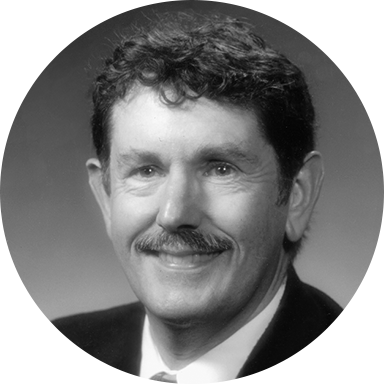
Bruce Trinkley

Bruce Trinkley holds a faculty position at Penn State University's School of Music, where he teaches composition and orchestration while directing the Penn State Glee Club. His conducting has taken that ensemble on tours across the United States and internationally to England, Wales, and Trinidad and Tobago. His compositional training comes from Columbia University, where he studied with three major figures: Otto Luening, Jack Beeson, and Charles Wuorinen.

Trinkley has become one of the most prolific arrangers in choral music, with over 200 arrangements spanning folk songs, spirituals, and popular music for ensembles at every level. His original works have been performed across four continents, and his operas have won major national competitions: Eve's Odds took the National Opera Association's Chamber Opera Competition in 1999, followed by Cleo in 2001. Recent large-scale projects include cantatas and multimedia works, including York: the Voice of Freedom, a full-length opera that premiered at Penn State in 2002.

Why we love this

Trinkley's gift for arranging lies in his refusal to simplify folk material. These settings respect the dramatic weight of their texts while remaining genuinely singable, and the piano parts have real personality without overwhelming a solo voice. The bilingual presentation means you can program strategically depending on your concert context and audience.

What to expect

These arrangements capture the storytelling essence of Latin American folk traditions, from intimate confessional moments to scenes of everyday life rendered with wit and warmth. The piano writing provides sophisticated harmonic support without losing the essential directness of the source material, creating a sound that feels both rooted and refined.

Who it's for

Solo singers preparing repertoire for recitals, auditions, or studio work will find nine distinct character pieces that showcase range and interpretive depth. This collection also works beautifully for voice students who want to expand beyond the standard art song canon into authentic folk idioms.

How to get the most out of it

  • Listen through the recorded accompaniment multiple times before your first rehearsal to internalize the harmonic language, which often colors the emotional subtext of the lyrics.
  • Attend to the text's narrative arc in each song; these aren't abstract art songs but stories with specific characters and moments of vulnerability.
  • Balance the vocal line against the piano without letting either dominate; Trinkley writes these two parts as equals in conversation.
  • Experiment with the Spanish pronunciation early, even if you'll perform in English, to understand how the original vowels and consonant placement shape the melodic contour.

How to use it

Sequence three or four of these songs within a recital to create a Latin American set, or scatter individual pieces throughout a program that blends art song traditions with folk repertoire. They pair well in concert with other contemporary arranged folk songs and provide natural programming diversity for voice students performing degree recitals.

Skills your students will build

  • Stylistic flexibility in singing Spanish diction alongside English text
  • Interpretive choices in setting dialogue and narrative within solo vocal music
  • Collaboration with a sophisticated piano partner across changing harmonic landscapes
  • Expressive control in smaller dynamic and emotional ranges
  • Recognition of folk idioms across different Latin American cultures

You May Also Like