

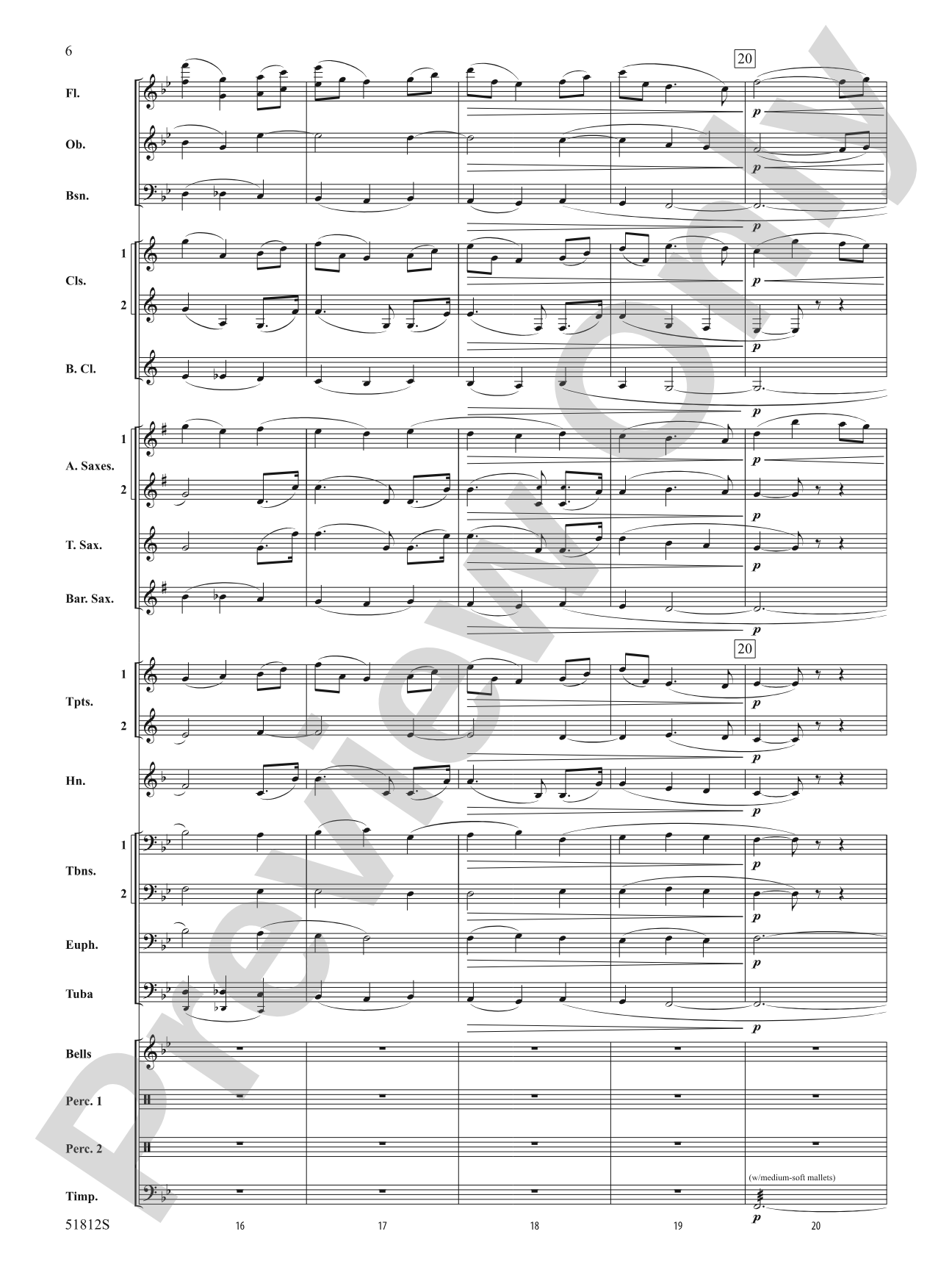
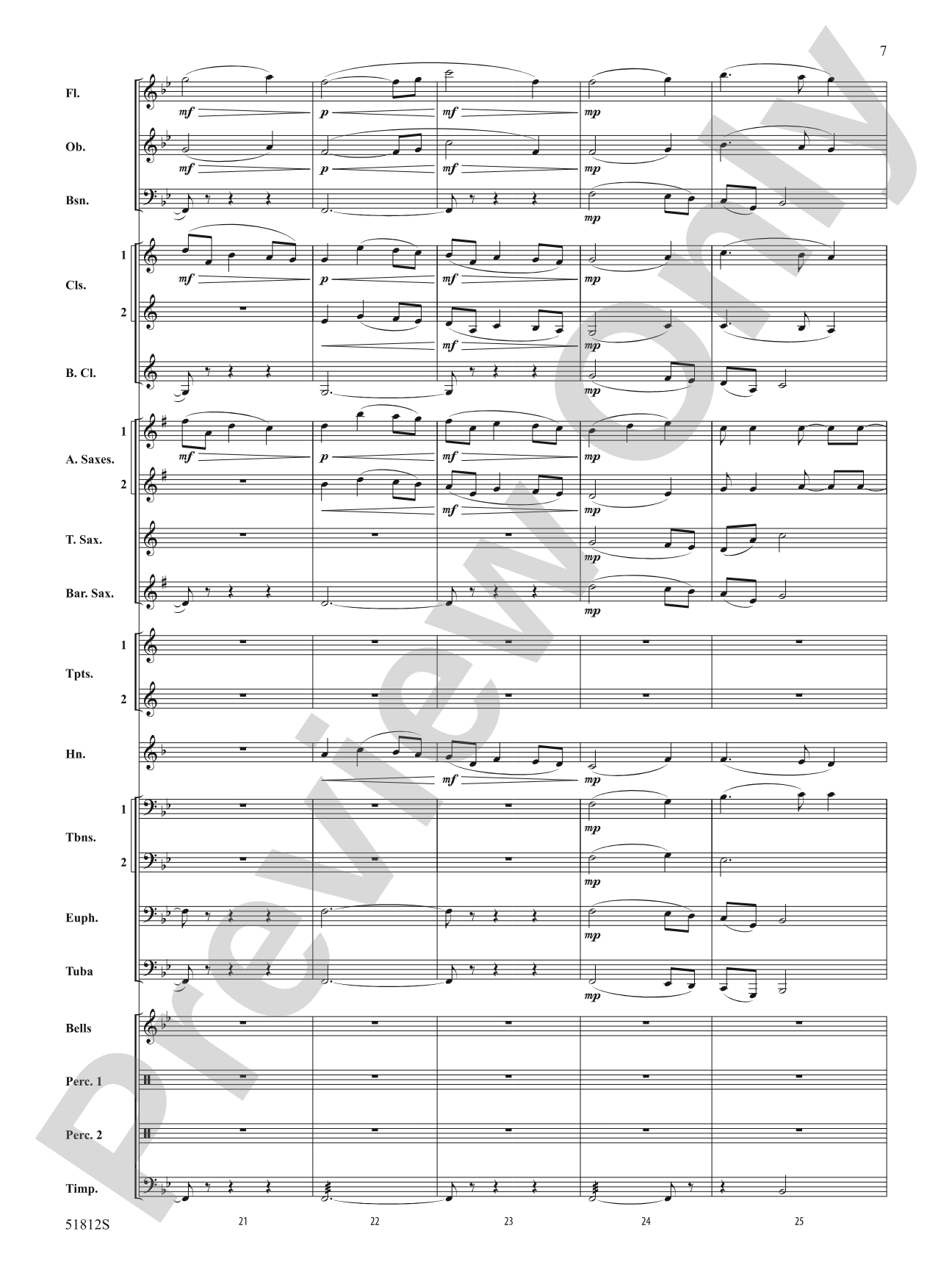
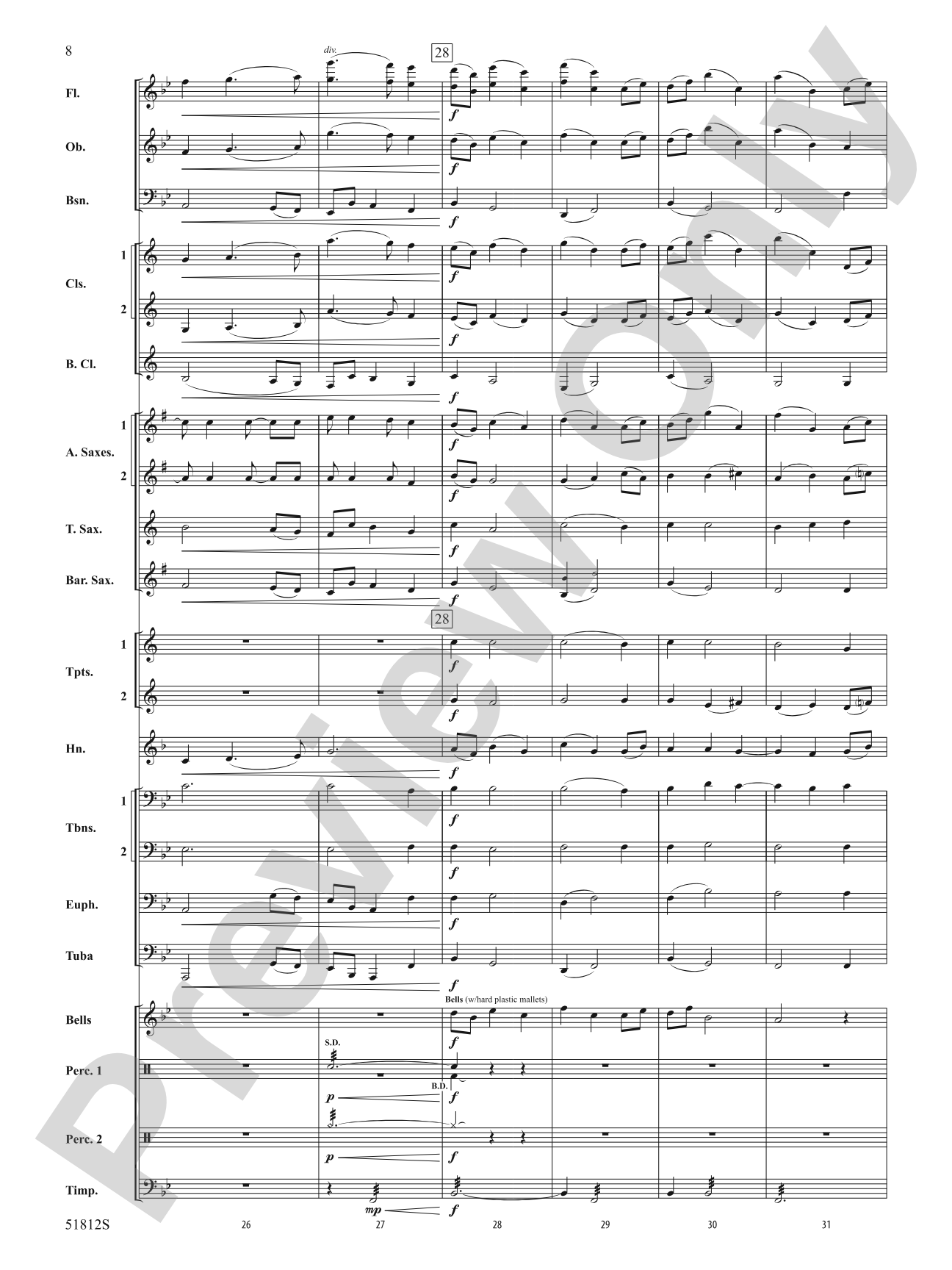
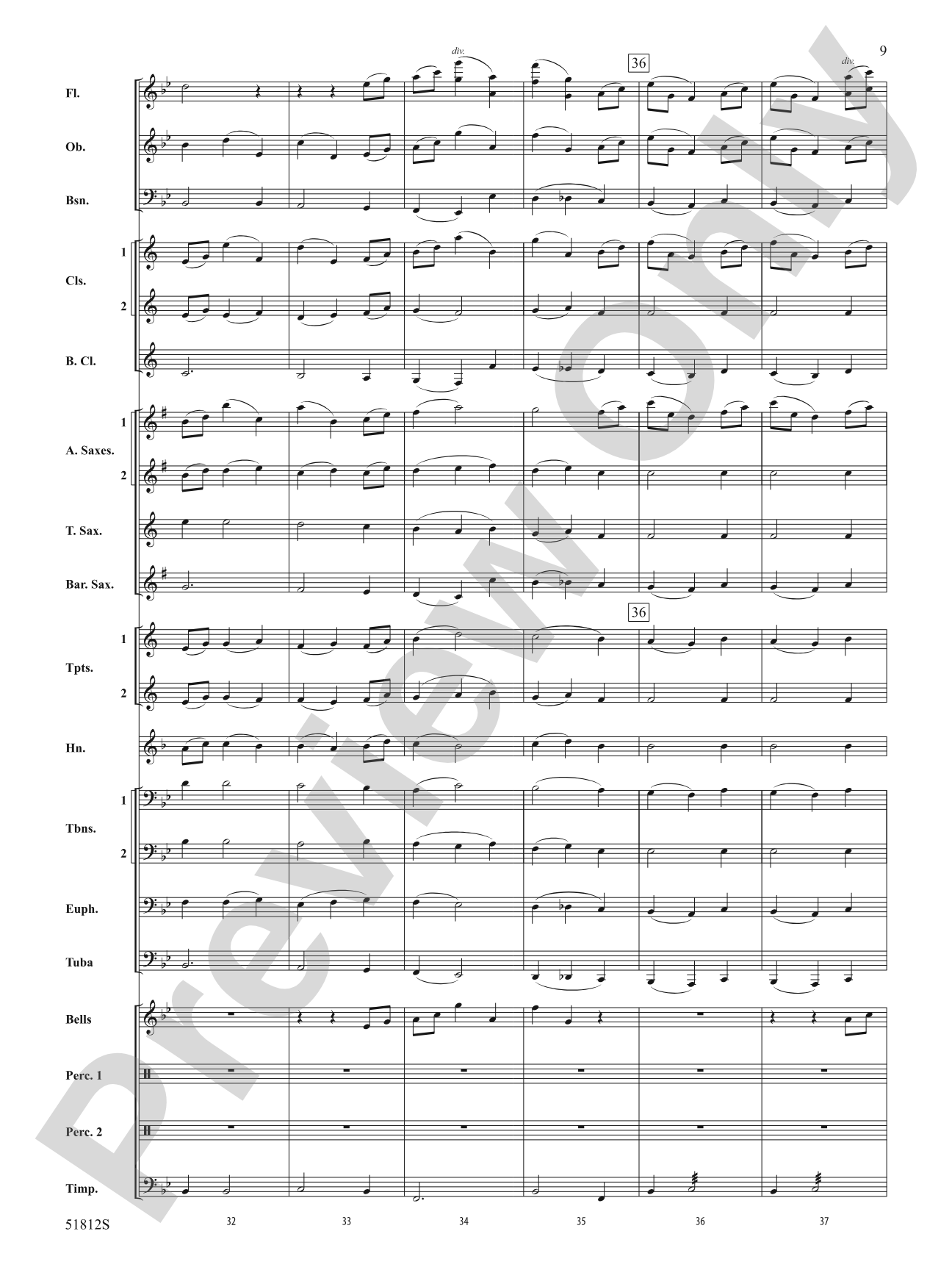
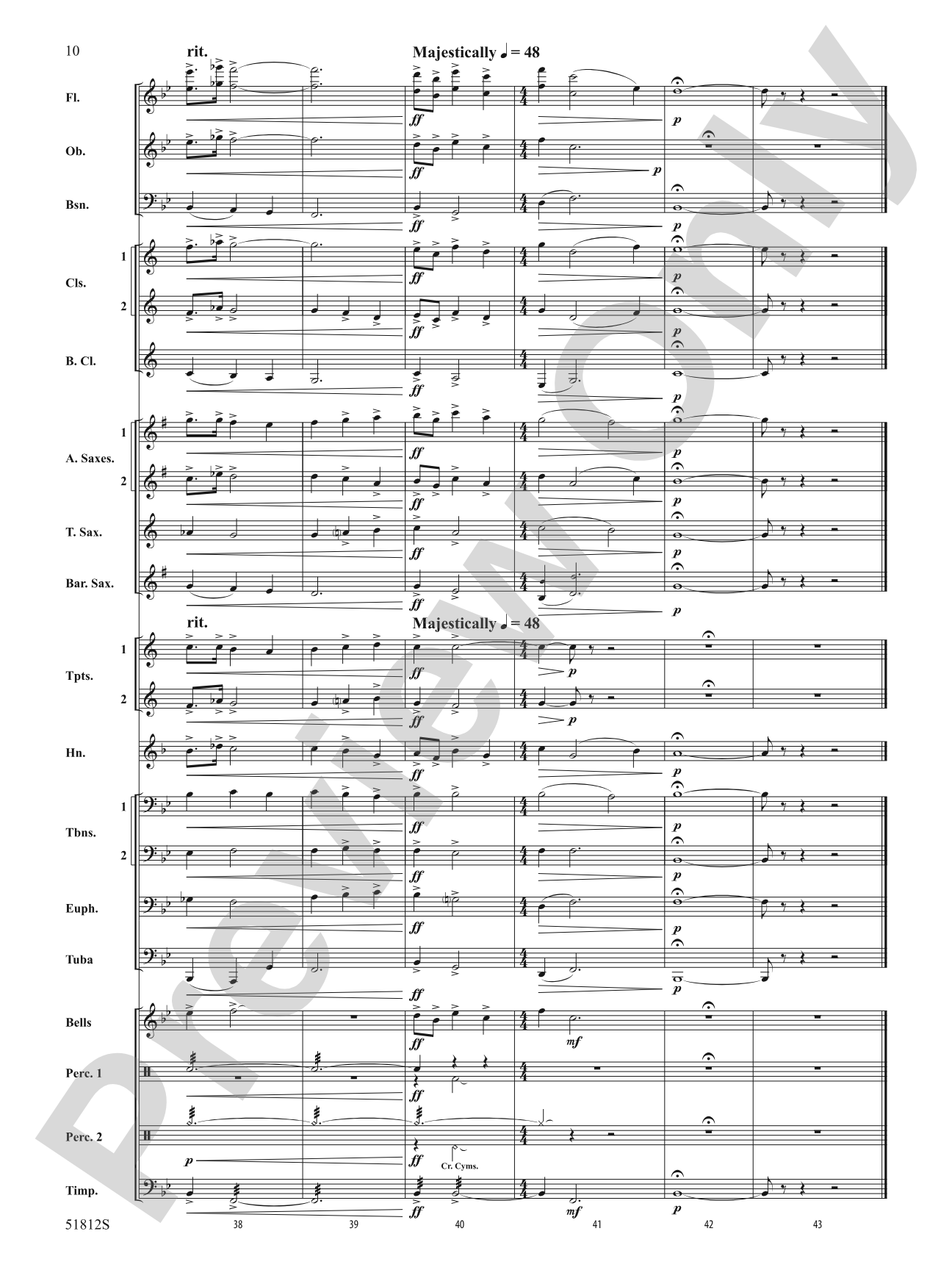

Nimrod: Concert Band Conductor Score & Parts
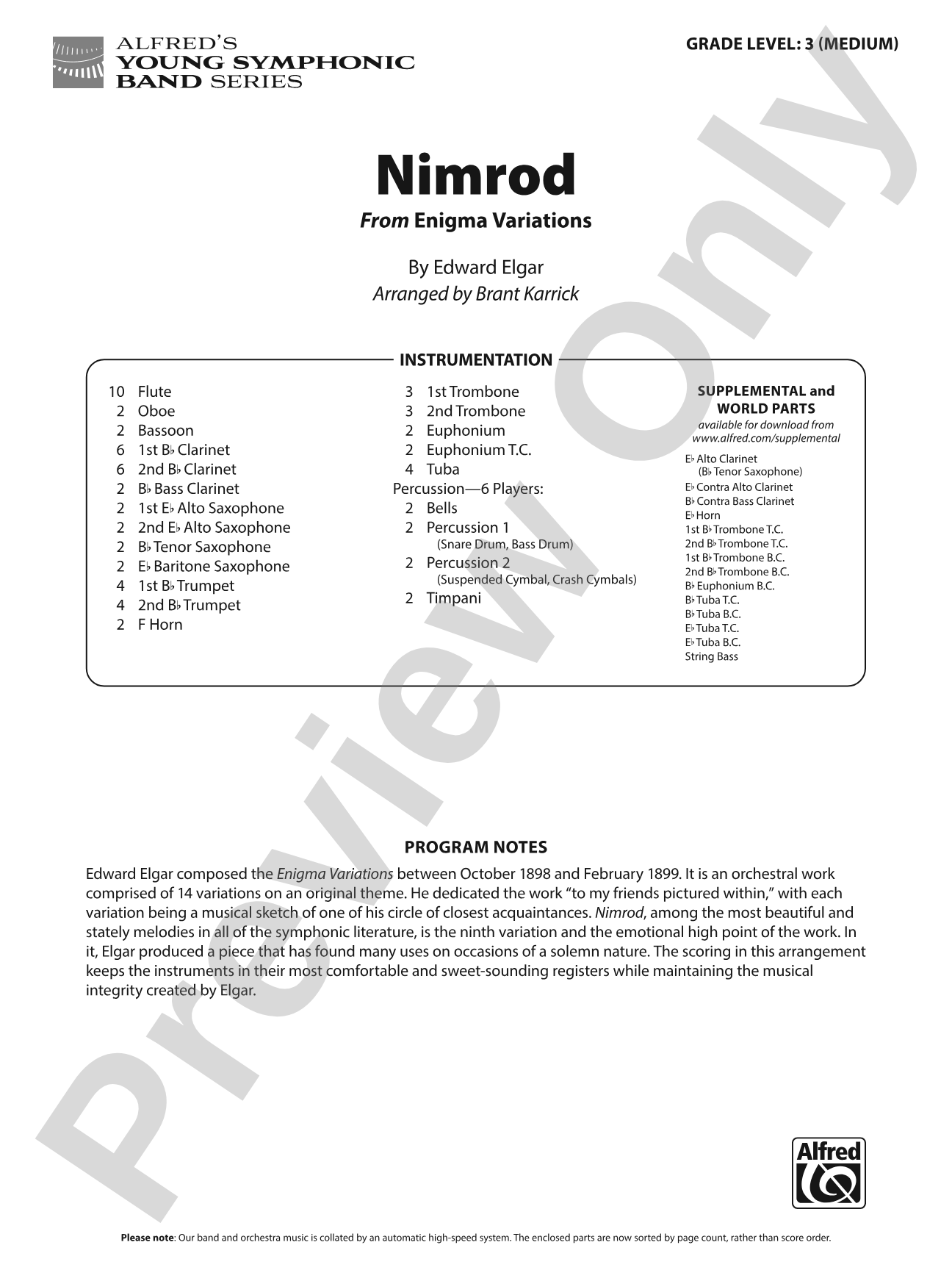
From Enigma Variations
By Edward Elgar / arr. Brant Karrick
Grade: 3
Item: 00-PK-0009219
$70.00
Pickup currently not available
Buy Extra Parts (Digital PDF Download)
| Product | Price | Quantity |
|---|---|---|
| Nimrod: Score | $10.00 | |
| Nimrod: Flute | $3.00 | |
| Nimrod: Oboe | $3.00 | |
| Nimrod: Bassoon | $3.00 | |
| Nimrod: 1st B-flat Clarinet | $3.00 | |
| Nimrod: 2nd B-flat Clarinet | $3.00 | |
| Nimrod: B-flat Bass Clarinet | $3.00 | |
| Nimrod: E-flat Alto Saxophone | $3.00 | |
| Nimrod: 2nd E-flat Alto Saxophone | $3.00 | |
| Nimrod: B-flat Tenor Saxophone | $3.00 | |
| Nimrod: E-flat Baritone Saxophone | $3.00 | |
| Nimrod: 1st B-flat Trumpet | $3.00 | |
| Nimrod: 2nd B-flat Trumpet | $3.00 | |
| Nimrod: 1st F Horn | $3.00 | |
| Nimrod: 1st Trombone | $3.00 | |
| Nimrod: 2nd Trombone | $3.00 | |
| Nimrod: Baritone B.C. | $3.00 | |
| Nimrod: Baritone T.C. | $3.00 | |
| Nimrod: Tuba | $3.00 | |
| Nimrod: Mallets | $3.00 | |
| Nimrod: 1st Percussion | $3.00 | |
| Nimrod: 2nd Percussion | $3.00 | |
| Nimrod: Timpani | $3.00 |
Parts Added to Cart!
Description
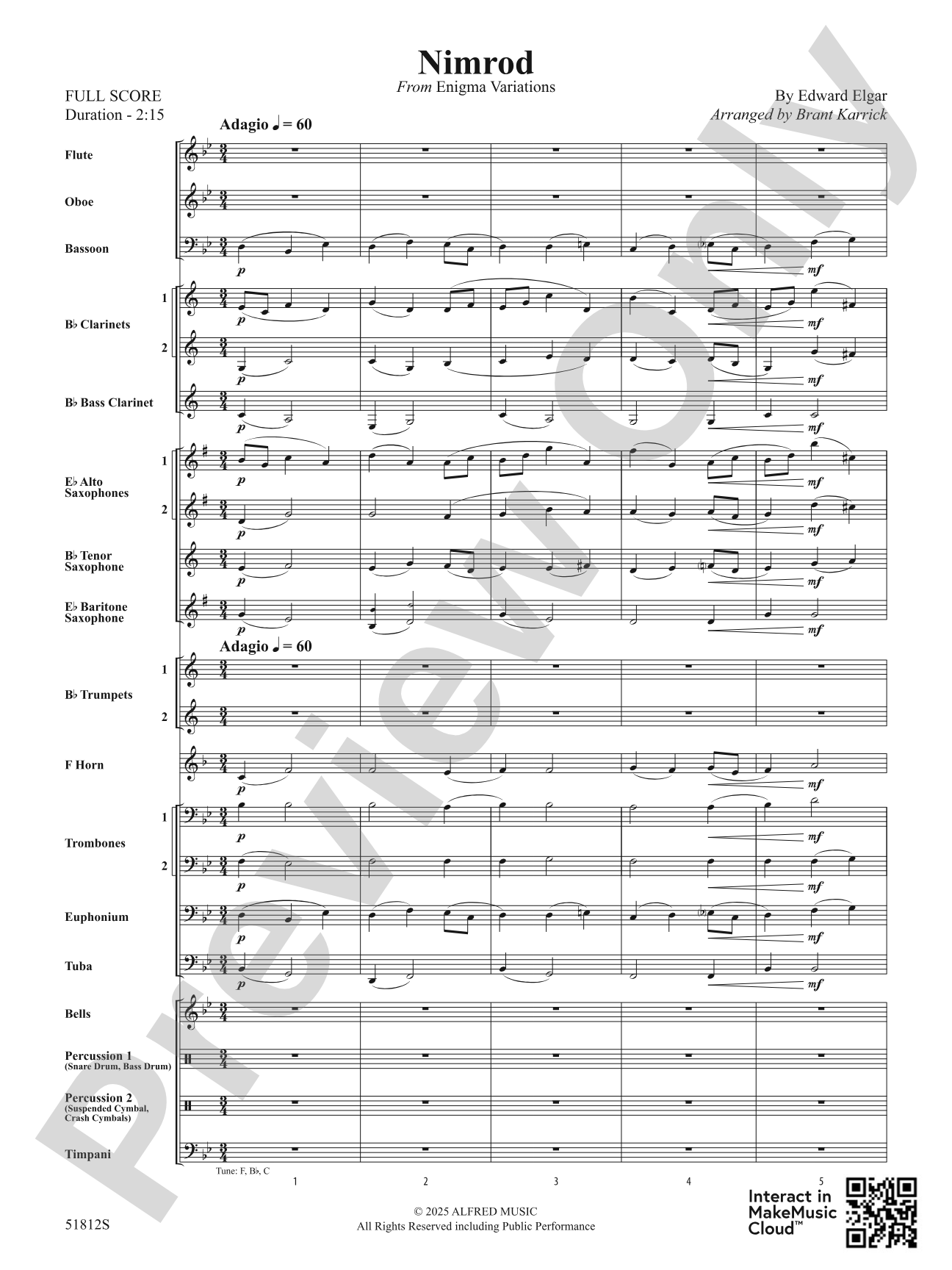
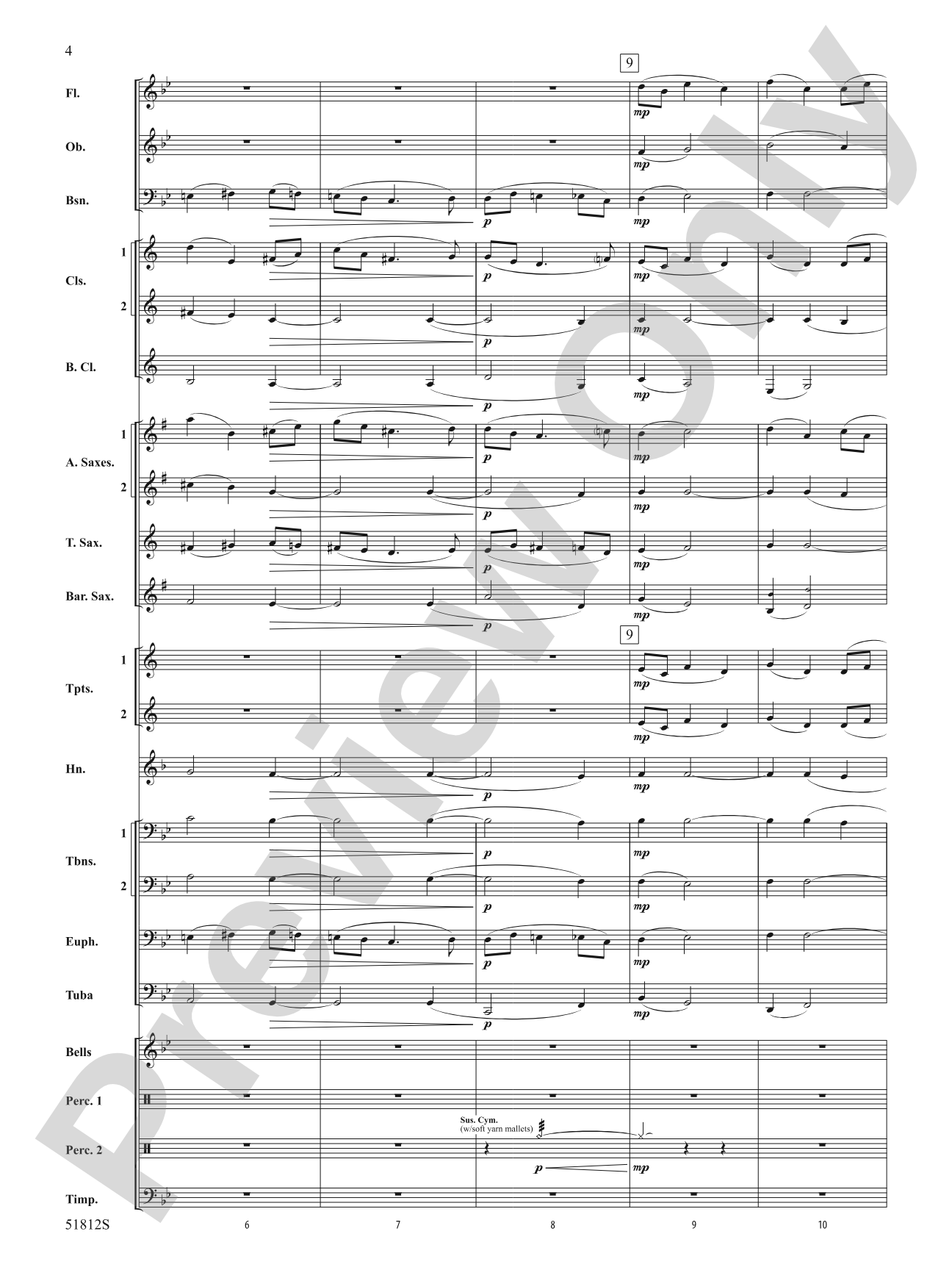
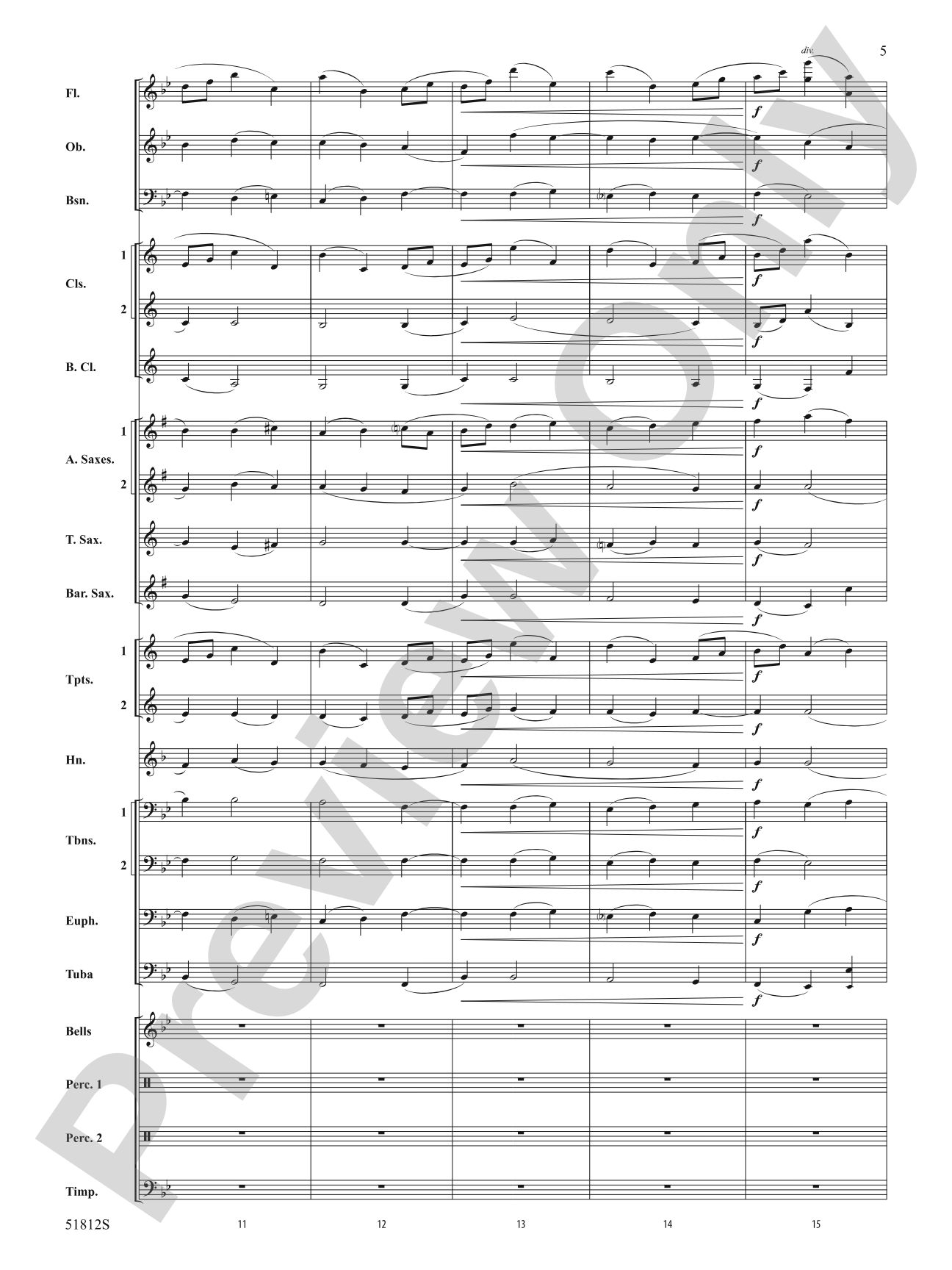
This stunning arrangement of Elgar's well-known ninth variation from the Enigma Variations has been expertly scored by Brant Karrick for the intermediate level. It retains all of the emotion and integrity of the original while keeping the instruments in their most comfortable and sweet-sounding registers. (2:15)


Nimrod: Concert Band Conductor Score & Parts isn't in MakeMusic Cloud just yet...but it could be. Let us know you'd like to see it, and you'll help shape what comes next. In the meantime, start a free trial and dive into thousands of interactive titles your students can play along with today.
Request This Title
Tell us you want it.
Start Your Free Trial
Explore everything that's ready to play right now.
Sample Audio
1
Audio File
--:--
0:00
0:00
Sample Video
Additional Details
Series:
Young Symphonic Series
Publisher:
Alfred Music
SKU:
00-PK-0009219
More about this title
About the Composer: Edward Elgar
Edward Elgar (1857–1934) was an English composer whose mastery of orchestration and gift for memorable melody defined the late Romantic period. His Enigma Variations, completed in 1899, stand as one of the most performed orchestral works in the concert repertoire, celebrated for their structural ingenuity and emotional depth.
Elgar's music prizes lyricism and harmonic richness, qualities that make his works exceptionally rewarding for student musicians to study and perform. His influence on concert band repertoire remains significant, particularly through thoughtful arrangements that preserve his compositional voice while making it accessible to developing ensembles.
Why we love this
Brant Karrick's arrangement honors Elgar's original while trusting your band's ability to handle genuine masterwork literature. The scoring sits comfortably in intermediate ranges, allowing students to focus on phrasing and blend rather than technical struggle, which deepens their musical experience.
What to expect
Nimrod carries a solemn, dignified character that feels both intimate and expansive. The melody unfolds with the contemplative depth Elgar intended, supported by warm harmonic movement and balanced texture that invites careful listening.
Who it's for
Concert bands in grades 3 and above will find this arrangement both accessible and substantive. It works well for groups building confidence with masterwork literature and for more experienced ensembles seeking a meaningful addition to festival or concert programs.
How to get the most out of it
- Shape the opening melody with a long, singing line; resist the urge to separate phrases or rush through the slower harmonic rhythm.
- Balance the inner voices carefully, particularly the second part writing, so the accompaniment supports rather than obscures the primary melodic line.
- Use the slower tempo marking to establish a contemplative character; this piece benefits from space and breath between phrases.
- Ensure the dynamic arc builds gradually across the full length; steady crescendos work better than sudden shifts in a composition this introspective.
How to use it
This piece excels as a slower movement in a balanced concert program or as a centerpiece for a thematic concert exploring English musical heritage. At just over two minutes, it pairs effectively with longer contemporary works or with other selections from the Young Symphonic Series.
Skills your students will build
- Long-line phrasing and musical shape across 2+ measure phrases
- Balance and blend in multi-part writing, particularly with secondary melodic voices
- Sustained tone quality at moderate dynamics without sacrificing musical intent
- Understanding harmonic progression and how it supports melodic architecture
- Expression and restraint, responding to subtle dynamic and tempo indication