Nightsong Cover Image

Nightsong: Piano Duo (2 Pianos, 4 Hands) Sheet (2 copies included)

$4.99 USD
Sale price  $4.99 USD Regular price 
Skip to product information
Nightsong Cover Image

Nightsong: Piano Duo (2 Pianos, 4 Hands) Sheet (2 copies included)

By Margaret Goldston

Level: Early Intermediate

Item: 00-11768

makemusic Cloud badge
$4.99
Shipped

One moment…

Description
This is a lyrical and expressive piece for early intermediate piano ensemble---two pianos, four hands---written in memory of the composer's parents. It is in ABA form and the key of C major, with a middle section that explores extended harmonies. Two copies are included. A Federation Festivals 2024-2028 selection.

Don't just read it, hear it, play along with it, and watch your students grow with it. In MakeMusic Cloud, Nightsong: Piano Duo (2 Pianos, 4 Hands) Sheet (2 copies included) comes alive with professional accompaniment, adjustable tempo, and built-in practice tools that turn solo practice into real progress.

Sample Pages

Sample Audio
No sample audio found.
Sample Video
Additional Details
Publisher: Alfred Music
Page Count: 8
UPC: 038081124858
SKU: 00-11768

More about this title

About the Composer: Margaret Goldston
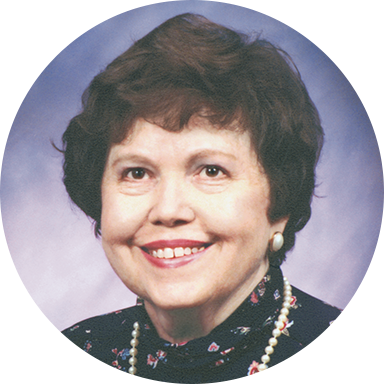
Margaret Goldston

Margaret Goldston spent decades shaping young musicians in her North Carolina studio while building a reputation as a sought-after clinician and educator. Her formal training in piano performance came from Louisiana State University, where she later received the School of Music's highest alumni honor in 1991. She studied composition under Robert Ward, a Pulitzer Prize winner, and her own works earned recognition from the North Carolina Federation of Music Clubs, which named her Composer of the Year twice during her career.

Goldston's commissions and publications appeared in leading music magazines, and she traveled throughout the United States and Canada conducting masterclasses and teacher workshops. After her death in 2003, the Music Teachers National Association posthumously honored her as a Foundation Fellow in 2020. Her catalog remains a staple on festival and contest lists, particularly through the National Federation of Music Clubs, where her pieces continue to introduce students to thoughtful, accessible contemporary composition.

Why we love this

Goldston writes with genuine lyricism, and this duo avoids the mechanical quality that sometimes plagues early intermediate ensemble pieces. The ABA structure gives students a clear architectural blueprint while the extended harmonies in the middle section challenge their ears in ways that feel natural, not theoretical. A piece written as personal tribute carries emotional weight that students can sense and communicate.

What to expect

Nightsong unfolds with the intimacy of a remembrance, spare and reflective in its opening before blooming into richer harmonies. The piece breathes rather than rushes, inviting both players into a shared moment of quiet expression. Its lyricism suggests the contemplative quality of evening itself.

Who it's for

Students working at early intermediate level who are ready to play as an ensemble and explore contemporary writing that respects their developing skills. Teachers seeking repertoire that fits festival standards while offering genuine musical substance rather than filler pieces.

How to get the most out of it

  • Balance the melodic voices between the two pianos during the A section by having students listen to each other rather than relying solely on the page. The lyricism depends on conversational phrasing, not locked-in unison.
  • Spend time in the middle section exploring the extended harmonies without rushing the tempo. These chords deserve space to resonate and will reward careful listening from both players.
  • Use the return to A as an opportunity to deepen the expressive quality rather than simply repeat what came before. Time and reflection often bring new nuance to familiar material.

How to use it

This fits naturally into a recital or competition program where you want to showcase ensemble playing without the demands of a full chamber group. Pair it with a more energetic contemporary work or a classical duet to create programming contrast. Its commemorative origin makes it especially fitting for spring festivals, memorial concerts, or occasions honoring musical mentorship.

Skills your students will build

  • Listening and blend across two instruments
  • Sustaining lyrical phrasing over longer phrases
  • Interpreting extended harmonies and contemporary harmonic language
  • Ensemble precision in ABA form with clear structural landmarks
  • Expressive nuance and emotional communication beyond technical accuracy

You May Also Like
