
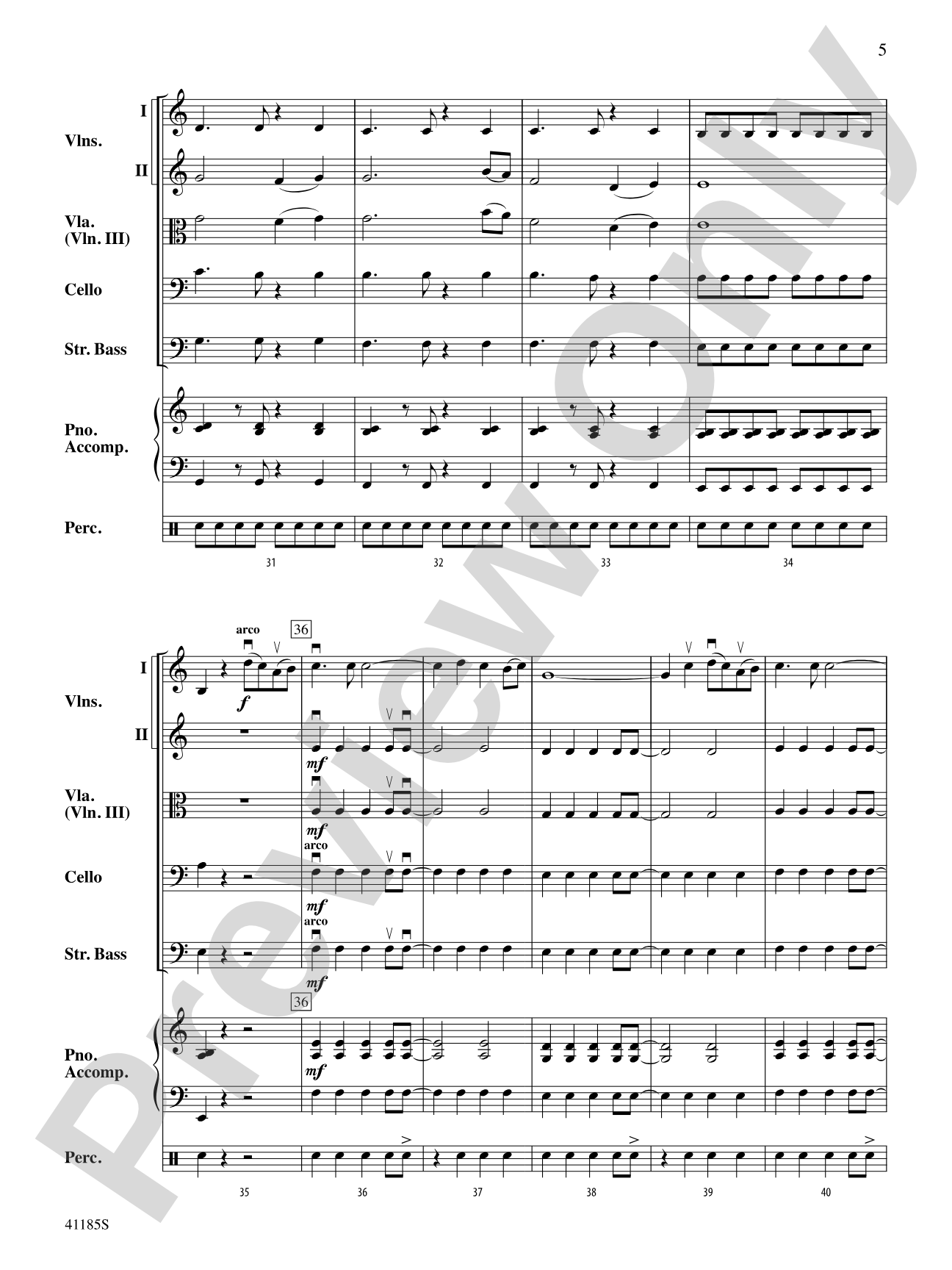
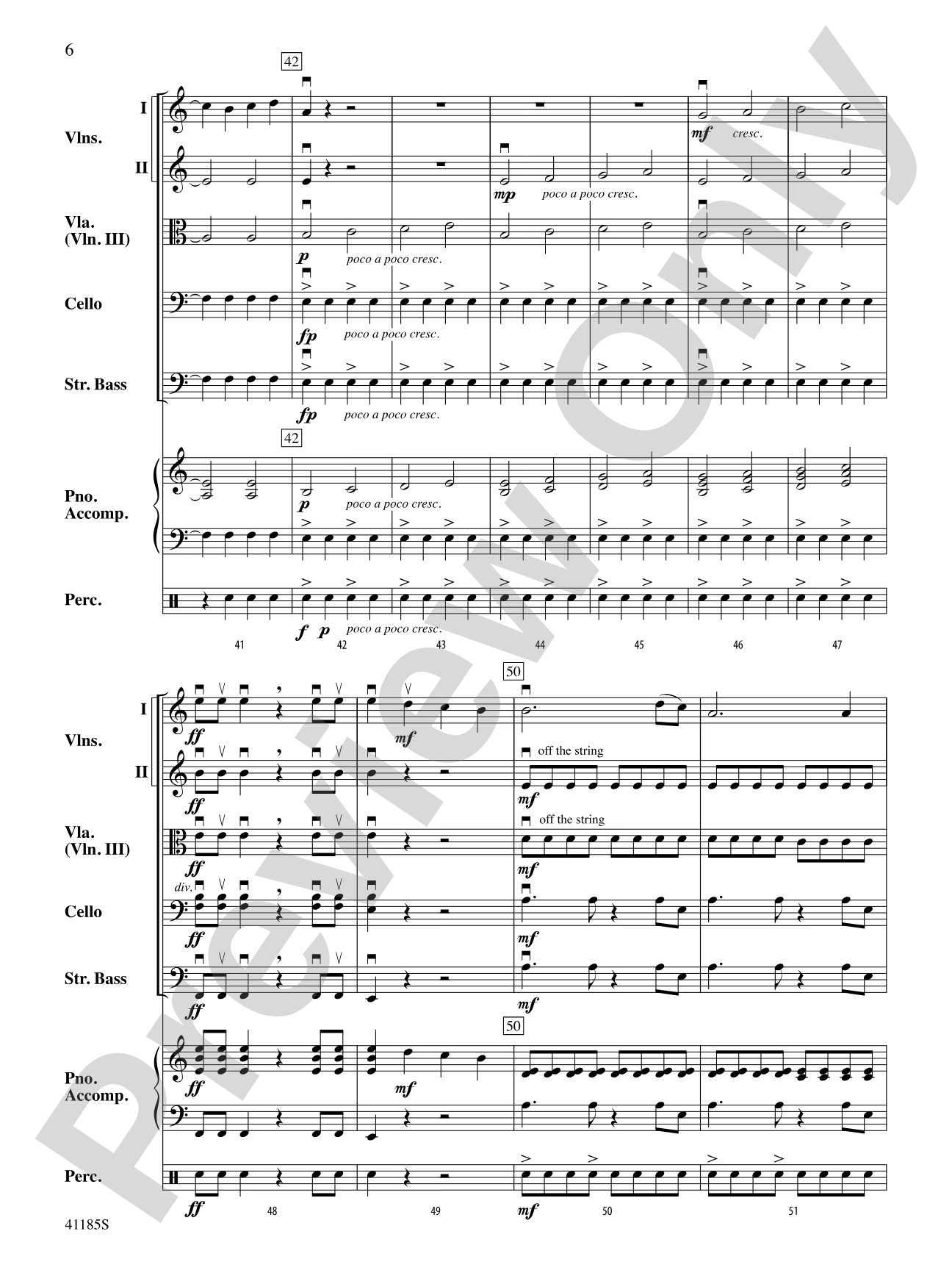
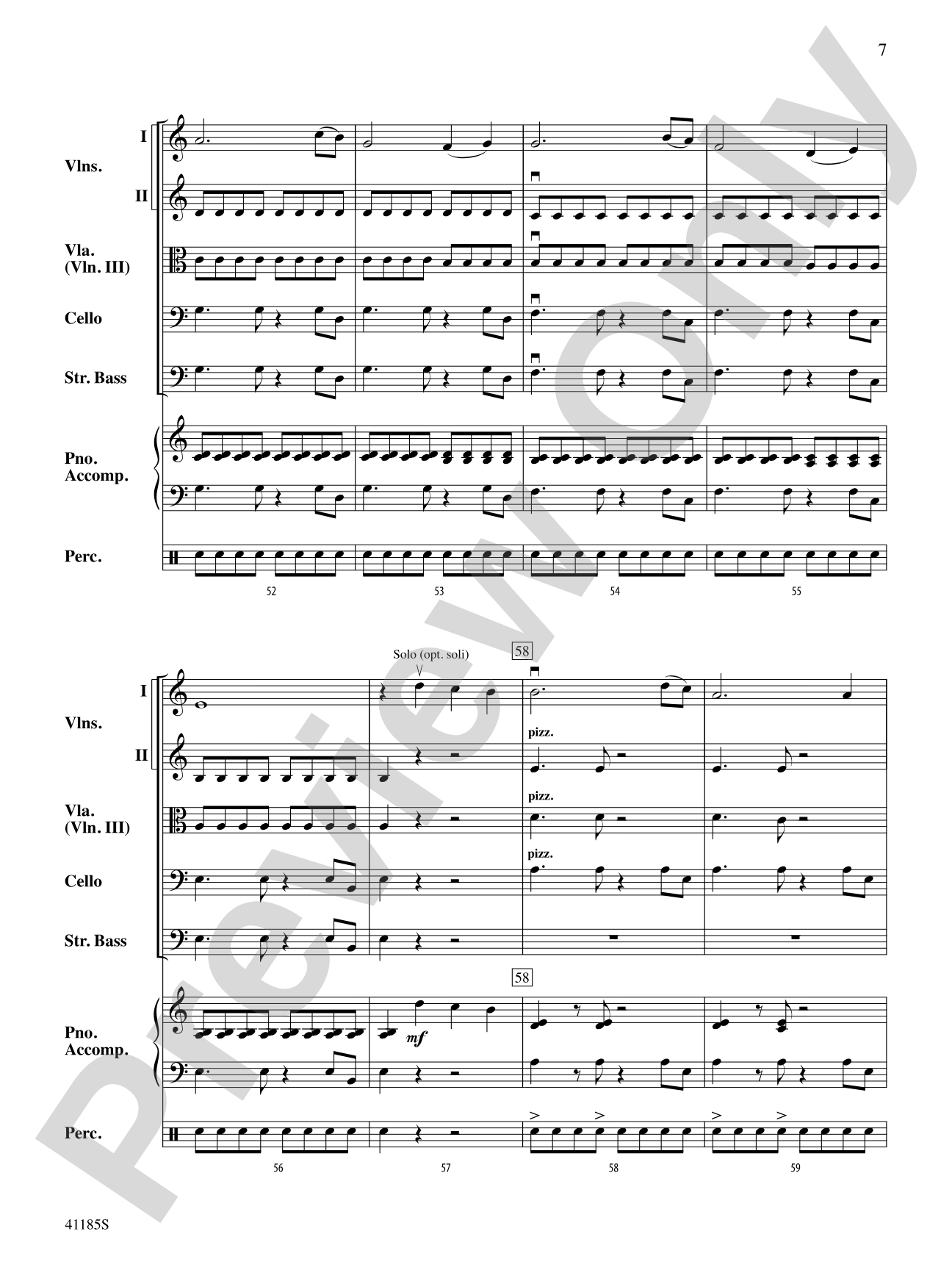
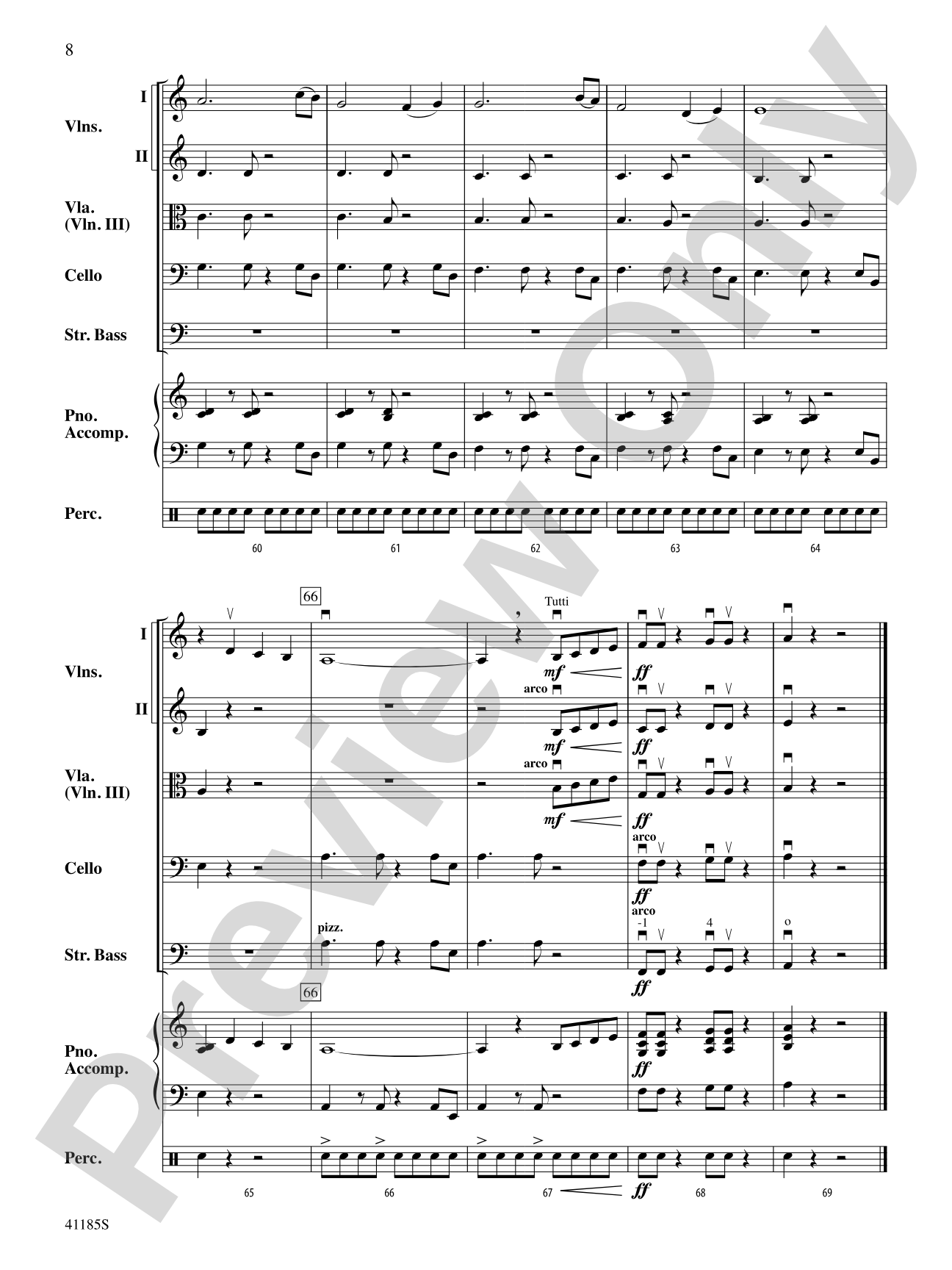

Nighthawk: String Orchestra Conductor Score & Parts
By Mike Kamuf
Grade: 1.5
Item: 00-PK-0006057

$49.00
Pickup currently not available
Buy Extra Parts (Digital PDF Download)
| Product | Price | Quantity |
|---|---|---|
| Nighthawk: Score | $6.00 | |
| Nighthawk: 1st Violin | $5.99 | |
| Nighthawk: 2nd Violin | $5.99 | |
| Nighthawk: 3rd Violin (Viola [TC]) | $5.99 | |
| Nighthawk: Viola | $5.99 | |
| Nighthawk: Cello | $5.99 | |
| Nighthawk: String Bass | $5.99 | |
| Nighthawk: 1st Percussion | $5.99 | |
| Nighthawk: Piano Accompaniment | $5.99 |
Parts Added to Cart!
Description
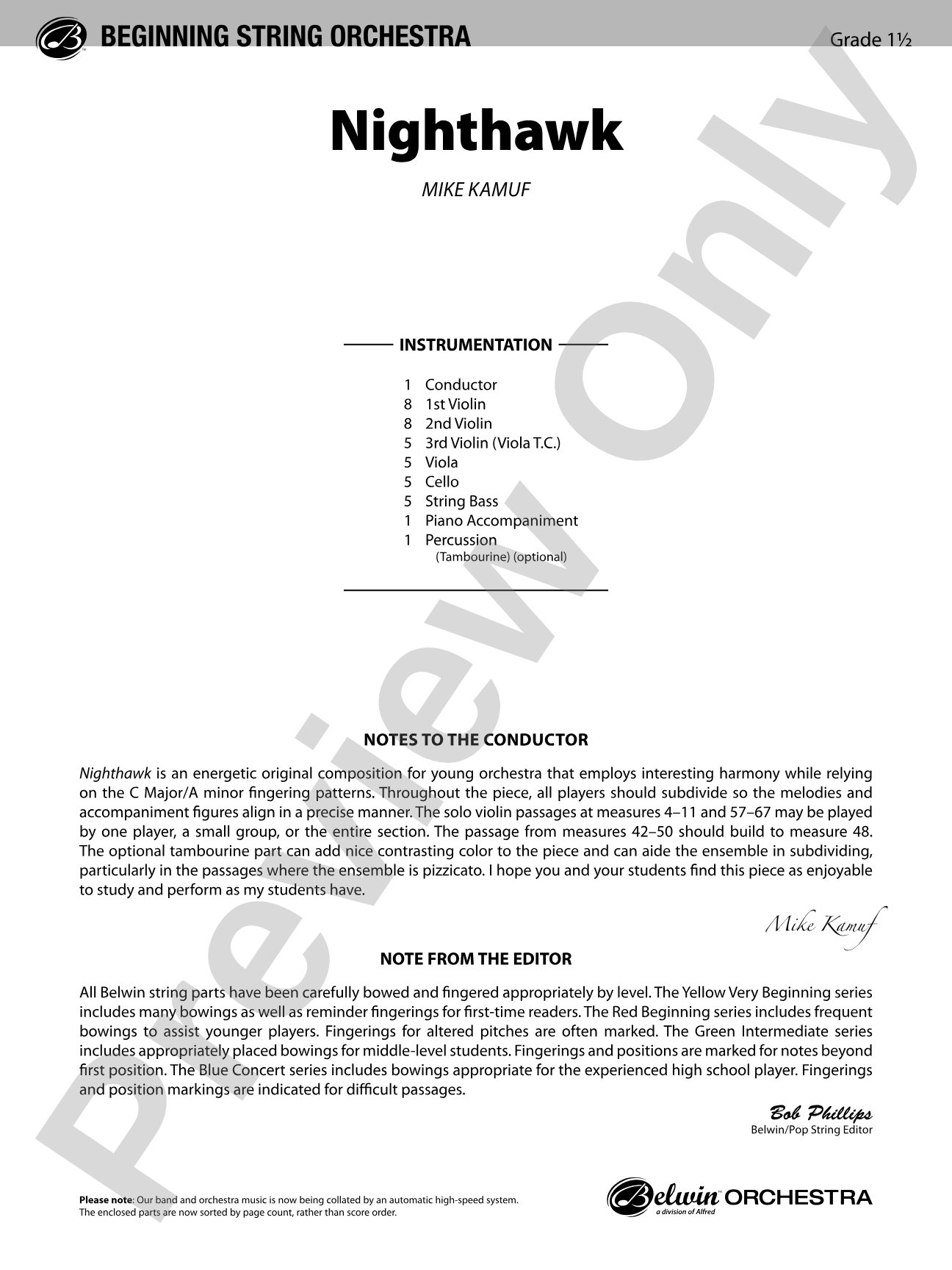
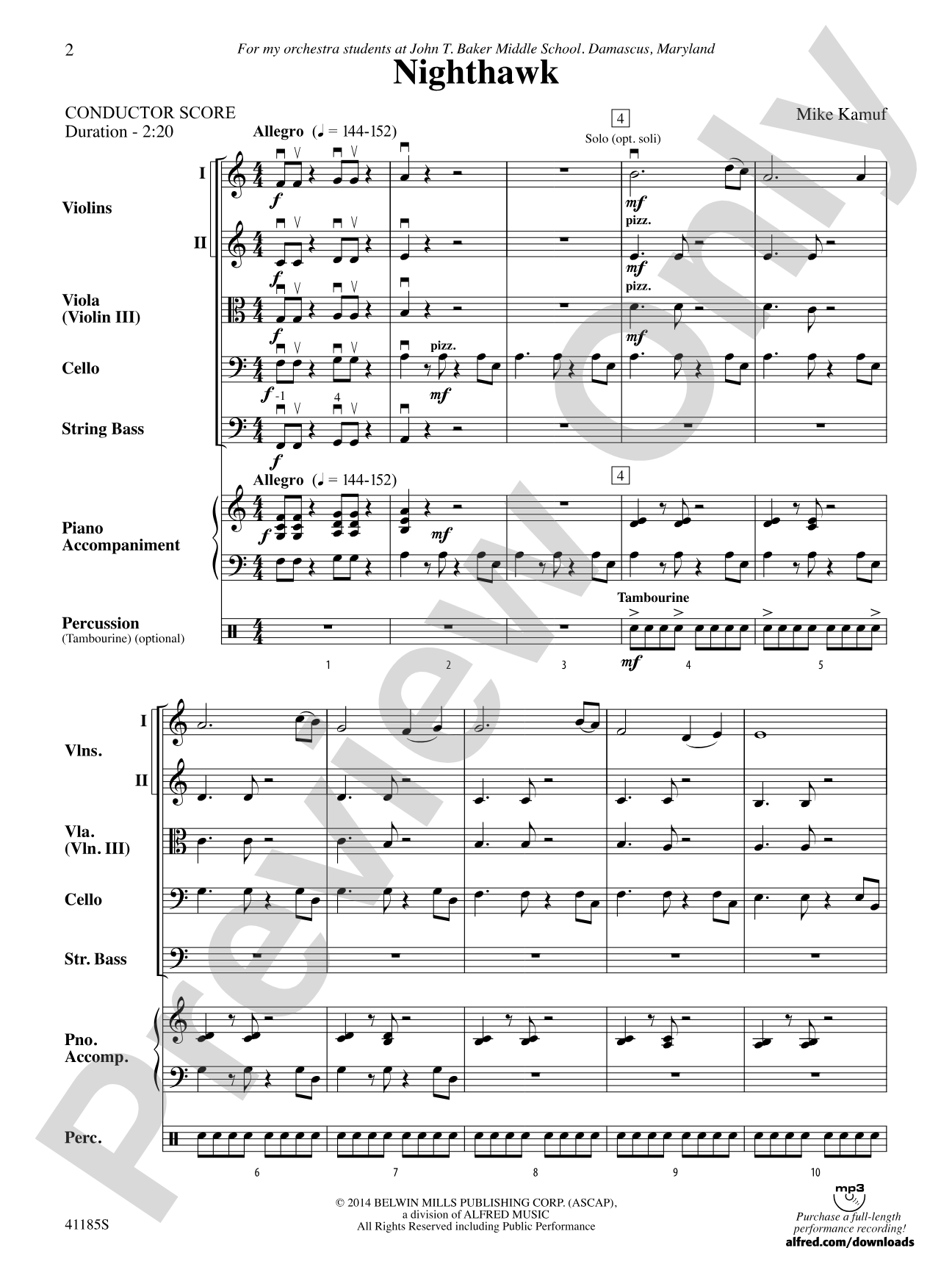
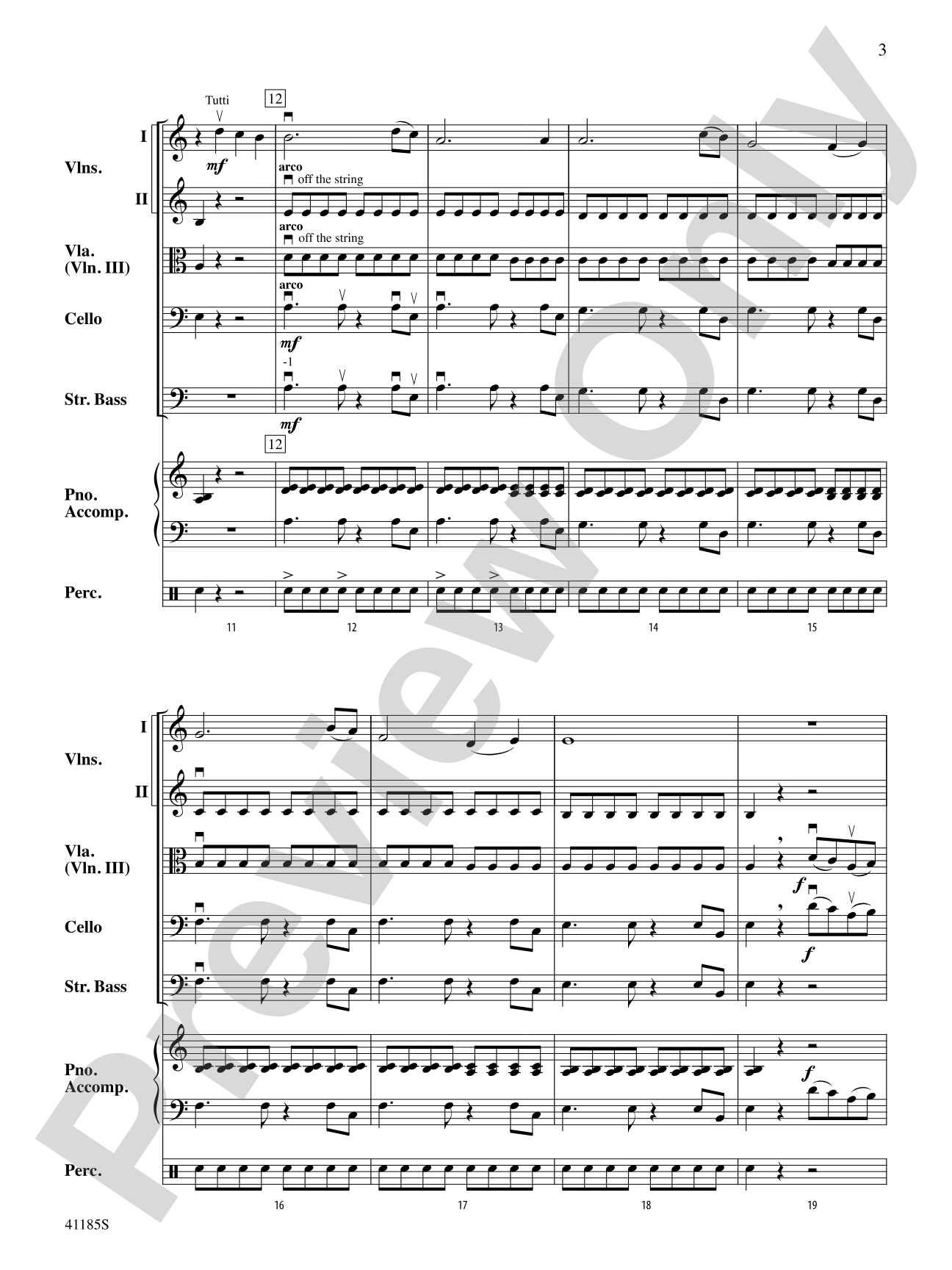
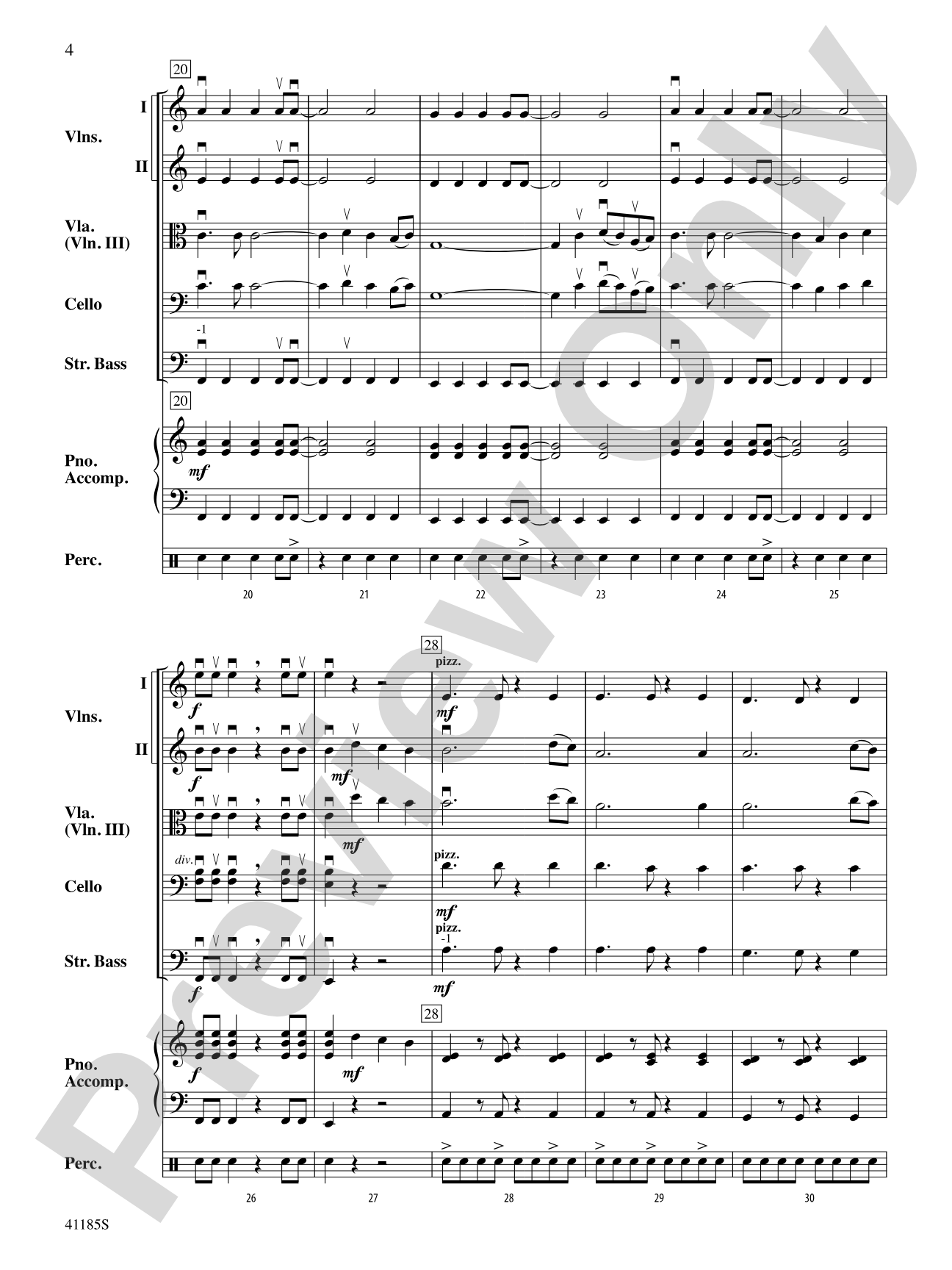
This energetic and interesting composition uses the C major/A minor fingering patterns and provides great practice in subdivision. It is a fun one to play and includes a solo/section violin feature and optional tambourine! (2:20) This title is available in MakeMusic Cloud.


Don't just read it, hear it, play along with it, and watch your students grow with it. In MakeMusic Cloud, Nighthawk: String Orchestra Conductor Score & Parts comes alive with professional accompaniment, adjustable tempo, and built-in practice tools that turn solo practice into real progress.
Open in the Player
Jump straight in and assign it today.
Start Your Free Trial
Open this title and explore the full library in minutes.
Sample Audio
1
Audio File
--:--
0:00
0:00
Sample Video
No sample videos found.
Additional Details
Series:
Belwin Beginning String Orchestra
Publisher:
Alfred Music
Page Count:
108
SKU:
00-PK-0006057
More about this title
Why we love this
Kamuf writes with real understanding of beginning string orchestras. The solo and section features give players individual moments to shine while the subdivision work strengthens the entire ensemble's precision without feeling like a technical exercise.
What to expect
Nighthawk moves with purpose and drive. The C major and A minor patterns anchor a composition that feels modern and engaging rather than overly simplified, with enough forward motion to keep the ensemble engaged and energized throughout its 2:20 duration.
Who it's for
Beginning string orchestras ready to tackle subdivision and rhythmic independence. Kamuf's Grade 1.5 writing gives students something genuinely fun to perform while building foundational skills.
How to get the most out of it
- Lock the tempo in your opening rehearsals by conducting the subdivisions clearly; students will follow the detailed rhythmic grid you establish.
- Balance the featured violin solo against the ensemble accompaniment by having the section players pull back slightly in volume during that passage.
- Bring out the tambourine as a textural accent rather than a background layer; it adds genuine energy when heard distinctly.
How to use it
Perfect as a strong opening number on a concert or festival performance where you want to demonstrate technical growth and ensemble confidence. The optional tambourine also makes it flexible enough to feature different instrumentation across multiple performances.
Skills your students will build
- Reading and maintaining subdivision in 4/4 time
- Navigating C major and A minor fingering patterns
- Playing section features and ensemble balancing
- Rhythmic independence and internal pulse awareness