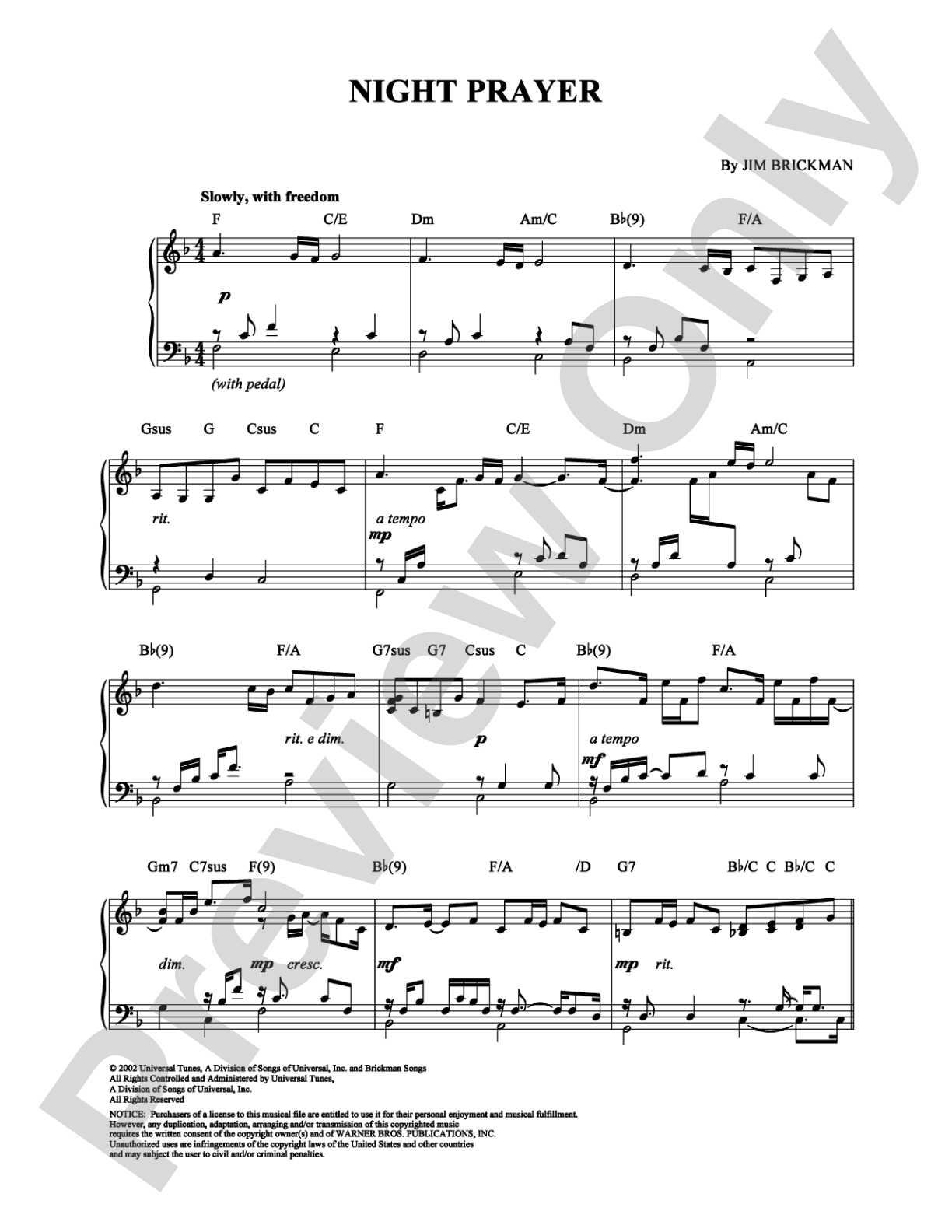
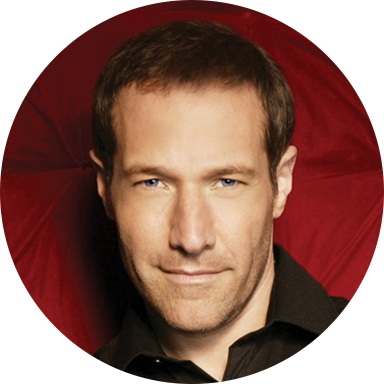
Jim Brickman stands among the most commercially successful solo pianists in contemporary music, known for composing songs that connect directly with listeners' emotional lives. His approach to instrumental storytelling has fundamentally shaped how modern audiences engage with piano-based music, moving the genre beyond concert halls into the fabric of popular culture.
Brickman's compositional philosophy centers on music as a vehicle for human experience. He writes with the explicit intention of accompanying life's pivotal moments—whether to calm, uplift, commemorate, or express love. This intentional emotional architecture has earned him a devoted following and made him a defining voice in adult contemporary instrumental music.
Why we love this
Brickman's accessible melodic writing speaks to pianists at multiple levels without sacrificing musical substance. The piece captures his signature blend of contemporary sensibility and genuine emotional depth, making it equally rewarding in a student recital or as part of a program highlighting adult contemporary composers.
What to expect
The piece unfolds with intimate reflection, the kind of quiet introspection that frames a moment of contemplation or peace. Brickman's harmonic language creates an atmosphere of gentle warmth, inviting the listener into a private musical space without sentimentality.
Who it's for
Pianists seeking contemporary repertoire that combines emotional accessibility with compositional craft will find this piece immediately engaging. It works equally well for intermediate-to-advanced students developing interpretive skills and for adult pianists exploring modern musical storytelling.
How to get the most out of it
Sustain the inherent lyricism of the melody by thinking through long phrases rather than individual measures; let the harmonic progression guide your phrasing naturally.
Balance the accompaniment texture so that it supports rather than overwhelms the primary melodic line.
Honor the reflective quality of the piece by allowing space in quieter passages; silence is part of Brickman's compositional language.
Experiment with subtle tempo flexibility in emotionally pivotal moments, letting the music breathe without losing structural integrity.
How to use it
Program this alongside other contemporary solo works to showcase the diversity of modern piano composition, or feature it in a recital exploring themes of stillness and reflection. It also serves as an excellent bridge piece between classical study and adult contemporary repertoire exploration.
Skills your students will build
Sustaining lyrical melodic lines across harmonic changes
Balancing melody and accompaniment texture
Interpreting contemporary harmonic language
Shaping musical phrases through tension and release
Developing expressive flexibility in contemporary contexts
You May Also Like
Scan to Complete Your Purchase
Use your phone's camera to scan the code below
You'll log in on your phone and the order will be added to your account