
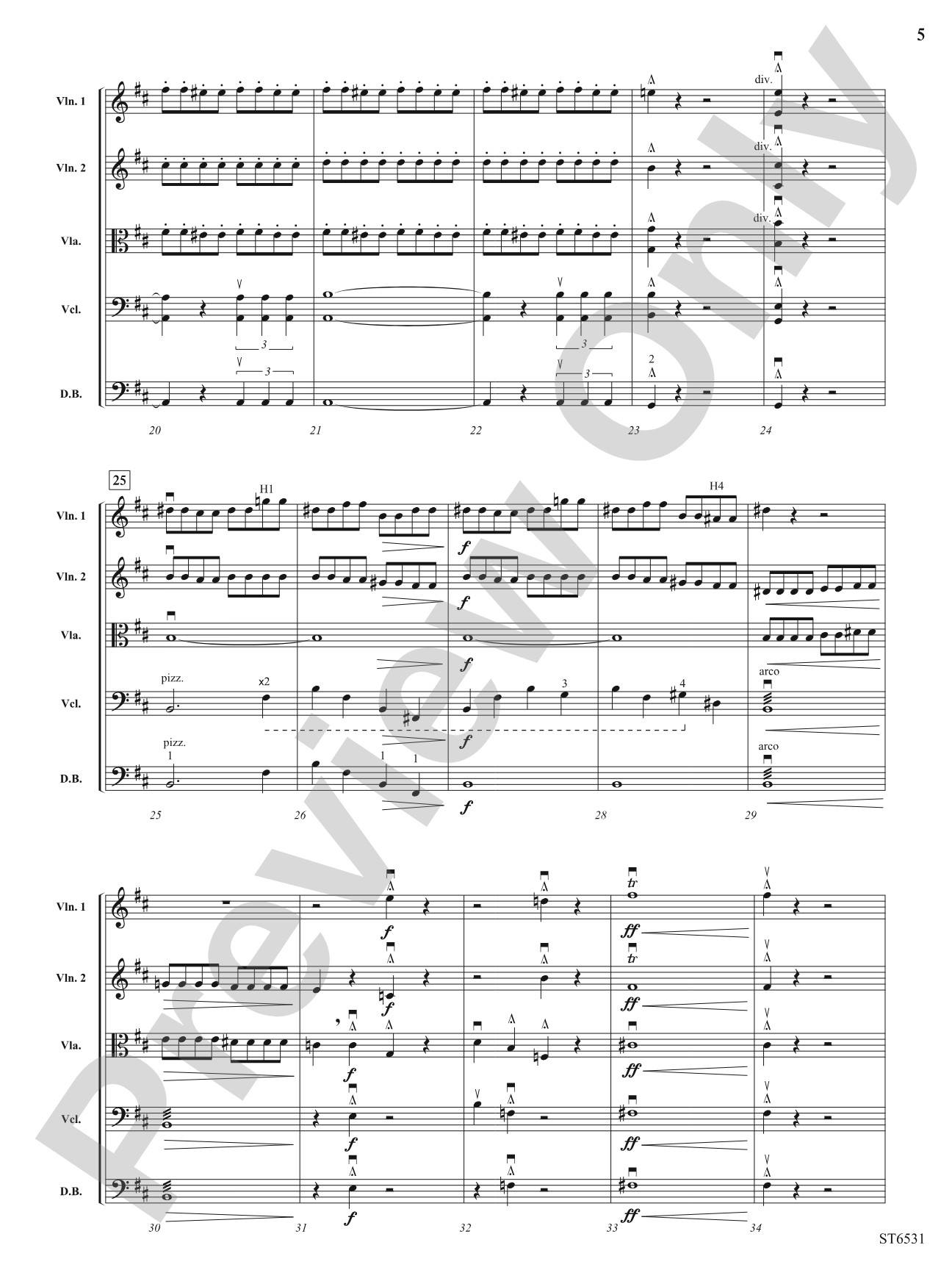
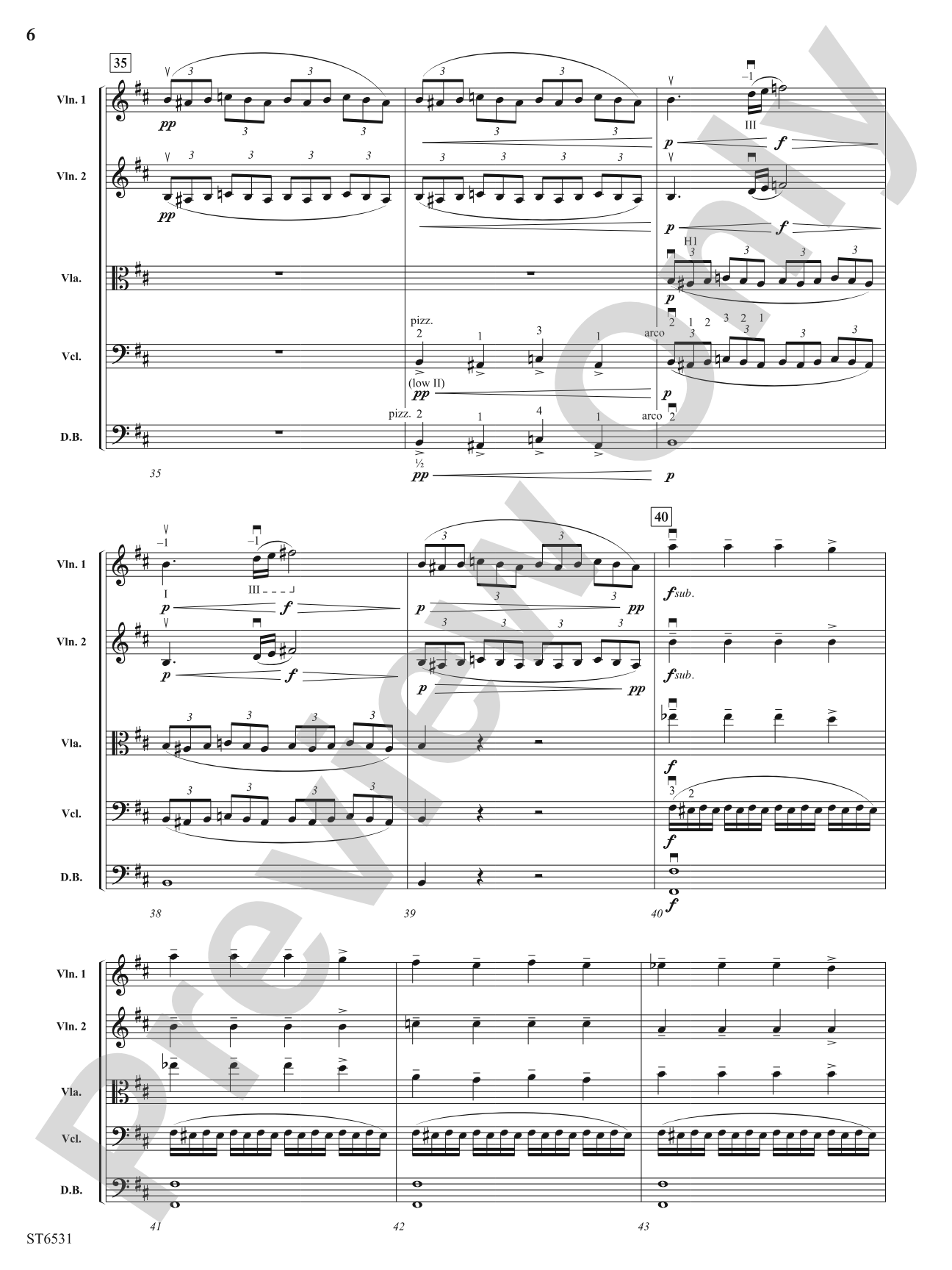
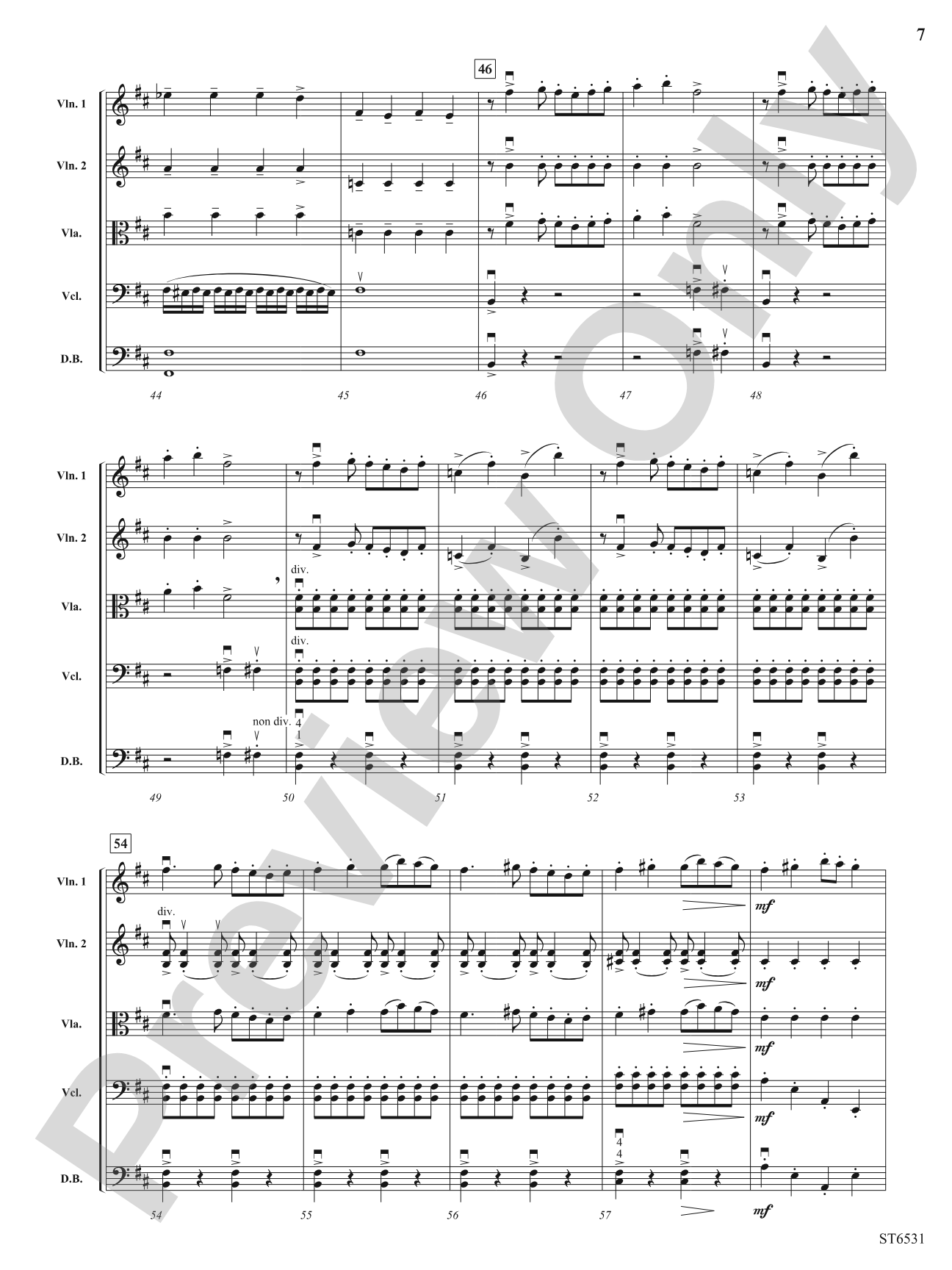
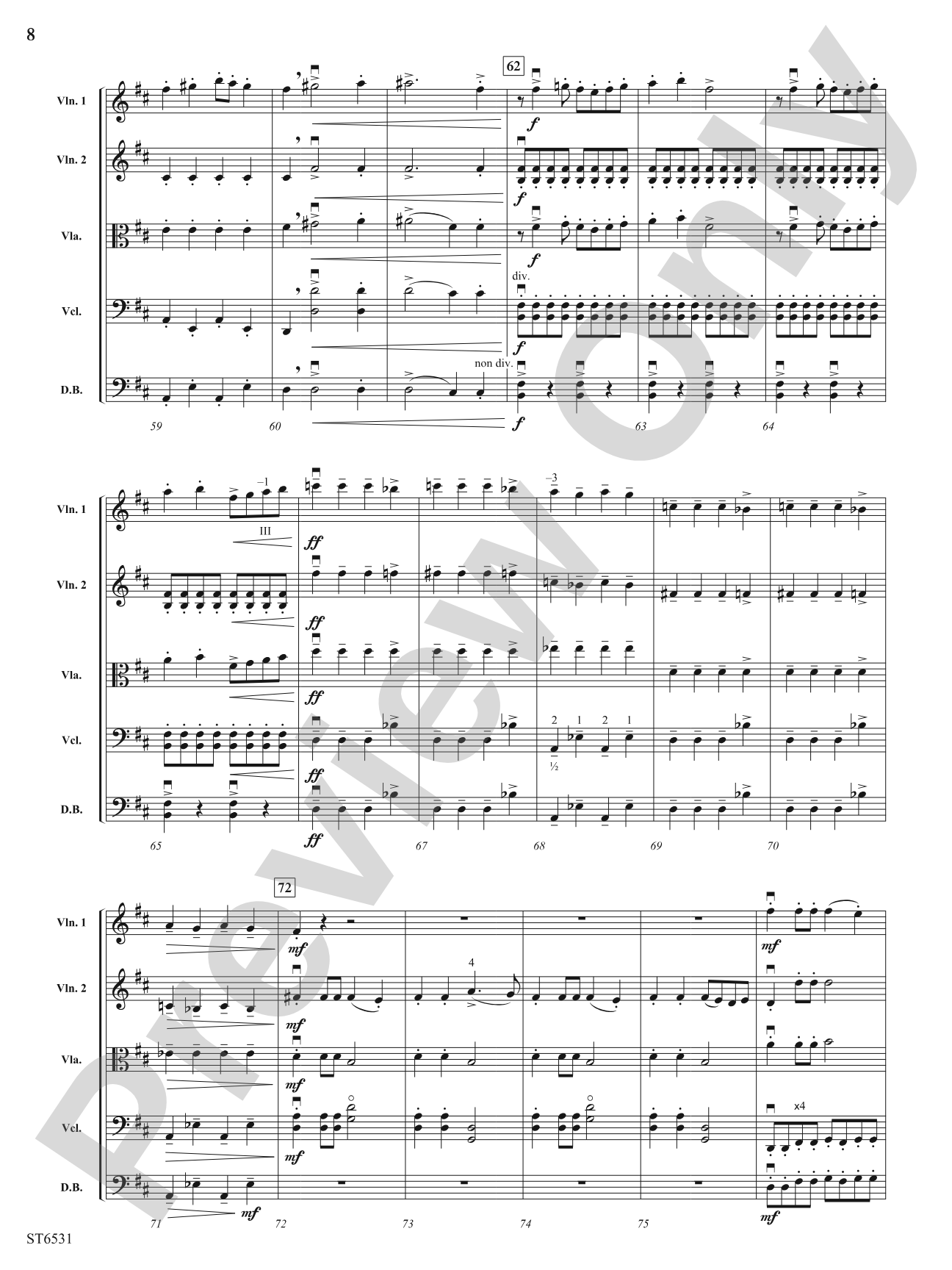
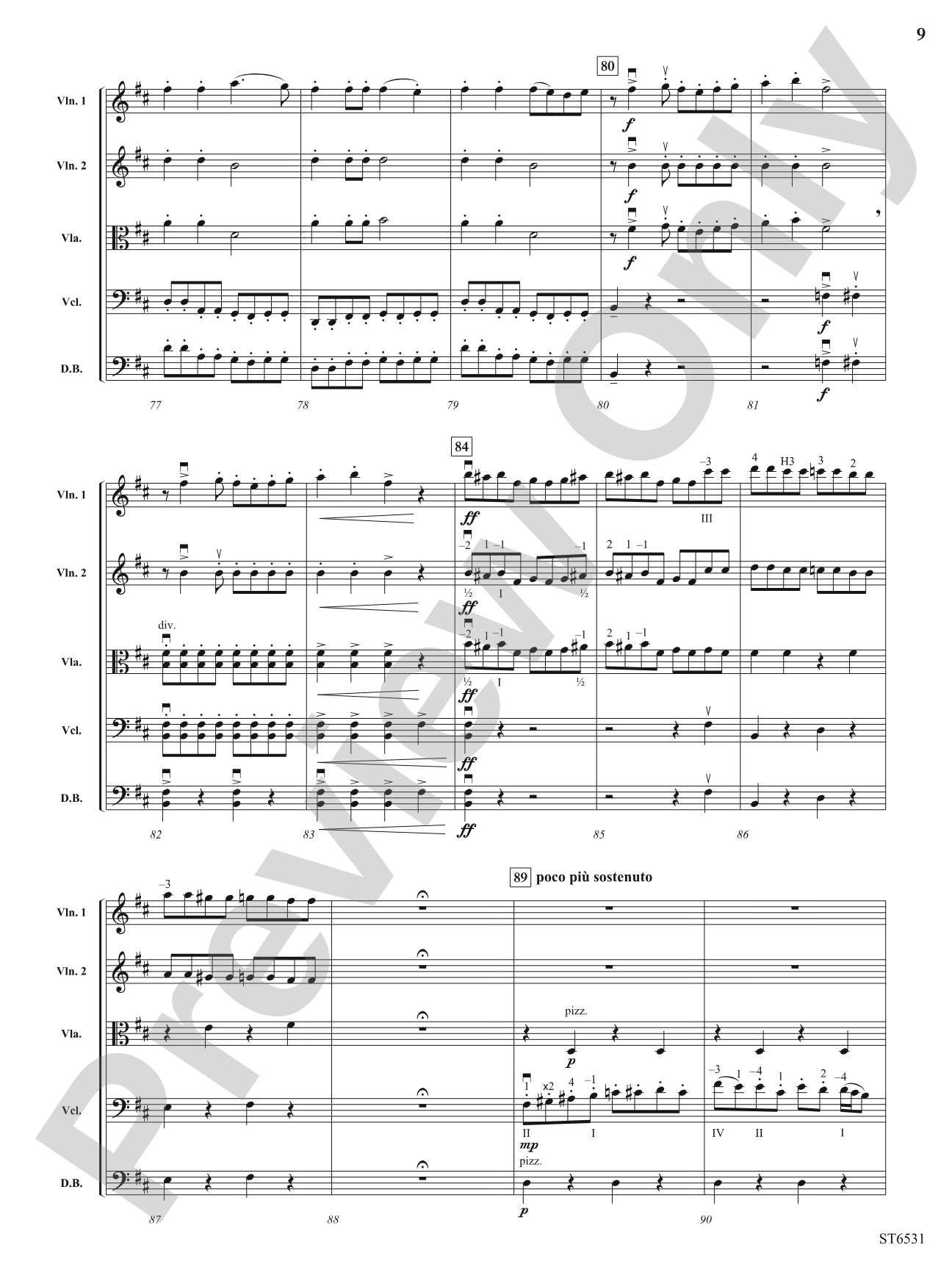
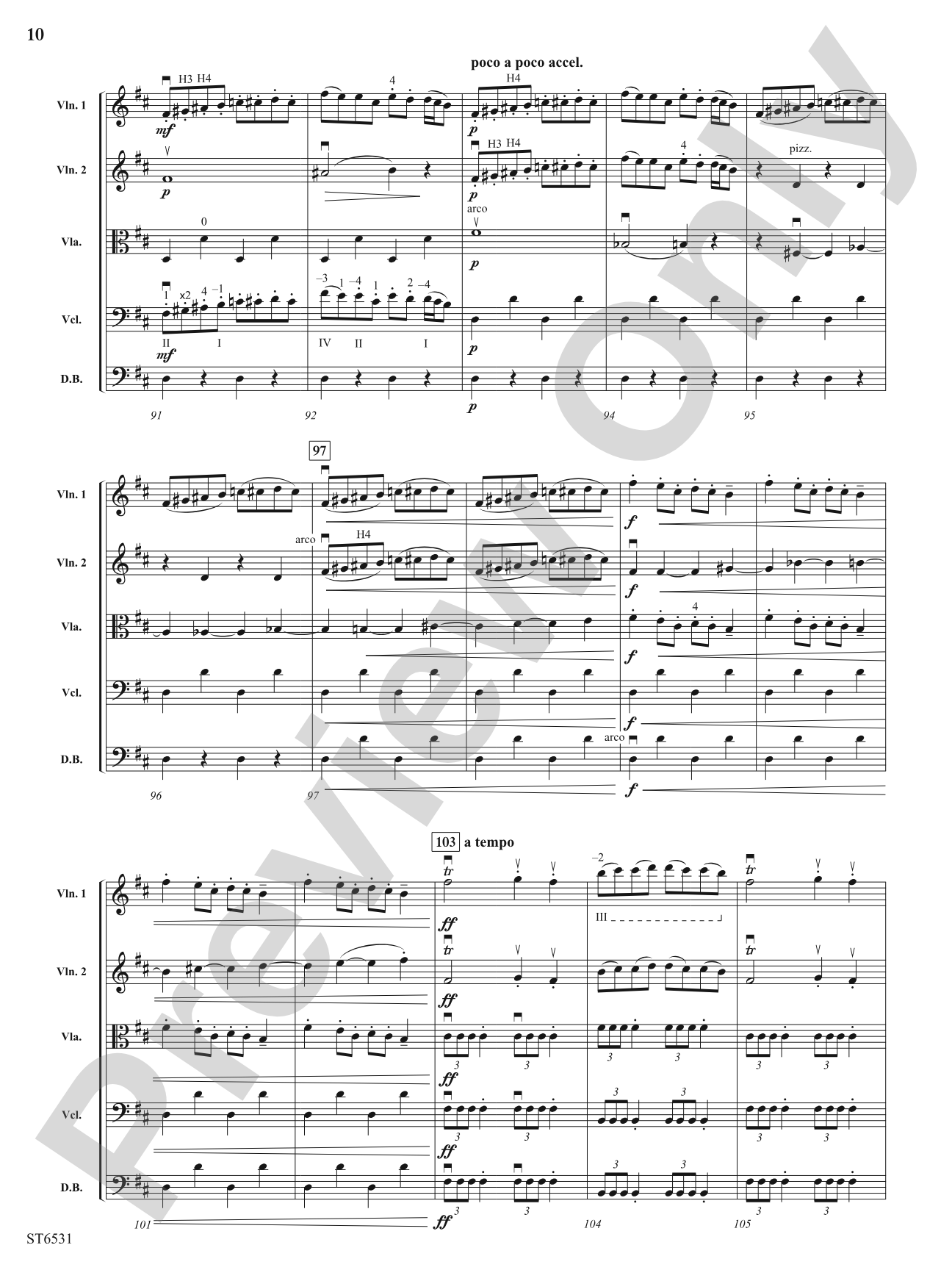
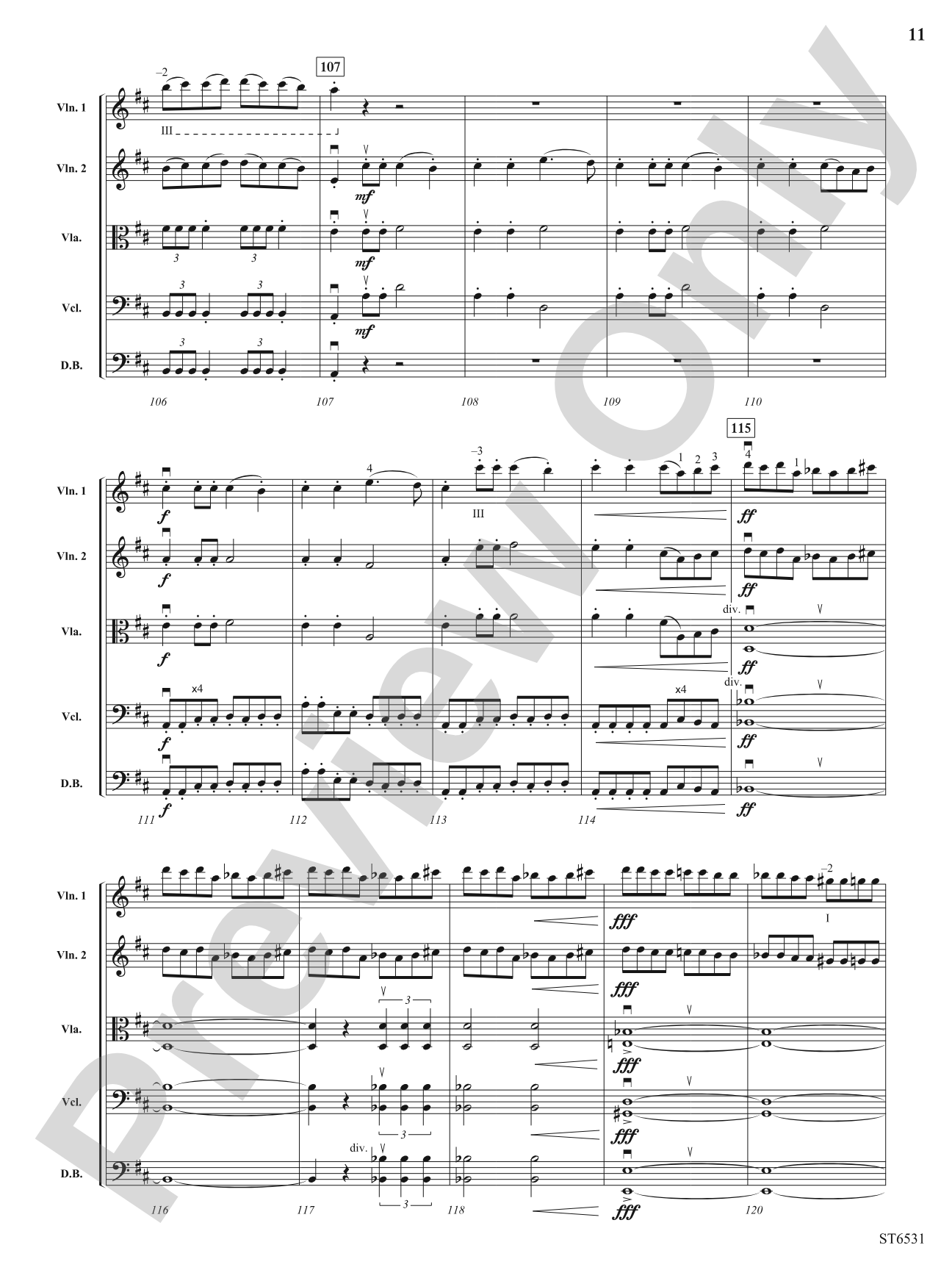
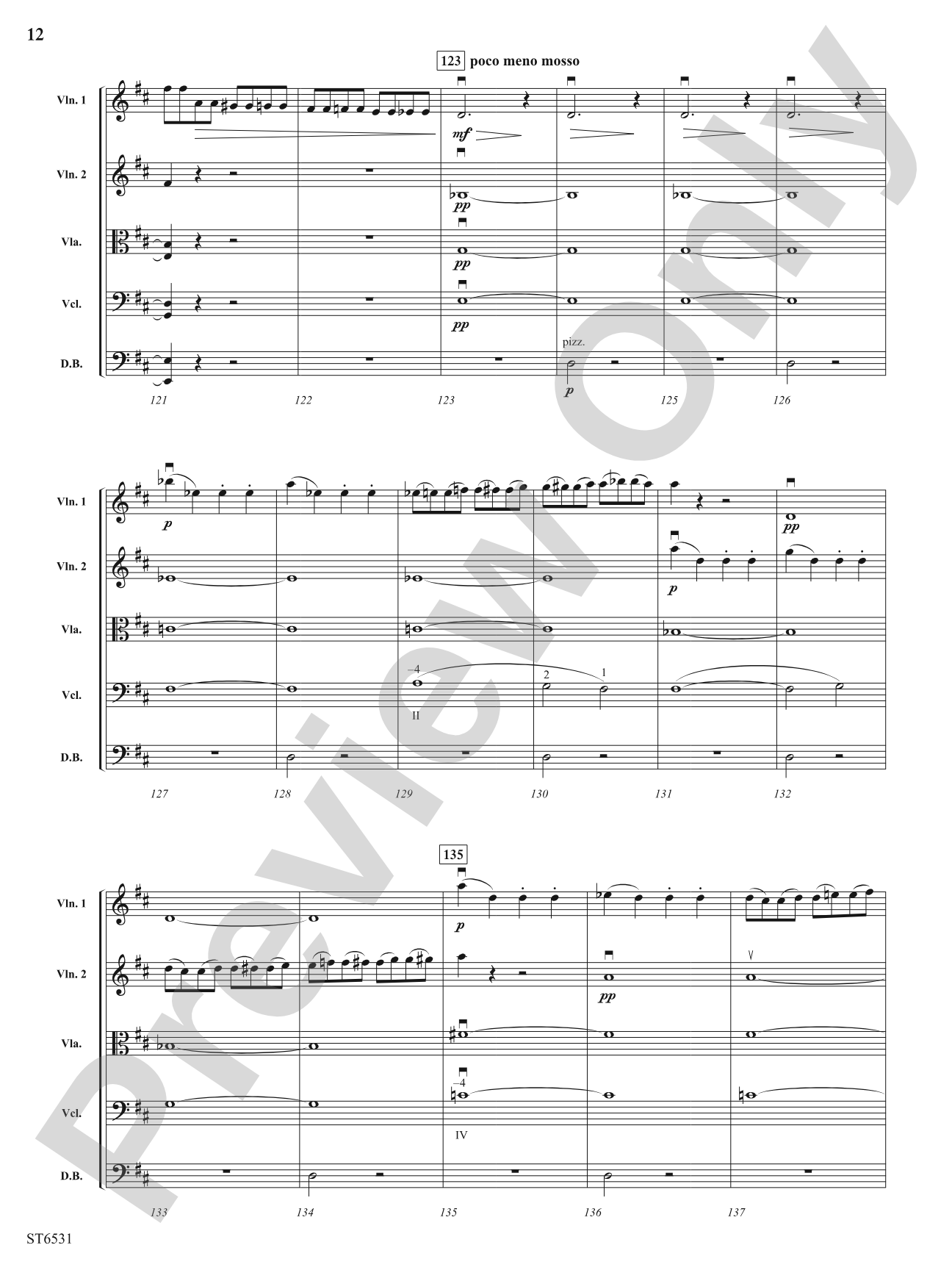
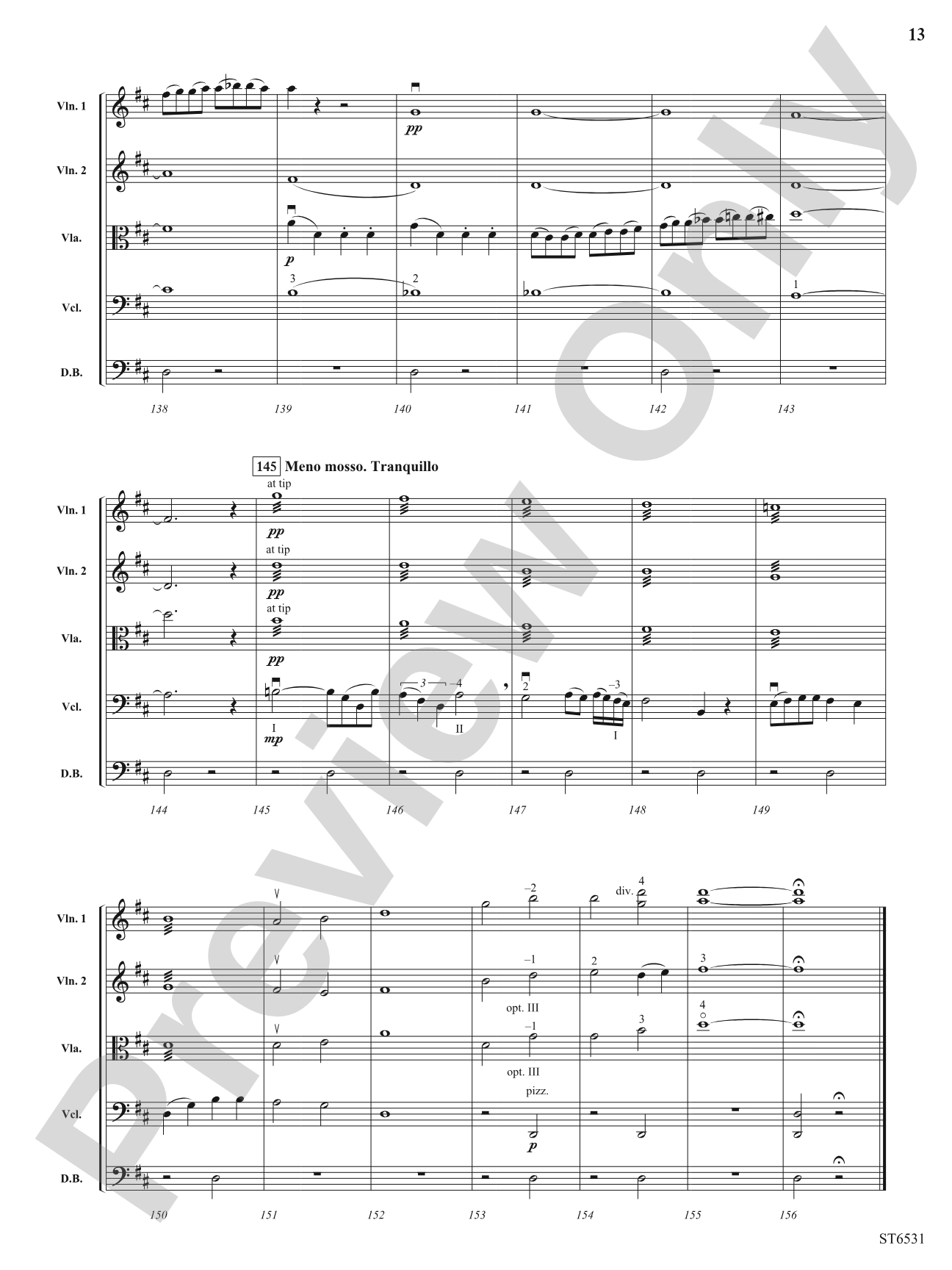

Night on Bald Mountain: Score
By Modest Mussorgsky / arr. Carrie Lane Gruselle
Grade: 3.5;4
Item: 98-DST6531S
$12.00
Pickup currently not available
Description
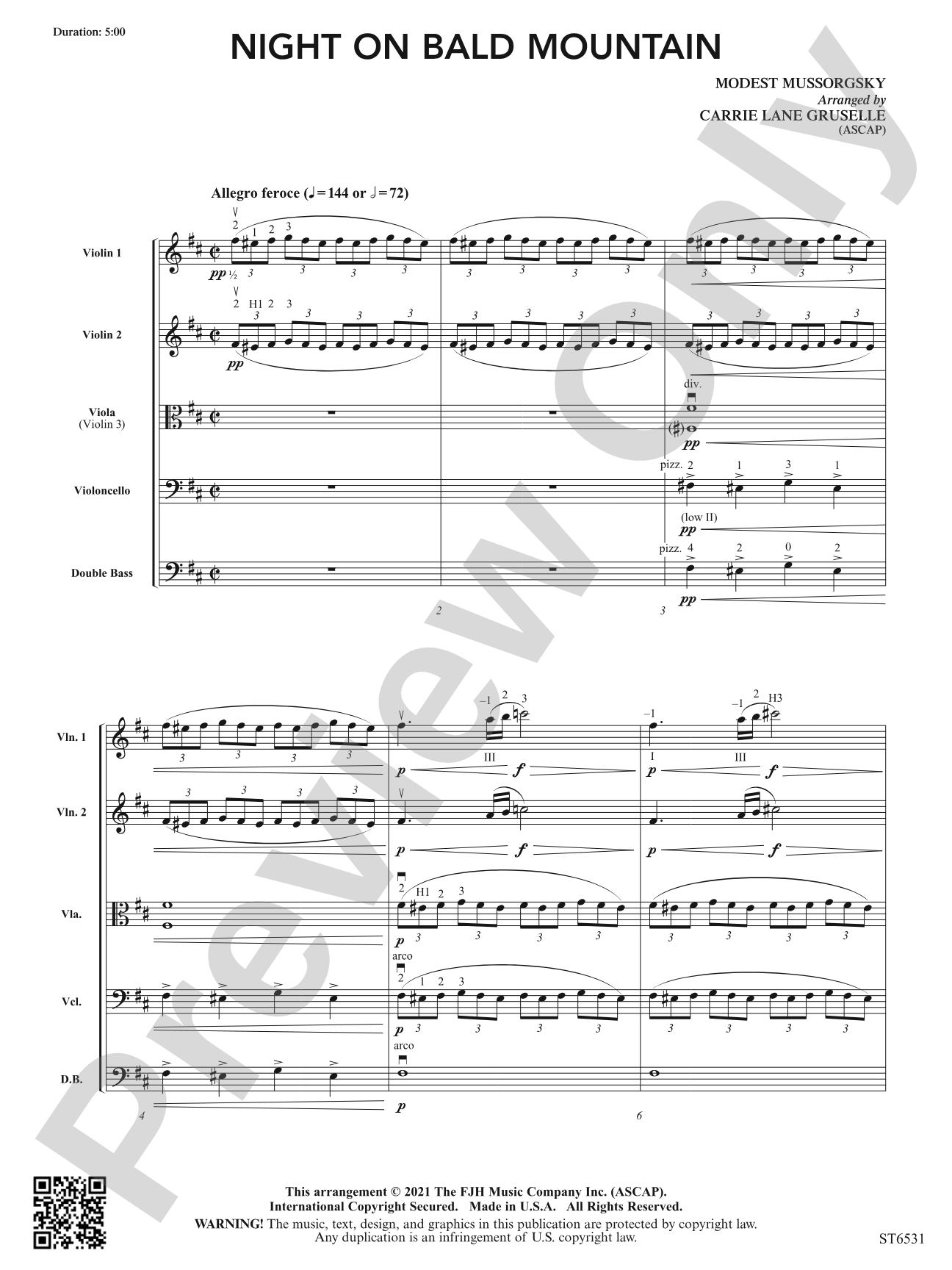
The opening eerie flutters and surges combine with the fiendish booming of the low strings in the iconic opening of this famous tone poem. Expertly arranged to sound remarkably authentic yet extremely playable, this setting offers the opportunity to explore one of the most well-known pieces in the repertoire.


Don't just read it, hear it, play along with it, and watch your students grow with it. In MakeMusic Cloud, Night on Bald Mountain: Score comes alive with professional accompaniment, adjustable tempo, and built-in practice tools that turn solo practice into real progress.
Open in the Player
Jump straight in and assign it today.
Start Your Free Trial
Open this title and explore the full library in minutes.
Sample Audio
1
Audio File
--:--
0:00
0:00
Sample Video
Additional Details
Series:
FJH String Orchestra
Publisher:
The FJH Music Company, Inc.
SKU:
98-DST6531S
More about this title
About the Composer: Modest Mussorgsky
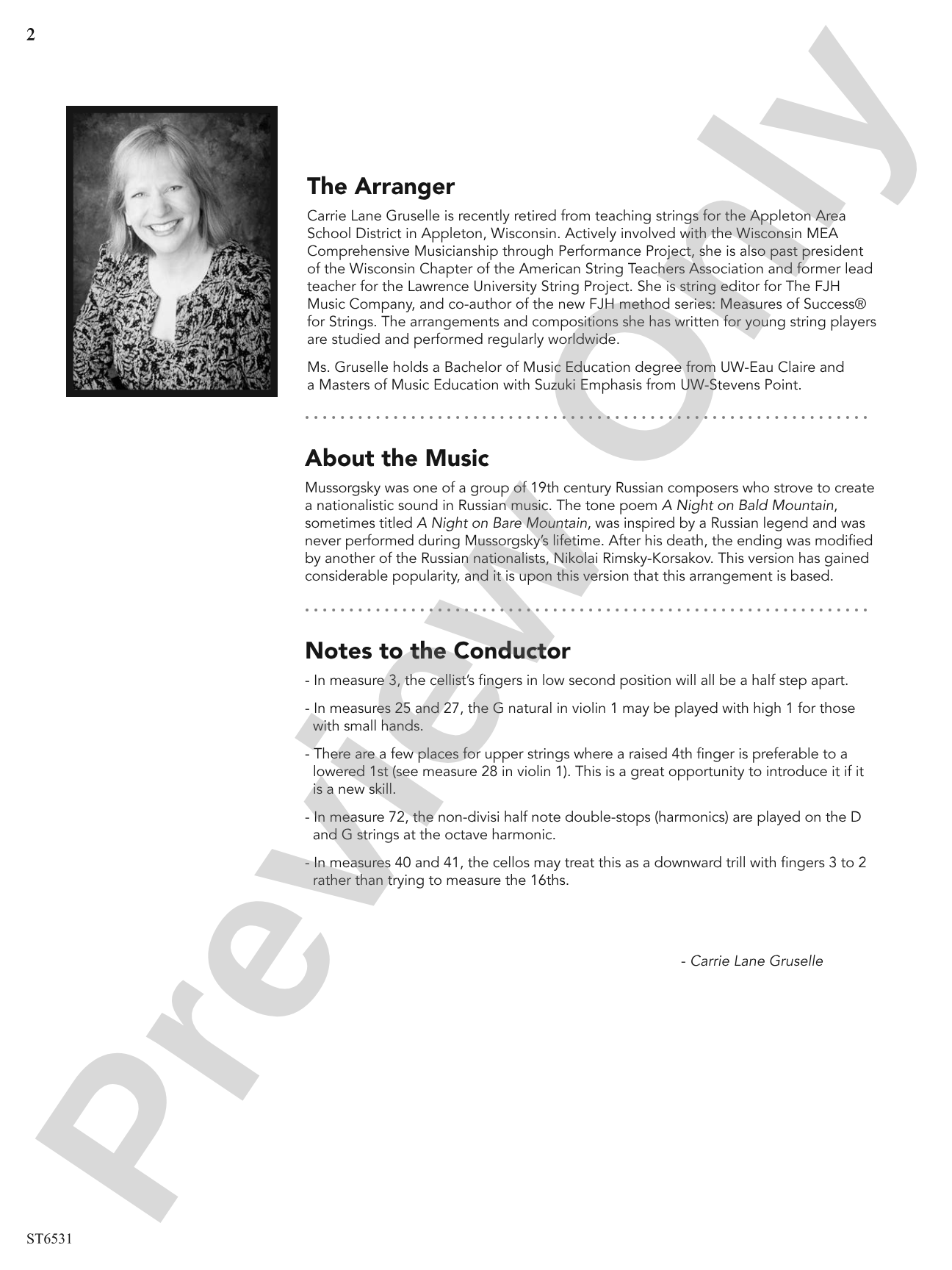
Modest Mussorgsky (1839-1881) stands among Russia's most distinctive voices in the 19th century, known for bold harmonic language and vivid orchestration that pushed beyond Western European conventions. Though his career was marked by personal struggle and incomplete works, his influence on orchestral color and nationalist music idioms proved immense, particularly through pieces that captured Russian folklore and supernatural imagery with unflinching originality.
Why we love this
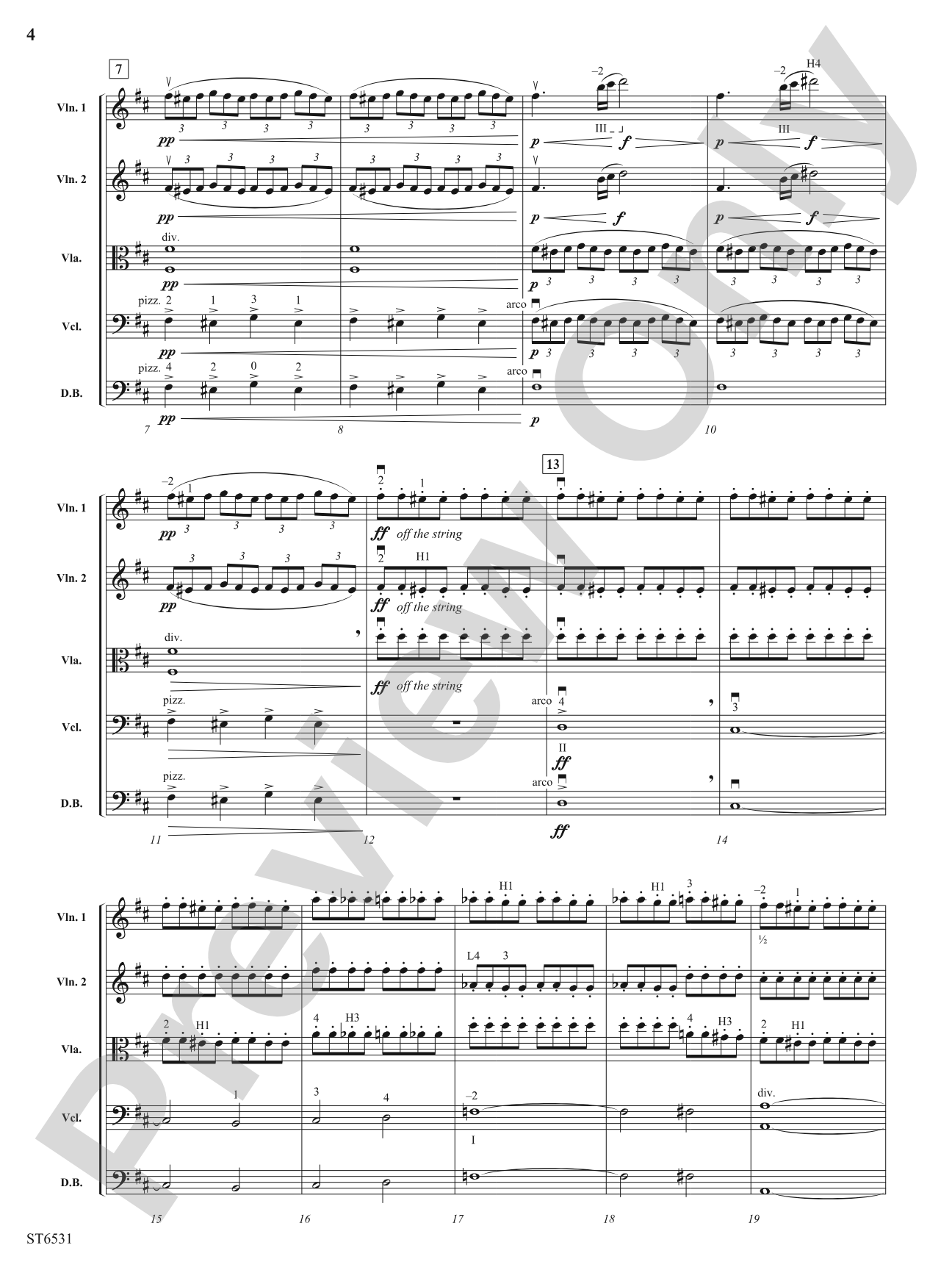
Carrie Lane Gruselle's arrangement captures the raw orchestral drama of Mussorgsky's original while respecting what string players can actually execute at this level. The eerie opening tremolo and the driving rhythmic momentum remain intact, giving students access to genuine repertoire recognition without overwhelming sectional technique.
What to expect
Restless and darkly theatrical, this setting opens with an unsettling shimmer before plunging into driving, almost relentless momentum. The combination of eerie textures and propulsive rhythms creates a sense of supernatural urgency that feels urgent without becoming frantic.
Who it's for
String orchestras at the intermediate level who are ready for a piece with serious dramatic stakes and genuine concert appeal. This arrangement works for groups where musicians have solid intonation and can manage sustained playing with dynamic control.
How to get the most out of it
- Shape the opening tremolo with dynamic precision. The fluttering figures need clear attacks on the entrances, then consistent tone quality as the tremolo sustains underneath.
- Balance the low string 'booming' so it reads as menacing rather than muddy. Violas and cellos need definition even when doubling the bass line.
- Emphasize rhythmic unanimity in passages where the sections move together. Mussorgsky's drive depends on collective pulse, not individual part independence.
- Use slight rubato to underscore the supernatural quality, especially during transitions between sections, but always anchor back to the conductor's downbeat.
How to use it
This works beautifully as a concert opener that immediately captures audience attention, or as the dramatic centerpiece of a program exploring tone poems and character pieces. Consider pairing it with works that contrast in mood and tempo to showcase the range of your ensemble's capabilities.
Skills your students will build
- Tremolo technique with rhythmic clarity and sustained tone quality
- Balancing multiple harmonic layers while maintaining ensemble blend
- Executing rapid dynamic shifts and dramatic tempo control with the conductor
- Interpreting programmatic music through orchestral color and phrasing