Night and Day Cover Image

Night and Day: Vocal Solo with Jazz Ensemble Conductor Score

$11.00 USD
Sale price  $11.00 USD Regular price 
Skip to product information
Night and Day Cover Image

Night and Day: Vocal Solo with Jazz Ensemble Conductor Score

Words and music by Cole Porter / arr. Dave Wolpe

Grade: 3.5 (Medium)

Item: 00-29807S

$11.00
Shipped

One moment…

Description
Night and Day never sounded so good! Solo vocal with jazz ensemble arranged in the Sinatra style with a tenor sax solo and supurb ensemble writing. Arranged in two keys for vocal flexibility---just flip the page for the best vocal key. Vocal solo range: female (low) key of C---G below middle C to 3rd space C; male (high) key of E-flat---B-flat below middle C to top space E-flat, treble clef. An excellent chart. (3:36)

Night and Day: Vocal Solo with Jazz Ensemble Conductor Score isn't in MakeMusic Cloud just yet...but it could be. Let us know you'd like to see it, and you'll help shape what comes next. In the meantime, start a free trial and dive into thousands of interactive titles your students can play along with today.

Sample Pages

Sample Audio
0:00
0:00
Sample Video
Additional Details
Series: Jazz Vocal Series
Publisher: Alfred Music
Page Count: 32
UPC: 038081314846
SKU: 00-29807S

More about this title

About the Arranger: Dave Wolpe
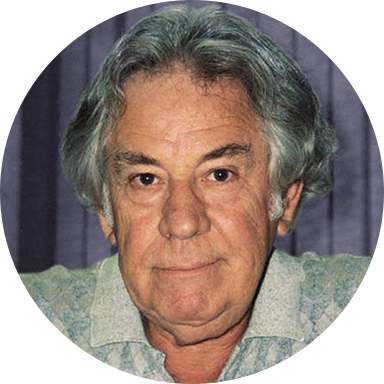
Dave Wolpe

Dave Wolpe began his career in arranging during the 1960s and has spent decades crafting big band charts for some of the most storied orchestras in American music history. His work with the Glenn Miller Orchestra and his role as co-arranger on the platinum-selling In the Christmas Mood demonstrate his command of classic swing style and ensemble writing. Beyond these flagship projects, Wolpe has contributed arrangements to the orchestras of Ray Anthony, Lawrence Welk, and Les Brown, earning recognition as a trusted voice in the traditional jazz and swing repertoire.

Why we love this

Wolpe's handling of this Sinatra-style arrangement honors the song's elegance while giving your jazz ensemble genuine soloistic weight through the tenor sax feature and sophisticated ensemble voicing. The dual-key format means you can actually use this chart with multiple singers across a season or showcase different vocalists without transposing on the fly. It's the kind of straightforward, singable arrangement that reminds students why standard repertoire endures.

What to expect

Smooth and sophisticated, with the unhurried swing of a late-night club set. The ensemble writing sits elegantly behind the vocal line, never overwhelming it, while the tenor sax solo captures that classic mid-century jazz soloist energy that makes the whole piece feel alive and conversational.

Who it's for

Jazz ensembles with a featured vocalist who can navigate swing phrasing and work comfortably in either treble range. Directors looking for a standard-repertoire vehicle that feels current and polished without requiring extensive rehearsal time will find this chart delivers immediately.

How to get the most out of it

  • Establish the rhythm section pocket early in rehearsal. The ensemble write depends on locked time from bass and drums, so isolate those voices before layering in reeds and brass.
  • Give your tenor sax soloist space to breathe during their feature. Wolpe's voicing underneath supports without crowding, so resist the urge to push the ensemble volume during this section.
  • Work the vocal phrasing with jazz vocabulary in mind. This is Sinatra's territory; encourage your singer to shape phrases with rhythmic flexibility rather than strict metronomic placement.
  • Confirm your vocal soloist's comfortable key before parts are printed. The range shift between C and E-flat is significant, and choosing wrong undermines an otherwise excellent chart.

How to use it

This works beautifully as a concert closer or as the anchor of a dedicated jazz vocal showcase. The 3:36 length and polished Sinatra styling make it an ideal pairing with other standards or contemporary jazz vocals, and it reads as sophisticated enough for formal concert settings while remaining accessible to audiences unfamiliar with jazz ensemble repertoire.

Skills your students will build

  • Swing phrasing and rhythmic flexibility in ensemble contexts
  • Reading and executing jazz ensemble voicing with precision
  • Supporting a featured soloist while maintaining ensemble cohesion
  • Balancing dynamic control across reeds, brass, and rhythm section
  • Listening and responding to a vocalist's phrasing and interpretation

You May Also Like