
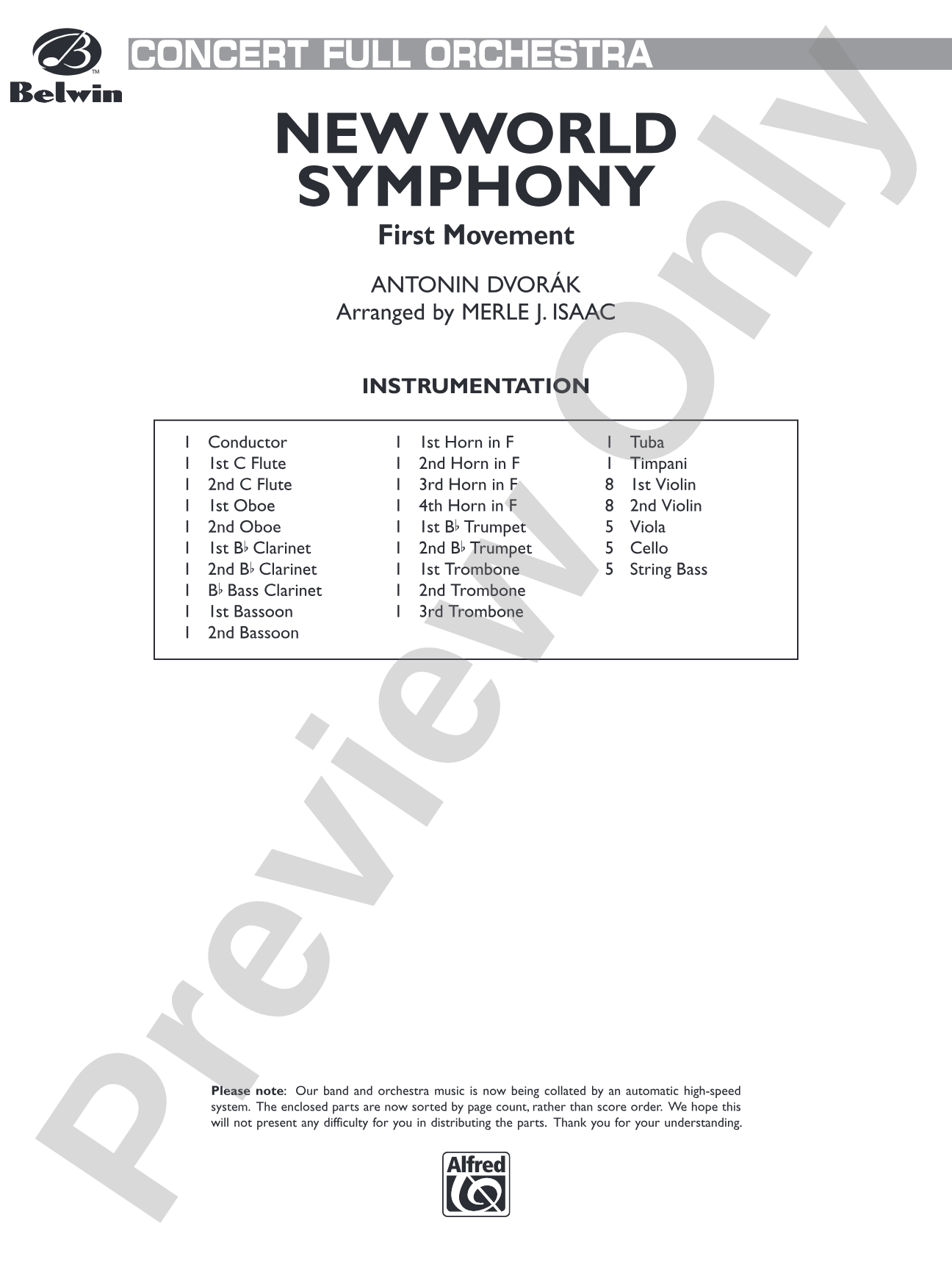
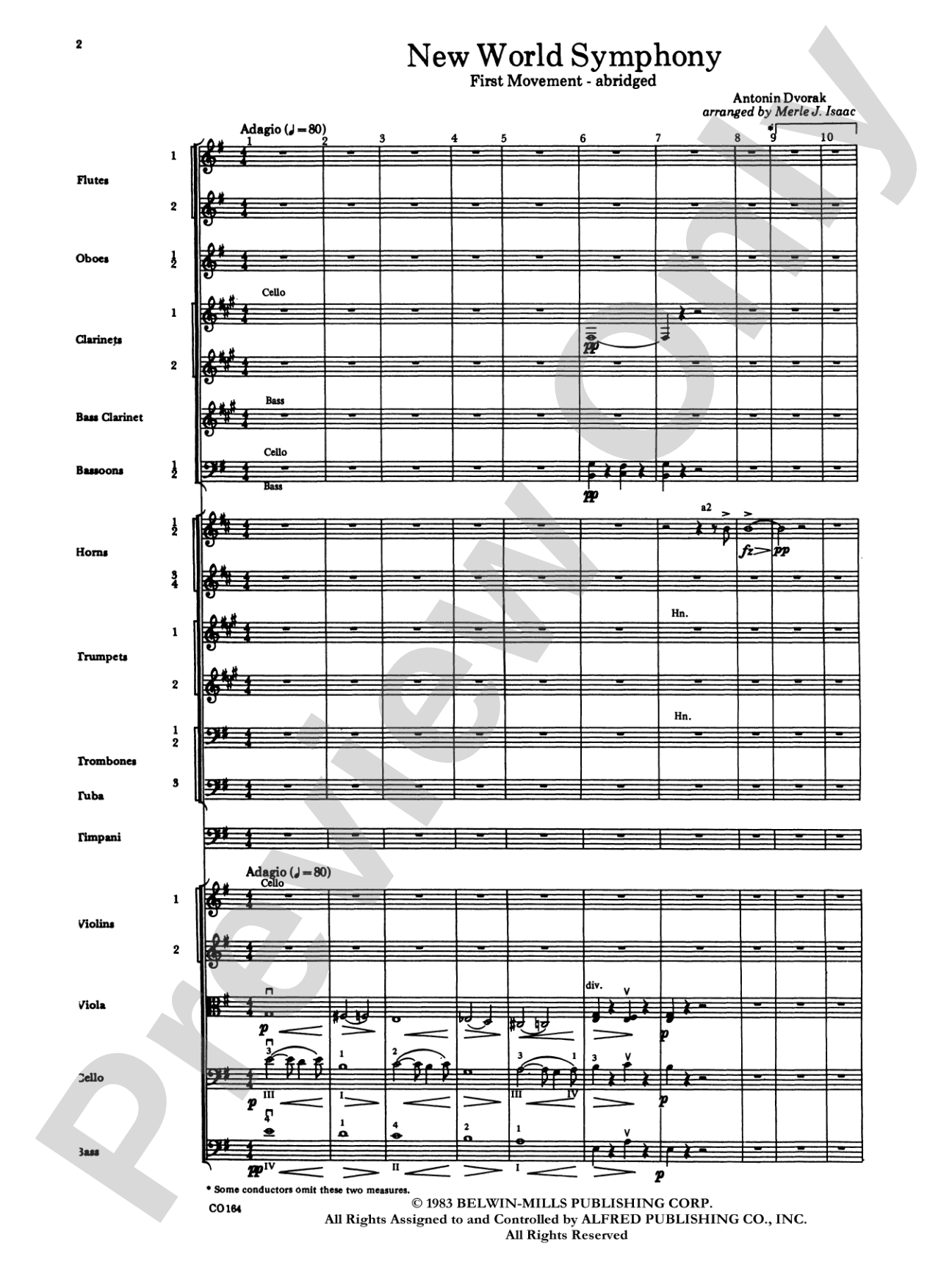
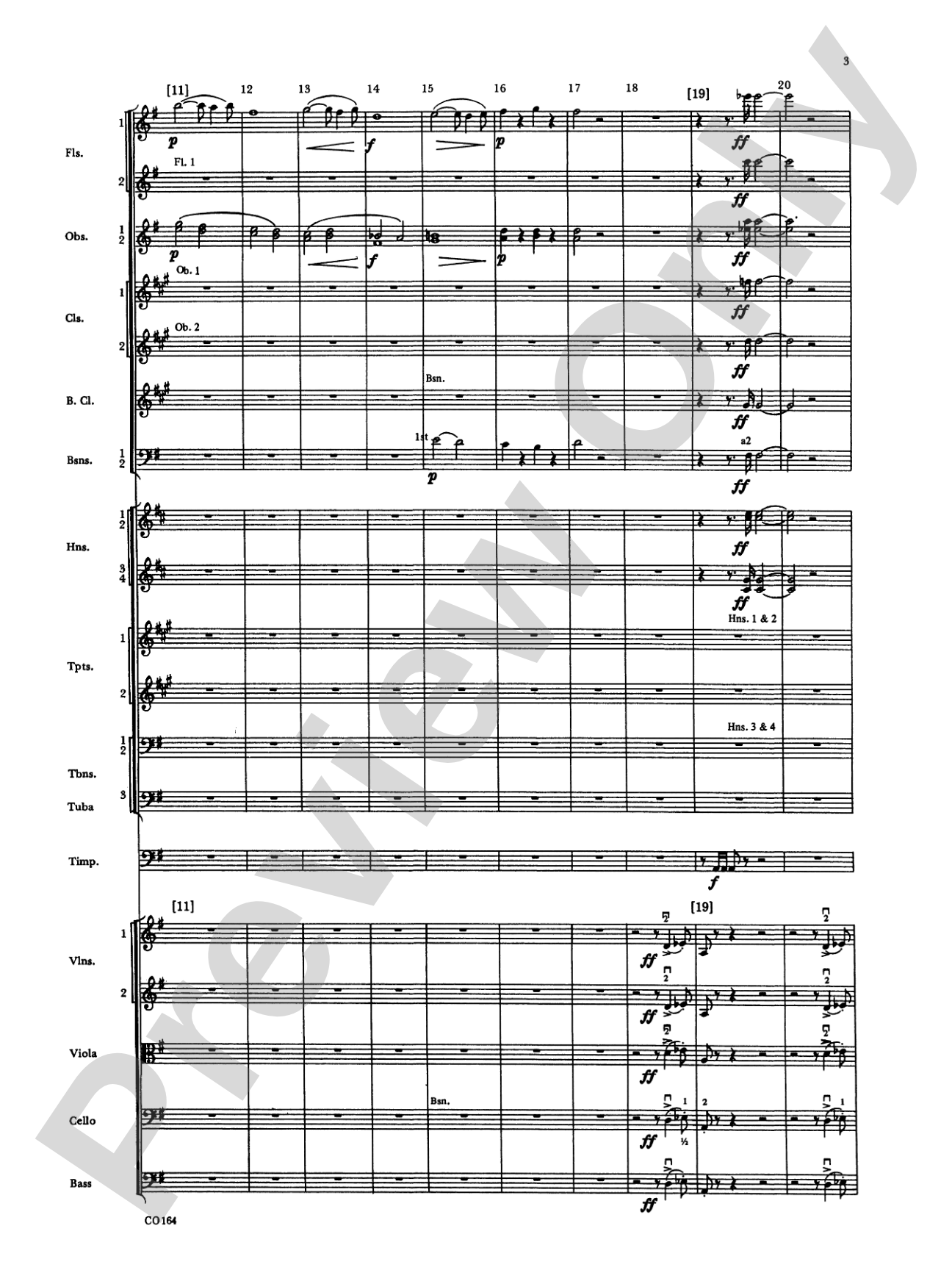
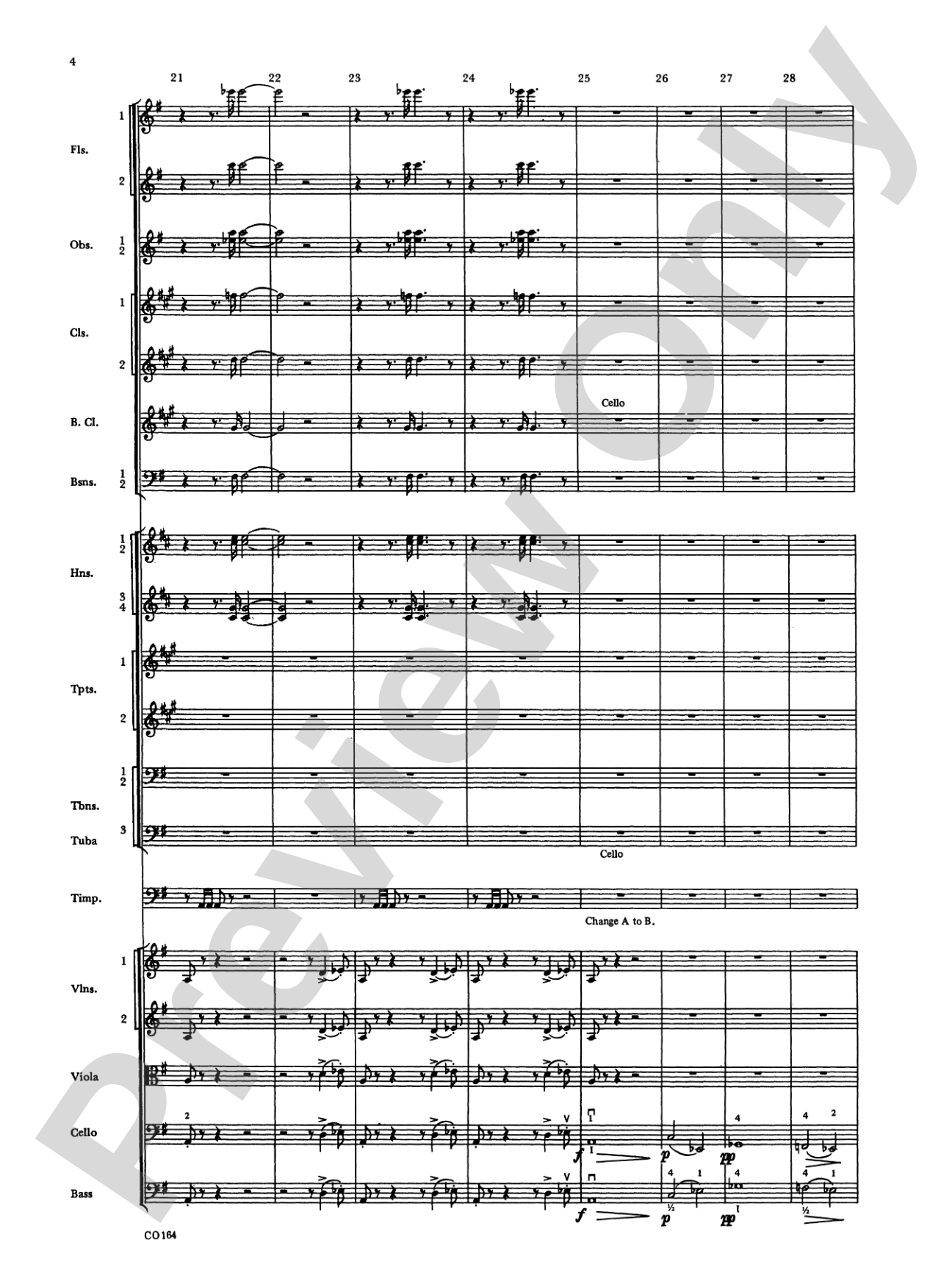
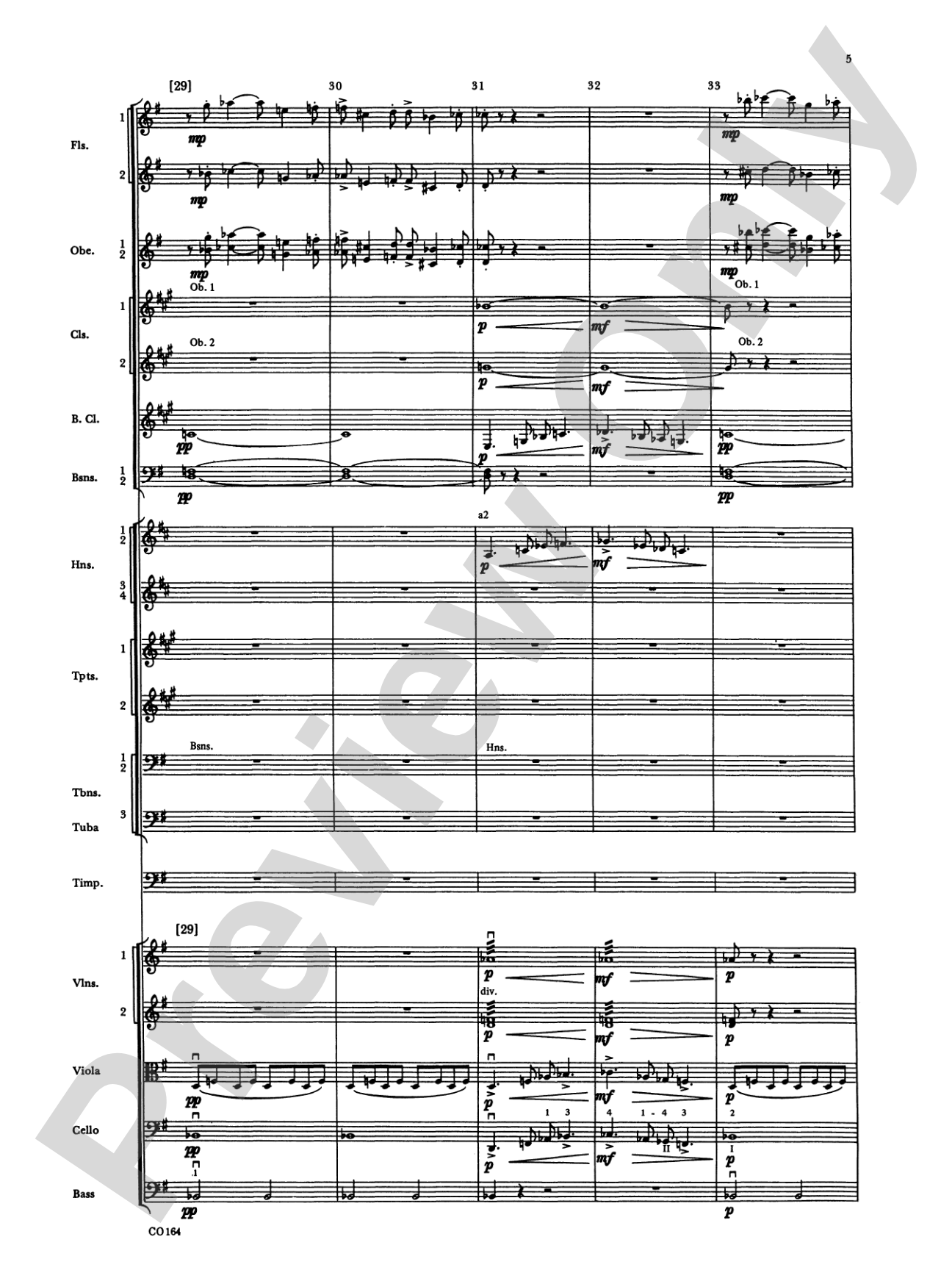
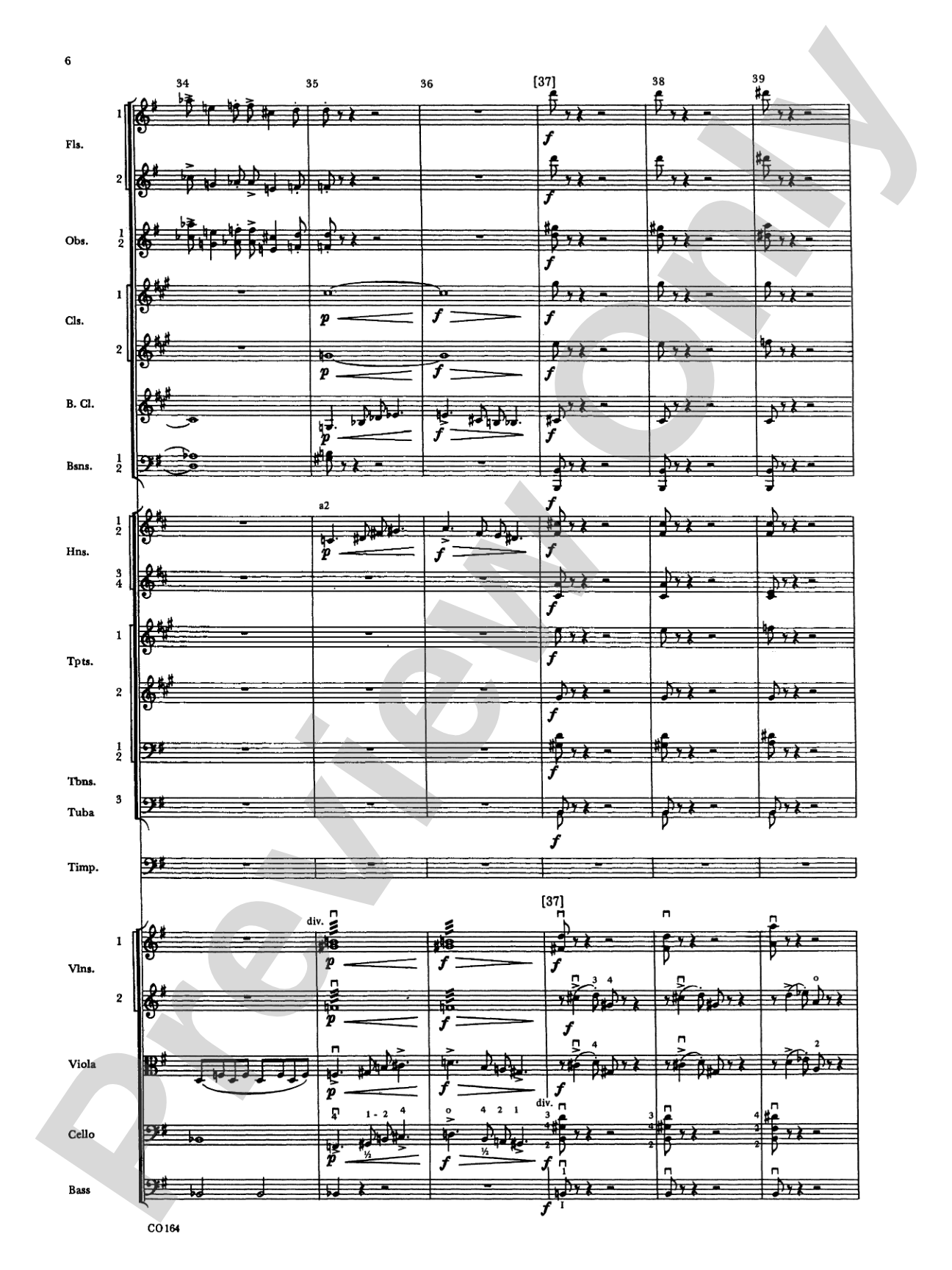
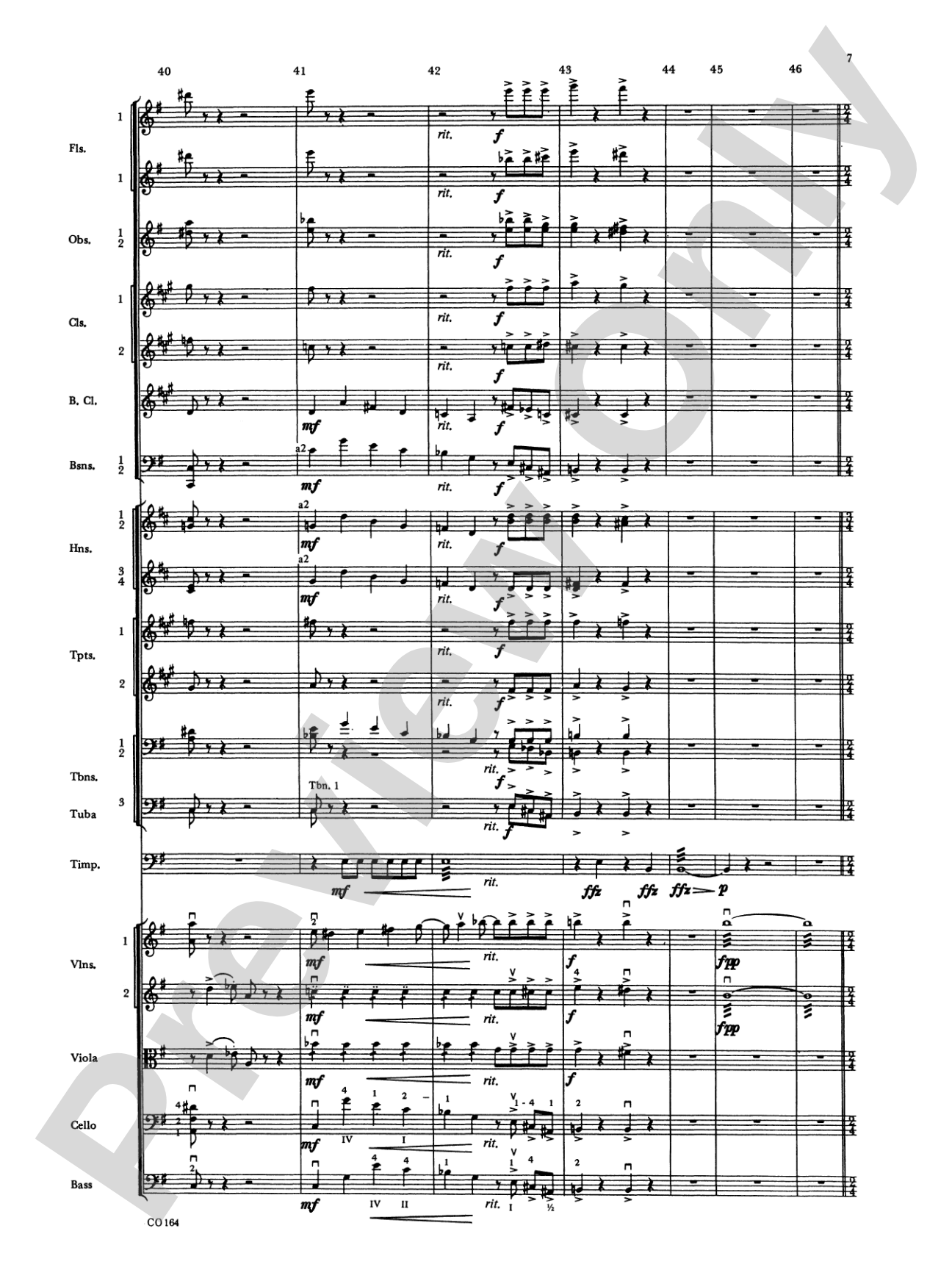
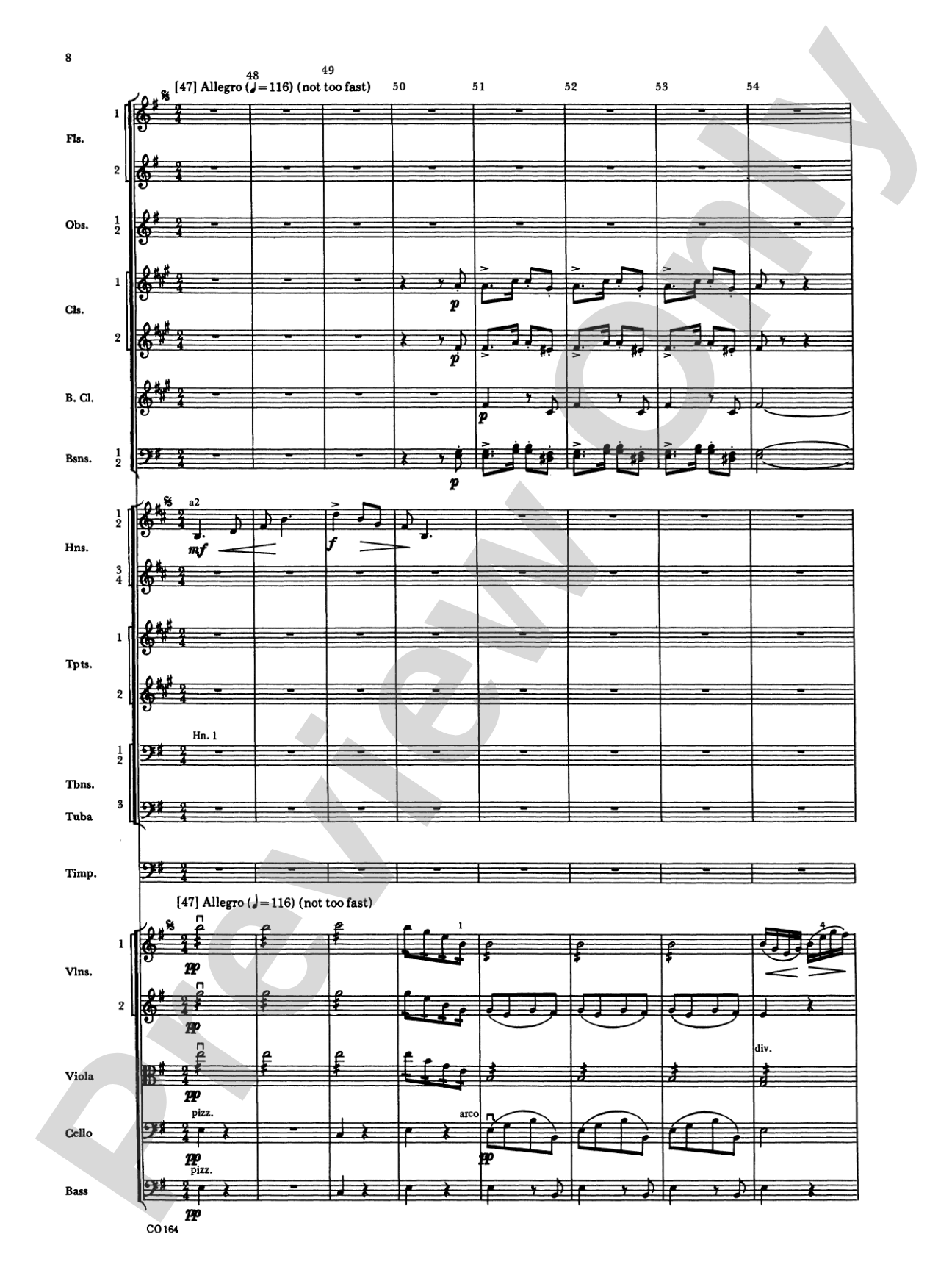
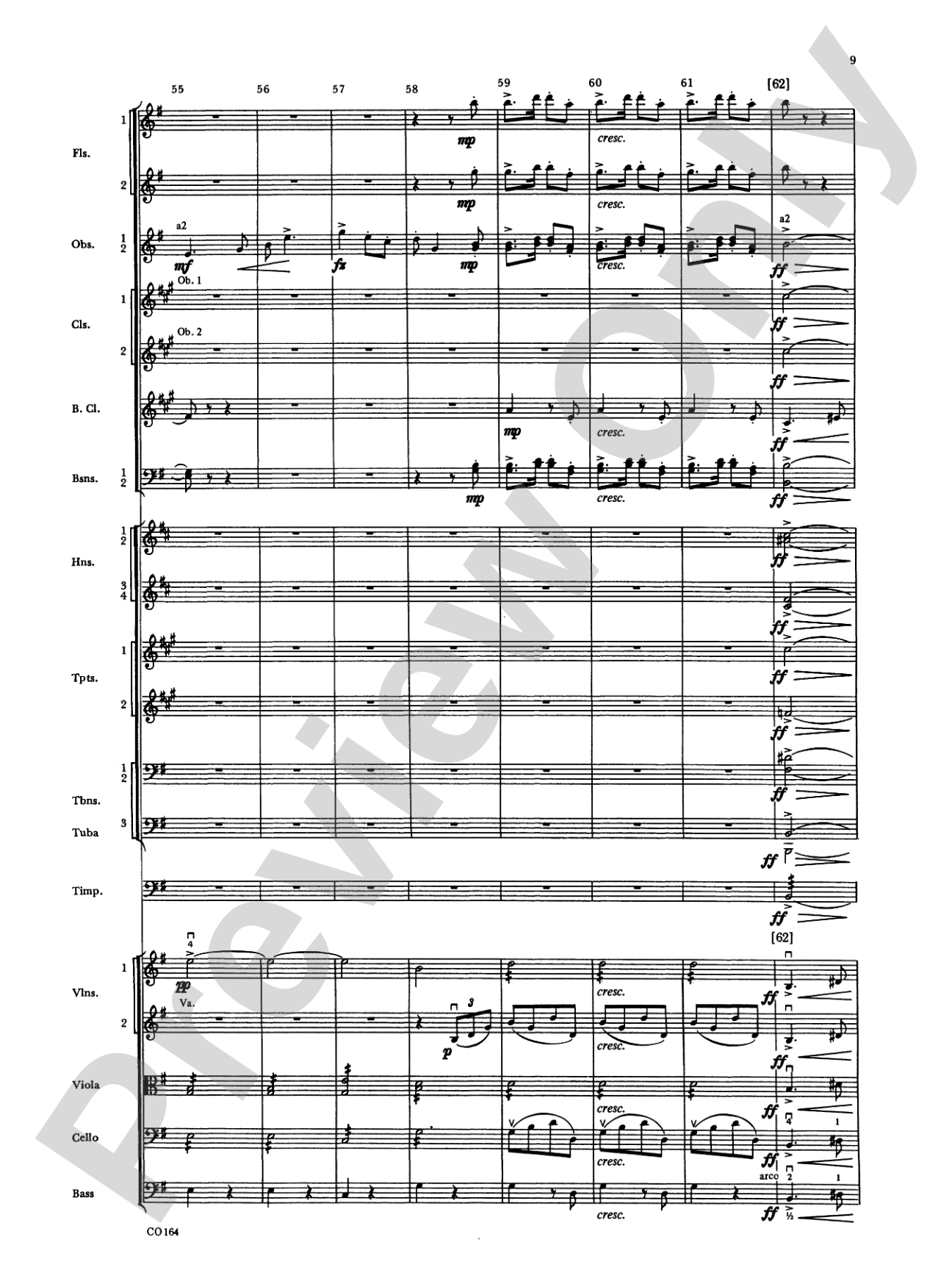
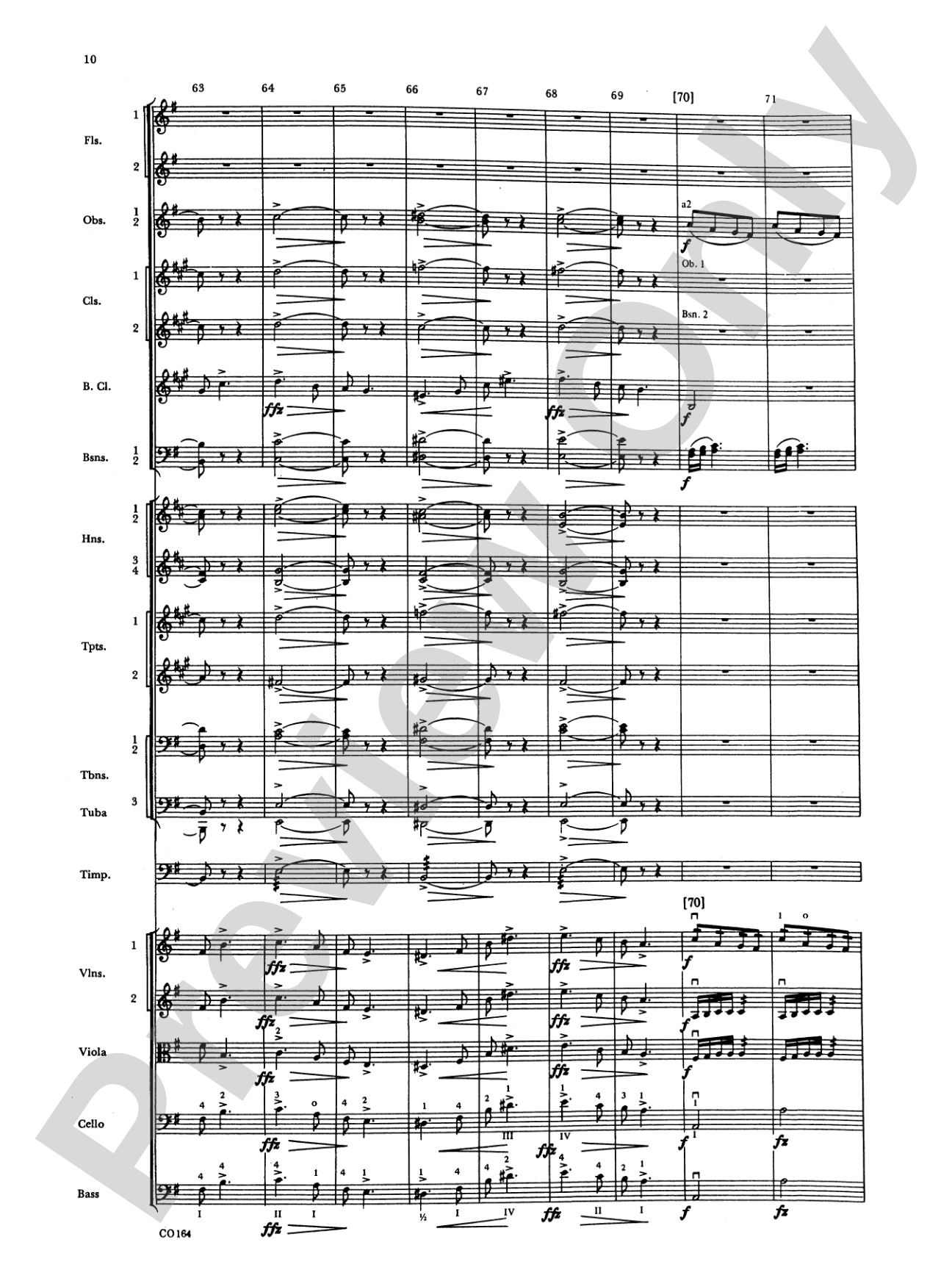
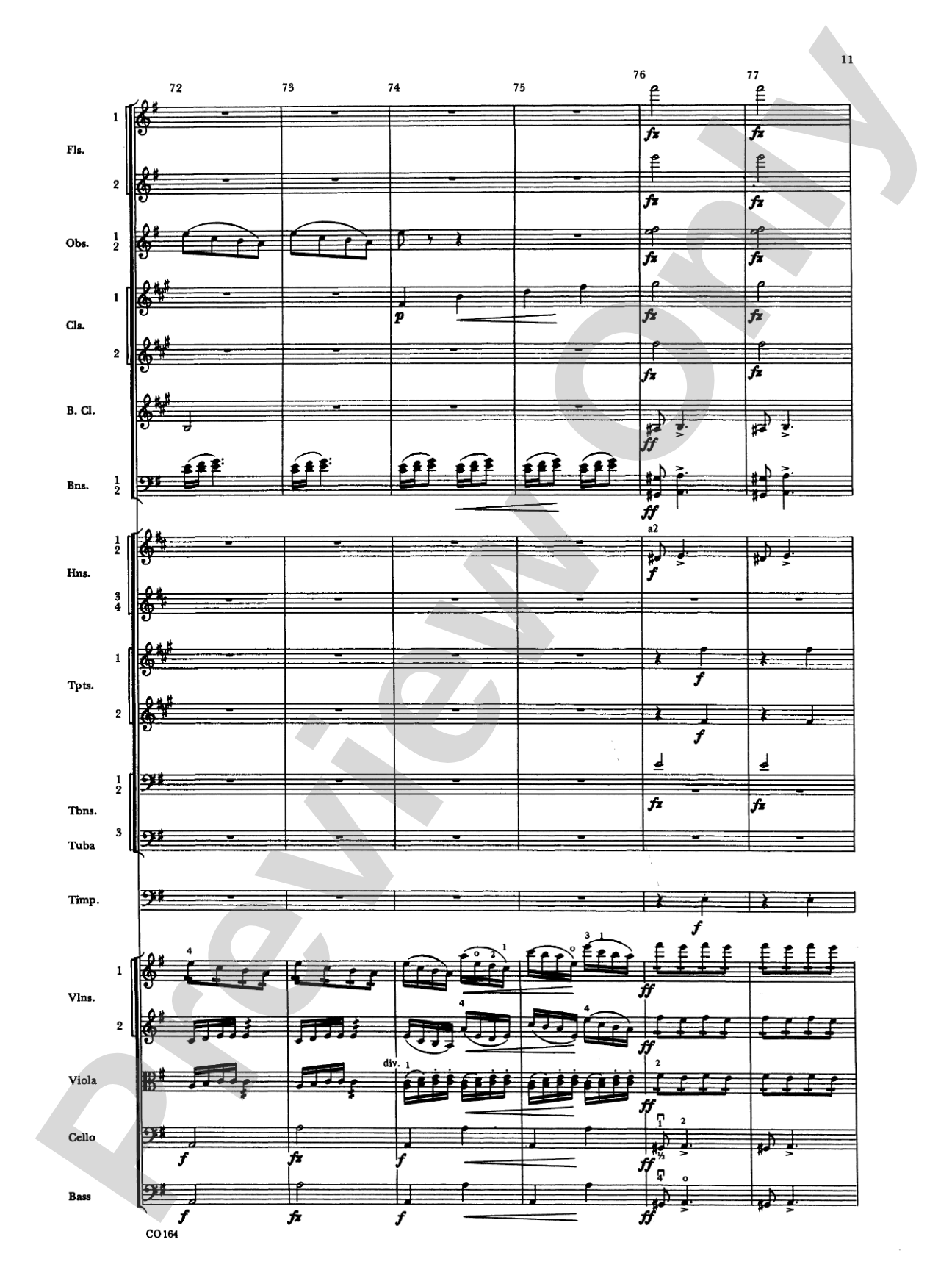
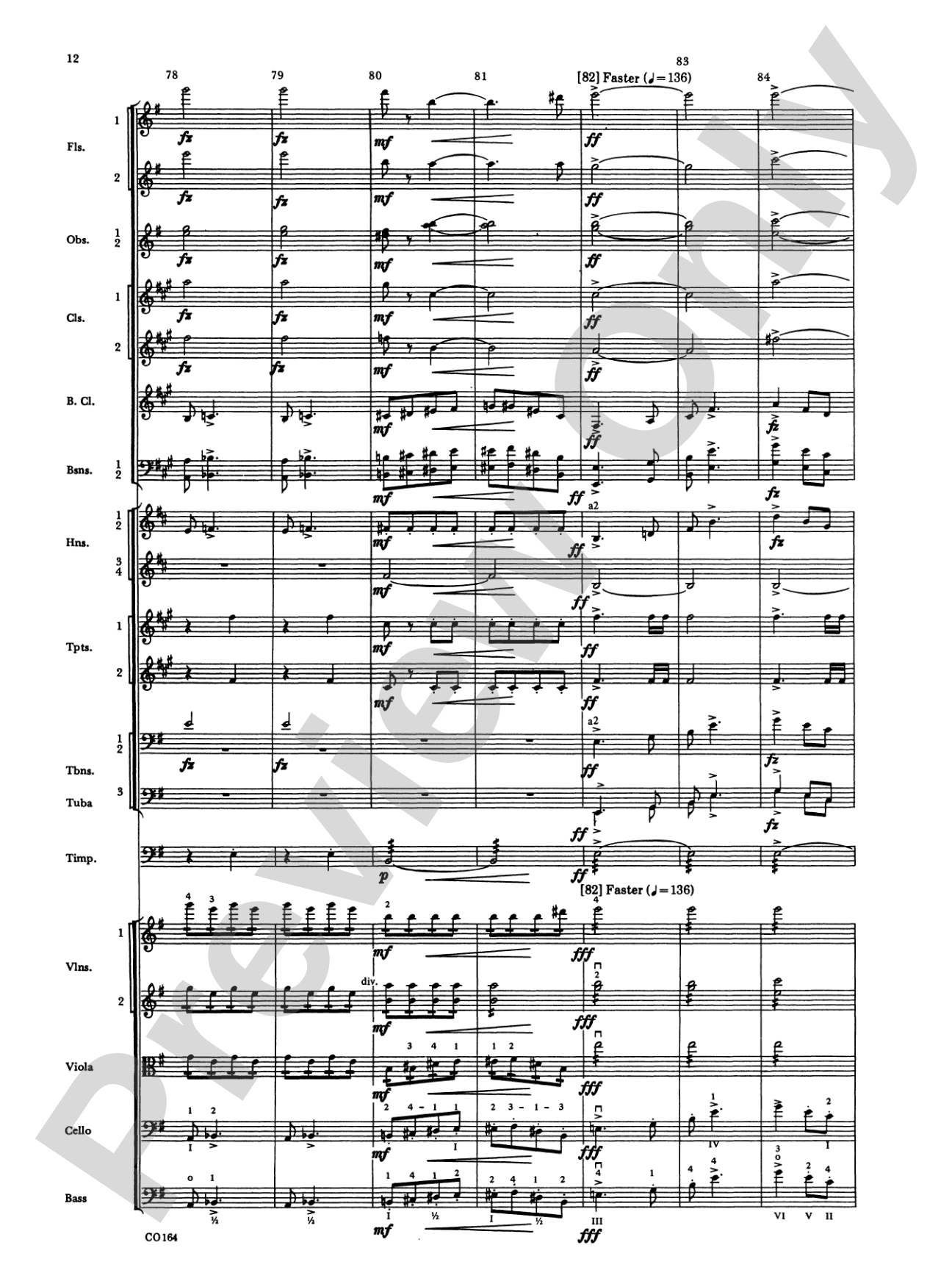
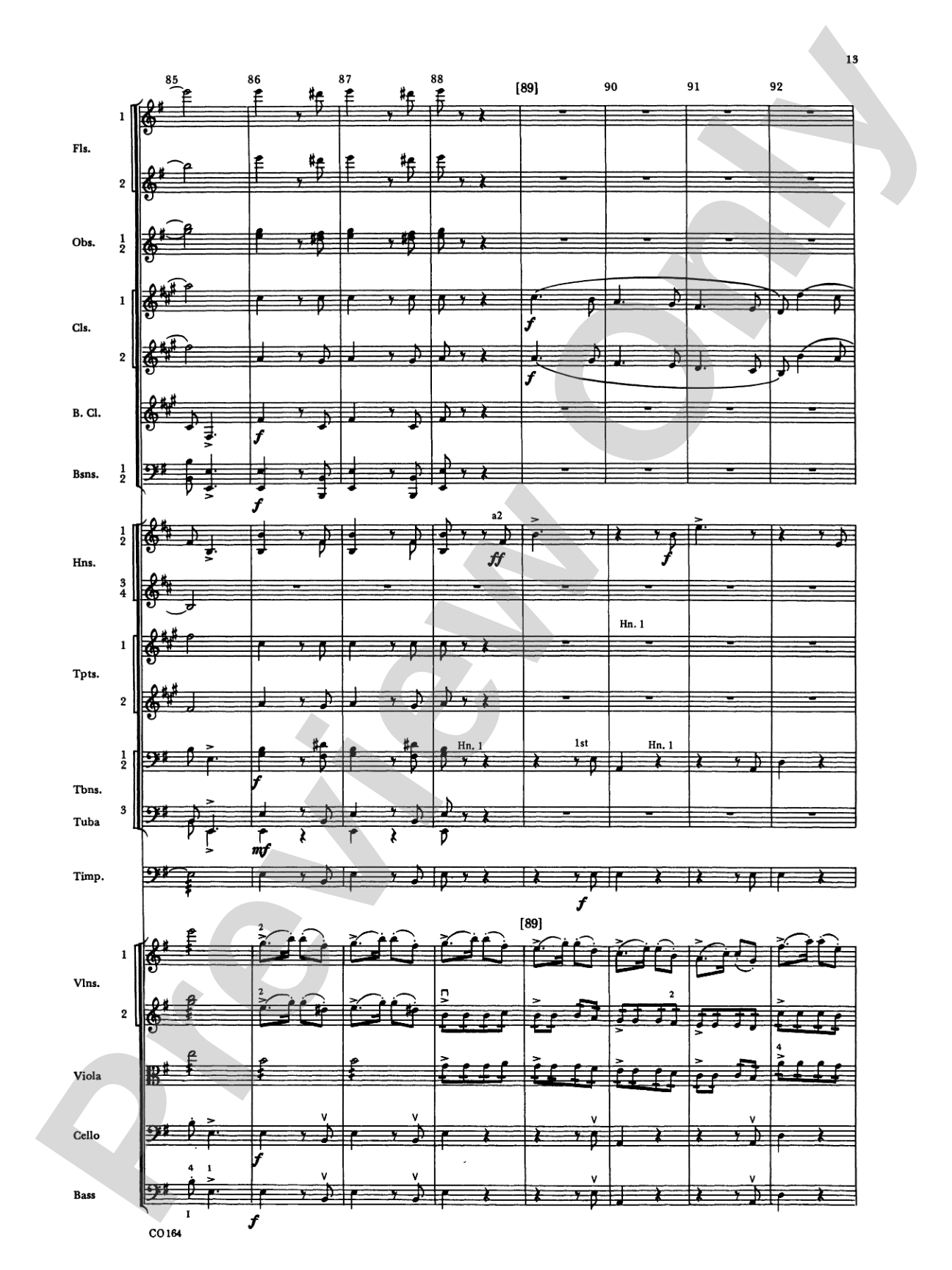
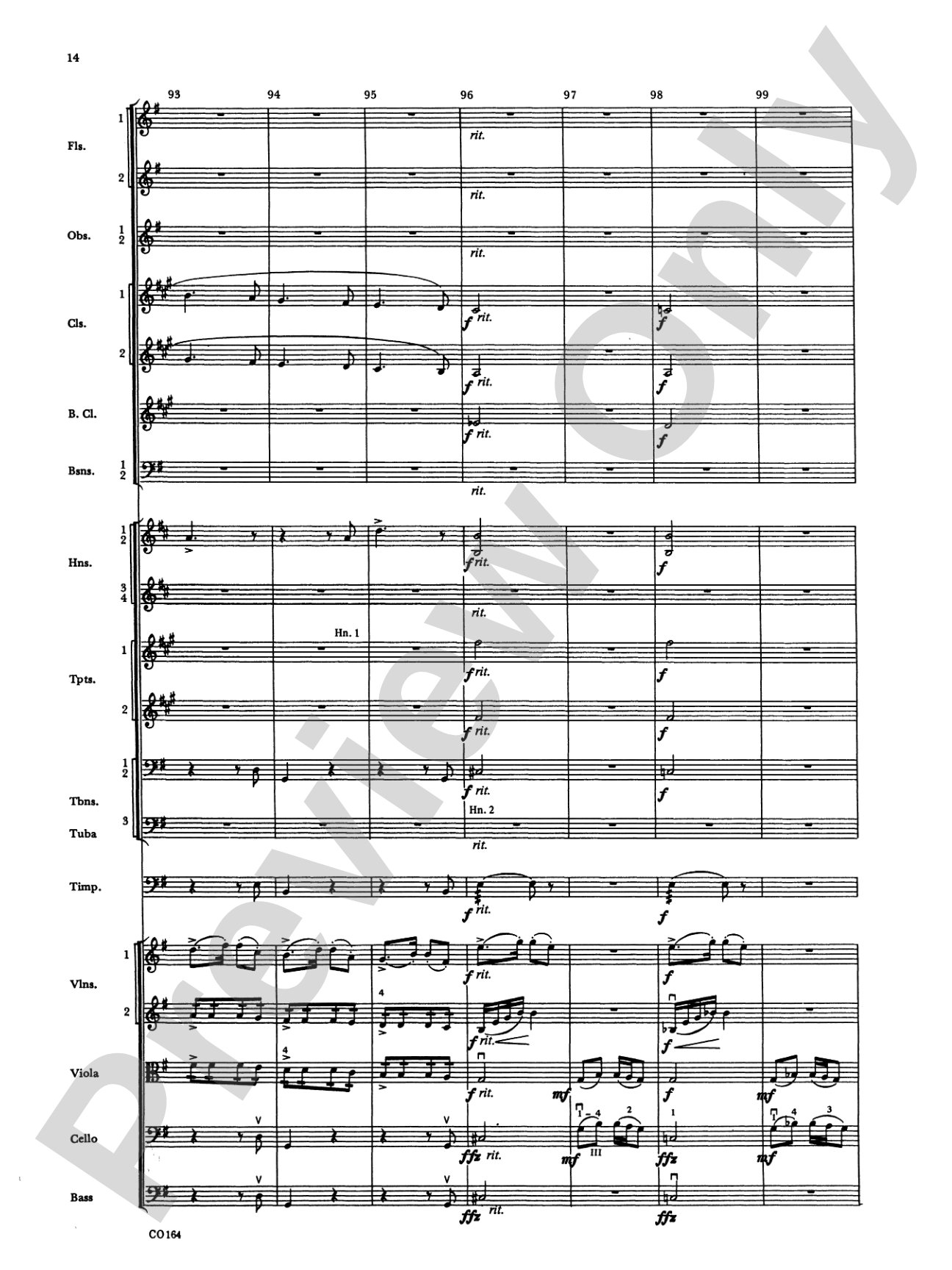
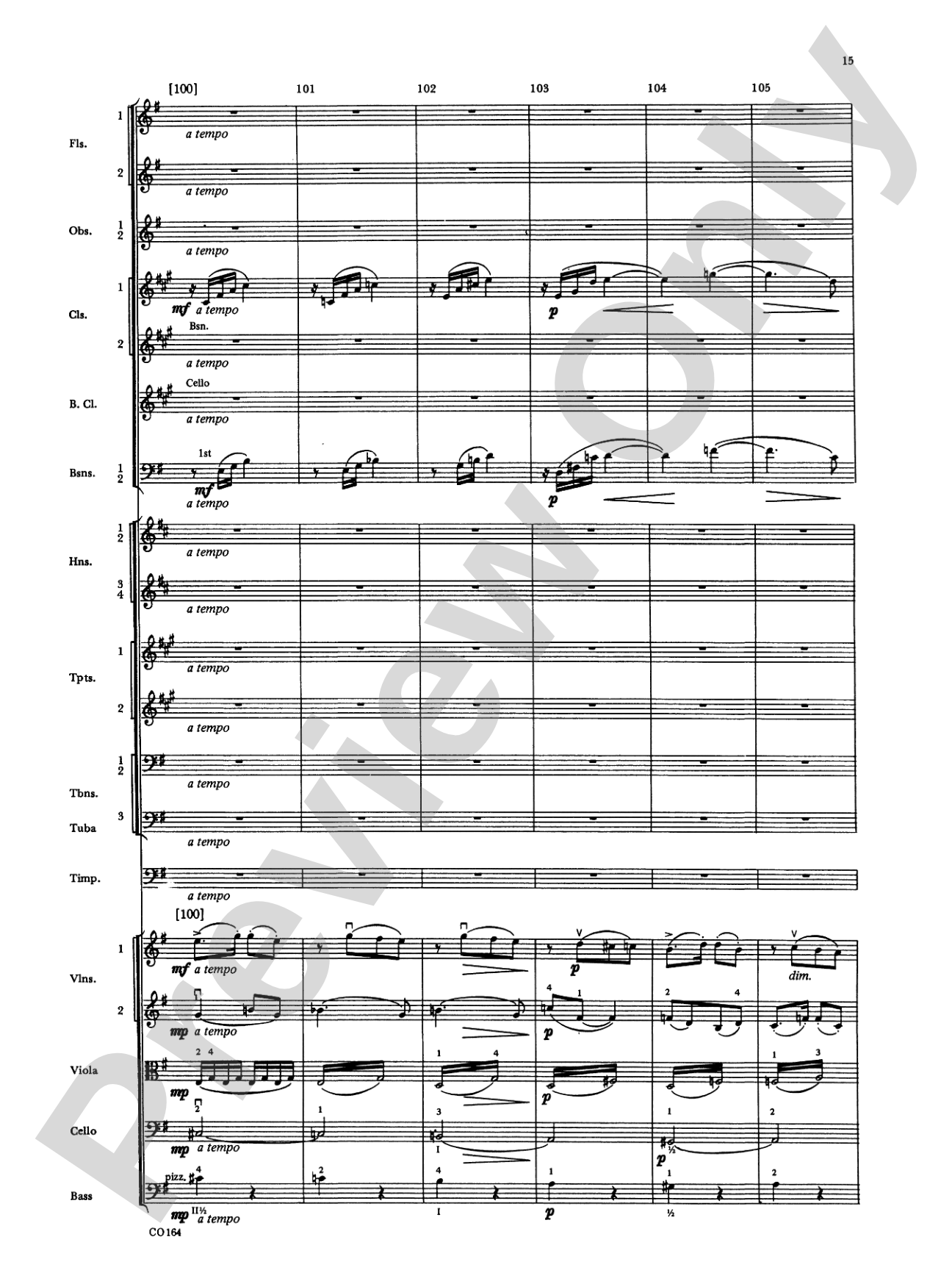
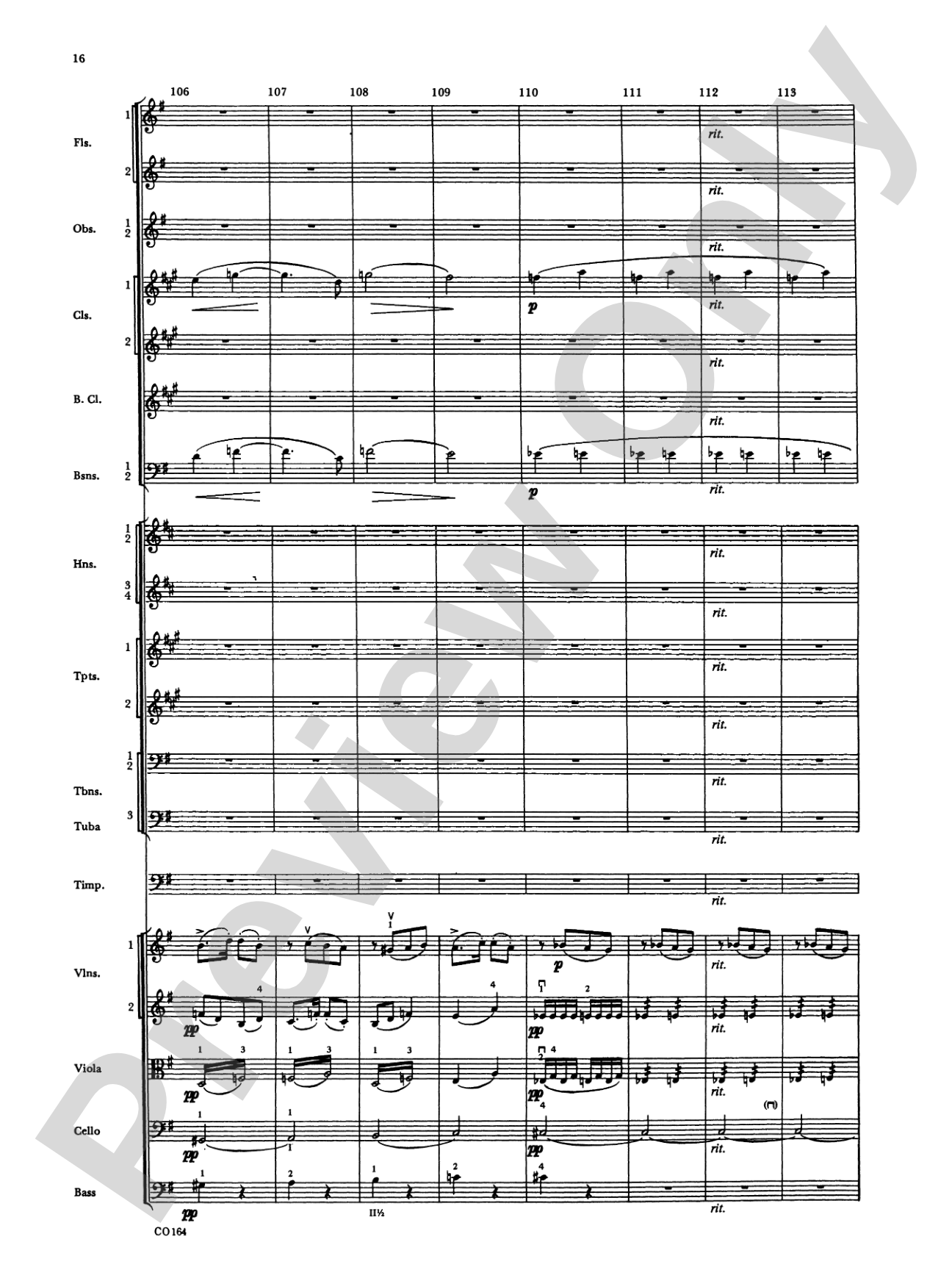
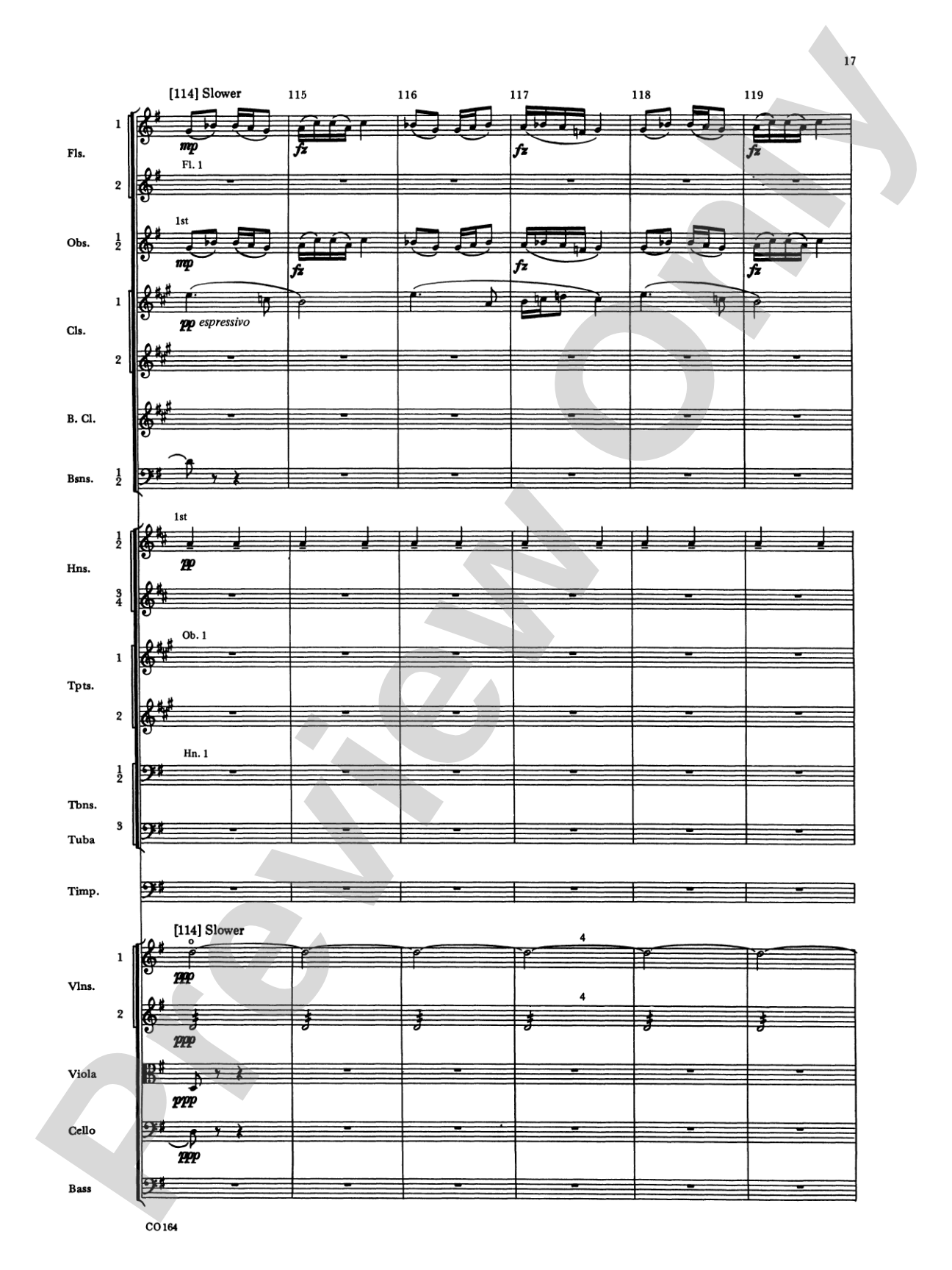
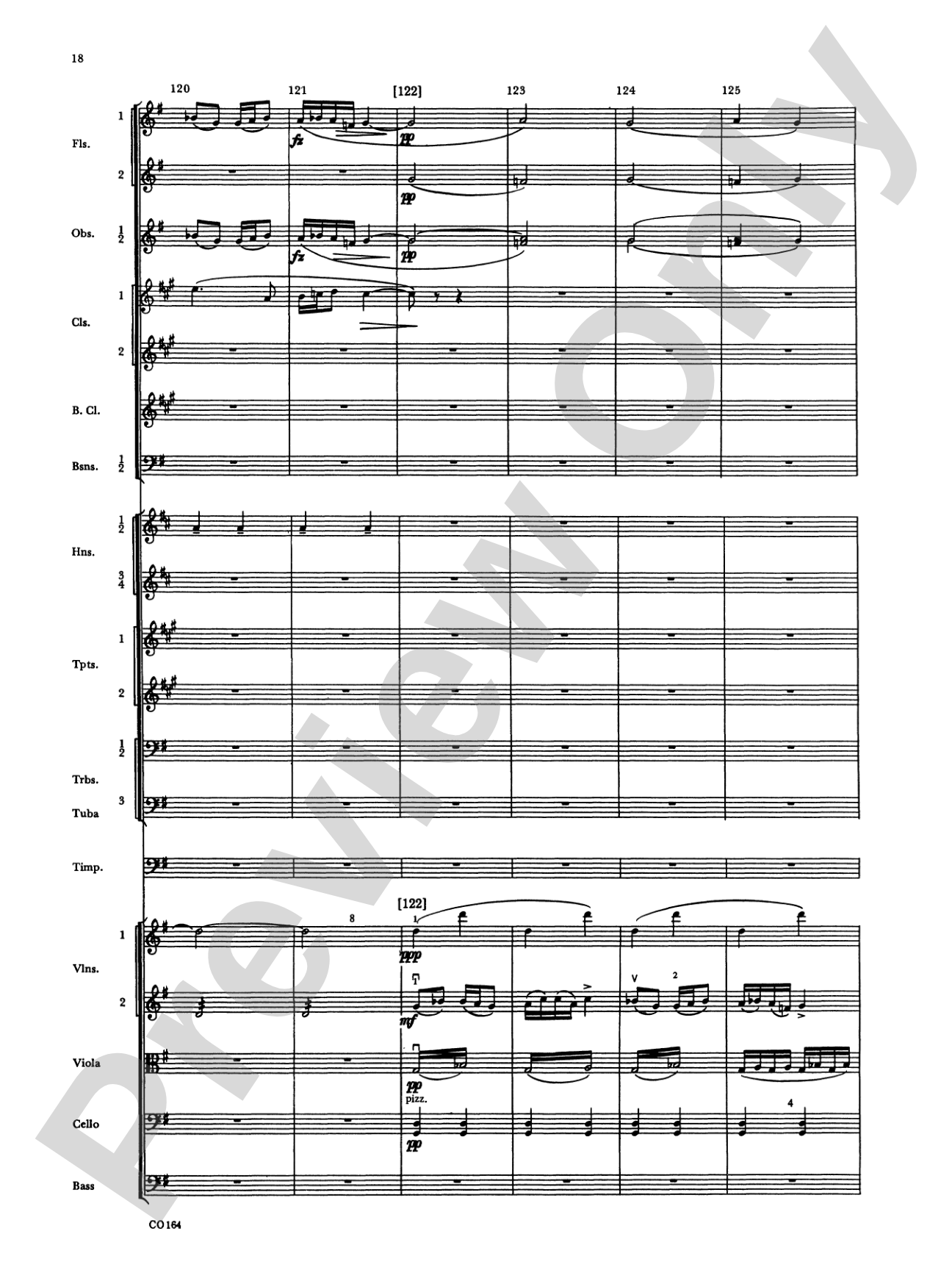
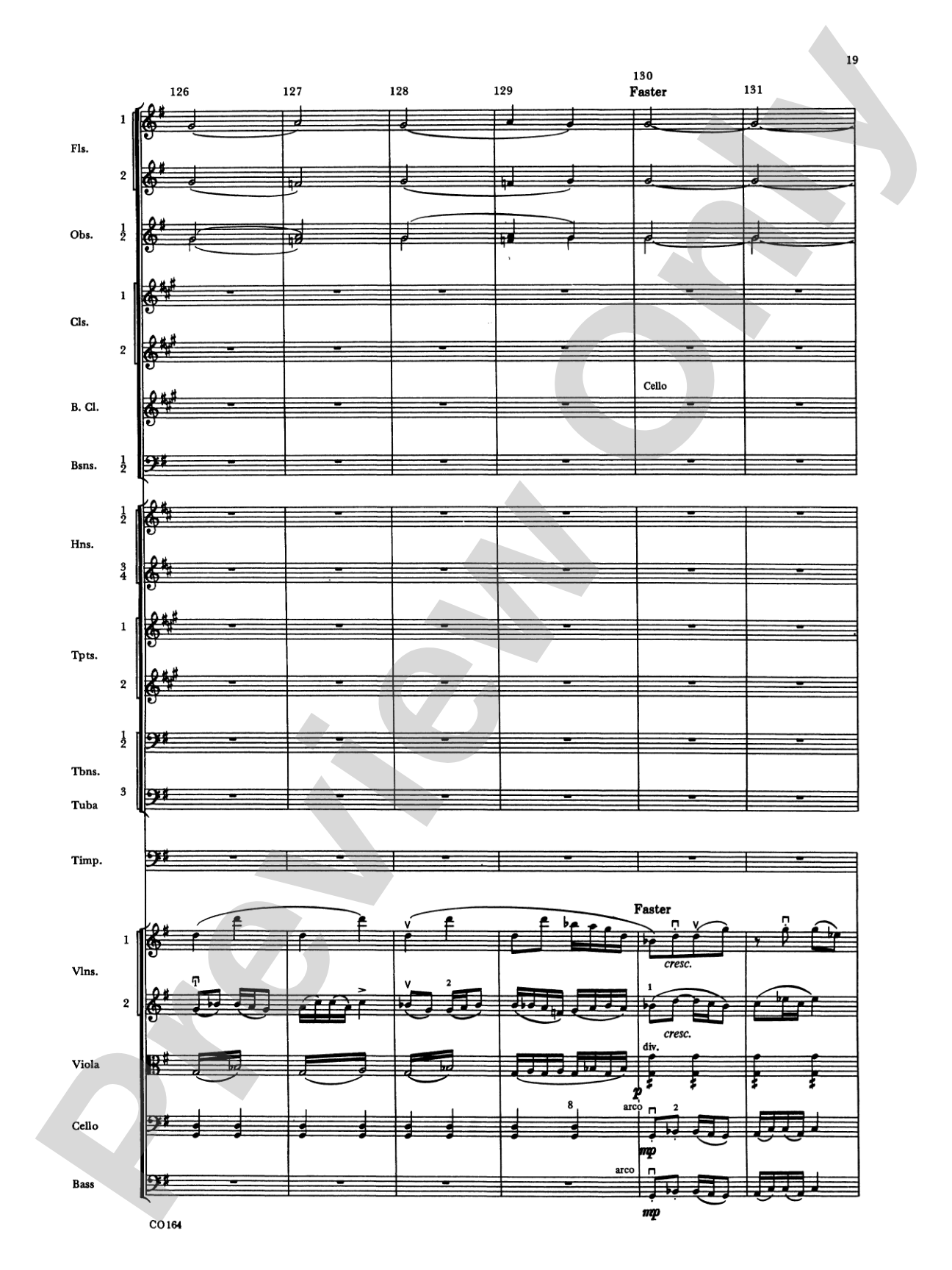
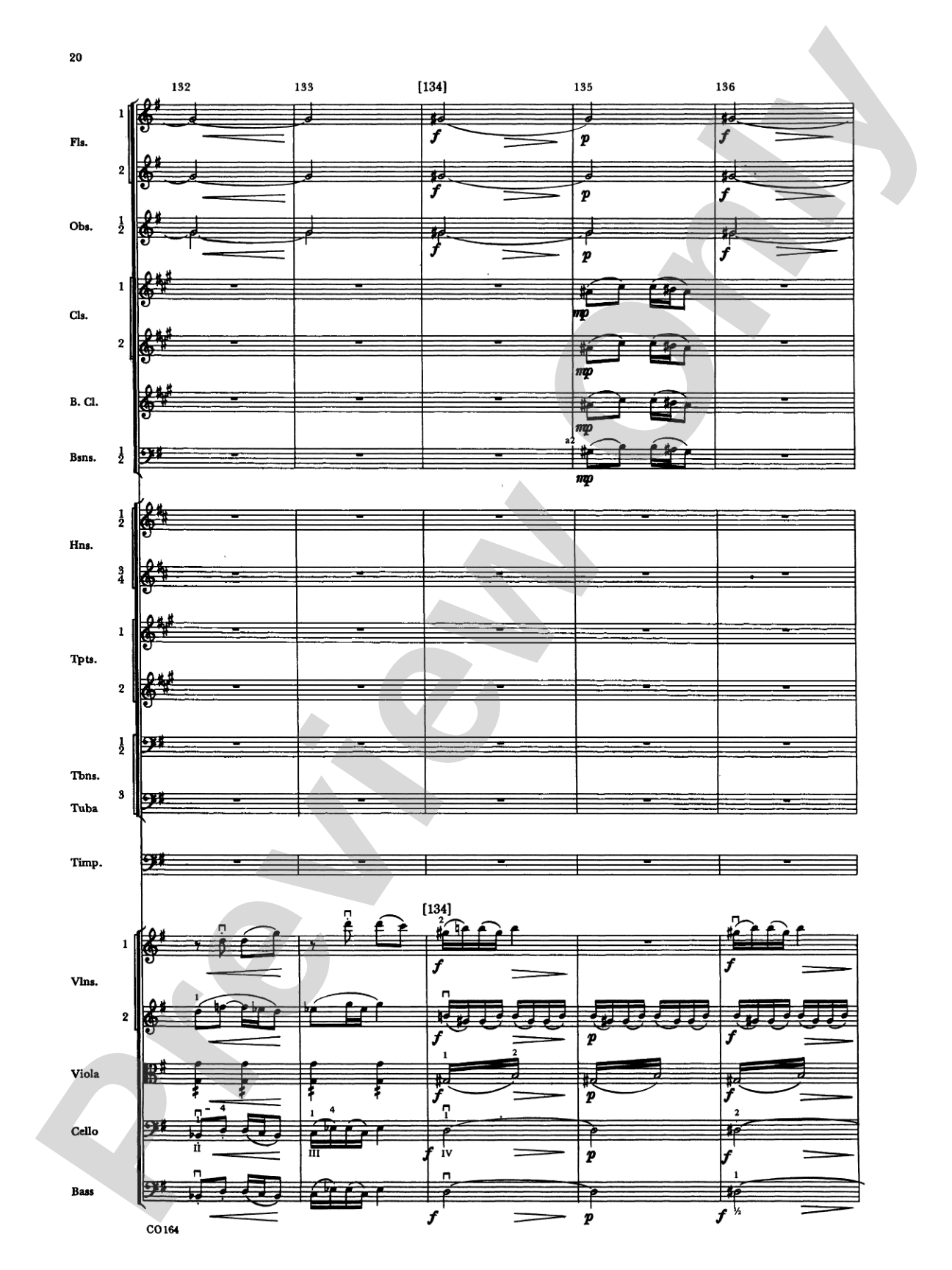
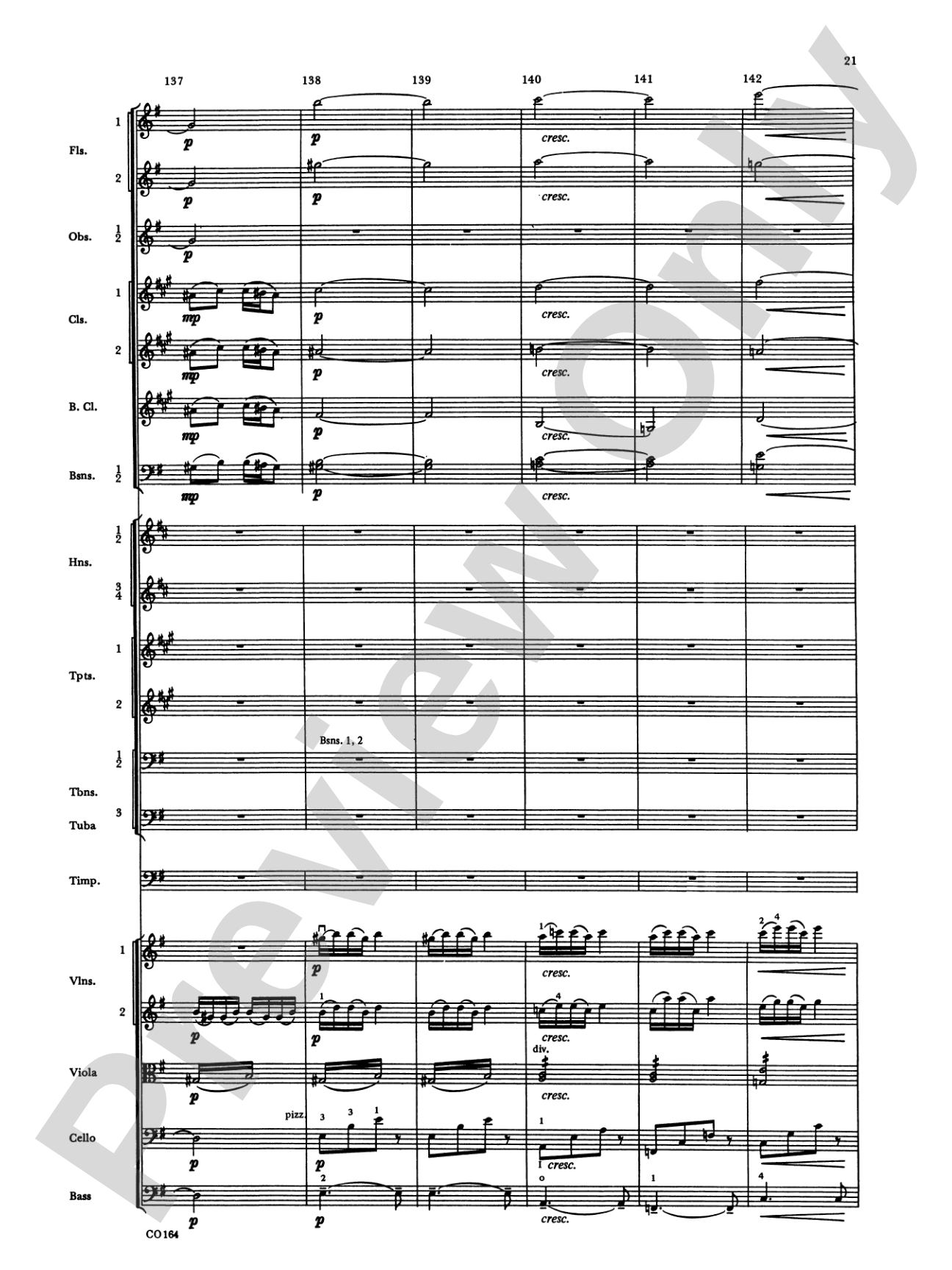
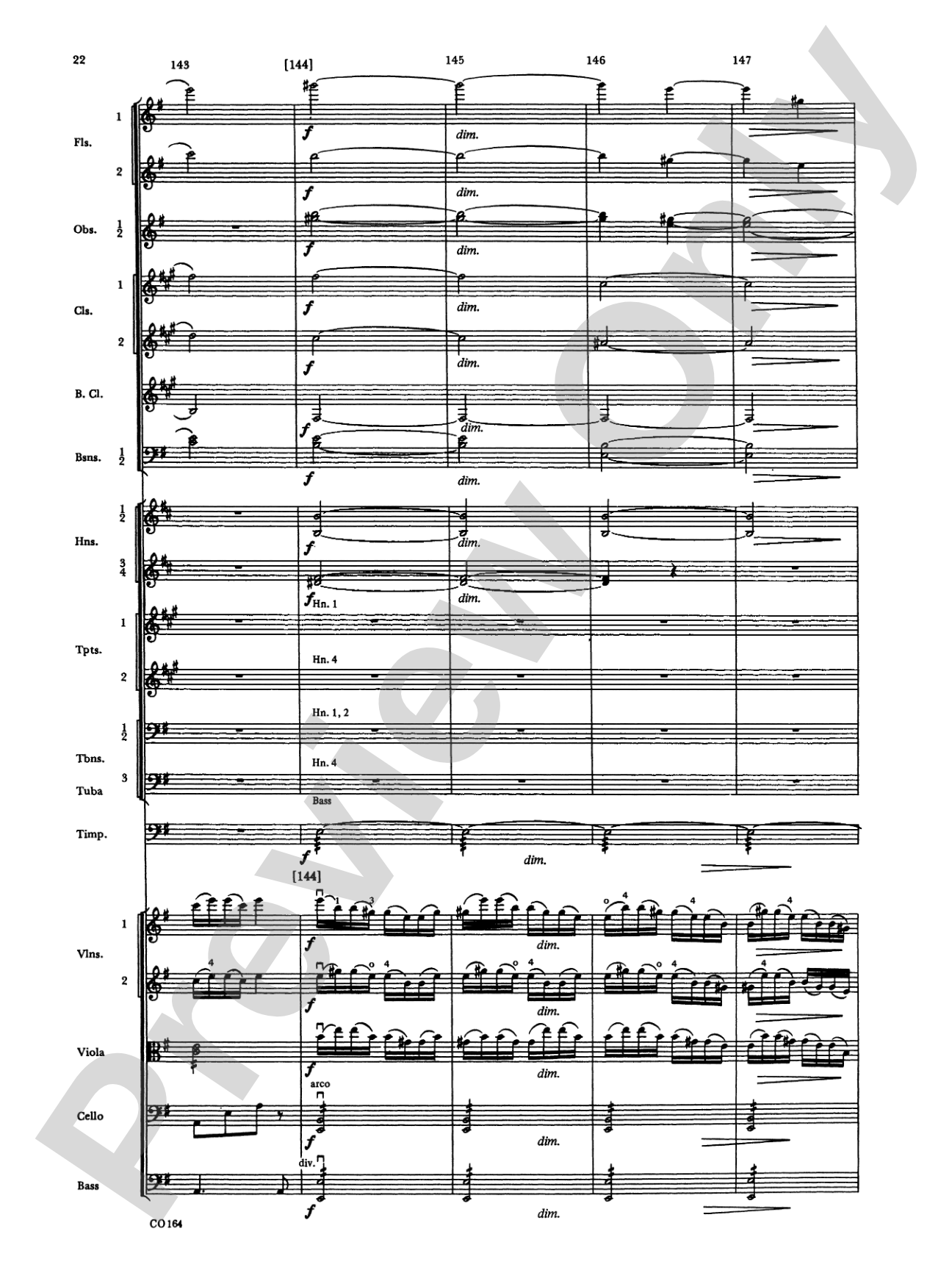
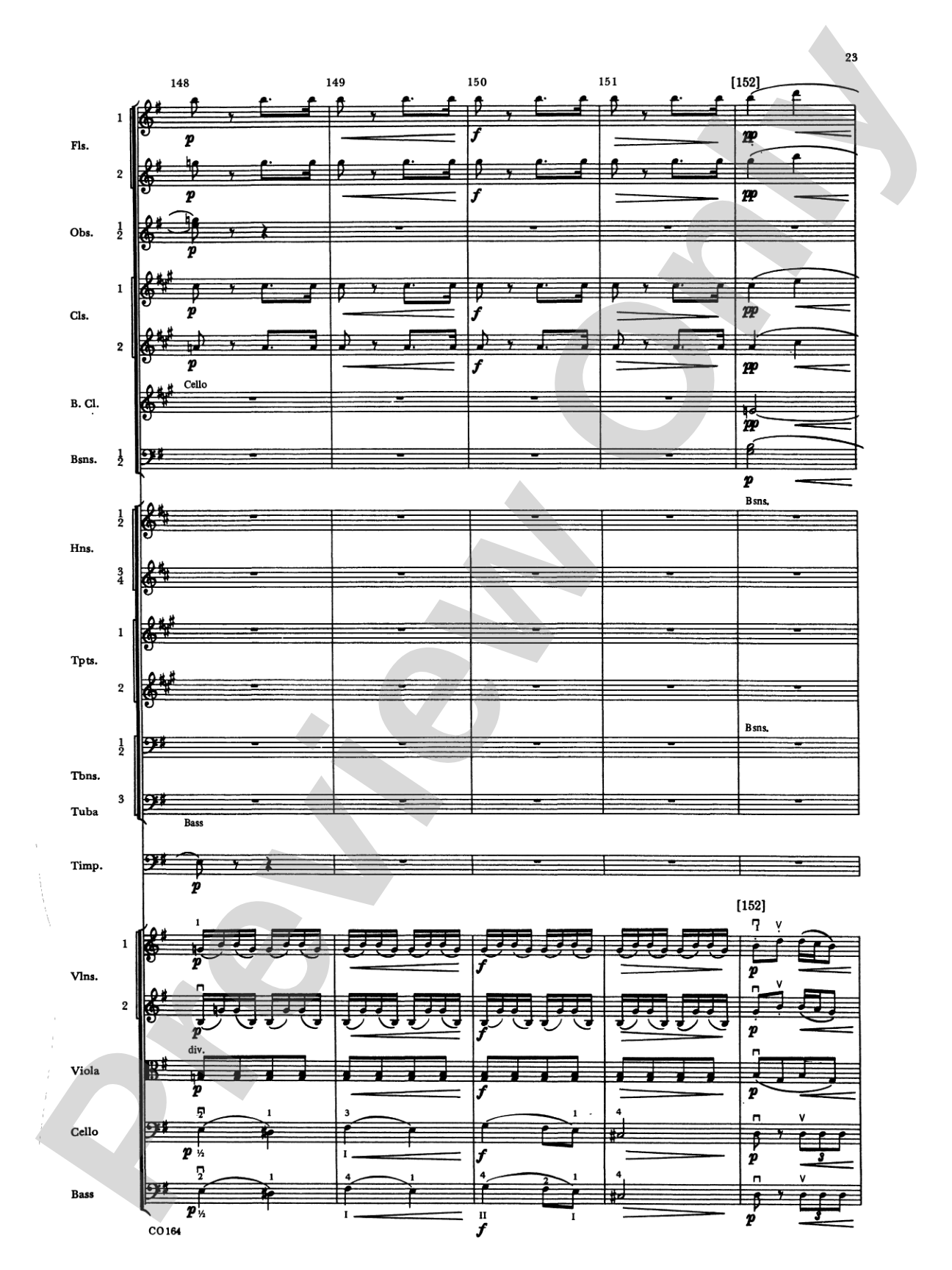
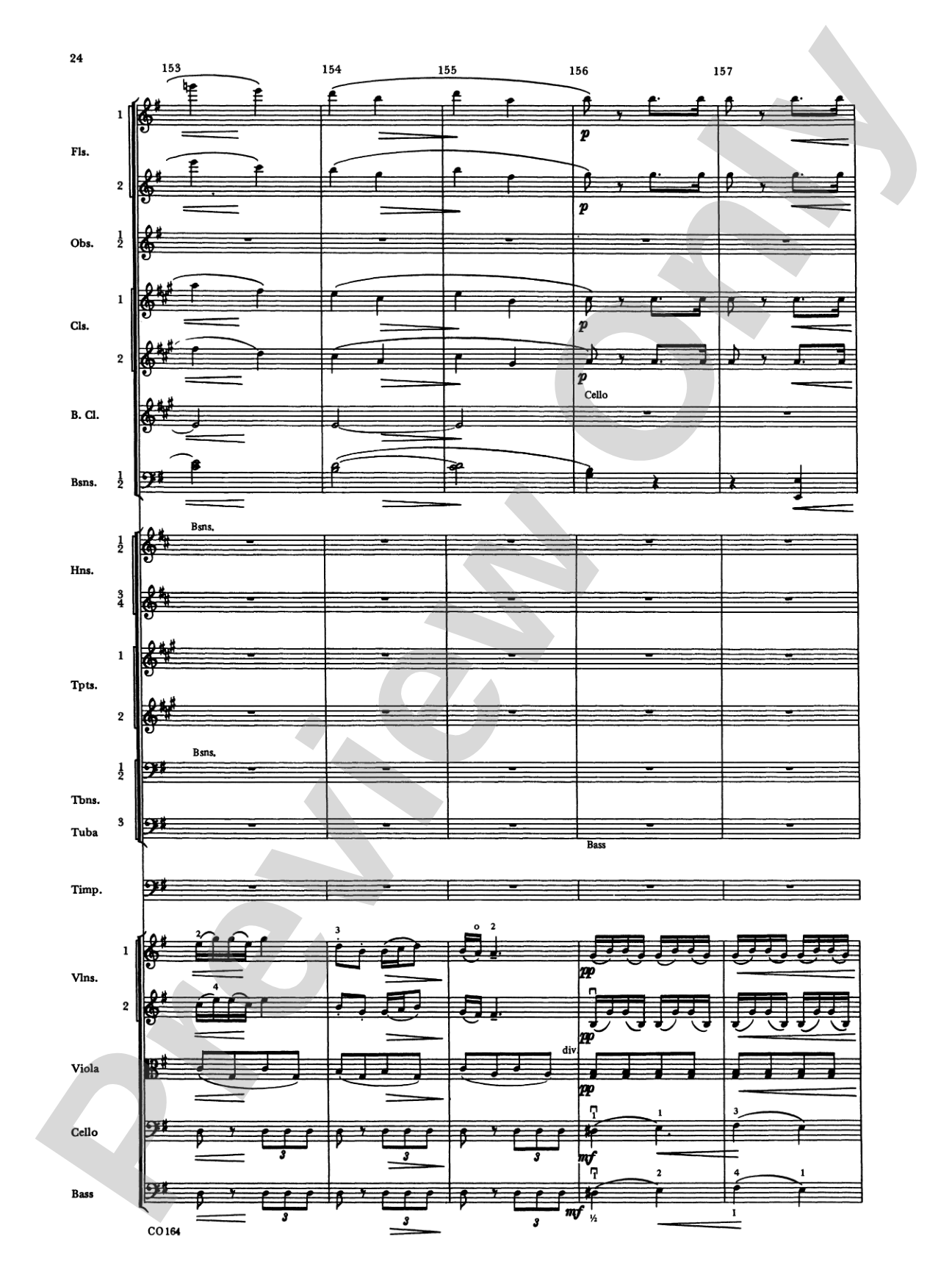
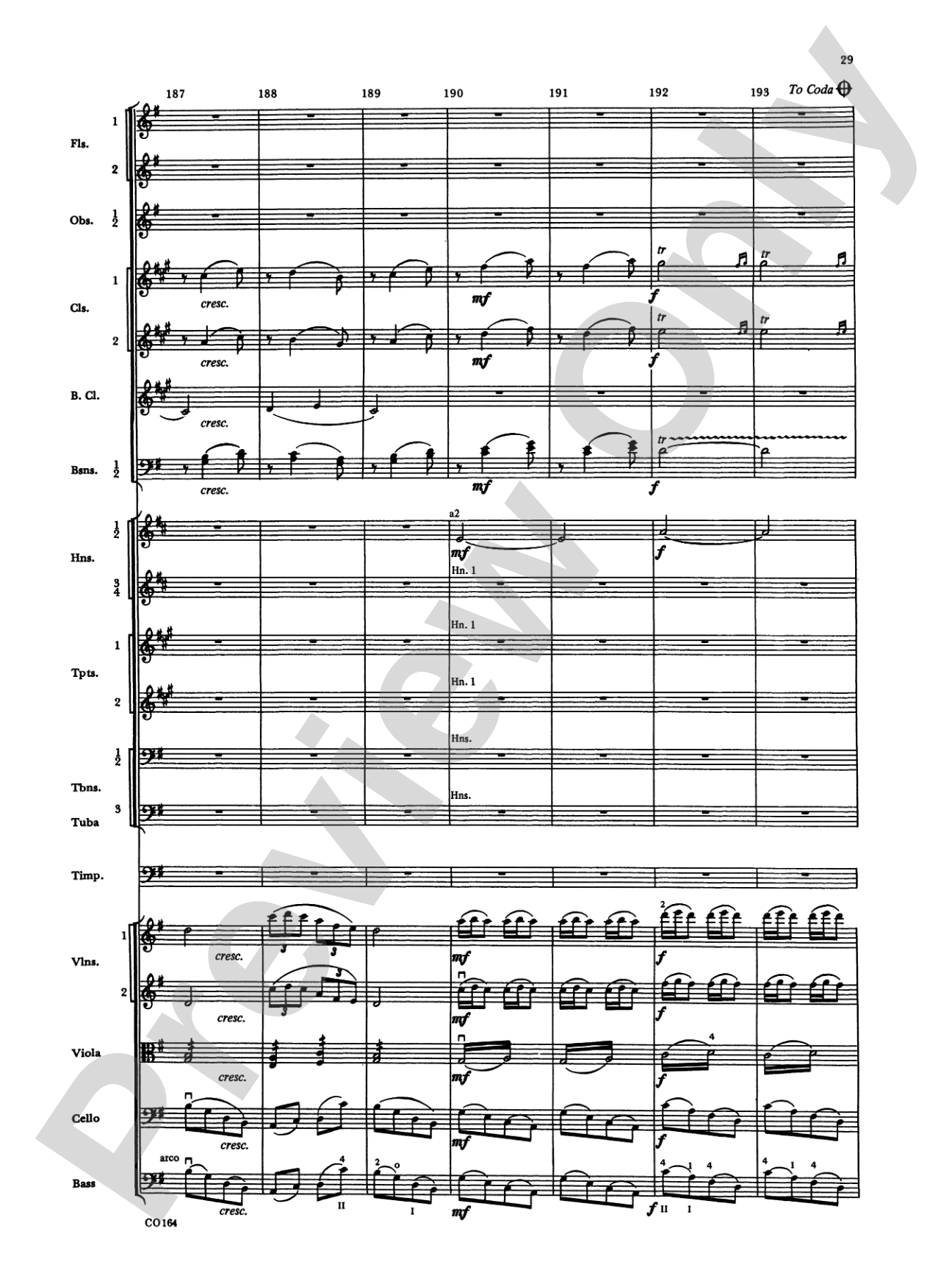
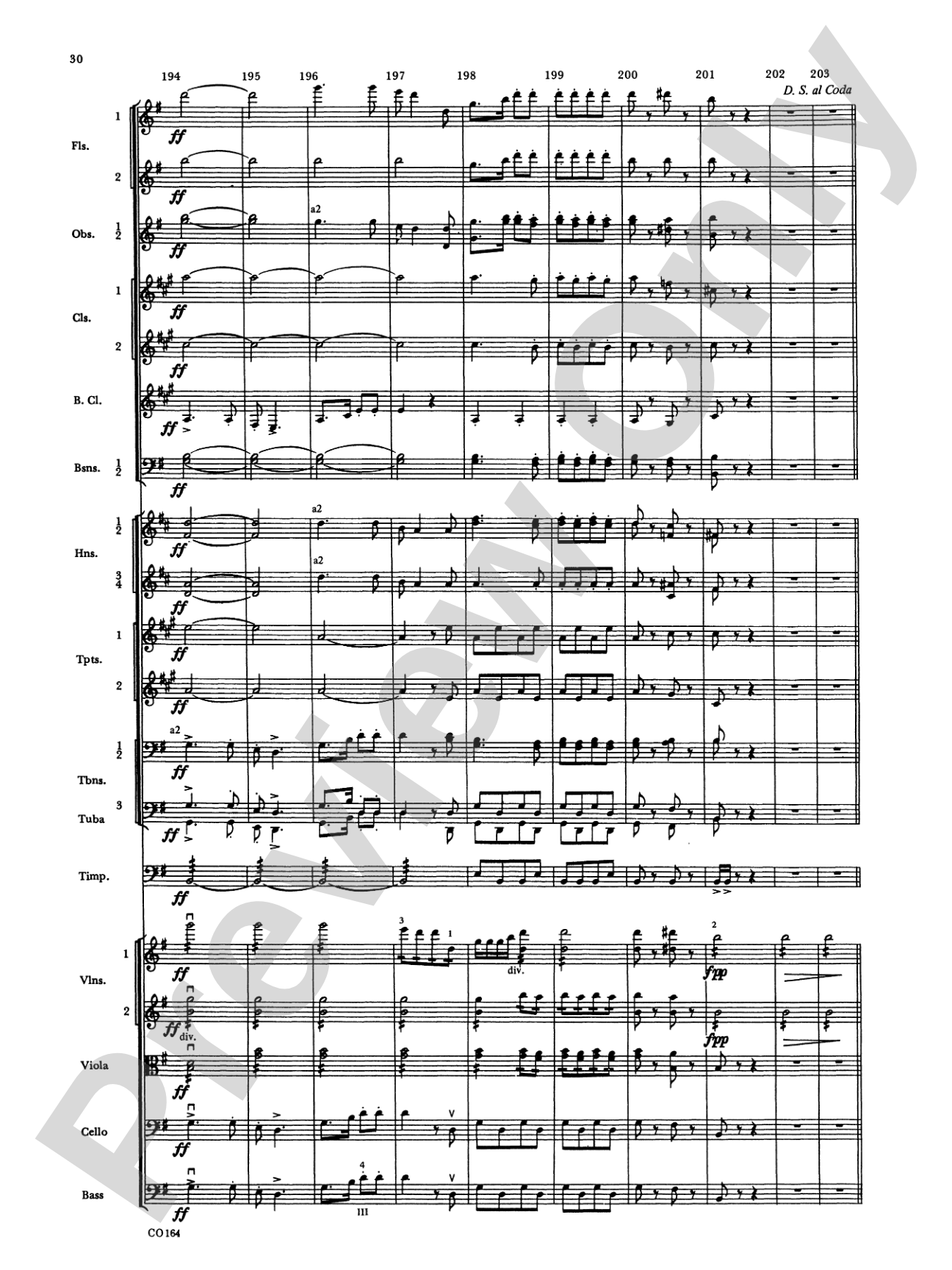
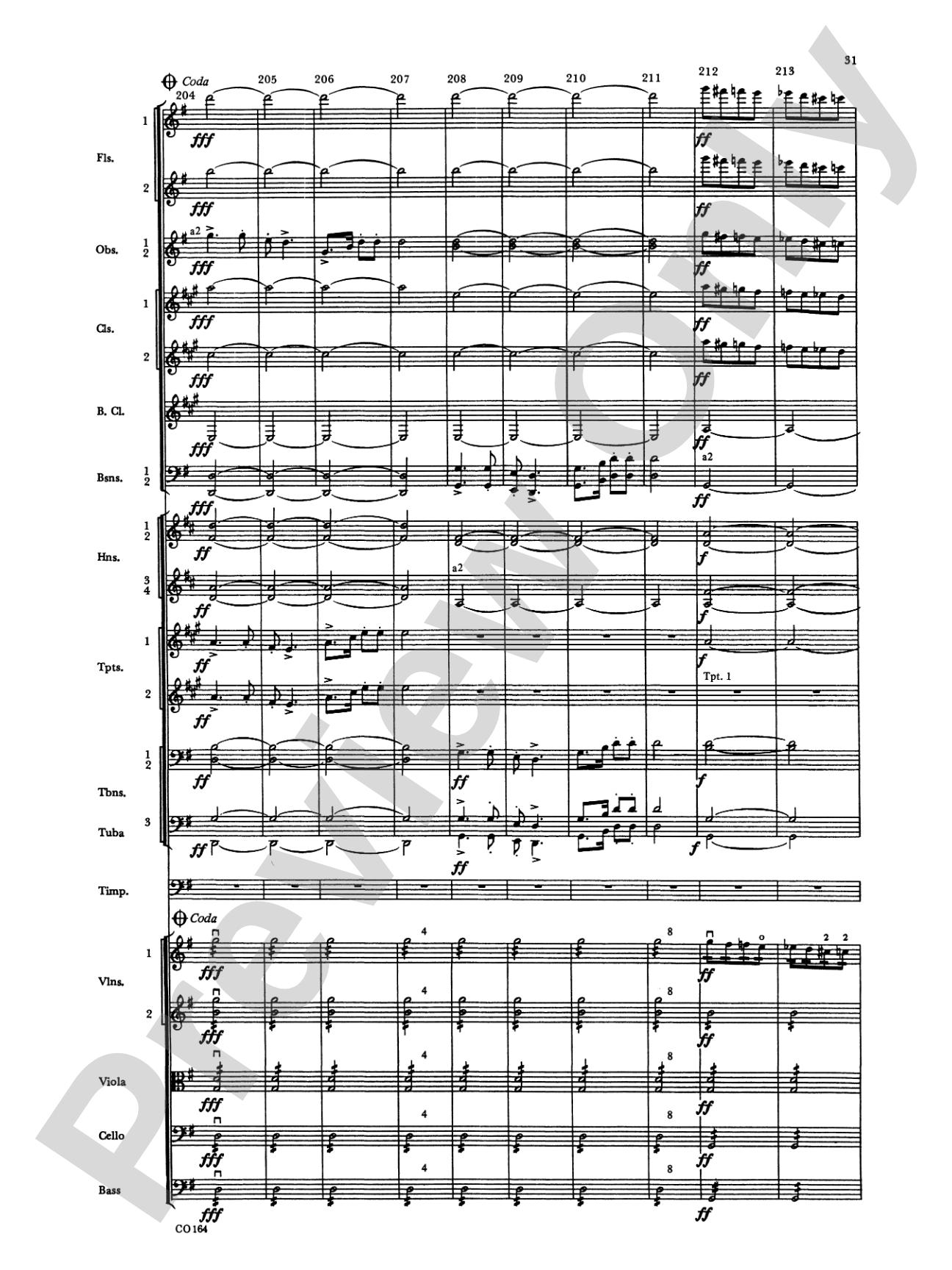
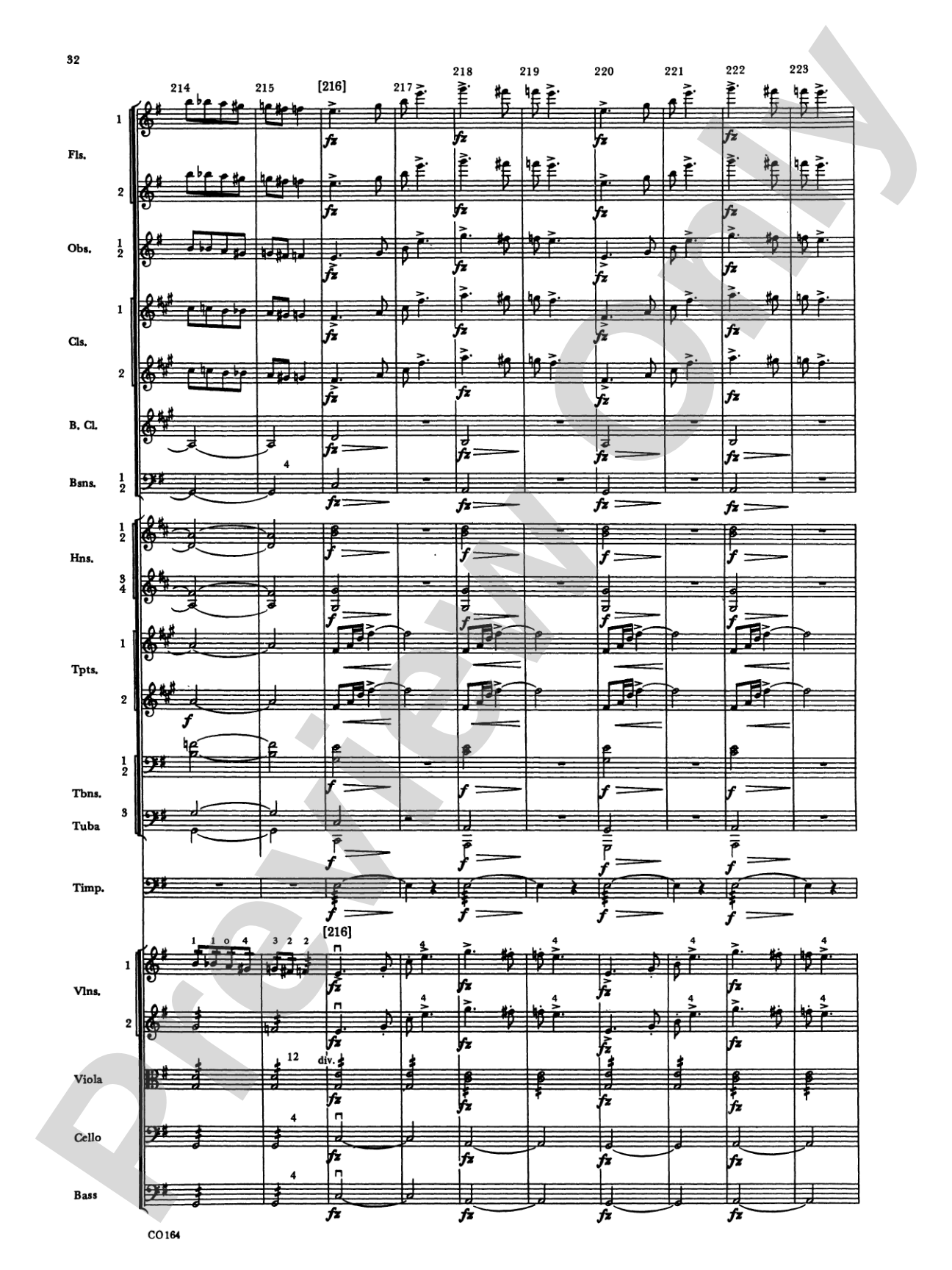
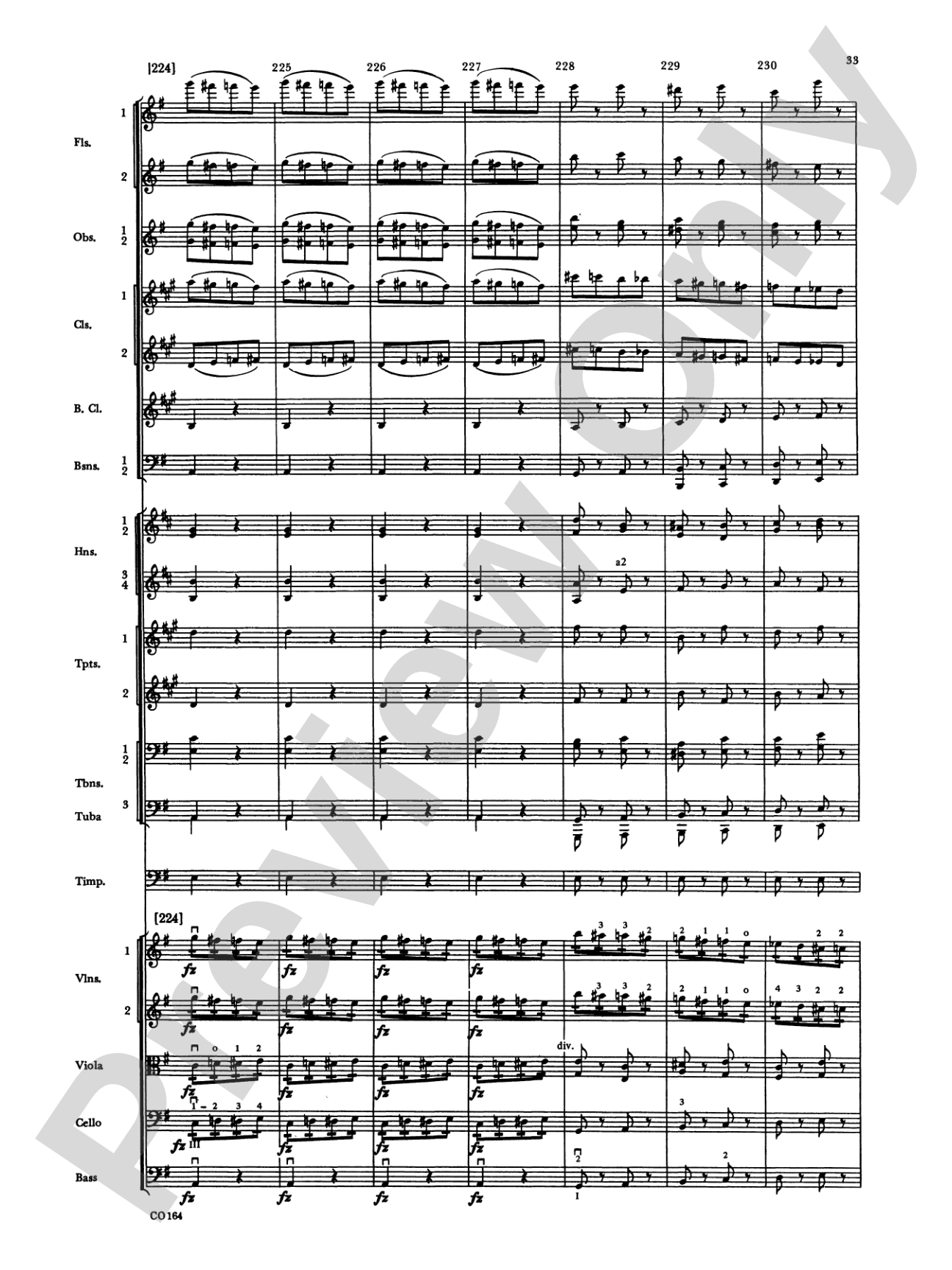
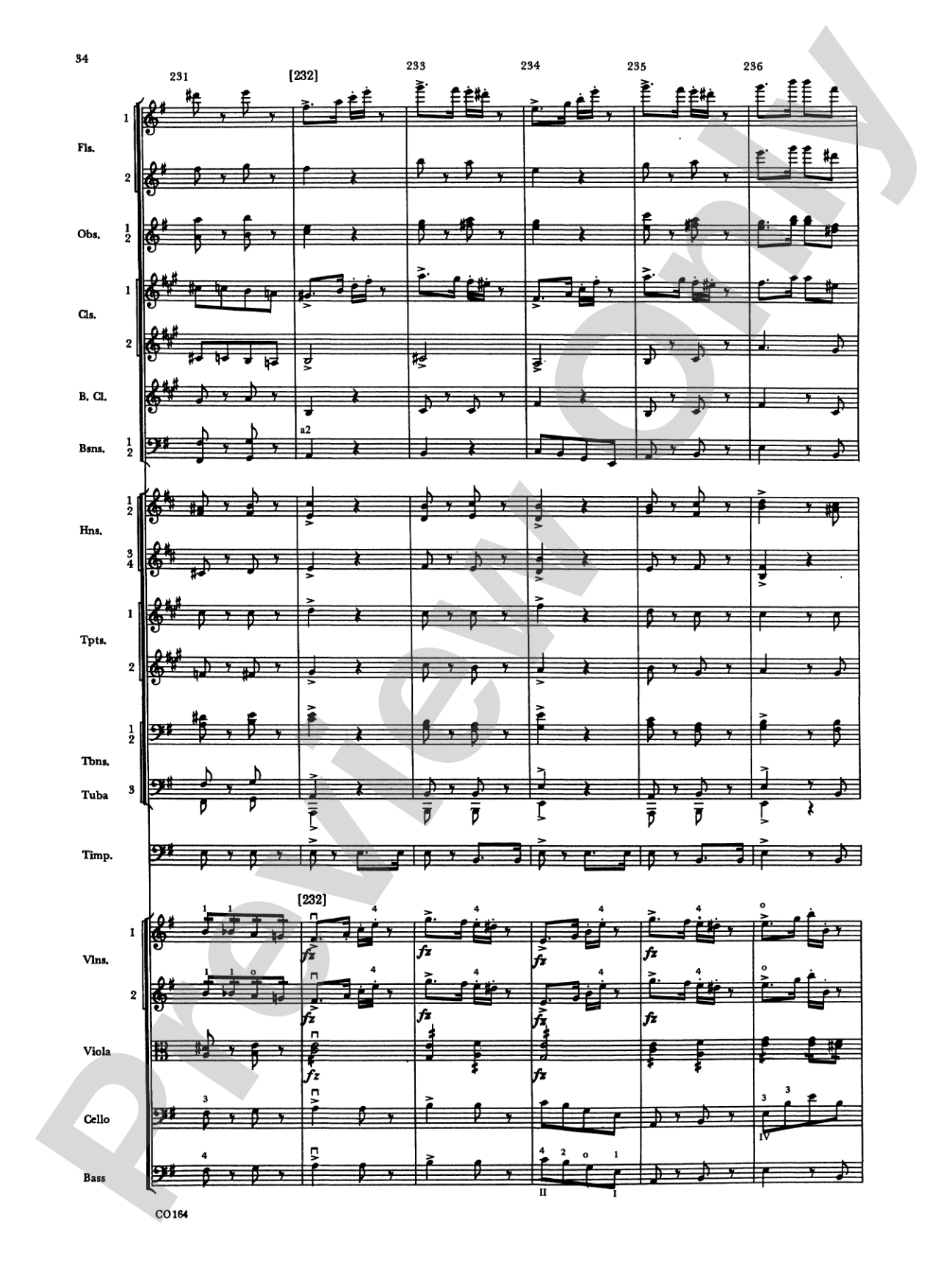
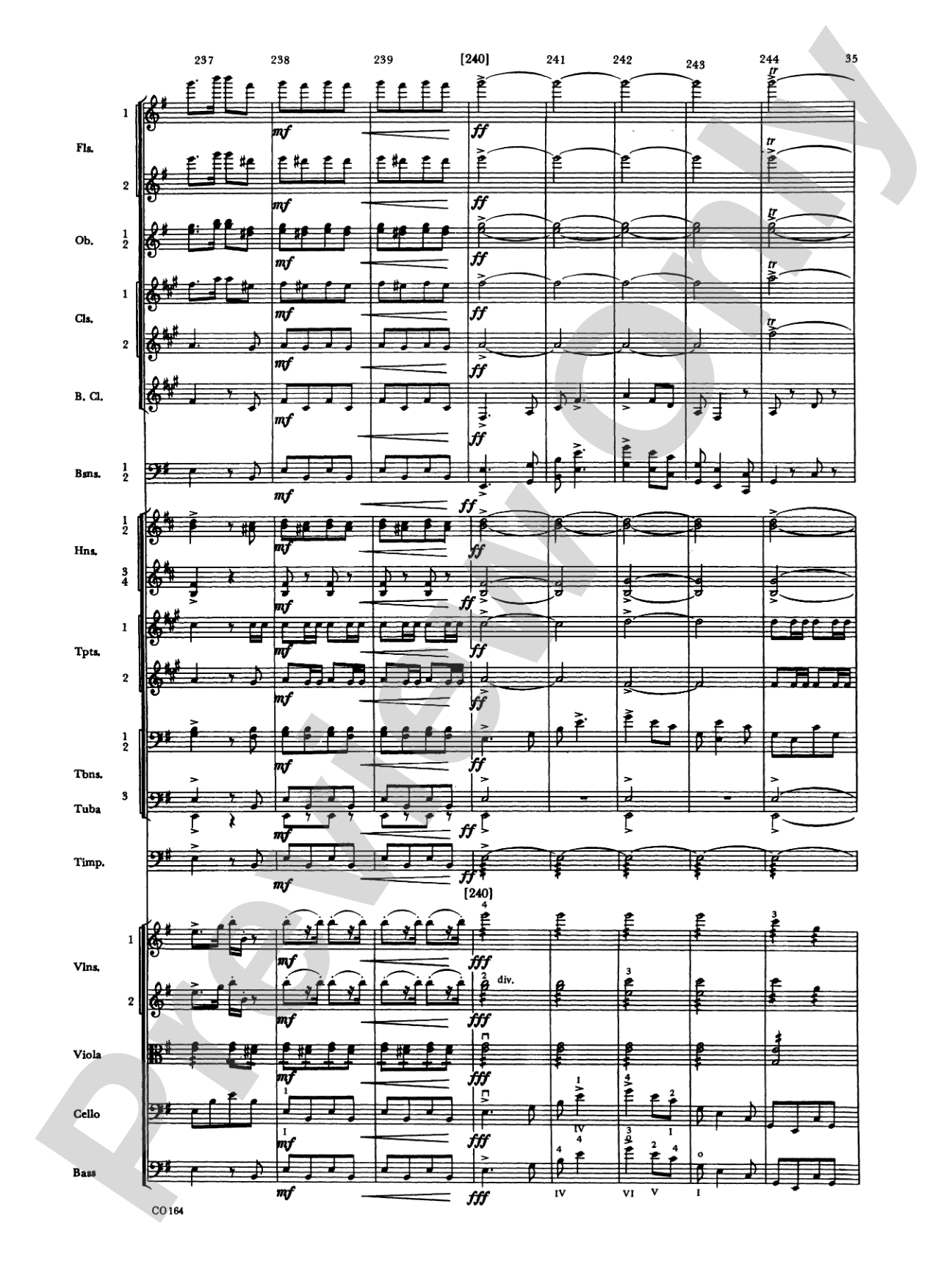
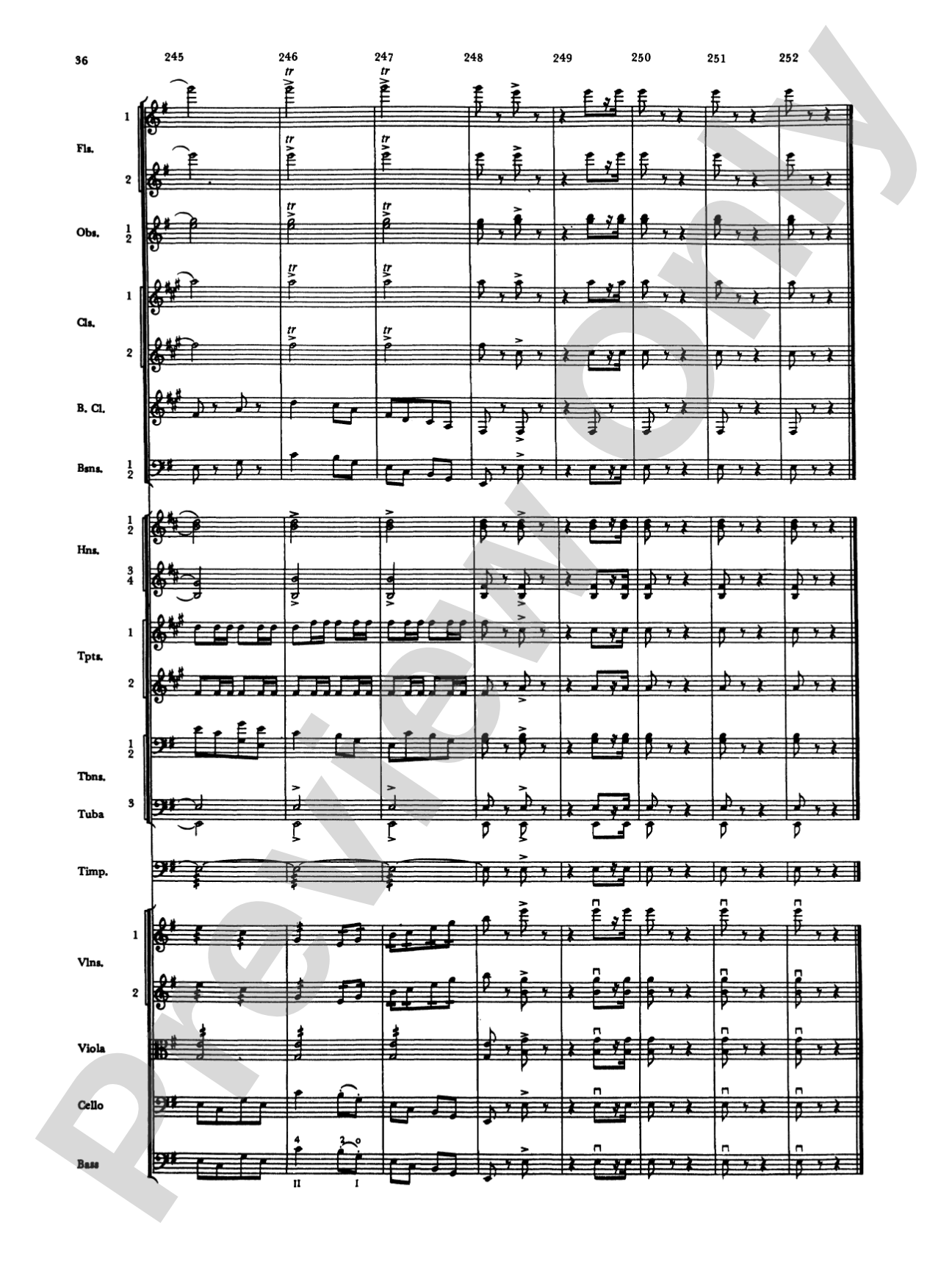

New World Symphony: Full Orchestra Conductor Score & Parts
First Movement
By Antonín Dvorák / arr. Merle J. Isaac
Grade: 3.5
Item: 00-PK-0002382

$73.00
Pickup currently not available
Buy Extra Parts (Digital PDF Download)
| Product | Price | Quantity |
|---|---|---|
| New World Symphony: Score | $9.00 | |
| New World Symphony: Flute | $3.00 | |
| New World Symphony: 2nd Flute | $3.00 | |
| New World Symphony: Oboe | $3.00 | |
| New World Symphony: 2nd Oboe | $3.00 | |
| New World Symphony: 1st B-flat Clarinet | $3.00 | |
| New World Symphony: 2nd B-flat Clarinet | $3.00 | |
| New World Symphony: B-flat Bass Clarinet | $3.00 | |
| New World Symphony: Bassoon | $3.00 | |
| New World Symphony: 2nd Bassoon | $3.00 | |
| New World Symphony: 1st F Horn | $3.00 | |
| New World Symphony: 2nd F Horn | $3.00 | |
| New World Symphony: 3rd F Horn | $3.00 | |
| New World Symphony: 4th F Horn | $3.00 | |
| New World Symphony: 1st B-flat Trumpet | $3.00 | |
| New World Symphony: 2nd B-flat Trumpet | $3.00 | |
| New World Symphony: 1st Trombone | $3.00 | |
| New World Symphony: 2nd Trombone | $3.00 | |
| New World Symphony: 3rd Trombone | $3.00 | |
| New World Symphony: Tuba | $3.00 | |
| New World Symphony: Timpani | $3.00 | |
| New World Symphony: 1st Violin | $3.00 | |
| New World Symphony: 2nd Violin | $3.00 | |
| New World Symphony: Viola | $3.00 | |
| New World Symphony: Cello | $3.00 | |
| New World Symphony: String Bass | $3.00 |
Parts Added to Cart!
Related Items
New World Symphony: Full Orchestra Conductor Score & Parts |
$73.00
|
View |
Description
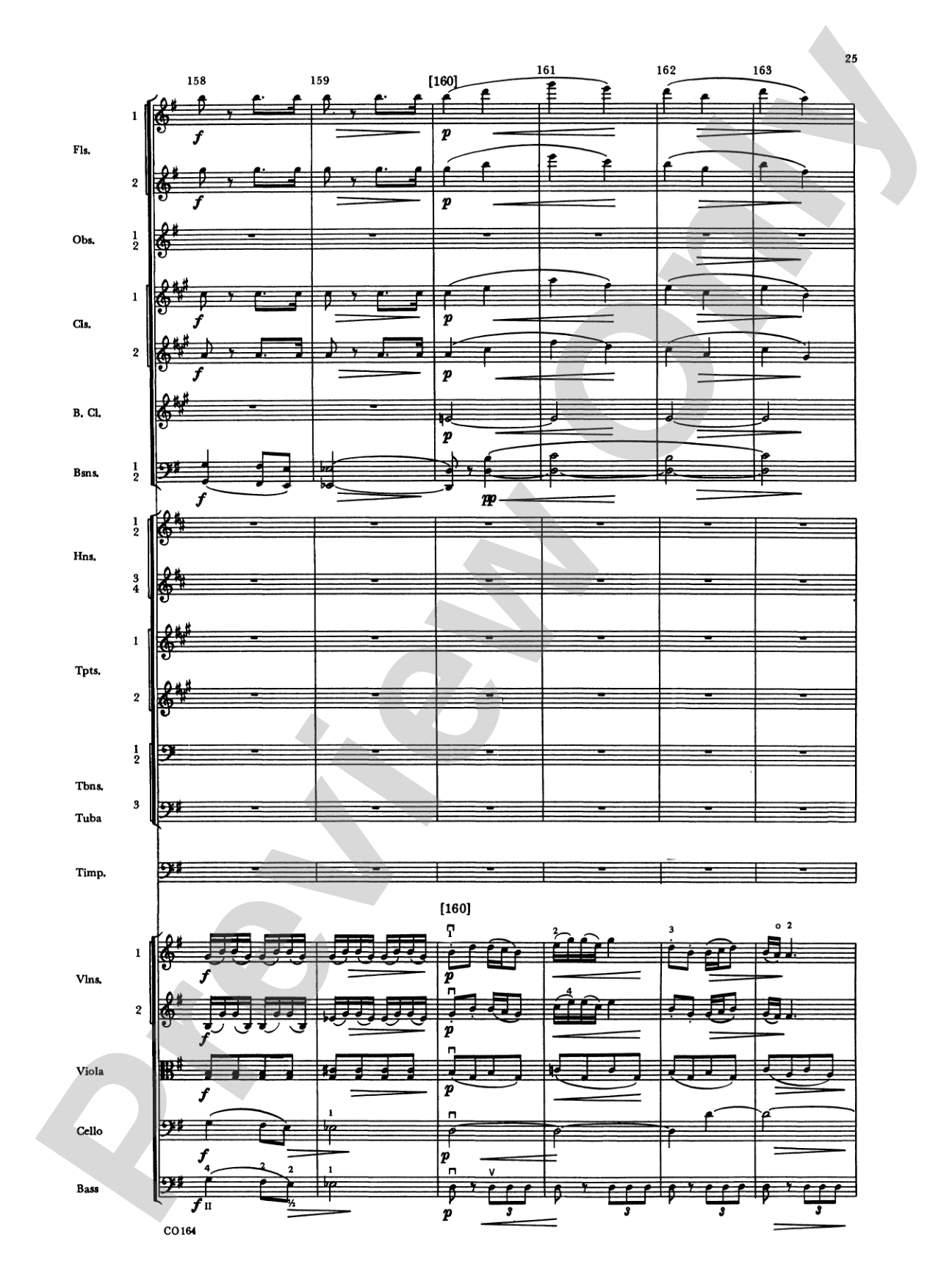
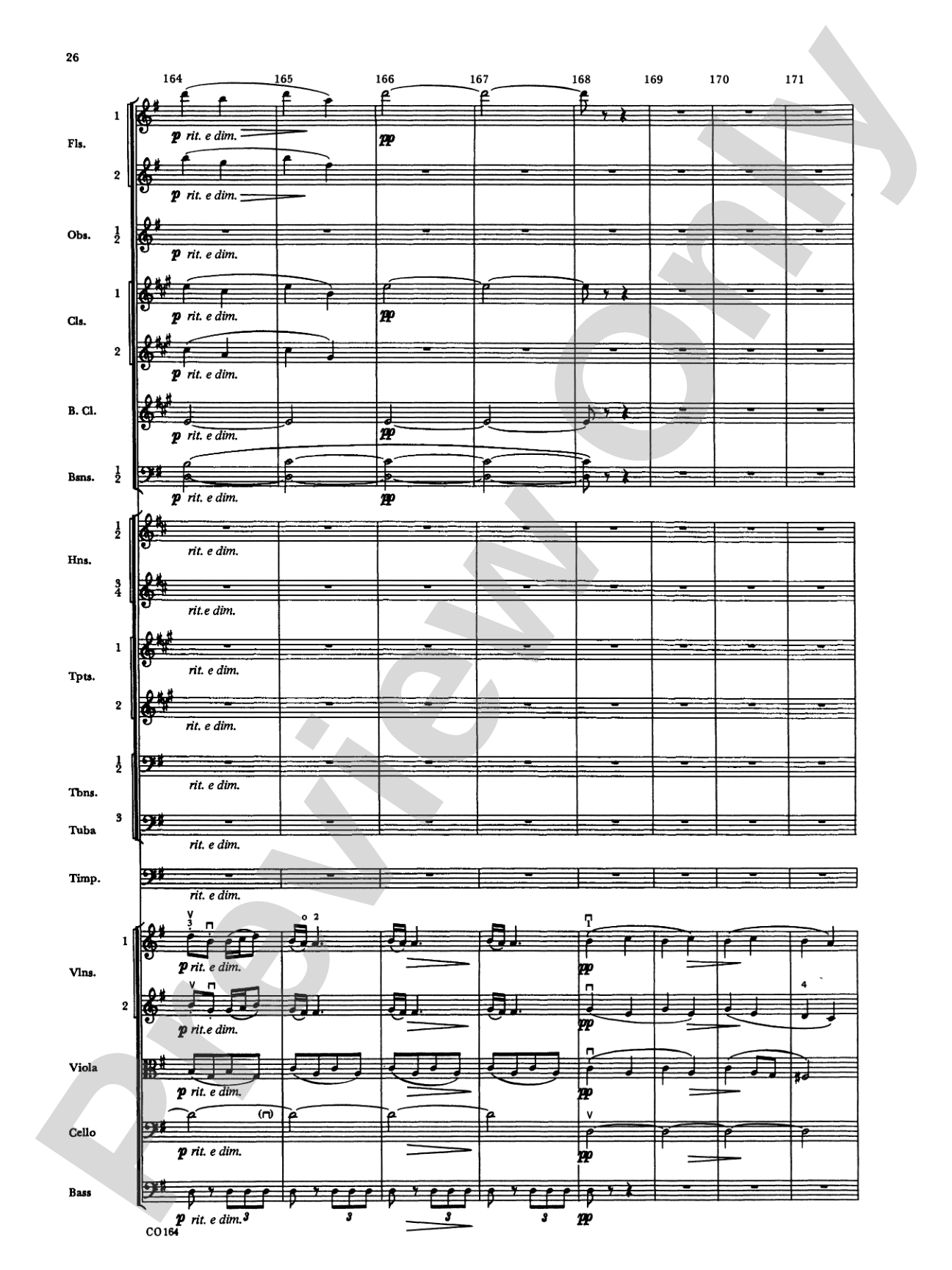
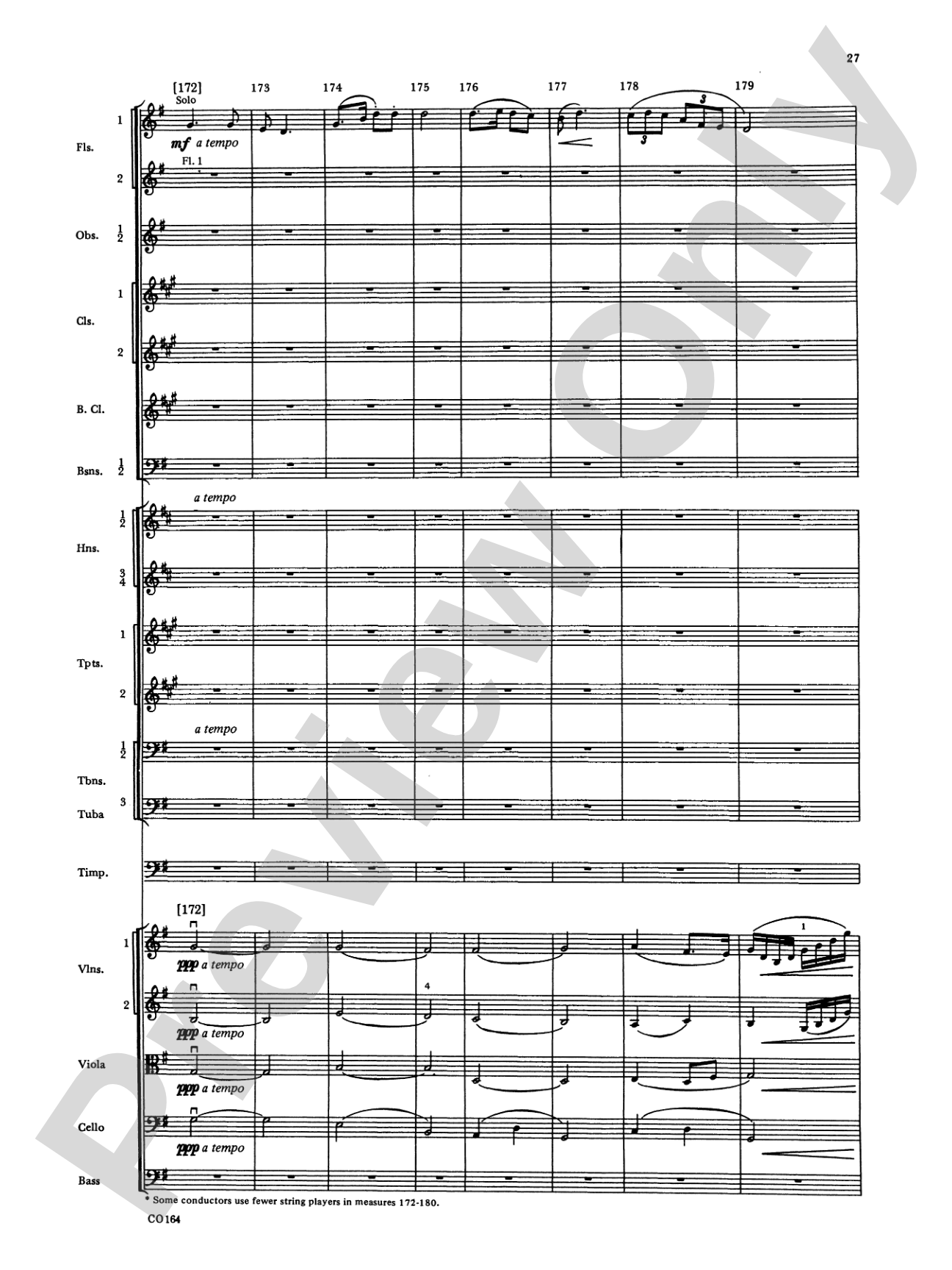
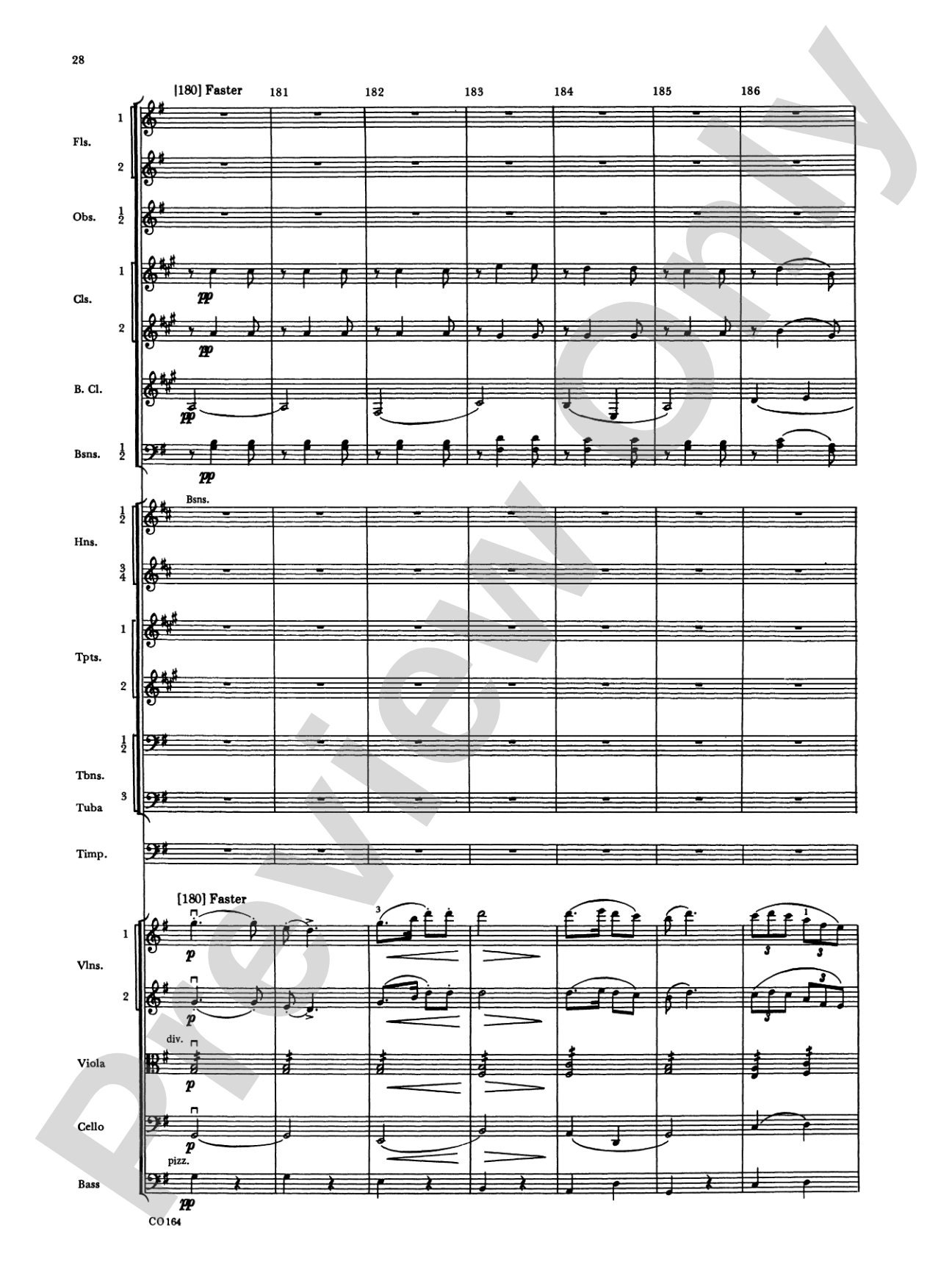
Another in the series of adaptations of the masters by Merle Isaac, himself a master of orchestration for young players. This memorable music by Antonín Dvorák is known by concertgoers the world over and is a welcome addition to the school orchestra repertoire. (8:56)


Don't just read it, hear it, play along with it, and watch your students grow with it. In MakeMusic Cloud, New World Symphony: Full Orchestra Conductor Score & Parts comes alive with professional accompaniment, adjustable tempo, and built-in practice tools that turn solo practice into real progress.
Open in the Player
Jump straight in and assign it today.
Start Your Free Trial
Open this title and explore the full library in minutes.
Sample Audio
1
Audio File
--:--
0:00
0:00
Sample Video
Additional Details
Series:
Belwin Concert Full Orchestra
Publisher:
Alfred Music
Page Count:
240
SKU:
00-PK-0002382
More about this title
About the Composer: Antonin Dvorák
Antonín Dvořák was a Czech composer who bridged the Romantic era and the modern symphonic tradition, drawing deeply from folk idioms and nationalist pride. His orchestral writing balances lyricism with structural sophistication, making his works enduring favorites in concert halls and increasingly essential in the school orchestra curriculum.
Why we love this
Merle Isaac's orchestration here captures Dvořák's gift for memorable melody without sacrificing the harmonic richness that makes this symphony complete. Your students get the authentic thrill of conducting a work that audiences recognize instantly, combined with writing that sits perfectly in the intermediate orchestra range.
What to expect
Luminous and spacious, with a quality of discovery that unfolds across eight and a half minutes. The music shifts between reflective intimacy and sweeping breadth, inviting the orchestra into Dvořák's world of rich color and deeply felt expression.
Who it's for
Intermediate to advancing orchestras ready to perform a genuine masterwork. This arrangement serves ensembles with competent section leadership and players comfortable with independent lines.
How to get the most out of it
- Balance the first movement's lyrical opening theme carefully; the melody should soar even when violas and cellos carry substantial harmonic weight beneath it.
- Shape phrase endings with intention, particularly in the slower sections. Dvořák's phrasing rewards slight ritardandi and sensitive dynamic tapering.
- Let the rhythmic drive in faster passages breathe naturally rather than pushing tempo. The orchestra will feel more secure when pulse is steady and unhurried.
How to use it
This sits naturally as a concert centerpiece or festival selection, substantial enough to anchor a program but approachable enough to program alongside contemporary works. Consider it for spring concerts when your orchestra has time to develop the sophistication this score demands.
Skills your students will build
- Sustaining long melodic lines with forward momentum
- Balancing independent harmonic voices across the ensemble
- Responding to subtle conducting gestures and phrase shaping
- Reading and executing complex divisi passages
- Maintaining intonation in lush, chromatic harmonic contexts