
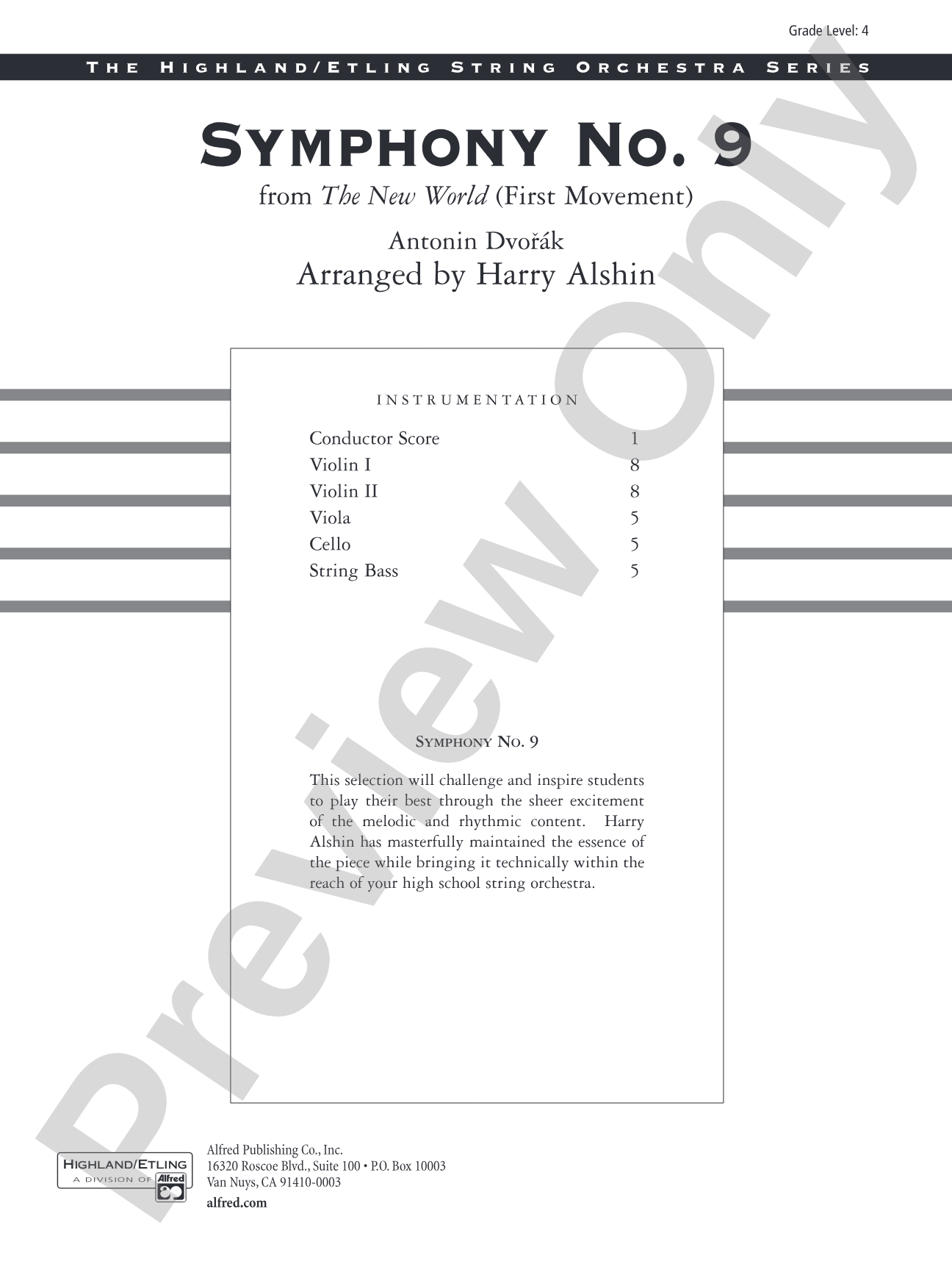
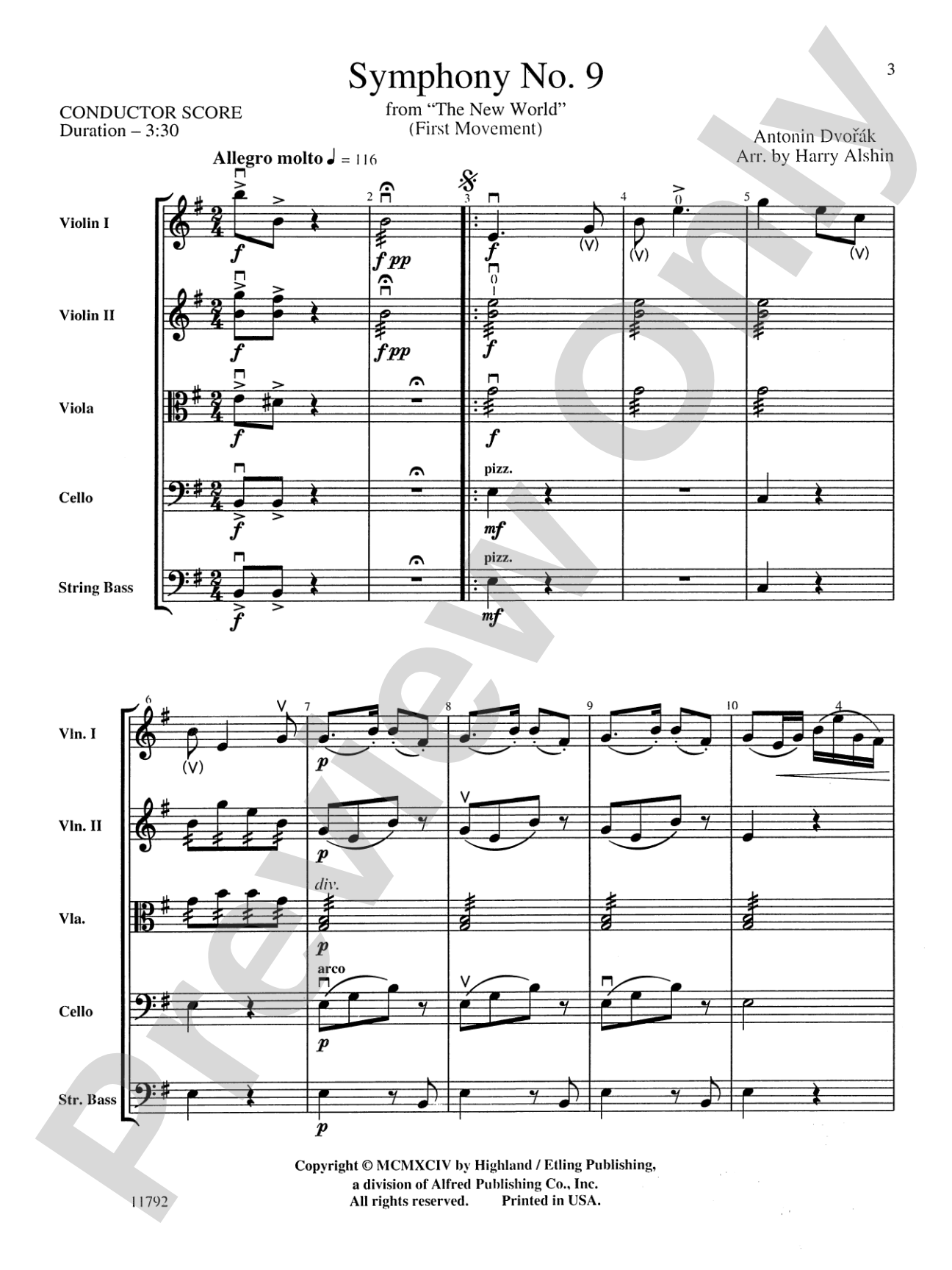
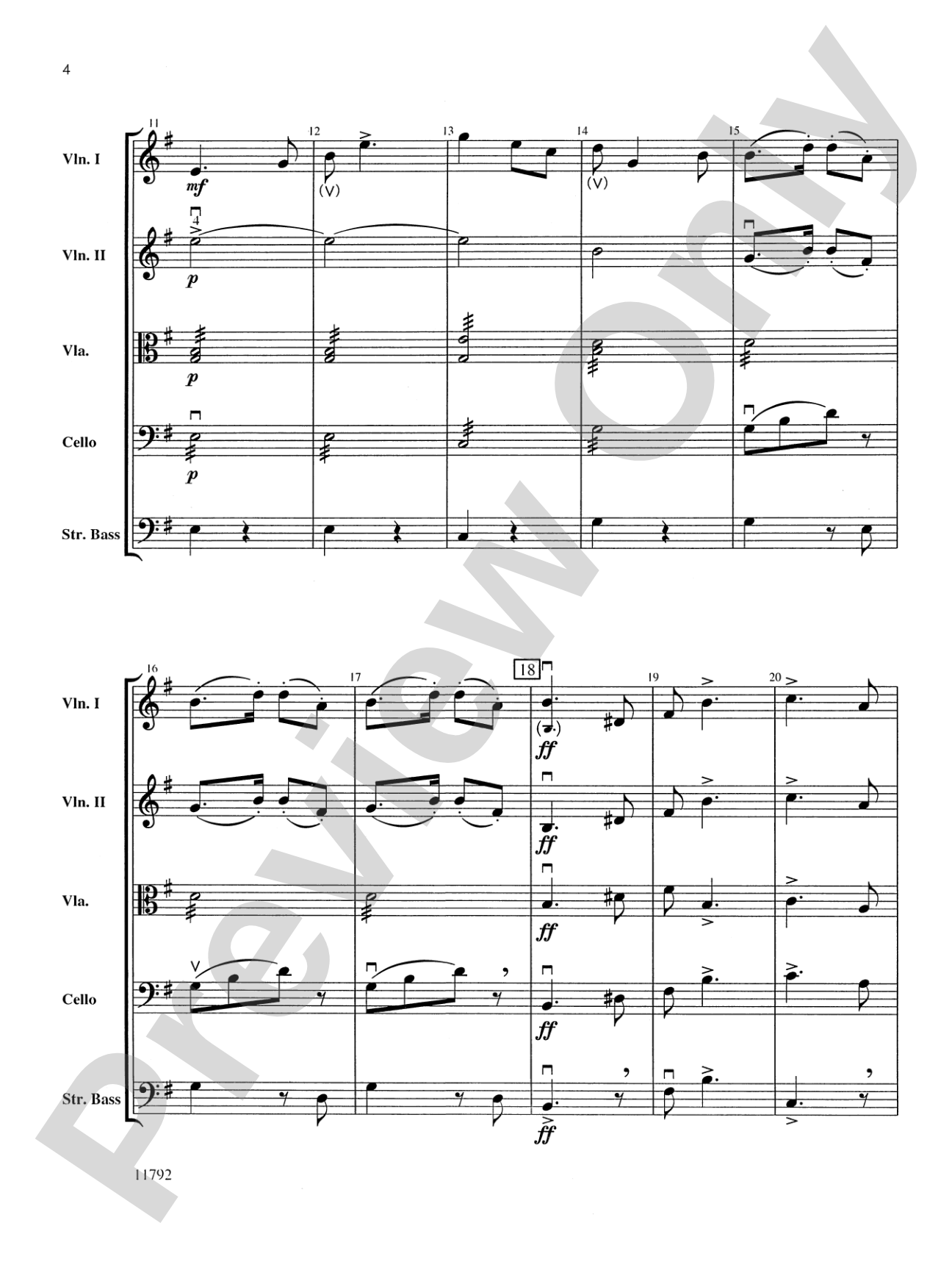
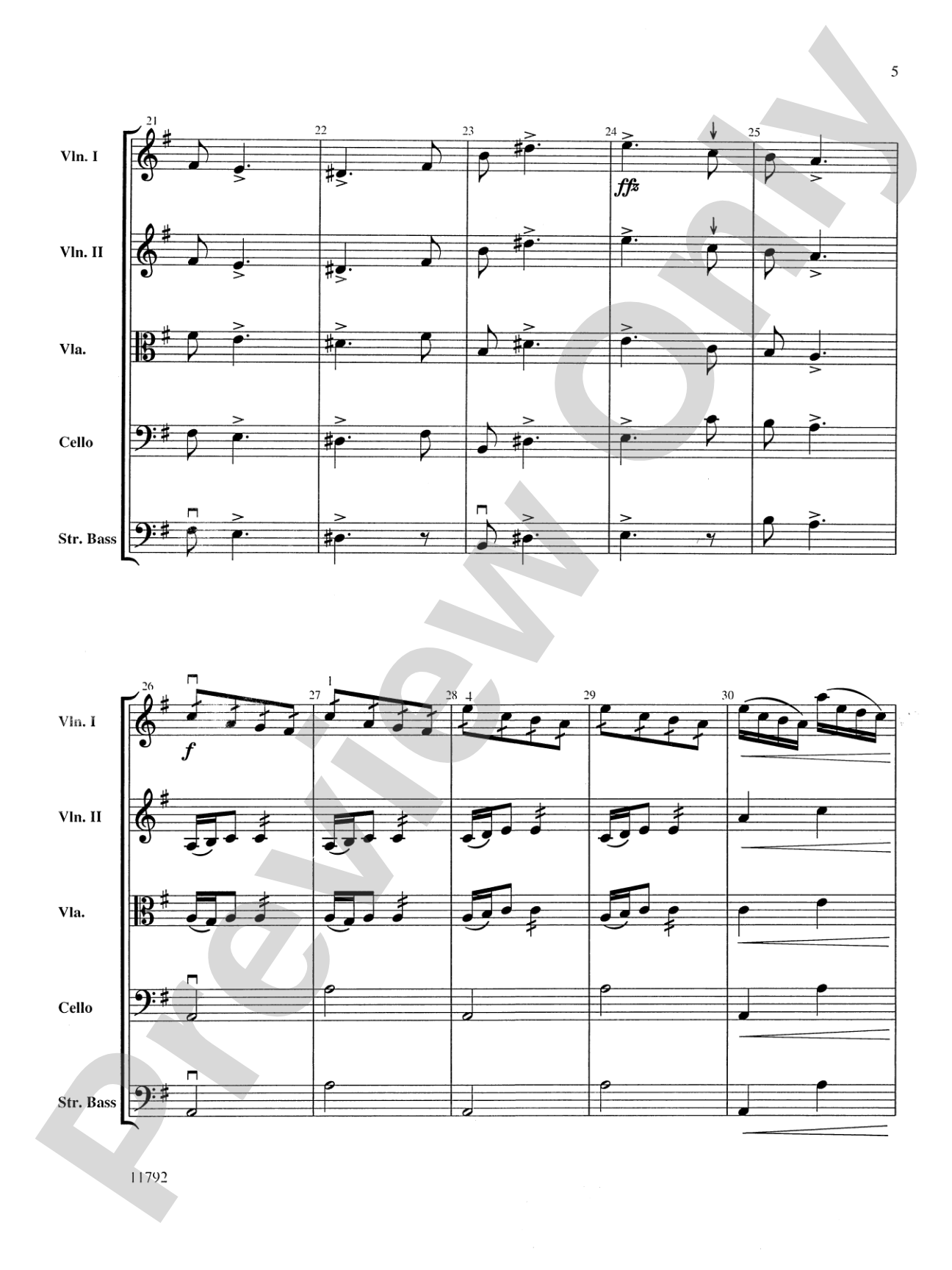
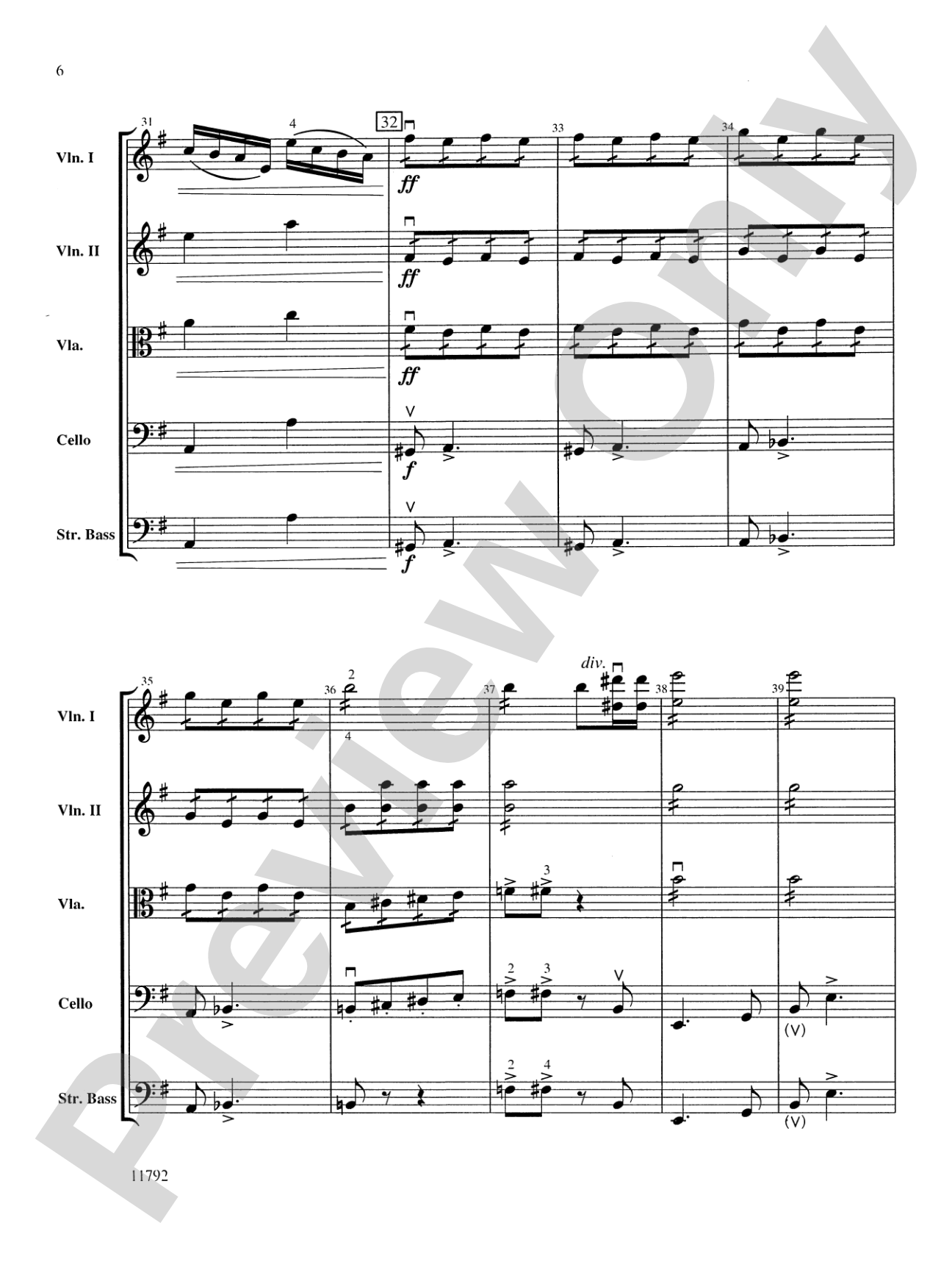
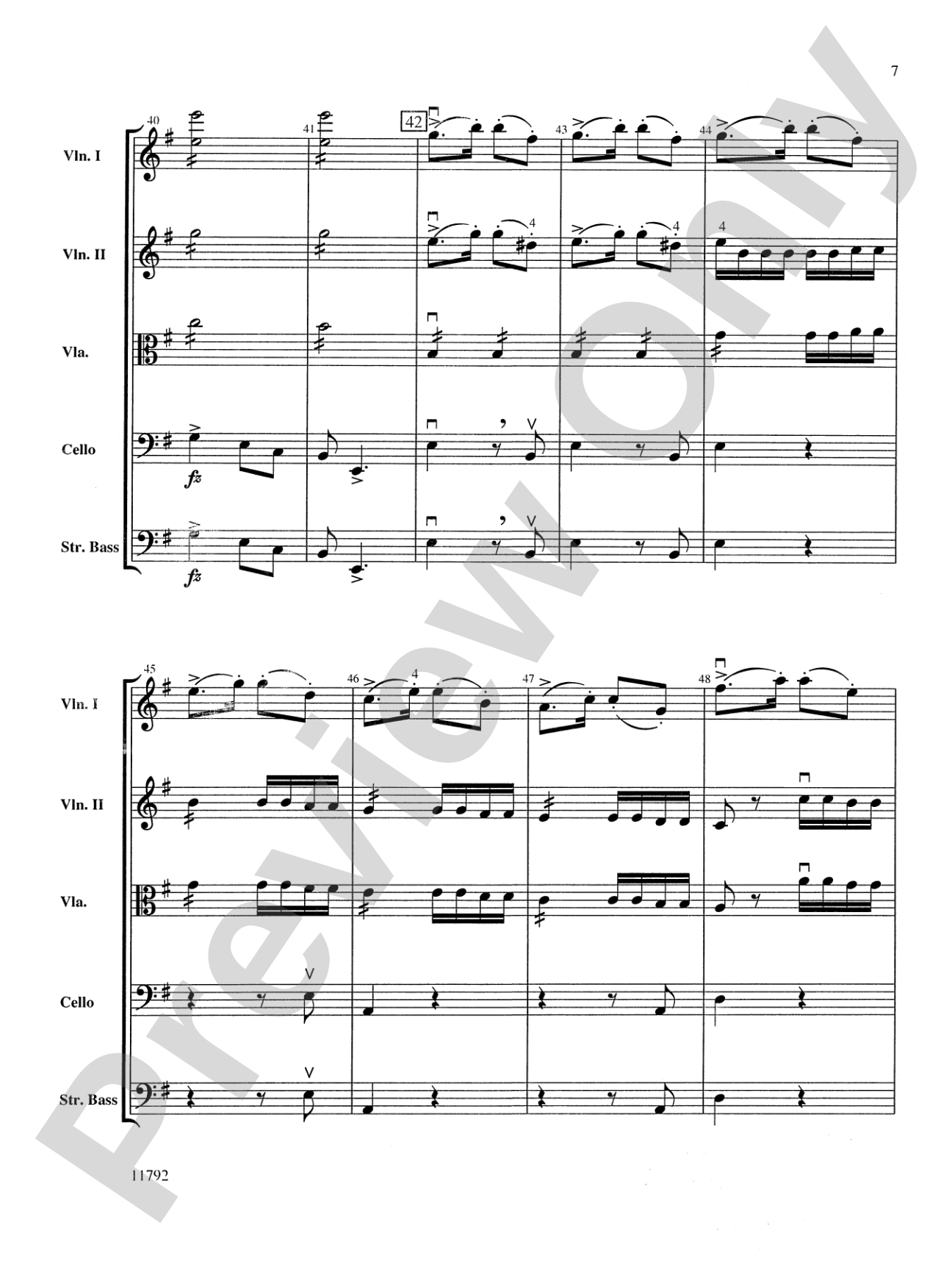
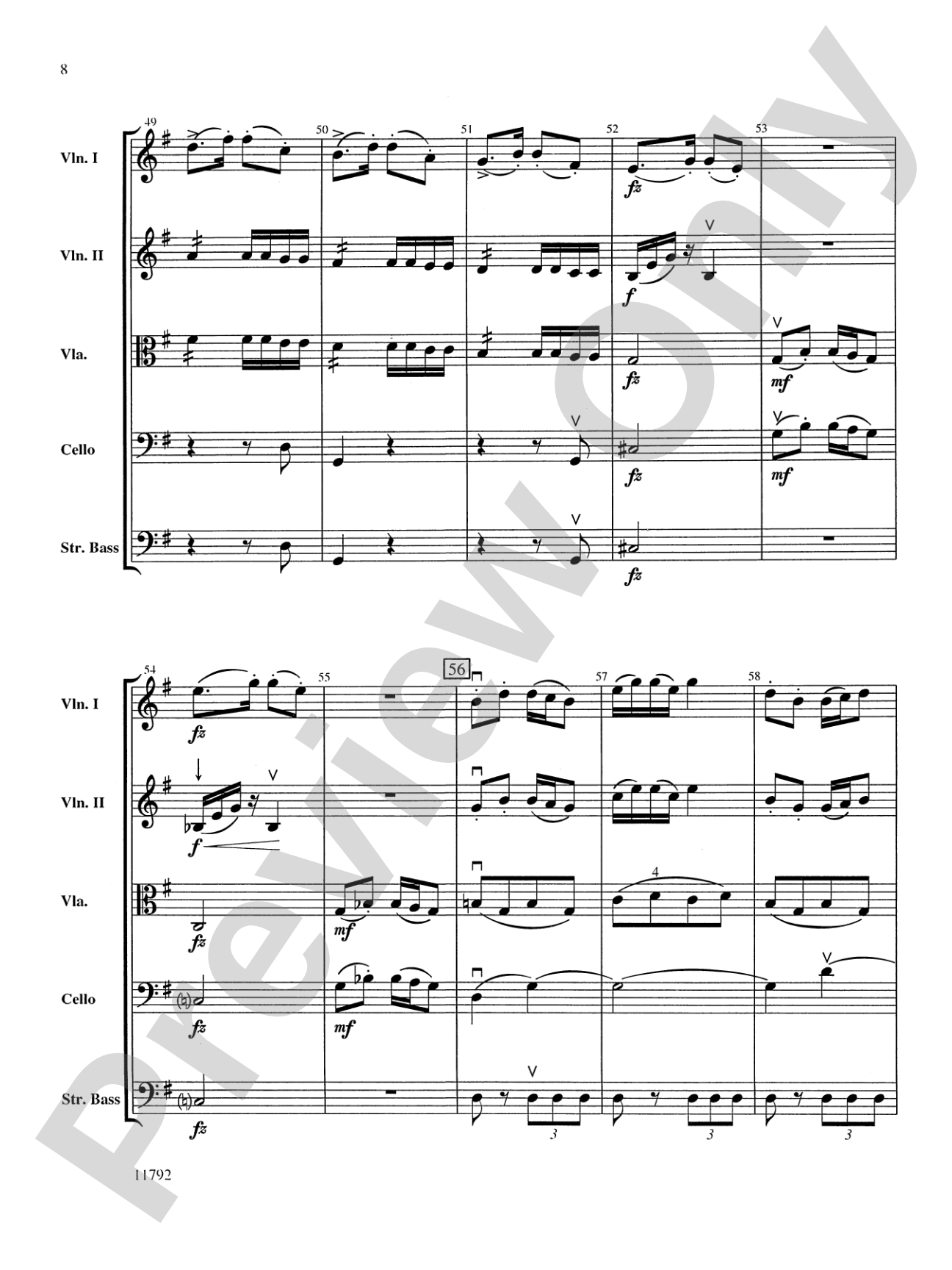
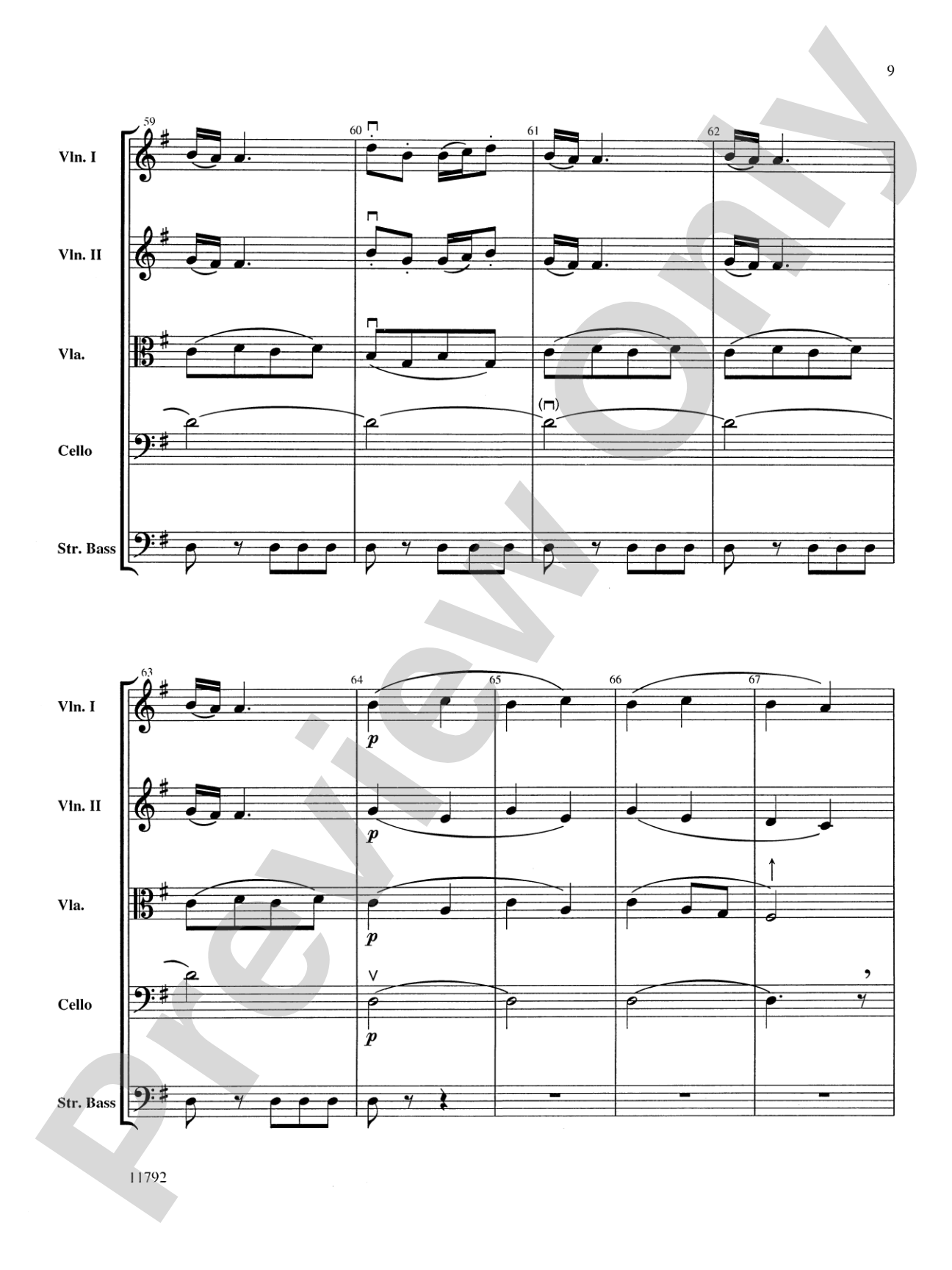
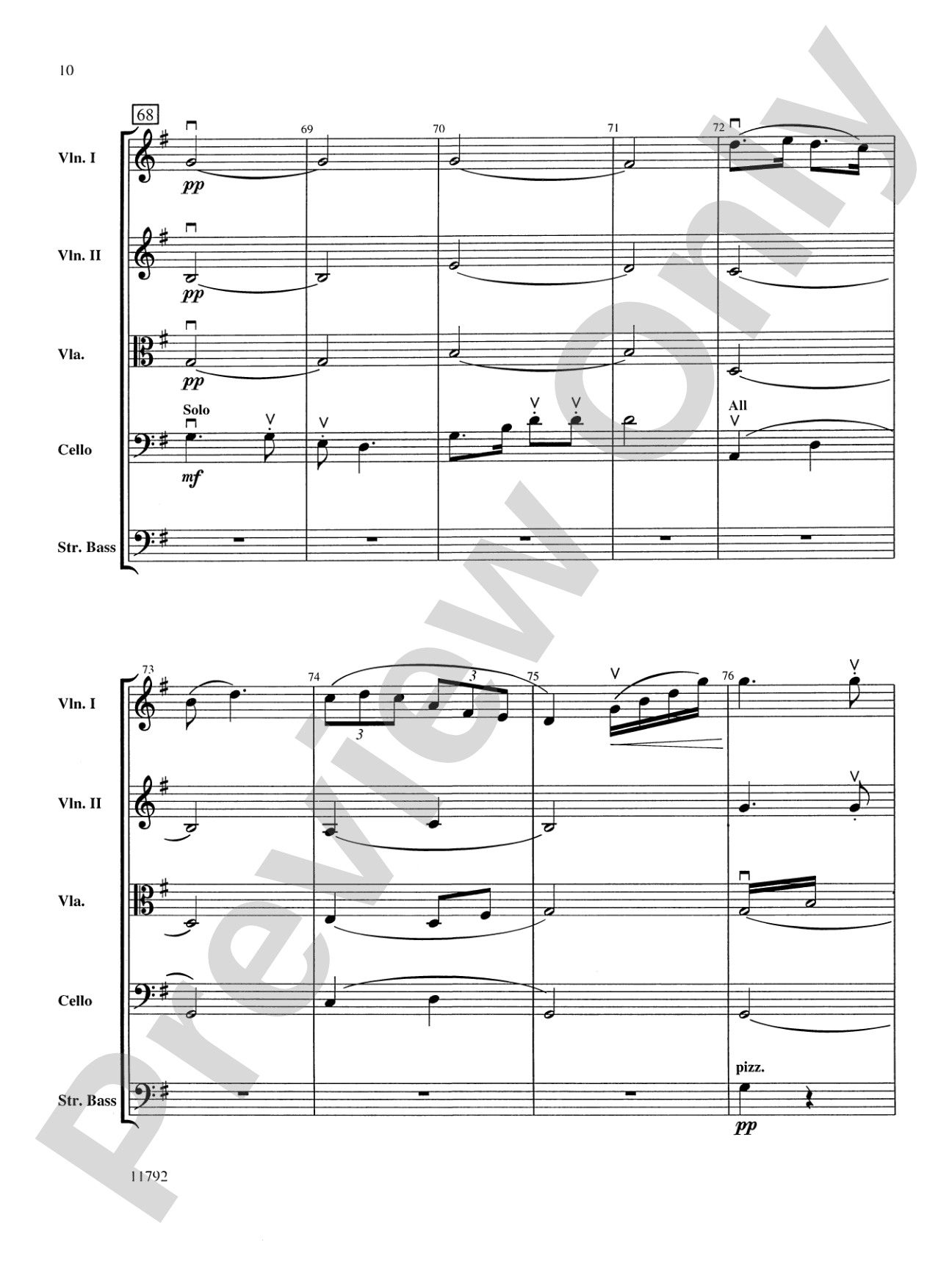
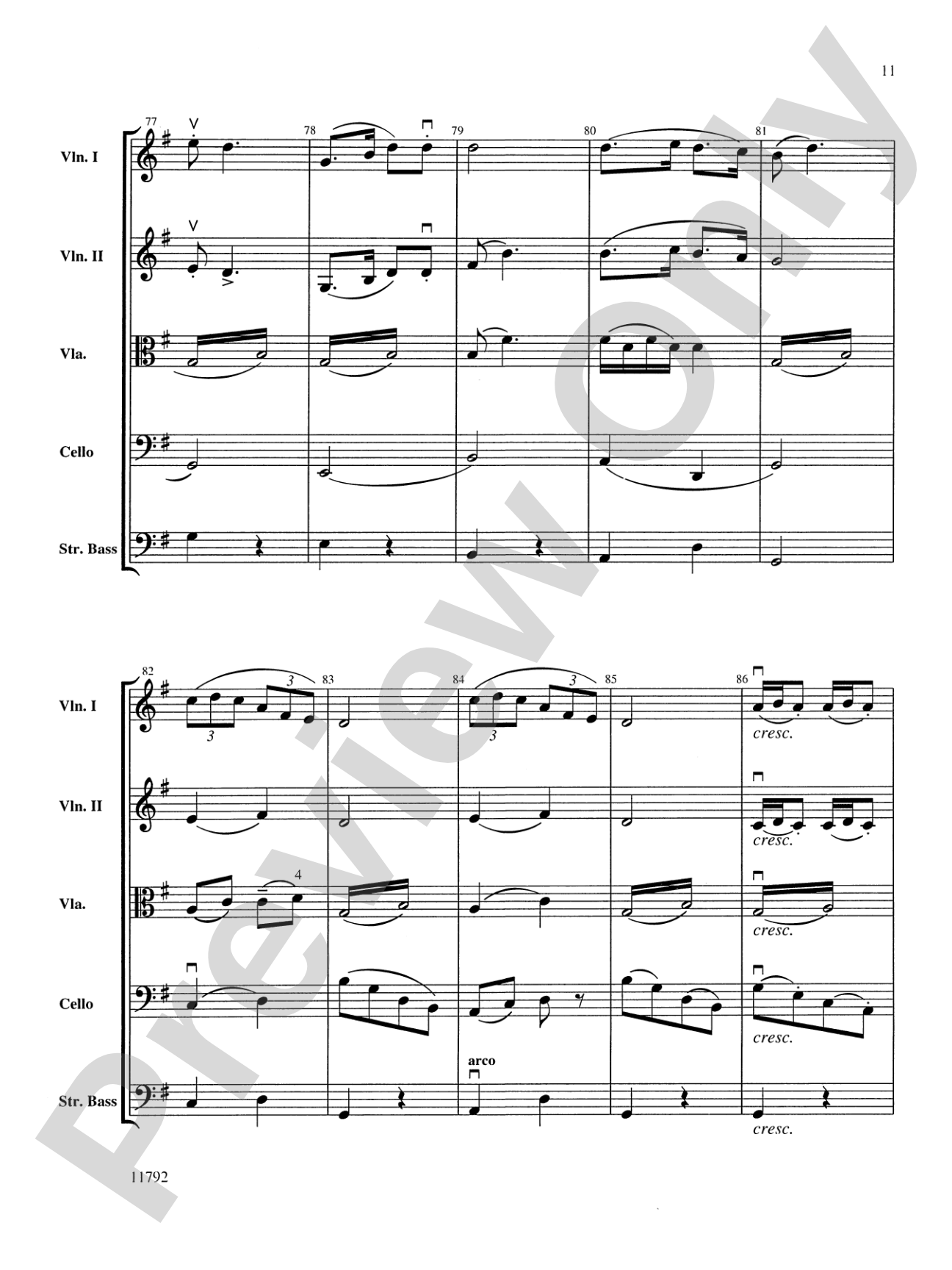
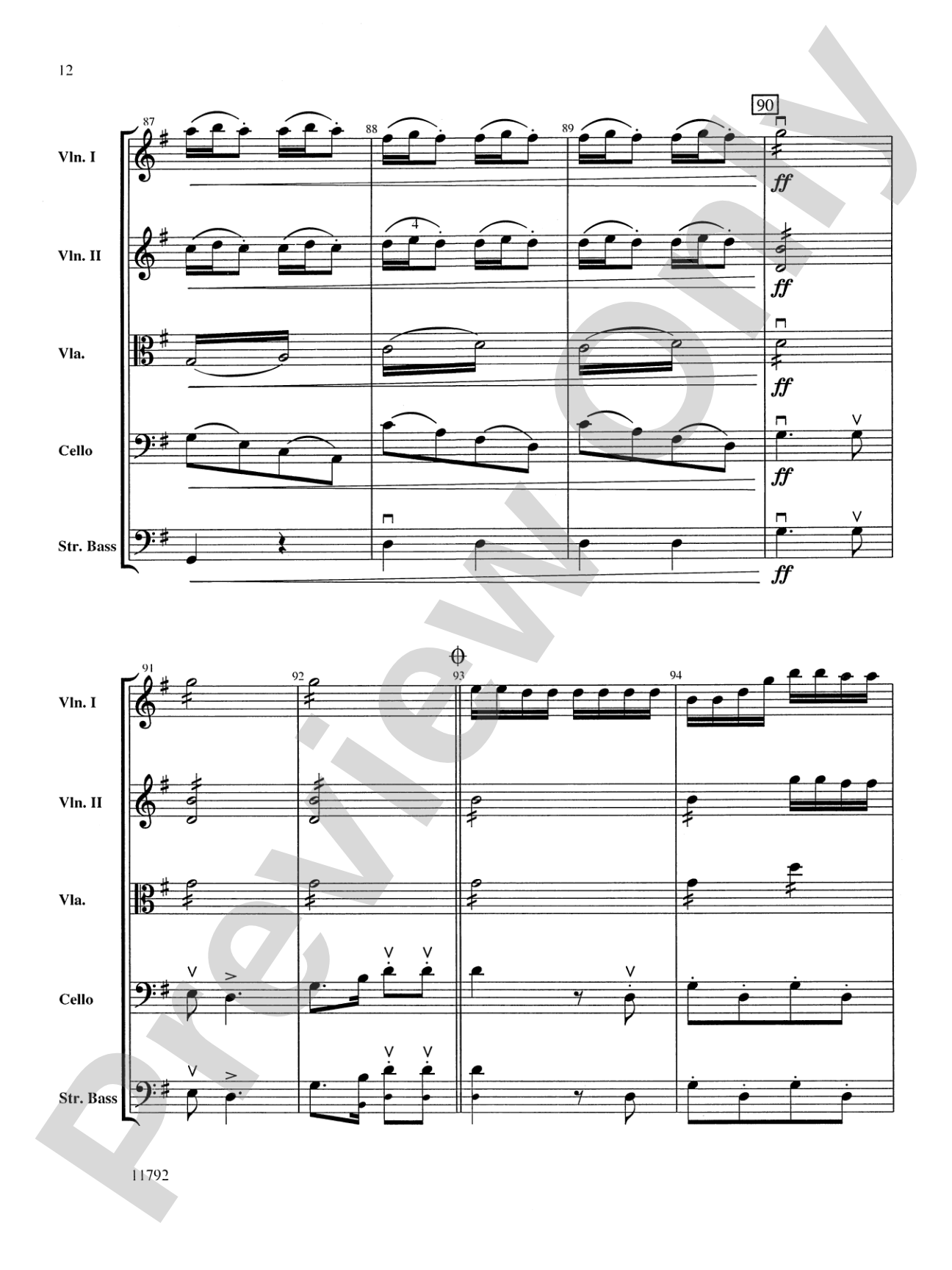
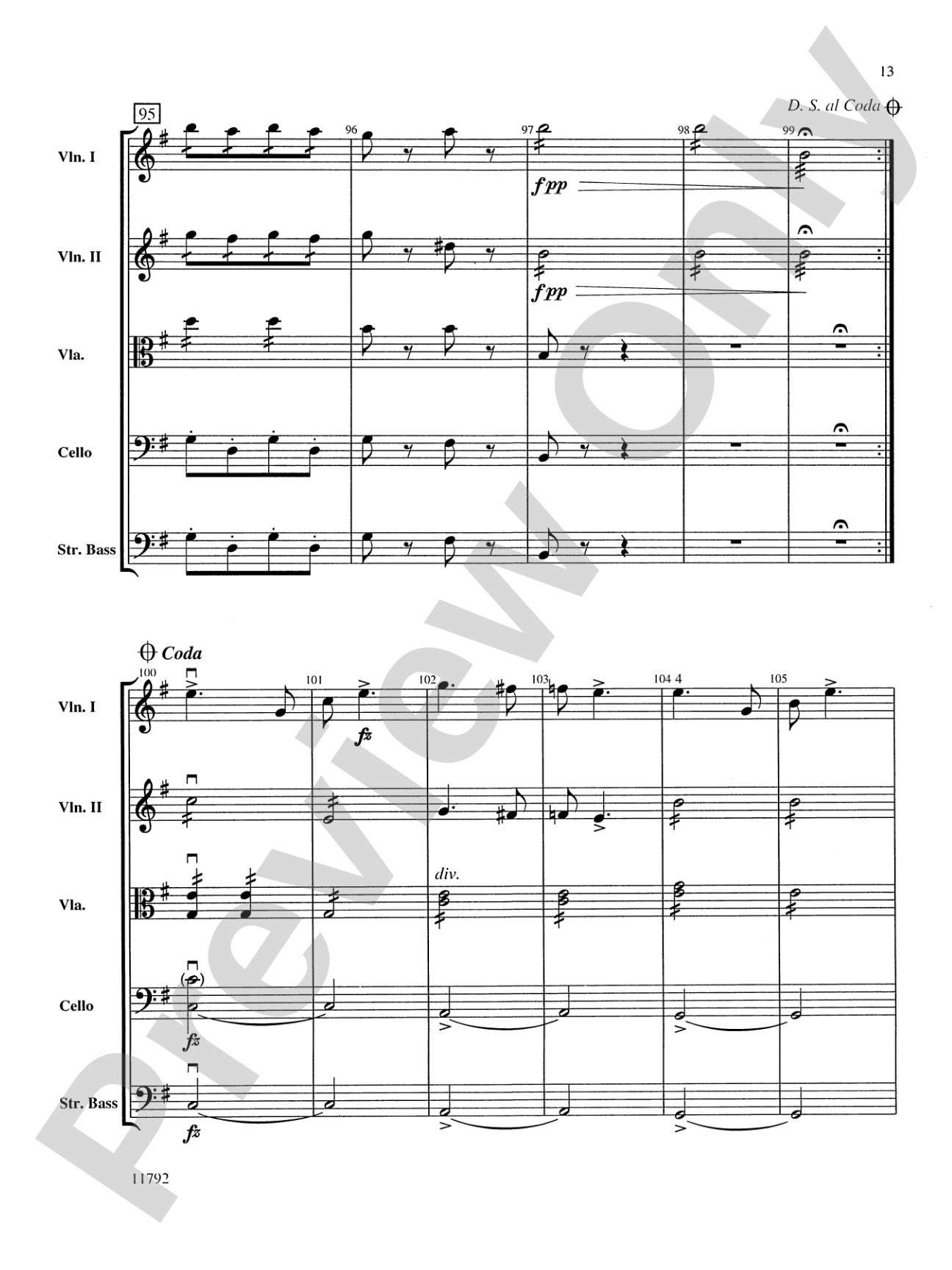
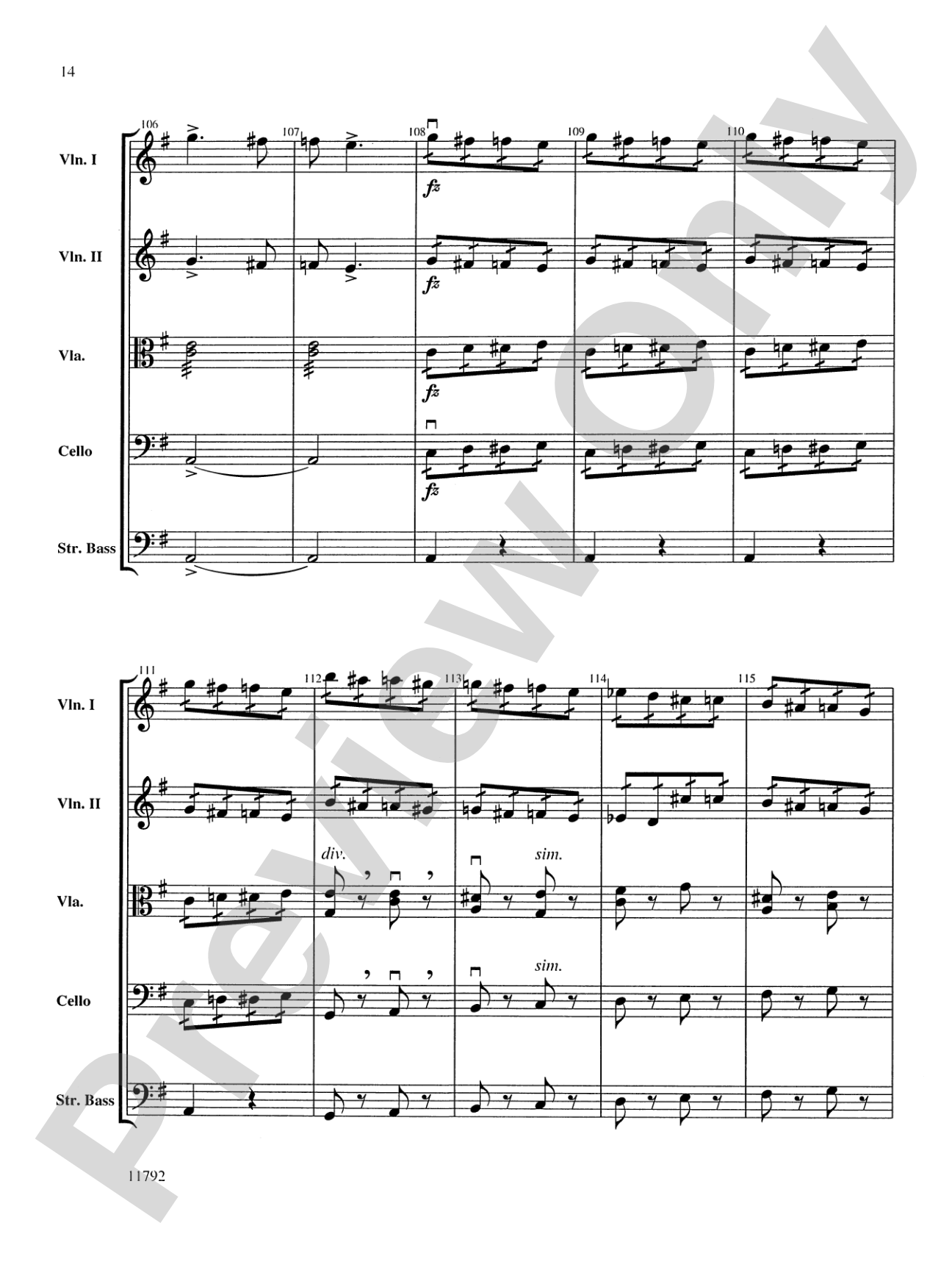
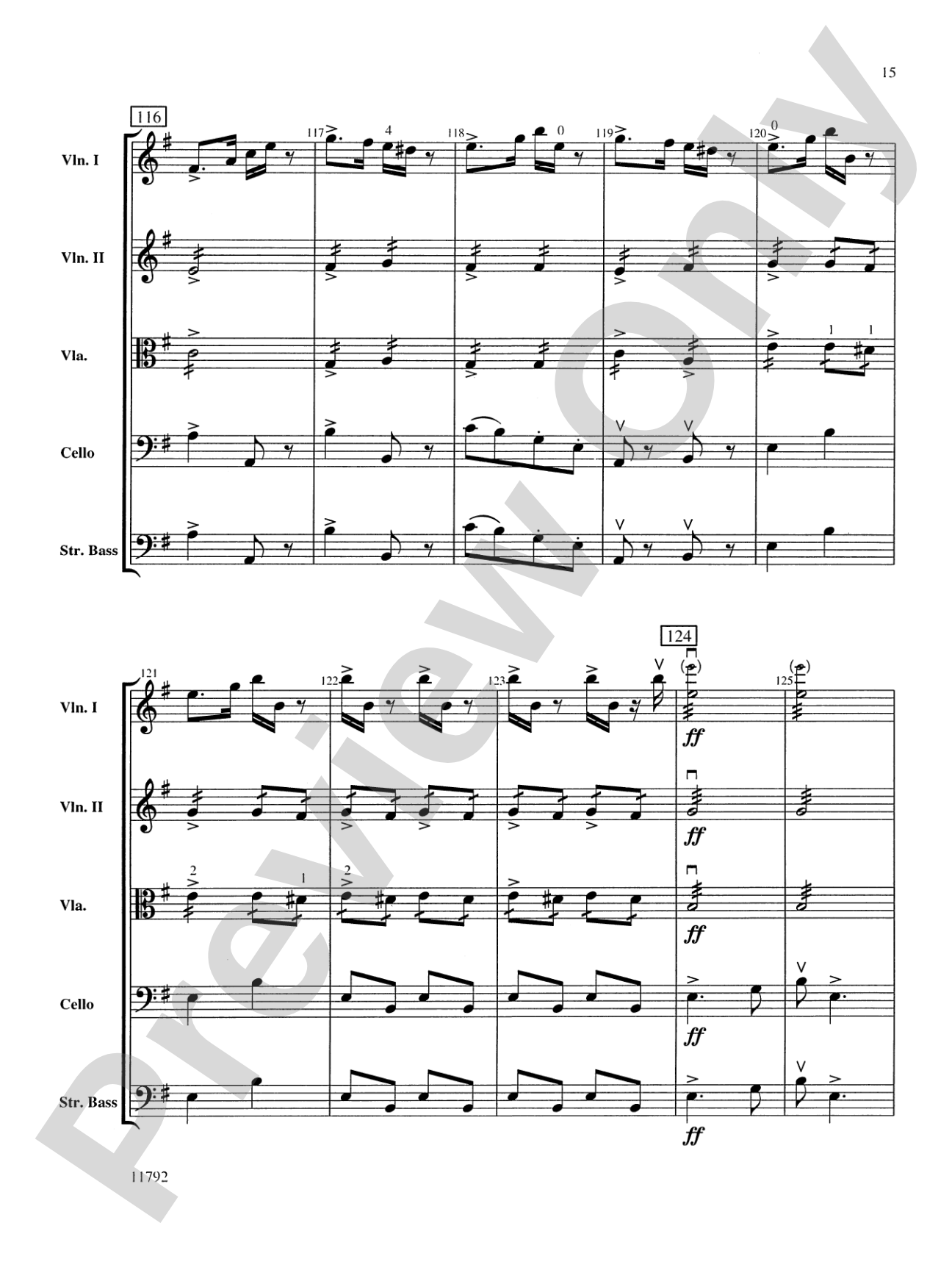
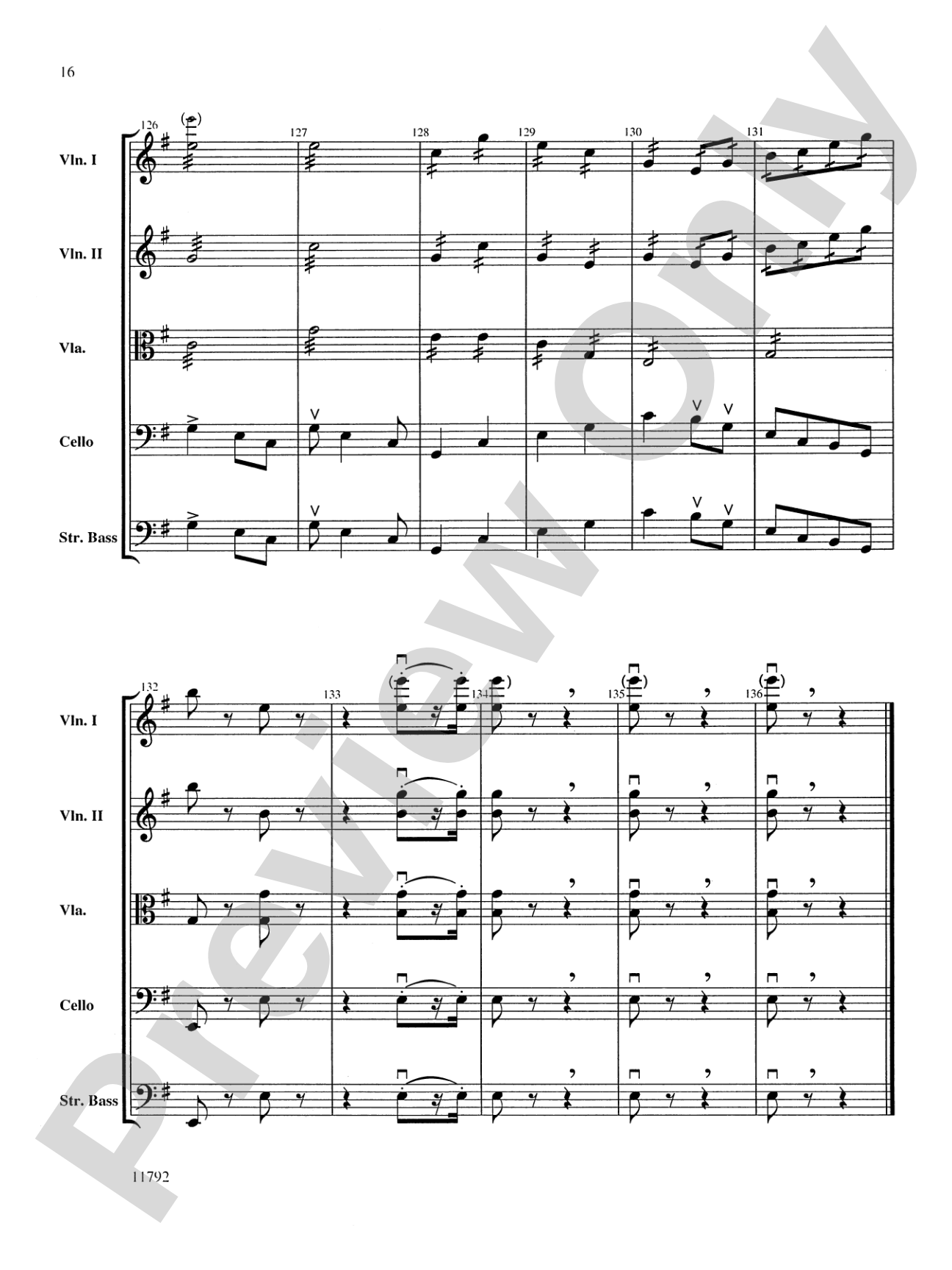

New World Symphony: String Orchestra Conductor Score & Parts
from the New World (First Movement)
By Antonín Dvorák / arr. Harry Alshin
Grade: 4
Item: 00-PK-0000030

$55.00
Pickup currently not available
Buy Extra Parts (Digital PDF Download)
| Product | Price | Quantity |
|---|---|---|
| New World Symphony: Score | $9.00 | |
| New World Symphony: 1st Violin | $5.99 | |
| New World Symphony: 2nd Violin | $5.99 | |
| New World Symphony: Viola | $5.99 | |
| New World Symphony: Cello | $5.99 | |
| New World Symphony: String Bass | $5.99 |
Parts Added to Cart!
Description
This Antonín Dvorák selection will challenge and inspire students to play their best through the sheer excitement of the melodic and rhythmic content. Harry Alshin has masterfully maintained the essence of the piece while bringing it technically within the reach of your high school string orchestra. This title is available in MakeMusic Cloud.


Don't just read it, hear it, play along with it, and watch your students grow with it. In MakeMusic Cloud, New World Symphony: String Orchestra Conductor Score & Parts comes alive with professional accompaniment, adjustable tempo, and built-in practice tools that turn solo practice into real progress.
Open in the Player
Jump straight in and assign it today.
Start Your Free Trial
Open this title and explore the full library in minutes.
Sample Audio
1
Audio File
--:--
0:00
0:00
Sample Video
No sample videos found.
Additional Details
Series:
Highland/Etling String Orchestra
Publisher:
Alfred Music
Page Count:
124
SKU:
00-PK-0000030
More about this title
About the Composer: Antonin Dvorák
Antonín Dvořák (1841, 1904) stands as one of the most significant composers of the Romantic era, bridging European classical tradition with the musical idioms of his Czech homeland. His symphonies, chamber works, and orchestral pieces earned him international recognition during his lifetime, and he spent years in the United States as director of the National Conservatory of Music in New York, where he absorbed American musical influences.
For string educators, Dvořák represents an ideal teaching composer. His melodies sing naturally on strings, his harmonic language is rich but accessible, and his rhythmic drive engages young players immediately. The New World Symphony in particular has become a cornerstone of the orchestral repertoire, offering students both technical challenge and genuine musical substance.
Why we love this
Alshin's arrangement captures what makes the New World Symphony so magnetic, those soaring themes that seem to demand every player's full investment, without overwhelming Grade 4 ensembles with impossible technical demands. The 124-page score signals serious substance; this isn't a simplified version that loses its identity. Programming a recognized masterwork at this level gives students real repertoire they'll remember and reference for years.
What to expect
This arrangement captures the lift and optimism of the original without sacrificing emotional depth. Dvořák's gift for long-lined melody and harmonic richness comes through clearly; players experience the satisfaction of sounding substantial and mature.
Who it's for
High school string orchestras with solid fundamentals and appetite for standard repertoire at an achievable technical level. Students who have moved beyond Grade 2-3 arrangements will find this challenging enough to grow into without feeling inaccessible.
How to get the most out of it
- Bring the main theme forward in the first moments; this melody is the heart of the movement, and clean, singing tone from the first violins sets the entire emotional trajectory.
- Balance the inner voices carefully during the tutti sections. The arrangement distributes material thoughtfully across the section, and clarity here prevents the sound from turning muddy.
- Shape the rhythmic figures with precision but not rigidity. Dvořák's rhythms have a dance-like quality; let them breathe rather than lock them into metronomic accuracy.
- Use the recorded accompaniment in MakeMusic Cloud during sectional rehearsals so students can internalize the pulse and hear how their part interlocks with the full texture.
How to use it
Program this as a centerpiece for a concert built around Romantic nationalism, or pair it with other Dvořák arrangements to build a thematic evening. Its 124 pages suggest a major work on the program, making it ideal for contest or festival performance where you want to showcase genuine musicianship.
Skills your students will build
- Sustaining long melodic lines with consistent vibrato and tone quality
- Reading across multiple key signatures and harmonic progressions
- Balancing ensemble texture when multiple lines carry thematic material simultaneously
- Responding to conductor direction for expressive phrasing in Romantic style
- Executing efficient string crossings and position shifts in moderate to quick passages
- Understanding sectional independence within a unified orchestral sound