

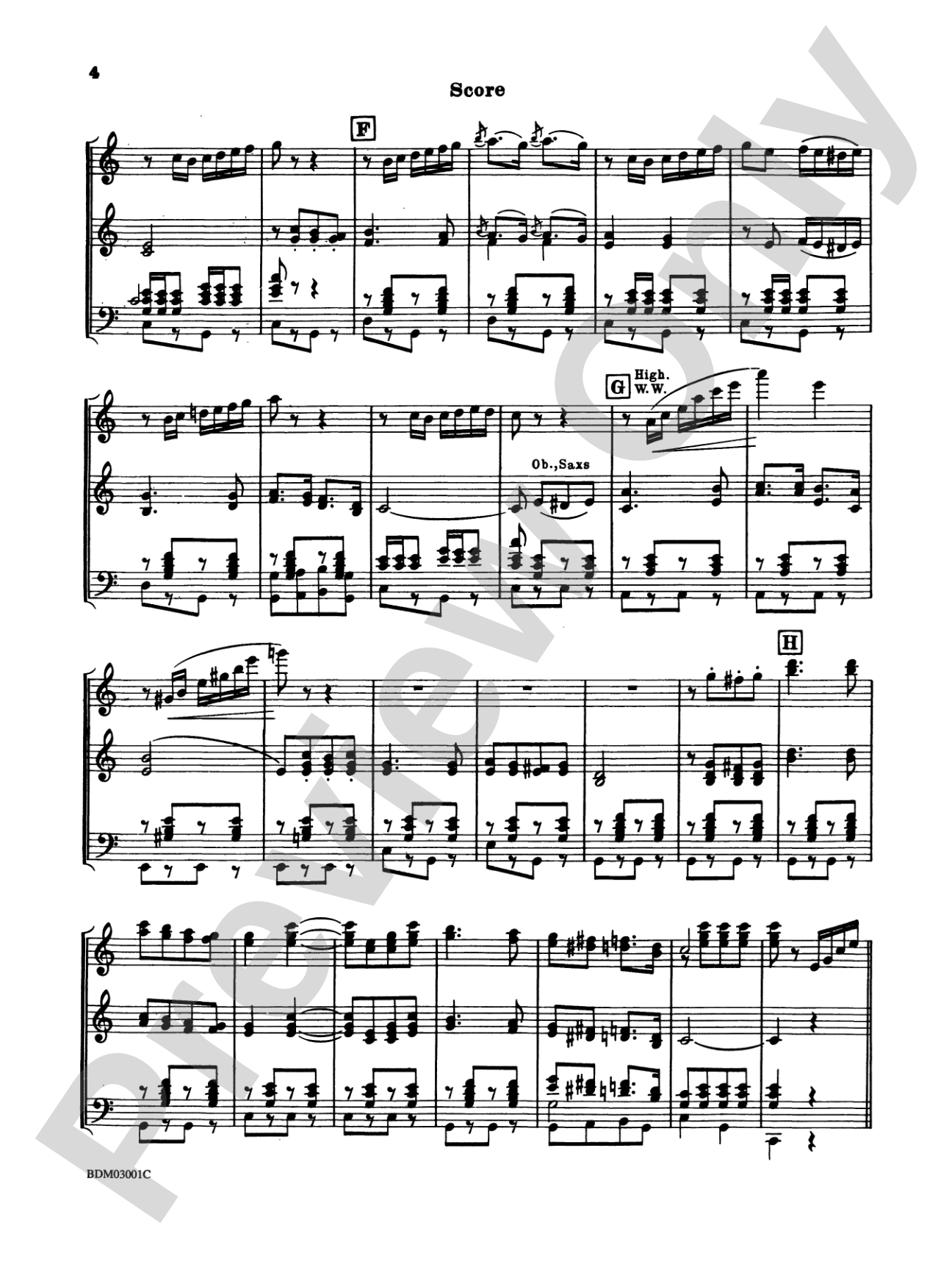
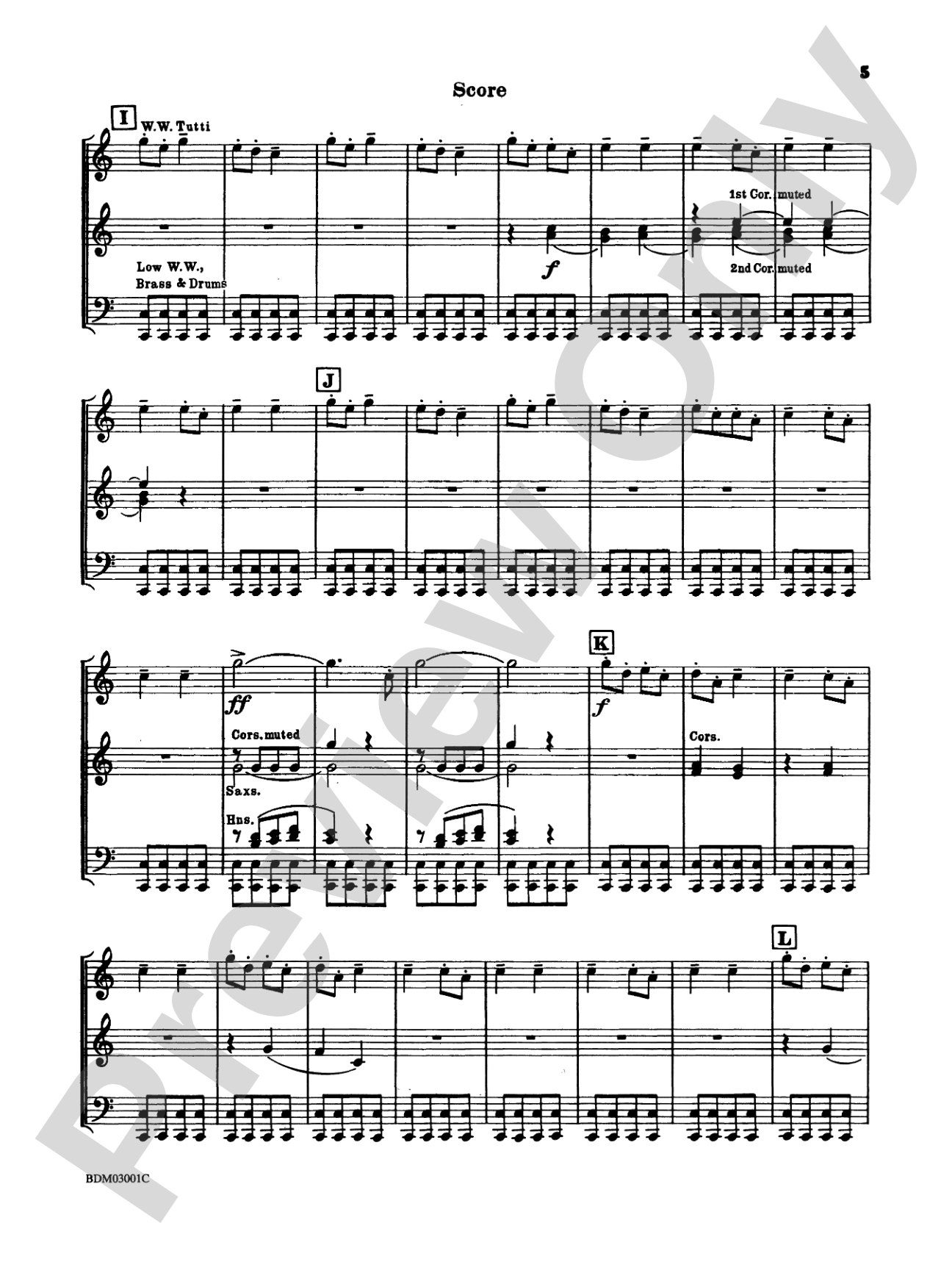
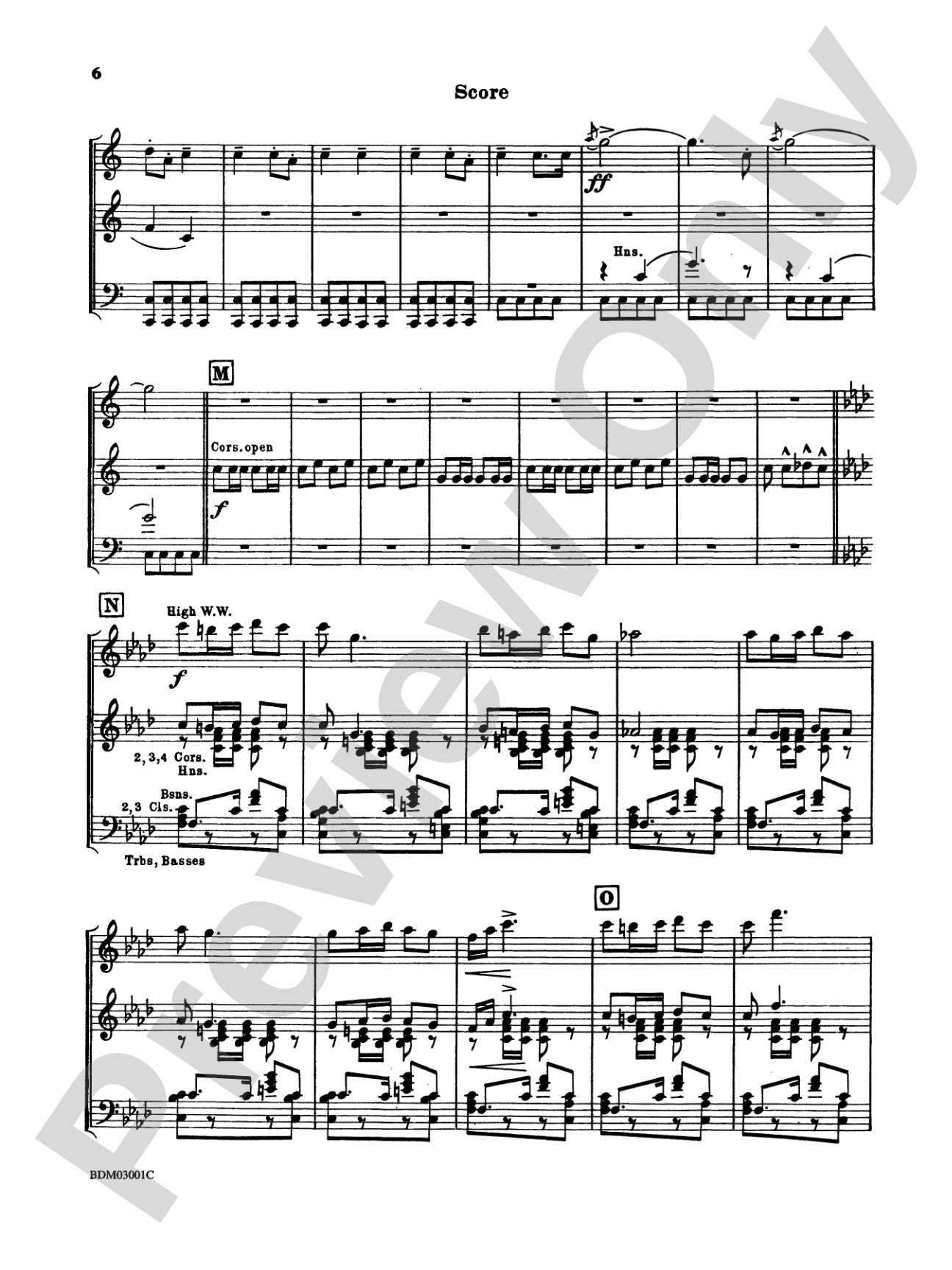
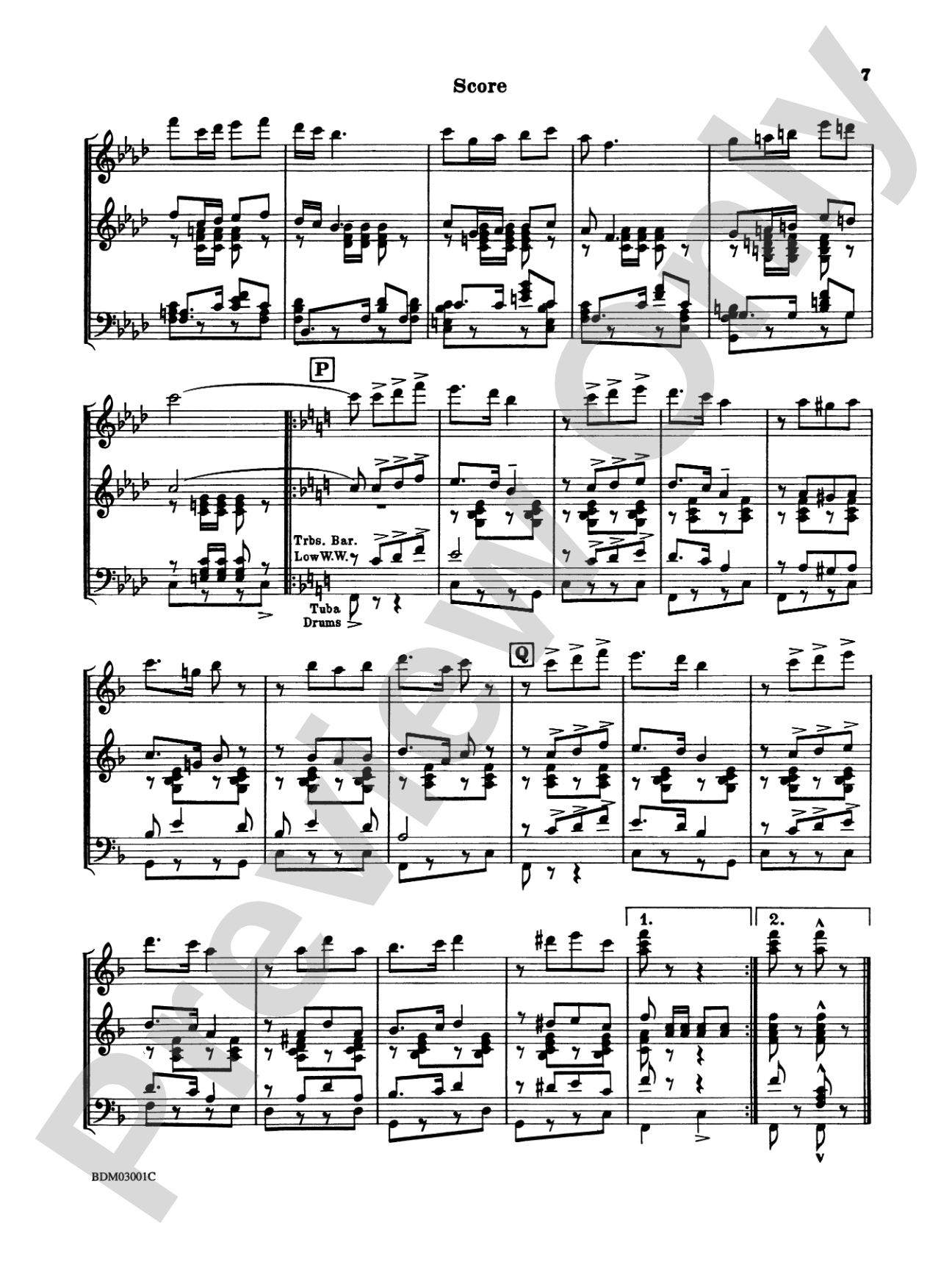




New Mexico March: Concert Band Conductor Score & Parts
By John Philip Sousa / ed. Frederick Fennell
Grade: 4 (Medium)
Item: 00-PK-0004927

$75.00
Pickup currently not available
Buy Extra Parts (Digital PDF Download)
Parts Added to Cart!
Description
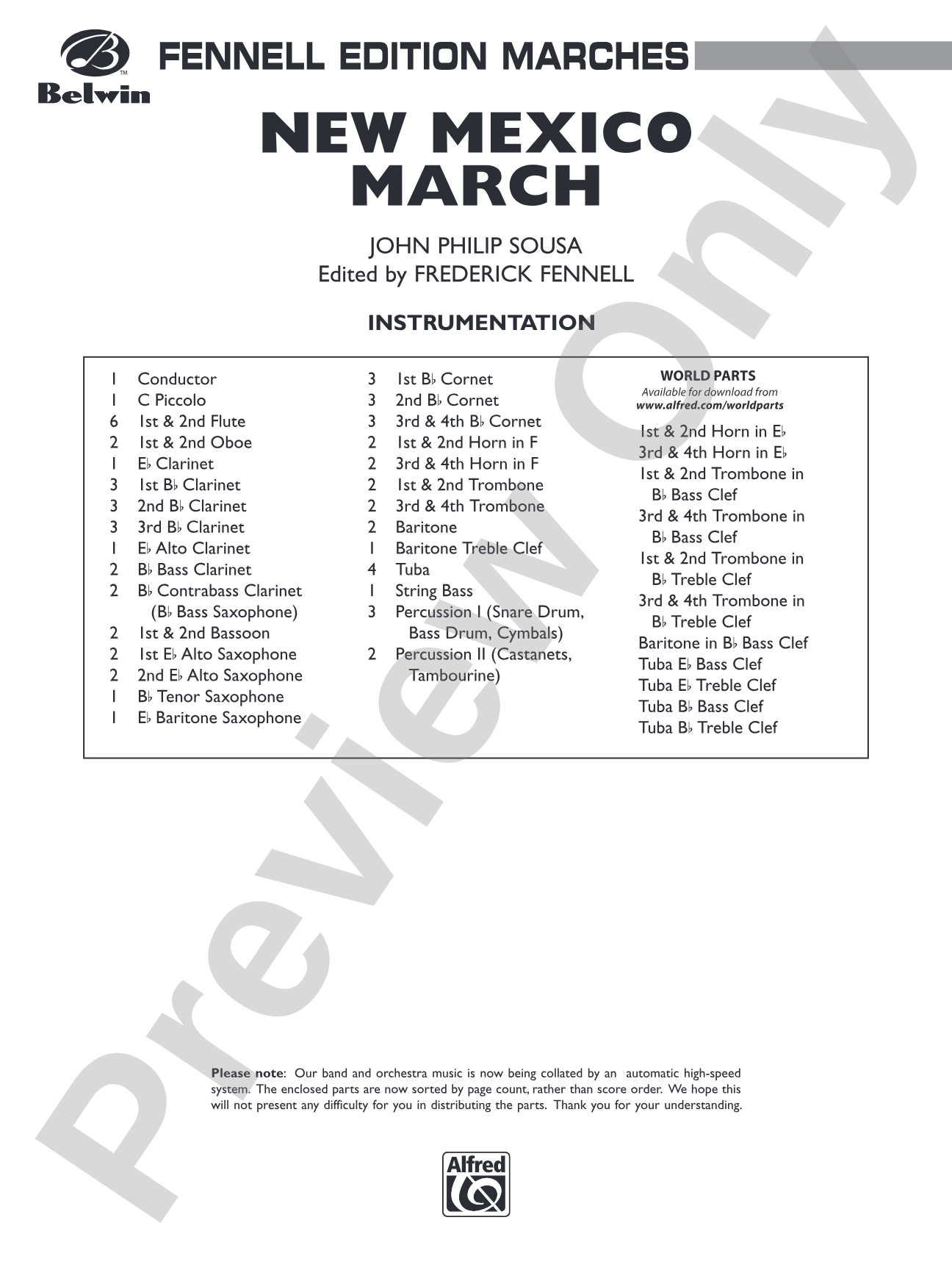
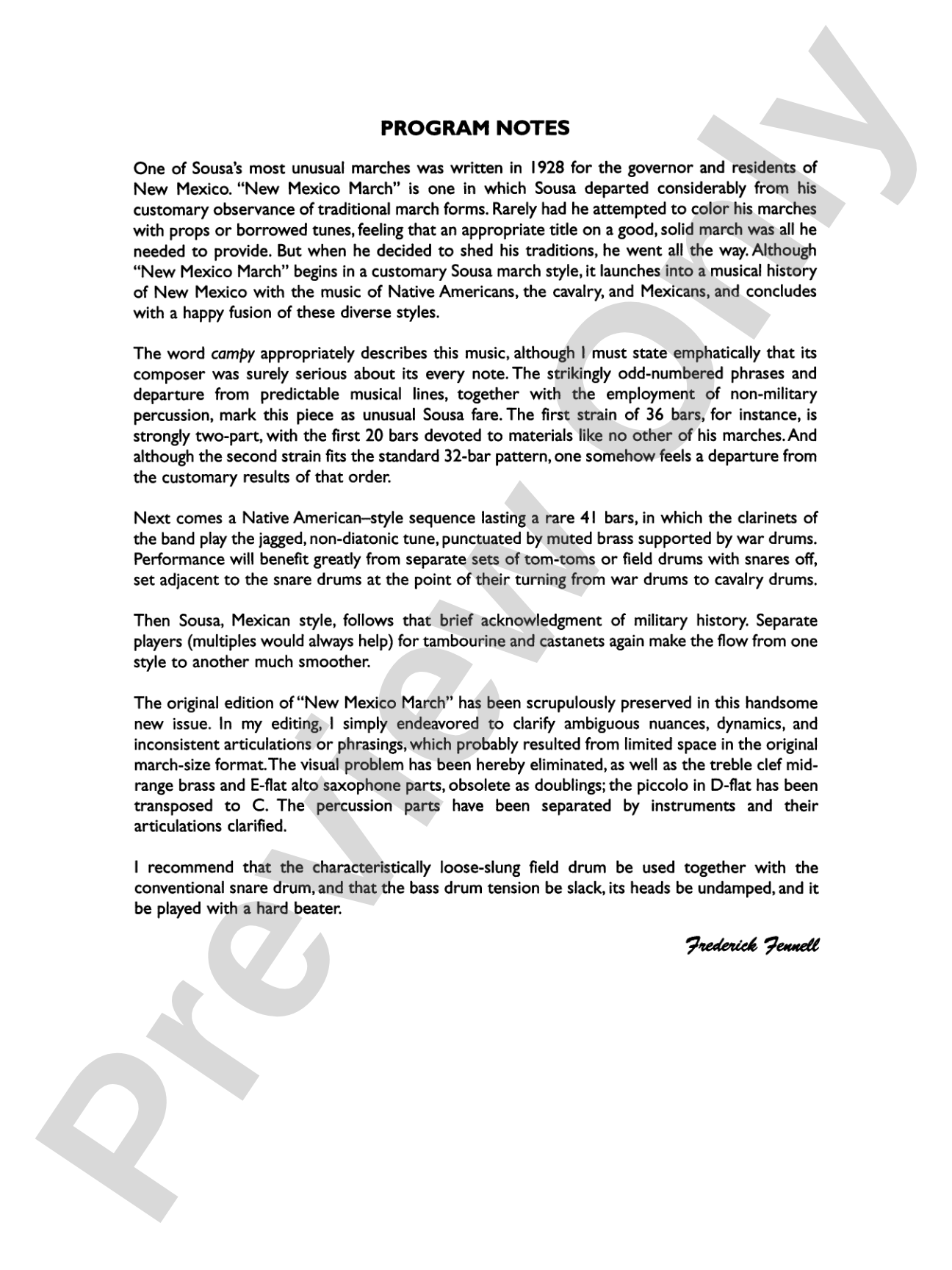
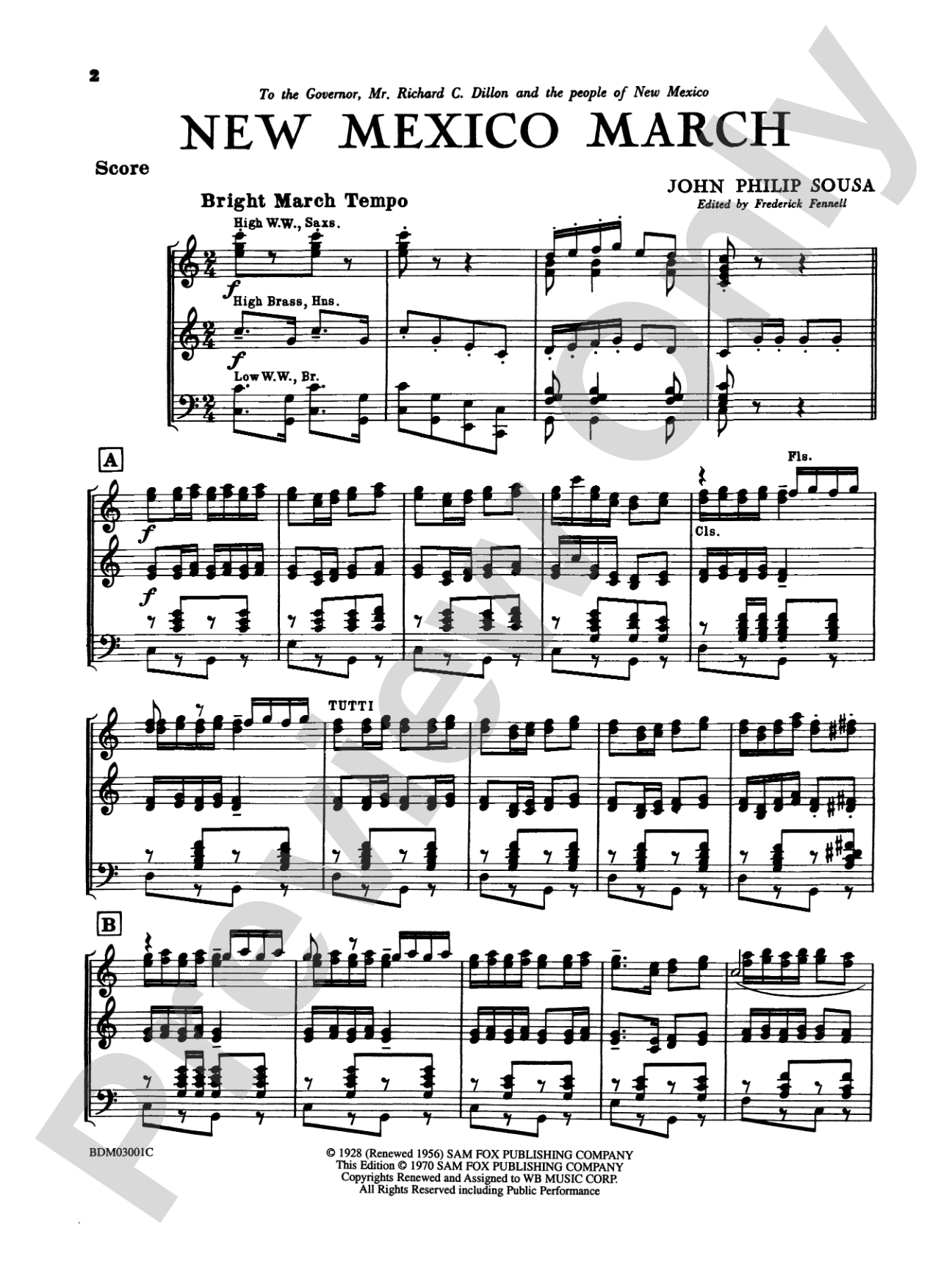
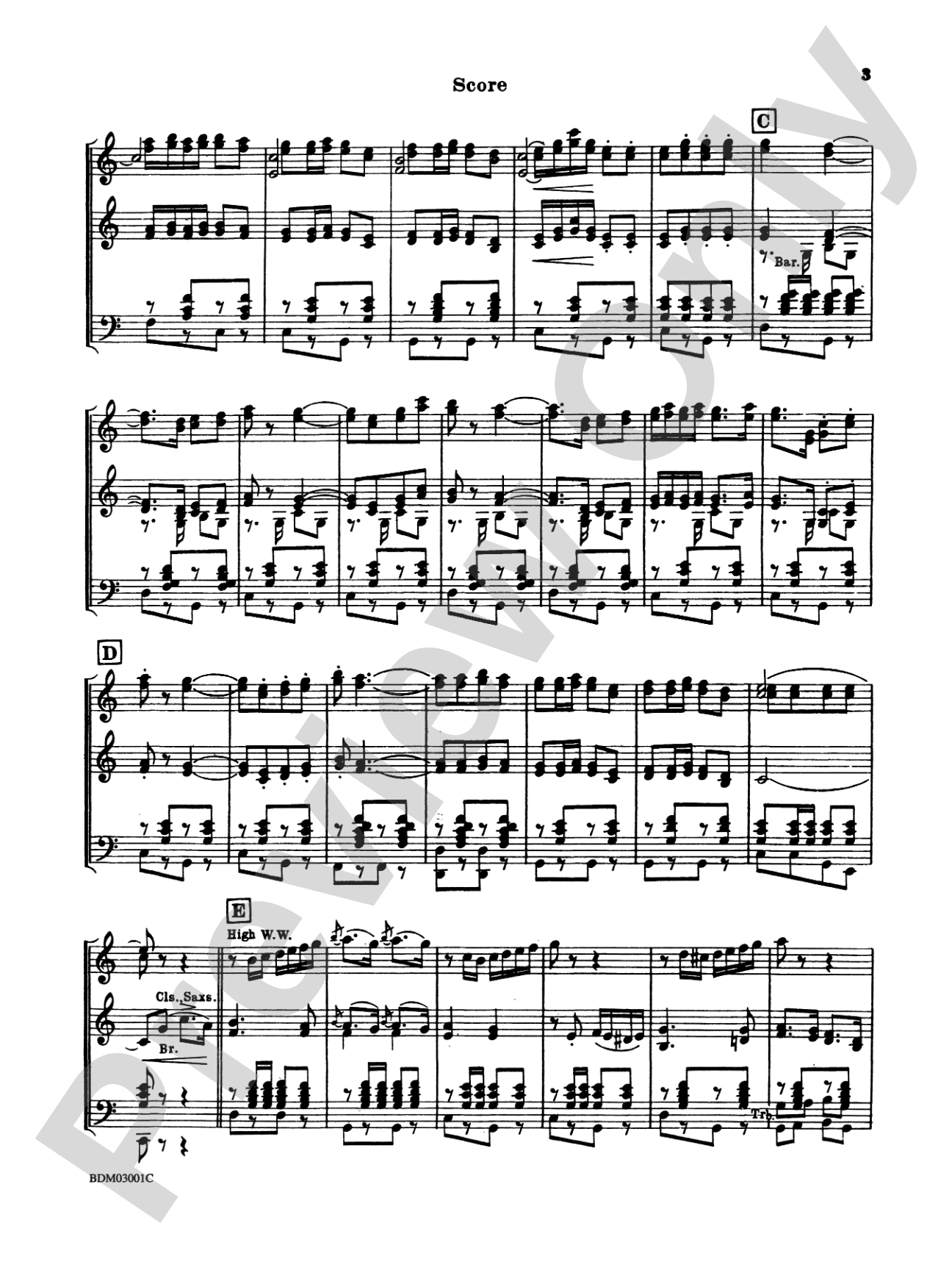
One of Sousa's more obscure marches, it was dedicated to the governor and the people of New Mexico. You'll hear the characteristic musical sounds of Latin and American Indian populations indigenous to New Mexico at the time. Typical of the march king, you'll be impressed with the interesting musical turns. (2:55)


Don't just read it, hear it, play along with it, and watch your students grow with it. In MakeMusic Cloud, New Mexico March: Concert Band Conductor Score & Parts comes alive with professional accompaniment, adjustable tempo, and built-in practice tools that turn solo practice into real progress.
Open in the Player
Jump straight in and assign it today.
Start Your Free Trial
Open this title and explore the full library in minutes.
Sample Audio
1
Audio File
--:--
0:00
0:00
Sample Video
No sample videos found.
Additional Details
Series:
Fennell Edition Marches for Band
Publisher:
Alfred Music
Page Count:
184
SKU:
00-PK-0004927
More about this title
About the Composer: John Philip Sousa
John Philip Sousa (1854–1932) shaped American concert band music through composition, arrangement, and leadership of his own ensemble. His marches defined a genre and remain central to band repertoire, valued for their structural clarity, memorable melodies, and orchestration that showcases every section of the ensemble.
Why we love this
This march arrives with regional character woven throughout its structure. Rather than generic fanfare, Sousa embedded the musical idioms of the people he was honoring, giving your band an opportunity to explore cultural musical elements while maintaining the crisp architecture his best work demands.
What to expect
New Mexico March balances the propulsive energy you expect from Sousa with harmonic and melodic turns informed by the landscape and peoples of the American Southwest. The piece has both ceremonial weight and genuine character, moving forward with purpose while honoring its geographic subject.
Who it's for
Concert bands at Grade 4 looking beyond the most frequently programmed Sousa marches will find this a rewarding choice. Directors seeking to introduce cultural musical elements within a familiar march context can build meaningful discussions around Sousa's approach to regional composition.
How to get the most out of it
- Clarify the rhythmic relationships between the brass punctuations and woodwind figures; they drive much of the march's character and need to lock precisely without sounding mechanical.
- Balance the Latin-influenced melodic content in the reeds against the foundational march structure in low brass and percussion, letting both elements breathe rather than competing.
- Shape the characteristic musical turns as compositional decisions, not ornamental flourishes; Sousa built them in to propel the phrase forward.
How to use it
Place this as a concert opener or first-half closer when you want a march that surprises audiences familiar with Sousa's most famous works. It pairs well with other regional or nationally themed repertoire and works particularly effectively on programs exploring American musical geography.
Skills your students will build
- Articulation control across changing harmonic contexts
- Balance and blend when melodic content shifts between sections
- Phrasing within march structure
- Rhythmic precision in syncopated figures typical of Latin musical traditions