
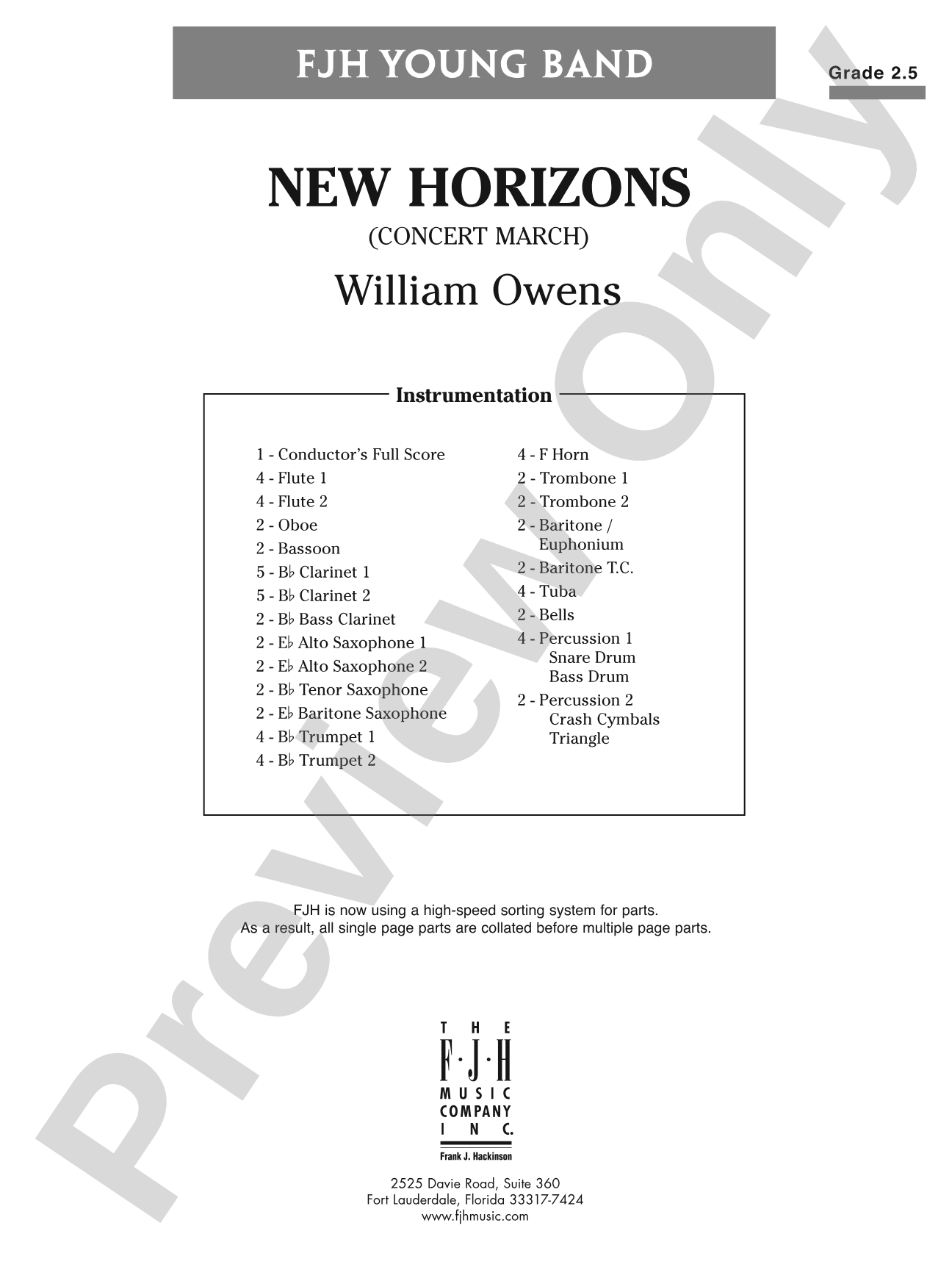
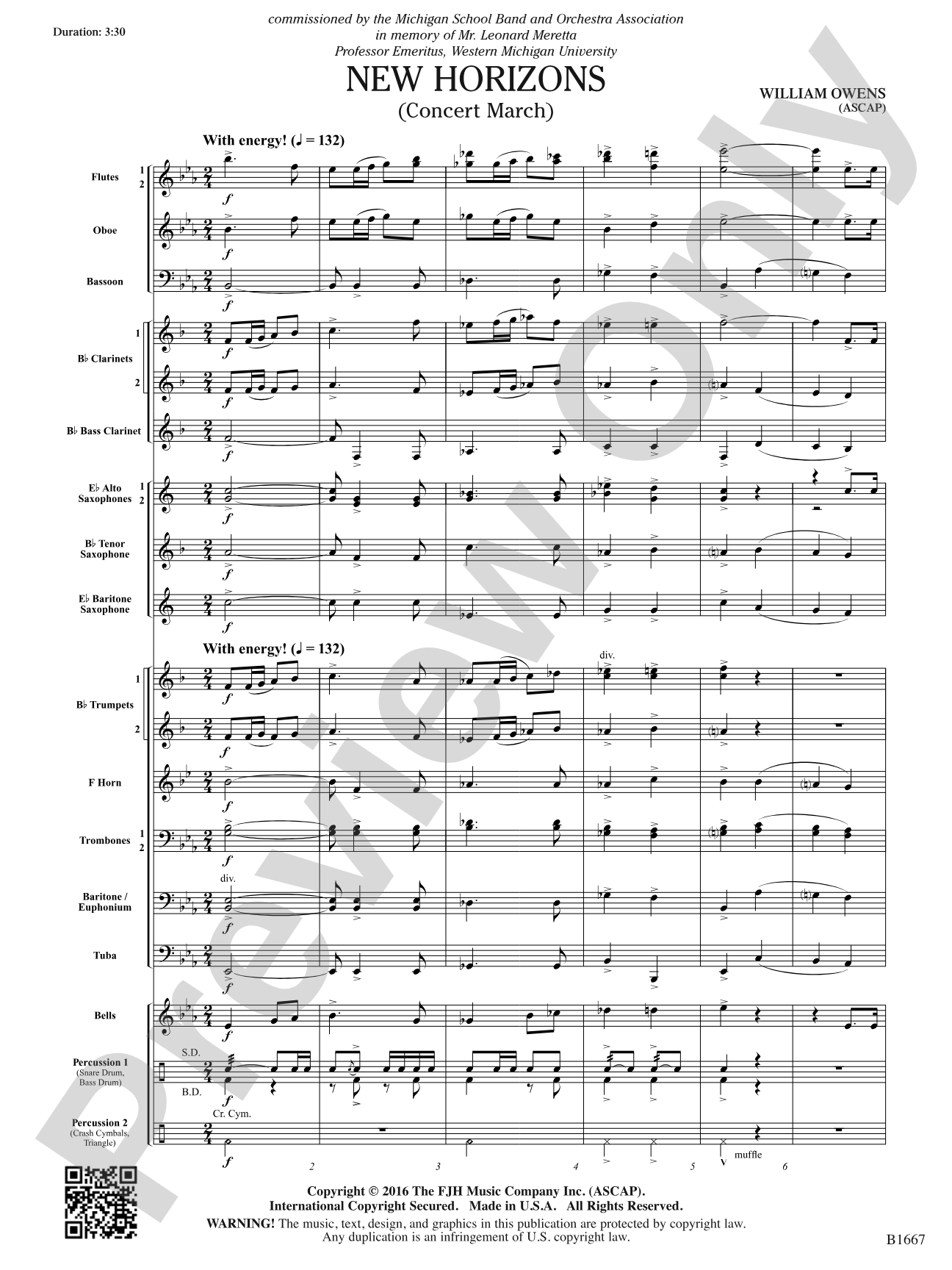
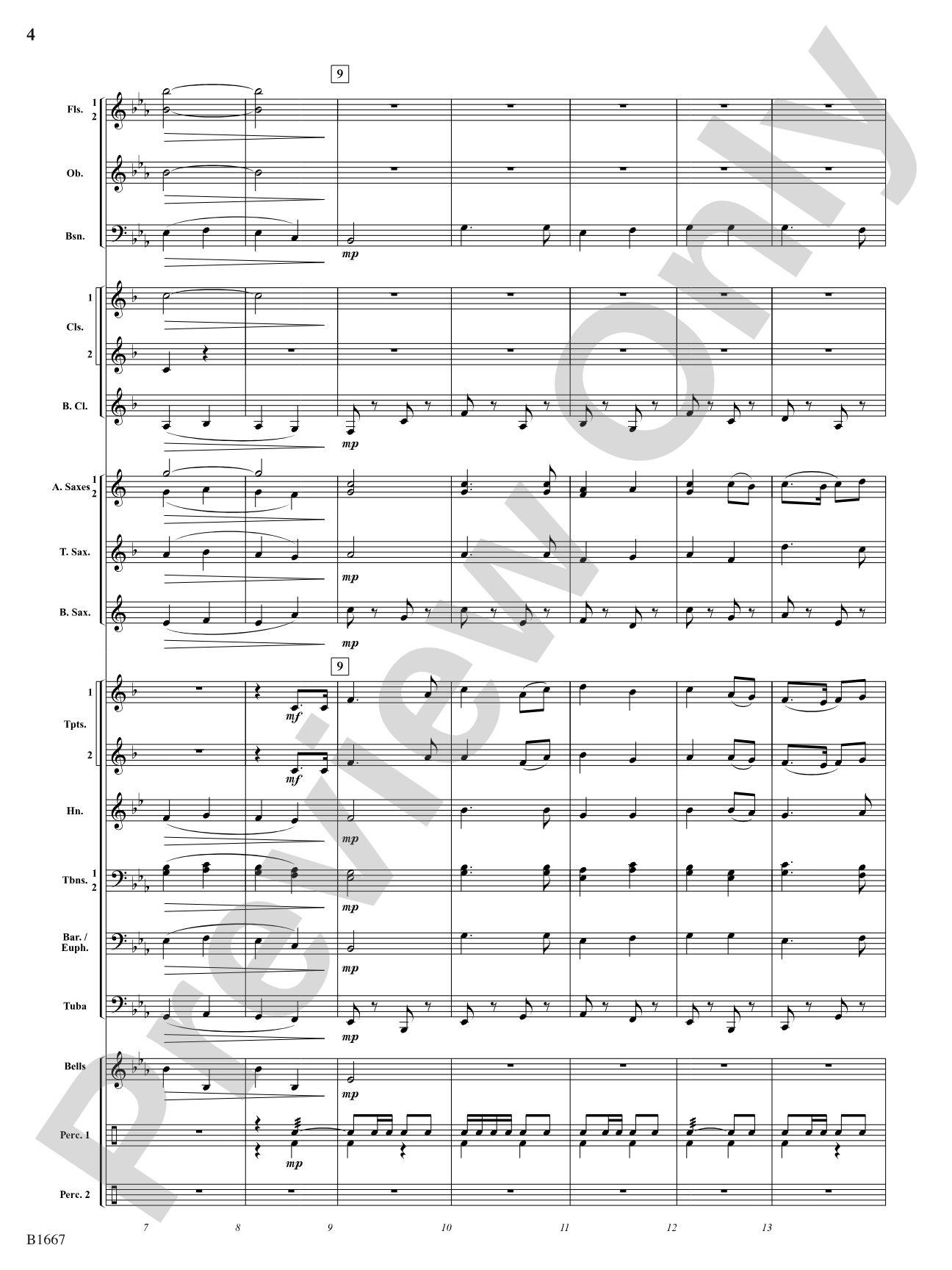
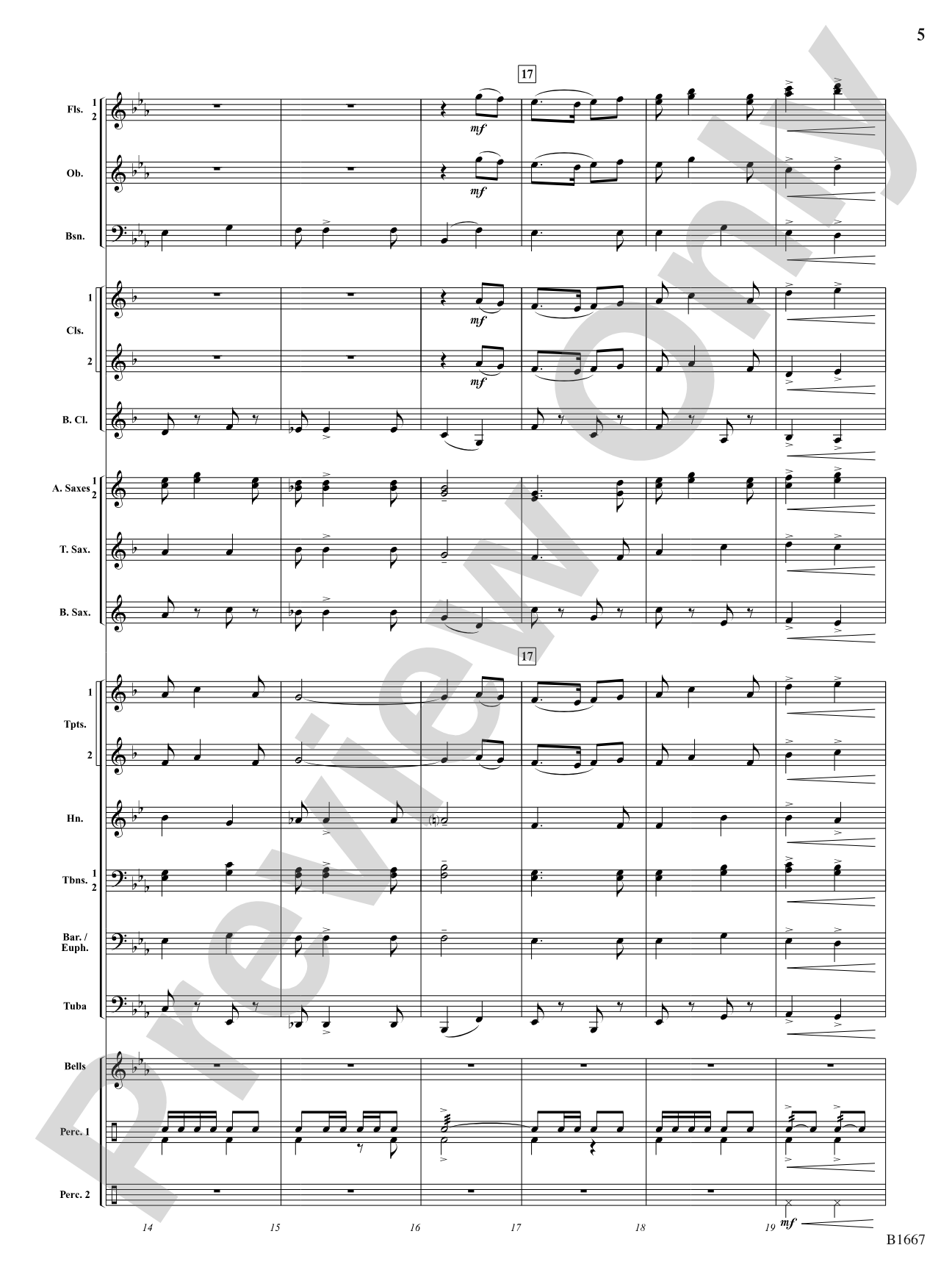
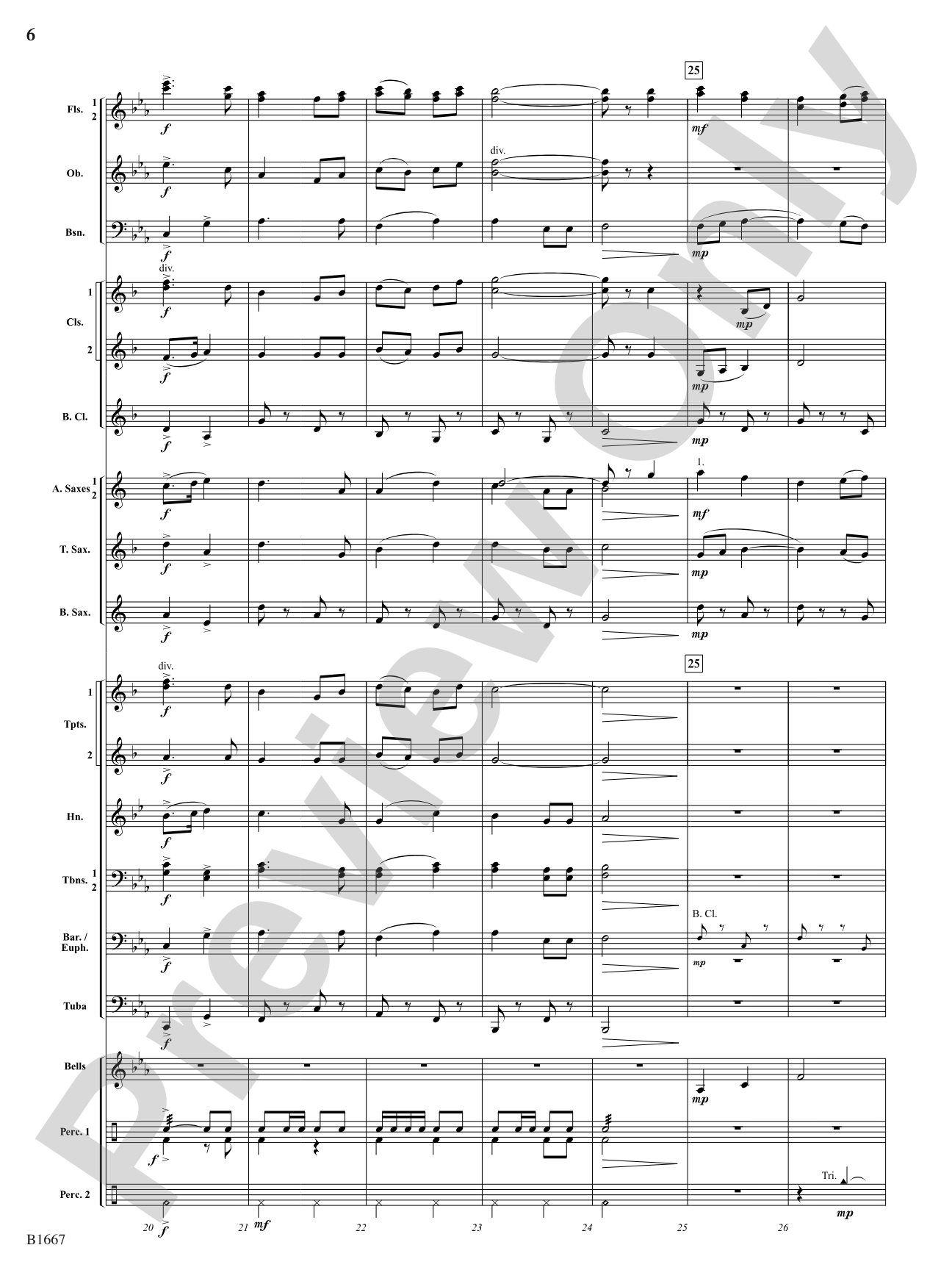
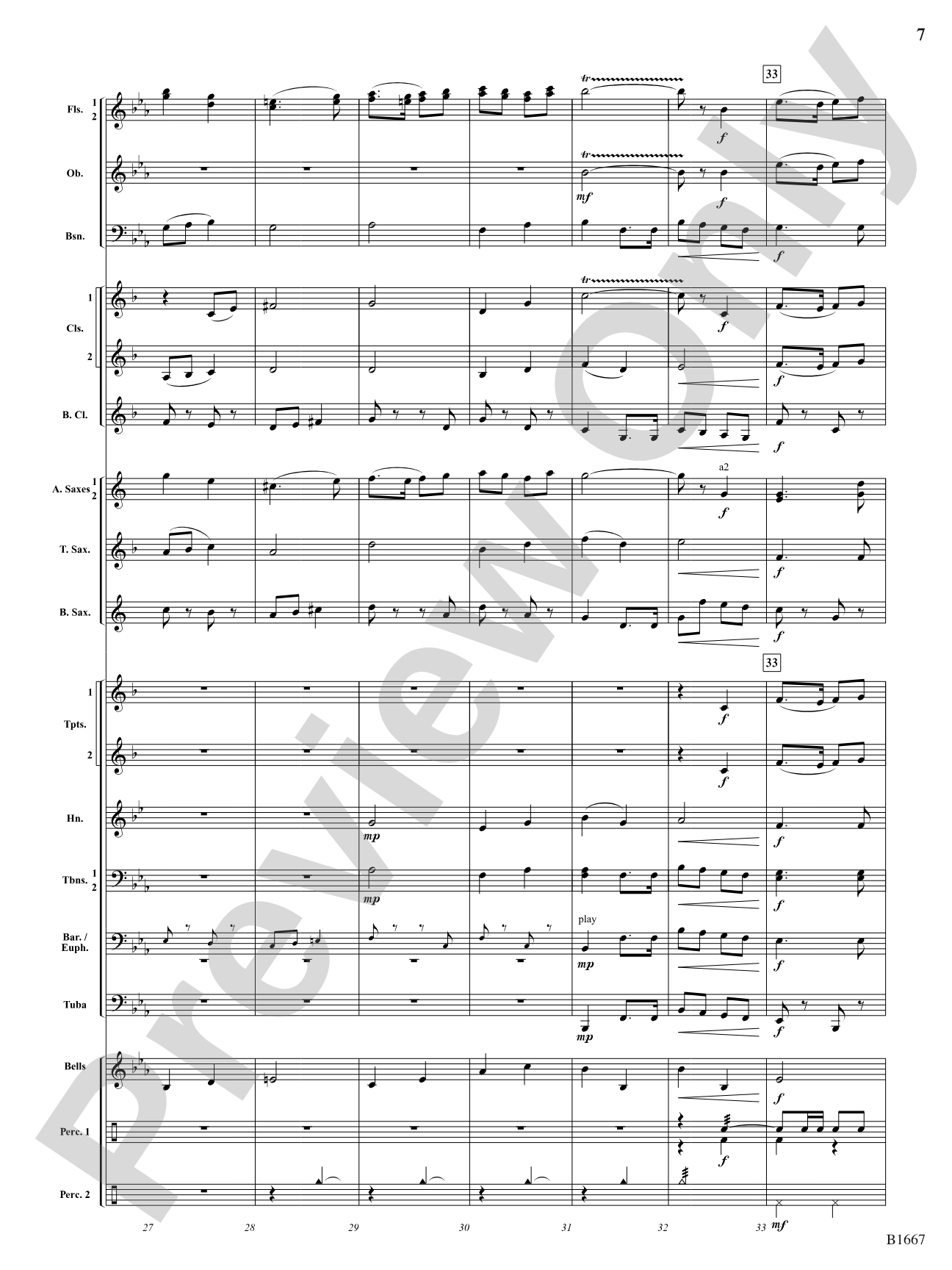
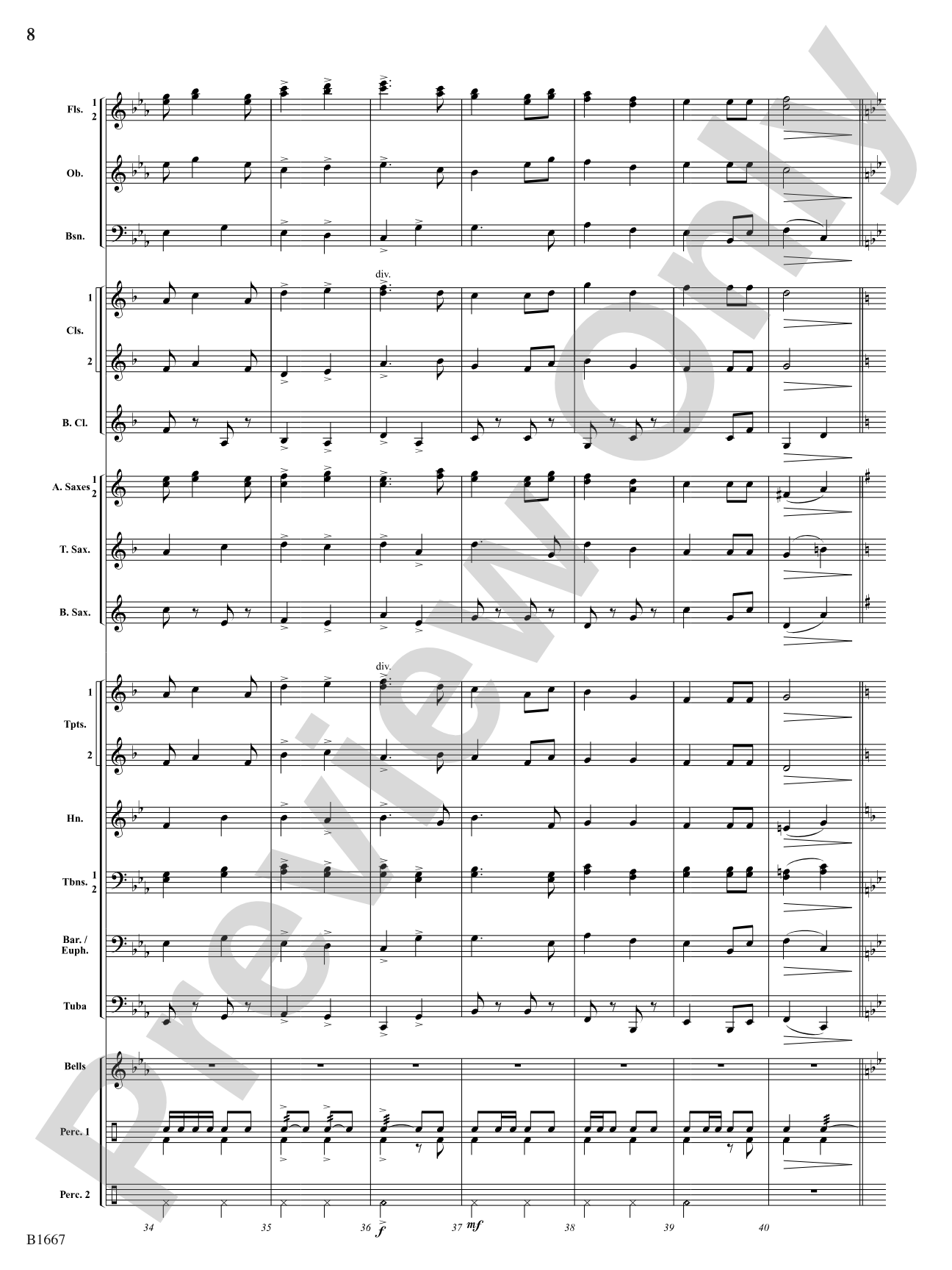
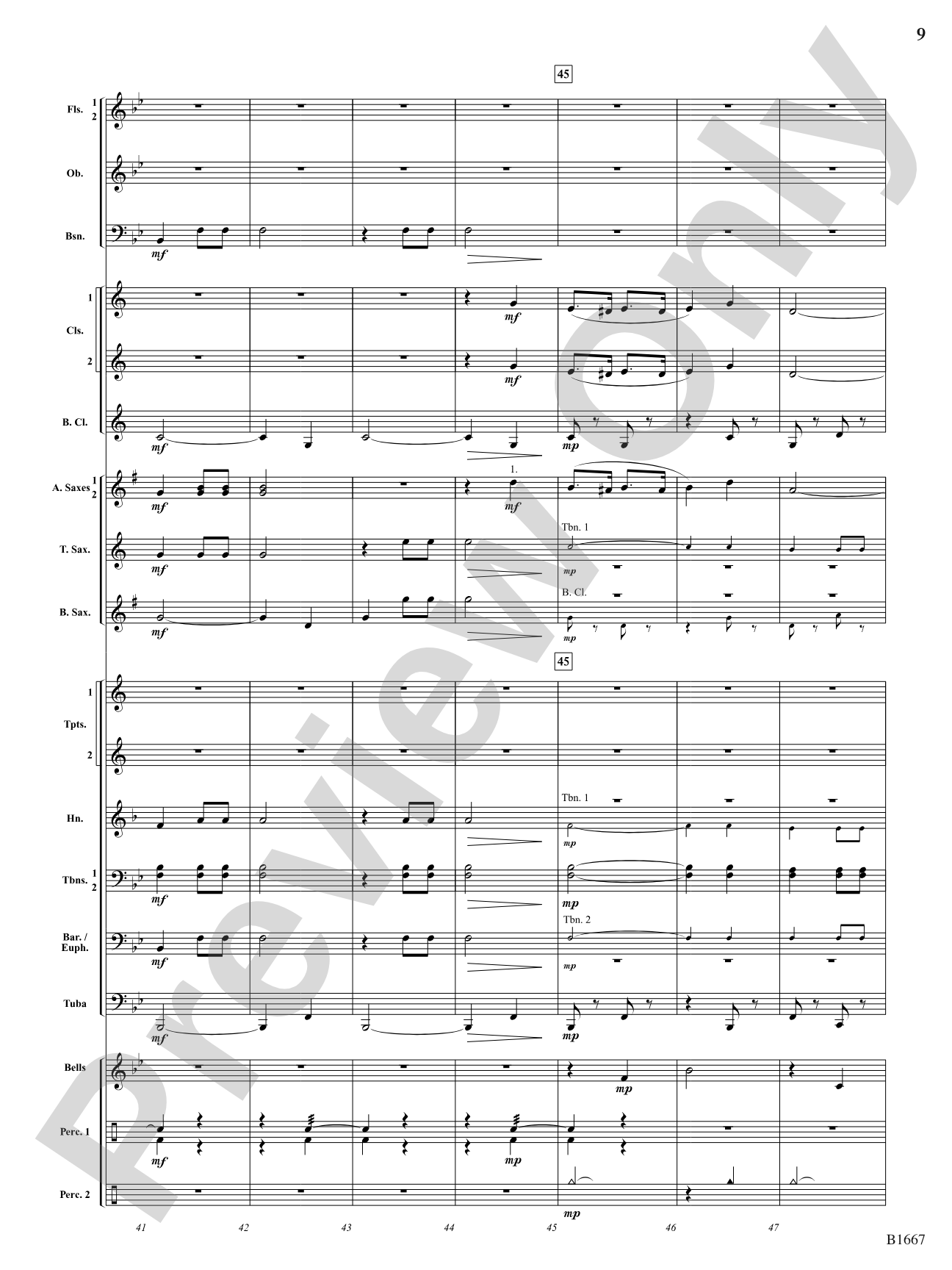
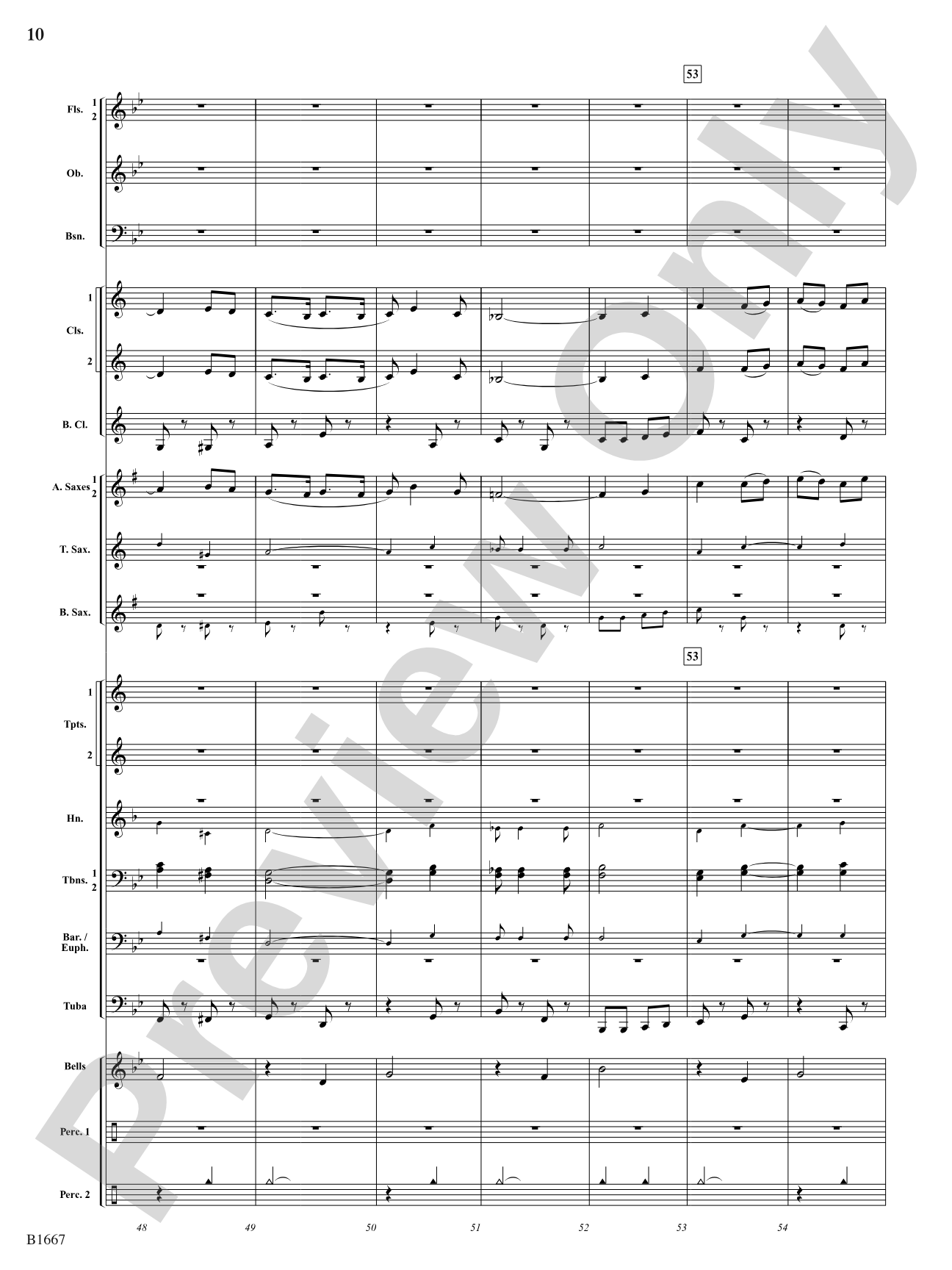
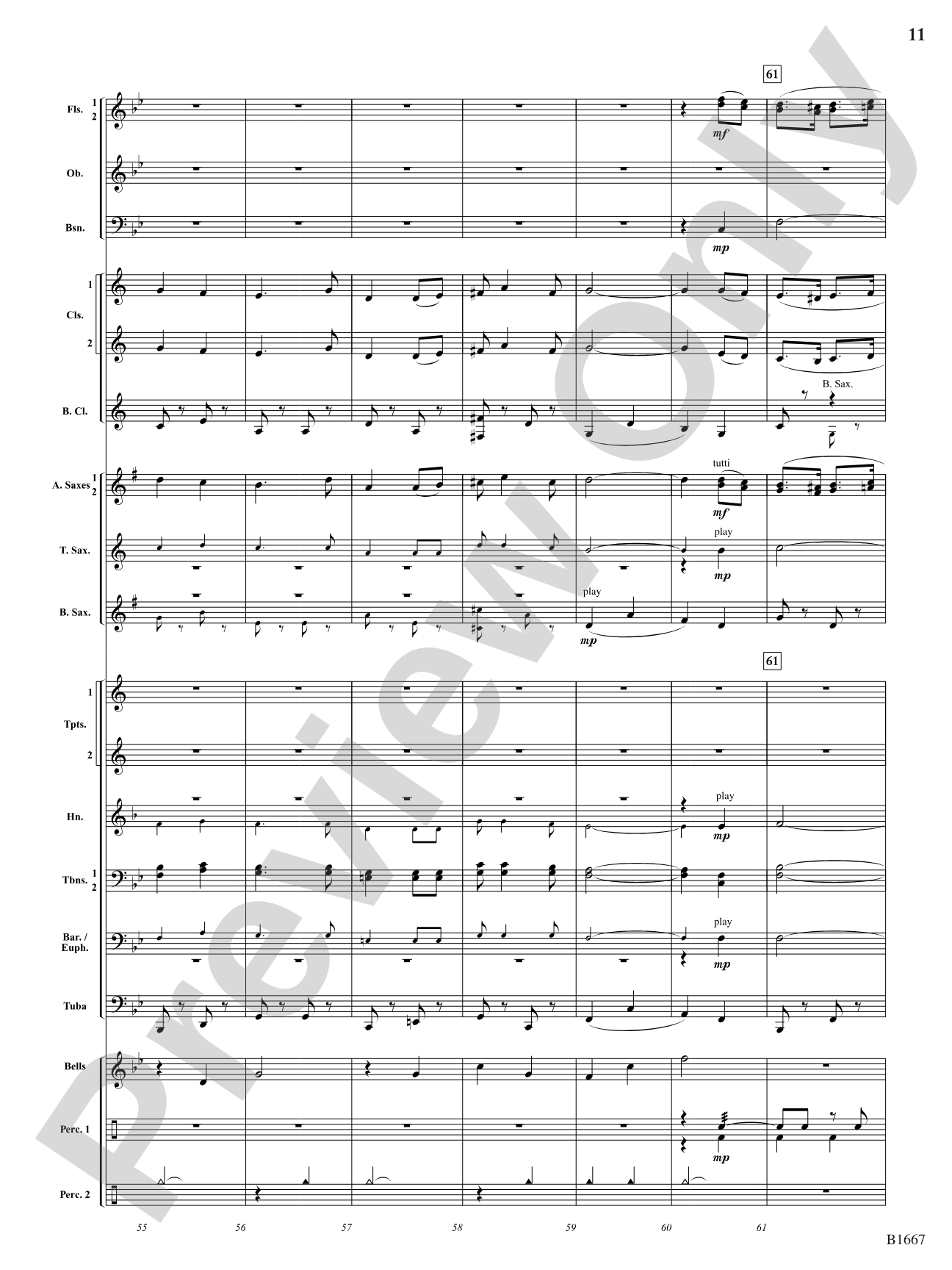
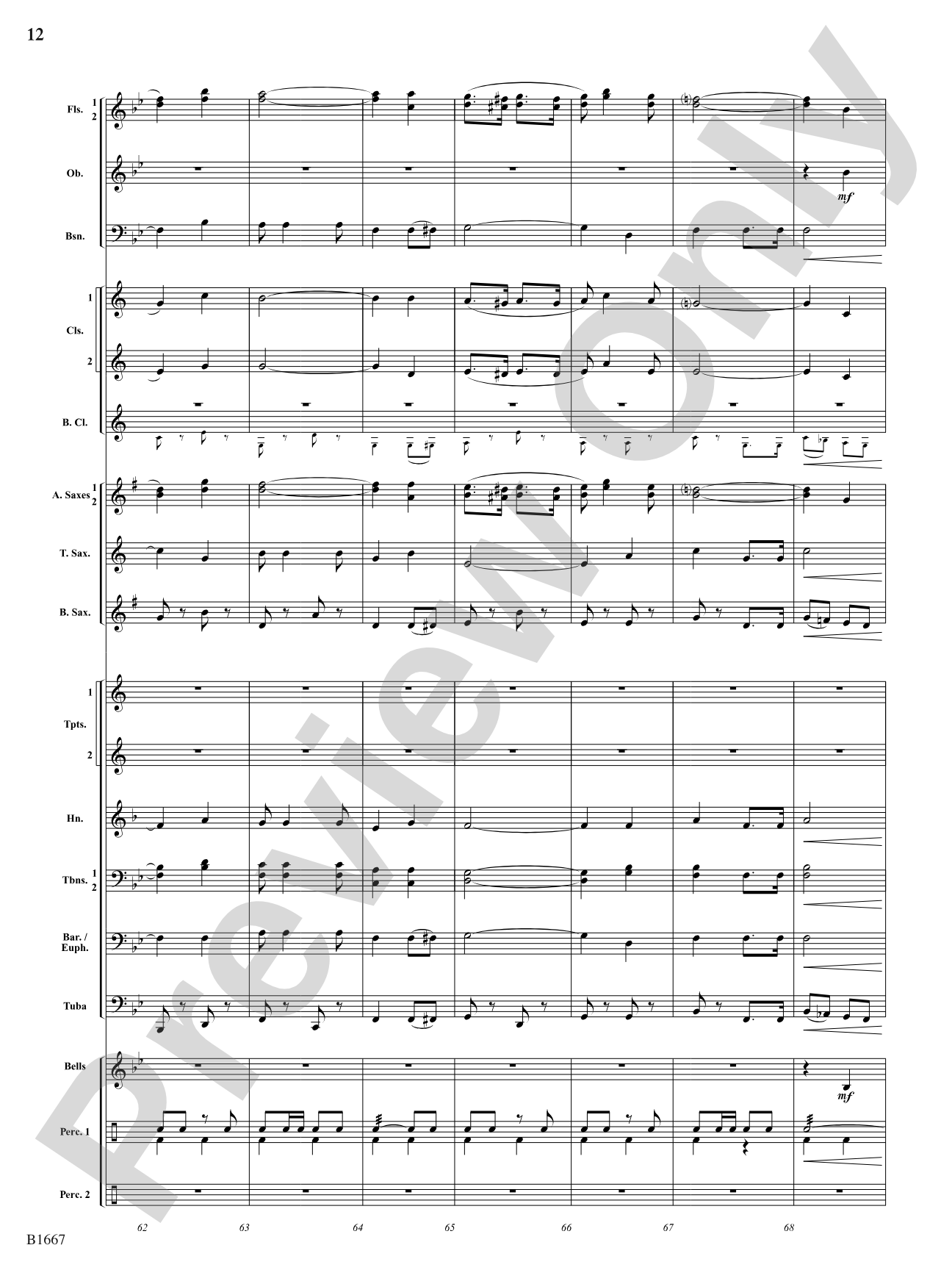
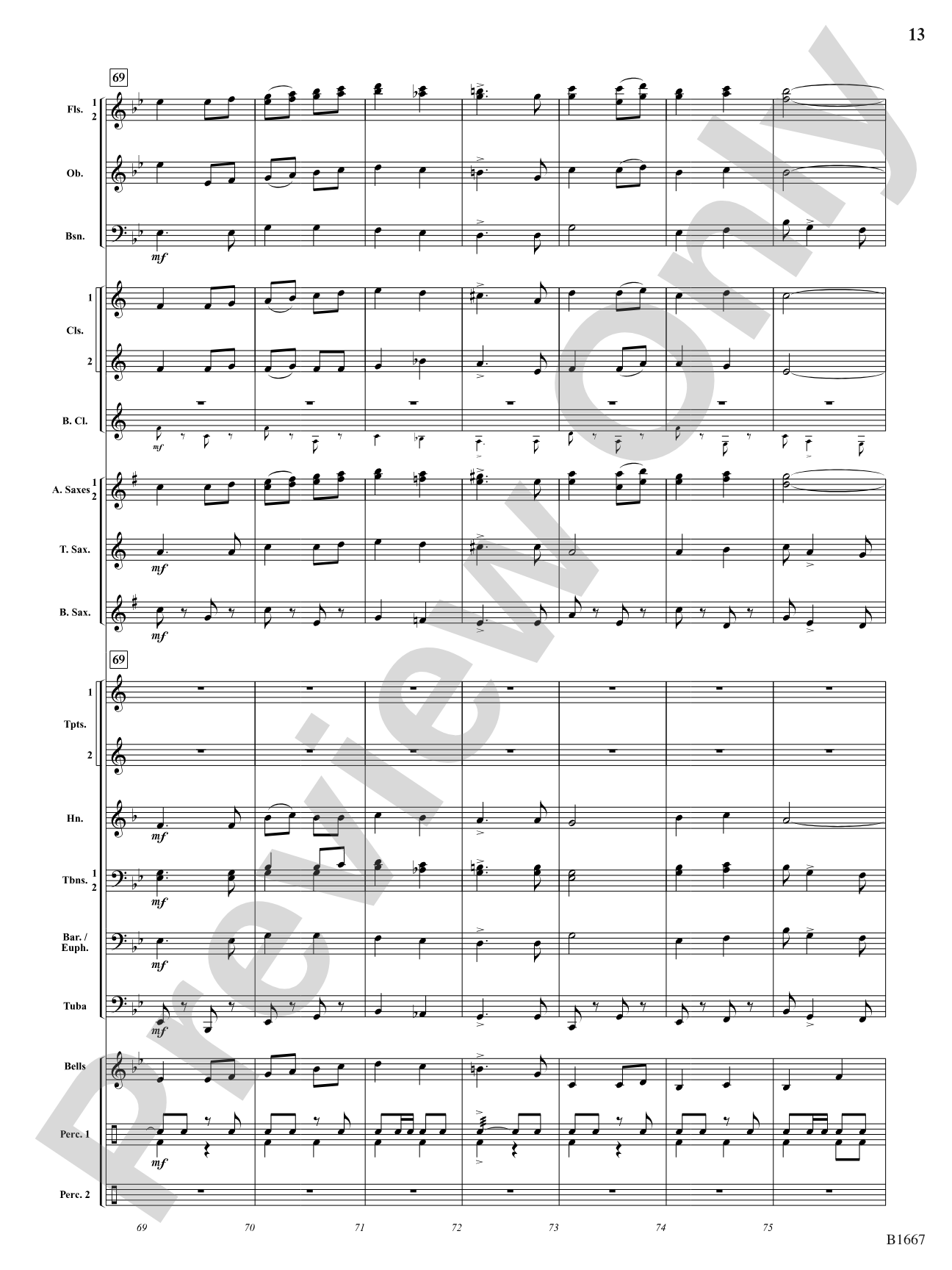
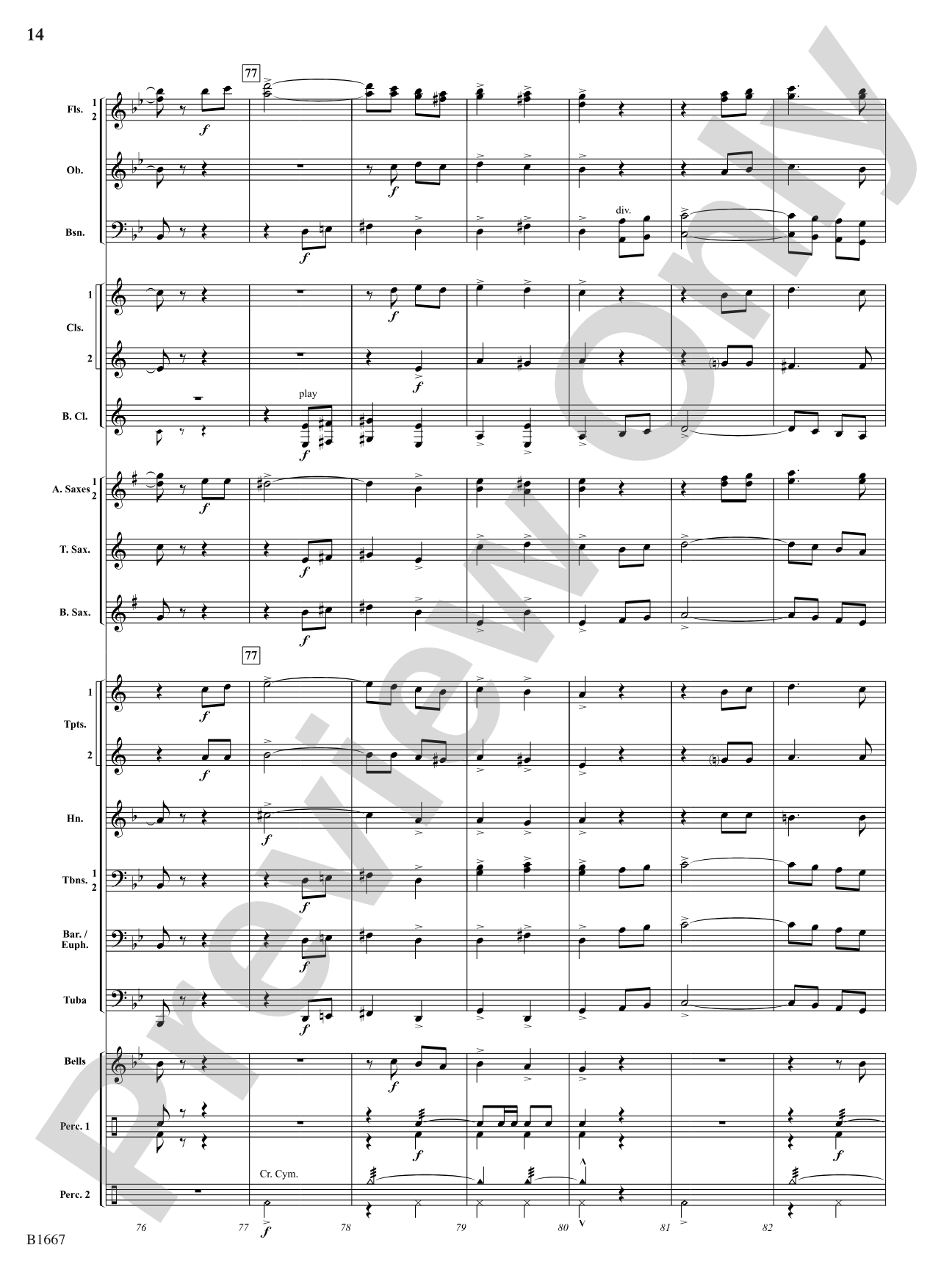
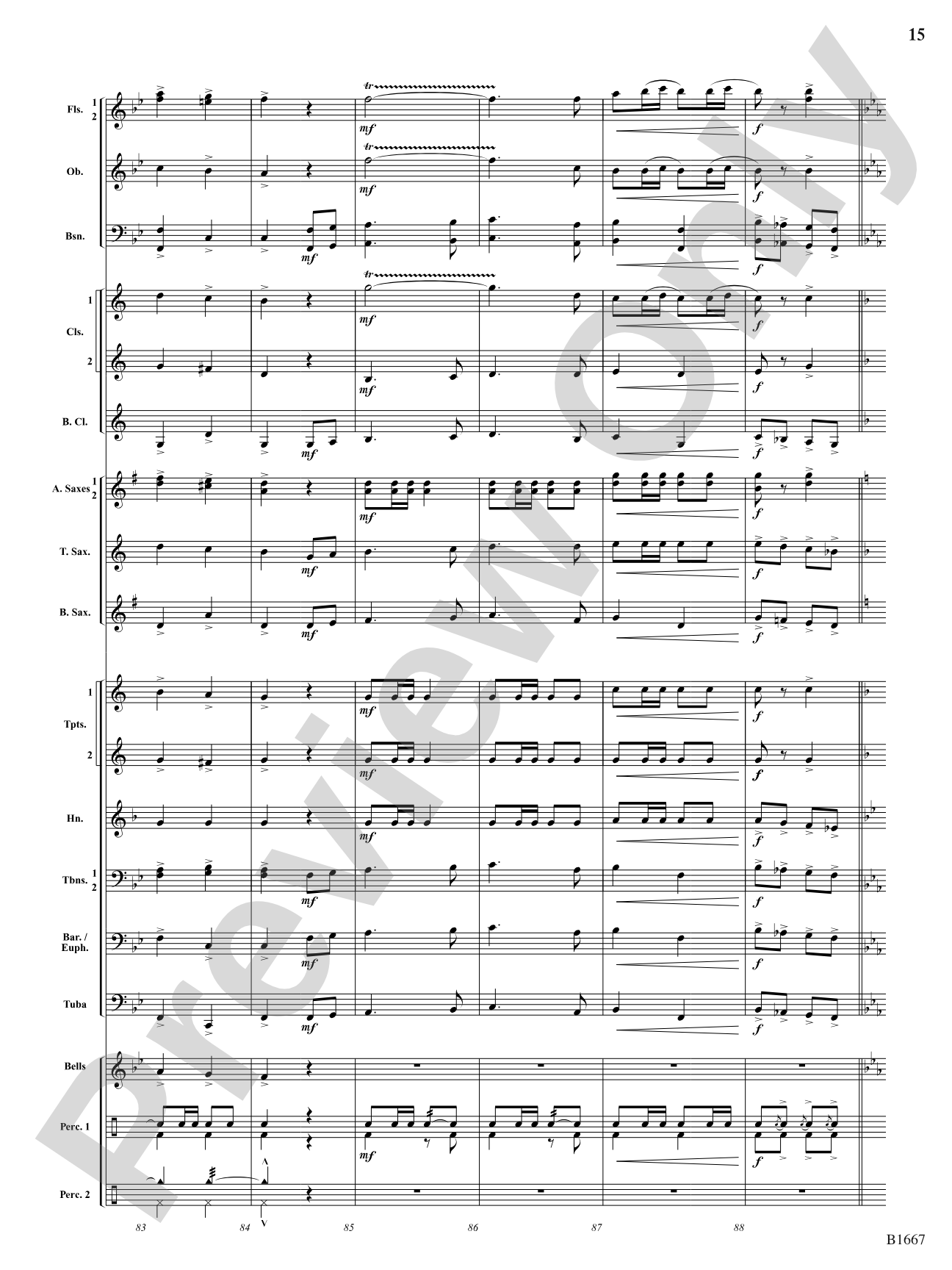
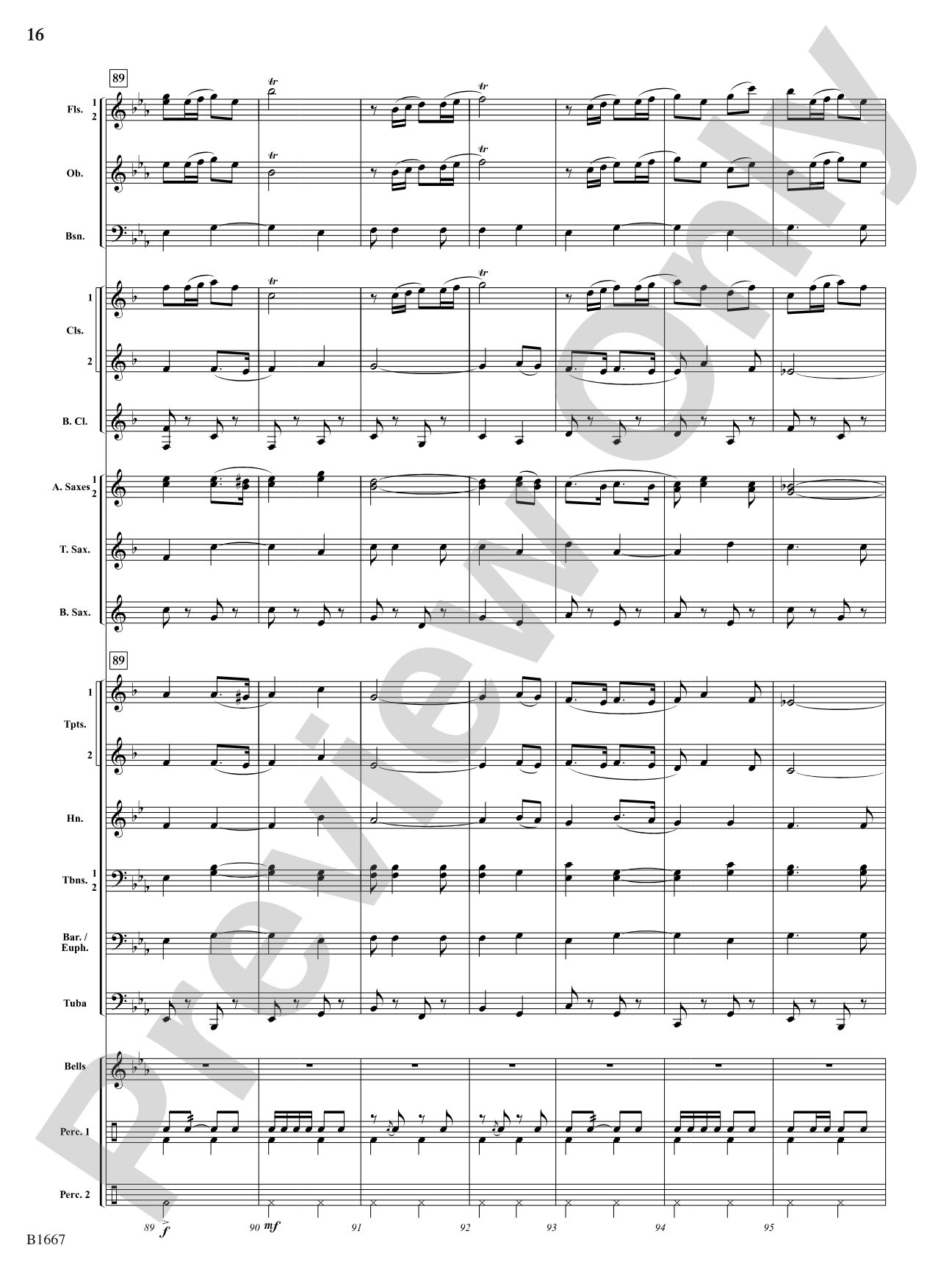
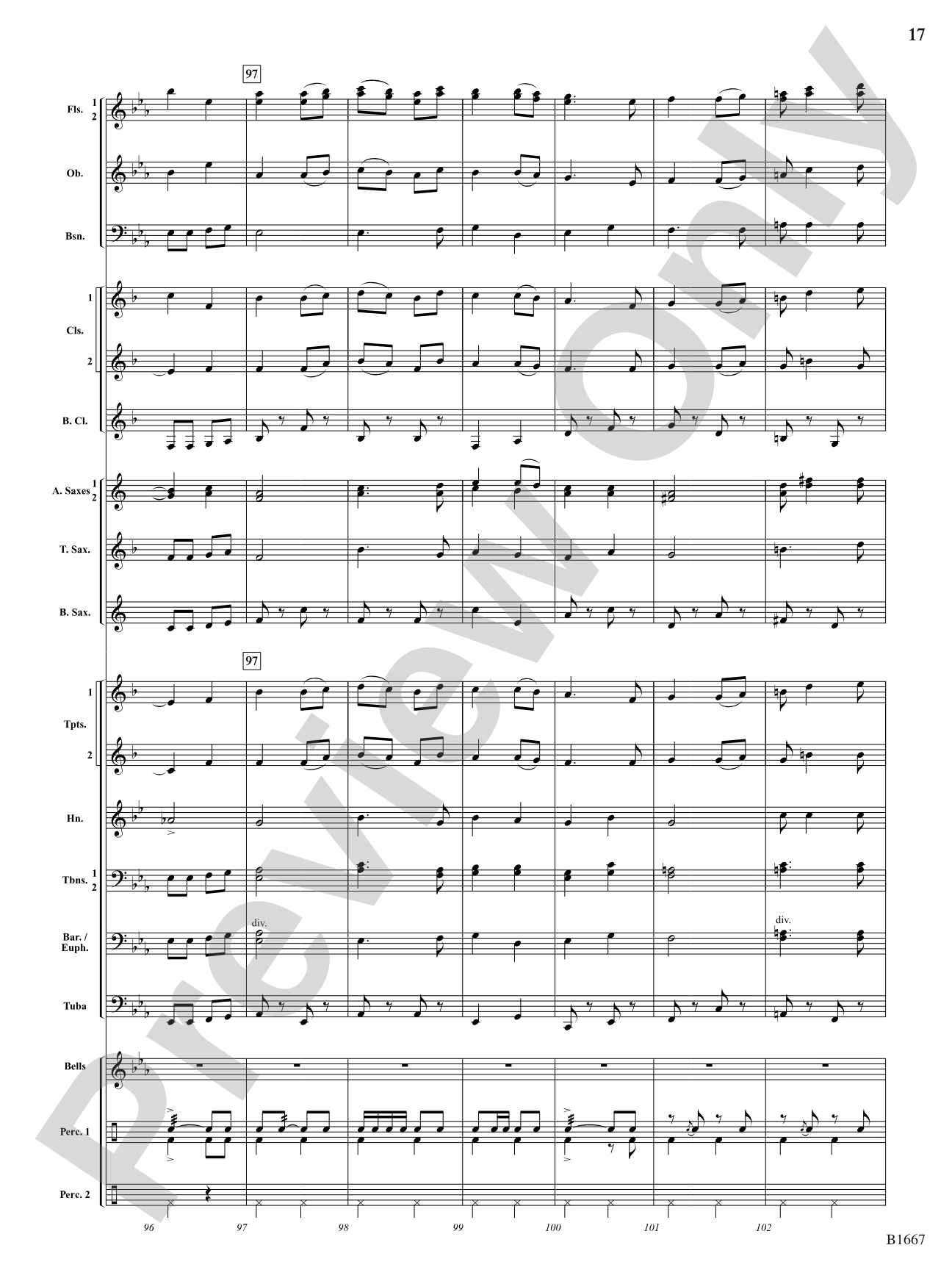
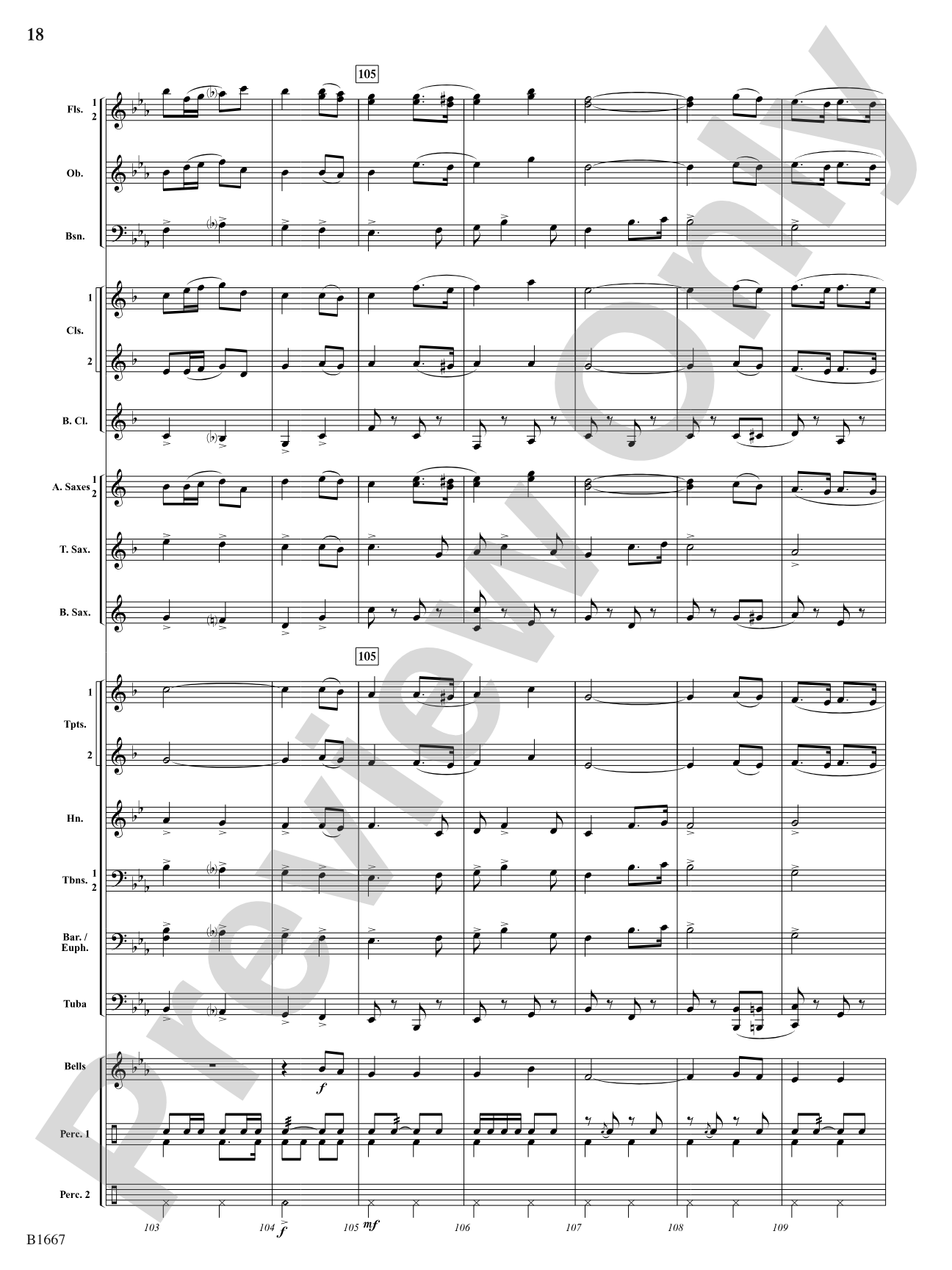
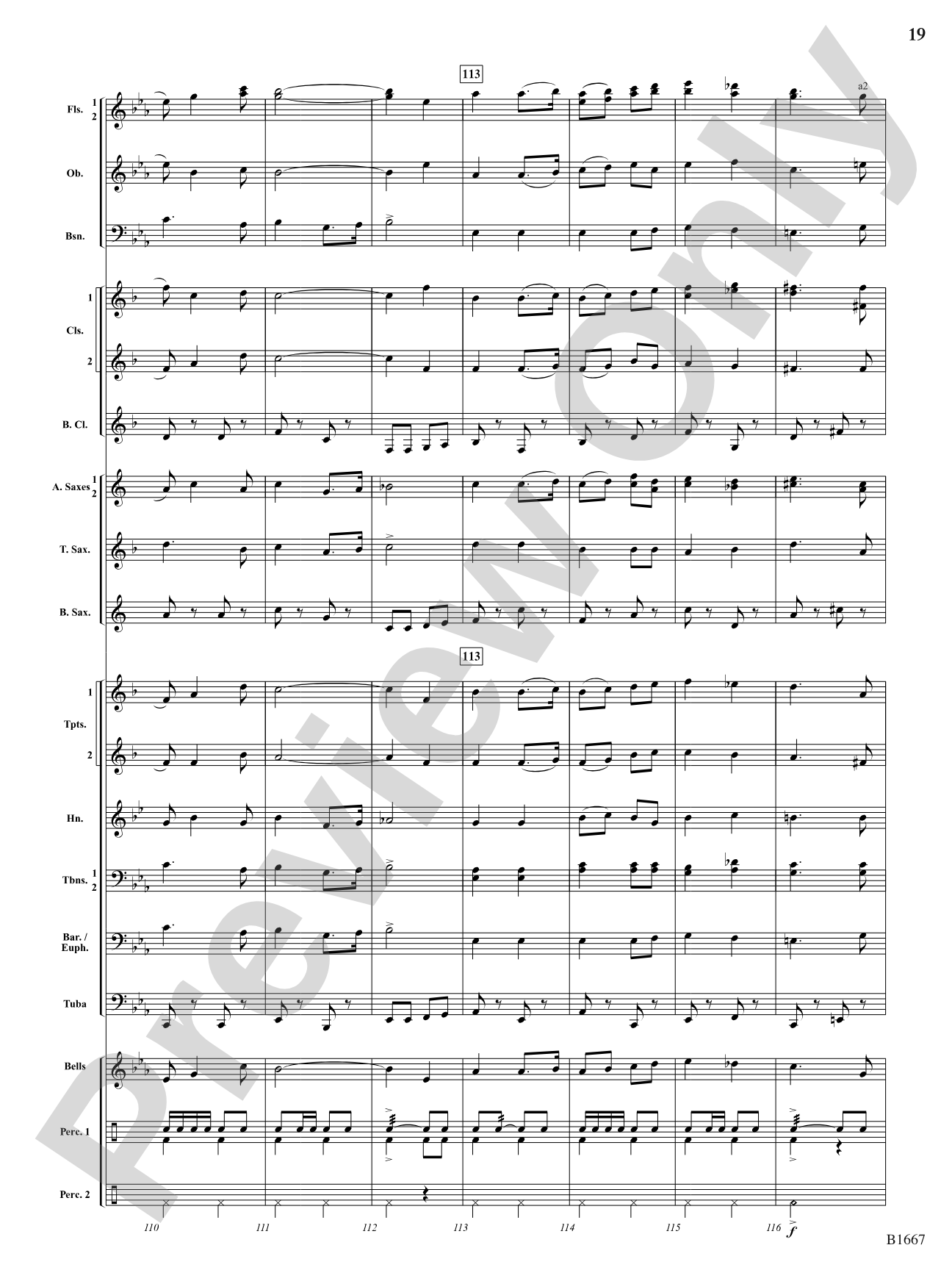
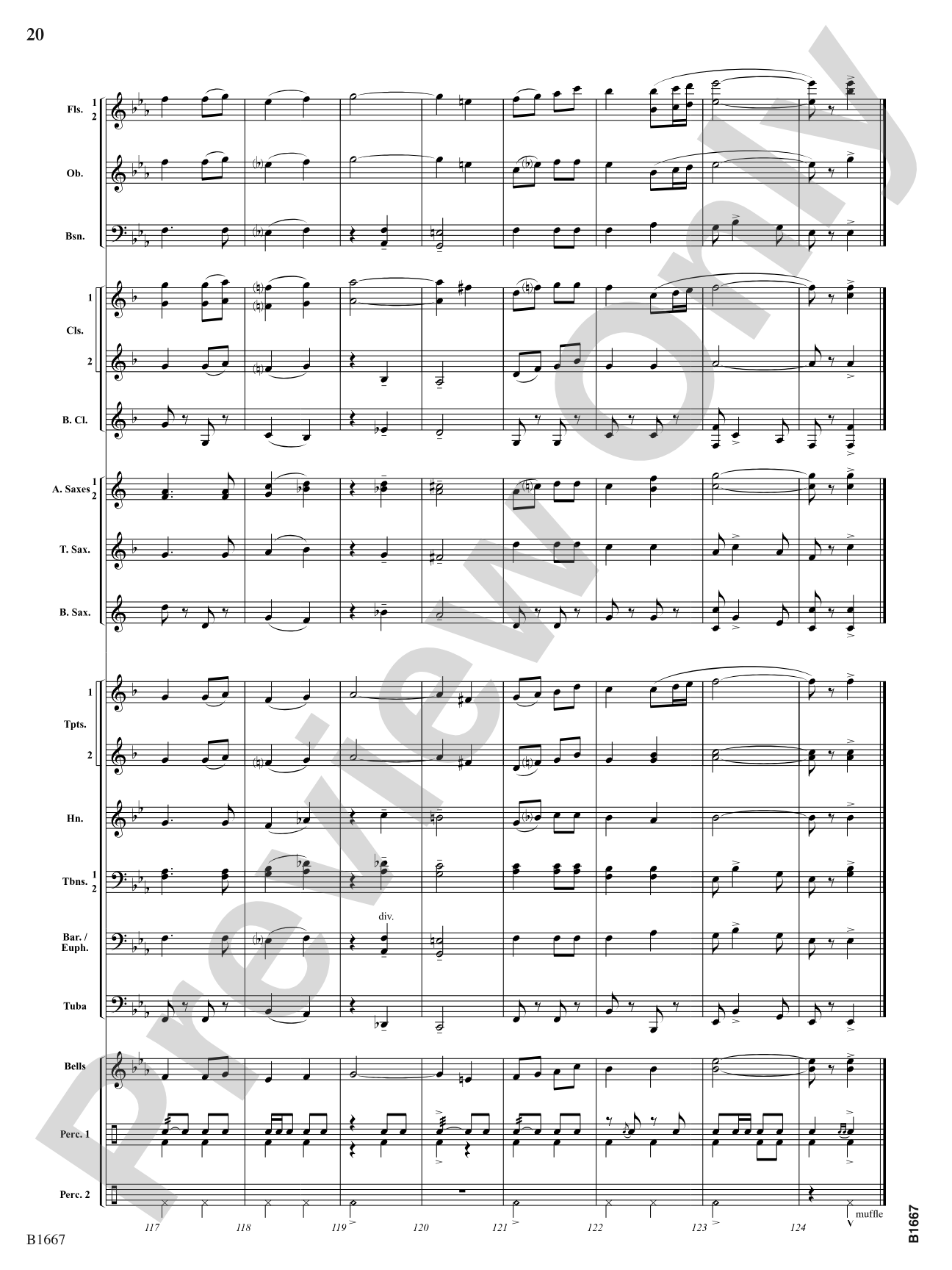

New Horizons: Score
By William Owens
Grade: 2.5
Item: 98-DB1667S
$13.00
Pickup currently not available
Description
Driving rhythms and robust harmonies are very much at the heart of this highly spirited concert march! Energy and excitement abound as tuneful melodic lines adorn your performance with varying styles and colors. Great scoring and colossal sounds!


New Horizons: Score isn't in MakeMusic Cloud just yet...but it could be. Let us know you'd like to see it, and you'll help shape what comes next. In the meantime, start a free trial and dive into thousands of interactive titles your students can play along with today.
Request This Title
Tell us you want it.
Start Your Free Trial
Explore everything that's ready to play right now.
Sample Audio
1
Audio File
--:--
0:00
0:00
Sample Video
No sample videos found.
Additional Details
Series:
FJH Young Band
Publisher:
The FJH Music Company, Inc.
SKU:
98-DB1667S
More about this title
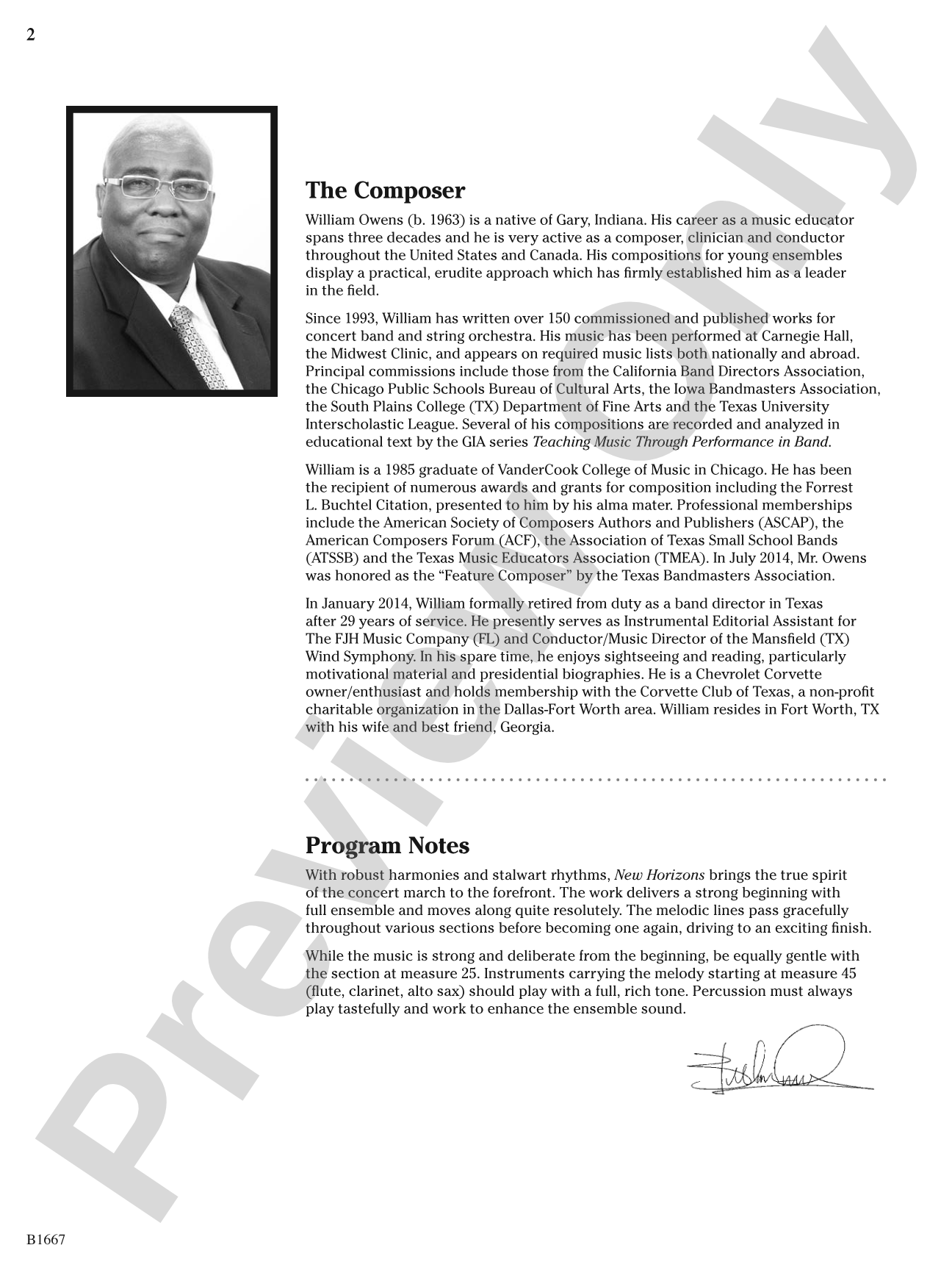
About the Composer: William Owens
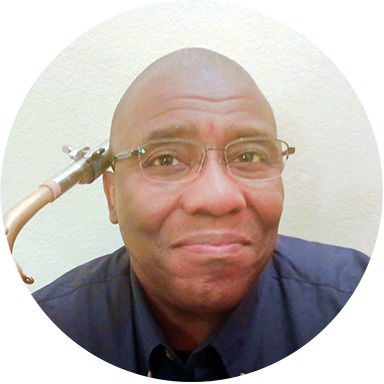
William Owens has spent decades refining his craft as both a performer and composer for young ensembles. A VanderCook College of Music graduate (1985), he spent 30 years as a band director in Texas before retiring in 2014, giving him deep insight into what young musicians need to experience success. Over 300 published works for concert band, string orchestra, and small ensemble have made him a fixture on festival and contest lists across North America.
Owens' approach to composition balances technical craftsmanship with practical classroom realities. His work appears in educational texts and earns recognition from major music organizations including ASCAP and the American Bandmasters Association. He has received commissions from prestigious institutions and holds membership in the Texas Music Educators Association and Phi Beta Mu International. Today he resides in Fort Worth, Texas.
Why we love this
Owens delivers exactly what Grade 2.5 bands crave: melodic hooks that keep ensemble members engaged while driving rhythmic figures that make the whole group feel powerful. The varied styles and color changes prevent the march from becoming predictable, so your students stay alert and responsive through every section.
What to expect
This march radiates forward momentum from the opening measure. The scoring bounces with energy while the harmonies remain solid and grounded, creating a piece that feels both light-footed and substantial. Colors shift and styles change enough to keep the ear engaged without losing the central thread of optimism and drive.
Who it's for
Grade 2.5 concert bands preparing for contests or festivals, or any ensemble seeking a spirited march that challenges without overwhelming. Directors looking for repertoire that combines tuneful writing with strong rhythmic propulsion will find this especially useful for mid-year programming when students have the fundamentals in place.
How to get the most out of it
- Shape the melodic lines with intentional phrasing rather than playing them as neutral statement; the tuneful quality Owens wrote depends on subtle dynamic contours within passages.
- Balance the robust harmonies so they support rather than overshadow the primary melody; this requires careful sectional listening during rehearsal.
- Let the rhythm section lock in during the driving sections before polishing the upper parts; a solid foundation makes everything else easier.
- Take advantage of the style shifts to create distinct moods within the march; conductor preparation here pays off in student understanding of form and contrast.
How to use it
Position this as your opening number on a concert where you want to establish excitement and confidence early, or slot it into a festival program for maximum impact with judges and audiences. It pairs well with slower, more lyrical selections later in the program as a study in contrast.
Skills your students will build
- Balancing melody and harmony across multiple voices
- Responding to conductor cues for dynamic and style changes
- Maintaining rhythmic precision during driving passages
- Shaping musical phrases through intelligent articulation and dynamic control
- Building sectional independence while supporting ensemble blend