Dinah Washington (1924-1963) earned her place as one of jazz's most commanding vocalists through sheer artistry and range. Her ability to move seamlessly between jazz standards, blues, and pop material made her a recording powerhouse in the 1950s, and her interpretations set the standard for how these songs should be sung. Washington's influence extends far beyond her era; her phrasing and emotional directness continue to shape how musicians approach the American songbook.
Why we love this
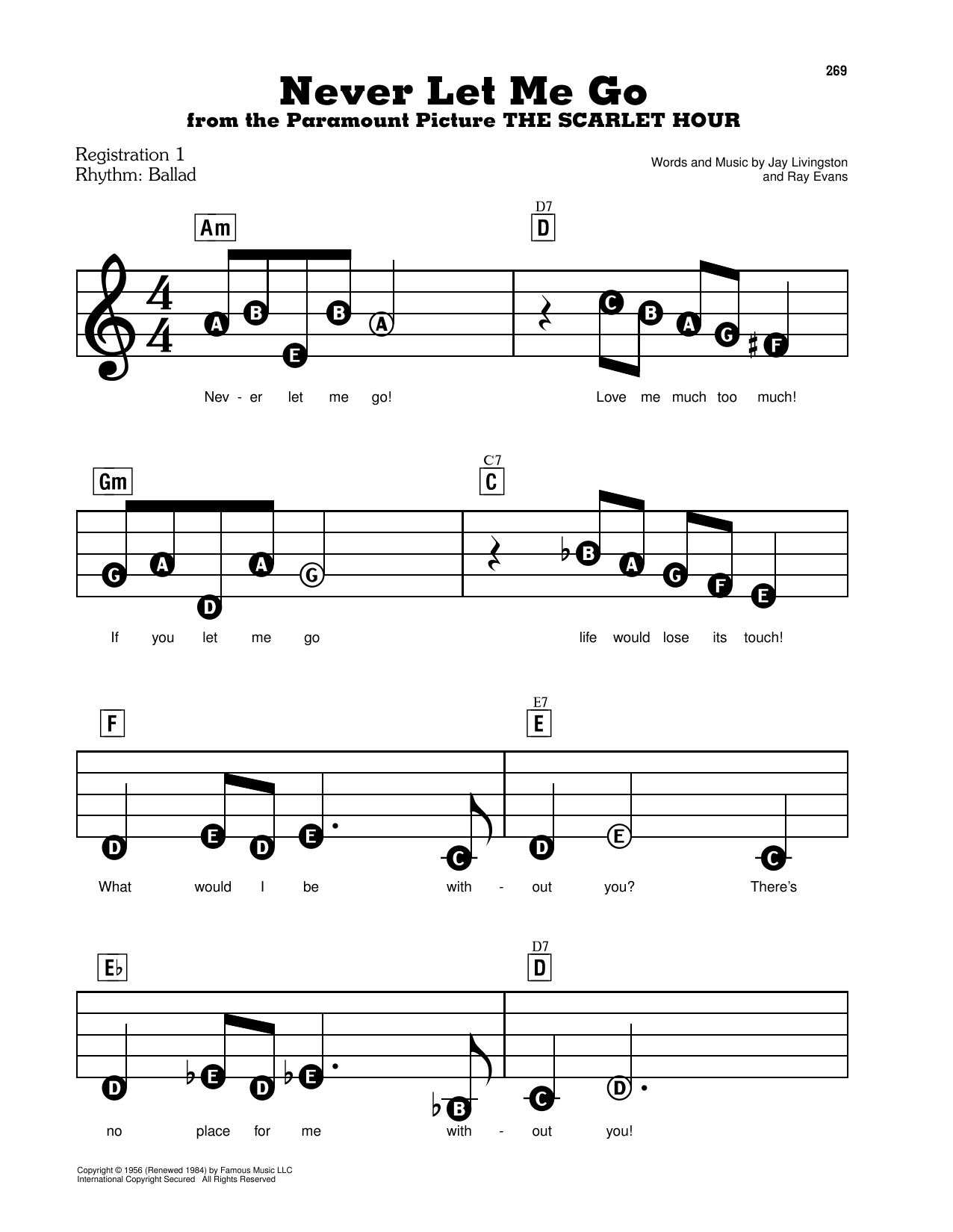
Washington's recording of this standard brings warmth and intimacy that makes the arrangement feel both classic and immediately accessible. The E-Z Play formatting removes barriers to getting students and adult learners into this material quickly, so focus lands on interpretation rather than decoding notation. It's the kind of piece that sounds simple on first glance but rewards deeper musical choices.
What to expect
This is intimate and unhurried, with the kind of gentle insistence that comes from deep conviction. The arrangement honors Washington's vocal sensibility; there's space for reflection and a quality of tenderness that never tips into sentimentality.
Who it's for
Piano students exploring jazz standards and singers working to expand their interpretive toolkit will find this arrangement accessible yet musically rich. Teachers seeking material that bridges classical training and jazz idiom will appreciate how the E-Z Play format invites experimentation without overwhelming newer readers.
How to get the most out of it
Let the melody breathe in the opening phrase; resist the urge to rush into the emotional core of the song.
Pay close attention to the harmonic movement in the bridge, as the voice-leading creates natural momentum you can either support or deliberately pull against.
Balance dynamic control with authenticity; Washington's restraint in quieter passages is as powerful as her fuller moments.
Explore rubato around the cadential phrases to honor the lyrical content without abandoning time.
How to use it
Pair this with other standards from the 1950s to build a program exploring how jazz singers shaped American song. It also works beautifully as a solo piece in a concert setting or as part of a cabaret-style recital where intimacy and direct communication are priorities.
Skills your students will build
Interpreting jazz phrasing and swing rhythm
Navigating standard song form and harmonic progressions
Balancing accompaniment and melody in ensemble contexts
Understanding rubato and rhythmic flexibility in vocal music
Reading and adapting E-Z Play notation for jazz repertoire
You May Also Like
Scan to Complete Your Purchase
Use your phone's camera to scan the code below
You'll log in on your phone and the order will be added to your account