Narnian Dance Cover Image

Narnian Dance: Jazz Ensemble Conductor Score & Parts

$48.00 USD
Sale price  $48.00 USD Regular price 
Skip to product information
Narnian Dance Cover Image

Narnian Dance: Jazz Ensemble Conductor Score & Parts

By Kris Berg

Grade: 3 (Medium)

Item: 00-JE9760

makemusic Cloud badge

Need it now?

Buy Digital Version
$48.00
Shipped

One moment…

Description
If you are looking for a contrasting jazz original to play at festival or contest, you should look at this new work by Kris Berg. It has a contemporary sound that will balance out a 'standard' program. Kris is in touch with the sound of today's jazz and always writes charts that are fun, playable and very listenable. This tune will make your band sound great! (duration 5:01)

Don't just read it, hear it, play along with it, and watch your students grow with it. In MakeMusic Cloud, Narnian Dance: Jazz Ensemble Conductor Score & Parts comes alive with professional accompaniment, adjustable tempo, and built-in practice tools that turn solo practice into real progress.

Sample Pages

Sample Audio
No sample audio found.
Sample Video
Additional Details
Series: Jazz Band Series
Publisher: Alfred Music
Page Count: 86
UPC: 029156665741
SKU: 00-JE9760

More about this title

About the Composer: Kris Berg
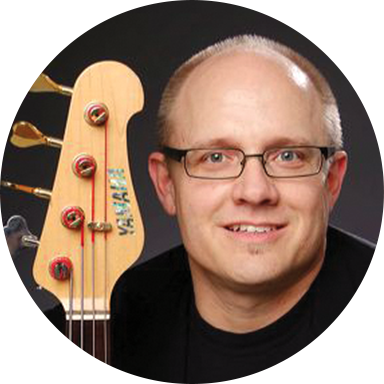
Kris Berg

Kris Berg leads the jazz program at Collin County Community College in Texas, where he earned both his bachelor's and master's degrees in jazz studies from the University of North Texas. His ensembles have garnered multiple invitations to perform at the Montreux Jazz Festival, and he founded both the Collin Jazz Fest and the Texas All-Star Jazz Camp to strengthen the regional jazz community.

As a prolific composer and arranger for Belwin Jazz, Berg's charts circulate globally among performing ensembles. He has clinicked and performed alongside major jazz figures including Kurt Elling, Randy Brecker, Peter Erskine, and Clark Terry. Beyond composing, Berg authored the widely adopted method book Bass Lines in Minutes and maintains an active endorsement with Yamaha Corporation of America.

Why we love this

Berg writes with a sharp ear for what actually works on the bandstand. His charts balance contemporary harmonic language with genuine playability, so your students won't feel like they're decoding an intellectual exercise. At Grade 3, this piece gives ensembles a substantive original that sounds polished and current without demanding an unrealistic skill level.

What to expect

The piece carries a contemporary edge that feels current without sacrificing accessibility. Its five-minute span covers considerable musical ground, balancing energy with compositional sophistication that keeps both players and listeners engaged.

Who it's for

Grade 3 jazz ensembles preparing for festival or contest settings. This works equally well for groups looking to diversify a program that leans heavily on standards and swing charts.

How to get the most out of it

  • Pay attention to the rhythm section's pocket. Berg's grooves only breathe when the drums, bass, and piano sit comfortably together; lock that in first during sectional rehearsals.
  • The horn lines benefit from a light touch rather than volume. Contemporary jazz ensemble writing often relies on clarity and articulation precision over raw power.
  • Front-load your rehearsal time on the opening statement so the melodic identity lands immediately. A strong first impression sets the tone for how the rest of the piece registers with a festival audience.

How to use it

Pair this with a classic swing number or a ballad arrangement to show range and keep judges or audience members attentive. A program that opens or closes with this original signals that your ensemble has contemporary chops, marking your group as forward-thinking rather than retrospective.

Skills your students will build

  • Reading and executing contemporary jazz harmonic progressions
  • Ensemble blend and balance within modern big band voicings
  • Rhythmic precision in contemporary jazz grooves
  • Listening and responding to interplay between horn sections and rhythm section
  • Interpreting stylistically informed articulation and dynamics in original compositions

You May Also Like
