
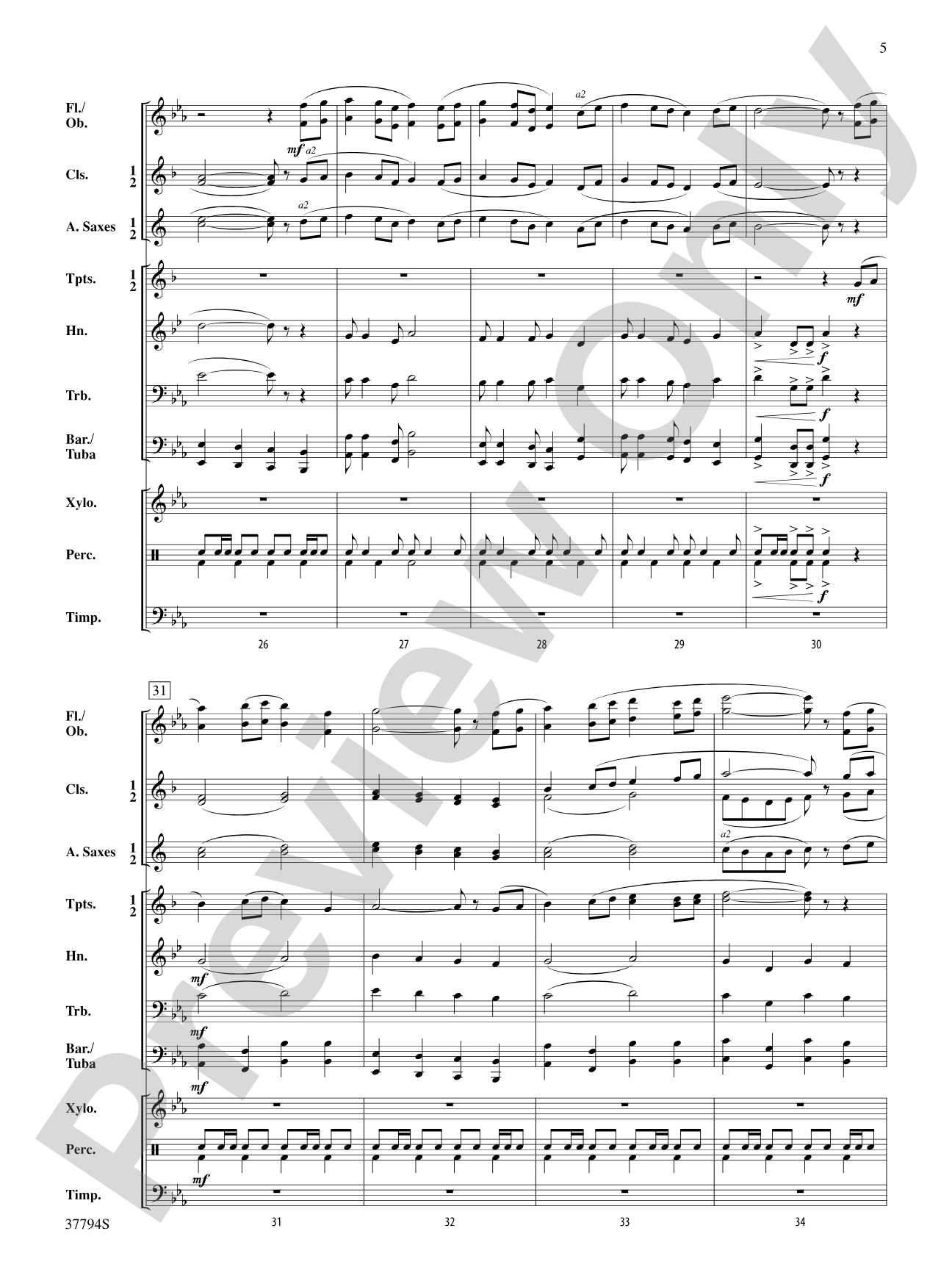
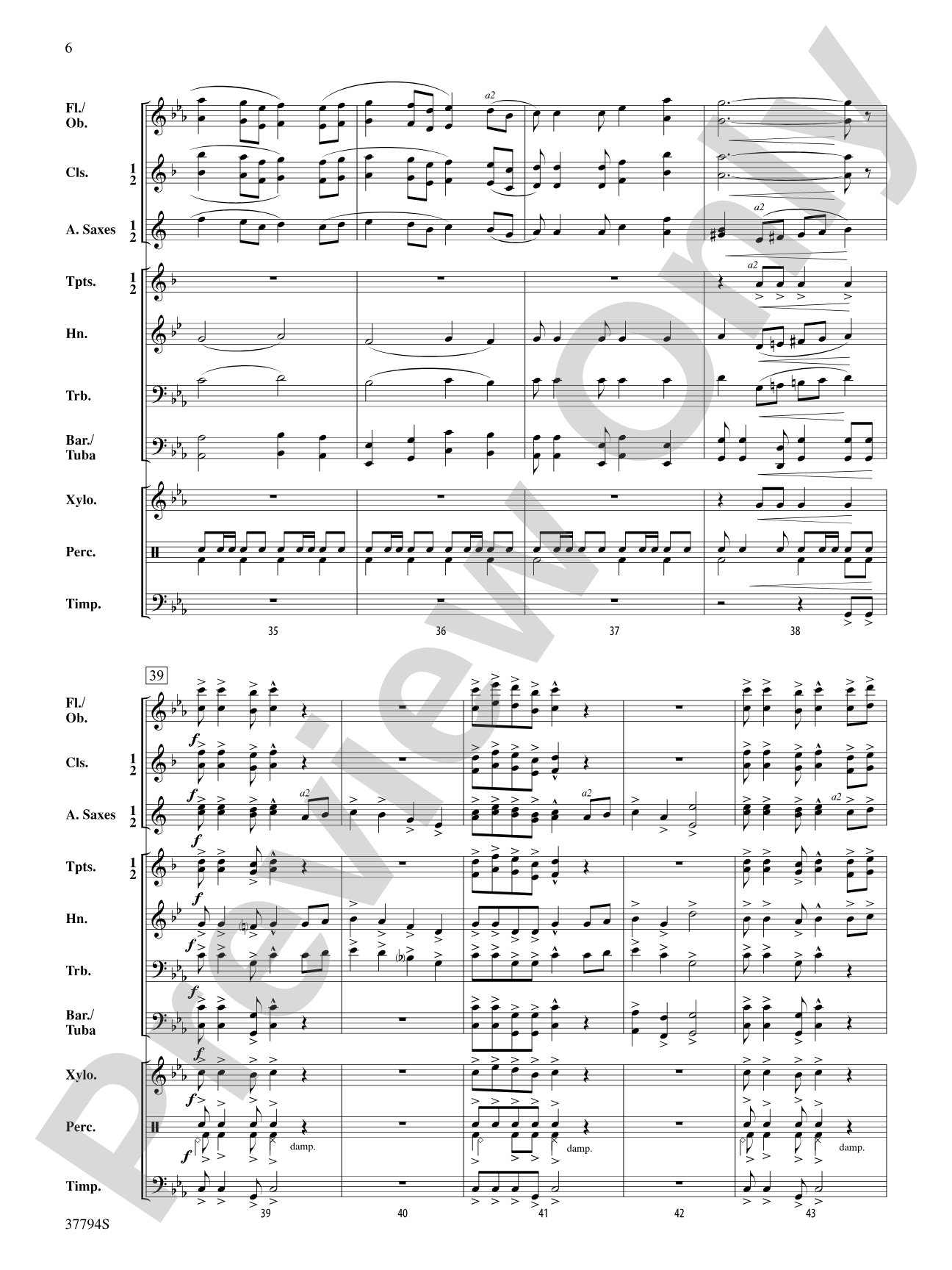
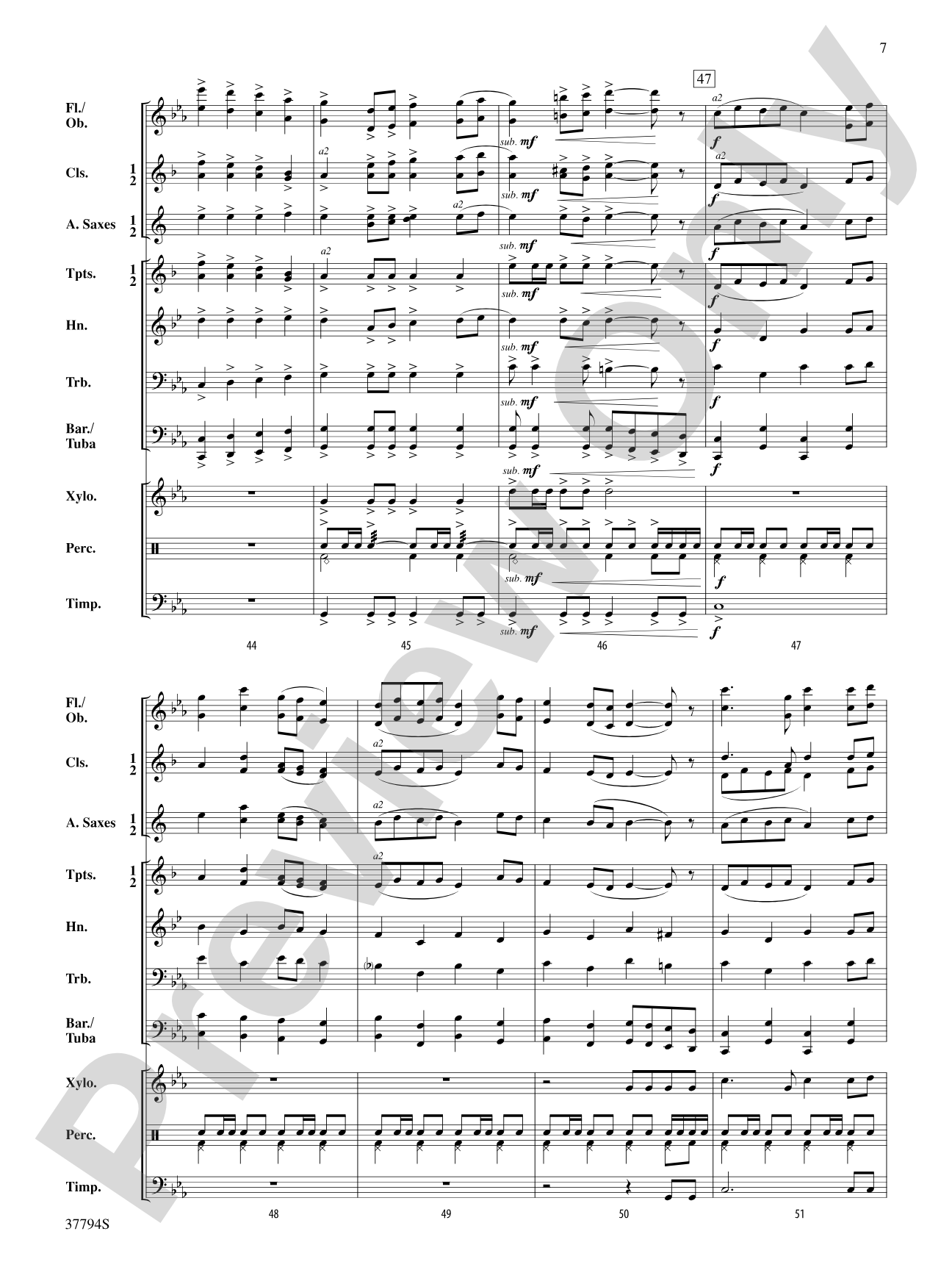
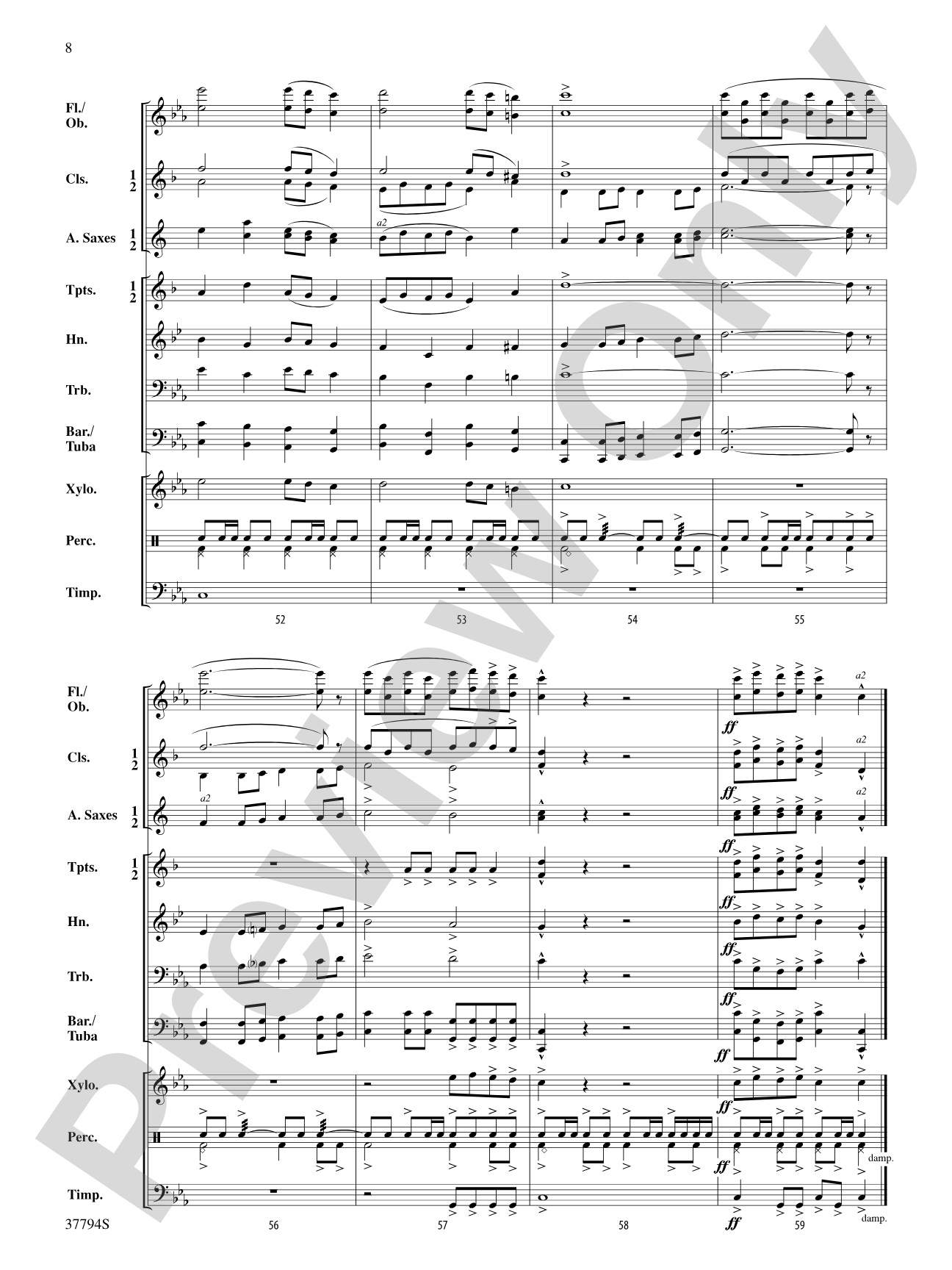

Mystery Bay March: Concert Band Conductor Score & Parts
By Steve Hodges
Grade: 1.5 (Easy)
Item: 00-PK-0005069

$49.00
Pickup currently not available
Buy Extra Parts (Digital PDF Download)
Parts Added to Cart!
Description
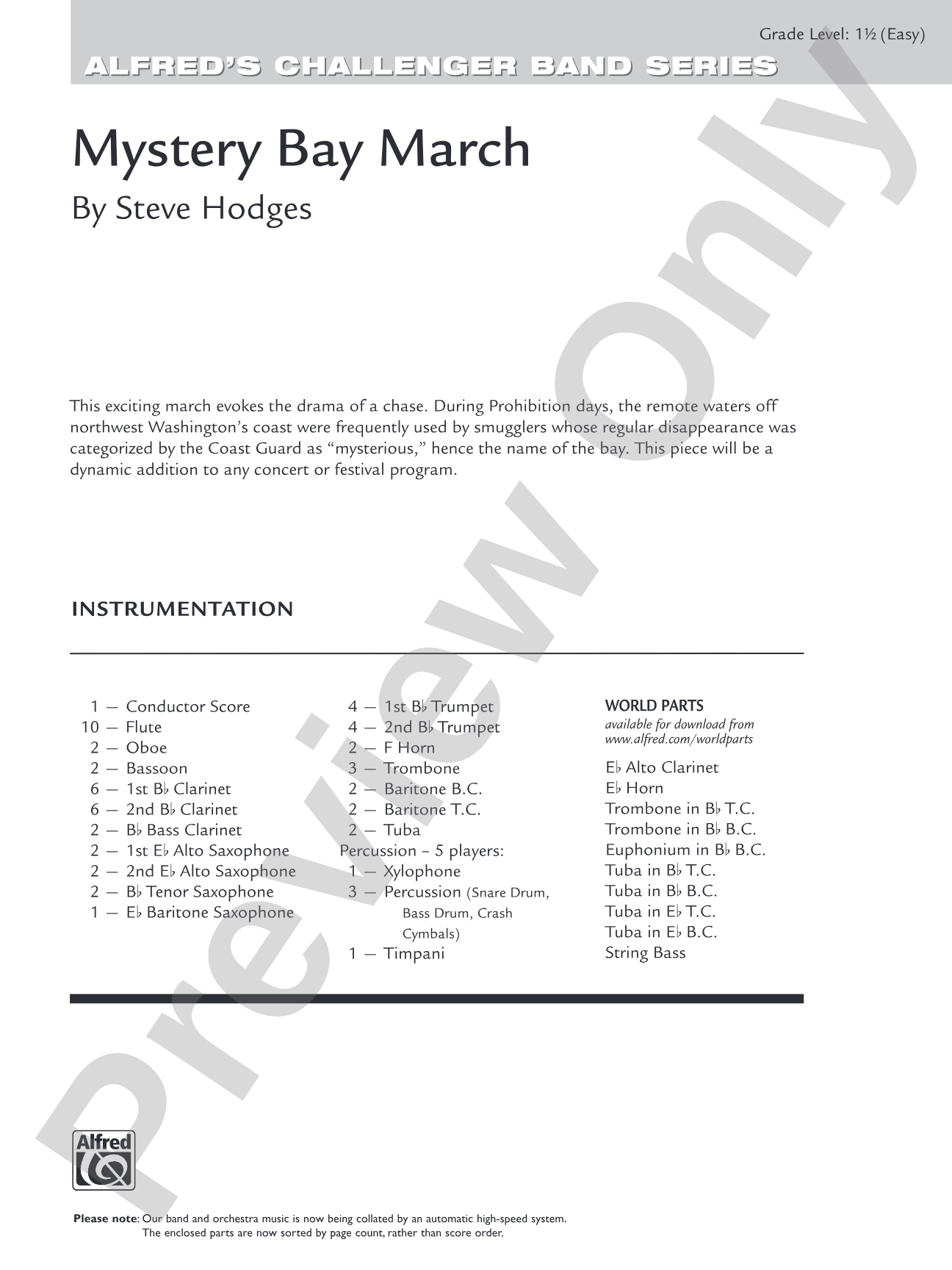
This exciting march evokes the drama of a chase. During Prohibition days the remote waters off northwest Washington's coast were frequently used by smugglers whose regular disappearance was categorized by the Coast Guard as "mysterious," hence the name of the bay. This piece will be a dynamic addition to any concert or festival program. (2:00)


Don't just read it, hear it, play along with it, and watch your students grow with it. In MakeMusic Cloud, Mystery Bay March: Concert Band Conductor Score & Parts comes alive with professional accompaniment, adjustable tempo, and built-in practice tools that turn solo practice into real progress.
Open in the Player
Jump straight in and assign it today.
Start Your Free Trial
Open this title and explore the full library in minutes.
Sample Audio
1
Audio File
--:--
0:00
0:00
Sample Video
No sample videos found.
Additional Details
Series:
Challenger Band Series
Publisher:
Alfred Music
Page Count:
124
SKU:
00-PK-0005069
More about this title
About the Composer: Steve Hodges

Steve Hodges holds degrees from Western Oregon University (B.S.) and Central Washington University (M.A. in Music Education). Over four decades in public school music education, he directed concert bands, choirs, and chamber ensembles across all performance levels before retiring from full-time teaching.
Since 1986, Hodges has composed more than 120 concert band works published by Alfred Music, along with choral arrangements released by Staff Music and Shawnee Press. His compositions have appeared at festivals and state conventions internationally and been performed by honor bands in Virginia, Iowa, Winnipeg, British Columbia, Oregon, Washington, and North Carolina. His music has also been licensed by TBS and ESPN. A member of ASCAP, Hodges resides in The Dalles, Oregon, where he remains active in community music alongside his wife, Teddie, and stays connected with their five children and ten grandchildren, several of whom now perform his work in their own school bands.
Why we love this
Hodges crafts a march that balances accessibility with genuine dramatic storytelling. At Grade 1.5, the writing is straightforward enough for developing ensembles yet compelling enough to hold an audience; the Prohibition-era narrative gives students a real context for the musical choices they're making, turning a concert piece into a moment of historical imagination.
What to expect
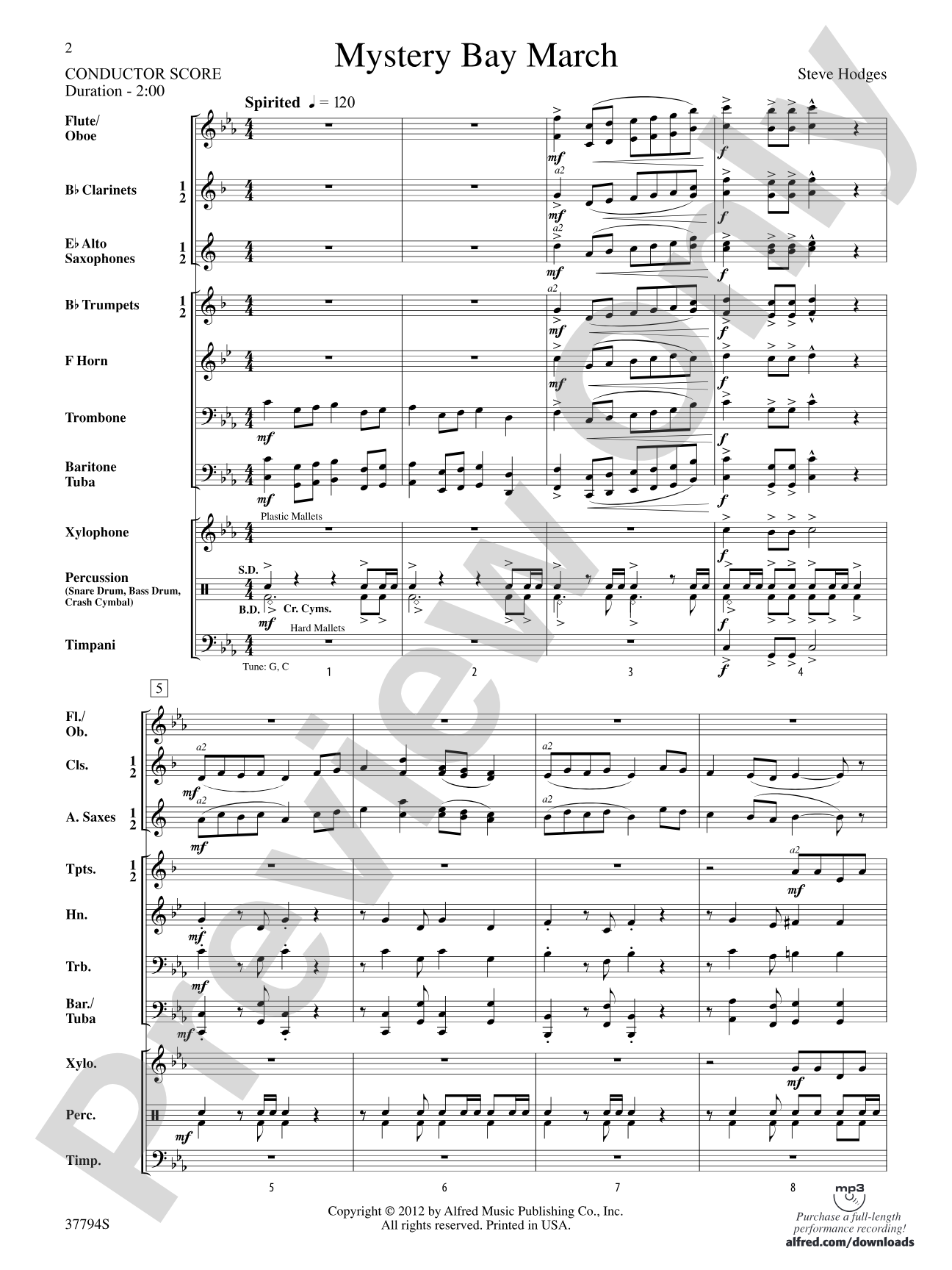
A cat-and-mouse game set to music. The piece captures both the tension of pursuit and the mystique of disappearance, moving from quiet intrigue to urgent energy, all wrapped in the crisp clarity of march form.
Who it's for
Young concert bands ready to move beyond basic march repertoire into pieces with narrative depth. Students benefit from material that challenges musicality without requiring advanced technical facility, making this ideal for middle school programs and developing high school ensembles.
How to get the most out of it
- Establish the pulse clearly from the downbeat. The march's narrative tension depends on forward momentum, so lock the tempo before any dramatic gestures.
- Balance the melodic voices with harmonic accompaniment so the chase story remains the focal point rather than being buried in texture.
- Lean into the dynamic contrasts. The evocation of a chase works best when students embrace both the quiet, suspicious moments and the climactic peaks.
- Shape phrase endings even in straightforward passages. This keeps the musical storytelling fresh and prevents the march from feeling mechanical.
How to use it
Program this on a concert built around American history or regional themes. At two minutes, it pairs beautifully with longer works, offering variety in mood and pacing while giving your ensemble a moment to demonstrate storytelling as musicians.
Skills your students will build
- Shaping phrase contours within a march framework
- Responding to dynamic markings as narrative direction
- Maintaining rhythmic precision during tempo-driven passages
- Balancing melody against accompaniment textures