Mysterious Story Cover Image

Mysterious Story: Piano Sheet

$3.50 USD
Sale price  $3.50 USD Regular price 
Skip to product information
Mysterious Story Cover Image

Mysterious Story: Piano Sheet

By Willard A. Palmer

Level: Late Elementary

Item: 00-6274

$3.50
Shipped

One moment…

Description
The left hand plays a mysterious melody that alternates between C minor and C major in this late elementary piano solo. The right hand accompanies in 3/4 meter with two-note chords on the second and third beats. Varied dynamic markings create a suspenseful mood. The piece ends with an adagio section and a final pianissimo C major triad.

Mysterious Story: Piano Sheet isn't in MakeMusic Cloud just yet...but it could be. Let us know you'd like to see it, and you'll help shape what comes next. In the meantime, start a free trial and dive into thousands of interactive titles your students can play along with today.

Sample Pages

Sample Audio
No sample audio found.
Sample Video
Additional Details
Publisher: Alfred Music
Page Count: 4
ISBN10: 1-4706-3110-5
ISBN13: 978-1-4706-3110-9
UPC: 038081014715
SKU: 00-6274

More about this title

About the Composer: Willard A. Palmer
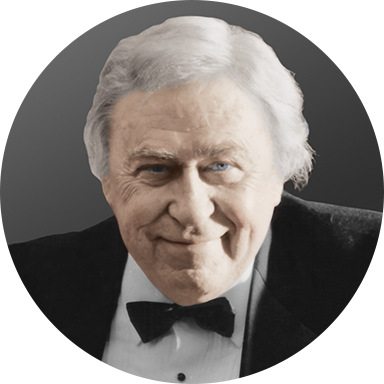
Willard A. Palmer

Willard A. Palmer was a prolific composer and educator whose career spanned decades and continents. After studying piano and accordion under Mae Vardeman, he earned his Bachelor's degree from Millsaps College in Jackson, Mississippi, then pursued advanced study at the Conservatory of Leipzig on a prestigious two-year scholarship. He later joined the University of Houston faculty, where he taught accordion for 18 years and established the first successful college-level courses in that instrument.

Palmer's scholarly legacy centers on his meticulous research into Baroque music ornamentation, work that became the foundation for the widely respected Alfred Masterworks series. Over his lifetime, he published 789 compositions spanning accordion methods, piano methods, Hammond Chord Organ instruction, guitar methods, solo pieces, and choral works, many translated into German, Japanese, French, Dutch, and Spanish. His contributions to musicological research earned him a Doctor of Humanities degree in 1971 and a Doctor of Music degree in 1983. He served as director of the Riemenschneider Bach Institute and was an active member of the American Federation of Musicians, the American Accordionists' Association, and ASCAP.

Why we love this

Palmer's harmonic language here is genuinely sophisticated for late elementary. The tonal ambiguity between C minor and C major in the melody creates real musical tension without requiring hand crossings or technical pyrotechnics. Students experience authentic compositional choices: a composer deliberately shifting between parallel modes to build suspense, then resolving to major with a delicate final chord.

What to expect

The opening establishes an unsettled atmosphere as the left hand weaves between minor and major flavors. The accompaniment pattern in the right hand feels like gentle, deliberate pulsing, adding to the tension rather than resolving it. By the adagio section, the music releases into a quiet, resigned acceptance, culminating in a soft final chord that suggests resolution without fanfare.

Who it's for

Late elementary pianists ready to engage with harmonic color and mood creation beyond simple melodies with block chord accompaniment. Students who have solid left hand independence and can manage varied dynamic markings will find this piece rewarding without becoming frustrated by technical demands.

How to get the most out of it

  • Shape the left hand melody with subtle dynamic shaping within its overall mysterious character. The melody carries the emotional weight, so let it breathe even when playing softly.
  • Keep the right hand accompaniment rhythmically steady and transparent. Two-note chords on beats two and three should feel like cushioning rather than asserting themselves over the melody.
  • Prepare the shift to the final adagio section by gradually releasing tempo and energy. The contrast between the main section and that closing measures should feel inevitable, not abrupt.
  • Listen for the pianissimo resolution on the final C major triad. Resist the urge to add weight; let it dissolve rather than land.

How to use it

This works beautifully in a student recital as a contrast piece following something lighter or more rhythmically straightforward. Its moderate length and emotionally complete arc make it satisfying for a standalone performance, and its title invites audiences into a specific narrative. Consider programming it before intermission to leave listeners with a lingering mood.

Skills your students will build

  • Harmonic awareness through parallel major and minor tonalities
  • Left hand melodic independence and expressive phrasing
  • Steady accompaniment patterns with dynamic control (two-note chords on beats two and three)
  • Responding to varied dynamic markings to shape mood and suspense
  • Tempo control and transition into slower material (adagio section)
  • 3/4 meter coordination between melody and accompaniment

You May Also Like