
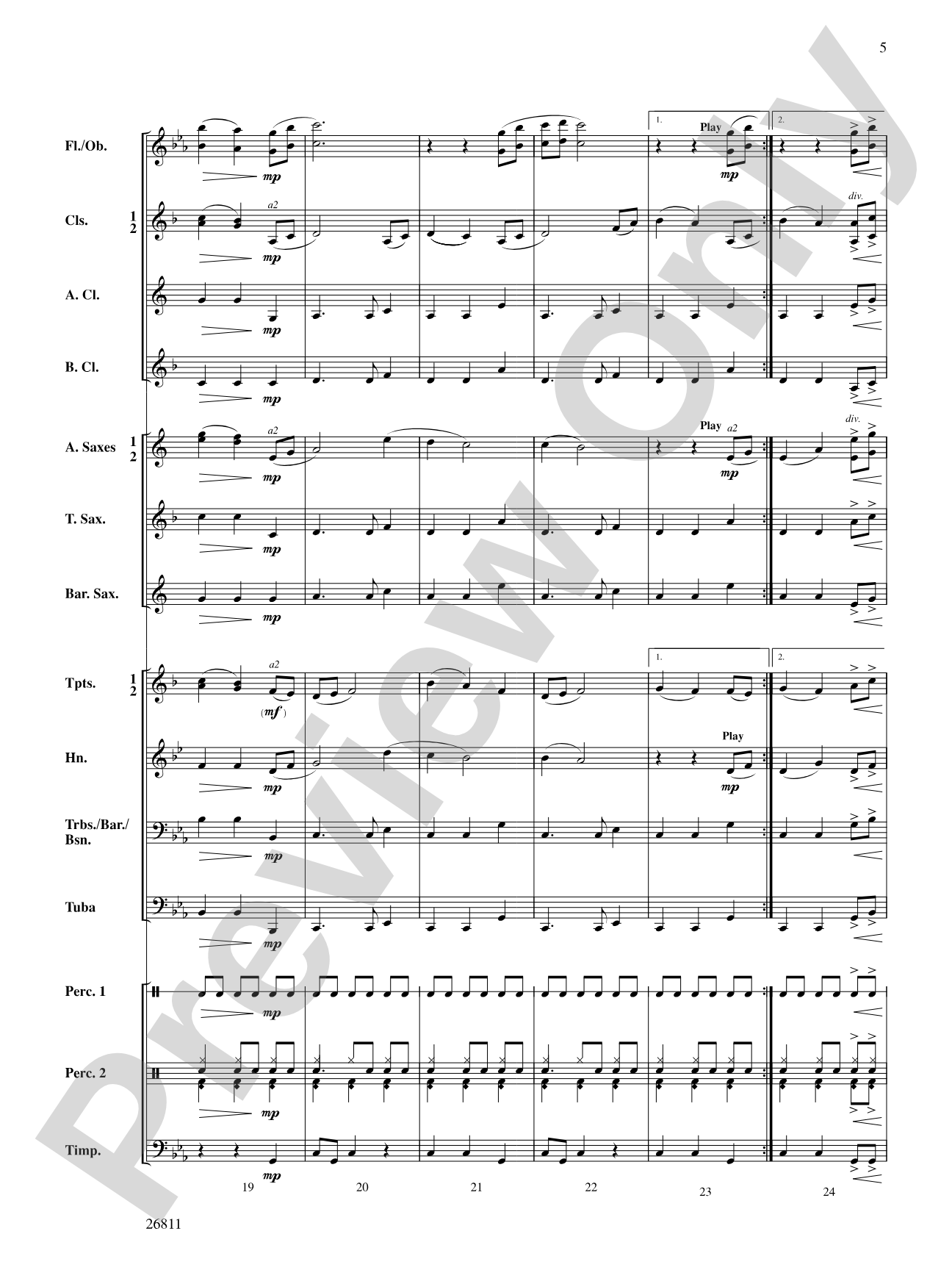
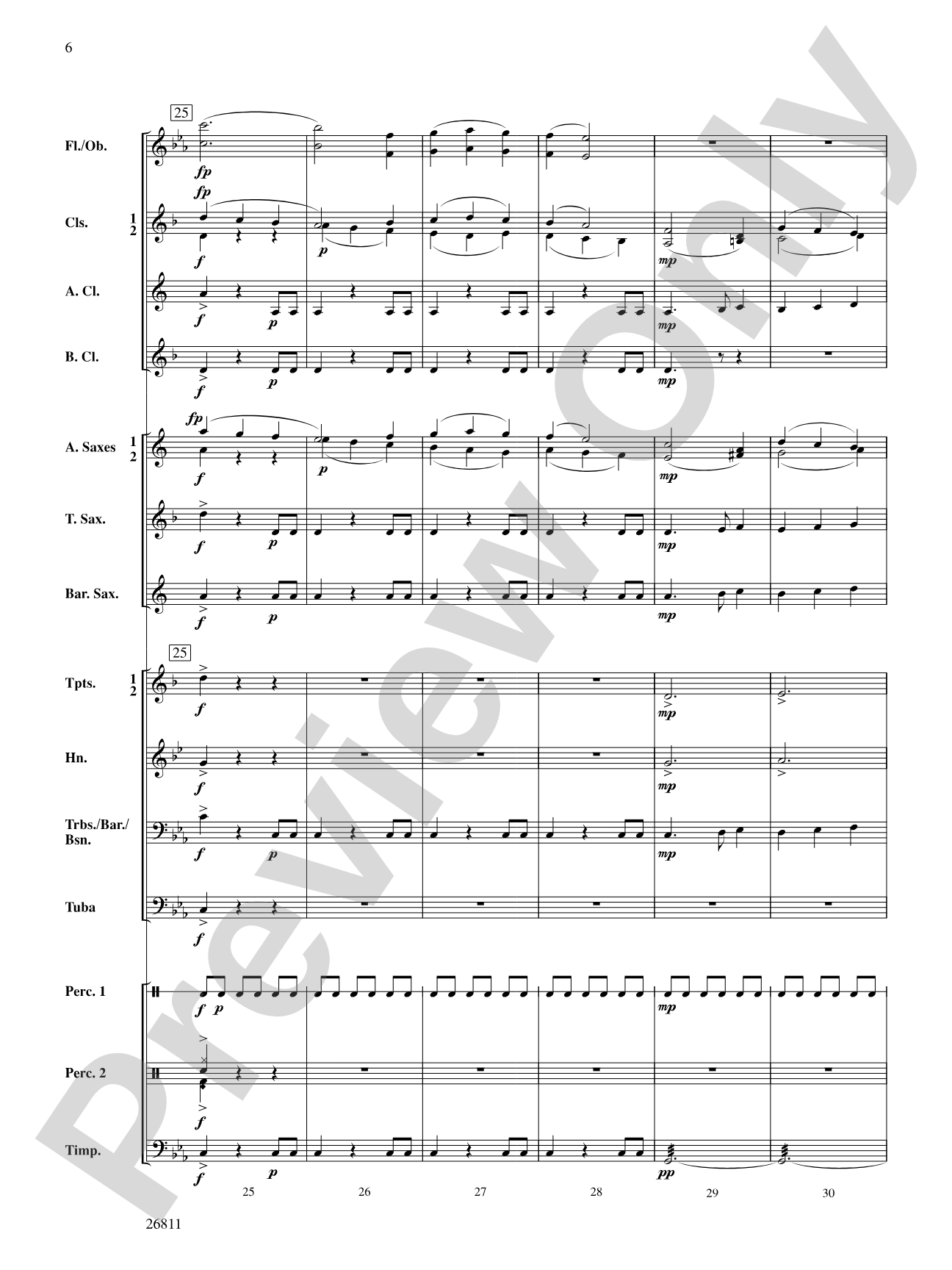
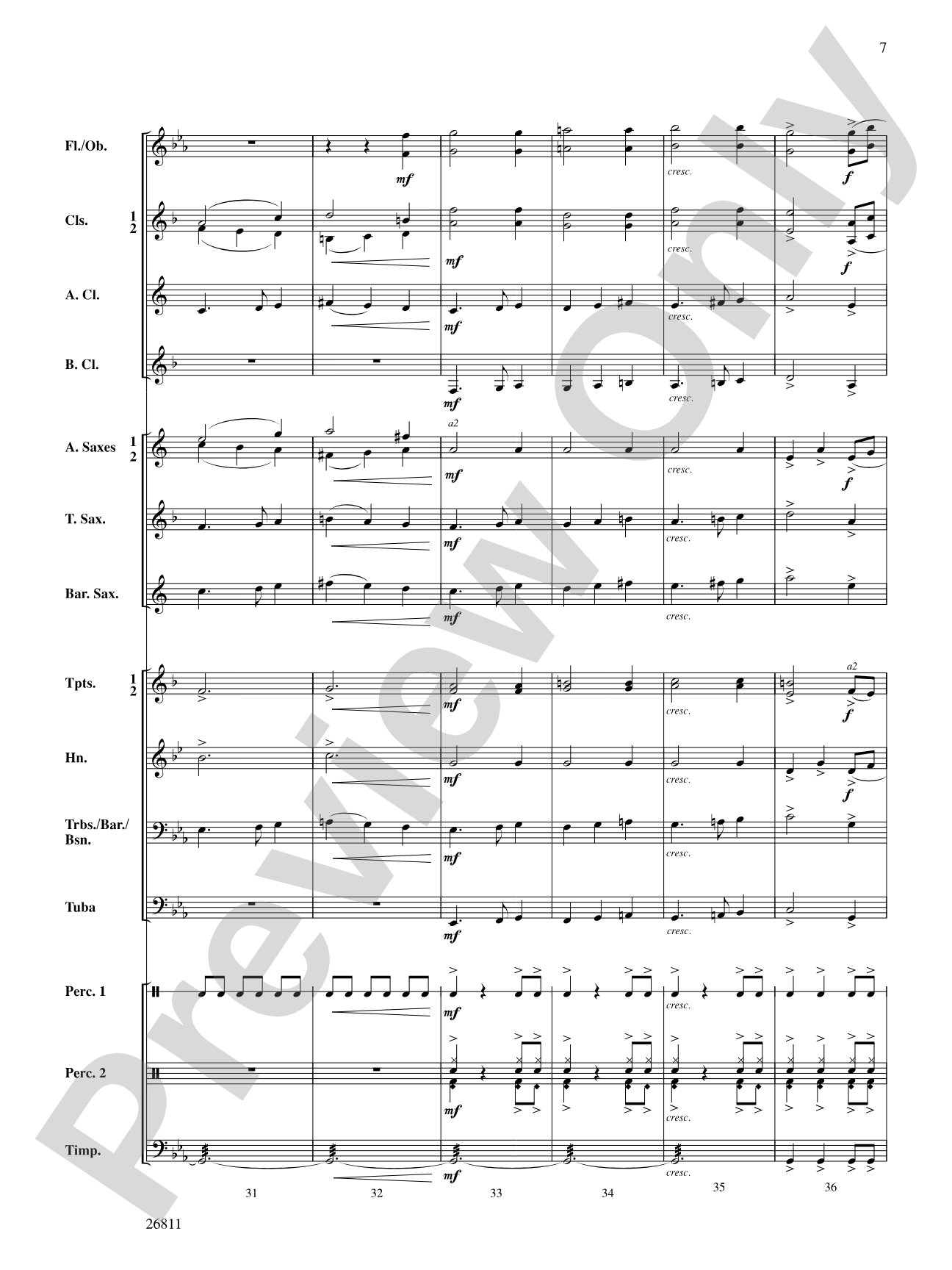
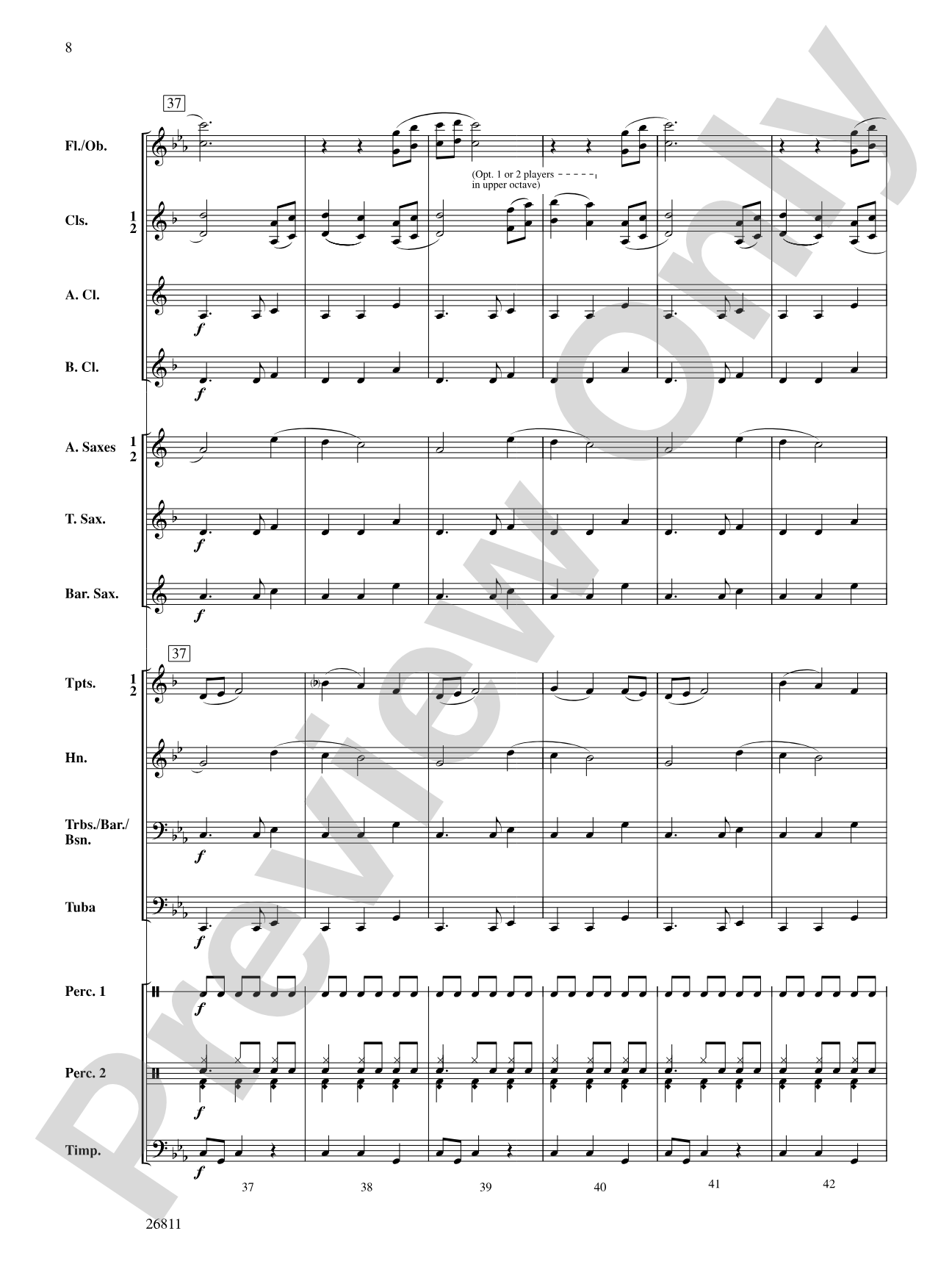
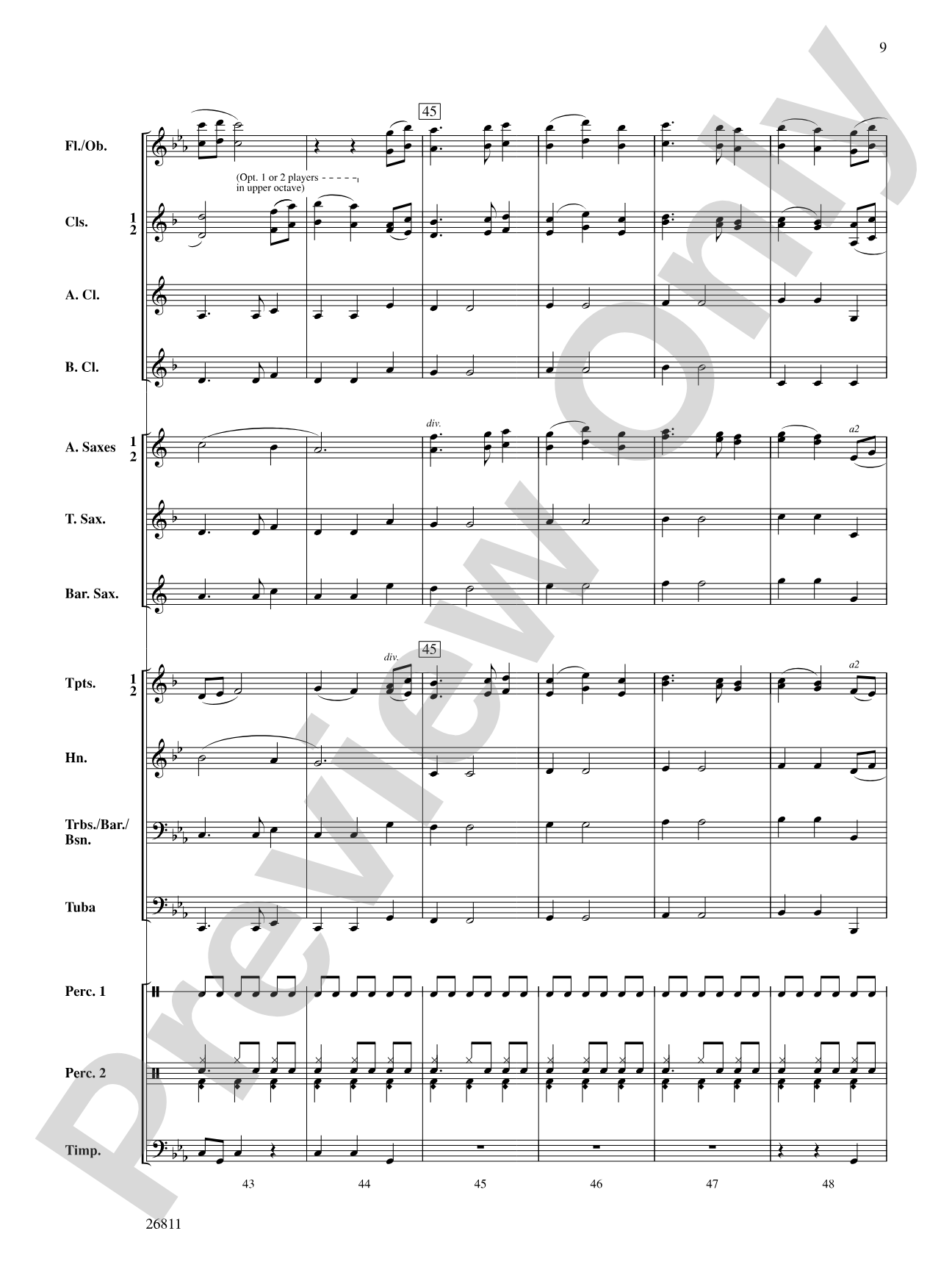
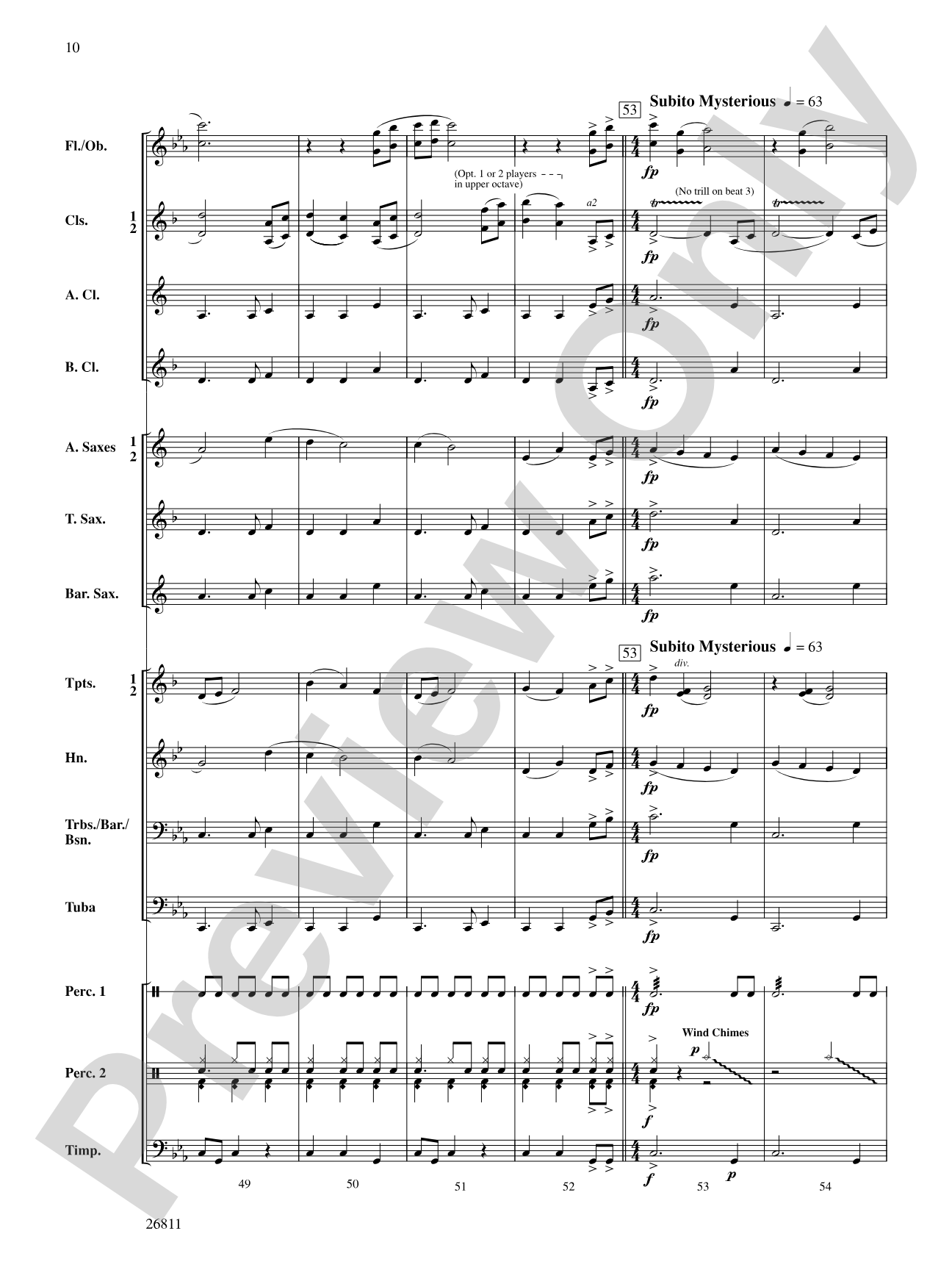
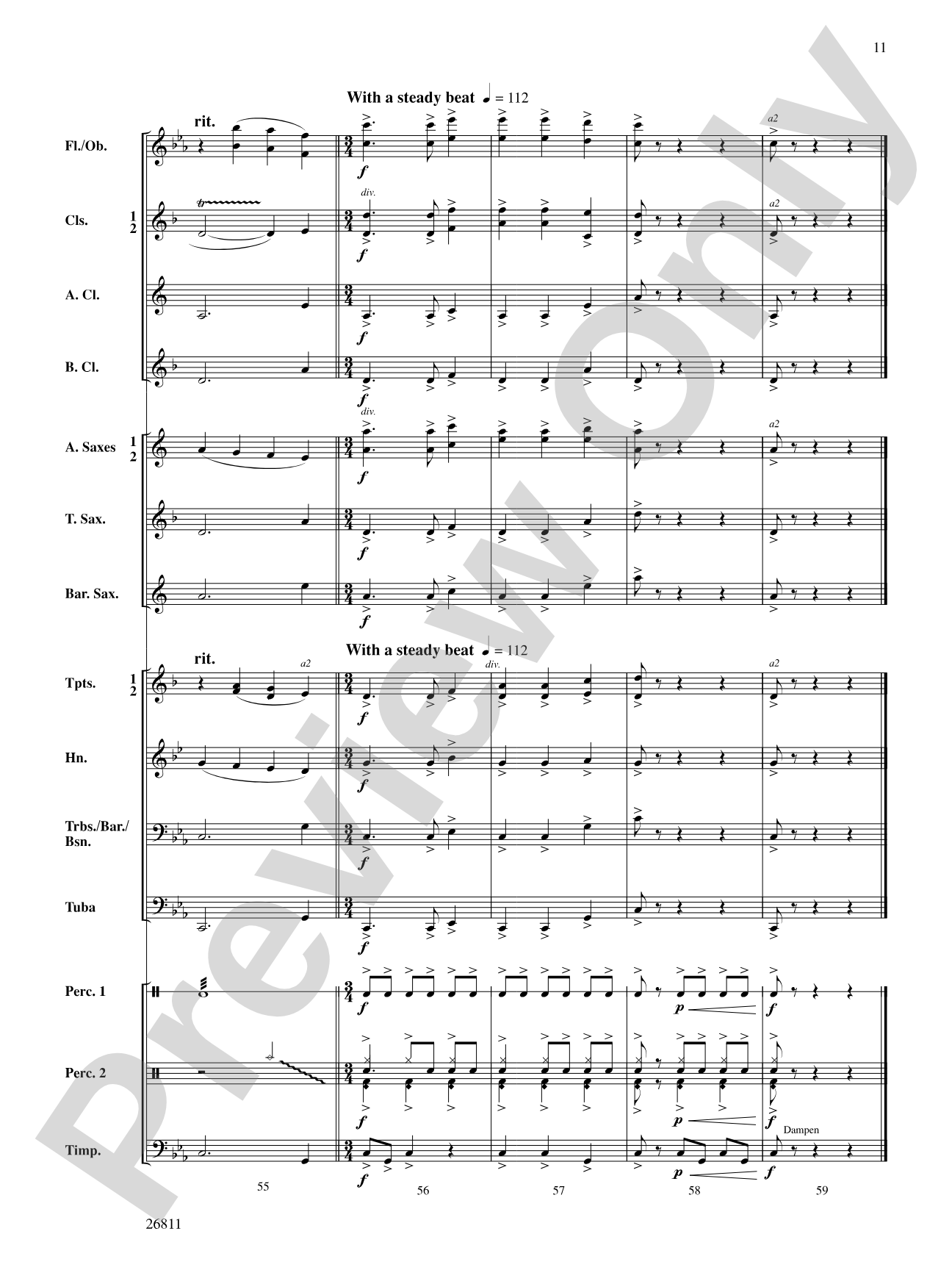


Mysteries of the Kalahari: Score
By Bruce Preuninger
Grade: 1 (Very Easy)
Item: 00-PR-0001234
$6.00
Pickup currently not available
Description
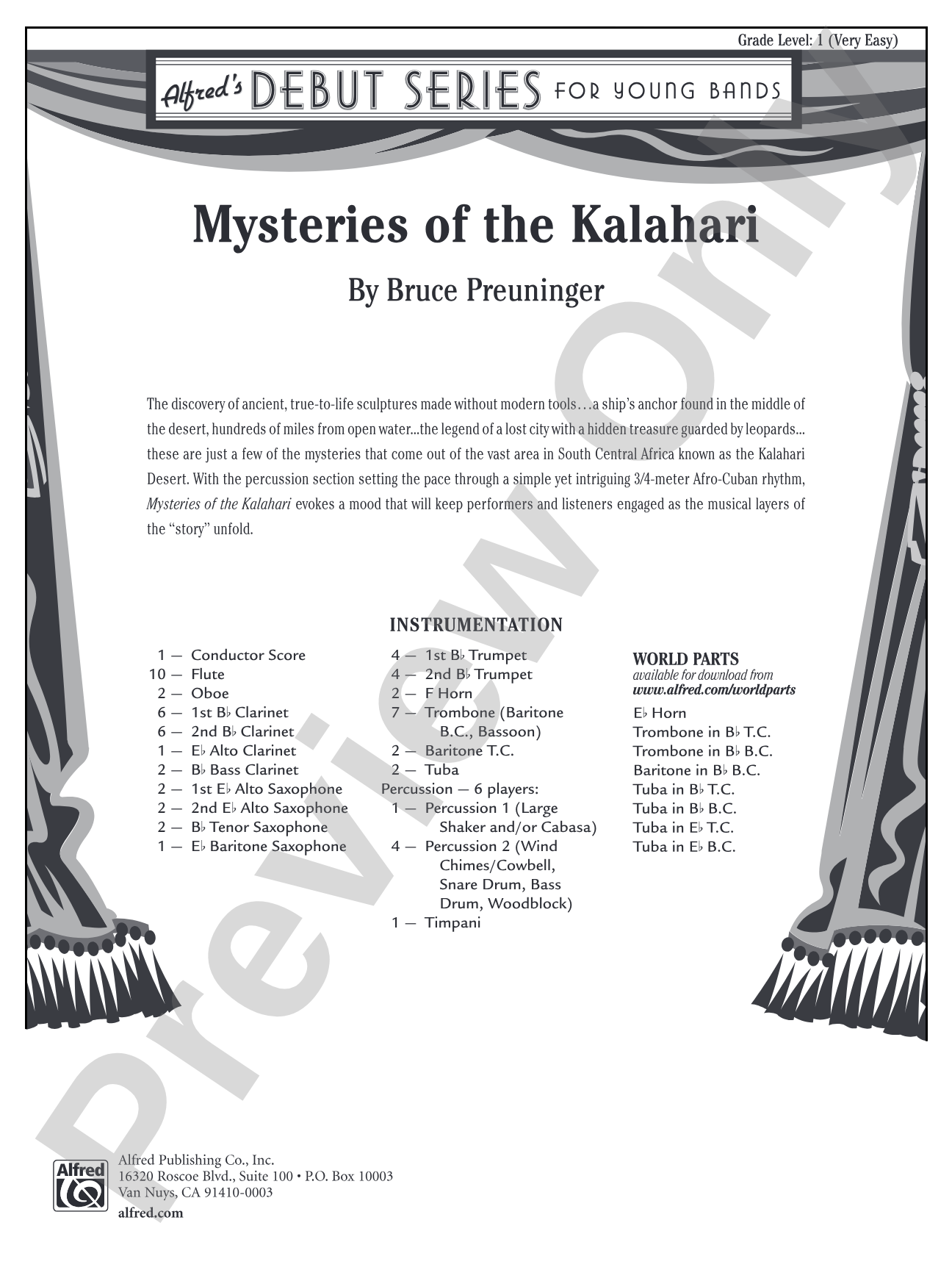
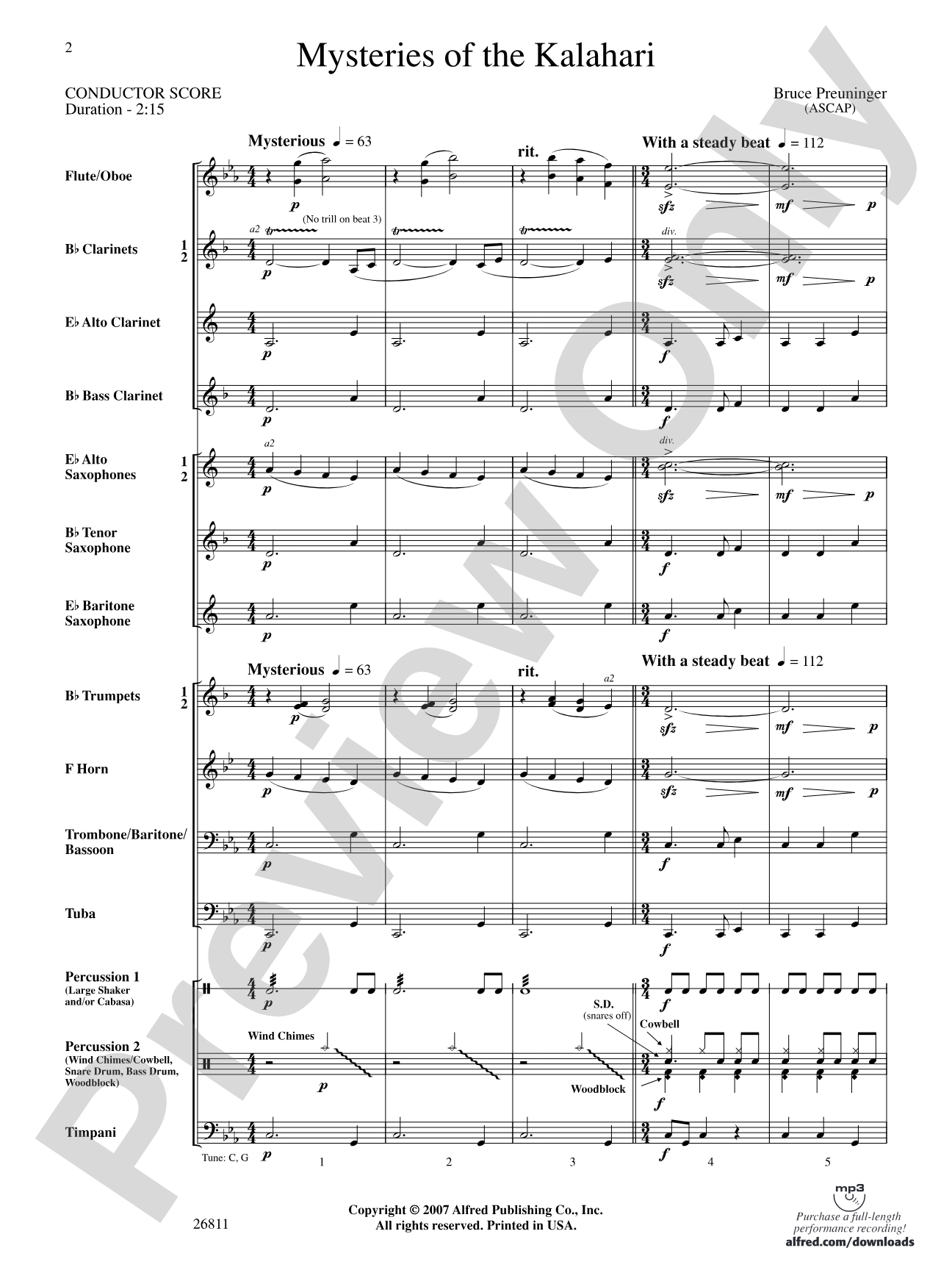
The discovery of ancient, true-to-life sculptures made without modern tools . . . A ship's anchor found in the middle of the desert, hundreds of miles from open water . . . The legend of a lost city with a hidden treasure guarded by leopards . . . these are just a few of the mysteries that come from the Kalahari Desert in Africa. With the percussion section setting the pace through a simple yet intriguing 3/4 meter Afro-Cuban rhythmic pattern, Mysteries of the Kalahari evokes a mood that will keep performers and listeners engaged as the musical layers of the story unfold. This title is available in MakeMusic Cloud.


Don't just read it, hear it, play along with it, and watch your students grow with it. In MakeMusic Cloud, Mysteries of the Kalahari: Score comes alive with professional accompaniment, adjustable tempo, and built-in practice tools that turn solo practice into real progress.
Open in the Player
Jump straight in and assign it today.
Start Your Free Trial
Open this title and explore the full library in minutes.
Sample Audio
1
Audio File
--:--
0:00
0:00
Sample Video
No sample videos found.
Additional Details
Series:
Alfred Debut Series
Publisher:
Alfred Music
Page Count:
61
SKU:
00-PR-0001234
More about this title
About the Composer: Bruce Preuninger

Bruce Preuninger earned his undergraduate degree in Music Education from Eastern Washington University and later completed a Master of Arts in Administration and Curriculum (with emphasis on K-12 Music Curriculum Development) at Gonzaga University. His 36-year career in public school instrumental music took him from Bellevue, Washington to the East Valley School District in Spokane, where he shaped generations of young musicians before retiring in 2005.
Since 1999, Preuninger's band compositions have been published by Alfred and regularly appear on state and international contest and festival programs. His work reflects deep understanding of what students can accomplish at each level and what teachers need for successful rehearsals.
Why we love this
Preuninger crafts an accessible yet musically sophisticated narrative that Grade 1 bands can execute with real artistic impact. The Afro-Cuban rhythmic foundation in the percussion section gives students a tangible pulse to build from, while the programmatic elements transform a straightforward arrangement into something that feels substantial and purposeful to young musicians.
What to expect
The piece unfolds like a guided tour through an ancient, enigmatic landscape. The Afro-Cuban pulse creates an exploratory, rhythmically propulsive mood; as orchestration builds and the story deepens, the band discovers layers of mystery and intrigue without ever losing the grounded, steady motion that young musicians need to stay secure.
Who it's for
Grade 1 concert bands seeking repertoire that combines accessibility with genuine musical substance. This work suits programs building foundational rhythm reading skills and ensemble balance while exploring non-Western musical traditions.
How to get the most out of it
- Establish the 3/4 Afro-Cuban rhythm pattern clearly in the percussion section before layering in winds; this rhythmic foundation anchors the entire piece and prevents the ensemble from drifting.
- Allow the story to breathe as musical layers enter. Each section's entrance should feel like a new discovery rather than a rushed addition to an already-thick texture.
- Balance the percussion pattern so it remains audible throughout; younger ensembles often inadvertently cover the rhythm section, which is the structural backbone here.
How to use it
Program this as an opening concert selection to establish energy and engagement with the audience immediately, or place it mid-concert to reset momentum and shift the listening mood toward something world-minded and narratively driven. Its accessibility makes it an ideal festival selection for bands still developing ensemble balance and confidence.
Skills your students will build
- Reading and maintaining steady 3/4 meter
- Ensemble balance and listening to a foundational rhythm section
- Layering melodic and rhythmic parts with clear articulation
- Counting through syncopated rhythmic figures in a non-traditional meter
- Understanding programmatic music and translating narrative into expressive playing