
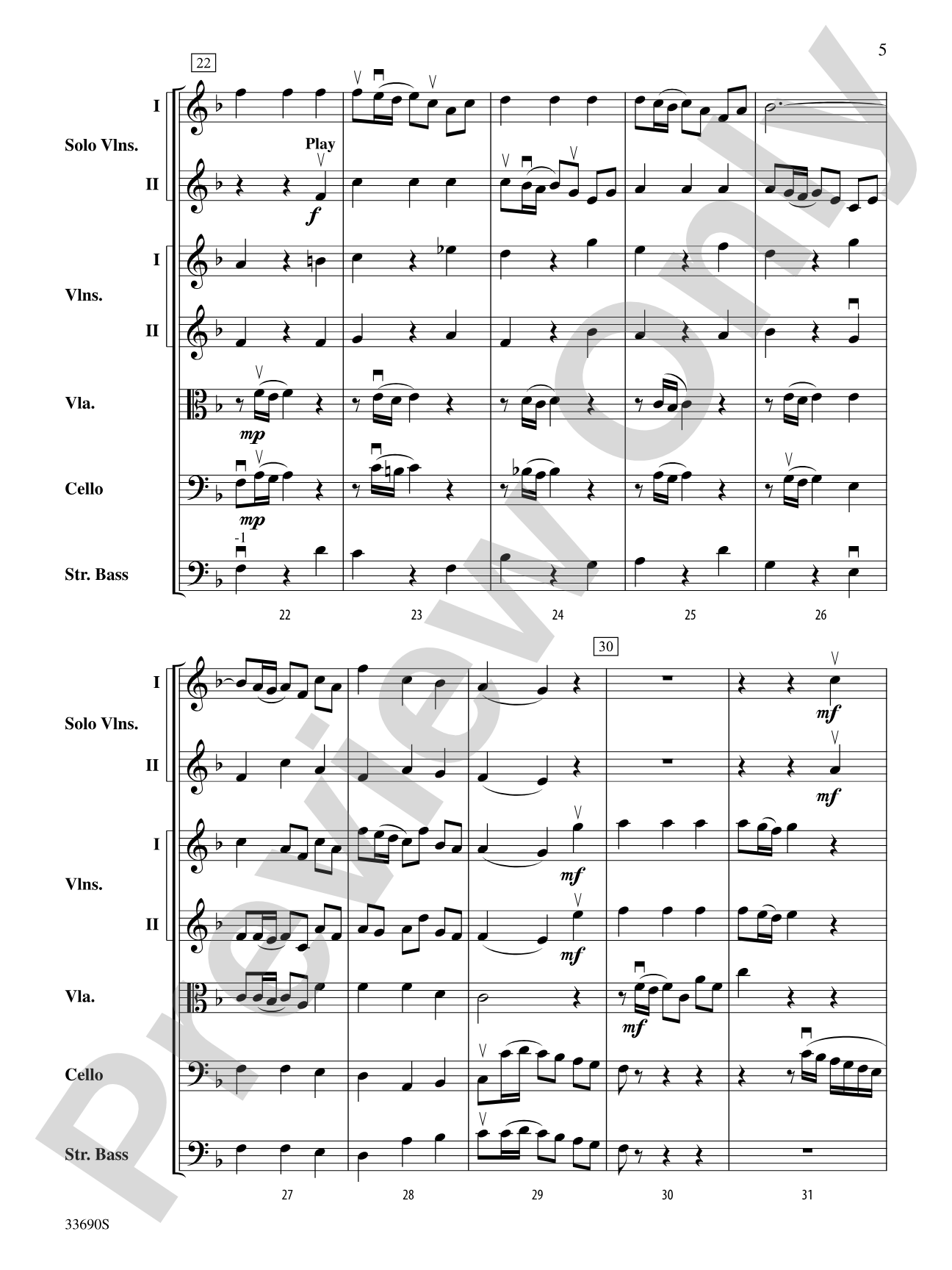
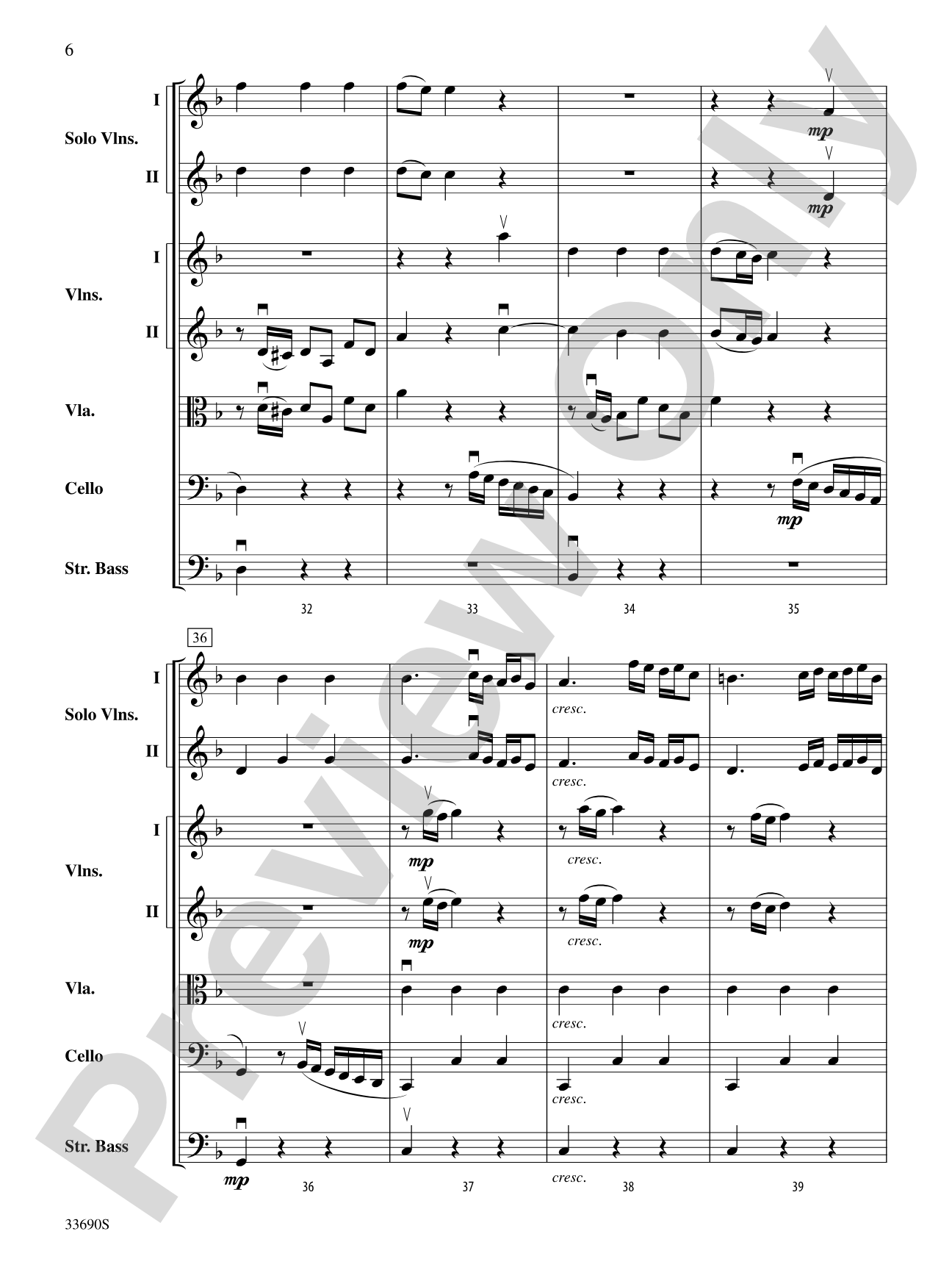
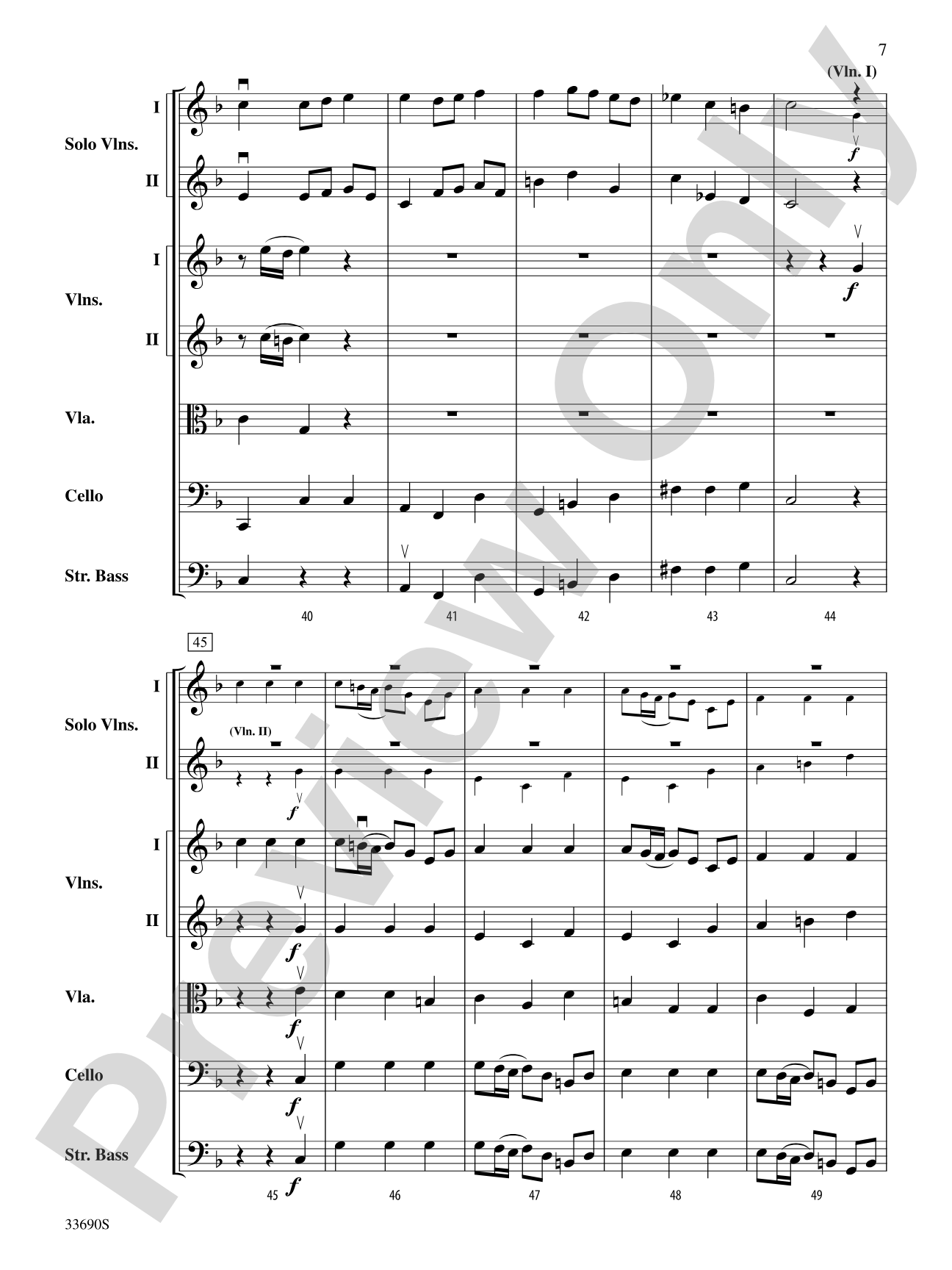
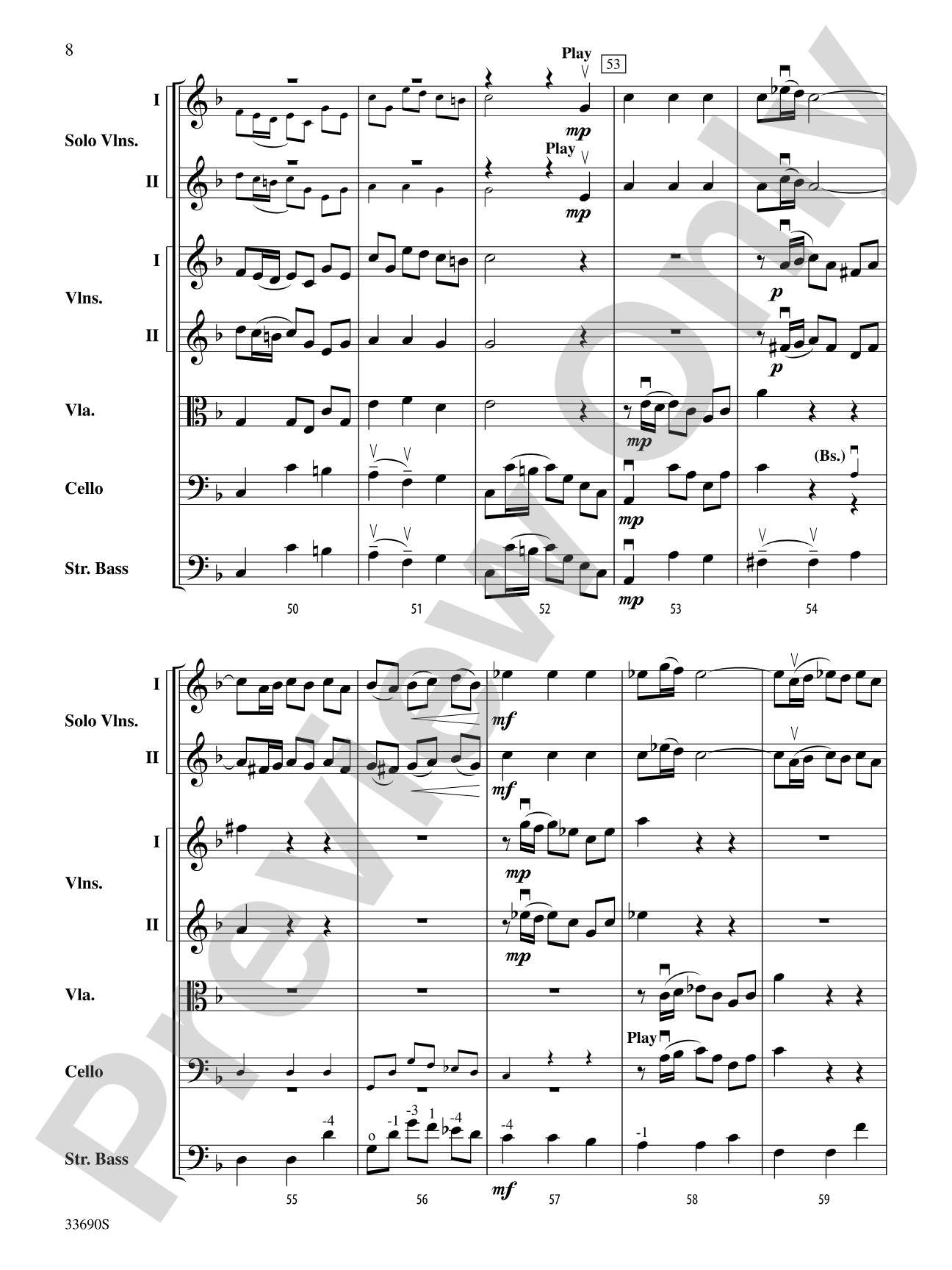
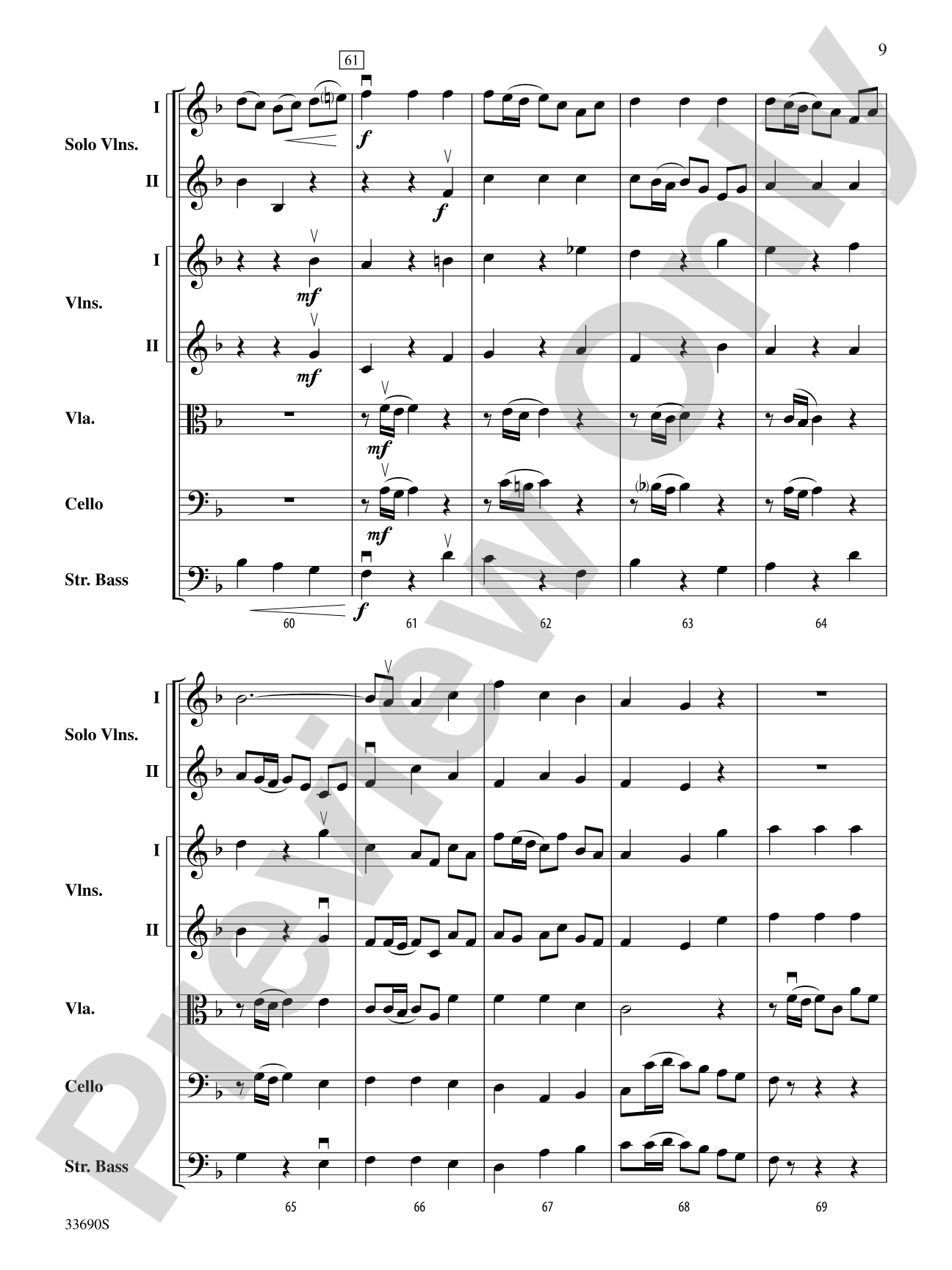
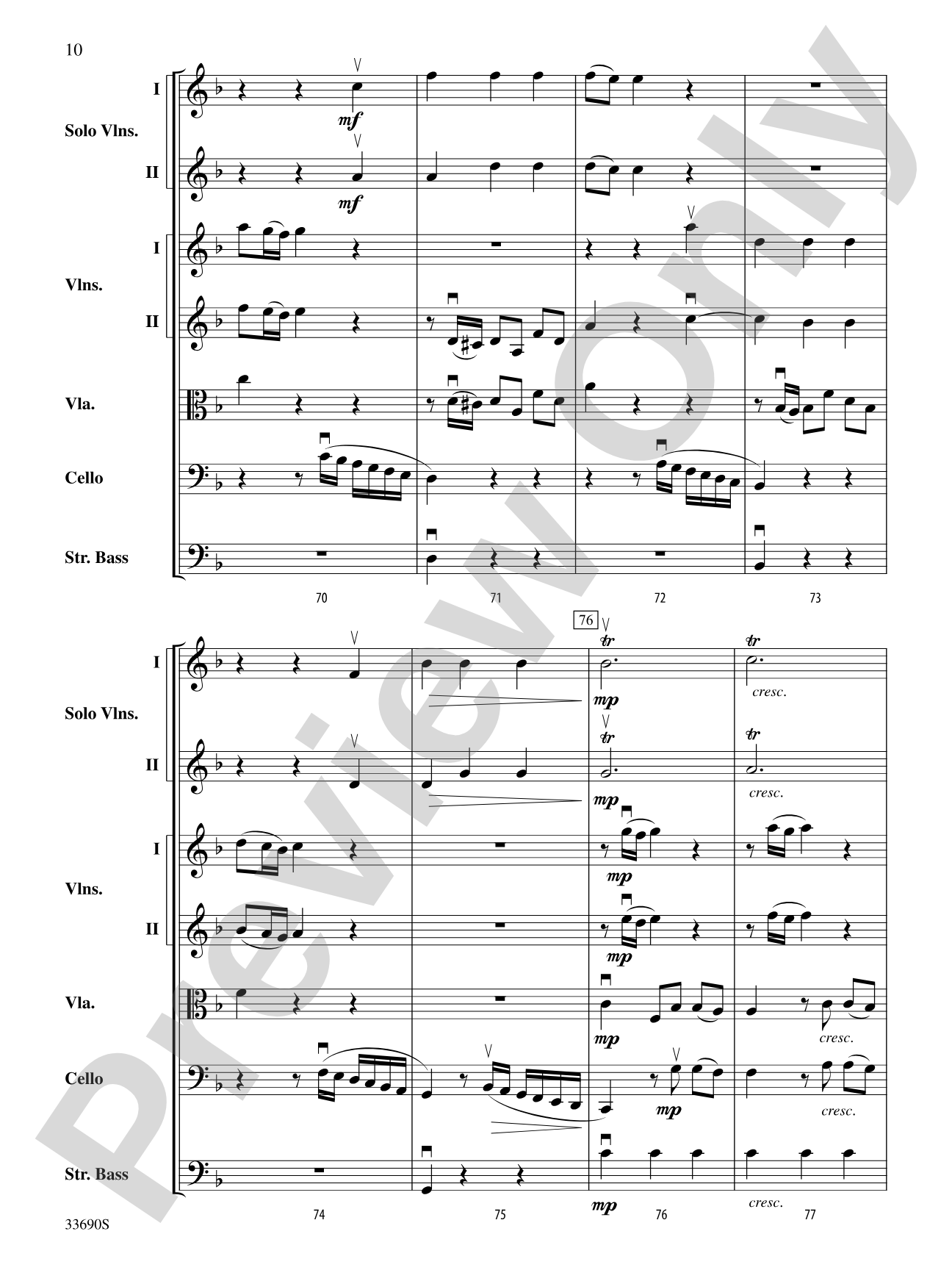
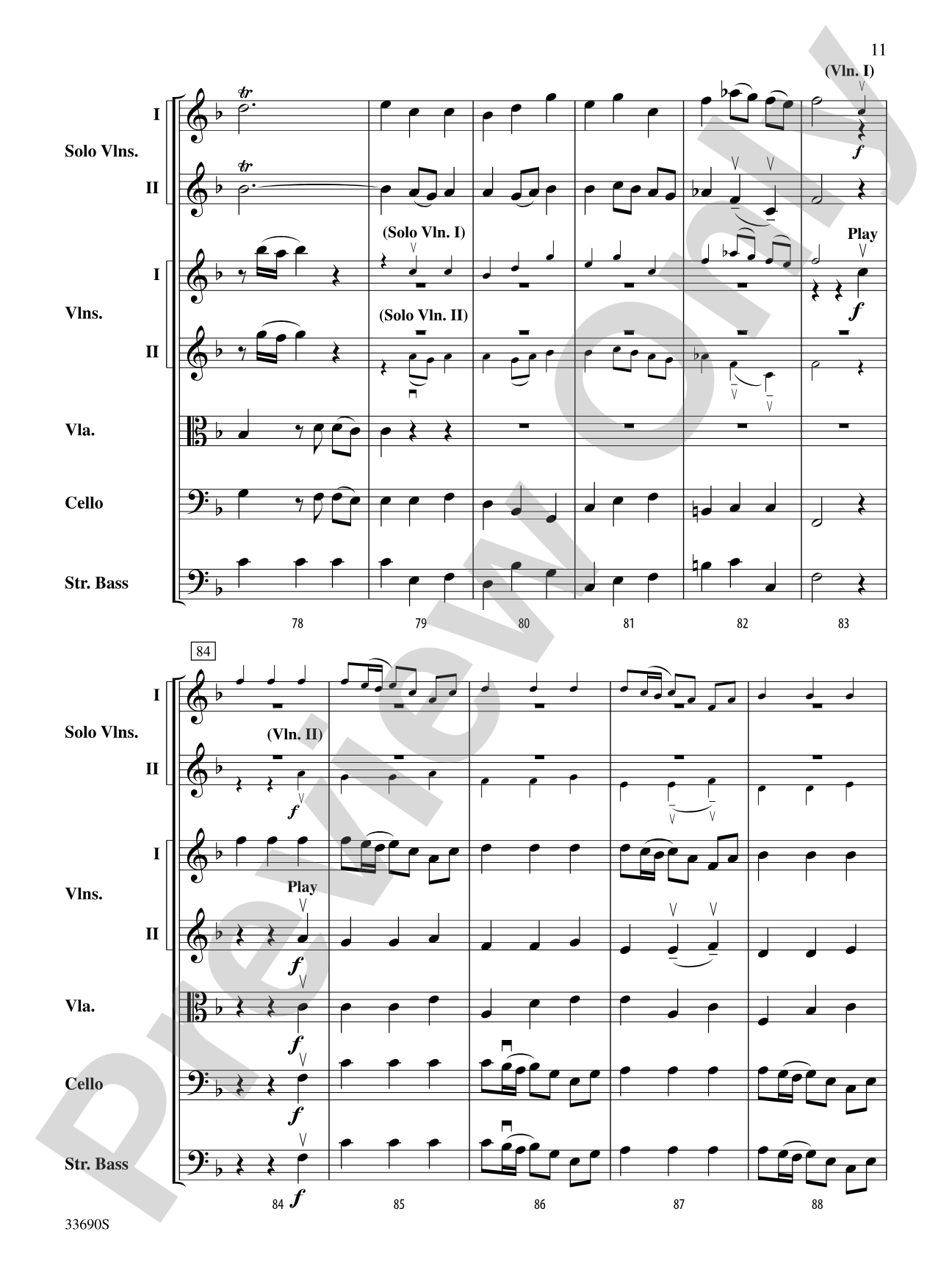
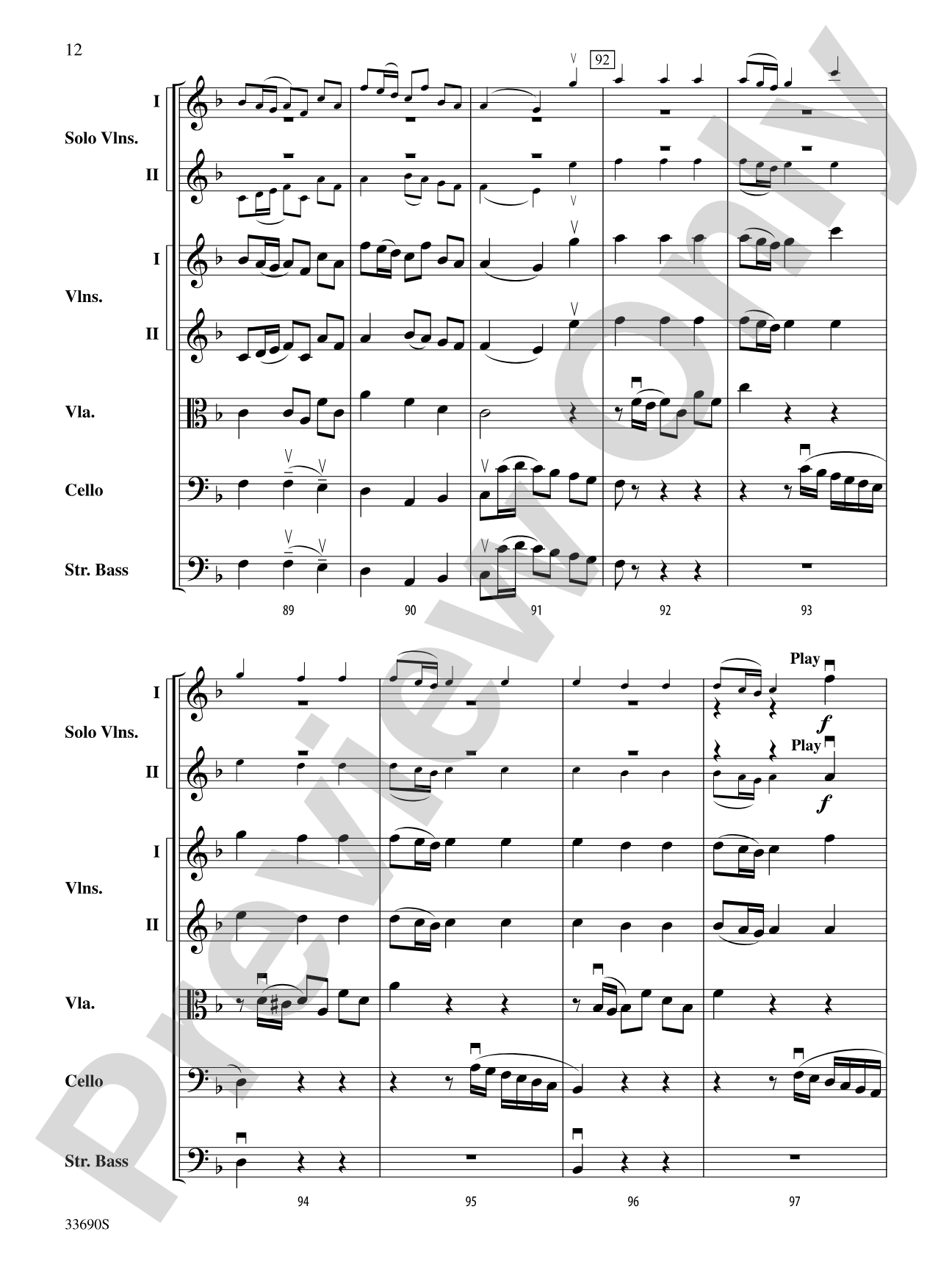
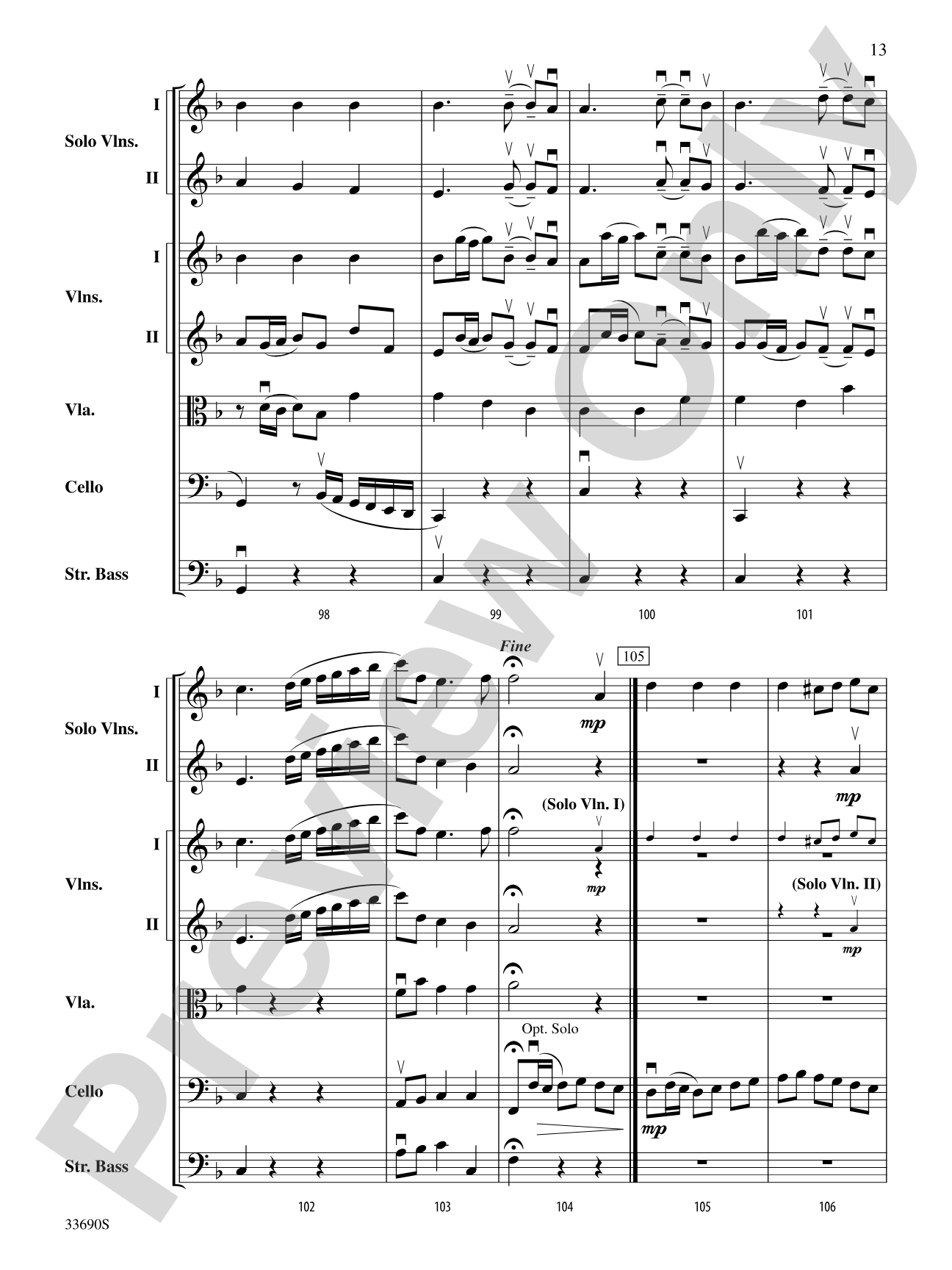
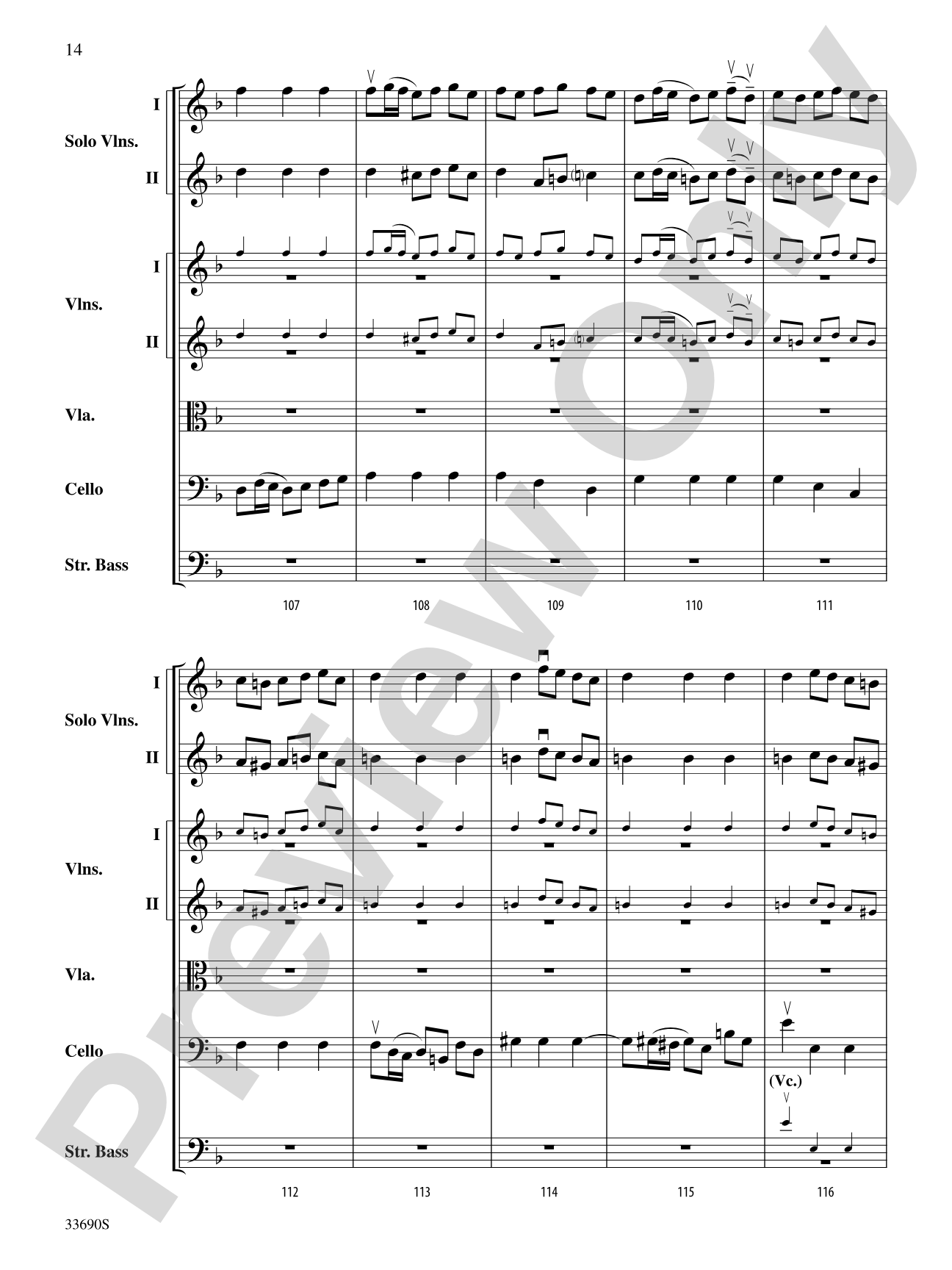
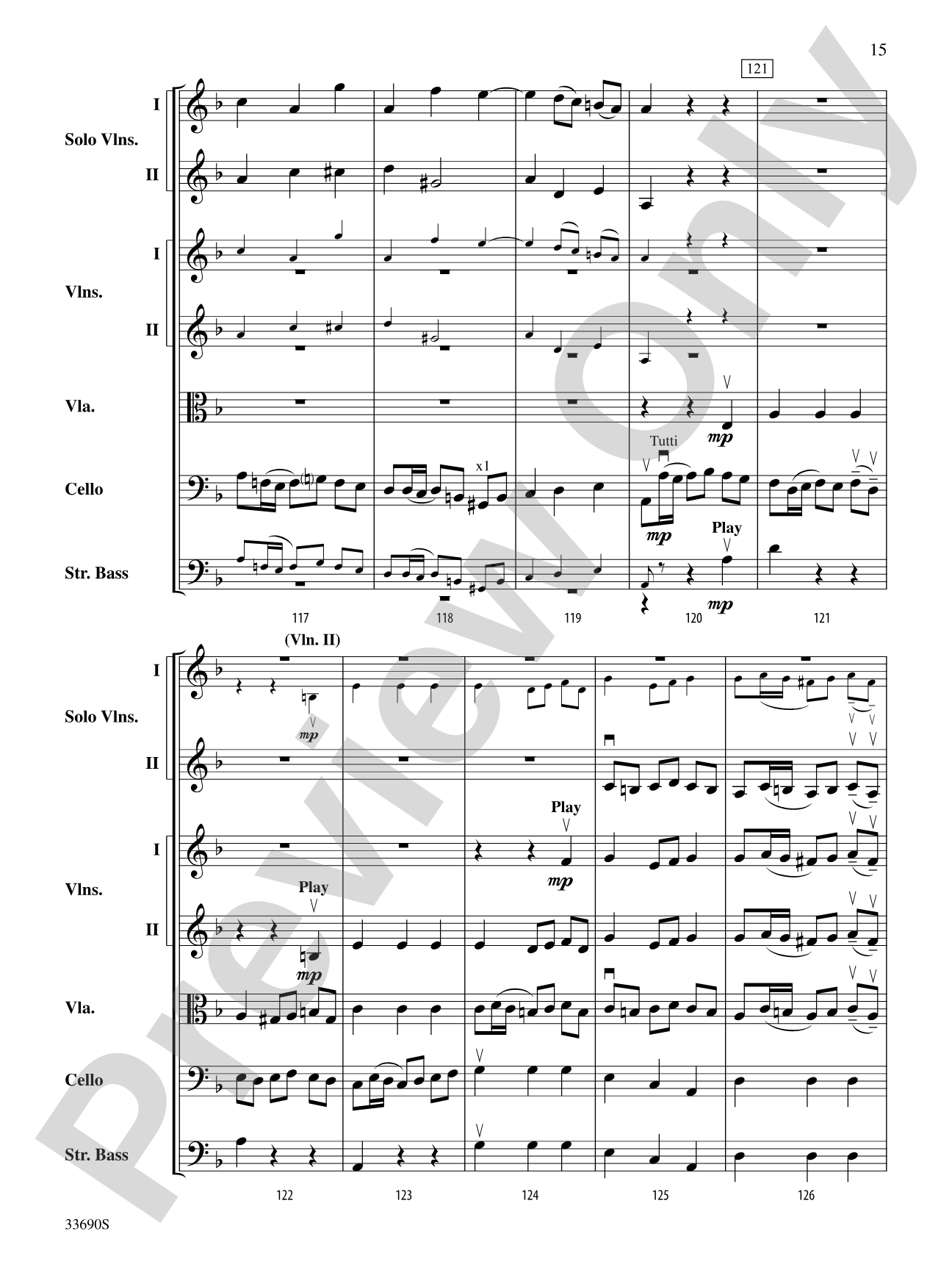
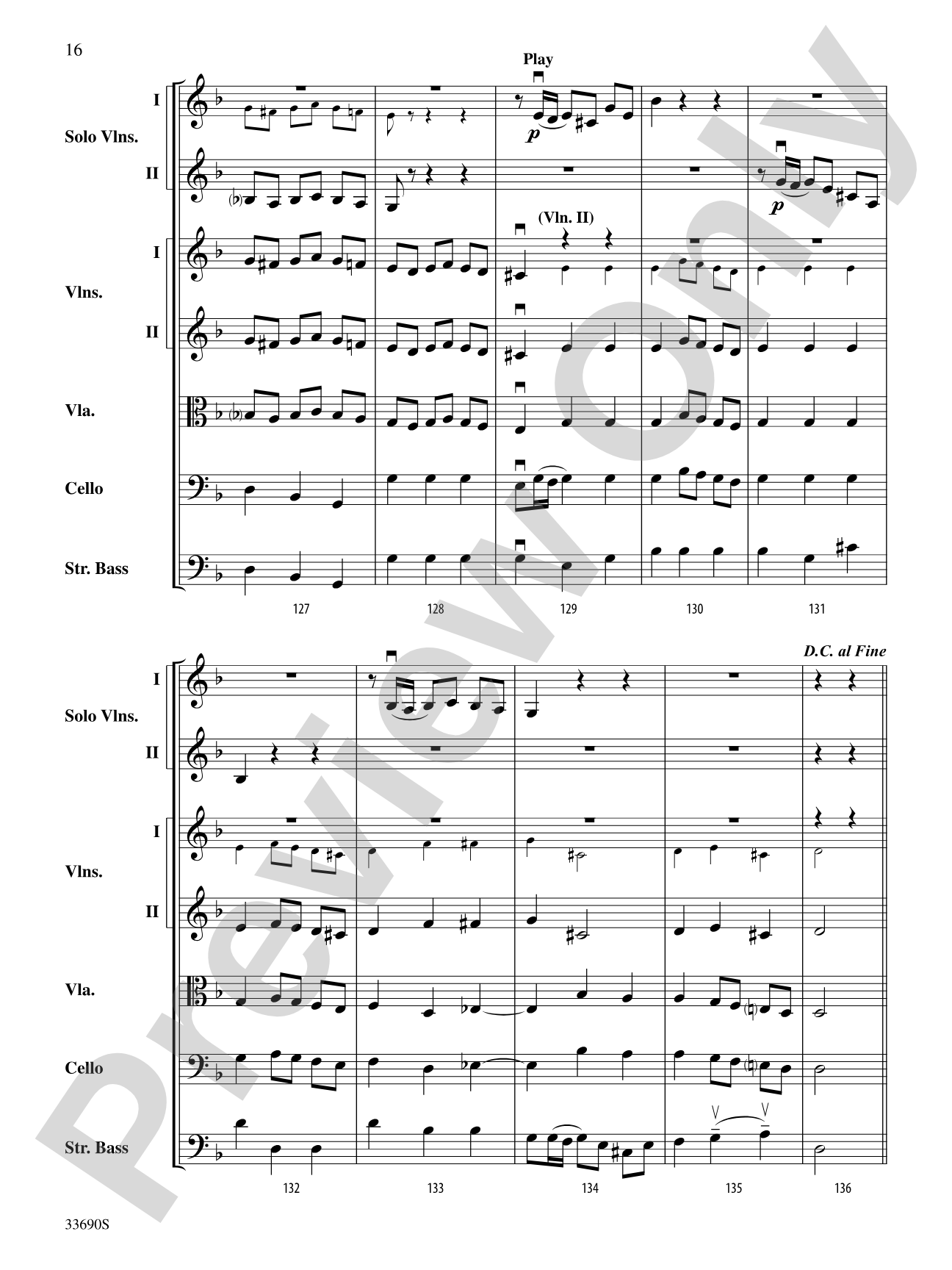

My Spirit Be Joyful (from Cantata No. 146): String Orchestra Conductor Score & Parts
By Johann Sebastian Bach / arr. David Giardiniere
Grade: 3.5
Item: 00-PK-0004183

$59.00
Pickup currently not available
Buy Extra Parts (Digital PDF Download)
Parts Added to Cart!
Description
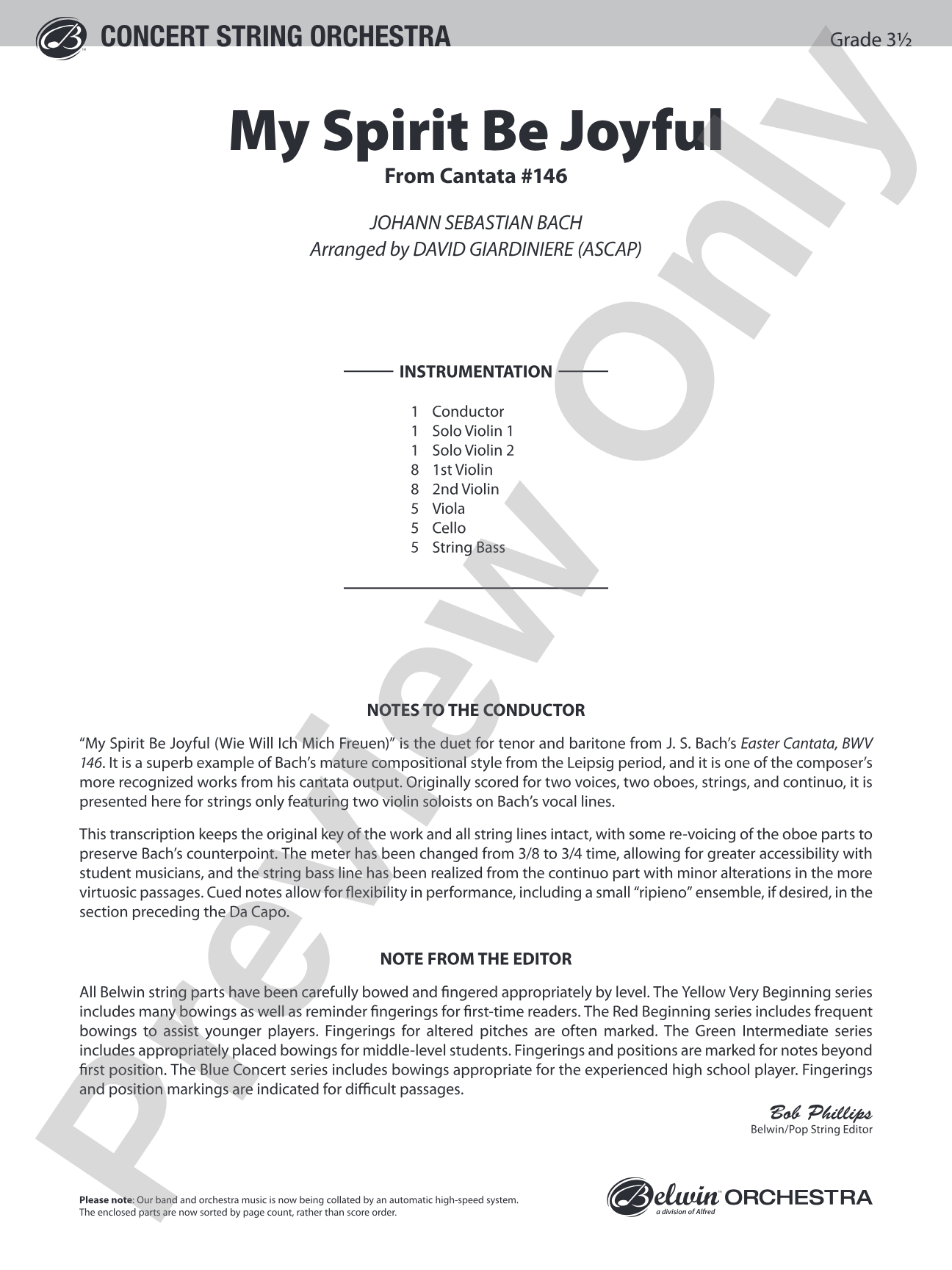
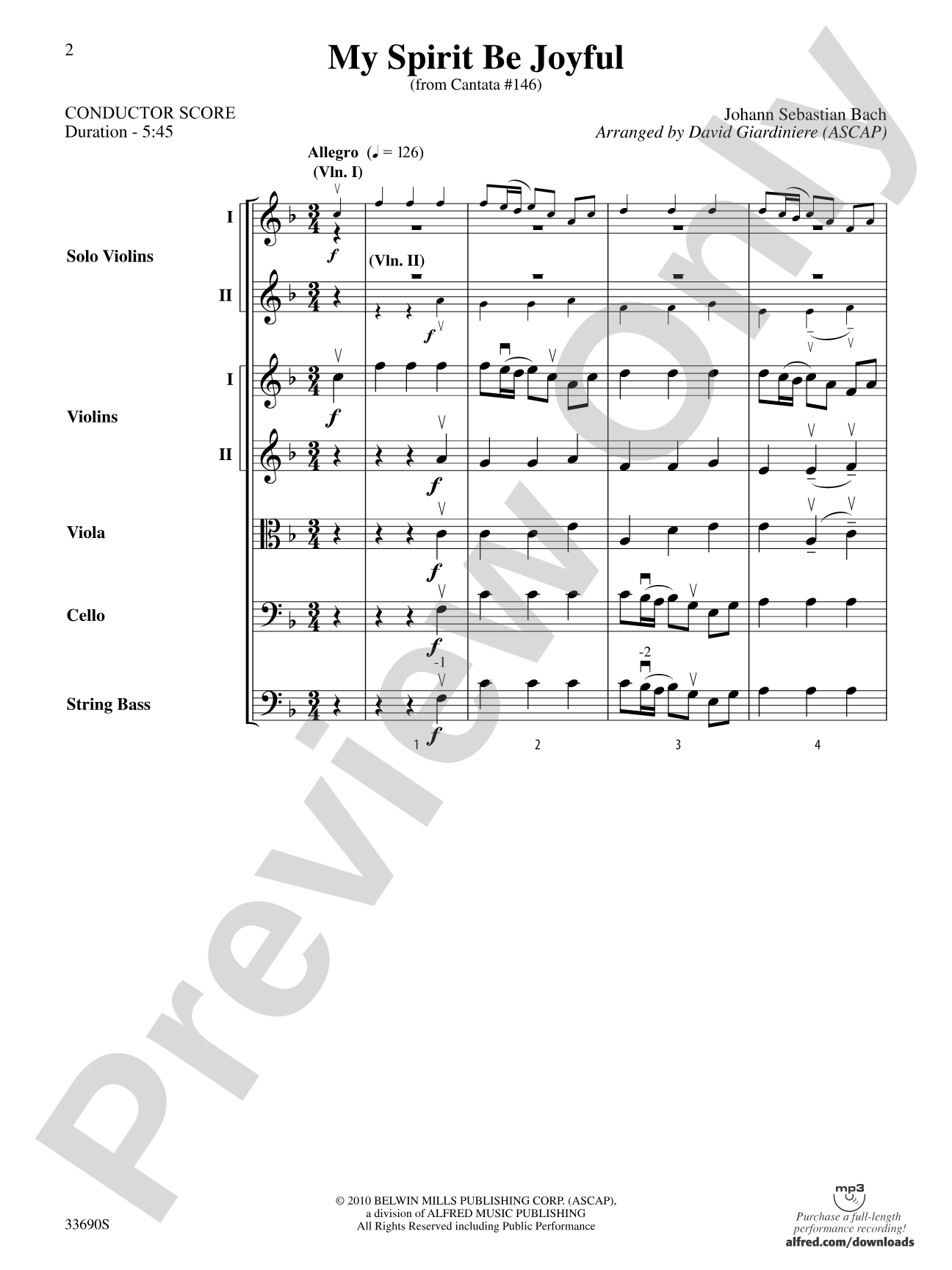
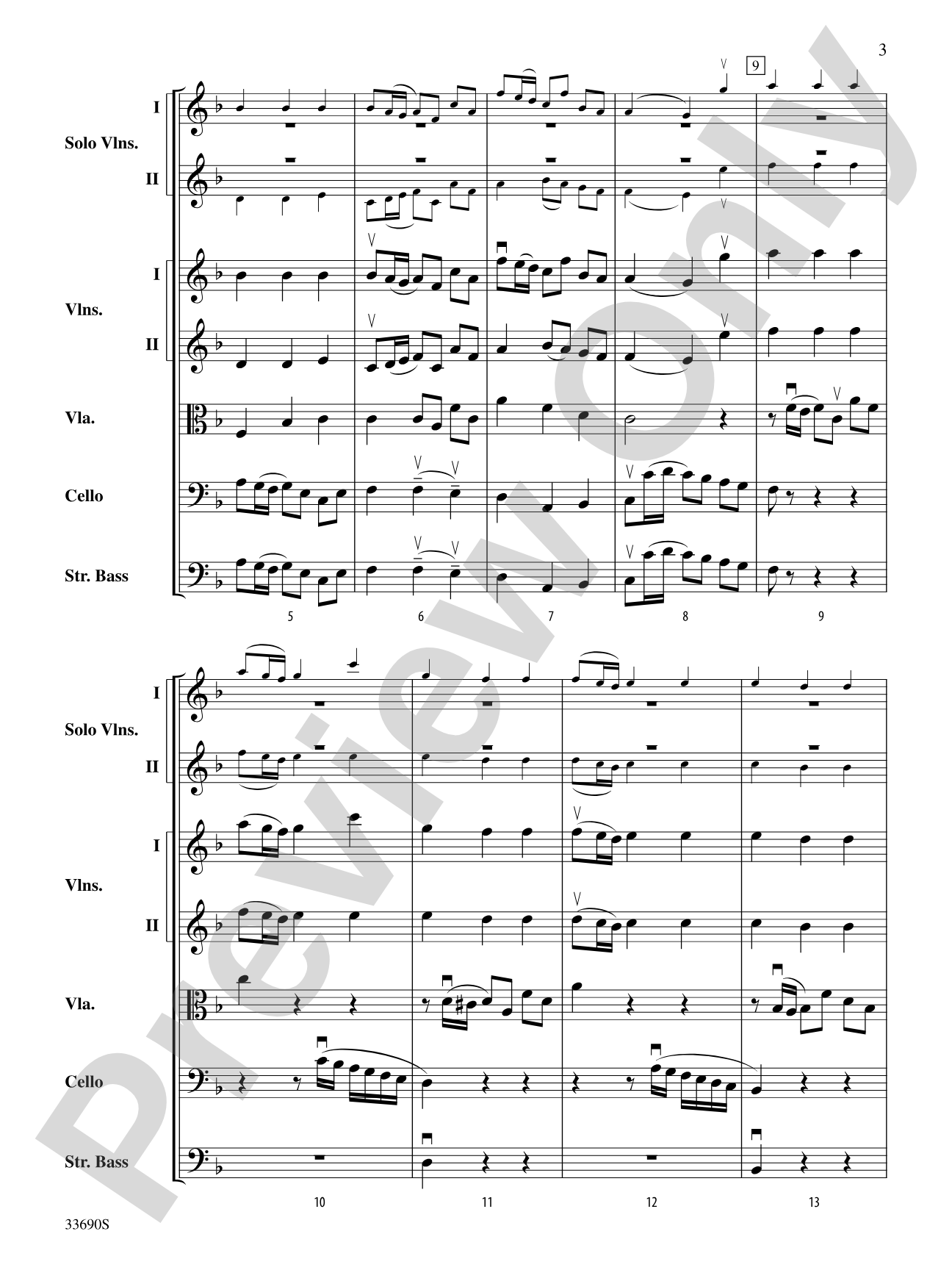
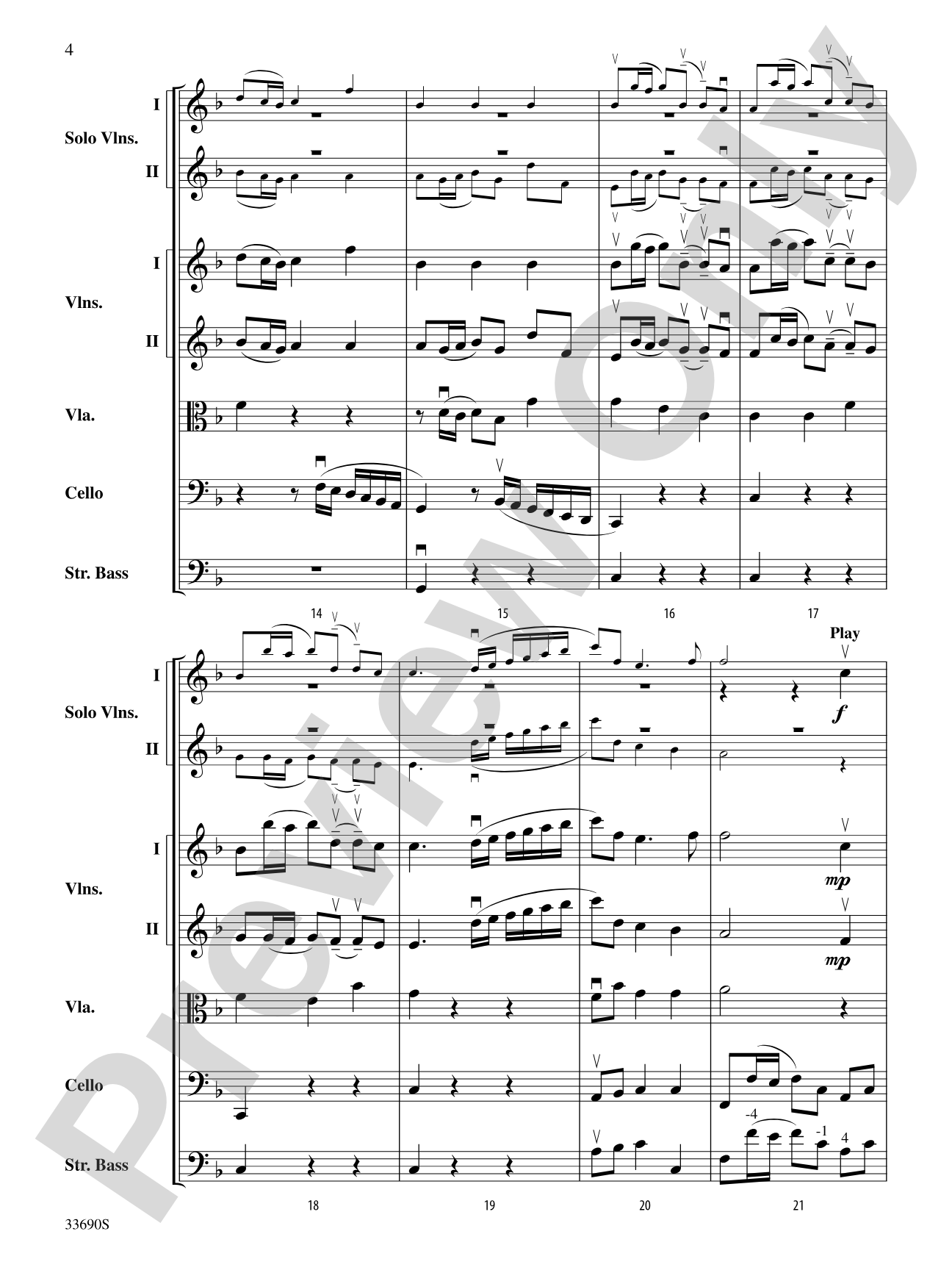
Sure to become a standard! This beautiful transcription keeps the original key of the work and all string lines intact, with some re-voicing of the oboe parts to preserve Bach's counterpoint. The meter has been changed from 3/8 to 3/4 time, allowing for greater accessibility with student musicians, and the string bass line has been realized from the continuo part with minor alterations in the more virtuosic passages.


Don't just read it, hear it, play along with it, and watch your students grow with it. In MakeMusic Cloud, My Spirit Be Joyful (from Cantata No. 146): String Orchestra Conductor Score & Parts comes alive with professional accompaniment, adjustable tempo, and built-in practice tools that turn solo practice into real progress.
Open in the Player
Jump straight in and assign it today.
Start Your Free Trial
Open this title and explore the full library in minutes.
Sample Audio
1
Audio File
--:--
0:00
0:00
Sample Video
No sample videos found.
Additional Details
Series:
Belwin Concert String Orchestra
Publisher:
Alfred Music
Page Count:
132
SKU:
00-PK-0004183
More about this title
About the Composer: Johann Sebastian Bach
Johann Sebastian Bach (1685, 1750) composed over 200 cantatas during his tenure as Cantor of St. Thomas Church in Leipzig, creating a vast sacred repertoire that defines the Lutheran musical tradition. His mastery of counterpoint, harmonic innovation, and ability to marry theological depth with musical brilliance make his works enduring models for understanding compositional craft at every level.
Why we love this
David Giardiniere's transcription honors Bach's architectural integrity while making the work genuinely playable for intermediate string players. The meter change from 3/8 to 3/4 removes a rhythmic barrier without compromising the music's essential character, and the realization of the continuo line gives bass players material that sings rather than merely supports. This is the kind of orchestration that teaches students how to think about voice leading across an ensemble.
What to expect
Joy suffused with reverence. The piece moves with the measured elegance of a Baroque procession, its lines interweaving in pure counterpoint that feels inevitable and generous. There's a transparency to the writing that lets each voice breathe, creating clarity without ever sacrificing warmth or depth.
Who it's for
String orchestras at the intermediate level (grades 3, 4) who are ready for Baroque counterpoint but benefit from a more accessible metric framework. Directors preparing music for winter concert programming or liturgical occasions will find a work that sounds substantial without requiring advanced technique.
How to get the most out of it
- Emphasize the inner melodic lines beyond the obvious first violin material. The oboe parts, now distributed across the section, carry essential harmonic and motivic content that clarifies Bach's counterpoint when balanced with the outer voices.
- Shape the phrasing to reflect the original cantata's text expression. Even without singing, string players benefit from understanding the underlying words and can bring appropriate weight to cadential gestures and emotional peaks.
- Draw a clear distinction between accompanimental figurations and structural voices in the lower strings. The realized bass line has both roles, and players need to understand where they're establishing foundation versus moving the narrative forward.
- Allow the piece to breathe at phrase boundaries. Baroque music's periodic structure becomes clear only when string sections respect rests and cadences rather than relying on continuous legato.
How to use it
Anchor a concert around other Baroque and early Classical works, or pair it with a contemporary piece that engages similar harmonic language to help students understand Bach's influence. It sits comfortably in a winter or spring concert celebrating sacred music, and its celebratory character makes it particularly effective during the Christmas or Easter season. The moderate length works well as the centerpiece of a program rather than an opener or closer.
Skills your students will build
- Baroque articulation and phrasing conventions
- Independent voice leading within a contrapuntal texture
- Precision in ensemble alignment across multiple moving lines
- Reading and executing compound meter at a comfortable tempo
- Understanding continuo realization and harmonic function in bass lines