My Ideal Sheet Music Preview

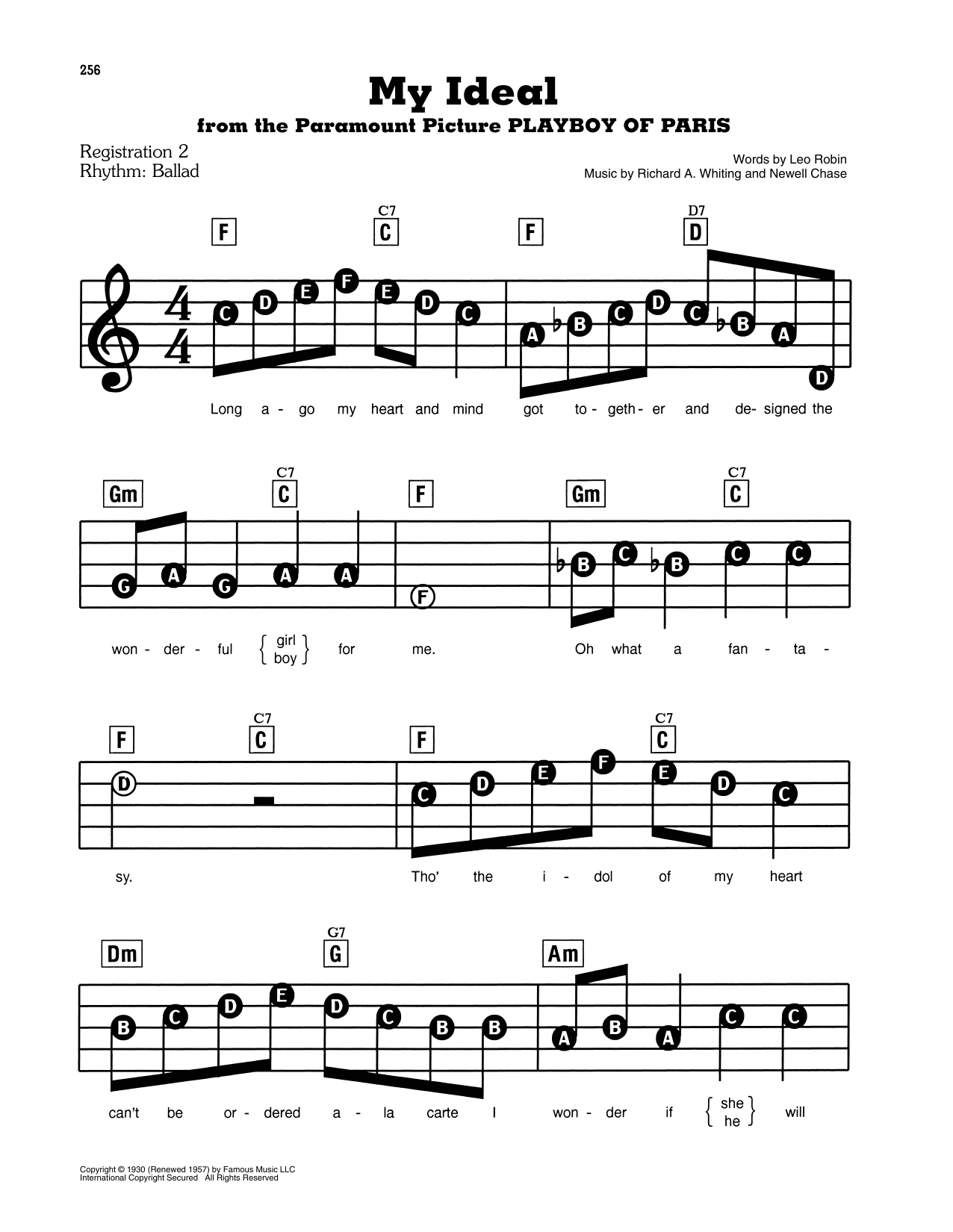
My Ideal: E-Z Play Today

As performed by John Coltrane

Item: 35-DS00460429

Digital Download
$4.99
Description

My Ideal: E-Z Play Today isn't in MakeMusic Cloud just yet...but it could be. Let us know you'd like to see it, and you'll help shape what comes next. In the meantime, start a free trial and dive into thousands of interactive titles your students can play along with today.

Sample Audio
No sample audio found.
Sample Video
Additional Details
Publisher: Hal Leonard
Page Count: 3
SKU: 35-DS00460429

More about this title

About the Artist: John Coltrane

John Coltrane (1926-1967) was a saxophonist and composer whose harmonic innovations and intense spiritual approach to improvisation fundamentally changed jazz. Though he's best known for his work on saxophone, Coltrane's compositional voice shaped the modern jazz repertoire, and his pieces have become standards across all instrumental idioms. His music demands serious engagement from performers; there's no separation between technical mastery and emotional authenticity in his work.

Why we love this

Coltrane's compositions sit at the intersection of jazz sophistication and genuine accessibility. This arrangement captures his harmonic language in a format that lets pianists engage with complex changes without getting lost in unnecessary complexity. The three-page length makes it feasible for intermediate students while preserving the melodic beauty that made the original memorable.

What to expect

The piece has a contemplative quality, intimate rather than flashy. Coltrane's melodies often drift through unexpected harmonic spaces, creating moments of gentle surprise that reward careful listening.

Who it's for

Intermediate pianists ready to move beyond lead sheets and simple comping patterns will find real value here. This works equally well for jazz students building improvisation skills and classical pianists exploring the jazz standard repertoire.

How to get the most out of it

  • Feel the harmonic progression rather than rushing through chord changes; Coltrane's melodies unfold naturally when you breathe with the harmony underneath.
  • Balance the melody with sensitivity to dynamics. This isn't a piece that demands volume; clarity and space matter more than projection.
  • Trust the silence between phrases. Many jazz standards benefit from slight rhythmic flexibility, and this piece opens up nicely when you give the line room to breathe.

How to use it

Pair this with other jazz standards in a mixed recital to show stylistic range, or program it as a solo feature for a student ready to demonstrate both technique and interpretive maturity. It also works well as a bridge piece between classical and jazz units in a piano curriculum.

Skills your students will build

  • Reading and performing jazz chord changes
  • Balancing written melody with harmonic awareness
  • Phrasing and dynamics in a jazz context
  • Developing comfort with chromatic harmony and voice leading

You May Also Like