


My Heart with Pleasure Fills: Concert Band Conductor Score & Parts
By Vince Gassi
Grade: 2.5
Item: 00-PK-0008747

$65.00
Pickup currently not available
Buy Extra Parts (Digital PDF Download)
Parts Added to Cart!
Description
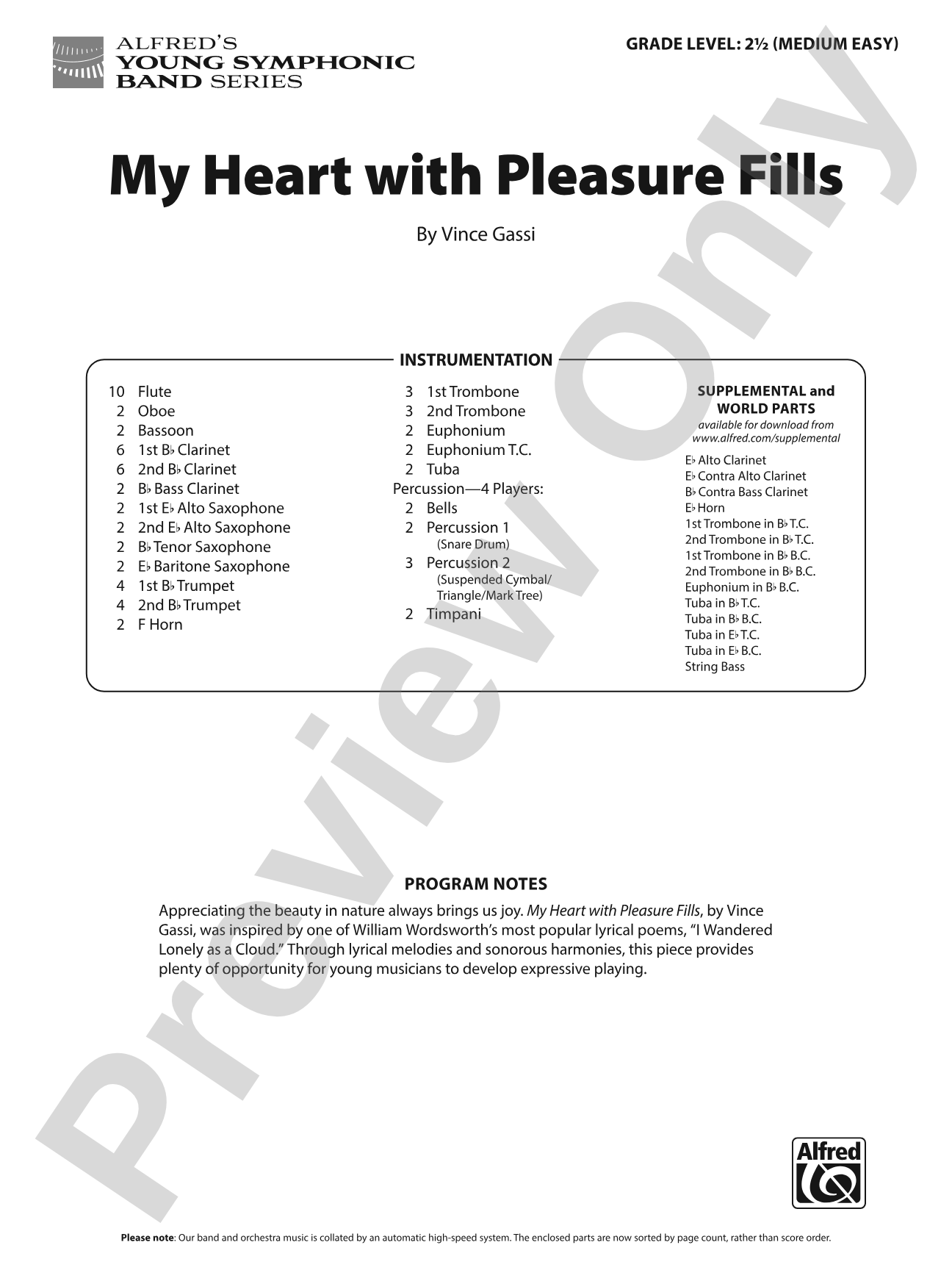
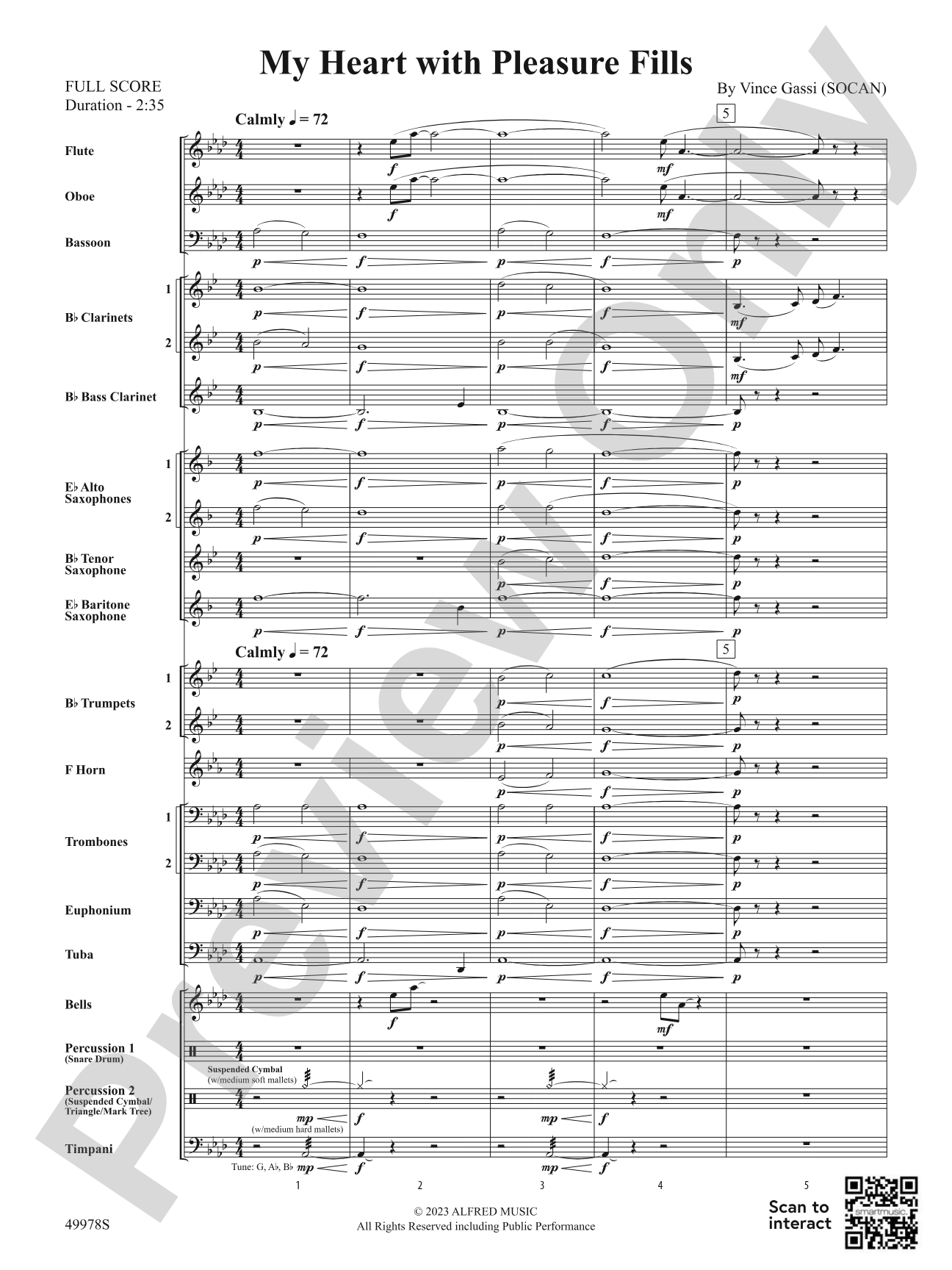
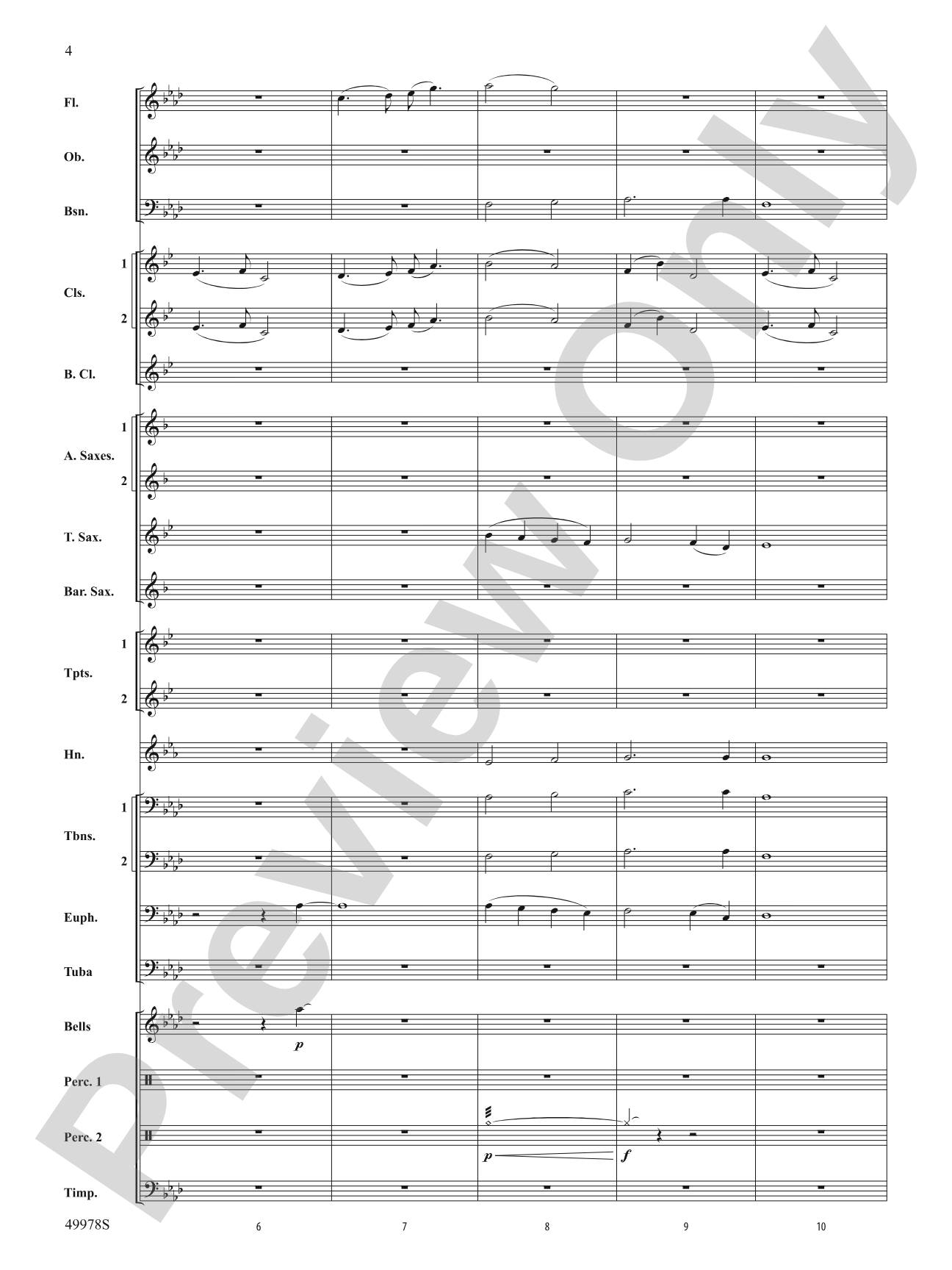
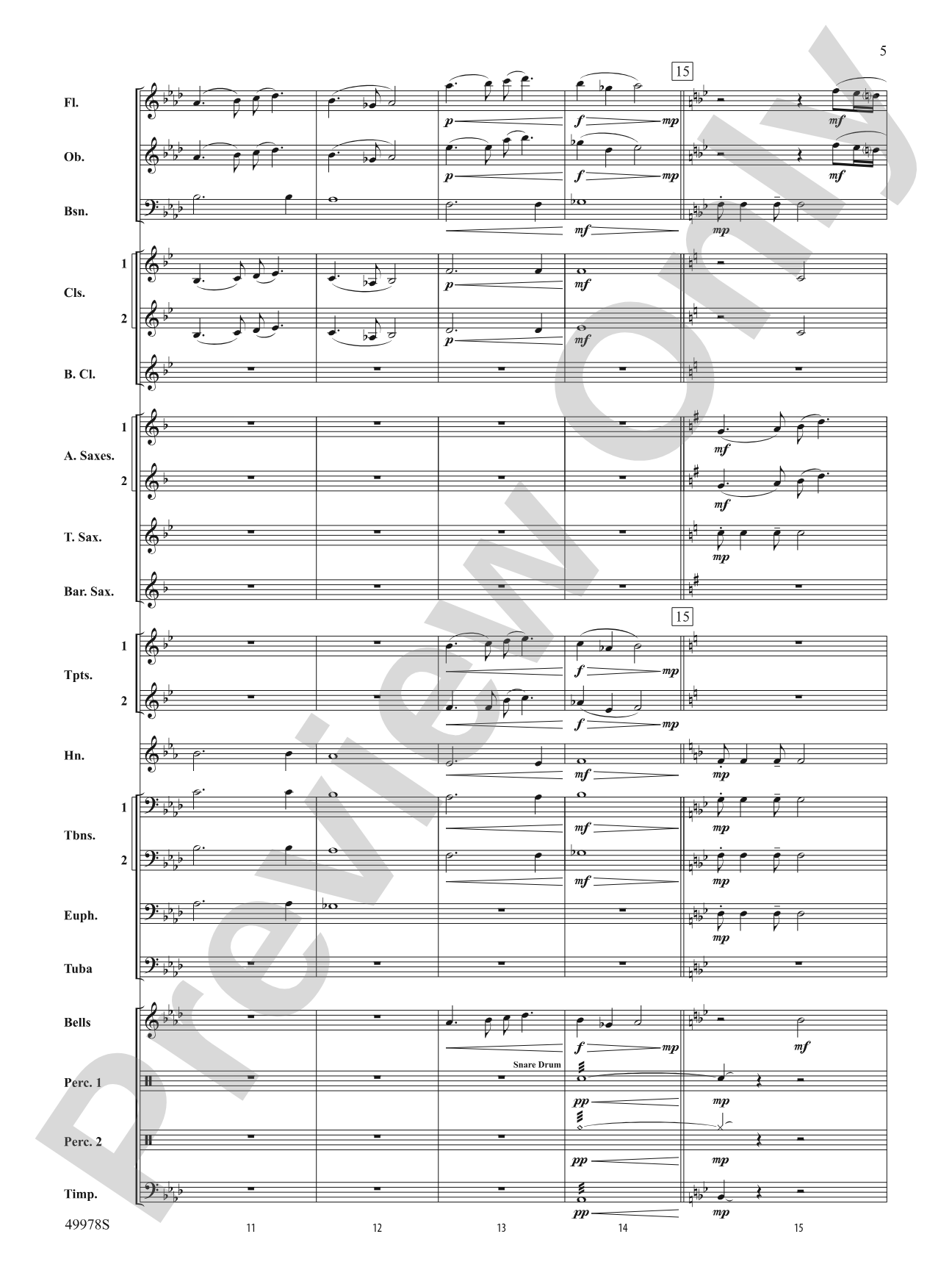
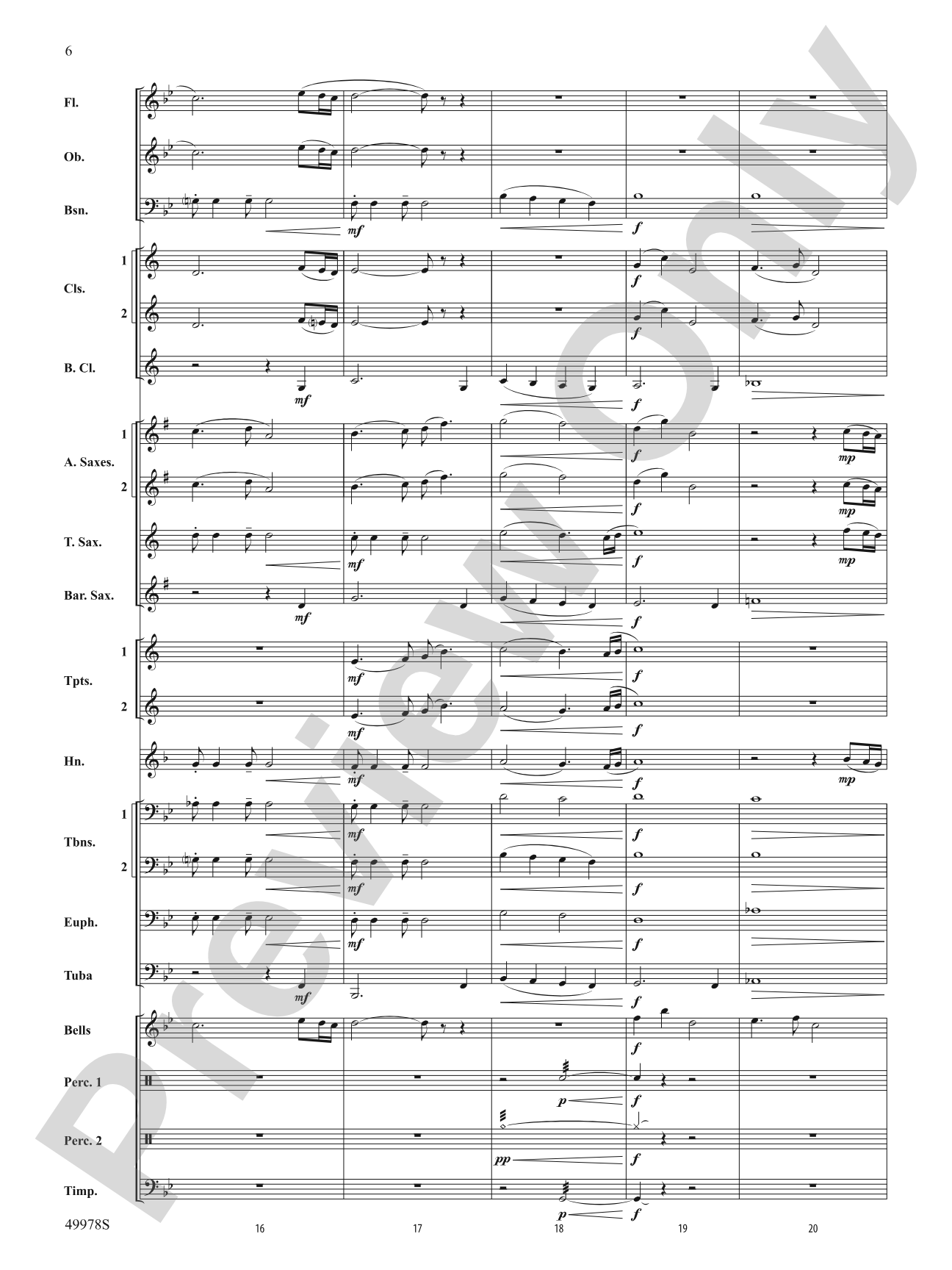
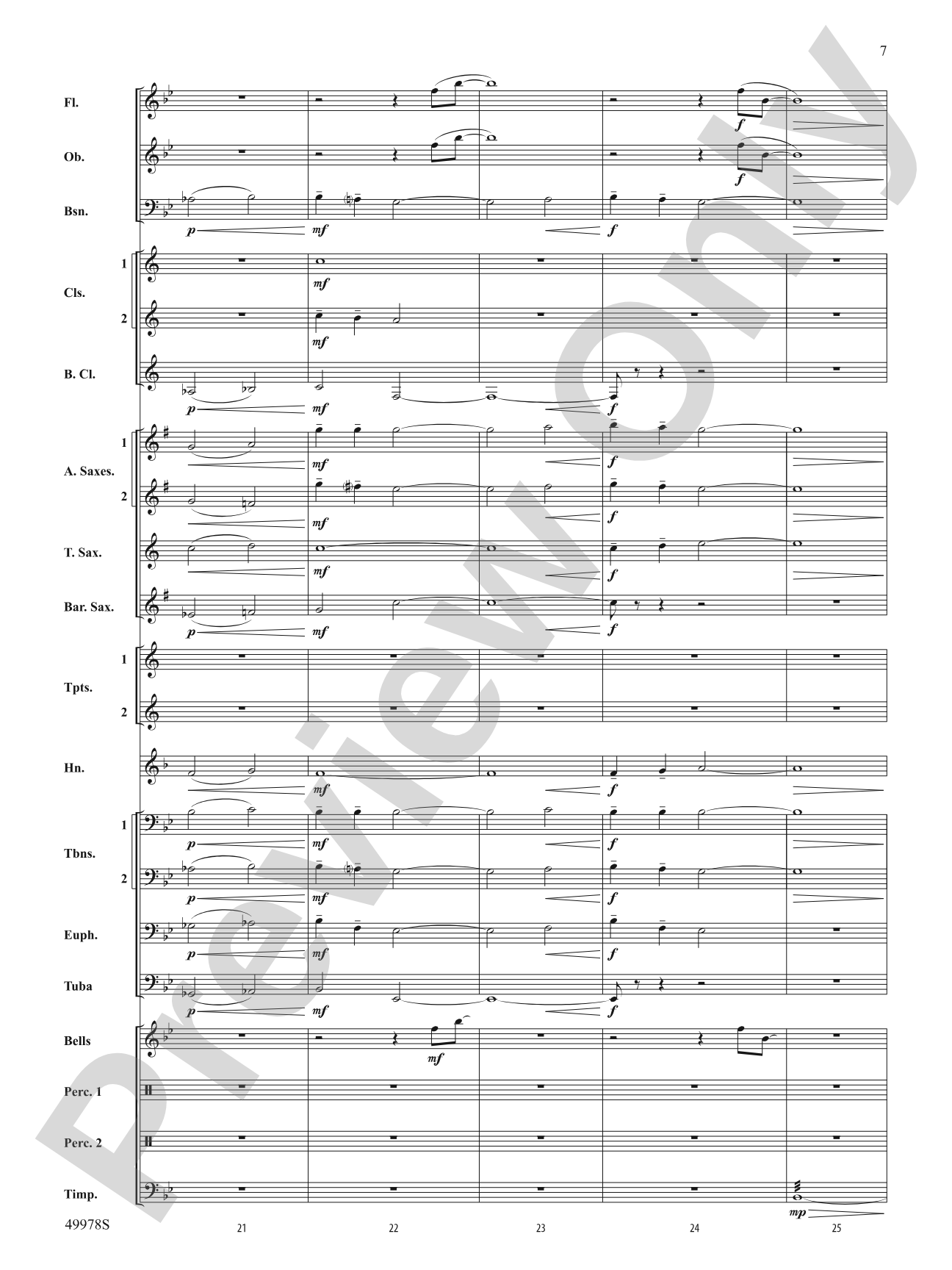
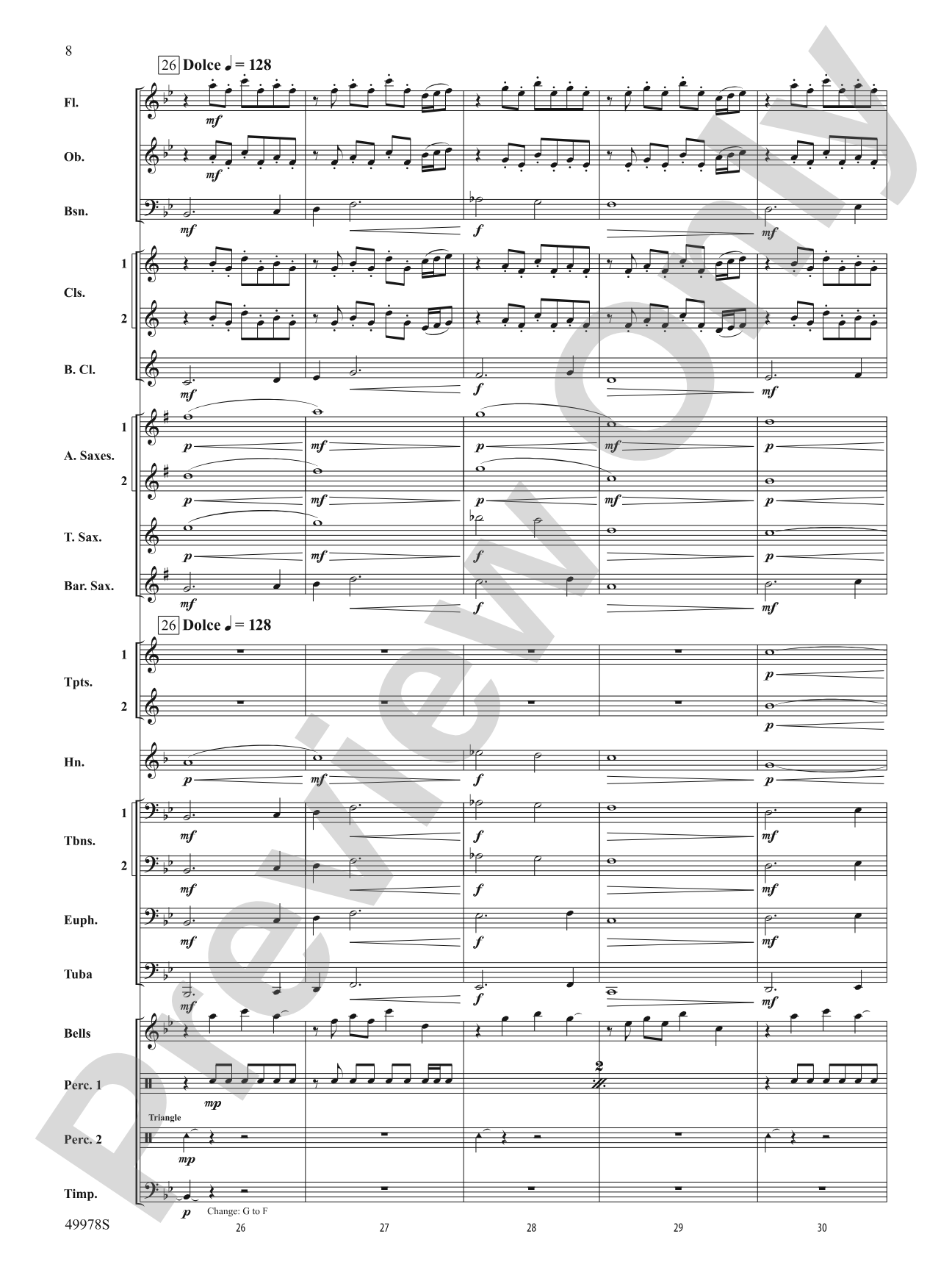
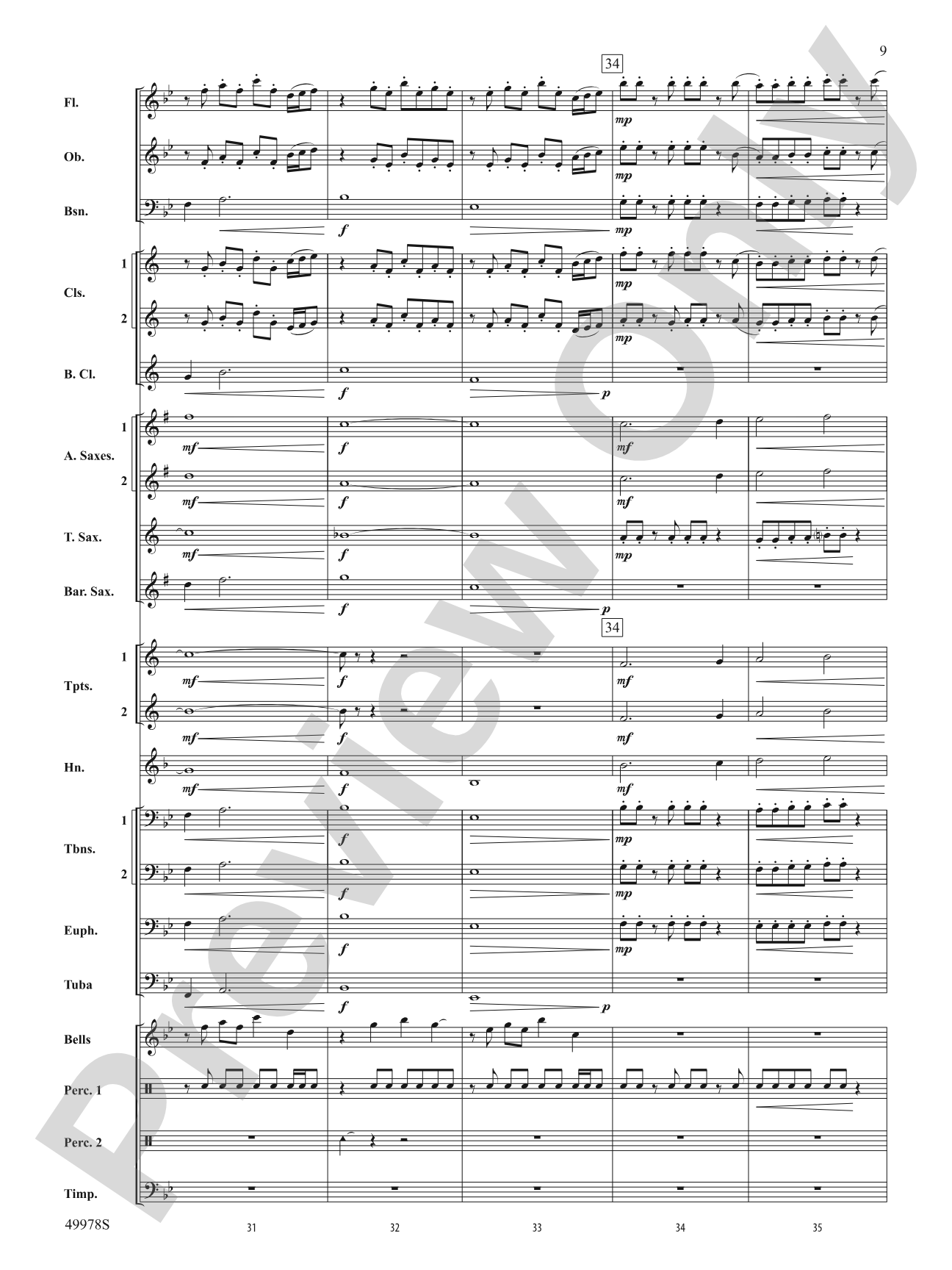
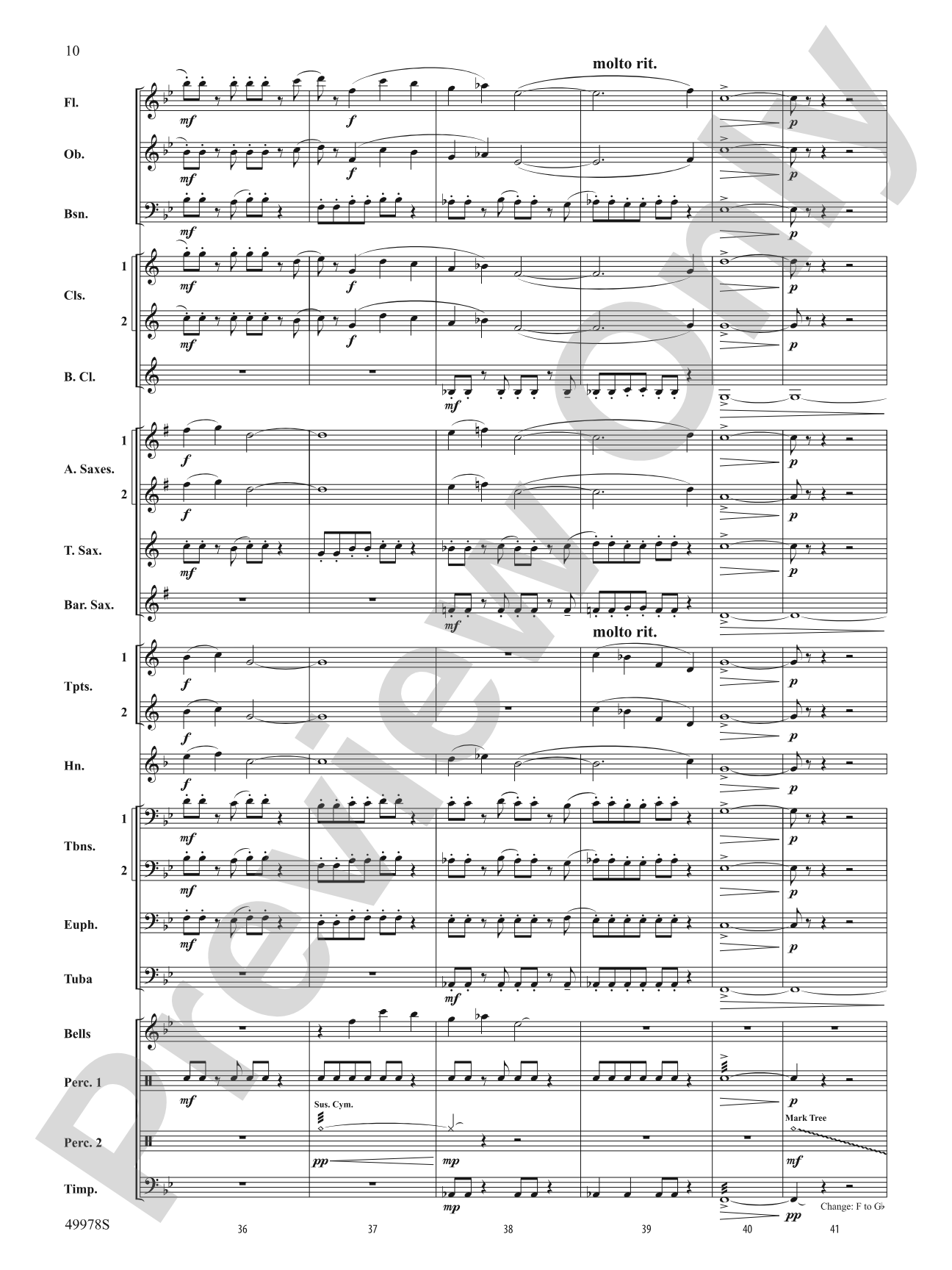
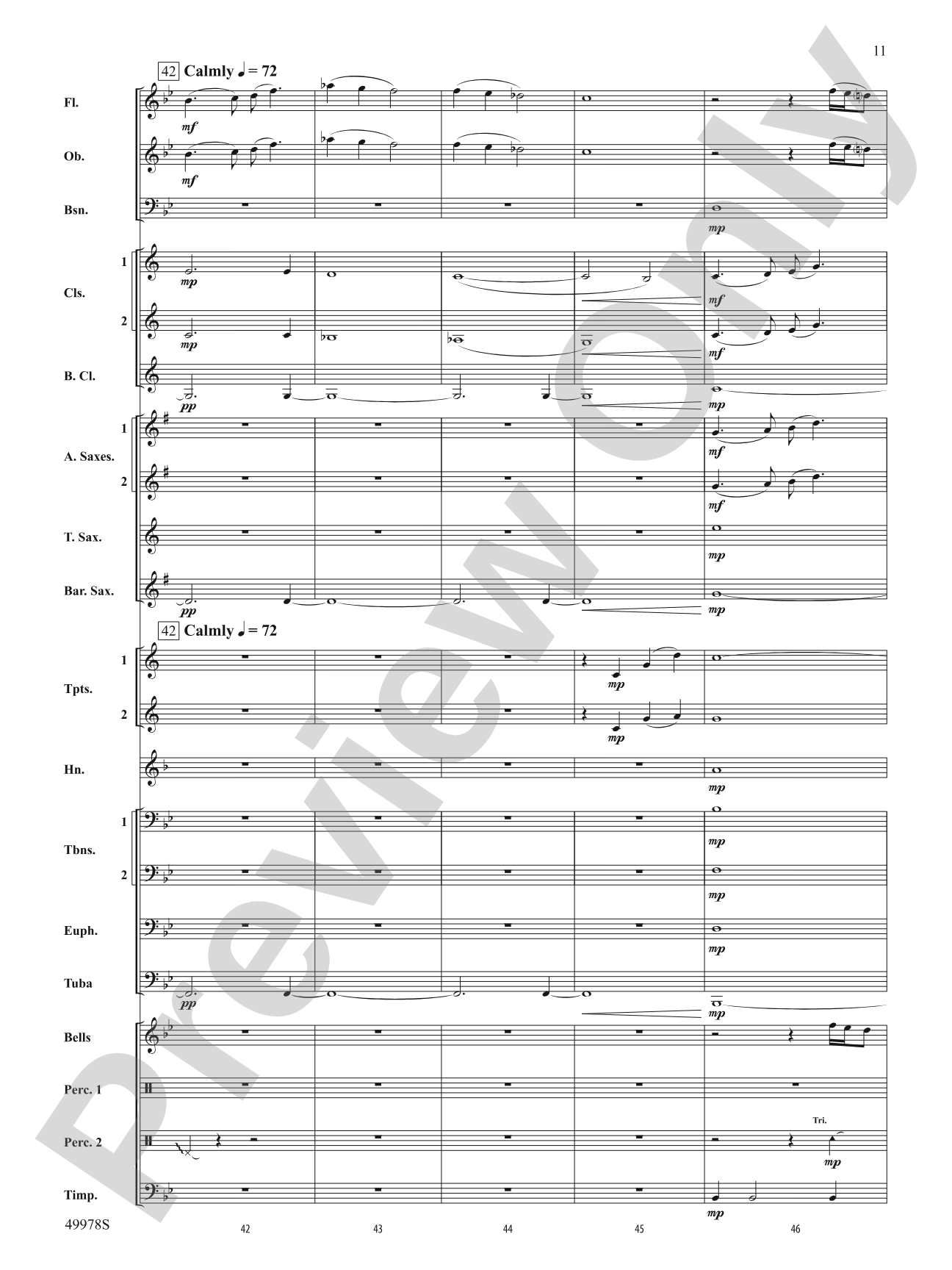
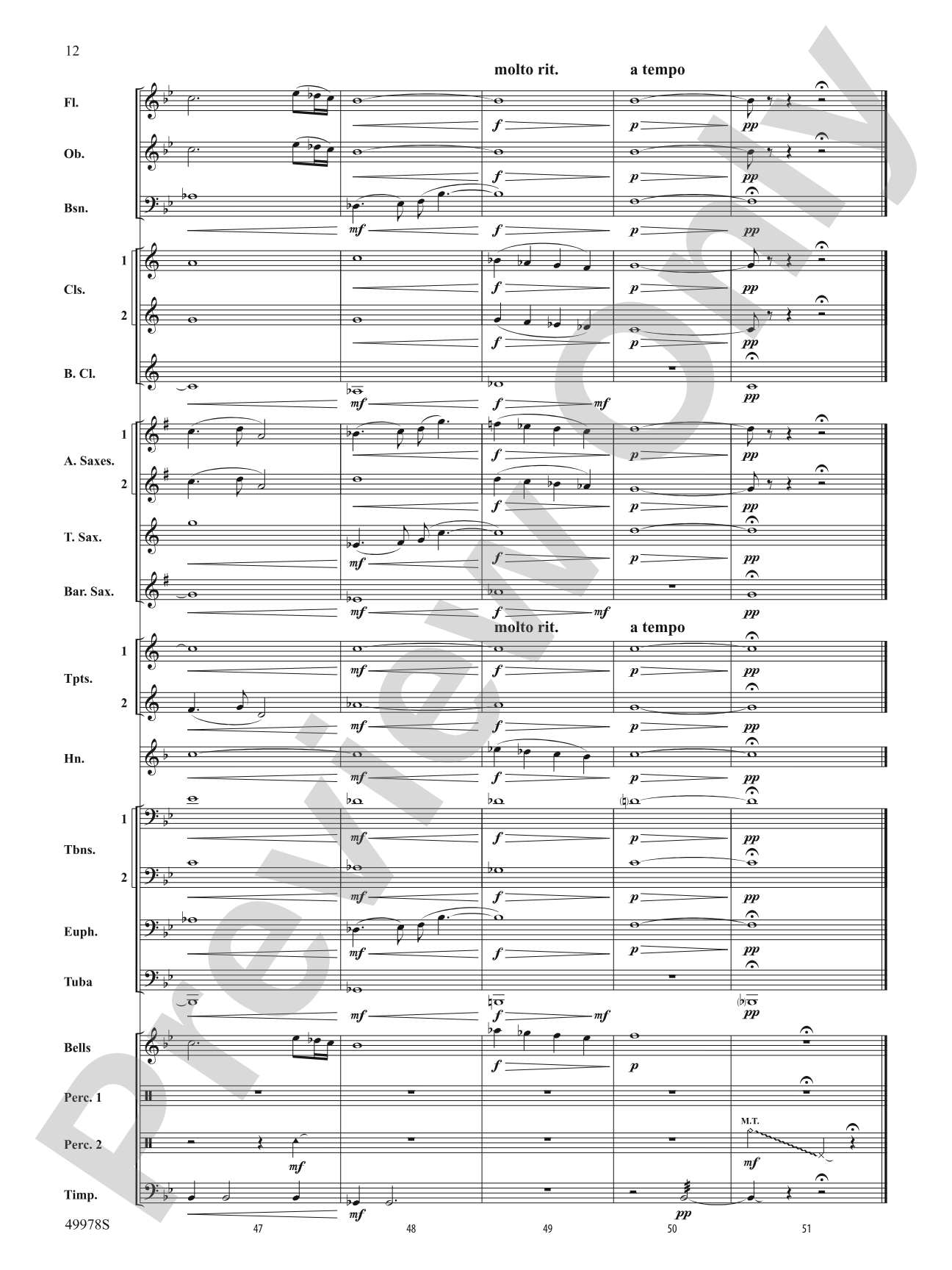
Appreciating the beauty in nature always brings us joy. My Heart with Pleasure Fills, by Vince Gassi, was inspired by one of William Wordsworth's most popular lyrical poems, "I Wandered Lonely as a Cloud." Through lyrical melodies and sonorous harmonies, this lyrical work provides opportunities for young musicians to develop expressive playing. (2:35)


Don't just read it, hear it, play along with it, and watch your students grow with it. In MakeMusic Cloud, My Heart with Pleasure Fills: Concert Band Conductor Score & Parts comes alive with professional accompaniment, adjustable tempo, and built-in practice tools that turn solo practice into real progress.
Open in the Player
Jump straight in and assign it today.
Start Your Free Trial
Open this title and explore the full library in minutes.
Sample Audio
1
Audio File
--:--
0:00
0:00
Sample Video
Additional Details
Series:
Young Symphonic
Publisher:
Alfred Music
SKU:
00-PK-0008747
More about this title
About the Composer: Vince Gassi
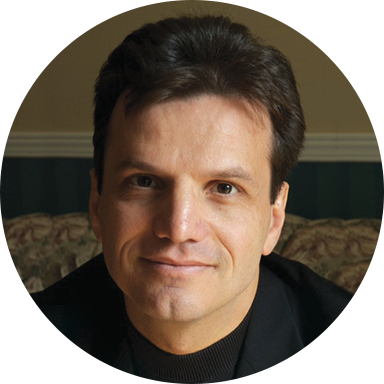
Vince Gassi has established himself as a prolific and inventive voice in concert band literature since joining Alfred Music in 2006. With more than 100 published compositions to his name, he has become known for writing music that challenges young ensembles while remaining deeply musical and engaging. His work appears regularly on festival and contest programs across North America, Europe, and Japan.
Gassi holds a Bachelor of Music from the University of Western Ontario and studied composition and arranging at the Dick Grove School of Music in Los Angeles. He earned his Ph.D. from York University in Toronto after spending twenty-five years teaching instrumental music at elementary and secondary levels. As a guest conductor, adjudicator, and clinician, he leads workshops on creative engagement and digital workflows for music educators, drawing on extensive experience working with student musicians of all ages.
Why we love this
Gassi crafts a piece that honors Wordsworth's reflective beauty while giving young bands genuine expressive work to pursue. The lyrical writing sits comfortably at Grade 2.5, which means students can focus on shaping phrases and finding emotional depth rather than wrestling with technical demands. This is the kind of music that reminds musicians why they play.
What to expect
Peaceful and contemplative, with the gently rolling quality of walking through nature and noticing beauty in small moments. The harmonies are warm and enveloping, creating space for individual melodies to emerge and shine without drama or urgency.
Who it's for
Young concert bands ready to explore expressive, lyrical writing without heavy technical barriers. Directors seeking a Grade 2.5 piece that develops musicianship alongside technical facility will find this an excellent fit for students building toward more demanding repertoire.
How to get the most out of it
- Shape the melodic lines with gentle phrase arcs; resist the urge to press into them. Let the sonorous harmonies underneath carry the weight.
- Balance the harmonic texture carefully so no single voice overwhelms the others. This transparency is what gives the piece its expressive character.
- Establish a steady, unhurried tempo that allows the music to breathe. Rushing will collapse the lyrical quality Gassi has written into the piece.
- Encourage consistent vibrato in sustained passages, particularly among the wind sections carrying the main theme. It adds warmth without sacrificing clarity.
How to use it
This works beautifully as a concert centerpiece or a festival selection that showcases your band's sensitivity and musicality. Pair it with a contrasting piece (something with more rhythmic drive or modern color) to demonstrate range, or use it as a closing number when you want the audience to leave with a sense of calm reflection.
Skills your students will build
- Shaping lyrical phrases with consistent dynamic control
- Balancing harmonic texture and blend across the ensemble
- Sustaining tone and expression over longer melodic lines
- Responding to a conductor's interpretive choices in a slower, song-like context