
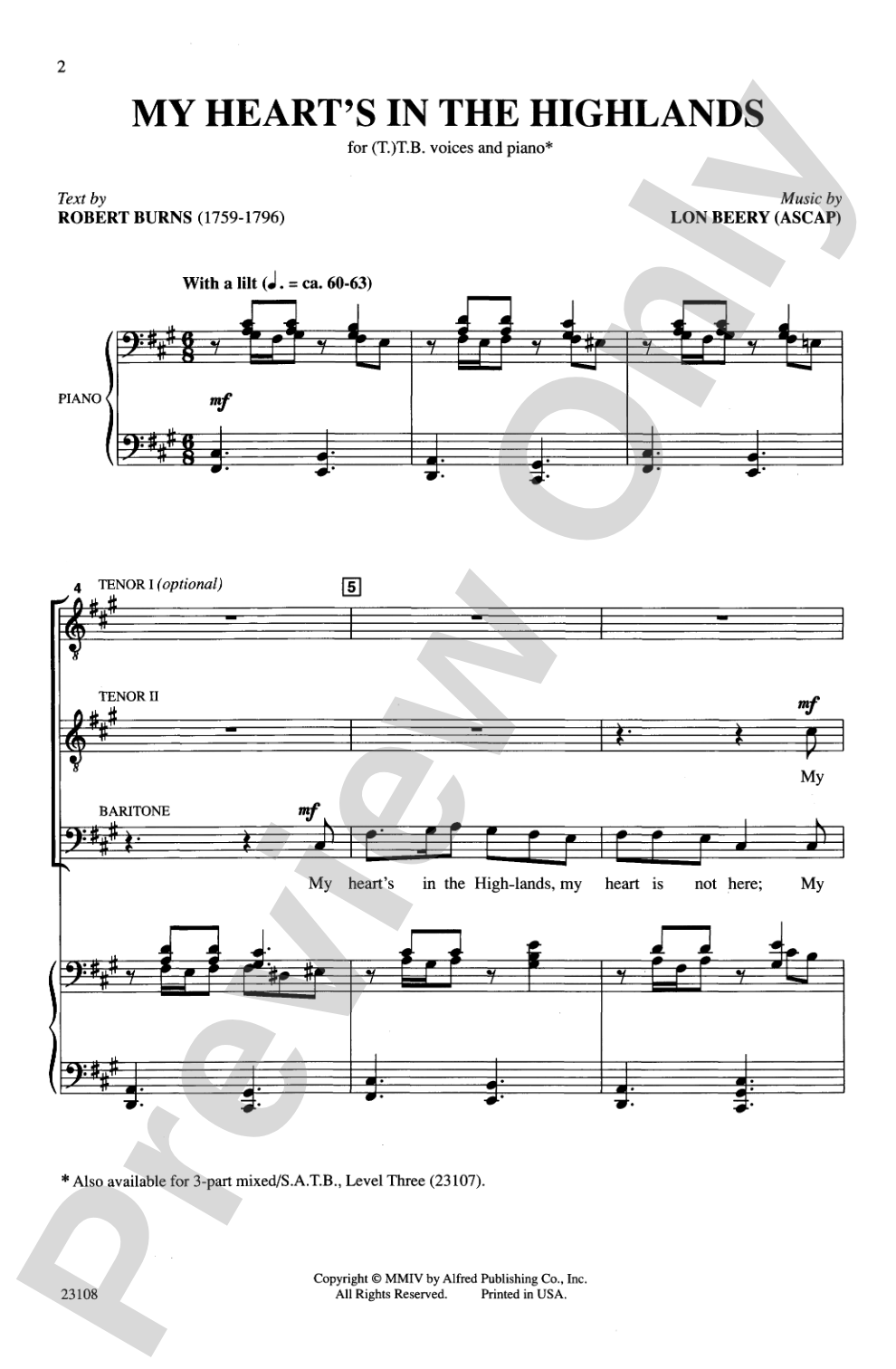
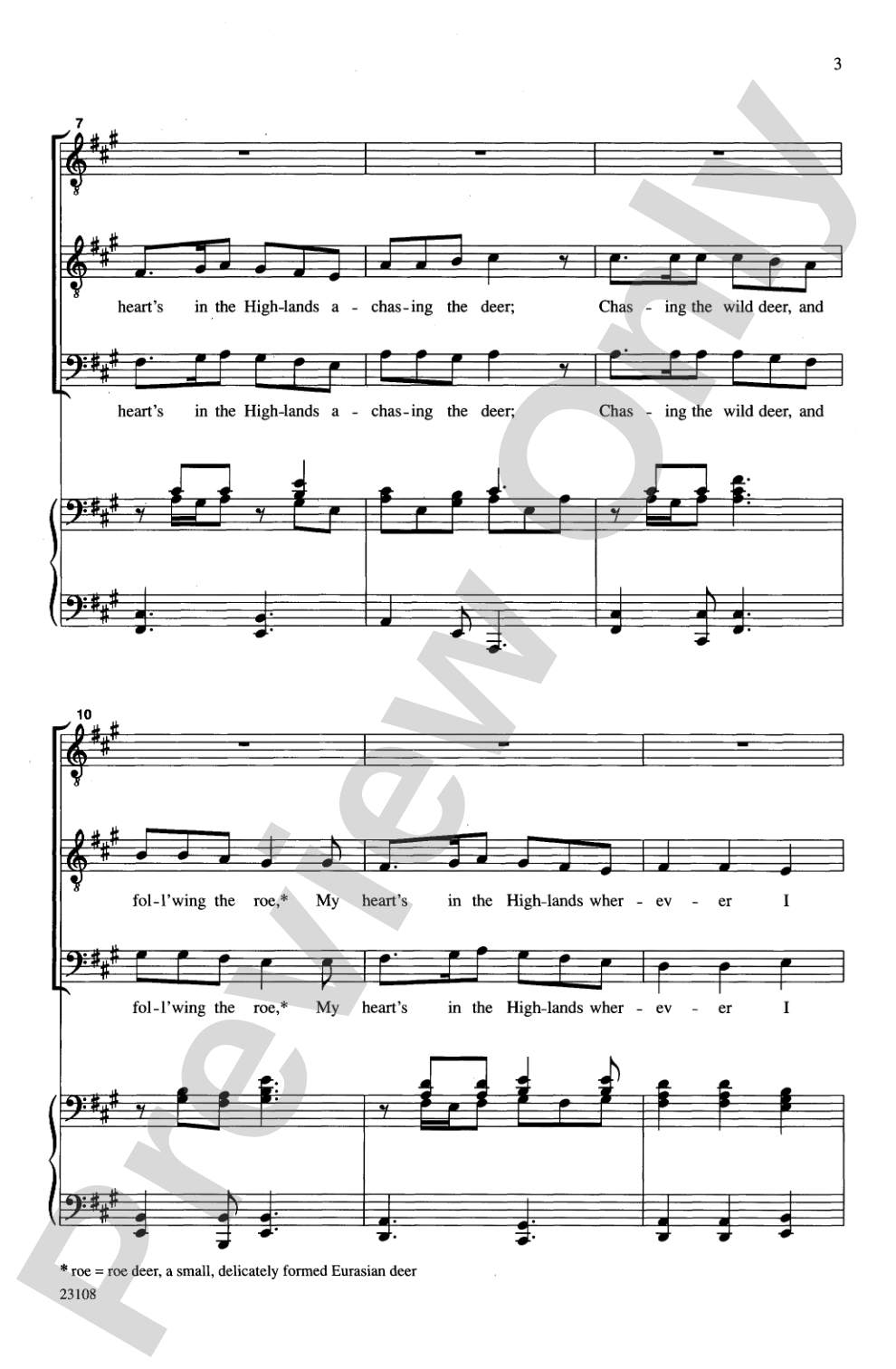

My Heart's in the Highland: (T)TB Choral Octavo
Music by Lon Beery
Item: 00-PO-0002221
$2.25
Minimum order quantity: 20 copies
Pickup currently not available
Description
Here is a new folk song whose melodic contour, harmonic structure, and symmetry with the Robert Burns text are so authentic, that it's hard to believe it's a contemporary composition. Modern day composer Lon Beery truly captures the nature of historic folk music with his setting of My Heart's in the Highlands. An optional bass part in the three-part mixed version, and an optional tenor part in the men's arrangement offer great flexibility in either voicing.


My Heart's in the Highland: (T)TB Choral Octavo isn't in MakeMusic Cloud just yet...but it could be. Let us know you'd like to see it, and you'll help shape what comes next. In the meantime, start a free trial and dive into thousands of interactive titles your students can play along with today.
Request This Title
Tell us you want it.
Start Your Free Trial
Explore everything that's ready to play right now.
Sample Audio
1
Audio File
--:--
0:00
0:00
Sample Video
No sample videos found.
Additional Details
Series:
Alfred Archive Edition: Alfred Choral Designs
Publisher:
Alfred Music
Page Count:
12
SKU:
00-PO-0002221
More about this title
About the Composer: Lon Beery
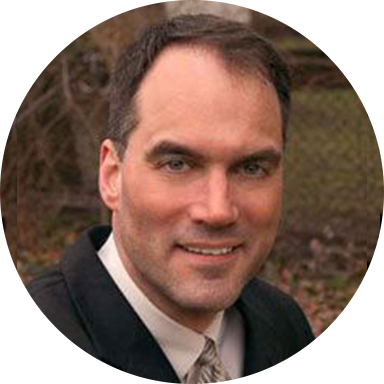
Lon Beery directs six choirs at Spry Middle School in Webster, New York, serving approximately 500 students across multiple ensembles. His published catalog includes more than 50 choral compositions and arrangements distributed through Alfred Music, BriLee, and other publishers, and his work has earned him several ASCAP Standard Awards.
Beery's compositions have reached national audiences; his TTBB piece "I Believe" was performed by the U.S. Army Chorus at President Ronald Reagan's internment service. Beyond composing, he contributes regularly to music education discourse through articles in the Choral Journal and Music Educators Journal, leads sessions at ACDA and MENC conferences, and serves as Middle School Chair for New York ACDA.
Why we love this
Beery's arrangement reads like an authentic folk setting rather than a contemporary pastiche. The melodic contour and harmonic language feel inevitably right with Burns's text, giving singers the satisfaction of performing something that sounds both timeless and freshly composed. The flexible voicing options (optional bass in TTB, optional tenor in men's voices) mean you can program this across multiple groups without rewriting or downsizing.
What to expect
Honest and unhurried. The harmonic language settles comfortably, the melody moves with natural speech inflection, and Burns's text about Highland longing grounds the whole piece in genuine emotion rather than sentimentality. Singers will feel they're interpreting something with real roots, even though it arrived fresh from a contemporary composer's pen.
Who it's for
Middle school, high school, and adult community choirs looking for repertoire that sounds folk-authentic without requiring specialized arrangement knowledge. The flexible voicing structure suits choirs with variable attendance or mixed-voice sections of different sizes, making it practical for schools that field multiple ensembles from the same student population.
How to get the most out of it
- Let the text shape the phrasing rather than pushing for precision on every beat; folk songs breathe with speech rhythms, and this arrangement honors that quality.
- Balance the optional parts carefully in rehearsal; if you're using the optional bass or tenor, these voices should support rather than dominate the primary melody line.
- Consider the accompaniment style to match the setting. A light, unhurried approach in your piano part will enhance the folk authenticity Beery achieves.
- Work the text intelligently with your singers. Burns's imagery is vivid, and singers who connect emotionally to the words will convey the piece's genuine character.
How to use it
This works beautifully in a concert focused on folk traditions or on Scottish heritage themes. It pairs well with other world music selections or can anchor a set of Burns settings. The straightforward character also makes it suitable for community sings, festival repertoire lists, or informal performances where authenticity and emotional directness matter more than technical showmanship.
Skills your students will build
- Connecting lyrical content to musical phrasing and interpretation
- Balancing optional voice parts within an ensemble texture
- Reading three- to four-part choral voicing with flexible options
- Sustaining legit tone quality across a moderate range while maintaining folk idiom
- Responding to text-driven musical choices (accent, breath, tempo nuance)