
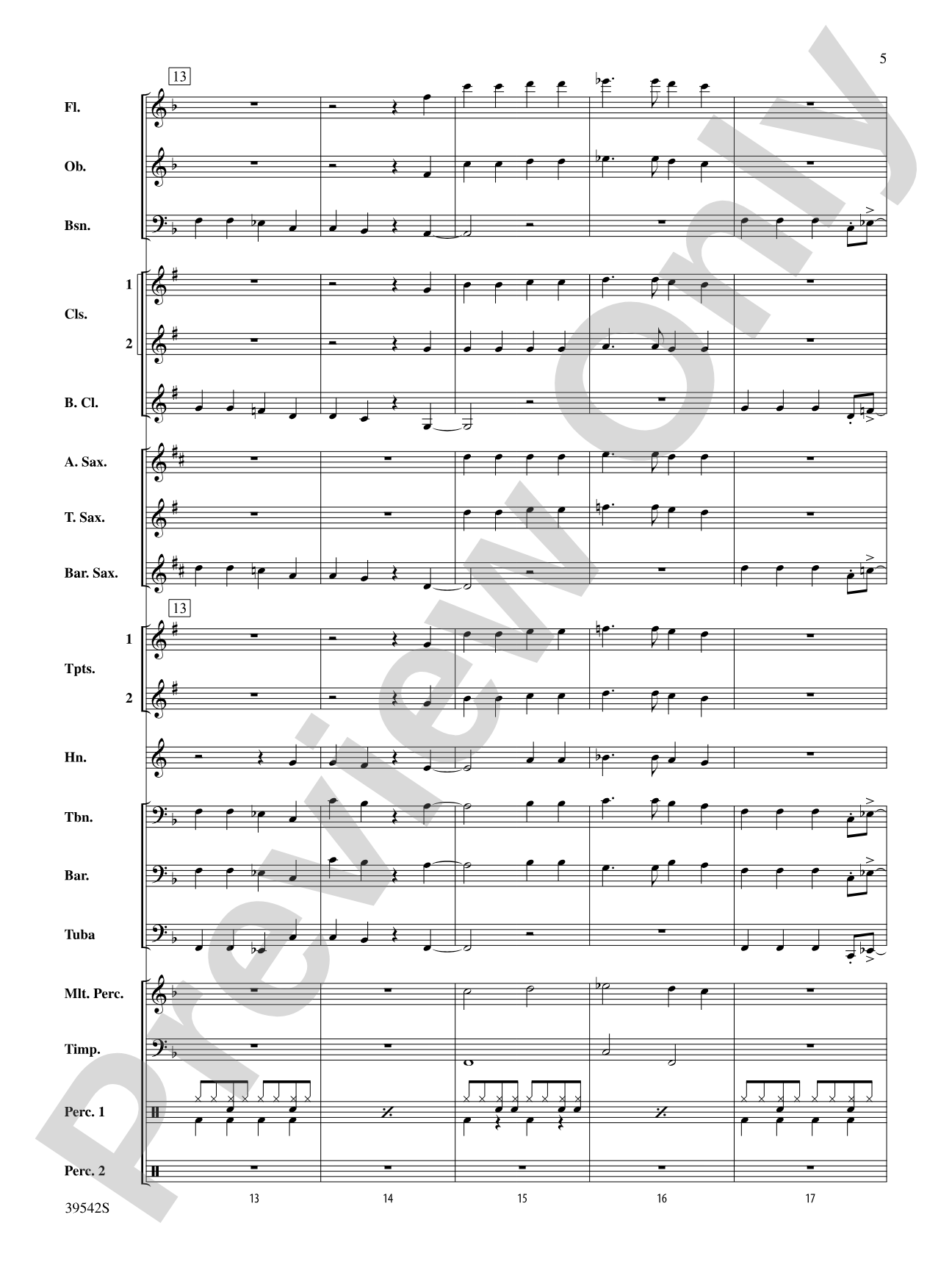
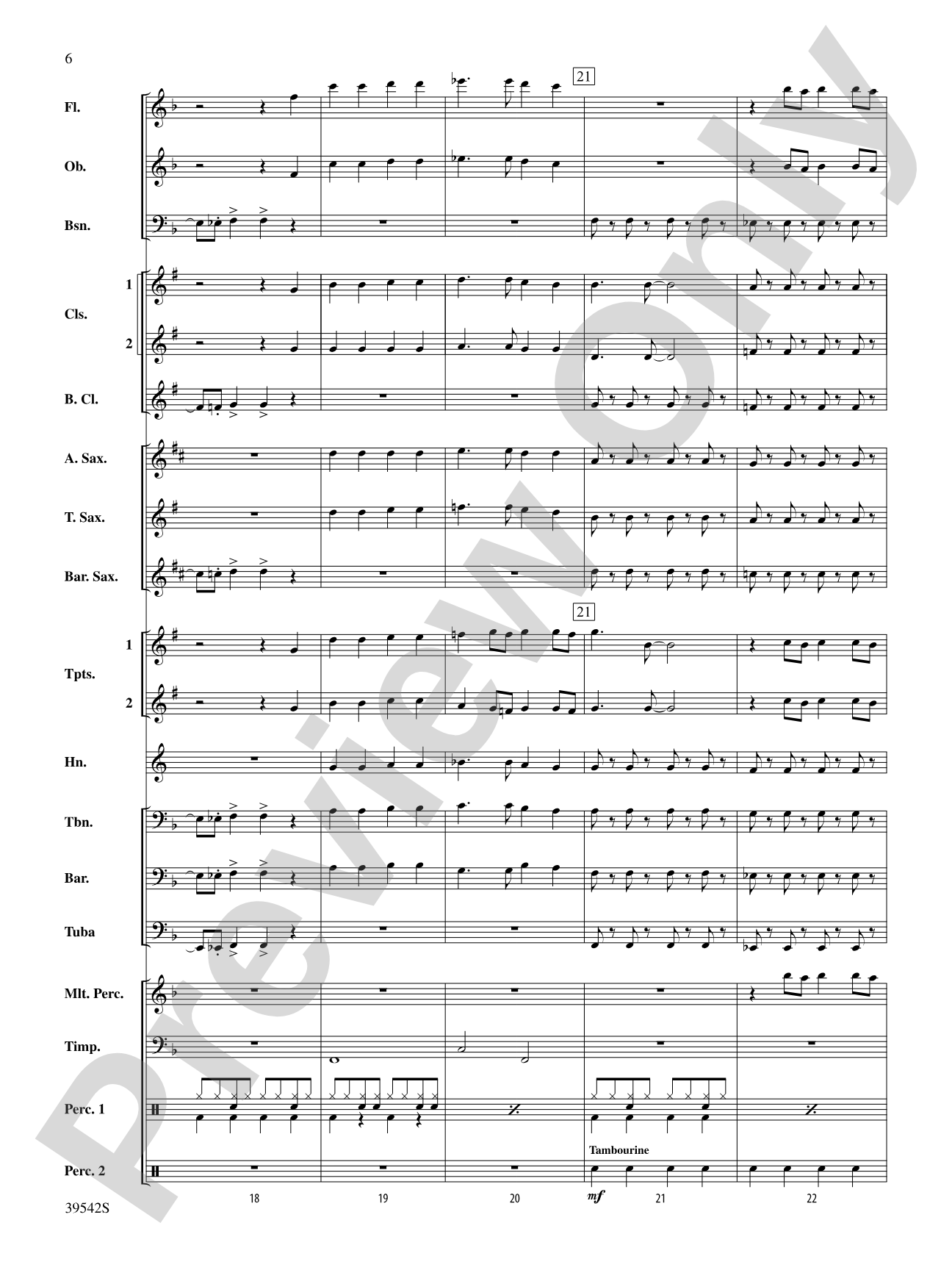
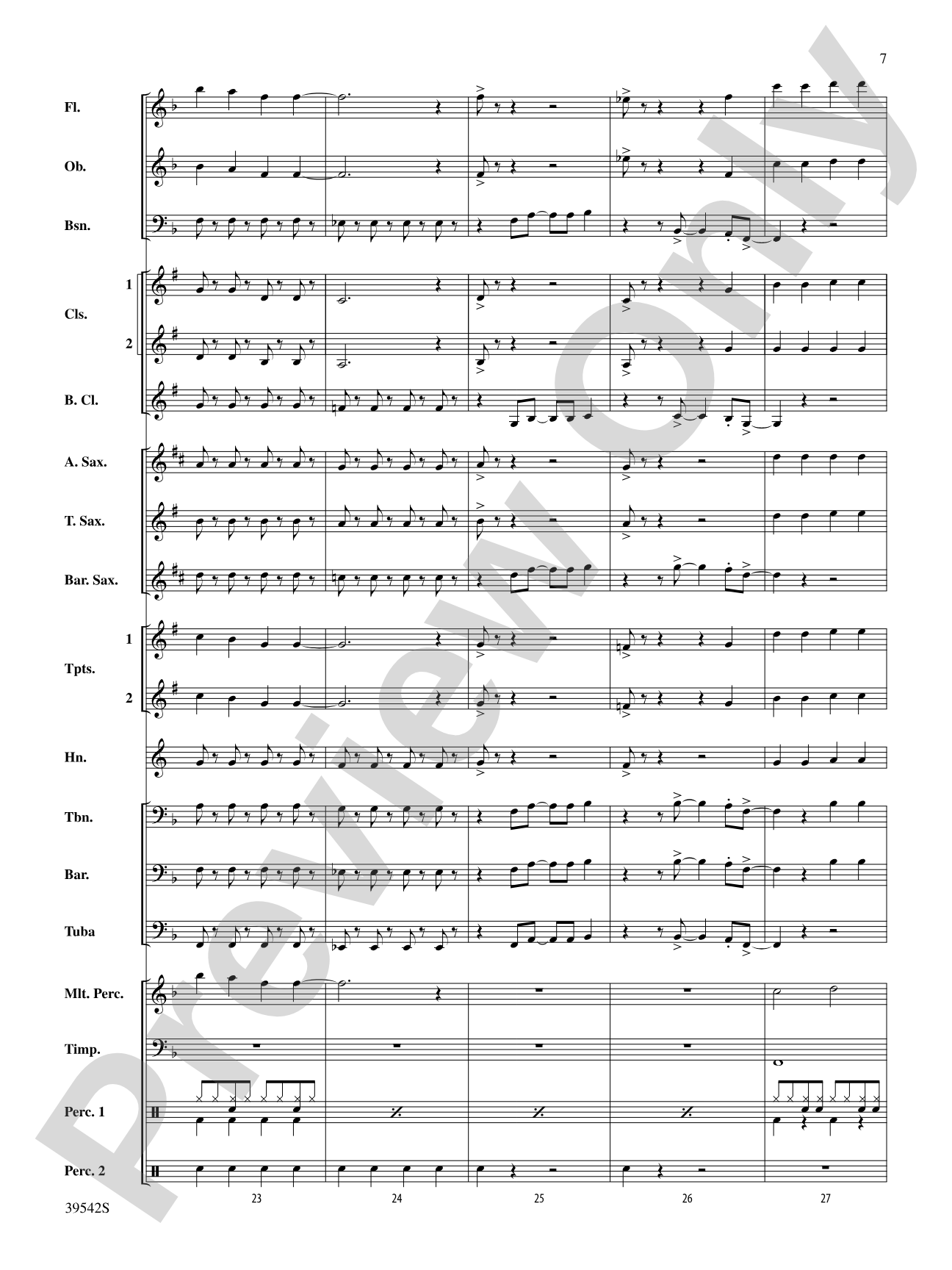
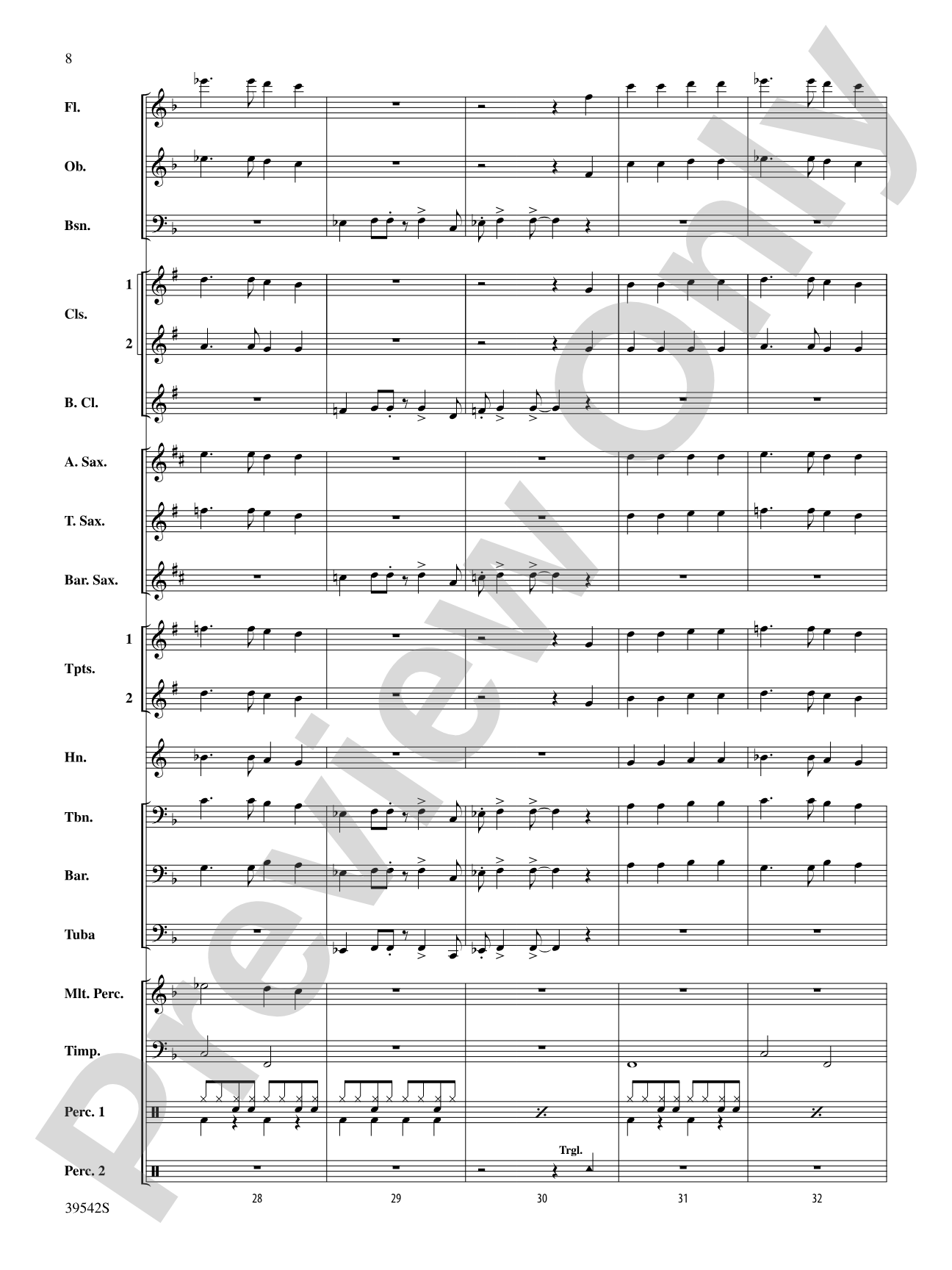
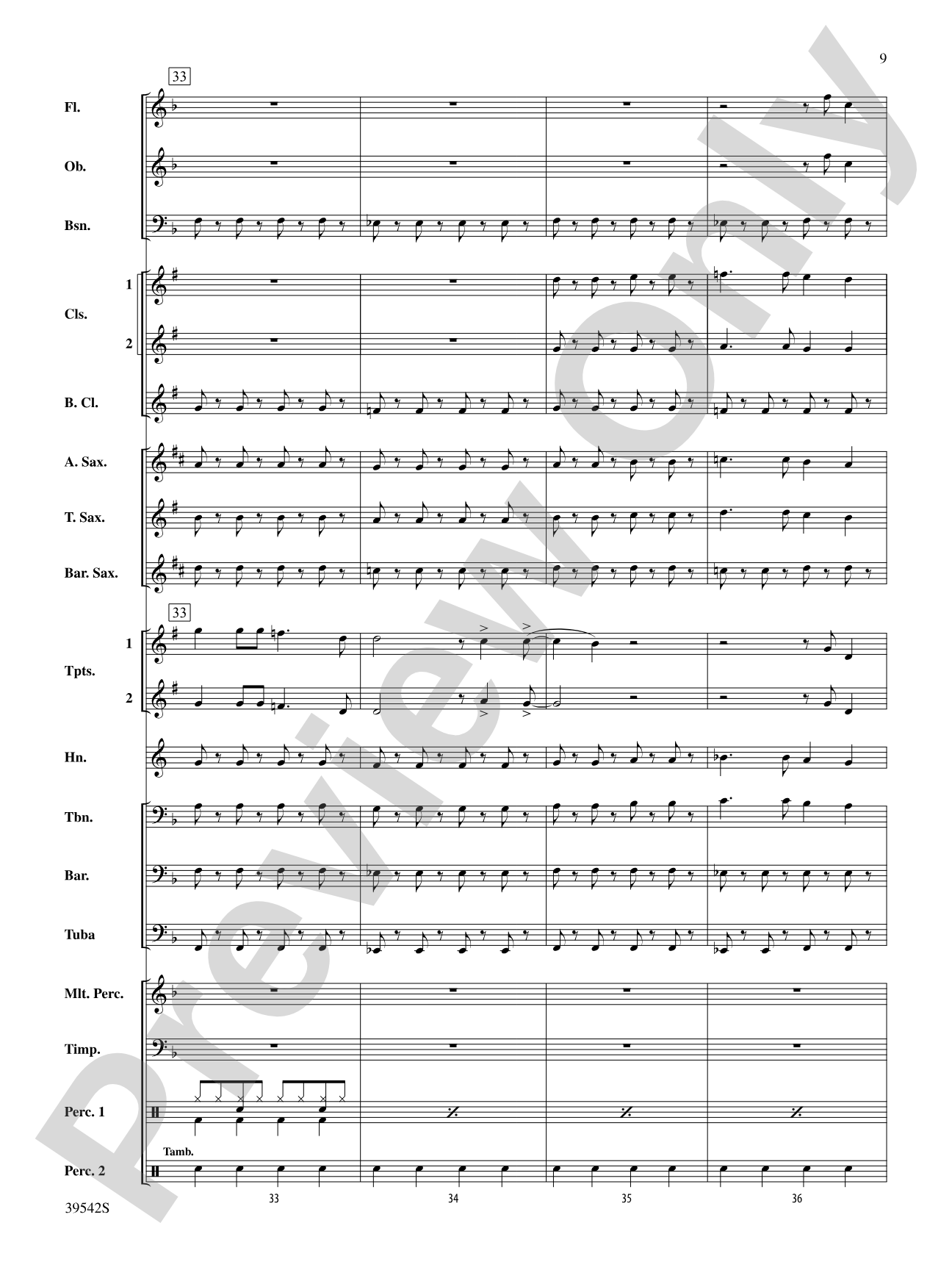
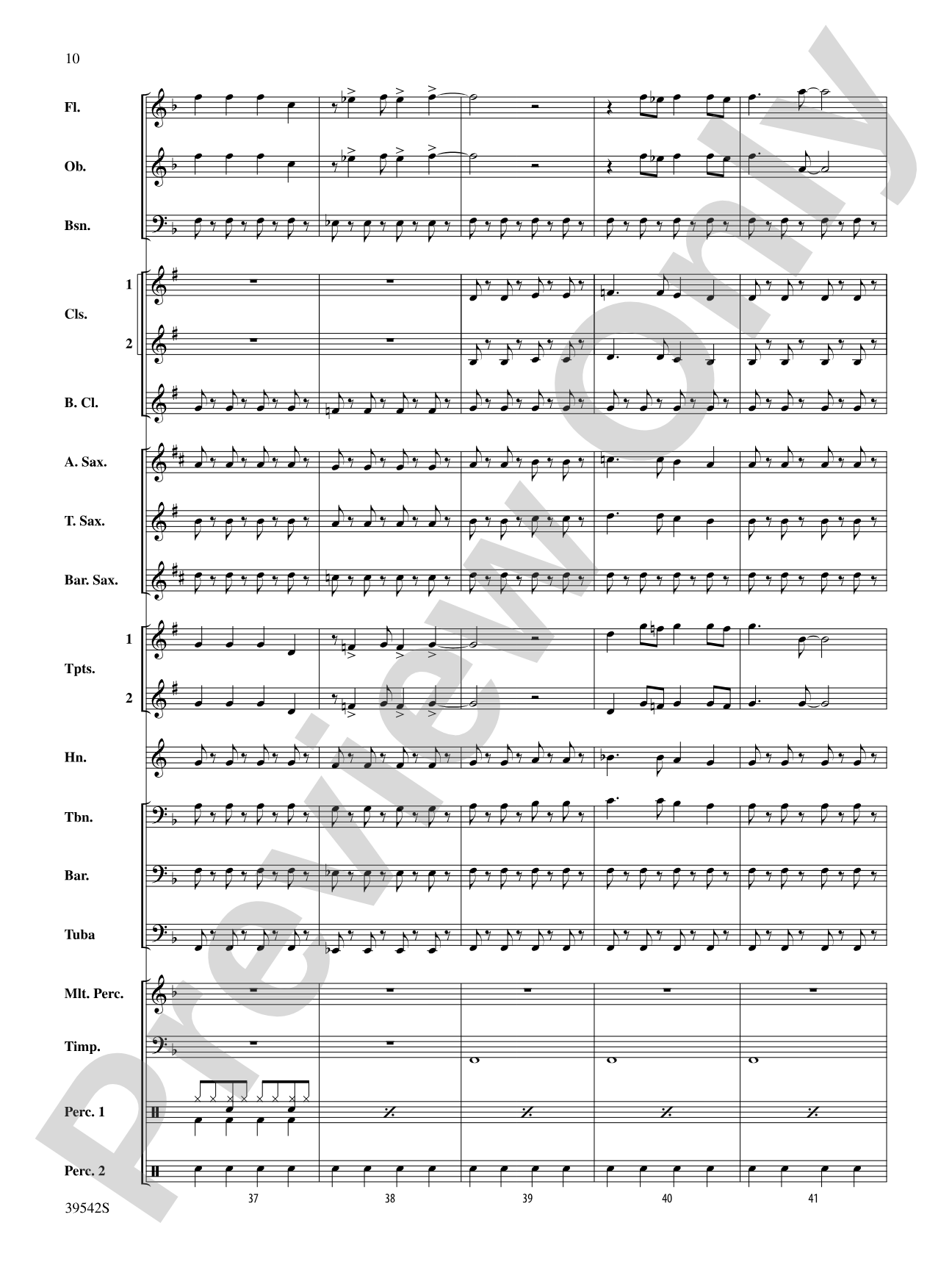
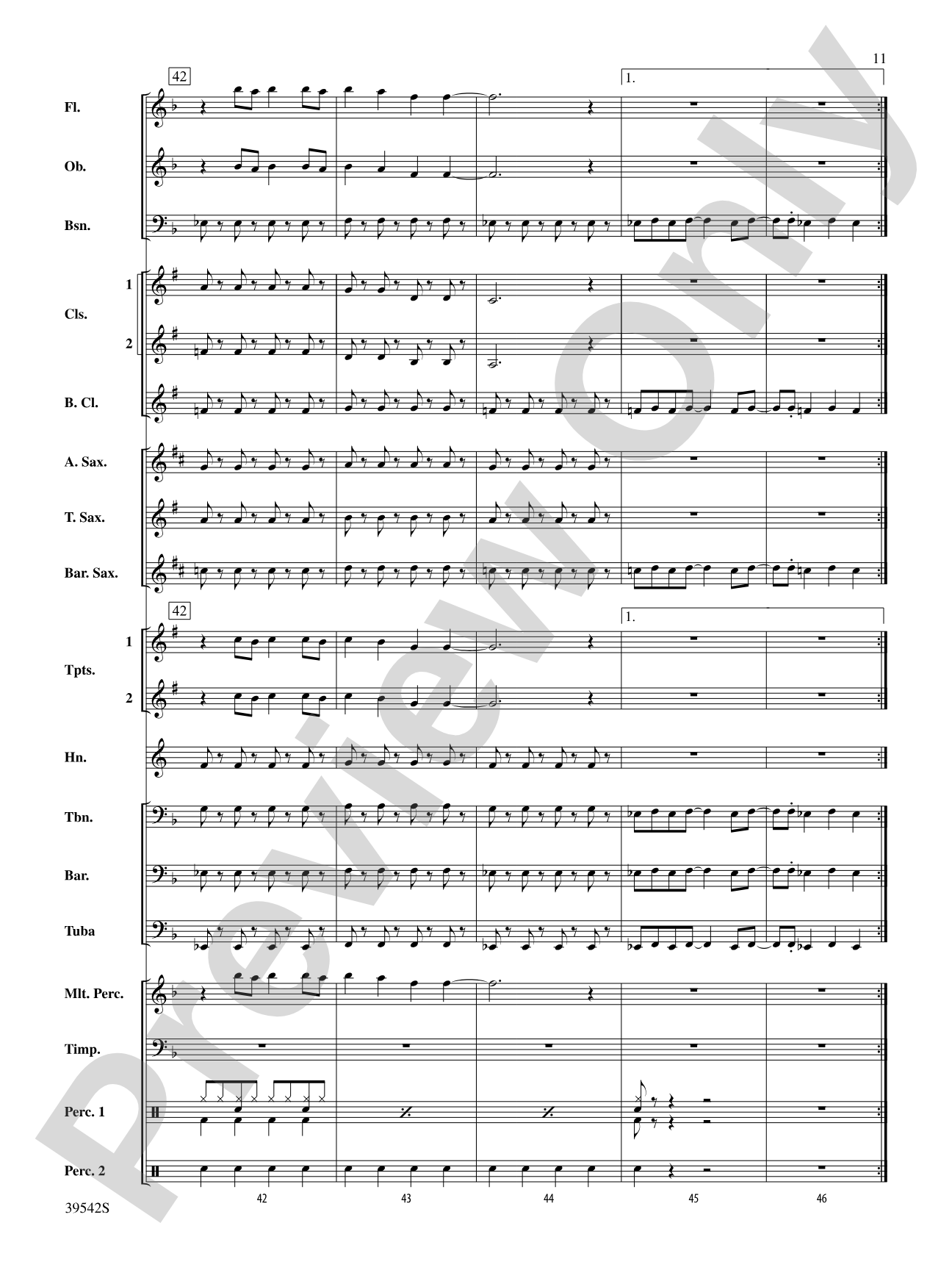
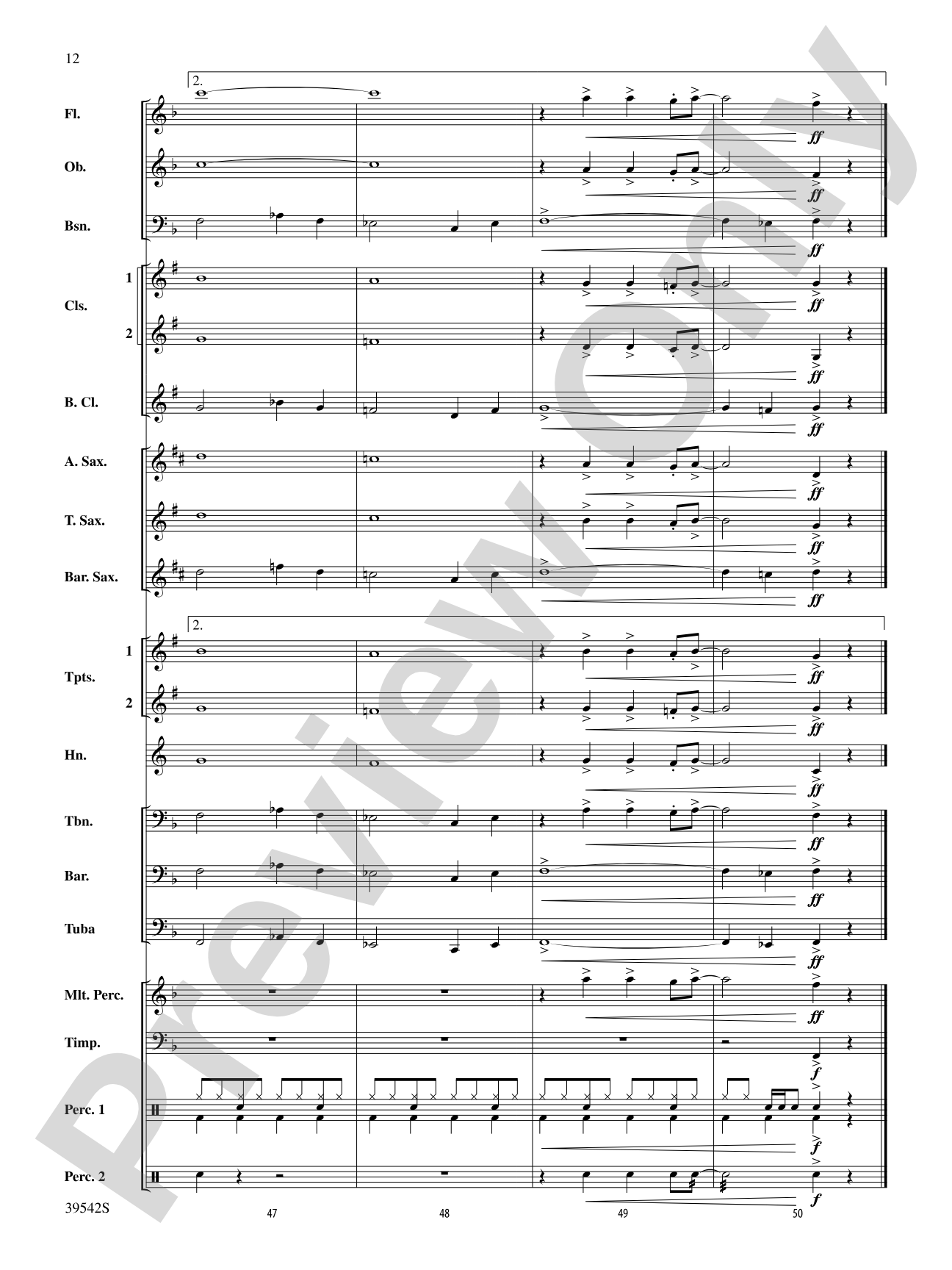

My Generation: Concert Band Conductor Score & Parts
As Performed by The Who
Words and music by Peter Townshend / arr. Douglas E. Wagner
Grade: 2 (Easy)
Item: 00-PK-0005969

$62.00
One moment…
Related Items
My Generation: String Orchestra Conductor Score & Parts |
$50.00
|
View | |
My Generation: Concert Band Conductor Score & Parts |
$62.00
|
View | |
My Generation: Concert Band Conductor Score |
$10.00
|
View | |
My Generation: String Orchestra Conductor Score & Parts |
$50.00
|
View | |
My Generation: String Orchestra Conductor Score |
$10.00
|
View |
Description
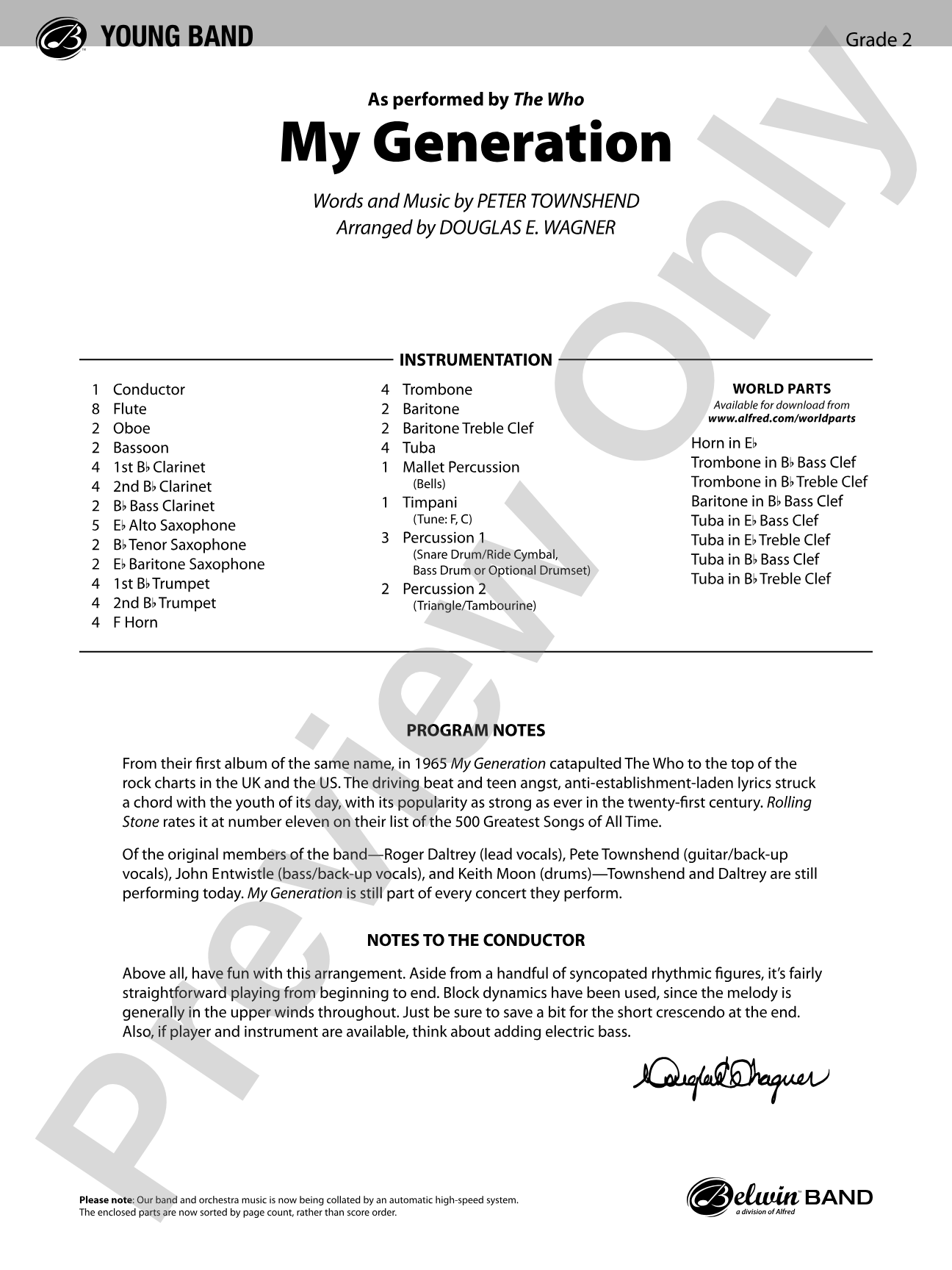
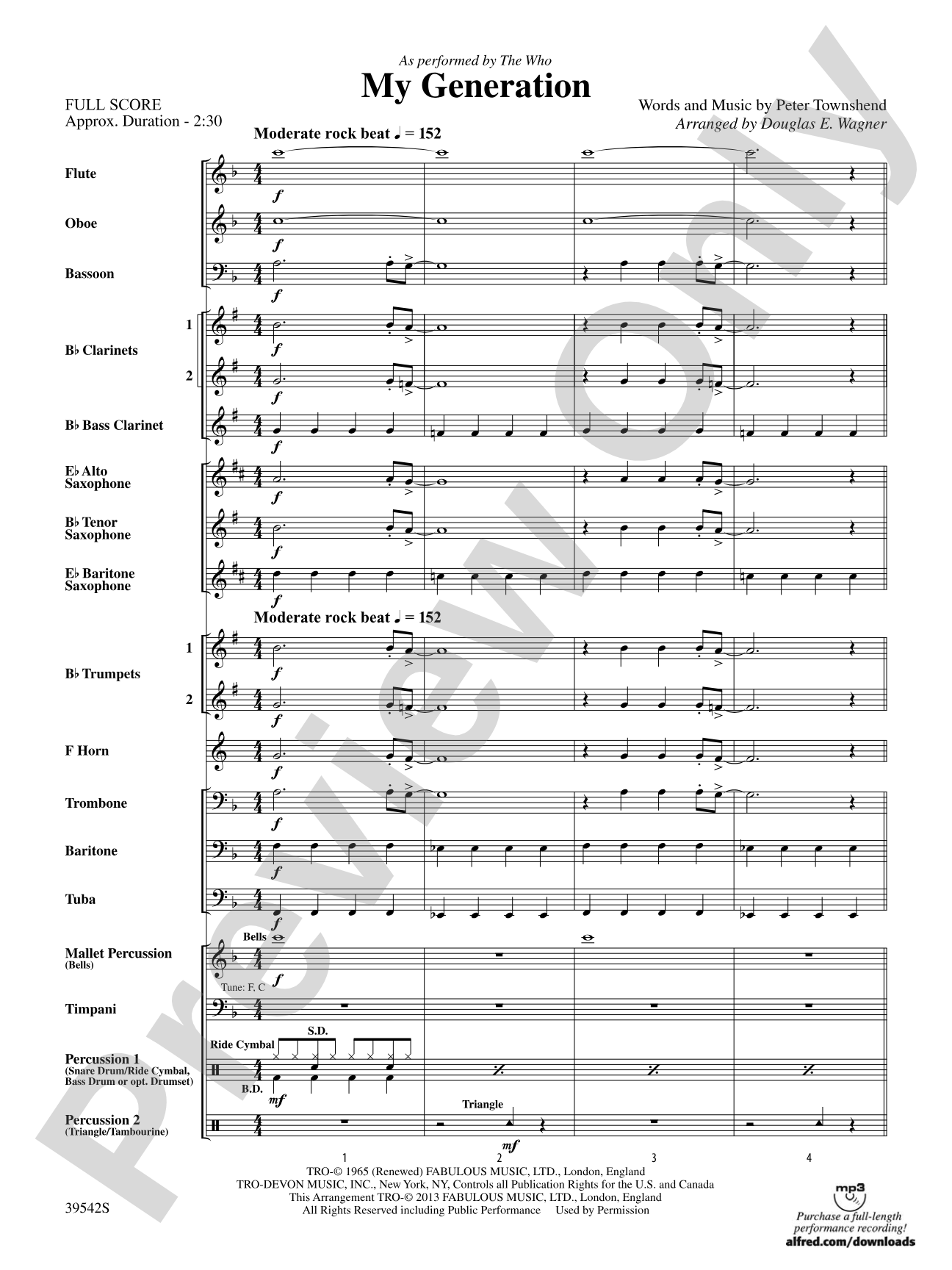
Written by Peter Townshend, guitarist and back-up vocalist for The Who, who are still performing this classic driving rock tune on every concert! From the 1965 album of the same name, this song has been recognized by Rolling Stone Magazine in eleventh place on their list of the "500 Greatest Songs of All Time." Good for many more generations, be sure to program this solidly scored classic tune on your next concert. (2:30)


Don't just read it, hear it, play along with it, and watch your students grow with it. In MakeMusic Cloud, My Generation: Concert Band Conductor Score & Parts comes alive with professional accompaniment, adjustable tempo, and built-in practice tools that turn solo practice into real progress.
Open in the Player
Jump straight in and assign it today.
Start Your Free Trial
Open this title and explore the full library in minutes.
Sample Audio
1
Audio File
--:--
0:00
0:00
Sample Video
No sample videos found.
Additional Details
Series:
Pop Young Band
Publisher:
Alfred Music
Page Count:
78
SKU:
00-PK-0005969
More about this title
About the Composer: Peter Townshend
Peter Townshend is the guitarist, songwriter, and creative force behind The Who, one of rock music's most influential and enduring bands. His songwriting spans five decades and encompasses everything from explosive rock anthems to intricate rock operas, establishing him as one of the most significant composers in popular music history. Townshend's work consistently explores themes of youth, rebellion, and social commentary, making his compositions particularly resonant in educational settings where students engage with music that shaped modern culture.
Why we love this
This arrangement captures the raw energy and driving momentum that made the original a cultural touchstone, yet Douglas E. Wagner has scaled it accessibly for Grade 2 bands without sacrificing the song's iconic character. Your students will recognize it immediately, which means their engagement starts high and stays there. Programming a legitimate classic that appears on Rolling Stone's 500 Greatest Songs list sends a clear message: the music you're learning matters beyond the concert hall.
What to expect
The piece pulses with the defiant energy of 1960s youth culture, driving forward with an irresistible groove that feels urgent and alive. There's swagger in the orchestration, a sense of momentum that propels the band forward measure by measure, capturing the spirit of a generation asserting itself through music.
Who it's for
This is ideal for Grade 2 concert bands ready to play music their audiences will actually know and love. It works equally well for groups building confidence with accessible repertoire and ensembles looking to inject contemporary rock into a traditional concert lineup.
How to get the most out of it
- Lock the rhythmic pulse in the percussion section first. The driving beat is what makes this tune unmistakable, so ensure the kick drum, snare, and bass line are locked together before adding melodic voices.
- Shape the dynamics to match the arrangement's contours rather than playing at a single energy level throughout. Watch for places where the band drops back to let a section feature, then builds again.
- Balance the lead melody against the supporting voices so the tune stays front and center. In rock arrangements, clarity of the main line is crucial for the piece to land with the audience.
How to use it
Place this where you need an audience connection and a morale boost for your band. It pairs naturally with other contemporary or classic rock arrangements, or it can stand alone as a statement piece that reminds concertgoers why they love live music. Consider programming it mid-concert to reset energy after a classical work or to close a lighter section of your program.
Skills your students will build
- Rhythmic precision in syncopated rock patterns
- Balancing melody and accompaniment textures
- Sustaining energy and groove over extended passages
- Responding to dynamic contrasts and structural pacing