

My Foolish Heart: Jazz Ensemble Conductor Score & Parts
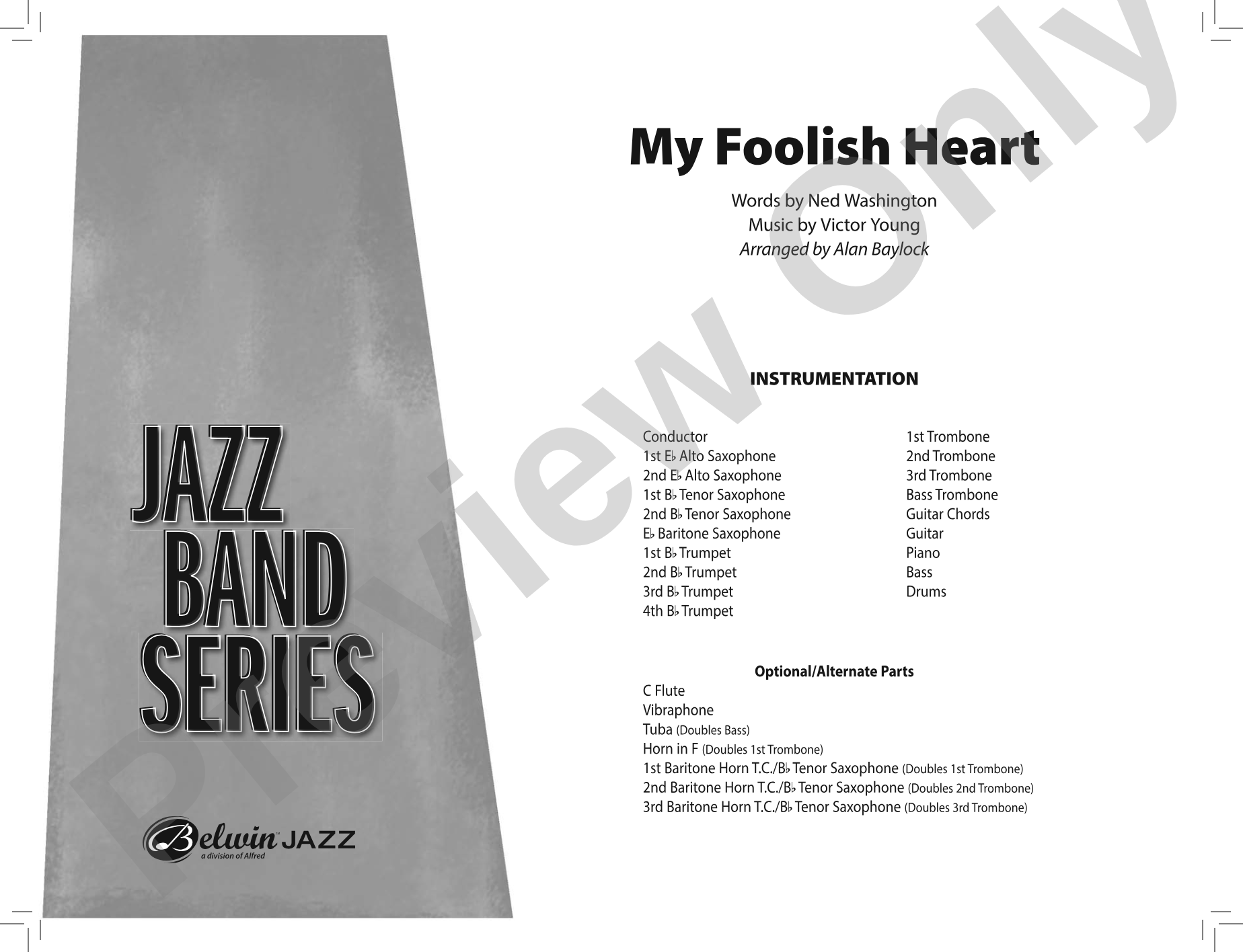
Words by Ned Washington, music by Victor Young / arr. Alan Baylock
Grade: 3.5
Item: 00-PK-0008554

$52.00
One moment…
Description
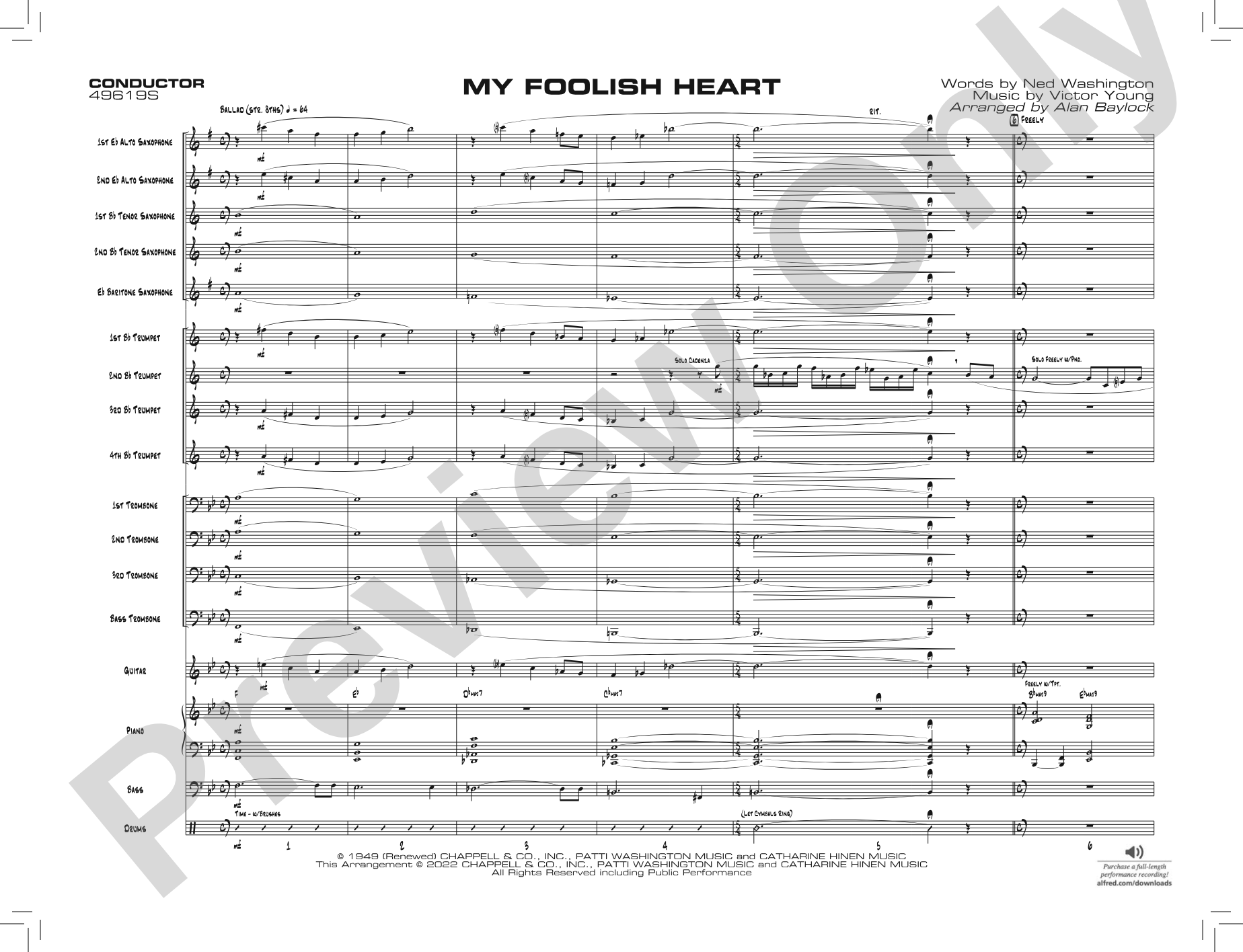
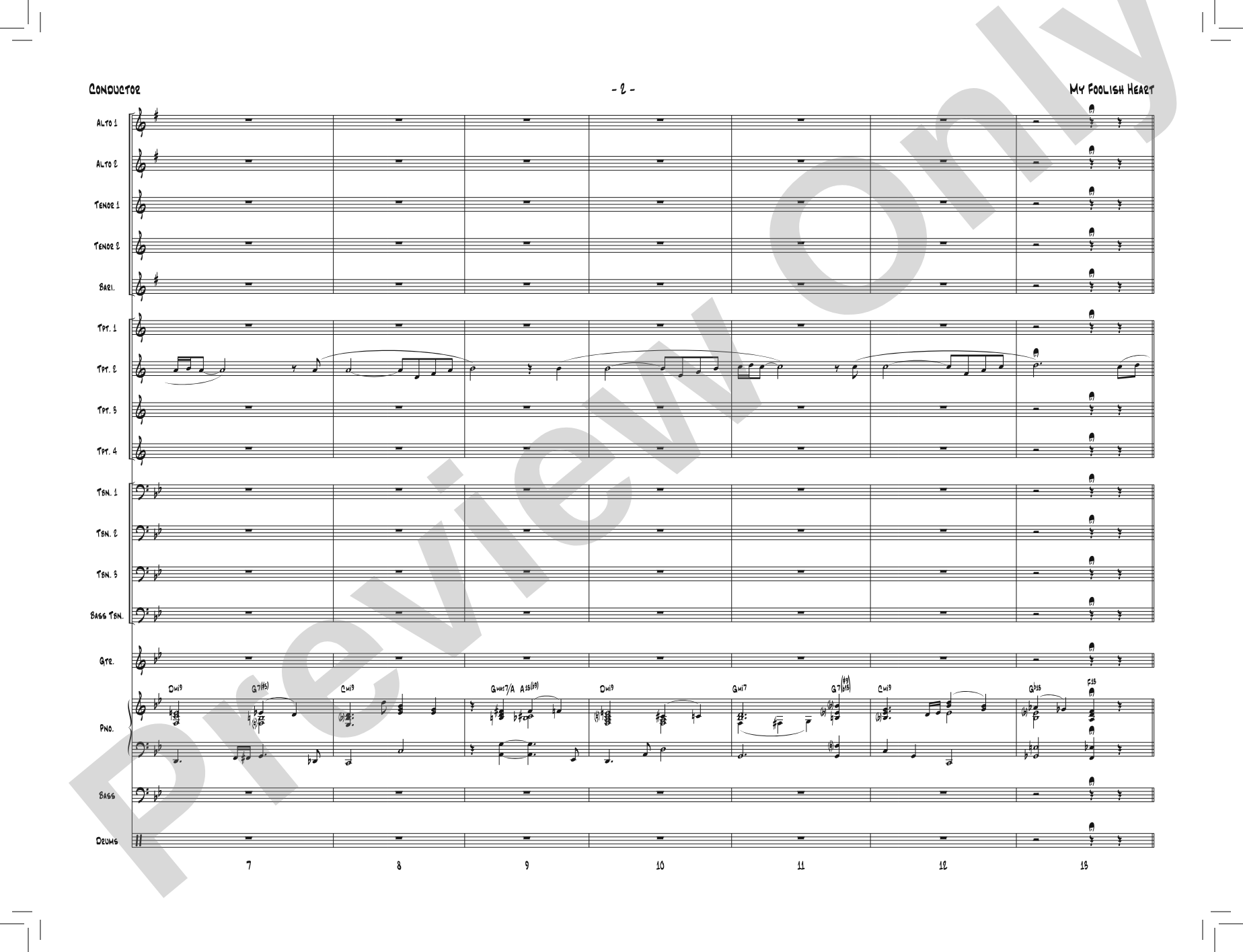
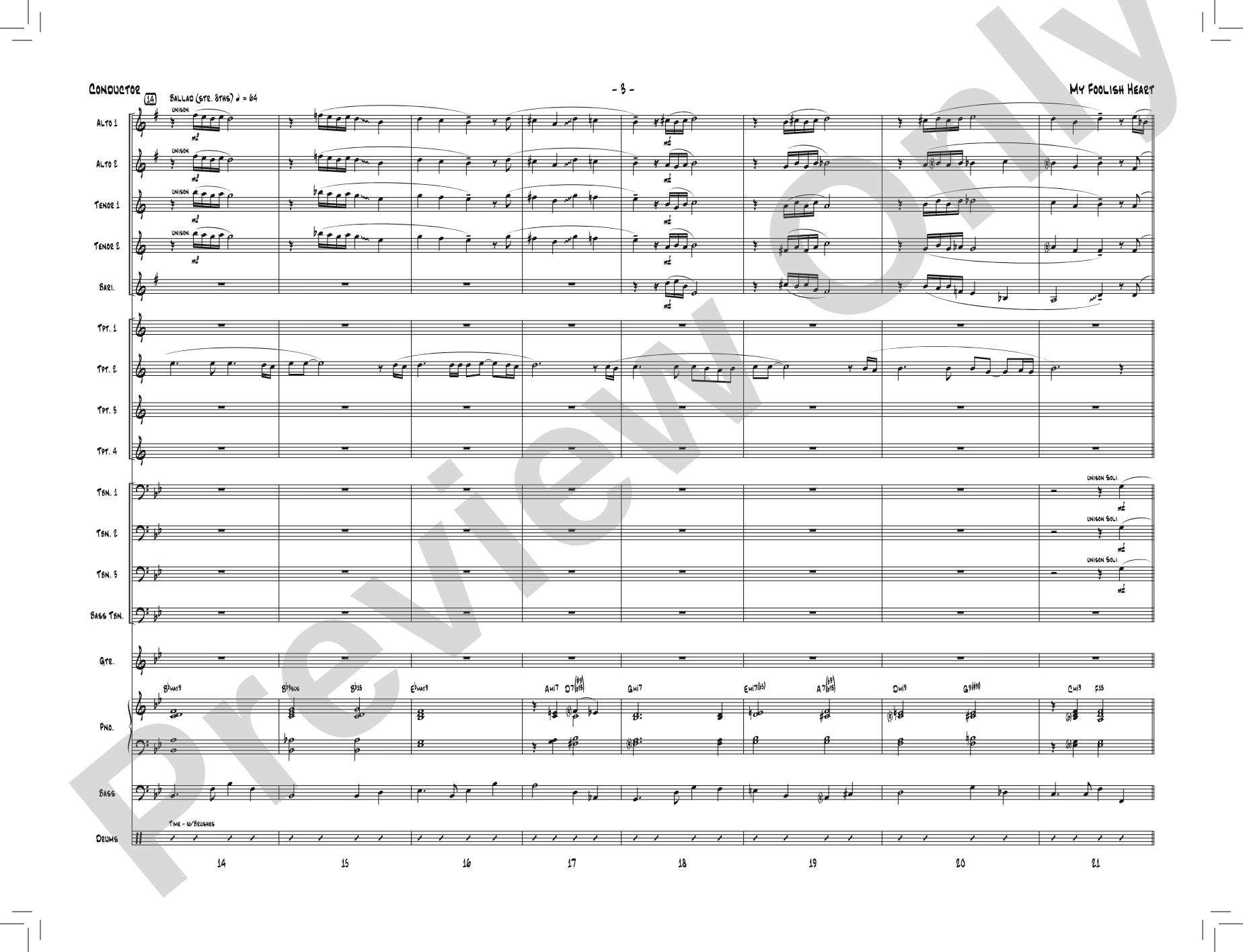
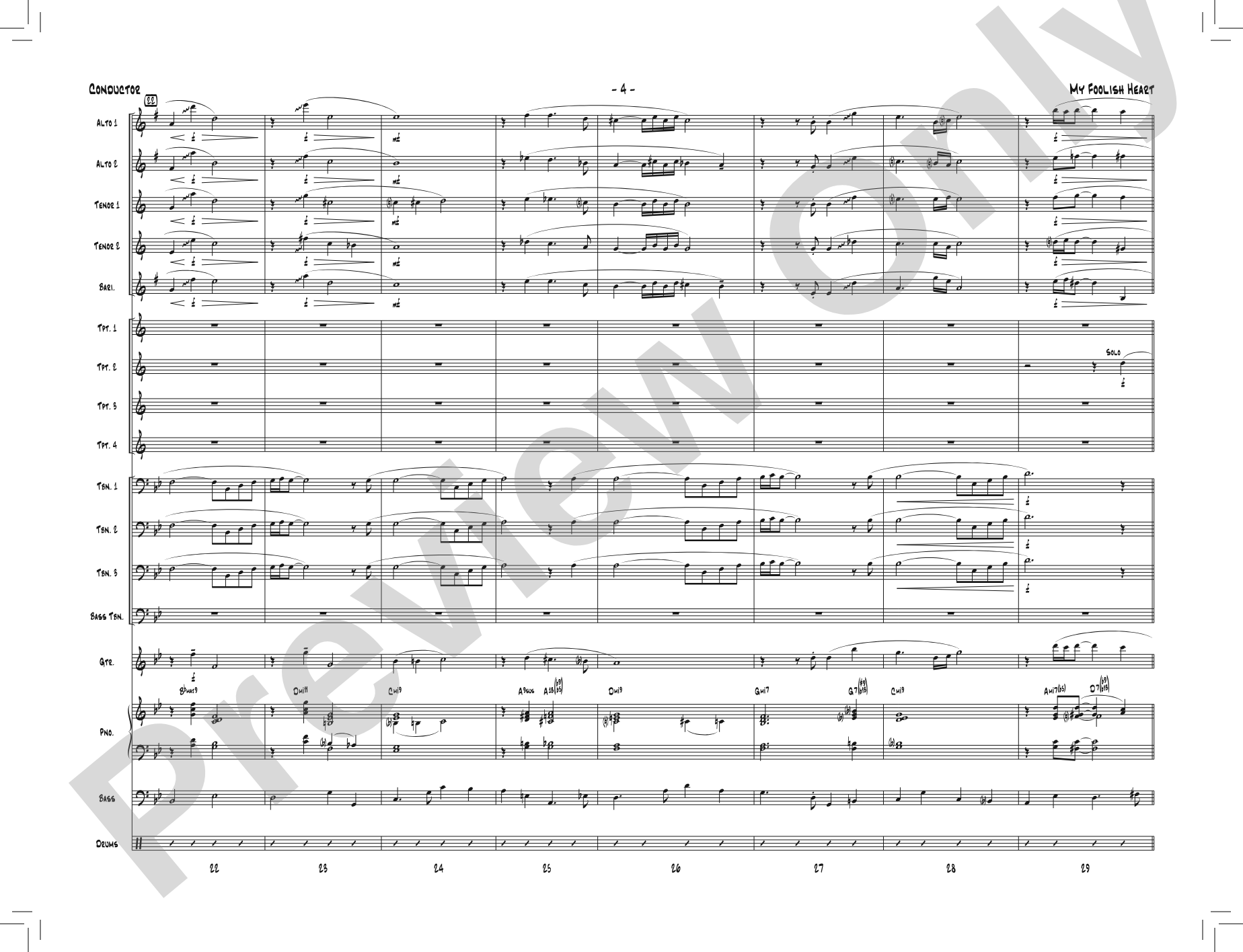
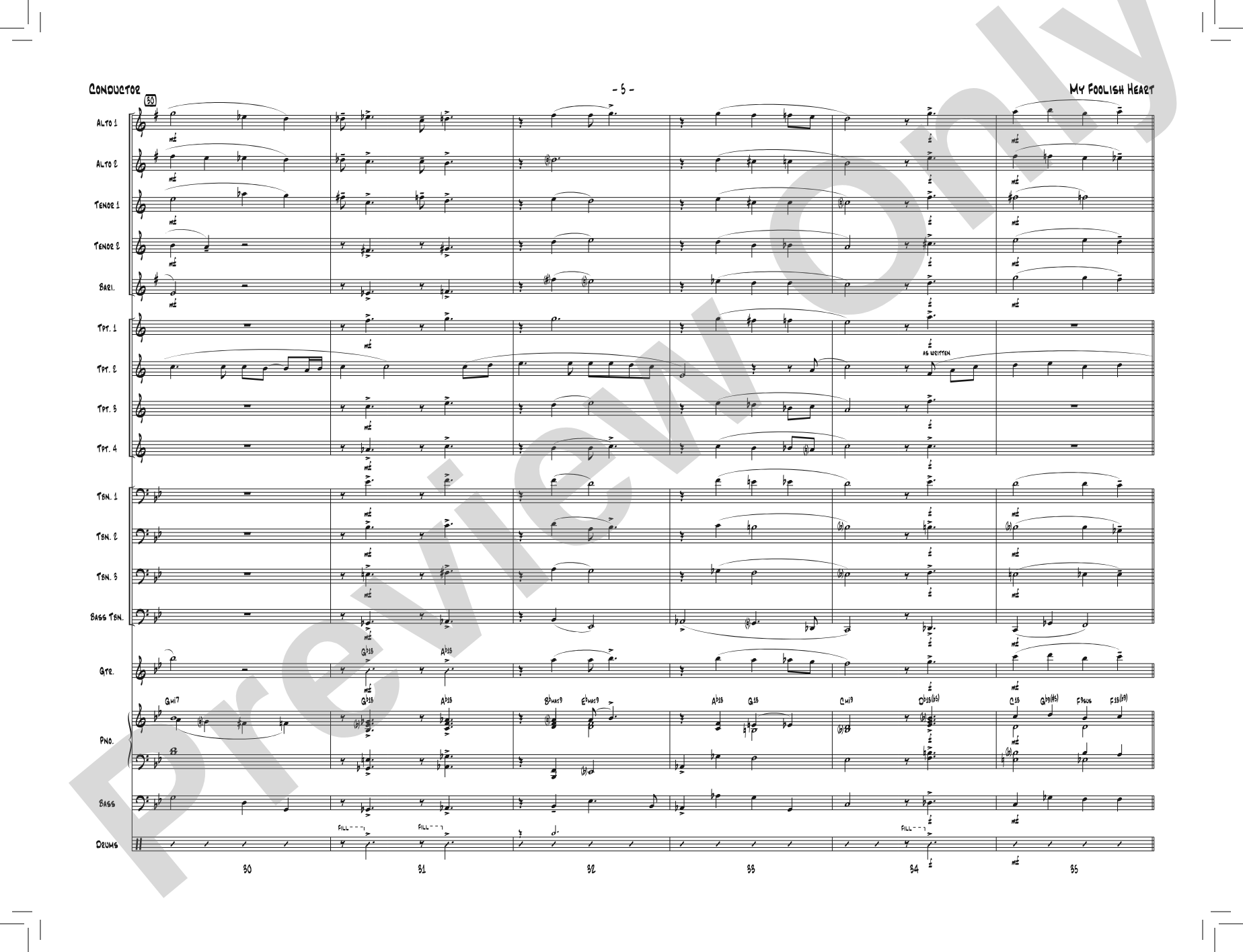
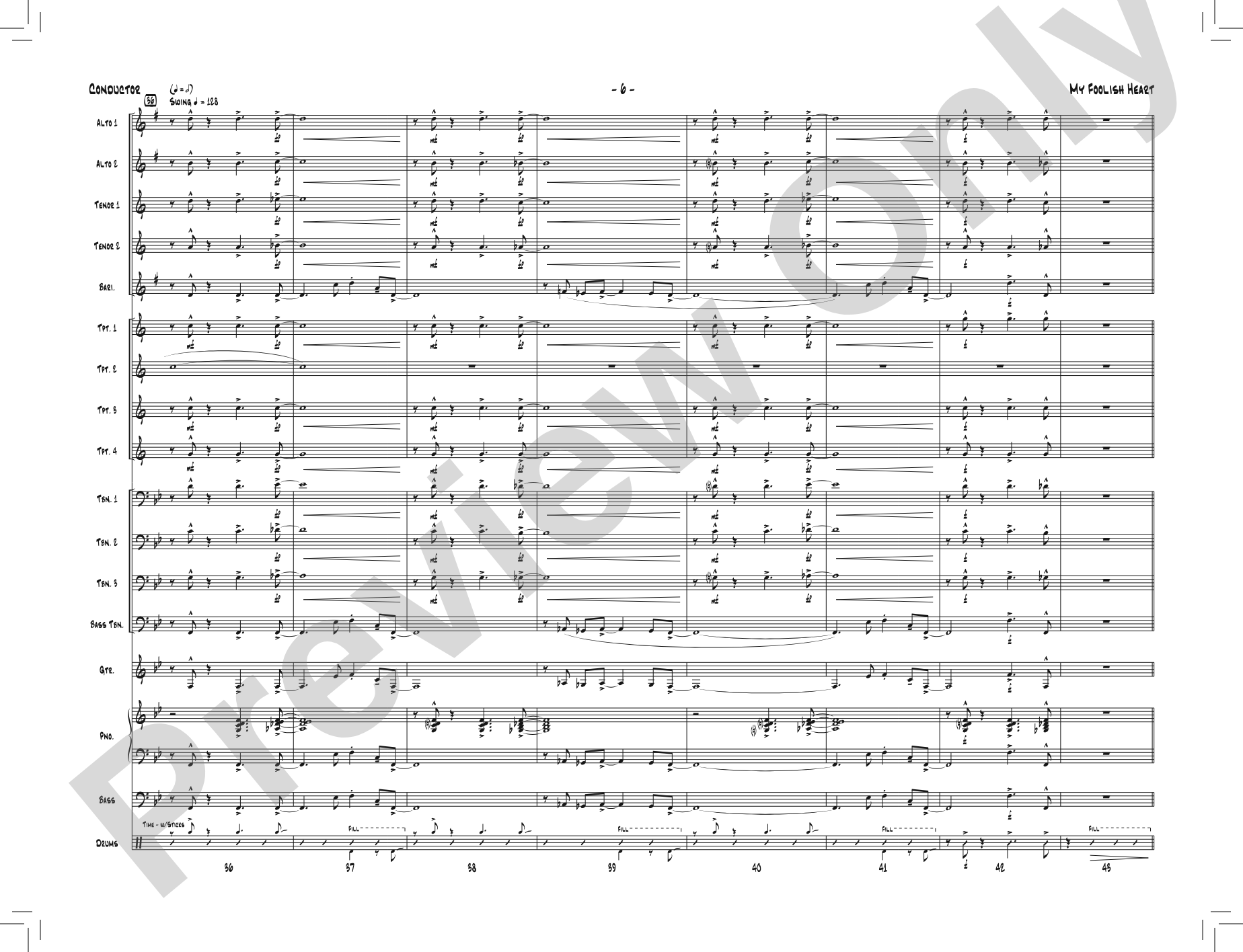
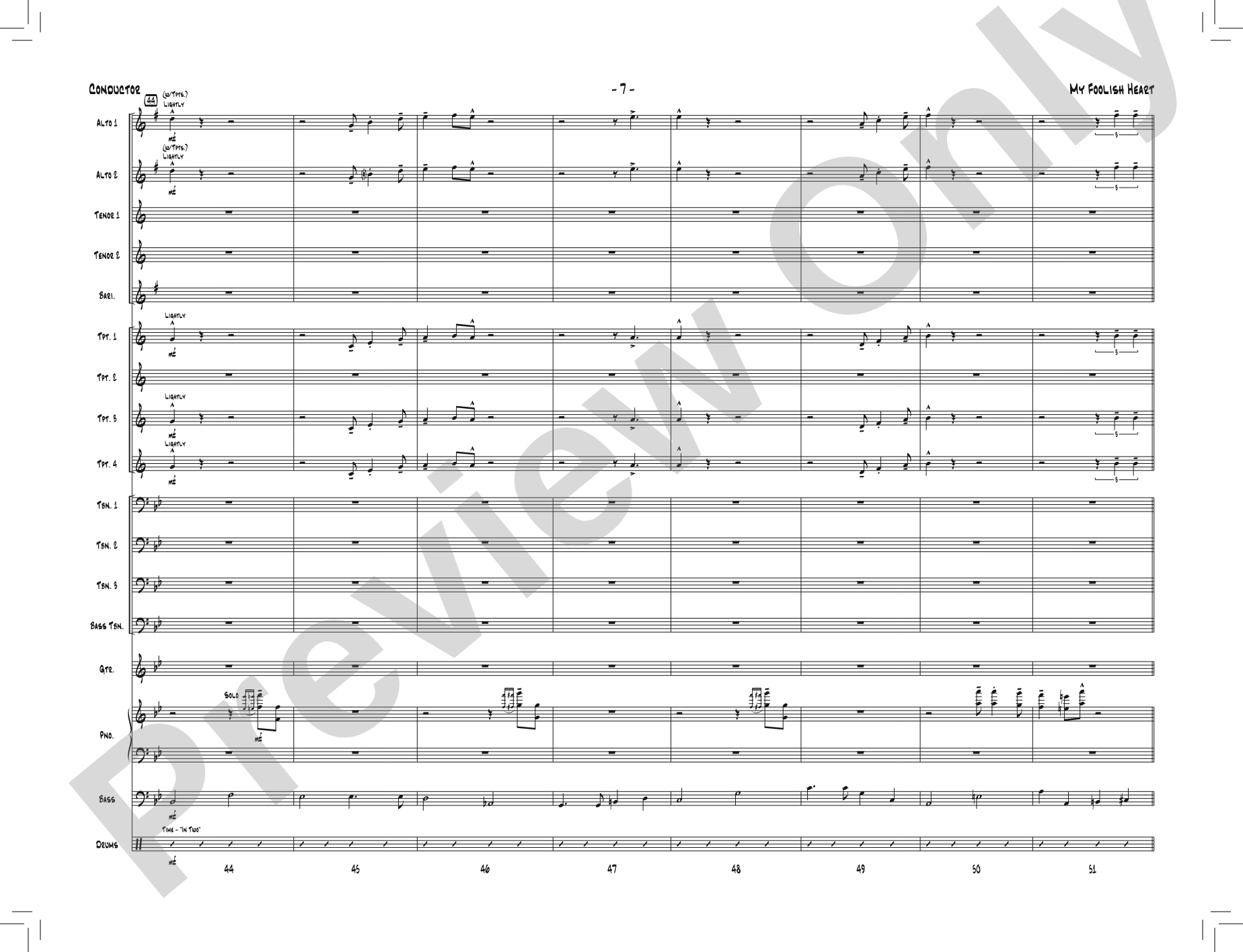
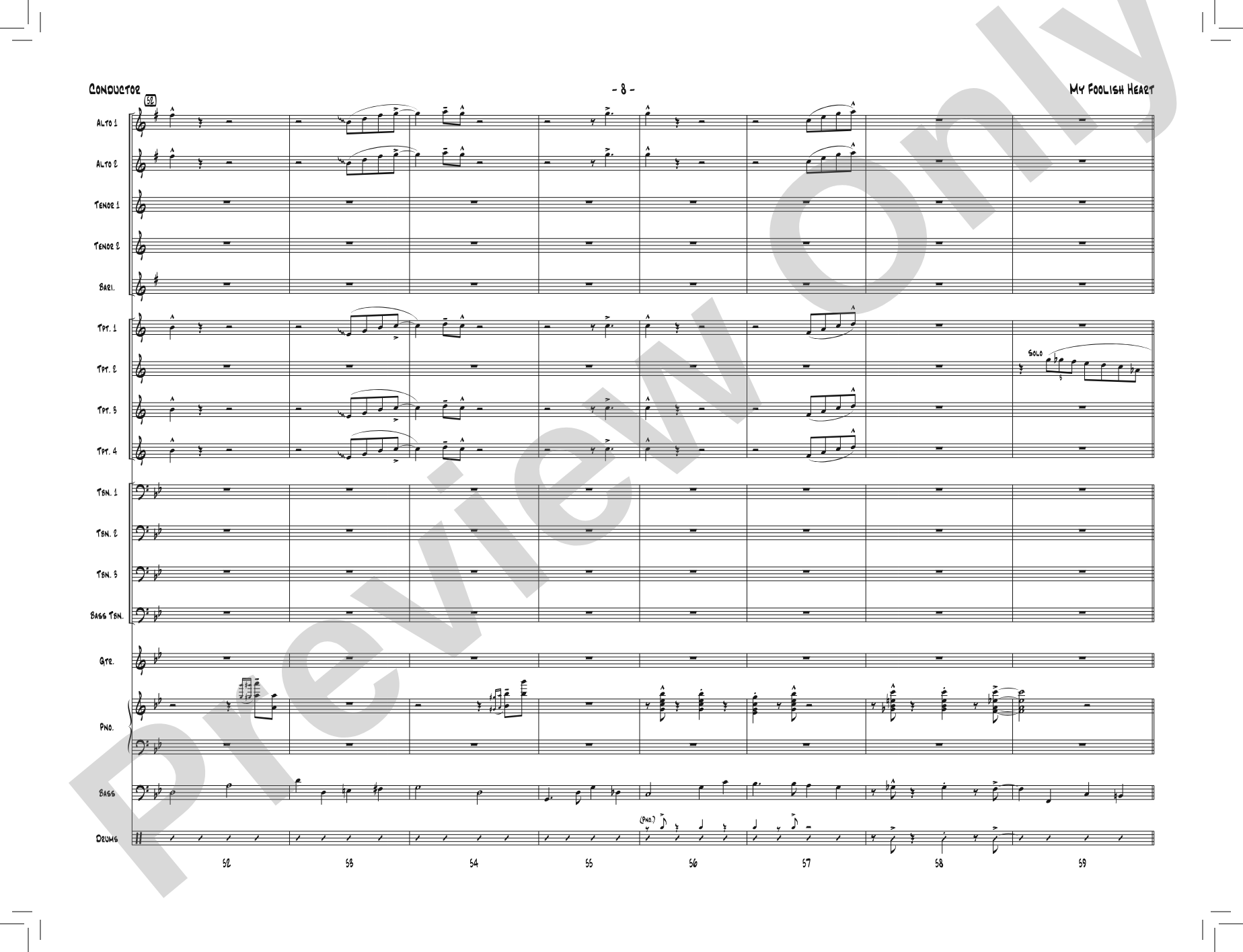
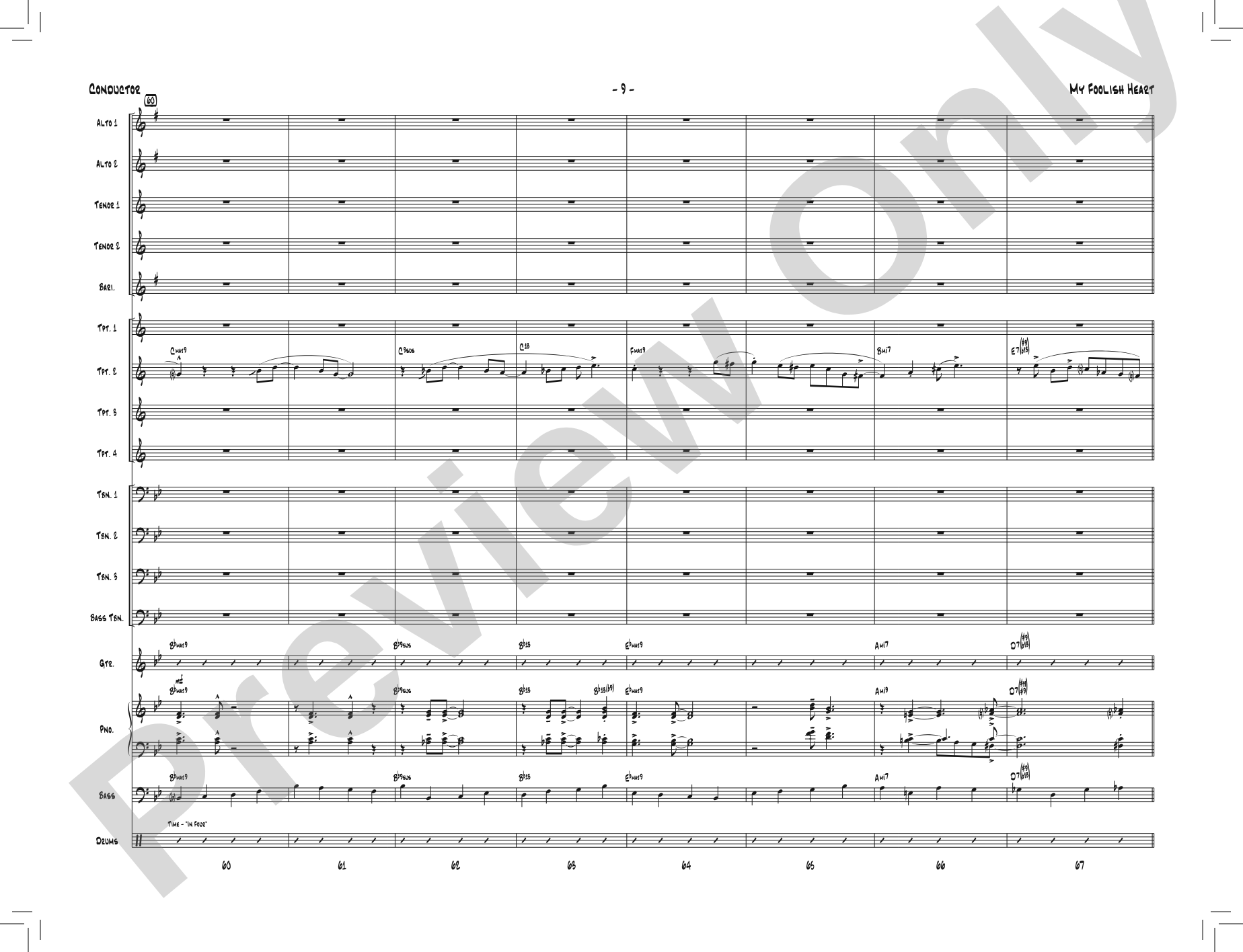
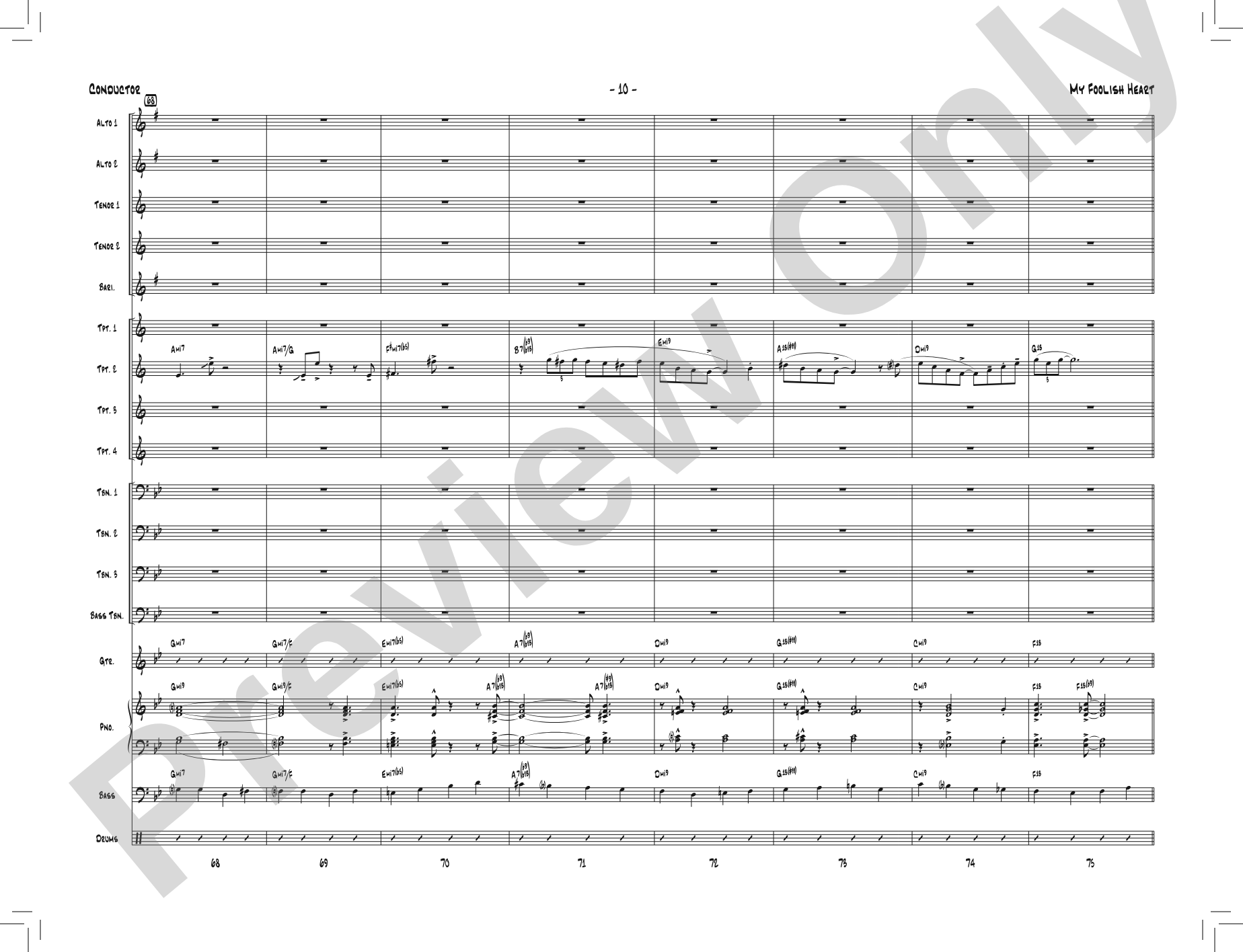
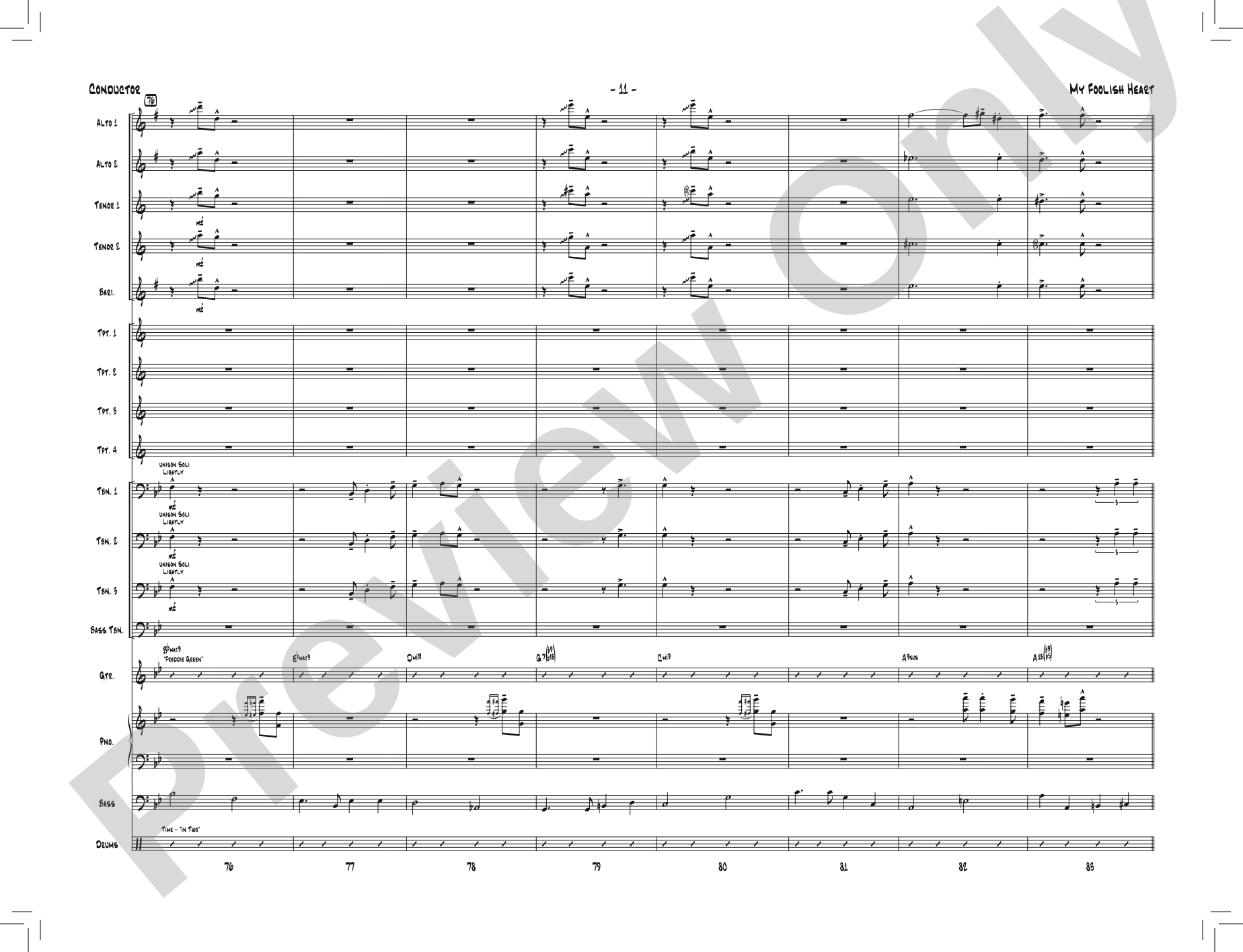
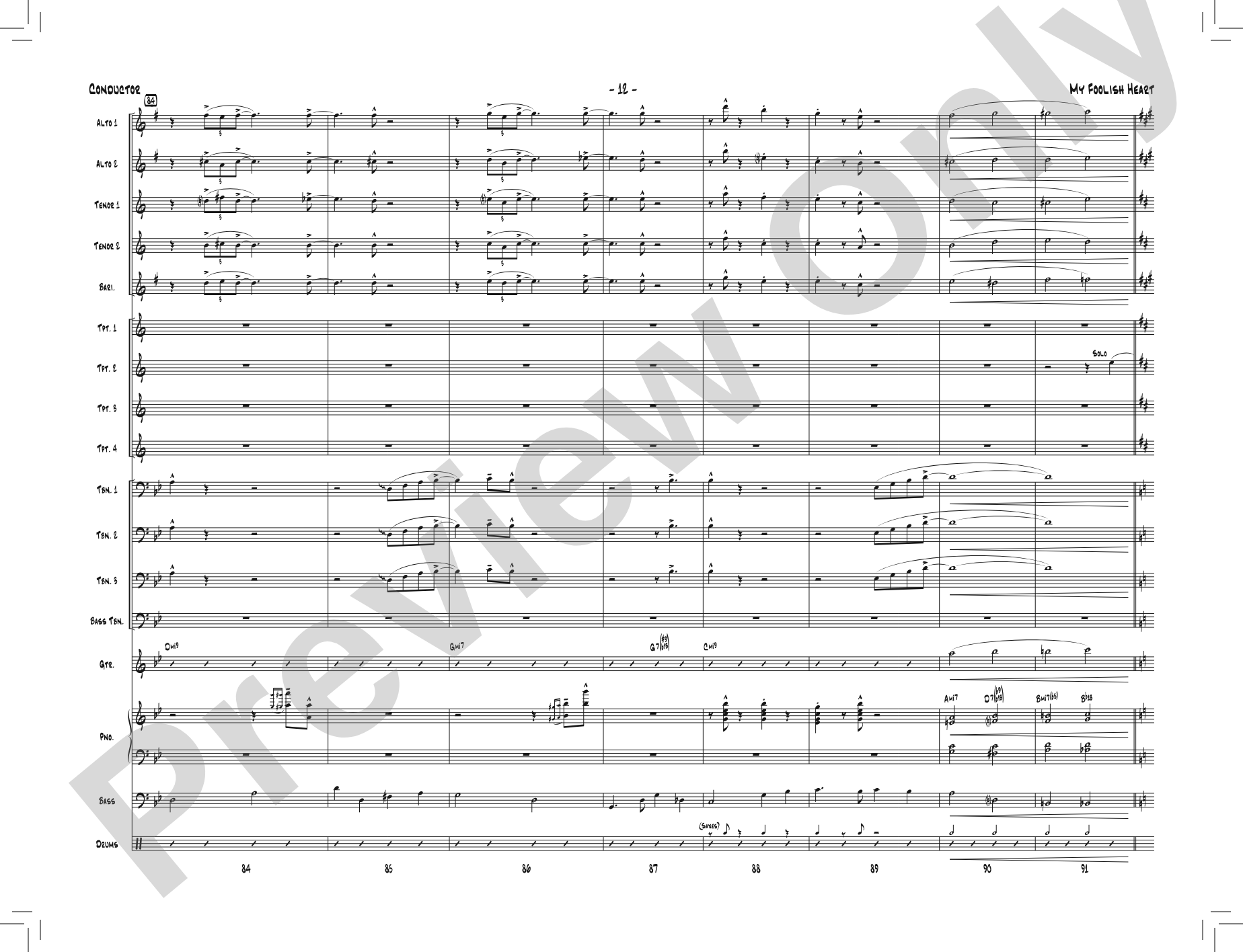
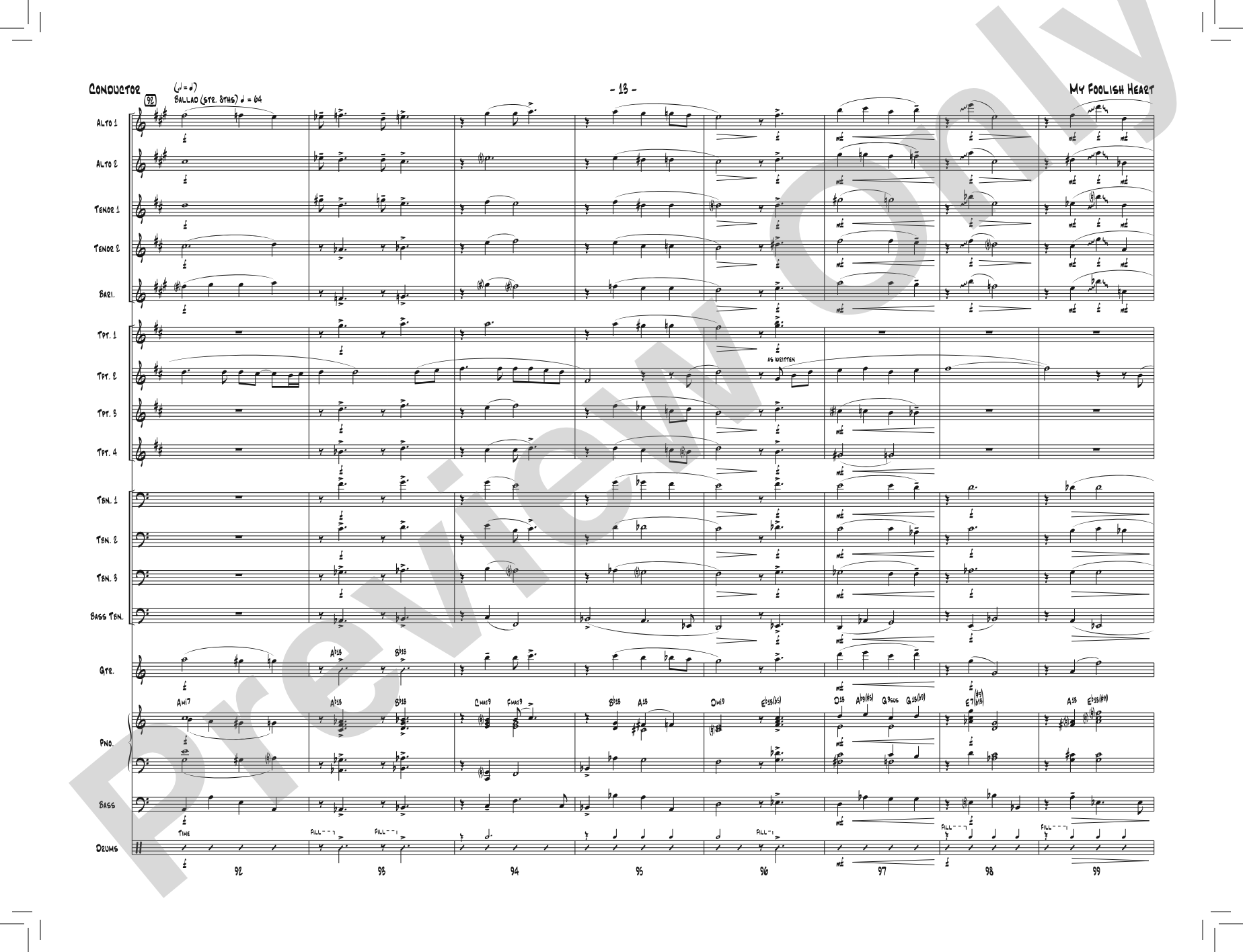
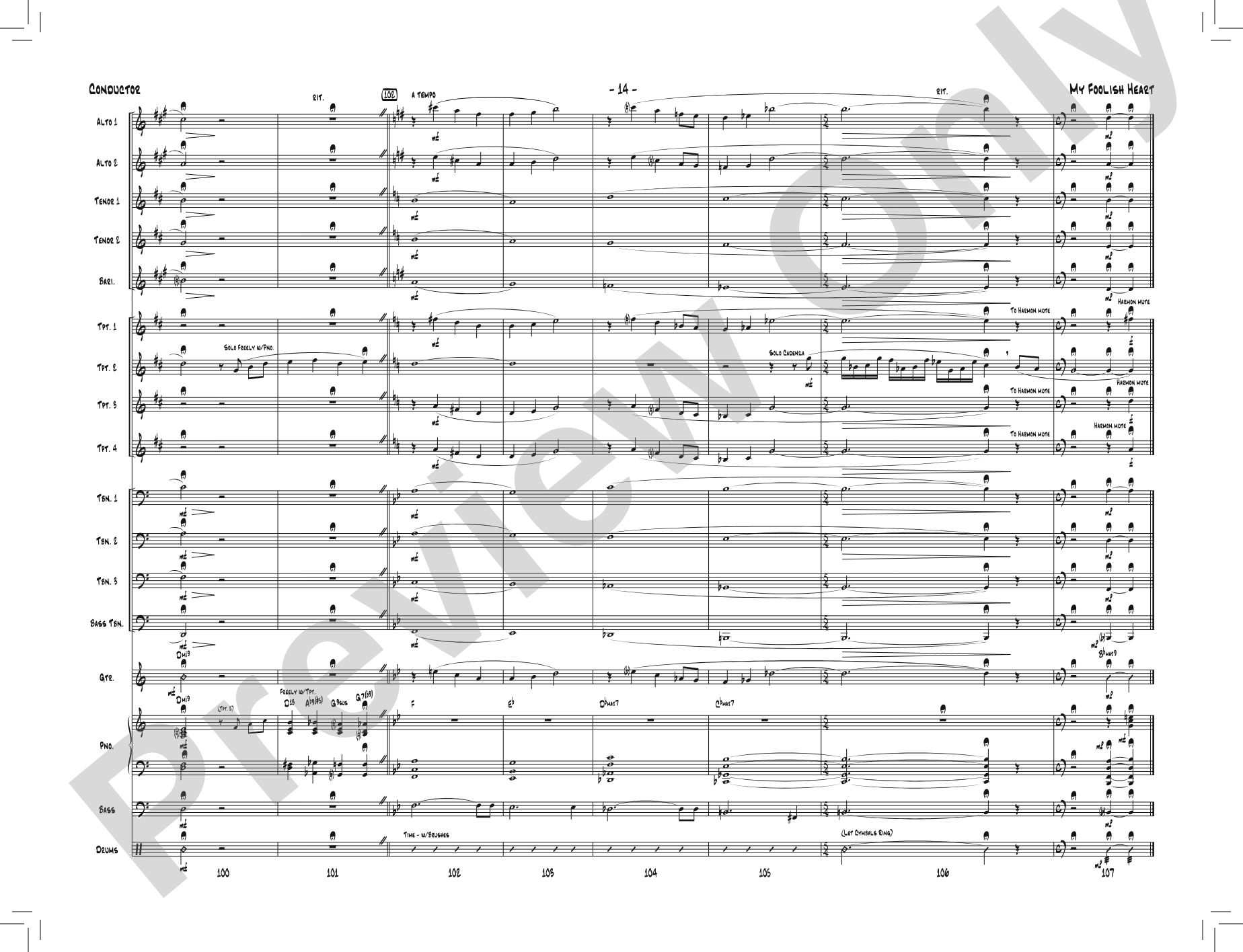
My Foolish Heart arranged by Alan Baylock is a superb ballad featuring trumpet 2 played around 70 BPM. A double-time section with a suggested written solo, lush rubato sections, and the lead trumpet range is to written A above the staff. You will love this arrangement! (5:04) This title is available in MakeMusic Cloud.


Don't just read it, hear it, play along with it, and watch your students grow with it. In MakeMusic Cloud, My Foolish Heart: Jazz Ensemble Conductor Score & Parts comes alive with professional accompaniment, adjustable tempo, and built-in practice tools that turn solo practice into real progress.
Open in the Player
Jump straight in and assign it today.
Start Your Free Trial
Open this title and explore the full library in minutes.
Sample Audio
1
Audio File
--:--
0:00
0:00
Sample Video
Additional Details
Series:
Jazz Band Series
Publisher:
Alfred Music
SKU:
00-PK-0008554
More about this title
About the Composer: Victor Young
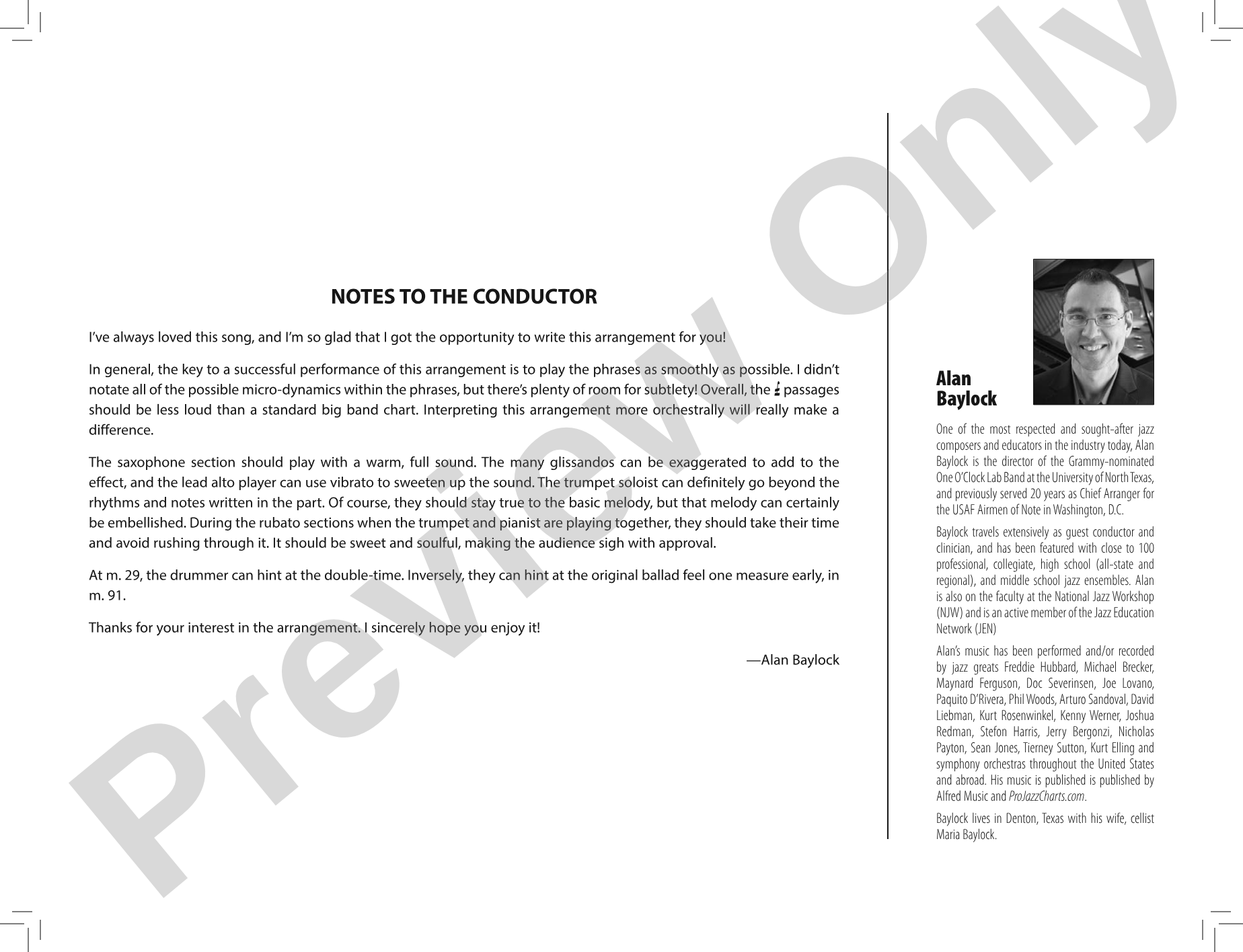
Victor Young (1900-1956) was an American composer and conductor whose gift for melody and orchestration made him one of Hollywood's most prolific film score composers. He wrote over 300 film scores and numerous popular songs, many of which became jazz standards. His work bridged the gap between classical sensibility and popular appeal, giving musicians across genres rich material to interpret.
Why we love this
Alan Baylock's arrangement captures the romantic sweep of this standard while giving your ensemble genuine solo opportunities and dynamic range. The double-time section and written trumpet solo provide moments for soloists to shine, while the rubato passages let you shape the ballad's emotional arc without fighting against rigid accompaniment.
What to expect
A tender standard wrapped in jazz sophistication. The arrangement moves between intimate, rubato passages and a spirited double-time section, creating emotional contrast without sacrificing the song's core warmth. This is a ballad that invites players to listen and respond to one another.
Who it's for
Jazz ensemble programs looking for a ballad with substance and pedagogy. The Grade 3.5 difficulty and clear solo vehicle make this accessible for developing ensembles while offering enough interpretive depth to challenge more experienced players.
How to get the most out of it
- Balance the lead trumpet carefully during the rubato sections. The written A above the staff is exposed, so intonation and consistency of tone become crucial in these unmetered passages.
- Treat the double-time section as a rhythmic wake-up call. Lock the rhythm section's pocket tight before adding the horns so the tempo acceleration reads as intentional and energetic.
- Shape the lush chords underneath the trumpet solo with sensitivity. This is not a section to play loudly; let the solo breathe by keeping accompaniment dynamic and responsive rather than static.
How to use it
Program this as a showcase piece in a jazz concert or competition festival set. Its moderate tempo and romantic character pair well alongside uptempo swingers, giving audiences and adjudicators a chance to hear your section's ability to play with nuance and control.
Skills your students will build
- Playing ballads with consistent intonation and phrasing over longer durations
- Interpreting rubato sections independently while maintaining ensemble cohesion
- Shifting between swing time and double-time figures without losing rhythmic clarity
- Supporting a featured trumpet soloist through dynamic accompaniment and focused listening